Category: Automotive Engineering Expert Witness

  • Human Factors Expert’s Opinion on Driver Inattentiveness Excluded

    Human Factors Expert’s Opinion on Driver Inattentiveness Excluded

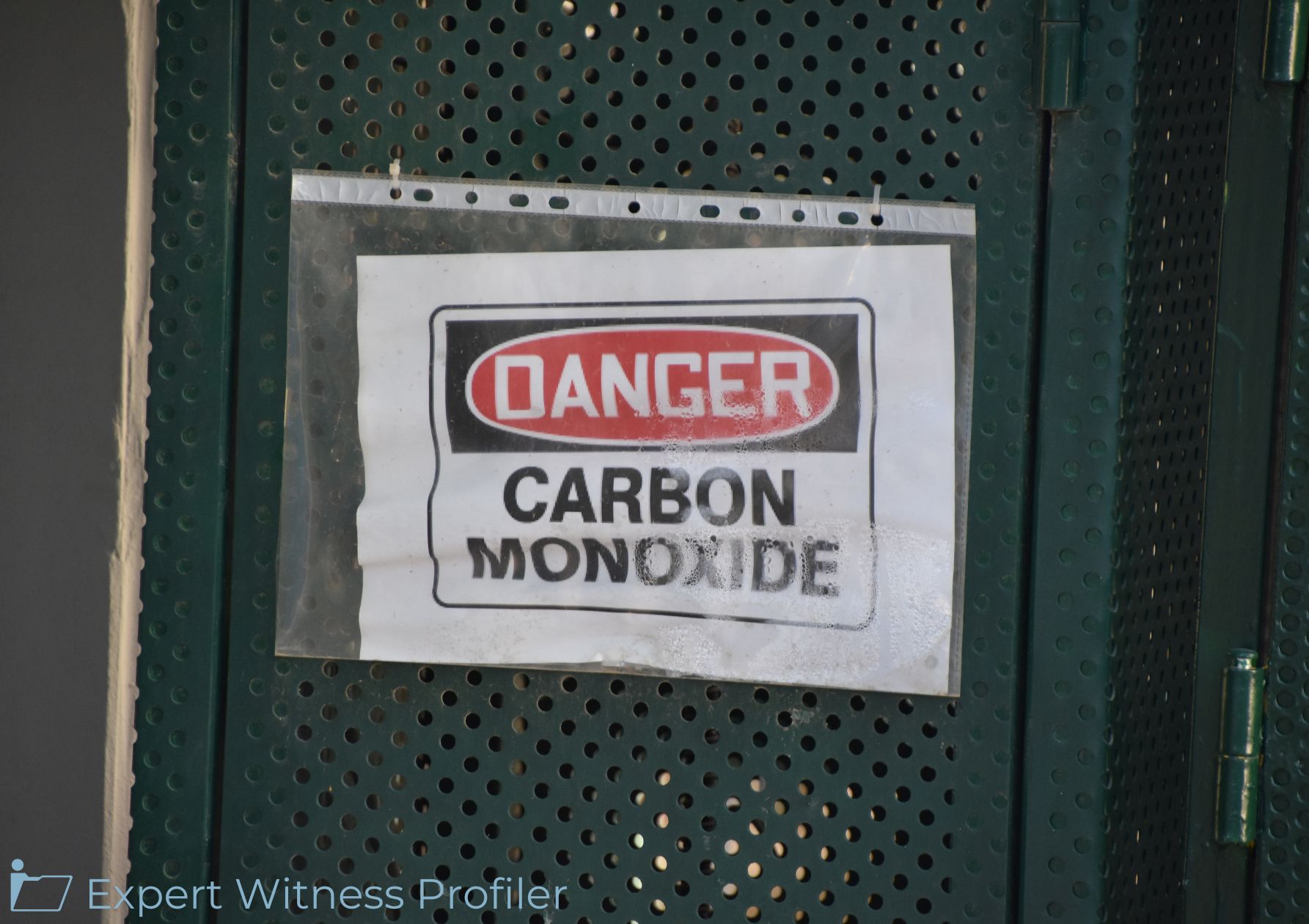
    This case arises out of an alleged design defect and failure to warn regarding a 2017 Toyota Tacoma. Lee Griffin was the primary driver of a 2017 Toyota Tacoma. After Griffin died due to accidental carbon monoxide poisoning from an automobile inadvertently continuing to run in the garage, Caroline Griffin filed suit individually and as executor of Lee Griffin’s estate.

    The Plaintiff filed a motion to exclude the entire testimony of Randall Tackett and Angela McGrath as well as part of the testimony of Nathan Dorris and Harry Pearce II.
    Toxicology Expert Witness

    Dr. Randall Tackett received his BS from Jacksonville University in 1975. He then received an MS degree in pharmacology and toxicology from Auburn University in 1977 and his Ph.D. in pharmacology and toxicology from the University of Georgia in 1979. Following a two-year postdoctoral fellowship at the Medical University of South Carolina, he returned to the University of Georgia as an assistant professor in the Department of Pharmacology and Toxicology.

    He later served as a Professor and Associate Department Head in the Department of Clinical and Administrative Pharmacy at the University of Georgia College of Pharmacy.

    Get the full story on challenges to Randall Tackett’s expert opinions and testimony with an in-depth Challenge Study. 

    Statistics Expert Witness

    Angela A. McGrath has a Bachelor of Science in Statistics, a Master of Arts in Applied Statistics, 27 years of experience in consulting, and experience teaching statistics.

    She is the Principal Consultant and Director of Automotive Research at Cirque Analytics, an economic, statistical, and financial consulting company headquartered in Jackson Hole, WY. She has developed extensive experience in formulating, conducting, and directing statistical and other quantitative analyses.

    Want to know more about the challenges Angela McGrath has faced? Get the full details with our Challenge Study report. 

    Automotive Engineering Expert Witness

    Harry Pearce has over 24 years of expertise in the field of structural crashworthiness. He gained industry experience with nine years at General Motors, serving as the Lead Structural Design Engineer for multiple vehicles. 

    With his knowledge and experience with vehicle sealing, Pearce has addressed claims of Carbon Monoxide (CO) intrusion. He has performed Electro Magnetic Interference (EMI) testing in anechoic chambers and Brake Override System (BOS) testing at Exponent’s Test and Engineering Center. 

    Discover more cases with Harry Pearce as an expert witness by ordering his comprehensive Expert Witness Profile report.

    Human Factors Expert Witness

    Nathan Todd Dorris is a human factors specialist with extensive experience in product safety and the evaluation of instructions, warnings and other safety communications for a broad range of products and industries.

    Gain a comprehensive understanding of Nathan Dorris’ qualifications and casework history with his Expert Witness Profile report.

    Discussion by the Court

    A. Randall Tackett

    Randall Tackett stated two opinions in his expert report:

    1. Griffin consuming 1.2 standard drinks within the hour before death is inconsistent with the evidence described above. Rather, the timeline of events is consistent with Lee Griffin ingesting higher amounts of alcohol earlier on July 4, 2022, which his body would have metabolized from the time he ingested the alcohol until his death.

    2. It is more likely than not that on the evening of July 4, 2022 Griffin’s blood alcohol concentration was at a level that could have affected his reaction time, hearing, judgment, memory, reasoning and ability to detect danger including his ability to turn off his Toyota Tacoma and/or recognize that it was still running in the garage.

    Motion to Exclude

    In this case, Tackett attempted to estimate the decedent’s blood alcohol content (BAC) at various times before death using a method known as retrograde extrapolation. The Plaintiff did not dispute the scientific validity of this technique in general. Instead, she argued that Tackett lacked the necessary factual basis to apply it reliably in this case.

    Specifically, the Plaintiff pointed out several critical unknowns: the exact time of death, the time the vehicle was parked, and any concrete details about when, what, or how much alcohol the decedent consumed. The Defendants contended that these gaps in information should affect how much weight the jury gives Tackett’s testimony, not whether it should be allowed at all. The Court disagreed.

    The main issue, according to the Court, was the absence of reliable timing data. Without knowing when key events occurred, it was unclear how far back Tackett should extrapolate. His estimates ranged from one to two hours before death to as far as 14–15 hours earlier. As a result, his BAC estimates varied widely—from 0.046 to 0.297—depending on assumptions about timing and the decedent’s metabolism rate. Notably, there was also no evidence that the decedent had consumed any alcohol before parking the car, further undermining the reliability of Tackett’s conclusions.

    Angela McGrath

    The Defendants have proffered Angela McGrath as an expert witness to testify about the following opinions:

    a. [The United States Consumer Product Safety Commission (“CPSC”)] death certificate data shows that vehicles with and without keyless ignition have inadvertently been left running in enclosed spaces.

    b. Available CPSC death certificate data does not show a consistently increasing trend of accidental carbon monoxide poisoning from passenger vehicle exhaust in enclosed spaces.

    c. The proportion of combustion engine vehicles on the road with keyless ignition is increasing over time, however, even by 2021, the majority of vehicles still have conventional keys.

    d. While number of registered vehicles with keyless ignition and without [automatic engine time-out (“ETO”)] has increased steeply since 2011, the rates of accidental carbon monoxide poisoning from passenger vehicle exhaust in enclosed spaces has exhibited no corresponding, consistently increasing trend.

    Motion to Exclude

    The Plaintiff argued that McGrath’s opinions were unreliable because the CPSC database she relied on did not distinguish between carbon monoxide poisoning deaths caused by vehicles with keyless ignition systems and those with traditional mechanical ignitions. As a result, the Plaintiff contended that no meaningful statistical analysis could be done to compare the risks associated with each type of ignition system.

    In response, the Defendants claimed the Plaintiff had misrepresented McGrath’s testimony. They asserted that McGrath was not attempting to directly compare the risks of carbon monoxide deaths between mechanical and keyless ignition systems. However, this argument fell short.

    The Court noted that McGrath’s analysis implicitly relied on such a comparison. Her underlying logic was that if keyless ignition systems were more dangerous, the overall number of accidental carbon monoxide deaths would have increased after their introduction. Because the death rate did not rise, she inferred there was no added risk. Therefore, despite the Defendants’ assertions, McGrath’s analysis did, in fact, depend on comparing the two types of ignition systems—making the Defendants’ denial unconvincing.

    Moreover, the Defendants’ argument rested on the assumption that, absent a defect, accidental carbon monoxide deaths would have remained constant from 2011-2021. The Court found this assumption questionable. Public awareness campaigns, increased usage of carbon monoxide detectors, or other safety measures could have contributed to a decline in deaths over time—independent of any defect. McGrath’s analysis failed to account for such alternative explanations.

    Ultimately, the Court held that McGrath’s testimony offered nothing more than a basic correlation and lacked consideration of other plausible factors. As such, her statistical analysis could not be reliably used to show the absence of a defect.

    Nathan Dorris

    The Plaintiff sought to exclude four categories of opinions that Dorris asserted: (1) that the Tacoma’s warnings were sufficient, (2) that drivers lose focus while using their vehicles, (3) that the Plaintiff and decedent should have had carbon monoxide detectors in their home, and (4) that the Tacoma was not defective because it complied with regulatory and voluntary standards.

    Inattentive Drivers

    The Plaintiff sought to exclude Dorris’ opinions regarding how driver inattentiveness could lead individuals to leave their engines running and fail to respond to alerts or other feedback.

    In response, the Defendants argued that Dorris’ discussion of driver distraction is just one component of the opinions he expresses in this case and is background to his primary opinions specific to the 2017 Toyota Tacoma’s Smart Key System and the subject incident.”

    The statements in question included: [d]rivers that are distracted or inattentive (for whatever reason) can inadvertently leave their vehicle’s engine running, regardless of the type of ignition system employed,” and “[n]ot only can inattention result in execution errors and omitted actions, but it may cause individuals not to respond to alerts or other feedback.”

    Dorris was not particularly clear about whether these statements—or others like them—were independent expert opinions or merely facts supporting other opinions. Even the Defendants appeared uncertain. On one hand, they described these statements as background to his primary opinions,” but on the other, they defended his ability to offer them as standalone opinions.

    While Dorris may not opine directly that a driver’s inattentiveness causes errors, the Court held that if that fact properly supported a valid expert opinion offered by Dorris, he was permitted to rely on it.

    Sufficiency of the Warning

    Dorris opined that the warning provided by Toyota are “reasonable and appropriate.” The Plaintiff asserted that that opinion is unhelpful because it does not offer any analysis outside of what the jury can do itself. 

    Whether a warning is legally sufficient depends upon the language used and the impression that such language is calculated to make upon the mind of the average user of the product. The Court held that the adequacy inquiry here takes the perspective of the user of the product. Therefore, the jury is fully capable of determining whether the adequacy of the warning(s) at issue here without the help of an expert.

    Carbon Monoxide Detectors

    The Plaintiff argued that Dorris attempted to opine that the Griffins should have equipped their home with carbon monoxide detectors.”

    However, the only relevant statement on the page of Dorris’s report cited by the Plaintiff read:

    In a publication dated 08/2020, the Georgia Department of Public Health explicitly discussed CO exposure can cause ‘sudden illness or death’; potential sources of CO exposure include automobile exhaust; to install CO detectors ‘in every room used for sleeping’; ‘DO NOT leave a motor vehicle running in an enclosed garage.

    This statement appeared under the section titled Exhaust Fumes and CO Are Well Known Hazards.” Aside from the quoted portion referencing carbon monoxide detectors, there was no other mention of detectors—either in that section or anywhere else in the report.

    The Court did not view this as Dorris offering an opinion that the Plaintiff or the decedent should have installed carbon monoxide detectors in their home. Instead, the Court found that he was merely citing a source he relied upon to support his broader conclusion that Exhaust Fumes and CO Are Well Known Hazards.”

    Importantly, the Plaintiff did not challenge Dorris’s qualifications to reach that conclusion, nor did they argue that the conclusion itself was unhelpful.

    Compliance with Relevant Standards

    The Plaintiff moved to bar Dorris from testifying that the Toyota Tacoma was not defective simply because it complied with minimum regulatory standards.

    In response, the Defendants argued that the jury had a right to consider federal compliance when evaluating whether the vehicle’s design was reasonable. They further claimed that Dorris relied on compliance as just one of several factors in concluding the Tacoma was not defective. However, the Court sided with the Plaintiff.

    Dorris had stated that the lack of an automatic engine shutoff did not make the Tacoma defective, in part because at the time the subject vehicle was manufactured and sold (and even today), such a feature is not required by any regulation or voluntary standard.” In other words, he based his opinion on the fact that the Tacoma complied with federal regulations.

    The Court found this reasoning insufficient and ruled that it warranted exclusion. Accordingly, the Court held that Dorris would be precluded from opining that the Tacoma was in compliance with federal regulation.

    Harry Pearce II

    The Plaintiff sought to exclude four of his opinions from testimony: (1) opinions going to intent, motive, or state of mind, (2) opinions about the source of the carbon monoxide, (3) opinions about the efficacy of carbon monoxide detectors would have had in this case, (4) opinions “parroting” Jeya Padmanaban.

    Intent, Motive, and State of Mind

    The Plaintiff argued that Pearce should not be allowed to testify about Toyota’s subjective state of mind.

    On that point, the Plaintiff was correct—Pearce could not offer opinions about what the Defendants were thinking, such as Toyota did not want to [install auto shutoff] because of the concern of introducing a new risk of hot car deaths.” Such statements improperly speculate on Toyota’s intent or motivations.

    However, the Defendants were also partially correct. Pearce was permitted to rely on Toyota’s internal documents and employee testimony to form his expert opinions. He may testify as to whether information contained in Defendants’ internal documents indicated certain risks.” The Court clarified that while Pearce could interpret the content of internal materials to identify risk indicators, he could not speculate on Toyota’s actual intent or decision-making process.

    Source of Carbon Monoxide

    The Plaintiff moved to exclude any opinion from Pearce regarding the source of the carbon monoxide that caused her and the decedent’s injuries.

    When asked directly whether he had an opinion on the source of the carbon monoxide in this case, Pearce responded, I was not asked to do that so I do not have an opinion on that.

    Despite this, the Defendants added a qualification. They stated that Pearce would not offer an opinion on the matter unless Plaintiff opens the door to this subject through her attorneys’ examination of Pearce or the testimony of other witnesses she presents at trial.

    But as the Defendants were well aware, the Plaintiff had already retained an expert specifically to testify about the source of the carbon monoxide. And since causation is a central element of the Plaintiff’s claims, it was almost certain the Plaintiff would open the door to this issue during trial.

    That, however, did not give the Defendants license to question Pearce on a subject about which he had explicitly disclaimed any opinion. If the Defendants wished to challenge the Plaintiff’s expert on the source of the carbon monoxide, they should have retained their own rebuttal expert.

    Carbon Monoxide Detectors

    Pearce intended to opine that, “[w]ith multiple sources of CO in a home, the best protection from CO exposure is the installation of CO detectors in the home. Auto engine shut-off only protects from the one vehicle on which it is installed.”

    The Plaintiff objected to this because it depended on two assumptions: (1) that any carbon monoxide detectors in the house would have worked and (2) that the Plaintiff and the decedent would have responded to the carbon monoxide detector if it did work. 

    However, the Court held that Pearce has extensive experience from which he could derive his opinion.

    Parroting

    The Plaintiff argued that any testimony by Pearce regarding a 2015 paper published by Jeya Padmanaban would be irrelevant and amount to inadmissible “parroting.”

    In response, the Defendants clarified that they did not intend to have Pearce testify about Padmanaban’s research. Instead, Pearce had included the study merely as general background material.

    The Defendants confirmed that they would not raise the Padmanaban study at trial unless the Plaintiff opened the door to that line of testimony. Based on this clarification, the Court denied this portion of the Plaintiff’s motion to exclude.

    Held

    • The Court granted the Plaintiff’s motion to exclude Randall Tackett’s testimony.
    • The Court granted the Plaintiff’s motion to exclude Angela McGrath’s testimony.
    • The Court granted in part and denied in part the Plaintiff’s motion to exclude Nathan Dorris’ testimony.
    • The Court granted in part and denied in part the Plaintiff’s motion to exclude Harry Pearce’s testimony.

    Key Takeaways:

    1. An expert’s testimony is not relevant and may be excluded if it is directed to an issue that is well within the common sense understanding of jurors and requires no expert testimony.
    1. Experts may not testify that a party was in compliance with a federal regulation. Whether someone has violated or is in compliance with the law is a legal conclusion.
    1. Expert testimony about a party’s intent, motive, or state of mind is inadmissible.

    Case Details:

    Case Caption: Griffin V. Toyota Motor Corporation Et Al
    Docket Number: 1:23cv3107
    Court Name: United States District Court, Georgia Northern
    Order Date: June 18, 2025
  • Automotive Engineering Expert Witness’ Testimony Regarding the Latent Defect in Airbag Inflators Admitted

    Automotive Engineering Expert Witness’ Testimony Regarding the Latent Defect in Airbag Inflators Admitted

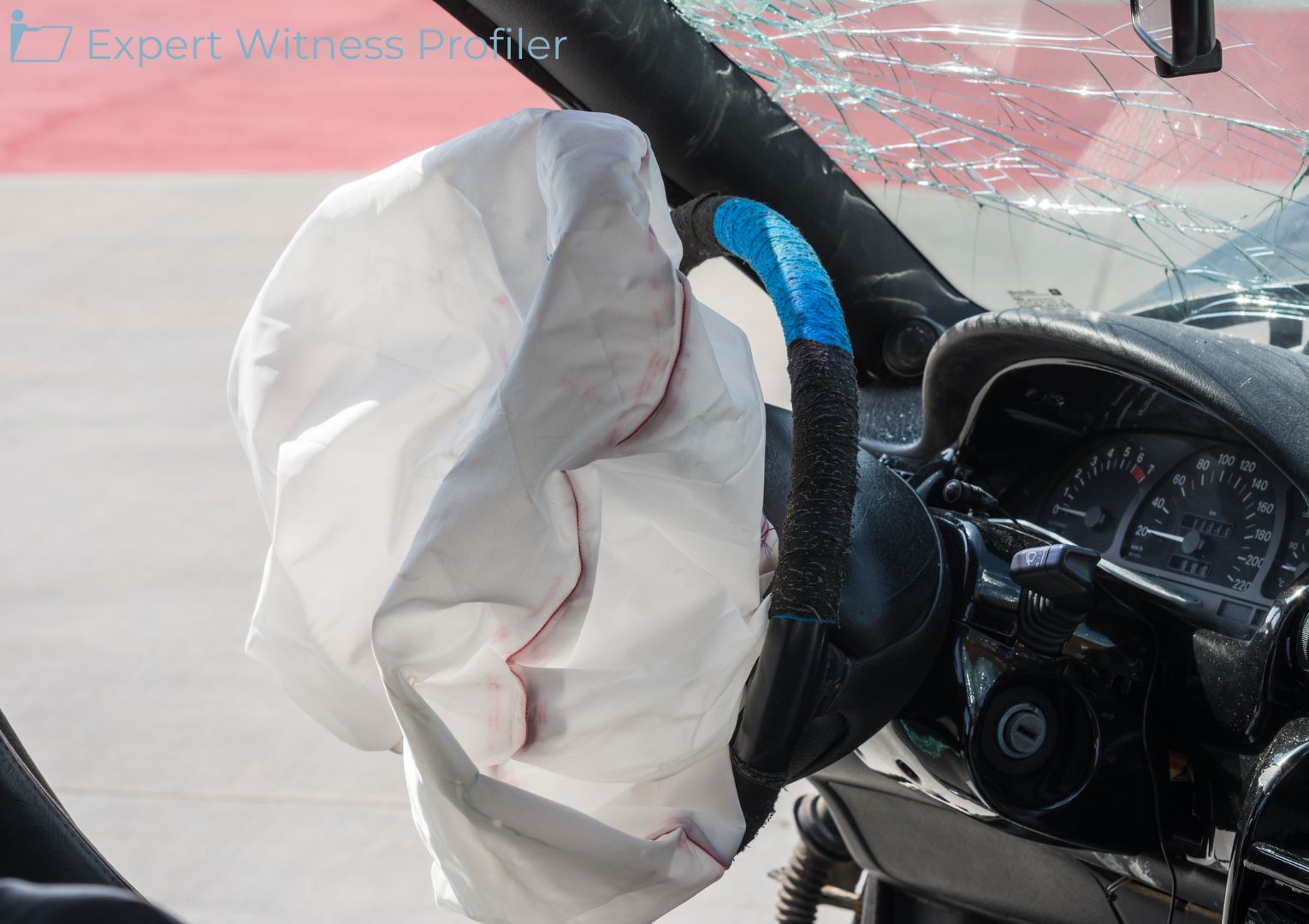
    Plaintiff, William Harrison Sims’ claims arise out of an October 24, 2019, two-vehicle collision involving Plaintiff, who was operating the 2004 BMW (“Subject BMW”). Tameca Harris-Jackson (“Harris-Jackson”) was operating the Hyundai that collided with the Subject BMW. Plaintiff alleges he sustained “severe, permanent, and life-altering injuries” due to the driver-side Takata airbag unexpectedly rupturing and shooting “metal shrapnel into his face and body.”

     Defendants procured and installed the airbag inflator during the process of “designing, manufacturing, assembling, and producing” the vehicle. Plaintiff brought this action for damages against both Defendants BMW of North America (“BMW NA”) and Bayerische Motoren Werke AG (“BMW AG”), alleging strict liability and negligence from procuring and installing the airbag.

    Plaintiff submitted that Mr. Robert C. Lange, BMW’s mechanical engineer, is prepared to opine that he is unaware of any evidence showing the Defendants “could have been aware air bag systems supplied by Takata to BMW AG were defectively designed prior to Takata’s announcement of defect findings beginning in 2014.” 

    Lange will also opine that when the subject 2004 BMW was distributed by BMW NA, “no motor vehicle manufacturer or distributor could have known of the technical research findings regarding the latent defect in Takata air bag inflators because the science was not settled until 2015-2016.”

    He also contended that Takata falsified data provided to vehicle manufacturers through 2015 and failed to correct the false data once the defect was discovered. Plaintiff argued that Lange’s opinions were unsupported and unreliable. 

    Automotive Engineering Expert Witness

    Robert Lange has over 50 years of experience in automotive engineering. He specializes in motor vehicle systems architectures, structures, safety, and public health.  

    Lange has experience in statistical analysis of motor vehicle service performance databases, statistical forecasting and reliability analysis, FMEA and failure mode avoidance methods, collision-related data acquisition and analysis, safety rulemaking, strategy, and the like. 

    Get the full story on challenges to Robert Lange’s expert opinions and testimony with an in-depth Challenge Study. 

    Discussion by the Court

    The issue is whether Lange’s opinions are based on sufficiently reliable methods and principles. If they are, then Lange’s opinions are undoubtedly helpful to the jury. If his opinions are unsupported ipse dixit, they must be excluded. 

    Lange’s Methodology and Opinions

    Plaintiff contended that BMW knew that the subject vehicle was defective because the airbag inflator used phase-stabilized ammonium nitrate (“PSAN”) as the airbag’s propellant, causing the inflator to rupture when the airbag deployed during the accident. 

    Lange discussed his investigation into the Takata air bag failures. He noted that Honda conducted the first recall of Takata air bag systems for inflator failure in a letter dated November 11, 2008. 

    National Highway Traffic Safety Administration (“NHTSA”) hired Dr. Harold Blomquist to assist in its Takata defect investigation and issued his report in 2015. 

    Documents from the Recall Query revealed that Takata represented to Honda that the ruptures were caused by a “Stokes press” that forms propellant into a wafer, causing the propellant to burn too quickly and rupture the inflator. Accordingly, in 2010, Honda expanded the recall to include the new basis. Between 2010 and 2013, Honda and Takata continued to receive reports of inflator ruptures, and Takata retained consultants to conduct a root cause analysis. 

    Takata’s root cause analysis continued, and in 2014, research pointed to moisture and temperature in high absolute humidity regions as causing an increased propellant burn rate. Lange, however, concluded that “during the inflator development phases, Takata falsified data provided to vehicle manufacturers. When the false data was discovered, Takata failed to correct the false data by informing the manufacturer and correcting the record.”

    Plaintiff’s Objections

    Plaintiff challenged the admissibility of the following opinions offered by Lange:

    75. I am unaware of any evidence showing BMW AG and BMW NA could have been aware air bag systems supplied by Takata to BMW AG were defectively designed prior to Takata’s announcement of defect findings beginning in 2014.

    76. As of the date of distribution of the Subject 2004 BMW 330Ci, by BMW NA, no motor vehicle manufacturer or distributor could have known of the technical research findings regarding the latent defect in Takata air bag inflators. The science was not settled until 2015-2016.

    Plaintiff also challenges the following statement made by Lange:

    “During the inflator development phases, Takata falsified data provided to vehicle manufacturers. When the false data was discovered, Takata failed to correct the false data by informing the manufacturer and correcting the record. Takata’s false dealings with vehicle manufacturers evidently extended into 2015.”

    Plaintiff contended that Lange will confuse the jury if permitted to offer evidence that Takata lied to other vehicle manufacturers without having proof Takata lied to BMW. Moreover, Lange “knows little about the relationship between BMW and the supplier of the defective airbag inflator at issue in this case, Takata.”

    Plaintiff also argued that Lange’s opinion that he is “unaware of any evidence” showing BMW’s knowledge of the defect is not helpful to the jury. Plaintiff asserted that Lange failed to inform himself on the subject matter sufficiently, and his lack of evidence that BMW was aware of the risks attendant to using PSAN does not equate with BMW’s lack of knowledge.

    Ruling

    Lange has extensive experience working at Ford Motor Company, Failure Analysis Associates, and the General Motors Corporation. During his work with Ford, Lange was responsible for vehicle design and remedying safety defects serviced as recall actions. As the Safety Executive with General Motors, Lange oversaw research projects involving air bags, occupant restraint systems, driver assist technology, and other vehicle systems. He also supervised the “Product Investigations” Department and was responsible for identifying potential safety defects and initiating investigations. In other words, the Court held that  Lange possesses the requisite experience to review the data, investigative reports, and shifting root-cause analysis discussed in his report.

    On balance, the Court did not find that Lange’s opinions rest on mere ipse dixit and instead are based on his review of relevant documents showing Takata’s shifting root cause analysis. Takata initially focused on a manufacturing defect before conceding that the defect had broader implications, which was consistent with Takata hiding the ball from BMW. Basing one’s opinions on the Honda recall and subsequent NHTSA investigations to conclude that the science was not settled until the mid-2000s is a sufficiently reliable methodology. Lange’s opinion that BMW NA was not responsible for the defective design of the subject inflator and that BMW was not on notice until around 2015 was supported by these evolving investigations. 

    Held

    The Court denied Plaintiff’s motion to exclude certain opinions of Robert C. Lange.

    Key Takeaway:

    Lange reviewed the data, investigative reports, and shifting root-cause analysis to conclude that Takata falsified data provided to vehicle manufacturers through 2015 and failed to correct the false data once the defect was discovered.

    Case Details:

    Case Caption: Sims V. Bmw Of North America LLC
    Docket Number: 6:22cv1685
    Court: United States District Court, Florida Middle
    Order Date: February 20, 2025

    Please refer to the blogs previously published about this case:

    Accident Reconstruction Expert Witness’ Testimony Admitted Despite His Failure to Calculate G-Force 

    Neurology Expert Witness’ Injury Causation Testimony Admitted

    Accident Reconstruction Expert Witness’ Opinion Regarding Plaintiff’s Lane of Travel Ignored Physical Evidence

  • Automotive Engineering Expert Witness’ Testimony Survives Rule 37 Exclusion Sanction

    Automotive Engineering Expert Witness’ Testimony Survives Rule 37 Exclusion Sanction

    Vicki Oetjens had surgery in October of 2020. Had all gone to plan, a diseased portion of her colon would have been removed, then the healthy ends would have been stapled together. But when the surgical stapler was deployed, no staples fired. This left a hole in Vicki’s large intestine requiring surgical repair. Vicki had to use an ostomy bag until she had a second surgery to reverse the first and reconnect her intestine. When Vicki developed a hernia at the site of her incision, that second surgery led to a third.

    So in June of 2022, Vicki and her husband Eric Oetjens sued the entities that manufactured the stapler: Medtronic USA, Inc., Medtronic, Inc., and Covidien LP (collectively “Covidien”).

    The Oetjens identified Larry Petersen as a third proposed expert witness. Per their expert disclosures, Petersen is “expected to testify concerning the mechanical use of the subject 28 [mm] EEA Circular Stapler.” 

    Covidien protests that the Oetjens’ failure to submit an expert report for Petersen violates Rule 26(a)(2)(B) and warrants exclusion of his testimony under Rule 37(c)(1).

    The parties agreed that Petersen is a retained expert witness who, pursuant to Rule 26(a)(2)(B), cannot offer expert testimony without first tendering a written expert report. They also agreed that no such written report has been produced. So the only question is whether the Oetjens can avoid Rule 37(c)(1)’s exclusion sanction by showing that their failure to comply with Rule 26(a)(2)(B) “was substantially justified or is harmless.”

    Automotive Engineering Expert Witness

    Larry Petersen is an automotive engineer whose litigation support work, in a primary engineering analysis and expert testimony role, includes detailed design, failure analysis and accident reconstructions including automotive components including engine, transmission, driveline, brake and suspension and engine/transmission control components.

    Get the full story on challenges to Larry Petersen’s expert opinions and testimony with an in-depth Challenge Study. 

    Discussion by the Court

    The Oetjens, seemingly pointing to Rule 37(c)(1)’s exception for “substantially justified” nondisclosure, responded that they cannot yet produce an expert report for Petersen for two reasons. First, they cited “outstanding discovery requests,” asserting that Petersen cannot offer an expert opinion on whether Covidien’s stapler fired without stapling or failed to fire at all until the Oetjens receive “an exemplar stapler to inspect” and depose a Rule 30(b)(6) Covidien representative with “a working knowledge of the mechanics of the stapler,” specifically whether the stapler can cut without stapling.

    Further, said Covidien, the Oetjens should have timely submitted an expert report for Petersen, “then supplemented it if necessary—or sought additional time.”

    It should be noted that Petersen’s testimony is contingent upon whether Covidien raises a user error argument. They say they identified Petersen as an expert witness “for the sole purpose of having an independent engineer available . . . in the event that [Covidien] takes the position that there was some type of user error on the part of the medical staff or that a mechanical issue arises with regard to the use of the stapler.” If Covidien argues user error, then the Oetjens will provide an expert report for Petersen. Otherwise, the Oetjens may not need Petersen’s expert testimony at all, or they may use Petersen only “as a potential engineering rebuttal witness” such that “there would be no need for an expert report.”

    Because the parties stipulated to stay Covidien’s expert disclosure deadline pending the resolution of its motions, it should be noted that Covidien “will not be prejudiced by allowing Petersen to submit his expert report, if necessary, once the outstanding discovery has been provided.” 

    On this key point, therefore, the Court found that the Oetjens’ failure to timely provide an expert report for Petersen is ultimately harmless.

    Held

    The Court denied without prejudice the Defendants’ motion to strike Larry Petersen’s testimony. It provided Covidien with the opportunity to depose Petersen and retain a rebuttal expert witness prior to trial. This will eliminate any prejudice to Covidien and aid in efficiency should Petersen’s expert report prove unnecessary.

    Key Takeaway:

    While Covidien made strong arguments that the Oetjens should have proceeded differently with respect to Petersen’s expert disclosures, the Court concluded that the Oetjens’ missteps were not ultimately prejudicial, so exclusion is not necessary on that ground.

    Petersen was identified as an expert witness for the sole purpose of having an independent engineer available in the event that [Covidien] takes the position that there was some type of user error on the part of the medical staff or that a mechanical issue arises with regard to the use of the stapler. Considering Petersen’s testimony was contingent upon whether Covidien raised a user error argument, it was likely that Oetjens may not need Petersen’s expert testimony at all.

    Case Details:

    Case Caption: Oetjens Et Al V. Medtronic, Plc Et Al
    Docket Number: 2:22cv11220
    Court: United States District Court, Michigan Eastern
    Order Date: January 16, 2025
  • Forensic Psychiatry Expert Witness’ Report on Plaintiff’s Mental Health Admitted 

    Forensic Psychiatry Expert Witness’ Report on Plaintiff’s Mental Health Admitted 

    On a foggy night in November 2015, Plaintiff Kedron Gaston, a minor at the time, was heavily injured in a car accident. The car, driven by her aunt, collided with the back of a semi-truck, resulting in her aunt’s death. The Plaintiff’s mother, seated in the front passenger position, suffered severe injuries that made her unable to care for the Plaintiff and her sister. Consequently, Plaintiff entered foster care. She subsequently sued the semi-truck driver, Defendant Jackie Hazeltine (“Hazeltine”) and his employer, Defendant Royal Paper Stock Co., Inc. (“RPS”), for negligence and for causing emotional distress. The Plaintiff also filed a lawsuit against RPS and Hazeltine’s insurer, Defendant Grange Mutual Casualty Co. (“Grange”), for spoliation related to testing performed on the semi’s rear lighting in July 2016 by Grange’s expert Adam Hyde. 

    Key issues include the functionality and activation of the semi’s rear lighting system at the time of the accident; the handling of the lighting system after the accident, especially the right rear taillight; and the nature and extent of Plaintiff’s loss and injuries as the result of the accident.  

    The Defendants hired expert witnesses to provide insights on these matters. Forensic psychiatry expert witness Stevan Weine concluded in his expert report dated March 2, 2023, that the Plaintiff did not exhibit any psychiatric condition during her February 2023 interview, despite previous psychiatric diagnoses. Automotive engineering expert witness Erik Anderson determined that the semi’s rear-facing light assembly was well preserved and capable of being tested to determine whether the bulbs were energized at the time of the accident. Accident reconstruction expert witness, Steven Grundhoefer confirmed that the semi’s taillights were functional and illuminated at the time of the accident. 

    The Plaintiff moved to exclude all testimony from these expert witnesses based on Fed. R. Evid. 702 and the Daubert standard. Alternatively, she argued for exclusion based on the evidentiary balancing test in Federal Rule of Evidence 403

    Forensic Psychiatry Expert Witness 

    Stevan M. Weine is the Professor of Psychiatry at the UIC College of Medicine, where he’s also the Director of Global Medicine and Director of the Center for Global Health. For 30 years he has been conducting research both with refugees and migrants in the U.S. and in post-conflict countries, focused on mental health, health, and violence prevention.  

    His work has been supported by multiple grants from the NIMH, NICHD, DHS, NIJ, and other state, federal, and private funders, all with collaboration from community partners. This work has resulted in more than 130 publications and three books. He has been awarded two Career Scientist Awards: “Services Based Research with Refugee Families” from the National Institute of Mental Health and “Labor Migration and Multilevel HIV Prevention” from the National Institute of Child Health and Human Development.  

    Weine is the 2020 recipient of the Abraham L. Halpern Humanitarian Award of the American Association for Social Psychiatry and the 2023 recipient of the Piergiorgio L.E. Uslenghi Global Engagement Faculty Award. 

    Get the full story on challenges to Stevan Weine’s expert opinions and testimony with an in-depth Challenge Study.  

    Automotive Engineering Expert Witness 

    Erik Selmer Anderson is an automotive engineer with nearly twenty years of professional experience, fourteen of which were spent working directly for automotive manufacturers. He has direct design and testing experience in vehicle structures, crashworthiness, and closure systems engineering. Erik applies his expertise to expert witness investigations pertaining to vehicle crashworthiness, crash reconstruction, vehicle systems performance, and exterior/interior upper body mechanisms. 

    Upon completion of his degree in Mechanical Engineering, Erik worked for eight years with Nissan. There, he held positions in Body Design, Closures Design, and Crash Safety. As a Crash Safety engineer, he was responsible for ensuring the achievement of dynamic safety targets, both on a component basis and for complete vehicle performance. This included work in both the virtual design phase through simulation analysis, as well as overseeing and analyzing physical crash testing. Erik performed design/test work on sedans, pickup trucks, crossovers, and cargo vehicles throughout the entire development lifecycle and into mass production. 

    Continuing his automotive career, Erik then worked at Honda Research & Development for six years, where he was responsible for closures design engineering as a design team chief. At Honda, Erik led a team of design engineers in developing all aspects of minivan slide doors. He also served as design chief for minor-model updates on pickup truck door and tailgate closures. Erik has expertise in all elements of upper body design, including structures, dynamic and static crash safety, sealing, NVH, power-door systems, latches, and exterior/interior components, among others. 

    Erik earned his Engineering degree from the University of Michigan, one of the nation’s most respected programs. Throughout his career, he has accumulated a multitude of patents for key innovations in upper body design. His education and deep industry experience designing and testing vehicles qualify Erik to investigate a broad range of vehicle topics. 

    Want to know more about the challenges Erik Anderson has faced? Get the full details with our Challenge Study report.    

    Accident Reconstruction Expert Witness 

    Steven Grundhoefer has 20 years of experience in traffic accident reconstruction. In addition to being ACTAR certified, he is a licensed Professional Engineer in Indiana, Kentucky, Ohio, and Illinois. He possesses extensive trial and deposition experience. He holds a Bachelor’s Degree in Civil Engineering from Purdue University and has approximately 10 years of experience in roadway and site design. 

    Get the full story on challenges to Steven Grundhoefer’s expert opinions and testimony with an in-depth Challenge Study.    

    Discussion by the Court 

    I. Stevan Weine  

    A. Qualifications 

    Plaintiff argued that Weine lacked expertise regarding adolescents impacted by traumatic events like car crashes. She pointed out that his CV highlighted experience in global health and refugee issues, but it lacked specific trauma experience related to car accidents involving children. One reference in his CV mentioned “Forensic Psychiatry Practice,” but it did not provide dates to indicate his experience in this area. 

    However, the Court found that Weine’s CV showed significant experience in analyzing and treating adolescents affected by trauma. He held a fellowship at Yale focused on college students’ mental health and worked as an attending psychiatrist in their Adolescent Partial Hospital. He co-authored articles related to psychiatric care for child and adolescent patients. 

    In an affidavit, Weine stated he had extensive experience with children and adolescents in traumatic situations. He explained that diagnosing PTSD due to various traumatic events followed a similar approach. His forensic psychiatric practice spanned over 20 years, including cases involving trauma from motor vehicle accidents. 

    Plaintiff also claimed Weine lacked experience in forensic interviews, citing a failure to discuss informed consent extensively during their interview. However, the transcript along with Weine’s affidavit shows that he discussed the elements of informed consent, including the limits of confidentiality, the extent of his intended disclosures, and the purpose of the interview, with Plaintiff before she agreed to proceed with the interview. 

    Grange successfully demonstrated that Weine’s qualifications allowed him to address the effects of the Plaintiff’s injuries on her development. The Court held he was qualified to testify as an expert witness under Rule 702. 

    B. Reliability 

    The Plaintiff argued that Weine’s opinions from his March 2023 report lacked reliability for two reasons. First, she claimed he did not review enough facts or data before reaching his conclusions about her mental health and history. Second, she criticized his methodology for its inconsistency with ethical guidelines followed in the practice of forensic psychiatry. Based on these points, Plaintiff asserted that Weine’s opinions did not reflect reliable principles in the mental health field. 

    1. Collateral Information 

    AAPL Forensic Guideline 5.3 emphasizes the importance of reviewing collateral information in forensic assessments. The Plaintiff claimed Weine violated this guideline by excluding collateral information. However, the argument failed for two reasons. 

    First, Forensic Guideline 1 clarified that the guidelines do not dictate standards for evaluations. Psychiatrists must use professional judgment to determine appropriate methods of performing a forensic evaluation based on unique circumstances. 

    Second, the Court found that Weine did consider collateral information. Plaintiff defined collateral information as data obtained from sources other than the subject but did not specify what collateral information Weine excluded from his analysis. According to his report, he reviewed “a variety of documents and videos, including Gaston’s school records from elementary school to present, her employment and training records, medical records, video footage of her deposition, and video footage of the depositions of her guardians, Matthew and Tamara Cochran” in addition to collateral information listed in his report. 

    Despite these claims, any potential non-compliance with Rule 26(a) was harmless. Courts assess harmlessness based on factors like prejudice to the opposing party and whether the omission disrupted the trial. The Court held that prejudice to Plaintiff is minimal and has been remedied to a degree with Weine’s recent affidavit, which discloses his sources. 

    2. Context, Frequency, Intensity of Symptoms 

    The Plaintiff further argued that Weine’s assessment failed to address the context, frequency, and intensity of her symptoms. However, Weine’s notes and report showed he investigated her experiences at school and work. Disagreements between Weine and Westcott about the adequacy of this context relate to substance rather than reliability, making it an issue for the factfinder. 

    Regarding the frequency and intensity of her symptoms, the Court found that Weine had asked about these aspects during the interview. Though he and Westcott employed different styles, he adequately explored the necessary details. 

    Plaintiff also contended that Weine did not follow accepted methodologies for diagnosing her potential psychiatric disorders. However, he reported her scores on relevant diagnostic tests consistent with best practices. 

    The Plaintiff criticized Weine’s report for presenting her history through unattributed quotations, alleging many inaccuracies and typographical errors. However, Weine explained he relied on his notes during the report’s preparation. The discrepancies between his report and the interview transcript were minor and did not undermine his reliability. 

    Finally, the Plaintiff disputed Weine’s assessment of her quality-of-life post-accident, alleging he manipulated facts. The Court observed that such factual disputes should be explored through cross-examination rather than exclusion of evidence. The evidence showed that Weine’s testimony was admissible under Rule 702 and Daubert. 

    C. Federal Rule of Evidence 403 

    Federal Rule of Evidence 403 allows Courts to exclude evidence if its probative value is substantially outweighed by the risk of unfair prejudice or confusion. The Plaintiff further argued that Weine’s report could mislead the jury due to alleged mishandling of facts. However, her previous challenges to his reliability had been dismissed, and she presented no further arguments of undue prejudice. 

    There was no indication that Weine’s testimony would evoke irrational behavior from the jury. His report clearly explained the Plaintiff’s history and his conclusions. Given the central nature of her damages to the case, Weine’s opinions held significant probative value. Therefore, his testimony remained admissible under Rule 403. 

    II. Erik Anderson

     Erik Anderson was retained by Grange to assess whether the rear right trailer taillight bulb could be analyzed for energization during the crash. In forming his conclusions, Anderson reviewed evidence, including video footage and photographs from a visual inspection conducted on November 29, 2022 which he did not attend. This inspection was notice by RPS and Hazeltine on November 17, 2022. The notice aimed to confirm the condition of the light assembly previously inspected by Grange’s expert, Adam Hyde, in July 2016. 

    The notice outlined a protocol for the inspection. This protocol restricted all contact with the light assembly to Hyde and required electronic recording by an identified individual. It also mandated a certification process for attendees. 

    In response, the Plaintiff reiterated her stance that Hyde had destroyed the light assembly in 2016, calling the visual inspection a “sham.” However, she did not object to any part of the inspection protocol but repeated her argument that Hyde’s actions precluded further analysis. Neither she nor her representatives attended the inspection.  

    Plaintiff argued that Anderson’s opinions should be excluded under Fed. R. Evid. 702 and Daubert due to unreliability. She claimed he relied on evidence from an improperly conducted inspection and disregarded conflicting evidence. Alternatively, she contended that his testimony could confuse the jury and should be excluded under Fed. R. Evid. 403. 

    A. Reliability 

    The Plaintiff argued that Anderson’s opinions were unreliable because they stemmed from his review of the November 2022 visual inspection, conducted without an agreed protocol or Court order. She claimed RPS and Hazeltine violated local rules by proceeding without proper certification of a discovery dispute. However, their notice did not demonstrate any unresolved dispute that required her involvement. 

    Moreover, the Plaintiff’s response to the notice did not request any relief regarding the inspection. She did not question the protocol or seek to halt the visual inspection. Instead, she expressed skepticism about RPS and Hazeltine’s motivations. Consequently, her response did not raise any legal issues for the Court. Later, she aimed to undermine Anderson’s reliability based on her previous response, yet she provided no authority to connect her concerns to his methods. Therefore, the Court allowed Anderson’s testimony under Rule 702 and Daubert. 

    B. Federal Rule of Evidence 403 

    The Plaintiff’s alternative argument for excluding Anderson’s opinions under Fed. R. Evid. 403 also failed. She focused on this Court’s acceptance of findings from her mother’s case against RPS and Hazeltine regarding spoliation of the light assembly. The Court confirmed that the findings on spoliation applied here and stated that while RPS and Hazeltine could not relitigate the spoliation issue, Grange could. 

    The Plaintiff suggested that Anderson’s differing opinions would confuse the jury about how the same event could represent spoliation for one party but not another. However, her concern lacked merit. The condition of the light assembly was crucial to the spoliation claim against Grange, making Anderson’s insights highly relevant. 

    The Plaintiff merely implied that the differences between his opinions and those of other experts would confuse the jury. Yet, the jury’s role is to weigh competing evidence to resolve factual questions. She failed to provide substantial support for her claim that Anderson’s opinions would confuse the jury regarding spoliation. 

    Thus, the Court determined that the probative value of Anderson’s opinions outweighed any risk of undue prejudice or confusion. Consequently, his opinions and testimony remained admissible under Fed. R. Evid. 403. 

    III. Steven Grundhoefer 

    Steven Grundhoefer was hired by RPS and Hazeltine to study and survey the November 2015 collision site. His work aimed to assist in analyzing and reconstructing the accident. Grundhoefer summarized his findings in 43 bullet points. The Plaintiff challenged one of these opinions and requested to exclude Grundhoefer’s entire opinion as unreliable under Fed. R. Evid. 702 and Daubert, or as potentially confusing under Fed. R. Evid. 403. 

    The Plaintiff contested Grundhoefer’s assertion that the four rear taillights on the semi-trailer were illuminated during the collision. She argued that he based this conclusion on police photographs taken after the crash. Additionally, she claimed this opinion conflicted with Hyde’s expert testimony from her mother’s case before the Wabash Court, which stated the lights were off at the time of the accident. The Plaintiff also pointed to conflicting testimonies from officers present at the scene, suggesting that Grundhoefer selectively used evidence to support his preferred conclusion. She argued that the differing expert opinions indicated Grundhoefer’s findings were unreliable. 

    The Plaintiff’s arguments highlighted that this case might require a “battle of the experts” to resolve the issue of the lights’ illumination during the crash. Expert testimony would likely help the factfinder assess the conflicting evidence regarding illumination, crucial for determining the Plaintiff’s negligence and spoliation claims. The Plaintiff attempted to undermine Grundhoefer’s opinion without solid support, which did not diminish its relevance to the factfinder. 

    Moreover, RPS and Hazeltine demonstrated that Grundhoefer considered more than one set of police photographs in forming his opinion about the lights. His amended report and affidavit revealed he reviewed photographs and videos from inspections of the taillights and bulbs, alongside police scene images. 

    The Plaintiff argued that Grundhoefer selectively ignored key evidence. Specifically, he overlooked the deposition testimony from Detective Sergeant Mike Davis and Trooper Swisher. Officer Davis had testified about the flashers’ illumination while at the scene. The Plaintiff suggested that his testimony contradicted Grundhoefer’s conclusions regarding the lights, but she did not clarify this alleged contradiction. 

    In contrast, RPS and Hazeltine argued that Officer Davis’s testimony did not contradict Grundhoefer at all. Trooper Swisher noted that he believed the taillight was not functioning before the crash. While this testimony might seem to contradict Grundhoefer, the Plaintiff failed to provide evidence showing that an expert must align with every witness’s account to be deemed reliable. Her concerns highlighted the necessity for the factfinder to consider all evidence, including Grundhoefer’s opinion. 

    Therefore, Grundhoefer’s opinion about the lights’ illumination and his entire expert report were sufficiently reliable for admission under Rule 702 and Daubert. The Plaintiff’s unsupported claim that Grundhoefer’s opinion could confuse the jury did not justify the exclusion his testimony under Fed. R. Evid. 403. 

    Held 

    The Court denied the Plaintiff’s motions to exclude the testimony of Defendants’ expert witnesses Stevan Weine, Erik Anderson, and Steven Grundhoefer.  

    Key Takeaways: 

    The Court allowed the testimony of Defendants’ expert witnesses based on their qualifications and the reliability of their methodologies.  

    The Court determined that each expert witness had extensive relevant experience—Weine in forensic psychiatry concerning trauma, Anderson in automotive engineering with a focus on vehicle safety, and Grundhoefer in accident reconstruction. 

    The Court also determined that the expert witnesses employed established methods appropriate for their fields. Weine reviewed adequate collateral information, Anderson followed an inspection protocol, and Grundhoefer considered multiple sources in his analysis. 

    The Court concluded that the probative value of the expert witnesses’ testimonies outweighed any potential for confusion or prejudice, reinforcing the need for juries to assess conflicting evidence in determining facts. 

    In conclusion, the Court upheld the admissibility of the expert testimony under Federal Rules of Evidence 702 and 403. 

    Case Details:

    Case Caption: Gaston V. Hazeltine
    Docket Number: 3:21cv896 
    Court: United States District Court for the Northern District of Indiana, South Bend Division 
    Order Date: September 18, 2024 
  • Testimony of Automotive Engineering Expert Witness Limited for Lacking Evidence beyond his Subjective Opinion

    Testimony of Automotive Engineering Expert Witness Limited for Lacking Evidence beyond his Subjective Opinion

    This case arises out of Plaintiff Mark Riley’s claim that General Motors breached a contract and express warranty to repair his 2017 GMC Acadia vehicle (“Subject Vehicle”) in a reasonable time. The 3-year/36,000-mile limited warranty that accompanied the Subject Vehicle (“Limited Warranty”) provided for repair of covered defects occurring during the warranty period, subject to certain terms, conditions and limitations, including that the owner or lessee take the vehicle to a GM authorized dealer during the warranty period and allow reasonable time for a repair. Plaintiff contended that shortly after he purchased the Subject Vehicle, he experienced a condition where, to turn off the vehicle’s accessory mode, he was required to take certain additional steps such as wiggling the shifter and moving the shifter in and out of park (the “STP condition”).

    The STP condition occurred in a small minority of proposed class vehicles, and even then, manifested at different rates across vehicle models, which used shifter assemblies integrated into the different vehicles in different ways.

    Plaintiff disclosed the Report and Expert Opinion of Darren Manzari on February 3, 2023 (the “Manzari Rpt.”). Manzari is Plaintiff’s sole expert in this case. Among other things, Manzari opined on whether certain shifter assemblies included in Class Vehicles were “defective.”

    GM argued that this Court should exclude the testimony and opinions of Plaintiff’s expert, Darren Manzari, due to (1) Manzari’s lack of relevant “knowledge, skills, or experience” as to economics, damages, and safety and (2) the opinions’ failure to meet Rule 702 standards on account of insufficient factual underpinnings and inappropriate speculation or conclusions.

    Automotive Engineering Expert Witness

    Darren Manzari has worked in the automotive industry for 35 years. He graduated from Farmingdale University in 1986 with AAS Degree in Automotive Engineering. In 1998, he began a training and consulting business, ATC.

    Through ATC, he provided automotive technical training and consulting to Colleges, OEM Dealerships and aftermarket automotive facilities, in New York, Massachusetts, Maryland, North Carolina, South Carolina, Georgia and Florida.

    Discussion by the Court

    Manzari’s diverse career and training spans different facets of the automotive industry over thirty-five years. Manzari applied this experience in his expert report, tailoring his opinions and conclusions based on a variety of relevant documents, including numerous GM statements, reports, and service bulletins to dealers, as well as documents produced by GM itself, including Plaintiffs’ vehicle service records. The Court agreed with prior evaluations of Manzari’s credentials and methodology of applying “his knowledge and experience to a review of an extensive list of relevant documents” as “sufficient to satisfy the Court’s gatekeeping function.”

    Manzari’s opinions that GM took too long to diagnose and identify a repair for the Shifter Defect, and failed to cure the Shifter Defect

    GM asserted that these opinions lacked scientific analysis, and instead “simply summarized GM testimony, improperly couched as his opinion,” so such opinions should be inadmissible as unreliable.

    The Court found that these opinions were a result of Manzari’s interpretation of record evidence based on his relevant and qualified experience and knowledge.

    Manzari’s opinions that Class Vehicles suffer from a Shifter Defect that GM did not repair during the Warranty Period

    GM argued that such opinions lacked independent analysis, were unreliable, and Manzari opined on areas that were within the province of the judge (legal conclusions) and the jury (factual questions).

    However, Manzari examined various documents pertaining to Plaintiff’s vehicle—including (1) GM’s warranty history for Plaintiff’s vehicle; (2) Plaintiff’s vehicle purchase records; and (3) the dealership service records for the vehicle owned by Plaintiff—as well as GM’s own documents in this action.

    The Court found these opinions to be the result of a reliable methodology applied to a sufficient set of facts.

    The opinions involved application of his knowledge and expertise in concluding that certain repair attempts did not actually repair the defect.

    Manzari’s opinion that Class Vehicles are unsafe to drive

    GM claimed that such an opinion was excludable because Manzari is not a vehicle safety expert. Manzari’s opinion that the Class Vehicles were unsafe to drive was an “ordinary purpose” opinion.

    The Court held that Manzari is qualified by virtue of his knowledge and experience to testify on the functioning of the vehicles.

    Manzari’s opinions that the Shifter Defect would have impacted consumers’ purchasing decisions and does impact the value of the Class Vehicles due to the cost of repair

    GM objected to the “anecdotal” nature of Manzari’s opinions regarding any alleged reduction in value and any resulting consumer behaviors.

    The Court held that cost of repair is the appropriate calculation for diminution in value damages, as Manzari noted, and the repair cost was in part based on GM’s records. Manzari’s citations to evidence in the record in coming to the precise number were reliable.

    And, considering GM itself fronted the cost to fix this issue during the warranty period, it was reasonable to conclude that such an issue impacted the Class Vehicles’ value.

    However, in concluding that “most consumers would not have purchased the Class Vehicles, or would have paid substantially less, had the problem been known to them,” Manzari started to depart from the province of what this Court viewed as his expertise, instead veering into consumer demands, with more support.

    The Court held that Manzari’s report lacked evidence of “consumer reactions” or evidence beyond “his subjective opinion.”

    The admissibility of Plaintiff’s only expert bore on both Defendant’s motion for summary judgment and Plaintiff’s motion for class certification. Plaintiff’s motion for class certification was granted while Defendant’s motion for summary judgment was granted in part and denied in part.

    Held

    The Court granted in part and denied in part GM’s motion to exclude Darren Manzari’s testimony and opinions.

    Key Takeaways:

    1. Expertise and Methodology: Manzari’s diverse career and training in the automotive industry provided a strong foundation for his expert opinions. The Court acknowledged his expertise and methodology in reviewing relevant documents and applying his knowledge and experience to reach conclusions.
    2. Reliability of Opinions: Despite GM’s objections regarding the lack of scientific analysis and independent analysis in Manzari’s opinions, the Court found them to be reliable interpretations of record evidence based on his relevant experience and knowledge.
    3. Qualifications for Testifying: The Court upheld Manzari’s qualifications to testify on vehicle functioning.

    Case Details:

    Case Caption: Riley V. General Motors LLC
    Docket Number: 2:21cv924
    Court: United States District Court, Ohio Southern
    Order Date: March 25, 2024