Category: Neuropsychology Expert Witness

  • Neuropsychology Expert Not Allowed to Opine on Cognitive Decline 

    Neuropsychology Expert Not Allowed to Opine on Cognitive Decline 

    Plaintiff January Villareal claimed that during her December 16, 2021 arrest on suspicion of driving under the influence, former San Jose Police Officer Matthew Dominguez inappropriately touched her as she sat handcuffed in the back of his patrol vehicle.

    Dominguez filed a motion to exclude one of the opinions offered by Villareal’s retained expert, Dr. Randall C. Epperson, a clinical neuropsychologist, regarding the cognitive decline Villareal claims she suffered as a result of the incident at issue while Villareal filed a motion to preclude all testimony and opinions of Defendants’ retained expert and forensic psychiatrist, Dr. Marc A. Cohen.
    Neuropsychology Expert Witness

    Randall C. Epperson, Ph.D. has received training in post-traumatic stress disorder and cognitive decline diagnosis and emotional harm related to sexual assault victims as a clinical and forensic neuropsychologist over the last 40 years.

    Epperson has testified as a neuropsychology expert in over a hundred state and federal cases regarding emotional harm, including post traumatic stress disorder and cognitive decline.

    Want to know more about the challenges Randall Epperson has faced? Get the full details with our Challenge Study report.

    Psychiatry Expert Witness

    Marc Alan Cohen obtained a Master’s of Science degree in Physiological Science from the University of California, Los Angeles. He received an M.D. degree from the Keck School of Medicine at the University of Southern California in 2003. Cohen then completed a psychiatric residency training program at the University of California, Los Angeles-San Fernando Valley Psychiatry Residency Training Program, and thereafter completed a fellowship in forensic psychiatry at the University of California, Los Angeles. Cohen is board certified in psychiatry and forensic psychiatry by the American Board of Psychiatry and Neurology.

    Discover more cases with Marc Cohen as an expert witness by ordering his comprehensive Expert Witness Profile report.

    Discussion by the Court

    Randall Epperson

    Dominguez argued that Epperson did not have sufficient data to reliably opine that Villareal has “Neurocognitive Disorder, unspecified (reduction in cognitive efficiency due to emotional stress and depression)” and that she experienced cognitive decline as a result of the alleged incident with Dominguez.

    In his report, Epperson stated that Villareal’s “intellectual level has dropped from 112 (high average) to 90 (bottom of average range, 25%).” It appeared to be undisputed that Epperson did not have data regarding Villareal’s intellectual level prior the incident at issue.

    Villareal did not dispute that Epperson had no data or other information about Villareal’s intellectual level or her cognitive functioning before the incident. She argued, however, that Epperson’s opinion is admissible because he relied on the Wechsler Test of Premorbid Functioning and the Wonderlic Test in his analysis.

    Villareal acknowledged that Epperson’s assessments relied on indicators consisting of “the mean IQ of individuals with her education level (120) and work experience (113, 113, and 114)” as well as two assessment indicators—non-phonetically spelled English words (108) and English vocabulary (104)—that are “relatively resistant to deterioration.”

    From these indicators, Epperson concluded that Villareal’s pre-incident IQ was 112 and had dropped to 90 as a result of the incident.

    Epperson’s report disclosed the assessments he conducted and their results, but it included no explanation demonstrating that these one-time assessments of intellectual level may be used reliably to measure cognitive decline or to attribute the cause of any such decline to the incident in question. However, the Court will not preclude Epperson from testifying about his assessment that Villareal has “Neurocognitive Disorder, unspecified,” to the extent that testimony reflects his assessment of Villareal’s current cognitive functioning.

    Marc Cohen

    Villareal did not challenge Cohen’s qualifications. However, she argued that Cohen’s proposed testimony is unreliable because he did not personally examine her or conduct any formal testing. Additionally, Villareal argued that Cohen’s proposed testimony is unhelpful and improperly invaded the fact-finding province of the jury.

    Under the circumstances presented, the lack of a psychiatric examination of Villareal diminished the utility of Cohen’s testimony in helping the trier of fact to understand the evidence or to determine a fact in issue regarding, for example, the existence, causes, or sources of Villareal’s claimed emotional distress; the more “plausible” bases for Villareal’s PTSD diagnosis; the validity of her attribution of her symptoms to Dominguez’s alleged conduct; and the reliability of her memories of the events in question.

    Cohen’s report included commentary, opinions, and conclusions purporting to tell the jury the import and interpretation of, as well as inferences and conclusions to be drawn from, a timeline of events, Villareal’s medical records, other events or issues in Villareal’s life, Villareal’s statements and conduct, and other evidence of events as they unfolded. Such opinions intrude on the jury’s role in making credibility and other determinations of facts at issue. 

    While Cohen is permitted to opine that the events as alleged by Villareal, if true, could not result in PTSD, the Court held that Cohen will not be permitted to testify or offer opinions regarding the existence, causes, or sources of Villareal’s claimed emotional distress.

    Held

    • The Court granted in part and denied in part Dominguez’s motion to exclude a portion of Dr. Randall Epperson’s testimony.
    • The Court granted in part and denied in part Villareal’s motion to exclude the testimony of Dr. Marc Cohen.

    Key Takeaway

    Cohen offered opinions and conclusions regarding evidence that jurors are capable of reviewing for themselves based on their own experience, without the aid of scientific, technical, or other specialized knowledge. 

    There was no abuse of discretion in the determination that expert testimony would not aid the jury in evaluating evidence that was fully presented and within the understanding of the average juror.

    Case Details:

    Case Caption: Villareal V. City Of San Jose
    Docket Number: 5:22cv9152
    Court Name: United States District Court, California Northern
    Order Date: April 10, 2026
  • Neuropsychology Expert’s Testimony on Marijuana Use Admitted

    Neuropsychology Expert’s Testimony on Marijuana Use Admitted

    This is a product liability case arising from a motorcycle accident. Plaintiff Cameron Woodall alleged that on September 9, 2022, he was severely injured while wearing a motorcycle helmet allegedly designed and manufactured by Defendants Yohe Helmet Manufacturing Co., Ltd. and Foshan City Nanhai Yongheng Helmet Manufacturing Co., Ltd.; and distributed and sold by Defendant Cycle Gear.

    Plaintiff claimed that the helmet was defectively designed and unreasonably dangerous because it failed to incorporate available anti-rotational technology, which allegedly would have mitigated the forces that caused his traumatic brain injury during the accident.

    Defendant Cycle Gear maintained that Plaintiff’s cognitive and neurological impairments may be influenced, at least in part, by his history of marijuana use, as documented in his medical records.

    In support of this theory, Defendant Cycle Gear designated Dr. Janyna M. Mercado, a neuropsychologist, to offer opinions regarding the potential relevance of Plaintiff’s prior substance use to his current condition. Mercado did not examine Plaintiff but reviewed his medical history and opined that substance use is a relevant pre-existing risk factor when evaluating post-injury impairments.

    Plaintiff contended that Mercado’s opinions concerning his marijuana use are speculative, unreliable, and inadmissible under Rules 403 and 702.

    Neuropsychology Expert Witness

    Janyna Marie Mercado-Couch is a licensed clinical neuropsychologist who specializes in brain-behavior relationships and the effects of medical history on cognitive and emotional functioning.

    She has extensive experience evaluating patients with traumatic brain injuries, and she routinely conducts evaluations of the kind at issue in this case.

    Get the full story on challenges to Janyna M. Mercado’s expert opinions and testimony with an in-depth Challenge Study

    Discussion by the Court

    Admissibility Under Rule 702

    Mercado is Qualified

    Here, the Plaintiff did not dispute Mercado’s qualifications. Thus, the Court found that Mercado’s background, training, and clinical experience satisfy the qualification requirement under Rule 702.

    Mercado’s Specialized Knowledge will Help the Trier of Fact

    Defendant Cycle Gear sought to introduce Mercado’s opinion that Plaintiff’s history of marijuana use is a relevant factor in assessing his current cognitive and psychological impairments.
    There is no dispute that Plaintiff’s medical records—including those cited in his Life Care Plan—contain repeated references to marijuana use, cannabis dependence, and related diagnoses. Mercado relied on these records, in conjunction with her clinical expertise and scientific literature, to conclude that Plaintiff’s substance use is a relevant pre-injury risk factor for cognitive dysfunction. Because Plaintiff’s current neurological and psychological symptoms are central to his damages claims, and because the proposed testimony provides context for evaluating alternative or contributing causes, the Court found that Mercado’s opinions would “help the trier of fact to understand the evidence or to determine a fact in issue.”

    Mercado’s Testimony is Based on Sufficient Facts and Data

    Mercado’s opinions are based on her clinical experience and review of Plaintiff’s medical records, and accepted literature in the field of neuropsychology. Plaintiff has not cited any authority suggesting that reliance on medical records in this context is improper.

    Mercado’s Testimony is the Product of Reliable Principles and Methods Reliably Applied to the Facts of the Case

    Mercado testified that she conducted her analysis in accordance with APA Ethical Standard 9.01(c), which permits forensic opinions based on record review and professional experience when direct testing is not performed.

    She further acknowledged that while she cannot quantify the extent to which Plaintiff’s marijuana use contributed to his current symptoms, that limitation reflects the inherent boundaries of neuropsychological science and does not undermine the reliability of her methodology.

    Admissibility Under Rule 403

    Having found that Mercado’s opinions are admissible under Rule 702, the Court next considers whether they should be excluded under Rule 403.

    In this case, Mercado’s opinions appear to be directly relevant to causation, damages, and the weight to be given to Plaintiff’s cognitive complaints. The fact that the topic may have prejudicial implications does not render it inadmissible, particularly where the testimony is grounded in scientific methodology and offered by a qualified expert. Accordingly, the Court found that Rule 403 does not bar admission of Mercado’s challenged opinions.

    Held

    The Court denied the Plaintiff’s motion to exclude certain opinions of Janyna M. Mercado, Ph.D.

    Key Takeaway:

    In fact, expert witnesses—particularly in medical or psychological disciplines—may base their opinions on a review of records without necessarily conducting an in-person examination.

    Case Details:

    Case Caption: Woodall V. Cycle Gear, Inc.
    Docket Number: 4:23cv870
    Court Name: United States District Court, Texas Eastern
    Order Date: August 12, 2025
  • Neuropsychology Expert’s Opinions Discrediting the Body of False Confession Research Excluded

    Neuropsychology Expert’s Opinions Discrediting the Body of False Confession Research Excluded

    Essentially, Fulton and Mitchell alleged that they were wrongfully convicted of murder due to fabricated witness testimony and coerced false confessions by Chicago police officers. Consequently, they filed lawsuits claiming constitutional violations. As their trial date approached, the defense sought to introduce Dr. Diana Goldstein because of her extensive background, experience, and specialized knowledge as a clinical and forensic neuropsychologist.

    Neuropsychology Expert Witness

    Diana S. Goldstein, PH.D., ABPP is a licensed and board-certified clinical neuropsychologist who has been practicing for more than 20 years. She earned a master’s degree and a Ph.D. from The Chicago Medical School in clinical psychology and completed a post-doctoral fellowship in clinical neuropsychology at the University of Chicago Medical Center. She has lectured at various medical schools on the subjects of psychiatry and behavioral neuroscience.

    Currently, Goldstein is the president, CEO, and director of neuropsychology at Michigan Avenue Neuropsychologists in Chicago, Illinois, where she provides neuropsychological and psychological outpatient evaluations and treatments. She additionally serves as the Director of Neuropsychology for the Isaac Ray Forensic Group, LLC. In this role, she conducts forensic evaluations and consults in criminal and civil cases including cases that involve custodial confessions.

    Get the full story on challenges to Diana S. Goldstein’s expert opinions and testimony with an in-depth Challenge Study. 

    Discussion by the Court

    The core of the dispute revolved around Goldstein’s qualifications and the reliability of her methodology. Firstly, the Court emphasized that expert qualification is not a general assessment, but rather a specific inquiry into whether the expert’s skills and knowledge align with the precise questions at hand. In this instance, while Goldstein possessed extensive credentials as a clinical neuropsychologist, the Court found her lack of direct research experience and publications regarding false confessions to be a significant deficit.

    Furthermore, the Court questioned the reliability of Goldstein’s methodology. Her report heavily critiqued the body of false confession research, often dismissing peer-reviewed studies as methodologically flawed. However, she provided little explanation for these critiques. Specifically, the Court noted instances where she appeared to offer personal opinions rather than data-driven analyses. For instance, she would say a 15% false confession rate was “relatively small” without solid comparison. Also, the Court noted that her methodology was basically a literature review, without any original research of her own.

    Moreover, the Plaintiffs argued, and the Court agreed, that Goldstein’s opinions ventured into legal territory, effectively usurping the Court’s role. Specifically, her broad critiques of the false confession research field were seen as attempts to undermine the very foundation upon which such expert testimony rests.

    Held

    The Court granted Plaintiff’s motion to exclude the testimony of Dr. Diana Goldstein.

    Key Takeaway:

    This ruling underscores the Court’s commitment to upholding rigorous standards for expert testimony, particularly in cases involving complex social science evidence like false confessions. It serves as a reminder that experts must possess the specific qualifications and employ reliable methodologies to ensure their testimony assists the trier of fact.

    Case Details:

    Case Caption: Fulton V. Bartik Et Al
    Docket Number: 1:20cv3118
    Court: United States District Court for the Northern District of Illinois, Eastern Division
    Order Date: February 07, 2025
  • Neuropsychology Expert Witness is Qualified to Offer Opinions on Causation

    Neuropsychology Expert Witness is Qualified to Offer Opinions on Causation

    On October 24, 2019, William Harrison Sims (Plaintiff) was driving his 2004 BMW 330Ci (the “Vehicle”) in Florida when another vehicle unexpectedly turned left in front of him, causing a minor accident. As a result of the collision, the Vehicle’s front driver-side airbag was signaled to deploy. However, the airbag inflator unexpectedly ruptured and shot metal shrapnel into Plaintiff’s face and body, leading to severe, permanent, and life-altering injuries.

    Defendants, BMW of North America (“BMW NA”) and Bayerische Motoren Werke AG (“BMW AG”), procured and installed the airbag inflator during the process of designing, manufacturing, assembly, and producing the vehicle. Plaintiff filed a lawsuit against both Defendants, alleging strict liability and negligence for procuring and installing the defective airbag.

    Plaintiff retained Gordon Horn, a highly credentialed neuropsychologist with considerable clinical experience.

    Defendants contended that because Horn is neither a biomechanical engineer nor a biomechanical expert, he is not qualified to offer opinions about the causation of Plaintiff’s traumatic brain injury.

    Neuropsychology Expert Witness

    Gordon Horn, Ph.D. has been a clinical neuropsychologist since 1996. His education includes a PhD in clinical psychology, and internship and 2-year fellowship completion in neuropsychology and rehabilitation from Duke University, School of Medicine. He has extensive hospital experience beginning in 1989 with inpatient neurological rehabilitation. 

    Get the full story on challenges to Gordon Horn’s expert opinions and testimony with an in-depth Challenge Study. 

    Discussion by the Court

    Defendants did not question Horn’s qualifications or expertise. Horn issued two expert reports.

    First Report

    In his first report, Horn documents copious medical records he reviewed as part of Plaintiff’s neuropsychological examination. The patient history
    portion of Horn’s report is brief, as is the history obtained from Plaintiff’s
    mother.

    Next, Horn documents Plaintiff’s past medical, neurological, developmental, psychiatric, and surgical histories. Horn discusses results covering a range of neurological assessments and impairment ratings.

    Horn summarized his clinical summary and impressions after subjecting Plaintiff to a comprehensive battery of tests and examinations. Horn’s findings outline the following neurocognitive impairments: Auditory and Visual Attention (mild impairment; moderate to severe with visual attention); Information Processing (processing mildly impaired, multitasking mildly impaired); Language (mildly impaired complex instruction following); Memory (verbal learning and memory for related words moderately impaired, contextual memory moderately impaired); Visual-perceptual (mild impairment overall, severe impairment with visual discrimination); and Executive functions (mild impairment with complex processing, judgment and reasoning). Horn diagnoses Plaintiff with Depression, Anxiety, and PTSD with pre-existing Attention Deficit Disorder and with exacerbation of cognitive and behavioral impulsivity.

    Diagnostic impressions are diffuse traumatic brain injury; frontal lobe and executive function deficit; mild cognitive impairment of uncertain or unknown etiology; adjustment disorder with mixed anxiety and depressed mood; and attention-deficit hyperactivity disorder.

    Second Report

    Horn issued a second expert report following his re-examination of Plaintiff and after two additional days of testing. Defendants did not appear to take issue with Horn’s methodology or findings outlined in the updated report. Horn’s neurological findings and the deficits attributed to Plaintiff remain unchanged in the 2024 updated report. Defendants filed a motion to exclude “injury causation” testimony of Horn. They did not challenge his neuropsychological testing or the results of those tests.

    Defendants’ Objection to Causation Testimony

    As for defense counsel’s contention that a neuropsychologist is not qualified to offer opinions on causation, the Court observed that Horn reviewed medical records replete with evidence that Plaintiff was injured by shrapnel from his airbag. Horn noted in his conclusions that the results of the examination were consistent with his injuries noted from the medical notations. The battery of examinations conducted by Horn cause him to opine that Plaintiff’s “neurocognitive profile shows deficits consistent with frontal lobe injury associated with the trauma.”

    Defendants also argued that Horn is not qualified to opine that a zygomatic fracture was caused by shrapnel from the admittedly defective inflator because he did not adequately support his opinion that zygomatic fractures result in a 5–10% probability of TBI.

    According to the Court, Horn’s opinion that Plaintiff’s frontal lobe injury was caused by trauma is supported by the neurocognitive examination administered by Horn. Horn did not opine that the shrapnel caused the zygomatic fractures documented on the CT scan. Defendants appeared to connect that dot by themselves.

    As for the Defendants’ perfunctory argument that Horn’s testimony is cumulative because the Plaintiff has retained a biomechanical engineer and a neurologist, the Court held that Horn is skilled in evaluating and measuring cognitive impairment and in quantifying the damage caused, unlike these experts. Simply put, Horn’s testimony is not cumulative. It forms part of the concentric circles of proof.

    Held

    The Court denied the Defendants’ motion to preclude injury causation testimony of Gordon Horn.

    Key Takeaway:

    A neuropsychologist skilled in assessing cognitive impairment secondary to trauma—that is, traumatic brain injury—is qualified to render an opinion that the brain injury was caused by trauma. Moreover, Plaintiff’s personal history—which doctors routinely consider as a part of their evaluation—is not the basis of Horn’s findings.

    Rather, the medical records and extensive testing from which Horn identifies Plaintiff’s cognitive impairments and limitations support his opinion.

    Please refer to the blogs previously published about this case:

    Accident Reconstruction Expert Witness’ Testimony Admitted Despite His Failure to Calculate G-Force 

    Neurology Expert Witness’ Injury Causation Testimony Admitted

    Accident Reconstruction Expert Witness’ Opinion Regarding Plaintiff’s Lane of Travel Ignored Physical Evidence

    Automotive Engineering Expert Witness’ Testimony Regarding the Latent Defect in Airbag Inflators Admitted

    Case Details:

    Case Caption: Sims V. Bmw Of North America LLC
    Docket Number: 6:22cv1685
    Court: United States District Court, Florida Middle
    Order Date: February 27, 2025
  • Neuropsychology Expert Witness’ Testimony Regarding the Decedent’s Susceptibility to Undue Influence Admitted

    Neuropsychology Expert Witness’ Testimony Regarding the Decedent’s Susceptibility to Undue Influence Admitted

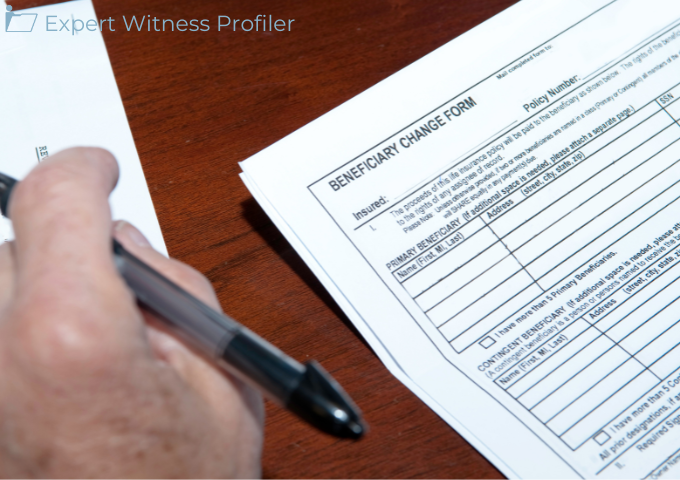
    In this instant interpleader action filed by Plaintiff Minnesota Life Insurance Company, Defendant Melissa D. Alexander (“Alexander”) claimed that undue influence caused her estranged husband to change a beneficiary designation on a life insurance policy. This change directed benefits to the decedent’s mother, Defendant Marcia Gayle (“Gayle”), and an adult son.

    Alexander sought to exclude Gayle’s rebuttal neuropsychology expert witness, Robert Brown, arguing that his opinion ignored several critical text messages between Gayle and the decedent. According to Alexander, these messages could provide evidence of Gayle’s undue influence on the decedent. In her brief, Alexander argued that Brown’s cursory treatment of these text messages undermined the factual basis of his opinion, making it unreliable and inadmissible.

    Gayle opposed the motion and explained that she had retained Brown solely to rebut Alexander’s neuropsychology expert, Jamie Ducharme. Since Ducharme also did not consider the text messages, Gayle argued that Brown was not obligated to address them.

    Neuropsychology Expert Witness

    Neuropsychology Expert Witness

    Robert Stanley Brown completed his undergraduate degree in biology at the University of Virginia. He attended medical school at the University of Virginia and graduated in 1981. Brown then completed dual residency training in internal medicine and psychiatry, and he served as the forensic psychiatry fellow at the University of Virginia Institute for Law, Psychiatry and Public Policy. He is board certified by the American Board of Medical Specialties in Internal Medicine, Psychiatry, and Forensic Psychiatry. Brown is licensed in Virginia, North Carolina, and West Virginia.

    He is a member of the American Academy of Forensic Sciences, American Academy of Psychiatry and the Law, American Psychiatric Association, and the Blue Ridge Chapter of the Psychiatric Society of Virginia.

    Get the full story on challenges to Robert S. Brown’s expert opinions and testimony with an in-depth Challenge Study.  

    Discussion by the Court

    Alexander’s motion to exclude Brown’s testimony alleged that the opinion lacked factual support and was therefore unreliable. But as Gayle’s opposition correctly noted, Brown’s opinion analyzed the same evidence considered by Ducharme.That evidence included neuropsychological testing, medical records, and statements from the guardian ad litem and others. Far from lacking factual support, Brown conducted a detailed review of twenty-three categories of source material, including Ducharme’s reports, medical records, radiology reports, the decedent’s divorce pleadings, and discovery produced in this case. Alexander’s motion did not explain how Brown’s failure to also explore the text communications in detail undermines his otherwise rigorously documented opinions that the decedent had capacity and was not vulnerable to undue influence.

    The Court held that Brown’s detailed citation to the medical record, history of the decedent’s interaction with his divorce attorney, and statements made by both his treating physician and Ducharme herself, all provide support for his opinions.

    Alexander’s motion implied that the text messages between Gayle and the decedent provide evidence of Gayle’s undue influence on the decedent that Brown’s report does not negate. But Brown is a neuropsychologist. He was retained specifically to respond to medical evidence from another neuropsychologist, Ducharme, regarding the decedent’s capacity and susceptibility to undue influence. The Court concluded that Brown was not required to respond to every theory Alexander asserted and his failure to discuss in detail any specific text messages (and none have been identified) does not render his opinion inadmissible.

    Held

    The Court denied Alexander’s motion to exclude Gayle’s neuropsychology expert witness Robert S. Brown’s rebuttal expert opinions and testimony.

    Key Takeaway:

    When a motion to exclude questions the factual underpinnings of an opinion, such complaints generally affect the weight and credibility of the witness’ assessment, not its admissibility, and are best addressed by cross examination. The trial court’s role as gatekeeper is not intended to serve as a replacement for the adversary system, and consequently, the rejection of expert testimony is the exception rather than the rule!

    Please refer to the blog previously published about this case:

    Law & Legal Expert Witness’ Testimony Excluded Despite Her Experience Assessing the “Cognitive Abilities” of Adults

    Case Details:

    Case caption: Minnesota Life Insurance Company V. Alexander Et Al
    Docket Number: 2:22cv207
    Court: United States District Court for the Eastern District of Virginia, Norfolk Division
    Dated: November 6, 2024
  • Neuropsychology Expert Witness Fails to Provide Any Basis for His Opinion On the Costs of Healthcare

    Neuropsychology Expert Witness Fails to Provide Any Basis for His Opinion On the Costs of Healthcare

    In May 2023, Joy and Brian Parnes filed this lawsuit against the Orange County School Board for disability discrimination and retaliation related to the education of their minor daughter, S.P. Pursuant to Rule 702, the Parneses seek to introduce the opinion testimony of Timothy Conway, Ph.D. in support of their theory that S.P. requires accommodations and the cost of those accommodations including private schooling.

    Neuropsychology Expert Witness

    Timothy Conway completed supervised pre-doctoral and post-doctoral training in the diagnosis and treatment of neurodevelopmental disorders in children and adults at The Morris Center [(TMC)]. Conway received his bachelor’s degree in psychology, and he holds a Ph.D. in clinical psychology with a concentration in neuropsychology. After completing his Ph.D., he completed a post-doctoral fellowship at the VAMC-Brain Rehabilitation Research Center of Excellence.

    Since 2008, Conway has owned or managed TMC clinics in Ocala, Florida; Ponte Vedra Beach, Florida; Birmingham, Alabama; Port of Spain, Trinidad and Tobago, West Indies; and NOW!, an EdTech company. Also, since 2008, he has been training and directing teams of healthcare professionals (occupational therapy, speech-language therapy, clinical psychology/neuropsychology) and educators in the transdisciplinary assessment and treatment of neurodevelopmental disorders. And he has co-authored numerous publications and provided training courses and workshops to professionals.

    Get the full story on challenges to Timothy Conway’s expert opinions and testimony with an in-depth Challenge Study. 

    Discussion by the Court

    Conway wrote in his expert report that S.P. “needs high intensity, high frequency, evidence-based intervention for her specific learning disorders, AD/HD and her developmental coordination disorder.”

    Conway is Qualified to Provide Opinion Testimony

    The Board claimed that because Conway is not licensed in Florida or another state, he is unqualified to serve as an expert in psychology, school psychology, occupational therapy, speech-language pathology, or K-12 educational needs. Here, the Board pointed to the lack of information in Conway’s expert report or curriculum vitae that he is a licensed psychologist, school psychologist, licensed occupational therapist, or licensed speech-language pathologist in Florida (or any other state). Also, the Board asserted that he is unqualified because he has never taught in a K-12 classroom in Florida and he is not a licensed educator in Florida. 

    Finally, the Board argued that Conway is unqualified because he “never personally treated, evaluated, or assessed S.P. in a clinical or school setting.”

    To the extent that the Board argued that Conway is unqualified because he is unlicensed in Florida, it has not stated how this renders Conway unqualified in this case. Moreover, the Board failed to explain its arguments that he is not licensed as a speech-language pathologist in any jurisdiction or as an educator in Florida. The Court held that argument goes to the weight that a trier of fact might give the testimony, but it does not preclude admissibility. 

    The Parneses submitted that Conway has evaluated S.P., reviewed her medical and school records (including those that the Board produced), and has spoken with S.P. and her parents on “numerous occasions regarding her education.” The Court held that his expert report was based on evaluation, information, and the status of [S.P.] at that time.

    Conway is Not Offering a Causation Opinion

    Since Conway’s report is limited to S.P.’s present treatment, education, and schooling needs, the Board argued that Conway’s “causation” opinions warranted exclusion. The Board submits that the “causation” opinions that Conway will offer are: (1) the alleged acts or omissions on the part of the Board, (2) the adequacy and appropriateness of any services and supports the Board provided S.P., and (3) whether the Board damaged or harmed S.P.

     The Parneses explained that Conway’s report does not opine as to “causation” because he is not going to offer a “causation” opinion. Thus, the Court excluded Conway’s opinions as to causation.

    Reliability of Conway’s Methodology

    The Board argued that Conway’s proposed opinions are not based on a reliable methodology and are simply ipse dixit that will not assist the jury.

    Conway’s opinions will help the jury to understand the parties’ positions

    First, the Court held that Conway’s opinions will help the jury to understand the parties’ positions and the remedies that the parties believe are appropriate or inappropriate. Conway’s opinions are not so speculative (or outside the bounds of what he does) that his opinions will fail to assist the jury. And while the Board argues that Conway’s lack of licensure means he will not assist the jury, as previously discussed “lack of board-certification [or a license] goes to weight, not admissibility.”

    Second, the records that Conway reviewed were produced to the Board and consisted of S.P.’s school records, medical records, and evaluations. Moreover, Conway interviewed S.P., her parents, and family members. Conway reviewed all of S.P.’s school records covering the past six to seven years and reviewed all evaluations of disabilities. The Court held that Conway’s opinions are based on sufficient facts and data.

    Third and fourth, the Court held that Conway’s proposed opinions as to the accommodations that S.P. requires to catch up with her peer group and to participate in public or private school are reliable. The Parneses stated that Conway used peer reviewed and accepted principles to evaluate S.P.’s school records and medical records. His opinion connects his experience and secondary sources to S.P.’s school and medical records such that it is the product of reliable principles and is based on reliable methodology.

    Conway’s opinions about the costs of private schooling and healthcare are unreliable

    When Conway submitted his estimates for healthcare costs, the Court found that he failed to provide any basis for them. Conway’s report does not set forth the cost of individual services. Likewise, there is no cost estimate for the online program (NOW!) that S.P. is enrolled in; it is not clear whether that program is included in the monthly figure or if it is a separate cost.

    Moreover, Conway did not submit that he has testified as an expert witness regarding medical coding or the reasonableness of medical billing. And he does not submit that his opinion on S.P.’s medical billing was the result of considering authoritative sources on the subject. Nor does he explain how he determined “typical” rates in the area, and there is no support for this determination other than Conway’s own report.

    Likewise, Conway’s opinion on the cost of private schooling is unreliable. As with Conway’s opinion on healthcare costs, he fails to provide “any explanation of the basis, facts, or data considered in reaching” his opinion as to S.P.’s continuing treatment and educational costs. And he does not cite to any other resource to support his opinions. As a result, his methodology is insufficiently reliable for him to offer an opinion on the continuing treatment and educational costs in this case. 

    Held

    The Court limited the testimony of expert Timothy Conway after excluding his opinions as to causation, healthcare costs, and schooling costs.

    Key Takeaway:

    Conway opined based on his experience “helping students with severe and many deficits,” his review of S.P.’s medical and school records, his evaluation of S.P., and speaking to the Parneses and family members. His company may charge certain rates, but there is insufficient information in his expert report to support his testimony as an expert regarding the costs of healthcare, educational services, or private school tuition in the community at large. Conway does not provide support for his calculation of the costs of S.P.’s potential treatment.

    Case Details:

    Case Caption: Parnes Et Al V. Orange County School Board
    Docket Number: 6:23cv854
    Court: United States District Court, Florida Middle
    Order Date: September 24, 2024

  • Neuropsychology Expert Witness’ Opinion on Future Care Excluded

    Neuropsychology Expert Witness’ Opinion on Future Care Excluded

    This matter arises out of a medical malpractice action filed by Plaintiffs Tyler Grenier, individually, and Jenna Grenier, individually and as next friend of J.A.G., a minor, (collectively “Plaintiffs”) against Defendant United States of America (“Defendant”) for alleged medical negligence at Tripler Army Medical Center (“Tripler”) related to the medical care by Defendant’s employees for prenatal care and labor of Plaintiff Jenna Grenier (“Jenna”), and the subsequent delivery of J.A.G.

    Severe physical injuries sustained by Jenna Grenier and J.A.G. are alleged as well as the negligent infliction of emotional distress to Plaintiff Tyler Grenier (“Tyler”) and Jenna; Plaintiffs’ loss of filial consortium; and Tyler’s loss of spousal consortium.

    Defendant filed a motion to exclude the expert report and testimony of Plaintiffs’ expert witness, Jeri Morris, Ph.D., because she is not qualified to render opinions regarding the cause of the Minor Plaintiff’s brain injury and the applicable standard of care, and because her opinions are unreliable.

    Neuropsychology Expert Witness

    Jeri Morris has been in clinical practice for nearly 30 years, focusing on evaluating and treating those with neurological disorders and disabilities. She has been extensively involved in studying issues related to brain injury, PTSD, cognitive rehabilitation, and other areas of neuropsychology. Her work extends to training students of psychology, and being in a continuous state of study herself – regularly involved in research, publishing for peer-reviewed journals, and increasing her knowledge in this rapidly evolving field of science.

    Want to know more about the challenges Jeri Morris has faced? Get the full details with our Challenge Study report. 

    Discussion by the Court

    Morris provided a neuropsychological evaluation in her expert report. In her report, she stated the medical records that she reviewed, her interviews with Jenna and Tyler, the tests administered, the results of standardized testing, her observations of the Minor Plaintiff, and her impressions. Defendant did not dispute Morris’s qualifications as a neuropsychologist, nor does it raise an objection as to the tests she administered. Defendant objected to Morris giving opinions as to causation and standard of care rendered to the Minor Plaintiff. Plaintiffs affirmatively represented that Morris is not an expert witness who will render expert opinions as to the cause or causes of the Minor Plaintiff’s injuries nor regarding the standard of care of the medical practitioners involved in the birth and care of the Minor Plaintiff. 

    The Court did not permit Morris to give opinion testimony about causation and standard of care but allowed her to testify about the tests she administered to the Minor Plaintiff, and the results of those tests.

    Morris provided her “impressions” and included a widely sweeping comment about the Minor Plaintiff’s future care: “Given the extensive nature of his impairments and his current profile, he can be expected to have significant cognitive, social, and other deficits and require assistance and the close availability of supervision by a trained caregiver throughout his lifetime on a 24-hour basis.”

    The Court held that this statement regarding the Minor Plaintiff’s limitations and future care is not supported by identifiable principles and methodology and therefore did not meet the requirements of Rule 702.

    Held

    The Court limited the testimony of Plaintiff’s expert Jeri Morris.

    Key Takeaway:

    The Court excluded Morris’ opinions on causation and standard of care because she is not qualified to render opinions in these areas, and as to her opinion on future care because she failed to provide a basis for the opinion. Morris, however, is permitted to testify about the tests that she administered to the Minor Plaintiff and the test results.

    Please refer to the blogs previously published about this case:

    Case Details:

    Case Caption: Grenier Et Al V. United States Of America
    Docket Number: 1:22cv396
    Court: United States District Court for the District of Hawaii
    Order Date: September 11, 2024
  • Court admits the opinions presented by the Defense Medical Expert Witnesses after analyzing the Plaintiff’s Medical Records

    Court admits the opinions presented by the Defense Medical Expert Witnesses after analyzing the Plaintiff’s Medical Records

    This case involved a personal injury lawsuit filed by Plaintiff, Morgan Fitch against her employer, Defendant, BNSF Railway Company (BNSF), under the Federal Employers’ Liability Act (FELA). On February 28, 2020, the Plaintiff was fulfilling her duties as a conductor for the Defendant, engaged in the transportation of a train from Minot, North Dakota to Rugby, North Dakota. While in the locomotive cab with a three-person train crew, the train suddenly initiated an emergency stop without any prior warning. The abrupt force of the stop resulted in the Plaintiff being thrown forward into the locomotive’s nose, leading to injuries in her right arm and shoulder. Additionally, throughout the litigation process, the Plaintiff asserted that she had sustained neurological and cognitive injuries, including a traumatic brain injury.

    Fitch filed motions to exclude the expert testimony of three defense witnesses that BNSF disclosed: Melissa Castro, a neuropsychologist; Frederick Strobl, a neurologist; and Steven Moen, an orthopedic surgeon. Fitch argued in her motions and cited the supplemental report of her own expert, Dr. Steven David Lockman, that the methodology and reasoning underlying the defense experts’ testimony was not scientifically valid.

    Neuropsychology Expert Witness

    Dr. Melissa Castro is a clinical neuropsychologist with expertise in areas such as concussion, traumatic brain injury, post-traumatic stress disorder, mild cognitive impairment, dementia, and cross-cultural assessments. She is board certified by the American Board of Clinical Neuropsychology and licensed to practice in Minnesota and Wisconsin. Her educational background includes a doctorate in psychology from the Ponce School of Medicine and Health Sciences and a bachelor’s degree in psychology from Concordia University. Castro currently serves as a clinical neuropsychologist at the Minneapolis Clinic of Neurology. 

    Neurology Expert Witness

    Dr. Frederick Thomas Strobl is a medical doctor with specialized expertise in the field of neurology. His educational background includes a bachelor’s degree in electronics engineering from the University of Minnesota as well as a medical degree from the University of Minnesota Medical School. Strobl completed his residency training in neurology at the University of Minnesota Hospitals, followed by a fellowship at Mayo Clinic. He is licensed to practice medicine in Minnesota and is board certified in neurology by the American Academy of Neurology as well as in electromyography by the American Board of Electrodiagnostic Medicine. Strobl is the co-founder and former Chairman and CEO of CNS, Inc., known for creating Breathe Right Nasal Strips. He currently serves as a mentor, presenter and keynote speaker for the Med Tech Accelerator program, an alliance between Mayo Clinic and Arizona State University. Additionally, Strobl hosts the podcast Brain Health Minute, covering various neurology topics.

    Orthopedic Surgery Expert Witness

    Dr. Steven A. Moen earned his Bachelor of Arts in Chemistry from Saint Olaf College. He went on to earn his Doctor of Medicine from the University of Minnesota School of Medicine, followed by a General Surgery internship at the University of Minnesota. Moen completed his Orthopaedic Residency Program at the University of Minnesota and is licensed to practice in Minnesota. He is also a Board Certified Orthopedic Surgeon. He has been practicing as an Orthopedic Surgeon at Twin Cities Orthopedics in Edina, Minnesota since 1998. 

    Discussions by the Court

    Rule 702 of the Federal Rules of Evidence outlines criteria for expert testimony admissibility. The rule requires the trial judge to serve as a “gatekeeper,” admitting expert testimony if it is both relevant and reliable. The judge has broad discretion in assessing reliability. Credibility and weight of expert testimony are left to the trier of fact. Only fundamentally unsupported expert opinions may be excluded. Parties may present scientifically valid expert opinions that assist the jury, with Daubert emphasizing a preliminary assessment of scientific validity. Courts encourage liberal admission of expert testimony, and the traditional means of challenging evidence include cross-examination and presenting contrary evidence. District Courts are cautioned against weighing competing expert opinions, leaving such decisions to the jury when opinions are within a reasonable range of expert disagreement.

    BNSF engaged Castro, a clinical neuropsychologist, to conduct a Rule 35 medical examination of Fitch. Castro’s conclusions consistently expressed skepticism regarding the severity of Fitch’s brain injury, contending that its impact on her life would be minimal. These conclusions were founded on three scientifically unsound premises: (1) an assertion that Fitch was deliberately exaggerating her injuries for personal gain, based on specific test results (namely symptom validity tests (SVTs) and performance function tests (PFTs)); (2) a claim that Fitch did not meet the Diagnostic and Statistical Manual of Mental Disorders, Fifth Edition (DSM-5) diagnostic criteria for  post-traumatic stress disorder (PTSD); and (3) an argument that Fitch should have already recovered from her brain injury. The Plaintiff argues that Castro’s expert opinions were derived from information that was incorrect, inaccurate, incomplete, and incompetent. As a result, the Plaintiff asserted that Castro’s trial testimony would be unreliable and invalid under Rule 702 and should be excluded.

    The Court, having thoroughly examined the parties’ submissions, determined that Castro is an experienced, qualified, and competent board-certified neuropsychologist. The record showed that Castro conducted a comprehensive examination and interview of the Plaintiff, administered relevant tests, and thoroughly reviewed the Plaintiff’s medical records before formulating her conclusions. The Court found that Castro’s methodology and reasoning were scientifically valid and applicable to the facts of the case. Consequently, the Court concluded that Castro’s expert testimony was both relevant and reliable, aligning with Rule 702 of the Federal Rules of Evidence.

    BNSF enlisted Strobl, a board-certified neurologist, to conduct a Rule 35 medical examination of Fitch. Strobl’s conclusions consistently downplayed the severity of Fitch’s alleged brain injury, asserting that she suffered no injury and that the effects would have no lasting impact. The Plaintiff argued that Strobl’s conclusions were rooted in two scientifically unsound premises: (1) minimizing Fitch’s injury based on information from the Cleveland Clinic website, the injury not being recognized in the emergency department, and the absence of physical evidence of trauma at the time of the incident; and (2) interpreting specific test results ( namely Electromyography(EMG)) to ostensibly rule out a brachial plexus injury. The Plaintiff contended that Strobl’s conclusions were not merely a difference of opinion but rather stemmed from unreliable and invalid information, and therefore, advocated for the exclusion of Strobl’s testimony in the case.

    The Court, having reviewed the matter, determined that Strobl was an experienced, qualified, and competent board-certified neurologist. Strobl’s opinions were based on a thorough examination of the Plaintiff and an assessment of her medical history from records. The Court concluded that the methodology and reasoning behind Strobl’s testimony were scientifically valid and applicable to the case’s facts. Consequently, the Court found Strobl’s expert testimony to be relevant, reliable, and in accordance with Rule 702 of the Federal Rules of Evidence.

    BNSF engaged Moen, a board-certified orthopedic surgeon, to conduct a Rule 35 medical examination of Fitch. Moen concluded that Fitch had a soft-tissue injury to her right shoulder and did not suffer a specific brachial plexus injury. He based this conclusion on an April 2020 Electromyography (EMG) that he characterized as “essentially normal.” Moen asserted that brachial plexus injuries typically result from birth trauma or major trauma, such scenarios were inconsistent with Fitch’s emergency room examination where no swelling, bruising, or bony abnormalities were noted. The Plaintiff argued that Moen’s reasoning was logically flawed as it incorrectly assumed that the April 2020 EMG ruled out the possibility of a brachial plexus injury. Consequently, the Plaintiff asserted that Moen’s conclusions were fundamentally flawed, unreliable, and invalid, advocating for his exclusion from testifying regarding Fitch’s brachial plexus injury.

    Upon examination, the Court determined that Moen was an experienced, qualified, and competent board-certified orthopedic surgeon. Moen conducted an examination of the Plaintiff and assessed her medical history from records. The Court concluded that the methodology and reasoning behind Moen’s testimony were scientifically valid and applicable to the case’s facts. As a result, the Court found Moen’s expert testimony to be relevant, reliable, and in accordance with Rule 702 of the Federal Rules of Evidence.

    Therefore, the Plaintiff’s motions sought the Court’s evaluation of competing expert opinions, a matter pertaining to the weight assigned by the factfinder rather than the admissibility of such testimony. The Court emphasized the appropriate approach to challenge expert opinions through robust cross-examination and the presentation of conflicting evidence, rather than wholesale exclusion at trial, citing precedent Olson v. Ford Motor Co., 411 F. Supp. 2d 1137, 1145 (D.N.D. 2006). The Court refused to overstep the jury’s role in determining credibility and the weight to be given to the evidence.

    Held 

    The Court denied the Plaintiff’s motions to exclude the testimony of defense medical experts, Melissa Castro, Frederick Strobl, and Steven Moen. The Court found they were qualified experts whose methodology and reasoning was scientifically valid. It would be up to the jury to determine how much weight to give their testimony. The Court has not arrived on an outcome for this case since the remaining issues involved in this case still await resolution.

    Key Takeaways

    The expert witness testimony in this case relates to the standards for admissibility under Rule 702. The Court serves as a “gatekeeper” in assessing whether expert opinions are relevant and reliable. However, Courts give broad discretion to trial judges on determinations of reliability. Once expert testimony passes the reliability threshold, issues of credibility and weighing competing testimony fall to the trier of fact, usually the jury. Wholesale exclusion of expert opinions is meant to be the exception rather than the norm. Courts should not examine whether the expert’s conclusions are necessarily correct or which theory among competing ones has superior merit. Rather, as long as qualified experts have utilized scientifically valid reasoning that assists the trier of fact, exclusion is unwarranted even if some disagreement exists. Here, despite variances in conclusions reached, the Court found that all three defense experts proffered relevant and sufficiently reliable testimony based on examination of the Plaintiff and her records along with application of sound methodology. With liberal admission standards favoring allowing expert testimony, the Court denied motions to exclude these witnesses. The jury will now decide what weight to afford each expert opinion at trial during its deliberations. Vigorous cross-examination provides the appropriate tool for addressing shaky expert testimony rather than exclusion.

  • Court admits the findings of Neuropsychology Expert Witness with regard to injuries stemming from a rear-end collision for pointing out an intervening or alternative cause

    Court admits the findings of Neuropsychology Expert Witness with regard to injuries stemming from a rear-end collision for pointing out an intervening or alternative cause

    The Plaintiffs, Samuel and Allison Fetchero, filed a lawsuit against the Defendant, Amica Mutual Insurance Company, following a car accident.

    The Plaintiffs had fully paid insurance premiums for underinsured motorist coverage from the defendant. The Defendant accepted the premiums and issued underinsured motorist (UIM) coverage to the Plaintiffs. On April 5, 2016, an underinsured driver, Al-Nasser negligently collided with Samuel Fetchero’s (“Sam”) car. 

    Subsequently, on April 18, 2016, Al-Nasser admitted liability for the motor vehicle collision. As a consequence of the collision, Samuel Fetchero sustained multiple injuries, resulting in both special and general damages. Allison Fetchero suffered a loss of consortium with her husband and incurred other damages. The Plaintiffs resolved their third-party claims against Al-Nasser by accepting payment of her full automobile liability insurance policy limits from Liberty Mutual Insurance Company, amounting to $100,000.

    Before accepting Liberty’s settlement payment, the Plaintiffs offered Amica, the Defendant, the opportunity to purchase the third-party tort claims against Al-Nasser, which Amica declined. On April 5, 2016, the Plaintiffs submitted a settlement demand letter to Amica, seeking the full UIM policy limits. However, on the same date, Amica, through its adjuster, offered only $25,000 to settle the claim, providing no explanation for withholding UIM benefits.

    The Fetcheros’ retained Gary Stobbe, M.D., to evaluate and provide an expert opinion on the nature and extent of Sam’s injuries resulting from the car crash on April 5, 2016. Stobbe, after reviewing Sam’s medical records and conducting interviews with the Fetcheros, concluded, on a “more-probable-than-not basis, that Sam suffered from “mild traumatic brain injury (mTBI) with cognitive and behavioral complaints”, “post-concussion syndrome”, and ” adjustment disorder with mixed anxiety and depressed mood” all linked to the mentioned accident. Stobbe noted ongoing symptoms, including “superimposed adjustment disorder with anxiety and depressed mood,” attributing it to the April 5, 2016 injury, and likely contributing to his enduring cognitive and residual issues. Stobbe expressed difficulty in assigning a specific percentage of residual impact to each diagnosis due to the interconnected nature of the mTBI, concussion, and adjustment disorder resulting from the April 5, 2016 incident.

    Stobbe expressed the opinion that the treatment administered to Sam through December 1, 2021, was reasonable and suitable in addressing the diagnosed conditions of mTBI, post-concussion syndrome, and adjustment disorder. Additionally, he recommended the consideration of additional psychological counseling, preferably with a rehabilitation psychologist, as a measure to enhance Sam’s ability to cope with his persistent residual complaints, although it was not anticipated to be curative.

    Amica designated Dr. Brett Parmenter, Ph.D., ABPP as a rebuttal witness, who asserted the opinion that the April 5, 2016, accident did not result in any neuropsychological injuries for Sam. According to Parmenter, there was no evidence indicating that Sam suffered a concussion or traumatic brain injury of any severity. Additionally, Parmenter noted that Sam’s symptoms of anxiety increased following a subsequent motor vehicle accident on December 9, 2018.

    The Plaintiffs, Samuel and Allison Fetchero, submitted a motion to exclude the testimony of Amica Mutual Insurance Company’s expert witness, Brett Parmenter.

    Court admits the findings of Neuropsychology Expert Witnesses with regard to injuries stemming from a rear-end collision for pointing out an intervening or alternative cause

    Neuropsychology Expert Witness

    Brett A. Parmenter, Ph.D., ABPP holds a doctorate in Clinical Psychology from the University of Kansas and completed her internship at Yale University School of Medicine. Following this, she underwent a two-year fellowship in Clinical Neuropsychology at the University at Buffalo, State University of New York School of Medicine and Biomedical Sciences.

    She has been board-certified in Clinical Neuropsychology by the American Board of Professional Psychology/American Board of Clinical Neuropsychology (ABPP/ABCN) since 2009. Parmenter serves on the board of directors for the American Academy of Clinical Neuropsychology (AACN) and its Foundation. Additionally, she holds the status of a Fellow in Division 40 (Clinical Neuropsychology) of the American Psychological Association.

    Discussion by the Court

    Expert disclosures were required to adhere to the court’s specified timeline and sequence, in line with Federal Rules of Civil Procedure 26(a)(D). Following an initial expert disclosure, the opposing party had the option to present a rebuttal expert, provided their report addressed the same subject matter and was intended solely to counter the initial report. Notably, the rebuttal expert wasn’t obligated to explicitly state the intention to contradict the opposing party’s expert testimony in their report. District courts held discretion to exclude improperly disclosed expert testimony as a sanction for discovery violations.

    The Fetcheros had requested the Court to strike Parmenter as an expert witness due to her report not addressing the same fundamental subject matter as Stobbe’s. Their argument emphasized the differences in qualifications between Parmenter, a neuropsychologist, and Stobbe, a board-certified neurologist, citing specific statutes defining the scope of their respective medical fields. However, the Fetcheros failed to provide legal authority demonstrating that these qualifications alone could invalidate Amica’s assertion that Parmenter’s report aimed to contradict or rebut Stobbe’s.

    The Court refrained from evaluating Parmenter’s qualifications under Rule 702 but instead focused on whether her report aligned with or adequately addressed the topics covered by Stobbe’s report. The Fetcheros’ acknowledgment of the distinction between challenging Parmenter’s qualifications under Daubert and FRE 702 and contesting whether her report tackled the same subject matter as Stobbe’s was noted in their reply brief. Consequently, the Court chose not to delve into Parmenter’s qualifications but rather concentrated on evaluating the substance of her report and its correlation to the content covered by Stobbe’s.

    The Fetcheros had contended that Parmenter’s opinions in her report didn’t serve as a rebuttal to Stobbe’s testimony. They argued that Stobbe’s report didn’t mention Sam’s December 9, 2018, collision, thus considering Parmenter’s discussion of this subsequent accident as introducing new evidence. Additionally, they claimed that Stobbe hadn’t addressed whether Sam followed medical providers’ recommendations or agreed with other providers’ techniques and conclusions.

    However, the Court acknowledged that Stobbe’s findings about the April 5, 2016, accident and Sam’s injuries were broad, which allowed Amica to take a broader approach with its rebuttal expert report. The Court noted the risk associated with waiting until the rebuttal deadline, stating that if the opposing party offered limited or no expert disclosures, there would be little or no content to rebut.

    As a result, the Court decided not to exclude Parmenter’s responses regarding the December 9, 2018, accident, despite it not being mentioned in Stobbe’s report. Stobbe’s opinion that Sam’s injuries stemmed from the April 5, 2016, accident was countered by Parmenter’s views about an intervening or alternative cause. Furthermore, the Court opted not to exclude Parmenter’s opinion about whether Sam followed medical recommendations, emphasizing that this directly countered Stobbe’s conclusions on causation.

    Even though Parmenter was unaware that Amica had labeled her as a rebuttal expert and couldn’t identify during her deposition which parts of Stobbe’s report her testimony was expected to rebut, the Court’s analysis remained unchanged. The Court highlighted that an expert wasn’t required to explicitly indicate in their opinions that they were countering the opposing party’s expert testimony.

    Held

    The Court denied Plaintiffs Samuel and Allison Fetcheros’ motion to exclude the testimony of Defendant Amica Mutual Insurance Company’s expert witness, Brett Parmenter. The Court has not arrived on an outcome for this case since the remaining issues involved in this case still await resolution. The Court also denied the Fetcheros’ request for fees in bringing the motion.

    Key Takeaways

    This case demonstrates the wide latitude courts have to qualify rebuttal expert testimony under Rule 26, as long as it addresses the same subject matter and is intended to contradict the opposing party’s expert opinions. Even though Parmenter did not have identical qualifications to Stobbe and introduced additional topics like a subsequent accident, the Court found her testimony could still rebut his broader opinions about causation and injuries from the 2016 crash. This shows that rebuttal experts can potentially bring up related issues not specifically discussed by the initial expert if they believe those issues undermine the initial conclusions.

    Additionally, this case highlights that rebuttal experts need not explicitly state in their report that they are rebutting a specific opposing expert’s opinions. As long as the content functionally contradicts the opposing expert’s testimony, it can qualify as rebuttal.