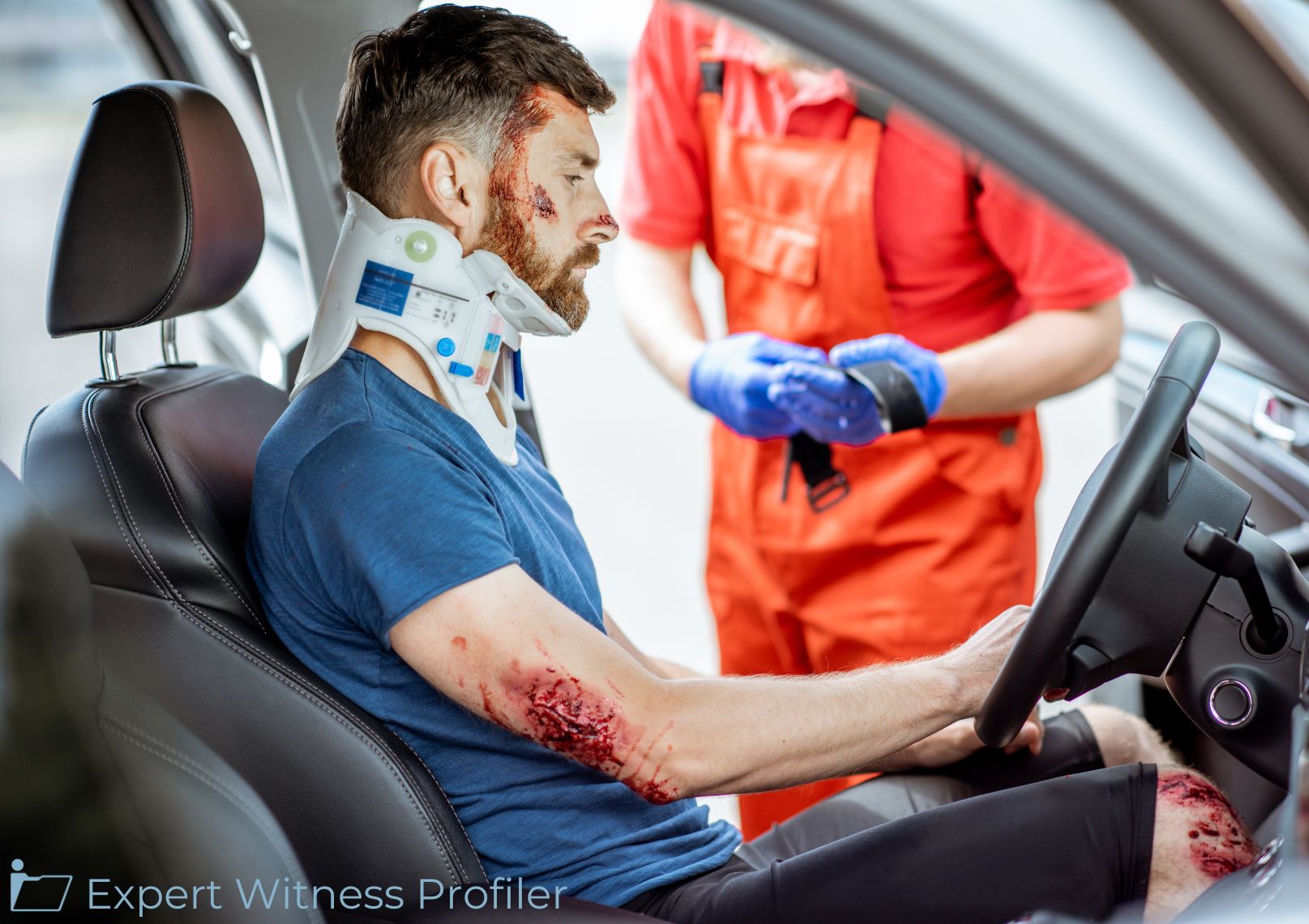
Plaintiff Armen Avoyan brought this action against the United States alleging negligence under the Federal Tort Claims Act (“FTCA”), arising out of a motor vehicle accident between the Plaintiff and a United States Postal Service employee, Azad Hovhannesian.
The government, however, sought to exclude the testimony of Plaintiff’s expert, Dr. Lawrence R. Miller, as to the reasonable value of medical expenses.
Pain Management Expert Witness
Lawrence Ross Miller, M.D., F.I.P.P is a physician who has been board-certified in internal medicine, nephrology, anesthesiology, and pain medicine. He has practiced medicine for three decades, operating multiple locations throughout Los Angeles.
The government contended that Miller is not a qualified expert pursuant to Federal Rule of Evidence 702 because he lacks specialized training or certification in the area of expense valuation, and that he proffers testimony that is not the product of reliable principles and methods.
However, the Court found that Miller is a qualified expert because he has several decades’ worth of experience as a doctor setting fees, reviewing bills, working with insurers, and observing market rates.
Furthermore, the government objected that Miller did not employ a reliable methodology to determine the reasonable value of Plaintiff’s medical expenses.
Nevertheless, the Court disagreed. Miller’s methodology of determining what was reasonable consisted of taking the median of the range of possible charges that could be charged for any given medical service.
Finally, the government objected that Miller did not systematically keep track of the prices he saw, which rendered his methodology unreliable. This objection, however, goes to weight and credibility, not admissibility, and may be explored through cross-examination.
The government also noted that Miller has a lien on this lawsuit. Basically, the government appeared to suggest both that Miller may be biased because he is invested in a favorable outcome for the Plaintiff, and that Miller may have artificially high prices that reflect the risk and delay in getting paid.
As to the former, Plaintiff and Miller explained that the arrangement means only that Miller will be paid at the conclusion of the lawsuit, not that Miller will be paid only if Plaintiff wins the lawsuit. California courts have permitted this arrangement. As to the latter, Miller admitted this. In any case, both of these subjects also go to weight and credibility, and are appropriately addressed through cross-examination.
Held
The Court denied the government’s motion to exclude the testimony of Plaintiff’s expert, Lawrence R. Miller.
Key Takeaway:
No one denies that an expert might draw a conclusion from a set of observations based on extensive and specialized experience. In other words, Miller’s experience is sufficient to qualify him to testify as to the reasonableness of medical bills even without special training or education on that topic.
In a civil RICO lawsuit, Plaintiff Allstate Insurance and its affiliates sued Defendants Dr. Ayman Tarabishy and his medical clinic, Ayman Tarabishy, M.D., PLLC, (doing business as Enhance Center). Allstate alleged that the Defendants orchestrated a racketeering scheme to exploit Michigan’s no-fault insurance law by generating and submitting fraudulent medical bills for reimbursement.
Allstate retained Dr. Wilfred Hynes “to testify regarding the fact, extent, and causation of the alleged services for which Allstate was billed [by the Defendants] relative to patients at issue in this action . . . the medical necessity and reasonableness of the services billed by the Defendants; the billing submitted by the Defendants; and any other subjects or opinions referenced in his report, supplemental report, or in subsequent deposition testimony, including reasonable inferences and summaries arising therefrom.”
On September 8, 2023, Allstate disclosed Hynes’ initial expert report, where he detailed his findings and opinions after reviewing the Defendants’ treatment and billing records for more than 90 patients involved in the case. Eighteen days later, Allstate submitted a supplemental report in which Hynes included five charts that Allstate might “use at trial to summarize the opinions set forth in detail in [Hynes’] medical expert report.”
Pain Management Expert Witness
Dr. Wilfred L. Hynes, M.D. is a pain-management physician at Tufts Medical Center in Boston, Massachusetts. He is board certified in anesthesiology and pain management. Since 2005, he has been the medical director of the pain management center and co-chair of the pain management committee at Tufts Medical Center in Boston, Massachusetts. He is an award-winning, Harvard-trained pain management physician with a long career in interventional pain-management.
Hynes is familiar with the diagnosis and treatment of patients diagnosed with a variety of chronic pain conditions, and the standard of care applicable to the management of these patients.
The Defendants moved to strike both the original and supplemental reports and sought to exclude Hynes’ testimony at trial, on several grounds:
(1) Hynes is not board-certified in the specialties of physical medical rehabilitation or brain injury medicine and is not qualified to render opinions about Defendants’ treatments;
(2) Hynes is not an expert in current procedural terminology (CPT) coding and is not qualified to render opinions about Defendants’ CPT coding or billing;
(3) Hynes did not prepare the “Supplemental” expert report served on September 26, 2023;
(4) Hynes’ opinions regarding “fraud” are beyond his purview and he is not qualified to give an opinion or testify about Defendants’ intent;
(5) Hynes’ reports contain analysis of patients for whom Plaintiffs are not seeking to recover damages and his findings regarding these patients are irrelevant; and
(6) Hynes’ testimony will not assist the trier of fact and is significantly more likely to mislead a jury.
A. Hynes’ Opinions on Medical Care
Defendants argued that Hynes lacked the necessary qualifications and experience to opine on the treatments that Tarabishy provided to patients. Although both doctors are board-certified pain management practitioners, Tarabishy is also board certified in two additional specializations which he regularly practices: physical medicine and rehabilitation (“PM&R”) and brain-injury medicine.
Hynes is not qualified to testify about every medical procedure Tarabishy performed
First, Defendants argued that Hynes “has never practiced outside of an academic or hospital setting,” which means unlike Tarabishy, Hynes does not treat patients throughout the entire course of their injuries. Allstate contested this characterization of Hynes’ practice, and Hynes’ own report contradicted it, too. Even if this were true, the Court held that it does not justify excluding Hynes’ opinions.
Second, the Defendants pointed out that because Tarabishy’s practice is a ‘combination’ of all three of his specialties, Hynes is not qualified to testify about every medical procedure Tarabishy performed.
To bolster this argument, Defendants cited two provisions of Michigan statutes: Mich. Comp. Laws § 600.2169(1)(a), which requires that experts in medical-malpractice suits practice the same specialty and have the same board certifications as the Defendant-physician; and Mich Comp. Laws § 500.3151(2)(a), which requires the same of physicians conducting an independent medical examination under the No-Fault Act.
Allstate pointed out that these state-law provisions have no bearing on the Daubert inquiry, and Defendants provided no authority demonstrating otherwise. The Court agreed.
Moreover, Defendants did not really explain how pain management is so different from PM&R, such that an expert in one could not testify about the other. Nor did they label any specific opinion of Hynes as one that only a PM&R specialist would be qualified to give. In fact, whatever differences between PM&R and pain management, even Tarabishy acknowledged there is overlap: he testified that, in the context of his practice, “it’s really hard to draw a line where one ends and the other one starts.”
Hynes is not qualified to opine on Defendants’ assessment, diagnosis, or treatment of brain or neurological injuries
When Defendants argued that Hynes is not qualified to opine on Defendants’ assessment, diagnosis, or treatment of brain or neurological injuries, Allstate responded that this is a nonissue because “not once in his report does Hynes critique a brain-injury treatment allegedly rendered by the Defendants.”
While the bulk of medical care at issue in this case is not neurological, the Court held that Allstate’s read of the report is not wholly correct—or at least it hides the ball. Neurological treatments aside, Hynes certainly critiques how Defendants handled diagnostic testing for neurological disorders, especially as related to Magnetic Resonance Imaging (MRIs).
Hynes went on to opine that “without concerning neurologic deficits, particularly considering the negative head CT scans, there was no indication to routinely proceed with a brain MRI on every patient with headache complaints.”
While Hynes is no expert in brain injury, he maintained that, based on his “review of the literature” outlined in his report, he could testify as to whether ordering brain MRIs was appropriate.
Although the factual basis is weak, the Court held that Hynes has seen patients with head injuries, ordered diagnostic testing for some such patients, and reviewed medical literature on when ordering such testing is proper. Therefore, Hynes has provided a “reasonable factual basis” for his opinions on whether Defendants properly ordered neurological testing like MRIs.
In sum, Hynes may opine on the bulk of the medical care at issue in this case. The sole caveat is that he may not offer opinions at trial that attempt to interpret the substance of any MRIs related to brain injuries.
B. Hynes’ Opinions on Billing and CPT Coding
Defendants also argued that Hynes’ opinions on Defendants’ billing and use of CPT coding exceeded the scope of his expertise.
The Court, however, noted his decades of experience providing the types of services and treatments at issue in this case—which includes billing and using CPT codes for those services and treatments. This experience alone provides a sufficient basis for Hynes’ testimony.
C. Hynes’ Opinions on Fraud
Hynes accused Defendants of fraud more than once. For instance, he said that Defendants “exhibited clear patterns of health care fraud,” and that they were “fraudulently submitting” bills to Allstate, and that “there was clear evidence of rampant fraud, waste, and abuse of health care resources.”
According to the Court, Hynes plainly overstepped by offering opinions on fraud because they improperly invaded the province of the jury. When Hynes opined that Defendants “committed health care fraud” by “fraudulently submitting” bills to Allstate, he decided the answer to an ultimate issue for the jury.
When Allstate cited Champion v. Outlook Nashville, Inc., 380 F.3d 893, (6th Cir. 2004) because it supported admitting Hynes’ opinions on fraud, the Court found the case distinguishable. There, the district court permitted an expert to testify about a discrete aspect of police practices—the use of excessive force—despite excessive force ultimately being a question for the jury. The Sixth Circuit affirmed, given that the expert had extensive and particularized knowledge about the area.
The Court held that Hynes’ general training for “medicare fraud, waste, and abuse” did not constitute particularized knowledge or expertise about medical fraud.
D. Hynes’ Supplemental Report
Defendants argued that Hynes’ supplement is inappropriate under Civil Rule 26(e), which requires parties to supplement discovery disclosures and responses in certain circumstances.
The supplement stated that its contents “do not alter the opinions set forth in [Hynes’ initial report] in any way, are derived entirely from the opinions set forth [in the initial report], and will be used only to summarize the opinions of [the initial report].”
However, all the supplement’s information comes from Hynes’ initial report—which no one disputes he prepared himself. While Allstate formatted the supplement; by providing all the supplement’s underlying findings and opinions, the Court held that Hynes helped prepare it.
Defendants pointed out 3 instances (out the supplement’s 575 entries) where the “date of treatment” listed differs from the date listed in Hynes’ initial report. They added that “Allstate’s contradictory positions . . . have made it unreasonably difficult for Defendants to prepare their defense or determine what Allstate claims as its damages.”
Although the supplement requirement was not intended “to allow parties to spring late surprises on their opponents under the guise of a ‘supplement to earlier disclosures,’” the Court held that Allstate has attempted no such thing. Moreover, these minor inconsistencies would not substantially mislead or confuse the jury, requiring exclusion under Federal Evidence Rule 403.
E. Patients Not Listed in Allstate’s Damages Chart
Defendants argued that Hynes’ opinions about treatments provided to patients not listed in Allstate’s “damages” chart were irrelevant.
However, the Court held that Hynes’ testimony was relevant to Allstate’s RICO claim, even for patients not included in the damages chart. The Court emphasized that a RICO claim under 18 U.S.C. § 1962(c) required proving “(1) conduct (2) of an enterprise (3) through a pattern (4) of racketeering activity.”
A pattern of racketeering activity requires related predicate acts of racketeering which continued during a substantial period or which by their nature forebode of future criminal conduct. The Court held that Hynes’ opinion on all patients is relevant to proving a pattern of racketeering activity by Defendants.
In other words, Hynes’ testimony about whether Defendants acted similarly across the full range of patients discussed in his expert report goes to this pattern element. Thus, his opinions as to patients not listed in Allstate’s damages chart will not be stricken.
Held
The Court granted the Defendants’ motion to strike Wilfred Hynes’ testimony to the extent that Hynes, may not offer opinions labeling Defendants’ conduct as “fraud” in any way; nor may he offer opinions on the substance of MRIs related to brain injuries. The motion was denied in part in all other respects.
Key Takeaways:
i) Qualifications of Hynes – Defendants argued that Hynes lacked the necessary qualifications to testify as an expert. The Court rejected this claim, ruling that his expertise in pain management qualified him to opine on the medical care at issue in this case, except for brain-injury-related MRIs.
ii)CPT Coding and Billing Practices – Defendants challenged Hynes’ qualifications to testify about their billing practices and use of CPT codes, arguing that his opinions exceeded his expertise. The Court disagreed, ruling that Hynes’ decades of experience provided a sufficient foundation for his testimony.
iii) Legal Conclusions – Defendants objected to Hynes labeling their conduct as “fraud.” The Court agreed and prohibited him from characterizing Defendants’ actions as fraudulent, ruling that such determinations fell into the jury’s province.
iv) Supplemental Report – Defendants sought to exclude Hynes’ supplemental report, asserting that he did not personally prepare it. The Court disagreed because the supplement could not exist without Hynes first generating each of the findings and opinions in his initial report. Even if Allstate formatted the supplement; by providing all the supplement’s underlying findings and opinions, it was Hynes who helped prepare it.
Case Details:
Case Caption:
Allstate Insurance Company Et Al V Ayman Tarabishy, Mc., Pllc Et Al
Docket Number:
2:22cv12736
Court:
United States District Court for the Eastern District of Michigan, Southern Division
Plaintiff Matthew Iwaskow was injured in a car accident on December 4, 2015. Iwaskow sought insurance proceeds that he alleged he is entitled to under his policy’s underinsured motorist bodily injury coverage.
On November 27, 2023, Safeco filed a Federal Rule of Evidence 702 motion seeking to exclude three opinions of Iwaskow’s retained medical expert, Jeffery Petersohn, namely, (1) that Iwaskow is suffering from radicular nerve pain that is caused by a herniated disc and by a damaged vertebral endplate; (2) that Iwaskow should have fusion surgery to ameliorate his pain; and (3) that a herniated disc in Iwaskow’s back causes nerve impingement.
On February 2, 2024, the Court granted in part and denied in part Safeco’s motion. The Court concluded that Petersohn could testify that Iwaskow had a herniated disc, but that he could not testify that the herniated disc was impinging a nerve or that Iwaskow’s pain was caused by damage to his endplate. However, the Court found admissible Petersohn’s opinions that Iwaskow’s accident caused his injuries and that a fusion surgery could ameliorate Iwaskow’s pain.
On December 20, 2023, Iwaskow filed a motion asking the Court to allow Iwaskow to disclose recent medical records concerning Iwaskow’s pending back surgery. The Court denied the motion, finding that the disclosure of this evidence so close to the February 12, 2024 trial would prejudice Safeco. The trial was later vacated due to a criminal trial set on the same day and was reset for December 16, 2024. Iwaskow then renewed his motion seeking to reopen discovery.
Given the continuance of the trial, the Court found that Safeco now had sufficient time to complete the additional discovery necessary to cure any prejudice to it from Iwaskow’s new disclosures and therefore granted Iwaskow’s motion to reopen discovery.
Supplemental Expert Report
In its order reopening discovery, the Court ordered Iwaskow to “produce to defendant all previously undisclosed medical records, documents concerning plaintiff’s surgery, and records from plaintiff’s treating providers.”
The Court required the parties to “submit to Magistrate Judge Susan Prose proposed amendments to the final pretrial order in the form of suggested deadlines to complete additional discovery, to file additional discovery objections or motions, and to file any Rule 702 challenges based on the new discovery and supplemental expert reports.”
On July 22, 2024, Judge Prose granted Safeco’s request for it to conduct a second Independent Medical Exam (“IME”) of Iwaskow and set deadlines for the parties to file Rule 702 motions.
On October 14, 2024, Petersohn wrote a supplemental expert report responding to Safeco’s retained medical expert’s report on Iwaskow’s second IME.
Safeco filed its motion to exclude three opinions in Petersohn’s supplemental report and mentioned in Petersohn’s deposition regarding the second IME. First, Safeco asks the Court to exclude Petersohn’s opinion that Iwaskow has endplate fractures on the grounds that the Court has already excluded this opinion.
Safeco also sought to exclude Petersohn’s opinions that (1) Iwaskow has a painful radial annular tear caused by trauma and (2) Iwaskow’s surgery was necessitated by the injuries that were caused by the 2015 accident.
Pain Management Expert Witness
Jeffery Petersohn has run a private interventional pain medicine practice in New Jersey and Colorado.
His specialty is “diagnostic discography, interventions for discogenic pain, kyphoplasty, spinal cord and DRG stimulation, interspinous spacers, sacroiliac joint fusion, lumbar transforaminal and interlaminar full-endoscopic discectomy/foraminotomy/facetectomy.
Safeco did not challenge Petersohn’s qualifications to provide the expert medical opinions contained in his October 14, 2024 report. Safeco challenged whether three opinions in Petersohn’s October 14, 2024 expert report are based on sufficient facts and data, are the products of reliable principles and methods, and reflect a reliable application of those methods to the facts of this case. Therefore, the Court will determine whether the opinions found in Petersohn’s October 14, 2024 report are sufficiently reliable.
Opinion that Plaintiff has Endplate Damage
The Court previously excluded Petersohn’s opinion that Iwaskow has endplate damage because Iwaskow failed to demonstrate that this opinion was based on sufficient evidence and a reliable methodology. Petersohn’s reference to Modic changes, which could be consistent with a “possible endplate fracture,” was insufficient to demonstrate that Petersohn’s opinion regarding endplate damage is based on sufficient data and a reliable diagnostic method.
The Court found that “Petersohn’s reports assert only that an endplate fracture is possible and do not discuss the likelihood of this possibility.”
Petersohn’s report does not define “HNP.” The Court takes judicial notice of the fact that HNP stands for herniated nucleus pulposus, which “is a condition in which part or all of the soft, gelatinous central portion of an intervertebral disk is forced through a weakened part of the disk, resulting in back pain and nerve root irritation.”
In his June 9, 2024 report, Petersohn’s only reference to endplate damage is his statement that the “vertebral bodies at the vertebral endplates adjacent to the HNP continue to demonstrate endplate fractures.”
In his October 14, 2024 report, Petersohn stated that Iwaskow has “small vertebral endplate fractures noted in the adjacent vertebral body endplates” and that this could be a source “of pain and symptomatic injury to Iwaskow’s Lumbar intervertebral disc and vertebral bodies.”
Analysis
The Court held that Petersohn’s opinions regarding Iwaskow’s endplate fractures in his October 14, 2024 report are outside the scope of the order permitting disclosure of expert opinions on Iwaskow’s second IME and will be excluded on this basis.
Turning to Petersohn’s statement in his June 9, 2024 report that Iwaskow’s “vertebral bodies at the vertebral endplates adjacent to the HNP continue to demonstrate endplate fractures,” the Court held that Iwaskow provides no support for the proposition that his obligation under Rule 26(e) to supplement incomplete or incorrect information in an expert report somehow exempts him from the Court’s prior ruling that Petersohn’s opinion is inadmissible.
In the Court’s order reopening discovery, the Court permitted Iwaskow to “supplement his expert disclosures with any opinions related to recent recommendations by Iwaskow’s treating physicians that he undergoes disc arthroplasty or fusion surgery.” Nothing in that order permits Petersohn to supplement opinions that have been excluded by the Court.
Petersohn’s statement that Iwaskow’s “vertebral bodies at the vertebral endplates adjacent to the HNP continue to demonstrate endplate fractures” is an apparent reference to Petersohn’s reading of a December 4, 2023 MRI taken of Iwaskow’s back. This MRI was unavailable to Petersohn when he wrote his initial expert reports in this case.
Petersohn’s June 9, 2024 report did not address how his opinion that Iwaskow has endplate damage is “related to recent recommendations by Iwaskow’s treating physicians that he undergoes disc arthroplasty or fusion surgery” and is therefore beyond the scope of the Court’s order permitting Petersohn to supplement his opinions. Therefore, the Court ended up excluding Petersohn’s opinion that Iwaskow has endplate damage.
Opinion that Plaintiff has a Radial Annular Tear Caused by Trauma
Safeco argued that, “[b]ecause Petersohn cannot establish that the annular tear he claims Plaintiff suffered in the 2015 car crash has been the longstanding, and recent, source of Plaintiff’s pain, he should not be permitted to opine that Plaintiff’s 2024 spinal surgery was necessitated by the 2015 Accident.”
In his October 14, 2024 report, Petersohn distinguishes between two types of annular tears. Petersohn states that annular tears of individual collagen fibrils or delamination that “transverse within the posterior disc annulus” are “rarely and infrequently symptomatic.”
Petersohn asserted that an “annular tear that extends from the inside of the disc (the nucleus) and extends through multiple sheets of collagen into or through the outer wall of the disc is called a radial tear and this is more likely the result of trauma. This is frequently associated with neovascularization and neoinnervation of the annular fissure, causing pain.”
First, Safeco argued that Petersohn provides no support for the proposition that radial tears are most often the result of trauma. Next, Safeco argued that Petersohn’s opinion that Iwaskow has a radial annular tear is not supported by sufficient data because Petersohn’s opinion that Iwaskow’s MRIs show a High-Intensity Zone (“HIZ”) is not supported by the rest of Iwaskow’s medical records.
Safeco contended that Petersohn’s method of diagnosing Iwaskow’s annular tear is unreliable because, at Petersohn’s deposition, he stated that an MRI was insufficient to show that Iwaskow has a radial annular tear.
Analysis
The Court finds that Iwaskow has failed to demonstrate that Petersohn’s opinion that Iwaskow has a radial annular tear is based on a reliable method. Even if the Court were to find that Petersohn’s method of diagnosing Iwaskow’s annular tear as radial based on Modic changes was sufficiently reliable, Iwaskow has failed to show that Petersohn’s opinion fits the facts of the case.
Finally, the Court considers Petersohn’s opinion that “Iwaskow’s surgery was necessitated to treat the painful HNP, the annular tear, the endplate fractures and resulting nerve pain that were caused by the MVC.”
Petersohn’s report states that (1) Iwaskow’s annular tear is shown as an HIZ on his MRIs, (2) HIZs correspond to a high likelihood of a positive surgical outcome, and (3) Iwaskow’s annular tear was caused by the 2015 accident.
The Court excluded Petersohn’s opinion that Iwaskow’s annular tear is more likely the result of trauma but found Petersohn’s opinion that Iwaskow has an HIZ on his MRI imaging was based on sufficient facts and data.
Since Petersohn’s report cites authority for the proposition that the presence of an HIZ in an individual with an annular tear indicates a 70% likelihood that a patient would have a “positive surgical outcome,” and that further studies indicate the probability of a positive surgical outcome is increased when certain other diagnostic factors are present, the Court held that Petersohn will be allowed to testify that Iwaskow’s surgery was necessitated, in part, as a means of treating his annular tear.
Opinion that Plaintiff’s Surgery was Necessitated by the December 15, 2015 Car Accident
Safeco argued that Petersohn should not be permitted to opine that the December 15, 2015 car accident caused the injuries and pain for which Iwaskow underwent surgery.
First, Safeco argued that Petersohn’s opinion that the 2015 car accident necessitated Iwaskow’s back surgery to treat his disc herniation and annular tear should be excluded because Petersohn does not rule out the possibility that Iwaskow’s pain is caused by his Bertolotti’s syndrome.
In his October 14, 2024 report, Petersohn stated that
1) Iwaskow has an anatomic abnormality of the spine called “Bertolotti’s syndrome” that is present in 4-8% of the population,
2) Bertolotti’s syndrome is a spinal developmental defect present before birth that makes injury to the spine following a vehicular collision more likely than in a patient who does not have this abnormality. These injuries include disc herniation, painful annular tears, and vertebral, endplate fractures
3) Iwaskow suffered injury to the lumbar disc and to the vertebral endplate regions at the level adjacent to the Bertolotti’s abnormality that were the original sources of his pain,
4) Iwaskow’s surgery was necessitated to treat the painful HNP, the annular tear, the endplate fractures and resulting nerve pain that were caused by the MVC.
5) Surgery was not necessitated to treat the Bertolotti’s syndrome.
Analysis
The Court held that Petersohn’s opinions regarding Iwaskow’s Bertolotti’s syndrome are within the scope of the order limiting the scope of Petersohn’s response to Sabin’s second IME, given that Sabin raises the issue of Iwaskow’s potential Bertolotti’s syndrome.
Safeco argued that Petersohn’s opinion that “[s]urgery was not necessitated to treat the Bertolotti’s syndrome” is not reliable because medical literature indicated that individuals with Bertolotti’s syndrome are more likely to experience disc herniation and that Bertolotti’s syndrome can cause chronic back pain.
No party disputes that Iwaskow first began reporting pain after the car accident. Safeco did not explain why the presence of Iwaskow’s Bertolotti’s syndrome throughout his life but the absence of pain until the accident is insufficient to show that Iwaskow’s Bertolotti’s syndrome did not cause Iwaskow’s back pain. Therefore, the Court finds that Petersohn may testify that Iwaskow’s surgery was not necessitated by his Bertolotti’s syndrome.
The Court also finds that Petersohn’s opinion that Iwaskow’s surgery was necessitated to treat the herniated disc, the annular tear, and the resulting nerve pain caused by the 2015 accident is admissible.
Petersohn’s opinion, in full, is that “Iwaskow’s surgery was necessitated to treat the painful HNP, the annular tear, the endplate fractures and resulting nerve pain that were caused by the MVC.” The Court has excluded Petersohn’s opinion that Iwaskow’s herniated disc is impinging a nerve. Therefore, to the extent that Petersohn’s statements regarding a “painful HNP” and “resulting nerve pain” is in reference to a herniated disc impinging a nerve, that opinion is excluded. Moreover, for the reasons discussed above, Petersohn will not be permitted to testify that Iwaskow has endplate fractures and cannot testify that such fractures are causing Iwaskow’s pain.
Held
The Court granted in part and denied in part the Defendant Safeco Insurance Company of America’s Rule 702 motion to exclude and/or limit testimony of Plaintiff’s expert witness Dr. Jeffery D. Petersohn.
Key Takeaway:
It should be noted that since Iwaskow first began reporting pain after the accident and has done so consistently since 2015, Iwaskow’s medical reports are consistent with Petersohn’s opinion that the accident caused Iwaskow’s injuries. Therefore, Petersohn’s opinion that the accident caused the herniated disc, annular tear, and back pain that was treated by the back surgery is sufficiently reliable.
However, when Safeco sought to exclude Petersohn’s opinion that Iwaskow’s herniated disc is impinging a nerve, the Court held that Petersohn’s October 14, 2024 report only discusses Iwaskow’s herniated disc and does not mention that the disc is pinching a nerve. Moreover, the Court has already excluded this opinion while Iwaskow states that he “is not seeking to resuscitate the opinion on nerve impingement.”
This matter involves the Plaintiff insurers’ claim that Defendants unlawfully billed for medically unnecessary and illusory services, misrepresented the nature and extent of the services, and operated in violation of various laws specific to the healthcare and/or insurance sector.
According to the Plaintiff, Titan Defendants agreed to refer patients to the Stein Defendants in exchange for the Stein Defendants providing the patient with a false EMC diagnosis, which enabled the Titan Defendants to provide medically unnecessary chiropractic, physical therapy, and other services to the patient and to receive reimbursement for these services in excess of the ordinary $2,500 limit.
Defendants Joel D. Stein, D.O., P.A. and Joel D. Stein, D.O. (collectively the “Stein Defendants”) procured an expert report from James Padula, which includes the following three opinions that Plaintiffs seek to exclude:
The billing submitted through Stein P.A. to GEICO by the Stein Defendants was “appropriate.”
“[T]he therapies and treatments provided [by the Stein Defendants to GEICO insureds] were supported by the examinations and the results of diagnostic testing, and therefore medically necessary . . . .”
Based on the subjective complaints of the insureds and the objective findings from the testing and examinations, the Stein Defendants’ EMC findings were warranted.
Pain Management Expert Witness
James Padula has over 25 years of experience in treatment of spine and joint pain. Padula completed his Bachelor’s Degree at Villanova University. He graduated from New York College of Osteopathic Medicine with Honors. He completed his internship at Maimonides Medical Center and residency at North Shore University Hospital at Glen Cove. Padula is trained in interventional Pain Management and Minimally Invasive Surgeries. He also trains physicians in the field of pain management.
Plaintiffs argued that Padula’s opinions should be excluded as not based on “sufficient facts and data” under Rule 702 and, therefore, unreliable because he did not review the documents that he would have needed to review in order to render a reliable opinion on the subject topics. In particular, Plaintiffs claimed that Padula only reviewed treatment records for initial examinations, which would provide him a basis for rendering an opinion on whether the billing for initial examinations at Stein P.A. was appropriate, and nothing more.
Padula’s export report stated the following regarding what he reviewed: “I was provided with, and reviewed, 36 [patient files], randomly selected by a blind draw [from the patient files included in the Second Amended Complaint].”
Padula’s Expert Witness Report and Declaration are Inconsistent with Parts of his Deposition Testimony
In his declaration, Padula stated that he reviewed 20 of the 95 claims files compiled by Plaintiffs for their expert witness Merritt’s review. These claim files contained “the medical records of all of the treating doctors and results of diagnostic testing tests, and would have contained other relevant data to this analysis such as crash reports, the results of IME exams, Peer Review Reports, [and] Explanations of Review.”
Plaintiffs cited excerpts from Padula’s deposition testimony to argue that Padula only reviewed treatment records for initial examinations performed at Stein P.A., despite his opinions relating to a broader scope of services and billing. However, the Court held that Padula’s expert witness report and declaration describe a review process that would provide a reliable factual basis by which Padula could opine on the subject issues. Also, to the extent Padula’s expert witness report and declaration are inconsistent with parts of his deposition testimony, this goes to Padula’s credibility, not the admissibility of his opinions.
While Padula subsequently appears to have contradicted himself in his deposition testimony with respect to certain materials, Plaintiffs are asking the Court to credit one source of evidence over another, which is typically a task reserved for the jury. Even further, for many of the materials Padula testified in his deposition to not having reviewed, Padula separately claimed to have reviewed notes summarizing these materials.
Held
The Court denied Plaintiffs’ motion to exclude opinions of Stein Defendants’ expert James Padula, D.O.
Key Takeaway:
Padula’s expert witness report and declaration might be inconsistent with parts of his deposition testimony but only the jury can ask the Court to credit one source of evidence over another. The Court believed that Padula’s expert witness report and declaration describe a review process that would provide a reliable factual basis by which Padula could opine on the subject issues.
Case Details:
Case Caption:
Government Employees Insurance Co. Et Al V. Titan Wellness Center Of Fort Myers, L.L.C. Et Al
Docket Number:
0:22cv61648
Court:
United States District Court for the Southern District of Florida
The Defendant, Laura Perryman, the founder and former CEO of Stimwave Technologies Incorporated and Stimwave LLC (together, “Stimwave”), was responsible for overseeing the design of the StimQ Peripheral Nerve Stimulation (“PNS”) System, a medical device (the “Device”) aimed at treating chronic pain by using electrical currents to target peripheral nerves, that is, the nerves outside the spinal cord. The device comprised four key components during the time at issue: the Lead, the Battery, the Pink Stylet, and the White Stylet. The Lead served as an implantable electrode array to stimulate the targeted nerve, while the externally worn Battery supplied power to the Lead. The Pink Stylet, containing copper, was implanted into the body to act as an “antenna,” lengthening the transmission range of the Battery.
Stimwave labeled both the Pink Stylet and the White Stylet as “receivers” in its product materials for the Device. Perryman advised medical providers that they could bill insurers for implanting the White Stylet as a receiver using Current Procedural Terminology (CPT) code 64590. However, it was established that the White Stylet lacked copper and therefore could not function as a receiver.
On December 19, 2023, the Government filed a superseding indictment against the Defendant, charging her with one count of conspiracy to commit health care fraud and wire fraud, one count of health care fraud, and one count of securities fraud. Both the Government and the Defendant filed their respective motions in limine on January 12, 2024. The Government’s motions included a motion to exclude the testimony of Dr. David A. Spinner. His expert report was attached to the Government’s motion. The parties filed their opposition to these motions on January 19.
During the final pretrial conference on February 2, the Court excluded Spinner’s testimony under Fed. R. Evid. 401, 403, and 702. One of Spinner’s opinions focused on the White Stylet’s functionality, suggesting it served a medical purpose by preventing fluid ingress into the Lead and possibly averting collapse of the Lead’s lumen. However, the Court deemed Spinner’s opinion on the functionality of the White Stylet inadmissible, noting a lack of description on how he formed his opinion or his experience with the White Stylet or his basis for opining that it served a medical purpose. The expert’s opinion was merely his assertion without providing any evidence of testing or experimentation with the White Stylet, nor did he reference any widely accepted views within the medical community. The Court also ruled Spinner’s speculation on the White Stylet’s ability to prevent collapse of the lumen as inadmissible.
Spinner also opined that reimbursement claims for implanting the Device could have been appropriately submitted to medical insurers using CPT code 64590, regardless of whether the White Stylet, the Pink Stylet, or no stylet was used with the StimQ PNS System. The Court emphasized the importance of the jury’s familiarity with the CPT codes, as they facilitated payment to medical providers. However, Spinner’s expertise on CPT codes was questioned, as he did not demonstrate specialized knowledge as to the interpretation or application of CPT codes. His opinion on CPT codes lacked explanation and failed to cite any sources or authorities on which his opinion was based. Furthermore, the Court deemed his opinion on CPT codes irrelevant, as it did not address the fact that Stimwave had marketed the White Stylet as a receiver.
Following the Court’s ruling, the Defendant sought leave to supplement Spinner’s expert report. The Court approved the request, instructing the Defendant to submit the supplemental report to the Government by February 6. Additionally, the Court asked the Defendant to identify any section in the Stimwave materials that detailed the functionality of the White Stylet as Spinner did. On February 9, the Government renewed its motion to exclude Spinner’s testimony, which the Defendant opposed on February 12.
Pain Management Expert Witness
David A. Spinner is the Director of Pain Management at White Plains Hospital. He is double board-certified and specializes in interventional spinal care and musculoskeletal care, along with a sub-specialty in peripheral nerve stimulation (PNS) for chronic pain. Previously, Spinner served as the Medical Director at Westchester Pain Management. He obtained his Doctor of Osteopathic Medicine degree from the New York College of Osteopathic Medicine and completed his post-graduate training with an internship at Maimonides Medical Centre followed by a residency at Mount Sinai School of Medicine as well as a fellowship at Harvard Medical School’s Beth Israel Deaconess Medical Centre. Spinner is also recognized as the lead author and editor of “The Atlas of Ultrasound-Guided Musculoskeletal Injections,” one of the earliest textbooks on the subject of musculoskeletal injections. With extensive experience, Spinner has performed numerous PNS procedures and regularly trains other physicians in this field.
Discussions by the Court
The Government renewed its motion to exclude the opinions offered by Spinner in the February 6 report, as unreliable, unsupported, irrelevant, and unduly prejudicial. Spinner was given the chance to supplement his earlier report to demonstrate the reliability of the opinions he expressed in his initial report as per the requirements of Rule 702 and Daubert. The Court noted his failure to do so as well as addition of new opinions regarding CPT code and the functionality of the White Stylet as well as an entirely new opinion regarding patient harm, all deemed untimely and thus stricken. Furthermore, the Court observed that the Defendant could not establish the admissibility of any opinions in the February 6 report under Rule 702.
Spinner’s February 6 report asserted that CPT codes were “drafted in a manner that contemplated application to the medical procedure employed.” Spinner acknowledged their susceptibility to varying interpretation. Drawing from his familiarity with the Device itself and the implantation procedures for neurostimulator devices to treat chronic pain, he opined that the procedure for permanently implanting the StimQ PNS System “came within the plain language interpretation” of CPT code 64590, regardless of the use of the White Stylet, the Pink Stylet, or no stylet, as the procedure always involved the insertion of a receiver. Spinner also shed some light on the process of drafting CPT codes and discussed the revision of CPT code 64590 in January 2024, suggesting that the revised CPT code 64590 and a new code that was created were “issued to cover new and innovative PNS devices such as the StimQ PNS System.”
The Court noted that Spinner did not provide any basis for his expertise in the drafting or revision of CPT codes. As a physician specializing in pain management, he is personally responsible for claims submitted to insurers when he has implemented PNS devices. He highlighted a book for which he is the lead author that addressed the use of ultrasound techniques, which he explained were used to properly place neurostimulators implanted to treat peripheral nerve pain. He trained other physicians in PNS procedures. During that training, he was frequently asked to give advice on CPT codes and would typically advise that the prior version of CPT Code 64590 was applicable prior to the release of new CPT codes in 2024.
Spinner did not demonstrate experience with implanting the White Stylet, which was necessary for him to be able to opine on the use of CPT codes for that procedure. He did not say that he ever implanted the White Stylet as a component of the StimQ PNS System. While he mentioned that he led trainings on implanting the Device, it was unclear whether the White Stylet was a component of the Device at that point in time and whether his advice on CPT Codes addressed what code should be used in connection with a procedure that included implanting the White Stylet. Spinner did not address the central allegations of the indictment, namely, that Perryman and her company informed medical providers that the White Stylet was a receiver and that they could use CPT code 64590 to bill insurers for implanting it as a receiver.
In summary, the revised report did not address the deficiencies pointed out by the Court during the February 2 conference. Consequently, Spinner’s testimony on CPT codes was excluded under Rule 702 due to being beyond his areas of expertise, unreliable, and irrelevant. Pursuant to Rule 403, it was also excluded due to the risk of unfair prejudice and the likelihood of confusing the jury and diverting their attention from the pertinent issues. These concerns were deemed to outweigh any minimal probative value the testimony may have had.
In her opposition to the Government’s motion to preclude Spinner from testifying, the Defendant did not suggest that Spinner had any expertise in CPT codes beyond his experience as a practitioner. She argued that Spinner’s experience as a provider qualified him to serve as an expert because it is the provider’s responsibility to determine the applicable CPT code for their medical procedures. However, Spinner’s experience as a provider did not qualify him to opine on the drafting or revision of CPT codes, as he was not involved in those processes. Therefore, any discussion of those topics in his February 6 report was beyond his area of expertise and deemed inadmissible.
The Court observed that, while the Defendant demonstrated that Spinner was an experienced practitioner in the use of PNS devices, it was worth noting that his expert report did not address his experience with the White Stylet. He did not explain whether he had personally ever implanted the White Stylet or trained others to do so, or decided in either context which CPT code should be used to bill for a procedure involving the White Stylet being implanted. His experience in selecting CPT codes when implanting PNS devices did not automatically qualify him as an expert in CPT codes. Similarly, answering questions about CPT codes during training sessions about implanting a PNS device did not make him an expert on the codes. These deficiencies were relevant to determining whether he was qualified to serve as an expert on CPT codes in general and specifically as an expert on CPT codes relevant to the issues in this case.
Spinner asserted that the White Stylet served several medical functions but stopped short of discussing its potential role as a receiver. Instead, he stated it “filled the inner lumen, thereby helping to prevent fluid ingress into the stimulator receiver and electrode array, which could result in a loss of function and heightened risk of infection or other collateral complications.” He added that it “would also assist in preventing the collapse of the lumen and in stabilizing and providing additional rigidity to stimulator receiver.”
Spinner’s opinion regarding the functionality of the White Stylet was excluded under Rules 702 and 403. The Court noted that Spinner had provided no basis to establish that this testimony constituted a reliable expert opinion as required by Rule 702 and Daubert. Any probative value, which was minimal, was substantially outweighed by the risks of confusion, misleading the jury, and unnecessarily prolonging the trial.
Spinner did not explain the basis for his opinions regarding functionality. He did not refer to any testing that supported his views on the necessity to use the White Stylet, which was marketed as a receiver, to perform separate functions. Nor did he reference any company-issued literature describing these functions as essential for the success of its electrode array or as reasons for implanting the White Stylet. Despite the Court’s request during the February 2 conference for the Defendant to identify any relevant company-issued literature regarding functionality, no such documentation was provided. Additionally, Spinner did not describe his own experience with the White Stylet, such as explaining why he deemed it necessary to implant it despite knowing it was not a receiver. Overall, there was no support or explanation provided to establish that these opinions on functionality were based on a reliable foundation or were anything other than Spinner’s assertions.
The two documents cited by Spinner did not fill this gap. One was a document co-authored by the Defendant. While the Defendant would be given an opportunity at trial to explain her understanding of functionality, an expert could not serve as a substitute for that testimony under Fed. R. Evid. 704(b). In any event, Spinner did not quote any passage explaining that the stylet assisted the functionality of the Lead by sealing the lumen, preventing the lumen’s collapse, or stabilizing the Lead. His citation to a book regarding pacemakers was similarly vague.
Spinner’s testimony was not salvaged by his observation that he was unaware of any study suggesting that leaving an implantable device “open” in the body was “desirable or beneficial.” He added that there was no PNS device on the market that left the device “open.” However, Spinner did not explain how the White Stylet prevented fluid ingress into the lumen, describe any testing to confirm White Stylet’s success in that function, or compare its effectiveness in doing so with other solutions for that issue. Consequently, his testimony amounted to a bald, unsupported statement of opinion.
In her opposition to the Government’s motion, the Defendant argued that Spinner’s expert opinion was reliable because it was based on his professional experience. However, it was noted that Spinner did not describe any professional experience with the White Stylet, the functions it has served when he implanted the Device, or how he knew that the White Stylet prevented fluid from entering the Lead. He also did not mention ever implanting the Device during the years when it was sold with the White Stylet, nor did he state that he discussed the functionality of the White Stylet during the training sessions he conducted on PNS devices. Therefore, even if the use of the White Stylet in his own practice would have been sufficient to qualify Spinner as an expert on its functionality, his expert report did not describe such use. As a result, his testimony was not sufficiently reliable to meet the Rule 702 standard.
Finally, the Defendant asserted that Spinner’s testimony was supported by a learned treatise, specifically the publication co-authored by the Defendant in 2015. However, Spinner failed to explain why the article was trustworthy or authoritative. Although defense counsel provided citation to the article, it did not address the role of a stylet in preventing fluid from entering the lumen of the Lead, preventing the collapse of the lumen, or stabilizing the Lead. The only function of the antenna discussed was its function as a receiver. Therefore, the article co-authored by the Defendant did not provide a basis to establish that Spinner’s opinion about the functionality of the White Stylet was supported by a learned treatise or was otherwise sufficiently reliable to be presented to a jury.
Spinner added new opinions on the topic of patient harm that were not included in his initial report. He said that he was unaware “of any indication” that the use of the White Stylet “caused patient harm.” Additionally, he added that it was “highly unlikely” in his experience that its use would be the cause of any “actual patient harm.”
Those opinions were deemed untimely by the Court as they were not included in Spinner’s expert report due on January 5. Consequently, they were excluded solely on this basis. Additionally, the Defendant failed to demonstrate the admissibility of Spinner’s testimony regarding patient harm as evidence.
In any event, it appeared that the reason for proffering these opinions no longer existed. The Defendant had feared that the Government would offer evidence at trial suggesting that the use of the White Stylet had caused patient harm. For this reason, one of her motions in limine had requested that the Government be precluded from introducing such evidence. The Court had directed the parties to confer regarding the issue. In a letter dated February 13, the Government represented that it would not offer evidence of patient harm unless “the defense opened the door to the question of patient harm or benefit.”
The Defendant argued that she had a right to rebut the Government’s experts and that excluding Spinner’s testimony would deprive her of a fair trial. She pointed out that Spinner was a recognized expert in PNS procedures. However, these arguments did not address the legal barriers to admitting Spinner’s testimony. His proposed testimony was deemed inadmissible under well-established legal standards. The Rules of Evidence were crucial in safeguarding a party’s right to a fair trial, and the Defendant was allowed to present evidence and challenge the Government’s evidence within the boundaries set by those rules.
Held
The Court granted the Government’s renewed motion in limine of February 9 to exclude the expert testimony of David Spinner.
The Court has not arrived on an outcome for this case since the remaining issues involved in this case still await resolution.
Key Takeaways
The expert testimony provided by Spinner in the case against Laura Perryman, the founder of Stimwave Technologies, faced numerous challenges and ultimately was excluded by the Court. Spinner’s opinions on the functionality of the White Stylet, a key component of the StimQ Peripheral Nerve Stimulation System, lacked sufficient basis and evidence, rendering them unreliable and irrelevant under Rule 702 and Rule 403. Despite attempts to supplement his initial report, Spinner failed to address the deficiencies highlighted by the Court, leading to the exclusion of his testimony. His expertise on CPT codes was also questioned, as his report demonstrated no specialization in this area and failed to address critical allegations in the indictment. The Court’s decision underscores the importance of expert testimony meeting stringent legal standards to ensure fairness and reliability in judicial proceedings.
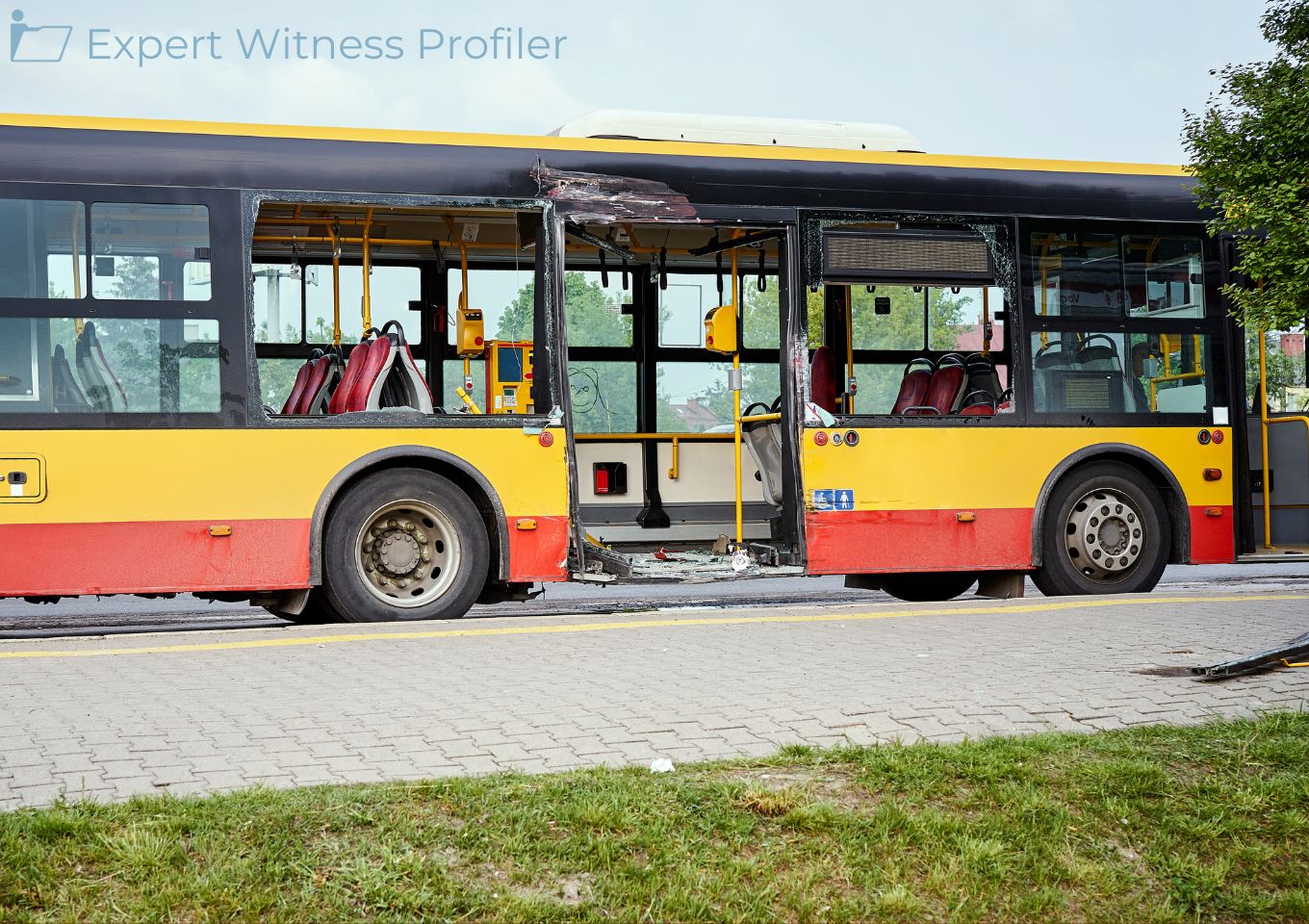
This case involved a lawsuit filed by Sharon B. Ikerd against Bobby Dillon, L Dillon Tree Harvesting, LLC, and Berkshire Hathaway Homestate Insurance Company after being involved in an automobile collision with Dillon. At the time, Ikerd was driving a school bus and had stopped to let children exit. Dillon, who was driving a tractor trailer carrying logs, collided with Ikerd’s parked school bus.
In her complaint, Ikerd alleged that she suffered severe, painful, permanently disabling injuries as well as mental anguish due to Dillon’s gross negligence. She sought damages for past, present and future pain, mental anguish, medical expenses, loss of enjoyment of life, lost wages, permanent disability, property damage and other damages.
The Defendants filed a motion to exclude the expert opinion of Jonathan Thompson, Ikerd’s pain management doctor. Thompson had opined that the “large gap” in Ikerd’s 4/5 facet joints was likely caused by instability from the impact. The Defendants made three arguments for why Thompson’s opinion should be excluded:
1) Thompson based his opinion on concepts like accident mechanics and impact forces which are outside his expertise as a pain specialist.
2) Thompson did not employ reliable methodology and instead just relied on his general experience. He did not review any records concerning the accident or cite facts/data supporting his opinion.
3) Thompson’s opinion lacks foundational support and would not assist the jury. He did not clarify how his expertise in pain intervention justified his assertion regarding the “large gap in the 4/5 facets, likely from instability from the impact.”
In response, Ikerd argued that Thompson was qualified to testify to medical causation as her treating physician. She stated that the differential diagnosis method he used is reliable. She also argued that any deficiencies in Thompson’s opinions go to the weight of the evidence, not its admissibility.
Pain Management Expert Witness
Dr. Jonathan Dean Thompson, M.D., served as an Interventional Spine/ Pain Management Physician at Cypress Pointe Pain Management. He obtained his medical degree from Louisiana State University Health Sciences Center in New Orleans before completing a physical medicine and rehabilitation residency at LSU Health Sciences Center. Thompson furthered his medical training with a spine fellowship in Interventional Pain Medicine at LSU School of Medicine. He is certified by the American Board of Physical Medicine and Rehabilitation.
Discussions by the Court
The motion to strike the Plaintiff’s response was based on the evaluation of late oppositions under Federal Rule of Civil Procedure 6(b)’s “excusable neglect” standard. This standard involves considering factors such as the potential prejudice to the non-movant, the length of the delay and its impact on judicial proceedings, the reasons for the delay (including whether it was within the reasonable control of the movant), and whether the movant acted in good faith. The Court referred to relevant precedents, including Vasudevan v. Adm’rs ofTulane Educ. Fund, 706 F. App’x 147, 151 (5th Cir. 2017) and Adams v. Travelers Indem. Co. of Conn., 465 F.3d 156, 161 (5th Cir. 2006).
The Court addressed the Defendants’ motion to strike the Plaintiff’s response, which was filed one day late. The Court noted that the Defendants had not been prejudiced as they timely filed their reply and did not request a deadline extension. Despite the Plaintiff’s lack of explanation for the delay, the Court found no evidence of bad faith and determined that the untimely response did not impede the proceedings. Consequently, the Court denied the Defendants’ motion to strike the Plaintiff’s response.
The Court considered the motion to exclude Thompson’s causation opinion, citing Federal Rule of Evidence 702 and the Daubert framework to determine the admissibility of expert testimony. The Court emphasized the need for the expert’s testimony to be reliable and relevant, with factors such as testing, peer review, error rate, standards, and acceptance in the scientific community influencing the reliability assessment. The Court highlighted that questions about the bases and sources of expert opinions are typically left for the jury, and the burden of proof for admitting expert testimony rests with the party presenting it. The Court acknowledged the importance of relevance in assisting the trier of fact and emphasized the need for proper deference to the jury’s role in resolving disputes between conflicting expert opinions.
Defendants raised three objections to the admissibility of Thompson’s opinion testimony regarding causation, and the Court addressed each objection individually. The first objection argued that Thompson’s theory of causation relied on concepts like the severity of forces and mechanics of impact, which were beyond his expertise as he was not a biomechanical engineer. Defendants contended that Thompson could not testify to such concepts. In response, the Plaintiff argued that Thompson was offering testimony on medical causation, an area within his expertise as the treating physician.
The Court noted that while biomechanical engineers could testify about the forces generated in a collision and their impact on the human body, medical doctors, including treating physicians like Thompson, were uniquely qualified to opine on medical causation. Defendants claimed that Thompson’s statements about the impact and jarring forces should be excluded due to the need for biomechanical engineering expertise, but the Court highlighted the lack of evidence indicating Thompson intended to testify about biomechanics. The Court emphasized that Thompson’s statement regarding the large gap in the Plaintiff’s 4/5 facets was related to medical causation rather than mechanics and severity of force in a collision. As the treating physician, Thompson had the right to testify about the injury and its alleged cause based on his medical experience. The Court concluded that Defendants could cross-examine Thompson about the basis of his opinion, leaving the jury to assess its probative value.
The second objection raised by the Defendants was that Thompson did not rely on generally accepted or reliable methodology, citing his failure to review any records related to the vehicular accident and the absence of cited facts or data supporting his opinion. In response, the Plaintiff argued that Thompson’s use of a differential diagnosis is a reliable method for a medical doctor to determine causation. The Defendants initially sought to entirely exclude Thompson’s causation opinion. However, in their reply, they clarified that they only aimed to prevent Thompson from speculating about the type of impact and jarring forces produced. There was no indication that Thompson intended to testify about biomechanics. The Court noted that if Thompson’s testimony surpassed his medical expertise, objections would be raised appropriately during the trial.
The Court considered the Fifth Circuit’s explanation of a reliable differential diagnosis, which involves physical examinations, medical histories, and the review of clinical tests. Plaintiff contended that Thompson followed these steps in reaching his conclusion, and Defendants failed to provide evidence contradicting this assertion.
The Court reiterated the principle that questions about the bases and sources of an expert’s opinions, affecting their weight rather than admissibility, should be left for the jury’s consideration. It noted that a doctor’s expert testimony should not be excluded solely because the causation diagnosis relies on the patient’s self-reported history. The Court concluded that concerns about the reliability of Thompson’s testimony could be addressed through cross-examination and the presentation of contrary evidence, following the Daubert framework.
The Defendants’ third objection contends that Thompson’s opinion lacks fundamental support and is therefore unhelpful to the jury. They further argue that Thompson’s opinion is contradicted by lumbar X-rays he ordered. In response, the Plaintiff asserts that Thompson’s use of a physical examination, patient history, and review of diagnostic imaging provides a sufficient foundation for his opinion on medical causation.
The Court considers this objection as related to the bases and sources of Thompson’s opinion. The Court advises that such concerns should be addressed through cross-examination and the presentation of contrary evidence during the trial, in accordance with the principles outlined in Daubert.
Held
The Court denied the Defendants’ motion to exclude the causation opinion of Thompson, and also denied the Defendants’ motion to strike the Plaintiff’s response to their motion. The Court found Thompson was qualified to present his opinions and that any deficiencies identified by the Defendants could be addressed through traditional trial procedures rather than exclusion of testimony. The Court has not arrived on an outcome for this case since the remaining issues involved in this case still await resolution.
Key Takeaways
This case demonstrates several important principles regarding the admissibility of expert witness opinions under Daubert standards. First, treating physicians may testify as to medical causation related to a patient’s injuries and condition based on their experience, even if they did not conduct an independent investigation of the underlying incident. Any deficiencies in the factual bases for their opinions typically go to weight rather than outright exclusion.
Second, differential diagnosis is widely accepted as a reliable methodology for doctors to determine medical causation. Unless the diagnosis method is completely unsupported or contradictory, concerns about its application normally should be addressed through cross-examination rather than exclusion under Daubert.
Third, experts are generally permitted to testify within the reasonable bounds of their expertise. Here, a pain specialist could present opinions on medical injuries and causation, but likely could not speculate as to biomechanical issues like accident forces and body movements unless properly qualified. Questions about whether opinions fall inside or outside an expert’s domain can often be resolved through objections at trial.
In sum, this case reflects the fairly permissive thresholds for admitting expert opinions under federal evidence rules and the preference for addressing problematic expert testimony through traditional litigation procedures as opposed to outright exclusion.