Category: Real Estate Development Expert Witness

  • Real Estate Development Expert Witness Violates Rule 26 by Offering an Opinion on the Causation Issue

    Real Estate Development Expert Witness Violates Rule 26 by Offering an Opinion on the Causation Issue

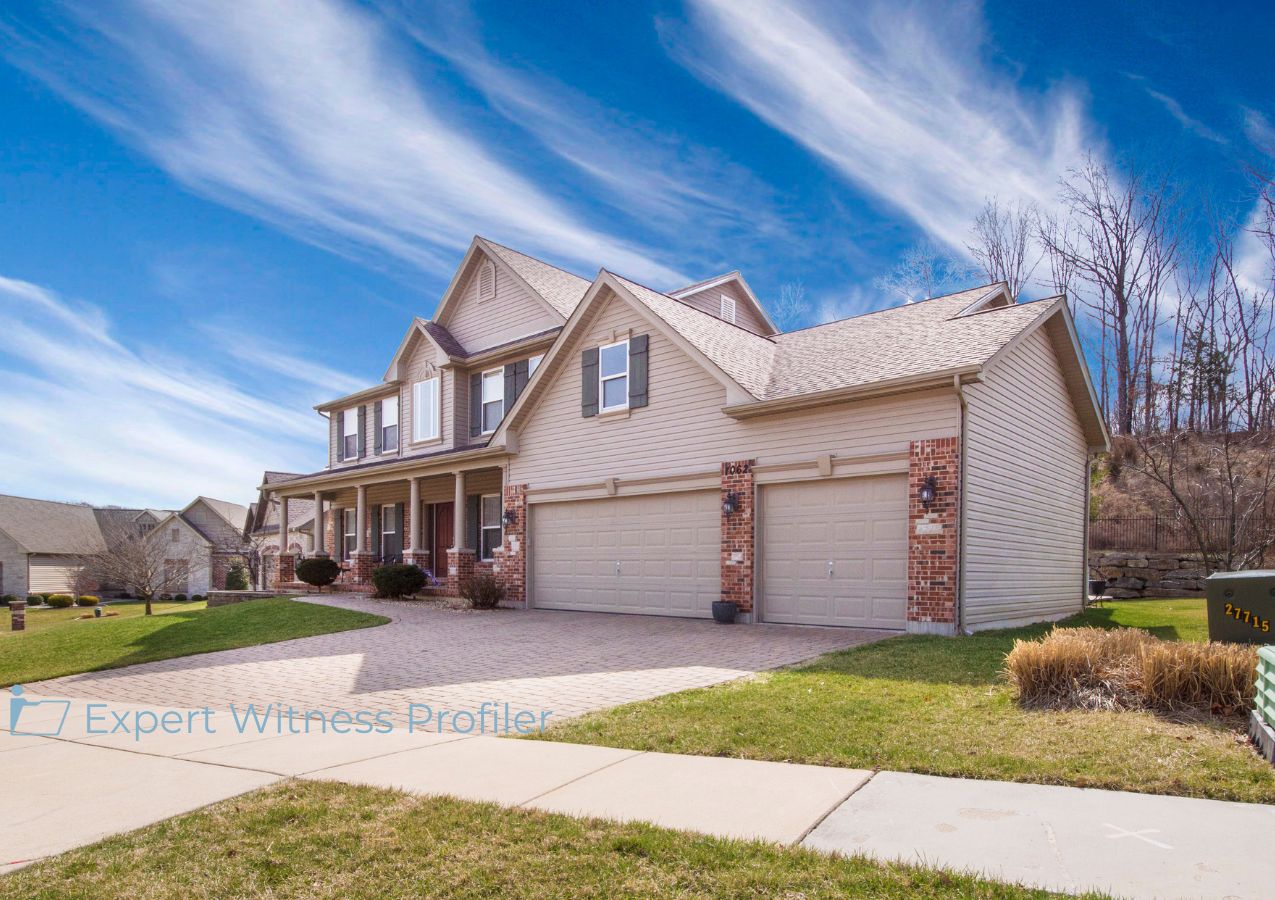
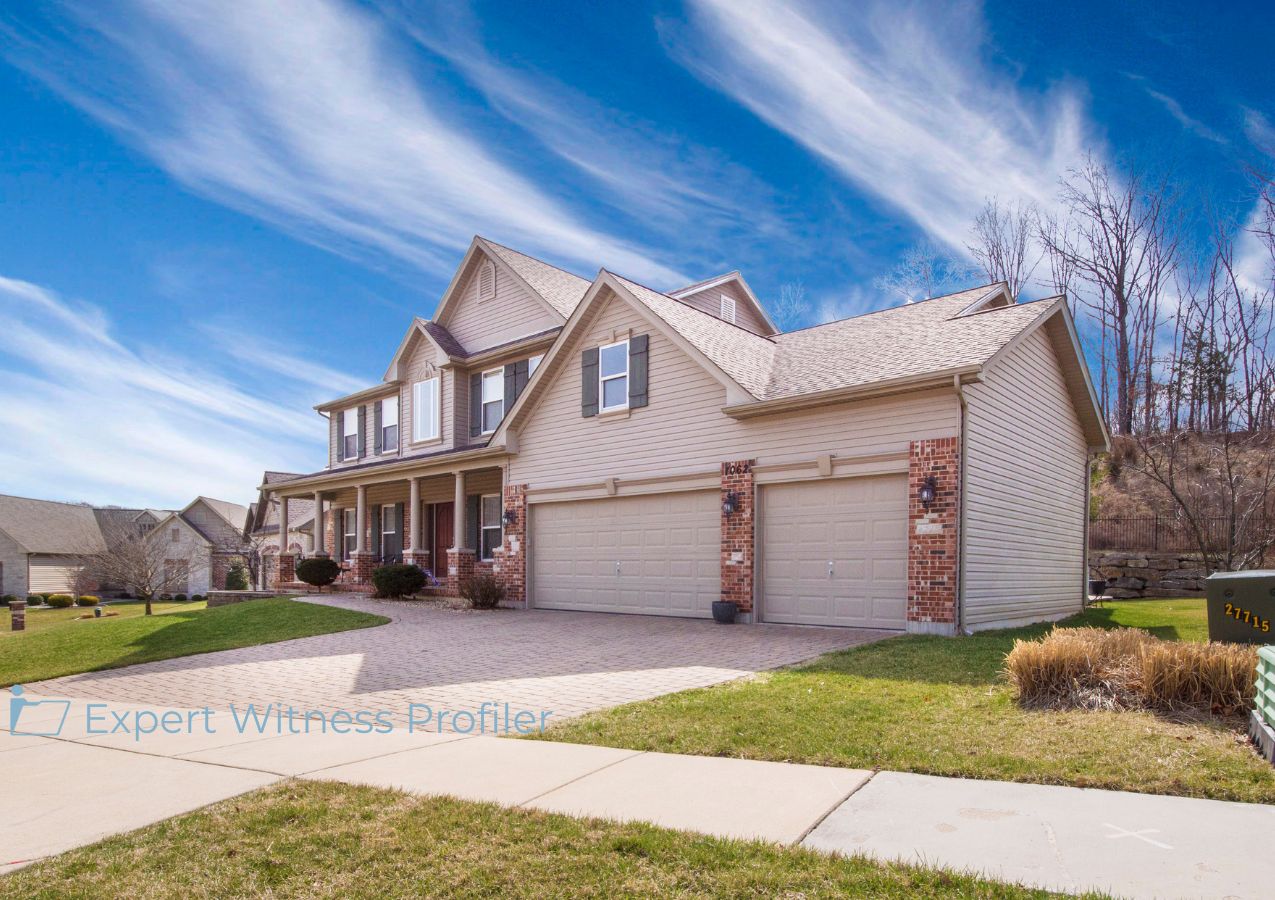
    H5R owns a single-family home (the “Property”) in Dallas, Texas, for which Scottsdale Insurance issued an insurance policy covering certain causes of loss. In February 2021, water allegedly entered the Property through or near the roof. H5R “immediately notified” Scottsdale Insurance and filed a claim for this incident. More than one year after the claim was filed, Scottsdale Insurance sent H5R a letter denying the claim dated June 17, 2022.

    H5R contended the Property was damaged by hail during the insurance policy period – a covered loss event. But Scottsdale Insurance denied that a hail event during the policy period caused the alleged damage.

    H5R and Scottsdale Insurance designated experts to opine regarding the alleged damage under Federal Rule of Civil Procedure 26(a)(2). H5R designated Terry Moore, a purported construction expert, and included Moore’s report regarding the extent of damage to the Property and cost of repair.

    Scottsdale Insurance filed a motion to strike Moore’s opinions and testimony because his designation and report failed to comply with Federal Rule of Civil Procedure 26.

    Real Estate Development Expert Witness

    Terry Moore is the founder and president of the Garrett Moore Company, a commercial real estate development firm that, since 1977, has developed over 22,000,000 square feet of property. This portfolio includes, but is not limited to, retail and office spaces, 45,000 apartment units, Caribbean resorts, assisted living facilities, and senior resort-style living communities.

    With over 45 years of experience in the real estate market, Terry Moore has a proven track record of success in the industry. He is a 1977 graduate of the University of Oklahoma, holding advanced degrees in Architecture.

    Get the full story on challenges to Terry Moore’s expert opinions and testimony with an in-depth Challenge Study. 

    Discussion by the Court

    Scottsdale Insurance asserted that Moore’s expert disclosure “omits key information required under Rule 26(a)(2)(B) – specifically ‘a complete statement of all opinions the witness will express and the basis and reasons for them’ and ‘the facts or data considered by the witness in forming them.’” And it contended that, in Moore’s deposition, he opined on issues that he was not designated for or provided a report on – particularly those involving causation (i.e., that hail caused the alleged damage to H5R’s Property).

    Moore testified that the report contained a complete statement of all his opinions and underlying facts or data. And he confirmed that his report did not contain a causation opinion.

    In response, H5R asserted that Moore was properly designated to provide
    his opinion regarding the Property’s repair costs. And it argued that “[t]here is no requirement that Moore’s report provide opinions regarding cause or date of damage, as these topics were not part of his designation,” and that, when asked about these issues during the deposition by Defendant’s counsel, he
    “simply answered the questions.”

    But, in its summary judgment response, the Court found that H5R relied on Moore’s deposition testimony regarding the causation issue – more than once despite conceding that the topic “was not part of his designation.”

    H5R has not provided a justification for its noncompliance with Rule 26(a)(2),
    and, so, the Court turns to whether its failure to disclose was harmless by evaluating certain factors.

    How Important the Evidence is

    The first factor of the harmlessness analysis – how important the evidence is
    – weighs in favor of exclusion.

    According to the Court, H5R’s argument that Scottsdale Insurance “ignores its own evidence” demonstrating that “the damage was caused by hail” indicates that Moore’s testimony is duplicative or of minimal importance.

    Prejudice to the Party Opposing the Admission of the Evidence

    The second factor – prejudice to the party opposing the admission of the
    evidence – also favors exclusion.

    H5R initially alleged that the Property damage was caused by a snow and ice
    event or a broken pipe. But H5R relied on Moore’s deposition testimony in its summary judgment response for the proposition that hail caused the damage, despite conceding that the topic “was not part of his designation” or in his expert report.

    And, so, the Court found that Scottsdale Insurance has been prejudiced because H5R failed to provide Scottsdale Insurance’s counsel with notice regarding the scope of his expert testimony and “now faces a newly alleged cause of loss and new opinions about the alleged damage deep into the case, with discovery now closed.”

    Possibility that a Continuance Could Cure any Prejudice

    The third factor – the possibility that a continuance could cure any prejudice – weighs against exclusion because the Court vacated the trial setting and all pretrial deadlines in May 2024.

    The Explanation for the Party’s Failure to Disclose

    The fourth factor – the explanation for the party’s failure to disclose –
    favors exclusion.

    H5R asserted that Moore was not required to provide opinions regarding causation in his report since he was not designated as an expert on that
    topic and, when asked about it during the deposition by Scottsdale Insurance’s counsel, he “simply answered the questions.”

    But, in its summary judgment response, H5R attempted to present Moore as an expert on causation, which is an issue central to the resolution of this case. And, so, the Court is not persuaded by H5R’s explanation.

    Held

    Considering these four factors holistically, the Court concluded that H5R’s noncompliance with Rule 26(a)(2) is not harmless and that Moore’s testimony should be excluded under Rule 37(c)(1).

    Key Takeaway:

    H5R has not provided a justification for its noncompliance with Rule 26(a)(2). Because Moore “provided several undisclosed opinions in his deposition” about issues that he was not designated to opine on, including the source of alleged damage, the Court concluded that H5R’s noncompliance with Rule 26(a)(2) is not harmless.

    Case Details:

    Case Caption:  H5r Llc V. Scottsdale Insurance Company
    Docket Number: 3:23cv1197
    Court: United States District Court, Texas Northern
    Order Date: January 10, 2025
  • Court admits expert testimony regarding restrictive covenants in public nuisance case

    Court admits expert testimony regarding restrictive covenants in public nuisance case

    Carolyn Stone as the owner of a home within the Lakeview Homes Addition subdivision (Subdivision) in Houston, Texas alleged that the Defendants Harley Marine Services, Harley Marine Gulf, and Harley Channelview Properties (collectively Harley) were operating a commercial barge business that violated the Subdivision’s deed restrictions prohibiting commercial activity. Stone claimed that Harley’s conduct diminished her property value and constituted a nuisance. 

    Peter Boecher had been chosen as an expert witness by Harley due to his expertise in matters related to land use and restrictive covenants to testify in this case regarding the current situation of these covenants in the subdivision. Stone designated rebuttal expert Mike Brubaker to testify on the same topics. Harley moved to exclude Brubaker’s testimony, arguing he was unqualified because he is not a land planner, citing failure to squarely rebut Boecher’s opinions as well as failure to identify the methodology which supported his opinion.

    Real Estate Expert Witness

    Mike Brubaker is a highly experienced real estate appraiser and broker in Texas. He has held a Certified General Appraiser license in the state and is also a licensed real estate broker. Brubaker earned the prestigious SRA designation from the Appraisal Institute in 1988, demonstrating his expertise in residential appraising. He holds a Bachelor’s degree in Architecture from the University of Houston earned in 1981.

    Over his long career spanning more than 35 years, Brubaker has undertaken extensive education in the appraisal field including numerous courses and seminars offered by organizations like the Appraisal Institute. Brubaker is recognized as a leader in the appraisal community through his prior roles as an instructor, Director, and committee member for appraisal and real estate trade groups.

    Brubaker has performed valuations for purposes including eminent domain, litigation support, relocation, and lending. He has appraised both residential and commercial properties. Through his depth of experience, Brubaker has testified and been qualified as an expert witness in Texas Courts on multiple occasions. He counts major law firms and lenders among his past clients during his 30+ year career as an appraiser. Overall, Brubaker’s extensive qualifications and active involvement make him a recognized authority in the real estate appraisal field.

    Peter Boecher is a highly experienced land planning and real estate consultant with over 35 years of expertise in areas including site selection, development feasibility, access planning, zoning, subdivision design, land ordinances, and eminent domain analysis. He holds the prestigious Counselor of Real Estate (CRE) designation, awarded to real estate professionals demonstrating the highest levels of competence and ethical standards. Boecher has been a certified planner with the American Institute of Certified Planners (AICP) since 1989, requiring continuing education to maintain this status. He is also a Registered Landscape Architect in Texas since 1981, which similarly necessitates ongoing continuing education.

    In 2019, Boecher joined EHRA engineering firm as a Senior Planner and Real Estate Counselor. He previously served in Planning Director roles at multiple firms. A frequent presenter, he has delivered seminars on land use, eminent domain, and planning topics for legal continuing education. Boecher has extensive experience providing expert witness testimony via deposition, trial, mediation, and other means regarding land use, eminent domain, planning, and real estate matters in county, state, and federal courts.

    Discussions by the Court

    Harley argued that Brubaker should be excluded as an expert witness because he was not qualified since he is not a land planner. Harley asserted that Brubaker failed to properly rebut the opinions of their expert, Peter Boecher, who is a land planner. Harley also contended that Brubaker did not identify the methodology he used to reach his opinions.  Harley accused Brubaker of applying arbitrary classifications to the uses within the Subdivision, suggesting a lack of objectivity in his analysis. Harley asserted that the testimony of Brubaker lacked relevance and he faltered in accounting for “obvious alternative explanations.”

    Judge Bray examined Brubaker’s background and experience in detail. He noted that Brubaker is a licensed real estate appraiser and broker with over 40 years of experience preparing neighborhood analyses. As part of these analyses, Brubaker inspected neighborhoods, reviewed land use, and examined deed restrictions. Judge Bray found these were the exact same types of tasks performed by Boecher. Although Brubaker is not a land planner, the Court determined he had the requisite expertise based on his professional experience.

    Judge Bray also reviewed Brubaker’s report and found he directly rebutted the opinions offered by Boecher. Since the purpose of designating Brubaker was to provide rebuttal testimony, the Court found him qualified for this role.

    Regarding methodology, Brubaker stated in his declaration that he performed his analysis consistent with the industry standard Fannie Mae Selling Guide. He explained this involved identifying neighborhood boundaries, characteristics, and land use through visual inspection and document review. The Court found Brubaker employed the same methodology as Boecher by touring the neighborhood, observing land use, and examining the deed restrictions. 

    Harley failed to provide sufficient evidence or argument to support their claim that Brubaker’s testimony was unreliable or that he failed to gather sufficient facts or data. Additionally, it appeared that Harley did not adequately identify what they believed were “obvious alternative explanations” that Brubaker should have considered when providing his testimony.

    Judge Bray determined Harley’s objections about Brubaker’s methodology went to the weight of his opinions rather than admissibility. The judge denied Harley’s motion to exclude Brubaker, finding him to be qualified and allowing his expert rebuttal testimony. Harley could raise specific objections at trial.

    Moreover, Harley moved to exclude or limit Carolyn Stone’s testimony under Federal Rule of Evidence 701.

    In her disclosures, Stone stated she would provide testimony about the value of her property under the Texas Property Owner Rule. Harley filed a motion asking the Court to limit Stone’s testimony to the parameters of this Rule. 

    Judge Bray outlined the key requirements of the Texas Property Owner Rule. He stated the testimony must refer to market value of the property, have a basis beyond just the owner’s opinion, and can be substantiated through evidence of sales, appraisals, tax valuations, and other factors.

    Since Stone had already agreed to testify as per the parameters of the Texas Property Owner Rule, the Court denied Harley’s motion as moot.

    Held

    In conclusion, Judge Bray denied Harley’s motions to exclude the expert testimony of Brubaker and limit the testimony of Stone. The Court found Brubaker was qualified as a rebuttal expert based on his experience. The judge also declined to limit Stone’s testimony since she had already agreed to follow the Texas Property Owner Rule. A final decision has not been reached in this case by the Court considering the remaining issues involved in this case still await resolution.

    Key takeaways

    This case demonstrates the importance of properly qualifying expert witnesses and establishing a reliable methodology. Harley challenged the qualifications of Stone’s rebuttal expert Brubaker because he was not a land planner like their expert Boecher. However, the Court found Brubaker’s 40+ years of experience inspecting neighborhoods and reviewing deeds as a real estate appraiser qualified him to opine on land use and deed restrictions. The Court also examined his methodology, which followed industry standards for neighborhood analysis, relied on document review, and involved inspecting the subdivision. His approach mirrored the methodology of Harley’s expert. While specific objections could be raised at trial, Brubaker was permitted to testify as a rebuttal expert. This shows experts can be qualified based on practical experience even if they do not have the same formal credentials as the opposing expert. However, they must employ a sound methodology reliably applied to the facts. Vague objections to qualifications or methodology will likely fail if the expert has substantive experience and explains their analytical approach. Specific objections may still be raised later regarding the weight given to the expert’s opinions.