Plaintiff Ashley Adams, the widow of Lonnie Adams filed suit against E-Z Mart, a gas station and convenience store, after Mr. Adams died while working in an underground tank sump on E-Z Mart’s property.
Defendant and Third-Party Plaintiff, Yates Group, Inc. f/k/a E-Z Mart Stores, Inc. filed a Rule 702 motion to limit Dr. Ian McIntyre‘s testimony pursuant to Daubert.
Toxicology Expert Witness
Ian Matthew McIntyre is a forensic toxicologist. His professional experience encompasses over 34 years of work in the specific scientific field of forensic toxicology, with particular emphasis on postmortem analysis.
E-Z Mart argued that McIntyre’s opinion that gasoline may leach methamphetamine from tissue, resulting in higher concentrations being detected in the bloodstream, is ipse dixit, not supported by scientific literature, and too large an inferential leap to be admissible.
In the present case, the relevance of McIntyre’s opinion is undisputed. The only question the Court must resolve is whether it is sufficiently reliable pursuant to 702 and Daubert. The Court found that it is. McIntyre elaborated on how he reached his conclusion in his deposition, and the Court finds that his stated rationale, viewed in light of his education and experience, made the challenged opinion reliable under Daubert and 702. Additionally, McIntyre cited to published literature he referenced in forming this opinion. The simple fact that the Defendant’s experts disagreed with McIntyre’s findings did not render them inadmissible.
Held
The Court denied Defendant and Third Party Plaintiff’s motion to limit Dr. Ian McIntyre’s testimony.
Key Takeaway
Establishing reliability does not require showing that the expert’s testimony is “indisputably correct.”
To the extent McIntyre’s opinions are insufficiently explained or contradicted by other studies or experts, the Plaintiff should raise these challenges through cross examination and the testimony of their own experts.
Plaintiff Darius Danzy filed this suit against CSX Transportation Inc. in this action under Title VII of the Civil Rights Act of 1964, as amended (“Title VII”) alleging “unlawful employment practices on the basis of race.”
Plaintiff’s claims arise out of a pre-employment drug-screening that Defendant administered to Plaintiff through third party drug testing companies, Psychemedics Corporation (“Psychemedics”) and Omega Laboratories, Inc. (“Omega”).
According to the Plaintiff, Defendant discriminated against him because of his race as a “Black-African American” by subjecting him to narcotic testing that disparately impacts the “class of Black African Americans” due to the allegedly unreliable and inaccurate method of hair follicle testing used by Defendant through Psychemedics in its pre-employment drug screening.
The Defendant retained Dr. R.H. Barry Sample to review the testing performed by Psychemedics of Plaintiff’s underarm hair specimen.
Plaintiff sought to exclude the testimony of Sample and the hair test results provided by Psychemedics pursuant to Rules 702 and 104(a) of the Federal Rules of Evidence.
Toxicology Expert Witness
Dr. R.H. Barry Sample is a forensic toxicologist with a Ph.D. in the field of Pharmacology from Indiana University and has worked in the field of forensic toxicology for over thirty-five years.
For over twenty years Sample worked as the Director of Science and Technology for Quest Diagnostics, “one of the largest forensic workforce (workplace) drug testing laboratory providers in the United States.” Sample served two separate four-year terms as a member of the Substance Abuse and Mental Health Services Administration (“SAMHSA”) Drug Testing Advisory Board (“DTAB”) and advised on the SAMHSA drug testing activities and laboratory certification program.
Sample continues to serve as a commissioner and laboratory inspector for the College of American Pathologists (“CAP”) in its Forensic Drug Testing (“FDT”) accreditation program (“CAP-FDT”). Sample has been licensed or certified by various states as a laboratory director in the area of forensic workforce drug testing.
Sample opined that Psychemedics’ test results are accurate and scientifically reliable and that Omega’s test results confirmed the accuracy of Psychemedics’ test results.
Plaintiff primarily brought a relevance-based argument that hair follicle testing itself is legally improper as this methodology is not included in the regulations of SAMHSA.
A. Relevance
According to the Plaintiff, SAMHSA in its 2020 Proposed Hair Guidelines explicitly excludes Benzoylecgonine (“BZE”) as a reliable confirmatory marker due to its low concentrations in hair and the absence of validated thresholds.
Plaintiff contended that “Congress explicitly assigned SAMHSA the exclusive role to regulate drug testing in Federally regulated industries through the Omnibus Transportation Employee Testing Act.”
Sample served two (2), four-year terms as a Member of the SAMHSA Drug Testing Advisory Board which advises the Assistant Secretary of SAMHSA, on the review of the direction, scope, balance, and emphasis of the SAMHSA drug testing activities and the drug testing laboratory certification program.
The Court found that his experience provided him with unique insights into the scope and requirements of SAMHSA drug testing. Sample acknowledges that “only urine drug testing is possible under DOT rules” and that the hair sample test that Defendant undertook “is not covered by the requirements of the DOT, Federal Railroad Administration (‘FRA’), or [SAMHSA].”
Sample noted that “neither the DOT nor SAMHSA (which the DOT relies on for technical guidelines) have published final requirements for hair testing.”
The Omnibus Transportation Employee Testing Act of 1991 directed the Secretary of Transportation to develop regulations for the testing of employees for drugs and alcohol in four sectors of the transportation industry, including railroads.
Notably while the statute requires that “laboratories and testing procedures for controlled substances, incorporate the Department of Health and Human Services scientific and technical guidelines,” they do not prohibit a private employer in the railroad industry from conducting additional drug testing procedures beyond those prescribed by the DOT.
In sum, the Court held that Sample’s opinions are outside the common experience of lay persons and, therefore, explains the unique process of hair follicle testing for drug usage.
B. Reliability
Plaintiff’s primary objections to Sample’s report focus on its reliability. Specifically, Plaintiff contended that there is a lack of reliable, scientific evidence surrounding the use of BZE as a biomarker in hair testing.
However, Sample provided a thorough summary of the documents he reviewed in support of his report, as well as the work he undertook in forming his opinions.
Sample noted that both of the laboratories that tested Plaintiff’s hair follicle “are accredited under the CAP-FDT Accreditation Program for hair testing as well under the New York State Department of Health – Clinical Laboratory Evaluation Program for hair testing” and that they both hold “ISO/IEC 17025 accreditation.”
Plaintiff’s critique did not make detailed arguments finding fault with specific elements of Sample’s methodology or approach. Rather, Plaintiff appeared to argue that because other sources, including the federal government, have allegedly come to different conclusions, Sample ’s methodologies must be flawed. The Court, however, held that Plaintiff’s objections relate to the weight to be given to Sample’s opinions, not their admissibility.
The Court found that the Defendant has demonstrated by a preponderance of the evidence that Sample and his report satisfied the standard for expert scientific testimony.
Held
The Court denied the Plaintiff’s motion to exclude the testimony of Dr. R.H. Barry Sample.
Key Takeaway:
The Court’s reliability analysis focuses on the “‘principles and methodology’ employed by the expert, not on the conclusions reached.”
In addition to his own experience, Sample explained that his opinion is based on “peer-reviewed scientific literature regarding forensic workforce drug testing.” Sample also cited peer-reviewed sources in support of his conclusions.
Case Details:
Case Caption:
Danzy V. CSX Transportation, Inc.
Docket Number:
5:23cv621
Court Name:
United States District Court, North Carolina Eastern
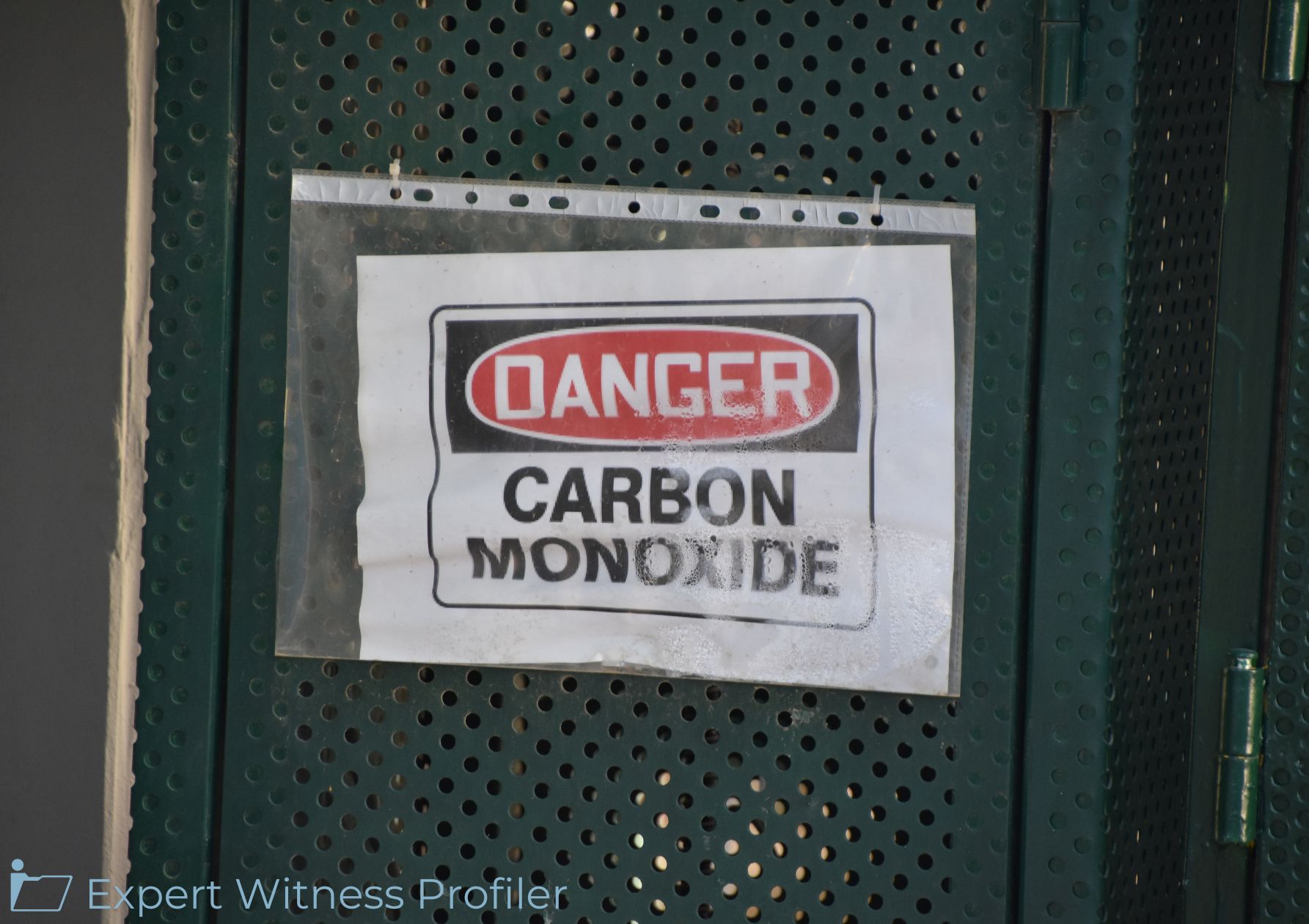
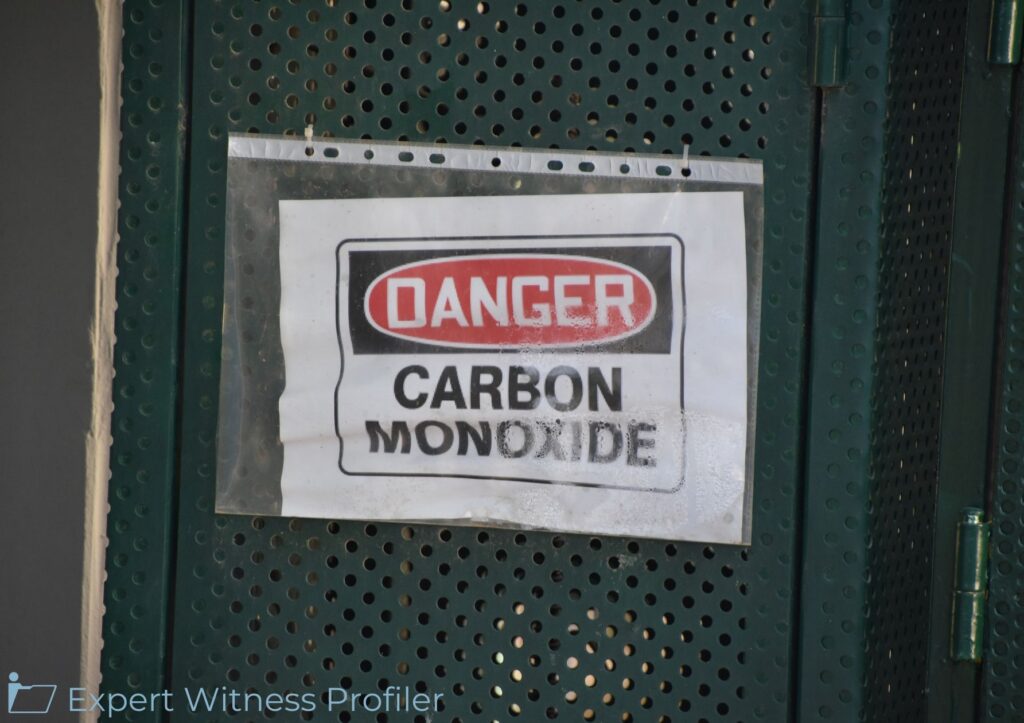
This case arises out of an alleged design defect and failure to warn regarding a 2017 Toyota Tacoma. Lee Griffin was the primary driver of a 2017 Toyota Tacoma. After Griffin died due to accidental carbon monoxide poisoning from an automobile inadvertently continuing to run in the garage, Caroline Griffin filed suit individually and as executor of Lee Griffin’s estate.
Dr. Randall Tackett received his BS from Jacksonville University in 1975. He then received an MS degree in pharmacology and toxicology from Auburn University in 1977 and his Ph.D. in pharmacology and toxicology from the University of Georgia in 1979. Following a two-year postdoctoral fellowship at the Medical University of South Carolina, he returned to the University of Georgia as an assistant professor in the Department of Pharmacology and Toxicology.
He later served as a Professor and Associate Department Head in the Department of Clinical and Administrative Pharmacy at the University of Georgia College of Pharmacy.
Angela A. McGrath has a Bachelor of Science in Statistics, a Master of Arts in Applied Statistics, 27 years of experience in consulting, and experience teaching statistics.
She is the Principal Consultant and Director of Automotive Research at Cirque Analytics, an economic, statistical, and financial consulting company headquartered in Jackson Hole, WY. She has developed extensive experience in formulating, conducting, and directing statistical and other quantitative analyses.
Harry Pearce has over 24 years of expertise in the field of structural crashworthiness. He gained industry experience with nine years at General Motors, serving as the Lead Structural Design Engineer for multiple vehicles.
With his knowledge and experience with vehicle sealing, Pearce has addressed claims of Carbon Monoxide (CO) intrusion. He has performed Electro Magnetic Interference (EMI) testing in anechoic chambers and Brake Override System (BOS) testing at Exponent’s Test and Engineering Center.
Nathan Todd Dorris is a human factors specialist with extensive experience in product safety and the evaluation of instructions, warnings and other safety communications for a broad range of products and industries.
Randall Tackett stated two opinions in his expert report:
1. Griffin consuming 1.2 standard drinks within the hour before death is inconsistent with the evidence described above. Rather, the timeline of events is consistent with Lee Griffin ingesting higher amounts of alcohol earlier on July 4, 2022, which his body would have metabolized from the time he ingested the alcohol until his death.
2. It is more likely than not that on the evening of July 4, 2022 Griffin’s blood alcohol concentration was at a level that could have affected his reaction time, hearing, judgment, memory, reasoning and ability to detect danger including his ability to turn off his Toyota Tacoma and/or recognize that it was still running in the garage.
Motion to Exclude
In this case, Tackett attempted to estimate the decedent’s blood alcohol content (BAC) at various times before death using a method known as retrograde extrapolation. The Plaintiff did not dispute the scientific validity of this technique in general. Instead, she argued that Tackett lacked the necessary factual basis to apply it reliably in this case.
Specifically, the Plaintiff pointed out several critical unknowns: the exact time of death, the time the vehicle was parked, and any concrete details about when, what, or how much alcohol the decedent consumed. The Defendants contended that these gaps in information should affect how much weight the jury gives Tackett’s testimony, not whether it should be allowed at all. The Court disagreed.
The main issue, according to the Court, was the absence of reliable timing data. Without knowing when key events occurred, it was unclear how far back Tackett should extrapolate. His estimates ranged from one to two hours before death to as far as 14–15 hours earlier. As a result, his BAC estimates varied widely—from 0.046 to 0.297—depending on assumptions about timing and the decedent’s metabolism rate. Notably, there was also no evidence that the decedent had consumed any alcohol before parking the car, further undermining the reliability of Tackett’s conclusions.
Angela McGrath
The Defendants have proffered Angela McGrath as an expert witness to testify about the following opinions:
a. [The United States Consumer Product Safety Commission (“CPSC”)] death certificate data shows that vehicles with and without keyless ignition have inadvertently been left running in enclosed spaces.
b. Available CPSC death certificate data does not show a consistently increasing trend of accidental carbon monoxide poisoning from passenger vehicle exhaust in enclosed spaces.
c. The proportion of combustion engine vehicles on the road with keyless ignition is increasing over time, however, even by 2021, the majority of vehicles still have conventional keys.
d. While number of registered vehicles with keyless ignition and without [automatic engine time-out (“ETO”)] has increased steeply since 2011, the rates of accidental carbon monoxide poisoning from passenger vehicle exhaust in enclosed spaces has exhibited no corresponding, consistently increasing trend.
Motion to Exclude
The Plaintiff argued that McGrath’s opinions were unreliable because the CPSC database she relied on did not distinguish between carbon monoxide poisoning deaths caused by vehicles with keyless ignition systems and those with traditional mechanical ignitions. As a result, the Plaintiff contended that no meaningful statistical analysis could be done to compare the risks associated with each type of ignition system.
In response, the Defendants claimed the Plaintiff had misrepresented McGrath’s testimony. They asserted that McGrath was not attempting to directly compare the risks of carbon monoxide deaths between mechanical and keyless ignition systems. However, this argument fell short.
The Court noted that McGrath’s analysis implicitly relied on such a comparison. Her underlying logic was that if keyless ignition systems were more dangerous, the overall number of accidental carbon monoxide deaths would have increased after their introduction. Because the death rate did not rise, she inferred there was no added risk. Therefore, despite the Defendants’ assertions, McGrath’s analysis did, in fact, depend on comparing the two types of ignition systems—making the Defendants’ denial unconvincing.
Moreover, the Defendants’ argument rested on the assumption that, absent a defect, accidental carbon monoxide deaths would have remained constant from 2011-2021. The Court found this assumption questionable. Public awareness campaigns, increased usage of carbon monoxide detectors, or other safety measures could have contributed to a decline in deaths over time—independent of any defect. McGrath’s analysis failed to account for such alternative explanations.
Ultimately, the Court held that McGrath’s testimony offered nothing more than a basic correlation and lacked consideration of other plausible factors. As such, her statistical analysis could not be reliably used to show the absence of a defect.
Nathan Dorris
The Plaintiff sought to exclude four categories of opinions that Dorris asserted: (1) that the Tacoma’s warnings were sufficient, (2) that drivers lose focus while using their vehicles, (3) that the Plaintiff and decedent should have had carbon monoxide detectors in their home, and (4) that the Tacoma was not defective because it complied with regulatory and voluntary standards.
Inattentive Drivers
The Plaintiff sought to exclude Dorris’ opinions regarding how driver inattentiveness could lead individuals to leave their engines running and fail to respond to alerts or other feedback.
In response, the Defendants argued that “ Dorris’ discussion of driver distraction is just one component of the opinions he expresses in this case and is background to his primary opinions specific to the 2017 Toyota Tacoma’s Smart Key System and the subject incident.”
The statements in question included: “ [d]rivers that are distracted or inattentive (for whatever reason) can inadvertently leave their vehicle’s engine running, regardless of the type of ignition system employed,” and “[n]ot only can inattention result in execution errors and omitted actions, but it may cause individuals not to respond to alerts or other feedback.”
Dorris was not particularly clear about whether these statements—or others like them—were independent expert opinions or merely facts supporting other opinions. Even the Defendants appeared uncertain. On one hand, they described these statements as “ background to his primary opinions,” but on the other, they defended his ability to offer them as standalone opinions.
While Dorris may not opine directly that a driver’s inattentiveness causes errors, the Court held that if that fact properly supported a valid expert opinion offered by Dorris, he was permitted to rely on it.
Sufficiency of the Warning
Dorris opined that the warning provided by Toyota are “reasonable and appropriate.” The Plaintiff asserted that that opinion is unhelpful because it does not offer any analysis outside of what the jury can do itself.
Whether a warning is legally sufficient depends upon the language used and the impression that such language is calculated to make upon the mind of the average user of the product. The Court held that the adequacy inquiry here takes the perspective of the user of the product. Therefore, the jury is fully capable of determining whether the adequacy of the warning(s) at issue here without the help of an expert.
Carbon Monoxide Detectors
The Plaintiff argued that “ Dorris attempted to opine that the Griffins should have equipped their home with carbon monoxide detectors.”
However, the only relevant statement on the page of Dorris’s report cited by the Plaintiff read:
“ In a publication dated 08/2020, the Georgia Department of Public Health explicitly discussed CO exposure can cause ‘sudden illness or death’; potential sources of CO exposure include automobile exhaust; to install CO detectors ‘in every room used for sleeping’; ‘DO NOT leave a motor vehicle running in an enclosed garage.“
This statement appeared under the section titled “ Exhaust Fumes and CO Are Well Known Hazards.” Aside from the quoted portion referencing carbon monoxide detectors, there was no other mention of detectors—either in that section or anywhere else in the report.
The Court did not view this as Dorris offering an opinion that the Plaintiff or the decedent should have installed carbon monoxide detectors in their home. Instead, the Court found that he was merely citing a source he relied upon to support his broader conclusion that “ Exhaust Fumes and CO Are Well Known Hazards.”
Importantly, the Plaintiff did not challenge Dorris’s qualifications to reach that conclusion, nor did they argue that the conclusion itself was unhelpful.
Compliance with Relevant Standards
The Plaintiff moved to bar Dorris from testifying that the Toyota Tacoma was not defective simply because it complied with minimum regulatory standards.
In response, the Defendants argued that the jury had a right to consider federal compliance when evaluating whether the vehicle’s design was reasonable. They further claimed that Dorris relied on compliance as just one of several factors in concluding the Tacoma was not defective. However, the Court sided with the Plaintiff.
Dorris had stated that the lack of an automatic engine shutoff did not make the Tacoma defective, in part because ” at the time the subject vehicle was manufactured and sold (and even today), such a feature is not required by any regulation or voluntary standard.” In other words, he based his opinion on the fact that the Tacoma complied with federal regulations.
The Court found this reasoning insufficient and ruled that it warranted exclusion. Accordingly, the Court held that Dorris would be precluded from opining that the Tacoma was in compliance with federal regulation.
Harry Pearce II
The Plaintiff sought to exclude four of his opinions from testimony: (1) opinions going to intent, motive, or state of mind, (2) opinions about the source of the carbon monoxide, (3) opinions about the efficacy of carbon monoxide detectors would have had in this case, (4) opinions “parroting” Jeya Padmanaban.
Intent, Motive, and State of Mind
The Plaintiff argued that Pearce should not be allowed to testify about Toyota’s subjective state of mind.
On that point, the Plaintiff was correct—Pearce could not offer opinions about what the Defendants were thinking, such as “ Toyota did not want to [install auto shutoff] because of the concern of introducing a new risk of hot car deaths.” Such statements improperly speculate on Toyota’s intent or motivations.
However, the Defendants were also partially correct. Pearce was permitted to rely on Toyota’s internal documents and employee testimony to form his expert opinions. He “ may testify as to whether information contained in Defendants’ internal documents indicated certain risks.” The Court clarified that while Pearce could interpret the content of internal materials to identify risk indicators, he could not speculate on Toyota’s actual intent or decision-making process.
Source of Carbon Monoxide
The Plaintiff moved to exclude any opinion from Pearce regarding the source of the carbon monoxide that caused her and the decedent’s injuries.
When asked directly whether he had an opinion on the source of the carbon monoxide in this case, Pearce responded, “ I was not asked to do that so I do not have an opinion on that.“
Despite this, the Defendants added a qualification. They stated that Pearce would not offer an opinion on the matter “ unless Plaintiff opens the door to this subject through her attorneys’ examination of Pearce or the testimony of other witnesses she presents at trial.“
But as the Defendants were well aware, the Plaintiff had already retained an expert specifically to testify about the source of the carbon monoxide. And since causation is a central element of the Plaintiff’s claims, it was almost certain the Plaintiff would “open the door“ to this issue during trial.
That, however, did not give the Defendants license to question Pearce on a subject about which he had explicitly disclaimed any opinion. If the Defendants wished to challenge the Plaintiff’s expert on the source of the carbon monoxide, they should have retained their own rebuttal expert.
Carbon Monoxide Detectors
Pearce intended to opine that, “[w]ith multiple sources of CO in a home, the best protection from CO exposure is the installation of CO detectors in the home. Auto engine shut-off only protects from the one vehicle on which it is installed.”
The Plaintiff objected to this because it depended on two assumptions: (1) that any carbon monoxide detectors in the house would have worked and (2) that the Plaintiff and the decedent would have responded to the carbon monoxide detector if it did work.
However, the Court held that Pearce has extensive experience from which he could derive his opinion.
Parroting
The Plaintiff argued that any testimony by Pearce regarding a 2015 paper published by Jeya Padmanaban would be irrelevant and amount to inadmissible “parroting.”
In response, the Defendants clarified that they did not intend to have Pearce testify about Padmanaban’s research. Instead, Pearce had included the study merely as general background material.
The Defendants confirmed that they would not raise the Padmanaban study at trial unless the Plaintiff opened the door to that line of testimony. Based on this clarification, the Court denied this portion of the Plaintiff’s motion to exclude.
Held
The Court granted the Plaintiff’s motion to exclude Randall Tackett’s testimony.
The Court granted the Plaintiff’s motion to exclude Angela McGrath’s testimony.
The Court granted in part and denied in part the Plaintiff’s motion to exclude Nathan Dorris’ testimony.
The Court granted in part and denied in part the Plaintiff’s motion to exclude Harry Pearce’s testimony.
Key Takeaways:
An expert’s testimony is not relevant and may be excluded if it is directed to an issue that is well within the common sense understanding of jurors and requires no expert testimony.
Experts may not testify that a party was in compliance with a federal regulation. Whether someone has violated or is in compliance with the law is a legal conclusion.
Expert testimony about a party’s intent, motive, or state of mind is inadmissible.
Michelle Young, the surviving spouse of Ernest James Young and Amanda Fries, the daughter and heir of Young filed the underlying lawsuit alleging that Young’s death from pancreatic cancer was caused by his exposure to radioactive contaminants that were released by the Defendants’ negligent operation of a uranium processing plant in Gore, Oklahoma, near where Young grew up.
On December 6, 2024, Plaintiffs disclosed and provided the expert report of James Clark, Ph.D. On March 6, 2025, Plaintiffs submitted a report entitled ‘Supplemental Opinions’ of Clark, Ph.D. (“March Report”).
Defendants filed a motion to strike the March Report pursuant to Fed. R. Civ. P. 37(c)(1), arguing it is an improper attempt to supplement the December Report because it is an unauthorized sur-rebuttal expert report.
Toxicology Expert Witness
James Clark is a well-recognized toxicologist, air modeler, and health scientist specializing in dose reconstruction. He has 30 years of experience in tying together environmental contaminants measurements to human health impacts.
Defendants argued that Clark’s March Report is an improper supplement because it did not correct any inaccuracies or complete an incomplete disclosure in his December Report. Instead, Defendants argued, Clark’s March report added a completely new analysis regarding Young’s radionuclide absorption and exposure and offered four or five new sweeping opinions.
Plaintiffs first argued that Rule 26(a)(2)(D)(ii) expressly allowed rebuttal reports and that the March Report was Clark’s rebuttal response to criticisms set out in the opposing expert’s report. Plaintiffs next argued that Clark’s March Report was an appropriate supplement to his December Report because he simply filled in an incomplete aspect of his December Report – calculated the previously uncalculated radionuclide absorption in Young’s cremains. Finally, Plaintiffs argued that Clark’s March Report was timely because Rule 26(a)(3) provides for such supplement no later than the required pretrial disclosures.
Analysis
The Court noted that Plaintiffs sought neither to amend the schedule nor leave to file the March Report.
Moreover, Clark’s March Report was not a proper supplement to his December Report. In the December Report, Clark opined that Young’s cremains contained from 2 to 4.5 times as much radiation when compared to the average value in cremains of other Colorado residents. In his March Report, Clark took the additional step of calculating the additional radiation exposure by year experienced by Young based on the analysis of radiation in Young’s cremains as compared to other Colorado residents.
Since Clark merely attempted to “strengthen” or “deepen” his opinion expressed in the December Report by making calculations that he could have made in the December Report, the Court held that Clark’s March Report exceeded the bounds of permissible supplementation and is subject to exclusion under Fed. R. Civ. P. 37(c)(1).
Whether a Rule 26(a) Violation is Justified or Harmless
Defendants argued that they are prejudiced because of the late disclosure of Clark’s opinions in the March Report and because they will have to seek leave to file a sur-sur rebuttal report. Plaintiffs argued that Defendants will not suffer any prejudice or, to the extent they do, it is easily curable because the discovery deadline was extended by ninety days. While Plaintiffs are correct that the discovery and related deadlines were extended, the expert disclosure and rebuttal deadlines were not. It is apparent that permitting Clark’s March Report will likely disrupt the trial of this case.
Moreover, Clark acted willfully in that he knew or should have known that his opinions regarding Young’s radiation exposure would be stronger if accompanied by a radionuclide absorption analysis. After all, Clark could have performed the radionuclide absorption analysis as part of his December Report.
Held
The Court granted the Defendants’ motion to strike the Plaintiffs’ purported supplemental expert report of James Clark.
Key Takeaway:
A supplemental expert report that states additional opinions or rationales or seeks to “strengthen” or “deepen” opinions expressed in the original expert report exceeds the bounds of permissible supplementation and is subject to exclusion under Rule 37(c)(1).
On February 22, 2021, Justin Demary was working for Freedom Trucks of America, LLC (“Freedom Trucks”). He was asked to wash out a tank truck owned by Freedom Trucks. It appears that there is a dispute as to whether Justin was asked to wash the tank truck, or he entered the tank truck of his own volition, or at the behest of his friend and co-worker, Dustin Wynn. Justin and Wynn were unaware that the tank truck had been purged with nitrogen at the Vopak Terminal Deer Park facility (“Vopak Terminal”) because no warning tag was placed on the tanker by Vopak North America, Inc. (“Vopak”). Again, this is a disputed fact; a Vopak employee has testified that he did place a warning tag on the tank truck.
Vopak operates a storage facility at which Freedom Truck had a liquid chemical cargo removed from the tanker about a month before Justin’s accident. The tanker was then transported back to Freedom Truck’s yard on or about January 27, or January 28, 2021, where it sat dormant until the date of the accident.
Justin entered the tanker to perform the task but could not breath. He passed out and died of asphyxiation. Justin’s parents and only heirs, Daniel and Tammy Demary, have filed this wrongful death action against several Defendants for the death of their son.
Motion to Exclude
Vopak Terminal had hired Dr. Pablo Sanchez-Soria as an expert toxicologis/pharmacologist who is anticipated to testify that the level of cannabinoids and THC metabolites in Justin’s blood far exceeded the threshold for impairment. As such, Justin’s alleged impairment contributed to his decision to enter the tanker and his ultimate death.
Pablo Sanchez-Soria is a Senior Toxicologist and Director of Health Sciences at CTEH® specializing in risk and exposure assessment, toxicity evaluations, emergency response toxicology, and in evaluating relationships between chemical exposure and disease causation. He has a double major in microbiology and nutritional sciences and a PhD in pharmacology and toxicology. He has been involved in the practice of toxicology and industrial hygiene and has specialized in quantitative exposure reconstruction of occupational and environmental hazards.
Soria has served as a consulting toxicologist and industrial hygienist, and has developed plans to protect workers and communities from chemical exposure. Additionally, as a practicing toxicologist, he has evaluated the impairment and risk-perception impacts associated with the use of alcohol, and recreational, illicit and prescription drugs. He routinely conducts disease causation analysis by evaluating the scientific evidence relating chemical exposures to human diseases according to the methodology of toxicological causation analysis. Soria’s curriculum vitae lists numerous publications and presentations related to the study of toxicology, several of which relate to the effects of toxicants on the human body.
Vopak’s defense in this case is that Justin’s death was caused by his own negligence and by the negligence of his employer, Freedom Trucks. Soria opines as to the following in his report:
1. The use of cannabis is associated with impaired cognitive function and physiological response, including impairments in decision-making, risk-taking, balance, coordination, reaction time, spatial perception which may increase the risk of being involved in an accident due to impaired cognitive and motor skills. These impairments are associated with blood concentrations of cannabis and its metabolites in a dose-dependent manner.
2. The presence and concentration of cannabis and its metabolites, 11-OH-THC in Demary’s blood sample results are useful indicators that he would have recently consumed (inhaled or ingested) cannabis.
3. Demary’s employer did not properly establish industrial hygiene measures to control workplace hazards, highlighting a disregard for established safety protocols and the well-being of their employees.
Qualifications
Plaintiffs argued that Vopak cannot meet its burden to show that Soria has the requisite qualifications to opine on medical toxicology and the alleged impairment due to cannabis use. Plaintiffs pointed out that Soria’s education was focused on pharmacology and toxicology, but he is not a medical doctor, nor has he disclosed any specific training on medical toxicology or the effects of cannabis on the human body and any alleged impairment. It was noted that Soria has not authored any publications nor made any presentations regarding cannabis and its effect.
Soria reviewed the NMS Labs toxicology report that established that Justin’s blood levels of THC were reported to be 9.9 ng/mL. Soria concluded that it was more likely than not that Justin was suffering from motor and cognitive impairments that may have contributed to his demise as a result of poor decision making. His report seeks to provide insight into effects that the specific amount of THC discovered in Justin’s bloodstream would likely have had on his body and mind while conscious, but makes no effort to challenge medical opinions or the cause of Justin’s death. The Court found that Soria is qualified to testify as an expert as to the effect of THC on the mind and body.
Relevancy
Defendants argued that Soria’s testimony is relevant because the evidence and facts—lab results, autopsy reports, testimony relating to marijuana use and chemical inhalation, etc.—involve complicated scientific issues, which, if brought before a jury without further explanation, are highly likely to leave the trier of fact confused and unable to reach a well-informed conclusion. Hence, Soria’s testimony is necessary to assist a jury in understanding that based upon science, the level of cannabinoids in a human system can make one impaired and have poor judgment. Defendants noted that precedential authority almost unanimously vouches for the admission of a toxicologist’s testimony to assist the trier of fact in understanding complex topics rooted in science, especially toxicology. Defendants cite to numerous cases that have held that evidence of impairment is relevant, admissible, and important to the issue of contributory negligence.
Additionally, Defendants cite to numerous cases in which toxicologists are routinely allowed to testify about failed drug tests and the impairment of the drug-user.
Defendants also noted that Justin’s supervisor, Mark Francis, testified that Justin was never directed to enter the tank, and that 90 percent of tank cleanings are never done on the interior. It appeared that Defendant is attempting to show that Justin entered the tank of his own volition, entering the tank was a departure from protocol, and collectively revealed a pattern of erratic and irrational decision making by Justin. The Court found that Soria’s opinion as to Justin’s levels of THC and possible impairment is relevant.
Reliability
Plaintiff argued that Soria’s opinions as to Justin’s cannabis use and timing are inadmissible because they are based on unreliable and incomplete information.
Plaintiffs complained that Soria does not reference Justin’s height, weight, or body habitus to discuss the effects that could have occurred in Justin due to cannabis ingestion, nor can he suggest the timing as to when Justin ingested cannabis. Plaintiffs fault Soria for the lack of evidence to establish the timing and as such, argued that Justin’s cannabis impairment cannot be verified. It was also noted that cannabis is not listed on the death certificate as a cause of death in the autopsy.
Defendants remarked that the countless cited scientific methods can be applied to the facts of this case, and Soria details how the science of toxicology can tie together various case materials to offer a viable explanation for Justin’s behavior at the time of the incident.
The Court found that Soria’s opinions are supported by peer-reviewed scientific studies and facts such as the lab results and deposition testimony. As such, a rigorous cross-examination would be the proper vehicle to challenge Plaintiffs’ objections as opposed to excluding the expert’s testimony.
Held
The Court denied the Plaintiffs’ motion to exclude the opinions of Defendant’s expert witness Pablo Sanchez Soria.
Key Takeaway:
As a practicing toxicologist, Soria has evaluated the impairment and risk-perception impacts associated with the use of alcohol, and recreational, illicit and prescription drugs. Considering that, the Court held that Soria’s opinion as to Justin’s levels of THC and possible impairment is relevant. His report seeks to provide insight into effects that the specific amount of THC discovered in Justin’s bloodstream would likely have had on his body and mind while conscious, but makes no effort to challenge medical opinions or the cause of Justin’s death.
This case involves a dispute concerning the contamination of the drinking water in Hoosick Falls, New York by perfluorooctanoic acid, a chemical commonly referred to as PFOA. Following multiple settlement agreements with certain Defendants, DuPont is the only remaining Defendant. Plaintiffs alleged that DuPont is liable for producing the PFOA that ultimately contaminated the water supply in Hoosick Falls.
Plaintiffs retained Jamie DeWitt to opine on the information DuPont possessed in the 1980s regarding potential adverse risk to human health from PFOA exposure which required that they conduct a thorough and comprehensive human health risk assessment. According to DeWitt, DuPont never completed an appropriate human risk assessment for PFOA exposure consistent [with] generally recognized and accepted methodology.
DuPont sought to exclude testimony from DeWitt on three specific aspects of her opinion:
First, DeWitt opines that, as early as the late 1970s, human exposures and initial animal tests known to DuPont obligated it to “inform and involve” health agencies regarding the human health risks of PFOA.
Second, DeWitt asserts that, although DuPont possessed sufficient information to do so, it never completed and produced an “appropriate” final, written report of human health risk assessment for PFOA exposure in the late 1990s/early 2000s as part of its “C-8 PACE Team” effort.
Third, DeWitt claims that if DuPont had conducted a “proper” human health risk assessment in the late 1990s or early 2000s and prepared a final “report” using EPA guidelines, it would have uncovered information that may have led DuPont to (i) issue additional or different warnings regarding PFOA exposure and (ii) eliminate sooner the use of PFOA as a surfactant in certain products.
Toxicology Expert Witness
Jamie DeWitt’s research career has focused on synthetic compounds of industrial significance that are or might become environmental contaminants of concern.
She has co-authored 20 review articles/commentaries on PFAS toxicity and use, two book chapters related to PFAS immunotoxicity, and edited one of the first comprehensive texts on the toxicity of PFAS. Her other publications concern toxicological effects of environmental contaminants, including their impact on human diseases.
Defendant first sought to exclude testimony from DeWitt on the ground that she is not qualified to offer expert testimony. This argument was primarily based on the fact that while DeWitt offers opinions about DuPont’s failure to perform proper human risk assessments, she has never performed one herself.
The Court held that her educational and professional background involve significant study and work in the field of toxicology or risk assessment. Her doctorate work included a concentration in risk assessment. She has teaching and work experience in the conduct of risk assessments. The record amply demonstrates that her background involves “knowledge, skill, experience, training, or education” sufficient to render her qualified to offer an expert opinion in this case.
Admissibility of the Second Opinion
The second opinion is that, based on information then available to it, DuPont was required to conduct a human health risk assessment in the 1980s. DuPont maintained that this opinion is based on nothing beyond DeWitt’s own personal views and thus should be excluded because it lacks any scientific basis.
Environmental Protection Agency had, in the early 1980s, published material on the need for risk assessment. The Court held that there is a factual basis for DeWitt to testify about the nature of risk assessments, what information was available about conducting such studies in the 1980s and 1990s, what information was available to DuPont that could or should have led them to conduct such an assessment, and what form such an assessment should, in her opinion have taken.
On one point, however, Defendant has carried its burden of warranting preclusion. DeWitt’s Report opines that DuPont was “required” to conduct a risk assessment in the 1980s based on information then known by DuPont and 3M. That opinion does appear to lack a reliable basis in fact sufficient to permit its introduction to the jury. It appears to the Court that the record is devoid of evidence that DeWitt knew of any specific standard that mandated such a reporting requirement. Moreover, DeWitt’s report also makes no connection between any then-existing protocol that would have required DuPont to take the actions set forth in her report. This is especially true given DeWitt’s separate testimony that she did not believe the EPA had standards requiring chemical companies to conduct human health risk assessments.
Admissibility of the Third Opinion
The Court reached a different opinion regarding the third opinion, namely what actions DuPont may have taken had a proper risk assessment been conducted.
Nothing in the present record establishes a solid basis for DeWitt to opine on what DuPont could have done decades ago if it had performed a particular type of study. She does not even offer an opinion about what DuPont should have done, only that it could have provided greater notice to customers or remove PFOA-related chemicals from products altogether — her opinion simply is that DuPont could have done one or both of these things. Defendant may have done exactly what DeWitt suggests, but it may not. DeWitt does not appear to offer an opinion that DuPont was obligated to do either by any legal authority nor by any industry standard.
Held
The Court limited the testimony of Jamie DeWitt in response to Defendant’s motion to exclude her testimony.
Key Takeaways:
Despite never performing a human risk assessment, the Court noted her significant experience in the conduct of risk assessments and allowed her to testify.
DeWitt was allowed to testify about the nature of risk assessments and what information was available about conducting such studies in the 1980s and 1990s since it was based on her review of toxicological and blood studies.
The third opinion seems to be based solely on a speculative assumption that had DuPont done a study it would have become aware of information that could have led it to take the actions described.
Please refer to the blogs previously published about this case:
Plaintiff Sandra Corbin filed a civil rights action against the Defendants Bill Prummell, Jr., as sheriff of the Charlotte County, David Gensimore, and Aaron Williams as a result of Corbin sustaining a fractured leg, and a litany of related and subsequent damages due to excessive force employed by Williams.
On November 29, 2019, at around 9:45 PM, Plaintiffs, John Corbin and Sandra Corbin were stopped by Charlote County Deputies Michael Davidson and Aaron Williams. Plaintiffs were stopped upon leaving a restaurant/bar where both Mr. Corbin and Mrs. Corbin consumed a couple of beers.
During the traffic stop of Plaintiffs, Mr. Corbin was removed from the vehicle by Deputy Davidson to perform a field sobriety test (FST), while Mrs. Corbin remained in the vehicle. Mrs. Corbin attempted to go around Deputy Williams to observe what was happening with Mr. Corbin; and at that moment Deputy Williams deployed a “leg sweep” or “leg whip” with such force it took Mrs. Corbin to the ground; and fractured her leg.
Corbin filed a motion to exclude the testimony of Defendants’ proposed expert, Teri L. Stockham, a forensic toxicologist who opined that Sandra Corbin was intoxicated such that her normal faculties were impaired at the time of this incident. This opinion is based on scientific evidence of the hospital serum ethanol result of 206 mg/dL almost two hours after the incident.
Toxicology Expert Witness
Teri Stockham holds three degrees: A Bachelor of Science in chemistry, a Master of Science in forensic science and forensic toxicology, and a Doctor of Philosophy in pharmacology and toxicology. She has thirty-five years of toxicology experience, including a stint as Chief Toxicologist at Broward County Medical Examiner’s office.
The Corbins argued that Stockham was not qualified to testify on Sandra Corbin’s state of mind, behavior, etc., that her opinion was not based on reliable scientific or technical testing, and that the testimony will not assist the trier of fact.
Plaintiffs argued that Stockham, as a toxicologist, is not qualified to opine on how Sandra Corbin comported herself during the night in question since Stockham “never met with Sandra Corbin, nor discussed the events of November 29, 2019.”
The Court held that Stockham is not testifying that she personally knows Corbin behaved a certain way during the night in question. She is offering testimony regarding Corbin’s blood alcohol content (BAC) and the “signs and symptoms” she would “expect” with that BAC.
Hence, the Court held that Stockham is qualified as an expert to interpret BAC “not because of her familiarity with Sandra Corbin, but because of her familiarity with the analysis she was tasked with performing.”
Reliability
Plaintiffs argued that Stockham’s testimony was not reliable for many reasons, including because it relied not on statistical data but on Sandra Corbin’s blood alcohol level taken two hours after the event and did not consider pertinent deposition testimony or Sandra Corbin’s alcohol tolerance level.
Stockham’s opinion is based “on scientific evidence of the hospital serum ethanol result of 206 mg/dL” which she converted to BAC. The Court held her opinion is reliable because it is generally accepted that alcohol content levels give reliable estimates of a person’s intoxication, and “[a]nalysis of blood samples gives the most accurate results.”
Assistance to the trier of fact
The third requirement asks “whether that reasoning or methodology properly can be applied to the facts in issue.”
Plaintiffs argued that “an opinion or determination of intoxication” is unhelpful here as Florida’s driving under the influence statute is irrelevant and “there is no requisite or comparable BAC level under” Florida’s disorderly intoxication statute.
The Court held that Stockham’s opinions regarding Corbin’s BAC and the effects expected of a person with that level of BAC “are helpful for the factfinder because, although the general effects of alcohol consumption are commonly known, the methodology for determining an individual’s BAC and an opinion on the associated physiological manifestations of a specific BAC level are beyond the understanding and experience of the average lay citizen and goes to the ultimate finding” of whether Corbin was intoxicated.
Held
The Court denied the Plaintiffs’ motion to exclude the testimony of Teri L. Stockham.
Key Takeaways:
None of Plaintiffs’ arguments to exclude Stockham’s testimony are persuasive. Stockham is qualified, her outlined opinion above is reliable, helpful, relevant, and its probative value does not outweigh the danger of unfair prejudice, confusion of the issues, or misleading of the jury.
Even if accepted as true that, for example, certain deposition testimony was omitted, misstated, or contradicted and that pertinent information such as Corbin’s age, fatigue, or food consumption was overlooked, any such shortcomings would go to the weight of the evidence, not to admissibility.
Plaintiffs’ argument misconstrued Stockham’s offered testimony and applied a higher bar for the qualification of an expert than precedent required.
The Plaintiff, Herbert Johnson, as the Personal Representative of the Estate of Herbert Johnson III, had brought this action pursuant to the Section 768.21, Florida Statutes (the Florida Wrongful Death Act), alleging that East Coast Waffles d/b/a Waffle House (hereafter, “Waffle House”) negligently owned, controlled, managed, or maintained the premises where his son, Herbert Johnson III was shot and killed.
On or about January 15, 2018, Herbert Johnson III was shot to death at the Waffle House on 11749 East Colonial Drive, Orlando, Orange County, Florida. At the time of the incident, Plaintiff Herbert Johnson III was picking up takeout food from Waffle House with his friends, Rickie Calderon and Calvin Savage. During the time they were waiting for their to-go food, the Waffle House had “loud and belligerent” people inside, with one person telling another person to “come outside.” This rambunctious behavior inside the Waffle House, as described by Rickie Calderon, was confirmed by Waffle House Employees Stephen Heidenreich, Robin Marcus, and Viera Allian. After Herbert Johnson III and his friend exited the Waffle House and got into a black Camaro, Herbert Johnson III was shot and killed by Al-Jalil Byrd in the parking lot.
Herbert Johnson III’s body had been taken to the District Nine Medical Examiner’s Office. The medical examiner, Jennifer Park, had examined the body and determined that Herbert Johnson III’s cause of death was homicide by multiple gunshot wounds. In the toxicology report from Jennifer Park, the peripheral sample had shown .115 g/dL (grams per deciliter) of ethanol, and the vitreous blood sample had shown .102 g/dL of ethanol. Two of the Defendant’s affirmative defenses were (1) that Herbert was “comparatively at fault” for his own death because he “was under the influence of… alcohol at the time” and (2) that he was “more than [fifty] percent at fault for his… own harm” because he “was under the influence… to the extent that [his] normal faculties were impaired and/or [he] had a blood or breath alcohol level of 0.08 percent or higher.”
Dr. Janci Lindsay had been retained by Waffle House in her capacity as a biochemist to assess the toxicology report authored by the medical examiner and to opine whether Herbert Johnson III’s alcohol level had contributed to him being shot and killed by Al-Jalil Byrd. The Plaintiff had moved to exclude Lindsay’s opinions under Daubert, challenging her qualifications, the scientific reliability of her methodology, and the helpfulness of her opinions to the jury.
Toxicology Expert Witness
Janci Chunn Lindsay is a consulting toxicologist and full member of the Society of Toxicology. She obtained a doctoral degree in Biochemistry and Molecular Biology from the University of Texas. She has advised clients about exposure to pharmaceutical and alcohol exposure for over 17 years. Since 2006, she has been an expert witness in numerous civil and criminal cases.
Discussions by the Court
The Plaintiff had conclusorily claimed that Lindsay did not have the requisite knowledge to form an opinion regarding the role, if any, alcohol played in Herbert’s death. However, to the extent that the Plaintiff had challenged Lindsay’s qualifications as a toxicologist, the Court found that the Defendant had established that her experience as a Director of Toxicology and Molecular Biology specializing in forensic toxicology involving drug and alcohol-related incidents for 13 years in addition to her practical experience consisting of regularly performing retrograde and anterograde extrapolations to approximate drug and alcohol levels at the time of an incident using accepted scientific formulas and techniques qualified her to provide her opinions in this case.
The Plaintiff had also made the unsupported assertion that Lindsay’s opinions were “more likely to confuse or mislead” than to help the jury. However, Lindsay’s opinions could have assisted the jury in determining whether the comparative-fault affirmative defenses applied, as well as related issues. Notably, Florida Statutes Section 768.36(2), stated that in any civil action, a Plaintiff may not recover any damages for loss or injury to his or her person or property if the trier of fact finds that, at the time the plaintiff was injured: (a) The Plaintiff was under the influence of any alcoholic beverage or drug to the extent that the Plaintiff’s normal faculties were impaired or the Plaintiff had a blood or breath alcohol level of 0.08 percent or higher; and (b) As a result of the influence of such alcoholic beverage or drug, the Plaintiff was more than [fifty] percent at fault for his or her own harm.”
The Plaintiff had primarily challenged Lindsay’s opinions on reliability grounds. The Plaintiff had criticized the bases of some of her opinions and had pointed to supposed contradictions involving others. Under the Defendant’s theory of Herbert’s death, Herbert had acted aggressively toward his shooter before he was shot, possibly hitting the man. The Plaintiff had argued that Lindsay’s opinions should be excluded because she had based them on the Defendant’s theory, which, according to the Plaintiff, was not supported by the police report. The Plaintiff had also faulted Lindsay for providing the “fully speculative and unsupported” opinion that “when any individual has alcohol in their system, alcohol influences all of that person’s decisions.” The Plaintiff had further contended that Lindsay contradicted herself by opining both that an individual’s level of intoxication “is subjective” and that “all people are affected by alcohol in the same way.” The Plaintiff had also asserted that, although Lindsay admitted that “she had not been retained as a [human-factors] expert,” she had opined that “human factors may have caused the alleged aggression that could have occurred due to alcohol.”
The Court had found that the Plaintiff had correctly identified the factors for determining a methodology’s reliability, which involved ascertaining (1) whether the expert’s theory can be and has been tested; (2) whether the theory has been subjected to peer review and publication; (3) the known or potential rate of error of the particular scientific technique; and (4) whether the technique is generally accepted in the scientific community. However, the Court had noted that the Plaintiff had disregarded these factors. He did not discuss the methodology’s error rate or whether the methodology has been tested, subjected to peer review and publication, or generally accepted in the scientific community. However, the Defendant established that Lindsay had looked to data and facts in this case. Specifically, the District Nine Medical Examiner’s Office had performed the blood testing of Johnson on January 15, 2018, which had shown positive results for alcohol in Johnson’s system. According to the Examiner’s Office, Johnson’s vitreal fluid BAC was 0.102%, which was lower than Johnson’s peripheral blood BAC of 0.115%. According to Lindsay’s experience and education, the level of alcohol found in Johnson’s vitreal fluid had been representative of his intoxication at the time of his death.
After evaluating the Examiner’s Office’s conclusion, Lindsay had applied those conclusions to established publications, particularly referencing board-certified Forensic Toxicologist, Dr. Kurt Dubowski’s “table of Stages of Alcoholic Influence,” which was used by peers to approximate various psychomotor effects at varying alcohol levels. Hence, Johnson’s blood test results had supported a scientific finding that a sufficient amount of alcohol was found in his body for an expert to opine to impairment of judgment and concentration, distorted perception and reasoning, loss of coordination, and emotional or behavioral control, which resulted in risk-taking behavior. The methodology that Lindsay had used to form her opinions had been based on testing that was generally accepted in the field of toxicology and reliable. Lindsay’s opinions had been based upon the data from the Examiner’s Office, as well as generally accepted and peer-reviewed research, and her training and experience.
Additionally, the Defendant had highlighted a crucial missing fact from the Plaintiff’s Motion: Johnson had exited the vehicle he was in to engage with the shooter. This had been one of the key actions by Johnson that had contributed to his death and had supported Lindsay’s conclusion that his alcohol-related impairments would most likely have influenced Johnson’s decision to get out of the vehicle he was in and confront the three individuals, rather than leave the scene.
Held
The Court denied the Plaintiff’s Daubert motion to exclude Janci Chunn Lindsay’s expert opinions. The Court has not arrived on an outcome for this case since the remaining issues involved in this case still await resolution.
Key Takeaways
This case illustrates the importance of establishing an expert’s qualifications, methodology, and helpfulness to the jury when offering expert opinions. The party offering the expert bears the burden of proof on these issues. Strong qualifications based on education, training, and experience are key. The expert’s methodology must be reliable under the Daubert factors – testability, known error rate, peer review/publication, and general acceptance. The opinions must also help the jury determine facts at issue in the case.
Critiquing an expert’s application of methodology is generally better suited for cross-examination rather than exclusion. Minor contradictions or flaws in how an expert applied a reliable methodology typically go to weight rather than admissibility.
The Court’s gatekeeping role under Daubert seeks to admit quality expert testimony that will properly assist the jury. This role is not served by excluding testimony merely because some critique can be made regarding the expert’s application of an otherwise reliable methodology. Such critiques are for the jury to consider in weighing the expert opinions. As long as qualifications, methodology and helpfulness are reasonably established, exclusion is inappropriate.