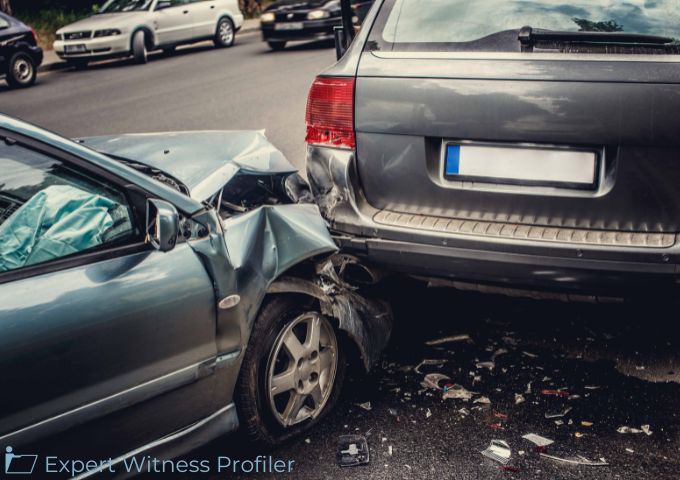
This action involves a motor vehicle accident in which James Francis O’Rourke was killed. Plaintiff, as Personal Representative of the Estate of O’Rourke, alleged that Defendants caused the accident by the negligent and wanton transportation of a superload in Alabama. The superload and a vehicle operated by O’Rourke collided on a bridge.
Plaintiff proffered Travis Gourley as an accident reconstructionist. Gourley obtained data which inform his opinions. He collected EDR information from both O’Rourke’s car and the superload, the GPS and Garmin data from the superload, and photographs of the accident scene. Gourley visited the scene in the daytime and nighttime, reviewed dash camera footage from the superload and an escort vehicle. He reviewed security camera footage from two businesses along the designated route.
Defendants filed a motion to strike several of Gourley’s opinions. They first challenged his opinion that O’Rourke’s vehicle was likely not stopped on the roadway shoulder prior to the accident. Defendants characterized this opinion as speculative and conjectural. However, they acknowledged that Gourley based his opinion on physical evidence, the acceleration and deceleration capabilities of O’Rourke’s vehicle, the relative spacing of the vehicles in the superload escort convoy as depicted in surveillance and dash camera video, and the time between the superload driver being informed of oncoming vehicles and the moment of impact.
Defendants argued that Gourley’s opinions should be stricken because he made assumptions for which he “performed no real-world testing or simulations,” and failed to account for alternative variables and other witness testimony.
Accident Reconstruction Expert Witness
Travis R. Gourley holds a bachelor’s degree in civil engineering and has graduate education in vehicle dynamics, human factors, engineering, and accident reconstruction.
To begin with, Defendants specified three opinions that they argued fail “to adequately account for obvious alternative explanations for how and why this accident occurred.”
The three challenged opinions are that the accident could have been avoided if (1) the superload, pilot and Trooper vehicles commenced the move at 9:00 p.m. as opposed to 8:47 p.m., (2) the superload traveled the posted speed limit of 45 mph, and (3) the superload slowed to a complete stop and moved over to the right after being alerted of the oncoming vehicles.
As for the first challenged opinion, i.e., that the accident could have been avoided if the route had begun at 9:00 p.m. rather than 8:47 p.m., Gourley bases his opinion on the subject ALDOT permit and his “common sense” understanding of traffic density. As a result, the Court concluded that Defendants’ motion is due to be granted as to this opinion. Basically, this opinion is speculative, unhelpful to the jury, an improper subject of expert testimony, and improper testimony regarding a violation of the subject ALDOT permit.
The Court concluded that Defendants’ motion as to the second and third specified opinions is due to be denied because those opinions may be helpful to the jury and are not subject to exclusion, but rather are proper subjects of cross-examination.
Held
The Court granted in part and denied in part Defendants’ Daubert challenge and/or motion to strike certain opinions of Plaintiff’s expert Travis Gourley.
Key Takeaway
The failure to include variables in an expert’s testing will affect the analysis’ probativeness, not its admissibility.
Even if a jury could find some inconsistency between an expert’s report and his deposition that might undermine his testimony at trial, that credibility question is one for the jury to answer.
Plaintiff Brooke Mann suffered serious injuries at a music festival in September 2021 when a shuttle tram on which she was riding tipped over on a sloped roadway.
The Lost Lands Music Festival takes place each September at Legend Valley, a large outdoor venue near Buckeye Lake and Thornville, Ohio. The multi-day festival is dinosaur-themed and features electronic dance music. About 30,000 people attended the festival in 2021.
Defendant Apex Event Management LLC is a Delaware company with its principle place of business in California. It promoted the festival in 2021, as it had previously. To present the festival, Apex contracted with other entities and individuals to acquire the necessary rights, to book talent, to market and sell tickets, and to obtain the goods and services needed for putting on the festival.
Apex acquired the right to use Legend Valley through Defendant Trickle Productions LLC, an Ohio business.
Plaintiff sued Apex Event Management, LLC and Trickle Productions, LLC whom she alleges are responsible for the accident under Ohio’s legal standards governing negligence.
Plaintiff’s expert, James Crawford, has issued three separate reports. Apex and Trickle moved to strike the third report, dated December 12, 2024.
Accident Reconstruction Expert Witness
James B. Crawford is a forensic engineer and accident reconstructionist. He provides vehicular accident reconstruction services and has reconstructed over 750 accidents. He has provided expert testimony in Federal, State, and Municipal Courts.
Defendants contended that Plaintiff improperly produced the third report after the Court’s August 26, 2024 deadline for the production of primary expert reports and even after the October 26, 2024 deadline for fact discovery.
Whether the Third Report Qualifies as a Supplemental Disclosure
Crawford’s third report is presented as a complete, stand-alone report. Even so, Plaintiff characterizes it as a supplemental disclosure under Rule 26(e)(2). She argued that disclosure of the third report was required because of new information she learned after Crawford prepared his second report.
Zemba’s corporate representative, Bryan Paisley’s deposition did reveal a new fact – that in the course of creating the reconfigured section, Zemba placed dirt on top of the section of the road where the accident occurred. Had Crawford’s third report incorporated additional material to address that possibly new fact, then the Court would be inclined to agree with Plaintiff’s characterization of the third report as a supplemental disclosure. However, the third report did not even acknowledge, let alone discuss, the fact that dirt had been placed on top of the section of road where the accident occurred.
The new “fact” which the third report instead addresses does not relate to the physical changes to the road but rather to Zemba’s motive in creating the new section of road. Paisley testified that Zemba built the new section – straighter and not as steep as the old section – because it would be easier for its dump trucks to use.
The third report treated Paisley’s testimony as an admission that the old road was “unsafe.” Not only has Crawford mischaracterized Paisley’s testimony – insofar as Paisley testified that the new section was safer, not that the old section was unsafe – but the third report did not include any reconsideration of the conditions of the accident-scene road in light of Paisley’s testimony about dirt being placed on top of it during the 2022 reconfiguration. The Court thus found that the third report is not responsive to “information that was not available at the time” of the second report.
Whether the Untimely Disclosure is Substantially Justified or Harmless
The third report was indeed a surprise. Following the grant of prior extensions, the Court set a strict deadline of August 26, 2024 for the production of primary expert reports. It also set a dispositive motion deadline of December 20, 2024, and advised the parties that no further extensions would be granted. Plaintiff waited until after these deadlines to disclose the third report, and she did so only once Defendants’ motions for summary judgment were filed.
The Court noted that the additional scope of Crawford’s third report (as compared to the second report) went beyond addressing Paisley’s purported admission that the accident-scene road was unsafe. Crawford added content discussing the Federal Highway Administration’s standards for the design and maintenance of gravel roads, the classification of the tram as a “commercial vehicle,” and the resulting implications under federal and state law.
Because all of this additional material was first disclosed in the third report, Defendants did not have notice of Crawford’s new opinions until after the close of expert and fact discovery and after Defendants had moved for summary judgment.
Held
The Court granted the Defendants’ motion to strike the third report of Plaintiff’s expert James Crawford.
Key Takeaway:
While Defendants acknowledged that the new matters addressed in the third report have importance, Plaintiff has not provided a satisfactory explanation for the late disclosure of the third report. The reconfiguration of the accident road was known to Plaintiff several months in advance of the deadline for primary expert reports. To the extent Paisley’s deposition revealed a new fact (the placing of dirt on the old section of road) the third report does not address that fact.
This case arises from an accident involving a Robinson R44 II helicopter, registration N442VB (“Helicopter”), that occurred on the evening of December 30, 2021, in Levy County, Florida. The Helicopter was being flown at night by the owner-pilot, Ronald Hicks (“Pilot Hicks”), from a local friend’s residence to his private property. At the time of the accident, Pilot Hicks had less than ten hours of night flight experience in helicopters and was not certified under Instrument Flight Rules (“IFR”). Mr. Hicks, Shelly Kate Hicks, and their two children sustained fatal injuries.
Defendant filed a Daubert motion to limit the testimony of Plaintiffs’ accident reconstruction expert John Bloomfield.
Avionics Expert Witness
John W. Bloomfield is the President and owner of Bloomfield Research and Development and am the holder of twelve United States patents in the disciplines of electronics, robotics, avionics, medical electronics, ultrasonics, precision spread spectrum radio ranging, battlefield communications, cellular digital software, and electronic toys.
He holds an engineering degree in systems engineering and has 35 years of experience in aircraft electrical and avionics system. He has also been involved in the investigation of hundreds of aircraft accidents.
First, the Defendant argued that Bloomfield opined regarding “metallurgical issues,” namely, that steel debris caused engine failure, despite being unqualified to do so. However, the Court has reviewed Bloomfield’s qualifications and is satisfied that, based on his extensive experience, which includes investigating numerous aircraft accidents and examining component parts, he is qualified to opine that steel debris caused the engine failure.
Reliability
Second, the Defendant argued that Bloomfield’s opinion that steel debris caused a loss of torque is untested and entirely speculative and therefore unreliable. Plaintiffs responded that Bloomfield explained he could not test the debris because it was not preserved, and testing could not be performed under substantially similar circumstances. He instead based his opinion regarding the presence and size of steel debris on the gouges left on the crankshaft.
Bloomfield explained that any debris that was between the gear and the crankshaft was lost when the engine was taken apart and wiped during the inspection. And he testified that it was not possible to replicate his theory of the crash in a testing environment.
Though Bloomfield’s failure to test his contamination theory is not determinative, this Court is not absolved of its gatekeeping function.
The Court found that Bloomfield met the Daubert standard. Bloomfield explained why, based on a variety of evidence including key indicators used by other accident investigators, he concluded that the helicopter’s engine was not under power when the helicopter crashed.
He then explained, using other case studies for reference, why he believed the dowel pin in the engine fractured not upon impact but during flight, causing a cessation of engine power.
Finally, he discussed how the fractured dowel pin was caused by the loose gear bolt found in the engine, which could in turn be caused by a loss of torque from debris on the crankshaft, and how the presence of such debris was evinced by score marks on the gear face and crankshaft face.
Helpfulness
Defendant argued that Bloomfield’s criticism of the National Transportation and Safety Board’s investigation, particularly his discussion of the NTSB’s failure to preserve alleged contaminants, is neither reliable nor helpful.
Defendant is concerned that Plaintiffs are trying to backdoor in a spoliation claim at trial. The Court previously denied Plaintiffs’ motion for a finding of spoliation and sanctions based upon Defendant’s alleged failure to preserve contaminants on the engine. The Court is prepared to sustain objections to any attempts to circumvent this Court’s ruling, including any argument that Defendant intentionally destroyed evidence. However, Plaintiffs’ experts may, of course, discuss the lack of physical evidence of contamination and their inability to perform certain tests on the engine because it was cleaned during the investigation.
To that end, this Court is satisfied that Bloomfield can also reliably opine as to the way the engine was handled after the crash. Bloomfield either personally observed the instances he described, or he explained how, based on his training and experience, these parts are typically handled during the inspection process.
Held
The Court denied the Defendant’s Daubert motion to limit the testimony of Plaintiffs’ accident reconstruction expert John Bloomfield.
Key Takeaway
The Court is satisfied that Bloomfield has demonstrated his opinion is reliable. To the extent Defendant wishes to challenge Bloomfield’s conclusions and their bases, vigorous cross-examination, presentation of contrary evidence, and careful instruction on the burden of proof are the traditional and appropriate means of attacking shaky but admissible evidence.
Case Details:
Case Caption:
Law V. Avco Corporation
Docket Number:
1:24cv3
Court Name:
United States District Court for the Northern District of Florida, Gainesville Division
This action arises out of a car accident that took place in April 2022 in Gainesville, Georgia. At the time of the accident, Defendant Darar Kerenso was employed as a driver for HJ Trucking. Plaintiff Charlene Taylor-Thomas was sitting in the driver’s seat of a parked and turned off vehicle with a friend in the passenger seat.
Specifically, the vehicle was parked on a curb near the entrance to a gas station. Kerenso turned his trailer into the gas station parking lot and struck the rear of the Plaintiff’s vehicle.
Consequently, the Plaintiff filed a motion to exclude the testimony of Ian Campbell and Marc Paradiso on grounds that the Defendants’ failed to properly disclose these experts and provide a timely expert report pursuant to Fed. R. Civ. P. 26(a)(2)(B).
Biomechanics Expert Witness
Ian C. Campbell, Ph.D, P.E. is a Senior Managing Engineer at Exponent Engineering & Scientific Consulting. He received his bachelor’s degree in Physics and Mathematics from St. Olaf College and his doctorate in Biomedical Engineering from the Georgia Institute of Technology and Emory University. He is a professionally licensed engineer in the states of Georgia, Texas, and California.
Basically, Campbell conducts research in micromobility products (including electric scooters and bicycles), airbag interactions, and analyzes specific incidents resulting in an injury.
Marc A. Paradiso, M.S., P.E. is a Senior Managing Engineer at Exponent Engineering & Scientific Consulting. He received his bachelor’s degree in Mechanical Engineering from The Georgia Institute of Technology and his master’s degree in Mechanical Engineering from Clemson University. He is a professionally licensed engineer in the states of Georgia, Arkansas, and New York.
Paradiso specializes in the investigation and reconstruction of on- and off-road motor vehicle accidents.
Specifically, Plaintiff contended that the Defendants did not provide either a complete statement or written report from these experts as to the subject of their testimony until March 18, 2025, six days prior to the close of the discovery period. As a result, the Plaintiff had less than a week to review the expert reports, schedule depositions, and identify rebuttal experts.
The Defendants opposed the motion, noting that the Plaintiff did not dispute that the content of their disclosures complied with Rule 26 but took issue only with the timing of their disclosures.
They contended that they disclosed the experts’ identities along with a statement as to their backgrounds, qualifications, and expected opinions and testimony on January 21, 2025, approximately three months before discovery closed on March 24.
The Defendants acknowledged that the full expert reports were not served on the Plaintiff until March 18 but asserted that the Plaintiff informed them in February that, although she intended to depose Exponent, Inc.—Campbell and Paradiso’s employer—under Rule 30(b)(6), she did not intend to depose Campbell and Paradiso themselves. As a result, the Defendants argued, any failure to comply with Rule 26 was harmless.
Analysis
However, the Court did not find exclusion of the Defendants’ experts to be warranted under the facts presented. First, it did not appear that the Defendants actually violated Rule 26 with regard to the timing of their disclosures because both experts were identified and complete expert reports were provided to the Plaintiff prior to the close of discovery on March 24, 2025.
The Court acknowledged, however, that the Defendants’ disclosure of the complete expert report on March 18th gave the Plaintiff a tight timeline to review the report and make strategic decisions before the close of discovery on the March 24th.
Second, the Defendants have presented evidence that they provided the Plaintiff with ample opportunity to depose the experts prior to the close of discovery or even after and that the Plaintiff did not express interest in doing so.
Given the Plaintiff’s apparent decision not to pursue deposing Campbell and Paradiso themselves, and to postpone her scheduled deposition of Exponent, the Court cannot find that any violation of Rule 26 harmed the Plaintiff.
As no trial date has been set and Rule 26(a)(2)(D) gave the Plaintiff 30 days to identify a rebuttal expert once she received the complete expert report, the Court cannot find that the Plaintiff has suffered any harm from the Defendants’ alleged violation.
Held
The Court denied the Plaintiff’s motion to exclude the expert reports of Ian Campbell and Marc Paradiso.
Key Takeaway:
The purpose of Rule 26 is to provide the parties ample opportunity to “prepare for effective cross examination and perhaps arrange for expert testimony from other witnesses.”
This case concerns a motor vehicle accident involving the Plaintiffs, Vanessa Rivera and her minor child K.C., and Joseph Giordano, a driver for Defendants Safway Services, LLC and Brand Safway Services, LLC. The Plaintiffs asserted four counts of negligence against the Defendants and sought damages for the physical, emotional, and financial injuries they allegedly suffered from the accident.
Defendants filed a motion to exclude the opinions of Dr. Nikhil Thakur and Maryanne Cline. Basically, the Defendants contended that Thakur’s opinions are not founded on a satisfactory level of analytical rigor and are not the product of reliable principles and methods.
Moreover, Defendants added that Thakur’s conclusions regarding future medical treatment were speculative under Massachusetts law governing future damages. Based on these challenges, Defendants argued that excluding the expert testimony would mean Plaintiffs could not establish the necessary amount in controversy, requiring dismissal for lack of subject matter jurisdiction.
As for Cline, the Defendants’ only justification for moving to exclude her medical cost projections hinges on the preclusion of Thakur’s opinions.
Orthopedic Surgery Expert Witness
Dr. Nikhil Thakur is a Board Certified Orthopaedic Spine Surgeon, who specializes in Adult Reconstructive Spine Surgery. Previously, he was an Assistant Professor at SUNY – Upstate in Syracuse NY, where he performed over 300 elective and traumatic spine surgeries at a Level 1 Trauma Center each year. He also developed and ran the spine program at Upstate University at Community General. He continues to hold an adjunct professorship there and is actively involved in his stem cell lab, which he co-directs.
Thakur completed his spine fellowship at the prestigious Emory Spine Center in Atlanta, where he was involved in the care of the Atlanta Falcons. He also completed an orthopaedic trauma fellowship at Brown University – Rhode Island Hospital.
Maryanne Cline began her career in nursing in 1985 and specifically, rehabilitation nursing in 1991. She worked with traumatically injured clients at St. Anthony’s Medical Center in Crown Point, Indiana and in the Physical Medicine and Rehabilitation Inpatient Unit at The Cleveland Clinic.
Her varied clinical experience includes cardiology, medical/surgical, oncology and hospice. Cline has nearly ten years’ experience in the field of Life Care Planning, first as a research assistant then becoming a Certified Life Care Planner in 2012.
Defendants moved to exclude the testimony and opinions of plaintiffs’ experts, Thakur, an orthopedic spine surgeon, and Maryanne Cline, a certified nurse life care planner. They argued Thakur’s opinions were inadmissible under Federal Rule of Evidence 702. Defendants asserted his opinions lacked satisfactory analytical rigor and did not result from reliable methods.
Methodology
The Court evaluated Thakur’s methodology for forming his expert opinions. Thakur based his opinions on a physical examination of Rivera. Furthermore, he also took her medical history and interpreted medical records from her other healthcare providers. Ultimately, the Court found this approach constituted a reliable methodology under Federal Rule of Evidence 702.
The Court addressed the Defendants’ specific challenges to alleged “errors and omissions” in Thakur’s report. Specifically, Defendants argued certain points, like the fact that Thakur described the accident as a slip and fall instead of a motor vehicle accident or that Thakur did not reference any medical records contradicting his description of Rivera’s ongoing complications and his diagnosis of a C4-C5 disc herniation, warranted exclusion. Nevertheless, the Court held that these disputes over the factual underpinnings of the report did not evince a “significant ‘analytical ga[p]’” between Thakur’s opinions and the record evidence.
The Defendants’ only methodological quibble—that Thakur did not wait until two years after the accident to measure Rivera’s maximum medical improvement—is not a significant enough analytical issue to merit wholesale exclusion of his opinions.
The Defendants next argued that Thakur’s conclusions regarding Rivera’s future medical treatment are “speculative and precatory” and must be excluded under Massachusetts law governing recovery for future damages.
A Plaintiff, however, “is not restricted to compensation for suffering and expense” that “will inevitably follow,” because “suffering and expense following an injury cannot be foretold with exactness.” Instead, a Plaintiff may be compensated for expenses “which by a fair preponderance of the evidence [she] has satisfied the jury reasonably are to be expected to follow.”
Relevance
Under Federal Rule of Evidence 403, the Court determined Thakur’s opinions had significant probative value which was not substantially outweighed by the danger of unfair prejudice or jury confusion. Moreover, the Court rejected the argument that the jury would improperly rely on Thakur’s credentials alone or become confused by the “stark contrast” between Thakur’s report and Rivera’s deposition testimony.
Since Thakur’s opinions were admissible under Rules 702, 403, and Massachusetts law, the Court likewise found that Maryanne Cline’s medical cost projections should not be excluded. After all, Cline based her opinions on Thakur’s admissible findings and recommendations.
Held
The Court denied the Defendants’ motion to exclude the experts, Dr. Nikhil Thakur and Maryanne Cline.
Key Takeaways:
Ultimately, the “errors and omissions” highlighted by the Defendant did not evince a significant analytical gap between Thakur’s opinions and the record evidence.
Because the evidentiary value of Thakur’s opinions is not substantially outweighed by the risk of jury confusion or unfair prejudice, exclusion of his report and testimony is unwarranted.
Case Details:
Case Caption:
Rivera V. Safway Servs., LLC
Docket Number:
1:23cv12184
Court Name:
United States District Court for the District of Massachusetts
Plaintiff, Luvelle James alleged that during a winter storm on January 6, 2022, his car was struck on Interstate 55 by an Aramark truck being driven by Steven Moore. As a result of this crash, Plaintiff alleged injuries to his back, neck, and head. He sought damages for past and future medical bills, past and future mental and physical pain and suffering, past and future lost wages, the loss of earning capacity, and loss of enjoyment of life.
James alleged claims of negligence (Count I), negligence per se (Count II) and negligent hiring, training and supervision against Defendants Steven Moore and Aramark Uniform & Career Apparel, LLC. He also sought punitive damages against both Defendants.
Plaintiff’s expert Michael Connelly testified that Defendant Moore failed to meet industry standards of care for a commercial driver in his operation of the Aramark truck on the day of the accident. Second, that Defendant Aramark failed to meet industry standards of care for a motor carrier with respect to Aramark’s training, supervision, and monitoring practices over its employee, Steven Moore. Defendants filed a motion to exclude Connelly’s testimony.
Transportation Safety Expert Witness
Michael Connelly is the president of Transhield, Inc. He and the Company specialize in providing third party safety and compliance solutions to transportation, distribution, and logistics companies nationwide.
A graduate of Clemson University, Connelly has been in the transportation industry for over 20 years. A licensed CDL driver, he has served many operational roles in both the Truckload and LTL industry sectors. Upon entering the field of transportation safety, he quickly rose to the top of an industry leading fleet in Western Maryland.
Defendants did not challenge Connelly’s qualifications. Instead, Defendants argued that Connelly’s opinions were not based on sufficient facts to be reliable and helpful to the jury.
Failure to Consider Deposition Testimony
First, Defendants contended that Connelly’s opinions were unreliable because Connelly did not consider or even review the testimony of Plaintiff James, and that Connelly therefore inaccurately stated that the road conditions were disputed at the time of the accident. Defendants maintained that James admitted the road was not snow-covered until he stopped on the interstate immediately before the accident. Similarly, Defendants pointed out, Defendant Moore testified there was no snow or ice on the road until just before the accident.
Both parties therefore appeared to agree that there was no snow on the roadway until just before the accident; however, what they mean by those statements could be different. Plaintiff James’s actual testimony is that “when I got to the major incident and stopped the car, the road was snow covered because there wasn’t – wasn’t nothing moving.”
Defendants also asserted that Connelly improperly relied on a Missouri Highway Patrol officer’s testimony regarding the severity of the road conditions. Defendants argued that the officer could not have known the road conditions at the time of the accident because he did not arrive at the scene until sometime later.
Because Connelly based his opinions on this allegedly incomplete or misleading information, Defendants said that his testimony should be excluded. However, the Court held that Connelly’s opinion was not fundamentally unsupported and that the Defendants’ concerns about any “cherry-picked” facts may be addressed through cross-examination.
Other Accidents on the Interstate
Next, Connelly’s opinion stated that Defendant Moore would have passed at least four accidents prior to the collision with Plaintiff.
However, Connelly admitted he was mistaken, and the four accidents to which he referred actually happened after the parties’ collision.
The Court held that Connelly may therefore not testify as to the existence of the four accidents.
Opinion Regarding when to Slow Vehicle
Next, Defendants addressed Connelly’s opinion that Defendant Moore waited too long to slow his vehicle. Defendants complained that Connelly improperly “assumed that Moore encountered hazardous weather conditions well before” the time and location of the accident. Defendants quibble again with the testimony from the Plaintiff, Defendant, and the highway patrol officer. Again, as with the question of when the roads became snow-covered, the Court held that the factual basis for Connelly’s opinion was subject to cross-examination.
Citation for driving too fast
Defendant objected to Connelly’s report stating that Defendant Moore was ‘cited’ for driving too fast. Connelly now admits that Defendant Moore received no citation or ‘ticket’ for driving too fast for conditions. The Court held that Connelly may not testify that such a citation exists.
Held
The Court granted in part and denied in part the Defendants’ motion to exclude the testimony of Michael Connelly.
Key Takeaway:
Because Connelly’s opinion is not fundamentally unsupported, Defendants’ concerns about any “cherry-picked” facts may be addressed through cross-examination. After all, the factual basis of an expert opinion goes to the credibility of the testimony, not the admissibility, and it is up to the opposing party to examine the factual basis for the opinion in cross-examination.
On a foggy night in November 2015, Plaintiff Kedron Gaston, a minor at the time, was heavily injured in a car accident. The car, driven by her aunt, collided with the back of a semi-truck, resulting in her aunt’s death. The Plaintiff’s mother, seated in the front passenger position, suffered severe injuries that made her unable to care for the Plaintiff and her sister. Consequently, Plaintiff entered foster care. She subsequently sued the semi-truck driver, Defendant Jackie Hazeltine (“Hazeltine”) and his employer, Defendant Royal Paper Stock Co., Inc. (“RPS”), for negligence and for causing emotional distress. The Plaintiff also filed a lawsuit against RPS and Hazeltine’s insurer, Defendant Grange Mutual Casualty Co. (“Grange”), for spoliation related to testing performed on the semi’s rear lighting in July 2016 by Grange’s expert Adam Hyde.
Key issues include the functionality and activation of the semi’s rear lighting system at the time of the accident; the handling of the lighting system after the accident, especially the right rear taillight; and the nature and extent of Plaintiff’s loss and injuries as the result of the accident.
The Defendants hired expert witnesses to provide insights on these matters. Forensic psychiatry expert witness Stevan Weine concluded in his expert report dated March 2, 2023, that the Plaintiff did not exhibit any psychiatric condition during her February 2023 interview, despite previous psychiatric diagnoses. Automotive engineering expert witness Erik Anderson determined that the semi’s rear-facing light assembly was well preserved and capable of being tested to determine whether the bulbs were energized at the time of the accident. Accident reconstruction expert witness, Steven Grundhoefer confirmed that the semi’s taillights were functional and illuminated at the time of the accident.
Stevan M. Weine is the Professor of Psychiatry at the UIC College of Medicine, where he’s also the Director of Global Medicine and Director of the Center for Global Health. For 30 years he has been conducting research both with refugees and migrants in the U.S. and in post-conflict countries, focused on mental health, health, and violence prevention.
His work has been supported by multiple grants from the NIMH, NICHD, DHS, NIJ, and other state, federal, and private funders, all with collaboration from community partners. This work has resulted in more than 130 publications and three books. He has been awarded two Career Scientist Awards: “Services Based Research with Refugee Families” from the National Institute of Mental Health and “Labor Migration and Multilevel HIV Prevention” from the National Institute of Child Health and Human Development.
Weine is the 2020 recipient of the Abraham L. Halpern Humanitarian Award of the American Association for Social Psychiatry and the 2023 recipient of the Piergiorgio L.E. Uslenghi Global Engagement Faculty Award.
Erik Selmer Anderson is an automotive engineer with nearly twenty years of professional experience, fourteen of which were spent working directly for automotive manufacturers. He has direct design and testing experience in vehicle structures, crashworthiness, and closure systems engineering. Erik applies his expertise to expert witness investigations pertaining to vehicle crashworthiness, crash reconstruction, vehicle systems performance, and exterior/interior upper body mechanisms.
Upon completion of his degree in Mechanical Engineering, Erik worked for eight years with Nissan. There, he held positions in Body Design, Closures Design, and Crash Safety. As a Crash Safety engineer, he was responsible for ensuring the achievement of dynamic safety targets, both on a component basis and for complete vehicle performance. This included work in both the virtual design phase through simulation analysis, as well as overseeing and analyzing physical crash testing. Erik performed design/test work on sedans, pickup trucks, crossovers, and cargo vehicles throughout the entire development lifecycle and into mass production.
Continuing his automotive career, Erik then worked at Honda Research & Development for six years, where he was responsible for closures design engineering as a design team chief. At Honda, Erik led a team of design engineers in developing all aspects of minivan slide doors. He also served as design chief for minor-model updates on pickup truck door and tailgate closures. Erik has expertise in all elements of upper body design, including structures, dynamic and static crash safety, sealing, NVH, power-door systems, latches, and exterior/interior components, among others.
Erik earned his Engineering degree from the University of Michigan, one of the nation’s most respected programs. Throughout his career, he has accumulated a multitude of patents for key innovations in upper body design. His education and deep industry experience designing and testing vehicles qualify Erik to investigate a broad range of vehicle topics.
Steven Grundhoefer has 20 years of experience in traffic accident reconstruction. In addition to being ACTAR certified, he is a licensed Professional Engineer in Indiana, Kentucky, Ohio, and Illinois. He possesses extensive trial and deposition experience. He holds a Bachelor’s Degree in Civil Engineering from Purdue University and has approximately 10 years of experience in roadway and site design.
Plaintiff argued that Weine lacked expertise regarding adolescents impacted by traumatic events like car crashes. She pointed out that his CV highlighted experience in global health and refugee issues, but it lacked specific trauma experience related to car accidents involving children. One reference in his CV mentioned “Forensic Psychiatry Practice,” but it did not provide dates to indicate his experience in this area.
However, the Court found that Weine’s CV showed significant experience in analyzing and treating adolescents affected by trauma. He held a fellowship at Yale focused on college students’ mental health and worked as an attending psychiatrist in their Adolescent Partial Hospital. He co-authored articles related to psychiatric care for child and adolescent patients.
In an affidavit, Weine stated he had extensive experience with children and adolescents in traumatic situations. He explained that diagnosing PTSD due to various traumatic events followed a similar approach. His forensic psychiatric practice spanned over 20 years, including cases involving trauma from motor vehicle accidents.
Plaintiff also claimed Weine lacked experience in forensic interviews, citing a failure to discuss informed consent extensively during their interview. However, the transcript along with Weine’s affidavit shows that he discussed the elements of informed consent, including the limits of confidentiality, the extent of his intended disclosures, and the purpose of the interview, with Plaintiff before she agreed to proceed with the interview.
Grange successfully demonstrated that Weine’s qualifications allowed him to address the effects of the Plaintiff’s injuries on her development. The Court held he was qualified to testify as an expert witness under Rule 702.
B. Reliability
The Plaintiff argued that Weine’s opinions from his March 2023 report lacked reliability for two reasons. First, she claimed he did not review enough facts or data before reaching his conclusions about her mental health and history. Second, she criticized his methodology for its inconsistency with ethical guidelines followed in the practice of forensic psychiatry. Based on these points, Plaintiff asserted that Weine’s opinions did not reflect reliable principles in the mental health field.
1. Collateral Information
AAPL Forensic Guideline 5.3 emphasizes the importance of reviewing collateral information in forensic assessments. The Plaintiff claimed Weine violated this guideline by excluding collateral information. However, the argument failed for two reasons.
First, Forensic Guideline 1 clarified that the guidelines do not dictate standards for evaluations. Psychiatrists must use professional judgment to determine appropriate methods of performing a forensic evaluation based on unique circumstances.
Second, the Court found that Weine did consider collateral information. Plaintiff defined collateral information as data obtained from sources other than the subject but did not specify what collateral information Weine excluded from his analysis. According to his report, he reviewed “a variety of documents and videos, including Gaston’s school records from elementary school to present, her employment and training records, medical records, video footage of her deposition, and video footage of the depositions of her guardians, Matthew and Tamara Cochran” in addition to collateral information listed in his report.
Despite these claims, any potential non-compliance with Rule 26(a) was harmless. Courts assess harmlessness based on factors like prejudice to the opposing party and whether the omission disrupted the trial. The Court held that prejudice to Plaintiff is minimal and has been remedied to a degree with Weine’s recent affidavit, which discloses his sources.
2. Context, Frequency, Intensity of Symptoms
The Plaintiff further argued that Weine’s assessment failed to address the context, frequency, and intensity of her symptoms. However, Weine’s notes and report showed he investigated her experiences at school and work. Disagreements between Weine and Westcott about the adequacy of this context relate to substance rather than reliability, making it an issue for the factfinder.
Regarding the frequency and intensity of her symptoms, the Court found that Weine had asked about these aspects during the interview. Though he and Westcott employed different styles, he adequately explored the necessary details.
Plaintiff also contended that Weine did not follow accepted methodologies for diagnosing her potential psychiatric disorders. However, he reported her scores on relevant diagnostic tests consistent with best practices.
The Plaintiff criticized Weine’s report for presenting her history through unattributed quotations, alleging many inaccuracies and typographical errors. However, Weine explained he relied on his notes during the report’s preparation. The discrepancies between his report and the interview transcript were minor and did not undermine his reliability.
Finally, the Plaintiff disputed Weine’s assessment of her quality-of-life post-accident, alleging he manipulated facts. The Court observed that such factual disputes should be explored through cross-examination rather than exclusion of evidence. The evidence showed that Weine’s testimony was admissible under Rule 702 and Daubert.
C. Federal Rule of Evidence 403
Federal Rule of Evidence 403 allows Courts to exclude evidence if its probative value is substantially outweighed by the risk of unfair prejudice or confusion. The Plaintiff further argued that Weine’s report could mislead the jury due to alleged mishandling of facts. However, her previous challenges to his reliability had been dismissed, and she presented no further arguments of undue prejudice.
There was no indication that Weine’s testimony would evoke irrational behavior from the jury. His report clearly explained the Plaintiff’s history and his conclusions. Given the central nature of her damages to the case, Weine’s opinions held significant probative value. Therefore, his testimony remained admissible under Rule 403.
II. Erik Anderson
Erik Anderson was retained by Grange to assess whether the rear right trailer taillight bulb could be analyzed for energization during the crash. In forming his conclusions, Anderson reviewed evidence, including video footage and photographs from a visual inspection conducted on November 29, 2022 which he did not attend. This inspection was notice by RPS and Hazeltine on November 17, 2022. The notice aimed to confirm the condition of the light assembly previously inspected by Grange’s expert, Adam Hyde, in July 2016.
The notice outlined a protocol for the inspection. This protocol restricted all contact with the light assembly to Hyde and required electronic recording by an identified individual. It also mandated a certification process for attendees.
In response, the Plaintiff reiterated her stance that Hyde had destroyed the light assembly in 2016, calling the visual inspection a “sham.” However, she did not object to any part of the inspection protocol but repeated her argument that Hyde’s actions precluded further analysis. Neither she nor her representatives attended the inspection.
Plaintiff argued that Anderson’s opinions should be excluded under Fed. R. Evid. 702 and Daubert due to unreliability. She claimed he relied on evidence from an improperly conducted inspection and disregarded conflicting evidence. Alternatively, she contended that his testimony could confuse the jury and should be excluded under Fed. R. Evid. 403.
A. Reliability
The Plaintiff argued that Anderson’s opinions were unreliable because they stemmed from his review of the November 2022 visual inspection, conducted without an agreed protocol or Court order. She claimed RPS and Hazeltine violated local rules by proceeding without proper certification of a discovery dispute. However, their notice did not demonstrate any unresolved dispute that required her involvement.
Moreover, the Plaintiff’s response to the notice did not request any relief regarding the inspection. She did not question the protocol or seek to halt the visual inspection. Instead, she expressed skepticism about RPS and Hazeltine’s motivations. Consequently, her response did not raise any legal issues for the Court. Later, she aimed to undermine Anderson’s reliability based on her previous response, yet she provided no authority to connect her concerns to his methods. Therefore, the Court allowed Anderson’s testimony under Rule 702 and Daubert.
B. Federal Rule of Evidence 403
The Plaintiff’s alternative argument for excluding Anderson’s opinions under Fed. R. Evid. 403 also failed. She focused on this Court’s acceptance of findings from her mother’s case against RPS and Hazeltine regarding spoliation of the light assembly. The Court confirmed that the findings on spoliation applied here and stated that while RPS and Hazeltine could not relitigate the spoliation issue, Grange could.
The Plaintiff suggested that Anderson’s differing opinions would confuse the jury about how the same event could represent spoliation for one party but not another. However, her concern lacked merit. The condition of the light assembly was crucial to the spoliation claim against Grange, making Anderson’s insights highly relevant.
The Plaintiff merely implied that the differences between his opinions and those of other experts would confuse the jury. Yet, the jury’s role is to weigh competing evidence to resolve factual questions. She failed to provide substantial support for her claim that Anderson’s opinions would confuse the jury regarding spoliation.
Thus, the Court determined that the probative value of Anderson’s opinions outweighed any risk of undue prejudice or confusion. Consequently, his opinions and testimony remained admissible under Fed. R. Evid. 403.
III. Steven Grundhoefer
Steven Grundhoefer was hired by RPS and Hazeltine to study and survey the November 2015 collision site. His work aimed to assist in analyzing and reconstructing the accident. Grundhoefer summarized his findings in 43 bullet points. The Plaintiff challenged one of these opinions and requested to exclude Grundhoefer’s entire opinion as unreliable under Fed. R. Evid. 702 and Daubert, or as potentially confusing under Fed. R. Evid. 403.
The Plaintiff contested Grundhoefer’s assertion that the four rear taillights on the semi-trailer were illuminated during the collision. She argued that he based this conclusion on police photographs taken after the crash. Additionally, she claimed this opinion conflicted with Hyde’s expert testimony from her mother’s case before the Wabash Court, which stated the lights were off at the time of the accident. The Plaintiff also pointed to conflicting testimonies from officers present at the scene, suggesting that Grundhoefer selectively used evidence to support his preferred conclusion. She argued that the differing expert opinions indicated Grundhoefer’s findings were unreliable.
The Plaintiff’s arguments highlighted that this case might require a “battle of the experts” to resolve the issue of the lights’ illumination during the crash. Expert testimony would likely help the factfinder assess the conflicting evidence regarding illumination, crucial for determining the Plaintiff’s negligence and spoliation claims. The Plaintiff attempted to undermine Grundhoefer’s opinion without solid support, which did not diminish its relevance to the factfinder.
Moreover, RPS and Hazeltine demonstrated that Grundhoefer considered more than one set of police photographs in forming his opinion about the lights. His amended report and affidavit revealed he reviewed photographs and videos from inspections of the taillights and bulbs, alongside police scene images.
The Plaintiff argued that Grundhoefer selectively ignored key evidence. Specifically, he overlooked the deposition testimony from Detective Sergeant Mike Davis and Trooper Swisher. Officer Davis had testified about the flashers’ illumination while at the scene. The Plaintiff suggested that his testimony contradicted Grundhoefer’s conclusions regarding the lights, but she did not clarify this alleged contradiction.
In contrast, RPS and Hazeltine argued that Officer Davis’s testimony did not contradict Grundhoefer at all. Trooper Swisher noted that he believed the taillight was not functioning before the crash. While this testimony might seem to contradict Grundhoefer, the Plaintiff failed to provide evidence showing that an expert must align with every witness’s account to be deemed reliable. Her concerns highlighted the necessity for the factfinder to consider all evidence, including Grundhoefer’s opinion.
Therefore, Grundhoefer’s opinion about the lights’ illumination and his entire expert report were sufficiently reliable for admission under Rule 702 and Daubert. The Plaintiff’s unsupported claim that Grundhoefer’s opinion could confuse the jury did not justify the exclusion his testimony under Fed. R. Evid. 403.
Held
The Court denied the Plaintiff’s motions to exclude the testimony of Defendants’ expert witnesses Stevan Weine, Erik Anderson, and Steven Grundhoefer.
Key Takeaways:
The Court allowed the testimony of Defendants’ expert witnesses based on their qualifications and the reliability of their methodologies.
The Court determined that each expert witness had extensive relevant experience—Weine in forensic psychiatry concerning trauma, Anderson in automotive engineering with a focus on vehicle safety, and Grundhoefer in accident reconstruction.
The Court also determined that the expert witnesses employed established methods appropriate for their fields. Weine reviewed adequate collateral information, Anderson followed an inspection protocol, and Grundhoefer considered multiple sources in his analysis.
The Court concluded that the probative value of the expert witnesses’ testimonies outweighed any potential for confusion or prejudice, reinforcing the need for juries to assess conflicting evidence in determining facts.
In conclusion, the Court upheld the admissibility of the expert testimony under Federal Rules of Evidence 702 and 403.
Case Details:
Case Caption:
Gaston V. Hazeltine
Docket Number:
3:21cv896
Court:
United States District Court for the Northern District of Indiana, South Bend Division
This is a personal injury action stemming from an accident between two tractor trailers. On November 10, 2020, while operating a truck on behalf of his employer, Robert Hibbert was rear-ended by another tractor trailer.
Witnesses noted that he “did not stop and was slumped over the wheel”; the EMS report indicated that Plaintiff, Hibbert did not remember what happened.
Hibbert suffered a stroke on or about May 22, 2013 and alleged that the symptoms he exhibited after the accident are similar to those he exhibited around the time of his 2013 stroke. Plaintiff sought to have his treating physician, Dr. John E. Robinton, to testify that Plaintiff “hit his head and lost consciousness” as a result of the accident, that this impact caused a concussion, and that the concussion triggered a stroke.
In the “Impression” section of his report, Robinton made the following comment, which formed the basis for this motion: “Given the fact that the recent MRI revealed no evidence of an acute injury, I am hopeful that the present complaints and findings are related to a concussion.” Robinton also noted in a letter dated March 30, 2021 that, after reviewing Plaintiff’s neuropsychological assessment, “it did not appear that the report is absolute in [its] conclusion regarding etiology.” From this, Plaintiff argued, Dr. Robinton can testify regarding a possible concussion because “the issue of the concussion has not been ruled out.”
Defendant sought to preclude Robinton’s testimony that the November 10, 2020 accident caused any injury to Plaintiff.
Neurology Expert Witness
John E. Robinton is a neurologist in Montclair, New Jersey and is affiliated with multiple hospitals in the area, including Mountainside Medical Center at Hackensack Meridian Health and Saint Michael’s Medical Center. Firstly, he received his medical degree from Weill Cornell Medicine and has been in practice for more than 20 years. Moreover, Dr. John E. Robinton has expertise in treating Parkinson’s disease, neck pain and spine problems, non-Alzheimer’s dementia, among other conditions.
The Court found that there is no evidence in the record indicating that Plaintiff sustained head trauma or any other kind of injury in the accident, and Robinton’s remark only expresses “hope[] that the present complaints and findings are related to a concussion.”
Plaintiffs sought to have Robinton testify that another injury, e.g., a concussion caused by the accident, triggered Plaintiff’s condition merely because “[t]here is no etiology showing the cause of the Plaintiff’s stroke from this accident.” The Court held that the mere absence of evidence concerning etiology does not open the door to rank speculation as to what else may or may not have been the cause of the post-accident symptoms—and certainly this rank speculation does not clear the Daubert bar when it is expressed in the form of “hope.”
Plaintiff pointed to Stigliano v. Connaught Labs., Inc., which held that “treating doctors may testify about their diagnosis and treatment of [a patient’s] disorder, including their determination of that disorder’s cause.”
All Robinton offered was “hope that the present complaints and findings are related to a concussion”—far from a medical conclusion or diagnosis. The Court held that Stigliano, its progeny, and any cases interpreting New Jersey’s rules of evidence are entirely inapplicable to the question of whether Robinton’s testimony can be admitted. Moreover, even under Stigliano, Robinton’s testimony could not be admitted. His remarks regarding a possible concussion are not a “diagnosis,” but merely conjecture.
Held
The Court granted Defendants Flavors C. and Ricardo Ralat’s motion to preclude John Robinton’s testimony.
Key Takeaway:
To be admissible, an expert must base the conclusions of her testimony on “‘methods and procedures of science’ rather than on ‘subjective belief or unsupported speculation.’” Any testimony by Robinton that the accident caused an injury which triggered Plaintiff’s symptoms would constitute precisely the kind of “subjective belief or unsupported speculation” contemplated by Daubert to be in violation of Rule 702.
Case Details:
Case Caption:
Hibbert V. Flavors C. Inc. Et Al
Docket Number:
2:21cv13119
Court:
United States District Court for the District of New Jersey
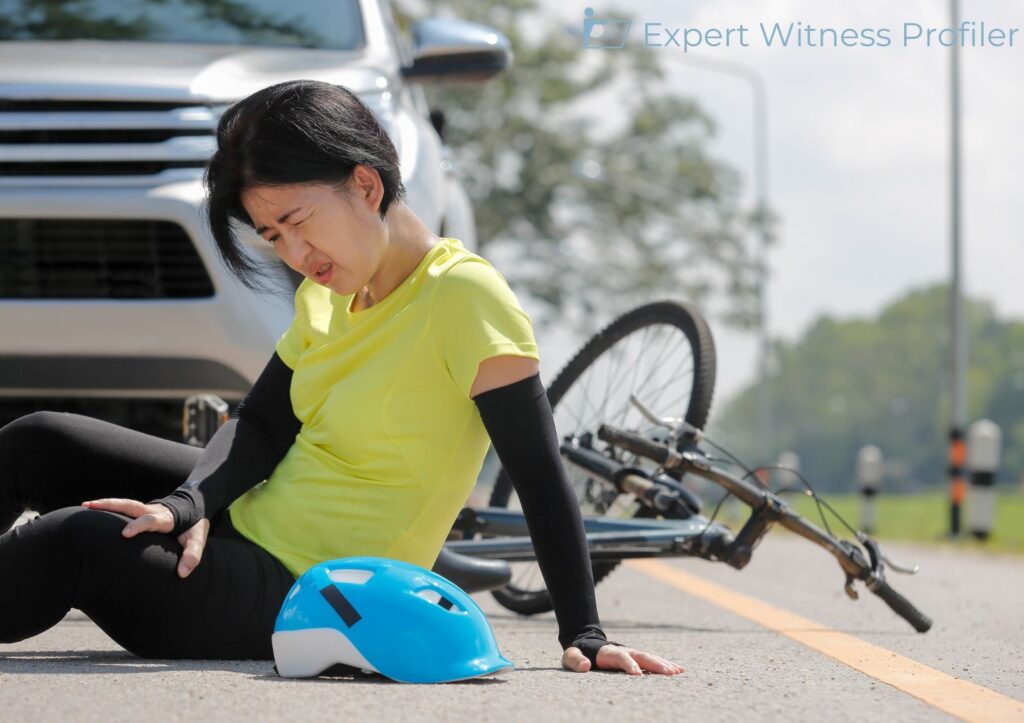
This Federal Tort Claims Act (FTCA) case arises out of an accident that occurred on January 5, 2021 between Plaintiff Avery Stinson and a U.S. Postal Service tractor-trailer driven by Stewart Henry. When the accident occurred, Plaintiff was operating a bicycle on a sidewalk and attempting to cross an intersection. At the same time, a U.S. Postal Service tractor-trailer was traveling in the same direction parallel to the sidewalk and initiated a right turn at the same intersection.The bicycle collided with the trailer portion of the tractor-trailer, and Plaintiff sustained injuries as a result of the accident.
Dean Nance has applied his training, experience, and skills in Accident Reconstruction on 100’s of motor vehicle crashes as a member of the Texas Department of Public Safety as a Trooper. During his service with the Texas Department of Public Safety, he completed all 6 Levels of training in Accident Reconstruction. He owns an Accident Reconstruction Investigations Company, and is licensed through the Texas Department of Public Safety Private Security Bureau as a Private Investigations Company.
Nance is also a member of professional societies which specialize in Accident Reconstruction: (TAARS) Texas Association of Accident Reconstruction Specialist, The Laser Scanner Forum, The American Association of Notaries, The Khan Academy of Science and Engineering, and The Crash Forum Group.
Nance’s report failed to meet the requirements of Rule 26(a)(2)
Defendant argued that Nance’s report failed to provide “a complete statement of all opinions the witness will express and the basis and reasons for them” and “the facts or data considered by the witness in forming them” as required by Rule 26.
The Court held that Nance’s report listed his qualifications as an accident reconstructionist and the evidence he reviewed and the tasks he performed in reaching his conclusions. For example, the report stated that Nance “documented the crash scene” and “made a map of the crash scene location using Google Earth Pro.” The report identified materials he consulted such as excerpts from J.J. Keller Truck Driving Training Manual and Smith System Driver Study Guide.
Plaintiff also provided Nance’s curriculum vitae, listing professional experience, specialized training and certificates, awards received, and state and federal court testimony as an accident reconstructionist.
Defendant also moved to strike Nance’s opinions in his report on the ground that the report “promoted an objectively false narrative without evidentiary support.” However, Defendant’s objection to Nance’s report as a “false narrative” amounted to a dispute regarding the facts Nance considered and the conclusions he reached. The Court held that these objections were not a basis to exclude his testimony under Rule 26(a)(2)(B).
Nance’s opinions were “conclusory, lacked evidentiary support, and were unreliable and inadmissible” under Rule 702 and Daubert
Defendant’s motion to exclude Nance’s testimony under Rule 702 and Daubert did not challenge Nance’s qualifications. Instead, Defendant argued that Nance’s “disregard of the evidence and his objectively false narrative” warranted the exclusion of his testimony.
The Court held that objections like those raised by Defendant “relating to the bases and sources of an expert’s opinion affect the weight to be assigned that opinion rather than its admissibility.”
Held
The Court denied the Defendant’s motion to exclude Plaintiffs’ expert Dean Nance.
Key Takeaways:
The factfinder generally should “hear the expert’s testimony and decide whether the predicate facts are accurate.”
Since the case will be tried before a judge and not a jury, most of the safeguards provided for in Daubert are not as essential.
On August 28, 2019, Plaintiff Annie Perrone (“Plaintiff”) commenced this diversity action against Catamount Ski Resort, LLC (“Catamount Ski Resort”) and Catamount Development Corporation (“Catamount Development”; together with Catamount Ski Resort, “Catamount” or “Defendants”) alleging negligence and gross negligence in connection with injuries Plaintiff suffered while skiing at Catamount Ski Area.
Plaintiff and Defendants each sought to preclude or limit the testimony of the opposing party’s experts as per Rule 702.
Plaintiff sought to preclude Defendants’ biomechanical engineering expert, Irving Scher, Ph.D., “from testifying at trial regarding the causation of Plaintiff’s injuries.” Defendants sought to: (1) limit the testimony of Plaintiff’s testifying doctor, Thomas S. Eagan, M.D., and (2) preclude or limit the testimony of Plaintiff’s snow sports expert, Stanley Gale.
Biomechanics Expert Witness
Irving Scher is a Principal and Biomechanical Engineer at Guidance Engineering and Applied Research. He specializes in biomechanical engineering and accident reconstruction. Scher evaluates product safety and performance for recreational sports equipment, injury prevention products, and mechanical systems. Moreover, he investigates human injuries in accidents and product failures by using biomechanical engineering techniques that apply the principles of engineering to the human body.
Thomas S. Eagan is Board Certified in Orthopaedic Surgery; as such, he is a Diplomate of the American Board of Orthopaedic Surgery. He has been president of the Fulton County Medical Society. Eagan received his medical degree from Albany Medical College, and continued his orthopaedic training at Dartmouth Medical College in New Hampshire. Also, he keeps in touch with advances in the field of orthopaedic surgery through his active participation in many respected medical societies, such as the American Medical Association, the American Academy of Orthopaedic Surgeons, and the New York State Medical Society.
Stanley Gale has 51 years of on-snow ski safety training and experience. He is a veteran ski patroller of almost 40 years. He has been a ski and snow safety expert witness for over 14 years. Gale routinely travels to ski resorts, tubing hills, sledding hills and snowmobile locations. As a result, he is well versed in the latest custom and practices for safety and mitigation of risk. Moreover, he is aware of the practical applications and day to day experiences of skiers and sledders.
Plaintiff contended that Scher is “not a medical doctor” and did not have “the educational background or training” to provide an opinion as to the medical causation of Plaintiff’s pelvic fracture sustained in the ski accident.
Defendants asserted that Scher will not testify as to Plaintiff’s medical injuries, and that he relied on the review of a board-certified radiologist to identify and confirm the injuries Plaintiff sustained to her pelvis.
The Court found Scher qualified to testify regarding general causation, including the efficacy of whether commercially available padding on an object a Plaintiff collided with while downhill skiing could have prevented or reduced the severity of a Plaintiff’s injury.
Plaintiff further contended that because Scher never went to the accident site, he should not be able to testify that “a non-beginner skier should be able to stop or change direction to avoid open, obvious, visible, and marked snow making (or other obstacles) that are 135 feet away.”
The fact that Scher did not personally visit the site of the accident did not, by itself, make his testimony unreliable.
B. Defendants’ Motion in Limine
1. Thomas S. Eagan, M.D.
Eagan’s Opinion is Based on the Review of Plaintiff’s Medical Records
Defendants contended that Plaintiff was treated by “a number of orthopedists following her injury,” however, Plaintiff is only calling Eagan, a “regular courtroom witness,” whose office is over 150 miles from Plaintiff’s residence, to testify. Defendants relied on several cases for the proposition that “a non-treating physician, hired only to testify as an expert witness, may not state the history of an accident as related to him by the Plaintiff or testify as to Plaintiff’s medical complaints . . . nor can the expert summarize and read statements and findings contained in the reports and records of Plaintiff’s treating physicians, where reports and records were not in evidence and treating physicians did not testify at trial.”
In response, Plaintiff argued that Eagan’s opinion is not relying on hearsay, because he “conducted a physical examination of Plaintiff” and his opinion is based on the review of Plaintiff’s medical records.”
The Court found that Eagan may testify based on his examination of Plaintiff and the medical records he relied on in forming his opinion which are admitted into evidence, as long as he lays the proper foundation.
Eagan is qualified to testify as to the causal relationship between Plaintiff’s complaints and her reported injury
Defendants next argued that there was “no evidentiary foundation” in the medical records for Eagan’s opinions that: (1) Plaintiff “suffered a torn labrum of the right hip”; (2) Plaintiff will “more likely than not develop arthritis of the right hip and require a hip replacement during her lifetime”; and (3) Plaintiff “is not able to perform heavy labor or place excessive loads on her injured pelvis.” The Court held that Defendants’ arguments “were more appropriate for cross examination” of Eagan at trial.
Defendants also asserted that Eagan was not qualified to testify based on his diagnostic tests “whether or not there is symptom magnification” by Plaintiff because this falls under the purview of a psychologist. The Court found that Eagan was qualified to testify as to the causal relationship between Plaintiff’s complaints and her reported injury, as long as he lays a proper foundation.
Defendants argued that Eagan’s opinion that Plaintiff “will require cesarean section for delivery of any children” should be precluded because “there is no evidentiary basis.” The Court disagreed and held that Defendants’ challenge is an appropriate subject for cross-examination.
Defendants added that Eagan’s opinion regarding whether Plaintiff will require a cesarian section for delivery of any children is cumulative of Plaintiff’s OB/GYN witness. The Court did not have sufficient information regarding the OB/GYN witness’ testimony to determine whether Eagan’s testimony would be cumulative.
2. Stanley Gale
To begin with, Defendants first argued that Gale is not qualified to give expert testimony because he did not “have the levels of knowledge, experience, or skill in the area of accident reconstruction or ski area operations” necessary to provide an expert opinion. Defendants asserted that his opinions were “speculative and conclusory.” The Court found that Gale is qualified to testify as to the customs and practices of the ski industry, including safety standards and practices.
Defendants next argued that Gale should be precluded from testifying that the snow gun was not marked, and his expert disclosure that the snow gun was not marked should be stricken. They contended that photographs obtained from Plaintiff showed that an orange lollipop marked the snow gun with which Plaintiff collided.
Defendants asserted that because Gale previously gave testimony that properly placed Catamount lollipops [marking snow guns] met the State Code, Gale should be precluded from testifying that the snow gun was unmarked. The Court disagreed and refused to exclude Gale’s testimony regarding that aspect.
Despite Defendant’s objections, the Court held that Gale had the requisite expertise to opine on practices related to padding a snow gun located on a ski trail. However, Gale must testify based on his personal knowledge, and he must explain how his personal experience leads to his conclusions.
Moreover, Defendants contended that Gale should be precluded from testifying that a ski trail “is not limited to the groomed surface” because he previously testified “on multiple occasions that there is a difference between grooming beginner and expert trails.” The Court held that Gale’s previous testimony was insufficient to preclude him from testifying whether a ski trail is limited to the groomed surface.
Held
To sum it up, the Court denied Plaintiff’s motion in limine to preclude Irving Scher’s testimony. The Court reserved decision on Defendants’ motion in limine as to a certain aspect of Thomas Eagan’s testimony until trial but denied the Defendants’ motion in limine to preclude or limit Stanley Gale’s testimony.
Key Takeaways:
The Court insisted on a proper foundation for each of the expert’s opinions. That is to say, Courts routinely examine the factual bases of expert opinions before arriving at a decision.