Tag: Clean

  • Parking Expert’s Testimony on Drain Clogs Limited

    Parking Expert’s Testimony on Drain Clogs Limited

    Plaintiff, Mary Lynn Feakes, brought this premises liability action, alleging negligence related to a slip and fall accident that occurred on Washington Metropolitan Area Transit Authority’s property on June 5, 2021.

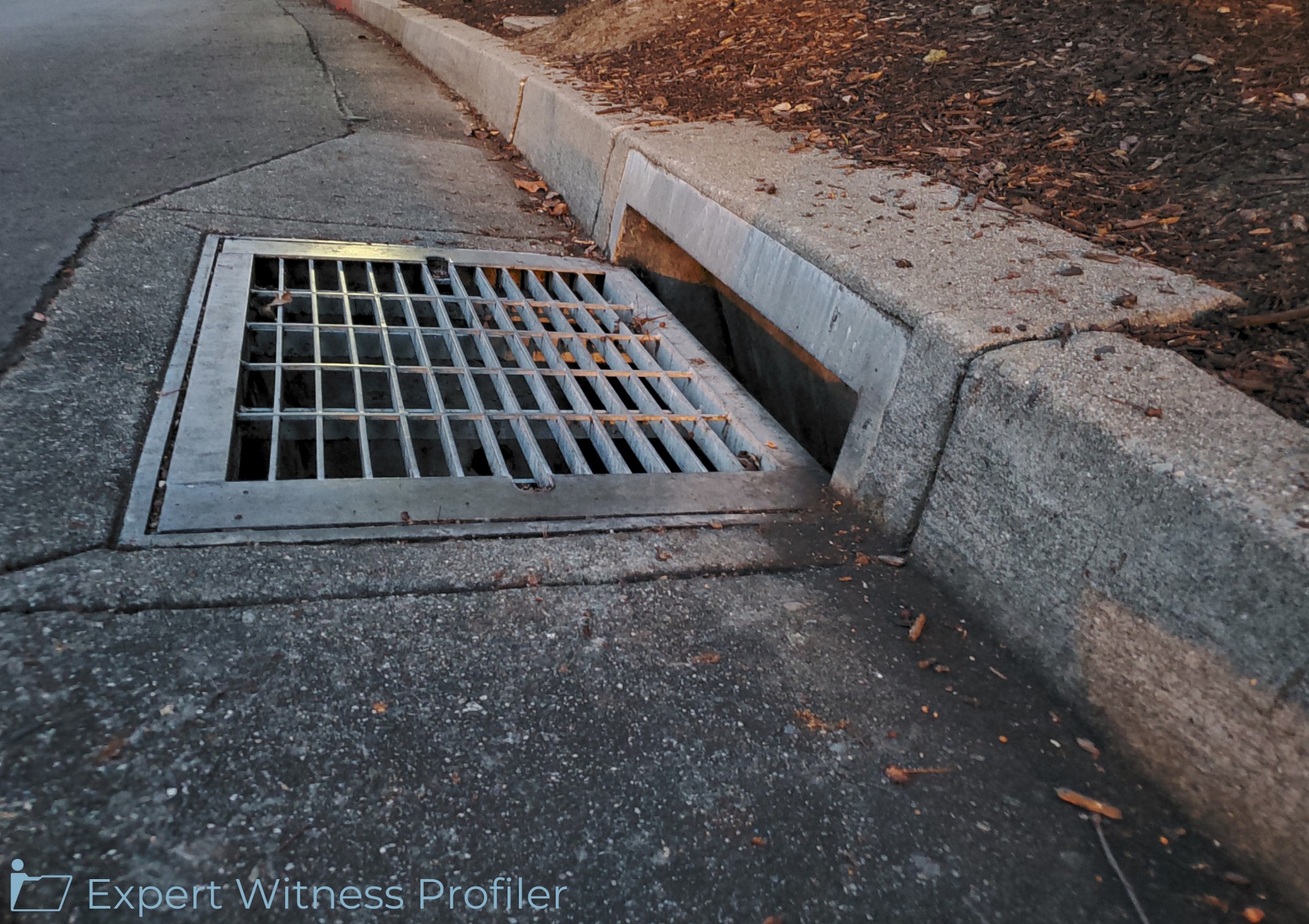
    Feakes alleged that she slipped and fell on an unidentified mud-like substance in a parking space while walking from her parked car to the Shady Grove Metro Station.

    Plaintiff has designated Mr. Raymond P. Stoner to testify that a hazardous condition existed in the parking garage where she fell. Defendant filed a motion to exclude the testimony of Stoner.
    Parking Expert Witness

    Raymond Paul Stoner has worked in the parking industry for forty years. His experience includes management and administration of large complex parking operations. This experience has included structured parking facilities in commercial, municipal, hotel, hospital, and transit operations.

    During his tenure, he has also held the position of Parking Manager at the Washington Metropolitan Area Transit Authority. He held the position of Director of Parking for the City of Norfolk, Parking Division. An organization that has 20,000 garage and surface lot spaces.

    Fortify your strategy by reviewing a Challenge Study detailing grounds for excluding Raymond Stoner’s expert testimony

    Discussion by the Court

    A. Stoner May Testify In Support of Plaintiff’s Surviving Negligence Theory

    There are three relevant issues in Stoner’s report: first, as to whether the exception to sovereign immunity applies, if the evidence suggested Defendant abided by its internal cleaning schedules; second, as to whether the failure to do so constituted a breach of duty, if industry standards require compliance with Defendant’s cleaning schedules; and third, as to causation, whether the condition of the clogged drain could have caused Plaintiff’s fall.

    As to both the first and third issues, Stoner offered opinions as to what the drain’s condition evidences regarding how often Defendant cleaned it and the danger that arose when it was not cleaned.

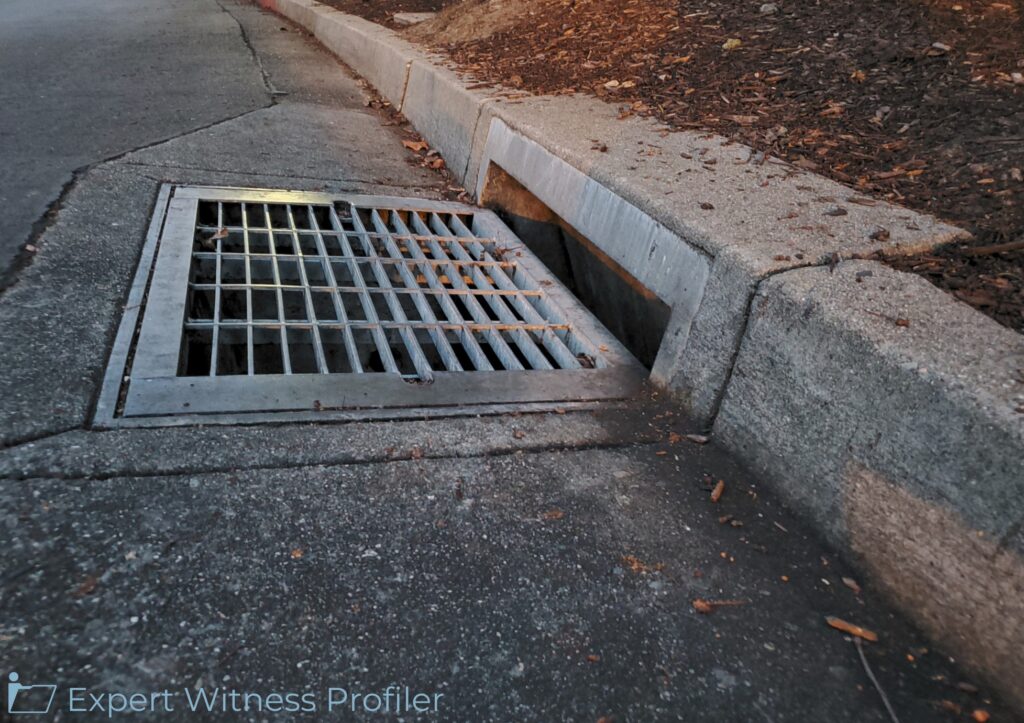
    Stoner expanded on such analysis in his deposition as well, noting that “the amount of silt . . . next to the drain where [Plaintiff] fell is . . . pretty excessive and is evidence of the drain and the silt and the mud around it not being cleaned up for quite some time.”

    Such testimony is permissible, as it relates directly to Plaintiff’s claim that WMATA was negligent in failing to abide by its own cleaning policies.

    As to the second issue, Stoner may opine on whether Defendant’s practices align with broader industry standards, as Plaintiff must establish that Defendant’s failure to comply with its policy constituted a breach of the duty of the care.

    However, he may not, for example, testify as to whether Defendant should have abided by “[i]ndustry standards outlined by National Associations” or treatises such as the National Parking Association’s Parking Facility Maintenance Manual, as WMATA is immune to a challenge attacking the sufficiency of its policies.

    The Court will permit Stoner to testify, but within the confines detailed above.

    B. Stoner’s Opinions are Based on Sufficient Facts or Data and His Methodology is Reliable

    Defendant attacked Stoner’s methodology as well as the factual basis for his conclusions. However, Stoner explained how he arrived at his conclusion.

    Defendant also objected to Stoner’s decision to not conduct a site visit. The Court was not persuaded. After all, Stoner relied on photographs, the body-worn camera footage, and the depositions of relevant witnesses.

    While a site visit may have been beneficial, Stoner’s failure to conduct a site visit does not automatically require exclusion. As Stoner explained, a site visit “was not necessary” in this case because the photographs and video depicted the conditions in the parking garage on the day of the incident, whereas a later site visit would reflect changed conditions—which are less relevant to this case. The same is true of Defendant’s attacks premised on Stoner’s completion of his report in less than six hours, and his failure to test the grate at issue.

    Finally, Defendant argued that the photos Stoner reviewed “do not reliably depict the conditions at the time of the incident” because “Stoner admitted that he did not know when the photos he reviewed were taken,” and that in Plaintiff’s deposition, she stated “all the grate photos were taken at least a month after the incident.”

    The Court disagreed. There are two relevant sets of photographs: one set taken by the Officer on the scene on the day of the incident, and a second taken approximately one month later. During his deposition, Stoner had stated that he reviewed the photos from the day of the incident, as well as the body-worn camera footage.

    C. Stoner’s Testimony May Be Useful to the Jury

    The Court held that Stoner’s opinions may be useful to the jury because lay persons are generally unfamiliar with the manner and speed at which sediment builds up surrounding a grate in a parking garage; accordingly, his testimony may better allow the jury to assess whether Defendant adhered to its cleaning schedule.

    Held

    The Court granted in part and denied in part the Defendant’s motion to exclude the testimony of Raymond Stoner.

    Key Takeaway:

    Federal Rule of Evidence 702 requires that the opinions of expert witnesses be “based on sufficient facts or data” and be “the product of reliable principles and methods” which have been reliably applied “to the facts of the case.” Stoner’s opinions are not pure speculation, but are grounded in a review of the facts at hand based on his experience in parking operations.

    Case Details:

    Case Caption: Feakes V. Washington Metropolitan Area Transit Authority
    Docket Number: 8:23cv2145
    Court Name: United States District Court, Maryland
    Order Date: September 16, 2025
  • Mechanical Engineering Expert Barred From Testifying for Not Testing Alternative Design

    Mechanical Engineering Expert Barred From Testifying for Not Testing Alternative Design

    Plaintiff Paul Johnson sustained severe injuries while operating a RIDGID K-6200 drain cleaning machine (“subject machine”) at his workplace. He sued the machine manufacturer, Defendant Ridge Tool Company (incorrectly identified as Ridge Tool Manufacturing Company, Inc.), asserting claims for negligence, product liability, and failure to warn.

    Plaintiff brought this lawsuit contending that Defendant manufactured an unreasonably dangerous and defective machine without an appropriate fixed guard that would have prevented Plaintiff from having to hold a rotating cable in his hand that could suddenly twist and kink and pull him. Plaintiff also challenged the adequacy of Defendant’s warnings and argued that personal protective equipment (PPE) was insufficient to protect users from the known hazards associated with this type of drain cleaning machine.

    In support of his claims, Plaintiff relied on two experts, Chad E. Jones, a mechanical engineer, and Cynthia M. Rando, a certified human factors professional. Following the completion of discovery, Defendant filed motions to exclude the testimony of both experts.

    Mechanical Engineering Expert Witness

    Chad E. Jones is a certified machine safety expert who is licensed in seven states and has worked as an engineer since 1996. He has a Bachelor of Science in Mechanical Engineering from Clemson University. Jones has participated in and led industrial accident investigations and participated in in-depth process safety audits. This work has included equipment design, machine safeguarding, cost estimating and safety compliance. He has designed HVAC and plumbing systems for commercial, industrial, and private clients.

    Want to know more about the challenges Chad Jones has faced? Get the full details with our Challenge Study report

    Human Factors Expert Witness 

    Cynthia M. Rando is a certified human factors professional who has worked in the human factors field for approximately twenty years. She is Vice President of the Board of Certification in Professional Ergonomics (Human Factors). Rando received her B.S. and M.S. in Human Factors Engineering from Clemson University and an MBA from Northeastern University. She has also served as an associate professor at University of Houston Clearlake providing instruction in Human Factors, Safety and Ergonomics course material.

    Fortify your strategy by reviewing a Challenge Study detailing grounds for excluding Cynthia Rando’s expert testimony

    Discussion by the Court

    Chad Jones

    i. Qualifications

    Defendant argued that Jones was not qualified because, despite being a mechanical engineer, he did not have any experience with the machine at issue or with drum-style drain cleaning machines generally. Defendant also contended that Jones’ purported experience with guarding mechanisms as they relate to industrial machine presses bore no relation to this case, as a machine press was entirely different from a drum-style cleaning machine.

    While Jones’ personal experience with drain cleaners is limited, and he is not familiar with the subject machine, the Court held that his professional experiences qualify him to opine here. Jones is certified as a machinery safety expert and has worked in the area of machine safeguarding since March 2019. True, he may not have actual experience with the particular machine in this case, but he need not be the best expert in the field in order to be qualified.

    ii. Reliability

    Defendant argued that even if Jones’ qualifications pass muster, his opinions are nonetheless unreliable because he failed to perform any testing of his purported reasonable alternative design. Jones opined that Defendant was required to include a fixed guard over the rotating cable to prevent injury. It is undisputed that Jones did not engage in any physical testing of the proposed alternative nor did he conduct any mathematical calculations or models.

    Indeed, Jones conceded that he has not spoken to any users of the equipment or industry professionals nor did he design or test his own fixed guard or physical prototype, use a computer program to design or simulate a fixed guard, perform calculations or drawings to demonstrate how an alternative guard would fit onto the machine, take an exemplar guard and try to apply it to the machine, or perform calculations, modeling, or other analysis to assess if an alternative guard would impact the speed or ability of the cable’s rotation. 

    Plaintiff’s contention that Jones need not test his alternative design is premised upon his assumption that the fixed guard is an “industry standard.” On this point, Plaintiff claimed that three of Defendant’s competitors use a fixed guard and thus the Court should presume this is what the industry requires. But that is too great of a leap in logic.

    Jones did not conduct any type of analysis that would make up for his lack of testing of the proposed alternative design. While Plaintiff contended that Jones included detailed designs, an economic study, preliminary drawings, and his own risk-utility testing, the Court does not find that information on the cited references or anywhere else in the report.

    Cynthia Rando

    After reviewing certain materials and taking Plaintiff’s hand measurements, Rando opined as follows:

    ➢ The primary root cause of the incident involving Plaintiff and the K-6200 Drain Cleaning machine was failure to effectively address hazards created by the design and operation of the K-6200 Drain Cleaning machine through standard design controls.

    ➢ Defendant demonstrated negligence through their failure to effectively assess and control risk and the violation of accepted standards of practice pertaining to risk management and the design for human safety.

    ➢ Additionally, the failure to provide the correct personal protective equipment (PPE), including unsafe recommendations made by Defendant to utilize a “one size” glove that allowed for a loose fit for individuals representing a smaller anthropometric hand size range, introduced unacceptable added risk and significant potential for injury.

    ➢ The reliance on the user manual to provide the necessary information regarding safe operation of the device by Defendant and the expectation that the manual was the hazard control method was negligent. This approach passed the responsibility of safety to the end user despite the awareness of the potential for significant injury based on the design of the equipment and recommended method of operation.

    ➢ The user manual was not written in an easy-to-understand manner, including conflicting safety instructions and recommendations for postures that would create increased risk of injury to the operators.

    ➢ The manual violated ANSI Z535 standards and recommended unsafe operations to the end users but advertised them to be “safe.”

    ➢ These issues represent the root cause and contributing factors to the injury incurred by Plaintiff on August 17, 2019.

    i. Reliability

    Defendant argued that Rando’s opinions on the user manual are irrelevant to the causation analysis and unreliable because she failed to either offer or test any reasonable alternative warnings.

    After reviewing Rando’s expert report, the Court concluded that Rando did not offer a specific opinion about the adequacy of the warning label. Indeed, her opinions as to “Caution and Warnings” are couched in the context of analyzing the user manual which, as noted, Plaintiff did not read.

    Rando never addressed whether the warning label affixed to the machine was inadequate or failed to capture Plaintiff’s attention. Because her opinion focused solely on the user manual Plaintiff never read, the Court held that it is not relevant.

    Even if the Court did interpret Rando’s opinion as encompassing the warning label, her failure to draft or test any proposed alternative warnings still rendered any such opinion unreliable.

    Last, Plaintiff pointed to Rando’s opinion on personal protective equipment (PPE) that Defendant’s standard one size fits all glove—which Plaintiff admittedly did not use here—was unsafe, but that has no bearing on his failure to warn claim. In the end, these “unsafe recommendations” were included in the user manual, which, as already discussed, Plaintiff never read. Therefore, the Court held that her opinion on PPE is similarly irrelevant.

    Held

    The Court granted the  Defendant’s motions to bar the testimony of Plaintiff’s expert witnesses, Chad Jones and Cynthia Rando.

    Key Takeaway:

    An expert can overcome the lack of testing by adhering to the standards of intellectual rigor demanded in their professional work. However, Jones did not conduct any type of analysis that would make up for his lack of testing of the proposed alternative design. 

    Case Details:

    Case Caption: Johnson V. Ridge Tool Manufacturing Company, Inc.
    Docket Number: 1:21cv1939
    Court Name: United States District Court, Illinois Northern
    Order Date: August 22, 2025