Tag: Engineering

  • Civil Engineering Expert Not Allowed to Opine on the General Contractor’s Responsibilities

    Civil Engineering Expert Not Allowed to Opine on the General Contractor’s Responsibilities

    This case arises out of large solar projects at four sites in Georgia: Perry, Clay, Lumpkin, and Fort Valley. Plaintiff IEA Constructors, LLC was a general contractor for these projects. IEA Constructors hired Defendant Westwood Professional Services, Inc. to prepare plans for stormwater management and sediment control. IEA alleged that Westwood’s design plans were deficient and did not comply with their contract or the permit that governed the contract, resulting in uncontained soil erosion. The other Plaintiff, Infrastructure and Energy Alternatives, Inc., is a third-party beneficiary to the agreement between IEA Constructors and Westwood. The parties refer to the two Plaintiffs collectively as IEA, so the Court will do the same.

    Plaintiffs asserted claims for breach of contract, professional negligence, and indemnification. IEA sought damages for the costs of redesigning new plans and then implementing them, among other things.

    IEA filed motions in limine seeking to exclude the testimony of Westwood’s experts Jeremy McMillen and Jason K. Ball.

    Civil Engineering Expert Witnesses

    Jeremy McMillen has more than 20 years of civil engineering experience, including experience in “land development and stormwater design for residential, commercial, industrial, and military projects.”

    Want to know more about the challenges Jeremy McMillen has faced? Get the full details with our Challenge Study report.

    Jason Kenneth Ball received his Bachelor of Science in Civil Engineering from the Georgia Institute of Technology and a Master of Civil Engineering from Auburn University. Ball is certified by the Georgia Soil and Water Conservation Commission (GSWCC) as a Level 1B Certified Inspector and a Level II Certified Design Professional.

    Get the full story on challenges to Jason Ball’s expert opinions and testimony with an in-depth Challenge Study.

    Discussion by the Court

    1. Motion to exclude Jeremy McMillen’s testimony

    a. Qualifications

    IEA contended that McMillen is not qualified to offer opinions about compliance with the permit and the Green Book for the following reasons:

    • The permit is governed by Georgia law, but McMillen got his Georgia certification four days before submitting his report.
      • He has not performed work on utility-scale solar projects before.
      • He has not performed engineering design work since 2013, instead focusing on forensic consulting.
      • He does not have the certifications necessary to design Erosion, Sedimentation and Pollution Control plans in Georgia.
      • He does not have experience applying the Georgia legal standards that are incorporated into the permit.

      These objections fall primarily into two categories: (1) McMillen does not specialize in some of the issues relevant to the case; and (2) McMillen is not expert in Georgia permit regulations. Neither objection is supported by the law.

      IEA identified no reason that McMillen’s lack of experience with solar projects or projects in Georgia matter. For example, IEA did not suggest that the relevant engineering principles are substantially different for solar projects or for projects in Georgia. IEA also cited no rule suggesting that an expert must have recent experience doing the thing the expert is testifying about. IEA identified no relevant engineering principles that have changed since 2013.

      As for McMillen’s lack of previous experience with Georgia permitting requirements, it is true that the contracts and permits in this case were based on Georgia regulations and standards. But IEA did not explain why that matters either. McMillen is an engineer, not an expert on regulations or permits. By IEA’s own assertion, questions about the meaning of the permit or regulations should be decided by the court, not an expert.

      The Court overruled IEA’s objection based on McMillen’s qualifications.

      b. Reliability

      IEA raised the following objections about the reliability of McMillen’s opinions:

      • He did not provide calculations or written analysis to support an opinion that the designs for the Clay and Lumpkin projects satisfied the sediment storage requirements.
      • With respect to the same opinion, McMillen’s calculation for the size of the disturbed area is different from Westwood’s design plans, but McMillen does not account for the difference in his report.
      • McMillen did not explain how he validated the inputs he used to determine the average slope for each drainage area.

      IEA’s first argument is about McMillen’s opinion that Westwood’s design plans for the Lumpkin and Clay projects provide sediment storage for 67 cubic yards per disturbed acre, as required by the Green Book.

      Westwood did not dispute that McMillen’s report does not provide a basis for that opinion, it is just a conclusion. In his deposition, McMillen acknowledged that Westwood’s plans do not provide for 67 cubic yards of storage in the form of basins, but he said that the storage requirement is “handled by the other BMPs [best management practices] that were designed to be installed on the site.”

      The Court excluded McMillen’s opinions that Westwood’s design plans for the Lumpkin and Clay projects provide sediment storage for 67 cubic yards per disturbed acre, as required by the Green Book.

      2. Motion to exclude McMillen’s testimony on legal issues

      IEA sought to exclude testimony on several of McMillen’s opinions that IEA characterizes as legal opinions or opinions based on an incorrect legal premise:

      • “The Green book states that ‘the total drainage of a temporary sediment trap is up to 5 acres.’ The Westwood plan statement on the plans that ‘temporary basins are required where anticipated disturbance which drains to a common point exceeds 5 acres’ is justified.”
        • “Based on the GA100001 permit and Greenbook, the interpretation of Westwood that 67 cubic yards of sediment storage is required per acre of disturbed area is reasonable.”
        • “The temporary sediment basins on the site are designed in accordance with the Greenbook.”
        • “It is the general contractor’s responsibility to coordinate the activities of the site construction to mitigate interference.”

        Analysis

        IEA’s motion rests on the view that experts may not testify on legal issues. In a case like this involving technical permitting standards, it is conceivable that an expert’s specialized knowledge could be useful in interpreting a permit. But that is not what McMillen is purporting to do in the quoted statements. Rather, the first two statements are simply assertions that Westwood’s interpretations of the Green Book and permit are “reasonable” and “justified.” He does not purport to be relying on engineering expertise to support his opinions. So the Court excluded those opinions.

        The third opinion is different. McMillen is offering the opinion that Westwood’s designs for sediment basins comply with the Green Book. There is no rule against an expert offering an opinion about whether a party complied with a legal standard.

        The fourth opinion—that it is “the general contractor’s responsibility to coordinate the activities of the site construction to mitigate interference”—is not identified on its face as an interpretation of a legal standard. McMillen does not explain how he determined what the general contractor’s responsibilities are. Regardless, it is not an engineering opinion, so it falls outside McMillen’s expertise. As a result, the Court excluded that opinion and any opinion that about what a party’s “responsibilities” were.

        3. Motion to exclude Jason Ball’s testimony as untimely

        Jason Ball is a civil engineer who offered opinions that IEA did not properly install, maintain, or inspect the erosion and sediment control measures that Westwood designed.

        IEA sought to exclude Ball’s testimony as untimely. IEA pointed to the court’s January 30, 2026 scheduling order, which imposed a February 27, 2026 deadline for “proponent expert reports” and a March 13, 2026 deadline for “respondent expert reports.” The Court previously explained that “the party bearing the burden of proof on an issue must disclose any expert opinion on that issue by the proponent deadline” and “the party not bearing the burden of proof on an issue must disclose any expert opinion on that issue by the respondent deadline.”

        Ball submitted his report on March 13. IEA said that was untimely because Ball’s opinions relate only to issues of contributory negligence or alternative causation, which are both affirmative defenses on which Westwood bears the burden of proof. IEA also said that the untimely report was prejudicial because the Court prohibited a third round of reports, so IEA cannot respond to Ball’s report.

        Westwood did not meaningfully respond to IEA’s argument that Ball’s opinion is solely about potential contributory negligence by IEA, so Westwood should have submitted Ball’s report on February 27.

        The Court concluded that Ball’s report was untimely. But the Court need not decide whether any prejudice could be cured because Ball’s report does not survive scrutiny under Rule 702, as the Court will discuss in the next section.

        4. Motion to exclude Jason Ball’s testimony as inadmissible

        IEA objected to the substance of Ball’s report on numerous grounds, including that it included no engineering analysis, did not explain how Ball reached his conclusions, and consisted mostly of a collection of photographs and quotations of other sources.

        IEA is correct that there is little analysis in Ball’s report. The report is 179 pages, but the first 162 pages are devoted to a summary of the historical facts and the documents governing the projects (such as the permit and the Green Book), along with descriptions of numerous photographs. None of that is expert testimony. Rather, fact witnesses with personal knowledge can provide that information, so it is not helpful.

        Ball also included observations about what some photographs show, but he did not accompany that observation with any expert opinion or explanation.

        Of the opinions that Ball did provide, some of them fall outside Ball’s engineering expertise. For example, Ball says that IEA should have flagged questions it had about the design for Westwood and should have notified Westwood about any problems IEA uncovered during inspections. But opinions about what IEA was “responsible” for or what IEA’s “obligations” were are not a matter of engineering expertise, so Ball may not offer those opinions.

        Held

        • The Court granted in part and denied in part IEA’s motion to exclude Jerry McMillen’s testimony.
        • The Court granted in part and denied in part the motion to exclude Jerry McMillen’s testimony on legal issues.
        • The Court granted the motion to exclude Jason Ball’s motion under Rule 702.

        Key Takeaway

        An expert must provide the foundation for his opinions in the report. He may not supplement his opinions in his deposition. But even McMillen’s deposition falls short. An expert may not rely on “calculations in his head” and “good engineering judgment” is not a method that survives scrutiny under Rule 702.

        Case Details:

        Case Caption: IEA Constructors, LLC Et Al V. Westwood Professional Services, Inc.
        Docket Number: 3:23cv588
        Court Name: United States District Court, Wisconsin Western
        Order Date: June 09, 2026
      1. Mechanical Engineering Expert Allowed to Opine on the Behavior of Wheelchairs

        Mechanical Engineering Expert Allowed to Opine on the Behavior of Wheelchairs

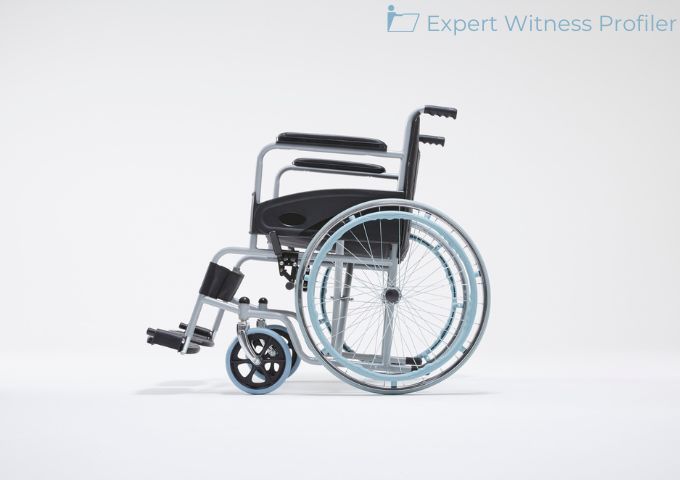
        This case arises from an incident in which Plaintiff William Dowdy was injured after falling from a temporary wheelchair while using his wheelchair ramp. The temporary wheelchair had been supplied by NuMotion while Dowdy’s regular wheelchair was being serviced and repaired.

        NuMotion sought to exclude the testimony of Plaintiff’s expert Mark Ezra, arguing that he lacks the proper qualifications, that his opinions rest on speculation rather than reliable methodology, and that his testimony will not assist the jury.

        Mechanical Engineering Expert Witness

        Mark A. M. Ezra is a board-certified professional engineer with a degree in mechanical engineering and a diploma in automatic control systems. His professional background includes decades of engineering practice, mechanical failure analysis, and forensic investigation.

        Want to know more about the challenges Mark Ezra has faced? Get the full details with our Challenge Study report.

        Discussion by the Court

        Qualifications

        NuMotion emphasized that Ezra is not a biomechanical engineer, has never worked for a wheelchair supplier, and has no experience as an Assistive Technology Professional (“ATP”).

        Mechanical engineering is directly relevant to the design, stability, braking systems, and mechanical behavior of powered wheelchairs—the very issues at the heart of this case. The Court therefore found that Plaintiff has shown by a preponderance of the evidence that Ezra is qualified to offer expert testimony.

        Reliability

        NuMotion argued that Ezra’s opinions lack a factual foundation, that he improperly relied on the testimony of ATP Vincent Fels, and that he cannot identify the precise electrical defect that caused the wheelchair to stop.

        Ezra’s expert report reflected a systematic engineering analysis grounded in physical inspection, measurements, documentary review, and application of mechanical principles. He personally inspected the TSS 300 wheelchair, took custody of it, and measured the slope of Plaintiff’s ramp. He reviewed the owner’s manuals for both the TSS 300 and the Jazzy 600, analyzed their braking systems, and compared their wheel configurations and stability characteristics. Ezra considered Plaintiff’s prior successful use of both wheelchairs on the same ramp and applied simple Newtonian mechanics to explain how a sudden stop would eject a seated user.

        Based on this analysis, Ezra concluded that the “most probable and direct cause” of the incident was a power failure in the TSS 300’s electrical system, which triggered the automatic deployment of the parking brakes.

        NuMotion also contended that Ezra improperly relied on ATP Fels’ testimony to opine on warnings and training. But Ezra’s core opinions concern mechanical behavior like stability, braking forces, and the consequences of a sudden stop, not ATP standards of care. The Court concluded that his references to Fels’ testimony serve only to contextualize the absence of instruction and the differences between the two wheelchairs, not to substitute himself for an ATP.

        Relevance

        NuMotion argued that Ezra’s testimony will not assist the jury because he cannot say whether NuMotion caused the defect or could have prevented it.

        But Rule 702 does not require an expert to resolve every element of liability. Ezra’s testimony will help the jury understand the mechanical forces at play, the behavior of the TSS 300 during braking, the significance of the design differences between the TSS 300 and the Jazzy 600, and the mechanical plausibility of Plaintiff’s account. These matters are well outside the knowledge of a lay juror. Whether NuMotion caused the defect is a separate question for the jury, informed by, but not dependent on, Ezra’s mechanical analysis.

        Held

        The Court denied NuMotion’s motion to strike the testimony of Mark Ezra.

        Key Takeaway

        This methodology of identifying possible mechanical causes, ruling out alternatives, and applying engineering principles to the physical evidence is consistent with accepted practices in mechanical failure analysis. The fact that Ezra cannot identify the specific electrical component that failed does not render his opinion unreliable. Experts are not required to pinpoint the exact microscopic failure mechanism where the available evidence supports a broader, scientifically grounded conclusion. Ezra’s reasoning is transparent, testable, and rooted in the materials he reviewed.

        Case Details:

        Case Caption: Dowdy V. United Seating And Mobility, LLC
        Docket Number: 3:23cv2875
        Court Name: United States District Court, Illinois Southern
        Order Date: April 01, 2026
      2. Biogas Expert Allowed to Opine on Oxygen Requirements

        Biogas Expert Allowed to Opine on Oxygen Requirements

        In 2015, the City of Sioux Falls (the “City”) “commissioned the Sioux Falls Water Reclamation Facility Digester Gas Conditioning System Project (the ‘Project’) to add a new digester gas conditioning system to its water reclamation facility that would remove high concentrations of hydrogen sulfide to concentrations below 100 parts per million volume (ppmv), and that would remove siloxane to concentrations below 100 parts per billion by volume (ppbv), which would then enable the City to operate its GE Jenbacher gas engine generator to create electricity for the benefit of the City.”

        For reasons which are disputed by the various parties in this matter, the Project, particularly the Azzuro system meant to remove hydrogen sulfide, was unsuccessful.

        The City brought this litigation seeking damages against some parties involved with the Project. One of those Defendants, Azzuro, Inc., brought a counterclaim against the City.

        The City disclosed Lowell Howard, PE, as a retained expert witness in this matter. Azzuro filed a motion to exclude in part the testimony of Howard.

        Biogas Expert Witness

        Lowell E. Howard, PE has 40 years of experience designing, manufacturing, and installing or supplying biogas treatment systems. He has been involved in 20-40 biogas treatment system projects around the world, including several where the primary goal of the project was to remove hydrogen sulfide from biogas.

        Get the full story on challenges to Lowell Howard’s expert opinions and testimony with an in-depth Challenge Study.

        Discussion by the Court

        Azzuro challenged Howard’s opinions “because he is not qualified as an expert by knowledge, experience, training, or education on issues relating to biological desulfurization systems as required by Rule 702.”

        Azzuro argued that Howard’s testimony demonstrates an unawareness that renders any opinion he may have about a required oxygen level to be a “fundamentally unsupported conclusion based on pure speculation.”

        The City argued that Howard used “his experience and educated understanding of basic biological and chemistry principles and chemical processes at play in the biogas treatment industry, as well as the engineering principles and chemical processes necessary to remove hydrogen sulfide from biogas, to explain why the Azzuro system did not and could not work as designed.” And the City argued that although Azzuro “contended that biological systems are vastly different from media-based systems, it does not cite to any competing expert’s opinion, legal authority, or fact in the record to support that conclusory statement.”

        The City argued that although Howard “has not previously worked on a biological system like the Azzuro system, Howard has certainly demonstrated a sufficient understanding of the biogas industry as a whole, the design of biogas systems, and engineering principles and the chemical processes that must be considered in a biological hydrogen sulfide removal system in order to meet the qualification threshold under Rule 702 and Daubert.”

        Analysis

        The Court is persuaded by the City’s arguments. The Court believed that this is also the case with respect to Azzuro’s argument that Howard’s opinions lack a proper factual foundation. While Howard made the statements quoted above about his unfamiliarity with the Azzuro system, those statements are not automatically fatal to admissibility when the full record is considered. Howard’s report and further testimony suggested that he studied the Azzuro system and that, based upon this review, he does not believe it would work.

        Held

        The Court denied Azzuro, Inc.’s motion to exclude in part the testimony of Lowell E. Howard.

        Key Takeaway

        Howard is a decades-long veteran of the biogas industry. Where he opines on oxygen requirements for hydrogen sulfide removal, he does so relying on concepts of “[b]asic chemistry.” Howard does not hold himself out as an expert on the particular growth media in the Azzuro system or biological solutions in general. Rather, he admits some unfamiliarity with those systems and how they operate except in the broadest sense. Howard supplemented his knowledge by reading a study about biological systems, but he did not start on a clean slate because there are not different periodic tables of elements for fixed-bed media systems and biological systems.

        Case Details:

        Case Caption: City Of Sioux Falls V. Azzuro, Inc.
        Docket Number: 4:22cv4052
        Court Name: United States District Court, South Dakota
        Order Date: March 25, 2026
      3. Mechanical Engineering Expert Permitted to Testify Despite Lacking Direct Experience with Debalers

        Mechanical Engineering Expert Permitted to Testify Despite Lacking Direct Experience with Debalers

        On January 21, 2022, James Raeford Hatcher (“Hatcher”), an employee of South East Grinding, was fatally injured while attempting to unjam a debaler at his workplace. His clothing became entangled in the machine, and he was unable to stop its operation. The machine in question—a “Model BBU.90” debaler—was manufactured by Emerging Acquisitions, LLC. Plaintiff Connie Hatcher, on behalf of Hatcher’s estate, brought claims against Defendant for negligence, strict liability, and breach of warranty. 

        According to Plaintiff, Defendant designed, manufactured, and sold the debaler in question and was aware of previous injuries and fatalities involving similar models. Despite this knowledge, Plaintiff alleged that the Defendant failed to implement standard safety features—such as human detection sensors or “light curtains”—unless specifically requested by customers. The debaler that killed Hatcher did not have these features.

        Defendant filed a motion to exclude Plaintiff’s design engineering expert, Dr. James L. Glancey, arguing he lacked specific experience with recycling machinery and failed to test his proposed design alternatives.

        Mechanical Engineering Expert Witness

        Dr. James L. Glancey holds a Ph.D. in mechanical engineering from the University of California, Davis and is a licensed professional engineer with over 20 years of experience in the field. Furthermore, he has published more than 50 engineering articles and has served as an expert in over 200 product-related matters.

        Get the full story on challenges to James Glancey’s expert opinions and testimony with an in-depth Challenge Study. 

        Discussion by the Court

        Specificity of Experience

        While Glancey lacked direct experience with debalers or recycling machinery, his mechanical engineering background qualified him to offer opinions on industrial machine design. After all, Glancey has a Ph.D. in mechanical engineering and thirty years of experience teaching product design. He has designed several machines, consulted on failure analysis for various products, and taught courses on both. 

        The Court held that the Plaintiff was not required to retain an expert specifically in debalers, and found that Glancey was sufficiently qualified to testify under Rule 702.

        Alternative Design

        Glancey’s proposed alternative designs incorporated light curtain technology and interlock safety features. He specifically testified that such technology has been available for incorporation in similar machines since the 1970’s. 

        Indeed, Defendant has incorporated a light curtain in other debalers it has manufactured. Plaintiff cited ample authority, uncontroverted by Defendant, to support the proposition that the existence of the alternative technology in the market subdues the need for expansive feasibility analysis or functional testing.

        As a result, Glancey’s alternative design opinions were deemed sufficiently reliable under Daubert.

        Warnings and Open and Obvious Danger

        Defendant argued that Glancey’s warnings analysis was inadmissible because the danger was open and obvious, and no efficacy testing was done.

        The Court found that Glancey analyzed the original warnings and identified deficiencies, including the lack of clear unjamming instructions. Whether the danger was sufficiently open and obvious to negate a duty to warn is a factual question for the jury.

        Held

        The Court denied Defendant’s motion to exclude Plaintiff’s expert, Dr. James L. Glancey.

        Key Takeaway:

        Plaintiff must present a reasonable alternative design, considering cost, safety, and functionality. The need for testing is blunted if the proposed alternative design is simple or is already used in the industry. In this case, the Plaintiff cited ample authority, uncontroverted by Defendant, to support the proposition that the existence of the alternative technology in the market subdues the need for expansive feasibility analysis or functional testing.

        Case Details:

        Case Caption: Hatcher V. Emerging Acquisitions, LLC
        Docket Number: 4:23cv423
        Court Name: United States District Court, South Carolina
        Order Date: May 27, 2025
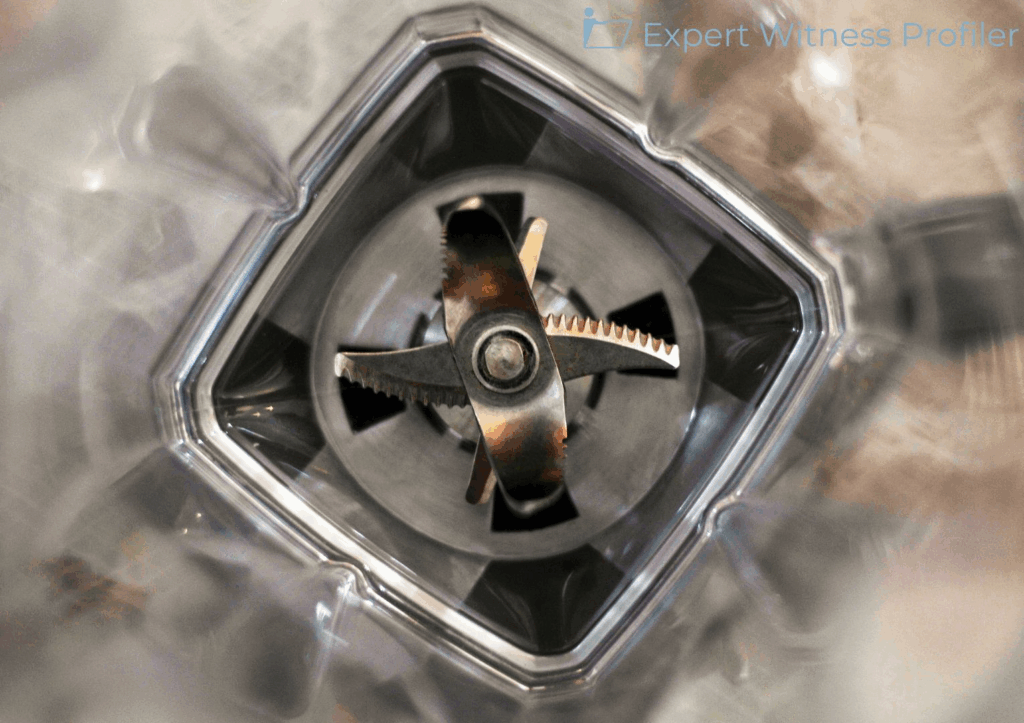
      4. Mechanical Engineer’s Testimony on Blender Design Excluded

        Mechanical Engineer’s Testimony on Blender Design Excluded

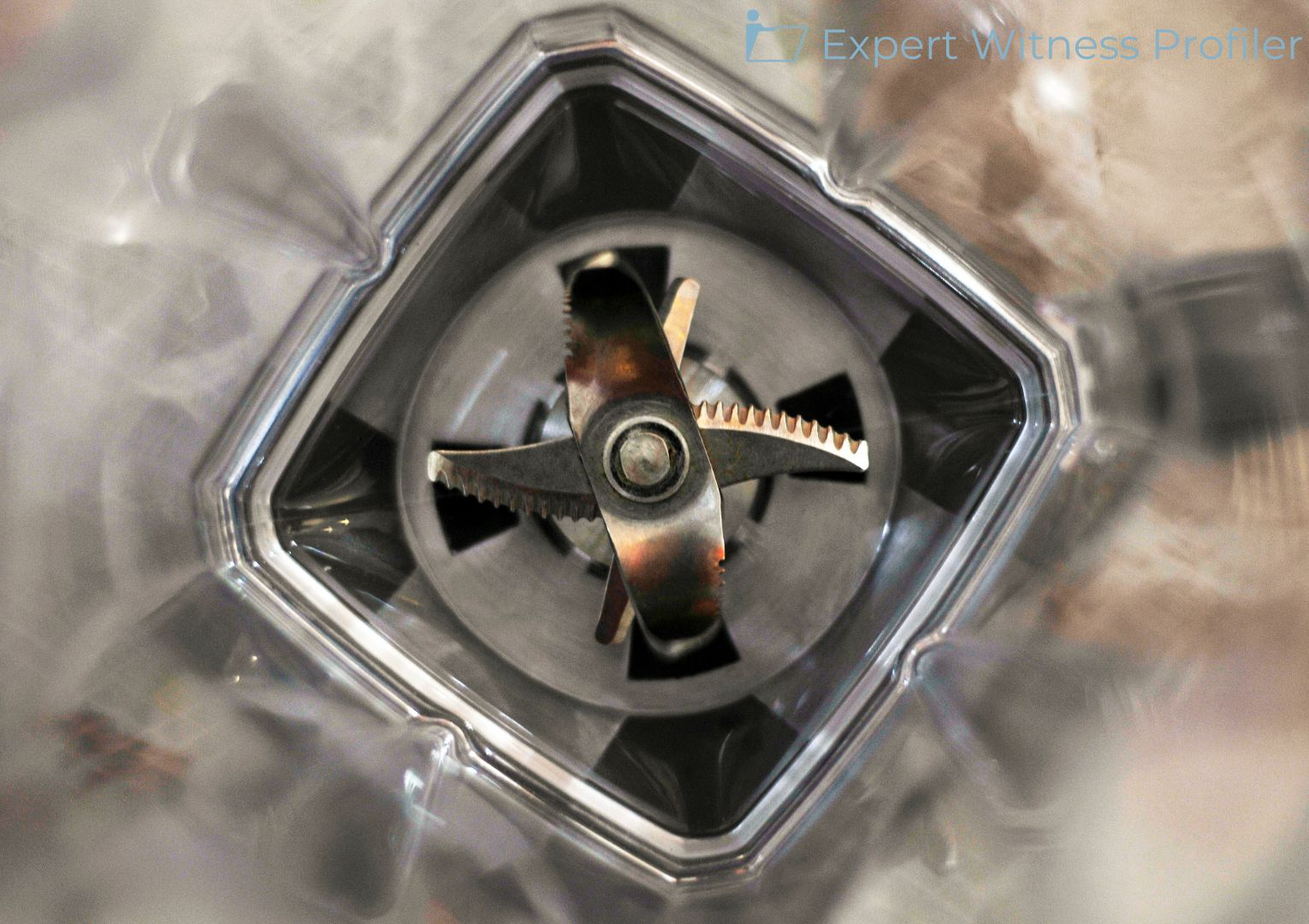
        Plaintiff Lori Lynne Hoff brought a product liability claim against Defendants Capital Brands, LLC and NutriBullet, LLC under the New Jersey Products Liability Act, alleging a design defect in the NutriBullet 600 blender.

        On February 17, 2020, Hoff used the blender to make celery juice, combining water and chopped celery below the max fill line. After sealing and inserting the blender cup into the power base, the unit began operating. As Hoff reached out to stop the machine around the ten-second mark, the blender exploded. The contents splashed onto her face and eyes, and she suffered a cut to her pinky finger, dizziness, and a temporary loss of vision. She later received emergency room treatment.

        Hoff’s expert, Derek King, inspected the blender and concluded that over pressurization caused the cup to separate from the base. Defendants later filed a motion to exclude Hoff’s expert.

        Mechanical Engineering Expert Witness

        Derek A. King holds an M.S. degree in Electrical Engineering from Ohio University, and a B.S. degree in Mechanical Engineering from the University of California, Berkeley. He is also a registered professional engineer in the State of California.
        From 2009 to the present, he has worked as an engineer for Berkeley Engineering and Research in the areas of failure analysis, design, and risk assessment of consumer and industrial equipment, including consumer blenders.

        Want to know more about the challenges Derek King has faced? Get the full details with our Challenge Study report.  

        Discussion by the Court

        The Court addressed Defendants’ motion to exclude Plaintiff’s expert, Derek King, under Daubert and Federal Rule of Evidence 702. Defendants argued that King’s opinions were both irrelevant and unreliable. Because Plaintiff’s design defect claim hinged on King’s expert testimony, Defendants also moved for summary judgment, asserting that without admissible expert evidence, Plaintiff could not prove causation or a feasible alternative design.

        Plaintiff’s Claim Required a Reasonable Alternative Design

        Under the New Jersey Products Liability Act (NJPLA), a design defect claim requires the plaintiff to show that a practical and safer alternative design existed. Plaintiffs often rely on expert testimony to establish this point. King proposed two such alternatives: an automatic timer and a pressure relief mechanism. The Court reviewed whether these opinions met the requirements of relevance and reliability under Daubert.

        Automatic Timer Deemed Irrelevant

        King suggested that a one-minute automatic timer could have mitigated pressure buildup in cases involving excessive run time. However, Plaintiff testified that she ran the blender for fewer than ten seconds, far below the threshold King’s design targeted. King himself acknowledged that a timer would not have been necessary in Hoff’s situation. The Court therefore found that King’s timer proposal did not “fit” the facts of the case and would not assist the jury in understanding what happened. As such, the Court ruled the timer design irrelevant.

        Pressure Relief Design Found Unreliable and Unhelpful

        King also proposed that a pressure relief mechanism, such as a blowout plug or pressure valve, could have prevented the incident. He based this design on general engineering knowledge and prior use of similar mechanisms in pressure cookers. However, King did not test this design in a blender or with carbonated ingredients, which were suspected to be the cause of the overpressurization. Defendants argued, and the Court agreed, that the lack of testing made the methodology weak and speculative.

        Further, the Court emphasized that none of King’s identified causes of overpressurization, heat, carbonation, or prolonged blending, were clearly present in the incident. His opinion asked the jury to consider hypotheticals and possibilities beyond the scope of the actual case. The Court concluded that this opinion would confuse rather than clarify the central issues and thus failed the relevancy (fit) requirement under Daubert.

        Held

        The Court granted the Defendant’s motion to exclude the testimony of Derek King.

        Key Takeaway:

        Expert testimony must be both reliable and directly relevant to the facts of the case. In Hoff v. Capital Brands, the Court excluded Plaintiff’s expert, Derek King, finding that his proposed alternative designs, an automatic timer and a pressure relief mechanism, either didn’t apply to the incident or lacked testing to support their feasibility. Without admissible expert evidence, Plaintiff could not proceed with her design defect claim under the New Jersey Products Liability Act.

        Case Details

        Case Caption: Hoff v. Capital Brands
        Docket Number: 3:21cv16215
        Court Name: United States District Court, New Jersey 
        Order Date: June 30, 2025
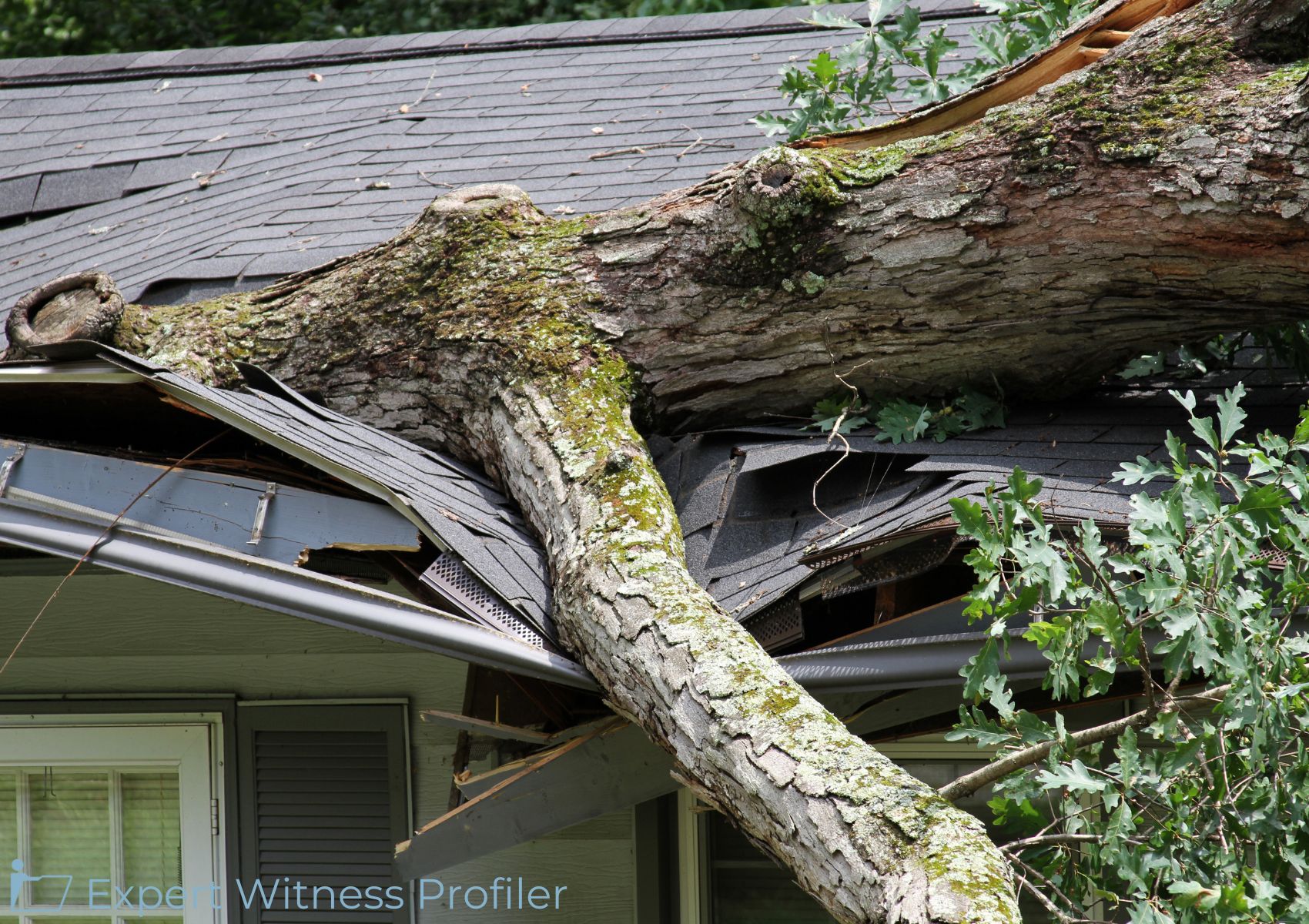
      5. Civil Engineering Expert Did Not Rely on “Homemade Theories”

        Civil Engineering Expert Did Not Rely on “Homemade Theories”

        Carleton Shockman’s property was allegedly damage by an April 2021 hailstorm. After inspecting the property, State Farm found no storm-related damage and denied coverage. Shockman invoked the policy’s appraisal process, which resulted in an award of $61,778.97, but State Farm still denied coverage.

        Finally, Shockman sued State Farm, asserting claims for breach of contract, violations of the Texas Insurance Code, breach of the duty of good faith and fair dealing, and violations of the Texas Deceptive Trade Practices Act. Shockman designated Neil Hall as an expert witness on (1) the condition of Shockman’s property “following the hail and windstorm event” and (2) “the amount of funds necessary to repair the property to its original condition.”

        Hall, a licensed engineer and architect with over five decades of professional experience, concluded that hail caused the property damage on April 15, 2021.

        State Farm filed a motion to exclude Hall’s testimony on three grounds: (1) Hall failed to conduct a credible investigation based on accepted standards; (2) his causation opinions are conclusory and unreliable; and (3) he began with a firm conclusion and sought only confirming evidence. 

        Civil Engineering Expert Witness

        Neil Hall served as a commissioned officer in both the Army Corps of Engineers and the Navy Civil Engineer Corps. He holds two degrees in Architecture, graduate degrees in Systems Management and Landscape Architecture and a Ph.D. in Urban Studies.

        He is a licensed Architect, Interior Designer, Civil Engineer and Landscape Architect; a Certified Floodplain Manager; and a NFPA 1033 Certified Fire Investigator.

        Discover more cases with Neil Hall as an expert witness by ordering his comprehensive Expert Witness Profile report. 

        Discussion by the Court

        1. Hall’s Methodology

        First, Hall conducted an in-person inspection of the property on June 6, 2023. During this inspection, he documented the condition of the roof and other property components through photographs and direct observation. Hall then analyzed these observations in the context of potential causes.

        Second, Hall consulted multiple weather-data sources to determine if weather events capable of causing the observed damage had occurred at the property. These sources included weather data from the National Oceanic and Atmospheric Administration and storm-event data from the National Centers for Environmental Information. Hall used this data to identify an April 15, 2021, hailstorm that he concludes had wind strong enough and hail large enough to cause the observed damage. 

        Third, Hall reviewed claim documents and other materials related to the property and the insurance dispute. This included examining previous inspections and findings.

        Finally, Hall applied his professional experience to correlate the observed damage patterns with the meteorological data, ultimately concluding that an April 15, 2021, hailstorm caused the damage to Shockman’s property. 

        While Hall’s execution of this methodology may be properly subject to criticism on cross-examination, the Court held that the methodology itself satisfies Daubert‘s reliability threshold because the “method is generally accepted in the relevant engineering community”—specifically, forensic engineering.

        2. State Farm’s Objections

        Three main contentions were raised against Hall’s methodology: (1) Hall did not conduct a credible investigation and relied on “homemade theories”; (2) his causation opinions are conclusory and unreliable; and (3) he started with a conclusion and sought only confirming evidence.

        State Farm challenged Hall’s conclusion that hail can cause shingle damage at 0.75 inches, arguing that the hail must be at least 1.5 inches to do so. It criticized his choice not to measure individual hail impacts. State Farm questioned his decision not to inspect every portion of the roof. It disputed his assessment of a single window-screen tear. And it digressed considerably about “redacted” weather data without establishing the data’s significance or countering Hall’s testimony that he accounted for the data elsewhere in his report. 

        As for the first argument—that Hall conducted an insufficient investigation and used “homemade” methods—the Court held that State Farm never shows how Hall’s investigation meaningfully deviates from accepted practices used by similar experts in this field.

        Next, the Court held that it is not clear whether State Farm’s second and third contentions—that Hall’s opinions are conclusory and that he started with a predetermined conclusion—even challenged Hall’s methodology. Forming an initial hypothesis—which Hall acknowledged doing—does not render an expert’s methodology unreliable if he then gathers and analyzes data to test that hypothesis, which Hall did. Similarly, State Farm’s characterization of Hall’s opinions as “conclusory,” is more of an assertion that Hall didn’t use a methodology, not that the methodology he used is unreliable.

        Finally, the State Farm’s claim that Hall “disregarded any unfavorable data that did not support his assumption that hail was the cause of loss” was unsupported by the record. 

        Held

        The Court denied the State Farm’s motion to exclude the testimony of Plaintiff’s expert witness, Neil Hall. 

        Key Takeaway:

        The Court’s task in evaluating expert testimony is not to determine whether the expert’s conclusions are correct or to nitpick every data point or input used. Rather, the Court must ensure that the methodology used to reach those conclusions is reliable. 

        Basically, the Court found that Hall employed a reliable approach consistent with practices in the field of forensic engineering by inspecting the property, analyzing weather data from multiple sources, documenting damage, and applying his professional experience to reach his conclusions.

        Moreover, the Court added that State Farm’s criticisms of Hall’s specific factual inputs and conclusions did not show any fundamental flaws in his methodology. 

        Case Details:

        Case Caption: Shockman v. State Farm Lloyds
        Docket Number: 4:22 cv 02030
        Court Name: United States District Court for the Southern District of Texas, Houston Division
        Order Date: March 31, 2025
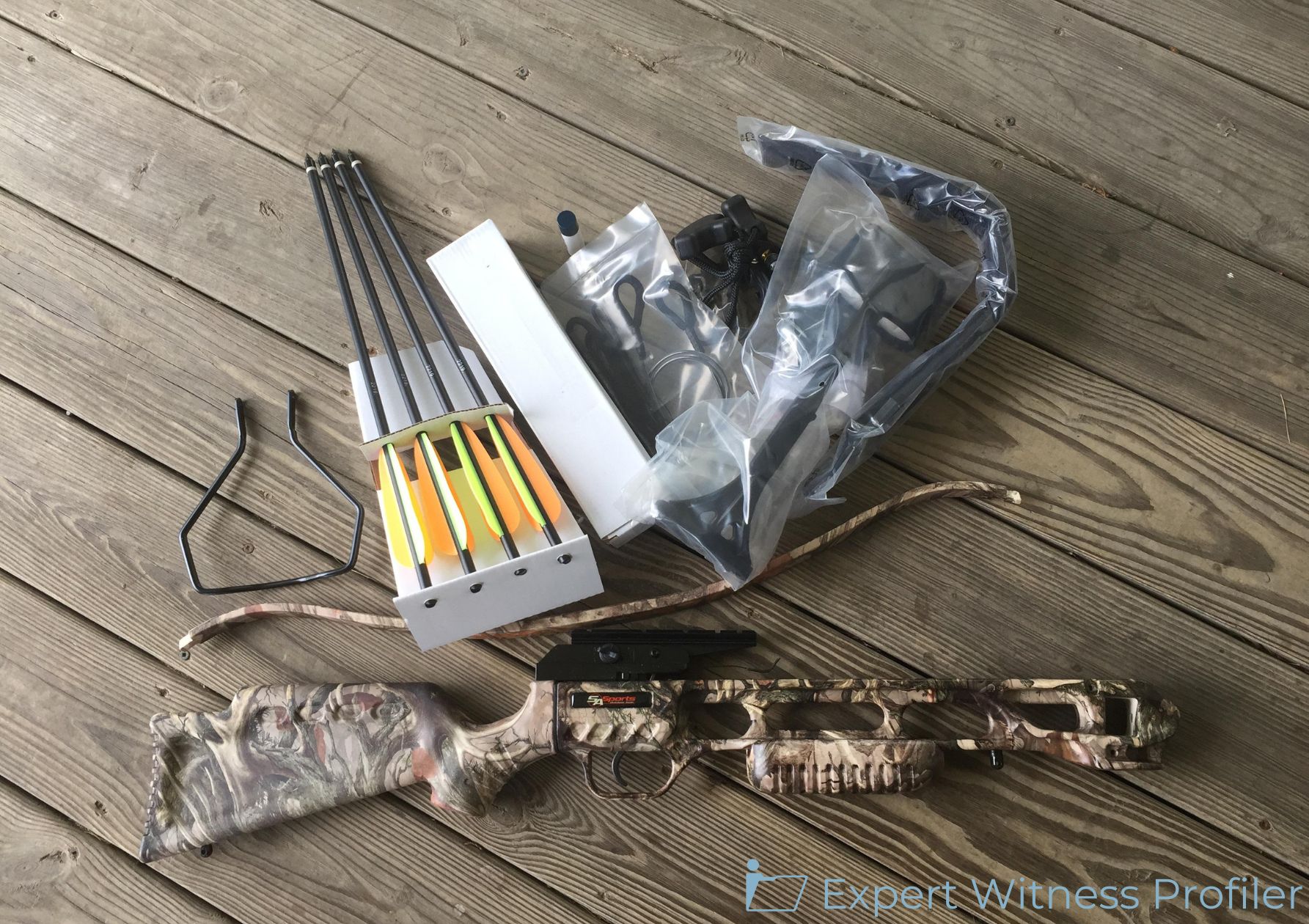
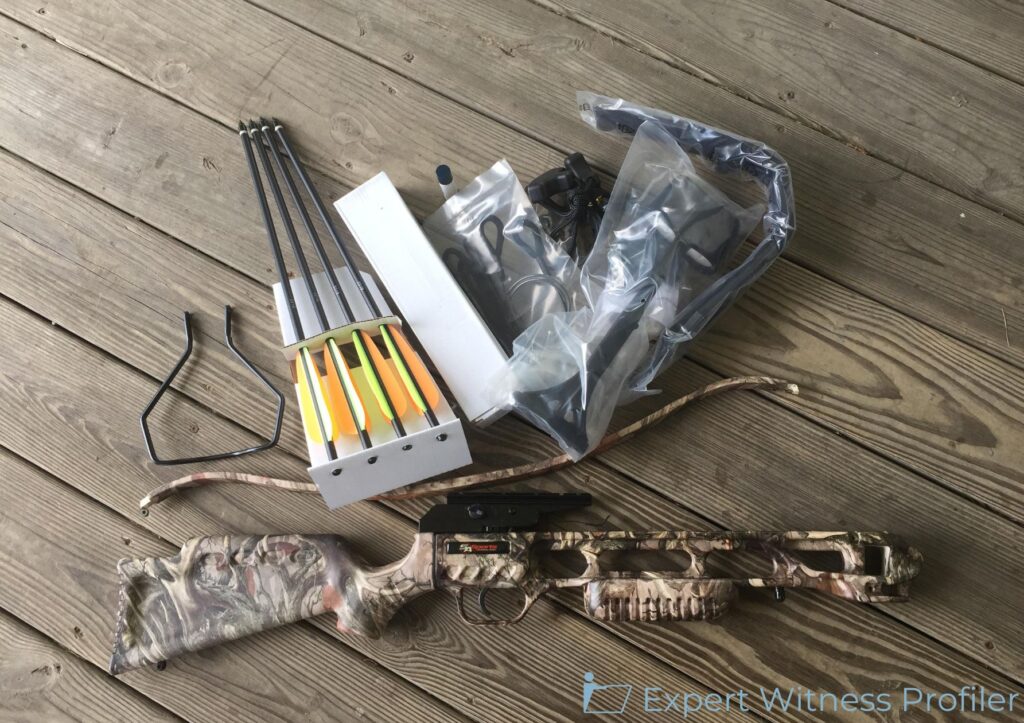
      6. Engineering Expert Qualified to Opine on Crossbow Malfunction

        Engineering Expert Qualified to Opine on Crossbow Malfunction

        Scott and Melanie Campbell (“Plaintiffs”) brought this case against Ravin Crossbows, LLC and Velocity Outdoor Inc. (collectively, “Defendants”). This case arises from personal injuries sustained by Plaintiff Scott Campbell (“Scott”), an experienced hunter.

        On November 9, 2022, Scott was hunting from a ladder stand using a Ravin 10 Crossbow, manufactured by Ravin Crossbows. He attempted to shoot a deer, but the arrow fell a few feet away, and he fell from the stand, sustaining injuries. Scott had successfully used this crossbow multiple times before and understood its instructions and warnings.

        Scott’s injuries included a displaced intraarticular fracture of the distal radius with significant comminution of the dorsal and volar cortex. He also had signs of post-traumatic acute carpal tunnel syndrome.

        Plaintiffs’ expert, Craig Clauser, an engineering expert, opined that the incident was a result of a derailment of a bowstring on the crossbow. In other words, Clauser believed that the accident happened because the bowstring came out of the groove at the end of the cam. Plaintiffs’ theory of liability hinges upon Clauser’s expert testimony.

        Defendants filed a motion to exclude the testimony of Craig Clauser under Daubert, challenging his qualifications and the reliability of his opinions.

        Engineering Expert Witness

        Craig David Clauser is a metallurgist and materials engineer by training. As part of his work experience, Clauser was responsible for employee safety and training and failure analysis investigation which is relevant to the instant matter. Clauser is also a member of various professional societies and has contributed to the ASM Handbook on Failure Analysis and Prevention.

        Want to know more about the challenges Craig Clauser has faced? Get the full details with our Challenge Study report.  

        Discussion by the Court

        A. Qualifications

        Defendants argued that Clauser should be excluded because he lacks the practical experience within the hunting industry necessary to make a reliable opinion about liability and causation. The Court disagreed.

        Clauser, after all, possesses skill or knowledge greater than the average layman in determining engineering issues. He need not have academic training in hunting to have an expert opinion on matters related to engineering.

        Defendants may prefer Clauser to be an expert in hunting and crossbows, but the law does not require that.

        B. Reasoning and Methodology

        1. Causation and Liability

        Defendants argued that Craig Clauser’s opinions lacked sound methodology, were speculative, and failed to meet reliability requirements, specifically pointing to his lack of mathematical calculations, drawings, or diagrams to test the reliability of his reasonable alternative designs.

        The Court found that Clauser’s opinions on causation and liability were reliable. His conclusions were based on a detailed, independent review of the physical crossbow and evidence like the broken arrow shaft as well as the “witness marks” left on the shaft of the crossbow as the arrow traveled up the crossbow, which the Court deemed a generally accepted and reliable method in engineering analysis, supported by “good grounds” and not mere speculation.

        2. Proposed Alternative Designs

        Defendants contended that Craig Clauser’s proposed alternative designs were speculative and unreliable because he did not conduct testing, calculations, or provide a concrete design for them, arguing this lack of rigorous methodology made his opinions inadmissible.

        The Court evaluated the reliability of each proposed design separately. Regarding the cam with increased groove depth, the Court held that this opinion was reliable. The Court determined it was based on Clauser’s engineering expertise and detailed analysis of the physical crossbow involved in the incident, including microscopic examination and analysis of witness marks, which provided “sound reasoning and good faith grounds” despite the absence of testing on a modified component.

        In contrast, the Court held that the opinion regarding cam shields or removable guards was unreliable. This proposal was deemed speculative by the Court, lacking any basis in testing, analysis of feasibility or potential dangers or evidence of existing designs on the market. A cam shield might have helped reduce the risk of injury but there is nothing to show that it would be a reasonable alternative design to the Ravin 10.

        C. Assistance to the Trier of Fact

        Defendants argued that Craig Clauser’s testimony should be excluded because he performed no testing or analysis to determine the root cause of the incident and failed to test his alternative designs, contending that this lack of empirical work meant his testimony would not provide relevant information to assist the jury.

        The Court found that Clauser’s opinions will assist the trier of fact.

        The Court’s reasoning was that Clauser’s testimony pertains directly to the alleged injuries Scott Campbell suffered, the potential causation, and the issue of liability. His specialized knowledge is relevant to determining the nature and extent of Scott’s alleged injuries in relation to the crossbow incident.

        Held

        The Court granted in part and denied in part Defendants’ motion to limit the testimony of expert Craig Clauser.

        Key Takeaway:

        A cam shield might have helped reduce the risk of injury but there is nothing to show that it would be a reasonable alternative design to the Ravin 10. Additionally, there is no evidence that a cam shield exists on any current or past crossbow on the market, and Clauser did not prepare or present an actual design with a cam shield.

        Thus, it is apparent to the Court that Clauser’s opinion that a cam shield or removable guard is a reasonable alternative design lacks the requisite reliability for it to be admissible under Daubert.

        Case Details

        Case Caption: Campbell v. Ravin Crossbows, LLC
        Docket Number: 3:23cv1862 
        Court Name: United States District Court for the District of New Jersey
        Order Date: April 29, 2025
      7. Environmental Engineering Expert Witness’ Testimony About the Source of H2S is Not Fully Admissible

        Environmental Engineering Expert Witness’ Testimony About the Source of H2S is Not Fully Admissible

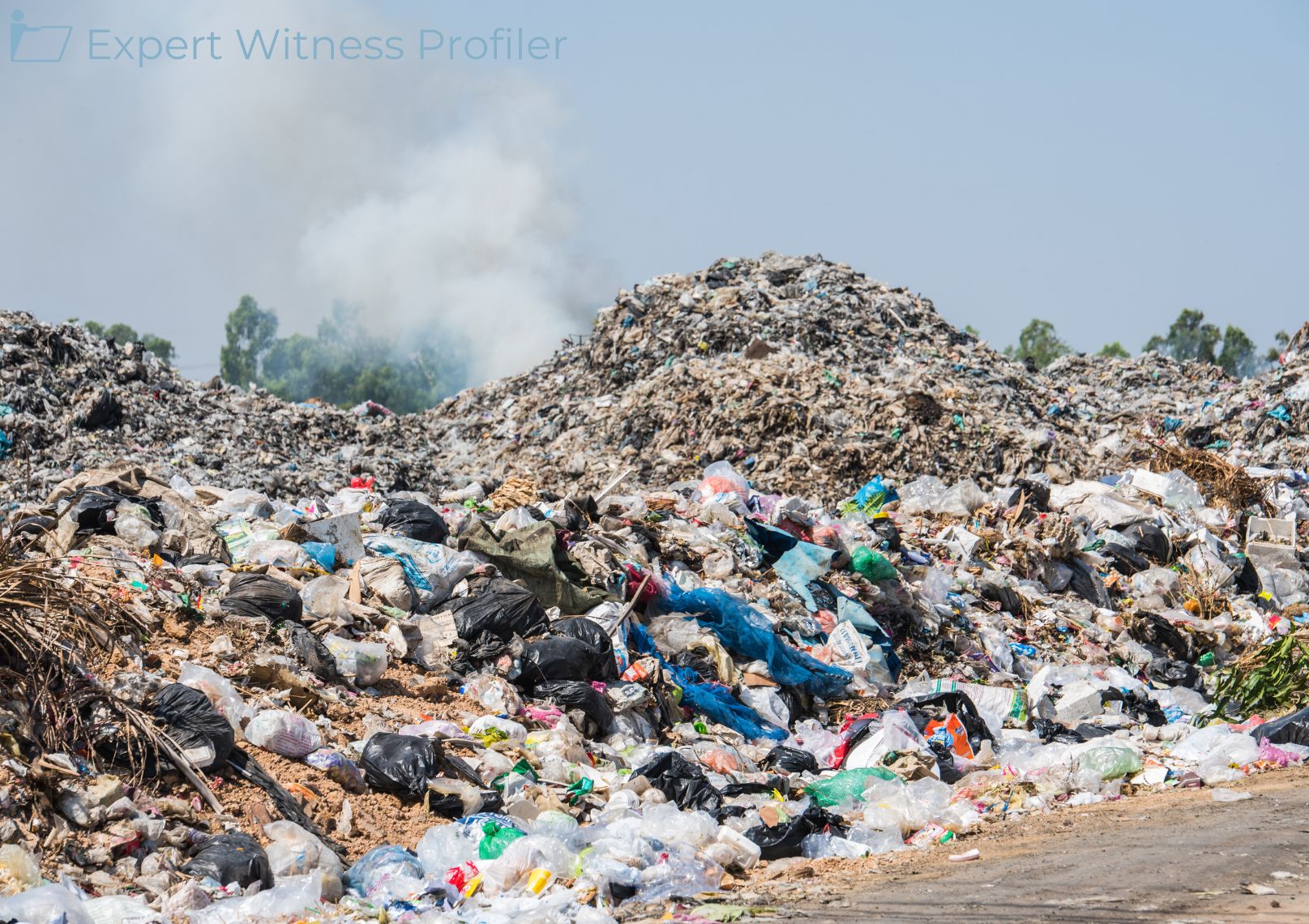
        This case concerns the operation of the Jefferson Parish Landfill in Waggaman, Louisiana (the “JPLF”), and the resulting odors emitted from the JPLF between July 1, 2017, and December 31, 2019 (the “relevant time period”). Plaintiffs, who are Jefferson Parish residents, filed several individual lawsuits that were consolidated into a mass action, Addison v. Louisiana Regional Landfill Co., which contains over 500 individual Plaintiffs.

        The Defendants asserted several “alternative source arguments,” including that: (1) Plaintiffs’ alleged damages were sustained in whole or in part as a result of intervening or superseding causes, including noxious odors originating from sources other than the JPLF; and (2) Plaintiffs’ claims are barred or diminished to the extent their injuries were caused by their own comparative fault or the comparative fault of third parties or sources of odors for which the Defendants are not responsible.

        Motion to preclude

        The Defendants engaged Matthew Stutz, P.E.—represented to be an expert in “landfill design, engineering, management, and operations”—to offer opinions about modeled emissions and emission rates of landfill gas and hydrogen sulfide (“H2S”) from the JPLF and two neighboring landfills, the River Birch Landfill (the “RBLF”) and the Highway 90 construction and demolition (“C&D”) Landfill (the “Hwy 90 Landfill” or “Hwy 90”).

        Stutz is also offered as a rebuttal expert to rebut the opinions of Plaintiffs’ experts, specifically regarding: (1) the generation and emissions of landfill gas and hydrogen sulfide; (2) the design, operation, and maintenance of the JPLF, including its cover, leachate, landfill gas, and odor control systems; and (3) the acceptance of nonhazardous industrial waste at the JPLF. Stutz expressed several opinions in his expert report (the “Stutz Report”) related to modeled gas generation and emissions estimates for the JPLF, the RBLF, and the Hwy 90 Landfill.

        Plaintiffs filed their Motion in Limine seeking to preclude Stutz from offering testimony related to certain opinions expressed in the Stutz Report under the law-of-the-case doctrine and Federal Rule of Evidence Rule 702.

        Environmental Engineering Expert Witness

        Matthew K. Stutz is a Principal with Weaver Consultants Group, LLC. He has extensive work experience in landfill gas collection and control system design, leachate systems, and air quality permitting and compliance, and he has prepared numerous landfill gas collection and control system designs, landfill gas evaluations, emission inventories, air quality permits, emission calculations, and odor control plans.

        Stutz received a Bachelor of Science in Civil/Environmental Engineering in 1997, from The University of Texas at Arlington. He currently serves on a panel of the U.S. Environmental Protection Agency (“EPA”) which provides comments on landfill air quality regulations.

        Get the full story on challenges to Matthew Stutz’s expert opinions and testimony with an in-depth Challenge Study. 

        Discussion by the Court

        After preparing landfill gas generation models and emissions estimates for the JPLF, the RBLF, and the Hwy 90 Landfill, using mathematical analysis and relevant source material, Stutz expressed several opinions in his Report.

        Stutz’s testimony related to the Hwy 90 Landfill will be excluded under Rule 702

        Plaintiffs sought to exclude the portion of Opinion No. 2B in which Stutz opines “the Hwy 90 Landfill was the largest and most significant source of H2S emissions of the three landfills” during the relevant time period. The Stutz Report represents “[a] main component[] used in gas generation modeling is the concentration of the specific gas being modeled,” which in this case is H2S.

        After comparing the modeled H2S emission rates for the Hwy 90 Landfill, the RBLF, and the JPLF, Stutz concluded “the majority of H2S emissions during [the relevant time period] came from Hwy 90.”

        The Court found that the scant and uncharacteristic H2S concentration data from February 2008, on which Stutz based the Hwy 90 Model for the relevant time period, rendered Opinion No. 2B unreliable.

        In this case, Stutz relied on two data points collected on a single day nearly one decade before the relevant time period to derive the H2S concentration that informs his Hwy 90 Model. Hwy 90 records demonstrate the landfill experienced elevated H2S concentrations in 2008, which likely resulted from the burial of organic vegetative and gypsum sheetrock debris when the LDEQ designated the landfill an Emergency Debris Site post-Hurricane Katrina.

        The Court also found that the probative value of Stutz’s testimony on the Hwy 90 Landfill is substantially outweighed by the risk of misleading the jury. Thus, the Court will also exclude Stutz’s testimony related to the Hwy 90 Landfill under Rule 403.

        Stutz may offer testimony on the JPLF and the RBLF

        Stutz’s testimony on the JPLF and RBLF will not be excluded
        under Rule 702

        Plaintiffs also sought to exclude the portion of Opinion No. 2B in which Stutz expressed findings related to the JPLF and the RBLF under Rule 702. Plaintiffs argued Stutz improperly neglected to calculate the total H2S that may be generated from material at the landfills, which rendered his modeled H2S emissions from those facilities “nothing more than a wild guess.” Specifically, Plaintiffs claim Stutz’s modeled H2S emissions from the JPLF are not the product of reliable principles or methods because his model does not account for “the forty-six million [] pounds of spent lime buried in [Phase IVA].”

        The Court has reviewed the bases of the portions of Opinion No. 2B related to the JPLF and the RBLF. Unlike the H2S concentration used in his Hwy 90 Model, a review of Opinion Nos. 1B and 2B reveals the H2S concentrations Stutz used in the H2S Generation Models for the JPLF and the RBLF (the “JPLF Model” and “RBLF Model,” respectively) are more “grounded in the methods and procedures of science” than in Stutz’s unsupported speculative or subjective belief.

        With respect to the JPLF Model, Stutz represented he “uses the same average H2S concentrations as the Plaintiffs’ experts,” and Plaintiffs do not challenge this assertion. With respect to the RBLF Model, although Stutz’s H2S concentration is based on limited data, the H2S concentration is based on a study from June 2018, during the relevant time period.

        Stutz’s testimony on the JPLF will not be excluded under the law-of-the-case doctrine

        Plaintiffs sought to exclude the remaining contested opinions on the basis that the opinions relate to issues adjudicated in the general causation phase and should be excluded under the law-of-the-case doctrine.

        The Court has reviewed the Stutz Report and finds Plaintiffs’ argument is without merit. Table 4 of the Stutz Report provides a comparison of 2019 H2S concentrations at the JPLF, which identifies an average H2S concentration at the JPLF Phase IVA of: (1) 3,633 ppm (i.e., 3,633,000 ppb) collected inside the landfill; (2) 0.43 ppm (i.e., 430 ppb) at the landfill surface; and (3) 1.126 ppm (i.e., 1,126 ppb) collected from ambient readings at approximately three feet from the landfill surface. To the extent the Plaintiffs challenge Stutz’s opinions under the law-of-the-case doctrine, Stutz input the H2S concentration of 3,633 ppm into his JPLF Model for Phase IVA, which is the same figure relied upon by Plaintiffs’ H2S emissions model.

        Held

        The Court granted in part and denied in part the Plaintiffs’ motion to exclude expert testimony of Matthew Stutz. Stutz may not offer testimony related to the Hwy 90 Landfill. He may offer testimony related to the JPLF and the RBLF. Stutz may offer his rebuttal of Plaintiffs’ experts’ opinions on the JPLF and RBLF, as necessary, but may not offer rebuttal opinion related to the Hwy 90 Landfill.

        Key Takeaways:

        • Stutz offered no explanation as to the validity or general acceptance in the scientific community of his methodology for deriving an H2S concentration based on such scant and uncharacteristic data.
        • To the extent Plaintiffs challenge Stutz’s omission of site-specific data, including his failure to calculate the total H2S generated at the landfills, the Court finds these concerns go to the weight of Stutz’s opinions rather than their reliability and should be left for the factfinder’s consideration.

        Case Details:

        Case Caption: Addison, Et Al. V. Louisiana Regional Landfill Company, Et Al
        Docket Number: 2:19cv11133
        Court: United States District Court, Louisiana Eastern
        Order Date: July 31, 2024