Tag: Expert

  • Appraisal and Valuation Expert is Qualified to Testify about the Value of the Porsche

    Appraisal and Valuation Expert is Qualified to Testify about the Value of the Porsche

    Joseph Falasco bought a non-functioning 1974 Porsche 911S for $10,000 and put a significant amount of time and money into restoring it, including the installation of a new engine and transmission.

    Falasco later filed a claim regarding the non-collision fire that destroyed Plaintiff’s 1974 Porsche 911S (the “1974 Porsche”) and ended up suing USAA for breach of insurance contract, bad faith, and unfair claims
    settlement practices.

    Falasco filed a motion to exclude the testimony of two of USAA’s experts— Roy Da Silva and Mark McGillivray.

    Insurance Expert Witness

    Mark A McGillivray holds a bachelor’s degree in business administration with a concentration in Finance from the University of Puget Sound and a master’s degree in Business Administration with a concentration in Marketing from the University of Illinois at Chicago.

    He also holds the Chartered Property Casualty Underwriter (CPCU) designation from the American Institute for CPCU and the Insurance Institute of America (The Institutes).

    McGillivray has over 41 years of experience in the Insurance Industry, primarily in claims roles. He held various roles at Allstate Insurance Company for over 35 years, including Senior Vice President in claims.

    Since 2019, he has worked as a consultant in the industry, participated in expert networks, and been retained as an insurance expert. He is also on the Board of Directors of Hancock Claim Consultants.

    Get the full story on challenges to Mark A McGillivray’s expert opinions and testimony with an in-depth Challenge Study.  

    Appraisal and Valuation Expert Witness

    Roy Da Silva is an experienced appraiser who specializes in classic cars. He founded and developed Source One Services to provide specialized services
    to the collector car markets.

    Want to know more about the challenges Roy Da Silva has faced? Get the full details with our Challenge Study report.  

    Discussion by the Court

    Motion to exclude the Expert Testimony of Mark McGillivray

    Falasco filed a motion to exclude the expert testimony of Mark McGillivray. The Court ruled that this motion is denied without prejudice as moot.

    It appeared that USAA intended to offer McGillivray’s testimony solely in support of its defense on Falasco’s bad faith and unfair claims settlement practices claims.

    Since the Court had already granted summary judgment on those claims, McGillivray’s testimony was no longer relevant to the remaining issues in the case.

    Motion to exclude the Expert Testimony of Roy Da Silva

    Falasco argued for the exclusion of Roy Da Silva’s testimony, implying it would not offer adequate assistance to the trier of fact.

    The Court held that Da Silva is qualified to testify about the value of Falasco’s Porsche. In other words, Da Silva’s expertise will aid the jury due to the complexity of the classic car market. 

    While Falasco may dispute Da Silva’s valuation or methodology, the Court held that such challenges concerned the weight and credibility of his testimony. These concerns could be addressed through “vigorous cross-examination and presentation of contrary evidence” at trial, allowing the jury to evaluate its significance.

    Held

    • The Court denied without prejudice as moot the motion to exclude the testimony of Mark McGillivray.
    • The Court denied Falasco’s motion to exclude the testimony of Roy Da Silva.

    Key Takwaway:

    Classic car appraiser Roy Da Silva’s testimony was admitted because his expertise was essential for assisting the jury in understanding the complex classic car market.

    Case Details:

    Case Caption: Falasco v. USAA Cas. Ins. Co
    Docket Number: 4:23cv01054
    Court Name: United States District Court for the Eastern District of Arkansas, Central Division
    Order Date: May 2, 2025
  • Urology Expert’s Opinion on Reusing Single-Use Catheters Admitted

    Urology Expert’s Opinion on Reusing Single-Use Catheters Admitted

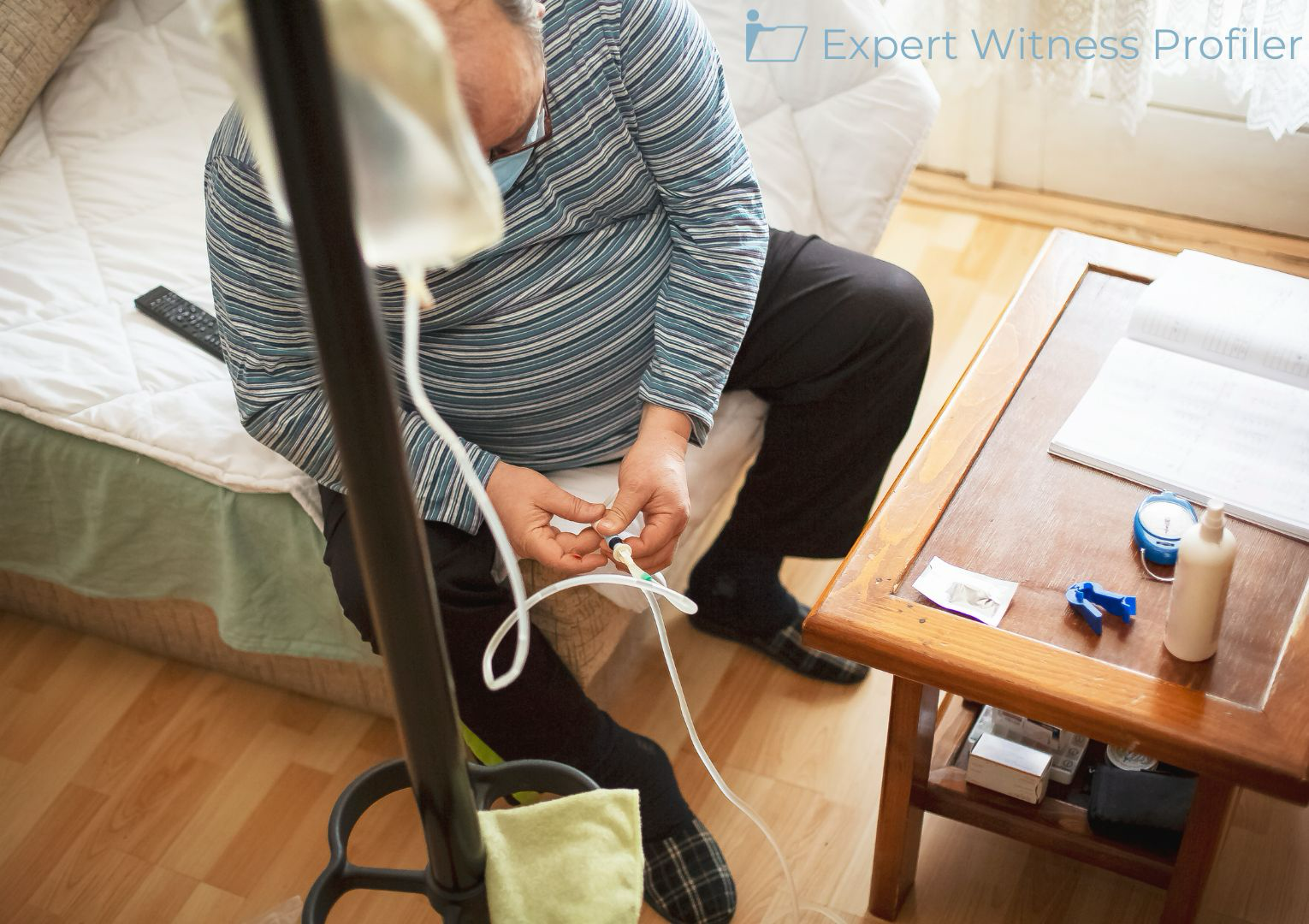
    Plaintiffs are the wheelchair-bound current or former inmates of the New York State Department of Corrections and Community Supervision (“DOCCS”) who must self-catheterize themselves multiple times per day in order to urinate. Plaintiffs claimed that they experienced violation of their federal civil rights, and discrimination on the basis of their disabilities.

    Urologist Ezekiel Young, M.D., opined that the DOCCS’ policy of requiring inmates to re-use single-use catheters fell well-below the accepted standard of care.

    However, DOCCS relied entirely on the expert report of Gabriel Haas, M.D. According to Haas, “the United Kingdom National Health Service Trust Guidelines currently state that catheters may be re-used up to a week and provide instruction how to re-use catheters.”

    Plaintiff contended that the Court should preclude Haas’s opinion as unreliable, under Daubert and Rule 702.

    Urology Expert Witness

    Gabriel Haas, M.D., is a physician licensed to practice medicine in the state of New York. He is board certified by the American Board of Urology.

    Haas is employed as Professor and Chairman of the Department of Urology of SUNY Upstate Medical University in Syracuse, New York. He has held this position for 10 years.

    He has worked as a clinical urologist for 15 years.

    Want to know more about the challenges Gabriel Haas has faced? Get the full details with our Challenge Study report.  

    Discussion by the Court

    Plaintiffs contended that they were entitled to summary judgment since the opinion of their medical expert, Young, that re-using single use catheters violated the standard of care, is essentially undisputed inasmuch as the contrary opinion of Haas is unreliable.

    The Court found that there is a triable issue of fact precluding summary judgment, due to the disagreement between the opinions of Young and Haas regarding the propriety of re-using single-use catheters. In particular, Young opined that such catheters should never be re-used, while Haas indicated that they may safely be re-used.

    Plaintiffs contended that Haas’ entire opinion should be precluded as unreliable, since it is partially based on a mistaken reading of one of its supporting documents, “the United Kingdom National Health Service Trust Guidelines.”

    However, the Court found that Plaintiffs’ objection goes to the weight, and not the admissibility, of Haas’ report.

    Contrary to both Young’s opinion that it was clearly improper to require Plaintiffs’ to re-use single use catheters and Plaintiffs’ assertion that such re-use caused their urinary tract infections, Haas indicated that such catheters may be safely re-used, and that urinary tract infections are not necessarily caused by such re-use. Moreover, neither Young’s expert report nor his supporting declaration opined that Plaintiffs were given and/or injured by improperly-sized catheters.

    The Court found that Plaintiffs’ motion for partial summary judgment must be denied since there is a triable issue of fact concerning the standard of care.

    Held

    The Court denied the Plaintiff’s request to preclude Gabriel Haas’ expert report.

    Key Takeaway:

    The Court held that Haas’ overall opinion is not unreliable just because it is partially based on a reading of one of its supporting documents, “the United Kingdom National Health Service Trust Guidelines.” Haas indicated that single use catheters may be safely re-used, and that urinary tract infections are not necessarily caused by such re-use. 

    Case Details:

    Case Caption: Sharif v. Fischer
    Docket Number: 6:05cv6504
    Court Name: United States District Court, New York Western
    Order Date: April 28, 2025
  • Economic Damages Expert’s Reliance on Medical Opinions is Appropriate

    Economic Damages Expert’s Reliance on Medical Opinions is Appropriate

    This case stems from a vehicle collision that happened in July 2022 in Gallup, New Mexico.

    The Plaintiff, Jimmy Woodall claimed the crash caused severe and disabling injuries, including physical and emotional pain, permanent impairment, and reduced enjoyment of life. He sought compensation for medical costs, lost wages, and long-term care.

    Woodall retained an expert, Mr. Justin Blok, MBA, CFE, CLP, to provide an opinion regarding Woodall’s lost earning potential, the present value of his life care plan, and other pecuniary matters. Blok relied on Todd Capielano‘s life care plan in determining Woodall’s alternative earnings and damages. Capielano, in turn, relied on the opinions of Woodall’s treating physicians, to form his own assessment of the costs Woodall was likely to face. Defendants challenged Blok’s qualifications, reasoning, and methodology, as well as his reliance on the opinions of Woodall’s treating physicians vis a vis Capielano’s life care plan.

    Economic Damages Expert Witness

    Justin Blok is a Certified Licensing Professional and Certified Fraud Examiner. He serves as a Partner at Whitley Penn LLP. He is also a Managing Director in its Forensic, Litigation & Valuation Services practice.

    Blok specializes in economic, accounting, valuation, and strategy issues related to intellectual property, complex commercial disputes, and general business transactions. He has testified in private arbitration, Federal and State Courts.

    Blok is consistently named to the IAM Patent 1000 list of top patent experts. He has lectured on damages topics at several universities. These include the University of Houston Law Center, Baylor University School of Law, and South Texas College of Law.

    Want to know more about the challenges Justin Blok has faced? Get the full details with our Challenge Study report.  

    Discussion by the Court

    Qualifications

    Blok has an undergraduate degree in risk management and finance, a master’s degree in business administration, and a master’s degree in accounting—all financial and business-related credentials—and he has been called as an expert to discuss financial matters.

    While Defendants argued that Blok is not a physician and is not qualified to diagnose Woodall’s conditions, the Court held that Blok will not opine on whether Woodall can work, nor will he opine on the causation of Woodall’s injuries. He therefore does not need to have a medical background. To the extent his valuations may rely on medical opinions regarding the work Woodall is capable of doing, such reliance is appropriate and typical for economists.

    Methodology

    The Defendants claimed that Blok’s projections were flawed because they included the full financial ramifications of Woodall’s medical conditions without accounting for the fact that Defendants can be held liable only for the portion attributable to the vehicle collision.

    The Court disagreed. It explained that these kinds of critiques go to the weight of the testimony, not its admissibility. Questions about the assumptions underlying an expert’s economic projections are best addressed through cross-examination, not exclusion.

    As for the concern about jury confusion, the Court noted that jurors would already be tasked with deciding how much of the Plaintiff’s current condition was caused by the collision. That same reasoning would naturally extend to financial damages.

    Finally, the Court emphasized that if Blok performed his calculations assuming a certain fraction of the expenses were attributable to Defendants, he might have overstepped his role and strayed into medical territory. By presenting neutral calculations and leaving the apportionment to the jury, Blok stayed within proper bounds. The Court concluded that the Defendants could challenge his assumptions during cross-examination and denied the motion to exclude his testimony.

    Held

    The Court denied the Defendants’ motion to exclude the opinions of Justin Blok.

    Key Takeaway:

    The alleged shortcomings in the underlying medical opinions used to create the life care plan and, in turn, the economic projections by Blok are properly addressed on cross-examination, not by excluding Block as an expert entirely.

    Please refer to the blog previously published about this case:

    Life Care Planning Expert’s Testimony on Future Medical Care Needs Admitted

    Case Details:

    Case Caption: Woodall v. W. Express, Inc.
    Docket Number:
    1:23cv862
    Court Name: United States District Court for the District of New Mexico
    Order Date: April 25, 2025
  • Engineering Expert Qualified to Opine on Crossbow Malfunction

    Engineering Expert Qualified to Opine on Crossbow Malfunction

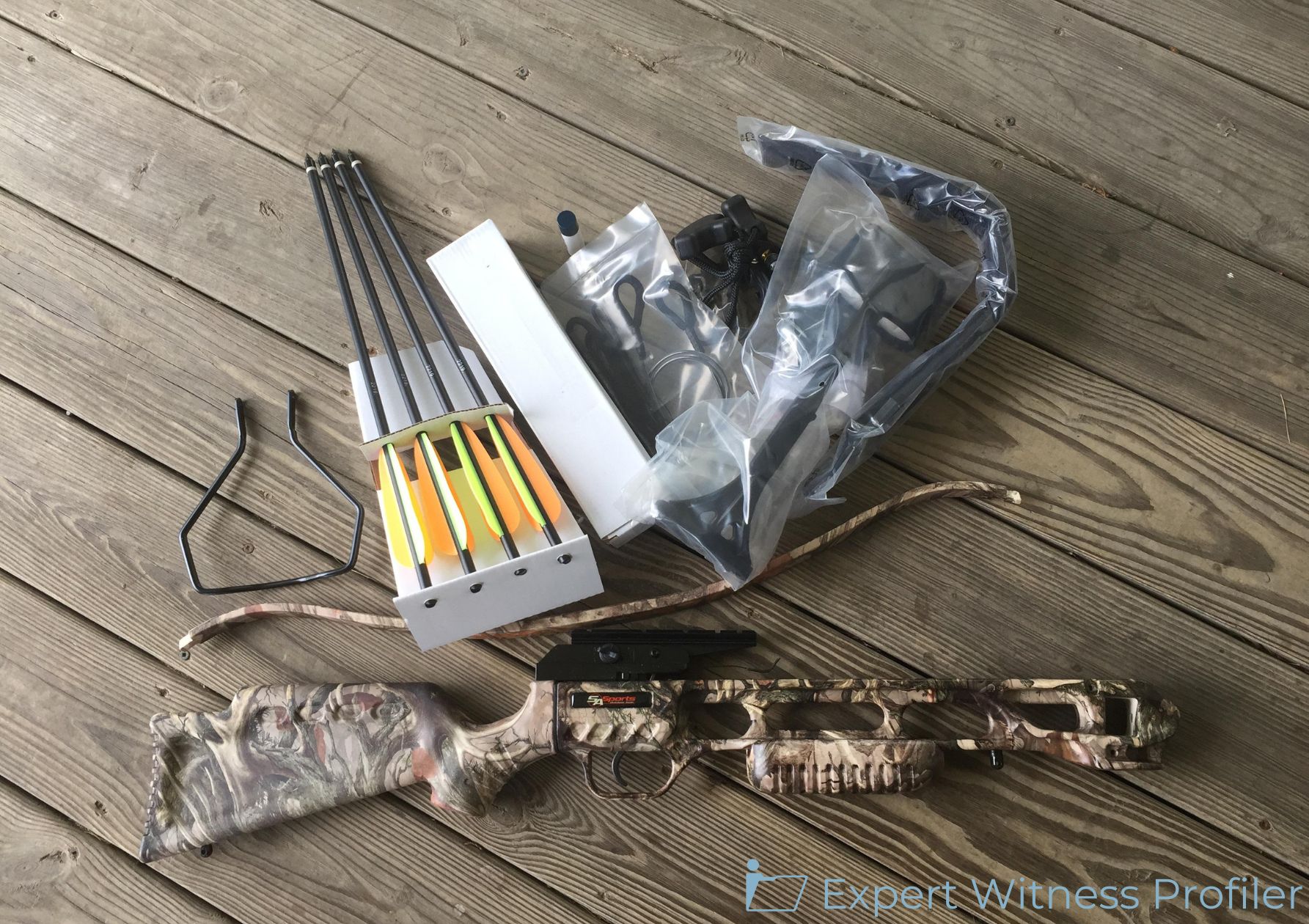
    Scott and Melanie Campbell (“Plaintiffs”) brought this case against Ravin Crossbows, LLC and Velocity Outdoor Inc. (collectively, “Defendants”). This case arises from personal injuries sustained by Plaintiff Scott Campbell (“Scott”), an experienced hunter.

    On November 9, 2022, Scott was hunting from a ladder stand using a Ravin 10 Crossbow, manufactured by Ravin Crossbows. He attempted to shoot a deer, but the arrow fell a few feet away, and he fell from the stand, sustaining injuries. Scott had successfully used this crossbow multiple times before and understood its instructions and warnings.

    Scott’s injuries included a displaced intraarticular fracture of the distal radius with significant comminution of the dorsal and volar cortex. He also had signs of post-traumatic acute carpal tunnel syndrome.

    Plaintiffs’ expert, Craig Clauser, an engineering expert, opined that the incident was a result of a derailment of a bowstring on the crossbow. In other words, Clauser believed that the accident happened because the bowstring came out of the groove at the end of the cam. Plaintiffs’ theory of liability hinges upon Clauser’s expert testimony.

    Defendants filed a motion to exclude the testimony of Craig Clauser under Daubert, challenging his qualifications and the reliability of his opinions.

    Engineering Expert Witness

    Craig David Clauser is a metallurgist and materials engineer by training. As part of his work experience, Clauser was responsible for employee safety and training and failure analysis investigation which is relevant to the instant matter. Clauser is also a member of various professional societies and has contributed to the ASM Handbook on Failure Analysis and Prevention.

    Want to know more about the challenges Craig Clauser has faced? Get the full details with our Challenge Study report.  

    Discussion by the Court

    A. Qualifications

    Defendants argued that Clauser should be excluded because he lacks the practical experience within the hunting industry necessary to make a reliable opinion about liability and causation. The Court disagreed.

    Clauser, after all, possesses skill or knowledge greater than the average layman in determining engineering issues. He need not have academic training in hunting to have an expert opinion on matters related to engineering.

    Defendants may prefer Clauser to be an expert in hunting and crossbows, but the law does not require that.

    B. Reasoning and Methodology

    1. Causation and Liability

    Defendants argued that Craig Clauser’s opinions lacked sound methodology, were speculative, and failed to meet reliability requirements, specifically pointing to his lack of mathematical calculations, drawings, or diagrams to test the reliability of his reasonable alternative designs.

    The Court found that Clauser’s opinions on causation and liability were reliable. His conclusions were based on a detailed, independent review of the physical crossbow and evidence like the broken arrow shaft as well as the “witness marks” left on the shaft of the crossbow as the arrow traveled up the crossbow, which the Court deemed a generally accepted and reliable method in engineering analysis, supported by “good grounds” and not mere speculation.

    2. Proposed Alternative Designs

    Defendants contended that Craig Clauser’s proposed alternative designs were speculative and unreliable because he did not conduct testing, calculations, or provide a concrete design for them, arguing this lack of rigorous methodology made his opinions inadmissible.

    The Court evaluated the reliability of each proposed design separately. Regarding the cam with increased groove depth, the Court held that this opinion was reliable. The Court determined it was based on Clauser’s engineering expertise and detailed analysis of the physical crossbow involved in the incident, including microscopic examination and analysis of witness marks, which provided “sound reasoning and good faith grounds” despite the absence of testing on a modified component.

    In contrast, the Court held that the opinion regarding cam shields or removable guards was unreliable. This proposal was deemed speculative by the Court, lacking any basis in testing, analysis of feasibility or potential dangers or evidence of existing designs on the market. A cam shield might have helped reduce the risk of injury but there is nothing to show that it would be a reasonable alternative design to the Ravin 10.

    C. Assistance to the Trier of Fact

    Defendants argued that Craig Clauser’s testimony should be excluded because he performed no testing or analysis to determine the root cause of the incident and failed to test his alternative designs, contending that this lack of empirical work meant his testimony would not provide relevant information to assist the jury.

    The Court found that Clauser’s opinions will assist the trier of fact.

    The Court’s reasoning was that Clauser’s testimony pertains directly to the alleged injuries Scott Campbell suffered, the potential causation, and the issue of liability. His specialized knowledge is relevant to determining the nature and extent of Scott’s alleged injuries in relation to the crossbow incident.

    Held

    The Court granted in part and denied in part Defendants’ motion to limit the testimony of expert Craig Clauser.

    Key Takeaway:

    A cam shield might have helped reduce the risk of injury but there is nothing to show that it would be a reasonable alternative design to the Ravin 10. Additionally, there is no evidence that a cam shield exists on any current or past crossbow on the market, and Clauser did not prepare or present an actual design with a cam shield.

    Thus, it is apparent to the Court that Clauser’s opinion that a cam shield or removable guard is a reasonable alternative design lacks the requisite reliability for it to be admissible under Daubert.

    Case Details

    Case Caption: Campbell v. Ravin Crossbows, LLC
    Docket Number: 3:23cv1862 
    Court Name: United States District Court for the District of New Jersey
    Order Date: April 29, 2025
  • The Daubert Standard

    The Daubert Standard

    Image depicting the Daubert Standard and its criteria for evaluating the admissibility of expert testimony in legal cases.

    The Daubert Standard, often referred to as the Daubert Trilogy, serves as the criterion by which a trial judge evaluates the admissibility of expert testimony. This standard establishes the criteria for expert witnesses to meet to be able to provide testimony: 

    1. Qualification of the Expert Witness: The expert must possess the requisite knowledge, skills, experience, training, or education. This expertise should enable the expert to present scientific, technical, or other specialized knowledge in a manner that aids the trier of fact in comprehending the evidence or reaching a factual determination. 
    1. Foundation in Facts and Data: The expert’s testimony must be founded on substantial and pertinent facts and data related to the case. 
    1. Reliability of Principles and Methods: The testimony should stem from reliable principles and methodologies that have gained acceptance within the relevant scientific or professional community. 
    1. Application of Principles and Methods: The expert must have consistently and dependably applied the aforementioned principles and methods to the specific facts of the case. 

    In essence, the Daubert Standard functions as a litmus test to ascertain the reliability of a particular technique or theory, its acknowledgement within the relevant scientific community, and assesses the likelihood of error when assessing the credibility of expert testimony. 

    The Daubert Trilogy comprises three pivotal United States Supreme Court cases that enunciated and elaborated upon the Daubert standard: 

    1. Daubert v. Merrell Dow Pharmaceuticals, Inc. (1993): This landmark case gave rise to the Daubert standard which was a flexible reliability standard incorporated by Rule 702 of the Federal Rules of Evidence, insisting on the role of judges as gatekeepers. It mandates that expert witnesses must present testimony supported by substantial scientific evidence. This criterion extends to both civil and criminal proceedings. 
    1. General Electric Co. v. Joiner (1997): In instances where a District Court determines that an expert’s conclusions lack a satisfactory foundation in the evidence they relied upon, exclusion of the testimony is justifiable. When an appellate court reviews a trial court’s decision regarding the admission of expert testimony, the proper standard for assessment is the abuse-of-discretion standard of review. 
    1. Kumho Tire Co. v. Carmichael (1999): This case underscores that the Daubert gatekeeping requirement seeks to ensure the reliability and relevance of all expert testimony, regardless of its scientific underpinning or lack thereof. 

    In summary, the Daubert Standard, encapsulated within the Daubert Trilogy, establishes the criteria for the evaluation of the admissibility of expert testimony. It underscores the need for expert witnesses to possess relevant qualifications and generate sound testimony based on reliable facts and data. 

    To read more such articles and cases click here.

  • South Carolina Court of Appeals affirms admission of nursing expert witness testimony 

    South Carolina Court of Appeals affirms admission of nursing expert witness testimony 

    A set up where law meets medicine, it often happens in cases where the lawyers need an expert to testify in court to prove his points.

    On October 25, 2014, a five-week-old child, Robert Lee M., Jr. (Minor), was admitted to Regional Medical Center (“Regional”) for a high fever. Jamie Downing worked at Regional as a nurse and treated Minor during his hospital stay. Medical personnel at Regional did not initially know the cause of Minor’s fever but on the day of his admission, they started him on IV antibiotic therapy in case he had an infection.

    On the morning of October 28, 2014, Downing administered an antibiotic, Ampicillin, into Minor’s IV. Shortly thereafter, Minor’s hand became swollen with a dark spot and his mother, Tekayah Hamilton, called the nurses’ station because Minor was “really crying.” The antibiotic Downing gave Minor through the IV caused a third-degree burn to his hand because it infiltrated outside of his vein. On October 30, 2014, Minor was discharged from Regional. 

    On October 7, 2015, Hamilton, individually and as parent and guardian ad litem for Minor, sued Regional on charges of negligence and malpractice. Regional denied any liability and wrongdoing on its part and asserted numerous affirmative defenses. Minor was awarded damages worth $300,000 at trial and Regional appealed. 

    Monica Stobbs, a nursing expert witness for the Plaintiff, testified at trial that before administering medication through an IV, a nurse must flush the IV with saline to ensure the IV is actually going into the vein and not instead into the skin. She explained saline would not harm the area and cause a burn type of injury if it went into the surrounding tissue of the vein, unlike an antibiotic which could if it did not go directly into the vein.

    Stobbs further noted that Regional’s policies and procedures for IV therapy require a saline flush to be given. Stobbs testified that Minor’s medical chart indicated his IV was flushed on several occasions before the medication was administered but that on the occasion when the injury occurred, the chart did not indicate the IV was flushed. Stobbs noted Regional’s policies and procedures state that the flush should be documented on the medication record and opined that the IV was not flushed if it was not documented concluding that Regional’s conduct constituted breach of care by not documenting the saline flush and by not staying with Minor for at least five minutes after starting medication. 

    In her defense, Downing testified that at the time she treated Minor, she had worked as a nurse at Regional for less than three months and had been allowed to work on her own for about two weeks. Downing stated Regional’s policies and procedures “are direct instructions” and there is “not room for interpretation” of them. Downing testified that Regional’s policies require a saline flush before putting medication into an IV.

    She believed the policies required flushing to be documented on the electronic medical record only when not associated with giving a medication. Downing testified she could not specifically remember administering a saline flush prior to ampicillin that morning but testified her practice was to flush prior to giving medication. Downing stated Minor’s medical records indicated a saline flush was given every four hours but Regional’s system provided no way to document giving a saline flush before an antibiotic. 

    Discussion by the court 

    Regional challenged Stobbs’ testimony contending she was lacked expertise since she had not administered IV therapy to a pediatric patient and did not review literature specifically about IV therapy for pediatric patients. Hamilton replied the administration and monitoring of an IV is the same for a pediatric patient as it is for an adult patient and that Regional’s argument went to the credibility of Monica Stobbs rather than her expertise, citing McMillan v. Durant, 312 S.C. 200 . The Court declined the Defendant, Regional Medical Center’s request to exclude the testimony of Monica Stobbs and held that Monica Stobbs was qualified to testify as a nursing care expert at trial. The Appellate Court affirmed the Trial Court’s qualification of her as an expert witness. 

    Regional alleged that the Trial Court erred by not admitting the testimony of Regional’s nursing expert Cindy Hurley but the Trial Court held and the Appellate Court affirmed that considering Hurley was retained to determine whether the conduct of Regional amounted to negligence or gross negligence, her testimony would have only amounted to a legal conclusion and since expert testimony on issues of law is inadmissible, it would most likely confuse the jury, citing Dawkins v. Fields, 354 S.C. 58

    Held 

    The Appellate Court held that it did not constitute abuse of discretion when the Trial Court admitted the testimony of Monica Stobbs regarding the standard of care, prohibited the testimony of Cindy Hurley as to whether Regional’s conduct constituted gross negligence or negligence, or admitted the photographs of the Minor’s hand. The Appellate Court affirmed the determinations of the Trial Court. 

    Key Takeaway 

    1. General vs. Specialized Expertise – The court found that Stobbs had extensive overall expertise in nursing care, even though she lacked specialized experience in pediatric IV therapy specifically. The rules for expert testimony do not require a witness to be a specialist in the exact area at issue. General expertise can be sufficient if it is relevant to the facts of the case 
    1. Credibility vs. Admissibility – The court determined that Stobbs’ lack of pediatric specialization went to the credibility and weight of her testimony, not its admissibility. She could not be completely excluded on this basis, though the defense was permitted to highlight the issue. 
    1. Relevance of Testimony – Stobbs’ testimony about proper nursing care for IV line flushes and documentation was relevant to the alleged negligence in this case, despite involving a pediatric patient. The standards did not necessarily differ between adult and pediatric IV administration. 
    1. Discretion of Trial Court – The decision to qualify an expert witness is within the trial court’s discretion. Appellate courts give this significant deference if the trial court has applied the proper legal standards.

    Experts generally cannot offer legal opinions or conclusions, as this usurps the role of the judge and jury. The terms “negligence” and “gross negligence” have specific legal definitions that witnesses should not testify to. As a nurse, Hurley was not qualified to offer legal opinions. Her expertise was in nursing care, not application of legal standards. Asking her legal questions went beyond her area of expertise. Whether negligence occurred was an ultimate issue of fact for the jury to decide, not an expert witness. Hurley could not tell the jury what outcome to reach on this key issue. 

  • South Dakota Supreme Court affirms exclusion of polygraph evidence in the absence of agreement between the parties 

    South Dakota Supreme Court affirms exclusion of polygraph evidence in the absence of agreement between the parties 

    A polygraph examination is conducted by an expert polygraph examiner to make a polygraph evidence

    Background 

    The case examines the admission of polygraph evidence in criminal and civil cases. Banks pled guilty to first-degree manslaughter and prior to his sentencing hearing sought to introduce polygraph analysis as evidence to prove that he was not the shooter. The Circuit Court decided to preclude the polygraph examination from the evidence, which subsequently led to Bank’s appeal, where he pursued the issue of whether the Circuit Court erred in excluding the polygraph evidence in its sentencing consideration. This case basically examines the Court’s stance in examining the use of and admission of polygraph evidence. 

    Facts 

    On 26th February 2020, Casey Bonhorst succumbed to his death from a gunshot wound, when he was out delivering a pizza to a home in Sioux Falls. Raymond Banks and Jahennessy Bryant were charged as co-defendants on August 12, 2020, in a five-count superseding indictment that included two counts of first-degree murder, one count of second-degree murder, one count of first-degree manslaughter, and one count of attempted first-degree robbery based on the subsequent investigation by the law enforcement. 

    Both Raymond Banks and Jahennessy Bryant stuck to varied accounts of the events leading to Bonhorst’s death throughout the proceedings. Byrant claimed that he was on the lookout and Banks was the shooter, whereas Banks made opposite claims in his version of events. During the change of plea hearing of Banks, the State demonstrated its support for Bryant’s version of events while describing the factual basis for the plea and held Banks to be the shooter. The factual basis for the plea provided by the Court was initially contested by Banks, but he eventually agreed to aiding and abetting the situation after the Court interrogated him.

    Banks’s guilty plea was accepted by the Circuit Court before sentencing Banks to eighty years in prison, with twenty years suspended. When Banks urged the Circuit Court to admit the results of the polygraph examination, the Circuit Court refused, and the Appellate Court upheld the Circuit Court’s refusal. 

    Discussion by the court 

    Banks appealed against the ruling of the Circuit Court regarding the admission of polygraph evidence. The Appellate Court held that Banks failed to demonstrate error on the Circuit Court’s part when it precluded the results from the polygraph examination as evidence. Before going through with the sentencing hearing, Banks established the results of a polygraph examination as evidence from an examiner named Mike Webb (W. Michael Webb). Webb was a trained and licensed polygraph examiner with over 25 years of investigation and interview experience.  

    The polygraph result showed that there was “no significant reaction that indicates deception” when he answered “no” to questions regarding whether he had shot Bonhorst on the date in question. However, the State was opposed to admitting any testimony regarding the polygraph examination as evidence, stating that polygraph examination results cannot be admitted in the absence of an agreement between both parties, citing State of South Dakota V. Janice Stevenson

    The Circuit Court upheld the State’s argument because of reliability concerns which were exacerbated in the absence of an agreement between both parties and because the polygraph here was commissioned by Banks alone and the State did not find out about it until after it had been administered. The Circuit Court cited significant state and federal Appellate Court decisions which refused to weigh in polygraph evidence because of reliability concerns associated with the accuracy of polygraph examinations. Moreover, Banks has failed to show how the Circuit Court’s ruling would be “clearly against reason and evidence,” or “outside the range of permissible choices.” Based on these grounds that the Appellate Court affirmed the decision of the Circuit Court. 

    Held 

    The Appellate Court affirmed the Circuit Court’s ruling. It was held that the Circuit Court did not abuse its discretion by excluding the polygraph examination.  

    Key Takeaways 

    This case debated the grounds for the Court to preclude the admission of the results of a polygraph examination.  

    Banks was tried for and subsequently pleaded guilty to first-degree manslaughter. Prior to his sentencing hearing, Banks insisted on admitting the results of a polygraph examination as evidence from an examiner named W. Michael Webb regarding his role in the crime. Despite the Court admitting to having relied on police reports, prior testimony, forensic evidence reports, and the additional information contained in the presentence investigation reports due to the lack factual clarity regarding the events of the case, the Court noted the absence of an agreement or stipulation between the parties as to the use of polygraph evidence to be a part of its admissibility criteria.

    Moreover, considering the polygraph here was commissioned by Banks alone and the State did not find out about it until after it had been administered, the Court cited precedent setting cases to state that polygraph evidence have not been admitted by the Courts especially if the reliability is called into question before precluding the results of the polygraph examination.

    The Court sentenced Banks to eighty years in the penitentiary with twenty years suspended and the Appellate court held that the Circuit Court did not commit an error by precluding the admission of the results of the polygraph examination before affirming the Circuit Court’s sentence.

    Despite W. Michael Webb’s investigation and interview experience of over 25 years, had there been an agreement or stipulation between the parties as to the use of polygraph evidence, the Court would have been likelier to consider the results of the polygraph examination and if it confirmed anything substantial about Banks’ version of events, he might have been awarded a reduced sentence. 

    Case State v. Banks
    Court Supreme Court of South Dakota
    Judgment Date July 26, 2023