Tag: Manufacturing

  • Mechanical Engineering Expert Was Allowed to Opine on the Effects of Air Bubbles

    Mechanical Engineering Expert Was Allowed to Opine on the Effects of Air Bubbles

    Plaintiff Darin Edwin Pape brought this products liability action against Defendant Bodum USA, Inc. (“Bodum”), alleging that defects in Bodum’s coffee press caused him injury when the press’ glass shattered and hot water spilled onto his body.

    Plaintiff’s expert Mingxi Zheng opined that a combination of (i) a manufacturing defect that allowed air bubbles to form within the French Press’s glass carafe, (ii) a design defect that allowed for direct contact between a protruding steel wire in the plunger and the French Press’ glass carafe, and (iii) thermal and mechanical stress from normal use of the French Press led the product to “ultimately fail.” Bodum filed a motion to exclude Zheng’s expert testimony.

    Mechanical Engineering Expert Witness

    Mingxi Zheng is a licensed professional mechanical engineer in California with a specialty in “metallurgy, fracture mechanics, and failure analysis.”

    She received degrees in materials science and engineering and has worked as a materials scientist and mechanical engineer at various reputable institutions.

    Get the full story on challenges to Mingxi Zheng’s expert opinions and testimony with an in-depth Challenge Study.

    Discussion by the Court

    Bodum primarily contended that Zheng’s conclusions are speculative because she has not tested her hypotheses or provided adequate support from the record.

    a. Zheng’s Expert Testimony Is Reliable

    First, Bodum claimed that Zheng provided no support for her conclusion that thermal stress contributed to the fracture. While Bodum may disagree with the strength or even the accuracy of Zheng’s conclusion about thermal stress, the Court determined that her opinion is based on factual evidence observed in the subject carafe as well as her own scientific expertise and research. Zheng’s opinion about thermal stress as a contributing factor is supported by actual observations that she has made of the French Press combined with research on common signs of thermal stress in glass. 

    Second, Bodum contested Zheng’s air bubble theory, once again arguing that it was not rooted in adequate testing or fact. The Court is sympathetic to Bodum’s criticisms of the gaps in Zheng’s air bubble theory, but it ultimately found that her opinion is not so “speculative or conjectural or based on assumptions that are so unrealistic and contradictory as to suggest bad faith or to be in essence an apples and oranges comparison.”

    Third, Bodum took issue with Zheng’s expert opinion about the plunger, namely that the mechanical stress from the plunger as well as the protruding metal coil in the plunger contributed to the fracture. 

    Although the Court found Zheng’s plunger conclusions to be especially weak, it once again is constrained to conclude that they meet the relatively low bar for admissibility.

    Although the Court found Zheng’s plunger conclusions especially weak, it was once again required to conclude that they met the relatively low bar for admissibility.

    Finally, the Court declined to exclude Zheng’s expert testimony because of her apparent “failure to rule out obvious alternative causes of the fracture.” An expert need not rule out every alternative cause in forming an opinion.

    c. Zheng’s Expert Testimony Will Assist the Jury

    Given the complexities of glass fractography, Zheng’s expert testimony about the effects of thermal stress, air bubbles, and mechanical stress can help explain “how and why the French Press was defective” and caused Pape’s injury.

    As to the matters of defect and causation, this Court is satisfied that her opinions “will assist the trier of fact” in making a decision in this case.

    Held

    The Court denied Bodum’s motion to exclude the testimony of Mingxi Zheng.

    Key Takeaway

    The Court excused Zheng’s lack of testing in this case because she examined the French Press; observed crack patterns, crack lines, and air bubbles that could conceivably support her conclusion about the combined effects of thermal and mechanical stress on defective glass; and cited scientific research to demonstrate that her theories are not so novel and unprecedented that real-world testing is required. 

    Case Details:

    Case Caption: Pape V. Bodum USA, Inc.
    Docket Number: 1:23cv8401
    Court Name: United States District Court, New York Southern
    Order Date: March 27, 2026
  • Human Factors Expert’s Opinions on Alternative Warnings Excluded

    Human Factors Expert’s Opinions on Alternative Warnings Excluded

    This case arises out of an alleged design defect and failure to warn regarding a 2017 Toyota Tacoma. Lee Griffin was the primary driver of a 2017 Toyota Tacoma. After Griffin died due to accidental carbon monoxide poisoning from an automobile inadvertently continuing to run in the garage, Caroline Griffin filed suit individually and as executor of Lee Griffin’s estate.

    The Defendants filed a motion to exclude certain opinions offered by the Plaintiff’s proffered human factors and warnings expert, Joellen Gill.

    Human Factors Engineering Expert Witness 

    Joellen Gill, CHFP, CXLT, CSP attended Georgia Tech and Wright State Universities for her undergraduate work, earning a BS in human factors engineering in 1979. Her nearly four-decade career includes 15 years in aerospace and national defense industries as a human factors engineer specializing in safety and risk management.

    Gill started part time at ACS in 1994 after completing a master’s degree in engineering, accepted a full-time position in 2005, then, after obtaining certification as a Human Factors Professional, was lead engineer on her first case just a year later. She is also a licensed tribometrist and a Certified Safety Professional.

    Want to know more about the challenges Joellen Gill has faced? Get the full details with our Challenge Study report

    Discussion by the Court

    Specifically, the Defendants sought to exclude “opinions regarding alternative warnings or that a different warning would have changed the decedent’s behavior at the time of the subject incident.”

    During her deposition on August 8, 2024, Gill was asked, “In your opinion, what warnings should Toyota have provided for the 2017 Toyota Tacoma?” She responded, in part, “I am not a design engineer. I think it’s improper for me to offer opinions related to specific warnings that should have been provided in a vacuum.” She then explained that her “overarching opinion” was that Toyota adopted a safety strategy that relied on users taking action to protect themselves—something she believed was the least effective method of ensuring safety.

    Later in the deposition, Gill was asked whether she had formed any opinions on whether a different set of warnings or alerts would have changed Lee Griffin’s behavior on the day of the incident. She answered, “I don’t have any specific opinions about other warnings that would have changed his behavior… with respect to leaving his vehicle running inadvertently.”

    However, just twelve days after her deposition, Gill submitted a rebuttal report stating: “If Toyota had wished to give an effective external audible warning, Toyota could have designed the vehicle to blow its horn when left running without the key fob present in the vehicle.” She further asserted, “An effective audible alert would have resulted in Griffin recognizing he had not turned off his vehicle and therefore would have resulted in a change in his behavior.”

    Plaintiff’s Arguments

    The Plaintiff did not claim that these opinions had been disclosed in Gill’s initial report or deposition. Instead, she argued (1) that the statements were part of a timely rebuttal in response to the Defendants’ expert’s opinion regarding the vehicle’s “feedback,” and (2) that any resulting prejudice was due to Toyota scheduling Gill’s deposition before rebuttal reports were due.

    Analysis

    The Plaintiff offered no explanation for Gill’s failure to include these opinions in her initial expert report. Instead, she placed the blame on the Defendants for deposing Gill before the rebuttal reports were filed. However, this timing did not eliminate the prejudice caused by introducing new and improper opinions in a rebuttal report.

    Even if the Defendants had received the rebuttal report beforehand and questioned Gill about its contents, the prejudice from her untimely opinions would have remained.

    Moreover, even assuming for the sake of argument that the opinions were timely, Rule 26 required expert reports to explain not only what conclusions were reached, but also how and why the expert reached them. Gill failed to meet this standard. She offered no reasoning, analysis, or citation to support her claim that a vehicle horn alert would have been “effective” or that it “would have resulted in a change in [Lee Griffin’s] behavior.” As a result, the Court held that these opinions failed to comply with the disclosure requirements under Rule 26.

    Held

    The Court granted the Defendant’s motion to exclude certain opinions offered by the Plaintiff’s proffered human factors and warnings expert, Joellen Gill.

    Key Takeaway:

    Under Rule 26, a witness retained to provide expert testimony must prepare a written report that includes “a complete statement of all opinions the witness will express and the basis and reasons for them.”

    If a party fails to provide information or identify a witness as required by Rule 26(a) or (e), the party is not allowed to use that information or witness to supply evidence on a motion, at a hearing, or at a trial, unless the failure was substantially justified or is harmless.

    Case Details:

    Case Caption: Griffin V. Toyota Motor Corporation Et Al
    Docket Number: 1:23cv3107
    Court Name: United States District Court, Georgia Northern
    Order Date: June 18, 2025

  • Mechanical Engineering Expert’s Testimony on Unicender Design Shortcomings Excluded

    Mechanical Engineering Expert’s Testimony on Unicender Design Shortcomings Excluded

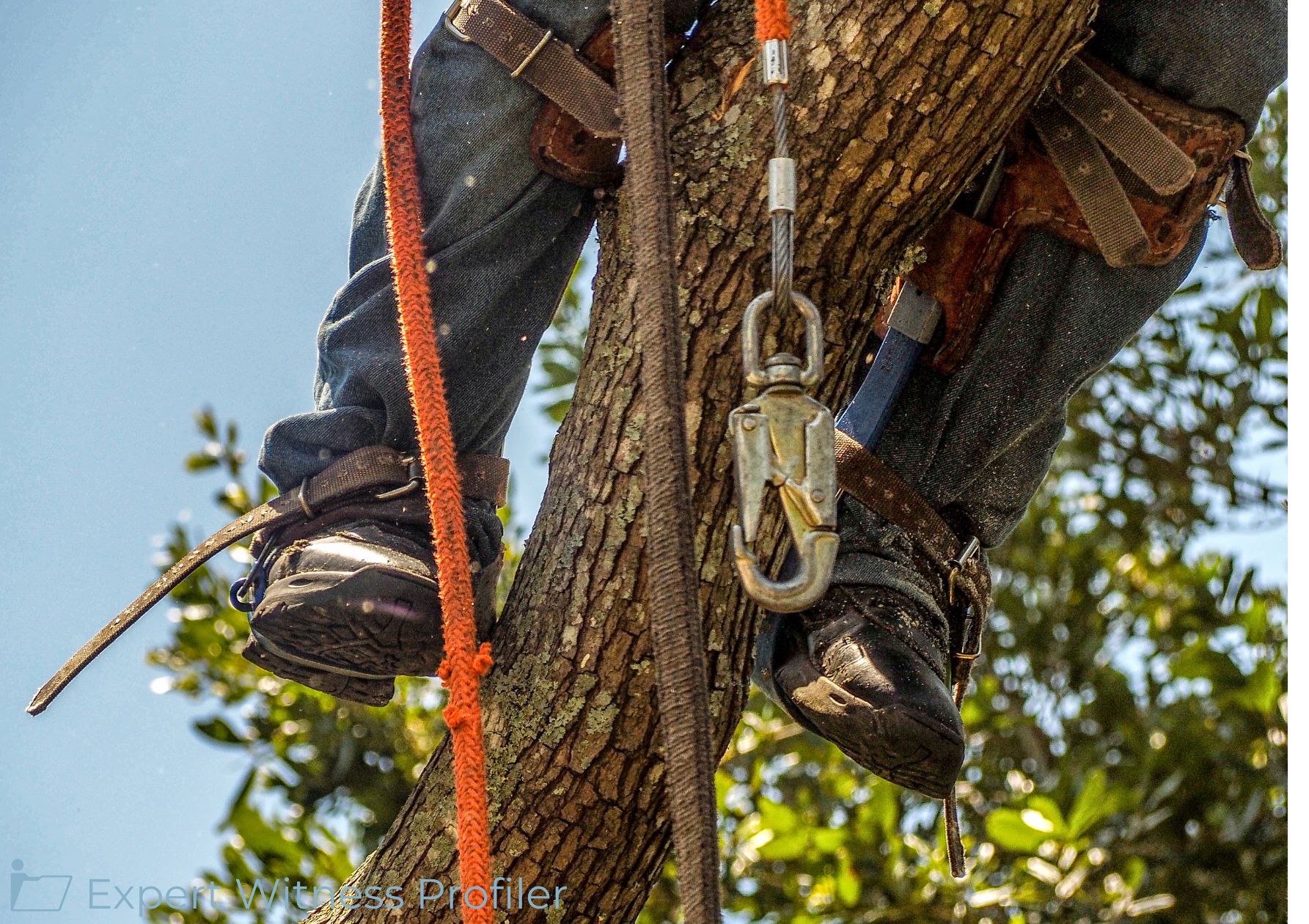
    Plaintiff George Land (“Land”) initiated a lawsuit against Rock Exotica, LLC, following a catastrophic fall while using the Unicender, a climbing device manufactured by the company. Land, an experienced arborist with two decades of experience, contended that the Unicender was defectively designed, which led to his accident. He alleged that during his ascent using the device in a double rope technique, it failed to operate as expected after he was struck by a falling tree section.

    To support his claims, Land designated Dr. James Glancey, a licensed professional engineer, as his expert witness. Glancey was expected to testify about the design and safety features of the Unicender, arguing that a guard could have prevented the injuries Land sustained during his fall. However, Glancey’s testing methods raised significant concerns, particularly as he did not replicate the conditions under which Land used the device. Instead, he conducted load tests using a single rope technique and failed to provide supportive evidence regarding the proposed guard’s efficacy, leading to questions about the reliability of his testimony.

    In response, Rock Exotica filed a motion to exclude Glancey’s testimony under the Daubert standard, asserting it was not based on sufficient data or reliable methods.

    Mechanical Engineering Expert Witness

    Dr. James Glancey holds a Ph.D. in mechanical engineering from the University of California, Davis and is a licensed professional engineer with over 20 years of experience in the field. Furthermore, he has published more than 50 engineering articles and has served as an expert in over 200 product-related matters.

    Get the full story on challenges to James Glancey’s expert opinions and testimony with an in-depth Challenge Study. 

    Discussion by the Court

    Dr. James Glancey was expected to opine on the design and safety features of the Unicender, arguing that the lack of a guard could be considered a design defect contributing to Land’s injuries during his climbing accident.

    A. Glancey is Unqualified

    Rock Exotica challenged Glancey’s qualifications, noting that although he has extensive experience in mechanical design, he has never worked in the arborist industry. The defense emphasized that Glancey has never designed or studied arborist climbing devices, stating:

    • He compared the guard to helmets or chisels with shields but could not identify any climbing tools with similar safety features.
    • His familiarity with safety mechanisms in other contexts does not translate directly to the climber’s needs or the functionality of the Unicender.
    • Furthermore, while he has a robust background in engineering, his lack of direct experience with the particular use case and context of the Unicender significantly undermines his credibility.

    B. Glancey’s Opinions are Unreliable

    1. Untested and Unengineered Concepts

    Glancey proposed that a guard could prevent the injuries sustained by Land. However, his testimony lacked the reliability required by the Court.

    a) No Prototypes or Drawings

    Glancey did not produce any design drawings or prototypes related to the guard or alternative safety mechanisms. He failed to demonstrate a clear understanding of how such a guard would be integrated or function in the context of the Unicender.

    b) Lack of Testing

    He conducted tests using a single rope technique and failed to test the device under the double rope technique, which was used by Land at the time of the accident. This omission leaves his conclusions unsubstantiated and speculative.

    2. Failure to Establish Causation and Feasibility

    Rock Exotica argued that Glancey’s opinions did not establish a reliable causal link between the alleged design defect and Land’s injuries.

    a) No Evidence of Impact on Safety

    Glancey did not provide data or analysis demonstrating how the proposed guard could have altered the outcome of the incident. He acknowledged that his design concepts were theoretical at best and did not address how they would consistently prevent accidents in real-world scenarios.

    b) Inability to Quantify Risks

    The expert failed to conduct a comprehensive risk analysis or evaluate how the guard might interact with the conditions that led to Land’s fall. Without empirical assessments or data-driven insights, his conclusions cannot be considered valid under Daubert.

    Analysis

    The Court held that Glancey is qualified to opine about design defects in the Unicender. His mechanical-engineering background and familiarity with product testing show that he possesses specialized knowledge to analyze how a climbing device functions under various loads.

    The Court concluded that Glancey’s opinions were inadequate to support Land’s claims in this case. His failure to generate testable and reliable alternative designs, lack of empirical evidence for his assertions, and inability to connect his proposed modifications to safety improvements rendered his testimony speculative.

    The Court found that without supporting documentation or design specifications, Glancey could not meet the burden of proof established under Daubert, leading to the exclusion of his testimony and summary judgment in favor of Rock Exotica.

    Glancey’s expertise allowed him to assert that Rock Exotica’s engineering and testing procedures were less structured compared to other manufacturers and his testimony established a duty to manufacture products safely. However, the Court ruled that there’s nothing to tie that failure to the harm that Land suffered.

    Held

    The Court granted Rock Exotica’s motion to exclude Plaintiff’s mechanical engineering expert witness, Dr. James Glancey’s opinions concerning
    the ability of a Unicender device to support certain amounts of weight and an alternative design for the Unicender. The motion was otherwise denied as moot.

    Key Takeaway:

    In this case, Land hangs his hat on Glancey’s testimony to create factual disputes. However, Glancey did not produce a design prototype or any
    drawings of a guard, nor did he run tests with the Unicender and a guard. Basically, engineering experts routinely rely on conceptual alternatives to highlight potential design shortcomings. Expert testimony about alternative designs requires more than an inventive mind. It requires real science.

    Case Details:

    Case Caption: Land V. Case Rock Exotica, LLC
    Docket Number: 2:23cv4627
    Court Name: United States District Court for the Eastern District of Pennsylvania
    Order Date: April 16, 2025