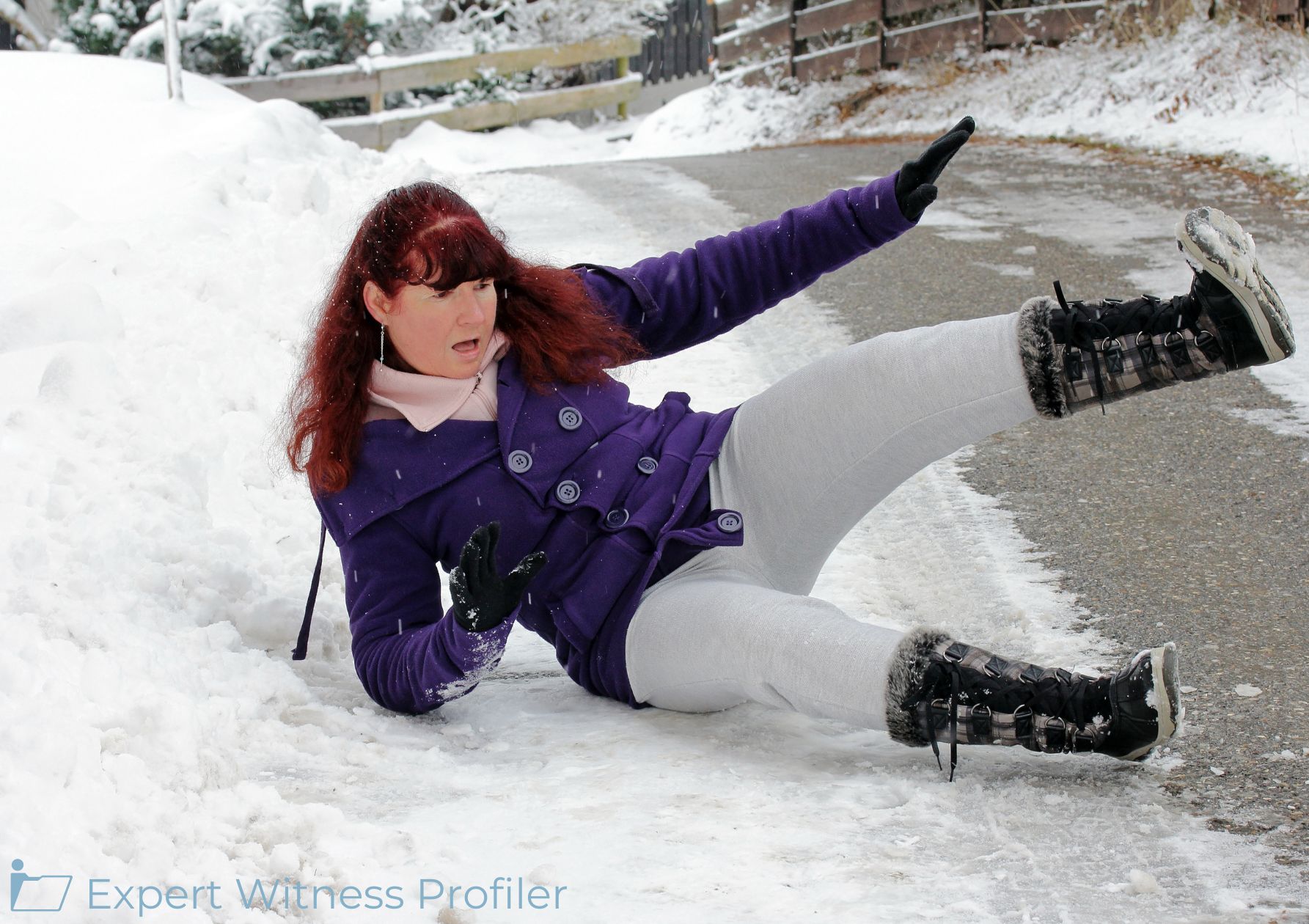
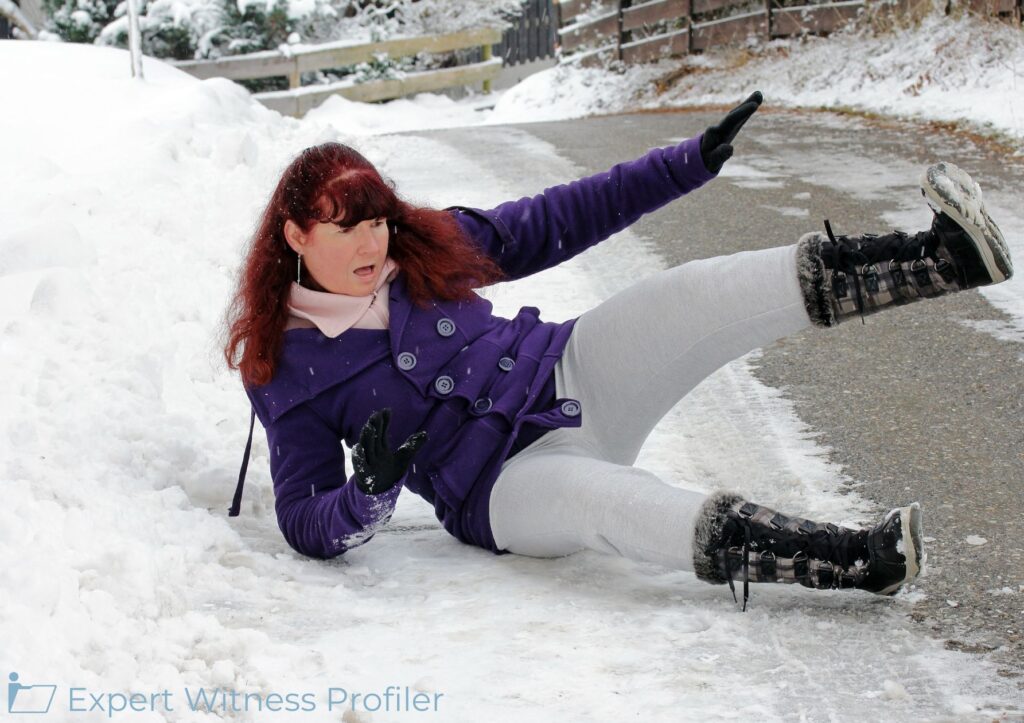
This is a premises liability action in which the Plaintiff Natasha Walkowicz Shea (“Plaintiff’) sought to hold the Defendants, Kalahari Resorts & Conventions-Poconos; Kalahari Resorts, PA, LLC; and Kalahari Resorts, LLC (hereinafter, collectively, “Kalahari”) liable in negligence for her alleged injuries sustained as a result of slipping and falling on snow and/or ice in a parking lot owned by the Defendants.
Kalahari filed a motion in limine to preclude the testimony of Plaintiff’s engineering expert Keith A. Bergman, P.E.
Engineering Expert Witness
Keith Alan Bergman, P.E. is a Consulting Engineer in Civil Engineering and obtained a bachelor’s degree in civil engineering from San Diego State University in 1991. He is a licensed professional engineer in numerous states throughout the country and represents that his professional background experience includes “[e]valuations of ice, snow control, grading, storm water management, detention and retention basins, and soil and sedimentation control.”
He purports to specialize in “Highway and Street Design, Traffic Engineering, Utilities Construction, Storm Drainage, Pedestrian Safety, Walkway Surface Evaluations, Concrete and Asphalt Pavement Evaluations” and represents that he has extensive experience “in Construction Management, Project Management, Project Related Claims, Job Site Safety, Codes and Standards, and ADA Compliance.”
Bergman report indicated that he examined the incident site and the incident circumstances in order to determine the nature and cause of the accident.
In this matter, Defendants argued that Plaintiff’s engineering expert, lacked the qualification to offer many the opinions set forth in his expert report. In other words, Defendants claimed that the opinions offered by Bergman lacked scientific, technical, or other specialized knowledge that will help the trier of fact to understand the evidence or to determine a fact in issue and therefore he is not qualified and his report and testimony does not “fit.”
Although the Court agreed with Defendants that many of the opinions offered by Bergman may be improper and concern areas outside his engineering expertise, it will not wholly preclude Bergman from offering opinions as to either deviation from the standard of care or causation. While certain of Bergman’s opinions and conclusions related to snow/ice removal process and his legal conclusions concerning the Defendants’ negligence may be improper or inadmissible, Defendants may raise these issues again prior to trial.
Similarly, many of the opinions offered by Bergman may not satisfy either the “reliability” or “fit” Daubert requirements, in that certain of his opinions may not assist the jury in determining a fact in dispute. Nevertheless, the Court is not inclined to wholly preclude each and every opinion offered by Bergman, who does in fact offer opinions within his area of engineering expertise.
For example, Bergman opined that “Kalahari Resorts knew, or should have known, that the parking lot slopes towards the inlets from the building which would facilitate drainage flow and have the potential for water freeze/re-freeze conditions with changing temperature.” According to Bergman, the presence of snow/ice on the parking lot created an unsafe walking surface for pedestrians, like Shea.
Defendants’ motion in limine to preclude the testimony of Bergman was denied without prejudice, subject to renewal prior to trial and a Daubert hearing should any party request one.
Held
The Court denied without prejudice the Defendants’ motion in limine to preclude the testimony of Plaintiffs expert Keith A. Bergman, P.E.
Key Takeaway:
The Daubert standard is not intended to be a high one, nor is it to be applied in a manner that requires the Plaintiffs to prove their case twice—they do not have to demonstrate to the judge by a preponderance of the evidence that the assessment of their experts are correct, they only have to demonstrate by a preponderance of evidence that their opinions are reliable.
On August 05, 2022, Antoinette Marie Plummer (“Plaintiff” or “Plummer”) sued IFH Hospitality Group, LLC d/b/a WoodSprings Suites Atlanta Conyers and Rockdale Hospitality, LLC (“Defendants”) for premises liability. She claimed a kitchen cabinet fell inside her leased hotel room and caused her injuries. The Plaintiff claims negligence against the Defendants, along with other allegations. The lawsuit focuses on the Defendants’ alleged failure to properly install, inspect, and maintain the cabinets.
To support her damages claim, Plummer hired Steven Barnett to create a life care plan outlining her future medical needs and related costs. Defendants later moved to exclude Barnett’s testimony under O.C.G.A. § 24-7-702(b). They argued his opinions on life care plan were speculative and lacked a reliable basis.
Life Care Planning Expert Witness
Dr. Steven B. Barnett, DC, CBIS, A-CLCP, LCP-C, is a licensed chiropractor and certified life care planner. Barnett holds active chiropractic licenses in Georgia, Florida, and California. He has served in multiple advisory and consulting roles within the healthcare and medical device sectors.
He earned his Doctor of Chiropractic degree summa cum laude from Palmer College of Chiropractic in 1979, following a Bachelor of Science degree from Brooklyn College, City University of New York.
Defendants sought to exclude Barnett’s testimony, asserting that he lacked the medical expertise necessary to project future care needs. They emphasized that he failed to consult with Plaintiff’s treating physicians or base his recommendations on medical records or doctor assessments. Consequently, they argued that Barnett’s plan relied on speculation rather than scientific methodology, essentially creating an “abstract wish list” of future treatments.
Plaintiff countered by highlighting Barnett’s certification and extensive experience in life care planning. She maintained that Barnett’s methodology aligned with industry standards through his review of medical records and application of professional judgment.
Analysis
A. Qualifications
The Court determined Barnett qualified as a life care planner based on his knowledge, experience, and formal training. Barnett’s testimony regarding his life care plan is admissible if the plan is appropriately based on the medical records, opinions, and recommendations set forth in the medical files he reviewed and the recommendations of the treating physicians who treated the Plaintiff. Courts consistently acknowledge that certified life care planners are qualified to testify about the life care plans they develop, even if they lack a medical degree.
B. Reliability
However, the Court identified significant concerns regarding Barnett’s methodology. Specifically:
Because Barnett is not a medical doctor, nor a licensed or certified radiologist, he lacked the qualifications to recommend or prescribe any procedures or medications included in the Plaintiff’s life care plan.
Barnett acknowledged that he did not collaborate with any of Plaintiff’s treating physicians nor did he have them review and validate his life care plan and the related treatment recommendations.
Barnett admitted he wouldn’t always follow the treating physician’s advice and would make predictions even without medical record support. Consequently, despite never examining the Plaintiff directly and acknowledging his lack of qualification to recommend or prescribe treatments, Barnett’s life care plan includes multiple interventions not supported by medical records or the treating physicians’ recommendations.
While Barnett may be qualified to provide cost valuations, the Court held that those costs associated with treatments not prescribed or recommended by the Plaintiff’s treating physicians lack a proper foundation, making them unreliable and unhelpful for the jury. Presenting such testimony would improperly encourage the jury to base an award on a course of treatment that was never implemented, prescribed, or intended.
Barnett’s recommendations for non-medical expenses, such as household goods and services like cleaning and home health care, are admissible based on his expertise and the symptoms and conditions the Plaintiff reported to him. Additionally, the inclusion of ongoing medication in the life care plan is admissible because the Plaintiff’s medical records and her reports to Barnett confirm she was prescribed and taking this medication when the most recent plan was created.
Held
The Court granted in part Defendants’ motion to exclude the testimony of Barnett to the extent such testimony and/or the life care plan are not supported by recommendations from Plaintiff’s treating physicians.
Key Takeaway:
When offering expert testimony on future medical needs through a life care planner, courts expect the recommendations to reflect medical guidance—especially from treating physicians. A life care planner’s projections that lack corroboration from medical experts or records may be considered speculative and inadmissible under O.C.G.A. § 24-7-702 and the Daubert standard.
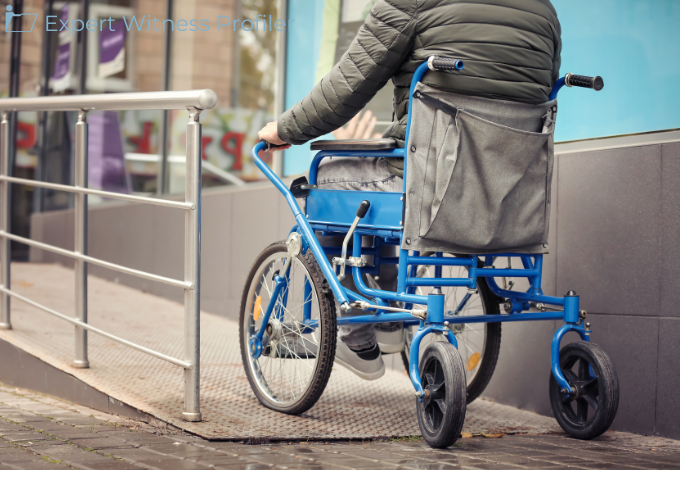
On March 19, 2018, Ralph Monte (“Monte”) visited the Defendant Sherwin-Williams Development Corporation’s store at 4473 South Semoran Boulevard in Orlando, Florida. While attempting to negotiate the ramp from the parking lot to the sidewalk, a wheelchair-bound Monte fell and sustained injuries. He claimed that the fall occurred because Defendant negligently maintained the premises and/or failed to warn him of a dangerous condition. Subsequently, Ralph Monte and his wife, Amarillis Monte filed this premises liability lawsuit under Florida law.
The Plaintiffs retained Robert Henry Burke, a forensic architect, as an expert witness to assess whether the conditions of the Defendant’s premises contributed to Monte’s accident. Burke visited the accident site twice, reviewed photographs taken by Monte and the Plaintiffs’ counsel, analyzed images pulled from the Internet in May 2019, and spoke with Monte on May 19, 2021. Burke produced his final expert report on May 30, 2024, a few days before the June 4, 2024 deadline to disclose expert reports.
In response, Defendant filed a motion to exclude Burke’s testimony regarding the slope and cross-slope of the ramp and whether or not the slope or cross-slope contributed to Monte’s accident. The Defendant argued that:
Burke’s opinions were not timely disclosed
He is unqualified to render these opinions
His opinions are not reliable or helpful
Architecture Expert Witness
Robert H. Burke Jr., AIA, served as NCARB president in 1992 and holds the distinction of being the only Florida architect to serve as both chairman of the Florida Board of Architecture and Interior Design and president of NCARB. A graduate of the University of Florida, Burke has received the Distinguished Alumnus and Distinguished Service Awards from the School of Architecture. In 1974, he co-founded his architectural firm, now known as BHM Architecture, which grew into one of central Florida’s most respected architectural practices. In 2013, he established RHBj Consulting to provide litigation support services for design and construction matters across Florida.
After assessing the premises’ conditions with regard to the relevant building codes, Burke opined that:
The ramp was improperly placed in an access aisle.
A one-inch change in level at the top of the ramp and sidewalk violated relevant code provisions.
The slope of the ramp was measured to be between 12.1% and 12.8%, while the relevant code allows a maximum slope of 8.33%.
After the ramp was removed following Monte’s accident, Burke calculated the slope by holding a twelve-inch digital level to the “clean concrete surface along the adjacent concrete curb” that was created by the ramp’s removal. In his view, these opinions “portray hazardous conditions and caused or contributed to Monte’s wheelchair fall accident.” He added that the premises were subject to other code violations.
When Defendant deposed Burke on August 2, 2024, he admitted that the methodology used to determine the slope of the ramp was inaccurate and could not be relied upon. Rather, a new calculation that he prepared the day before his deposition was “more accurate.” Accordingly, Burke stated that he was formally withdrawing his opinion regarding the slope of the ramp. Similarly, while Burke testified at his deposition that he had, since preparing his expert report, determined that the ramp was subject to a cross-slope that also contributed to Monte’s injury, he conceded that his report did not contain any opinion regarding cross-slope. Defendant reports that as of September 30, 2024, Burke had “not issued an updated report to reflect these new opinions and the opinions that were withdrawn.”
Analysis
When the Defendants moved to exclude some of Burke’s testimony, the Plaintiffs filed an untimely response. The Defendant moved to strike the Plaintiffs’ untimely response, and the Court granted the motion. Essentially, the Defendant’s motion to exclude is unopposed. Furthermore, the Court noted that the Plaintiffs failed to meet their burden of demonstrating the admissibility of Burke’s opinions.
Opinions Were Not TimelyDisclosed
The Court noted that the Plaintiffs failed to provide a supplemental expert report updating Burke’s opinions as to the slope and cross-slope. In other words, Plaintiffs failed to file a supplemental report detailing the new methodology employed by Burke to calculate the slope of the ramp and discussing how he determined that the ramp was subject to cross-slope. The case management and scheduling order required Plaintiffs’ expert report to be disclosed by June 4, 2024. Indeed, even if Plaintiffs had filed a supplemental expert report immediately after Burke’s deposition—which they did not—the Court would have had the discretion to exclude that supplemental report because the date to file expert disclosures had passed.
Reliability of Opinions
Even if the Court were to consider the untimely response, it found that Burke’s opinions were not reliable as per the Daubert standard. Initially, Burke calculated the slope of the ramp using a methodology that he later admitted was unreliable. Despite recognizing the error in his initial approach, Burke did not provide an updated report to correct or clarify his revised opinion. As a result, the Court concluded that the Plaintiffs failed to establish the reliability of Burke’s opinions regarding the slope.
The Court also noted that Burke did not explain how he determined that the ramp was subject to a cross-slope contributing to Monte’s injury, rendering his opinion on the cross-slope unreliable as well.
Held
The Court granted the Defendant’s motion to exclude certain testimony provided by the Plaintiff’s architecture expert witness, Robert Henry Burke.
Key Takeaways:
The Court granted Defendant’s motion to exclude Burke’s testimony due to the Plaintiff’s failure to timely disclose revised opinions. Additionally, the Court found that Burke’s opinions were unreliable. His opinion regarding the ramp’s slope relied on an inaccurate methodology, and no supplemental report was provided after he withdrew his initial opinion. Furthermore, Burke did not adequately explain the cross-slope issue or its contribution to the accident, leading the Court to exclude his testimony for lack of reliability and untimely disclosure.
Please refer to the blog previously published about this case:
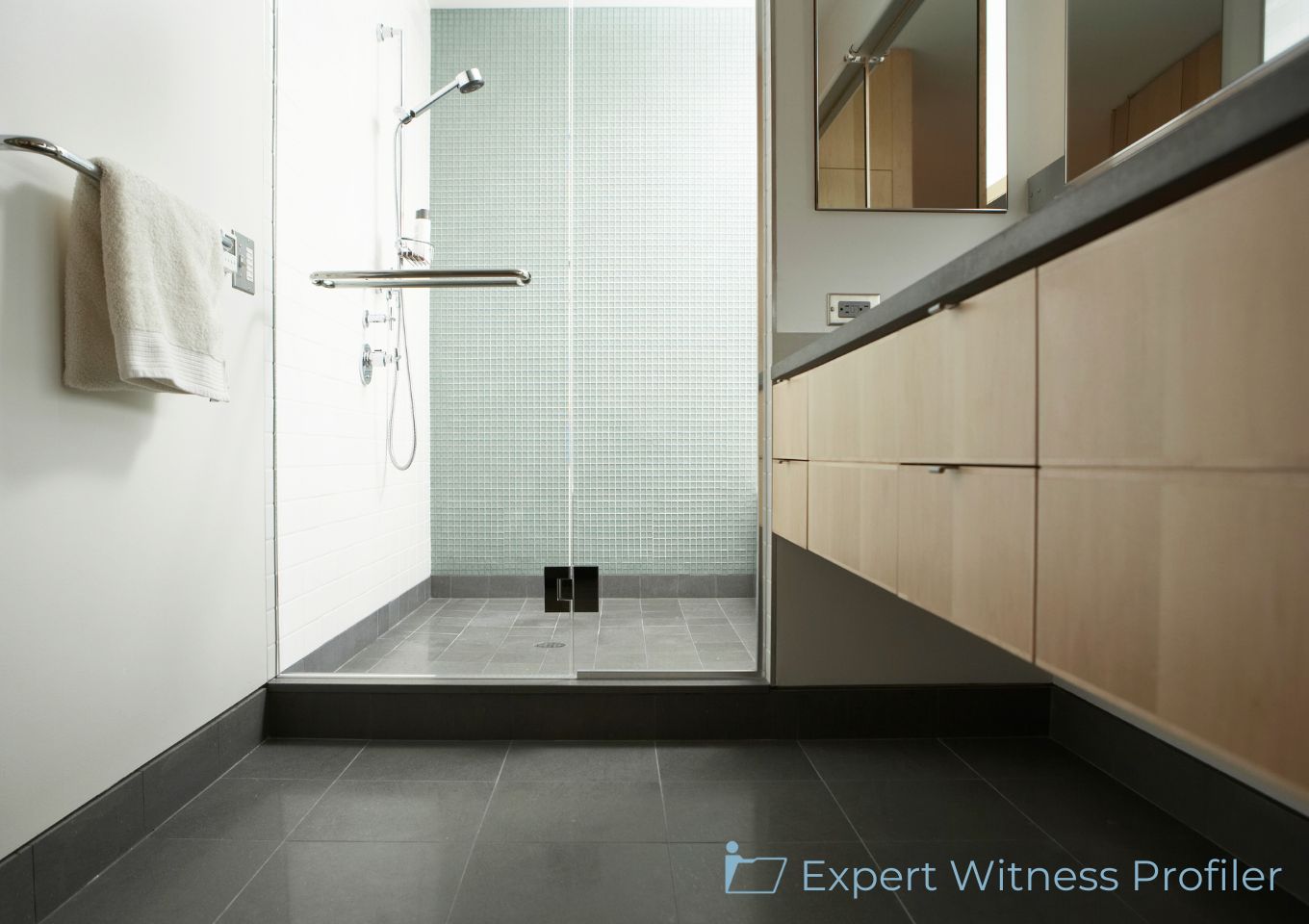
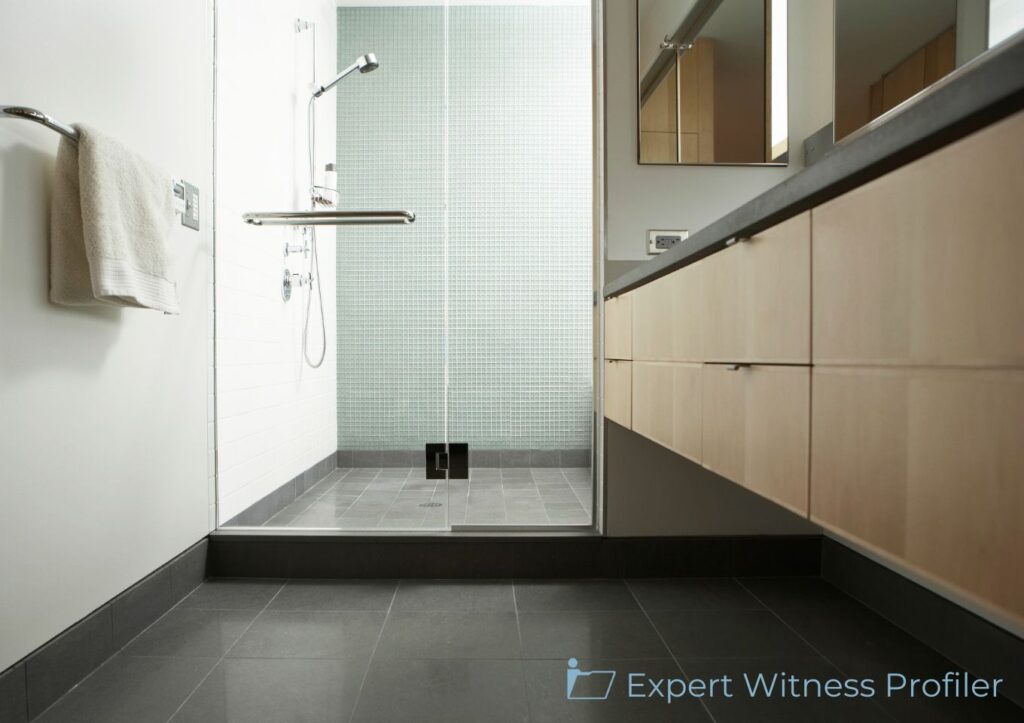
The case involved the Plaintiff, Anthony Cladd who fell and suffered injuries while using a shower stall at a truck stop owned by the Defendant, TA Operating, LLC. The Plaintiff asserted that the fall and injuries were a result of the shower stall being unsafe, and claimed that the Defendant breached a duty of care owed to him. The Plaintiff pursued legal action against the Defendant, alleging premises liability.
The Plaintiff claimed that the reason for his fall was the presence of standing water in the shower during use, stating that “The shower has a lot of standing water and was draining very slowly.” The Plaintiff alleged negligence on the part of the Defendant, asserting that they failed to maintain the shower drain, leading to a significant backup and slip hazard. Additionally, the Plaintiff accused the Defendant of failing to provide an anti-slip surface in the shower, neglecting to inspect the shower for unreasonably dangerous conditions, and not warning the Plaintiff about such conditions. The Plaintiff further claimed that the Defendant failed to correct the hazardous conditions, lacked adequate staff to inspect the shower, insufficiently trained their staff for identifying dangerous conditions, and did not adhere to its own corporate policies or have sufficient policies in place.
On June 6, 2022, the Court issued its Case Management and Scheduling Order, which set a deadline for the Plaintiff to disclose any retained experts and their reports by February 6, 2023. However, on February 17, 2023, the Plaintiff, having failed to comply with the deadline, filed a Motion for Extension of Time to disclose their experts. Subsequently, on February 24, 2023, the Court granted the Plaintiff’s motion, extending the expert disclosure deadlines by 45 days, with the new deadline set for April 10, 2023. On the specified date, April 10, 2023, the Plaintiff disclosed two retained expert witnesses, namely David Collette and Georges El-Bahri. The Plaintiff’s expert disclosures indicated that a copy of El-Bahri’s written report was being prepared and would be provided upon receipt. However, even three months after the initially expected date for producing El-Bahri’s report, the Plaintiff had not supplied any expert report for El-Bahri. The Defendant’s counsel made efforts to obtain the report by sending correspondences to the Plaintiff’s counsel. Despite these requests, no expert report was provided and the discovery was ultimately closed.
The Defendant filed a Daubert Motion to Preclude the testimony and opinions of Plaintiff’s Expert, David Collette, a Motion to Strike Plaintiff’s Expert Witness Georges El-Bahri as he failed to furnish an expert report within the stipulated timeframe, and a Motion for summary judgment.
Collette admitted during deposition that he was not qualified to provide expert opinions on the coefficient of friction of the shower floor with standing water, and he did not conduct any testing under such conditions. The Defendant argued that Collette’s opinions were speculative, with questionable relevance to the trial issues. The methodology employed by Collette was deemed unscientific and unreliable, and the Defendant contended that his testimony would not assist the jury but instead lead to confusion.
Mechanical Engineering Expert Witness
David Collette holds a Bachelor of Science in Mechanical Engineering from the University of Manitoba, Canada and further pursued his education by earning a Masters of Business Administration from the University of Chicago. With an academic background in both engineering and business, Collette possesses over 18 years of extensive experience. Throughout his career, he has demonstrated expertise in developing, commercializing, analyzing, and troubleshooting walkway solutions, encompassing various aspects such as chemistry, tools, mats (walk-off, bath), cleaning processes, coatings, treatments, and flooring material selection. Currently serving as the President of Substratum Group, Collette leads the development of proprietary products and services aimed at supporting Walkway Management programs. His role involves providing customers with comprehensive solutions related to the selection, testing, care, and maintenance of walkways (e.g., floors, sidewalks, ramps, stairways) and bathing surfaces (e.g., tubs, showers).
Orthopedic Surgery Expert Witness
Dr. Georges F. El-Bahri, a Doctor of Osteopathic Medicine, earned his degree from Nova Southeastern University College of Osteopathic Medicine. He holds a Bachelor of Science in Biomedical Science from the University of South Florida. El-Bahri pursued postgraduate education and training, completing an Orthopedic Sports Medicine Fellowship at Andrews Research and Education Foundation, and an Orthopedic Surgery Residency at Largo Medical Center. His expertise extends to sports medicine injuries, particularly those of the knee and shoulder, with a focus on arthroscopic procedures, total joint replacements, and general orthopedic care. El-Bahri holds various positions, including Certified Life Care Planner at Life Care Plan MD, Extremity Surgeon at Interventional Pain Specialists, Extremity Surgeon at Spine Centers of America, Orthopedic Surgeon at Ortho One Jacksonville, and Orthopedic Specialist at Concentra-Occupational Health. He also maintains his private practice at Bahri Orthopedics and Sports Medicine Clinic.
Discussion by the Court
The Defendant requested the Court to exclude David Collette’s entire testimony, contending that he lacked qualification, utilized invalid methodology, and his testimony would not assist the trier of fact. The Court observed that an expert’s qualification is determined by factors such as knowledge, skill, experience, training, or education, according to Federal Rule of Evidence 702. An expert is not automatically deemed unqualified if their experience doesn’t perfectly align with the matter at hand. The qualification assessment should consider the expert’s credentials in relation to the subject matter of the proposed testimony. If an expert is minimally qualified, objections to their expertise should be treated as matters of credibility and weight, rather than admissibility.
Collette holds a Bachelor of Science degree in Mechanical Engineering and served as a voting member on the technical committee for American National Standards Institute (ANSI)/National Floor Safety Institute(NFSI) B101.4 Test Method for Measuring the Wet Barefoot Condition of Surfaces, focusing on developing a barefoot standard for various surfaces such as bathtubs, shower enclosures, pool decks, and walkways in 2019. With over 14 years of experience in developing, launching, and auditing walkway and bathing surface safety programs. Collette does not possess a PhD in engineering. However, a preponderance of evidence indicated his qualification to testify on the coefficient of friction of the shower stall floor, its slipperiness, and relevant industry standards.
In the case of Rosenfeld v. Oceania Cruises, Inc., 654 F.3d 1190, 1193 (11th Cir. 2011), it was established that a qualified expert utilizing reliable testing methodology has the authority to testify about the safety of a Defendant’s flooring choice, determined by the surface’s coefficient of friction. Typically, coefficient of friction evidence is presented by an expert witness who also addresses industry standards and assesses whether the surface complies with them. Furthermore, according to Sorrels v. NCL (Bahamas) Ltd., 796 F.3d 1275, 1285 (11th Cir. 2015), a delay in testing the area where an accident occurred does not undermine the reliability of coefficient testing if the site has not materially changed since the incident. The case emphasized that weaknesses in the factual basis of an expert’s opinion are subject to challenges in terms of credibility and weight through cross-examination and the presentation of contrary evidence.
Collette conducted coefficient of friction tests using an American Slip Meter 925 tribometer and the ANSI A326.3 standard test method for measuring dynamic coefficient of friction (DCOF) of hard surface flooring materials. He asserted that the test method employed was the standard test used by manufacturers, interior designers, and architects for testing bathing surface floors. Collette performed the coefficient of friction test on the shower stall floor under somewhat different conditions than were present during the accident: it was over two years later, and there was no significant standing water present for his test. Additionally, he tested three samples of the shower stall floor instead of the entire surface. The Defendant could raise these considerations, but they pertain to the weight and credibility of the evidence, not its admissibility. Collette utilized an established methodology, the ANSI A326.3 standard test method, to assess the coefficient of friction of the surface. A preponderance of the evidence suggested that his testimony was grounded in a reliable methodology.
In Sorrels, it was established that expert testimony concerning the coefficient of friction (COF) of a flooring surface could be beneficial to a jury in a slip and fall case. The Court emphasized that challenging such evidence should be done through vigorous cross-examination, presentation of contrary evidence, and careful instruction on the burden of truth, as outlined in the Daubert case.
Collette’s testimony closely parallels the testimony presented in Sorrels, proving beneficial to the jury in the slip and fall context. The preponderance of the evidence suggested that Collette’s testimony would aid the trier of fact by applying his expertise and remained relevant to the case. The Daubert standard was deemed satisfied for all three prongs, and as a result, Collette’s testimony was not barred.
To establish a premises liability claim, the Plaintiff must demonstrate the elements of a negligence claim and prove that the Defendant had possession or control of the premises and notice of the hazardous condition. This includes showing: (1) the Defendant owed a duty, (2) there was a breach of that duty, (3) a causal link between the breach and the Plaintiff’s injury, (4) the Plaintiff suffered damages due to that injury, (5) the Defendant had possession or control of the premises, and (6) the Defendant had actual or constructive notice of the dangerous conditions leading to the injury.
Considering the evidence favorably for the non-moving party, a material fact dispute exists regarding whether the shower stall floor posed a hidden danger. Collette, the Plaintiff’s expert witness, asserted in his written report that the wet dynamic coefficient of friction for the shower stall floor fell below industry standards for public showers and floors meant to be walked upon when wet. This condition, akin to the level-changing steps in Echevarria and Hilliard, could be perceived as more slippery than reasonably expected, potentially adding a hidden danger. A jury could reasonably find that such conditions create liability for premises owners, as invitees may not anticipate these dangers.
The Defendant argued that Collette’s opinions were irrelevant and unsupported. However, in considering the evidence favorably for the non-moving party, Collette’s report and opinions were deemed relevant as they made it more likely that the shower stall floor had hidden danger, being more slippery than reasonably expected. Consequently, the Court determined that summary judgment was not appropriate for this matter.
According to Federal Rule of Civil Procedure 26(a)(2)(B), expert witness disclosures must be accompanied by a signed report if the expert is “retained or specially employed” for testimony. These disclosures must adhere to Court-ordered deadlines, as outlined in Federal Rule of Civil Procedure 26(a)(2)(D). Failure to make such disclosures could result in the expert being barred from presenting evidence at trial, unless the failure is deemed “substantially justified or harmless,” pursuant to Federal Rule of Civil Procedure 37(c)(1).
In this case, the Case Management and Scheduling Order stipulated a deadline for the Plaintiff’s disclosure of expert reports as February 6, 2023 . The Defendant emphasized that the Plaintiff did not disclose a report from Georges El-Bahri by that date. The Plaintiff failed to provide good cause for the untimely disclosure and did not respond to the Defendant’s Motion to Strike. The Court decided that Defendant’s Motion to Strike may be treated as unopposed. Consequently, it was deemed appropriate to strike El-Bahri as an expert witness for the Plaintiff.
Held
The Court also denied the Defendant’s Daubert Motion seeking to preclude the testimony and opinions of Plaintiff’s Expert, David Collette. Furthermore, the Court granted the Defendant’s Motion to Strike Plaintiff’s Expert Witness, Georges El-Bahri. The Court also denied the Defendant’s Motion for Summary Judgment.
The Court issued a ruling on January 08, 2024 to terminate all pending motions and administratively close the case pending further order of the Court. The parties were directed to file a joint stipulated form of final order or judgment or move the Court upon good cause to reopen the case on or before March 04, 2024.
Key Takeaways
The Plaintiff, who suffered injuries in a truck stop shower stall, relied on the expert opinions of David Collette to establish the hazardous conditions of the shower floor. The Defendant contested the admissibility of Collette’s testimony, asserting that he lacked qualifications and used unreliable methodology. The Court, however, found that Collette, with his engineering background and extensive experience, met the qualifications for offering expert opinions on the coefficient of friction of the shower floor. The Court emphasized that objections to an expert’s expertise should be matters of credibility and weight, rather than admissibility. Collette’s use of established testing methodology and his relevance to industry standards strengthened the admissibility of his testimony. The Court also highlighted the significance of expert testimony in premises liability cases, acknowledging its potential to assist the jury in understanding complex issues such as the slipperiness of flooring surfaces. The Plaintiff’s expert Georges El-Bahri faced challenges to the timeliness of expert disclosures because the Plaintiff failed to provide good cause for the untimely disclosure and did not respond to the Defendant’s Motion to Strike, therefore barring the expert. Here, the Court underscored the importance of adhering to procedural rules for expert witness disclosures and the potential consequences, such as being barred from presenting evidence at trial.
This case involved a lawsuit filed by the Plaintiff Daniel G. Mann against Defendant Quiktrip Corporation for negligence related to a slip and fall incident. On July 20, 2022, the Plaintiff initiated legal proceedings by filing a Petition in the Circuit Court of St. Louis County. The complaint alleged common law negligence against Quiktrip in connection to an incident on February 17, 2021, when Mann fell on a Quiktrip property in Maryland Heights, Missouri. Subsequently, on October 4, 2022, Quiktrip exercised its right to remove the case to the federal Court, citing diversity jurisdiction under 28 U.S.C. § 1441. Following this, on December 14, 2022, the Plaintiff filed a Consent Motion for Leave to File a First Amended Complaint, which was granted by the Court. In accordance with the granted motion, Plaintiff’s First Amended Complaint focused on a single cause of action, asserting negligence against Quiktrip. The basis for this claim was rooted in premises liability, specifically related to the Plaintiff’s fall on February 17, 2021.
Quiktrip initiated a motion to exclude the expert report, testimony, and opinions of the Plaintiff’s designated expert, Christopher E. Janson, a Certified Safety Professional with over thirty years of experience in safety, intended to provide a safety analysis to determine if there were conditions deemed defective or unreasonably dangerous.
In his report, Janson outlined several general opinions:
1. On the morning of February 17, 2021, QuikTrip employee Tommy Burrow attempted to clear snow and ice from the exterior steps and sidewalk and put down ice melt on the morning of the incident before 8:15 am.
2. QuikTrip had established policies and procedures for maintaining outdoor areas, including inspecting them for snow and ice conditions.
3. QuikTrip’s policies and procedures seemed to align with recognized standards for identifying and controlling slip and fall hazards.
4. Surveillance video footage for the relevant day did not show a QuikTrip employee inspecting the steps in question for at least one hour before Mann’s fall, despite documentation suggesting otherwise.
5. QuikTrip allegedly failed to adhere to its policies and procedures by not ensuring the inspection of the steps and associated landings.
6. If QuikTrip had performed the required upkeep walks as per its policies and procedures, Mann’s fall could have been prevented.
7. Mann’s fall was attributed to the unreasonably dangerous condition of the steps as maintained by QuikTrip.
Quiktrip presented two main arguments for the exclusion of Janson’s report, testimony, and opinions. Firstly, Quiktrip contended that Janson’s opinions lacked reliability in their principles and methods. Quiktrip asserted that the initial four opinions are factual statements, while the remaining three opinions did not possess a scientific or technical basis and would not provide the jury with insights beyond their own evaluation of the evidence. Quiktrip supported this argument by referencing the case Hall v. Target Corp., 8:22-cv-0914-KKM-AAS (M.D. Fla. July 21, 2023) where the Court excluded a majority of Janson’s opinions, deeming them speculative, not grounded in proper methodology, and surpassing industry standards. Secondly, Quiktrip argued for the exclusion of Janson’s opinions on the basis that they encroach upon the jury’s role and are generally speculative. Quiktrip maintained that the opinions in question are inadmissible as the jury can adequately weigh the evidence without the assistance of an expert.
The Plaintiff contended that Quiktrip’s motion to exclude expert testimony under Federal Rule of Evidence 702 should be denied, emphasizing that the admission of such testimony is permissive. In response to Quiktrip’s assertion that Janson’s opinions lacked reliable scientific principles and methods, the Plaintiff argued that the first four opinions were based on Janson’s knowledge, information, and experience applied to the case’s evidence, without directly addressing the reliability issue. Additionally, the Plaintiff argued that Janson’s remaining opinions were appropriate as they would assist the jury in understanding Quiktrip’s policies and procedures, particularly the alleged violations. The Plaintiff pointed to conflicting testimony from Quiktrip’s employees, suggesting confusion about the policies, and asserts that experts are permitted to testify on policy violations. Finally, the Plaintiff contended that Janson’s testimony, even if addressing the ultimate issue in the case, should be allowed as it aids the jury in its deliberations. The Plaintiff also contended that rules, standards, or training materials of a Corporate Defendant were invariably admissible. However, the Court emphasized that the admissibility of Janson’s testimony concerning those procedures was not necessarily influenced by the admissibility of such corporate documents.
Safety Expert Witness
Christopher E. Janson has over 30 years of experience as a safety professional. He holds a Bachelor of Science degree in Industrial Science from Truman State University and a Master of Science degree in Industrial Safety Management from the University of Central Missouri. Janson is a Certified Safety Professional (CSP). He is currently the Principal of Haines, Janson & Associates, LLC, which provides forensic and safety consulting services to attorneys, industry and insurance companies.
Discussions by the Court
The Court determines that the Plaintiff has not successfully demonstrated, by a preponderance of the evidence, the admissibility of Janson’s expert opinions. The Court’s assessment is that Janson’s opinions either consist of straightforward statements of fact, speculative conclusions lacking proper methodological support, or are otherwise deemed irrelevant and, consequently, not beneficial to the jury.
The Court deemed Janson’s opinions 1, 2, and 4 as mere statements of fact, making them impermissible as expert opinions. The determination of whether Burrow cleared the steps and applied snow melt, as well as Quiktrip’s policies and procedures for upkeep walks, could be established through other admissible evidence or by the policies and procedures themselves. The surveillance video itself provided insights into whether a Quiktrip employee inspected the area before the Plaintiff’s fall. The Court noted that the facts in question, including Burrow’s actions, Quiktrip’s policies, and the content of surveillance video footage, did not require expert testimony to be established. Drawing a parallel to the Hall case, the Court asserted that, akin to that precedent, Janson’s opinions concerning these factual matters should be excluded.
The Court found that the Plaintiff’s attempt to draw parallels between Janson’s opinions and those permitted in the Hall case was not persuasive. In Hall, Janson’s testimony was limited to statements such as “wet floors can be a slip and fall hazard” and “while walking, pedestrians look towards their objective, not directly in front of their feet, unless something draws their attention to that area.” These opinions were deemed acceptable as they pertained to industry standards of care. However, the Court noted that Janson’s report in the present case lacked similar opinions, and the Plaintiff did not successfully demonstrated how the opinions in Hall were comparable to those in question. As the Plaintiff has not established, by a preponderance of evidence, that these opinions did indeed necessitate Janson’s expert testimony, Opinions 1, 2, and 4 were deemed to be excluded.
The Court acknowledges that Opinion 3, though potentially an opinion, lacked demonstrated relevance to the issues in the case. While it is considered appropriate for a safety expert to testify on recognized standards for identifying and controlling slip and fall hazards, the Court concluded that whether Quiktrip’s policies and procedures met such standards did not have a bearing on the company’s potential liability in this negligence action. Consequently, the Court deemed the opinion inadmissible, subject to reconsideration.
The Court determined that Opinion 5 was not the type of opinion necessitating expert testimony. The jury was deemed capable of evaluating the presented evidence and deciding whether Quiktrip adhered to its own policies and procedures regarding the inspection of the steps. The Plaintiff’s argument suggesting the need for an expert due to alleged confusion in Quiktrip’s policies was deemed unconvincing. The Court asserted that the conflicting deposition testimony cited by the Plaintiff was evidence that could be presented directly to the jury, requiring no expert assistance for evaluation, as it did not involve scientific or technical knowledge. Similar to the discussion on Opinion 3, the Court was not persuaded that the issue of whether Quiktrip violated its upkeep walk procedures was relevant to the ultimate issue in the case. Consequently, Janson’s Opinion 5 was also excluded.
The Court concluded that Opinions 6 and 7 were speculative, lacking an explanation of the principles or methodology used by Janson to formulate them. Janson’s report failed to elucidate any scientific or technical basis for his opinion that a proper upkeep walk would have prevented the Plaintiff’s fall, as well as the assertion that the fall was caused by an unreasonably dangerous condition of the steps. The Plaintiff had not presented evidence demonstrating that Janson employed recognized principles or methodologies to derive these speculative conclusions. Consequently, as the Plaintiff had not established by a preponderance of evidence that Janson’s opinions relied on reliable principles and methods, Opinions 6 and 7 were also excluded.
Held
The Court granted Quiktrip Corporation’s Motion to Exclude the Expert Report, Testimony, and Opinions of Christopher E. Janson. The Court has not arrived on an outcome for this case since the remaining issues involved in this case still await resolution.
Key Takeaways
The Court found that Janson’s opinions lacked reliability, with some being considered as simple statements of fact that did not require expert testimony. Additionally, opinions deemed speculative and lacking a clear scientific or technical basis were excluded. The Court emphasized that Janson’s opinions failed to provide insights beyond what the jury could determine through available evidence, and some were deemed irrelevant to the issues in the case. Ultimately, the Court ruled that Janson’s entire report, testimony, and opinions would be excluded, granting Quiktrip’s motion in this regard. This decision underscores the importance of establishing the relevance, reliability, and necessity of expert opinions in legal proceedings to ensure their admissibility.
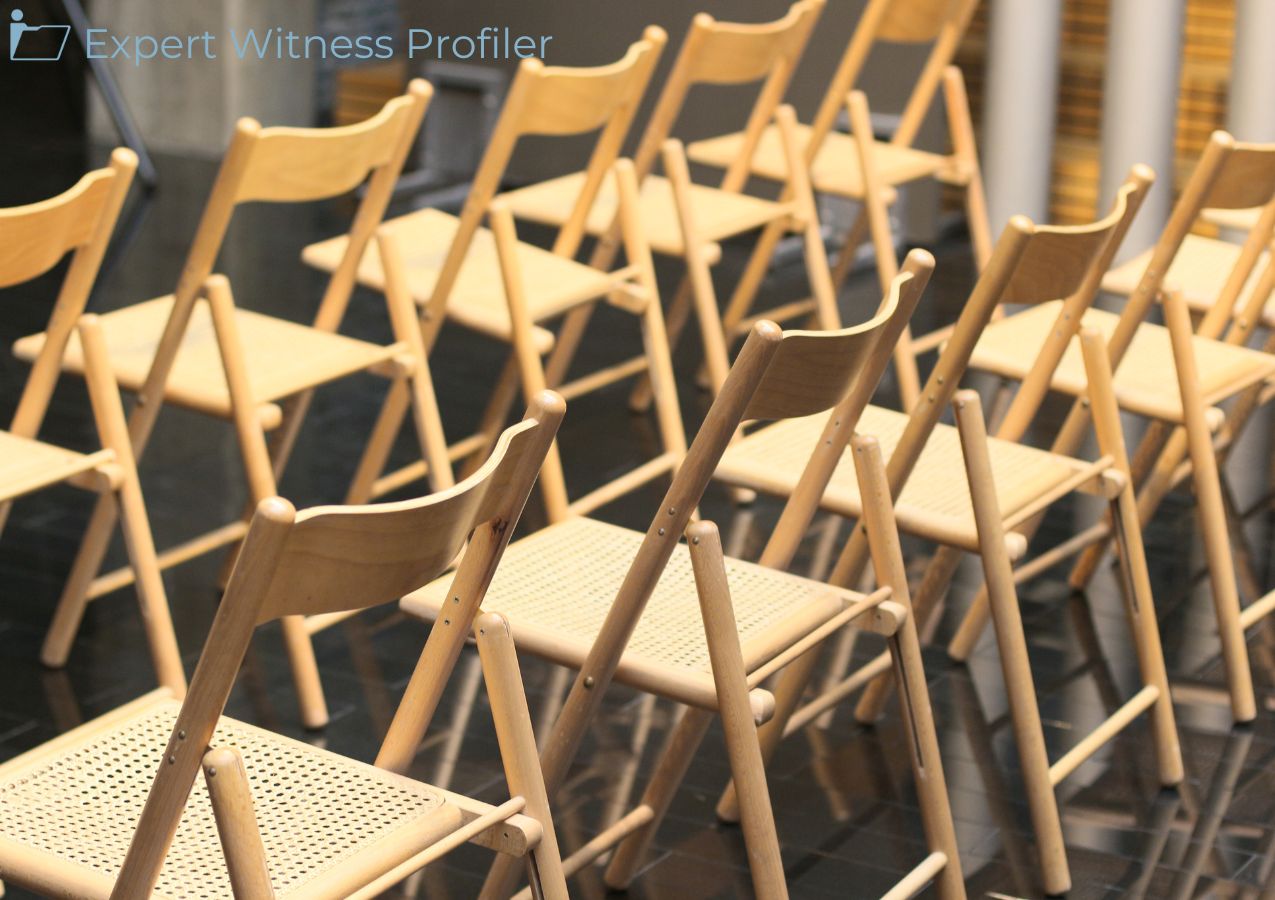
Valerie Koger, a Costco member, visited the Costco store in Fremont, California, on November 1, 2018, seeking dining chairs. While browsing, she encountered a Stakmore wooden folding chair displayed on an aisle. Upon sitting on it, the chair immediately collapsed, causing her to fall to the ground. The impact from the chair’s failure resulted in a severe blow to her head, akin to being struck with a baseball bat, leading to a diagnosis of a mild head injury at Washington Hospital on the day of the incident. Her symptoms escalated, and within two days, she was diagnosed with dizziness, vertigo, and post-concussion vertigo.
The Stakmore wooden folding chair in question was exclusively designed and provided by Meco for Costco in 2018. Costco had directly procured the chair from Meco, a supplier and vendor for the retail chain. Valerie Koger, alongside Jeffrey Koger, filed claims against Costco Wholesale Corporation and Costco Wholesale Membership, Inc., asserting premises liability due to the hazardous furniture display. Additionally, they pursued product liability claims against all involved parties, including Meco Corporation, citing the defective nature of the chair.
The Plaintiff initiated Daubert motions against three experts enlisted by the Defendant: Jon B. Ver Halen, Eric J. Drabkin, and Stephen D. Forner. In response, the Defendant countered by filing Daubert motions against three of the Plaintiff’s experts: Zachary M. Moore, Leonard J. Backer, and Mark D’Esposito.
Premises Liability Expert Witnesses
Jon B. Ver Halen holds an Industrial Engineering degree from Purdue University. He has 32 years of experience as President of Ver Halen Engineering, a small consulting firm specializing in facilities design, manufacturing processes, product safety assessments, and expert witness testimony related to the aforementioned specialities. Jon Halen has been qualified as an expert engineer in over 30 states and provided expert testimony in hundreds of legal cases.
Zachary M. Moore holds a Bachelor of Science degree in Mechanical Engineering from Loyola Marymount University. He is a licensed Professional Mechanical Engineer in California. He is currently a Forensic Engineer with Aperture, LLC. Moore is also a Board-Certified Diplomate in Forensic Engineering and a Certified XL Tribometrist. He has over 18 years of experience investigating premises liability cases and testifying as a forensic engineering expert in numerous litigation cases.
Leonard J. Backer holds a B.A. degree from Rutgers University. He has over 30 years of relevant work experience, including officer-level roles at multiple furniture companies. Backer currently serves as President of Leonard J. Backer Associates LLC, where he works as a furniture expert witness and consultant since 2008. He is certified as an expert witness in many state and federal courts.
Causation Expert Witnesses
Stephen D. Forner holds a B.A. in Chemistry and Physics from George Washington University and an M.D. from the University of Pennsylvania School of Medicine. He completed his neurology residency at Stanford University School of Medicine and his fellowship in clinical neurophysiology at the University of Texas Southwestern Medical School. Forner currently maintains his private practice at Kings Beach, California. He has previously worked at the Tahoe Forest Hospital Multispecialty Clinic and as a Clinical Professor of Neurology at the UC Davis School of Medicine.
Mark D’Esposito holds a B.S. in Neuroscience and B.A. in Interdisciplinary Studies from the University of Rochester. He obtained his M.D. from SUNY Health Science Center, College of Medicine. D’Esposito completed his residency and his fellowships at Boston University Medical Center. He is certified by the American Board of Psychiatry and Neurology. He is currently a Distinguished Professor of Neuroscience and Psychology at the University of California, Berkeley. He also serves as a staff neurologist at Northern California VA Health Care System’s Cognitive Neurology and Stroke Clinic.
Damages Expert Witness
Eric J. Drabkin holds a Ph.D. and an M.A. in Economics from the University of California, Los Angeles. He has a Diploma in Economics from the London School of Economics, and a B.A. in Economics from the University of California, Berkeley. Drabkin is currently a Senior Vice President of Forensic Accounting & Economics at J.S. Held. He has previously worked as a Senior Consulting Economist at Cohen Volk Economic Consulting Group and a Managing Director at Berkeley Research Group.
Discussion by the Court
The Plaintiff contested three specific opinions presented by the Defendant’s expert, Jon B. Ver Halen under Rule 702 and Daubert :
Ver Halen asserted that the design of the subject chair was reasonably safe and met appropriate standards, asserting its capability to support over 300 pounds safely.
Ver Halen suggested that the wood screws attaching the folding brackets to the front spreader failed due to the application of excessive force. He also claimed that the splintering observed at the screw holes indicated the presence of sound wood.
Ver Halen posited that the wood screws securing the folding brackets to the front spreader couldn’t have failed under normal use of the chair.
Plaintiff alleged that he did not consider all relevant evidence; his first opinion was based on inadmissible SGS testing; and his three opinions were based on independent testing employing unreliable methodology.
The Court held that expert testimony relying on undisclosed or poorly described methodology must be excluded, because opinions based on “unsubstantiated and undocumented information is the antithesis of . . . scientifically reliable expert opinion”, citing Cabrera v. Cordis Corporation, 134 F.3d 1418 (9th Cir. 1998).
Ver Halen, in his Expert Report’s third page, incorporated a section titled “Testing by SGS,” which indicated that an independent testing entity, SGS, conducted assessments on the chair design, affirming that the chair successfully passed all required tests. Ver Halen relied on these test “results” to form the foundation for his initial opinion that “the design of the subject chair is reasonably safe and meets the appropriate standards.”
However, the Court determined that Ver Halen merely restated the conclusions derived from the SGS tests without delving into their underlying data or methodology. The Court highlighted that experts aren’t allowed to repackage inadmissible hearsay as expert testimony.
To render opinions regarding why the chair failed in this case, Ver Halen performed “testing” on a Stakmore chair he found in his breakroom. Ver Halen’s report, spanning less than four pages, lacked the necessary details to reproduce his findings or to fairly assess his conclusions. His testing procedure involved three tests:
The first test focused on the coefficient of friction for the gliders beneath the chair legs, aiming to determine if the chair legs could shoot forward as experienced by Koger in the absence of screws. Ver Halen concluded that the results supported the possibility of the collapse occurring as described by Koger.
The second test involved opening and closing the chair a few times to verify if damage was likely to occur to the front bracket and screw assembly during normal usage.
The third test entailed placing the chair on its back, standing on the back legs, and using a pressure gauge to measure the force required to dislodge the front bracket and screw assembly when pulling up on the front legs individually.
Ver Halen’s testing methods lacked comprehensive detail and relied on an exemplar chair of uncertain origin, undermining the credibility of the results. Defendants argued that Ver Halen’s testing adhered to scientific rigor, physics principles, Business and Institutional Furniture Manufacturers Association (BIFMA) standards, and “sound economic methodologies.” Yet, apart from the coefficient of friction tests, Court held that Ver Halen’s report lacked discussions on physics, BIFMA standards, or other concepts supporting his conclusions.
Ultimately, the Court ruled that Ver Halen would not be permitted to offer opinions based on either the SGS testing or his independent testing due to the insufficiency and lack of thoroughness in his report.
The Defendants jointly relied on the expert opinions of Eric J. Drabkin to assess the economic losses incurred by the Plaintiffs in the case. Drabkin’s assessment suggested that, had the injury not occurred, Koger would have only worked an additional 4.75 years. The Plaintiff contested Drabkin’s reliance on Craig A. Allen’s article, titled “Labor Force Transitions by Gender: Implications for Separate and Combined Worklife Expectancy,” published in the Journal of Forensic Economics. This challenge was based on California Civil Code section 3361, which prohibits experts from relying on studies and statistics considering race, ethnicity, or gender in wage and earnings predictions.
Koger, employed as a school bus driver for the Fremont Unified School District, was driving special needs students to and from school at the time she was injured. Despite the article’s title, the Court found that the underlying data on which Drabkin relied did not make gender-based predictions but provided weighted averages based solely on age and educational attainment.
The Plaintiffs argued that the article’s analysis of Table 1 demonstrated gender-based predictions, but the Court found this argument misleading. The article applied gender-agnostic estimates to both male and female populations, resulting in slightly lower worklife expectancies for women on average. However, these differences were attributed to variations in education levels and workforce participation between men and women. Importantly, the gender-agnostic estimates in Table 1 would not reduce damage estimates based solely on plaintiff Koger’s gender. Consequently, the Plaintiffs’ request to exclude Drabkin’s opinions was denied by the Court.
The Plaintiffs sought to prevent Stephen D. Forner from proposing alternative explanations for Koger’s symptoms in the case. Forner’s expert report concluded that Koger likely didn’t suffer a traumatic brain injury due to the incident but instead suggested that her symptoms might be partially explained by functional neurologic disorder (FND) or benign paroxysmal positional vertigo (BPPV). Notably, Forner didn’t explicitly diagnose Koger with either FND or BPPV but indicated that these conditions should be considered as potential partial explanations, acknowledging that they might not account for all her reported symptoms.
The Plaintiffs objected to Forner’s refusal to definitively diagnose Koger with FND or BPPV. However, the Plaintiffs failed to reference any binding or persuasive case mandating that when a clinician dismisses a diagnosis, they must propose an alternative diagnosis. The Court found Forner’s reluctance to diagnose as reasonable. Forner encountered instances where he lacked crucial medical records or further information from key neurological evaluations. Additionally, in some cases, tests were conducted, but the results were unavailable. Given the incomplete medical records, the Court deemed Forner’s cautious approach and the level of confidence in his assessment of Koger’s condition as appropriate.
Now coming to the Daubert motions filed by the Defendants, Defendants first sought to exclude Zachary M. Moore from presenting legal conclusions as expert opinion.
The Court addressed multiple opinions presented by Moore, an expert witness in the case:
Moore’s first opinion, asserting that the chair was unsafe at the time of the incident, was deemed an unadorned legal conclusion. The Court ruled that Moore, lacking expertise in product design or consumer safety, couldn’t testify about the chair’s safety or Koger’s actions in a legal context.
Moore’s second opinion, contending that the subject location violated codes and industry standards, was considered inappropriate due to insufficiently supported references to industry standards. Moore’s brief mention of industry standards lacked analysis and relied solely on language from an insurance company manual. Consequently, the Court disallowed this opinion from being presented at trial.
Moore’s third opinion, suggesting that Costco knew or should have known about the unsafe condition, was grounded on a more robust factual and methodological basis. Moore’s analysis of employee testimony and Costco’s inspection policies led to the conclusion that employees failed to adhere to the company’s policies. The Court permitted Moore’s testimony within factual confines, as long as it refrained from purely legal conclusions.
Moore’s fourth opinion, claiming that the cost to eliminate the unsafe condition would have been minimal, was excluded by the Court. His statement about Costco’s potential implementation of an adequate inspection policy lacked substantiation and analysis regarding the policy’s nature or the estimated costs involved. Therefore, the Court barred this opinion from being presented in the case.
The Defendants next sought to exclude certain opinions presented by Leonard J. Backer, contending that he lacked qualifications to opine on Costco’s failure to inspect the store premises or that these opinions constituted impermissible legal conclusions.
Backer, specializing in the design, manufacture, and sale of chairs, claimed expertise in “retail store planning markets,” encompassing “visual merchandising” related to chairs. However, there was no demonstrated experience in premises safety or the inspection and risk management standards applicable to retail stores within his record. Backer’s report contained opinions regarding Costco’s responsibility for maintaining premises safety and its inspection procedures, topics beyond his field of expertise and unrelated to chairs or his area of knowledge.
The Court ruled that Backer would not be allowed to testify regarding Costco’s safety or inspection procedures due to his lack of expertise or relevance to the subject matter.
Defendants sought to exclude Mark D’Esposito from testifying based on their assertion that he conducted a VOMS (Vestibular/Ocular Motor Screening) test on Koger. However, Plaintiffs objected, stating that D’Esposito didn’t perform a VOMS test. Nevertheless, even if a VOMS test had been conducted, plaintiffs argued it would have been appropriate.
D’Esposito asserted that he conducted a thorough review of Koger’s medical records and administered a comprehensive neurological examination that involved at least seven neurological tests. While some of these tests overlap with those in a VOMS screening, they are also commonly associated with neurological assessments beyond the scope of athletic events. There’s no indication that tests used in a VOMS context are exclusively valid only within that context.
The Court acknowledged that even if D’Esposito had performed a VOMS test on Koger, it wouldn’t warrant exclusion. Defendants conceded that the method itself is used to diagnose specific head injuries, which doesn’t fall under the “junk science” category prohibited by Rule 702. Whether these testing methods were suitable for Koger’s circumstances would be a matter for cross-examination rather than justification for exclusion.
Held
The Court granted the Plaintiff’s motion to exclude, in part, the testimony of Defendant’s expert Jon B. Ver Halen.
The Court denied the Plaintiff’s motion to exclude, in part, the testimony of Defendant’s expert Eric J. Drabkin.
The Court denied the Plaintiff’s motion to exclude, in part, the testimony of Defendant’s expert Stephen D. Forner.
The Court granted in part and denied in part the Defendant’s motion to exclude the opinions of Plaintiff’s expert Zachary M. Moore.
The Court granted the Defendant’s motion to exclude some of the opinions of Plaintiff’s expert Leonard J. Backer.
The Court denied the Defendant’s motion to exclude the opinions of Plaintiff’s expert Mark D’Esposito related to VOMS test and results.
Key Takeaways:
An expert’s testing methods must be reliable and described in enough detail to allow independent validation. Vague descriptions or undisclosed methodologies will lead to exclusion.
Experts cannot present legal conclusions or opine on the law, but may testify about industry standards if properly supported. Conclusions that invade the province of the fact finder will be excluded.
Experts should not testify beyond their expertise. For example, with expertise in the design, manufacture, and sale of chairs, one cannot opine on store safety procedures and inspection policies.
Alternative medical explanations suggested by an expert need not be definitive diagnoses. If records are incomplete, limited confidence in assessing conditions is reasonable.
Use of testing methods outside their common context is not necessarily grounds for exclusion if the methods may help diagnose conditions. Attacks should target appropriateness of specific application.
This case involved a personal injury lawsuit filed by Plaintiff Darla Lacara and the testimony of the Defendant’s orthopedic expert witness. Lacara alleged that she suffered a labral tear to her hip as a result of an injury sustained while shopping at a Kohl’s department store on December 23, 2020.
According to Lacara, she was walking through the Kohl’s store when her purse, which was on her right shoulder, got caught on a protruding hook on a shelving unit. This caused the shelving unit to fall onto Lacara’s right side. Lacara twisted her body to the left and used her left hand to push the fallen shelving unit off of her. Lacara claimed that having to brace herself against the shelving unit and twist her body in this manner caused her to suffer a labral tear in her left hip.
Kohl’s disputed Lacara’s version of events and causation theory. Kohl’s retained orthopaedic surgeon Dr. Chad Millet as an orthopedic expert witness. Dr. Millet opined that Lacara’s hip injury was not caused by the incident at Kohl’s. Rather, he opined that her injury was caused by “repeated impingements” resulting from “the aspherical nature of her femoral head.” Dr. Millet formed this opinion after reviewing Lacara’s medical records, but he did not physically examine her.
Lacara filed a motion to exclude causation expert Dr. Millet’s orthopedic expert witness testimony under Daubert, arguing that his methodology was unreliable because it was based solely on a review of medical records rather than a physical examination. Lacara also argued Dr. Millet’s opinion was unreliable because he mistakenly assumed she had fallen to the ground during the incident, when she did not actually fall.
Orthopaedic Expert Witness
Dr. Chad Millet is an orthopaedic surgeon specializing in hip and knee replacement surgery, with a particular interest in minimally invasive techniques. He completed orthopaedic residency training at Louisiana State University and a fellowship in joint replacement at Johns Hopkins Hospital. Dr. Millet has served in numerous leadership roles including President of the Greater New Orleans Orthopaedic Society, Chief of Orthopaedics at two hospitals, and Chairman of Surgery. He is recognized nationally for his expertise in joint replacement techniques. Dr. Millet’s leadership experience includes serving as President of the Louisiana Orthopaedic Association and he is currently President of the Society for Arthritic Joint Surgery. He is a member of several prestigious professional associations. With this extensive surgical experience, leadership, teaching appointments, awards, and membership in elite orthopaedic societies, Dr. Millet is highly qualified to provide expert testimony regarding orthopaedic injuries and conditions.
Discussions by the Court
The Court noted that under Daubert, expert testimony must be based on sufficient facts and reliable methodology. However, the Court found that experts are permitted to offer opinions not based on firsthand knowledge or observation, citing Daubert v. Merrell Dow Pharmaceuticals, Inc. The Court stated that numerous Courts have held that an expert witness need not personally examine a Plaintiff to offer an opinion. Rather, review of medical records combined with the expert’s medical experience can sufficiently ensure reliability. The Court concluded Dr. Millet’s methodology of reviewing the medical records informed by his extensive experience as an orthopaedic surgeon was sufficiently reliable under Daubert. The Court ruled Dr. Millet’s reliance on records instead of examining Lacara went to the weight, not admissibility, of his testimony.
Lacara also argued Dr. Millet’s opinion was unreliable because he mistakenly assumed she had fallen during the incident when she did not actually fall. The Court found Dr. Millet’s understanding of the accident was consistent with Lacara’s deposition testimony – he accurately stated her purse got caught on a protruding hook which caused the rack to fall into her arm as she described. While Dr. Millet mentioned an assumption Lacara fell, the Court found this did not render his opinion inadmissible. The Court reasoned that if anything, an assumption of additional trauma would make Dr. Millet more likely to relate the injury to the incident. However, Dr. Millet testified that his causation opinion was based on Lacara’s chronic condition, not any assumed fall. Again, the Court ruled the dispute over the basis for Dr. Millet’s opinion affected the weight the jury should assign it, not admissibility.
In conclusion, the Court stated Dr. Millet’s methodology of reviewing the medical records was acceptable and sufficiently reliable under Daubert to allow his testimony and the causation expert’s testimony was admitted. The Court found Lacara’s complaints about Dr. Millet not examining her and assuming she fell went to the weight of his testimony and constituted issues for cross-examination and the jury to consider.
Held
The Court ruled that despite some alleged flaws in his methodology, Dr. Millet could testify and the jury could determine the appropriate weight to give his opinions. Lacara’s motion to exclude the orthopedic expert witness testimony under Daubert was denied. The Court dismissed the case without prejudice on August 29, 2023.
Key takeaway
This case demonstrates that experts are permitted to offer opinions based solely on a review of records, without physically examining the Plaintiff. An expert’s reliance on medical records rather than a firsthand exam goes to the weight, not the admissibility, of the testimony. The Court found that review of records combined with the expert’s professional experience can be a sufficiently reliable methodology under Daubert as a result of which the causation expert’s testimony was admitted.