Tag: Reconstruct

  • Piloting Expert Was Allowed to Opine on Spatial Disorientation

    Piloting Expert Was Allowed to Opine on Spatial Disorientation

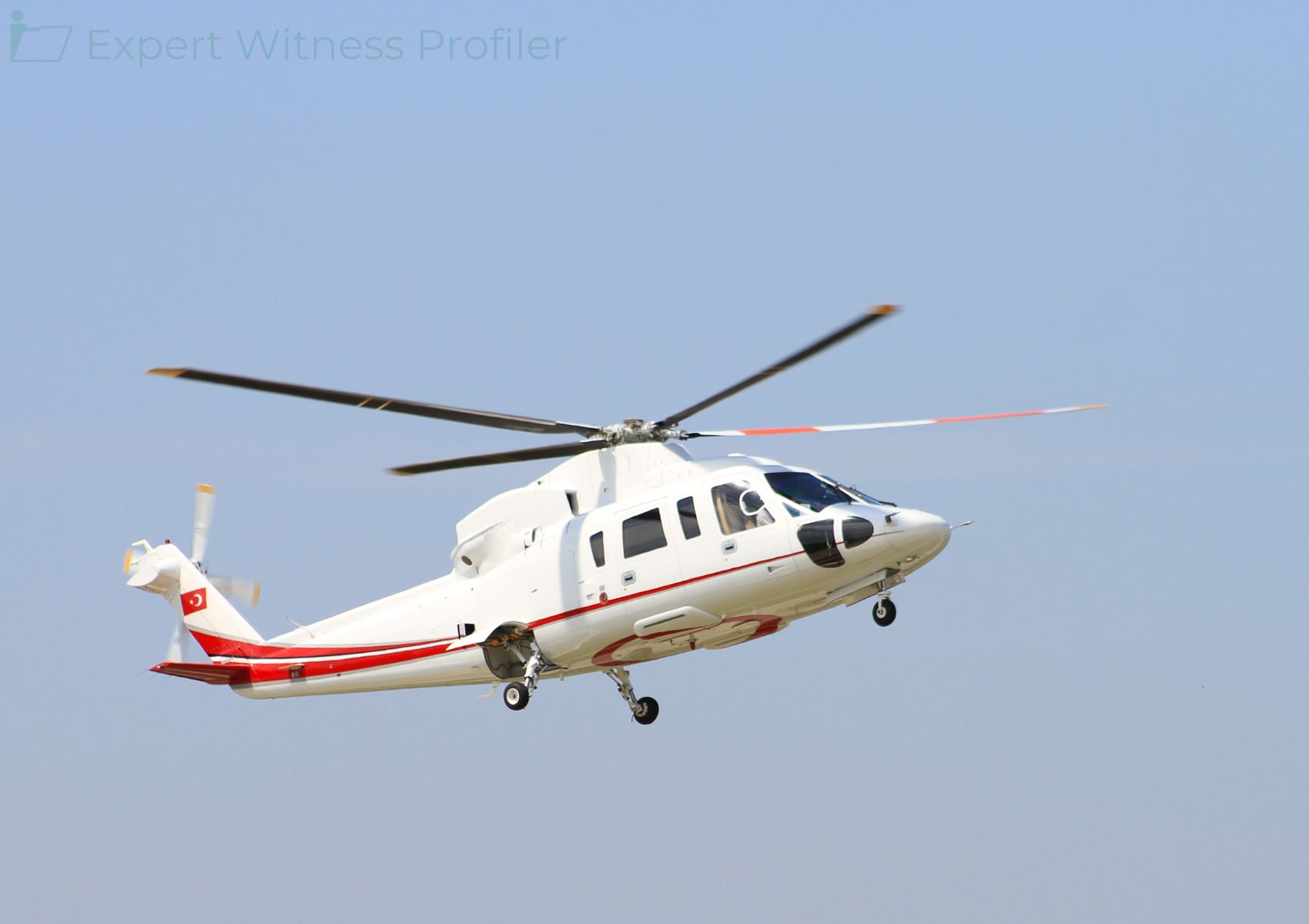
    This case arises from an accident involving a Robinson R44 II helicopter, registration N442VB (“Helicopter”), that occurred on the evening of December 30, 2021, in Levy County, Florida. The Helicopter was being flown at night by the owner-pilot, Ronald Hicks (“Pilot Hicks”), from a local friend’s residence to his private property. At the time of the accident, Pilot Hicks had less than ten hours of night flight experience in helicopters and was not certified under Instrument Flight Rules (“IFR”). Mr. Hicks, Shelly Kate Hicks, and their two children sustained fatal injuries.

    Plaintiffs filed a Daubert motion to exclude and/or limit the testimony of Defendant’s piloting expert Timothy Tucker.

    Piloting Expert Witness

    Timothy C. Tucker has 55 years’ experience as a military and civilian helicopter pilot, instructor and evaluator in both visual and instrument flight
    techniques.

    Get the full story on challenges to Timothy Tucker’s expert opinions and testimony with an in-depth Challenge Study.

    Discussion by the Court

    Qualification

    Plaintiffs argud that Tucker opined regarding “meteorology, engine failure, accident reconstruction, and human factors issues” despite being unqualified to do so.

    The Court has reviewed Tucker’s expert report and found that he is qualified as a “piloting” expert and may opine from the piloting perspective. However, Tucker was not qualified as a metallurgist or accident reconstructionist, and his report did not indicate that he relied upon Defendant’s metallurgy or accident reconstruction experts when forming his conclusions.

    While Tucker may offer his “piloting” opinions, he may neither (1) repeat the conclusions of Defendant’s metallurgy and accident reconstruction experts, nor (2) say they are consistent with his opinions. Moreover, Tucker is strictly limited to offering only the “piloting” opinions outlined in his report. Defendant represented that Tucker will testify to two main opinions, that Hicks “experienced spatial disorientation and lost control” of the helicopter, and that the evidence in this case is inconsistent with an attempted autorotation.

    Methodology

    Second, Plaintiffs argued that Tucker’s methodology was unreliable. Plaintiffs took issue with Tucker’s reliance on flight path ADS-B data for his analysis and the fact that his opinion purportedly conflicts with other witness testimony regarding the crash.

    While Plaintiffs are free to cross-examine Tucker regarding perceived deficiencies in his data or conclusions, they have not demonstrated exclusion is warranted.

    Third, Plaintiffs argued that Tucker’s opinion will be cumulative. As explained above, the Court found that Tucker is a qualified “piloting” expert and may opine from that unique perspective. To the extent Tucker is offering the “piloting” opinions in his report, his testimony is not cumulative. However, the Court reiterates that it will not tolerate Tucker offering other experts’ testimony or saying it comports with his own. This will be strictly enforced.

    Finally, Plaintiffs requested that Tucker be bound to the opinions contained within his expert report. The Court absolutely agreed that no expert may offer opinions not within their expert report.

    Held

    The Court denied the Plaintiffs’ Daubert motion to exclude and/or limit the testimony of Defendant’s expert Timothy Tucker.

    Key Takeaway

    Whether an expert selected the best data set to use is a question for the jury, not the judge. Vigorous cross-examination, presentation of contrary evidence, and careful instruction on the burden of proof are the traditional and appropriate means of attacking shaky but admissible evidence.

    Please refer to the blogs previously published about this case:

    Accident Reconstruction Expert’s Meteorological Opinions Excluded

    Avionics Expert Allowed to Opine on Engine Failure

    Case Details:

    Case Caption: Law V. Avco Corporation
    Docket Number: 1:24cv3
    Court Name: United States District Court for the Northern District of Florida, Gainesville Division
    Order Date: November 05, 2025
  • Accident Reconstruction Expert’s Meteorological Opinions Excluded

    Accident Reconstruction Expert’s Meteorological Opinions Excluded

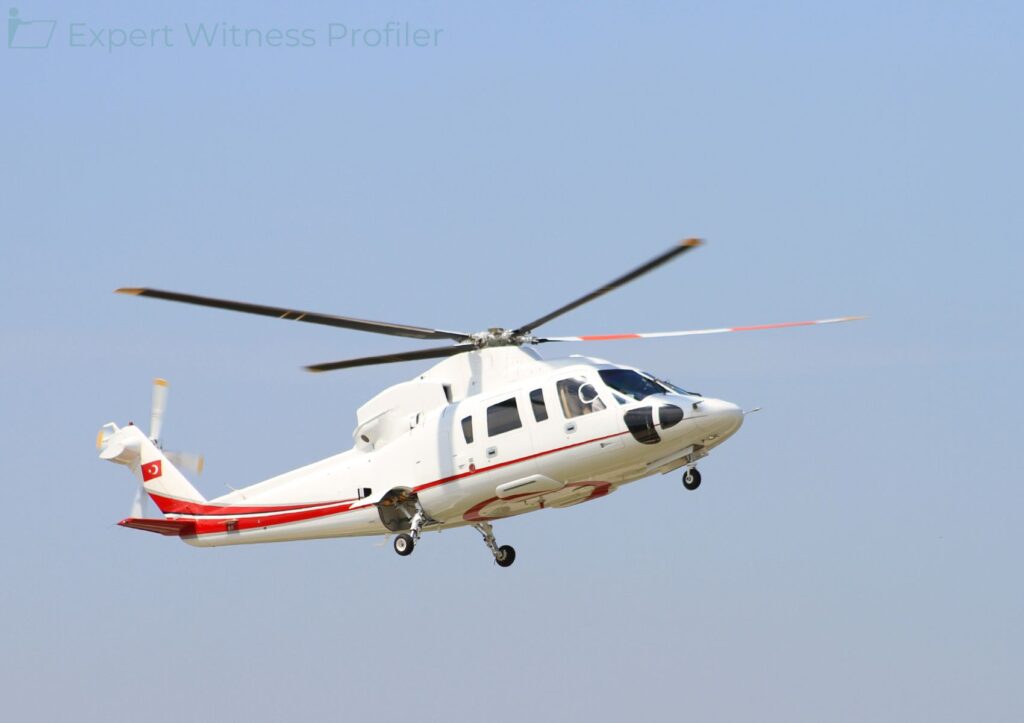
    This case arises from an accident involving a Robinson R44 II helicopter, registration N442VB (“Helicopter”), that occurred on the evening of December 30, 2021, in Levy County, Florida. The Helicopter was being flown at night by the owner-pilot, Ronald Hicks (“Pilot Hicks”), from a local friend’s residence to his private property. At the time of the accident, Pilot Hicks had less than ten hours of night flight experience in helicopters and was not certified under Instrument Flight Rules (“IFR”). Mr. Hicks, Shelly Kate Hicks, and their two children sustained fatal injuries.

    Plaintiffs filed a Daubert motion to exclude and/or limit the testimony of Defendant’s accident reconstruction expert Douglas Stimpson.

    Accident Reconstruction Expert Witness

    Douglas Earl Stimpson has been continually employed in the aviation industry for over 54 years and has participated in over 3,500 aviation accident reconstructions.

    He has been a Commercial Pilot and Flight Instructor for over five decades and currently holds FAA certifications as a Commercial Pilot Rotorcraft Helicopter, Certified Flight Instructor Helicopter, Certified Flight Instructor Instruments, and Advanced Ground Instructor.

    Get the full story on challenges to Douglas Stimpson’s expert opinions and testimony with an in-depth Challenge Study.

    Discussion by the Court

    First, Plaintiffs argued that Stimpson opined regarding “meteorology, metallurgy, and human factors issues” despite being unqualified to do so.

    This Court has reviewed Stimpson’s expert report and found that he is qualified as an accident reconstruction expert and may opine from that perspective. He may also rely upon the opinions of Defendant’s other experts when forming his own accident reconstruction opinions, provided he explains he is doing so. However, Stimpson is not qualified as a piloting or meteorological expert. Therefore, he may not offer new piloting or meteorological opinions or offer Defendant’s other experts’ opinions as his own. If Stimpson’s testimony begins to venture beyond these boundaries, this Court is prepared to rein it in immediately.

    Second, the Plaintiffs argued that Stimpson’s methodology was unreliable. Plaintiffs take issue with Stimpson’s reliance on flight path ADS-B data for his analysis and the fact that his opinion purportedly conflicts with at least one eyewitness’ testimony regarding the crash. Therefore, while Plaintiffs are free to cross-examine Stimpson regarding perceived deficiencies in his data or conclusions, they have not demonstrated exclusion is warranted.

    Third, Plaintiffs argued that Stimpson’s opinions are cumulative because they overlap with Defendant’s other experts. As explained above, the Court found that Stimpson is a qualified accident reconstruction expert and may opine from that unique perspective. To the extent Stimpson is offering the accident reconstruction opinions in his report, his opinions are not cumulative.

    Finally, Plaintiffs requested that Stimpson be bound to the opinions contained within his expert report. This Court absolutely agreed that no expert may offer opinions not within their expert report.

    Held

    The Court granted in part Plaintiffs’ Daubert motion to exclude and/or limit the testimony of Douglas Stimpson.

    Key Takeaway

    Whether an expert selected the best data set to use is a question for the jury, not the judge. Vigorous cross-examination, presentation of contrary evidence, and careful instruction on the burden of proof are the traditional and appropriate means of attacking shaky but admissible evidence.

    Case Details:

    Case Caption: Law V. Avco Corporation
    Docket Number: 1:24cv3
    Court Name: United States District Court for the Northern District of Florida, Gainesville Division
    Order Date: November 6, 2025
  • Transportation Engineering Expert’s Testimony on Accident Reconstruction Admitted

    Transportation Engineering Expert’s Testimony on Accident Reconstruction Admitted

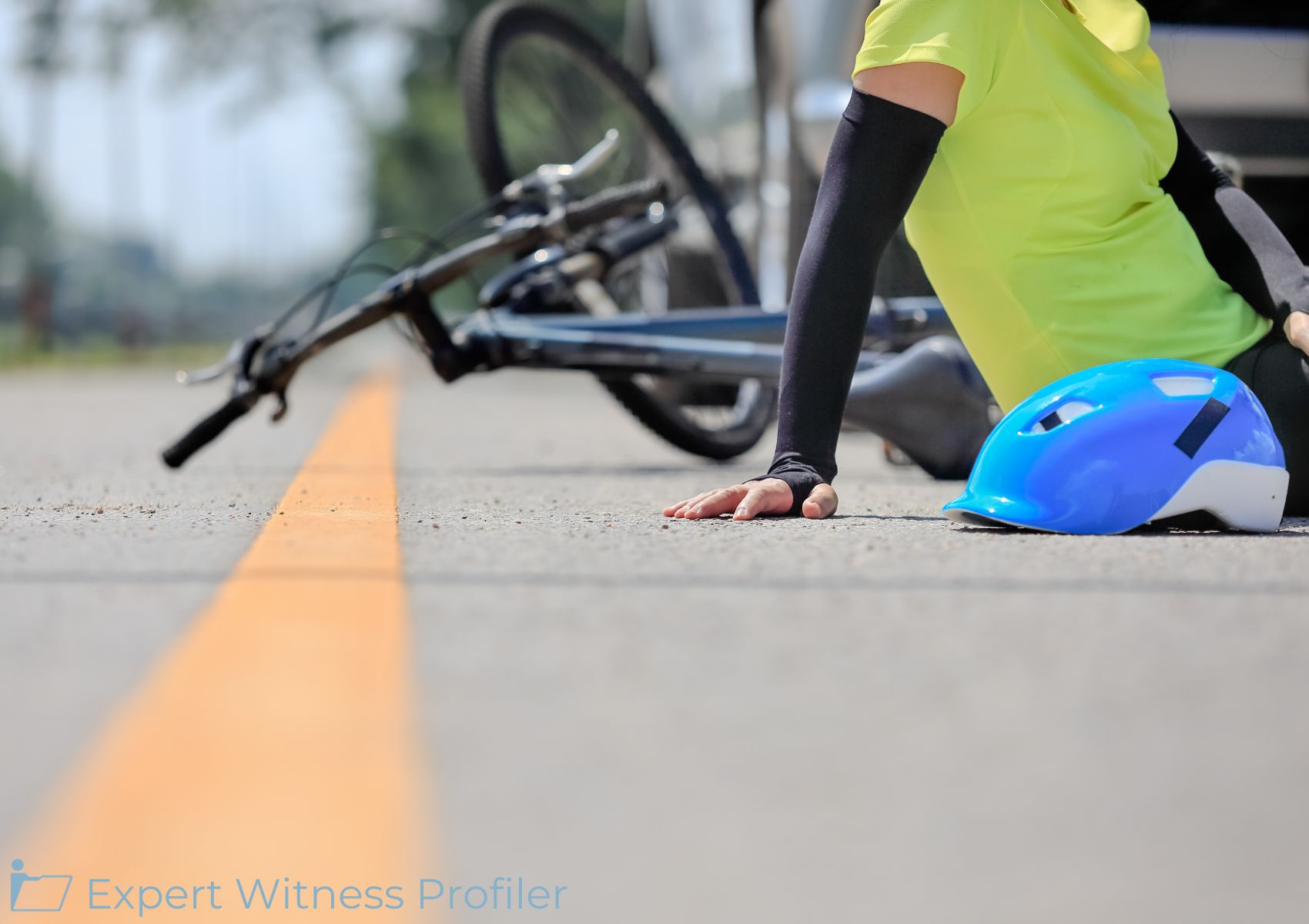
    This case arises out of injuries sustained by Brandon Jensen on his bicycle when he collided with a semi-truck who made a left turn through his lane of travel. The semi-truck was driven by Defendant Michael Beale. Beale was working for Crete Carrier at the time of the accident.

    To begin with, Defendants Michael Beale and Crete Carrier Corporation (Crete Carrier) filed three motions in limine concerning the testimony of the Plaintiffs’ accident reconstruction expert, Dr. Jay Przybyla.

    First, Defendants Michael Beale and Crete Carrier Corporation (Crete Carrier) filed a motion to exclude seven videos relied on by Przybyla in his rebuttal report that show semi-truck trailers turning into the Crete Carrier terminal. Second, the Defendants filed a motion to exclude Przybyla’s opinions about the time required for Plaintiff Jensen to stop his bicycle. Finally, the Defendants filed a motion exclude Przybyla’s reconstruction simulations on the ground that he made improper assumptions about truck weight.

    Transportation Engineering Expert Witness

    Jay J. Przybyla, Ph.D., P.E. is a licensed professional engineer and managing engineer at Focus Forensics with experience, education, and training in the fields of civil engineering, forensic engineering, and transportation safety. He also holds a Master’s and Ph.D. in transportation engineering from the University of Utah and a Bachelor’s in civil engineering from Brigham Young University.

    Want to know more about the challenges Jay Przybyla has faced? Get the full details with our Challenge Study report.

    Discussion by the Court

    The Court questioned Przybyla outside the presence of the jury on the morning of November 12, 2025. The Court cautioned the witness to avoid opining on the credibility of Beale’s testimony or the propriety of Beale’s choices, but the Court found that the methodology for his accident reconstruction analysis was otherwise reliable. To be clear, uncertainties about bicycle stopping time or the assumptions about truck weight that Przybyla used to model his simulations went to the weight of the evidence rather than its admissibility.

    Moreover, the Court found that the seven videos showing Crete Carrier trucks turning into the terminal were used in rebuttal to opinions from the Defendants’ accident reconstruction expert and were admissible for illustrative purposes. The Defendants’ concerns that the trucks were different makes and models and had different loads could be addressed during cross examination.

    Held

    • The Court denied the Defendants’ motion in limine to exclude seven videos relied on by Jay Przybyla.
    • The Court denied the Defendants’ motion in limine to exclude Jay Przybyla’s opinions on the time required for Plaintiff Brandon Jensen to stop.
    • The Court denied the Defendants’ motion in limine to exclude Jay Przybyla’s reconstruction simulations.

    Key Takeaway:

    Uncertainties about bicycle stopping time or the assumptions about truck weight that Przybyla used to model his simulations could be adequately examined during cross examination.

    Case Details:

    Case Caption: Jensen V. Crete Carrier Corporation
    Docket Number: 1:23cv105
    Court Name: United States District Court for the District of Utah, Northern Division
    Order Date: November 14, 2025
  • Mechanical Engineering Expert’s Testimony on Shooting Reconstruction Admitted

    Mechanical Engineering Expert’s Testimony on Shooting Reconstruction Admitted

    Plaintiff Edgar T. Rodriguez filed this civil rights lawsuit against Defendants, including the City of Eugene as well as individuals Timothy Hunt, Mark Hubbard, and Faith McCready. 

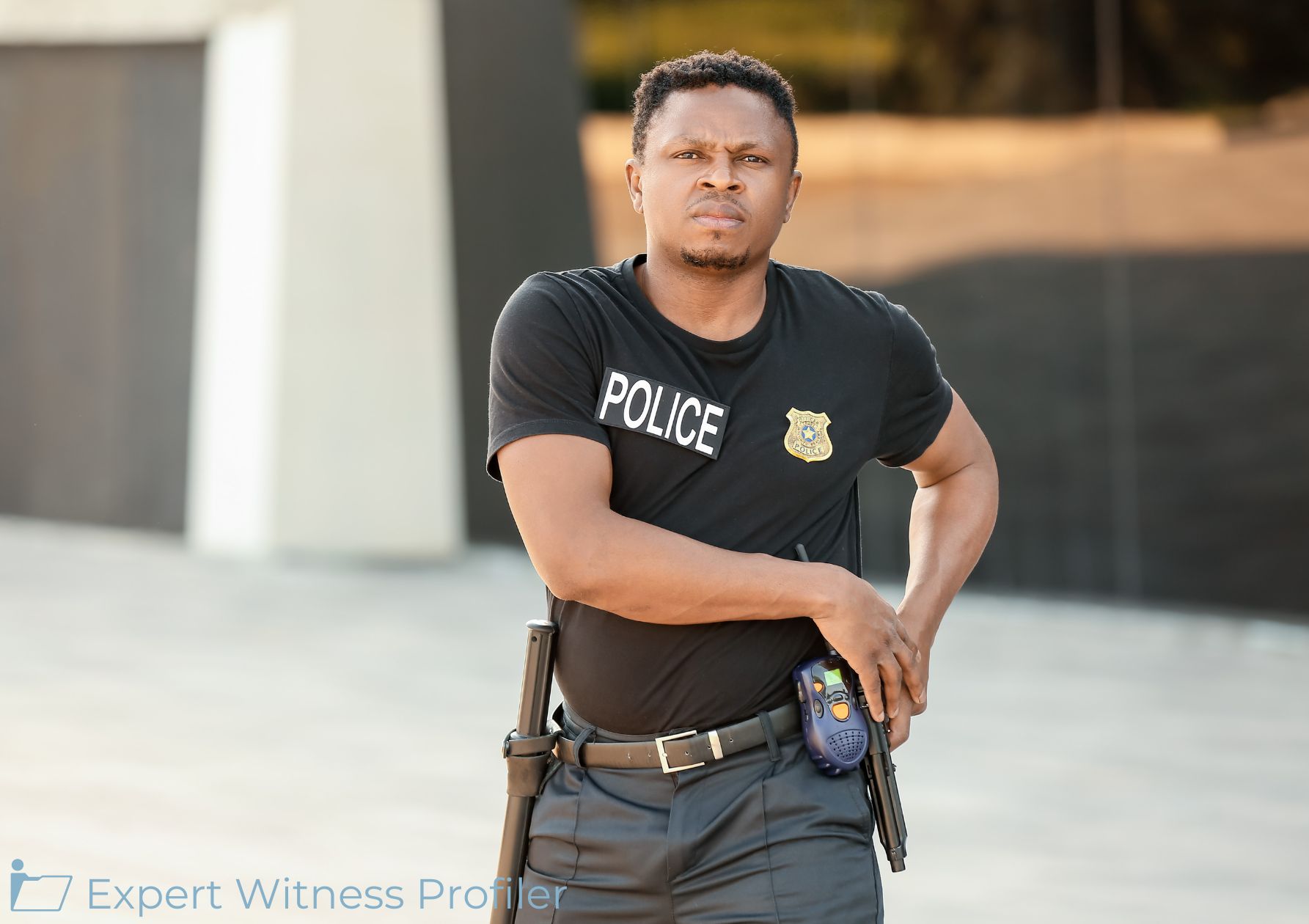
    This case arises out of a police response to a disturbance at Plaintiff’s apartment on September 10, 2016, during which Plaintiff was shot by Defendants Hubbard and Hunt with the Eugene Police Department.

    Plaintiff filed a Daubert motion to exclude the testimony of Defendants’ expert Wilson C. “Toby” Hayes.

    Mechanical Engineering Expert Witness

    Wilson Carlyle “Toby” Hayes has a B.S. in Mechanical Engineering from Stanford University, 1964, a M.S. in Mechanical Engineering from Stanford University, 1966, and a Ph.D in Theoretical and Applied Mechanics from Northwestern University, 1970. 

    From 1969 to 1970, Hayes was a Research Fellow at the Laboratory for Experimental Surgery in Davos, Switzerland, and from 1970 to 1971 he was a Special Research Fellow at the Department of Orthopaedic Surgery at the Karolinska Institute in Stockholm, Sweden.

    Hayes served as an Assistant Professor of Mechanical Engineering and Orthopaedic Surgery at Stanford University from 1971-1976; an Associate Professor of Orthopaedic Surgery at the University of Pennsylvania from 1976-1979; and a Professor of Orthopaedic Surgery and later of Biomechanics at Harvard University from 1979-1998.

    After leaving Harvard University, Hayes was Vice Provost for Research at Oregon State University between 1998 and 2001 and Professor of Orthopaedics and Rehabilitation and Vice Chair for Research at Oregon Health Sciences University from 1998-2004.

    Want to know more about the challenges Wilson Hayes has faced? Get the full details with our Challenge Study report

    Discussion by the Court

    Hayes is Qualified to Testify on Questions of Biomechanical Engineering

    Hayes’ report covered a reconstruction of the shooting based on a FARO scan, photographs, post-shooting medical imaging, police reports, deposition testimony, and declarations.

    Hayes’ report used biomechanical and anatomical principles and shooting reconstruction techniques, including modeling and the application of specialized software, to opine on the relative positions and physical orientation of Plaintiff and the Defendant officers during the shooting.

    Moreover, the Court concluded that Hayes is qualified to testify on questions of biomechanical engineering, including shooting reconstructions; anatomy; the analysis of injuries; and the assessment of medical reports and imaging. The Court concluded that Hayes’ opinions concerning the shooting reconstruction are relevant and sufficiently reliable to meet the Daubert standard. 

    Hayes is not Qualified to Testify as an Expert on Perception–Response Time

    Hayes’ report also consisted of opinions based on perception response time. However, Plaintiff filed a motion to exclude testimony concerning perception response time on the grounds that Hayes is not an expert in the subject. At the hearing, Hayes testified that he took courses on ergonomics while studying for his master’s degree between 1964 and 1966 which included the study of perception response time. The Court concluded that this training and experience is not sufficient to qualify Hayes as an expert on perception response time and so Hayes may not offer testimony on that subject.

    The Court added that (1) Hayes may not testify as to the intentions, thoughts, or perceptions of any party or witness in this case; (2) Hayes may not vouch for the testimony of any party or witness in his testimony; (3) Hayes may not testify on the time it took for the Defendant officers to call for an ambulance, both because that opinion falls outside of his area of expertise as a biomechanical engineer and because, by Hayes’ own admission, his opinion is not supported by any data; (4) Hayes may not testify concerning police policy, use-of-force, or deadly force as those topics fall outside of his expertise as a biomechanical engineer; and (5) Hayes may not testify as to ultimate questions of law, such as whether a party acted “reasonably.”

    Held

    The Court granted in part and denied in part the Plaintiff’s Daubert motion to exclude the testimony of Defendants’ expert Wilson C. “Toby” Hayes.

    Key Takeaway:

    Hayes took courses on ergonomics while studying for his master’s degree between 1964 and 1966 which included the study of perception response time. The Court, however, concluded that this training and experience is not sufficient to qualify Hayes as an expert on perception response time.

    Case Details:

    Case Caption: Rodriguez V. Hunt Et Al
    Docket Number: 6:18cv1640
    Court Name: United States District Court, Oregon
    Order Date: September 16, 2025