Plaintiff State of Washington alleged that Novo Nordisk Inc. (“NNI”) caused physicians to prescribe its drug, NovoSeven®, to Washington hemophilia patients by: (1) promoting it “off-label” for prophylaxis and “high dose” use; (2) paying kickbacks to physicians; and (3) paying bribes to patients, all of which rendered claims to Medicare and Washington Medicaid false.
The State of Washington has been investigating this case for almost fifteen years, hoping to find evidence of unlawful conduct that allowed its Medicaid program to recoup money it paid for a medically necessary, life-saving drug.
Jamie Siegel and Washington State’s expert witness, Dr. Adriane J. Fugh-Berman, opined broadly that NNI’s promotional methods and practices caused physicians and patients to use more NovoSeven, including off-label. NNI filed a Daubert motion to exclude the testimony of Fugh-Berman.
Pharmacology Expert Witness
Dr. Adriane J. Fugh-Berman, MD is a Professor of Pharmacology and Physiology with a joint appointment in the Department of Family Medicine at Georgetown University Medical Center.
She has spent her 35-year academic career researching how pharmaceutical companies market to the medical community, and how that marketing affects the prescription practices of that community.
To begin with, NNI did not directly challenge Fugh-Berman’s credentials, and it did not argue that she is not an expert in her field. It did emphasize that she self-identifies as an “activist” advocating for “rational prescribing and promoting public health,” and that her opinions have been excluded as irrelevant in other cases.
NNI sought to exclude Fugh-Berman’s opinions, arguing that she failed to set out sufficient facts and data to support her unreliable analytical methodologies, and failed to reliably apply her principles and methods.
Discourse Analysis
NNI specifically challenged Fugh-Berman’s reliance on “discourse analysis” to support her conclusion that NNI’s promotional activities improperly affected prescribing physicians’ judgment when selecting a pharmaceutical to treat a hemophilia patient. Moreover, NNI argued persuasively that discourse analysis was not even mentioned in her Report. The Court therefore precluded any opinion testimony about applying “discourse analysis” unless raised by the defense.
Patient A’s Use of NovoSeven
Fugh-Berman has general knowledge from experience and known studies and is qualified to testify generally about physician behavior in prescribing pharmaceuticals, and what can influence that behavior. However, she will not be permitted to testify that NNI’s promotional methods were responsible for “specific increases in the prescribing behavior” of Patient A’s primary physician, Dr. Ronald Louie, or about the effects of the promotions on Patient A. NNI persuasively argued that Fugh-Berman did not review specific “claims data” and “medical records” associated with Patient A’s use of NovoSeven. Fugh-Berman may summarize what benefits the record demonstrates were provided to Louie and Patient A that may have influenced Louie in the way that studies have shown that these types of benefits influence prescription choices. She will not be permitted to testify that these benefits caused Louie to use NovoSeven. This is an ultimate legal conclusion for the jury.
NNI also objected to Fugh-Berman’s proposed “factual narrative” testimony. It argued that it would be improper for her to offer a speculative editorial about the alleged nefarious global effects of [NNI’s] marketing practices” and its “sway over the medical community” because it is “neither relevant nor reliable.” The Court agreed.
Fugh-Berman’s report concluded with two paragraphs opining about the purpose and effect of NNI’s allegedly illegal marketing tactics, and specifically about the consequences of the benefits it provided to Louie, Patient A, and his mother. These ultimate conclusions of law are for the jury, and she will not be permitted to so opine. In other words, she cannot characterize the high dosage or prophylaxis use of NovoSeven as “unproven.” She can testify that, generally, based on her experience, scholarship, and training, promotional campaigns have been shown to affect such behavior.
Held
The Court granted in part and denied in part NNI’s Daubert motion to exclude Adriane Fugh-Berman’s testimony.
Key Takeaway:
No expert shall testify in a form of an advocate editorializing, or present a conclusory narrative akin to attorney argument, rather than as an expert witness.
Please refer to the blogs previously published about this case:
The Government charged Xiong Lin with conspiracy to distribute, and to possess with intent to distribute, controlled substances. From approximately May through at least September 2022, Lin allegedly conspired with others—known and unknown—in the District of Massachusetts and elsewhere to distribute cocaine and MDMA.
Government filed a motion in limine to exclude the testimony of Defendant Xiong Lin’s proposed expert witness, Mr. Craig J. Nicewicz.
Lin designated Nicewicz to rebut the Government’s anticipated assertion that anyone performing occasional tasks for drug traffickers necessarily knows the scope of the conspiracy. Nicewicz indicated that he has “conducted comprehensive investigations into law enforcement practices, including surveillance tactics, confidential informant reliability, and search and seizure procedures, with a focus on ensuring that Defendants’ constitutional rights are protected.”
The Government moved to exclude Nicewicz’s testimony on three grounds: (1) Lin’s expert disclosure was untimely and failed to satisfy Rule 16(b)(1)(C); (2) Nicewicz lacked specialized knowledge of drug-trafficking organizations; and (3) his opinions are unreliable and have the potential to confuse the jury.
Law Enforcement Expert Witness
Craig J. Nicewicz worked in an administrative or managerial capacity within the United States District Court for the District of Massachusetts for over twenty years.
When he finally left the Court in 2017, he went on to work as a management analyst for the United States Administrative Office in Washington D.C., where he worked on rewriting nationwide manuals and polices for the U.S. Courts related to staff training and operations within budget constraints. He is currently employed as a private investigator with American Legal Investigative Service.
Lin contended that Nicewicz’s testimony is necessary to ensure a balanced presentation and prevent the jury from being misled about conspiracy membership.
The Government first argued that Lin failed to meet the requirements of Federal Rule of Criminal Procedure 16 because his untimely expert disclosure consisted only of a single-page summary and a curriculum vitae omitting any detailed statement of Nicewicz’s opinions, the data he reviewed, or the analytical steps he employed. It next contended that, even if the disclosure were timely, Nicewicz is unqualified to opine on drug-trafficking organizations. Finally, prosecutors warned that admitting Nicewicz’s testimony—lacking methodological rigor—risks confusing the jury.
Lin conceded that Nicewicz has no specialized training, publications, or peer-reviewed work in the field of narcotics conspiracies and that he only previously testified in a Massachusetts state case as a factual rebuttal witness regarding interviews he conducted. Lin also conceded that Nicewicz has no formal law enforcement training or academic credentials in criminal justice but emphasized his two decades in court administration in the District of Massachusetts and his current work as a private investigator. Nicewicz would not testify about Lin’s specific intent or knowledge, but rather would offer general observations about courier roles in drug cases. Lin maintained that these experiences qualify Nicewicz to challenge the assumption that all couriers knowingly participate in drug conspiracies and that excluding his testimony would permit misleading expert opinions to go unchallenged, risking unfair prejudice.
Analysis
The Court held that Nicewicz’s opinions rest on passive observations rather than on the application of reliable principles to case-specific facts. His curriculum vitae reflects career experience in Court administration, not scientific or technical analysis of criminal networks. Lin has provided no information about the particular facts or data Nicewicz reviewed, nor any detailed outline of analytical steps. His private-investigation work offers no recognized methodology for determining when a courier knows the contents of a delivery. Even if he “observed firsthand countless criminal cases,” that passive experience places him at no greater advantage than the factfinder. Nicewicz’s sole state-court testimony merely rebutted witness statements about interviews he conducted, not membership in a drug conspiracy.
Held
The Court granted the Government’s motion to exclude the testimony of defense expert Craig J. Nicewicz.
Key Takeaway:
Defense expert Nicewicz was retained to challenge the assumption that all couriers knowingly participate in drug conspiracies. Nicewicz’s opinions were based on his extensive experience in the federal court system, particularly in criminal trials conducted in the U.S. District of Massachusetts, and his experience as a private investigator.
However, his private-investigation work offered no recognized methodology for determining when a courier knows the contents of a delivery. Even if he “observed firsthand countless criminal cases,” that passive experience places him at no greater advantage than the factfinder.
Plaintiff State of Washington alleged that Novo Nordisk Inc. (“NNI”) caused physicians to prescribe its drug, NovoSeven®, to Washington hemophilia patients by: (1) promoting it “off-label” for prophylaxis and “high dose” use; (2) paying kickbacks to physicians; and (3) paying bribes to patients, all of which rendered claims to Medicare and Washington Medicaid false.
The State of Washington has been investigating this case for almost fifteen years, hoping to find evidence of unlawful conduct that allowed its Medicaid program to recoup money it paid for a medically necessary, life-saving drug.
The Plaintiffs Jamie Siegel and the State of Washington filed a motion to exclude the testimony of Defendant Novo Nordisk’s expert witness, Dr. Marilyn J. Manco-Johnson.
Hematology Expert Witness
Marilyn J. Manco-Johnson is a board-certified hematologist with fifty (50) years of experience treating and managing patients with hemophilia, including those with inhibitors, and other rare blood disorders.
She has treated patients, including those with the inhibitor antibodies, with NovoSeven and alternative hemophilia treatments developed by other pharmaceutical companies.
Manco-Johnson’s report described the history, development, and standard of care applicable to hemophilia treatments. Specifically, she opined that from 2005 to 2015—the period relevant to this case—the prophylactic and high-dose usage of NovoSeven was “safe, effective, and accepted by doctors . . . for certain hemophilia patients with inhibitors.” According to her, NovoSeven was considered “clinically appropriate and an accepted method of treatment.”
However, Washington challenged Manco-Johnson’s report as irrelevant on several grounds. First, it argued that the report did not “mention or analyze the medical necessity” of NovoSeven. Furthermore, it contended that her testimony about the standard of care was also irrelevant, asserting that this “is a case about whether illegal means were used to cause the government to pay for a product that was not medically necessary, as defined by standards particular to the Washington Medicaid program.” Finally, Washington argued that Manco-Johnson should be precluded from testifying about the use of and reference to compendia, since her report does not “mention or evaluate any compendia.”
Analysis
First, the Court agreed that Manco-Johnson’s report failed to mention or evaluate any compendia. Any such testimony will therefore be excluded.
Next, the Court precluded Manco-Johnson from testifying as to whether illegal means caused the off-label use of NovoSeven. Her report does not contain any opinions on this issue.
Finally, the Court concluded that the standard of care applicable to NovoSeven and its medical appropriateness is relevant to this case. Although she does not use the term “medical necessity,” Manco-Johnson opined that NovoSeven was considered safe, effective, and accepted by doctors. Washington raised both medical necessity and acceptance in its briefing. While it suggests the standards for medical acceptance and necessity are distinct, this argument goes to the weight, not admissibility, of Manco-Johnson’s testimony.
Washington has even argued that its claims rest on the alleged unlawful kickbacks, rather than on questions of medical necessity. Nevertheless, there is no dispute that, after several doctors—including Dr. Jeffrey Thompson—and the 2009 Hemophilia Working Group reviewed NovoSeven for medical necessity, Washington Medicaid approved and paid for its use during the relevant period. In fact, Washington has conceded that this payment constitutes evidence of medical necessity.
Moreover, the Court has authorized an adverse inference instruction, allowing the jury to infer that the lost or destroyed Hospital Corporation of America (HCA) records likely showed that reviewers approved NovoSeven because it was medically necessary. Even so, the jury could still conclude that neither Manco-Johnson and Thompson nor the 2009 Hemophilia Working Group followed the regulatory hierarchy of evidence in determining medical necessity. Consequently, Manco-Johnson’s opinion regarding NovoSeven’s medical appropriateness, acceptance, and standard of care became both relevant and admissible.
Held
The Court granted in part and denied in part the State of Washington’s Daubert motion to exclude the testimony of Dr. Marilyn Manco-Johnson.
Key Takeaway:
Manco-Johnson has sufficient expertise and experience treating hemophilia patients with inhibitors with NovoSeven for on- and off-label purposes. Her knowledge, background, and testimonial opinions concerning hemophilia and the evolution of treatment modalities over decades satisfy the requirement in Rule 702 that her testimony will assist the jury in understanding the evidence and determining facts in issue. Her testimony will be largely permitted because she is a qualified expert in the medical field through education, training, experience, knowledge, and skill, her report is based on sufficient facts or data, and her opinions are the product of the reliable application of principles and methods.
Please refer to the blog previously published about this case:
Connie Thacker is one of tens of thousands of individuals who have filed suit against Ethicon for injuries after treatment with Ethicon’s pelvic mesh devices.
Plaintiff Connie Thacker filed a motion asking the Court to preclude defense expert Dr. John R. Wagner from offering testimony on certain subjects.
Obstetrics and Gynecology Expert Witness
Dr. John Raymond Wagner is board-certified in obstetrics and gynecology with a subspecialty board certification in pelvic floor medicine and reconstructive surgery.
He is a 1987-graduate of The Icahn School of Medicine at Mount Sinai in New York. While at Icahn, he was honored with the Alan F. Guttmacher Award as well as membership into the Alpha Omega Alpha Honor Medical Society.
Wagner’s testimony that certain risks of the Prolift and TVT-S devices are widely known by other surgeons
Thacker argued that Wagner’s testimony that certain risks of the Prolift and TVT-S devices are widely known by other surgeons was unreliable.
The parties anticipated that Wagner will testify that certain risks involved with using the Prolift and TVT-S devices were commonly known by other surgeons in his field (and thus did not need to be included in Ethicon’s product warnings).
While Thacker acknowledged that Wagner may properly opine on such risks as he understands them, she contended that he went too far by opining on what risks were commonly known by other surgeons. More specifically, Thacker argued that Wagner cannot testify as to what was commonly known by other surgeons because “Wagner did not conduct any empirical research or interview other physicians to verify the veracity of his opinion.”
Ultimately, the Court rejected Thacker’s argument and found that Wagner’s testimony that certain risks of the Prolift and TVT-S are widely known by other surgeons is reliable.
Wagner’s opinion regarding the common knowledge of pelvic surgeons was reliable because it was based on his medical training to become a pelvic surgeon—which is the same training regimen he represents is common to every pelvic surgeon. This training, along with his review of relevant medical literature, provided “appropriate validation,” for Wagner’s opinion concerning the common knowledge of pelvic surgeons and rendered his testimony reliable.
Wagner’s testimony regarding the properties of the mesh used in the TVT-S and Prolift
Thacker next argued that Wagner’s testimony regarding the properties of the mesh used in Ethicon’s devices was unreliable. Specifically, Thacker took issue with the reliability of Wagner’s opinion that the mesh involved “is a safe and effective material.” Thacker suggested that this opinion was unreliable because Wagner lacked the appropriate qualifications to form such an opinion: namely, she took issue with his lack of training in biomedical engineering, pathology, epidemiology, or medical device design.
The Court found that Wagner’s testimony regarding the properties of the mesh used in Ethicon’s devices was reliable due to Wagner’s “extensive clinical experience, combined with his review of peer-reviewed literature, qualifies [him] to opine on mesh’s reaction to and effect on the human body.”
Held
The Court denied the Plaintiff’s motion to exclude or limit the testimony of defense expert John Wagner.
Key Takeaway:
Wagner is more than qualified to opine on mesh’s reaction to and effect on the human body considering his extensive clinical experience, combined with his review of peer-reviewed literature. Wagner’s opinion regarding the common knowledge of pelvic surgeons is also reliable because it is based on his medical training to become a pelvic surgeon—which is the same training regimen he represents is common to every pelvic surgeon.
Please refer to the blogs previously published about this case:
Plaintiff State of Washington alleged that Novo Nordisk Inc. (“NNI”) caused physicians to prescribe its drug, NovoSeven®, to Washington hemophilia patients by: (1) promoting it “off-label” for prophylaxis and “high dose” use; (2) paying kickbacks to physicians; and (3) paying bribes to patients, all of which rendered claims to Medicare and Washington Medicaid false.
The State of Washington has been investigating this case for almost fifteen years, hoping to find evidence of unlawful conduct that allowed its Medicaid program to recoup money it paid for a medically necessary, life-saving drug.
The Plaintiffs Jamie Siegel and the State of Washington filed a motion to exclude the testimony of Defendant Novo Nordisk’s expert witness, Daniel E. Troy.
Law & Legal Expert Witness
Daniel E. Troy has been an attorney for 40 years, with 23 years of experience in health care regulation, including three years as Chief Legal Counsel to the FDA and many more in the private sector health industry.
To begin with, Washington argued that Troy’s opinions were improper legal conclusions about the ultimate issue of law: whether NNI’s marketing practices are protected by the First Amendment or U.S. Food and Drug Administration (“FDA”) regulations. It argued that “can be” is not an opinion at all; it is speculation. Moreover, Washington contended that Troy’s testimony would confuse and mislead the jury about the legality of NNI’s practices, prejudicing it.
NNI responded that there is well-established precedent that a properly qualified expert with expertise in the regulatory framework or landscape of a highly technical and regulated industry or program, such as Medicaid, can help a jury understand the evidence or determine a fact in issue. It argued that far from unduly prejudicing Washington or confusing the jury, Troy’s testimony will assist the jury in understanding the FDA’s enormously complex regulatory structure, in order to evaluate whether NNI’s conduct was improper.
Analysis
The Court agreed with NNI that the bulk of Troy’s testimony will assist the jury and is admissible. This case presents a complexity of issues that requires the jury to understand the regulatory scheme of the government’s oversight of pharmaceuticals through the review of extensive legal briefing spanning the years that this litigation has been pending. However, Troy will not be allowed to testify on how the application of the First Amendment has informed the development of case law in America as it applies to the pharmaceutical industry in its testing and promotion of its drugs.
The Court held that Troy will be permitted to testify about the marketing role that the dissemination of peer-reviewed studies has in the medical industry for the purpose of acquainting practicing physicians with new pharmaceuticals or new treatment applications of established pharmaceuticals, including off-label uses.
Basically, Troy’s testimony should discuss industry and regulatory standards when assessing a specific study or article, including the use of the FDA’s nonbinding Good Reprint Practice guidance, and related recommendations.
Moreover, Troy devoted a significant part of his report to discussing the Konkle Study in the context of the Good Reprint Practice review. This was apparently chosen because Washington cited it as an example of a marketing violation of the AKS.
As a defense expert, the Court reviewed Troy’s report and his expected trial testimony as rebuttal testimony. Troy will be permitted to go through the Good Reprint Practice guidance and review the record by identifying what NNI did factually to meet the Guidance standards. He will not be permitted to testify that NNI’s activities in connection with the Konkle Report rendered NNI in compliance with the AKS “safe harbor” as this would be testimony an ultimate issue of law.
Held
The Court granted in part and denied in part the State of Washington’s Daubert motion to exclude Daniel E. Troy’s testimony.
Key Takeaway:
In the Court’s view, Troy’s testimony is not unlike that of an expert physician specialist explaining to a jury the standard of care for a particular procedure by describing the procedure’s steps and then explaining, through reference to the medical records, what steps the allegedly negligent physician took. The expert would not be permitted to testify that, in his opinion, the reviewed physician was or was not negligent.
Similarly, Troy will be permitted to rebut any evidence produced in Washington’s case in chief regarding its claim that the jury should make a negative inference from the fact NNI rejected the FDA’s request that NNI conduct a Phase III Study. He describes these studies as expensive and explains how other alternatives can be used to demonstrate that NovoSeven is safe and effective, what he calls “real world evidence.”
Troy will also be permitted to rebut any evidence Washington introduces about free drug samples. He can describe how the FDA regulates this activity, and under what conditions free samples can meet the AKS’s safe harbor requirements, and what the record demonstrates about NNI’s distribution of free samples. He, however, may not testify that NNI complied with the regulations relating to free samples.
Washington conceded that, as a general rule, an expert’s opinion is not objectionable simply because it embraces an ultimate issue to be decided by the trier of fact. However, it argued persuasively that an expert cannot offer a legal conclusion or opine on an ultimate issue of law.
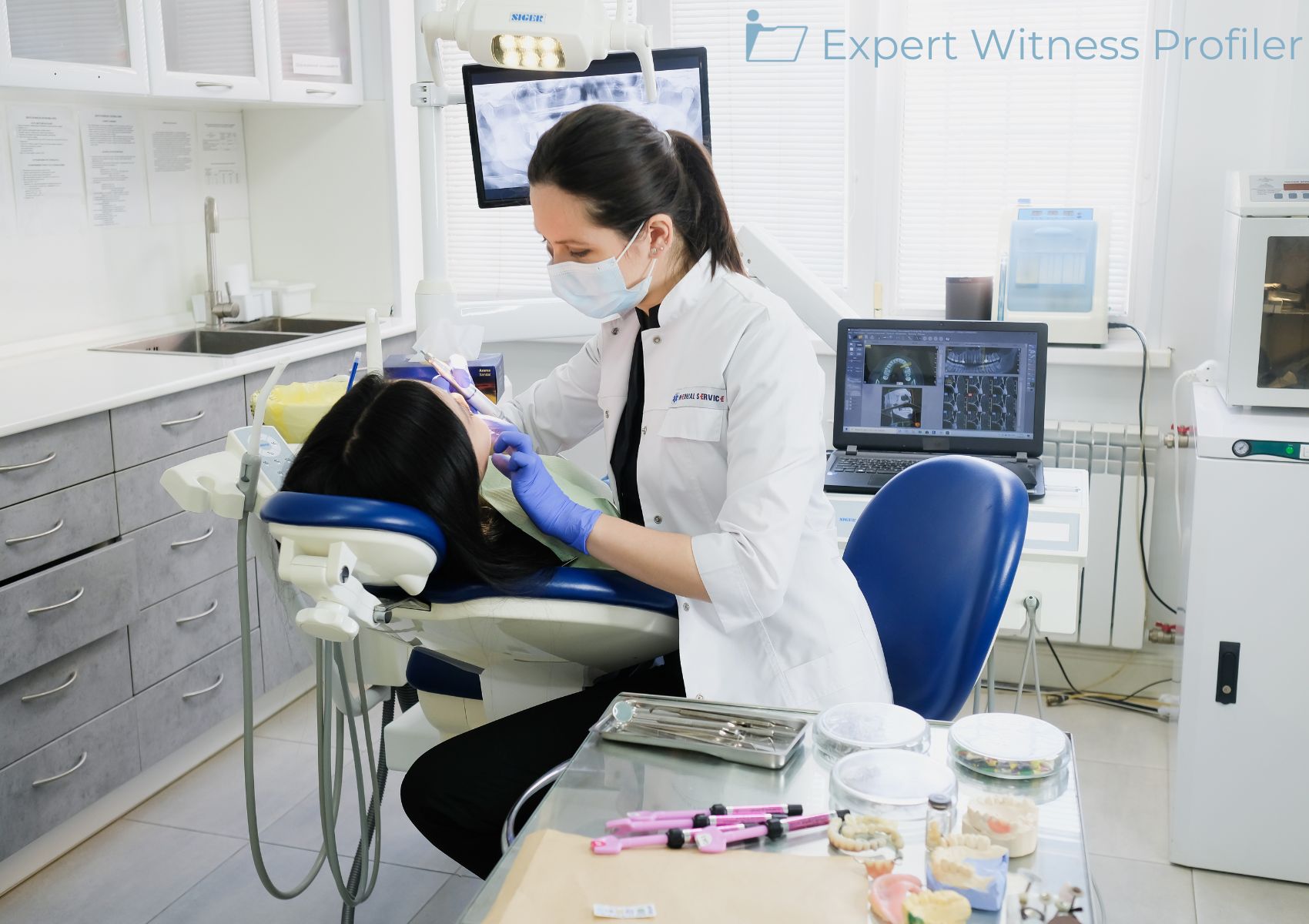
This case stems from allegations by the U.S. Department of Justice that Dr. Eli Jarjoura, a licensed dentist, illegally prescribed Schedule IV controlled substances without a “legitimate medical purpose . . . in the usual course of his professional practice.”
Jarjoura instructed the patient to take one 0.25 mg tablet of triazolam and one 0.5 mg or 1.0 mg tablet of alprazolam—both Schedule IV sedatives used in conscious sedation dentistry—one hour before the procedure, and to return any remaining tablets to Jarjoura for administration, if needed, or for disposal.
Dr. Bruce D. Horn is DOJ’s expert witness on dentistry and sedation practice. Horn’s report, submitted pursuant to Rule 26, opines on “whether prescriptions written and issued by [Defendant] . . . were (i) issued for a legitimate medical purpose; and/or (ii) issued within the ordinary course of professional practice.”
Horn concluded that Defendant’s prescription practices regarding certain sedation drugs had no “legitimate medical purpose and were outside the course of usual professional practice.”
Defendant filed a motion to exclude Horn’s opinions under Rule 702.
Dentistry Expert Witness
Dr. Bruce D. Horn is a dentist in a private practice setting and has been practicing since 1981. He holds an active permit with the Oklahoma Board of Dentistry for parenteral conscious sedation and has served on the Oklahoma Board of Dentistry in a variety of roles.
Specifically, Horn made three related contentions. First, Horn noted that Defendant prescribed abnormally high quantities of the benzodiazepines Triazolam and Alprazolam despite no “reliable, accepted publication supporting the combined use of these two sedatives in sedation dentistry.” Second, Horn contended that Defendant’s recordkeeping was deficient. In his words, “sedation dental practice . . . should be based on the individual characteristics of each patient,” and patient records should contain these details to ensure “safe dosing” but Defendant’s records lacked the requisite detail. Third, Horn asserted that Defendant could not have effectively monitored his patients given the amount of sedation medication administered. Such levels of sedation medication, Horn argued, would have placed Defendant’s patients in physical danger.
The Defendant argued that Horn’s expert opinion should be thrown out under Rule 702, claiming he wasn’t qualified to speak on prescription drug safety or drug interactions. Their reasoning? Horn was trained as a dentist—not a pharmacist—so he allegedly lacks the expertise required for that kind of analysis.
Defendant further argued that certain portions of Horn’s report were either irrelevant or prejudicial. Defendant cited to portions of the report in which Horn commented on the following topics: (1) the presence of expired sedative antagonists in Defendant’s office stock; (2) Defendant’s practice of intravenously administering the benzodiazepine Midazolam; (3) the accuracy of Defendant’s medical recordkeeping; (4) appropriate dosing of prescriptions kept in Defendant’s office stock; (5) the application of the Oklahoma Board of Dentistry statutes and regulations to Defendant’s practice; and (6) the proper monitoring of patients during conscious sedation.
Analysis
Qualifications
Defendant challenged Horn’s qualifications, asserting that Horn is unqualified “regarding safety of prescriptions and drug interactions” because he is not a pharmacist.
The Court found that Horn is qualified to offer opinions regarding the safety and adverse effects of the medications at issue in this case. Horn has served as the President of the Oklahoma Board of Dentistry, has practiced dentistry for over 40 years, and has extensive experience working with various sedation techniques. His experience provides the foundational knowledge necessary to compare Defendant’s prescription practice to the professional dental practice at large.
The fact that Horn is a dentist, and not a pharmacist, is not a barrier to admissibility.
Reliability
Defendant did not challenge the reliability of Horn’s methodology.
Upon review of the expert report, the Court held that Horn’s methods were reliable. Horn’s opinions were derived from a comparison of Defendant’s practices as observed from medical records and deposition testimony with industry standards as identified by Horn and promulgated by the Oklahoma Board of Dentistry.
Relevance of Expert Testimony
Defendant challenged the relevance of certain portions of Horn’s report. Specifically, Defendant argued that Horn’s comments on the following topics are irrelevant to the ultimate issue of Defendant’s prescription practices:
1. The presence of expired sedative antagonists in Defendant’s office stock;
2. Defendant’s intravenous application of Midazolam;
3. The accuracy of Defendant’s medical records;
4. The appropriate dosing of certain prescriptions kept in Defendant’s office stock;
5. Purported violations of Oklahoma Board of Dentistry statutes and regulations; and
6. The failure to properly monitor patients during conscious sedation.
Defendant asserted that each of the above comments go beyond the scope of this case—whether “prescriptions written by Defendant were issued for a legitimate medical purpose or within the ordinary course of professional practice.”
The Court had no trouble finding that each of the contested portions of Horn’s report was relevant. Item 3—medical record inaccuracies—inform how medication should be prescribed and in what quantity. The remaining items—all of which relate to appropriate dental practice (i.e. the intravenous use of Midazolam, appropriate dosing, etc.)—are not only relevant, but central to the issue in this case. Each matter presents the fact finder with the background necessary to evaluate Defendant’s overall practice, including the appropriateness of prescription decisions.
Thus, the challenged testimony will be helpful to the trier of fact in determining whether Defendant’s prescriptions had a legitimate medical purpose in the usual course of professional practice.
Held
The Court denied the Defendant’s Daubert motion to exclude certain opinions of Bruce D. Horn.
Key Takeaway:
Horn is qualified as an expert by knowledge, skill, experience, training, or education. Furthermore, it is more likely than not that (a) Horn’s scientific, technical, or other specialized knowledge will help the trier of fact because under Rule 401, relevant evidence is that which has “any tendency to make the existence of any fact that is of consequence to the determination of the action more probable or less probable than it would be without the evidence.”; (b) the testimony is based on sufficient facts or data; (c) the testimony is the product of reliable principles and methods; and (d) the expert has reliably applied the principles and methods to the facts of the case.
Connie Thacker is one of tens of thousands of individuals who have filed suit against Ethicon for injuries after treatment with Ethicon’s pelvic mesh devices.
Ethicon filed a motion to exclude or limit certain testimony of Thacker’s expert, Dr. Bruce A. Rosenzweig.
Urogynecology Expert Witness
Dr. Bruce Alan Rosenzweig is currently an Assistant Professor of Obstetrics and Gynecology at Rush University Medical Center in Chicago, Illinois. He received his MD degree in 1984 from the University of Michigan in Ann Arbor, Michigan.
Rosenzweig attended a two year Urogynecology and Urodynamic fellowship at UCLA Harbor General Hospital in Torrance, California. After graduating from the Urogynecology fellowship, he became a faculty member at the University of Illinois in Chicago. Rosenzweig started a Urogynecology program at the University of Illinois and also was the residency program director.
He has published numerous articles and has given numerous lectures on the topics of pelvic organ prolapse, urinary incontinence, and repair of pelvic organ prolapse.
The Defendants asked the Court to block Rosenzweig from testifying about Thacker’s future prognosis.
Additional Surgery
First, the Defendants argued that Rosenzweig’s statement—“Thacker may need additional surgery to remove any remaining mesh as well as the possibility of additional vaginal surgeries for vaginal scarring, pelvic pain, and recurrent infections, and will likely continue to suffer other injuries”—was too speculative. They specifically objected to what they viewed as equivocal language in that portion of Rosenzweig’s report, emphasizing the words “may,” “possibility,” and “will likely” to highlight the uncertain nature of his opinion. In support, the Defendants cited caselaw requiring that an expert’s opinion must rise from merely “possible” to “probable” to be admissible. However, they did not cite any other caselaw or evidence showing that the quoted portion of Rosenzweig’s opinion lacked support.
The Court agreed with the Defendants that an expert’s opinion must move beyond mere possibility to probability, but ultimately rejected their conclusion. Defendants’ lack of citation to the record was noted. The Defendants also conceded that Rosenzweig’s prognosis opinions fell within his area of expertise, and did not respond to Thacker’s arguments on this point. Taken together, these omissions suggested that the dispute was more about semantics than any substantive flaw in Rosenzweig’s testimony. As a result, the Court allowed the challenged portion of his testimony, noting that any perceived equivocation could be addressed through cross-examination or a timely objection at trial.
Continuum of Care
The Defendants next argued that Rosenzweig’s opinion that Thacker required a continuum of care that “could range anywhere from 6 months to 5 years” and that such care would be “socially disruptive, very expensive, and not usually covered by insurance,” is unreliable. They suggested that Rosenzweig’s opinion is baseless and lacks tailoring to this case.
The Court found Rosenzweig’s opinion on Thacker’s required continuum of care to be reliable and therefore admissible. Put plainly, the challenged portion of Rosenzweig’s report was based on a reliable foundation rather than unsupported speculation. He explained that his opinion is based on his education, experience, review of relevant literature, and review of Thacker’s medical records.
Held
The Court denied the Defendant’s motion to exclude certain opinions and testimony of Plaintiff’s expert Bruce Rosenzweig, M.D.
Key Takeaway:
The task for the district court in deciding whether an expert’s opinion is reliable is not to determine whether it is correct, but rather to determine whether it rests upon a reliable foundation, as opposed to, say, unsupported speculation.
Please refer to the blogs previously published about this case:
This action arises from the pled sexual assault of Plaintiff Margaret Betts by a massage therapist during an in-room massage appointment at Sixty LES, a hotel owned and managed by Defendants Sixty Lower East Side, LLC, Sixty Hotels, LLC, and Sixty Hotel Manager, LLC.
Plaintiff has proffered two expert witnesses, Dr. Steven A. Fayer and Dr. Joseph Otonichar, to testify at trial that the Plaintiff’s assault resulted in lasting psychological injuries, including symptoms of post-traumatic stress disorder (“PTSD”). Defendants, meanwhile, have proposed to offer one expert witness, Dr. Julie C. Medlin, to testify at trial that the Plaintiff’s assault did not significantly impact her pre-existing psychological symptoms.
The parties have each filed motions in limine seeking to preclude the opposing party’s proposed expert witnesses from testifying at trial.
Psychiatry Expert Witnesses
Dr. Steven Alan Fayer is an associate professor of psychiatry at The Icahn School of Medicine at Mount Sinai Hospital and an attending physician at The Mount Sinai Hospital. He received his M.D. from Georgetown School of Medicine and completed his residency in psychiatry at Mount Sinai Medical Center in New York City. He is certified by the National Board of Medical Examiners and the American Board of Psychiatry and Neurology.
Dr. Joseph Otonichar is a clinical assistant professor in the department of psychiatry at New York University’s Grossman School of Medicine, the medical director of Mental Health at NYC-HHC Correctional Health Services, and a co-partner at Gotham Forensics. He received a master’s degree in biology from Cleveland State University, and he subsequently received his D.O. from Midwestern University — Arizona College of Osteopathic Medicine. He is certified by the American Board of Psychiatry and Neurology in forensic psychiatry and is a diplomat of the American Board of Psychiatry and Neurology in Psychiatry.
Dr. Julie Christine Medlin is a licensed psychologist and the Director of the Medlin Treatment Center in Marietta, Georgia. She obtained her bachelor’s degree in psychology from Harvard University, and her master’s and doctoral degrees in clinical psychology from the University of Florida. Medlin specializes in assessments and conducts psychological, sexual trauma, psychosexual, and forensic evaluations.
Plaintiff’s Motion to Exclude the Testimony of Medlin
Plaintiff filed a motion to exclude Medlin’s testimony on the grounds that she: (i) lacked the qualifications to serve as an expert in this case; (ii) is not licensed to practice psychology in New York; and (iii) employed tests and techniques in her examination that were not subject to peer review and have not gained general acceptance in the relevant scientific community.
Julie C. Medlin
To begin with, Medlin’s curriculum vitae stated that she founded a private, outpatient counseling center more than twenty-five years ago to offer “specialized evaluation and treatment for sexual and physical trauma victims” and conduct “forensic and clinical evaluations of alleged or confirmed sexual abuse victims and perpetrators, including in criminal and civil cases.” The Court found that such work experience is directly relevant to the issues in this action.
Moreover, Medlin’s curriculum vitae stated that she is licensed with PSYPACT, an interstate organization that allows licensed psychologists to practice telepsychology and conduct temporary, in-person sessions across state boundaries. Medlin conducted her evaluation of Plaintiff in New Jersey, which is a participant in PSYPACT.
Medlin conducted the following psychological tests on Plaintiff: the Personality Assessment Inventory (PAI); Minnesota Multiphasic Personality Inventory-3 (MMPI-3); Trauma Symptom Inventory, 2nd Edition (TSI-2); and Inventory of Problems (IOP-29).
Although Plaintiff claimed that the validity of each test is disputed, Plaintiff’s motion failed to present sufficient evidence to support this assertion. Rather, a brief internet search suggested that, although some instability is inherent in any tests that involve self-reporting, the tests employed by Medlin were widely used and generally considered to be reliable, including for diagnosing PTSD.
Finally, Plaintiff requested that Medlin be precluded from testifying about certain commentary concerning Plaintiff’s counsel that is contained in her report. While Medlin’s report certainly suggested that Plaintiff’s counsel exhibited unprofessional behavior during both of Medlin’s examinations of Plaintiff, at this stage the Court agreed that the admission of such information is not directly relevant to the issues to be presented at trial.
Defendants’ Motion to Exclude the Opinions of Fayer and Otonichar
Defendants filed a motion to bar the admission of testimony by Fayer and Otonichar under Daubert or, alternatively, requested that the Court order a Daubert hearing to determine the reliability of their testimony.
Joseph Otonichar
First, the Defendants contended that Otonichar’s credentials “simply do not meet the standard” set forth in Rule 702(a). With Otonichar’s advanced education in psychiatry and his work experience, including as Medical Director of Mental Health at NYC-HHC Correctional Health Services and Clinical Assistant Professor in the Department of Psychiatry at New York University School of Medicine, the Court disagreed.
The Defendants further asserted that Otonichar’s methodology was unsupportable, claiming that he conducted two Zoom interviews of the Plaintiff in January and February 2024 lasting a combined total of four hours and “has not spoken to or engaged in any conversation” with the Plaintiff since that time. However, in preparing his written report, Otonichar reviewed: (i) psychiatric treatment records of Dr. Robert A. Reff, M.D. between July 2016 and January 2024; (ii) psychiatric treatment records of Dr. Wilson between August 2016 and January 2024; (iii) the psychiatric examination report of Fayer dated November 9, 2021; (iv) testimony and exhibits from the deposition of plaintiff on January 8, 2021; and (v) the pleadings and procedural filings in this action.
Finally, the Defendants asserted that Otonichar’s report contains “no opinion on the issues of causation or permanency,” and that he must be precluded from offering opinions to the jury on those issues. The Court disagreed because Otonichar clearly addressed both causation and permanency in his report. Specifically, he stated that Plaintiff experienced a “new type of anxiety” as a result of the assault, which took the form of a “fear of intimacy and romantic relationships.”
Steven A. Fayer
Next, Defendants contended that Fayer must also be precluded from testifying at trial, asserting that his proposed testimony did not meet the requirements of Rule 702(b-d).
First, Defendants asserted that Fayer’s methodology was insufficient, contending that he: (i) interviewed Plaintiff for a total of four hours via Zoom on September 29, 2021 and October 20, 2021, and has had no further contact with Plaintiff or reviewed any additional medical records since that call; (ii) did not review medical records from Plaintiff’s primary treating psychologist after December 15, 2020 or records from Plaintiff’s primary treating psychiatrist covering the four treatment sessions immediately preceding the assault, and did not review the records of Plaintiff’s second treating psychiatrist, Dr. Wilson, or her other medical providers; and (iii) did not administer any tests in evaluating Plaintiff’s psychological condition. However, a review of Fayer’s report indicated that he based his diagnosis of Plaintiff’s mental health conditions on his own examinations of Plaintiff and a review of her psychiatric treatment records with Robert Reff.
Defendants further argued that Fayer’s expert report contained “no opinion on the issues of causation or permanency,” and that he must be precluded from offering opinions to the jury on those issues. However, Fayer stated that, as a result of the assault, Plaintiff developed “trauma-induced anxiety with features of posttraumatic stress” including “flashbacks, dreams, negative thoughts, avoidance, and isolation.” As a result, the Court held that Fayer’s report adequately addressed both causation and permanency.
Rule 403
Finally, Defendants contended that the testimony of Fayer and Otonichar should be precluded or limited as duplicative under Rule 403, asserting that both witnesses “will present predominantly duplicative testimony.”
Because the two experts examined Plaintiff three years and five years after the assault, respectively, and are expected to testify regarding their separate conclusions with respect to Plaintiff’s psychological condition at each point in time, the Court held that the proposed testimony is neither cumulative nor duplicative.
Held
The Court denied the Plaintiff’s motion to exclude the testimony of defense expert, Dr. Julie C. Medlin as well as the Defendants’ motion to exclude the testimony of Plaintiff’s experts, Dr. Steven A. Fayer and Dr. Joseph Otonichar.
Key Takeaways:
Medlin offers specialized evaluation and treatment for sexual and physical trauma victims. Her work experience is directly relevant to the issues in this action. Moreover, even if it were not, an expert’s training need not narrowly match the point of dispute in the case.
Fayer’s opinion is grounded in a reliable methodology commonly accepted in the psychiatric community. Any concerns regarding the depth or form of his evaluation goes to the weight of his testimony, rather than its admissibility, and may be addressed on cross-examination.
Andrew Swainson filed a § 1983 claim against the City of Philadelphia. He challenged his 1989 conviction for Stanley Opher’s murder. He spent more than 30 years in prison. Swainson argued police officers fabricated and concealed key evidence. He said they created a false narrative of his flight to Jamaica. They also used a coerced eyewitness and ignored other suspects.
He claimed the City enabled this misconduct. According to Swainson, officials failed to train, supervise, or discipline detectives. That failure, he said, allowed unconstitutional practices to continue.
Swainson retained Michael K. Lynch as an expert in police practices. Lynch worked in law enforcement for over 30 years. In April 2024, he submitted a report. He reviewed police records, lawsuits, and prior wrongful convictions. Lynch found a pattern of misconduct inside the homicide division dating back to the 1970s.
The City and two detectives filed a motion to exclude Lynch’s report and testimony. They called it irrelevant and unreliable.
Law Enforcement Expert Witness
Michael K. Lynch has 32 years of experience in law enforcement. Since 2013, Lynch has been employed by the Camden County Police Department as assistant chief of police (2013-2014), senior policy advisor (2015-2023), and chief of staff (since 2023). As chief of staff, Lynch assists the chief of police in connection with accounting, human resources, procurement, administrative support services, and police records.
The court found that Michael K. Lynch was qualified to testify as an expert on police practices. Lynch worked in law enforcement for 32 years. He served in leadership roles in the Camden City and Camden County Police Departments. He also completed training at Northwestern University’s School of Staff and Command and the West Point Command and Leadership Program. Lynch investigated violent crimes and supervised misconduct cases. He also developed police policies on investigations, supervision, and training. The court ruled his experience met the expert qualification standard.
Reliability of Methods
The court next considered whether Lynch’s opinions were reliable. Because Lynch is not a scientist, the court looked at his experience and methods. Lynch reviewed police files, lawsuits, public records, and media investigations. He relied on his knowledge of minimally accepted police practices, such as avoiding coercion, fabrication, or suppression of evidence. The court rejected the defense’s claim that Lynch relied only on pleadings. It also allowed his use of reports by other experts and the City’s own oversight agencies. The court concluded his opinions rested on a reliable foundation.
Relevance and Fit
The court also ruled on whether Lynch’s testimony would help the jury. The defense argued his report restated Swainson’s version of events. But the court found that Lynch’s summary aligned with the factual record. Lynch outlined how PPD failed to meet basic standards of supervision and discipline. He also addressed misconduct by Detective Santiago and its possible impact on Swainson’s case. The court noted that Lynch’s opinions did not cross into impermissible legal conclusions. Instead, they reflected professional standards in law enforcement. The court found his opinions would assist the jury.
Held
The Court denied the City’s motion to exclude the testimony of Michael K. Lynch.
Key Takeaway:
The court upheld Michael K. Lynch’s qualifications, methods, and relevance as a police practices expert. It ruled that his experience, review of misconduct patterns, and analysis of departmental failures provided reliable, admissible testimony that could assist the jury in evaluating Andrew Swainson’s § 1983 municipal liability claim.
Case Details:
Case Caption:
Swainson v. City of Philadelphia
Docket Number:
2:22cv2163
Court Name:
United States District Court for the Eastern District of Pennsylvania
Louisiana Minerals, Ltd., as lessor, and Weyerhaeuser, as lessee, are the successors in interest to a 1986 Timber Sale and Lease Contract (“Contract”).
LML asserted that Weyerhaeuser has entered into a significant number of unauthorized third-party agreements that impinge upon or adversely affect LML’s rights under the Contract. Damages were sought for harm caused by Weyerhaeuser’s alleged breach of contract and a declaration of the parties’ rights under the Contract to preclude Weyerhaeuser’s “unauthorized” activity going forward.
LML retained Ms. Helga A. Zauner to calculate their alleged damages in this action. She produced two reports, the first on December 15, 2023, and a supplemental report on February 29, 2024. Weyerhaeuser filed a Daubert motion to exclude the opinions of Zauner on the basis that they are both irrelevant and unreliable.
Weyerhaeuser, on the other hand, retained Ms. Lesa S. Adair who rendered a rebuttal to Zauner’s first expert report. LML filed a motion to exclude the opinions of Adair on the basis that she is unqualified, her methodologies are unreliable, and her opinions are not based on sufficient facts.
Forensic Accounting Expert Witness
Helga Abreu Zauner, CVA, CFE, MAFF, is a testifying expert witness with 27 years of experience in litigation consulting, financial analysis, banking, research and teaching. She focuses on financial modelling and statistical techniques, with extensive experience in quantitative data analysis.
Zauner is recognized as a Certified Fraud Examiner (CFE) by the Association of Fraud Examiners and as a Certified Valuation Analyst (CVA) and Master Analyst in Financial Forensics (MAFF) by the National Association of Certified Valuators and Analysts. In addition, she has built a successful practice as an expert witness in personal injury, family law, and commercial litigation.
Lesa Shuyler Adair has a Bachelor’s Degree in Chemical Engineering and an MBA in Finance. She is a founder and principal of Pearson Adair & Co., and has more than 35 years’ experience in the energy industry. Adair also has served as an expert or consultant in many court and arbitration proceedings, assessing and analyzing damages in a variety of industries and contexts, including the oil and gas industry. She has written several energy related publications.
Weyerhaeuser asserted that Zauner’s testimony is irrelevant because her damage calculations were based upon third-party agreements selected by LML’s attorneys according to unknown and unverifiable criteria and because her calculations reflected a theory of disgorgement, which is not an available remedy for breach of contract under Louisiana law.
Having reviewed Zauner’s reports and the parties’ submissions, the Court found that Zauner’s testimony is relevant as it relates to and will aid the Court’s determination of damages. Zauner’s reports were based on assumptions of how the disputed facts might be resolved by the Court.
The third-party agreements that formed the basis of Zauner’s calculations were selected based on the assumption that they infringed on LML’s mineral rights. Her damage calculations were not based on a legal theory but were based on the assumption of what LML would have received from third parties in the absence of Weyerhaeuser’s third-party agreements.
Reliability
Weyerhaeuser contended that Zauner’s testimony is unreliable because she assumed breach of contract and causation of damages. Moreover, Weyerhaeuser argued that her extrapolation methods were faulty, she made unspecified corrections in her second report, she failed to consider Weyerhaeuser’s offsetting damages, and her analyses were based on LML’s counsel’s selection of agreements based on undisclosed criteria.
The Court disagreed with Weyerhaeuser’s assertion that there is “an unbridgeable gap” between Zauner’s opinions and the evidence in this case. Whether there is a breach of the contract that caused any damage to LML are core facts in dispute in this action. Moreover, Zauner’s calculations were not based on facts contradictory to the evidence in the record, but instead relied on assumptions of facts in dispute. In other words, the Court declared that Weyerhaeuser’s objections to Zauner’s opinions on the grounds of unreliability were ultimately rooted in the bases and sources of her opinions.
Adair Motion
First, LML claimed that Adair is not qualified to rebut the conclusions of Zauner, who is a credentialed forensic accountant. LML alleged that Adair is not qualified because she is not a forensic accountant and holds no licenses, certifications, or formal training in accounting.
Moreover, LML stated that no one on Adair’s analytical team holds any type of license or certification in accounting. LML also asserted that Adair lacked expertise in the subject matter of this case because she has never been retained by a timber company and there is no explanation of how her technical experience, as a chemical engineer, relates to her conclusions or how she applied her experience to the facts of this case.
Weyerhaeuser contended that this case did not involve forensic accounting, but a calculation of what third parties paid Weyerhaeuser for use of the surface. She was assisted by a team including a mechanical engineer, a financial analyst with an accounting degree, and a market research data analyst with a finance degree.
The Court found LML’s assertions that Adair is unqualified unconvincing. First, Adair herself has a master’s degree in finance and her team included others with a background in finance.
Further, the Court was persuaded by Weyerhaeuser’s argument that the damage calculations in dispute did not involve forensic accounting principles. Additionally, even though Adair has not been retained by a timber company before, her expertise in the oil and gas industry will aid the Court in resolving the disputed facts which form the basis of Zauner’s damage calculations.
Reliability
First, LML claimed that Adair’s report is unreliable because she only criticized Zauner’s opinion and did not conduct an independent analysis. LML also averred that Adair’s opinions are not based on sufficient facts and have not been reliably applied to the facts of this case.
The Court found that Adair’s critique of Zauner’s report was based on her independent analysis; further, any shortcomings of Adair’s analysis may be addressed on cross examination and will go to the weight of her testimony.
Held
The Court denied both Weyerhaeuser Company’s Daubert motion to exclude the testimony of Helga Zauner and Louisiana Minerals, LTD.’s Daubert motion—or, in the alternative, motion in limine—to exclude or limit the testimony of Lesa Adair.
Key Takeaway:
While expert testimony is rightly excluded where an expert’s opinions are based on such speculative assumptions or alterations of fact that the testimony is no longer relevant and would not materially assist the trier of fact, making factually supported and non-speculative assumptions does not constitute valid grounds for disqualification of an expert opinion.
Just as with Zauner, Adair has relied on assumptions — which agreements to include, the value of certain agreements, whether administrative fees should be included, and whether LML would have received the same payments that Weyerhaeuser received from third parties — of facts in dispute in this case.
Case Details:
Case Caption:
Louisiana Minerals Ltd V. Weyerhaeuser Company
Docket Number:
5:22cv145
Court Name:
United States District Court for the Western District of Louisiana, Shreveport Division