Category: Chemistry Expert Witness

  • Chemistry Expert Was Allowed to Opine on Phosphine-Air Mixtures

    Chemistry Expert Was Allowed to Opine on Phosphine-Air Mixtures

    Crestbrook Insurance Company, as subrogee of Central Prairie Co-Op, sued Ecolab, Inc., for negligence and breach of contract.

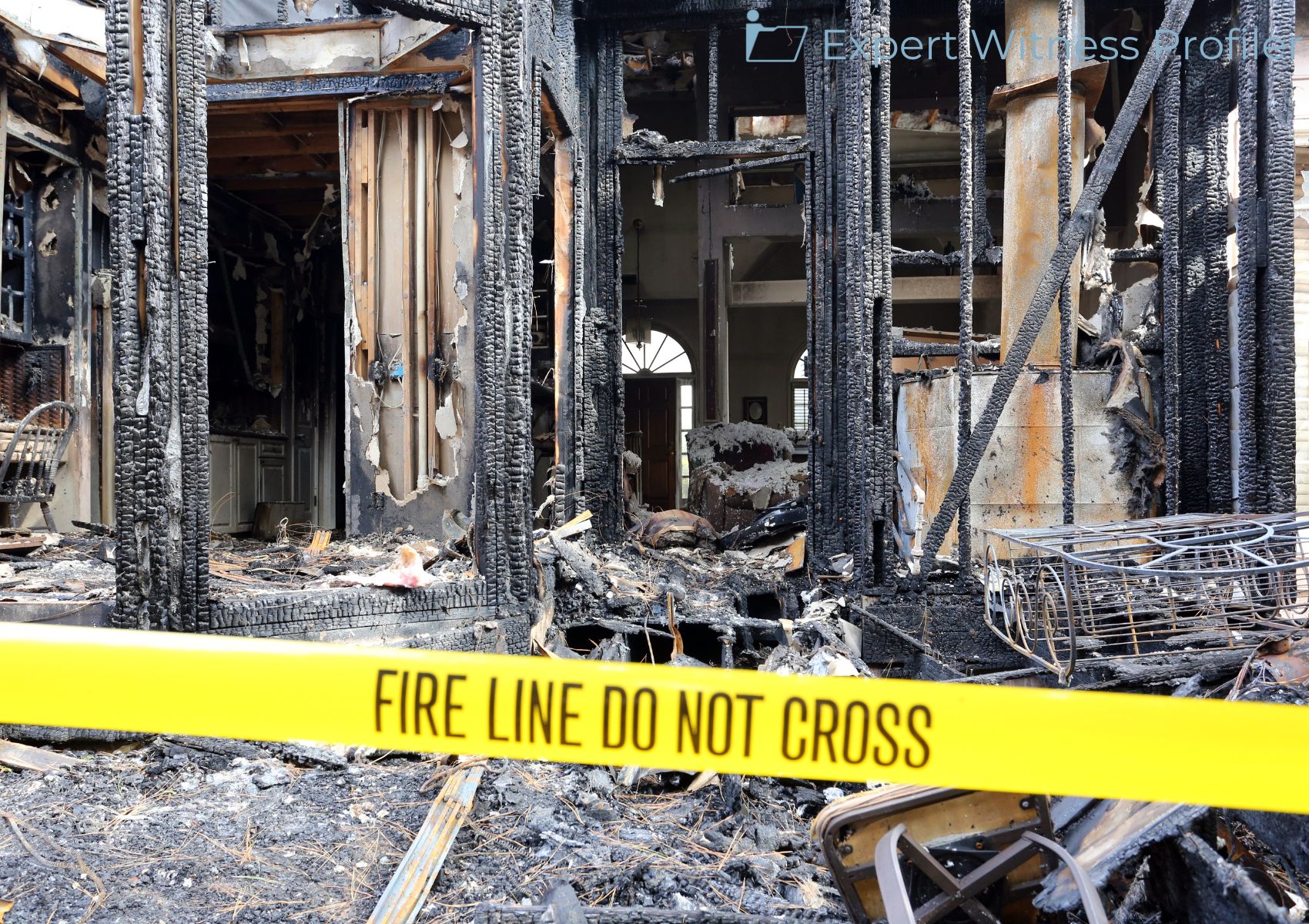
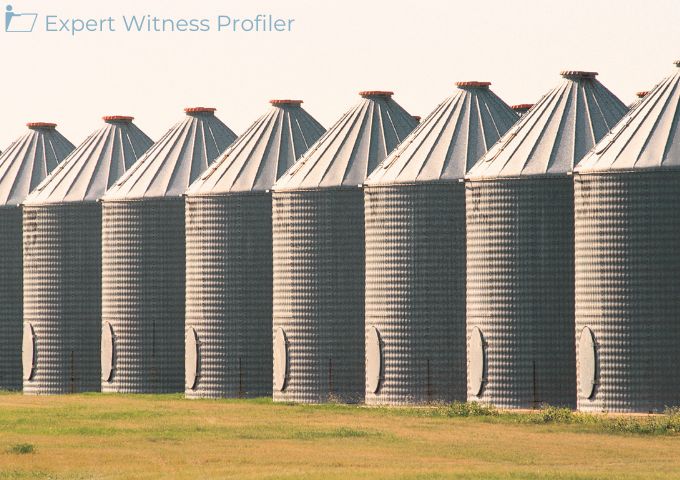
    This case is about a fire that destroyed a grain storage bin and its contents. Central Prairie is a Kansas grain cooperative that stores wheat and other grains in large bins at facilities across the state. In late October 2022, Ecolab—a commercial fumigation company—fumigated two bins at Central Prairie’s remote, unmanned site in Lyons, Kansas. Seventeen days later, a fire broke out in one of the bins, destroying the wheat inside and damaging the bin.

    Crestbrook, which insured the property, paid Central Prairie $573,919.74 for the loss and, as subrogee, then filed suit, asserting claims for negligence and breach of an oral contract.

    Ecolab’s phosphine product at issue here, VAPORPH3OS, addressed the flammability risk through its delivery system. Ecolab applied VAPORPH3OS using a machine called the HDS 200, which automatically dilutes the raw phosphine with carbon dioxide or forced air. The HDS 200 is engineered to ensure the delivered concentration never exceeds 10,000 parts per million—about 55% of the flammability threshold—and its built-in safeguards are designed to keep the concentration from ever crossing that line.

    Between Crestbrook and Ecolab, the parties have filed four motions to exclude expert testimony. Crestbrook sought to exclude two of Ecolab’s experts, Benjamin Streifel and Jeffrey Tucker while Ecolab sought to exclude two of Crestbrook’s experts, Dirk Maier and Peter Dahl.
    Chemistry Expert Witness

    Benjamin Streifel is a chemist. He trained at Johns Hopkins University and has practiced in the field for more than fifteen years.

    Want to know more about the challenges Benjamin Streifel has faced? Get the full details with our Challenge Study report.

    Entomology Expert Witness

    Jeffrey B. Tucker is a board-certified entomologist with more than forty years of experience in commercial fumigation.

    Discover more cases with  Jeffrey Tucker as an expert witness by ordering his comprehensive Expert Witness Profile report.

    Agricultural Engineering Expert Witness

    Dirk E. Maier is an agricultural engineer. He is a professor in the Agricultural & Biosystems Engineering Department at Iowa State University. Maier as worked with fumigation practices at different institutions for close to thirty years.

    Get the full story on challenges to Dirk Maier’s expert opinions and testimony with an in-depth Challenge Study.

    Fire Investigation Expert Witness

    Peter J. Dahl is a Certified Fire Investigator with decades of experience conducting fire origin and causation analyses.

    Gain a comprehensive understanding of Peter Dahl’s qualifications and casework history with his Expert Witness Profile report.

    Discussion by the Court

    Benjamin Streifel

    Ecolab retained Streifel to address the chemistry, properties, and behavior of phosphine gas and phosphine-air mixtures in confined containers.

    He offered four opinions. First, there is no evidence of phosphine separation or concentration once the HDS 200 mixes phosphine into air. Second, gravitational separation based on density alone, as hypothesized by Crestbrook, would require timescales exceeding the ten-day window between the bins’ unsealing and the fire. Third, gravitational separation at the applied concentrations would require length scales far exceeding Bin 2’s 100-foot height. Fourth, phosphine concentrations in grain bins naturally decrease, rather than increase, over time. Each of these opinions challenged Crestbrook’s core causation theory that residual phosphine could have settled and concentrated in Bin 2’s cone bottom to the level required for ignition.

    Analysis

    Crestbrook argued that Streifel’s opinions exceeded the scope of his expertise. In particular, it argued that his opinions are speculative and rest on unreliable methods because he has not worked with phosphine, performed a commercial fumigation, or formally studied conditions inside a grain bin. Crestbrook failed to explain how or why Streifel’s lack of these experiences undermines the reliability of his analysis or methodology.

    Crestbrook next argued that Streifel conducted no independent investigation and relied “exclusively” on information Ecolab supplied. Streifel reviewed the HDS 200 Operator’s Manual, the Fumigation Management Plan, the VAPORPH3OS product label, depositions from those involved with the fumigation, and forty other sources, including fifteen peer-reviewed publications on phosphine and gas diffusion.

    Crestbrook also argued that Streifel did not engage with the scene investigators, did not attend a scene examination, and did not attend a lab examination. Ecolab noted, and Crestbrook did not deny, that scene investigators photographed and measured the empty bin, electrical equipment, and charred aeration fan. At the lab, they examined the removed fan for signs of fire origin. Crestbrook made no concrete argument why Streifel had to experience this in person and could not rely on the recorded observations.

    Crestbrook’s last set of critiques concerned Streifel’s understanding of the HDS 200 on two grounds. First, Crestbrook argued that Streifel’s opinions were unreliable because they rested on a capability the HDS 200 did not have, namely, the ability to create a “new and stable gas.” But nowhere in his report did Streifel discuss this capability. And when the issue arose during his deposition, Streifel explicitly disavowed Crestbrook’s characterization of his opinion.

    Second, Crestbrook argued that Streifel never inspected the HDS 200, never tested its output, and never reviewed maintenance or calibration records to confirm it operated as designed. But this conflates the issue. Streifel did not opine on whether the HDS 200 worked as intended, and, notably, his analysis took into account malfunction scenarios.

    The Court found that none of Crestbrook’s challenges to Streifel’s opinion show that his opinion must be excluded. 

    Jeffrey Tucker

    Crestbrook sought to strike Tucker’s opinion that the industry standard for commercial fumigators is to follow the EPA label physically attached to or accompanying the pesticide at the time of manufacture, rather than the most recently approved EPA label that may have been issued after manufacture.

    Crestbrook first argued that Tucker’s opinion is “flatly contradicted” by federal and Kansas pesticide statutes. But this is not a basis for exclusion. The gist of Crestbrook’s argument on this point appears to be that because Tucker’s conclusion is wrong, his opinion is inadmissible. That argument failed to justify exclusion because the relevant inquiry is whether an expert’s principles and methods are reliable, not whether the moving party agrees with where those methods lead.

    Crestbrook next argued that Tucker’s opinion is an impermissible legal conclusion that “invades the Court’s role” of instructing the jury on the law.

    The bulk of Tucker’s challenged opinion is permissible. He described the training of fumigators and industry customs. He explained the practical reasons for that custom, namely, because labels do not always reach fumigators promptly after a new one is approved, and product purchased earlier may sit in inventory before use.

    In his deposition, however—the testimony on which Crestbrook’s motion rests—Tucker more than once framed that custom in the language of legal obligation, veering into territory reserved for the court. Pressed by Crestbrook’s counsel, he stated that fumigators “are obligated to follow” the cylinder-affixed label and “are not obligated to follow the most recent EPA label.” Because those statements were elicited at deposition rather than offered as report opinions, the limitation is prophylactic.

    The Court granted Crestbrook’s motion to exclude Tucker’s opinion to the extent that it treated the industry custom he described as a matter of legal obligation or compliance.

    Dirk Maier

    Maier offered an interlocking chain of opinions on causation. Specifically, he asserted that residual phosphine remained in Bin 2 after Ecolab unsealed it on November 1, 2022. Then, over the next ten days, the residual gas settled and concentrated in the bin’s cone bottom under the combined effect of natural convection and a day-night “pumping action” through the headspace. The concentration eventually reached phosphine’s 18,000-parts-per-million lower flammability limit and the gas then self-ignited and initiated a “slow pyrolysis” smoldering fire in the wheat surrounding the north aeration duct.

    Maier also opined that Ecolab’s failures to monitor phosphine concentrations and to aerate Bin 2 upon unsealing constitute “violations of State of Kansas and federal law.” Maier’s causation chain provided the foundation of Crestbrook’s negligence theory by supplying chemistry and physics explanations for how residual phosphine settled and concentrated in Bin 2’s cone bottom to the ignition threshold during the ten-day window before aeration.

    Analysis

    Ecolab challenged Maier’s central causation theory. Specifically, it sought to exclude his opinion that residual phosphine, after Ecolab unsealed Bin 2 on November 1, 2022, settled by gravity and convection into the cone bottom of Bin 2 and concentrated to its 18,000 parts per million lower flammability limit during the ten-day window before aeration.

    To begin with, Maier conducted no testing of the theory. Moreover, Maier admitted that he is aware of no peer-reviewed literature documenting gravitational concentration of phosphine within a grain bin. Furthermore, Maier’s own peer-reviewed work on phosphine, which he omitted from his report, undermined his opinion.

    Ecolab next challenged Maier’s calculation that 2,280 grams of phosphine could reach 18,000 parts per million if concentrated into a volume of 3,165 cubic feet within Bin 2. First, it assumed that all 2,280 grams of phosphine introduced into Bin 2 on October 27 remained in the bin on November 1—an assumption Maier conceded is wrong and that he made no attempt to quantify. Second, the calculation’s premise that the gas was “trapped” or “contained” within a small subset of the bin’s interior—the 3,165 cubic feet of the cone bottom—had no basis in the record.

    Ecolab’s third challenge concerned Maier’s opinion that once phosphine reached its 18,000 parts per million self-ignition limit in the cone bottom of Bin 2, it ignited and initiated a “slow pyrolysis” smoldering fire in the wheat surrounding the north aeration duct.

    Maier admitted that he has done “no calculation, modeling, or testing to determine how much thermal energy would have to be given off by a phosphine gas ignition to in fact ignite wheat.”

    Ecolab’s final challenge concerned Maier’s statements that Ecolab’s failure to monitor and failure to aerate “are violations of State of Kansas and federal law.”

    The Court held that the legal-conclusion problem is properly remedied not by wholesale exclusion of the expert’s testimony but by exclusion of the offending statements. Maier remains free to testify—within the boundaries set above—about what the VAPORPH3OS label requires of a licensed fumigator, the industry custom for monitoring and recording phosphine concentrations during fumigation, the content of the Fumigation Management Plan Ecolab submitted, and the practical reasons that label requires the steps it does.

    Peter Dahl

    Dahl opined that the ignition source was a concentrated pocket of residual phosphine that, having settled at the lowest point in the north aeration pipe inside Bin 2, reached its 18,000-parts-per-million lower flammability limit and produced a momentary flame front that ignited adjacent wheat. Dahl’s specific-causation chain depends on the general-causation premise—that residual phosphine could and did concentrate to ignitable levels in Bin 2’s cone bottom—that he obtained from his conversations with Maier and his review of phosphine manufacturers’ Material Safety Data Sheets. Dahl conducted no independent research, testing, modeling, or peer-reviewed-literature analysis of phosphine settling, concentration, or the ignition mechanism his opinion describes.

    Ecolab argued that Dahl’s causation opinion did not satisfy Rule 702 because it depended entirely on a general-causation premise that Dahl did not himself develop, but instead obtained from Maier.

    The evidence on which Dahl relies for his causation case needs to be independently reliable. But, as noted above, Maier’s opinion as to causation—which forms the basis of Dahl’s own opinion—was not reliable. Without that foundation, Dahl’s causation analysis cannot stand and thus, the Court granted Ecolab’s motion to exclude his testimony.

    Held

    • The Court denied Crestbrook’s motion to exclude Benjamin Streifel.
    • The Court granted in part and denied in part Crestbrook’s motion to exclude Jeffrey Tucker.
    • The Court granted in part and denied in part Ecolab’s motion to exclude Dirk Maier.
    • The Court granted Ecolab’s motion to exclude Peter Dahl.

    Key Takeaway

    • An expert may testify where the subject is within “the reasonable confines” of his expertise even if he lacks specialization in the precise application.
    • While testing is not required, when an expert relies on a novel theory and the basis for the expert’s opinion is subject to debate, the importance of testing as a factor in determining reliability is at its highest.

    Case Details:

    Case Caption: Crestbrook Insurance Company V. Ecolab Inc.
    Docket Number: 6:24cv1091
    Court Name: United States District Court, Kansas
    Order Date: June 11, 2026
  • Environmental Expert Was Allowed to Opine on the Impact of PCBs

    Environmental Expert Was Allowed to Opine on the Impact of PCBs

    The Burlington School District (“BSD” or “Plaintiff”) commenced this action after discovering polychlorinated biphenyls (“PCBs”) at Burlington High School (“BHS”). Defendants Monsanto Co., Solutia, Inc., and Pharmacia LLC (collectively “Monsanto” or “Defendants”) are allegedly successors to the old Monsanto company, which was the primary manufacturer of PCBs in the United States for several decades. BHS was constructed in the 1960s, and testing recently revealed the presence of PCBs in its buildings. The BSD concluded that because of PCB contamination, BHS had to be demolished.

    Defendants filed a motion to exclude all testimony of Plaintiff’s experts Wendy Pearson and Robert A. Wanat.

    Environmental Expert Witness

    Wendy N. Pearson is a licensed engineer who has worked at Matson & Associates for over 25 years.

    Pearson has bachelor’s and master’s degrees in civil engineering and environmental science and engineering. She has also conducted peer-reviewed research relating to environmental contamination, chemical manufacturing industry standards and practices, and chemical releases from manufacturing and industrial facilities.

    Discover more cases with Wendy Pearson as an expert witness by ordering her comprehensive Expert Witness Profile report.

    Chemistry Expert Witness

    Dr. Robert Adam Wanat holds an M.S. and a Ph.D. in chemistry from Cornell University. He has more than 30 years’ experience working for major chemical companies overseeing research and development of various chemical products. Since 2018, he has owned his own consulting company which specializes in the development, manufacture, and application of polymers, plastics, materials, and adhesives.

    Want to know more about the challenges Robert Wanat has faced? Get the full details with our Challenge Study report.

    Discussion by the Court

    I. Monsanto’s Knowledge

    Defendants first argued that opinions about what Monsanto should have known should be excluded. Their contention is that these witnesses’ testimonies about the environmental impacts of PCBs — based in part on information from Monsanto’s own archives — are “mere pronouncements” based on “subjective or speculative opinions” and would constitute a subjective interpretation “based on nothing more than a review of decades-old documents.”

    Pearson reviewed the state of the science related to PCBs over several decades, beginning in the 1930s. Pearson also explained the chemical nature of PCBs and what was known about their dangers. She did offer opinions about what Monsanto could have done to expand its knowledge. Those opinions are based on studies that were known in the scientific community and, in certain instances, by Monsanto itself.

    As a result, the Court found that Pearson’s testimony is not based on speculation. Nor did it constitute merely subjective narrations. Instead, they appeared to be supported by a substantial documentary record that provided a foundation for their opinions. 

    Wanat’s report is similarly supported. He will testify about chemical evaporation generally, and with respect to PCBs specifically. He will also reference Monsanto’s documents, including patents and technical bulletins.

    II. Standard of Care

    Defendants next argued that Pearson’s and Wanat’s opinions regarding industry standards cannot be admitted because they are not supported by sufficient facts, are not based on any methodology, and constitute improper legal conclusions.

    Pearson intended to testify that Monsanto defined its own standard of care and failed to live up to that standard. Wanat’s report is more limited, citing Monsanto’s adherence to American Conference of Government Hygienists thresholds.

    The Court questioned whether the materials in question establish a standard of care, or whether they instead constitute general statements of corporate responsibility. Regardless of the distinction, the Court found no reason to exclude the testimony of either Pearson or Wanat, insofar as their testimony is based on Monsanto’s own statements about its responsibilities.

    Defendants’ final argument is that testimony about the standard of care consisted of improper legal conclusions and stood in the shoes of the jury.

    Here, Plaintiff submitted that Wanat will use the term “reasonable” in its “ordinary, non-legal sense.” Defendants have not identified an element of a pending cause of action that would render the term “reasonable” an impermissible legal conclusion. Consequently, the Court declined to bar such testimony.

    Held

    The Court denied Defendants’ motion to exclude the expert testimony of Wendy Pearson and Robert Wanat.

    Key Takeaway

    To determine when a question posed to an expert witness calls for an improper legal conclusion, the district court should consider first whether the question tracks the language of the legal principle at issue or of the applicable statute, and second, whether any terms employed have specialized legal meaning.

    Case Details:

    Case Caption: Burlington School District V. Monsanto Co.
    Docket Number: 2:22cv215
    Court Name: United States District Court, Vermont
    Order Date: April 07, 2026
  • Burns Expert’s Testimony on Conscious Pain Admitted

    Burns Expert’s Testimony on Conscious Pain Admitted

    Defendants owned and managed an apartment complex called The Trails at Flat Rock in Columbus, Georgia. In October of 2022, a fire occurred in Building A of the apartment complex. Kevin Ford, who was staying in unit A-24 with tenant Anthony Thorpe, died in the fire. Plaintiff, the administrator of Ford’s estate, asserted negligence claims against Defendants based on Ford’s death, alleging that Defendants’ negligence caused Ford’s death and pre-death pain and suffering. 

    Plaintiff intended to support these claims with the expert testimony of Kevin Foster and Lisa Detter-Hoskin. Defendants argued that the testimony of these two experts should be excluded. 

    Burns Expert Witness

    Dr. Kevin Foster is the Director of Burn Services at the Diane & Bruce Halle Arizona Burn Center Valleywise Health. Foster is a medical doctor who has specialized in burn care since 1999.

    Want to know more about the challenges Kevin Foster has faced? Get the full details with our Challenge Study report

    Chemistry Expert Witness

    Lisa Detter-Hoskin has a Ph.D. in inorganic chemistry with minor focus in analytical chemistry from Purdue University. She has successfully completed the National Association of Corrosion Engineers Basic Corrosion Science class.
    Detter-Hoskin was a lead expert who worked 10 years on the United States’ largest chlorine spill which occurred when Norfolk Southern Railway derailed a train and released chlorine onto Avondale Mills and residences in Graniteville, SC on January 6, 2005.

    Get the full story on challenges to Lisa Detter-Hoskin’s expert opinions and testimony with an in-depth Challenge Study.

    Discussion by the Court

    Foster opined that Ford’s death was caused by a combination of smoke inhalation and burn injury, as opposed to solely smoke inhalation injury. Foster also concluded that Ford suffered conscious pain and suffering from his burns before his death.

    Defendants contended that Foster’s testimony should be excluded as unreliable because Foster’s opinions are speculative and not based on reliable principles that would assist the trier of fact.

    I. Defendants’ Motion to Exclude Kevin Foster

    To prepare his report, Foster relied on the Georgia Bureau of Investigation’s (“GBI”) autopsy report and photographs, the Muscogee County Coroner’s Report, Columbus Fire Department and Columbus Police Department reports and photographs, Thorpe’s deposition, and other photographs from the fire scene. Defendants did not appear to challenge Foster’s basic methodology, which was to consider all the medical records, photographs, and reports available to him and determine Ford’s cause of death based on that information and his training, experience, and skill as a burn care physician.

    Rather, Defendants challenged Foster’s conclusions—including his conclusion that Ford was conscious at the time of the fire and experienced pain and suffering due to burns before he died. According to Defendants, Foster misinterpreted the evidence and reached the wrong conclusions about whether Ford was asleep at the time of the fire. Foster, though, explained why he interpreted the evidence as he did and how he reached his conclusions that Ford was conscious and trying to escape the fire when he suffered burns. The Court found that Defendants’ criticisms of Foster’s testimony went to its weight, not its admissibility. Thus, based on the present record, the Court did not find that Foster’s methodology was unreliable.

    Defendants also criticized Foster’s analysis as a “cut and paste job” because Foster mistakenly referred to a “Mr. Noble” in two places in his report. The Court declined to exclude Foster’s testimony because of the mistakes in his report.

    II. Defendants’ Motion to Exclude Lisa Detter-Hoskin

    Defendants also sought to exclude the testimony of Plaintiff’s rebuttal expert, Lisa Detter-Hoskin. Plaintiff hired Detter-Hoskin to rebut certain opinions offered by the Defendants’ fire investigation expert.

    Defendants argued that Detter-Hoskin’s opinions are outside the scope of permitted rebuttal testimony under the Federal Rules of Civil Procedure.

    Defendants argued that Detter-Hoskin’s testimony did not rebut expert opinions as to the cause of the damage to the backplate of the cooking range because the expert in question did not “opine as to what caused the damage to the back plate of the range.”

    After examining and analyzing materials from the kitchen of unit A-23, Detter-Hoskin opined that “the damage to the cooking range back plate and aluminum backsplash was not the result of the direct flame impingement, radiant heat, or conductive heat from the fall down debris located to the left of the stove.” Thus, Detter-Hoskin’s conclusions directly contradicted expert opinions as to the cause of the damage to the stove backsplash and back part of the range. Accordingly, the Court found that Detter-Hoskin is a proper rebuttal expert under Rule (26)(a)(2)(D)(ii).

    Held

    The Court denied the Defendants’ motions to exclude the testimony of Kevin Foster and Lisa Detter-Hoskin.

    Key Takeaway:

    A rebuttal report may not advance a completely new legal theory, but courts must examine the primary expert reports to determine whether the rebuttal report is truly “new” or merely uses different terminology to address issues that were raised in the primary expert reports.

    Please refer to the blog previously published about this case:

    Fire Investigation Expert’s Analysis of Burn Patterns Admitted

    Case Details:

    Case Caption: Washington V. GWR Management LLC Et Al
    Docket Number: 4:24cv81
    Court Name: United States District Court, Georgia Middle
    Order Date: October 21, 2025
  • Chemistry Expert Witness’ Testimony Admitted Because He Conducted An Independent Analysis of FDA Regulations

    Chemistry Expert Witness’ Testimony Admitted Because He Conducted An Independent Analysis of FDA Regulations

    Plaintiff Multiple Energy Technologies, LLC (“MET”) accused Under Armour of false advertising in relation to certain products that contain bioceramic powder. MET contended that Under Armour inaccurately claimed that the Federal Food and Drug Administration had determined that those products enhanced recovery.

    Under Armour sells activewear and sleepwear products directly to consumers. This includes the sale of products containing a competing bioceramic product known as celliant, which is manufactured by Hologenix, LLC (“Hologenix”). Under Armour advertises these products separately from their other product offers and as helping to promote recovery, especially for athletes.

    Plaintiff MET brought four claims against Defendant Under Armour, Inc.: violation of the Lanham Act, violation of the Sherman Act, misappropriation of trade secrets; breach of non-disclosure agreement; tortious interference with contract; tortious interference with prospective business expectancies; unjust enrichment; unfair competition; conversion; a claim for an accounting; and a claim for injunctive relief.

    Alberto Gutierrez

    MET’s Lanham Act claim is based principally on certain advertisements for Under Armour products that reference the FDA’s alleged treatment of celliant. The FDA language used in those advertisements originated with Hologenix, the manufacturer of celliant. Hologenix based those statements on its interpretation of the FDA’s June 8, 2017 response to Hologenix’s request for information regarding the FDA’s classification of celliant (the “FDA Letter”).

    MET retained Dr. Alberto Gutierrez to “opine about the classification process by the FDA, the intent of the June 8, 2017 letter from the FDA to Hologenix and the statements made by Under Armour about celliant and the FDA.” Under Armour filed a motion to exclude Gutierrez’s opinions.

    Chemistry Expert Witness

    Alberto Gutierrez worked at the FDA for 25 years in various departments.  At the FDA, Gutierrez was personally involved with the process by which the FDA responds to requests for information pursuant to section 513(g) and in making determinations of what is a medical device that would be regulated by the FDA. Gutierrez is now a consultant who helps device companies navigate the FDA regulatory requirements and provides strategic advice on regulatory issues and helps companies with submissions to the FDA.

    Get the full story on challenges to Alberto Gutierrez’s expert opinions and testimony with an in-depth Challenge Study. 

    Discussion by the Court

    I. Qualification

    First, Under Armour argued that ” Gutierrez is not qualified as an expert to opine on advertising or marketing issues, including the intent of the advertisements in question or the impact of those advertisements on consumers” because his background is in chemistry, he has no experience in advertising or consumer perception, and has never studied nor done any consulting work on the impact of advertisements on consumers. According to Under Armour, Gutierrez’s opinion is “purely speculative” with regard to whether Under Armour adopted a “campaign of deception.” Under Armour also argued that even if Gutierrez is not being offered as a consumer impact expert, his “campaign of deception” opinion is speculative and unreliable and shouldn’t be admitted.

    The Court concluded that Gutierrez is qualified to offer an opinion on Under Armour’s statements about celliant and the FDA. Gutierrez is not being offered as an expert on the intent or consumer impact of advertisements—instead, Gutierrez is being offered “to opine about the classification process by the FDA, the intent of the June 8, 2017 letter from the FDA to Hologenix and the statements made by Under Armour about celliant and the FDA.”

    The Court noted that Gutierrez worked at the FDA for 25 years in various positions, ultimately holding a director position. After his career in the FDA, Gutierrez joined a consulting group that helps companies navigate FDA regulatory requirements.

    Independent Analysis

    Second, Under Armour argued that even if Gutierrez is not qualified as an expert in the field of consumer perception, his report should be excluded because he did not perform any independent analysis. Under Armour argued that Gutierrez “took counsel’s word for it” that Under Armour engaged in a campaign of deception and did not review data related to consumers visiting websites containing the advertisements at issue, how long each website was active, or how many products with celliant Under Armour sold in a given year. Under Armour further argued that the “campaign of deception” opinion is not based on independent analysis.

    However, the Court found that Guttierez did perform sufficient independent analysis. Under Armour objects to Gutuerrez’s statement that Under Armour engaged in a “campaign of deception.” Gutierrez concluded in his report that Under Armour’s statements about celliant were false in light of FDA regulations and practices.

    He further opined that the statements in the documents that he reviewed were “false, deceptive and misleading” because the FDA had not determined that celliant products led to faster recovery, only that the health-related claims made by Hologenix would qualify celliant products as medical devices.

    Moreover, Under Armour, by claiming that Gutierrez is not qualified as an expert on the intent of advertisements, attacked Gutierrez’s conclusions by stating that he “took counsel’s word for it” about Under Armour’s intent to deceive. But the Court held that Gutierrez did not purport to opine on Under Armour’s intent in the advertisements—instead, he concluded based on his knowledge and expertise that the statements were false, not that Under Armour intended to deceive consumers.

    Documents and Conclusions

    Third, Under Armour argued that the documents Gutierrez relied on do not support his conclusions. Additionally, Under Armour objects to the use of the phrase “FDA approval” in Gutierrez’s report and argues that his report should be excluded because he reviewed no documents with that specific claim. 

    However, the Court found that the documents Gutierrez reviewed support his opinions, and any argument that they do not goes to the weight, and not the admissibility, of his opinion.

    Gutierrez’s report states that he reviewed Under Armour product pages from its website and from Amazon, and he also reviewed a letter from the FDA to Holegenix. Additionally, Gutierrez reviewed an article stating that celliant fabric had received “FDA approval” as a medical device.

    Opinions about FDA Regulations

    Fourth, Under Armour argued that Gutierrez’s report contains impermissible legal opinions on the applicability of FDA regulations to the case.

    The Court found that Gutierrez’s opinions about the FDA’s regulations and procedures are relevant and are not legal opinions. Courts frequently admit the type of expert testimony that Gutierrez offers, and the Court sees no issues with admitting his opinions here. 

    The Court held that Gutierrez may testify so long as he does not give an opinion as to what is required under the law.

    Held

    The Court denied Under Armour’s motion to exclude Dr. Alberto Gutierrez’s expert report.

    Key Takeaway:

    Concerns about the documents an expert reviewed go to the weight of the evidence, not the admissibility, and are appropriately addressed in cross-examination. An expert has “good grounds” for relying on documents containing statements regarding the FDA because they are the type of documents an expert reviewing whether statements are consistent with FDA regulations would rely upon. 

    Please refer to the blog previously published about this case:

    Marketing Expert Witness’ Testimony on Consumer Perceptions Excluded Because His Survey is Flawed

    Case Details:

    Case Caption: Multiple Energy Technologies, LLC V. Under Armour, Inc
    Docket Number: 2:20cv664
    Court: United States District Court, Pennsylvania Western
    Order Date: January 13, 2025
  • Environmental Expert Witness barred from testifying about the Applicability of Asbestos National Emissions Standard for Hazardous Air Pollutants

    Environmental Expert Witness barred from testifying about the Applicability of Asbestos National Emissions Standard for Hazardous Air Pollutants

    This case involved two buildings in downtown Burley, Idaho, located at 1222 and 1226 Overland Avenue which burned in late January 2018 and were subsequently demolished in mid-February 2018. A small portion of the debris from the buildings was hauled away to a local gravel pit which also operated as a landfill. Rising concerns about the possible presence of asbestos in the building debris caused the work to cease. Testing at the demolition site after the buildings were demolished was why the presence of asbestos in some of the demolition debris was allegedly confirmed during a clean up by an EPA contractor some six months later. Therefore, the Government asserted that asbestos was present in the buildings before they were demolished. The charges in this case arose from the demolition and clean up of the buildings, which began on February 17, 2018. The fire that damaged the buildings occurred during the early morning hours of January 29, 2018. The cause of the fire was investigated by state and federal law enforcement. Arson was suspected because of circumstances surrounding the fires, including the discovery of an undetonated pipe bomb at the front door of a restaurant located directly across the street from the burned buildings. The presence of this pipe bomb necessitated the involvement of a bomb squad to render it safe. Various individuals were interviewed during the law enforcement investigation of the cause of the fire including Pilling and his former business partner, Brian Tibbets. Pilling and Tibbets were owners of the restaurant where the pipe bomb was found and both were thought to be owners of the Overland buildings that burned. For his part, Pilling was out of the country on a ski trip at the time of the fire. No one was ever criminally charged with causing the fire or for involvement with the pipe bomb found across the street. Pilling was charged by indictment on December 14, 2022, with seven criminal counts related to the demolition and cleanup of the buildings. The Clean Air Act (CAA) provided for criminal penalties if a person knowingly violated the National Emissions Standard for Hazardous Air Pollutants (“NESHAP”) for asbestos that governed the removal of asbestos as the result of demolition and renovation activities. Pilling was charged with failure to thoroughly inspect 1222 and 1226 Overland for asbestos before the demolition commenced (Count One), failure to notify the EPA ten days prior to the commencement of demolition activity (Count Two), failure to remove asbestos prior to demolition (Count Three), failure to have an on-site representative trained in compliance with asbestos work practices (Count Four), failure to adequately wet the asbestos before it was disposed of (Count Five), discharge of visible emissions to the outside air from asbestos-containing waste material (Count Six), and failure to deposit asbestos and components covered with asbestos as soon as practical in a disposal site authorized to accept asbestos (Count Seven).

    The parties have filed various motions in limine, all of which have been addressed by the Court.

    The Defendant filed a motion in limine seeking to exclude six categories of evidence of which the Government opposed the motion as to four of the following categories: (1) Evidence that arson caused the fire at the buildings located at 1222 and 1226 Overland Avenue in Burley, Idaho, in late January 2018, that the buildings caught fire under suspicious circumstances, that a pipe bomb was discovered, or any inference that Pilling was responsible for any of the foregoing; (2) Evidence of any other crime, wrong, or act” of Pilling, if any, pursuant to F.R.E. 404(b); (3) Evidence that asbestos, which was allegedly found in very limited amounts in the Overland buildings debris, is “deadly,” that it may bring on serious diseases, or that “no level of exposure is considered safe;”  and (4) Unsubstantiated belief or opinion held in the local community that Pilling was an “owner” of the buildings or demolition company.

    The Government also filed two motions in limine in response.
    The first motion sought to limit the scope of the Defendant’s cross-examination of Richard Martinez, a Government witness, while the second motion requested a ruling on the admission of certain expert testimony by John Pavitt.

    Chemistry Expert Witness

    Richard Martinez is a Chemist at the United States Environmental Protection Agency’s (EPA) National Enforcement Investigations Center (NEIC), where his areas of work included inorganic and organic chemical analyses and asbestos identification. Martinez has held this position since 2000. He previously held the position of Physical Science Technician at NEIC from 1994 to 2000. Martinez received his Bachelor of Sciences Degree in Biology from the University of Southern Colorado in 1990.

    Environmental Expert Witness

    John Pavitt is a Clean Air Act Inspector and Case Officer with the United States Environmental Protection Agency (“EPA”) and has held that position since 1993. He earned a Bachelor of Science degree in Environmental Studies from Western Washington University in 1986. He has training with respect to the collection of samples for asbestos analysis, and intimate knowledge of the regulations surrounding asbestos treatment and disposal.

    Discussion by the Court

    Defendant sought to prevent the Government from presenting evidence or suggesting that arson caused a fire in Burley, Idaho, in January 2018; the buildings caught fire under suspicious circumstances; a pipe bomb was discovered nearby; or that Defendant was responsible for it. Defendant argued that it was irrelevant and substantially outweighed by the considerations set forth in Rule 403. The Government responded by contending that it needed to provide a coherent and comprehensible story regarding the commission of the crime as well as context for its other evidence such as statements made by the Defendant during an interview with the Bureau of Alcohol, Tobacco, Firearms and Explosives (ATF) investigators, but it never intended to present evidence of alleged arson as other-act evidence under Rule 404(b). The Court ruled that the Government could not suggest or offer evidence of arson, discovery of a pipe bomb nearby, suspicious circumstances surrounding the fire, or the Defendant’s involvement in it. However, the Government was permitted to briefly explain the context of the interview with ATF agents without implying any connection to the fire or suspicious circumstances.

    The Defendant also sought to prevent the Government from offering evidence that asbestos is “deadly,” that it may cause serious diseases, and that “no level of exposure is considered safe.” The Government responded that the dangerousness of asbestos was relevant to the Defendant’s motive for not undertaking proper abatement and demolition measures. The Court held that the dangers of asbestos inhalation were not relevant to any element of the charged offenses. And, to the extent, that those dangers may have been indirectly relevant to the Defendant’s alleged motive, that relevance was substantially outweighed by the undue delay and unfair prejudice that would have accompanied the presentation of such evidence.

    The Defendant sought to exclude evidence of any “unsubstantiated belief or opinion” held in the “local community” about his ownership of the buildings or demolition company. He argued that such “speculative” and “uninformed” testimony would be irrelevant and unfairly prejudicial. In response, the Government explained that it would not offer any “unsubstantiated” beliefs or opinions of community members, but it did intend to introduce an email from the Defendant’s father to the Defendant which ostensibly revealed the father’s belief that the Defendant owned the buildings.

    At first blush, evidence indicating that the Defendant’s father believed the Defendant to be an owner of the buildings did not appear relevant to whether he actually was an owner. However, the Court observed that both parties indicated that the Defendant’s alleged ownership of the buildings and demolition company would be a key issue at trial. And, to the extent that the direct evidence bearing on ownership was inconclusive, evidence of the father’s belief may have had probative value as circumstantial evidence. Moreover, whatever prejudice that evidence may have had against the Defendant would not have been unfair considering the defense counsel would have the opportunity to challenge the weight of the evidence.

    Accordingly, the Court agreed to allow the Government to offer evidence indicating that the Defendant’s father believed the Defendant to be the owner of the buildings.

    As for the motions in limine filed by the Government, the Government sought to prevent the Defendant from cross-examining Richard Martinez, who analyzed samples for asbestos content in this case.

    In 2020, Martinez was suspended from work for five days in connection with failures in his duties as a Waste Control Officer at the NEIC. Following a related investigation, the EPA Office of Inspector General (OIG) issued a report (the “OIG Report”) addressing “Staffing Constraints, Safety and Health Concerns” at the NEIC laboratory. And, in June of 2023, the EPA’s Office of Criminal Enforcement, Forensics and Training Professional Integrity and Quality Assurance (PIQA) disclosed a summary of a statement (the “PIQA Statement”) that Martinez made to investigators about his suspension and the matters addressed in the OIG Report. The PIQA Statement primarily focused on waste-handling concerns at the NEIC but included one reference to the NEIC’s “failing asbestos program.”

    According to the Government, anything related to Martinez’s suspension, the OIG Report, and the PIQA Statement were irrelevant and did not implicate Martinez’s character for truthfulness. The Defendant responded by arguing that all three subjects were relevant. Namely, the suspension bore on Martinez’s expert qualifications and reliability, and the OIG Report and PIQA Statement reflected the “state of affairs at the NEIC at the time of its involvement in this case.”

    The Court held that Martinez’s suspension arguably bore on the reliability of his expert testimony yet how much weight to give, or not give, the Defendant’s credibility challenges was the jury’s call. The Court noted that Martinez was suspended for his duty-related failures while employed at the NEIC, and that the fact of his suspension did appear to have some tendency to discredit his performance of other job duties, such as testing asbestos content.

    The Court, based on the information now available to it, decided that the OIG Report and PIQA Statement addressed largely—if not entirely—unrelated concerns about the NEIC’s waste-disposal program and that the Report and Statement were irrelevant and off-limits on cross-examination to the extent it was true.

    The Court determined that the OIG Report and PIQA Statement were fair game on cross-examination to the extent they addressed problems (1) at the NEIC testing facility and (2) within the asbestos program.

    The Government also argued that Federal Rules of Evidence 404(a)(1) and 404(b)(1) precluded the Defendant from cross-examining Martinez about his prior suspension. Those rules barred the use of character and other act evidence to prove that a person acted in accordance with a certain character trait on a particular occasion. The Court held that the evidence of the suspension was not being offered to prove the witness’s character, but instead to rebut the Government’s representation of Martinez as a reliable expert whose testimony should be given special weight in light of his experience and expertise.

    Next, the Government sought to introduce Pavitt as a “regulatory expert” in order to “orient the jury as to the ‘requirements of federal regulations and what routine practices’ of the regulated community should be ‘according to the regulations.” Pavitt was hired to (1) Explain that the Clean Air Act regulates the handling and removal of asbestos through NESHAP; (2) Explain “the applicability of the asbestos NESHAP;” (3) Provide and explain the regulatory definitions of various terms, such as “facility component,” “owner or operator of a demolition or renovation activity,” “demolition,” “facility,” “regulated asbestos-containing material,” “friable asbestos material,” and “waste generator;” and (4) Explain “what the work practice standards required.”

    Defendant objected that Pavitt’s proposed testimony consisted of legal conclusions, usurped the Court’s role of instructing the jury, usurped the jury’s role of applying the law to the facts, was unhelpful, and created a risk of confusing the jury.

    The Court held that Pavitt may not opine on the applicability of the asbestos NESHAP, what he believes the work practice standards require, or what he believes owners and operators “should” do to comply with those requirements because opinions about the applicability and meaning of the requirements constitute “legal conclusions.” Moreover, testimony about what owners and operators “should” do to comply with the requirements would also invade the province of the jury to apply the law to the facts. The Court observed that allowing Pavitt to explain when the legal requirements apply and what they require would create a risk of juror confusion, were the witness’s interpretation or description to differ in any respect from the Court’s final instructions.

    Pavitt was, however, allowed to explain technical terms and concepts within the regulations that were likely unfamiliar to the jury and that were pertinent to his testimony considering the asbestos work practice standards contained several technical terms that are likely unfamiliar to the average juror.

    The Court held that Pavitt will be allowed to explain the meaning of technical terms used in the NESHAP to the extent it is necessary for the jury to understand his testimony but will not be allowed to interpret ordinary terms that the average juror is likely to understand.

    Held

    The Defendant’s motion in limine to exclude evidence related to the cause of the fire, evidence related to the dangers of asbestos and beliefs and opinions about ownership of the buildings and demolition company was granted in part and denied in part by the Court. Both the motions in limine filed by the Government to limit cross-examination of EPA Witness and introduce regulatory expert testimony was, once again, granted in part and denied in part by the Court.

    Key Takeaways:

    Key takeaways regarding expert testimony include ensuring its relevance to the case, with a focus on addressing pertinent issues and clarifying complex matters for the jury. Challenges to expert qualifications and reliability are admissible, particularly concerning incidents in their professional history that may impact credibility. Limitations exist on the scope of expert testimony, notably restricting it from offering legal conclusions or assuming the role of the court or jury in interpreting and applying the law. Clarity is essential to avoid confusing the jury, with technical terms explained as needed, while overly complex or confusing testimony risks being excluded. Courts balance the probative value of expert testimony against the risk of prejudice, confusion, or misleading the jury, potentially excluding irrelevant or confusing testimony. Ultimately, the jury decides the weight and credibility of expert testimony, applying the law to the facts presented in the case.

    Case Details:

    Case Caption: United States v. Pilling
    Docket Number: 4:22cr282
    Court: United States District Court for the District of Idaho
    Citation: 2024 U.S. Dist. LEXIS 36564
    Order Date: March 01, 2024

  • Market Research Expert Witness Opinions on  Deceptive Labeling Rejected

    Market Research Expert Witness Opinions on Deceptive Labeling Rejected

    Tom’s a wholly-owned subsidiary of Tom’s of Maine Holdings, Inc., which, in turn, was a wholly-owned subsidiary of Colgate. Tom’s specialized in manufacturing personal care products, such as toothpaste and deodorant. The company marketed numerous toothpaste flavors and deodorant varieties as “natural”, which included 34 toothpaste flavors and 17 deodorant varieties, all of which were promoted as “natural” on their respective packaging. The packaging of each toothpaste and deodorant product featured a representation claiming the product’s “natural” nature.

    Anne De Lacour, Andrea Wright, and Loree Moran, individually and on behalf of all others similarly situated (collectively, Plaintiffs), argued that the use of the word “natural” by the Colgate-Palmolive Co., and Tom’s of Maine Inc. (collectively, Defendants) on these products was false and misleading. They contended that the products in question contained ingredients, such as aluminum chloralhydrate, glycerin, propylene glycol, sodium lauryl sulphate, sorbitol, and xylitol, which were deemed “synthetic and/or highly chemically processed.” The Plaintiffs asserted that they suffered harm as a result of relying on Tom’s “natural” representations, as they were led to purchase the products at a premium price.

    The Plaintiffs sought damages on behalf of themselves and three distinct classes – the “California Class,” the “Florida Class,” and the “New York Class.” Their claims were based on various legal provisions, including California’s Consumer Legal Remedies Act (“CLRA”), False Advertising Law (“FAL”), and Unfair Competition Law (“UCL”). In addition, the lawsuit invoked Florida’s Deceptive and Unfair Trade Practices Act (“FDUTPA”), New York’s General Business Law (“NYGBL”), and a claim for breach of express warranty.

    After the discovery phase concluded, the Defendants filed motions for summary judgment, motions to exclude the Plaintiffs’ experts, Dr. Zhaohui Zhou, Brian M. Sowers, J. Michael Dennis and Colin B. Weir, and a motion for class decertification.

    Market Research Expert Witness

    Brian M. Sowers is a Principal at Applied Marketing Science, Inc. (AMS), a distinguished market research and consulting firm. With a career spanning since 1996, he has amassed extensive expertise in market research. Prior to AMS, Sowers held research positions at the Forbes Consulting Group. Throughout his career, he personally designed and executed numerous market research surveys across diverse modalities and populations. Sowers holds a Bachelor of Arts in History from Roanoke College and earned a Master of Business Administration from the University of Colorado.

    Chemistry Expert Witness

    Zhaohui Sunny Zhou holds a Bachelor of Science degree in Organic Chemistry from Peking University, Beijing, China, and a Ph.D. in Bioorganic Chemistry from The Scripps Research Institute, California. Zhou is currently serving as a Professor in the Department of Chemistry and Chemical Biology at Northeastern University, and also holds positions as Faculty Fellow of the Barnett Institute of Chemical and Biological Analysis and Affiliated Faculty of Bioengineering and Biology. With expertise in chemistry, biochemistry, and chemical biology, Zhou conducts research and teaches various aspects of chemistry related to natural products and derivatives.

    Political Science Expert Witness

    J. Michael Dennis holds a B.A. and an M.A. in Government from the University of Texas. He then earned his Ph.D. in Political Science from the University of Chicago. Dennis is currently the Senior Vice President at NORC and is also the President and Owner of JMDSTAT Consulting Inc. Prior to this, Dennis held the position of a Managing Director at GfK Custom Research LLC. With over 25 years of experience, Dennis specializes in designing and conducting surveys focused on the opinions, perceptions, attitudes, preferences, and values of consumers, voters, members of association, and citizens.

    Economics Expert Witness

    Colin B. Weir holds an MBA with honors from Northeastern University and a Bachelor of Arts degree in Business Economics from the College of Wooster. Weir has provided consulting expertise on diverse consumer and wholesale products cases, specializing in calculating damages for various product categories such as food, household appliances, herbal remedies, health/beauty care products, electronics, furniture, and computers. Weir is currently serving as the President at Economics and Technology, Inc., his work involves a range of economic analyses, including econometric and statistical analysis, multiple regression, surveys, statistical sampling, micro- and macroeconomic modeling, and accounting.

    Discussion by the Court

    Plaintiffs asserted that Tom’s labeling of its toothpaste and deodorant products as “natural” was deceptive, alleging the inclusion of synthetic or highly chemically processed ingredients. They sought damages under various legal provisions. To succeed, Plaintiffs had to prove that a “reasonable consumer” would likely be misled by Tom’s use of “natural.” The reasonable consumer standard required a probability that a significant portion of the public could be misled. In their evidence, Plaintiffs relied on an expert report, governmental guidance, definitions by Named Plaintiffs, internal documents, and Tom’s employees’ testimony. The admissibility and sufficiency of this evidence were challenged in the context of Tom’s Motion for Summary Judgment.

    Expert Sowers, responsible for designing surveys on toothpaste and deodorant, aimed to assess consumer perceptions of Tom’s “natural” claims. Respondents viewed products with the contested labeling and answered a series of questions, focusing on whether the term “natural” conveyed the presence of “only natural ingredients,” “some natural and some artificial ingredients,” or “no natural ingredients” (only artificial). However, criticisms arose concerning the flaw in Sowers’s approach. He defined “natural” and “artificial” solely in relation to each other and failed to provide clear definitions, rendering the terms ambiguous. This lack of clarity undermined the meaningful interpretation of respondents’ answers, leading to the exclusion of Sowers’s report and testimony in the litigation.

    Plaintiffs engaged Expert Zhou to opine on the “scientific merit” of Tom’s use of the word “natural” in describing its toothpastes and deodorants. Defendants contended he lacked the expertise to assess whether toothpaste and deodorant ingredients were “natural.”

    Experts Dennis and Weir were engaged by the Plaintiff to provide evidence of classwide injury. Dennis conducted two surveys, one for Tom’s toothpastes and another for Tom’s deodorants. Based on those surveys, Dennis contended he could isolate a “price premium,” or portion of the market price consumers paid, that was attributable to the “natural” claim at issue. Weir, in turn, endorsed Dennis’s analysis and then used simple multiplication to calculate Plaintiffs’ claimed “price premium damages” (price premium x units sold) and “statutory damages” ($550 x units sold). Defendant argued that Dennis’ conjoint analysis suffered from numerous fatal defects and alleged that Dennis doctored the respondents’ answers. Defendant also added that Weir’s opinions were inadmissible on account of the lack of a specialized
    degree in the field of retail pricing.

    Firstly, in their attempt to illustrate a reasonable consumer’s perception of “natural,” Plaintiffs cited governmental guidance, Named Plaintiffs’ definitions, Tom’s internal documents, and the testimony of Tom’s employees. However, this evidence fell short of establishing that a reasonable consumer interpreted Tom’s use of “natural” as an assurance that its products lacked synthetic or highly chemically processed ingredients. Instead, the evidence indicated diverse interpretations of the term “natural.”

    There was no governmental guidance specifically addressing the use of “natural” labeling on personal care products, as acknowledged by Plaintiffs. The most relevant guidance pertained to food products, with differing interpretations from various agencies. In 1982, the United States Department of Agriculture defined “natural” for meat and poultry products as free of artificial flavors, colorings, chemical preservatives, and not more than minimally processed. The United States Food and Drug Administration (FDA) around 1988 stated that “natural” meant nothing artificial or synthetic had been included or added to the product beyond normal expectations. In 2015, the FDA sought public comments on the use of “natural” on food product labeling, receiving over 7,000 comments reflecting diverse interpretations, including “organic,” “minimally processed,” “chemical-free,” “hormone-free,” “non-GMO,” and “not ‘artificial’/’synthetic.’” Despite the comments, the FDA did not establish a formal definition for the term.

    Given the absence of governmental guidance specifically addressing the use of “natural” labeling on personal care products and the lack of a consistent definition for “natural” in food products, Plaintiffs were unable to rely on governmental guidance to establish a reasonable consumer’s understanding of the term. This limitation was noted in a similar case,  In re Kind, 627 F. Supp. 3d at 284, where it was emphasized that Plaintiffs could not depend on an objective, regulatory definition of “All Natural” to demonstrate a reasonable consumer’s understanding due to the nonexistence of such a definition.

    Secondly, Plaintiffs’ reliance on Named Plaintiffs’ testimony to establish a reasonable consumer’s understanding of “natural” was deemed inadequate. The Named Plaintiffs failed to provide evidence indicating that their perspectives on the term aligned with those of a reasonable consumer, as opposed to reflecting their individual subjective beliefs. Citing Hughes v. Ester C Co., 330 F. Supp. 3d 862, 872 (E.D.N.Y. 2018), the Court concluded that the Plaintiffs’ “conclusory allegations and ‘anecdotal’ testimony” were insufficient to create a genuine issue of material fact regarding deception.

    Thirdly, Plaintiffs’ reliance on Tom’s internal documents and the testimony of Defendants’ employees to substantiate their theory of deception was rejected. Tom’s internal documents did not offer a foundation for determining a reasonable consumer’s understanding of “natural.” The statements made by Defendants’ employees were deemed reflective of individual views rather than representing the collective understanding of a reasonable consumer regarding the term “natural.”

    Plaintiffs’ failure to present evidence supporting the claim that a reasonable consumer interprets “natural” as alleged resulted in the absence of a triable issue of fact regarding deception. Consequently, Defendants were deemed entitled to summary judgment concerning Plaintiffs’ claims under CLRA, FAL, UCL, FDUTPA, NYGBL, and breach of express warranty. 

    The remaining motions to exclude the reports and testimony of the experts Zhaohui Sunny Zhou, Colin B. Weir and J. Michael Dennis were denied as moot.

    Defendants sought to decertify the classes, emphasizing the district Court’s obligation to monitor class decisions as the evidentiary record evolves. The Court may decertify a class if Rule 23 requirements are not met. A crucial Rule 23(b)(3) requirement is that common questions of law or fact must predominate over individual ones. Through the course of discovery, it became evident that Plaintiffs lacked support for their claim that reasonable consumers understood Tom’s use of “natural” to imply the absence of synthetic or highly chemically processed ingredients. The absence of generalized proof of deception led to a lack of common issues of fact, prompting the Court to decertify the classes.

    Held

    The Court issued a final ruling on January 04, 2024 granting Tom’s motion for summary judgment. Defendants’ motion to exclude the opinions of Sowers was also granted. Furthermore, Defendants’ motion to decertify the classes was granted. Lastly, any remaining motions by Defendants, including the motions to exclude Zhaohui Zhou, J. Michael Dennis and Colin B. Weir were denied as moot, implying that these motions were no longer relevant or necessary for consideration.

    Key Takeaway

    In the legal proceedings against Tom’s and Colgate, the expert testimony of Brian M. Sowers played a pivotal role in assessing consumer perceptions of the “natural” labeling on toothpaste and deodorant products. Sowers designed surveys to gauge how consumers understood the term “natural,” and his conclusions were challenged during the litigation. The Court ultimately excluded Sowers’s report and testimony, highlighting flaws in his approach. The Court found that Sowers defined “natural” and “artificial” solely in relation to each other, leading to ambiguity in respondents’ answers. This lack of clarity undermined the reliability of Sowers’s findings, contributing to the Court’s decision to grant summary judgment in favor of the Defendants. The exclusion of Sowers’s expert testimony reinforced the importance of clear definitions and methodologies in expert reports to establish a meaningful understanding of consumer perceptions in deceptive labeling cases.

    Case Details

    Case Caption Lacour v. Colgate-Palmolive Co.
    Docket Number 1:16cv8364
    Court United States District Court, New York Southern
    Citation 2024 U.S. Dist. LEXIS 1227
    Order Date January 3, 2024
  • Court admits the testimony of Chemistry Expert Witness despite alleged lack of experiential qualifications

    Court admits the testimony of Chemistry Expert Witness despite alleged lack of experiential qualifications

    Access Business Group International, LLC and Access Business
    Group LLC (collectively, “Amway” or “Plaintiff”) sued Defendant Refresco Beverages after the aluminum cans containing Amway’s electrolyte-rich (i.e., salt-laden) sports drinks corroded and leaked. Refresco, engaged in the business of manufacturing canned and bottled drink products, contended that it merely “bottled” the beverages prepared with the exact ingredients specified and provided by Amway, and in aluminum cans with the specific type of liner required by Amway.

    The core question in this case and on this motion is which party bore the risk of Amway’s products leaking.

    Plaintiff filed a motion in limine to exclude Defendant’s chemistry expert witness, Dr. Gabriel Miller contending he had never worked in aluminum.

    Dr. Gabriel Miller was a tenured Professor at New York University from 1969 to 2010. He was Professor of Chemistry from 1994 to 2010, and has expertise in geology, organic chemistry, environmental chemistry, catalysis, and the chemistry of energy storage. He was previously a Professor of Engineering, as well as a Professor of Energy and Atmospheric Science at NYU from 1969 to 1994. Miller conducted studies at NYU and, as a consultant, in numerous energy and environmental areas. His work has addressed a variety of renewables, as well as combustion systems, including gas fired cogeneraion, combustion of municipal and hospital waste, and studies of human exposure to toxic emissions from municipal solid waste facilities. He has performed analyses of manufacturing and power plants, as well as fuel production facilities, for compliance with the Clean Air Act Amendments of 1990. He however did his graduation, post-graduation and doctorate in Aeronautics and Astronautics from the New York University.

    Under Federal Rule of Evidence 702 and Daubert v. Merrell Dow Pharmaceuticals, Inc., the proponent of expert testimony must demonstrate the expert’s qualification, reliance on sufficient facts, adherence to reliable principles, and reliable application of those principles to the case. Additionally, the proponent must establish the relevance and assistance of the expert testimony to the jury. Rule 702 adopts a liberal standard for expert opinion admissibility, departing from the previously restrictive Frye standard. However, trial judges, per Daubert, have the responsibility to ensure that expert testimony is both based on a reliable foundation and relevant to the case.

    Refresco presents Miller as a chemistry expert witness. Initially, Refresco contends that, being a rebuttal expert, Miller is subject to a different standard. However, the Court rejects this argument, clarifying that even though Defendants’ experts may have a less demanding task in terms of reliability, they must still satisfy Rule 702. The Court emphasizes that Refresco cannot offer unreliable expert testimony solely because it doesn’t bear the ultimate burden of proof. Miller is not only presented to counter Access’s expert but also to support Refresco’s theory. Ultimately, the Court, after evaluating each element, determines that Miller satisfies Rule 702 by a preponderance of the evidence.

    Access contended that Miller lacked qualification, asserting that his background in aerospace engineering and lack of experience with aluminum made him unqualified. The Court disagreed, considering this characterization too narrow. Miller had served as a chemistry professor for nearly two decades and, even in his aerospace work, dealt extensively with fluid mechanics and chemistry, particularly in areas such as the corrosion of boiler tubes due to electrolytic compounds. Refresco argued that Miller lacked specific experience related to the case’s subject matter, but the Court, citing precedent (In re Zyprexa Prods. Liab. Litig., 489 F. Supp. 2d 230, 285 (E.D.N.Y. 2007), emphasized that as long as the expert possesses educational and experiential qualifications in a closely related general field, lack of expertise in specialized areas directly pertinent to the case does not warrant exclusion. The Court concluded that Miller met this standard.

    Access contested the reliability of Miller’s testimony, claiming it was “conclusory and speculative” and based on generalized theories and a single study about hand sanitizer’s effects on aluminum cans. However, the Court dismissed this argument, asserting that Access had a narrow interpretation. The Court cited Kumho Tire Co. v. Carmichael, 526 U.S. 137, 151, 119 S. Ct. 1167, 143 L. Ed. 2d 238 (1999), stating that if a scientist had not previously been interested in the specific application at hand, extrapolating from general chemistry knowledge might be reasonable.

    The Court emphasized that as long as Miller made an effort to consider alternative explanations and demonstrated rigor, his testimony could be deemed reliable. Miller, in his testimony, discussed the chemistry of the acrylic in the liners and the aggressive nature of the drink formulas. Even though he referenced a hand-sanitizer study criticized by Access, the Court argued that the study could still be helpful to a chemist, and Miller logically applied his chemistry expertise to the events in the case.

    The Court cited, In re Fosamax Prods. Liab. Litig., 645 F. Supp. 2d 164, 173 (S.D.N.Y. 2009), stating that an expert should only be excluded if there are serious flaws in reasoning or methodology. If the testimony falls within the range where experts might reasonably differ, it should go to the jury for their consideration. The Court concluded that Miller’s testimony did not have serious flaws warranting exclusion, and Refresco demonstrated that it had a sufficient basis, relied on reliable principles, and applied those principles reliably to the case’s facts. The Court suggested that Access’s arguments should be presented to the jury, through vigorous cross-examination and presentation of contrary evidence. 

    Access contended that Miller’s testimony wouldn’t be helpful to the jury, asserting that he only addressed the undisputed fact that Access’s drink would corrode bare aluminum. The Court disagreed, stating that this misrepresented the scope of Miller’s testimony. Miller’s testimony, according to the Court, served to rebut Access’s theory by discussing the timeline of corrosion and the interaction between the liner and the “aggressive” drink in question. Moreover, Miller could elucidate other technical evidence in the record, such as Refresco’s enamel testing. The Court highlighted that expert testimony is admissible if it substantially assists the average person in understanding the case, even if it simply explains facts and evidence already in the record. The Court concluded that Miller’s testimony met the bar for relevance, and any doubts about its usefulness should generally be resolved in favor of admissibility, unless strong factors such as time or surprise favored exclusion.

    The Court denied Access’s motion in limine to exclude Defendant’s expert Gabriel Miller. The Court has not arrived on an outcome for this case since the remaining issues involved in this case still await resolution.

    This case demonstrates the liberal admissibility standard for expert witnesses under Federal Rule of Evidence 702 and Daubert. An expert need not have direct experience with the precise subject matter, so long as they have sufficient background in a closely related field to offer helpful testimony. Here, Miller’s extensive chemistry expertise, despite his background in aerospace engineering, was sufficiently applicable to testify about aluminum corrosion. The Court also reiterated that supposed flaws in an expert’s reasoning generally go to the weight of the testimony, not admissibility, unless the flaws reflect an outright unreliable methodology. While Miller relied in part on a study of dubious relevance, he logically applied chemistry principles to support an alternative explanation for the corrosion, warranting admissibility. His testimony was helpful to the jury in various respects, including explaining technical evidence.