Blog

  • Emergency Medicine Expert Witnesses Opinions on Medical Screening Examinations Admitted

    Emergency Medicine Expert Witnesses Opinions on Medical Screening Examinations Admitted

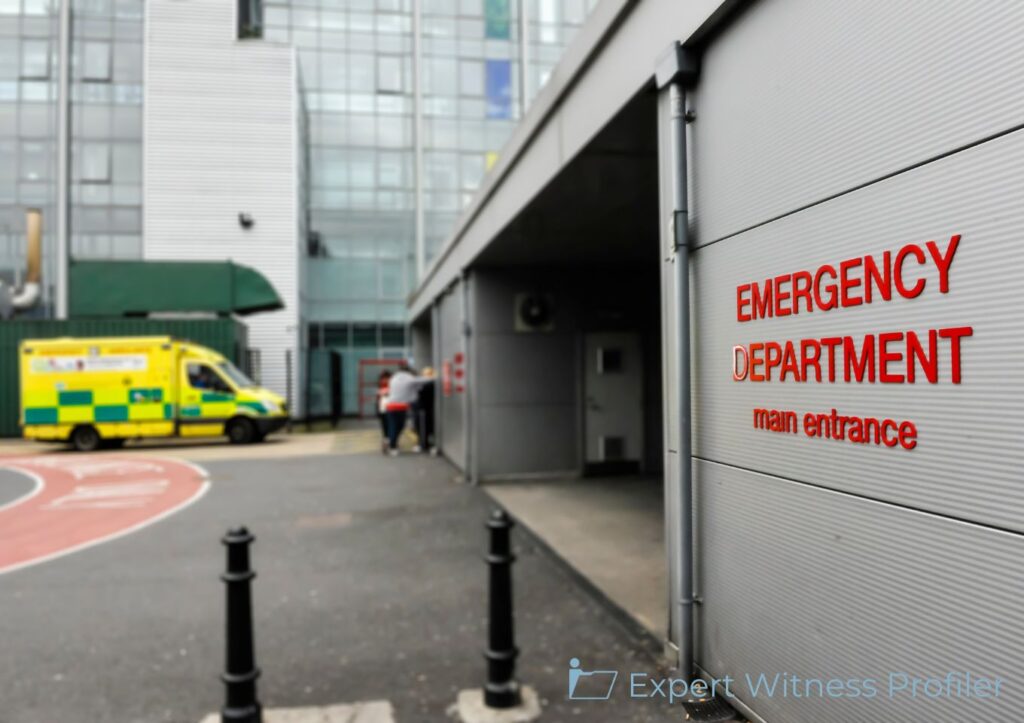
    The case involved claims under the Emergency Medical Treatment and Labor Act (EMTALA) concerning the death of Calvin Jackson, Sr.’s minor child, C.J., the Plaintiffs. On August 9, 2020, C.J. received emergency medical care at North Caddo Medical Center (NCMC), the Defendants. Jackson alleged that NCMC failed to provide C.J. with proper medical screening and failed to stabilize C.J. before discharging him, violating EMTALA. C.J. died from diabetic ketoacidosis approximately six days later, on August 15, 2020. NCMC contended it did not breach EMTALA, asserting C.J. received an appropriate medical screening and proper treatments. Both the Plaintiffs and the Defendants provided expert opinions regarding what constituted an appropriate medical screening under the EMTALA, which were extensively addressed in the ensuing Daubert motions. Plaintiffs filed a Daubert Motion to Exclude Testimony/Statements of Jacquelyn White and Defendants filed a Daubert Motion to Exclude or Limit Testimony of Jullette Saussy.

    EMTALA was passed by Congress to address worries about hospitals “dumping” patients who lacked insurance or means to pay. The EMTALA mandated that participating hospitals provide the following care to individuals seeking emergency medical attention: (1) an appropriate medical screening, (2) stabilization of a known emergency medical condition, and (3) restrictions on transferring an unstabilized individual to another medical facility.

    Section 1395dd(a) of the EMTALA stipulated that if an individual, whether or not eligible for benefits under this subchapter, arrived at a hospital’s emergency department and placed a request for examination or treatment for a medical condition, the hospital had to conduct an appropriate medical screening examination within the department’s capabilities. This examination included ancillary services routinely available to the emergency department, with the aim of determining the presence of an emergency medical condition as defined in subsection (e)(1). Therefore, under the EMTALA, the adequacy of an appropriate medical screening examination was assessed not by diagnostic proficiency but by whether it was conducted fairly in comparison to other patients with similar symptoms.

    The EMTALA lacked a specific definition for “appropriate medical screening examination.” An appropriate examination was one that the hospital would have administered to any other patient in a comparable condition with similar symptoms. It was the Plaintiff’s responsibility to demonstrate that the hospital failed to provide an appropriate examination under the EMTALA. This burden could be met by showing either: (1) the hospital did not adhere to its own standard screening procedures; or (2) there were differences between the screening examination that the patient received and examinations that other patients with similar symptoms received at the same hospital; or (3) the hospital offered such a cursory screening that it amounted to no screening at all.

    In this case, the NCMC policy outlined that the Medical Screening Examination (MSE) would be conducted by the Emergency Department Physician and customized to suit the presenting complaint and the medical history of any individual seeking care at the Emergency Department. The MSE included, but was not limited to, the following components:

    1. Chief complaint and pertinent history

    2. Past medical and social history

    3. Physical examination

    4. Assessment

    5. Laboratory and imaging studies, if applicable
    Emergency Medicine Expert Witnesses

    Dr. Jacquelyn Kibodeaux White, M.D., F.A.C.E.P., a board certified physician in emergency medicine practicing in North Louisiana. She obtained her Bachelor of Science degree from Louisiana Tech University before earning her MD from Louisiana State University Medical Center. Following this, White completed a residency in Emergency Medicine at the University of Arkansas Medical Center. She became board-certified in Emergency Medicine in 1996 and has since then maintained her Active Board status. After 26 years of practice in Emergency Medicine, she is currently working full-time in Primary Care. She has served on several review boards for hospitals and for independent consultants.

    Dr. Jullette M. Saussy, M.D., F.A.C.E.P., is a board-certified emergency medicine physician with four years of residency training. She obtained her Bachelor of Arts degree in Sociology from Tulane University and subsequently earned her MD from the Louisiana State University Health Sciences Center and completed her residency at Charity Hospital in New Orleans. Over the course of her 24-year career, she has practiced emergency medicine in a variety of settings, including urban, community, and critical access hospitals.

    Discussions by the Court

    Jackson attempted to exclude defense expert Jacquelyn White (“White”), contending that her reasoning could not be applied to the facts at issue in this case because she did not read or review NCMC’s EMTALA policies, procedures, or guidelines regarding medical screening examinations. Jackson argued that White’s testimony was irrelevant as it would not aid the trier of fact in determining whether the actions of the treating emergency room physician violated NCMC’s medical screening policy and/or EMTALA.

    There was no dispute regarding White’s qualifications as a board-certified physician in emergency medicine practicing in North Louisiana. The Court deemed White qualified as an expert to provide opinions on appropriate medical screening examinations based on general standards of the medical community. White clarified in her deposition why she didn’t deem it necessary to review NCMC’s medical screening exam and stabilization document, since she believed it would not have altered her evaluation of the chart to determine if the patient had undergone an adequate medical screening exam. White expressed confidence in her ability to assess the adequacy of medical screening exams based on her extensive experience reviewing charts over the years and familiarity with EMTALA policies, which she found to be consistent across various institutions.

    Upon close examination of White’s deposition, it appeared that Jackson’s assertion that White categorically stated no social or medical history was recorded was not supported. The Court found that White sufficiently provided the factual basis for all her opinions. Both parties agreed that experts should not testify as to the legal conclusion that EMTALA was violated with this determination was reserved for the jury. The Court citing Chevron TCI, Inc. v. Capitol House Hotel Manager, LLC, No. CV 18-00776-BAJ-RLB (M.D. La. June 25, 2021), emphasized that the validity or correctness of an expert’s conclusions are matters for the jury to decide after the Daubert analysis. The Court concluded that Jackson’s challenges to White’s expert testimony pertained to credibility rather than admissibility. Therefore, challenges to the factual basis of White’s opinion were best addressed through cross-examination instead of Daubert motions. Consequently, Plaintiff’s Daubert motion to exclude the testimony of White was denied.

    Defendant NCMC moved to exclude Plaintiff’s expert, Jullette Saussy, contending that she did not meet the requirements of an expert under Rule 702. The Defendant argued that Saussy’s deposition testimony contained conflicting statements and inconsistencies regarding medical screening examinations and stabilization requirements, indicating a lack of accurate understanding of EMTALA elements. Defendant pointed out Saussy’s lack of prior involvement in EMTALA cases and absence of specialized training in EMTALA, questioning the reliability of her opinions. Additionally, the Defendant asserted that Saussy improperly conflated EMTALA claims with general medical negligence, suggesting her testimony would confuse the jury.

    After thoroughly reviewing the arguments presented in the motion, the Court determined that Saussy possessed extensive knowledge, skill, experience, training, and education, making her qualified to serve as an expert witness in the case. Being board certified in emergency medicine and having acquired knowledge about EMTALA, Saussy was deemed capable of reviewing NCMC’s EMTALA policies, procedures, and C.J.’s medical records to form opinions regarding appropriate medical screening examinations and stabilization requirements. The Court considered any concerns regarding conflicting statements and inconsistencies in EMTALA standards as matters of credibility and weight, rather than expertise and admissibility. It was acknowledged that there could be overlap between the objective test of local malpractice law (general medical negligence) and the subjective test of the adequacy of a hospital’s screening under EMTALA. The defense retained the right to challenge the weight given to Saussy’s testimony through vigorous cross-examination and presentation of contrary evidence during the adversarial trial setting. Consequently, Defendant’s Daubert motion to exclude or limit testimony of Saussy was denied.

    Held

    The Court denied Plaintiff’s Daubert motion to exclude testimony of Jacquelyn White. Additionally, the Court also denied Defendant’s Daubert motion to exclude or limit testimony of Jullette Saussy.

    The Court has not arrived on an outcome for this case since the remaining issues involved in this case still await resolution.

    Key Takeaways

    In this medical malpractice action, both Plaintiffs and Defendants provided expert opinions on what constituted appropriate medical screening under EMTALA, leading to Daubert motions regarding the admissibility of both their emergency medicine experts’ testimony. Despite challenges raised against both the experts Jacquelyn White and Jullette Saussy, the Court deemed both qualified to provide opinions on medical screening examinations. While White’s testimony faced scrutiny over her familiarity with NCMC’s policies, her extensive experience and understanding of EMTALA standards were deemed sufficient. Similarly, Saussy’s expertise was upheld, despite challenges to her understanding of EMTALA elements and conflating an EMTALA claim with general medical negligence. The Court emphasized the role of the jury in determining the validity of expert conclusions after a thorough Daubert analysis. The decisions underscored the importance of expert testimony in navigating complex medical standards under EMTALA.

    Case Details

    Case Caption Jackson v. N. Caddo Hosp. Serv. Dist.
    Docket Number 5:22cv171
    Court United States District Court, Louisiana Western
    Citation 2024 U.S. Dist. LEXIS 29044
    Order Date February 20, 2024
  • Testimony of Labor and Employment Expert Witness Regarding Applicability of 7(i) Exemption of FLSA Rejected

    Testimony of Labor and Employment Expert Witness Regarding Applicability of 7(i) Exemption of FLSA Rejected

    The Plaintiffs, including Kelli Salazar, Wayne Carpenter, Rodney Lopez, and Gregory Hanna who were either current or former drivers for Defendant, The Driver Provider (“DP”), initiated legal proceedings under the Fair Labor Standards Act (FLSA). They contended that the Defendants misclassified them and did not adequately compensate them, contravening the FLSA regulations. Specifically, the Plaintiffs argued that they did not meet the criteria for the 7(i) exemption as outlined in the FLSA and thus were not exempt from the FLSA’s overtime compensation provisions. Section 7(i) of the FLSA exempts certain commissioned employees from the overtime compensation requirement of the FLSA. This exemption applies to retail and service employees.

    Plaintiffs engaged Randall G. O’Neal as an expert witness to offer his testimony about whether Plaintiffs met the requirements for the 7(i) exemption under the FLSA.

    Labor and Employment Expert Witness

    Randall G. O’Neal is a wage and hour consultant based in Garland, Texas, with extensive expertise spanning over seven years. His consultancy focuses primarily on matters pertaining to the Fair Labor Standards Act of 1938 (FLSA) and federal minimum wage and overtime laws.  Prior to his consultancy career, O’Neal served the United States Department of Labor (DOL) in various roles within the Wage and Hour Division (WHD) for approximately 40 years. Notably, in the 20 years leading up to his retirement in 2015, he held the positions of Director of Regional Operations and Director of Enforcement for the 11-state Southwest Region, covering states such as Arkansas, Colorado, Louisiana, and Texas, among others. O’Neal holds a Bachelor of Science in Business Administration from Oklahoma State University, earned in 1972.

    Discussions by the Court

    Plaintiffs designated O’Neal as an expert in federal wage-and-hour matters and DOL enforcement actions. O’Neal, a retired DOL employee, had a career spanning approximately forty years with the Wage and Hour Division (WHD), where he held various positions, including director of regional operations and regional director of enforcement. His testimony primarily focused on the applicability of the 7(i) exemption to Driver Provider. However, the Court’s summary judgment order determined that Defendants did not qualify for the 7(i) exemption, rendering only a small portion of O’Neal’s report relevant to the proceedings.

    Plaintiffs indicated their readiness to limit O’Neal’s testimony to matters concerning willfulness, specifically concerning Defendants’ assertions of good faith reliance on the 2012 DOL investigation, advice from legal counsel, and the classification of Drivers as exempt employees. However, Defendants objected and sought the complete exclusion of O’Neal’s opinion and testimony. The Court examined the highlighted portion of O’Neal’s report provided by Plaintiffs and proceeded to address the remaining issues sequentially.

    In his report, O’Neal expressed his opinion that the WHD would likely reject any assertion of reliance upon the 2012 DOL investigation regarding the existence of a 7(i) exemption from the overtime payment at issue here. Plaintiffs contended that O’Neal’s opinions on Defendants’ claim of good faith reliance on the 2012 DOL investigation should be heard at trial. They argued that O’Neal’s report highlighted flaws in the 2012 investigation, undermining Defendants’ reliance on it. Defendants countered that this amounted to an impermissible legal conclusion.

    The Court concurred that admitting O’Neal’s testimony regarding good faith reliance would be inappropriate because determining whether Defendants relied in good faith on the 2012 investigation was a matter for the jury to decide and did not necessitate expert testimony. The focus of O’Neal’s report predominantly centered on the potential application of the 7(i) exemption. However, the Court observed that his opinion on good faith reliance was detached from the 7(i) exemption. Consequently, all he provided was a conclusion that Defendants could not have relied in good faith on the 2012 investigation, which was held to be improper for two reasons.

    First, experts may opine on an issue of fact within the jury’s province. However, they may not give testimony stating legal conclusions based upon those facts. The Court held that O’Neal’s testimony cannot be admitted for this very reason, as it invades on the province of the jury and in fact hinders rather than assists the jury. Second, this conclusion drew inferences about Defendants’ intent or state of mind. The Court citing Krause v. Cnty. of Mohave, 459 F. Supp. 3d 1258, 1264 (D. Ariz. 2020), held that the opinion testimony submitted by O’ Neal attempted to substitute O’Neal’s own judgment for that of the jury’s despite the jury being fully capable of examining the witnesses and evidence to decide whether Defendants’ conduct constituted a willful violation or good faith reliance.

    O’Neal’s report included a short opinion regarding DP’s counsel’s statements, suggesting potential improper reliance on the 2012 investigation. Plaintiffs asserted that O’Neal’s testimony would aid jurors in comprehending the issues and his report would shed light on DP’s attempts to evade liability based on the prior investigation and their counsel’s alleged advice. Defendants reiterated their objection, contending that O’Neal’s testimony would constitute an improper legal conclusion.

    The Court affirmed Defendants’ position, stating that the question of whether Defendants relied in good faith on their counsel’s advice fell squarely within the jury’s jurisdiction. Additionally, the Court noted that O’Neal’s opinion on this matter presupposed that the 2012 investigation was flawed, implying that the counsel and DP could not have relied on it in good faith. Furthermore, the Court has determined that genuine questions of material fact persisted on this matter which is why O’Neal’s testimony on this topic would constitute a legal conclusion. After all, the jury could ascertain this issue for themselves and determine whether DP relied in good faith on their counsel’s advice.

    Plaintiffs argued that O’Neal’s opinions regarding DP’s reliance that Drivers were exempt employees should be heard at trial. Defendants, however, maintained their stance that this constituted an impermissible legal conclusion. This opinion paralleled the earlier assertion that Defendants could not have relied on the 2012 investigation. O’Neal indicated in his report that it was his belief that the WHD would dismiss any claims of reliance upon the 2012 investigation for the existence of a 7(i) exemption. He further noted that this reliance on the investigation was purportedly used to support the claimed applicability of the 7(i) exemption.

    The Court held that the 7(i) exemption was no longer at issue.
    Separating the lack of application of the exemption from the alleged lack of good faith reliance upon it only left a legal conclusion. O’Neal’s testimony would essentially assert that DP could not have in good faith believed the exemption applied. The Court added that this opinion amounted to a conclusion regarding willfulness and would only serve to complicate matters, as per Federal Rule of Evidence 403. Additionally, the determination of whether there was good faith reliance regarding employee classifications fell well within the jury’s purview and hence did not necessitate expert testimony due to its lack of technical complexity.

    The Court acknowledged O’Neal’s knowledge regarding DOL operations and investigations but did not permit O’Neal to testify to his general legal conclusions. Considering the inapplicability of the 7(i) exemptions and the Court’s assessments of the remaining issues with O’Neal’s opinion, the Court decided to strike both his testimony and report in their entirety.

    Held

    The Court granted Defendants’ Motion to Strike the Expert Testimony and Report of Plaintiffs’ Expert Randall O’Neal. 

    The Court has not arrived on an outcome for this case since the remaining issues involved in this case still await resolution.

    Key Takeaways

    The expert testimony regarding the Fair Labor Standards Act (FLSA) and the application of the 7(i) exemption presented several key points. Randall G. O’Neal, a seasoned wage and hour consultant, was engaged to provide legal assessments related to the 7(i) exemption. Plaintiffs, comprised of current or former drivers for The Driver Provider, initiated legal proceedings under the FLSA, alleging misclassification and inadequate compensation by the Defendants, in violation of FLSA regulations. At the heart of the dispute was the contention over the applicability of the 7(i) exemption, with Plaintiffs arguing they were entitled to overtime compensation. However, the Court’s summary judgment determined Defendants did not qualify for the exemption, limiting the relevance of O’Neal’s opinion. Consequently, the Court excluded O’Neal’s testimony on various matters, ruling that such opinions amounted to impermissible legal conclusions and were within the jury’s jurisdiction. The Court underscored the jury’s role in determining issues such as good faith reliance and employee classifications, emphasizing that expert testimony should not overshadow the jury’s decision-making authority. Ultimately, the Court decided to strike O’Neal’s testimony and report entirely due to their limited relevance and potential to confuse the issues at hand.

    Case Details

    Case Caption Salazar v. Driver Provider Phx. LLC
    Docket Number 2:19cv5760
    Court United States District Court, Arizona
    Citation 2024 U.S. Dist. LEXIS 27174
    Order Date February 16, 2024
  • Court rejects the opinions of Environmental Engineering Expert Witness citing Lack of Demonstrable Testing or Modeling based specifically on Mining Sites

    Court rejects the opinions of Environmental Engineering Expert Witness citing Lack of Demonstrable Testing or Modeling based specifically on Mining Sites

    Blackhawk Mining, LLC and Pine Branch Mining, LLC (“the Mining Companies”) had operations in Breathitt County, Kentucky. Between July 25 and July 30, 2022, communities across eastern Kentucky suffered historic rainfall that led to “one of the most significant, deadly floods” in the Commonwealth’s history. The floods resulted in significant damage to property and the tragic loss of life. The Plaintiffs, including Eugene Baker, in this matter owned property in the River Caney Watershed, a mountainous community in Breathitt County. Each property was alleged to have experienced damage from the flooding. Many property owners resided along Caney Creek, which was situated down the mountain from where the Mining Companies maintained operations.

    About a month after the floods had ravaged the area, the Plaintiffs filed this action alleging that the Defendants’ mining activities had increased stormwater runoff into the watershed during the historic rainfall, thus playing a causal role in the damage. In other words, they claimed that the Mining Companies had caused the damage they experienced from the floods by failing to operate safely.

    Prior to the expert disclosure deadline, the Plaintiffs identified one expert witness, D. Scott Simonton, together with his report entitled “Preliminary Opinion, Caney Creek Flooding, Breathitt County, KY.” Simonton was retained to opine as to whether mining activities in the watershed increased flood peak flows and flood damage during the event.

    Simonton’s preliminary report contained the following five parts: (i) a background section describing the event; (ii) an analysis of mining impacts and hydrology; (iii) an overview of mining in the Caney Creek Watershed; (iv) initial opinions on the Caney Creek flood; and (v) a summary of initial conclusions.

    The Mining Companies argued that Simonton’s opinions lacked reliability under Rule 702 of the Federal Rule of Evidence because they were not based on reliable principles and methods, nor were they supported by sufficient facts and data. Additionally, they claimed that the opinions outlined in the report failed to meet the disclosure requirements of Rule 26(a) of the Federal Rules of Civil Procedure.

    Environmental Engineering Expert Witness

    D. Scott Simonton is a professional engineer having received a Ph.D. from the University of New Mexico. He has more than 30 years of experience “in state environmental and public health protection regulatory agencies, private consulting, and academia.” He specializes in environmental forensics, environmental site and risk assessment, mining impacts, hydrology, and environmental engineering design, as well as regulatory compliance including permitting, compliance plans, inspections and audits. He has provided expert testimony and project management for complex environmental cases.

    Discussion by the Court

    The Mining Companies argued that Simonton’s opinions were not reliable as he did not conduct flood modeling, which they claimed is the accepted methodology for determining if land disturbances caused or worsened flooding. They pointed out that computer-based hydrologic models have been deemed essential in various water disputes by many courts. Additionally, the studies reviewed and conducted by Simonton in his preliminary report also highlighted flood modeling as a useful tool, indicating its potential as an industry standard. Although the Court observed that the method was not required for a Court to admit an expert’s opinions, Simonton himself recognized the enlarged importance of hydrologist modeling to show that changes in surface land conditions from mining operations caused an increase in water runoff considering three of the five studies he cited involved hydrologic modeling. It was noted that Simonton previously testified that an expert in his field cannot reach conclusions about the impacts of surface disturbances on flooding without first conducting modeling of some kind.

    The Plaintiffs responded by claiming that hydrologic modeling “was not an end-all requirement of the admissibility of expert testimony.” They even described the assertion that modeling was the industry standard in cases like this one as a “gross misunderstanding of industry practices.” However, the Court observed that they offered no reliable authorities to support this assertion.

    The Plaintiffs defended Simonton’s methods, asserting that they involved classical engineering techniques such as aerial observation, third-party eye-witness accounts, and a review of his own modeling and permit files. However, they did not specifically assure the Court of the reliability of these methods. Instead, they dedicated a significant portion of their brief to argue that Simonton’s findings suggested per se negligence.

    The Court found it challenging to support the reliability of an expert whose opinions lacked sophisticated modeling or site-specific testing regarding the impacts of water flows on mined surfaces. It noted that the absence of testing was a red flag against certifying the expert’s opinions. Without more than citations of past studies and unscientific opinions based solely on first-hand observations, the Court raised concerns about the reliability of the expert’s conclusions. It suggested that supplementing the expert’s report with additional data might have strengthened the reliability of the opinions.

    The Mining Companies then contended that Simonton’s opinions were primarily based on examinations of water flows impacting terrain in locations other than the River Caney Watershed. They questioned the relevance of the studies upon which Simonton purportedly relied, arguing that he could not apply the principles and methods tested in separate locations with unique topological characteristics and conditions to the instant case without some form of testing in order to provide a connection. Essentially, the Mining Companies argued that Simonton’s report failed across the board, as he attempted to use results from studies and publications regarding other locations to establish a link between mining and flood damage in this case. Notably, the Plaintiffs did not dispute this observation. However, they claimed that the Mining Companies neglected to acknowledge Simonton’s firsthand analysis of the site and the generally acknowledged usefulness of outside studies to confirm or deny a scientific hypothesis. In other words, the Plaintiffs claimed that the studies provided Simonton with a reliable basis to form conclusions because they examined storm water’s impacts on similar topography in the Appalachian Mountains subject to surface and strip mining. But the Court observed that the studies Simonton briefly detailed in his preliminary report were presented in remarkably general terms–and often involved hydrologic testing or modeling to reach conclusions.

    The Court observed that though Simonton cited first-hand aerial observations of the Caney Creek flooding in the weeks after the event, as well reviews of relevant precipitation data and examinations of Google Earth imaging over an extended period, a lack of demonstrable testing or modeling based specifically on the mining sites that purportedly led to the devastation was why Simonton’s report fell victim to the kind of “anecdotal evidence” and “improper extrapolation” that warranted exclusion.

    The Mining Companies claimed that Simonton presented no analysis of water flows (pre or post mining) and completely failed to consider an obvious alternative cause of the Plaintiffs’ claimed damages other than waterflow caused by a land disturbance. To sum it up, the Mining Companies contended that Simonton’s report failed to properly exclude potential alternative causes of the damage that Plaintiffs had suffered. However, the Plaintiffs argued that Simonton’s consideration of how “the heavy rainfall had a disparate effect when compared to an undisturbed watershed” amounted to his exclusion of the rainfall as the primary causal factor in causing the flood damage. While Simonton may have implicitly ruled out alternative causes in the process of concluding that the Mining Companies were to blame for exacerbating the flooding, the fact that his report was merely preliminary may explain why he did not explicitly rule out, for example, the historic rainfall as causal in clearer detail.

    Simonton’s preliminary report was found to be deficient in several key aspects: it lacked sufficient data regarding the specific mining sites in question, did not employ any scientific modeling or testing, and struggled to reliably apply principles and methods to the case’s facts with the reliance on extrapolations from studies conducted on sites outside of the River Caney Watershed held to be problematic.

    The Mining Companies argued that Simonton’s report lacked a complete statement of his opinions, along with a clear basis and reasons for those opinions. Despite being labeled as “preliminary,” Simonton’s report provided a summary of opinions based on his initial evaluation of the terrain, sediment control structures, and sedimentary conditions in the Caney Creek area. However, the issue arose because Simonton presented these opinions as an “summary of initial preliminary opinions” without further supplementation. Rule 26 of the Federal Rules of Civil Procedure mandates the disclosure of a complete statement of all opinions the witness will express, which the Plaintiffs failed to fulfill. The Court emphasized that requiring the full disclosure of expert opinions enables opposing parties to adequately prepare their cases and helps triers of fact ensure that the expert’s opinion does not mislead or confuse the jury. Therefore, the Court found the Plaintiffs’ disclosure to be deficient in this regard.

    The Mining Companies argued that Simonton’s preliminary report was not only incomplete but also reached various conclusions without identifying the reasoning behind them. They observed that Simonton concluded that mining had occurred in the River Caney Watershed, hydrologic modeling had been conducted in areas outside of this particular watershed, erosion had occurred in the watershed, and the surface area of a nearby sediment pond had experienced a reduction. However, Simonton did not provide a direct basis regarding how he reached these conclusions. It was noted that the studies Simonton referenced indicated that surface mining and improper design, construction, or maintenance of sediment and runoff controls may lead to additional damage caused by flooding. To the extent he relied upon that body of information (which was presented in an entirely separate section of his report) in forming his conclusions, Simonton’s report likely complied with the rule’s subpart. But compliance here did not change the fact that Simonton provided only a “preliminary” summary of conclusions despite the command that experts must disclose opinions they may offer in their entirety.

    The Mining Companies argued that the Plaintiffs failed to produce all the facts and data considered by Simonton or the exhibits which Simonton claimed supported his opinions. In response, the Plaintiffs claimed the counsel had forwarded all information referenced in Simonton’s report. However, the Mining Companies noted that this information was provided only after they filed their motion to exclude, and months after the deadline for providing expert disclosures had passed. Despite the Plaintiffs’ assertion that much of the information considered by Simonton was available in the public domain, the Court emphasized that the duty to produce relevant information during discovery is enforced by a deadline. The Court held that deadlines are significant, regardless of any belief by the Plaintiffs that disclosing selective information at their chosen time could remedy a Rule 26(a) deficiency.

    The Court also noted that Simonton failed to provide a full accounting of the cases in which he participated during the previous four years as per the requirements of Rule 26.

    The Court held that the Plaintiffs’ failure to comply with this disclosure requirement was not harmless considering they failed to provide a complete statement of all opinions that Simonton planned to express, the facts and data he considered in reaching his opinions, and an accurate list of all other cases in which he testified as an expert.

    Held

    The Court granted the Defendants’ motion to exclude the proposed expert opinions of D. Scott Simonton.

    The Court has not arrived on an outcome for this case since the remaining issues involved in this case still await resolution.

    Key Takeaways:

    Experts should employ accepted methodologies relevant to the case, and failure to consider alternative causes of damages can undermine the credibility of their opinions. Parties have a duty to disclose all relevant facts, data, and opinions of their expert witnesses in a timely manner as per Rule 26 of the Federal Rules of Civil Procedure. Experts should provide a clear and transparent account of their findings, including the basis for their conclusions and any supporting evidence or data. Deadlines for expert disclosures and the production of relevant information during discovery are enforceable and significant, and courts may not overlook non-compliance with these requirements, even if the party believes the deficiency to be harmless. Additionally, experts should disclose their participation in relevant cases during the previous four years as required by Rule 26. Overall, expert witnesses should maintain impartiality and objectivity in their analysis and conclusions to ensure their testimony is not misleading or confusing to the trier of fact.

    Case Details

    Case Caption: Baker v. Blackhawk Mining, LLC
    Docket Number: 5:22cv231
    Court: United States District Court, Kentucky Eastern
    Citation: 2024 U.S. Dist. LEXIS 26510
    Order Date: February 15, 2024
  • Forensic Engineering Expert Witness held to use a Reliable Methodology for Window Evaluation

    Forensic Engineering Expert Witness held to use a Reliable Methodology for Window Evaluation

    Plaintiffs, Aimee and Erich Wolf filed a suit against Defendant, State Farm & Casualty Company raising claims such as breach of contract and bad faith from damage inflicted on the Wolf’s home during Hurricane Laura, which made landfall in Southwest Louisiana on August 27, 2020. Throughout the relevant period, the home was insured by State Farm. Allegations made by the Plaintiffs asserted that State Farm did not adequately compensate them for the covered losses in a timely manner.

    The Plaintiffs enlisted Matthew Phelps as a forensic engineering expert to evaluate the damages sustained by their home, specifically focusing on the windows. Following the signing of a contract around April 21, 2021, Phelps and his team conducted inspections of the Wolf residence, which happened over eight months after Hurricane Laura affected Lake Charles. Phelps and APEC visited the home approximately ten to twelve times before Phelps completed his report on April 11, 2022.

    State Farm filed a motion to exclude or limit the testimony of Matthew Phelps. State Farm contended that Phelps did not reference the appropriate building code for the Plaintiffs’ home during his assessment and that his testing of the windows deviated from industry standards, citing flaws stemming from inaccurate assumptions regarding the windows’ age. State Farm argued that Phelps’s testimony failed to meet the standards outlined in Federal Rule of Evidence 702 and Daubert v. Merrell Dow Pharmaceuticals, Inc. In response, the Plaintiffs opposed the motion, highlighting that both Phelps and State Farm’s engineer utilized different building codes than those in effect when the Plaintiffs’ home was constructed. They also asserted that any challenges to Phelps’s methodology in evaluating the windows should affect the weight of his testimony rather than its admissibility.

    Forensic Engineering Expert Witness

    Matthew B. Phelps is the CEO and Chief Engineer at APEC Engineering & Laboratory, LLC, and boasts extensive qualifications in forensic investigations, structural design, and construction inspections. Phelps possesses more than 15 years of expertise in high wind design and has amassed extensive experience in testing and evaluating various building materials and assemblies. With a Ph.D. in Systems Engineering and Management from Texas Tech University, Edward E. Whitacre, Jr. College of Engineering. His earlier academic achievements include a Master of Science in Engineering from Texas Tech University, a Master of Science in Biology from Eastern New Mexico University, and a Bachelor of Science in Agricultural Business from West Texas A&M University.

    Discussion by the Court

    The trial court serves as a gatekeeper for expert testimony, determining its admissibility based on relevance and reliability, as outlined in Daubert v. Merrell Dow Pharmaceuticals, Inc. and Federal Rule of Evidence 702. The proponent of the expert testimony must prove its admissibility by a preponderance of the evidence. While the Court has broad discretion in this determination, rejection of expert testimony is the exception rather than the rule, with vigorous cross-examination and presentation of contrary evidence being traditional means of challenging admissible evidence.

    Phelps was informed the Wolf’s home was built around 1985 and utilized the 1985 Uniform Building Code (UBC) for his assessment, neglecting to verify the building code applicable in Calcasieu Parish at that time. State Farm’s expert, Matthew Innocenzi, relied on the 1979 Standard Building Code (SBC), which State Farm argued was more likely in effect. However, it was shown that the 1982 UBC was adopted by Calcasieu Parish and was in effect as of 1985. Consequently, neither expert used the correct building code in their assessment. State Farm argued that the discrepancy in building codes was insignificant, however, since the 1979 SBC and 1982 UBC were both based on three-second gusts of 150 mph, faster than the 110 mph figure used by the 1985 UBC.

    The Court typically allows the fact-finder to assess the accuracy of an expert’s testimony based on the facts they relied on. However, expert testimony unsupported by factual evidence is not admissible. Currently, the Court only has the State Farm expert’s interpretation of building code wind speed figures and their impact on Phelps’ assessment. Phelps testified that his assessment considered the building code used by the home builders and the aging of materials. State Farm failed to demonstrate any flaw in Phelps’ approach or that the use of the wrong building code would warrant exclusion.

    State Farm accused Phelps of employing a flawed methodology in window testing. They argued that Phelps’ assessment of window replacement was based on the assumption that 93 percent of the windows had less than 50 percent of argon gas remaining, which they contended was an unreliable indicator. State Farm emphasized that window age is an important factor in predicting argon concentration and highlighted Phelps’ error in estimating the windows to be around 16 years old when they were actually 35 years old. In response, Phelps demonstrated that even assuming a 35-year window age and standard argon concentration loss over time, 93 percent of the windows at the Plaintiffs’ residence still failed the argon testing. Furthermore, Phelps pointed out that State Farm’s own engineer, who recommended repair or replacement of several windows due to fogging, did not consider the role of any other storms, similar to Phelps’ approach. Consequently, State Farm’s objections to Phelps’ methodology lacked merit, as they failed to provide a valid basis for exclusion. Any discrepancies in Phelps’ sources or oversights in his considerations could instead be addressed through cross-examination.

    Held

    The Court denied the Defendant’s Motion in Limine to exclude or limit testimony of Plaintiffs’ expert Matthew Phelps.

    The Court has not arrived on an outcome for this case since the remaining issues involved in this case still await resolution.

    Key Takeaways

    The expert testimony in the case involving the Wolf residence and State Farm’s insurance coverage reveal several critical points. First, both parties’ experts, Phelps and Innocenzi, used different building codes in their assessments, neither of which aligned with the code in effect when the home was constructed. Despite this discrepancy, the Court found State Farm’s argument that the variance in building codes was inconsequential due to their shared higher wind speed requirements unconvincing. Second, the Court emphasized the importance of expert testimony being supported by factual evidence, indicating that unsupported assertions are inadmissible. In this case, State Farm failed to discredit Phelps’s methodology or demonstrate any flaws in his approach. Lastly, State Farm’s objections to Phelps’s window testing methodology were refuted by Phelps’s demonstration that even after accounting for corrected window age assumptions, the majority of windows still failed argon testing. Additionally, State Farm’s own engineer’s recommendations mirrored Phelps’s findings, further weakening State Farm’s argument. Ultimately, the Court found State Farm’s objections lacking merit, underscoring the importance of rigorous cross-examination to address any discrepancies or oversights in expert testimony.

    Case Details

    Case Caption Wolf v. State Farm Fire
    Docket Number 2:22cv2225
    Court United States District Court, Louisiana Western
    Citation 2024 U.S. Dist. LEXIS 27800
    Order Date February 16, 2024
  • Calculations of Future Medical Costs presented by Life Care Planning Expert Witness found to consist of Mathematical and Geographical Errors

    Calculations of Future Medical Costs presented by Life Care Planning Expert Witness found to consist of Mathematical and Geographical Errors

    Plaintiffs Briana Leakas and her minor son, D.L., along with Theodore Leakas,  Leakas’ spouse and D.L.’s guardian ad litem, initiated a legal action in the Monterey County Superior Court alleging personal injuries resulting from toxic mold contamination in a home they leased from Defendants, Monterey Bay
    Military Housing, LLC. The Plaintiffs claimed they sustained these injuries while residing in the U.S. Army Garrison Presidio of Monterey from approximately June 2019 to May 2020. The Defendants, citing the occurrence of the events in a federal enclave, removed the case to the United States District Court for the Northern District of California.

    After the Court granted the Defendants’ motion to dismiss the complaint with leave to amend, the Plaintiffs filed an amended complaint, which served as the operative pleading. This amended complaint asserted ten state and common law claims for relief, including negligence, nuisance, negligent misrepresentation, negligent infliction of emotional distress, breach of implied warranty of habitability, breach of implied covenant of quiet use and enjoyment, gross negligence, premises liability, constructive (wrongful) eviction, and fraud—concealment.

    Rebecca Czarnik, a registered nurse retained by the Plaintiffs solely for providing a projection of future medical costs, based her testimony entirely on the proposed testimony of another expert, David Ross, concerning Leakas’ long-term care and life-care planning needs. Defendants sought to exclude  Czarnik’s testimony, arguing that it did not meet the admissibility requirements of Rule 702 of the Federal Rules of Evidence. They claimed her cost projections were unreliable due to mathematical and geographical errors and because she did not adjust amounts to present value. Plaintiffs opposed the motion, arguing that Defendants’ objections to Czarnik’s calculations were matters concerning the weight, rather than the admissibility, of her proposed testimony.

    Life Care Planning Expert Witness

    Rebecca Czarnik, RN, MS, CNLCP, also known as Becky Czarnik, is a Registered Nurse with an exemplary 44-year career encompassing various healthcare settings, including hospitals, hospital administration, teaching in university nursing programs, home care, private medical office practice, and the insurance industry. She holds active and unrestricted nursing licenses in both Nevada and California. Additionally, Czarnik is a Certified Nurse Life Care Planner, equipped to serve as both a care expert and a cost of care expert. In her role, she determines the future care needs of individuals by establishing patterns of past, present, and future care, while also identifying the associated costs of those services. She currently holds the position of CEO/Owner of Sierra Nurse Consultants. Czarnik earned her Bachelor of Science in Nursing from St. Olaf College, following her, Master of Science in Nursing from The Ohio State University.

    Neuropsychiatry Expert Witness

    Dr. David Edward Ross, M.D., holds a distinguished position as the Director of the Virginia Institute of Neuropsychiatry, serves as the CEO of NeuroGage LLC, and holds the role of Clinical Assistant Professor at Virginia Commonwealth University. He boasts board certification in General Psychiatry, Neuropsychiatry, and Brain Injury Medicine. Ross completed both medical school and residency in psychiatry at Virginia Commonwealth University, followed by a fellowship in neuropsychiatry at the Maryland Psychiatric Research Center, University of Maryland. His expertise lies in the treatment and research of patients with traumatic and other types of brain injury. He identifies his major career interests as encompassing traumatic brain injury, MRI brain volume measurement, acquired brain injury, mold-related illness, and other neuropsychiatric disorders.

    Discussions by the Court

    Defendant pressed for the exclusion of Czarnik’s report for a number of reasons. For instance, Defendants alleged that Czarnik’s calculations were based not on her independent review of Plaintiff’s medical records, but simply on a laundry list of future care items that another of Plaintiffs’ experts, Ross, provided in his report. Czarnik failed to consider, offer opinions on, or factor into her calculations what items of future care on the list provided by Ross were due to Plaintiff’s myriad and undisputed pre-existing conditions (which pre-dated her tenancy at the subject property) and her various non-mold related genetic conditions (Ehlers Danlos Syndrome and its associated illnesses) versus what was actually due to her claimed symptoms or ailments allegedly stemming from living at the Property. Czarnik’s opinion was flawed in that her report used the wrong geographical location for the Plaintiff in reaching her calculations because Czarnik priced her future care costs based on Monterey, California, despite Plaintiff residing in rural North Carolina. Czarnik did not review a single medical record of Plaintiff prior to reaching her opinions as to the reasonable value of Plaintiff’s “future medical care.” The sole basis for her opinions was her review of the report prepared by another expert in this matter, David Ross. Defendants alleged that she did not even consult with Ross or any of Plaintiff’s treating doctors as to Ross’ diagnosis and treatment plan. Even though Czarnik characterized her opinions in this matter as a “Medical Cost Projection” as opposed to a “Life Care Plan”, her methodology did not attempt to establish a medical foundation through which the future treatment and care will be necessary, which is the requisite standard. Czarnik failed to even properly value the purported costs of such care considering her report contained a number of mathematical errors which grossly overstated the cost of the purported future care needs of Plaintiff.

    David Ross, a board-certified neuropsychiatrist, examined Leakas on June 28, 2023, and reviewed her medical records and other documents. Ross concluded that  Leakas developed an acquired brain injury due to biotoxin (mold) exposure at the home the Plaintiffs leased in Monterey, caused by CIRS (Chronic Inflammatory Response Syndrome), a mold-related illness.

    Czarnik was retained solely to provide a calculation of future medical costs based on Ross’ proposed testimony regarding Leakas’ long-term care and life-care planning requirements, yet in a separate order the Court held that Ross was not qualified to testify regarding Leakas’ long-term care or life-care planning needs. The Court noted that Plaintiffs presented no evidence or argument in response, and failed to demonstrate that Ross’ proposed testimony regarding Leakas’ long-term care or lifecare planning needs met the admissibility requirements of Rule 702. Accordingly, Czarnik’s proposed testimony was also excluded by the Court.

    Held

    The Court granted the Defendants’ Daubert motion to exclude testimony of Rebecca Czarnik.

    The Court has not arrived on an outcome for this case since the remaining issues involved in this case still await resolution.

    Key Takeaways

    Czarnik’s expert testimony came under scrutiny for various shortcomings. Her report was heavily criticized for containing numerous mathematical errors and using an incorrect geographical location for the Plaintiff’s calculations, which significantly skewed the projected future care costs. Moreover, Czarnik failed to conduct an independent review of the Plaintiff’s medical records, basing her calculations solely on a list of future care items provided by another expert, Dr. Ross. This lack of comprehensive analysis led to concerns about the accuracy and reliability of her conclusions. Additionally, Czarnik did not adequately consider the Plaintiff’s pre-existing conditions or consult with Ross or the plaintiff’s treating doctors, further undermining the credibility of her opinions. On the other hand, Ross, a board-certified neuropsychiatrist, diagnosed the Plaintiff with an acquired brain injury attributed to mold exposure, forming the basis for the Plaintiff’s claim for future medical costs. However, the Court found Ross unqualified to testify regarding the Plaintiff’s long-term care and life-care planning needs, casting doubt on the foundation of Czarnik’s calculations. The Court’s assessment also raised questions about the admissibility of expert testimony under Rule 702, as Plaintiffs failed to demonstrate that Ross’ proposed testimony met the requisite standards. Overall, the expert testimony presented significant challenges and uncertainties in the legal proceedings.

    Case Details

    Case Caption Leakas v. Monterey Bay Mil. Hous., LLC
    Docket Number 5:22cv1422
    Court United States District Court, California Northern
    Citation 2024 U.S. Dist. LEXIS 26183
    Order Date February 8, 2024
  • Economic Damages Expert Witness held to Employ Valid Methodology for Computing Lost Licensing Profits

    Economic Damages Expert Witness held to Employ Valid Methodology for Computing Lost Licensing Profits

    Plaintiff Brand Design Company, Inc., d/b/a House Industries (“House”), a design studio and typeface foundry is in the business of developing and marketing proprietary fonts. House accused Defendant Rite Aid Corporation of appropriating one of these proprietary fonts and its corresponding font software—Neutraface—in the pharmacy chain’s rebranding effort, with the assistance of Defendants GA Communications, Inc., d/b/a PureRED Creative, LLC (“PureRED”), Burns Group, NYC, LLC (“Burns Group”), and Sway Creative Labs, LLC (“Sway”) (collectively, “Defendants”), violating licensing agreements that prohibited them from using Neutraface for this purpose in this breach of contract, unfair competition, and unjust enrichment lawsuit. House alleged that Defendants obtained access to Neutraface by purchasing a “standard form ‘desktop’ license” from House. House contended that certain uses of the Licensed Software and Fonts and glyphs generated were expressly prohibited.

    House hired Graham D. Rogers, an economic consultant, to identify damages resulting from Defendants’ alleged actions. His report calculated damages in two general categories: (1) actual damages sustained by House, and (2) disgorgement of each Defendants’ profits.

    Defendants Burns Group and PureRED filed a Daubert motion to exclude the testimony of Rogers. The parties also sought to seal various portions of Rogers’ report and their Daubert motion briefing.

    Economic Damages Expert Witnesses

    Graham D. Rogers’ professional career spans more than 35 years. For more than 25 of these years, Rogers has been assisting clients with their intellectual property needs. He has been retained as an expert to determine economic damages in a variety of litigation matters including patent infringement, trademark infringement, theft of trade secrets, and copyright infringement disputes. He has quantified economic damages that include the calculation of lost profits, the determination of reasonable royalties including hypothetical negotiation scenarios, the quantification of unjust enrichment, the identification and quantification of actual damages for both trademark and trade secret matters, and the assessment of the economic value of intellectual property. Rogers has testified in several federal jurisdictions as well as various state courts.

    Discussion by the Court

    While calculating actual damages sustained by House, Rogers explained in his report that the “commonly accepted remedy of actual damages” in a licensing dispute is “lost profits in the form of lost licensing profits”—in other words, the value of the hypothetical license that Defendants were obligated to, but did not, obtain.

    In order to determine the value of this hypothetical license, Rogers utilized the methodology set forth in Georgia-Pacific Corp. v. U.S. Plywood Corp., 318 F.Supp. 1116 (S.D.N.Y. 1970) which listed evidentiary factors which helped determine a reasonable royalty for a patent license, such as “the rates paid by the licensee for the use of other patents comparable to the patent in suit”; “the commercial relationship between the licensor and licensee”; “the duration of the patent and the term of the license”; and “the extent to which the infringer has made use of the invention; and any evidence probative of the value of that use.” Roger stated that this methodology provided helpful guidance to experts and the parties when determining a hypothetical license value in non-patent license disputes before concluding that “House [would be] in a strong bargaining position during the hypothetical negotiation” with Defendants. And, extrapolating from prior licensing agreements negotiated by House considering those factors, he ultimately concluded that the total lost profit from Defendants’ hypothetical license was approximately $7.5 million.

    In the alternative, Rogers utilized the “income approach,” to calculate the lost profits if Defendants had sought to purchase (rather than license) House’s font—something his report acknowledged “is not common practice in the industry.” The “income approach,” values an intangible asset based on the present value of the future income streams expected from the asset under consideration. Rogers testified that following hypothetical negotiations, Defendants would have agreed to purchase, and House would have agreed to sell, Neutraface for approximately $7.7 million.

    With regards to disgorgement of profits, Rogers’ report aimed to identify the percentage of Defendants’ revenue that could be reasonably attributed to their improper use of Neutraface. As to the advertising agencies, he opined that their “profits were directly tied to either their alleged breach of the licensing agreements or alleged unjust enrichment.” After totaling the invoices related to the Rite Aid rebranding, and offsetting this sum by his estimation of deductible costs, Rogers concluded that the profit subject to disgorgement from PureRED, Burns Group, and Sway was approximately $6 million, $775,000, and $41,000, respectively.

    Both Burns Group and PureRED challenged the fit of Rogers’ expert opinions, arguing (albeit for somewhat different reasons) that his report would not assist the trier of fact. PureRED objected to Rogers computing House’s lost licensing profits by evaluating a hypothetical negotiation between House and Rite Aid, rather than a hypothetical negotiation between House and the other Defendants because it rendered the opinions in his report irrelevant as to any damages caused by PureRED’s alleged breach of contract. Rogers responded by stating that his damages’ estimate reflected the lost value of a license that would have been utilized by all four Defendants to this action, not just the damages resulting from Rite Aid’s own alleged breach of contract.

    The Court observed that even though PureRED attacked Rogers’ views about the likelihood of a sublicense, as well as his conclusion that an analysis of a hypothetical negotiation between House and Rite Aid accurately incorporates the damages that are attributable to the other Defendants, such disagreements went to the correctness of Rogers’ opinions making it a question for the trier of fact to decide when the expert is subjected to cross-examination.

    Second and relatedly, PureRED argued that Rogers’ testimony would be unhelpful to a jury citing his failure to connect his damages estimate to the specific actions of each Defendant. By way of background, Pennsylvania requires Plaintiffs claiming breach of contract to “show a causal connection between the breach and the loss” to recover damages. PureRED contended that Rogers did not provide any evidence that the alleged damages were
    proximately caused by PureRED’s alleged wrongful act. The Court held that the burden of establishing causation lies with House as part of its case-in-chief— not with the expert it hired to opine on damages. In other words, even if Rogers’ report was entirely silent with regards to causation, that would still not be a basis to exclude his testimony.

    Rogers’ report relied on an assumption about causation that if Rite Aid would have obtained a single Neutraface license that could have also been utilized by its advertising agencies, it would make all four Defendants jointly liable for the lost value of that license. Thus, as his report put it, “Lost Licensing Profits would encompass all Defendants.” The Court held that an assumption about causation was not an objective fact, and Rogers was not allowed to present it as such in his trial testimony. But even if Rogers relied on an assumption about causation as a starting point, it was not a basis to exclude his conclusions.

    Third, Burns Group attacked Rogers’ opinions concerning House’s lost opportunity to sell Neutraface. It did not object to the methodology itself—i.e., Rogers’ “income approach” for valuing an intangible asset—but rather homed in on the caveat that selling fonts “was not a common practice in the industry and that in the normal course of business House would not sell Neutraface.” Thus, Burns Group argues, because Rogers’ opinions regarding lost opportunity to sell damages were premised on an admittedly improbable scenario, they qualified for exclusion on account of their lack of bearing on this dispute. But again, the Court held that it is axiomatic that “a qualified expert may answer hypothetical questions.” And that is exactly what Rogers’ report did. The credibility of this scenario as a realistic measure of damages in this case is a question for the trier of fact.

    Finally, both PureRED and Burns Group sought to exclude Rogers’ opinions regarding profits subject to disgorgement, highlighting significant gaps in his accounting of the income and expenses associated with the Rite Aid rebranding efforts in his report. But during discovery, House’s interrogatories specifically requested that each Defendant disclose all payments made by Rite Aid to each agency in connection with the New Rite Aid Logo or Rite Aid’s Rebranding and as Rogers’ report explained, he based his calculations on the records Defendants provided in their responses. The Court held that Defendants had every opportunity to examine discrepancies between Rogers’ opinions and these records as they sought to undermine his credibility at trial. But, particularly since Defendants were specifically asked to produce a complete accounting of their profits, the Court dismissed their complaints about Rogers’ report’s alleged failure to reflect documents that were not made a part of the record.

    Burns Group also challenged the reliability of Rogers’ testimony. The question of “reliability” goes to the reliability of an expert’s methods. Courts must assess whether a particular methodology is scientifically valid, considering factors like whether it “has been subjected to peer review and publication, the frequency by which the methodology leads to erroneous results, the existence and maintenance of standards controlling the technique’s operation, and whether the methodology has been generally accepted in the scientific community.” As with the question of fit, the proponent of expert testimony bears the ultimate burden of establishing its reliability by a preponderance of evidence. With regards to House’s alleged lost licensing profits, Burns Group first objected to Rogers utilizing the Georgia-Pacific framework, arguing that that case involved a claim for patent infringement, not breach of contract.

    The Court held that regardless of the change in context, the measure of damages in Georgia-Pacific—i.e., the value of a hypothetical license that “the parties would have agreed upon, if both were reasonably trying to reach an agreement,” was precisely the same as the “lost licensing profits” Rogers sought to estimate. Burns Group never explained why that case’s methodology for determining the value of such a hypothetical license was an inappropriate tool for the question Rogers was attempting to answer, nor did it cite any authority for its claim that the Georgia-Pacific factors were unreliable considerations outside patent royalty disputes. Next, Burns Group attacked how Rogers evaluated and weighted several of the Georgia-Pacific factors, arguing that his analysis relied on “nonsensical” assumptions, improper analogies, and ultimately produced a “grossly inflated” damages estimate. The Court observed that  its briefing spends considerable time setting fire to straw men, casting doubt on opinions that Rogers did not actually render. It was established that Rogers’ report included an estimation of profits associated with Neutraface (as part of his computation of profits subject to disgorgement) despite the Burns Group contending that Rogers “made no attempt to isolate the profit associated with the Neutraface font” while evaluating the thirteenth GeorgiaPacific factor (“The portion of the realizable profit that should be credited to the [font] as distinguished from [non-font] elements, the manufacturing process, business risks, or significant features or improvements added by the infringer”)

    As for the opinions that Rogers did offer, Burns Group did not sufficiently demonstrate that Rogers’ conclusions regarding the Georgia-Pacific factors methods were erroneous or otherwise unreliable. At most, it demonstrated that reasonable experts might disagree regarding some of his assumptions. For example, when evaluating the first Georgia-Pacific factor (“The royalties received by the patentee for the licensing of the patent in suit, proving or tending to prove an established royalty”), Rogers identified a license negotiated between House and Baskin-Robbins as “a starting point for assessing a likely licensing fee between House and Rite Aid.” An expert hired by Burns Group, in contrast, opined that the “desktop licenses” actually obtained by several Defendants in this case were a more reasonable starting assumption. The Court held that this kind of battle-of-the-experts constituted a quintessential example of a dispute that a Daubert motion could not resolve.

    Burns Group alleged that Rogers’ followed “speculative and unreliable” methods to calculate Defendants’ profits subject to disgorgement since the company “had no profits” and that Rogers “overstated the profitability of Burns.” The Court once again held it to be a a dispute of fact, not an issue of reliability under Daubert. And while Burns Group further claimed that Rogers “failed to consider the impact of the relationship between Burns and Rite Aid on Burns’ profits,” it offered no explanation for why this supposed omission affected the reliability of Rogers’ expert opinions.

    PureRED briefly argued that Rogers’ testimony must be excluded because its probative value was substantially outweighed by a danger of unfair prejudice as per the Federal Rule of Evidence 403. The Court observed that the only explanation it offered for why this evidence would be unfairly prejudicial was that “Rogers’ opinions on actual damages were solely based on considerations relating to Rite Aid, not PureRED. The Court held that it fell well short of the threshold for excluding evidence under Rule 403.

    The parties had also moved to seal portions of their Daubert briefing and accompanying exhibits. House had sought leave to redact the portions of the parties’ Daubert briefing and its attachments (including Rogers’ report) containing three categories of information: (1) information regarding House’s proprietary pricing structure; (2) details of confidential contract terms and negotiations with non-parties; and, (3) details regarding House’s historical revenues. As its motion explained, public disclosure of this information would have caused House to suffer a competitive disadvantage in the marketplace by undermining its negotiating position in future licensing ventures. In addition, and for much the same reason, Burns Group and PureRED had sought redactions relating to non-public financial data of each Defendant, such as their historic revenues. The Court, having reviewed the documents in question and the parties’ proposed redactions, had agreed that release of this information had the strong potential to result in financial injury, warranting its sealing.

    In addition to its proposed redactions to the parties’ briefing, PureRED had also moved to seal Rogers’ report in its entirety, arguing that it contained “specific confidential data.” The Court had noted that PureRED offered no explanation for why sealing Rogers’ report in toto (as opposed to redacting portions of it) was necessary to prevent a clearly defined and serious injury and had denied that portion of PureRED’s motion.

    Held

    The Defendants’ motions to exclude the testimony of Graham D. Rogers was denied, and the parties’ respective motions to seal was granted in part and
    denied in part.

    Key Takeaways:

    In the case, key takeaways regarding expert testimony included the necessity for experts to provide relevant and helpful opinions to the trier of fact, with disagreements over the correctness of the expert’s opinions typically considered issues for the trier of fact to resolve rather than grounds for exclusion. The burden of establishing causation rested with the Plaintiff, not with the expert hired to opine on damages, requiring transparency regarding any assumptions about causation and precluding the presentation of such assumptions as objective facts. Courts assessed the reliability of an expert’s methodology by considering factors such as peer review, frequency of erroneous results, maintenance of standards, and acceptance in the relevant scientific community, with disagreements about methodology typically resolved through cross-examination and presentation of opposing expert testimony. Experts were permitted to calculate profits subject to disgorgement based on available records provided by Defendants during discovery, with challenges to the accuracy or completeness of such calculations addressed through cross-examination. Arguments that the probative value of expert testimony was outweighed by the danger of unfair prejudice under Rule 403 of the Federal Rules of Evidence required meeting a high threshold for exclusion, with mere differences in opinion regarding relevance or scope generally insufficient to warrant exclusion under Rule 403.

    Case Details:

    Case Caption: Brand Design Company, Inc. V. Rite Aid Corporation Et Al
    Docket Number: 2:22cv1174
    Court: United States District Court, Pennsylvania Eastern
    Citation: 2024 U.S. Dist. LEXIS 26344
    Order Date: February 14, 2024
  • Legal Fee Analysis Conducted by Litigation Expert Witness held to meet Reliability Standard under Daubert

    Legal Fee Analysis Conducted by Litigation Expert Witness held to meet Reliability Standard under Daubert

    The Plaintiff, New Prime, Inc. (“Prime”), a large trucking company, enlisted Greenfield as an expert to assess the reasonableness of their decision to hire the Gibson Dunn law firm for defense in a wrongful death lawsuit arising from a tractor-trailer collision in New Mexico in December 2015. In the ongoing lawsuit, the Plaintiff accused AmWins and McGriff Insurance Services as successor in interest to Regions Insurance, Inc. (“Regions”), the Defendants, its insurance brokers, of negligence in procuring an insurance stack to protect them against liability for such collisions, claiming that they failed to advise Prime about particular insurance policy issues and Prime’s insurance needs. This alleged negligence, according to the Plaintiff, resulted in a coverage gap that resulted in Plaintiff having to pay significant attorney’s fees in relation to the 2015 wrongful death lawsuit.

    Prime claimed it had to pay $9.8 million in attorneys’ fees for defending the underlying wrongful death lawsuit. Prime also alleged that Regions and AmWins failed to advise it that it could be exposed to the unreimbursed attorneys fee if Prime spent more than $5,000,000 defending a single action

    Prime hired Gary Greenfield from Litigation Cost Management (LCM) to justify the reasonableness of the attorneys’ fees incurred as well as the reasonableness of hiring Gibson, Dunn & Crutcher LLP as defense attorneys  for the Herrera Suit. However, the Defendants sought to exclude Greenfield’s opinions, report, and testimony on several grounds. They argued that Greenfield lacked the necessary experience to provide opinions on these matters, lacked a reliable scientific method, and couldn’t assist the jury in understanding the issues. It was contended that Greenfield’s methodology was hollow and lacked credibility, as he allegedly drew conclusions and speculated rather than offering reliable expertise or scientific data. The Defendants also argued that Greenfield’s testimony and report did not meet the standard set forth in Daubert v. Merrell Dow Pharmaceuticals, Inc., as he didn’t offer specialized knowledge or utilize reliable scientific data.

    Litigation Expert Witness

    Gary Greenfield is the founder of Litigation Cost Management (LCM), a consulting firm specializing in legal and expert fee analysis. Since the inception of LCM, Greenfield has conducted numerous analyses of legal and expert witness fees and expenses across a wide array of case types and sizes, including individual actions, multi-party suits, and class actions. His work extends to consulting with law firms and their clients on matters such as law firm billing practices, effective litigation management, and legal bill analysis and auditing procedures. Greenfield holds a Bachelor of Arts degree from Stanford University and obtained his Juris Doctor from the University of California, Berkeley, School of Law.

    Discussion by the Court

    The Defendants pressed for the exclusion of Greenfield’s testimony regarding the reasonableness of hiring Gibson Dunn as defense attorneys, contending that the jury could understand the Plaintiff’s reasoning without expert input. However, the Court disagreed, noting that the choice of a law firm, especially one that does not necessarily specialize in tort defense, is likely to confuse the jury. Greenfield, the founder of Litigation Cost Management (LCM), had extensive experience in legal fee analysis and consulting since founding LCM in 1991. With a background as a litigator for fifteen years and a law degree from Berkeley, Greenfield was deemed qualified to evaluate the reasonableness of hiring a specific defense firm for the New Mexico lawsuit. The Court found no indication that Greenfield had been retained to opine on the Defendants’ alleged negligence but rather focused solely on the Plaintiff’s defense of the underlying auto collision lawsuit.

    In their second point, the Defendants argued that Greenfield lacked the necessary experience in litigating personal injury cases, thus making him unfit to opine on the reasonableness of attorney fees in a wrongful death suit arising from a truck collision. However, the Court noted that Greenfield had managed a litigation management  firm specializing in analyzing and consulting on legal fees for thirty-three years. The Defendants failed to demonstrate how prior experience as a personal injury attorney was essential for offering expert opinions on attorney fees, even in cases related to personal injury or wrongful death. They did not specify what unique aspects of a wrongful death case would require extensive personal experience as a litigator in that field to opine on fee reasonableness. The Defendants’ argument seemed to conflate prior experience as a wrongful death litigator with expertise in evaluating attorney fees across various cases. The Court concluded that the focus of the Greenfield’s report on the reasonableness of attorney fees associated with the underlying case was relevant, rather than the broader reasonableness of the case itself.

    In their final point, the Defendants requested the Court to exclude Greenfield’s testimony due to allegedly insufficient data and unreliable techniques and methods in his analysis. They argued that his testimony lacked reliability because there was insufficient data supporting his conclusions regarding the amount at risk and the complexity of legal or factual issues in the underlying wrongful death lawsuit. However, the Court found that Greenfield’s report indicated he had considered ample data when evaluating the risk faced by the Plaintiff in the lawsuit. While the Defendants suggested additional evidence Greenfield could have obtained to inform his analysis, including speaking to lawyers involved in similar cases in the same jurisdiction, they failed to provide authority indicating that the absence of such evidence rendered his opinion unreliable. The Court noted that Greenfield’s opinion cited various data, such as prior verdicts for similar cases and mock jury results, demonstrating sufficient reliability.

    The Defendants’ final argument centered on the alleged unreliability of Greenfield’s opinion, claiming that he failed to investigate certain aspects related to the complexity of the underlying lawsuit, particularly regarding the Plaintiff’s driver’s sleep apnea. They contended that Greenfield didn’t explore factors such as  “how many accidents throughout the United States were caused by sleep apnea, how many personal injury lawsuits involve a commercial vehicle having allegations of sleep apnea, how common allegations of sleep apnea is in truck accident lawsuits, or what experience Gibson Dunn had in defending against trucking cases involving sleep apnea allegations before taking the underlying matter”. However, the Court noted that Greenfield’s opinion highlighted various other reasons for complexity, such as the types of damages sought and the volume of pretrial motions. Therefore, the Court found that Greenfield’s opinion provided sufficient data to demonstrate reliability regarding the complexity of the underlying lawsuit.

    Held

    The Court denied Defendants’ Daubert motion to exclude reports, testimony and opinions of Plaintiff’s Expert Gary Greenfield.

    The Court has not arrived on an outcome for this case since the remaining issues involved in this case still await resolution.

    Key Takeaways

    The case highlights the crucial role of expert testimony, particularly in complex legal matters such as evaluating the reasonableness of attorney fees and hiring decisions in litigation. Gary Greenfield’s qualifications and experience were scrutinized by the Defendants, who attempted to discredit his expertise. Despite their arguments, the Court recognized Greenfield’s extensive background in legal fee analysis and consulting, which ultimately bolstered the credibility of his testimony. Greenfield’s testimony focused on assessing the reasonableness of Prime’s decision to hire Gibson Dunn as defense attorneys in the wrongful death lawsuit. This evaluation involved considering various factors, such as legal fees incurred and the firm’s suitability for the case despite not specializing in tort defense. Defendants challenged Greenfield’s expertise based on his lack of specific experience in personal injury litigation. However, the Court reasoned that his overall experience in legal fee analysis and consulting was sufficient to render him qualified to provide expert opinions in the case. The Defendants further contested the reliability of Greenfield’s analysis, arguing insufficient data and unreliable methods. Despite these challenges, the Court found Greenfield’s analysis sufficiently supported by ample data, demonstrating reliability in assessing the risks and complexities of the underlying lawsuit. Greenfield’s opinion addressed various other aspects of the case’s complexity, such as the types of damages sought and pretrial motions volume. This comprehensive assessment contributed to the Court’s determination of the reliability of his testimony.

    Case Details

    Case Caption New Prime, Inc. v. McGriff Ins. Servs., Inc.
    Docket Number 6:22cv3037
    Court United States District Court, Missouri Western
    Citation 2024 U.S. Dist. LEXIS 25620
    Order Date February 14, 2024
  • Testimony of Human Resources Expert Witness Rejected for Failure to Demonstrate how her Experience Informed her Conclusions

    Testimony of Human Resources Expert Witness Rejected for Failure to Demonstrate how her Experience Informed her Conclusions

    In the summer of 2020, Alexandria L. Erwin, the Plaintiff, was hired by OBI Seafoods, LLC, the Defendant, to work as a fish processor at its Egegik, Alaska fish processing plant. Erwin, who is Black, reported instances of racial harassment and discrimination in the workplace. She claimed that coworkers made explicit comments objectifying her and complained of seeing graffiti of swastikas and other derogatory terms on the bunkhouses where she lived for the summer, along with slogans like “white power” being directed toward her in the workplace. After Erwin engaged in OBI’s investigation concerning some of the allegations, Erwin received an unfavorable performance evaluation from OBI managers. Erwin was initially told she was eligible for rehire but her review was subsequently modified by the managers to indicate that she was “ineligible for rehire.”

    On August 21, 2023, Plaintiff listed Judith Clark on her Expert witness Disclosure and provided OBI with a copy of Clark’s report pursuant to Federal Rules of Civil Procedure 26(a)(2)(B). The Plaintiff indicated that Clark, informed by her years of experience and extensive training on human resources practices, would testify regarding typical employer practices and human resources standards related to addressing, investigating, and remedying reports of discrimination and harassment, as well as preventing retaliation in the workplace. According to Erwin, “standard human resources and employment practices” constituted matters central to the case and made Clark’s testimony all the more relevant considering the average person was not typically familiar with such terms.

    Defendant OBI Seafoods, LLC (“OBI”) requested the Court to grant the Motion to Exclude Plaintiff’s Expert Witness, Judith Clark. OBI argued that Clark’s report on the Plaintiff’s employment frequently ventured beyond the scope of permissible expert testimony by making conclusions of law or defining the law. As a result, the report did not meet the standards of reliability and relevance set forth in the Daubert test.

    Human Resources Expert Witness

    Judith Clark, SPHR, CPC, is a highly experienced human resources professional with over 40 years of industry expertise, including more than 30 years in consulting. She has an extensive background in teaching, having served as adjunct faculty at the University of Washington for 27 years and at the Atkinson School of Management at Willamette University. Clark holds multiple certifications, including Senior Professional in Human Resources (SPHR) from the Human Resource Certification Institute, Certified Professional Consultant (CPC) from the International Guild of Professional Consultants, and Certified Professional in Public Sector HR Management (IPMA-CP) from the International Public Management Association – HR Division. She has also made significant contributions to the field through her leadership roles, including serving on the national Board of the Society for Human Resource Management (SHRM) for six years and completing a six-year term on the Board of the SHRM Foundation.

    Discussion by the Court

    Erwin enlisted Clark as a “Human Resources (HR) expert” to provide testimony on typical employer practices and human resources standards regarding responding to, investigating, and remedying reports of discrimination and harassment, as well as preventing retaliation at work. Additionally, Clark was tasked with rebutting the testimony of OBI’s four witnesses. OBI moved to exclude Clark’s testimony, arguing that it was neither reliable nor relevant. Erwin countered that Clark’s testimony was reliable, drawing from her extensive experience and training in human resources practices, and relevant because standard human resources and employment practices are often unfamiliar to the average person and are crucial to the case.

    OBI argued that Clark’s testimony lacked reliability, stating it was based on personal opinions rather than professional expertise. They asserted that Clark’s testimony lacked sufficient methodology and failed to meet the expected analytical rigor of a testifying expert, as it did not sufficiently explain the fundamental basis for her opinions or how exactly her “relevant” experience was applied to the facts. OBI contended that Clark’s report lacked reference to any objective, independent validation to support her conclusions, citing Easton v. Asplundh Tree Experts, Co., Case No. C16-1694RSM (W.D. Wash. Sept. 12, 2017) and Arjangrad v. JP JPMorgan Chase Bank, N.A. Case No. 3:10-cv-01157-PK (D. Or. May 23, 2012) where similar expert testimony was excluded from consideration. 

    Erwin countered by asserting that Clark’s testimony was reliable, arguing that Human Resources (HR) does not fit into the traditional category of science that Daubert considerations are developed to address. Erwin highlighted Clark’s over 40 years of experience in HR and maintained that her extensive professional experience validated her opinions, as they were grounded in well-established industry practices.

    The Court observed that reliability in expert testimony necessitated a solid basis in the knowledge and experience of the relevant discipline. When addressing testimony concerning “non-scientific” issues, the typical Daubert factors like peer review and potential error rates are not applicable. In such cases, the reliability of the testimony heavily relies on the expertise and experience of the expert rather than the methodology or theory behind it. However, when an expert primarily relies on experience, they must elucidate how that experience led to their conclusion, why it constitutes a sufficient basis for their opinion, and how it is reliably applied to the facts. The trial court’s gatekeeping function requires more than merely accepting the expert’s assertions at face value.

    Henceforth, human resources experts, despite operating in a “non-scientific” field, are still subject to scrutiny under Rule 702. In Easton, the district court excluded an HR expert witness because his report failed to identify the source of his cited “HR best practices” before jumping into impermissible conclusions about the defendant employer’s policies and actions being “reasonable, especially despite the lack of explanation or analysis as to how those policies and actions were consistent with any HR ‘best practices.’” Similarly, in the Arjangrad case, the district court deemed an HR specialist’s expert testimony unreliable because the expert failed to clarify how his experience in discrimination investigations or advising employers and HR professionals informed his understanding and definition of generally accepted standards of HR investigation practices.

    Even with a liberal interpretation of Rule 702 in favor of admissibility, Clark’s expert testimony failed to illustrate how her experience informed her conclusions on best or “typical” practices in the HR field. The Court noted a lack of methodological connection between her experience and her conclusions.

    As for OBI’s contention that Clark opined beyond the acceptable bounds of an expert on HR practices and standards, the Court disagreed in part, observing that certain portions—but not all—of Clark’s report threatened to invade the role of the jury and judge by asserting legal conclusions. Nevertheless, because Clark’s expert testimony was unreliable, the Court decided exclude her testimony and declined to address that portion of the Daubert test.

    Held

    The Court granted OBI Seafoods, LLC’s motion to exclude Plaintiff’s Expert Witness Judith Clark.

    The Court has not arrived on an outcome for this case since the remaining issues involved in this case still await resolution.

    Key Takeaways

    The Court’s decision to exclude Judith Clark’s expert testimony in the case Alexandria L. Erwin filed against OBI Seafoods, LLC underscores the critical importance of reliability and relevance in expert testimony. While Clark was designated as a Human Resources (HR) expert to provide insight into typical employer practices and HR standards, the Court ultimately deemed her testimony unreliable. This ruling highlights the necessity for expert witnesses to clearly demonstrate how their experience informs their conclusions, particularly in non-scientific fields like HR. The Court’s discussion emphasized the need for a methodological nexus between an expert’s experience and their conclusions, which Clark’s testimony lacked. The decision draws attention to the rigorous standards that expert witnesses must meet, including the clarification of the basis for their opinions and the reliable application of their experience to the case at hand. In summary, this case underscores the importance of thoroughness, clarity, and methodological rigor in expert testimony, serving as a reminder of the Courts’ gatekeeping function in ensuring the integrity and reliability of evidence presented.

    Case Details

    Case Caption Erwin v. Obi Seafoods, LLC
    Docket Number 2:22cv893
    Court United States District Court, Washington Western
    Citation 2024 U.S. Dist. LEXIS 24461
    Order Date February 12, 2024
  • Survey Methodology Employed by Marketing Expert Witness Deemed Admissible

    Survey Methodology Employed by Marketing Expert Witness Deemed Admissible

    Plaintiff, Anthony Bush on behalf of a class of California consumers, brought a class action against the Defendant, Rust-Oleum Corporation for mislabeling of its “Krud Kutter” cleaning products as “non-toxic” and “Earth friendly,” contending that it violated California consumer-protection laws since the products were, in fact, harmful to humans, animals, and the environment.

    The operative complaint consisted of five claims: (1) unlawful, unfair, and fraudulent business practices under the Unfair Competition Law (UCL), Cal. Bus. & Prof. Code §§ 17200-08; (2) deceptive advertising under the False Advertising Law (FAL), Cal. Bus. & Prof. Code § 17500; (3) deceptive practices under the Consumer Legal Remedies Act (CLRA), Cal. Civ. Code §§ 1750-84; (4) breach of express warranties; and (5) unjust enrichment.

    The Plaintiff filed a motion to exclude the opinions and survey of the Defendant’s market-research expert Dr. Ran Kivetz while the Defendants moved to exclude the declaration of the Plaintiff’s survey expert, Dr. J. Michael Dennis.

    Marketing Expert Witness

    Ran Kivetz is a renowned marketing scholar and survey expert holding a Ph.D. in Business from Stanford University Graduate School of Business. He is a tenured, chaired Professor of Marketing at Columbia University Business School, and he has received numerous research awards and nominations from leading marketing and consumer research publications and organizations, including, but not limited to, the Journal of Marketing Research, Journal of Consumer Research and the Association of Consumer Research.

    Survey Research Expert Witness

    J. Michael Dennis is a nationally recognized expert on survey research methods, with a focus on online surveys and household panels. He has directed hundreds of statistical studies using probability-based and non-probability panels, as well as using telephone and in-person modes of data collection. Dennis is executive director of AmeriSpeak, NORC’s probability-panel owned and operated by NORC. 

    Discussion by the Court

    With regard to the Plaintiff’s motion to exclude the opinions of Ran Kivetz, the Court observed that Kivetz conducted a experimental design survey which involved a test group and a control group. Kivetz showed the test group the actual label of one of the Krud Kutter products while the control group was shown the same label but without the challenged label claims (“non-toxic” and “Earth friendly”). Kivetz asked two key questions to the respondents. The first question was whether or not they would buy the products shown but for the challenged claims while the second question involved the reasons for the respondent’s purchasing decision which the respondents had to list in open-ended format.

    Based on the answers, Kivetz concluded that that the challenged claims were not a but-for cause of purchasing decisions considering the difference between the test and control groups in whether they would purchase the product. Kivetz added that the open-ended responses determined that there were a variety of reasons for consumers’ purchasing decisions.

    Plaintiff argued that some of Kivetz’s opinions were irrelevant because under the reasonable-consumer test, the challenged claims could be “material” to purchasing decisions even if the claims were not a but-for cause of the decisions and a variety of factors went into the decisions.

    Plaintiff contended that instead of using a proper control stimulus that omitted any references to the “Non-Toxic” and “Earth Friendly” attributes, Kivetz’s control stimulus included several representations that communicated to the control group that the product shown was not only safe or “non-toxic,” but also “earth friendly.” Specifically, he failed to remove the “biodegradability” claim and the Environmental Protection Agency’s “Safer Choice” seal on the front packaging; as well as the word “safely” from the back-packaging claim that the formula “safely and easily” removes various substances. Since the test and control stimuli both showed non-toxic and earth friendly products, Plaintiff concluded that Kivetz’s purported control stimulus was no control at all.

    Plaintiff criticized Kivetz’s survey for distorting collected data due to inadequate control over pre-existing consumer attitudes, beliefs, and preferences. The inclusion of branding elements like the Krud Kutter name and packaging were based on the incorrect assumption that respondents could update their preferences despite the removal of Challenged Claims. The survey lacked manipulation checks to determine whether the experimental treatment — removal of the ‘non-toxic’ and ‘Earth friendly’ claims in the control stimulus — was effective.

    Plaintiff argued that Kivetz’s open-ended questions were unreliable because such questions tend to measure only what comes first to a respondent’s mind while close-ended questions were better suited for qualitative research. Moreover, Kivetz allegedly failed to properly represent the class or replicate the marketplace.

    Kivetz designed a coding frame and employed two blind coders to read and categorize the responses, reconcile any discrepancies between them, to quantify the open-ended responses and determine, in his view, whether a significant number of respondents identified the “non-toxic” and “earth friendly” features as a reason for their purchase decision. Kivetz failed to present the Plaintiff with the data upon which Kivetz relied, including Kivetz’s coding frame, the blind-coders coding, and the reconciliation of discrepancies. Consequently, Plaintiff was deliberately prevented from evaluating how verbatim responses were categorized.

    The Court held that the Plaintiff’s attacks concerned the weight that should be accorded to Kivetz’s survey and opinions and determined that the survey methodology employed by Kivetz was within the bounds of accepted principles.

    As for the data that Kivetz did not provide, it was seen that while responses were being categorized to the open-ended questions, the coding company excluded certain responses because the respondent spent too little time on it. Some of the data at issue, such as “all starts and metadata reflecting the excluded interviews and basis for their exclusion” were never actually provided to Kivetz.

    The Court, citing Republic of Ecuador v. Mackay, 742 F.3d 860, 869-70 (9th Cir. 2014), held that the data an expert “considered” under Rule 26(a) refers to data the expert “was provided or otherwise exposed to in the course of developing his or her opinions.

    As for the “pricing data that Kivetz collected to select the $9.47 price point in his survey,” the Defendant contended that it was public. This indicated that any failure to produce was harmless. The Court thus denied the Plaintiff’s motion to exclude the opinions of Kivetz, but this portion of the motion (regarding the alleged failure to produce data) was denied without prejudice to its being refiled as a separately noticed motion if warranted.

    The Defendant filed a motion to exclude the declaration of the Plaintiff’s survey expert, J. Michael Dennis, alleging that Dennis repeated methodological errors found in previously excluded surveys from other cases. Dennis aimed to assess the extent to which reasonable consumers perceived the challenged claims regarding product harmlessness. His survey presented a hypothetical label without the Krud Kutter brand name, asking respondents if they believed the claims conveyed the stated meaning.

    The Court, once again, noted that the Defendant’s arguments concerned the weight of Dennis’ testimony instead of its admissibility.

    Held

    The Court denied both the Plaintiff’s as well as the Defendant’s respective motions to exclude the opinions of Ran Kivetz and J. Michael Dennis.

    The Court has not arrived on an outcome for this case since the remaining issues involved in this case still await resolution.

    Key Takeaways:

    The case involved expert testimony from both parties, with the Plaintiff seeking to exclude the opinions of Ran Kivetz and the Defendant attempting to exclude the declaration of the Plaintiff’s survey expert, J. Michael Dennis. Kivetz’s experimental design survey with test and control groups, aimed to assess the impact of certain label claims on consumer purchasing decisions. However, the Plaintiff criticized Kivetz’s methodology, arguing that the control stimulus used was flawed as it still contained elements suggesting product safety and environmental friendliness. Additionally, the Plaintiff raised concerns about the incompleteness of expert disclosures. Despite these objections, the Court found that the methodology employed by Kivetz was generally acceptable within the bounds of established principles. As for Dennis’ testimony, the Defendant challenged its admissibility based on methodological errors found in previous surveys. However, the Court reiterated the distinction between challenges to weight versus admissibility of expert testimony, ultimately allowing both Kivetz’s and Dennis’ opinions to be admitted.

    Case Details:

    Case Caption: Bush V. Rust-Oleum Corporation
    Docket Number: 3:20cv3268
    Court: United States District Court, California Northern
    Citation: 2024 U.S. Dist. LEXIS 23728
    Order Date: February 8, 2024
  • Trucking Expert Witness deemed unqualified to testify about likely cause of tire blowout

    Trucking Expert Witness deemed unqualified to testify about likely cause of tire blowout

    Plaintiff, Robin D. Post sued Defendant, Dennis J. Zimmerman following a highway accident on December 23, 2019 when Defendant John H. Kaser, Plaintiff, and Zimmerman—in that order—were traveling eastbound on Highway 24 in Osborne County, Kansas. Plaintiff rode in a Chevrolet Equinox while Defendants Kaser and Zimmerman each drove semi-trucks. The Plaintiff was rear-ended by Zimmerman after a tire on Kaser’s trailer failed.

    Plaintiff sought punitive damages against both Kaser and Zimmerman as well as their employers, Kendall L. Nichols and Dale R. Hanchett. Plaintiff also asserted vicarious negligence theories, including negligence per se, based on Kaser and Zimmerman’s actions while suing Nichols and Hanchett.

    Plaintiff retained Adam Grill to offer expert testimony about commercial truck driving and tire blowout causation. Defendants Kendall Nichols and John Kaser filed a motion to exclude Grill, arguing that his opinions failed to meet the standards set forth in Federal Rule of Evidence 702, Daubert v. Merrell Dow Pharm., Inc., and Kumho Tire Co. v. Carmichael. They specifically targeted Grill’s opinion regarding the contribution of overloading and poor maintenance to the tire blowout on Defendant Kaser’s trailer. Defendants claim that Grill lacked the necessary skill, training, experience, or education to offer such opinions. However, they did not seek to exclude all of Grill’s testimony and instead limited it to Grill’s opinions on tire blowout causation. Plaintiff opposed the motion. 

    Trucking Expert Witness 

    Adam Grill has worked around large commercial vehicles and studied the intricacies of commercial vehicle transportation among the best in the industry. He received his certification as a commercial vehicle operator in 2005. He holds a Commercial Driver’s License (CDL) with endorsements for hazardous materials, tankers, double trailers, triple trailers, passenger buses, and school buses. He is a certified director of safety (CDS). He is certified for forklift operation, operation of longer combination vehicles (LCVs), crane hoist and rigging, aerial manlift, telehandler, and heavy equipment including payloaders and motor graders. He is a certified pilot car operator and flagger through Gulf Coast Community College in Panama City, Florida. For eight years he served in the US Army and US Army National Guard where he was called upon to teach truck and heavy vehicle operation and driver safety, among other duties. He is currently an active truck driver, and an associate of Atlantic Pacific Resource Group.

    Discussion by the Court

    The expert report proffered by Grill was divided into two sections. The report’s first section provided opinions about commercial truck driving safety, addressing the responsibilities of Co-Defendants Zimmerman and Hanchett Farms. The second section attributed the tire blowout suffered by the trailer Kaser was hauling to the constant weight putting strain on the tires considering the trailers routinely ranged in the area of 80,000 pounds plus to above 90,000 pounds per load, besides poor maintenance and continual overloading. Grill’s report implied that Defendants Nichols and Kaser should assume responsibility for the same.

    Grill, in order to provide a complete statement of all opinions he would express and the basis and reasons for them under Federal Rules of Civil Procedure 26(a)(2)(B)(i), included scale tickets produced by Nichols Farm showing that, over a seven month period, the Nichols Farms’ vehicles which operated on roadways weighed between 54,120 and 99,520 pounds as well as extensive quotations from three sources about those sources’ views on the causes of tire blowouts to support his opinion that a tire failure sometimes results from the stresses that heavily loaded and overloaded trucks add to. However, the Court noted that Grill’s report failed to identify any other material about the basis and reasons to establish poor maintenance and continual overloading as the likely causes of tire failure.

    Defendants argued that Grill lacked relevant experience or training in investigating causes of tire blowouts and did not demonstrate specialized knowledge about the subject. In her response, Plaintiff mentioned Grill’s 15 years of combined experience as a truck driver, truck-driving instructor, truck-driving consultant, accident investigator, and forklift and heavy equipment operator, in addition to  a commercial driver’s license with hazardous materials and various endorsements. Plaintiff contended that Grill had the expertise to identify when a truck including its tires is in such a defective state.

    The Court, after reviewing Grill’s CV and his report’s contents, observed that he lacked the pertinent knowledge, skill, experience, training, or education. The Court also noted that Grill’s CV barely referred to tires except for a project started in 2016 about the assessment of truck safety technologies which included “tire pressure monitoring” systems and tire pressure balancing systems. But the project did not sufficiently establish that Grill was qualified under Federal Rules of Evidence 702 to testify about the causes of fire blowouts or about poor maintenance and continual overloading being a likely contributor to the tire’s failure.

    As for the reasoning or methodology underlying Grill’s tire failure opinion, Defendant argued that Grill based his opinions on his review, first, of photographs of the blown out trailer tire (taken after the accident) and, second, of weight tickets which identify the weights of different loads hauled on the trailer defendant Kaser’s truck was pulling when the accident occurred. The Court held that Grill’s report demonstrated that his opinion that heavily loaded and overloaded trucks were known to add to the stress that could ultimately cause a tire failure lacked a reliable basis in knowledge and experience considering the only reasoning Grill provided to support this opinion followed immediately after, three long quotations of generalized opinions from Hale Trailer Brake & Wheel, Roane Transportation, and Middleton & Meads Co. The Court citing United States v. Pablo, 696 F.3d 1280, 1288 (10th Cir. 2012), held that an expert may not appropriate someone else’s opinion, reprint it in a report, and then testify about what someone else—someone not subject to cross examination—has opined. The Court noted that Grill’s borrowed testimony was only connected to the facts of this case by “ipse dixit” assertions. For instance, Grill opined poor maintenance and continual overloading was also a likely contributor to the tire failure without explaining how Defendants poorly maintained or overloaded the tire which failed.

    Plaintiff responded to Defendants’ motion to exclude Grill’s testimony about tire failure causation by explaining the case’s discovery timeline. She noted that Grill had issued his report in October 2022. Plaintiff took Nichols and Kaser’s deposition about five months later, on April 10 and 11, 2023. She contended that this timeline had deprived Grill of the evidence acquired in the Kaser and Nichols depositions to use in his expert report. Plaintiff reported that Grill had since reviewed the deposition evidence, and it hadn’t changed his opinions. She also reported that Grill “was willing to submit an additional report addressing these” methodology and reasoning issues.

    Unfortunately, Federal Rules of Evidence 26 provides that expert witnesses are required to provide a written report which must consist of a complete statement of all opinions the witness will express and the basis and reasons for them and if by any chance, it comes to the parties’ attention that the disclosure is incomplete in any material respect, it has to be supplemented or corrected immediately. The disclosing party also may make the supplemental material known to the opposing parties in some other fashion but the Plaintiff did not indicate that she had supplemented Grill’s report or conveyed to the Defendants that he had developed additional reasoning for his opinions. Henceforth, the Plaintiff’s timeline argument failed to persuade the Court.

    To conclude, Grill’s expert opinions failed Daubert step one. Plaintiff failed to establish that Grill was qualified to offer expert opinions about tire blowout causation, and that Grill based his tire causation opinion on sufficient facts and data. The Court held that because Grill failed Daubert step one—reliability—it need not progress to Daubert step two and inquire about the testimony’s relevance.

    Held

    The Court excluded the tire failure causation opinions expressed in expert Adam Grill’s expert report but deferred judgment on Grill’s testimony on commercial truck driving.

    The Court has not arrived on an outcome for this case since the remaining issues involved in this case still await resolution.

    Key Takeaways:

    Expert witnesses must demonstrate relevant experience, training, or education to support their opinions effectively. Moreover, expert opinions must be based on sufficient facts, data, and reliable methodology, with clear reasoning provided to justify their conclusions. Failure to disclose complete information or supplement the report as necessary can jeopardize the admissibility of the testimony under Federal Rules of Evidence. Experts should be prepared to withstand cross-examination regarding the basis of their opinions, ensuring credibility and reliability. Additionally, experts should review new evidence and be willing to update their opinions as necessary to maintain relevance and accuracy. Courts play a crucial role in evaluating the admissibility of expert testimony through standards like the Daubert test, which assesses both reliability and relevance. If expert opinions fail to meet the reliability threshold, they may be excluded from consideration by the court, highlighting the importance of thorough and transparent expert testimony in legal proceedings.

    Case Details:

    Case Caption: Post V. Hanchett Et Al
    Docket Number: 2:21cv2587
    Court: United States District Court, Kansas
    Citation: 2024 U.S. Dist. LEXIS 21398
    Order Date: February 7, 2024