Blog

  • Court admits the testimony of Chemistry Expert Witness despite alleged lack of experiential qualifications

    Court admits the testimony of Chemistry Expert Witness despite alleged lack of experiential qualifications

    Access Business Group International, LLC and Access Business
    Group LLC (collectively, “Amway” or “Plaintiff”) sued Defendant Refresco Beverages after the aluminum cans containing Amway’s electrolyte-rich (i.e., salt-laden) sports drinks corroded and leaked. Refresco, engaged in the business of manufacturing canned and bottled drink products, contended that it merely “bottled” the beverages prepared with the exact ingredients specified and provided by Amway, and in aluminum cans with the specific type of liner required by Amway.

    The core question in this case and on this motion is which party bore the risk of Amway’s products leaking.

    Plaintiff filed a motion in limine to exclude Defendant’s chemistry expert witness, Dr. Gabriel Miller contending he had never worked in aluminum.

    Dr. Gabriel Miller was a tenured Professor at New York University from 1969 to 2010. He was Professor of Chemistry from 1994 to 2010, and has expertise in geology, organic chemistry, environmental chemistry, catalysis, and the chemistry of energy storage. He was previously a Professor of Engineering, as well as a Professor of Energy and Atmospheric Science at NYU from 1969 to 1994. Miller conducted studies at NYU and, as a consultant, in numerous energy and environmental areas. His work has addressed a variety of renewables, as well as combustion systems, including gas fired cogeneraion, combustion of municipal and hospital waste, and studies of human exposure to toxic emissions from municipal solid waste facilities. He has performed analyses of manufacturing and power plants, as well as fuel production facilities, for compliance with the Clean Air Act Amendments of 1990. He however did his graduation, post-graduation and doctorate in Aeronautics and Astronautics from the New York University.

    Under Federal Rule of Evidence 702 and Daubert v. Merrell Dow Pharmaceuticals, Inc., the proponent of expert testimony must demonstrate the expert’s qualification, reliance on sufficient facts, adherence to reliable principles, and reliable application of those principles to the case. Additionally, the proponent must establish the relevance and assistance of the expert testimony to the jury. Rule 702 adopts a liberal standard for expert opinion admissibility, departing from the previously restrictive Frye standard. However, trial judges, per Daubert, have the responsibility to ensure that expert testimony is both based on a reliable foundation and relevant to the case.

    Refresco presents Miller as a chemistry expert witness. Initially, Refresco contends that, being a rebuttal expert, Miller is subject to a different standard. However, the Court rejects this argument, clarifying that even though Defendants’ experts may have a less demanding task in terms of reliability, they must still satisfy Rule 702. The Court emphasizes that Refresco cannot offer unreliable expert testimony solely because it doesn’t bear the ultimate burden of proof. Miller is not only presented to counter Access’s expert but also to support Refresco’s theory. Ultimately, the Court, after evaluating each element, determines that Miller satisfies Rule 702 by a preponderance of the evidence.

    Access contended that Miller lacked qualification, asserting that his background in aerospace engineering and lack of experience with aluminum made him unqualified. The Court disagreed, considering this characterization too narrow. Miller had served as a chemistry professor for nearly two decades and, even in his aerospace work, dealt extensively with fluid mechanics and chemistry, particularly in areas such as the corrosion of boiler tubes due to electrolytic compounds. Refresco argued that Miller lacked specific experience related to the case’s subject matter, but the Court, citing precedent (In re Zyprexa Prods. Liab. Litig., 489 F. Supp. 2d 230, 285 (E.D.N.Y. 2007), emphasized that as long as the expert possesses educational and experiential qualifications in a closely related general field, lack of expertise in specialized areas directly pertinent to the case does not warrant exclusion. The Court concluded that Miller met this standard.

    Access contested the reliability of Miller’s testimony, claiming it was “conclusory and speculative” and based on generalized theories and a single study about hand sanitizer’s effects on aluminum cans. However, the Court dismissed this argument, asserting that Access had a narrow interpretation. The Court cited Kumho Tire Co. v. Carmichael, 526 U.S. 137, 151, 119 S. Ct. 1167, 143 L. Ed. 2d 238 (1999), stating that if a scientist had not previously been interested in the specific application at hand, extrapolating from general chemistry knowledge might be reasonable.

    The Court emphasized that as long as Miller made an effort to consider alternative explanations and demonstrated rigor, his testimony could be deemed reliable. Miller, in his testimony, discussed the chemistry of the acrylic in the liners and the aggressive nature of the drink formulas. Even though he referenced a hand-sanitizer study criticized by Access, the Court argued that the study could still be helpful to a chemist, and Miller logically applied his chemistry expertise to the events in the case.

    The Court cited, In re Fosamax Prods. Liab. Litig., 645 F. Supp. 2d 164, 173 (S.D.N.Y. 2009), stating that an expert should only be excluded if there are serious flaws in reasoning or methodology. If the testimony falls within the range where experts might reasonably differ, it should go to the jury for their consideration. The Court concluded that Miller’s testimony did not have serious flaws warranting exclusion, and Refresco demonstrated that it had a sufficient basis, relied on reliable principles, and applied those principles reliably to the case’s facts. The Court suggested that Access’s arguments should be presented to the jury, through vigorous cross-examination and presentation of contrary evidence. 

    Access contended that Miller’s testimony wouldn’t be helpful to the jury, asserting that he only addressed the undisputed fact that Access’s drink would corrode bare aluminum. The Court disagreed, stating that this misrepresented the scope of Miller’s testimony. Miller’s testimony, according to the Court, served to rebut Access’s theory by discussing the timeline of corrosion and the interaction between the liner and the “aggressive” drink in question. Moreover, Miller could elucidate other technical evidence in the record, such as Refresco’s enamel testing. The Court highlighted that expert testimony is admissible if it substantially assists the average person in understanding the case, even if it simply explains facts and evidence already in the record. The Court concluded that Miller’s testimony met the bar for relevance, and any doubts about its usefulness should generally be resolved in favor of admissibility, unless strong factors such as time or surprise favored exclusion.

    The Court denied Access’s motion in limine to exclude Defendant’s expert Gabriel Miller. The Court has not arrived on an outcome for this case since the remaining issues involved in this case still await resolution.

    This case demonstrates the liberal admissibility standard for expert witnesses under Federal Rule of Evidence 702 and Daubert. An expert need not have direct experience with the precise subject matter, so long as they have sufficient background in a closely related field to offer helpful testimony. Here, Miller’s extensive chemistry expertise, despite his background in aerospace engineering, was sufficiently applicable to testify about aluminum corrosion. The Court also reiterated that supposed flaws in an expert’s reasoning generally go to the weight of the testimony, not admissibility, unless the flaws reflect an outright unreliable methodology. While Miller relied in part on a study of dubious relevance, he logically applied chemistry principles to support an alternative explanation for the corrosion, warranting admissibility. His testimony was helpful to the jury in various respects, including explaining technical evidence.
  • Court admits the testimony of Industrial Hygiene & Mold Expert Witness with regard to source of water intrusions that caused the mold growth

    Court admits the testimony of Industrial Hygiene & Mold Expert Witness with regard to source of water intrusions that caused the mold growth

    Zahid Hotel Group, LLC, the owner of a LaQuinta Inn insured by AmGUARD Insurance Company, claimed extensive damage to the property following Hurricane Ida in August 2021. Although AmGUARD disbursed $1,032,617.92 for building repairs and mitigation, Zahid contended that the sum fell short of covering repair expenses and failed to compensate for business personal property and income loss as outlined in the policy.

    Zahid initiated legal action against AmGUARD, alleging breach of contract, failure to adhere to statutory payment deadlines, and breach of the duty of good faith and fair dealing. The sought-after damages included diminution in property value, actual repair costs, reimbursement for personal property repairs, loss of business income, consequential damages, attorney’s fees, and statutory penalties.

    In response, AmGUARD launched a counterclaim against Zahid, asserting breach of contract, bad faith breach of contract, and a declaration of no coverage for misrepresentation. AmGUARD accused Zahid of overstating damages, attributing pre-existing damages to Hurricane Ida despite knowledge of their non-Ida origins, and failing to mitigate the damages caused by the hurricane.

    Zahid filed a Daubert motion to exclude the testimony of AmGUARD’s mold expert, Dr. Coreen A. Robbins (“Robbins”), a Certified Industrial Hygienist, about severe mold growth and questions about the source of the water intrusions that caused the mold growth on the basis that her testimony will not assist the trier of fact, is not based on sufficient facts or data, and is not the product of reliably applied principles and methods. 

    Industrial Hygiene & Mold Expert Witness

     Dr. Coreen A. Robbins MHS, Ph.D, CIH is a Senior Vice President and Principal Industrial Hygienist at J.S. Held, LLC. She holds a Bachelor of Science (BS) in Zoology from Michigan State University, a Master of Health Science (MHS) in Industrial Hygiene and Safety Sciences, and a Ph.D. from Johns Hopkins University. She has been a Certified Industrial Hygienist (CIH) since 1992. Robbins has worked as an industrial hygienist since 1986 and has served as a consultant and expert in investigations throughout the U.S. Her activities include exposure assessment in residential, commercial, and occupational environments and contexts (consumer, industrial products) and time frames (recent or current exposure, historical). Across these environments, contexts and time frames, she has experience and expertise with a wide variety of agents including animal and dust mite antigens, asbestos, benzene, carbon monoxide (CO), diacetyl, formaldehyde, fiberglass and other mineral fibers, glutaraldehyde, mold and bacteria, odors, and smoke residue/soot/ash. She has provided technical and expert consulting services and expert testimony in these and other areas in relation to exposure science and industrial hygiene. 

    Discussion by the Court

    Zahid contested the necessity of Robbins’ testimony on surface mold growth, asserting that Louisiana jurors possess adequate familiarity with mold growth patterns. They labeled Robbins’ deduction regarding the water intrusion source as an “educated guess,” lacking scientific foundation, particularly due to her purported failure to review historical hotel data. Zahid pointed out discrepancies between Robbins’ analysis of top-down water intrusion and pre-existing inspectors’ observations, challenging the coherence of her methodology.

    Contrarily, AmGUARD defended Robbins’ expertise, emphasizing her qualifications as unquestionable despite differing conclusions from other experts. They highlighted her ability to differentiate between bulk event mold growth and condensation mold growth, enabling her to elucidate the varying mold appearances in different rooms and deduce the infiltration path of water into the building. AmGUARD addressed Zahid’s focus on grievances involving individuals not relevant to the Daubert motion, such as claims adjuster Michael Barrett and engineer, Kurt Mulder.

    The Court determined that Robbins’ testimony was deemed beneficial to the fact-finding process, offering expertise beyond the common knowledge of a Louisiana juror regarding mold growth. Given the severity of mold issues and the inquiries into water intrusion sources, Robbins’ testimony provided scientific context, enhancing the parties’ arguments and findings about mold growth under various conditions. The fact that Robbins’ conclusions differed from other experts didn’t render her testimony as mere assertions (ipse dixit), as she applied scientific methodologies and conducted on-site inspections to substantiate her opinions.

    Zahid’s challenge regarding Robbins’ methodology largely revolved around her perceived oversight of contradictory evidence, like Mulder’s photographs, a matter deemed appropriate for jury consideration rather than exclusion of testimony.

    Held

    Consequently, the Court denied Zahid Hotel Group, LLC’s motion to exclude Corren Robbins’ testimony based on the aforementioned reasons. The Court has not arrived on an outcome for this case since the remaining issues involved in this case still await resolution.

    Key Takeaways

    In the legal dispute between Zahid Hotel Group and AmGUARD Insurance Company concerning property damage post-Hurricane Ida, Zahid sought to exclude the testimony of AmGUARD’s mold expert, Coreen Robbins, via a Daubert motion. Zahid argued that Robbins’ testimony lacked merit, citing her deductions as lacking scientific foundation due to alleged oversight of historical hotel data and discrepancies in her analysis. Conversely, AmGUARD defended Robbins’ expertise, highlighting her ability to differentiate mold growth types and provide crucial scientific context regarding severe mold issues post-hurricane. The Court deemed Robbins’ testimony valuable, extending beyond common knowledge and aiding in understanding intricate mold growth patterns. Despite differing conclusions from other experts, the Court found her methodologies sound, denying Zahid’s motion to exclude Robbins’ testimony from the case.

  • Court Finds Pain Management Expert Witness’ Medical Causation Testimony Admissible Despite Arguments Questioning the Reliability of Differential Diagnosis Employed By Him

    Court Finds Pain Management Expert Witness’ Medical Causation Testimony Admissible Despite Arguments Questioning the Reliability of Differential Diagnosis Employed By Him

    This case involved a lawsuit filed by Sharon B. Ikerd against Bobby Dillon, L Dillon Tree Harvesting, LLC, and Berkshire Hathaway Homestate Insurance Company after being involved in an automobile collision with Dillon. At the time, Ikerd was driving a school bus and had stopped to let children exit. Dillon, who was driving a tractor trailer carrying logs, collided with Ikerd’s parked school bus. 

    In her complaint, Ikerd alleged that she suffered severe, painful, permanently disabling injuries as well as mental anguish due to Dillon’s gross negligence. She sought damages for past, present and future pain, mental anguish, medical expenses, loss of enjoyment of life, lost wages, permanent disability, property damage and other damages.

    The Defendants filed a motion to exclude the expert opinion of Jonathan Thompson, Ikerd’s pain management doctor. Thompson had opined that the “large gap” in Ikerd’s 4/5 facet joints was likely caused by instability from the impact. The Defendants made three arguments for why Thompson’s opinion should be excluded:

    1) Thompson based his opinion on concepts like accident mechanics and impact forces which are outside his expertise as a pain specialist. 

    2) Thompson did not employ reliable methodology and instead just relied on his general experience. He did not review any records concerning the accident or cite facts/data supporting his opinion.

    3) Thompson’s opinion lacks foundational support and would not assist the jury. He did not clarify how his expertise in pain intervention justified his assertion regarding the “large gap in the 4/5 facets, likely from instability from the impact.”

    In response, Ikerd argued that Thompson was qualified to testify to medical causation as her treating physician. She stated that the differential diagnosis method he used is reliable. She also argued that any deficiencies in Thompson’s opinions go to the weight of the evidence, not its admissibility. 

    Court Finds Pain Management Expert Witness' Medical Causation Testimony Admissible Despite Arguments Questioning the Reliability of Differential Diagnosis Employed by Him

    Dr. Jonathan Dean Thompson, M.D., served as an Interventional Spine/ Pain Management Physician at Cypress Pointe Pain Management. He obtained his medical degree from Louisiana State University Health Sciences Center in New Orleans before completing a physical medicine and rehabilitation residency at LSU Health Sciences Center. Thompson furthered his medical training with a spine fellowship in Interventional Pain Medicine at LSU School of Medicine. He is certified by the American Board of Physical Medicine and Rehabilitation.

    The motion to strike the Plaintiff’s response was based on the evaluation of late oppositions under Federal Rule of Civil Procedure 6(b)’s “excusable neglect” standard. This standard involves considering factors such as the potential prejudice to the non-movant, the length of the delay and its impact on judicial proceedings, the reasons for the delay (including whether it was within the reasonable control of the movant), and whether the movant acted in good faith. The Court referred to relevant precedents, including Vasudevan v. Adm’rs ofTulane Educ. Fund, 706 F. App’x 147, 151 (5th Cir. 2017) and Adams v. Travelers Indem. Co. of Conn., 465 F.3d 156, 161 (5th Cir. 2006).

    The Court addressed the Defendants’ motion to strike the Plaintiff’s response, which was filed one day late. The Court noted that the Defendants had not been prejudiced as they timely filed their reply and did not request a deadline extension. Despite the Plaintiff’s lack of explanation for the delay, the Court found no evidence of bad faith and determined that the untimely response did not impede the proceedings. Consequently, the Court denied the Defendants’ motion to strike the Plaintiff’s response.

    The Court considered the motion to exclude Thompson’s causation opinion, citing Federal Rule of Evidence 702 and the Daubert framework to determine the admissibility of expert testimony. The Court emphasized the need for the expert’s testimony to be reliable and relevant, with factors such as testing, peer review, error rate, standards, and acceptance in the scientific community influencing the reliability assessment. The Court highlighted that questions about the bases and sources of expert opinions are typically left for the jury, and the burden of proof for admitting expert testimony rests with the party presenting it. The Court acknowledged the importance of relevance in assisting the trier of fact and emphasized the need for proper deference to the jury’s role in resolving disputes between conflicting expert opinions.

    Defendants raised three objections to the admissibility of Thompson’s opinion testimony regarding causation, and the Court addressed each objection individually. The first objection argued that Thompson’s theory of causation relied on concepts like the severity of forces and mechanics of impact, which were beyond his expertise as he was not a biomechanical engineer. Defendants contended that Thompson could not testify to such concepts. In response, the Plaintiff argued that Thompson was offering testimony on medical causation, an area within his expertise as the treating physician.

    The Court noted that while biomechanical engineers could testify about the forces generated in a collision and their impact on the human body, medical doctors, including treating physicians like Thompson, were uniquely qualified to opine on medical causation. Defendants claimed that Thompson’s statements about the impact and jarring forces should be excluded due to the need for biomechanical engineering expertise, but the Court highlighted the lack of evidence indicating Thompson intended to testify about biomechanics. The Court emphasized that Thompson’s statement regarding the large gap in the Plaintiff’s 4/5 facets was related to medical causation rather than mechanics and severity of force in a collision. As the treating physician, Thompson had the right to testify about the injury and its alleged cause based on his medical experience. The Court concluded that Defendants could cross-examine Thompson about the basis of his opinion, leaving the jury to assess its probative value.

    The second objection raised by the Defendants was that Thompson did not rely on generally accepted or reliable methodology, citing his failure to review any records related to the vehicular accident and the absence of cited facts or data supporting his opinion. In response, the Plaintiff argued that Thompson’s use of a differential diagnosis is a reliable method for a medical doctor to determine causation. The Defendants initially sought to entirely exclude Thompson’s causation opinion. However, in their reply, they clarified that they only aimed to prevent Thompson from speculating about the type of impact and jarring forces produced. There was no indication that Thompson intended to testify about biomechanics. The Court noted that if Thompson’s testimony surpassed his medical expertise, objections would be raised appropriately during the trial.

    The Court considered the Fifth Circuit’s explanation of a reliable differential diagnosis, which involves physical examinations, medical histories, and the review of clinical tests. Plaintiff contended that Thompson followed these steps in reaching his conclusion, and Defendants failed to provide evidence contradicting this assertion.

    The Court reiterated the principle that questions about the bases and sources of an expert’s opinions, affecting their weight rather than admissibility, should be left for the jury’s consideration. It noted that a doctor’s expert testimony should not be excluded solely because the causation diagnosis relies on the patient’s self-reported history. The Court concluded that concerns about the reliability of Thompson’s testimony could be addressed through cross-examination and the presentation of contrary evidence, following the Daubert framework.

    The Defendants’ third objection contends that Thompson’s opinion lacks fundamental support and is therefore unhelpful to the jury. They further argue that Thompson’s opinion is contradicted by lumbar X-rays he ordered. In response, the Plaintiff asserts that Thompson’s use of a physical examination, patient history, and review of diagnostic imaging provides a sufficient foundation for his opinion on medical causation.

    The Court considers this objection as related to the bases and sources of Thompson’s opinion. The Court advises that such concerns should be addressed through cross-examination and the presentation of contrary evidence during the trial, in accordance with the principles outlined in Daubert.

    The Court denied the Defendants’ motion to exclude the causation opinion of Thompson, and also denied the Defendants’ motion to strike the Plaintiff’s response to their motion. The Court found Thompson was qualified to present his opinions and that any deficiencies identified by the Defendants could be addressed through traditional trial procedures rather than exclusion of testimony. The Court has not arrived on an outcome for this case since the remaining issues involved in this case still await resolution.

    This case demonstrates several important principles regarding the admissibility of expert witness opinions under Daubert standards. First, treating physicians may testify as to medical causation related to a patient’s injuries and condition based on their experience, even if they did not conduct an independent investigation of the underlying incident. Any deficiencies in the factual bases for their opinions typically go to weight rather than outright exclusion. 

    Second, differential diagnosis is widely accepted as a reliable methodology for doctors to determine medical causation. Unless the diagnosis method is completely unsupported or contradictory, concerns about its application normally should be addressed through cross-examination rather than exclusion under Daubert.

    Third, experts are generally permitted to testify within the reasonable bounds of their expertise. Here, a pain specialist could present opinions on medical injuries and causation, but likely could not speculate as to biomechanical issues like accident forces and body movements unless properly qualified. Questions about whether opinions fall inside or outside an expert’s domain can often be resolved through objections at trial.

    In sum, this case reflects the fairly permissive thresholds for admitting expert opinions under federal evidence rules and the preference for addressing problematic expert testimony through traditional litigation procedures as opposed to outright exclusion.

  • Court deems Structural Engineering Expert Witness qualified to opine about the damage to the building at issue in Insurance Coverage Dispute

    Court deems Structural Engineering Expert Witness qualified to opine about the damage to the building at issue in Insurance Coverage Dispute

    In this insurance coverage dispute, Melland Company, the successor by merger to Melland Real Estate Inc., held an insurance policy with Secura Insurance Companies. The replacement coverage policy covered the insured premises, a set of commercial real estate buildings in Jamestown, North Dakota, owned by the Melland family since around 1957. A blizzard named “Winter Storm Ulmer” in March 2019 caused a covered cause of loss on the property, resulting in a collapse due to the weight of snow and wind.

    Secura acknowledged the covered cause of loss and initially tendered $42,377.77 to Melland Real Estate, Inc. before its merger into Melland Company. Following the 2019 storm, Ryan Heyer, an engineer from Heyer Engineering, who held the designation of “Engineer of Record” with the “Authority Having Jurisdiction” as per the 2015 International Building Code adopted by the City of Jamestown, issued a field report. In essence, the report concluded that repairing the damage caused by the storm was deemed “uneconomic and unfeasible.”Subsequently, another collapse occurred in the same area in January 2020. Thomas Schanandore, of Structural Engineers was engaged and subsequently issued an engineering report, consistent with the Heyer Report. The Jamestown municipal government held a Condemnation Hearing, leading to an order condemning and mandating the demolition of the entire east end of the insured premises. Melland Company notified Secura of this decision and its plan to demolish the structure.

    In June 2020, Melland Company directed the demolition of the entire insured property, incurring costs of $87,190. Secura acknowledged the covered cause of loss as of March 15, 2019, and issued a payment of $42,377.77 to Melland Company, stating it was without prejudice to the company’s claims. However, a dispute arose between Secura and Melland regarding the application of the insurance policy, statutes, and common law concerning the amount of loss sustained by Melland.

    The parties specifically disagreed on the application of N.D.C.C. § 26.1-39-05 to the insurance contract governing their relationship. This statute pertained to aspects of insurance law in North Dakota, potentially concerning the determination or calculation of losses within the context of an insurance policy.

    Throughout the legal proceedings, the disagreement persisted, with each party holding differing interpretations of the policy, statutes, and common law in relation to the extent of the loss suffered by Melland Company.

    Structural Engineering Expert Witness

    Ryan Heyer has been in the industry since 2005 and has extensive design-build and construction site experience and specializes in the structural design of steel and concrete buildings. Heyer earned his Bachelor of Science degree in Civil Engineering from North Dakota State University in 2005 and upon joining Heyer engineering after graduation, immediately was intrigued by the industrial side of structural engineering.

    Discussion by the Court

     Defendant Secura Insurance Companies (“Secura”) moved in limine for several evidentiary rulings before trial while Plaintiff Melland Company (“Melland”) generally opposed the motions

    Secura filed a motion in limine, aiming to restrict expert witnesses Ryan Heyer and Thomas Schanandore, representing Melland, from presenting opinions that were not included in their disclosed reports. Under Federal Rule of Civil Procedure 26(a)(2)(B), experts must disclose all opinions they intend to express, along with the basis and reasons for these opinions. Any expert opinions presented during trial must adhere to this disclosure requirement.

    The Court granted Secura’s motion partially in favor of both parties, emphasizing adherence to Rule 26(a)(2)(B) for all expert witnesses involved. However, the court denied Secura’s motion to limit Heyer and Schanandore’s testimony prospectively, considering it premature at that stage of the proceedings.

    Secura submitted a second motion in limine, requesting the Court to restrict Ryan Heyer’s testimony to specific relevant issues within his expertise. Secura’s argument was centered on limiting Heyer’s testimony to his observations of a damaged awning and a buckled girder. However, Heyer, a structural engineer who provided an expert report, had advocated for extensive reinforcement to bring the building up to code in this case. He was deemed qualified to offer professional opinions regarding the damage to the building, consistent with his expert report.

    The Court declined to prospectively limit Heyer’s testimony at that stage. It found that many of Secura’s concerns regarding Heyer’s potential testimony related more to the weight of his testimony rather than its admissibility. Consequently, the Court denied Secura’s second motion in limine.

    Secura filed a third motion in limine seeking to exclude evidence regarding the second snow event, arguing its irrelevance to Melland’s claim. Secura contended that Melland’s assertion pointed to the first snow event as the cause of the constructive total loss, rendering evidence of the second snow event unnecessary and potentially confusing for the jury.

    However, the Court noted that while Melland primarily alleged the first snow event led to the constructive total loss, it also presented an alternative claim implicating the second snow event as a cause. As a result, evidence of the second snow event was deemed relevant to Melland’s alternative theory of the case. The Court further concluded that presenting evidence about the second snow event was unlikely to confuse or mislead the jury.

    Secura presented a fourth motion in limine aiming to prevent any mentions of the 2018 International Building Code (IBC) and the 2018 International Existing Building Code (IEBC) in the proceedings. Their argument rested on the premise that North Dakota adopted the 2018 IEBC on January 1, 2020, making the application of these codes inappropriate to assess repairs for the damage incurred in March 2019 from the first snow event.

    Acknowledging that Secura’s stance was accurate concerning the inapplicability of the 2018 IEBC to the March 2019 damage (as the 2015 IEBC was relevant at that time), the Court highlighted Melland’s alternative assertion. Melland proposed that the second snow event, occurring in early January 2020, caused the constructive total loss. Consequently, the Court deemed it premature to entirely exclude references to the 2018 IBC and IEBC.

    Given Melland’s alternative claim regarding the second snow event, the Court denied Secura’s fourth motion in limine. The denial was based on the understanding that precluding all references to the 2018 IBC and IEBC at that juncture would be premature, considering the potential relevance of these codes to the second snow event alleged by Melland.

    Secura submitted a fifth motion in limine to restrict Melland’s lay witnesses from providing expert testimony. Federal Rule of Evidence 701 delineates that lay witness opinions should not derive from specialized knowledge within the purview of Rule 702, which covers expert testimony.

    The Court granted Secura’s motion to prevent Melland’s lay witnesses from presenting expert opinion testimony, aligning with Rule 701’s limitations. However, the Court clarified that this ruling didn’t preclude Melland’s witnesses from offering opinions that conformed to the standards outlined in Rule 701. Essentially, Melland’s lay witnesses could still provide testimony in an opinion format as long as it complied with the criteria set forth in Rule 701, which governs lay witness opinion testimony.

    Secura filed a sixth motion in limine aiming to exclude any documents or references regarding the City of Jamestown’s order condemning and demolishing the building. Secura argued that this evidence violated Federal Rules of Evidence 402 and 403. Melland contended that the condemnation order was pertinent to determining if the building lost its specific identity and character.

    The Court evaluated the relevance of the evidence in the context of an insurance coverage dispute, focusing on whether a snow event caused the building’s constructive total loss. The Court determined that the City of Jamestown’s decision to condemn the building lacked relevance to the central issue that the jury needed to decide. The condemnation order did not impact whether the snow event(s) resulted in a constructive total loss.

    Moreover, the Court highlighted a high risk of confusion and potential for misleading the jury if the evidence concerning the City’s condemnation and demolition directive were to be presented. The decision by the City was viewed as independent of the question regarding the snow event(s) causing a constructive total loss.

    As a result, the Court granted Secura’s motion, excluding any mention or documentation related to the City of Jamestown’s condemnation and demolition directives from the proceedings. The Court’s decision was based on the determination that the evidence held no direct bearing on the core issue of whether the snow event(s) led to a constructive total loss, and its inclusion risked confusion and misleading the jury.

    Secura filed a seventh motion in limine seeking to prevent arguments suggesting that the building constituted a constructive total loss based on the claim that repair costs exceeded the “value” of the building. Secura contended that the comparison between repair costs and the building’s value was not relevant to determining whether the building lost its specific character and identity. Melland argued that the cost of repair should be considered by the jury, asserting that the North Dakota Supreme Court hadn’t explicitly ruled out a cost of repair analysis.

    The Court acknowledged the validity of both parties’ positions. It recognized that the cost of repair could bear relevance to the central issue of the case, and the North Dakota Supreme Court hadn’t explicitly dismissed such an analysis. However, the Court also acknowledged Secura’s concern about the criteria against which the cost of repair should be measured.

    It noted that in jurisdictions utilizing the cost of repair test, the comparison is made between the cost of repair and the building’s value as stated in the applicable policy. Consequently, the Court ruled that Melland could present evidence regarding the cost of repair, partially denying Secura’s motion. However, it clarified that the cost of repairs must be juxtaposed against the value of the building as specifically stated in the policy. In this regard, the Court granted Secura’s motion partially, ensuring that the comparison between repair costs and the building’s value adhered to the policy’s stated value.

    Secura filed an eighth motion in limine, aiming to prevent Melland from arguing that the entire building needed to be brought up to building code, despite the undisputed fact that the west portion remained undamaged. Secura’s argument was grounded in the distinction between the undamaged west portion and the damaged east portion of the building.

    However, the Court noted that the insurance policy covered both the west and east portions of the building as a single unit. Consequently, the Court ruled against limiting Melland’s expert witnesses from providing their opinions regarding this matter. It deemed that Secura’s concerns primarily pertained to the weight of the evidence rather than its admissibility.

    The Court denied Secura’s motion, emphasizing that while Melland’s experts could testify, they needed to establish a sufficient foundation for all evidentiary matters related to the argument about the building’s code compliance.

    Secura submitted a ninth motion in limine, seeking to prevent Melland from presenting any evidence regarding the cost of repair due to the absence of disclosed opinions on this matter. The argument centered on the fact that neither of Melland’s experts had explicitly provided a specific dollar amount for the cost of repair in their reports.

    However, the Court determined that although neither expert had offered a precise dollar amount for the cost of repair, both were permitted to testify in accordance with the content outlined in their expert reports. Consequently, the Court denied Secura’s ninth motion in limine, allowing Melland’s experts to present testimony consistent with the details articulated within their respective expert reports.

    Secura filed a tenth motion in limine, aiming to exclude any evidence or testimony regarding the premiums paid by Melland or the duration of Melland’s insurance coverage with Secura. The argument rested on the premise that such details were irrelevant to determining whether the building experienced a constructive total loss.

    The Court agreed with Secura’s position, noting that the length of time Melland was insured by Secura and the amount of insurance premiums paid did not influence the likelihood of a constructive total loss concerning the building. As a result, the Court granted Secura’s tenth motion in limine, precluding any presentation of evidence or testimony related to the premiums paid or the duration of insurance coverage with Secura during the proceedings.

    Secura filed an eleventh motion in limine, aiming to prevent any mention of Secura’s size, financial status, solvency, or capability to pay a verdict or fulfill a judgment. The argument highlighted the irrelevance of such references to the case. Additionally, even if considered relevant, the minimal probative value was deemed significantly outweighed by the potential for unfair prejudice.

    The Court granted Secura’s eleventh motion in limine, thereby precluding any allusions or discussions related to Secura’s size, financial condition, solvency, or ability to satisfy a judgment during the trial proceedings.

    Secura filed a twelfth motion in limine, attempting to exclude factual details surrounding the snow events in question. Melland countered, asserting that the specifics regarding the type and quantity of snow were directly tied to the building’s transformation into a constructive total loss.

    The Court, considering the arguments presented, opted not to preclude all evidence pertaining to the snow events. It reasoned that the nature and volume of snow might provide essential context and could potentially hold relevance to the case. Consequently, the Court denied Secura’s twelfth motion in limine, allowing for the inclusion of evidence regarding the details of the snow events during the trial proceedings.

    Secura filed a last motion in limine, aiming to prevent Melland from calling any undisclosed fact witnesses. The Court opted not to issue a comprehensive order regarding undisclosed witnesses at that juncture. Instead, it stated that objections to undisclosed witnesses would be evaluated on a case-by-case basis in accordance with the Federal Rules of Evidence and pertinent case law.

    Consequently, the Court denied Secura’s thirteenth motion in limine, indicating that objections to undisclosed witnesses would be addressed individually as per the applicable legal framework during the trial proceedings.

    Held

    • The Court granted in part and denied in part Secura’s first motion in limine to limit the opinions of Ryan Heyer and Thomas Schanandore to the opinions disclosed in their reports.
    • The Court denied Secura’s second motion in limine to limit Ryan Heyer’s testimony and report to relevant issues on which he is qualified to opine.
    • The Court denied Secura’s third motion in limine to preclude evidence about the second snow event because Plaintiff’s claim is that the first snow event caused a total loss.
    • The Court denied Secura’s fourth motion in limine to preclude reference to the 2018 IBC and 2018 IEBC. In turn, precluding the report and testimony of Mr. Schanandore to the extent they opine on application of the 2018 IBC and IEBC.
    • The Court granted Secura’s fifth motion in limine to limit the testimony of any witness called by Plaintiff at trial to their firsthand knowledge of the facts.
    • The Court granted Secura’s sixth motion in limine to preclude any documents or reference to the City of Jamestown ordering the East Building to be demolished and any evidence or testimony that the Building was demolished.
    • The Court granted in part and denied in part Secura’s seventh motion in limine to preclude arguments that the Building is a constructive total loss based on claims the cost of repair exceeds the value of the Building.
    • The Court denied Secura’s eighth motion in limine to limit any argument to the cost to repair the damaged section of the East Building.
    • The Court denied Secura’s ninth motion in limine to preclude any repair estimates or argument that the cost to repair the damaged section of the East Building exceeds the stated value of the Building.
    • The Court granted Secura’s tenth motion in limine to preclude references or argument about the insurance premiums that Plaintiff paid or the number of years that Plaintiff has been insured with SECURA.
    • The Court granted Secura’s eleventh motion in limine to preclude reference to SECURA’s size, financial condition, solvency or ability to pay a verdict or satisfy a judgment.
    • The Court denied Secura’s twelfth motion in limine to preclude factual details about the snow events.
    • The Court denied Secura’s last motion in limine to preclude any fact witnesses on Plaintiff’s Witness List that has never been disclosed.

    Key Takeaways:

    This order makes several key rulings regarding expert witness testimony. First, it grants Secura’s motion requiring that all expert opinions offered at trial must comply with the disclosure requirements of Rule 26(a)(2)(B). Any opinions not properly disclosed in advance cannot be offered. Second, it denies Secura’s motion to prospectively limit the testimony of Melland’s experts, Ryan Heyer and Thomas Schanandore. The Court rules that Secura’s concerns regarding the experts’ potential testimony generally relate to the weight of their testimony rather than admissibility. Third, the order permits Melland’s experts to testify regarding the cost of repairs to the building, but specifies that any such testimony must compare the cost of repairs to the value of the building as stated in the insurance policy that is at issue. Fourth, it denies Secura’s motion to bar testimony about repairs required to bring the entire building up to code. However, sufficient foundation must still be established regarding the evidence presented on this issue. Finally, the order permits Melland’s experts to testify consistent with their previously disclosed expert reports, despite the fact that they did not provide specific dollar amounts regarding cost of repair.

  • Court addresses Daubert challenges filed against both the Plaintiffs’ and Defendants’ expert witnesses amidst claims of premises liability and product liability

    Court addresses Daubert challenges filed against both the Plaintiffs’ and Defendants’ expert witnesses amidst claims of premises liability and product liability

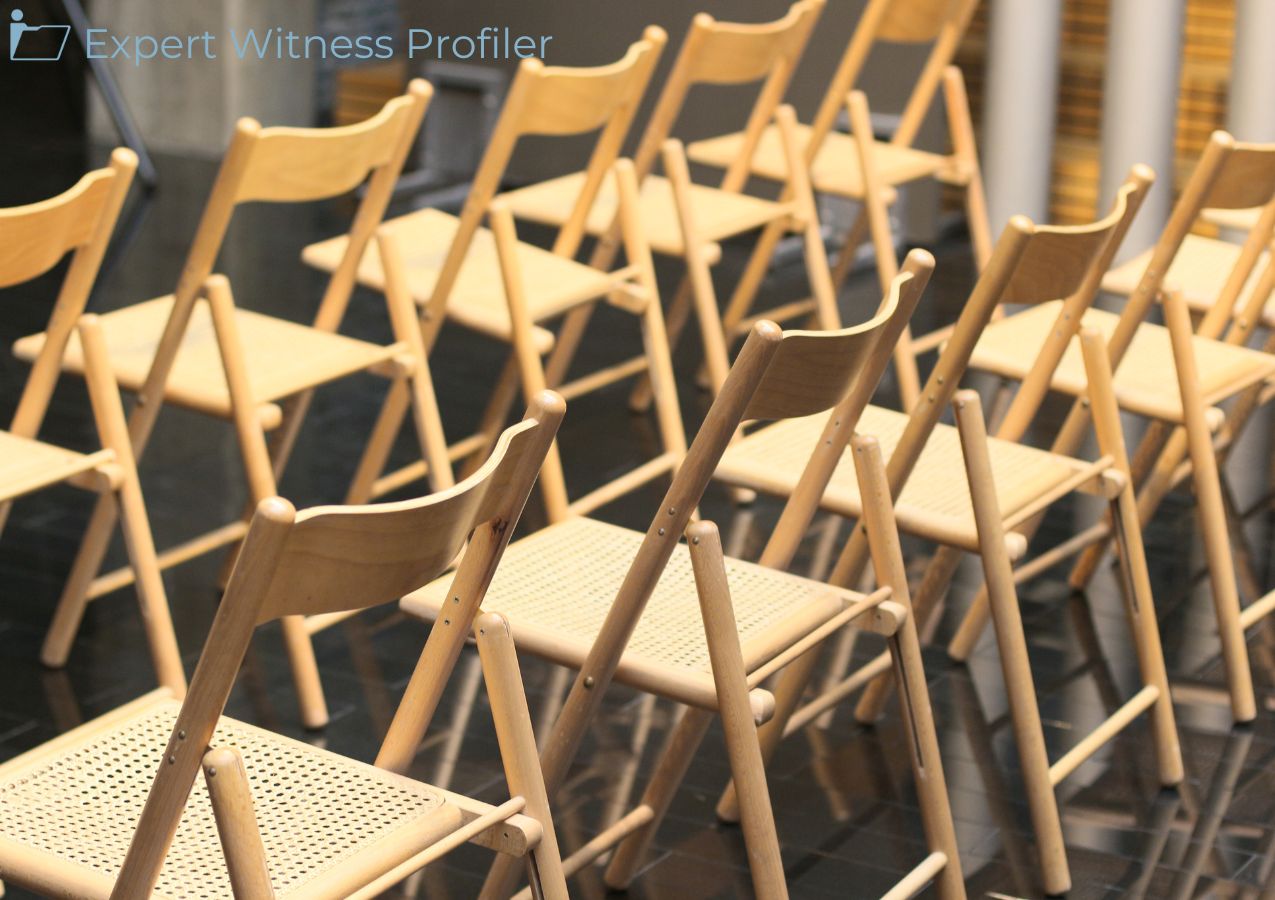
    Valerie Koger, a Costco member, visited the Costco store in Fremont, California, on November 1, 2018, seeking dining chairs. While browsing, she encountered a Stakmore wooden folding chair displayed on an aisle. Upon sitting on it, the chair immediately collapsed, causing her to fall to the ground. The impact from the chair’s failure resulted in a severe blow to her head, akin to being struck with a baseball bat, leading to a diagnosis of a mild head injury at Washington Hospital on the day of the incident. Her symptoms escalated, and within two days, she was diagnosed with dizziness, vertigo, and post-concussion vertigo.

    The Stakmore wooden folding chair in question was exclusively designed and provided by Meco for Costco in 2018. Costco had directly procured the chair from Meco, a supplier and vendor for the retail chain. Valerie Koger, alongside Jeffrey Koger, filed claims against Costco Wholesale Corporation and Costco Wholesale Membership, Inc., asserting premises liability due to the hazardous furniture display. Additionally, they pursued product liability claims against all involved parties, including Meco Corporation, citing the defective nature of the chair.

    The Plaintiff initiated Daubert motions against three experts enlisted by the Defendant: Jon B. Ver Halen, Eric J. Drabkin, and Stephen D. Forner. In response, the Defendant countered by filing Daubert motions against three of the Plaintiff’s experts: Zachary M. Moore, Leonard J. Backer, and Mark D’Esposito.

    Premises Liability Expert Witnesses

    Jon B. Ver Halen holds an Industrial Engineering degree from Purdue University. He has 32 years of experience as President of Ver Halen Engineering, a small consulting firm specializing in facilities design, manufacturing processes, product safety assessments, and expert witness testimony related to the aforementioned specialities. Jon Halen has been qualified as an expert engineer in over 30 states and provided expert testimony in hundreds of legal cases. 

    Zachary M. Moore holds a Bachelor of Science degree in Mechanical Engineering from Loyola Marymount University. He is a licensed Professional Mechanical Engineer in California. He is currently a Forensic Engineer with Aperture, LLC. Moore is also a Board-Certified Diplomate in Forensic Engineering and a Certified XL Tribometrist. He has over 18 years of experience investigating premises liability cases and testifying as a forensic engineering expert in numerous litigation cases. 

    Leonard J. Backer holds a B.A. degree from Rutgers University. He has over 30 years of relevant work experience, including officer-level roles at multiple furniture companies. Backer currently serves as President of Leonard J. Backer Associates LLC, where he works as a furniture expert witness and consultant since 2008. He is certified as an expert witness in many state and federal courts. 

    Causation Expert Witnesses

    Stephen D. Forner holds a B.A. in Chemistry and Physics from George Washington University and an M.D. from the University of Pennsylvania School of Medicine. He completed his neurology residency at Stanford University School of Medicine and his fellowship in clinical neurophysiology at the University of Texas Southwestern Medical School. Forner currently maintains his private practice at Kings Beach, California. He has previously worked at the Tahoe Forest Hospital Multispecialty Clinic and as a Clinical Professor of Neurology at the UC Davis School of Medicine.

    Mark D’Esposito holds a B.S. in Neuroscience and B.A. in Interdisciplinary Studies from the University of Rochester. He obtained his M.D. from SUNY Health Science Center, College of Medicine. D’Esposito completed his residency and his fellowships at Boston University Medical Center. He is certified by the American Board of Psychiatry and Neurology. He is currently a Distinguished Professor of Neuroscience and Psychology at the University of California, Berkeley. He also serves as a staff neurologist at Northern California VA Health Care System’s Cognitive Neurology and Stroke Clinic.  

    Damages Expert Witness

    Eric J. Drabkin holds a Ph.D. and an M.A. in Economics from the University of California, Los Angeles. He has a Diploma in Economics from the London School of Economics, and a B.A. in Economics from the University of California, Berkeley. Drabkin is currently a Senior Vice President of Forensic Accounting & Economics at J.S. Held. He has previously worked as a Senior Consulting Economist at Cohen Volk Economic Consulting Group and a Managing Director at Berkeley Research Group.   

    Discussion by the Court

    The Plaintiff contested three specific opinions presented by the Defendant’s expert, Jon B. Ver Halen under Rule 702 and Daubert :

    • Ver Halen asserted that the design of the subject chair was reasonably safe and met appropriate standards, asserting its capability to support over 300 pounds safely.
    • Ver Halen suggested that the wood screws attaching the folding brackets to the front spreader failed due to the application of excessive force. He also claimed that the splintering observed at the screw holes indicated the presence of sound wood.
    • Ver Halen posited that the wood screws securing the folding brackets to the front spreader couldn’t have failed under normal use of the chair.

    Plaintiff alleged that he did not consider all relevant evidence; his first opinion was based on inadmissible SGS testing; and his three opinions were based on independent testing employing unreliable methodology.

    The Court held that expert testimony relying on undisclosed or poorly described methodology must be excluded, because opinions based on “unsubstantiated and undocumented information is the antithesis of . . . scientifically reliable expert opinion”, citing Cabrera v. Cordis Corporation, 134 F.3d 1418 (9th Cir. 1998).

    Ver Halen, in his Expert Report’s third page, incorporated a section titled “Testing by SGS,” which indicated that an independent testing entity, SGS, conducted assessments on the chair design, affirming that the chair successfully passed all required tests. Ver Halen relied on these test “results” to form the foundation for his initial opinion that “the design of the subject chair is reasonably safe and meets the appropriate standards.”

    However, the Court determined that Ver Halen merely restated the conclusions derived from the SGS tests without delving into their underlying data or methodology. The Court highlighted that experts aren’t allowed to repackage inadmissible hearsay as expert testimony.

    To render opinions regarding why the chair failed in this case, Ver Halen performed “testing” on a Stakmore chair he found in his breakroom. Ver Halen’s report, spanning less than four pages, lacked the necessary details to reproduce his findings or to fairly assess his conclusions. His testing procedure involved three tests:

    • The first test focused on the coefficient of friction for the gliders beneath the chair legs, aiming to determine if the chair legs could shoot forward as experienced by Koger in the absence of screws. Ver Halen concluded that the results supported the possibility of the collapse occurring as described by Koger.
    • The second test involved opening and closing the chair a few times to verify if damage was likely to occur to the front bracket and screw assembly during normal usage.
    • The third test entailed placing the chair on its back, standing on the back legs, and using a pressure gauge to measure the force required to dislodge the front bracket and screw assembly when pulling up on the front legs individually.

    Ver Halen’s testing methods lacked comprehensive detail and relied on an exemplar chair of uncertain origin, undermining the credibility of the results. Defendants argued that Ver Halen’s testing adhered to scientific rigor, physics principles, Business and Institutional Furniture Manufacturers Association (BIFMA) standards, and “sound economic methodologies.” Yet, apart from the coefficient of friction tests, Court held that Ver Halen’s report lacked discussions on physics, BIFMA standards, or other concepts supporting his conclusions.

    Ultimately, the Court ruled that Ver Halen would not be permitted to offer opinions based on either the SGS testing or his independent testing due to the insufficiency and lack of thoroughness in his report.

    The Defendants jointly relied on the expert opinions of Eric J. Drabkin to assess the economic losses incurred by the Plaintiffs in the case. Drabkin’s assessment suggested that, had the injury not occurred, Koger would have only worked an additional 4.75 years. The Plaintiff contested Drabkin’s reliance on Craig A. Allen’s article, titled “Labor Force Transitions by Gender: Implications for Separate and Combined Worklife Expectancy,” published in the Journal of Forensic Economics. This challenge was based on California Civil Code section 3361, which prohibits experts from relying on studies and statistics considering race, ethnicity, or gender in wage and earnings predictions.

    Koger, employed as a school bus driver for the Fremont Unified School District, was driving special needs students to and from school at the time she was injured. Despite the article’s title, the Court found that the underlying data on which Drabkin relied did not make gender-based predictions but provided weighted averages based solely on age and educational attainment.

    The Plaintiffs argued that the article’s analysis of Table 1 demonstrated gender-based predictions, but the Court found this argument misleading. The article applied gender-agnostic estimates to both male and female populations, resulting in slightly lower worklife expectancies for women on average. However, these differences were attributed to variations in education levels and workforce participation between men and women. Importantly, the gender-agnostic estimates in Table 1 would not reduce damage estimates based solely on plaintiff Koger’s gender. Consequently, the Plaintiffs’ request to exclude Drabkin’s opinions was denied by the Court.

    The Plaintiffs sought to prevent Stephen D. Forner from proposing alternative explanations for Koger’s symptoms in the case. Forner’s expert report concluded that Koger likely didn’t suffer a traumatic brain injury due to the incident but instead suggested that her symptoms might be partially explained by functional neurologic disorder (FND) or benign paroxysmal positional vertigo (BPPV). Notably, Forner didn’t explicitly diagnose Koger with either FND or BPPV but indicated that these conditions should be considered as potential partial explanations, acknowledging that they might not account for all her reported symptoms.

    The Plaintiffs objected to Forner’s refusal to definitively diagnose Koger with FND or BPPV. However, the Plaintiffs failed to reference any binding or persuasive case mandating that when a clinician dismisses a diagnosis, they must propose an alternative diagnosis. The Court found Forner’s reluctance to diagnose as reasonable. Forner encountered instances where he lacked crucial medical records or further information from key neurological evaluations. Additionally, in some cases, tests were conducted, but the results were unavailable. Given the incomplete medical records, the Court deemed Forner’s cautious approach and the level of confidence in his assessment of Koger’s condition as appropriate.

    Now coming to the Daubert motions filed by the Defendants, Defendants first sought to exclude Zachary M. Moore from presenting legal conclusions as expert opinion.

    The Court addressed multiple opinions presented by Moore, an expert witness in the case:

    1. Moore’s first opinion, asserting that the chair was unsafe at the time of the incident, was deemed an unadorned legal conclusion. The Court ruled that Moore, lacking expertise in product design or consumer safety, couldn’t testify about the chair’s safety or Koger’s actions in a legal context.
    2. Moore’s second opinion, contending that the subject location violated codes and industry standards, was considered inappropriate due to insufficiently supported references to industry standards. Moore’s brief mention of industry standards lacked analysis and relied solely on language from an insurance company manual. Consequently, the Court disallowed this opinion from being presented at trial.
    3. Moore’s third opinion, suggesting that Costco knew or should have known about the unsafe condition, was grounded on a more robust factual and methodological basis. Moore’s analysis of employee testimony and Costco’s inspection policies led to the conclusion that employees failed to adhere to the company’s policies. The Court permitted Moore’s testimony within factual confines, as long as it refrained from purely legal conclusions.
    4. Moore’s fourth opinion, claiming that the cost to eliminate the unsafe condition would have been minimal, was excluded by the Court. His statement about Costco’s potential implementation of an adequate inspection policy lacked substantiation and analysis regarding the policy’s nature or the estimated costs involved. Therefore, the Court barred this opinion from being presented in the case.

    The Defendants next sought to exclude certain opinions presented by Leonard J. Backer, contending that he lacked qualifications to opine on Costco’s failure to inspect the store premises or that these opinions constituted impermissible legal conclusions.

    Backer, specializing in the design, manufacture, and sale of chairs, claimed expertise in “retail store planning markets,” encompassing “visual merchandising” related to chairs. However, there was no demonstrated experience in premises safety or the inspection and risk management standards applicable to retail stores within his record. Backer’s report contained opinions regarding Costco’s responsibility for maintaining premises safety and its inspection procedures, topics beyond his field of expertise and unrelated to chairs or his area of knowledge.

    The Court ruled that Backer would not be allowed to testify regarding Costco’s safety or inspection procedures due to his lack of expertise or relevance to the subject matter.

    Defendants sought to exclude Mark D’Esposito from testifying based on their assertion that he conducted a VOMS (Vestibular/Ocular Motor Screening) test on Koger. However, Plaintiffs objected, stating that D’Esposito didn’t perform a VOMS test. Nevertheless, even if a VOMS test had been conducted, plaintiffs argued it would have been appropriate.

    D’Esposito asserted that he conducted a thorough review of Koger’s medical records and administered a comprehensive neurological examination that involved at least seven neurological tests. While some of these tests overlap with those in a VOMS screening, they are also commonly associated with neurological assessments beyond the scope of athletic events. There’s no indication that tests used in a VOMS context are exclusively valid only within that context.

    The Court acknowledged that even if D’Esposito had performed a VOMS test on Koger, it wouldn’t warrant exclusion. Defendants conceded that the method itself is used to diagnose specific head injuries, which doesn’t fall under the “junk science” category prohibited by Rule 702. Whether these testing methods were suitable for Koger’s circumstances would be a matter for cross-examination rather than justification for exclusion.

    Held

    • The Court granted the Plaintiff’s motion to exclude, in part, the testimony of Defendant’s expert Jon B. Ver Halen.
    • The Court denied the Plaintiff’s motion to exclude, in part, the testimony of Defendant’s expert Eric J. Drabkin.
    • The Court denied the Plaintiff’s motion to exclude, in part, the testimony of Defendant’s expert Stephen D. Forner.
    • The Court granted in part and denied in part the Defendant’s motion to exclude the opinions of Plaintiff’s expert Zachary M. Moore.
    • The Court granted the Defendant’s motion to exclude some of the opinions of Plaintiff’s expert Leonard J. Backer.
    • The Court denied the Defendant’s motion to exclude the opinions of Plaintiff’s expert Mark D’Esposito related to VOMS test and results.

    Key Takeaways:

    1. An expert’s testing methods must be reliable and described in enough detail to allow independent validation. Vague descriptions or undisclosed methodologies will lead to exclusion.
    2. Experts cannot present legal conclusions or opine on the law, but may testify about industry standards if properly supported. Conclusions that invade the province of the fact finder will be excluded.
    3. Experts should not testify beyond their expertise. For example, with expertise in the design, manufacture, and sale of chairs, one cannot opine on store safety procedures and inspection policies.
    4. Alternative medical explanations suggested by an expert need not be definitive diagnoses. If records are incomplete, limited confidence in assessing conditions is reasonable.
    5. Use of testing methods outside their common context is not necessarily grounds for exclusion if the methods may help diagnose conditions. Attacks should target appropriateness of specific application.
  • Court Excludes the Testimony of Finance Expert Witness for its inconsistency with GAAP Principles

    Court Excludes the Testimony of Finance Expert Witness for its inconsistency with GAAP Principles

    This case involved Plaintiffs Fischler Kapel Holdings, LLC, Richard Fischler, and Paula Kapel (collectively “Plaintiffs”) and Defendants Flavor Producers, LLC (“FPI”) and Jeffrey Harris (collectively “Defendants”). Plaintiffs filed a motion in limine to exclude the expert report and testimony of Defendants’ expert, Timothy S. Ramey.

    The Defendants engaged in a fraudulent scheme by providing false financial information about certain companies. Their goal was to persuade Fischler and Kapel to enter employment contracts with lower salaries, relying on bonus expectations tied to the deceitful financial data. The losses incurred by Fischler and Kapel amounted to at least $1.2 million. Additionally, in a related transaction, the Defendants misrepresented the value of corporate stock to convince the Plaintiffs to relinquish their controlling interest in another company and invest in the failing company. This scheme also targeted third-party investors who were induced to invest in the same failing company. Overall, the deceptive actions of the Defendants resulted in losses totaling at least $7.5 million for both the Plaintiffs and the third-party investors through common law and securities fraud.

    Fischler and Kapel owned Creative Flavor Concepts, Inc., (“CFC”) a company that designed, formulated and manufactured flavors as food ingredients, and also manufactured certain food and supplement products. In conjunction with FPI’s purchase of a majority share in CFC, FPI induced Fischler and Kapel to enter into employment contracts as part of the purchase price.

    The Plaintiffs attempted to exclude the expert report and testimony of Timothy Ramey, the Defendants’ expert. They argued that Ramey’s report contained impermissible legal opinions, lacked a proper foundation, and made it difficult to ascertain whether the documents cited were disclosed during discovery. In response, the Defendants sought to admit Ramey’s report and testimony, aiming to educate the jury on mergers and acquisitions within the food, beverage, and nutrition industries, including the transactions relevant to the case.

    Timothy S. Ramey, C.F.A., obtained his chartered financial analyst (“CFA”) designation in 1986. His professional experience included roles at Deutsche Bank, NatWest Securities, and Kidder, Peabody & Co. in equity research, with ten years served as the Director of Food, Wine, and Agribusiness Research at Deutsche Bank. Between 2000 and 2002, Ramey held the position of Vice President of Strategy and Corporate Development at Sara Lee Corporation. Subsequently, he served as the Senior Vice President of Equity Research for D.A. Davidson & Co., specializing in the food and beverage industry, before joining Post Holdings. In 2014, Ramey became the Director of Strategic Ventures for Post Holdings and, from 2014 to 2019, held the role of Senior Analyst – Food, Beverage, and Nutrition at Pivotal Research Group. Throughout his career, Ramey received various awards for his contributions as an equity research analyst.

    During the October 5, 2023 hearing, Ramey testified about his expertise, emphasizing his knowledge in the food, beverage, and nutrition industry, particularly in the context of mergers and acquisitions. He explicitly stated that he lacked expertise in analyzing legal agreements and was not an attorney. Citing Ninth Circuit precedent, United States v. Diaz, 876 F.3d 1194, 1197 (9th Cir. 2017), which prohibits expert witnesses from offering legal conclusions, the Court found that Ramey’s opinions on pages 3, 4, 5, 6, 7, 9, and 13 of the expert report constituted impermissible legal opinions. These opinions purported to interpret the Asset Purchase Agreement, Stock Purchase Agreement, October 31, 2016, Termination Letter of the Stock Purchase Agreement, and the Administrative Services Agreement based on the Court’s evaluation of the record.

    The Court granted the Motion, specifically concerning the opinions detailed on pages 3, 4, 5, 6, 7, 9, and 13 of the expert report. The Court referenced legal precedents, emphasizing that expert testimony cannot be used to provide legal meaning or interpret policies as written. Additionally, it cited Crow Tribe of Indians v. Racicot, 87 F.3d 1039, 1045 (9th Cir. 1996), noting that the interpretation of a contract is a matter of law, and expert testimony is not suitable for issues of law. The Court also cited Energy Oils, Inc. v. Mont. Power Co., 626 F.2d 731, 737 (9th Cir. 1980), highlighting that admitting expert testimony on the legal effect of agreements and subjective intent of parties is erroneous, but in this case, the error was considered harmless due to justifiable findings based on custom and usage evidence.

    The Court proceeded to evaluate the reliability of Ramey’s remaining opinions, encompassing his views about the financial information for Creative Flavor Concepts and Creative Concepts Holdings, LLC, among other things. Recognizing the flexible nature of the reliability test and the discretion afforded to the trial Court emphasized that Daubert’s specific factors are neither exclusive nor universally applicable.

    The Court, having conducted oral argument and received testimony from Ramey during the October 5, 2023 hearing, focused on the methodology underlying his opinions regarding the financial information for Creative Flavor Concepts and Creative Concepts Holdings, LLC. Ramey asserted that his opinions were derived from his industry experience, CFA training, and adherence to Generally Accepted Accounting Principles (GAAP).

    Despite Ramey’s affirmation during the Daubert hearing that his methodology relied on his industry experience, CFA background, and GAAP, the Court found his opinions lacked consistent and adequately demonstrated reasoning or methodology. Referring to United States v. Holguin, 51 F.4th 841, 854 (9th Cir. 2022), the Court highlighted the need to assess the expert’s reasoning or methodology, considering factors like testability, publication in peer-reviewed literature, known or potential error rate, and general acceptance.

    The Court noted a deficiency in Ramey’s report, citing the absence of sufficient details on the relevant GAAP principles, their application, and the connection to his ultimate opinions. Additionally, for opinions purportedly not relying on GAAP, the report lacked an adequate explanation of the methodology employed to reach those conclusions. The Court concluded that without a clear demonstration of the applied methodology, the expert’s conclusions were essentially unsupported assertions.

    After a thorough examination of the expert report and considering Ramey’s testimony during the Daubert hearing on October 5, 2023, the Court determined that the Defendants failed to adequately establish the reliability of Ramey’s methodology in forming his opinions regarding the financial information for Creative Flavor Concepts and Creative Concepts Holdings, LLC. The Court concluded that each of Ramey’s opinions appeared conclusory, lacking a satisfactory explanation of the applied methodology and how it was used to form each respective opinion. Upon determining that Ramey’s methodology for the remaining, non-stricken opinions in his report lacked sufficient reliability, the Court opted not to consider the relevance of these opinions. After striking Ramey’s legal opinions regarding the agreements at issue and finding the remaining opinions in the report lacking sufficient reliability, the Court granted the Motion in its entirety.

    The Court ultimately granted Plaintiffs’ motion in limine in its entirety, excluding Ramey’s expert report and testimony from being admitted as evidence. This fulfilled the Court’s gatekeeping role under Daubert to ensure expert testimony meets certain standards of reliability before it is presented to the jury. The Court issued a final ruling on October 10, 2023 dismissing the action without prejudice.

    This case demonstrates several important requirements for expert witness testimony to be admissible under Daubert standards and Federal Rule of Evidence 702. First, experts cannot offer legal opinions or interpretations of contracts and agreements. The Court struck opinions from the expert report that amounted to improper legal analysis. Second, experts must demonstrate their reasoning and methodology clearly and consistently. Even if an expert is qualified based on experience and training, they must reliably apply expertise to the facts using sound methodology explained in their report and testimony. Here, the Court found the expert’s opinions conclusory, as he failed to sufficiently show his methodology. Third, the proponent of an expert witness has the burden to prove by a preponderance of evidence that the testimony is reliable and relevant. The party could not establish a reliable methodology to support this expert’s opinions. Fourth, Courts serve a gatekeeping role in screening unreliable expert testimony from reaching a jury, which the Court fulfilled by excluding this inadmissible testimony altogether.

  • Court limits the testimony of Life Care Planning Expert Witness citing reliance on the inadmissible opinions of an undisclosed expert

    Court limits the testimony of Life Care Planning Expert Witness citing reliance on the inadmissible opinions of an undisclosed expert

    This case involved a lawsuit filed by Louis Edward Hill against Century Arms, Inc. and Century International Arms, Inc. (collectively “Defendants”) relating to a pistol that allegedly unintentionally discharged when it fell out of its holster, resulting in injury to Hill’s knee.

    On November 28, 2017, the Plaintiff purchased a Canik TP9SF Elite model pistol. Subsequently, on February 25, 2019, the Plaintiff sustained injuries when the pistol, housed in a holster, fell, struck the ground, and discharged unintentionally. The Plaintiff asserts that a safety defect rendered the pistol unreasonably dangerous. The Amended Complaint contends that the Defendants, involved in the design, manufacturing, import, marketing, distribution, and sale of the pistol, are responsible. The Plaintiff points to a September 1, 2017, “Product Safety Warning and Severe Duty Upgrade Notice” issued by the Defendants, which was not a recall but a voluntary upgrade. This notice applied to the Plaintiff’s pistol and acknowledged that dropping pistols could damage safety features, leading to unintentional discharge. The Plaintiff alleges negligence, strict liability for manufacturing and design defects, negligence, and strict liability for failure to warn. The complaint also includes allegations related to vicarious liability.

    The Plaintiff suffered a knee injury in the accident and sought medical treatment from  Dr. Konstantinos Triantafillou, M.D., a board-certified orthopedic surgeon. Following a deposition on September 8, 2022,  Triantafillou testified that the likelihood of the Plaintiff requiring a total knee replacement in the future was “more likely than not.” He explained that the significant damage to the joint, characterized by a sizable hole, made it challenging to anticipate anything other than the development of painful arthritis in the future.

    The Plaintiff enlisted the services of Robert P. Tremp, a life care expert, to assess future care needs, rehabilitation planning, and the impact of conditions on independent living and vocational development. In Tremp’s First Report finalized on September 26, 2022 (“Tremp’s First Report”) , he estimated the Plaintiff’s future medical expenses at $76,861.50, covering MRIs, X-rays, physical therapy, orthopedic appointments, and a total knee replacement. Notably, Tremp qualified that this list of future medical care was contingent on physician recommendations, except for the total knee replacement, which was based on  Triantafillou’s deposition testimony. Tremp arrived at his opinions after reviewing the Plaintiff’s medical records and  Triantafillou’s deposition.

    On October 25, 2022, Robert P. Tremp asked Triantafillou to fill out a questionnaire on the Plaintiff’s future medical needs. In a report by November 3, 2022, Triantafillou suggested lifelong annual medical visits, no immediate treatments, but potential surgical intervention for post-traumatic arthritis, with joint replacement as a future consideration.

    On November 17, 2022, a similar questionnaire was completed, omitting uncertain treatments. Triantafillou noted medical visits as needed for pain, potential surgery for arthritis pending evaluation, and probable but unspecified therapies. They recommended periodic diagnostics, injections, assistive devices, and aids based on symptom aggravation.

    On February 9, 2023, the Plaintiff’s expert disclosure deadline expired, and Defendants claim that the Plaintiff disclosed Tremp along with three other experts as witnesses. On September 15, 2023, Defendants deposed Tremp, and during the deposition, the Plaintiff produced Tremp’s expert file, which included a one-page telemedicine Independent Medical Examination (IME) report prepared by William Tontz on March 11, 2023. Tontz recommended annual orthopedic visits for ongoing knee pain, along with annual MRI and CT scans for monitoring. Viscosupplementation was advised biannually. It was reasonably certain that the patient would eventually need a total knee arthroplasty and hardware removal due to persistent pain and post-traumatic arthritis.

    In response to questions about any inconsistency between the recommendations of  Triantafillou and  Tontz, Tremp stated that “Triantafillou didn’t have much feedback in terms of recommendations based on the input he gave.” Defendants assert that, in addition to disclosing the IME with  Tontz, Tremp also disclosed his Second Life Care Plan (“Tremp’s Second Report”) on the day of his deposition. Dated July 26, 2023, Tremp’s Second Report, based on  Tontz’s recommendations, indicated that the Plaintiff will need orthopedic surgery appointments, viscosupplementation injections for the knee, total knee replacement with hardware removal, MRI of the left knee, and a CT scan of the knee. Tremp explained that he withdrew the September 27, 2022 plan because the 2023 plan replaced it due to new information from the IME with  Tontz.

    Defendants filed two motions seeking to exclude the evidence relating to Tontz. First, they sought to exclude  Tontz as an undisclosed expert witness in violation of Rule 26(a)(2) and exclude his opinions as a sanction pursuant to Rule 37. Second, they sought to exclude Tremp’s testimony relying on Tontz’s opinions.

    Life Care Planning Expert Witness 

    Robert P. Tremp, Jr., M.A., C.R.C., C.L.C.P., holds a Master of Arts degree in Special Education and Rehabilitation, which he earned from the University of Arizona in 2004. Prior to this graduate program, Tremp completed a Bachelor of Arts in Interdisciplinary Studies and Social Science, Human Resources and Society at Michigan State University in 2002. Additionally, in 2004 he finished an internship with the Rehabilitation Services Administration of the Arizona Department of Economic Security. He has obtained professional certifications demonstrating specialization and expertise, including as a Certified Rehabilitation Counselor, Certified Life Care Planner, and Provisional Mental Health Counselor. Presently, Tremp serves as a consultant with the firm Deutsch, Tremp & Tremp, LLC, which has office locations in Arizona, Florida, Michigan and New York.

    Orthopaedic Surgery Expert Witness

    Dr. William Tontz, Jr., M.D., earned his medical degree from the University of Southern California School of Medicine. Prior to medical school, he obtained an undergraduate Biology degree from the University of California, Irvine. He is board certified by the American Board of Orthopedic Surgery, with specialized training in conditions of the spine. Tontz’s clinical expertise includes spine trauma and reconstruction procedures, minimally invasive cervical and lumbar surgeries, non-operative spine care, and decompression surgeries. He practices as an orthopedic spine surgeon with Coastal Medical Group and Sarasota Orthopedic Institute. 

    Discussions by the Court

    Defendants are seeking to exclude the opinion of Tontz because Plaintiff did not disclose him as an expert witness by the February 9, 2023 deadline. Plaintiff contends that disclosure was unnecessary as he did not plan to call Tontz at trial. Plaintiff also argues that Rule 35 doesn’t mandate a Court order for a party to consult a physician and that Defendants were required to request Tontz’s Independent Medical Examination (IME), which they failed to do.

    The Court disagrees with Plaintiff, citing Rule 26(b)(3)(D), which shields consulting experts from discovery unless exceptional circumstances are shown. However,  Tontz goes beyond a consulting expert as Rule 26(b)(4) distinguishes between testifying and non-testifying experts. Although Plaintiff asserts he won’t call Tontz at trial, he presents Tontz’s opinions through Tremp. While Plaintiff wasn’t required to seek a Court order for the consultation, the rules necessitate timely disclosure of  Tontz’s opinions if intended for trial reliance.

    Plaintiff refers to Rule 35, arguing it requires the party seeking an IME to request reports of all earlier or later examinations of the same condition. Since Defendants obtained an IME with Dr. Koenig, Plaintiff contends they were obligated to request the subsequent IME by Tontz, which they failed to do.

    The Advisory Committee note on Fed. R. Civ. P. 35(b)(3) clarifies that reports of examining physicians are discoverable under various rules, not solely under Rule 35(b). Plaintiff’s attempt to use Rule 35 as a means to utilize Tontz’s untimely disclosure is deemed impermissible by the Court. Defendants argue that they previously requested this information during discovery, and Plaintiff failed to supplement his responses as required under Rule 26(e).

    Given the Court’s finding that Plaintiff was obligated to disclose Tontz by February 9, 2023, and failed to do so, Rule 37 comes into play. Rule 37(c) mandates exclusion unless the harm is substantially justified or harmless. Plaintiff did not argue that the failure to disclose Tontz was harmless or substantially justified, which alone justifies granting Defendants’ motion. The Court considered the circumstances and applied the five factors identified by the Sixth Circuit to assess the party’s failure to disclose, citing the case Howe v. City of Akron, 801 F.3d 718, 747-48 (6th Cir. 2015):
    (1) the surprise to the party against whom the evidence would be offered; (2) the ability of that party to cure the surprise; (3) the extent to which allowing the evidence would disrupt the trial; (4) the importance of the evidence; and (5) the non disclosing party’s explanation for its failure to disclose the evidence.

    Regarding the first Howe factor, which considers Defendants’ surprise, the Court favors excluding  Tontz’s opinions. Plaintiff acknowledged the error in including  Tontz as an expert to be deposed but confirmed he would not be called as a witness. Plaintiff’s late disclosure, seven months after the expert deadline, added to Defendants’ surprise.

    As for the second factor, Defendants’ ability to cure the surprise, it favors exclusion. With the late disclosure in September 2023 and the trial set for January 2024, Defendants lacked sufficient time for discovery from Tontz.

    The third factor, disruption to the trial date, supports exclusion. Plaintiff’s significant delay in disclosing  Tontz, seven months after the deadline, would impact the trial set for January 2024.

    The fourth factor, the importance of the evidence, slightly weighs against exclusion. While Defendants argue  Tontz’s report lacks foundation, Tremp relies on it to form an opinion on Plaintiff’s future medical needs.

    The fifth factor, the reason for the late disclosure, supports exclusion. Plaintiff’s failure to explain the delayed disclosure and the argument that he wasn’t required to disclose Tontz are deemed insufficient.

    Considering these factors, the Court concludes that  Tontz’s opinions should be excluded.

    Defendants seek to exclude evidence relying on Tontz’s opinions, including Tremp’s Second Report. Plaintiff argues Rule 703 allows experts to base opinions on inadmissible facts if experts in the field would reasonably rely on them. However, the Court deems this argument irrelevant, emphasizing that the issue is not about an expert relying on others’ work but whether commissioning an undisclosed expert after the expert disclosure deadline is acceptable. The Court notes that obtaining an opinion from an undisclosed expert based on existing evidence post-deadline is considered untimely. Since  Tontz’s opinions are inadmissible, Tremp lacks a valid foundation for his opinions in the Second Report.

    Plaintiff argues that, even without  Tontz’s report, there is enough support from Triantafillou’s deposition for the life care plan’s findings on the need for future surgery and monitoring.  Triantafillou, according to Plaintiff, acknowledged the likelihood of post-traumatic arthritis but differed from Tontz in his “hands-off” monitoring approach. Defendants counter that Triantafillou did not suggest knee replacement surgery, and they question the necessity of ongoing monitoring, emphasizing Triantafillou’s stance that it does not significantly impact treatment. Despite the exclusion of Tontz’s opinions, Plaintiff contends there is evidence, such as X-rays and potential knee replacement, supporting the need for limited future monitoring.

    Triantafillou acknowledged the potential need for radiographic images and nonsurgical options before considering knee replacement. While he couldn’t assert certainty, he expressed a likelihood of Plaintiff developing arthritis and, more likely than not, needing a knee replacement. Defendants argue that  Triantafillou later disavowed certainty, but the Court notes his consistent indication of a greater than 50% probability of future surgical intervention. The Court deems testimony relying on Triantafillou’s opinions for the life care plan admissible, leaving the weight for the jury’s consideration.

    Held

    The Court has granted Defendants’ Motion to Preclude the Records and Opinions of Plaintiff’s Undisclosed Expert, William L. Tontz, as well as any testimony and opinions relying on those records and opinions. Additionally, the Court has granted in part and denied in part Defendants’ Motion to Exclude the Testimony of Plaintiff’s Expert, Robert P. Tremp, and the supporting memorandum of law. The Court has not arrived on an outcome for this case since the remaining issues involved in this case still await resolution.

    Key Takeaways

    This case demonstrates the importance of disclosing expert witnesses by the Court-ordered deadline. Here, the Plaintiff retained Tontz to provide an expert opinion on future medical treatment but failed to disclose Tontz by the February 2023 deadline. The late disclosure in September 2023 was prejudicial to the Defendants, who faced surprise expert opinions without time to obtain responsive testimony before the January 2024 trial. 

    The Court excluded Tontz as an undisclosed expert witness, finding the late disclosure was neither substantially justified nor harmless. This automatic sanction under Rule 37 highlights the need to timely disclose retained experts. An expert report cannot be snuck in as a “consulting” expert exempt from disclosure if that expert’s opinions will be presented at trial.

    Additionally, unrelated expert witnesses cannot bolster their opinions by relying on an excluded expert’s inadmissible opinions. Here, once Tontz’s opinions were excluded, the Court precluded the Plaintiff’s life care planning expert from offering a supplemental report based solely on Tontz’s excluded findings. 

    In sum, parties must timely disclose all retained experts expected to provide opinions at trial, and no party can utilize an excluded expert’s opinions to support another testifying expert. Carefully following expert disclosure requirements remains critical to avoiding preclusion of evidence and testimony.

  • Court admits the Long-Term, Low-Temperature Ignition of Wood theory of Fire Investigation Expert Witnesses in Product Liability Case

    Court admits the Long-Term, Low-Temperature Ignition of Wood theory of Fire Investigation Expert Witnesses in Product Liability Case

    The case arose from a fire at an apartment building in Potsdam, New York, allegedly caused by a defective attic exhaust/ventilation fan manufactured by Defendant, Broan Nutone LLC. Country Mutual, representing the Plaintiff, claimed the fan was defective in both manufacturing and design, citing New York law on strict product liability and identifying manufacturing and design defects.

    The Court, citing Reynolds-Sitzer v. Eisai, Inc, 586 F. Supp. 3d 123 (N.D.N.Y. 2022), highlighted three recognized product defects under New York law: manufacturing, design, and warning defects. For a manufacturing defect claim, the Plaintiff needed to establish the defect’s existence at the product’s release, a causal link to the injury, and resulting damages. In the case of a design defect claim, the burden involved proving the product’s inherent danger, the feasibility of a safer design, and the defective design’s substantial role in causing the injury.

    Country Mutual filed two motions in limine seeking to exclude certain expert testimonies from Broan’s experts, James Smolka and Dennis Scardino, which Broan countered with a motion in limine aimed at preventing Country Mutual from presenting or referencing other incidents involving exhaust fans as evidence.

    Fire Investigation Expert Witnesses

    James C. Smolka P.E., CFEI is a Senior Consultant for Engineering Systems Inc. (ESi). Mr. Smolka has over 20 years of experience in Electrical Engineering, particular in the field of Electrical Power Engineering and Instrumentation and Controls (I&C) Engineering. He is a certified fire and explosion investigator.

    Dennis J. Scardino P.E., CFI, CFEI, CFII, CVFI is a Professional Engineer in Mechanical Engineering, with 35 years of fire/explosion analysis experience. He is a seasoned expert qualified in forensic failure analysis and fire origin and cause. With experience spanning State and Federal Courts across the Southeastern United States, he specialized in evaluating failure, fire, and explosion origins since 1981. His professional history involved aiding insurance companies, adjusting firms, law practices, various private and public entities, and individuals in assessing and addressing failure and fire-related incidents.

    Discussion by the Court 

    Country Mutual’s first motion sought to preclude Broan’s experts, James Smolka (“Smolka”) and Dennis Scardino (“Scardino”), from providing certain testimony at trial. Country Mutual contested the conclusion presented by Broan’s experts, James Smolka and Dennis Scardino, regarding the fire’s cause—a phenomenon termed Long-Term, Low-Temperature Ignition of Wood (LTLTIW). This phenomenon occurs when prolonged heat exposure causes wood to char, reducing its ignition temperature and potentially leading to self-ignition. Country Mutual sought to prevent these experts from testifying about LTLTIW, citing its alleged lack of scientific proof, unpredictability, and absence of testing, dubbing its application to the case as unreliable.

    Broan countered by asserting that LTLTIW was a scientifically established phenomenon documented by fire investigators over several decades. They emphasized Scardino’s personal observations of LTLTIW in multiple instances during his lengthy tenure as a fire investigator. Broan maintained that Smolka and Scardino appropriately applied LTLTIW to the case’s specifics, concluding that this phenomenon caused the fire in question.

    In Daubert v. Merrell Dow Pharmaceuticals, Inc., the Supreme Court set forth a list of factors, in addition to the criteria set forth in Rule 702, that bear on the determination of reliability. The factors outlined in Daubert include: whether a theory or technique has been or can be tested, “whether the theory or technique has been subjected to peer review and publication,” the technique’s “known or potential rate of error” and “the existence and maintenance of standards controlling the technique’s operation,” and whether a particular technique or theory has gained general acceptance in the relevant scientific community. Importantly, the factors outlined in Daubert do not constitute a “definitive checklist or test.” Rather, the inquiry envisioned by Rule 702 is a flexible one, and the gatekeeping inquiry must be tied to the facts of a particular case.

    The Court found that the opinions of James Smolka and Dennis Scardino were sufficiently reliable under Daubert after thoroughly reviewing their joint report and denied Country Mutual’s first motion in limine to exclude them from providing certain testimony at trial.

    Country Mutual filed a second motion in limine to preclude the testimony of experts James Smolka and Dennis Scardino, seeking to prevent them from presenting overlapping or duplicative testimony. They argued that allowing such overlapping testimony could prejudice the jury by conveying that multiple experts had independently reached the same conclusion, potentially impacting the weight of their testimony. Additionally, Country Mutual contended that permitting cumulative testimony would unnecessarily consume the court’s and jury’s time.

    In response, Broan countered that their expert disclosures delineated the specific areas in which Smolka and Scardino would testify. They highlighted that during the experts’ depositions, Country Mutual had the opportunity to clarify which opinions each expert would present at trial. Broan further argued that the determination of cumulative testimony should be made during the trial phase, rather than pretrial.

    While expert testimony might be admissible, Federal Rule of Evidence 403 allows for its exclusion if its probative value is substantially outweighed by risks of unfair prejudice, confusion, misleading the jury, undue delay, wastefulness, or needlessly presenting redundant evidence.

    Upon review, the Court ruled to restrict Smolka and Scardino from presenting overlapping testimony during the trial, allowing them to testify only on aspects where their testimonies did not duplicate each other. Consequently, the Court granted Plaintiff’s second motion in limine, permitting the experts to testify to the extent that their testimonies did not overlap or duplicate each other’s.

    The Court granted Broan’s motion in limine, barring Country Mutual from presenting or referencing other incidents involving exhaust fans as evidence. This decision stemmed from Country Mutual’s failure to establish substantial similarity between the prior incidents and the present case. Specifically, Country Mutual could not demonstrate that the previous incidents involved the exhaust fan at issue in this case or a sufficiently comparable scenario to the one in question here. Therefore, the Court deemed the prior incidents inadmissible due to the lack of similarity.

    Held

    The Court denied Plaintiff’s first motion in limine, having found Smolka and Scardino’s testimony sufficiently reliable as per the Daubert standards but barred them from presenting cumulative testimony by granting the Plaintiff’s second motion in limine. The Court also granted Defendant’s motion to preclude Plaintiff from referring to or offering into evidence other incidents involving exhaust fans.

    Both the parties reached an settlement shortly after this ruling and the case was subsequently dismissed.

    Key Takeaways:

    The Court denied Country Mutual’s motion to preclude Broan’s experts, James Smolka and Dennis Scardino, from testifying about the phenomenon of Long-Term, Low-Temperature Ignition of Wood (LTLTIW). The Court found that based on a review of the experts’ joint report, their opinions regarding LTLTIW were sufficiently reliable to be admissible under Rule 702 and Daubert. However, the Court granted Country Mutual’s motion to preclude cumulative testimony from Smolka and Scardino. The experts will be permitted to testify but their testimony cannot be duplicative. This ruling was made under Rule 403, which allows Courts to exclude admissible expert testimony if its probative value is substantially outweighed by wasting time or needlessly presenting cumulative evidence. Additionally, the Court precluded Country Mutual from introducing evidence or making any reference to prior incidents involving exhaust fans. The Court found that Country Mutual failed to demonstrate that any alleged prior incidents were substantially similar to the incident at issue involving the Broan exhaust fan. Therefore, evidence regarding other exhaust fan incidents was deemed irrelevant and inadmissible.

  • Testimony of Civil Engineering Expert Witness found to meet the requisite reliability threshold under Daubert in insurance coverage dispute

    Testimony of Civil Engineering Expert Witness found to meet the requisite reliability threshold under Daubert in insurance coverage dispute

    The lawsuit originated from a commercial property insurance claim brought by Plaintiff, 285 West 24th Street Family Company, LLC, under a surplus lines insurance policy issued by Defendant, United Specialty Insurance Company. The claim involved both visible and latent damages reported by the Plaintiff, believed to have occurred while the policy was active on May 27, 2020. The damages encompassed various issues, including water damage resulting from wind damage and heavy wind and rain.

    On April 15, 2021, the Plaintiff initiated the case in state court after filing its Petition for Declaratory Relief. Plaintiff sought a declaration of the rights and/or obligations of the Parties under the “all risk”
    Policy of insurance covering the commercial property in Hialeah, Florida.

    Subsequently, on February 4, 2022, the Defendant removed the case to federal court alleging diversity jurisdiction and countered with a claim seeking a declaration that the Plaintiff’s claim was not covered by the applicable insurance policy.

    Defendant moved to strike the reports and testimony of Plaintiff’s expert Alfredo Brizuela, P.E. citing the untimely and improper disclosure of a new contradictory opinion which was also insufficient as per the Daubert Standard.

    Civil Engineering Expert Witnesses

    Alfredo Brizuela is a architectural, structural and civil engineer. His company, Al Brizuela Engineering specializes in construction science and management services as well as hurricane, building and design inspections. Alfredo Brizuela’s corporate resume spans over three decades and includes projects undertaken for Miami International Airport (M.I.A.), The Miami Herald, Metro-Dade Transit, Biltmore Hotel, Museum Tower, Freedom Tower, Jackie Gleason Theater, Miami Children’s Hospital, Jackson Memorial Hospital, Grand Bay Hotel, Wyndham Hotel, San Juan, Puerto Rico among many others.  

    Discussion by the Court

    The operative scheduling order initially required expert witness disclosures by June 15, 2023. Both Parties jointly requested and were granted a 15-day extension until June 30, 2023, to finalize their expert witness summaries or reports. Plaintiff submitted expert Alfredo Brizuela’s report on June 22, 2023, indicating the type of loss as “water and wind damage.”

    During Brizuela’s deposition on July 28, 2023, he contradicted his prior conclusion about heavy winds, stating disagreement with his earlier assessment. Subsequently, on August 1, 2023, after Brizuela’s deposition, Plaintiff disclosed a second report termed an “amended report” dated July 30, 2023. This secondary report was presented 30 days after the Rule 26 expert disclosure deadline. Defendant moved to strike Plaintiff’s first expert report (dated June 22, 2023) because it was procedurally deficient.

    Defendant contended that Federal Rule 26(a)(2)(B)(i) necessitates a comprehensive statement encompassing all opinions a witness intends to express, along with their basis and reasoning. They argued that Plaintiff’s expert Brizuela failed to provide a complete statement as he subsequently amended the report, altering initial conclusions and expressing disagreement with the earlier opinion during deposition.

    Defendant further asserted that this change in opinion lacked substantial justification since it contradicted the initial assessment, emphasizing Brizuela’s failure to justify or explain the critical error during the deposition. Additionally, Defendant highlighted the absence of any indication in the July 30th report about the existence of a prior opinion or report, adding to the contention that the amended report lacked completeness and coherence.

    The Defendant argued that the amended report, dated July 30, 2023, should be stricken due to its untimeliness. The report was disclosed after the deadline stipulated by the Court’s Scheduling Order and subsequent to the deposition of expert Brizuela.

    Under Federal Rule of Civil Procedure 37(c), the utilization of information or a witness during a motion or trial if the party failed to provide that information or identify the witness as required by Rule 26(a) or (e) is prohibited, unless the failure was substantially justified or deemed harmless.

    The Court, in determining the admissibility of expert testimony or any expert-prepared report, engaged in a three-part evaluation. This evaluation included assessing whether: (1) the expert was adequately qualified to testify on the relevant matters; (2) the methodology employed by the expert in forming conclusions was sufficiently reliable; and (3) the testimony aided the trier of fact in comprehending evidence or determining a fact in question through the application of specialized expertise in scientific or technical matters.

    In response, Plaintiff did not argue that the amended report was timely but emphasized that upon receiving it, their counsel promptly forwarded the report to the Defendant’s counsel on the very same day. Additionally, the Plaintiff asserted that during the deposition, their expert was fully prepared and capable of testifying regarding the amended causation report from July 30, 2023. Therefore, the Plaintiff argued that despite the untimely disclosure, it did not cause harm as the expert was readily available and prepared to discuss the amended report during the deposition.

    An expert report may be supplemented, pursuant to Rule 26(e), when the party learns that the original disclosure was incomplete or incorrect. The Court also recognized that a party cannot abuse Rule 26(e) to merely bolster a defective or problematic expert witness report, citing Potiguar v. Caterpillar Inc., 1:14cv24277.

    The Court found that the two reports provided by Plaintiff’s expert collectively formed his opinion. An expert is entitled to have multiple opinions. Any inconsistencies or contradictions in the two reports may be raised at trial during questioning. Defendant’s objection that the amended report was untimely was denied because it was harmless. The disclosure was made before the end of discovery and there could have been an additional deposition taken. Defendant’s objection that the amended report contradicts his first report was also denied without prejudice to be raised at trial.

    Defendant further insisted that under the admissibility standards guided by Federal Rules of Evidence 702 and Daubert, the testimony and opinions presented by Plaintiff’s expert, Alfredo Brizuela, were recommended for exclusion from admission as evidence during the trial in this case. The pivotal factual matter central to the case revolved around determining the cause of the reported damage on May 27, 2020. In Brizuela’s report from June 22, he attributed the cause of loss to “wind and wind-uplift”. However, the subsequent July 30 Brizuela Report attributed the cause of loss to “water travel from the effects of the heavy rains.”

    Brizuela conceded that he inspected the subject Property three years after the loss. It was also undisputed that at the time Brizuela inspected the roof, it had already undergone major changes, having had an epoxy-like coating applied to the affected areas of the roof to prevent further leaking. Defendant alleged that Brizuela failed to “specify or identify any specific areas in the roofing system with openings that the rainwater entered.”

    Plaintiff contended that its expert Brizuela’s opinion met the Daubert standard, emphasizing that, akin to numerous opinions in similar cases, their expert’s assessment was grounded in a comprehensive array of supporting elements. These encompassed associated diagnostic tests, weather data, repair records, pre-suit public adjuster photos, estimates, reports, and other relevant information. According to Plaintiff, all these crucial elements were meticulously documented in the amended report, which included an extensive catalog of relied-upon information and data, accompanied by an excess of a hundred photographs.

    The Court held that both of Alfredo Brizuela’s expert reports were extensive enough to be considered reliable and helpful to the trier of fact. While the Daubert framework is helpful to determine reliability, it does not mandate that every factor in Daubert be satisfied. The Court has broad discretion, not only in determining an expert’s reliability, but also in how to examine an expert’s reliability.

    Though not specifically challenged, the Court found that Plaintiff’s expert, Brizuela, was deemed qualified, and his testimony was considered reliable and beneficial to assist the trier of fact. Acknowledging that any inconsistencies or shortcomings could be addressed during the trial, the Court determined that the assessment of credibility would fall within the trial’s purview. Consequently, the Court concluded that the Motion against Brizuela should be denied without prejudice, enabling Defendant to raise suitable objections if and when the disputed evidence is presented.

    Held

    The Court denied the Defendant’s Motion to Strike Alfredo Brizuela’s Expert Opinions and Testimony as well as the Defendant’s Daubert motion to exclude the testimony of Alfredo Brizuela.

    Key Takeaways:

    This order denied the Defendant’s motion to strike the Plaintiff’s expert witness, Alfredo Brizuela. The Defendant argued Brizuela’s testimony should be struck because his initial expert report was incomplete and contradictory to his later deposition testimony, and because his amended expert report was submitted after the deadline imposed by the Court’s scheduling order.

    The Court found that the two expert reports collectively formed Brizuela’s opinion and that he was entitled to have multiple opinions. Any inconsistencies between the reports could be raised at trial during questioning. The Court also found the late disclosure of the amended report was harmless since it was provided before the end of discovery and the Defendant could have requested an additional deposition.

    Regarding the reliability of Brizuela’s testimony under Daubert, the Court concluded that his opinions appeared sufficiently reliable and helpful to the trier of fact. The Court denied the motion to strike without prejudice, allowing the Defendant to renew objections at trial.

  • Court limits the testimony of Chemical Engineering Expert Witness citing his lack of familiarity with technical aspects of Polycarbonate technology, its design, or its operation amidst claims of trade secrets misappropriation

    Court limits the testimony of Chemical Engineering Expert Witness citing his lack of familiarity with technical aspects of Polycarbonate technology, its design, or its operation amidst claims of trade secrets misappropriation

    Trinseo Europe GmbH filed a lawsuit against several Defendants, including Stephen Harper, Steve Harper Consulting, Inc., Polycarbonate Consulting Services, Inc., Kellogg Brown & Root, LLC (KBR), William Davis, and Polycarbonate Resins Consulting, LLC. The lawsuit alleged that these parties had unlawfully obtained Trinseo’s trade secrets and confidential information associated with polycarbonate manufacturing. Polycarbonate is a thermoplastic used in various specialized commercial and consumer products like automobile components, specific eyeglass lenses, and medical devices.

    Trinseo accused KBR of knowingly utilizing these trade secrets and confidential data to develop a “PCMax licensing package.” This package was then sold by KBR to Chinese companies, enabling them to establish competing polycarbonate manufacturing plants in China. In response to the lawsuit, Defendants appointed Michael Kratochwill as their expert on polycarbonate markets, specifically focusing on Trinseo’s position within those markets. Kratochwill presented a 59-page expert report and provided testimony through deposition.

    Trinseo, in its request to the Court, sought the exclusion of specific opinions and testimony offered by Michael Kratochwill. Trinseo alleged that Kratochwill’s opinions and testimony amounted to impermissible repetition of research reports in which he had no involvement in preparing.

    Chemical Engineering Expert Witness 

    Michael Kratochwill possesses substantial expertise in advising clients on various areas including screening for acquisition and investment opportunities, financial transactions, and commercial development related to new products and technologies. His professional portfolio includes significant involvement in expert witness and testimony work, particularly in appraisals, valuations, and the dynamics of industry and technology. With over 45 years of experience in the industry, Kratochwill brings a wealth of knowledge and practical understanding to his engagements. He has been a member of the AIChE since 1970 and the SPE since 1979. Michael holds a Bachelor of Science in Chemical Engineering from Drexel University, US, and a Master of Business Administration from Widener University, US.

    Discussion by the Court

    Trinseo contended that Michael Kratochwill’s approach primarily involved repeating and amalgamating the work of others. Employed by “IHS Markit,” a company known for producing subscription-based products for the chemical industry, Kratochwill’s expert report consisted basically of a series of citations to numerous IHS Markit subscription reports and a synthesis of those reports. Trinseo argued that Kratochwill’s reliance on subscription reports he hadn’t contributed to was unjustified, especially considering his lack of independent expertise specifically in the realm of polycarbonate. Despite being designated as an expert in polycarbonate markets, Kratochwill admitted that his familiarity with these markets wasn’t distinctively tailored to this sector but was more aligned with his broader experience in analyzing various markets.

    The Court found that Kratochwill was not qualified by training or expertise to discuss the technical aspects of PC technology, its design, or its operation.

    As for Kratochwill’s opinions lacking reliability on account of his virtually exclusive reliance on various studies and industry reports, Defendant responded by pointing out that the Federal Rules of Evidence permit an expert to base their opinion on factors outside of their own firsthand knowledge or observation. As per Federal Rules of Evidence 703, the expert is allowed to rely on certain kinds of hearsay. Nevertheless, while an expert may rely on reliable studies and reports, he is not permitted to be a mere vehicle to bring this hearsay in front of the jury. This applies not only to direct testimony based upon personal knowledge and experience on the topic at issue, but also to efforts to synthesize a number of facts or analysis from other sources into an expert opinion.

    The Court outlined the purpose of expert reports, emphasizing the need for these reports to present the expert’s opinions and the foundation for those opinions. Acknowledging that expert reports qualify as hearsay, the Court stated its refusal to admit the reports without unanimous agreement among the parties.

    Recognizing the extensive historical context involved in the PC business spanning decades, the Court highlighted the challenge for any expert to comprehensively cover the entire industry history. It noted that experts often rely on pre-existing facts or data predating their involvement or on insights from predecessors in the industry, provided such reliance aligns with the norms of the field.

    However, the Court drew a clear line, disallowing experts from merely regurgitating opinions formulated by others. It emphasized that such individuals would not qualify as experts but rather as conduits for others’ opinions. The Court denied the motion to exclude with such parameters in mind. The ruling, though, did not prevent the Plaintiff from objecting should the witness attempt to solely repeat others’ opinions. The Court suggested that challenging such a witness would be more effectively done through opposing evidence and a robust cross-examination.

    Michael Kratochwill was barred from providing testimony regarding the technical facets of PC technology, encompassing its manufacturing and design aspects. However, he was permitted to testify about PC markets, under the condition that his testimony adhered to Rule 703. The Court explicitly stated that he could not simply repeat the opinions of others during his testimony.

    Held

    The Court granted in part and denied in part Plaintiff, Trinseo Europe GmbH’s motion to exclude certain opinions and testimony of Defendants, Stephen Harper and Polycarbonate Consulting, Inc.’s expert Michael Kratochwill.

    Key Takeaways

    The Court barred Michael Kratochwill from providing any expert testimony on the technical aspects of polycarbonate (PC) technology and manufacturing because he lacked the necessary training, expertise, and firsthand knowledge to opine on how PC is designed or operated.

    However, Kratochwill was allowed to testify as an expert on polycarbonate markets and industry trends. But his testimony must comply with Federal Rule of Evidence 703 – he cannot simply parrot or regurgitate opinions and analysis performed entirely by others. The Court was clear that experts must present their own independent opinions and reasoning.

    While experts may rely on outside studies, reports, and data to inform their opinions, as is common practice, they cannot serve merely as a vehicle to bring otherwise inadmissible hearsay before a jury. Synthesizing others’ research into an expert opinion is also insufficient. The Court emphasized experts must contribute original analysis and judgment.