Blog

  • Marketing Expert Witness Allowed to Testify Despite Her Relative Inexperience in the Field of Trademark Law

    Marketing Expert Witness Allowed to Testify Despite Her Relative Inexperience in the Field of Trademark Law

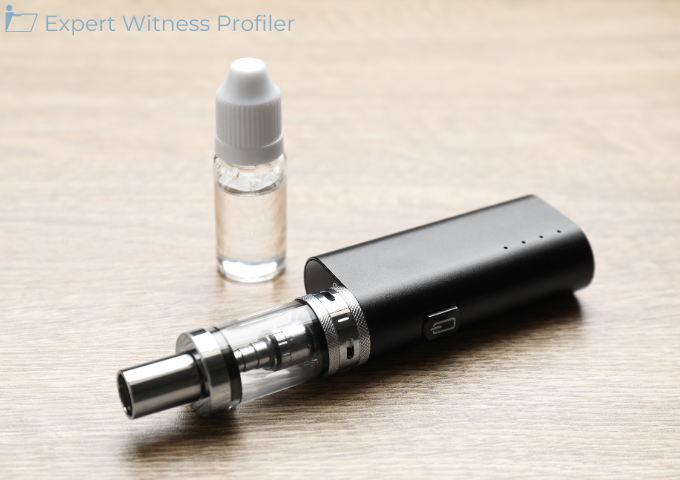
    This case concerns use of the term “XHALE” in connection with identical retail smoke shop services, marketing through the same channels, to the same customer base, and in Hattiesburg, on the same street, resulting in rampant actual confusion. Plaintiff Green Rush, LLC, d/b/a Xhale City claims that its federal trademark registration for “XHALE CITY” not only grants it nationwide priority, but presumptively valid trademark rights.

    Defendants hope that third-party use of the term “xhale” will be sufficient to cancel Plaintiff’s registration and negate likelihood of confusion.

    Green Rush opened its Hattiesburg, Mississippi, location on March 18, 2022, at 6062 Highway 98 (a/k/a Hardy Street), Hattiesburg, Mississippi. Prior to that, in the fall of 2020, Xhale Smoke Shop Defendants opened their first location at 4400 Hardy Street, Suite B8, in Hattiesburg, Mississippi. Since that time, Xhale Smoke Shop Defendants have opened five other Xhale Smoke Shop stores in the towns of Columbia, Seminary, Ellisville, Sumrall, and Prentiss, Mississippi, all within a forty-mile radius of Hattiesburg. Both Plaintiff and Defendants sell smoking and vaping related products.

    Defendants designated Dr. Katharine Howie, Ph.D., Assistant Professor of Marketing at the University of Southern Mississippi, as an expert in the field of branding and marketing. Green Rush argued that Howie is unqualified to offer testimony on the subject of trademarks, that she offers legal conclusions, and that her report is otherwise flawed in that her facts and methodology are unreliable.
    Marketing Expert Witness

    Katharine Howie, Ph.D., is an Assistant Professor of Marketing at the University of Southern Mississippi. Howie has worked in the field of business marketing, received her master’s and doctoral degrees in the field, taught a broad array of undergraduate and graduate courses on the subject, has prolifically published and presented in the field, and has conducted extensive research on brand activism, digital and social media marketing, as well as other related topics. 

    Get the full story on challenges to Katharine Howie’s expert opinions and testimony with an in-depth Challenge Study

    Discussion by the Court

    Katharine Howie explored the potential legal protection for the term “xhale” in the smoking and vaping industry. After conducting a review of trademark records, business listings, and Google and social media search data, Howie concluded that “xhale” is not a “source signifier” and that a “plethora of other companies within the vaping industry use this exact word and spelling in their operating name.” 

    Howie also examined search traffic on Google and determined that a large volume of consumers search specifically for “xhale,” but the majority do not navigate to “Xhale City,” whereas a “preponderance of Xhale City’s web traffic is derived from searchers explicitly searching for ‘xhale city’ either in isolation or with additional words.”

    A. Dr. Howie’s Qualifications

    Plaintiff argues that Howie’s CV does not indicate any expertise, training, or experience in determining consumer awareness of trademarks and, therefore, she is not qualified to make expert conclusions on such matters.

    The Court finds that Howie’s relative inexperience in the field of trademark law does not preclude her from testifying in this case as an expert on marketing and branding. The Court held that Plaintiff’s concerns about Howie’s opinion testimony are best tested by vigorous cross-examination and presentation of contrary evidence.

    Plaintiff also argued that Howie’s report presents improper legal opinion. The Court holds that an opinion is not objectionable just because it embraces an ultimate issue; however, an expert may never render conclusions of law. It is the Court’s job, not an expert witness’s, to instruct the jury as to the applicable law. To the extent that Howie’s report and proposed testimony may render conclusions of law, the Court held that it is inadmissible. However, she is free to testify about her experience in branding and marketing, the research supporting her report, any quantifiable conclusions she has reached, and the facts supporting her report and opinion, even if her opinion embraces an ultimate issue.

    B. Data and Methodology

    Plaintiff argued that Howie’s report is inadmissible because it is not based on sufficiently reliable facts or data that have evidentiary support, and fails to provide any methodology whatsoever.

    The Court held that its gate-keeping obligation applies to all types of expert testimony, not just scientific testimony. Whether Daubert’s suggested indicia of reliability apply to any given testimony depends on the nature of the issue at hand, the witness’ particular expertise, and the subject of the testimony. It is a fact-specific inquiry. The Court’s responsibility is to ensure that an expert in the courtroom employs the same level of intellectual rigor that characterizes the practice of an expert in the relevant field.

    The Court concluded that Howie is qualified in the field of marketing and branding and that her testimony and report are reliable based on her experience and specialized knowledge in her field. In other words, her report is not so fundamentally unsupported that it cannot possibly help the jury. While Howie’s report is not extensive, it is straight-forward and to the point.

    Held

    The Plaintiff’s motion to exclude the testimony of marketing expert witness, Katharine Howie is granted in part and denied in part.

    Key Takeaways:

    Howie’s relative inexperience in the field of trademark law did not preclude her from testifying in this case as an expert on marketing and branding. While Howie’s report is not extensive, it is straight-forward and to the point. Howie’s approach, method, rationale, and the data gathered by her internet and other searches are plain and within the grasp of the Court, as they will be for a jury.

    Case Details:

    Case Caption: Green Rush, Llc V. Xhale Tobacco & Hookah, Inc. Et Al
    Docket Number: 2:23cv71
    Court: United States District Court for the Southern District of Mississippi, Eastern Division
    Order Date: October 10, 2024
  • Occupational Medicine Expert Witness’ Testimony As to the Causation of the Subject Incident Admitted

    Occupational Medicine Expert Witness’ Testimony As to the Causation of the Subject Incident Admitted

    This lawsuit involves an alleged slip and fall in the Petco Store. Plaintiff, Lisa Brune alleged multiple injuries caused by the slip and fall and sought damages for same.

    Plaintiff complained that Petco failed to adhere to this Court’s Order. Then Plaintiff complained that the testimonies, opinions, and/or reports of David C. Randolph, M.D., Ph.D., and M.P.H. and Stacie Nunez did not meet the requirements under Federal Rule of Evidence 702 and Daubert.

    Plaintiff filed a motion to exclude the testimony of Defendant’s experts David C. Randolph, M.D., Ph.D., and M.P.H. and Stacie Nunez. Alternatively, Plaintiff moved to limit their testimony. Plaintiff complains that Defendant, Petco Health & Wellness, Inc. (“Petco”) failed to timely identify and provide expert reports for these witnesses. 

    Occupational Medicine Expert Witness

    David C. Randolph M.D., Ph.D, M.P.H is an active occupational medicine physician in Cincinnati, Ohio, in practice for 25 years. He is the former president of the American Academy of Disability Evaluating Physicians.

    His doctoral degree is in Epidemiology at the University Of Cincinnati College of Medicine.

    Get the full story on challenges to David C. Randolph’s expert opinions and testimony with an in-depth Challenge Study. 

    Vocational Rehabilitation Expert Witness

    Stacie Nunez is a licensed vocational rehabilitation counselor/ life care planner. She works at an established Louisiana rehabilitation counseling firm.

    Want to know more about the challenges Stacie Nunez has faced? Get the full details with our Challenge Study report. 

    Discussion by the Court

    Timeliness of Reports

    Plaintiff suggested that the Court clearly indicated that “Petco could provide a single report from an IME physician relating to Brune’s recommended neck surgery, not multiple reports from other unidentified experts.”

    This Court expressly stated that “the Court will grant an extension as to Defendant’s expert report deadline until August 30, 2024.”

    Plaintiff informed the Court that on August 30, 2024, at 7:55 p.m., Petco provided additional reports from David C. Randolph and Stacie Nunez but complained that these two experts were not previously identified, and their expert report opinions are outside the limited purpose of the expert opinions to address Plaintiff’s neck complaints.

    Petco has hired Randolph as an expert in the field of occupational medicine, and Stacie Nunez as a vocational therapist. Randolph’s opinion and analysis rests on the totality of Plaintiff’s medical condition and Nunez’s report opines on a life care plan. It appeared logical to the Court, considering Plaintiff’s numerous complaints of injuries, that these two experts could not provide relevant reports until after Petco was able to address Wolf’s recommended surgical treatment. Also, Plaintiff has ample time to depose these witnesses and prepare for trial considering these experts’ reports were provided on August 30, 20124, and the trial of this matter is November 18, 2024.

    Plaintiff also complained that Petco has provided no dates for her to depose Randolph and Nunez. However, the Court noted that Plaintiff has not filed a motion to compel the deposition of these witnesses. The Court found no basis to strike Petco’s experts based on Plaintiff’s complaints herein.

    Qualifications

    Plaintiff complained of Randolph’s qualifications in the field of occupational medicine. Specifically, Plaintiff argued that Randolph did not have the expertise to opine that Plaintiff’s fall did not cause her bilateral patellar fractures.

    Plaintiff challenged Randolph’s expertise in Epidemiology and argued that Plaintiff’s trip and fall is not associated with the distribution and determinates of diseases or disorders within groups of people.

    Randolph noted that he provided multiple, peer-reviewed medical references that apply specifically to Plaintiff’s clinical presentation. Randolph explained that he personally reviewed the totality of Plaintiff’s submitted medical records, and notes that a fractured patella is extremely painful that would preclude the ability to walk.

    Randolph’s review of Plaintiff’s medical records reflects a history of multiple joint complaints as well as multilevel degenerative changed in her neck and low back that dated back several years.

    The Court has reviewed Randolph’s curriculum vitae and notes that he has vast experiences in the medical field and finds that he is more than qualified to opine, provide testimony and issue a report as to the causation of the subject incident.

    Plaintiff also moved to strike the opinion, testimony, and report of Stacie Nunez as to Plaintiff’s alleged knee injury. Nunez relied on the opinions of Randolph. Plaintiff argued that should the Court entertain Plaintiff’s request to strike Randolph’s report and opinions, then likewise, Nunez’s report, opinions, and testimony should be stricken. The Court found no basis to strike Nunez’s opinion, testimony, and report.

    Limitations

    Alternatively, Plaintiff moved to limit Randolph’s testimony, report and opinions to exclude any issues regarding safety engineering, fall prevention, pedestrian safety, workplace safety, premises safety, human factors, ergonomics, post-accident evaluations, and/or any opinion as to whether the condition at issue that caused Plaintiff’s fall presented a hazardous condition.

    The Court notes that Randolph has experience in areas of acute injury, incident, safety guidelines as well as other related areas of medicine. However, it appeared that Randolph’s report did not include a majority of these areas. As such, the Court will deny and defer ruling until after traversal at the trial of this matter.

    Held

    The Court denied Plaintiff’s motion to exclude untimely identified and/or unqualified expert witnesses, David C. Randolph and Stacie Nunez, or alternatively, to limit their testimony.

    Key Takeaway:

    Plaintiff argued, without explanation, that Randolph is not qualified to opine as to safety engineering, fall prevention, pedestrian safety, workplace safety, premises safety, human factors, ergonomics, or post-accident evaluations, and as such moved to exclude Randolph’s opinions that are allegedly based on subjective interpretations and assumptions. The Court has reviewed Randolph’s curriculum vitae and noted that he has vast experiences in the medical field and found that he is more than qualified to opine, provide testimony and issue a report as to the causation of the subject incident.

    Case Details:

    Case Caption: Brune V. Petco Animal Supplies Inc
    Docket Number: 2:22cv6082
    Court: United States District Court, Louisiana Western
    Order Date: October 10, 2024
  • Law Enforcement Expert Witness’ Testimony on Officers’ Actions Excluded

    Law Enforcement Expert Witness’ Testimony on Officers’ Actions Excluded

    The present lawsuit revolves around Plaintiff Van Aelsytn’s claims of civil rights violations and malicious prosecution against Defendants Coleman Sparks and Scott Carnes. Both Defendants were officers with the Versailles Police Department and were involved in an investigation that led to domestic violence charges against Van Aelsytn. However, the Plaintiff possessed evidence suggesting his innocence. The parties disagreed over whether the Defendants received and reviewed this evidence properly. Van Aelsytn was arrested, and the case went before a grand jury, which ultimately decided not to indict him.

    The Defendants intended to call Assistant Chief Robert Young of the Versailles Police Department as a rebuttal law enforcement expert witness. Young was expected to testify that the Defendants’ actions during the investigation aligned with Kentucky law and the U.S. Constitution.

    Law Enforcement Expert Witness

    Law Enforcement Expert Witness

    Robert Young currently serves as the Assistant Chief at the Versailles Police Department. He is a retired special agent with the Bureau of Alcohol, Tobacco, Firearms and Explosives (ATF).

    Want to know more about the challenges Robert Young has faced? Get the full details with our Challenge Study report.  

    Discussion by the Court

    Van Aelstyn argued that allowing Robert Young to testify about the Defendants’ actions being legal or “consistent with Kentucky law and the United States Constitution” would have been an improper “legal conclusion.” He believed this testimony would have been flagrant and inappropriate.

    In response, the Defendants clarified that Young would not offer legal conclusions in his testimony. They emphasized that Young would not testify whether Officers Carnes or Sparks violated the Constitution. However, they argued that Young could provide an opinion on whether the officers followed Versailles Police Department policies.

    The Plaintiff replied that it was unclear if the Defendants agreed Young could not provide this testimony. However, the Plaintiff did not seek to exclude testimony about the police department’s policies.

    The Court found that the parties agreed that Young’s initial proposed testimony, claiming the Defendants acted consistently with Kentucky law and the U.S. Constitution, would have been a legal conclusion. They also agreed that such a clear-cut legal conclusion would be impermissible. Accepting this assertion as true would have essentially instructed the jury that the Defendants did not violate the law.

    Held

    The Court granted the Plaintiff’s motion to exclude certain parts of Defendants’ law enforcement expert witness, Robert Young’s testimony. The Court held that Young could not testify about whether the Defendants’ actions were consistent with Kentucky law or the United States Constitution.

    Key Takeaways:

    The Court found that Young’s testimony about whether the Defendants’ actions were consistent with Kentucky law or the U.S. Constitution would constitute an impermissible legal conclusion, as it would effectively instruct the jury that the Defendants did not violate the law. This decision emphasized the need for expert testimony to avoid overstepping into legal determinations, ensuring the jury maintains its role in assessing the law’s application.

    Case Details:

    Case caption: Aelstyn v. Sparks
    Docket Number: 5:23cv136
    Court: United States District Court for the Eastern District of Kentucky, Central Division
    Dated: December 4, 2024
  • Toxicology Expert Witness’ Testimony Related to Cannabis and Workplace Deficiencies Admitted

    Toxicology Expert Witness’ Testimony Related to Cannabis and Workplace Deficiencies Admitted

    On February 22, 2021, Justin Demary was working for Freedom Trucks of America, LLC (“Freedom Trucks”). He was asked to wash out a tank truck owned by Freedom Trucks. It appears that there is a dispute as to whether Justin was asked to wash the tank truck, or he entered the tank truck of his own volition, or at the behest of his friend and co-worker, Dustin Wynn. Justin and Wynn were unaware that the tank truck had been purged with nitrogen at the Vopak Terminal Deer Park facility (“Vopak Terminal”) because no warning tag was placed on the tanker by Vopak North America, Inc. (“Vopak”). Again, this is a disputed fact; a Vopak employee has testified that he did place a warning tag on the tank truck.

    Vopak operates a storage facility at which Freedom Truck had a liquid chemical cargo removed from the tanker about a month before Justin’s accident. The tanker was then transported back to Freedom Truck’s yard on or about January 27, or January 28, 2021, where it sat dormant until the date of the accident.

    Justin entered the tanker to perform the task but could not breath. He passed out and died of asphyxiation. Justin’s parents and only heirs, Daniel and Tammy Demary, have filed this wrongful death action against several Defendants for the death of their son.

    Motion to Exclude

    Vopak Terminal had hired Dr. Pablo Sanchez-Soria as an expert toxicologis/pharmacologist who is anticipated to testify that the level of cannabinoids and THC metabolites in Justin’s blood far exceeded the threshold for impairment. As such, Justin’s alleged impairment contributed to his decision to enter the tanker and his ultimate death.

    Plaintiffs requested that the Court exclude Soria’s testimony related to cannabis and workplace deficiencies at Freedom Trucks pursuant to Rule 702 of the Federal Rules of Civil Procedure and Daubert.

    Toxicology Expert Witness

    Pablo Sanchez-Soria is a Senior Toxicologist and Director of Health Sciences at CTEH® specializing in risk and exposure assessment, toxicity evaluations, emergency response toxicology, and in evaluating relationships between chemical exposure and disease causation. He has a double major in microbiology and nutritional sciences and a PhD in pharmacology and toxicology. He has been involved in the practice of toxicology and industrial hygiene and has specialized in quantitative exposure reconstruction of occupational and environmental hazards.

     Soria has served as a consulting toxicologist and industrial hygienist, and has developed plans to protect workers and communities from chemical exposure. Additionally, as a practicing toxicologist, he has evaluated the impairment and risk-perception impacts associated with the use of alcohol, and recreational, illicit and prescription drugs. He routinely conducts disease causation analysis by evaluating the scientific evidence relating chemical exposures to human diseases according to the methodology of toxicological causation analysis. Soria’s curriculum vitae lists numerous publications and presentations related to the study of toxicology, several of which relate to the effects of toxicants on the human body.

    Get the full story on challenges to Pablo Sanchez Soria’s expert opinions and testimony with an in-depth Challenge Study. 


    Discussion by the Court

    Vopak’s defense in this case is that Justin’s death was caused by his own negligence and by the negligence of his employer, Freedom Trucks. Soria opines as to the following in his report:

    1. The use of cannabis is associated with impaired cognitive function and physiological response, including impairments in decision-making, risk-taking, balance, coordination, reaction time, spatial perception which may increase the risk of being involved in an accident due to impaired cognitive and motor skills. These impairments are associated with blood concentrations of cannabis and its metabolites in a dose-dependent manner.

    2. The presence and concentration of cannabis and its metabolites, 11-OH-THC in Demary’s blood sample results are useful indicators that he would have recently consumed (inhaled or ingested) cannabis.

    3. Demary’s employer did not properly establish industrial hygiene measures to control workplace hazards, highlighting a disregard for established safety protocols and the well-being of their employees.

    Qualifications

    Plaintiffs argued that Vopak cannot meet its burden to show that Soria has the requisite qualifications to opine on medical toxicology and the alleged impairment due to cannabis use. Plaintiffs pointed out that Soria’s education was focused on pharmacology and toxicology, but he is not a medical doctor, nor has he disclosed any specific training on medical toxicology or the effects of cannabis on the human body and any alleged impairment. It was noted that Soria has not authored any publications nor made any presentations regarding cannabis and its effect.

    Soria reviewed the NMS Labs toxicology report that established that Justin’s blood levels of THC were reported to be 9.9 ng/mL. Soria concluded that it was more likely than not that Justin was suffering from motor and cognitive impairments that may have contributed to his demise as a result of poor decision making. His report seeks to provide insight into effects that the specific amount of THC discovered in Justin’s bloodstream would likely have had on his body and mind while conscious, but makes no effort to challenge medical opinions or the cause of Justin’s death. The Court found that Soria is qualified to testify as an expert as to the effect of THC on the mind and body.

     Relevancy

    Defendants argued that Soria’s testimony is relevant because the evidence and facts—lab results, autopsy reports, testimony relating to marijuana use and chemical inhalation, etc.—involve complicated scientific issues, which, if brought before a jury without further explanation, are highly likely to leave the trier of fact confused and unable to reach a well-informed conclusion. Hence, Soria’s testimony is necessary to assist a jury in understanding that based upon science, the level of cannabinoids in a human system can make one impaired and have poor judgment. Defendants noted that precedential authority almost unanimously vouches for the admission of a toxicologist’s testimony to assist the trier of fact in understanding complex topics rooted in science, especially toxicology. Defendants cite to numerous cases that have held that evidence of impairment is relevant, admissible, and important to the issue of contributory negligence.

    Additionally, Defendants cite to numerous cases in which toxicologists are routinely allowed to testify about failed drug tests and the impairment of the drug-user. 

    Defendants also noted that Justin’s supervisor, Mark Francis, testified that Justin was never directed to enter the tank, and that 90 percent of tank cleanings are never done on the interior. It appeared that Defendant is attempting to show that Justin entered the tank of his own volition, entering the tank was a departure from protocol, and collectively revealed a pattern of erratic and irrational decision making by Justin. The Court found that Soria’s opinion as to Justin’s levels of THC and possible impairment is relevant.

    Reliability

    Plaintiff argued that Soria’s opinions as to Justin’s cannabis use and timing are inadmissible because they are based on unreliable and incomplete information.

    Plaintiffs complained that Soria does not reference Justin’s height, weight, or body habitus to discuss the effects that could have occurred in Justin due to cannabis ingestion, nor can he suggest the timing as to when Justin ingested cannabis. Plaintiffs fault Soria for the lack of evidence to establish the timing and as such, argued that Justin’s cannabis impairment cannot be verified. It was also noted that cannabis is not listed on the death certificate as a cause of death in the autopsy.

    Defendants remarked that the countless cited scientific methods can be applied to the facts of this case, and Soria details how the science of toxicology can tie together various case materials to offer a viable explanation for Justin’s behavior at the time of the incident.

    The Court found that Soria’s opinions are supported by peer-reviewed scientific studies and facts such as the lab results and deposition testimony. As such, a rigorous cross-examination would be the proper vehicle to challenge Plaintiffs’ objections as opposed to excluding the expert’s testimony.

    Held

    The Court denied the Plaintiffs’ motion to exclude the opinions of Defendant’s expert witness Pablo Sanchez Soria.

    Key Takeaway:

    As a practicing toxicologist, Soria has evaluated the impairment and risk-perception impacts associated with the use of alcohol, and recreational, illicit and prescription drugs. Considering that, the Court held that Soria’s opinion as to Justin’s levels of THC and possible impairment is relevant. His report seeks to provide insight into effects that the specific amount of THC discovered in Justin’s bloodstream would likely have had on his body and mind while conscious, but makes no effort to challenge medical opinions or the cause of Justin’s death. 

    Case Details:

    Case Caption: Demary V. Freedom Trucks of America LLC
    Docket Number: 2:22cv792
    Court: United States District Court, Louisiana Western
    Order Date: December 6, 2024
  • Insurance Expert Witness’ Testimony With Regard to the Contract Interpretation Claims Excluded

    Insurance Expert Witness’ Testimony With Regard to the Contract Interpretation Claims Excluded

    Plaintiffs (collectively, Allied World) are insurance companies that denied coverage to Defendant MNS Ltd., a retailer, for liability stemming from MNS’s settlement of a separate class action lawsuit. In the present lawsuit, two sets of claims are teed up: first, whether Allied World owes MNS a duty of coverage under the relevant insurance policies, and second, whether Allied World acted in bad faith toward MNS. The first set of claims involve legal questions of contract interpretation while the second set of claims are less specific and potentially raise a host of factual questions about the behavior of the parties and their agents. And the latter bad-faith claims are likely to be narrowed—or at least crystallized—once the legal questions of contract interpretation have been resolved. 

    MNS disclosed the expert report of David A. Gauntlett, an insurance coverage attorney. His report touches on both the contract interpretation claims and the bad faith claims.

    Allied World contended that Sections I, II, III, IV, and portions of Section VI of Gauntlett’s report should be stricken because they “appear to relate to Gauntlett’s coverage opinions, as opposed to his bad faith opinions.”

    Allied World argued that the report “flagrantly violates the sacrosanct principle of law that ‘an expert cannot testify to a matter of law amounting to a legal conclusion.’”

    Insurance Expert Witness

    David A. Gauntlett is the principal of Gauntlett & Associates and a 1979 graduate of Boalt Hall School of Law, University of California at Berkeley. Gauntlett is an expert in insurance issues, including the proper construction, meaning, and application of insurance policies, insurer’s investigation and handling of insured’s claims, and insurer’s bad faith.

    Get the full story on challenges to David A. Gauntlett’s expert opinions and testimony with an in-depth Challenge Study. 

    Discussion by the Court

    In Section I, Gauntlett begins his report with the open acknowledgment that it contains “legal research and analysis.” Section II is entitled “Allied World’s Problematic ‘Exhaustion’ Position.” There, Gauntlett argued that Allied World’s first amended complaint “misconstrued” the policy, and contended that “as defined by the policy and interpreted by applicable case law,” the policy must be read in Gauntlett’s preferred manner. In Section III, Gauntlett argued that in light of his preferred reading of case law, the policy’s “First Publication exclusion” should be interpreted as limiting coverage in a manner he proposes. In Section IV, he argues that while there is a dearth of case law on a point of interpretation, one “Hawaii case” supports his preferred reading and “a number of other cases are in accord.” He therefore opines that “Hawaii law will not enforce Allied World’s ‘exhaustion’ claim.” 

    And, finally, in Section VI, Gauntlett opines that “under Hawaii law,” MNS should be able to recover attorney’s fees and is entitled to prejudgment interest. 

    Anticipating this objection, Gauntlett writes in his report that Federal Rule of Evidence 702—the rule governing the admissibility of expert testimony—”is satisfied” because “legal analysis is a critical component of claims analysis.”

    The legal analysis in Gauntlett’s report cannot be viewed as merely laying the foundation for proper non-legal opinions

    The argument appears to be that because an insurer must understand the law when conducting a “reasonable investigation,” an expert too must “understand those same cases” to “evaluate whether the insurer’s conduct deviates so far from industry customs and practices as to run afoul of that case authority.” And in its briefing, MNS elaborates on this contention, noting that “the Court has not yet ruled that the provisions at issue are unambiguous,” and therefore, “insurance custom and practice is relevant to the issue of coverage and such insurance custom and practice is necessarily informed by the applicable cases.”  

    It is true that when passing references to legal terms are used merely to lay the foundation for an expert’s non-legal opinions, those legal references will not necessarily render the expert’s opinions improper.

    However, the legal analysis in Gauntlett’s report cannot be viewed as merely laying the foundation for proper non-legal opinions—such as opinions about industry custom or practice, the extent to which Allied World’s conduct may have deviated from them, or what participants in the insurance industry might typically understand policy provisions to mean. That is because nothing in any of the challenged sections of Gauntlett’s report—Sections I, II, III, IV, or VI—appears to actually offer any opinions of that non-legal variety. Accordingly, while it is sometimes appropriate for an expert to discuss legal materials to lay the groundwork for non-legal opinions about industry customs and practices, Gauntlett’s expert report cannot take refuge in that principle because his report—at least as far as coverage is concerned—merely discusses and critiques the case law and then simply stops there.

    The Court must also more broadly assess whether it is appropriate, under Rule 702, to allow the challenged opinions

    MNS rejoins that Gauntlett’s discussion of the case law would still be helpful to the Court in resolving the coverage issues—which MNS emphasizes are complex and not routinely encountered—and that the motion to strike may be denied for that reason alone. It is certainly true that a legal expert’s legal opinions often are helpful, which is why such experts file amicus briefs to express their legal views.

    But Gauntlett does not merely wish to express his views here as an amicus. Instead, he has submitted an expert report under Federal Rule of Evidence 702. The question for the Court, therefore, is not merely whether Gauntlett’s expert’s opinions might be helpful. The Court must also more broadly assess whether it is appropriate, under Rule 702, to allow the challenged opinions. And when, as here, an expert offers nothing but legal opinions, the answer must be no. 

    MNS offers a few other defenses of the report, but none are availing

    First, MNS argued that Gauntlett’s report “largely relates to bad faith issues,” and it points out that Allied World seeks only to strike the portions of the report concerning coverage issues. Although five of the report’s seven sections appear to contain largely legal discussions about coverage, MNS argues that “to support and explain his opinion that Allied acted unreasonably in denying coverage”—an issue that pertains to the bad faith claims—Gauntlett “necessarily must comment upon the allegations in the complaint, the terms and provisions of the Policy, and the relevant case law.” MNS’ argument offers a reason why the Court should leave the expert report in place for now insofar as the bad faith claims are concerned, but that reason does not support leaving the expert report in the record with respect to the coverage claims.

    Second, MNS contended that Gauntlett has previously been allowed to testify as an expert in at least two cases. But as MNS itself acknowledges, Gauntlett’s testimony in those cases, although touching on case law and legal standards, ultimately concerned the industry standard of care and an insurer’s alleged “bad faith handling of a claim.” However, Allied World is not challenging, at least at this stage, the propriety of Gauntlett’s expert report as to those issues.

    Third, and finally, MNS argued that there is no harm in allowing the expert report to remain in place because the Court will make its own decisions about the proper interpretation of the policy provisions, and it can consider Gauntlett’s report to whatever extent it thinks appropriate. But it would impose on Allied World the unwarranted cost of having to conduct a deposition of—and possibly additional discovery concerning—the expert, despite the impropriety of the expert’s legal opinions on coverage. 

    There is, therefore, no reason to wait to see what passages MNS might rely on in its summary judgment briefing; because none of the challenged sections move beyond legal opinions

    When a motion to strike expert testimony is filed in advance of summary judgment motions and this far in advance of trial, it is often prudent to deny the motions as premature. 

    In this case, however, the Court concludes it is appropriate to grant the motion to strike now. For one thing, Allied World makes a properly tailored request: it does not seek to strike the entire report, but merely the specific sections that it believes concern the coverage issues. For another, the Court need not strike any parts of the report as to the currently-stayed bad faith claims. 

    Held

    The Court granted Allied World’s motion to the extent it seeks to strike Sections I, II, III, IV, and portions of Section VI of David Gauntlett’s expert report in connection with the coverage claims that are currently being litigated. The Court does not, however, strike any aspect of David Gauntlett’s report as to the bad faith claims that are currently stayed. Whether Gauntlett’s report should be stricken in whole or part as to the bad faith claims is an issue that the Court need not—and, therefore, will not—resolve until the stay of the bad faith claims has been lifted. To the extent Allied World’s motion requested that this Court strike the challenged portions in connection with all claims, therefore, the Court denied that aspect of Allied World’s motion.

    Key Takeaway:

    Allied World does not seek to strike the entirety of Gauntlett’s report for both phases of the case, but only those aspects that appear to concern the contract interpretation or coverage claims that are currently being litigated. To that end, Allied World contends that Sections I, II, III, IV, and portions of Section VI of Gauntlett’s report should be stricken because they “appear to relate to Gauntlett’s coverage opinions, as opposed to his bad faith opinions.” 

    The legal analysis in Gauntlett’s report cannot be viewed as merely laying the foundation for proper non-legal opinions. Nothing in any of the challenged sections of Gauntlett’s report—Sections I, II, III, IV, or VI—appears to actually offer any opinions of that non-legal variety. Indeed, at the hearing on the motion, the Court directly asked MNS’s counsel whether he could identify any sentence in the challenged sections of Gauntlett’s report that did more than merely describe and critique case law. Counsel could not do so. Accordingly, while it is sometimes appropriate for an expert to discuss legal materials to lay the groundwork for non-legal opinions about industry customs and practices, Gauntlett’s expert report cannot take refuge in that principle because his report—at least as far as coverage is concerned—merely discusses and critiques the case law and then simply stops there.

    Case Details:

    Case Caption: Allied World National Assurance Company V. Nhc, Inc.
    Docket Number: 1:22cv469
    Court: United States District Court, Hawaii
    Order Date: December 05, 2024
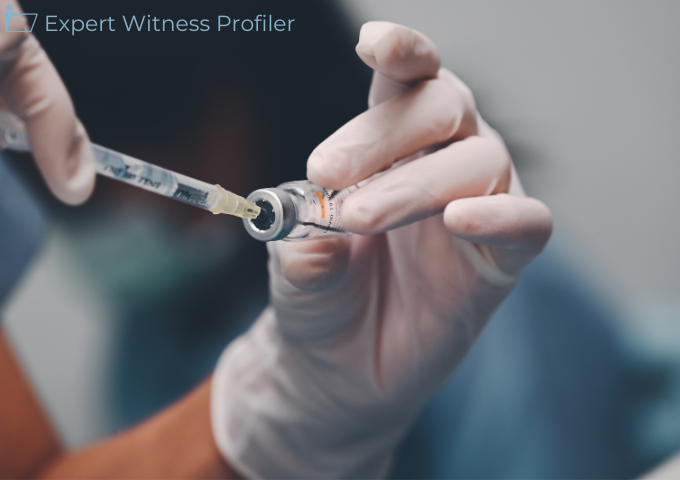
  • Emergency Medicine Expert Witness’ Opinions on the Safety and Efficacy of the COVID-19 Vaccine Excluded

    Emergency Medicine Expert Witness’ Opinions on the Safety and Efficacy of the COVID-19 Vaccine Excluded

    Plaintiff Shane Goff filed a religious discrimination lawsuit against his former employer, PeaceHealth (Defendant), alleging that PeaceHealth failed to reasonably accommodate his religious opposition to receiving a COVID-19 vaccine. PeaceHealth defended its actions, asserting that it had provided reasonable accommodations and that continuing to employ Goff without vaccination would have created an undue hardship on its operations.

    The Defendant also sought to exclude the opinions and report of Goff’s expert, Dr. Richard Scott French, arguing that the evidence failed to meet the standards outlined in Rule 702 and Daubert.

    Emergency Medicine Expert Witness

    Richard Scott French, MD, is a board-certified emergency medicine physician and an active and experienced clinician who managed emergency departments, clinics, and at-risk populations during the pandemic and was able to successfully mitigate COVID-19 transmission without the use of a vaccine mandate. He also has professional experience teaching and presenting at medical schools on immunology, as well as viral transmission prevention, diagnosis, treatment, and management. 

    Want to know more about the challenges Richard Scott French has faced? Get the full details with our Challenge Study report.

    Discussion by the Court

    Defendant argued that Plaintiff’s expert, French, relied on unreliable methodologies and reasoning in his opinions and report. Dr. Seth Cohen, Clinical Associate Professor in the Division of Allergy and Infectious Diseases at the University of Washington and Medical Director of Infection Prevention at the University of Washington Medical Center, reviewed French’s report and provided a detailed rebuttal. Plaintiff did not respond to Cohen’s rebuttal.

    The Court reviewed French’s report, which can be categorized into two overarching opinions: (1) the safety and efficacy of the COVID-19 vaccine are unproven, and (2) COVID-19 exposure risks can be effectively mitigated without requiring vaccination. The Court found these opinions inadmissible under Rule 702 and Daubert, identifying three significant deficiencies.

    A. Rancourt Study

    First, French relied on the “Rancourt Study” to support his opinion that the COVID-19 vaccines are neither safe nor effective. He described the study as comprehensive, citing its graphs, charts, and methodological descriptions. However, the Court determined that the study’s length and visual data did not establish its scientific legitimacy, labeling it as junk science.

    Plaintiff failed to rebut the compelling opinion of Defendant’s expert, Cohen, who noted that the Rancourt Study “inexplicably… ignores that excess deaths across the world correlated with spikes of confirmed COVID-19 cases rather than vaccine rollouts.” Additionally, French did not provide a valid explanation for why the Rancourt Study, and his opinion based on it, should be considered reliable, especially given that it contradicts the broad scientific consensus that COVID-19 vaccines are safe.

    B. Outbreak Report

    Second, French cited an outbreak report to argue that COVID-19 vaccines were ineffective in mitigating transmission. The report found that 74% of the COVID-19 cases occurred in fully vaccinated individuals. From this finding, French opined that “even as early as 2021, the literature did not demonstrate that the COVID-19 vaccines were effective in transmission mitigation of COVID-19 infection.” However, the outbreak report explained that this result reflected high vaccination rates in the geographic area studied, not vaccine inefficacy. It concluded that the data was insufficient to evaluate vaccine effectiveness against variants like Delta and emphasized that vaccination remained the most critical strategy to prevent severe illness and death.

    The Court found that French’s interpretation of the outbreak report misrepresented its findings, as the report explicitly stated that vaccination was key in reducing severe illness. This misinterpretation further undermined the reliability of French’s reasoning and conclusions.

    C. Cohort Study

    Third, French relied on a cohort study to assert that COVID-19 vaccines increased the risk of transmission. However, the cohort study explicitly recommended “increasing population immunity via booster programmes and vaccination” and concluded that “this analysis suggests that direct protection of individuals at risk of severe outcomes, via vaccination and non-pharmacological interventions, will remain central to containing the burden of disease caused by the delta variant.” French’s opinion directly contradicted the scientific research it relied on, misrepresenting the study’s findings.

    The Court concluded that French’s overarching opinions regarding vaccine safety and alternative COVID-19 mitigation strategies were based on flawed methodologies and misinterpretations of the studies he cited. Further, the Court also found that French’s opinion on this subject falls below accepted standards of reliability, as his conclusions were repeatedly shown to contradict the very scientific research he relied upon. As a result, the Court excluded his opinions and report as inadmissible evidence under Rule 702 and Daubert.

    Held

    The Court granted the Defendant’s motion in limine to strike Richard Scott French’s testimony.

    Key Takeaway:

    • French’s reliance on the Rancourt Study to argue that COVID-19 vaccines are neither safe nor effective was deemed inadmissible by the Court. The Court dismissed the study as junk science, highlighting that its methodology lacked scientific credibility and failed to meet the standards of Rule 702 and Daubert.
    • French’s opinion that vaccines increase the risk of transmission was unsupported by reliable scientific data or consensus. In fact, he misinterpreted key studies, including the Outbreak Report and Cohort Study, which he cited to support his claims. These studies were used incorrectly to bolster his flawed argument.
    • Both the Outbreak Report and the Cohort Study explicitly recommended vaccination as an essential measure to prevent severe outcomes and reduce the disease burden. Contrary to French’s interpretation, the studies emphasized the importance of vaccination in controlling the spread of COVID-19 and preventing serious health risks.

    Case Details:

    Case Caption: Shane Goff V. Peacehealth
    Docket Number: 6:22cv1991
    Court: United States District Court for the District of Oregon
    Order Date: December 4, 2024
  • Economics Expert Witness Allowed to Calculate the Plaintiff’s Decreased Earning Capacity

    Economics Expert Witness Allowed to Calculate the Plaintiff’s Decreased Earning Capacity

    This matter arises from an automobile accident in Valparaiso where one of the Plaintiffs, Terry Larson, sustained serious injury. His wife, Jayne, also seeks damages for a loss of consortium.

    Larson disclosed that he expected Stan Smith to testify “regarding the economic harm caused by the injuries that Plaintiff suffered as a result of the April 30, 2020 crash. Smith’s economic analysis addresses Plaintiff’s loss of income and loss of household services.” 

    In his August 2023 report, Smith listed two categories of expert testimony: (1) an estimate of Larson’s loss of wages and employee benefits and (2) an estimate of Larson’s loss of housekeeping and household management services.

    To reach these conclusions, Smith reviewed the following materials: (1) the individual tax returns for Terry and Jayne Larson from 2015 through 2022; (2) the S Corporation tax returns for Larson-Danielson Construction from 2015 through 2022; (3) the W-2s for Terry Larson from 2015 through 2022; (4) the Complaint; (5) Plaintiff, Terry Larson’s Answers to Defendants’ First Set of Interrogatories; (6) Plaintiff, Terry Larson’s Supplemental Answers to Defendants’ First Set of Interrogatories; (7) Plaintiff, Jayne Larson’s Answers to Defendants’ First Set of Interrogatories; (8) the deposition of Terry Larson taken on August 31, 2021; (9) an informational interview with Terry Larson dated September 10, 2021; and (10) the case information form.

    Defendants challenged the methodology of Smith’s opinions and alleged that they lack foundation in sufficient facts and data.

    Economics Expert Witness

    Stan Vladimir Smith, Ph.D. is a nationally renowned economist who received his Ph.D. from the University of Chicago. He is President of Smith Economics Group, Ltd., headquartered in Chicago, IL, which provides economic and financial consulting nationwide. He has worked as an economic and financial consultant since 1974, after completing a Research Internship at the Federal Reserve, Board of Governors, in Washington, D.C.

    Get the full story on challenges to Stan Vladimir Smith’s expert opinions and testimony with an in-depth Challenge Study. 

    Discussion by the Court

    Smith noted that he relied upon Larson’s statements concerning his employment history, future plans, and the effects of the accident on Larson’s ability to work. He added that Larson also had reported a shift from being a full-time, salaried employee to being a part-time, hourly employee by 2023.

    Methodology

    As far as methodology, Smith stated he relied upon data from the National Center for Health Statistics to estimate Larson’s remaining life expectancy. Smith then outlined his use of data from the Bureau of Labor Statistics and the Federal Reserve for “past wage growth, interest rates, and consumer prices” to generate an estimated real wage growth rate of 0.95% per year, real discount rate of 1.20% per year, and annual inflation rate of 2.51%.

    Smith also outlined his methodology for calculating Larson’s estimated loss of tangible housekeeping chores and household management services using Bureau of Labor Statistics data, information collected from the interviews of Larson, and practices recommended by economist Dr. Gerald Martin.

    Defendants’ Position

    Defendants argued that while Smith “may be qualified to offer testimony as to the amount of an alleged economic loss”, he lacked a sufficient factual basis or reliable methodology to testify that Larson “suffered an economic loss related to the April 30, 2020, automobile accident.” 

    Defendants also appeared to argue that because Smith assumes that Larson is no longer able to work in a full-time capacity, his testimony is “nothing more than speculation as to when and why Larson will retire.” In further refinement of their argument, Defendants argued that Smith’s testimony lacks any evidence that Larson is “unable to continue working in his prior occupation.” 

    Analysis

    During his deposition, Smith acknowledged that he assumed the information Larson provided to him was accurate and incorporated that information into his report.

     Smith said it was up to “the trier of fact to give . . . whatever weight to [Larson’s statements] they believe is appropriate.” He also indicated the limited nature of his testimony as focused on calculating decreased earning capacity and not on the cause of that decrease in earning capacity (be it personal choice or the accident).

    That said, there were several instances in his deposition where Smith walked the line and appeared to opine on the cause of changes to Larson’s earning capacity. 

    To the extent that Smith acknowledges the statements made by Larson that he relied on for his calculations, the Court deemed it permissible. But the Court agreed with Defendants that Smith lacked the foundation to testify as to the truth of those assertions or that the accident in fact caused Larson’s reduced earning capacity. Those opinions are prohibited. 

    The Court concluded that Defendants’ arguments primarily concern the weight of Smith’s testimony, which are arguments best pitched not to the judge, but to the jury. Larson has established a sufficient basis for the admissibility of Smith’s testimony limited in scope to a calculation of Larson’s alleged economic loss. Smith may not testify as to causation because, as Defendants argue, he lacks sufficient foundation to do so.

    Held

    The Court denied the Defendant’s motion to exclude the testimony of Larson’s economic expert Stan Smith.

    Key Takeaway:

    In Defendants’ eyes, there is a missing connection between the data Smith relied upon (Larson’s allegations concerning his inability to continue working in the same capacity as before the accident) and Smith’s opinion (which calculates lost wages and earning capacity).

    Larson has established a sufficient basis for the admissibility of Smith’s testimony limited in scope to a calculation of Larson’s alleged economic loss. However, Smith may not testify as to causation because, he lacks sufficient foundation to do so.

    Case Details:

    Case Caption: Larson Et Al V. Davidson Trucking Inc Et Al
    Docket Number: 2:20cv250
    Court: United States District Court, Indiana Northern
    Order Date: December 02, 2024
  • Employment Law Expert Witness’ Opinion Regarding the Application of the MCA Exemption Excluded

    Employment Law Expert Witness’ Opinion Regarding the Application of the MCA Exemption Excluded

    Plaintiffs, currently or formerly employed by Defendants as lawn and landscape workers, bring this class and collective action under the Fair Labor Standards Act (“FLSA”) and state law, alleging that Defendants failed to pay overtime compensation for all hours worked in excess of 40 in a workweek.

    Defendants have retained Brian Farrington to provide an expert opinion regarding the application of the Motor Carrier Act (“MCA”) exemption to Plaintiffs—an issue that is the primary focus of the FLSA and MMWL (“Missouri Minimum Wage Law”) claims in this litigation.

    Plaintiffs move to exclude Farrington’s testimony and report under Fed. R. Evid. 702 and Daubert v. Merrell Dow Pharmaceuticals, Inc. Rule 702, which was amended effective December 1, 2023, governs the admissibility of expert witness testimony by allowing someone “who is qualified as an expert by knowledge, skill, experience, training, or education [to] testify in the form of an opinion.”

    Employment Law Expert Witness

    Brian Farrington is a former investigator in the Wage and Hour Division of the Department of Labor. After working as an investigator for nearly 15 years in which he performed between 500 and 600 full DOL investigations, Farrington obtained his law degree. He presently practices employment law at a private law firm where his practice is focused almost exclusively on wage and hour matters. Together, Farrington has nearly 50 years of experience working primarily on wage and hour issues.

    Get the full story on challenges to Brian Farrington’s expert opinions and testimony with an in-depth Challenge Study. 

    Discussion by the Court

    In his report, Farrington sets forth in detail his view of the statutory and regulatory framework of the MCA exemption as further explicated by numerous federal court decisions. 

    Using his interpretation of the law he deems pertinent to the MCA exemption, Farrington then applies that law to facts that he has gleaned from the evidence in the case. He opined that “the types of employees under consideration in this lawsuit impact safety of operation of motor vehicles by driving Epic’s trucks, helping the truck drivers, loading and inspecting the trucks and trailers, maintaining and fixing the trucks and trailers, and/or combinations of such duties—to determine the application of the MCA exemption and the exempt status of Plaintiffs.”

    Analysis

    According to Plaintiffs, Farrington’s report consists entirely of inadmissible legal conclusions that are based on his interpretation of the law as it applies to his factual findings.

    In the report, Farrington analyzed the Plaintiff’s job duties through the lens of the pertinent regulations to conclude that Plaintiff’s job was exempt from the overtime requirements of the FLSA.

    While Farrington analyzes the job duties of Epic’s employees, applies various regulations to those job duties, and concludes that the DOL would find that Epic’s employees are exempt under the MCA exemption, the Court agrees with Plaintiffs that Farrington’s report in this case is not admissible as it is rife with legal conclusions drawn from an application of the law as he views it to facts as he finds them. Rather than providing the jury with objective criteria by which they can exercise independent judgment and assess the nature and extent of the activities performed by Epic’s employees, Farrington supplants the jury’s judgment with his own.

    Similarly, Farrington opines on the ultimate legal determination in this case—whether Plaintiffs are exempt by virtue of the MCA exemption—and, in doing so, usurps the role of the Court.

    Because Farrington’s opinions are not properly within the scope of expert testimony, the Court finds that the expert report should be stricken in its entirety and Farrington will not be permitted to testify at trial. The Court declined Defendants’ invitation to strike those portions of Farrington’s report that constitute legal conclusions or that usurp the jury’s role as fact finder and to permit Farrington to testify consistent with admissible statements in the report. After the Court has excised the inadmissible portions of the report, there is simply nothing left in the report on which Farrington might appropriately opine.

    Held

    The Court granted Plaintiffs’ motion to exclude Defendants’ expert Brian Farrington.

    Key Takeaway:

    When Farrington analyzed the Plaintiff’s job duties through the lens of the pertinent regulations to conclude that Plaintiff’s job was exempt from the overtime requirements of the FLSA, the Court declined Defendants’ invitation to strike those portions of Farrington’s report that constitute legal conclusions or that usurp the jury’s role as fact finder and to permit Farrington to testify consistent with admissible statements in the report. After the Court has excised the inadmissible portions of the report, there is simply nothing left in the report on which Farrington might appropriately opine.

    Rather than providing the jury with objective criteria by which they can exercise independent judgment and assess the nature and extent of the activities performed by Epic’s employees, Farrington supplants the jury’s judgment with his own.

    Case Details:

    Case Caption: Gomez Et Al V. Epic Landscape Productions, L.C., Et Al
    Docket Number: 2:22cv2198
    Court: United States District Court, Kansas
    Order Date: December 3, 2024
  • Industrial Hygiene Expert Witness’ Calculations of Dosage Exposure to Asbestos Admitted

    Industrial Hygiene Expert Witness’ Calculations of Dosage Exposure to Asbestos Admitted

    On October 27, 2020, Plaintiff Robert Stephen Sentilles was diagnosed with mesothelioma. He filed a lawsuit against several Defendants, including Defendant Huntington Ingalls Incorporated (“Avondale”), claiming that his disease resulted from asbestos exposure that occurred from the 1950s to the 1980s.

    With respect to Avondale, Sentilles asserted that he was personally exposed to asbestos when he worked at the shipyard in 1969 and that he was secondarily exposed from his brother Tom Sentilles’s clothing. At his deposition, Sentilles testified that he was exposed to asbestos when he worked in Avondale’s insulation shop from May 28, 1969, to June 24, 1969, sewing asbestos blankets that were installed on vessels under construction in Avondale shipyard.

    Avondale retained industrial hygiene expert witness James Shea to counter Sentilles’ testimony. Shea produced two reports on March 8, 2022, and September 3, 2024. He was deposed on September 26, 2024.

    However, Sentilles filed a motion to exclude some of Shea’s testimony and calculations from trial because they were not explicitly explained in his reports and would be confusing to the jury.

    Industrial Hygiene Expert Witness

    Industrial Hygiene Expert Witness

    James Vick Shea Jr., CIH, CSP, specializes in industrial hygiene, occupational safety, environmental health, ergonomics, and occupational medicine administration for general industry. He is the founder of SheaSolutions, an occupational health and safety consulting firm. He received his Master of Science in industrial hygiene from the Central Missouri State University.

    Want to know more about the challenges James Vick Shea Jr. has faced? Get the full details with our Challenge Study report.  

    Discussion by the Court

    Sentilles challenged Shea’s calculations of Sentilles’ dosage exposure to asbestos, that Shea handwrote the night before the deposition, contending these calculations should have been included in Shea’s original reports. Plaintiff argued that both the calculations and related testimony should be excluded because they include analysis related to take-home exposures that have been dismissed and are based on assumptions not supported by the facts, specifically that Sentilles washed his brother Tom’s clothes.

    Analysis

    The Court held that Shea’s calculations and his testimony regarding Sentilles’s total dose of asbestos attributable to Avondale comply with Rule 26 and will not be excluded. As Avondale points out, the basis for Shea’s calculations is included in his report and all he did for the deposition was write out the arithmetic. Thus, there is no undue surprise to Sentilles in this regard. Sentilles could have had his experts perform the same math with the information provided in Shea’s report.

    Moreover, Sentilles can address Shea’s calculations at trial through vigorous cross-examination and the presentation of countervailing expert testimony. Further, Shea’s testimony regarding Sentilles’s take-home exposure is neither confusing nor inadmissible. Shea candidly admits that, for the purposes of his report, he made the assumption that, although the facts are otherwise, Sentilles’s laundered his brother Tom’s clothes because no epidemiological data exists for the scenario of simply being around a person wearing asbestos-containing work clothes. However, this discrepancy is easily explained to, and understood by, the jury and, again, can be addressed through vigorous cross-examination and the presentation of countervailing expert testimony.

    Held

    The Court denied Sentilles’ motion in limine to exclude Avondale’s industrial hygiene expert witness James Shea’s testimony.

    Key Takeaway:

    Shea’s calculations were clearly based on data provided in his reports. His testimony regarding Sentilles’ take-home exposure is neither confusing nor inadmissible.

    However, Shea candidly admits that, for the purposes of his report, he made the assumption that, although the facts are otherwise, Sentilles’s laundered his brother Tom’s clothes but certain discrepancies are easily explained to, and understood by, the jury and, again, can be addressed through vigorous cross-examination and the presentation of countervailing expert testimony.

    Case Details:

    Case caption: Sentilles v. Huntington Ingalls Inc.
    Docket Number: 2:21cv958
    Court: United States District Court for the Eastern District of Louisiana
    Dated: October 31, 2024
  • Law Enforcement Expert Witness Prohibited From Testifying About the Existence of Probable Cause For Arrest

    Law Enforcement Expert Witness Prohibited From Testifying About the Existence of Probable Cause For Arrest

    On February 26, 2024, the Defendant David Boruchowitz, a Deputy Sheriff with the Nye County Sheriff’s Office (NCSO), collaborated with Ken Johnson, a former Valley Electric Association (VEA) employee to arrest Angela Evans, the then-CEO of the Valley Electric Association (“VEA”), the entity responsible for providing power to residents of Nye County. Ken Johnson was a former employee of VEA who had competed for, and lost, the CEO position that Evans occupied. Because Boruchowitz had not yet secured a warrant, he made a probable cause arrest – as law enforcement officers are permitted to do – because Evans had received work at her personal residence, by VEA, for which she had not paid.

    Even though an “arresting officer’s state of mind (except for the facts he knows) is irrelevant to the existence of probable cause,” the government contended that Boruchowitz’ involvement in a grass-roots movement called “Members for Change,” which sought to make VEA a more responsive organization to its customers, created a conflict of interest so severe that it deprived the Evans arrest of probable cause.

    When Boruchowitz sought to introduce testimony from law enforcement expert Jeronimo Rodriguez, the Government argued that Rodriguez’s proffered testimony is irrelevant, misleading, and makes an impermissible legal conclusion. Boruchowitz responded that Rodriguez’s opinions are relevant to whether Boruchowitz’s arrest of Evans was unlawful and whether he acted willfully. The Government moved in limine to exclude testimony from Rodriguez.

    Law Enforcement Expert Witness

    Jeronimo Rodriguez began his policing career in the summer of 1986. He was an active police officer for 35 years and recently retired from active duty. Since retiring as a law enforcement officer in 2021, he has reviewed and consulted on police and law enforcement practices as a private police consultant. Since 2018, he has provided law enforcement training and management insight for various agencies throughout the United States.

    Want to know more about the challenges Jeronimo Rodriguez has faced? Get the full details with our Challenge Study report.   

    Discussion by the Court

    A. Probable Cause

    Rodriguez’s report indicates that he “was asked to review the Nye County Sheriff’s Office’s belief that Evans had committed a crime and opine whether it aligned with generally accepted practices.” Although Rodriguez does not always use the legal phrase “probable cause,” his report applies the facts of the case to conclude that there were sufficient grounds to arrest Evans. Boruchowitz argues that Rodriguez should be allowed to state this opinion because probable cause is an objective standard comparable to professional malpractice and does not go to an ultimate issue because it is only one element of the crime charged.

    However, expert opinion is required in medical or legal malpractice cases only when the negligence is not “within the ordinary knowledge and experience of a layman.” Whether a given set of facts constitutes probable cause to arrest or charge for a crime is within a jury’s ordinary knowledge and experience, as reflected in the constitutional requirement of indictment by grand jury. Regardless of whether it goes to an element or an ultimate issue, the existence of probable cause is a legal conclusion that must be left to the jury. The Court therefore granted the Government’s motion to prohibit Rodriguez from testifying as to whether Boruchowitz had probable cause to arrest Evans.

    B. Credibility of Sources

    The Government also argues that Rodriguez’s report improperly opines on the credibility of other witnesses. Boruchowitz does not respond to this argument in his opposition. Rodriguez states that Boruchowitz received invoices from “a credible source working for Valley Electric.” The jury is entitled to determine whether the Valley Electric employee’s information was credible based on the facts presented at trial. Therefore, the Court granted the Government’s motion to prohibit Rodriguez from testifying about whether informants or witnesses were credible.

    Because the Court granted the Government’s motion to exclude Rodriguez’s opinion on whether there was probable cause to arrest Evans, the Court need not address its request to preclude Rodriguez from relying on post-arrest information to support probable cause. Rodriguez may discuss post-arrest information or actions to the extent they are relevant to rebutting willfulness as described in this order.

    C. Willfulness

    Boruchowitz argued that Rodriguez’s report and testimony will demonstrate that Boruchowitz complied with Nye County Sheriff’s Office (NCSO) policies during the investigation leading up to Evans’ arrest, making it less likely that he willfully violated her rights. In support, he offers Rodriguez’s supplemental report, which opines that Boruchowitz complied with NCSO policies on street sources, informants, searches, and search warrants.

    The Court declared that Rodriguez’s testimony on NCSO policies and procedures would be helpful to the jury in understanding the difference between street sources and informants and how to treat information from such sources. Those concepts are peculiar to law enforcement and not within the average person’s knowledge, as is applying for and executing a search warrant. Rodriguez may thus testify about whether NCSO’s policies on these investigative methods conform to the national standard and whether Boruchowitz’s conduct conformed to the policies.

    Further, Rodriguez may not, however, testify in a way that offers a legal conclusion such as whether Boruchowitz sufficiently corroborated his source’s information, formed a reasonable belief that Evans committed a crime, or conformed to his training “to execute a probable cause arrest.” Rodriguez also may not instruct the jury on the legal standards for probable cause or proof beyond a reasonable doubt, which he describes in his original report.

    Held

    The Plaintiff’s motion to exclude the testimony of Law Expert Witness, Jeronimo Rodriguez is granted in part by the Court.

    Key Takeaways

    • Whether a given set of facts constitutes probable cause to arrest or charge for a crime is within a jury’s ordinary knowledge and experience, as reflected in the constitutional requirement of indictment by grand jury. Regardless of whether it goes to an element or an ultimate issue, the existence of probable cause is a legal conclusion that must be left to the jury. 
    • Rodriguez’s testimony on NCSO policies and procedures would be helpful to the jury in understanding the difference between street sources and informants and how to treat information from such sources. Those concepts are peculiar to law enforcement and not within the average person’s knowledge, as is applying for and executing a search warrant. 

    Case Details:

    Case Caption: United States v. Boruchowitz
    Docket Number: 2:23cr149
    Court: United States District Court for the District of Nevada
    Order Date: November 27, 2024