Tag: Consumer

  • Evidentiary Standard of Reliability is lower than the merits standard of correctness;Court admits the testimony of Human Factors Expert Witness regarding the adequacy of the product’s warning labels in this failure-to-warn suit

    Evidentiary Standard of Reliability is lower than the merits standard of correctness;Court admits the testimony of Human Factors Expert Witness regarding the adequacy of the product’s warning labels in this failure-to-warn suit

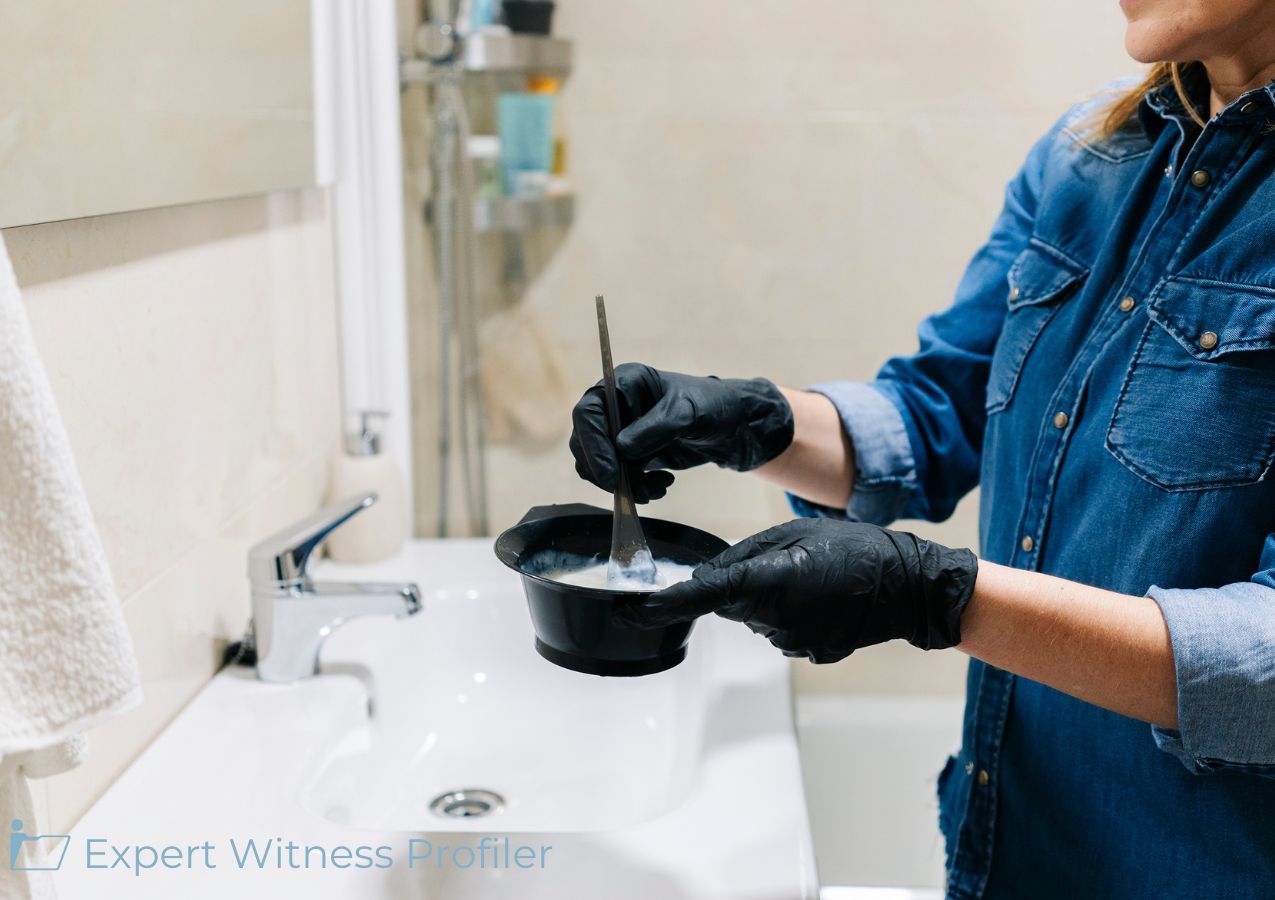
    In a products liability action, Plaintiffs Timothy and Jean Moore filed a failure-to-warn lawsuit against Defendant Combe Inc., the manufacturer of the Just For Men brand of hair dye products. The Moores alleged that Combe knew or should have known that their products could cause vitiligo and/or skin depigmentation but failed to adequately warn users about this risk. They specifically pointed out that Just For Men Control GX Grey Reducing Shampoo (“Control GX”) contains a chemical known as p-Phenylenediamine (“PPD”), which can pose health risks when it comes into contact with the skin, one of these risks being vitiligo. 

    Timothy Moore had been using Control GX since 2017, and in the subsequent years, he developed vitiligo. He claimed that he only became aware of the connection between PPD and vitiligo in 2020 and argued that Combe’s product packaging, inserts, and marketing materials did not adequately convey the risk associated with their products. 

    During the discovery process, the Moores presented Lila Fitzgerald Laux, Ph.D., as an expert witness in the field of human factors engineering. In her report, Laux asserted that Just For Men products failed to provide sufficient warning about the risk of vitiligo. She explained that an effective safety warning should be explicit, legible, prominently located, and conspicuous enough to capture the potential user’s attention. Laux went on to state that the warning label on the Control GX product did not meet these criteria. She further opined that had Combe made a warning about the potential for vitiligo and other skin conditions more prominent and conspicuous on the packaging, Moore would not have purchased and, consequently, not used the product. 

    Combe challenged both the relevance and reliability of Laux’s testimony under Federal Rule of Evidence 702, Daubert v. Merrell Dow Pharmaceuticals, Inc., and its progeny. Combe argued that Laux’s opinions regarding the adequacy of the Control GX warning labels and their impact on Moore’s purchasing decision were not relevant to the facts of the case. They also questioned the reliability of her methods, contending that she had not provided a discernible methodology for reaching the conclusion that the Control GX warning labels were inadequate or that differently designed warnings would have influenced Moore’s decision to purchase the product. 
    Human Factors Expert Witness 

    Dr. Lila Fitzgerald Laux has extensive experience in the field of human factors engineering. She pursued her Bachelor of Arts degree from Rice University and a Master of Science degree in Applied Psychology from the University of Southwest Louisiana. Furthering her education, Laux went on to earn a Doctor of Philosophy degree in Industrial Psychology/ Human Factors Engineering from Rice University. She served as the Principal Human Engineer in the Alion Science & Technology, HSI & Decision Support Operation till 2020 and also as a Lead Human Factors Engineer in US West Technologies/Qwest Communications before that. In addition to her work experience, Laux has published research studies in her field of expertise and established herself as a knowledgeable authority in human factors engineering.  

    Discussions by the Court 

    Combe had argued that Timothy Moore’s acknowledgment during his deposition that he never read the existing warnings on Control GX’s packaging, label, or insert rendered Laux’s opinions on the adequacy of those warnings irrelevant and should be excluded. However, the Moores pointed out that Combe had previously made a similar argument in its motion for summary judgment, which was rejected. 

    The Court’s order on the summary judgment motion noted that Moore did not simply admit to failing to read the warning label but described it as nearly illegible. He explained that the text was so small that he couldn’t read it without two pairs of glasses, and it was only legible during the deposition when it was enlarged on a screen. This led to the identification of a genuine issue of material fact regarding the adequacy of the Control GX warning label. Laux’s expert testimony addressed this factual dispute, as she emphasized that effective warning labels should be explicit, legible, prominently located, and conspicuous, and she opined that Combe’s labels did not meet these criteria. 

    In response, Combe cited two non-precedential cases as precedent, which rejected expert testimony in failure-to-warn cases when the Plaintiff admitted to not reading the warning labels. However, these cases were deemed inapplicable. In the first case, Gebhardt v. Mentor Corp., the Plaintiff was a physician who did not read the warning label because he was knowledgeable about the device’s risks and benefits based on personal experience, medical literature, and interviews with the device’s inventor. In contrast, Timothy Moore was not a “learned intermediary” regarding the risks of the product and expressed surprise at the severity of the warnings on a shampoo product. 

    The second case, Atanassova v. Gen. Motors LLC, appeared more similar on the surface as it excluded the testimony of two expert witnesses, including Laux, on the adequacy of a warning in a car’s owner manual. However, the Court in that case had granted summary judgment on the failure-to-warn claim, reasoning that a different warning label would not have made a difference. In the current case, a genuine issue of material fact existed on this point, making Laux’s testimony highly relevant. 

    Combe had argued that Laux’s conclusions regarding the inadequacy of the Control GX warning labels and the potential impact of differently designed warnings on Moore’s purchase decisions lacked a factual basis and amounted to unsupported assertions (ipse dixit). However, contrary to Combe’s characterization of her testimony, Laux did provide a foundation for her expert opinions. 

    In her report and deposition, Laux outlined her extensive career in the field of human factors engineering, spanning more than 30 years. During this time, she had engaged in research, reviewed pertinent literature, consulted with corporate clients, and assessed the adequacy of various warning labels. Drawing on her specialized experience, she detailed a three-step process for “developing and evaluating optimal warnings and instructions,” which included: 

    1. Evaluating the user population and identifying potential difficulties or errors in consumer decision-making resulting from human limitations in assessing the risks and consequences associated with product use. 
    1. Assessing product-related factors that influence or shape a consumer’s ability to make informed decisions. 
    1. Evaluating the interaction between the consumer and the product interface, identifying where consumers must make decisions and how the interplay between consumer characteristics and the product interface affects consumer safety behavior. 

    After evaluating the Control GX warning label in accordance with the outlined process, Laux arrived at the conclusion that the label was “inadequate to provide the user population with the information they need.” It is important to note that the ultimate determination of the credibility of this testimony and the persuasiveness of her opinion falls to a jury. The Court recognized that the evidentiary standard of reliability is lower than the merits standard of correctness, citing In re Paoli R.R. Yard PCB Litigation

    Combe made several other arguments in an attempt to discredit Laux’s testimony. Firstly, they contended that Laux had not examined an actual Control GX box, tube, or insert, but had based her opinions on “blurred photographs” of the product’s warning labels. However, Combe did not claim that these photographs, which were included in the expert report, misrepresented the Control GX warning labels. The Court’s own examination confirmed that the photographs were legible. The issue of whether Laux’s examination of the actual product might have led to a more informed opinion concerned the credibility of her testimony rather than its reliability. 

    Secondly, Combe argued that Laux had not compared the Control GX warning labels to those used on other hair dye products, suggesting that this omission rendered her methodology inherently questionable and unreliable. The Court, however, held that such a comparison was inconsistent with the appropriate level of flexibility required by Rule 702. 

    Lastly, Combe objected to Laux’s repeated references to the American National Standards Institute (ANSI) standard Z535.4, a voluntary standard that provides guidance to manufacturers on the design of product safety labels. The Court noted that the question under Daubert was not whether an expert’s opinions were correct, but whether they were reliable. Combe did not offer any explanation for why the relevant ANSI standard, even if voluntary, should be considered an unreliable factor when evaluating the adequacy of warning labels. Laux’s testimony clarified that her opinion was not solely based on Control GX’s compliance with ANSI Z535.4 and that her analysis took various factors into account. The accuracy of her analysis was ultimately a matter for the jury to determine. The consideration of a relevant industry standard need not be binding to be reliable, and Combe provided no alternative explanation for why Laux’s reference to it was inappropriate. 

    Held

    The Court denied the Defendant’s motion to exclude the testimony of Lila Fitzgerald Laux. The Court has not arrived on an outcome for this case since the remaining issues involved in this case still await resolution. 

    Key Takeaways:

    This case demonstrates that expert witness testimony can be deemed sufficiently reliable under Daubert even if the expert appropriately relies on their experience rather than a rigid comparative methodology. The Court emphasized that the Daubert bar for reliability is flexible and lower than the ultimate correctness standard. Additionally, the case shows that expert testimony can be relevant and helpful to the jury even when factual disputes exist regarding the underlying basis for the opinions. Finally, the Court afforded deference to the jury’s role in determining the credibility and persuasiveness of expert opinions, rather than acting as a “replacement” for the fact finder. So long as reliability and relevance thresholds are met, Courts will likely allow experts to present opinions even if questions exist that go to the weight of the testimony. 

  • Court limits testimony of Marketing Expert Witness citing lack of experience analyzing consumer confusion from either a legal or marketing perspective in trademark infringement suit

    Court limits testimony of Marketing Expert Witness citing lack of experience analyzing consumer confusion from either a legal or marketing perspective in trademark infringement suit

    In the case involving Plaintiff Blue Bottle Coffee, LLC and Defendants Southern Technologies, LLC and Hui Chuan Liao, the Plaintiff, a coffee business, filed a lawsuit in August 2021 and an amended complaint in November 2021. The dispute centered on alleged trademark infringement and unfair competition claims. The Plaintiff held multiple registered trademarks, including two solely consisting of a shade of blue, Pantone 2995 C, and asserted trade dress in its product packaging.

    Defendants, who began using the name “Blue Brew” in 2017, were accused of selling coffee-related products with packaging and branding that closely resembled the Plaintiff’s, including the use of a similar shade of blue and the word “blue.”

    On April 7, 2023, the Plaintiff served three expert reports from Jeffrey S. Andrien, Norman Broadhurst; and Jill Morton. Jill Morton provided testimony regarding branding and the use of color in the case. On May 22, 2023, updated versions of these reports were provided to the Defendants. Jill Morton was deposed by the Defendants on July 20, 2023. Subsequently, on August 11, 2023, the Defendants filed a Daubert motion to exclude Jill Morton’s testimony challenging the reliability and relevance of each of Morton’s three conclusions and her corresponding analyses: (A) the color blue as a source-identifying attribute of Plaintiff’s brand, (B) the color blue that the parties used in connection with their brands was “similar or nearly identical”; and (C) the combined effect of the color blue and the word “blue” on Defendants’ products would cause consumer confusion with Plaintiff’s products.

    Marketing Expert Witness

    Jill Morton is the CEO of Colorcom, a consulting firm that “specializes in helping companies understand how to use color most effectively.” Morton received a Bachelor of Fine Arts from the University of California, Santa Barbara, where she also completed a fifth year of study in the Graduate School of Education. She also received a Master of Fine Arts in design from the University of Hawaii. As a color consultant, Morton leverages her extensive technical and professional knowledge about color to provide guidance on a diverse range of projects. Her expertise encompasses aspects such as the psychological impact of color, creative color combinations, harmonious color choices, visual ergonomics, and staying current with marketing trends. Morton applies these critical factors to offer successful solutions for her global clientele.

    Discussions by the Court 

    Jill Morton had a degree in Art Education and an MFA in design, along with over twenty years of experience as a “brand identity expert.” She had also taught courses on color at universities and colleges for over 20 years, including a graduate-level course on the psychological and physiological effects of color. The Court found her qualified to provide testimony regarding Plaintiff’s use of the color blue as a source-identifier, emphasizing the broad conception of expert qualifications under Rule 702.

    Defendants had argued that Morton’s qualifications were unreliable because she wasn’t a licensed psychologist or a scientist and hadn’t published peer-reviewed papers. However, Morton clarified that she referred to herself as a “color consultant” and only discussed psychology in the context of how it related to branding and consumer behavior, drawing from her extensive marketing experience. The Court agreed that her expertise was rooted in her marketing experience, and any questions about her qualifications went to the weight of her testimony, not its admissibility.

    Defendants also contested the reliability of Morton’s testimony because she didn’t conduct consumer surveys or interview Blue Bottle employees about their advertising strategies. Morton defended her opinion, stating that she relied on her experience advising brands on color and consumer associations. The Court agreed that the absence of surveys or interviews impacted the weight of her testimony but didn’t render it inadmissible.

    To prevail in a trademark infringement claim, the claimant needed to demonstrate the validity of their mark, which could be through federal registration, a suggestive mark, or secondary meaning in the market. Morton’s discussion about the functionality of blue in branding was relevant to the trademark infringement inquiry, as it related to the validity of the marks.

    Morton proceeded to assert that the shade of blue used by the Defendants on their packaging, Pantone 305 C, was “nearly identical” to the Blue Bottle Blue Marks, Pantone 2995 C. She emphasized her expertise in both Pantone and CMYK colors, backed by 20 years of experience in understanding how consumers perceive these color systems.

    To facilitate the jury’s evaluation of these color similarities, Morton conducted a Pantone color analysis. Pantone, a company and system for classifying colors, formulates mixing formulas for various shades. Morton provided a breakdown of the color ingredients for Pantone 2995 C (Blue Bottle Blue) and Pantone 305 C (Defendants’ blue) based on the Pantone Color Guide. She explained that these colors contained varying proportions of Pantone Pro Blue and Pantone Transparent White, which determined the degree of lightness for each shade.

    While Pantone 2995 C (Blue Bottle Blue) had a relatively small percentage of Pantone Ref Blue, Morton pointed out that it shared identical ingredients with Pantone 305 C (Defendants’ Blue) in terms of Pantone Pro Blue and Pantone Transparent White. Consequently, Morton concluded that the shades of blue were “similar or nearly identical.”

    Morton had also conducted a CMYK analysis, which is a color formula system for printing materials. It involves using varying percentages of cyan, magenta, yellow, and black to create specific shades of color. In her analysis, Morton compared the CMYK formulas for Plaintiff’s and Defendants’ shades of blue, using a Pantone guide called “Color Bridge by Pantone.” She found that both colors predominantly consisted of cyan, with only minimal amounts of other colors. Additionally, Morton analyzed two unrelated shades of blue, contrasting them with the Plaintiff’s and Defendants’ colors, noting that they contained more magenta and black.

    Defendants had primarily questioned the reliability of Morton’s CMYK analysis, contending that Plaintiff provided no evidence to establish the peer-reviewed or previously accepted nature of her particular CMYK analysis methodology. Morton had clarified that she used the CMYK analysis to translate and confirm the Pantone color composition and similarities she observed. Her approach didn’t involve mathematical analysis but consisted of commentary regarding the CMYK breakdown of four different shades of blue, including those of the Plaintiff and Defendants, all based on Pantone formulas.

    The Court held that in certain fields, Morton’s extensive experience was considered a primary basis for reliable expert testimony, citing Lucido v. Nestle Purina Petcare Co. Her analyses were conducted based on two decades of practical experience with these techniques, aimed at explaining why the two colors might appear similar to the human eye. Given the relatively specialized nature of color’s role in branding, her experience and method explanation were deemed adequate. Any concerns about the reliability of Morton’s analysis could be addressed through cross-examination.

    Morton had stated that she conducted the two color analyses with the purpose of assisting the jury in evaluating the similarities between the marks, as the “Similarity of marks” is a relevant factor in establishing the likelihood of confusion, one of eight factors considered in trademark infringement cases.

    Defendants had argued that there was no need for a “framework” for jurors to compare two colors, as the differences between Plaintiff’s BLUE BOTTLE BLUE Marks and the colors used by Defendants were obvious, and one didn’t need to be a “color psychologist” for such a comparison. Morton herself acknowledged that jurors who had passed some color vision test could perform the color comparison just as well as she could. However, the Court recognized that Morton’s testimony went beyond a mere side-by-side comparison. She delved into the ingredient breakdown of the two Pantone colors, especially considering Plaintiff’s trademark registrations specifically claimed Pantone 2995 C. Morton translated the Pantone ingredients into ink makeups for printing, aiming to provide a nuanced perspective on color and its components as seen from a professional color consultant.

    While jurors could assess color similarity on their own, the Court found that Morton’s expertise could be useful in providing a framework for color interpretation and offering insights into the similarities between Plaintiff’s and Defendants’ shades of blue. Therefore, the Court concluded that Morton was permitted to provide this framework and analyze color similarities based on her experience as a color consultant.

    Morton also relied on Blue Bottle’s longstanding use of its marks and the combined effect of the BLUE BREW brand’s use of a similar color and the word “blue” in its name to argue that there was a likelihood of consumer confusion. Defendants challenged her lack of experience analyzing actual instances of consumer confusion from either a legal or marketing perspective. The Court agreed with Defendants, stating that her testimony wouldn’t assist the trier of fact, as it was essentially a side-by-side comparison, and her determination usurped the role of the jury as factfinders.

    Held

    In conclusion, the Court granted the motion to exclude Morton’s testimony regarding the likelihood of confusion between Plaintiff’s and Defendants’ products but allowed her testimony in all other respects.

    Key Takeaways:

    This case illustrates several important considerations for expert witness testimony under the Daubert standard. First, reliability hinges on the expert’s qualifications and experience in their discipline. The Court found Morton qualified to testify about color and branding given her extensive background, though unqualified on consumer psychology. Second, helpfulness to the jury is key for relevance. Morton’s color analyses assisted the jury in evaluating trademark validity and similarity, but her opinion on consumer confusion usurped their role.  

    Third, methodology matters, especially for scientific testimony. Morton’s color analyses using standard systems were sufficiently reliable from her experience, but her “consumer confusion” analysis lacked sound methodology. Fourth, ultimate legal issues are off limits. Though experts can embrace ultimate factual issues like similarity, they cannot give opinions telling the jury the legal result to reach. Fifth, if in doubt, exclude under Rule 403. Expert opinions with weak methodology risk confusing or misleading jurors. 

    In summary, Daubert requires a flexible inquiry, but proponents must show experts are qualified, use reliable methodology, and provide opinions helpful to the jury without invading its role or confusing the issues. This helps ensure expertise reliably informs while preserving the jury’s fact-finding function.