Florida Southern District Court decided that a podiatry expert witness’ causation theory with regard to severe burns was admissible after she compared and contrasted the Plaintiff’s health before and after the incident.
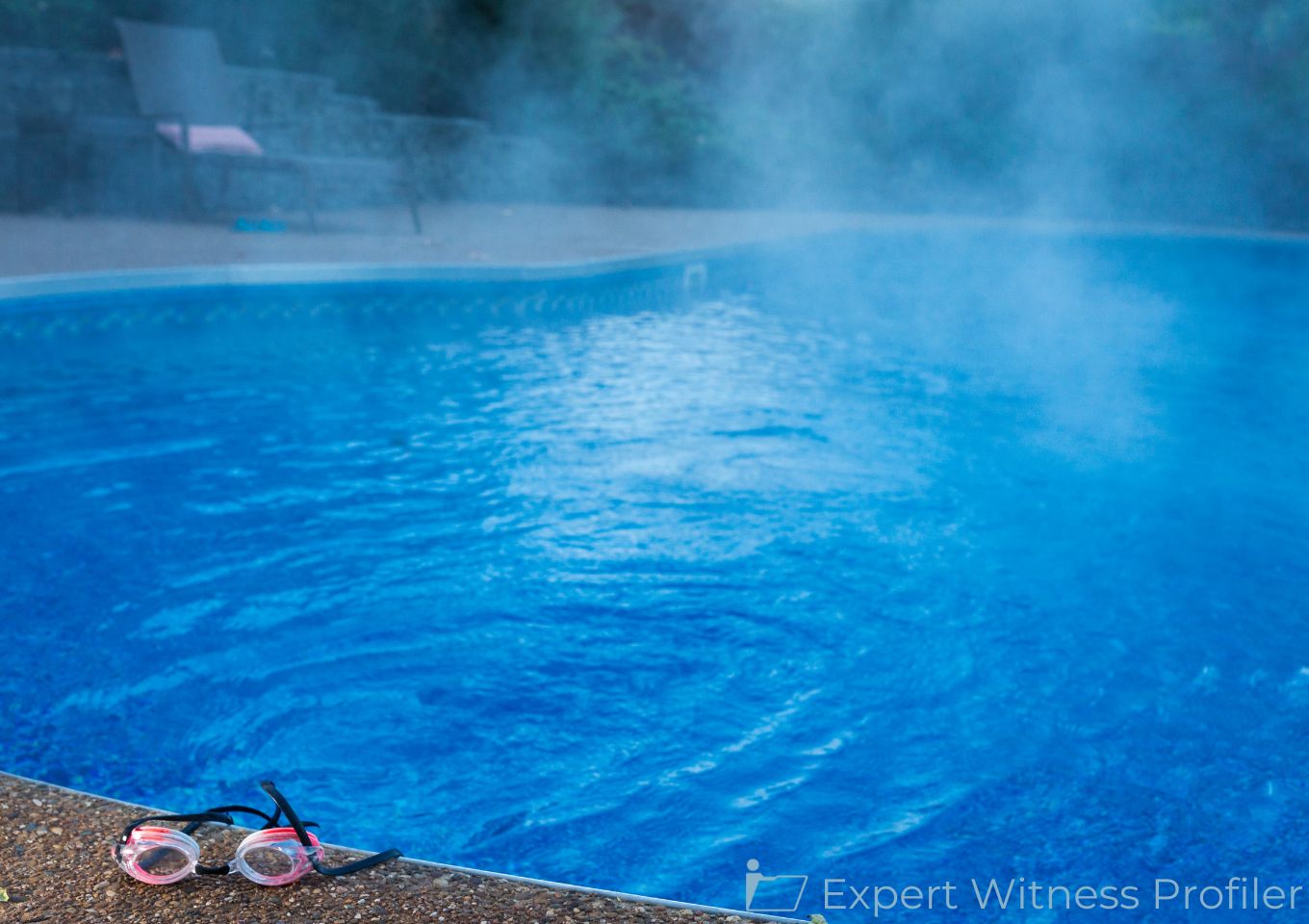
This is a negligence action in admiralty for damages the Plaintiff suffered while vacationing aboard the Explorer of The Seas on May 14, 2022. The Plaintiff alleged that on May 14, 2022, he sustained severe burns on the soles of his feet while standing on the ship’s heated pool deck. The Plaintiff sought treatment on board, and medical staff diagnosed him with second-degree burns. The Plaintiff’s expert witness and treating podiatrist, Dr. Julia Shauger, evaluated the Plaintiff on May 25, 2022, upon his return home and diagnosed the Plaintiff with third-degree burns to the “entire surface plantar feet.” Shauger also stated that the Plaintiff’s diabetes and neuropathy were complicating factors.
Defendant sought to exclude Shauger’s opinion on three grounds: (1) she provided speculative opinions and testimony about the costs of future care; (2) her opinions on causation were unreliable; and (3) Shauger’s expert disclosure was deficient under Federal Rule of Civil Procedure 26(a)(2).
Podiatry Expert Witness
Julia Shauger, DPM is a board-certified podiatric physician and surgeon with nearly 30 years of experience and specialties in cryoskin, laser fungal toenails, and minimally invasive surgery. Shauger earned her Bachelor of Science in Biology from St. Xavier University before attending the prestigious William M. Scholl College of Podiatric Medicine in Chicago, IL., where she graduated with a Doctorate of Podiatric Medicine in 1993, followed by postgraduate training in podiatric primary care, orthopedics, and surgical medicine. Shauger maintains membership with several leading organizations in her field, including the American Podiatric Medical Association, the American Podiatric Women’s Association, and the American Academy of Podiatric Sports Medicine. She is licensed to practice in both Illinois and Indiana, and speaks three languages: English, French and Spanish.
Discussion by the Court
Shauger could only speculate as to the costs of a future procedure of which the Plaintiff is not currently a candidate
Defendant challenged the reliability and helpfulness of Shauger’s testimony. First, Defendant contended Shauger “could only speculate . . . as to the costs of a future procedure of which the Plaintiff is not currently a candidate.” Shauger referred to her medical procedure codes that estimated the cost of laser oblation, if necessary to treat the Plaintiff’s burned feet, somewhere between $138 to $142 per foot with another roughly $5,000 to $20,000 in hospital costs. Defendant believed this was too speculative to satisfy Daubert.
The Plaintiff has been a patient of Shauger since October 2022 for fungal infections, ingrown toenails, and diabetes affecting his feet. Shauger stated that before the alleged incident, the Plaintiff did not have burns, blisters, lesions, or injuries to either foot.
Moreover, based on the Plaintiff’s injury and her records, she was sure that the Plaintiff’s description of the injury was consistent with the burn injuries she observed on May 25, 2022. Lastly, any nerve damage the Plaintiff sustained was caused by the alleged incident.
Shauger added, “The codes I would bill are really negligible.” In reaching her medical conclusion, she looked at her medical notes only. Moreover, she stated that ensuring the Plaintiff always stays protected would rule out the need for procedure.
The Court held that even though Shauger could not state “how long or how much future treatment is going to cost,” but she did provide an estimate that built a meaningful connection between her experience and the cause of injury.
Shauger’s medical opinions were unreliable because she did not consult any other of the Plaintiff’s medical records or any of the depositions in this case
Second, the Plaintiff contended that Shauger’s medical opinions were unreliable because she did not consult “any other of the Plaintiff’s medical records or any of the depositions in this case.” Shauger ultimately opined that ship’s heated pool deck caused the Plaintiff’s burns by comparing the Plaintiff’s visits before the alleged incident and afterward.
Defendant contended that since Shauger did not consult shipboard medical records, the Plaintiff’s medical records, or any of the other depositions taken to form a proper causation theory, Rule 702(b) of the Federal Rules of Evidence disqualified her testimony. They challenged her opinion for failure to consult medical documents other than her own notes.
The Plaintiff, however, distinguished Morrow from the facts here because the treating physician in Morrow had not reviewed the Plaintiff’s pre-incident medical records. The Court found weight in this distinction. Shauger had evaluated the Plaintiff less than a month before the incident for an ingrown toenail and had seen him within days after the incident.
She testified at her deposition that the Plaintiff had feeling on his soles before the incident and had no lesions, burns, injuries, or blisters on either foot. Moreover, this Court has stated that future determinations do not need to be airtight.
Defendant contends Shauger did not comply with Rule 26(a)(2) by providing details regarding her “qualifications, education/training, and professional experience“
If the Court were to find that Shauger’s disclosure was pursuant to Rule 26(a)(2)(B), Shauger should be excluded because there was no written report, proper CV, fee schedule, or testimonial history provided with the disclosure as listed. If the Court were to give the Plaintiff the benefit of the doubt, Shauger could be considered to have been disclosed by the Plaintiff as a non-retained expert, treating physician, which would make Shauger’s disclosure subject to Rule 26(a)(2)(C) disclosure requirements.
Defendant’s argument appeared to boil down to the Plaintiff not meeting the requirements of a Rule 26(a)(2)(C) non-retained expert. Defendant added that the Plaintiff provided no summary of facts and instead included “an ineffective list of broad, proposed opinions.”
A treating physician/non-retained expert complies with Rule 26(a)(2)(C) when she provides “the subject matter and a summary of facts and opinion as to which [she] [is] expected to testify.” Disclosure under Rule 26(a)(2)(c) follows a much more flexible standard than the required reporting in Rule 26(a)(2)(B) required for retained expert witnesses.
Shauger provided thirty-eight pages of medical reports concerning the Plaintiff before and after the alleged incident as Plaintiff’s treating physician. Additionally, the Plaintiff satisfied the “subject matter” prong of Rule 26(a)(2)(C) by describing Shauger’s background and explaining that she will provide testimony concerning “Plaintiff’s shipboard injury, the unreasonably hot ship’s deck as the case of his injury.”
Shauger based her theory of causation on her own examinations of the Plaintiff as his treating physician. Her medical reports would have ostensibly been made to evaluate and treat the Plaintiff—and not for pursuing litigation. As the Plaintiff’s podiatrist, Shuager concluded that the Plaintiff had third-degree burns and loss of mobility were likely caused from an extremely hot heating deck.
The Court found that the Plaintiff complied with the disclosure requirements of Rule 26(a)(2)(C).
Held
The Court denied the Defendant’s Daubert Motion to Strike the Testimony of Julia Shauger, M.D.
Key Takeaways:
Logical Conclusion: Shauger testified at her deposition that the Plaintiff had feeling on his soles before the incident and had no lesions, burns, injuries, or blisters on either foot. An expert comparing and contrasting a the Plaintiff’s health before and after the incident is fine, so long as the expert reaches a logical conclusion. These facts and the before-and-after reports would be reliable information helpful to a jury.
Absolute Certainty: Shauger could not state “how long or how much future treatment is going to cost,” but she did provide an estimate that built a meaningful connection between her experience and the cause of injury. “Absolute certainty” is not the aim of reliable expert testimony.
Disclosure Requirements: Disclosure under Rule 26(a)(2)(c) follows a much more flexible standard than the required reporting in Rule 26(a)(2)(B) required for retained expert witnesses.
Blackhawk Mining, LLC and Pine Branch Mining, LLC (“the Mining Companies”) had operations in Breathitt County, Kentucky. Between July 25 and July 30, 2022, communities across eastern Kentucky suffered historic rainfall that led to “one of the most significant, deadly floods” in the Commonwealth’s history. The floods resulted in significant damage to property and the tragic loss of life. The Plaintiffs, including Eugene Baker, in this matter owned property in the River Caney Watershed, a mountainous community in Breathitt County. Each property was alleged to have experienced damage from the flooding. Many property owners resided along Caney Creek, which was situated down the mountain from where the Mining Companies maintained operations.
About a month after the floods had ravaged the area, the Plaintiffs filed this action alleging that the Defendants’ mining activities had increased stormwater runoff into the watershed during the historic rainfall, thus playing a causal role in the damage. In other words, they claimed that the Mining Companies had caused the damage they experienced from the floods by failing to operate safely.
Prior to the expert disclosure deadline, the Plaintiffs identified one expert witness, D. Scott Simonton, together with his report entitled “Preliminary Opinion, Caney Creek Flooding, Breathitt County, KY.” Simonton was retained to opine as to whether mining activities in the watershed increased flood peak flows and flood damage during the event.
Simonton’s preliminary report contained the following five parts: (i) a background section describing the event; (ii) an analysis of mining impacts and hydrology; (iii) an overview of mining in the Caney Creek Watershed; (iv) initial opinions on the Caney Creek flood; and (v) a summary of initial conclusions.
The Mining Companies argued that Simonton’s opinions lacked reliability under Rule 702 of the Federal Rule of Evidence because they were not based on reliable principles and methods, nor were they supported by sufficient facts and data. Additionally, they claimed that the opinions outlined in the report failed to meet the disclosure requirements of Rule 26(a) of the Federal Rules of Civil Procedure.
Environmental Engineering Expert Witness
D. Scott Simonton is a professional engineer having received a Ph.D. from the University of New Mexico. He has more than 30 years of experience “in state environmental and public health protection regulatory agencies, private consulting, and academia.” He specializes in environmental forensics, environmental site and risk assessment, mining impacts, hydrology, and environmental engineering design, as well as regulatory compliance including permitting, compliance plans, inspections and audits. He has provided expert testimony and project management for complex environmental cases.
Discussion by the Court
The Mining Companies argued that Simonton’s opinions were not reliable as he did not conduct flood modeling, which they claimed is the accepted methodology for determining if land disturbances caused or worsened flooding. They pointed out that computer-based hydrologic models have been deemed essential in various water disputes by many courts. Additionally, the studies reviewed and conducted by Simonton in his preliminary report also highlighted flood modeling as a useful tool, indicating its potential as an industry standard. Although the Court observed that the method was not required for a Court to admit an expert’s opinions, Simonton himself recognized the enlarged importance of hydrologist modeling to show that changes in surface land conditions from mining operations caused an increase in water runoff considering three of the five studies he cited involved hydrologic modeling. It was noted that Simonton previously testified that an expert in his field cannot reach conclusions about the impacts of surface disturbances on flooding without first conducting modeling of some kind.
The Plaintiffs responded by claiming that hydrologic modeling “was not an end-all requirement of the admissibility of expert testimony.” They even described the assertion that modeling was the industry standard in cases like this one as a “gross misunderstanding of industry practices.” However, the Court observed that they offered no reliable authorities to support this assertion.
The Plaintiffs defended Simonton’s methods, asserting that they involved classical engineering techniques such as aerial observation, third-party eye-witness accounts, and a review of his own modeling and permit files. However, they did not specifically assure the Court of the reliability of these methods. Instead, they dedicated a significant portion of their brief to argue that Simonton’s findings suggested per se negligence.
The Court found it challenging to support the reliability of an expert whose opinions lacked sophisticated modeling or site-specific testing regarding the impacts of water flows on mined surfaces. It noted that the absence of testing was a red flag against certifying the expert’s opinions. Without more than citations of past studies and unscientific opinions based solely on first-hand observations, the Court raised concerns about the reliability of the expert’s conclusions. It suggested that supplementing the expert’s report with additional data might have strengthened the reliability of the opinions.
The Mining Companies then contended that Simonton’s opinions were primarily based on examinations of water flows impacting terrain in locations other than the River Caney Watershed. They questioned the relevance of the studies upon which Simonton purportedly relied, arguing that he could not apply the principles and methods tested in separate locations with unique topological characteristics and conditions to the instant case without some form of testing in order to provide a connection. Essentially, the Mining Companies argued that Simonton’s report failed across the board, as he attempted to use results from studies and publications regarding other locations to establish a link between mining and flood damage in this case. Notably, the Plaintiffs did not dispute this observation. However, they claimed that the Mining Companies neglected to acknowledge Simonton’s firsthand analysis of the site and the generally acknowledged usefulness of outside studies to confirm or deny a scientific hypothesis. In other words, the Plaintiffs claimed that the studies provided Simonton with a reliable basis to form conclusions because they examined storm water’s impacts on similar topography in the Appalachian Mountains subject to surface and strip mining. But the Court observed that the studies Simonton briefly detailed in his preliminary report were presented in remarkably general terms–and often involved hydrologic testing or modeling to reach conclusions.
The Court observed that though Simonton cited first-hand aerial observations of the Caney Creek flooding in the weeks after the event, as well reviews of relevant precipitation data and examinations of Google Earth imaging over an extended period, a lack of demonstrable testing or modeling based specifically on the mining sites that purportedly led to the devastation was why Simonton’s report fell victim to the kind of “anecdotal evidence” and “improper extrapolation” that warranted exclusion.
The Mining Companies claimed that Simonton presented no analysis of water flows (pre or post mining) and completely failed to consider an obvious alternative cause of the Plaintiffs’ claimed damages other than waterflow caused by a land disturbance. To sum it up, the Mining Companies contended that Simonton’s report failed to properly exclude potential alternative causes of the damage that Plaintiffs had suffered. However, the Plaintiffs argued that Simonton’s consideration of how “the heavy rainfall had a disparate effect when compared to an undisturbed watershed” amounted to his exclusion of the rainfall as the primary causal factor in causing the flood damage. While Simonton may have implicitly ruled out alternative causes in the process of concluding that the Mining Companies were to blame for exacerbating the flooding, the fact that his report was merely preliminary may explain why he did not explicitly rule out, for example, the historic rainfall as causal in clearer detail.
Simonton’s preliminary report was found to be deficient in several key aspects: it lacked sufficient data regarding the specific mining sites in question, did not employ any scientific modeling or testing, and struggled to reliably apply principles and methods to the case’s facts with the reliance on extrapolations from studies conducted on sites outside of the River Caney Watershed held to be problematic.
The Mining Companies argued that Simonton’s report lacked a complete statement of his opinions, along with a clear basis and reasons for those opinions. Despite being labeled as “preliminary,” Simonton’s report provided a summary of opinions based on his initial evaluation of the terrain, sediment control structures, and sedimentary conditions in the Caney Creek area. However, the issue arose because Simonton presented these opinions as an “summary of initial preliminary opinions” without further supplementation. Rule 26 of the Federal Rules of Civil Procedure mandates the disclosure of a complete statement of all opinions the witness will express, which the Plaintiffs failed to fulfill. The Court emphasized that requiring the full disclosure of expert opinions enables opposing parties to adequately prepare their cases and helps triers of fact ensure that the expert’s opinion does not mislead or confuse the jury. Therefore, the Court found the Plaintiffs’ disclosure to be deficient in this regard.
The Mining Companies argued that Simonton’s preliminary report was not only incomplete but also reached various conclusions without identifying the reasoning behind them. They observed that Simonton concluded that mining had occurred in the River Caney Watershed, hydrologic modeling had been conducted in areas outside of this particular watershed, erosion had occurred in the watershed, and the surface area of a nearby sediment pond had experienced a reduction. However, Simonton did not provide a direct basis regarding how he reached these conclusions. It was noted that the studies Simonton referenced indicated that surface mining and improper design, construction, or maintenance of sediment and runoff controls may lead to additional damage caused by flooding. To the extent he relied upon that body of information (which was presented in an entirely separate section of his report) in forming his conclusions, Simonton’s report likely complied with the rule’s subpart. But compliance here did not change the fact that Simonton provided only a “preliminary” summary of conclusions despite the command that experts must disclose opinions they may offer in their entirety.
The Mining Companies argued that the Plaintiffs failed to produce all the facts and data considered by Simonton or the exhibits which Simonton claimed supported his opinions. In response, the Plaintiffs claimed the counsel had forwarded all information referenced in Simonton’s report. However, the Mining Companies noted that this information was provided only after they filed their motion to exclude, and months after the deadline for providing expert disclosures had passed. Despite the Plaintiffs’ assertion that much of the information considered by Simonton was available in the public domain, the Court emphasized that the duty to produce relevant information during discovery is enforced by a deadline. The Court held that deadlines are significant, regardless of any belief by the Plaintiffs that disclosing selective information at their chosen time could remedy a Rule 26(a) deficiency.
The Court also noted that Simonton failed to provide a full accounting of the cases in which he participated during the previous four years as per the requirements of Rule 26.
The Court held that the Plaintiffs’ failure to comply with this disclosure requirement was not harmless considering they failed to provide a complete statement of all opinions that Simonton planned to express, the facts and data he considered in reaching his opinions, and an accurate list of all other cases in which he testified as an expert.
Held
The Court granted the Defendants’ motion to exclude the proposed expert opinions of D. Scott Simonton.
The Court has not arrived on an outcome for this case since the remaining issues involved in this case still await resolution.
Key Takeaways:
Experts should employ accepted methodologies relevant to the case, and failure to consider alternative causes of damages can undermine the credibility of their opinions. Parties have a duty to disclose all relevant facts, data, and opinions of their expert witnesses in a timely manner as per Rule 26 of the Federal Rules of Civil Procedure. Experts should provide a clear and transparent account of their findings, including the basis for their conclusions and any supporting evidence or data. Deadlines for expert disclosures and the production of relevant information during discovery are enforceable and significant, and courts may not overlook non-compliance with these requirements, even if the party believes the deficiency to be harmless. Additionally, experts should disclose their participation in relevant cases during the previous four years as required by Rule 26. Overall, expert witnesses should maintain impartiality and objectivity in their analysis and conclusions to ensure their testimony is not misleading or confusing to the trier of fact.
Plaintiff, Anthony Bush on behalf of a class of California consumers, brought a class action against the Defendant, Rust-Oleum Corporation for mislabeling of its “Krud Kutter” cleaning products as “non-toxic” and “Earth friendly,” contending that it violated California consumer-protection laws since the products were, in fact, harmful to humans, animals, and the environment.
The operative complaint consisted of five claims: (1) unlawful, unfair, and fraudulent business practices under the Unfair Competition Law (UCL), Cal. Bus. & Prof. Code §§ 17200-08; (2) deceptive advertising under the False Advertising Law (FAL), Cal. Bus. & Prof. Code § 17500; (3) deceptive practices under the Consumer Legal Remedies Act (CLRA), Cal. Civ. Code §§ 1750-84; (4) breach of express warranties; and (5) unjust enrichment.
The Plaintiff filed a motion to exclude the opinions and survey of the Defendant’s market-research expert Dr. Ran Kivetz while the Defendants moved to exclude the declaration of the Plaintiff’s survey expert, Dr. J. Michael Dennis.
Marketing Expert Witness
Ran Kivetz is a renowned marketing scholar and survey expert holding a Ph.D. in Business from Stanford University Graduate School of Business. He is a tenured, chaired Professor of Marketing at Columbia University Business School, and he has received numerous research awards and nominations from leading marketing and consumer research publications and organizations, including, but not limited to, the Journal of Marketing Research, Journal of Consumer Research and the Association of Consumer Research.
Survey Research Expert Witness
J. Michael Dennis is a nationally recognized expert on survey research methods, with a focus on online surveys and household panels. He has directed hundreds of statistical studies using probability-based and non-probability panels, as well as using telephone and in-person modes of data collection. Dennis is executive director of AmeriSpeak, NORC’s probability-panel owned and operated by NORC.
Discussion by the Court
With regard to the Plaintiff’s motion to exclude the opinions of Ran Kivetz, the Court observed that Kivetz conducted a experimental design survey which involved a test group and a control group. Kivetz showed the test group the actual label of one of the Krud Kutter products while the control group was shown the same label but without the challenged label claims (“non-toxic” and “Earth friendly”). Kivetz asked two key questions to the respondents. The first question was whether or not they would buy the products shown but for the challenged claims while the second question involved the reasons for the respondent’s purchasing decision which the respondents had to list in open-ended format.
Based on the answers, Kivetz concluded that that the challenged claims were not a but-for cause of purchasing decisions considering the difference between the test and control groups in whether they would purchase the product. Kivetz added that the open-ended responses determined that there were a variety of reasons for consumers’ purchasing decisions.
Plaintiff argued that some of Kivetz’s opinions were irrelevant because under the reasonable-consumer test, the challenged claims could be “material” to purchasing decisions even if the claims were not a but-for cause of the decisions and a variety of factors went into the decisions.
Plaintiff contended that instead of using a proper control stimulus that omitted any references to the “Non-Toxic” and “Earth Friendly” attributes, Kivetz’s control stimulus included several representations that communicated to the control group that the product shown was not only safe or “non-toxic,” but also “earth friendly.” Specifically, he failed to remove the “biodegradability” claim and the Environmental Protection Agency’s “Safer Choice” seal on the front packaging; as well as the word “safely” from the back-packaging claim that the formula “safely and easily” removes various substances. Since the test and control stimuli both showed non-toxic and earth friendly products, Plaintiff concluded that Kivetz’s purported control stimulus was no control at all.
Plaintiff criticized Kivetz’s survey for distorting collected data due to inadequate control over pre-existing consumer attitudes, beliefs, and preferences. The inclusion of branding elements like the Krud Kutter name and packaging were based on the incorrect assumption that respondents could update their preferences despite the removal of Challenged Claims. The survey lacked manipulation checks to determine whether the experimental treatment — removal of the ‘non-toxic’ and ‘Earth friendly’ claims in the control stimulus — was effective.
Plaintiff argued that Kivetz’s open-ended questions were unreliable because such questions tend to measure only what comes first to a respondent’s mind while close-ended questions were better suited for qualitative research. Moreover, Kivetz allegedly failed to properly represent the class or replicate the marketplace.
Kivetz designed a coding frame and employed two blind coders to read and categorize the responses, reconcile any discrepancies between them, to quantify the open-ended responses and determine, in his view, whether a significant number of respondents identified the “non-toxic” and “earth friendly” features as a reason for their purchase decision. Kivetz failed to present the Plaintiff with the data upon which Kivetz relied, including Kivetz’s coding frame, the blind-coders coding, and the reconciliation of discrepancies. Consequently, Plaintiff was deliberately prevented from evaluating how verbatim responses were categorized.
The Court held that the Plaintiff’s attacks concerned the weight that should be accorded to Kivetz’s survey and opinions and determined that the survey methodology employed by Kivetz was within the bounds of accepted principles.
As for the data that Kivetz did not provide, it was seen that while responses were being categorized to the open-ended questions, the coding company excluded certain responses because the respondent spent too little time on it. Some of the data at issue, such as “all starts and metadata reflecting the excluded interviews and basis for their exclusion” were never actually provided to Kivetz.
As for the “pricing data that Kivetz collected to select the $9.47 price point in his survey,” the Defendant contended that it was public. This indicated that any failure to produce was harmless. The Court thus denied the Plaintiff’s motion to exclude the opinions of Kivetz, but this portion of the motion (regarding the alleged failure to produce data) was denied without prejudice to its being refiled as a separately noticed motion if warranted.
The Defendant filed a motion to exclude the declaration of the Plaintiff’s survey expert, J. Michael Dennis, alleging that Dennis repeated methodological errors found in previously excluded surveys from other cases. Dennis aimed to assess the extent to which reasonable consumers perceived the challenged claims regarding product harmlessness. His survey presented a hypothetical label without the Krud Kutter brand name, asking respondents if they believed the claims conveyed the stated meaning.
The Court, once again, noted that the Defendant’s arguments concerned the weight of Dennis’ testimony instead of its admissibility.
Held
The Court denied both the Plaintiff’s as well as the Defendant’s respective motions to exclude the opinions of Ran Kivetz and J. Michael Dennis.
The Court has not arrived on an outcome for this case since the remaining issues involved in this case still await resolution.
Key Takeaways:
The case involved expert testimony from both parties, with the Plaintiff seeking to exclude the opinions of Ran Kivetz and the Defendant attempting to exclude the declaration of the Plaintiff’s survey expert, J. Michael Dennis. Kivetz’s experimental design survey with test and control groups, aimed to assess the impact of certain label claims on consumer purchasing decisions. However, the Plaintiff criticized Kivetz’s methodology, arguing that the control stimulus used was flawed as it still contained elements suggesting product safety and environmental friendliness. Additionally, the Plaintiff raised concerns about the incompleteness of expert disclosures. Despite these objections, the Court found that the methodology employed by Kivetz was generally acceptable within the bounds of established principles. As for Dennis’ testimony, the Defendant challenged its admissibility based on methodological errors found in previous surveys. However, the Court reiterated the distinction between challenges to weight versus admissibility of expert testimony, ultimately allowing both Kivetz’s and Dennis’ opinions to be admitted.
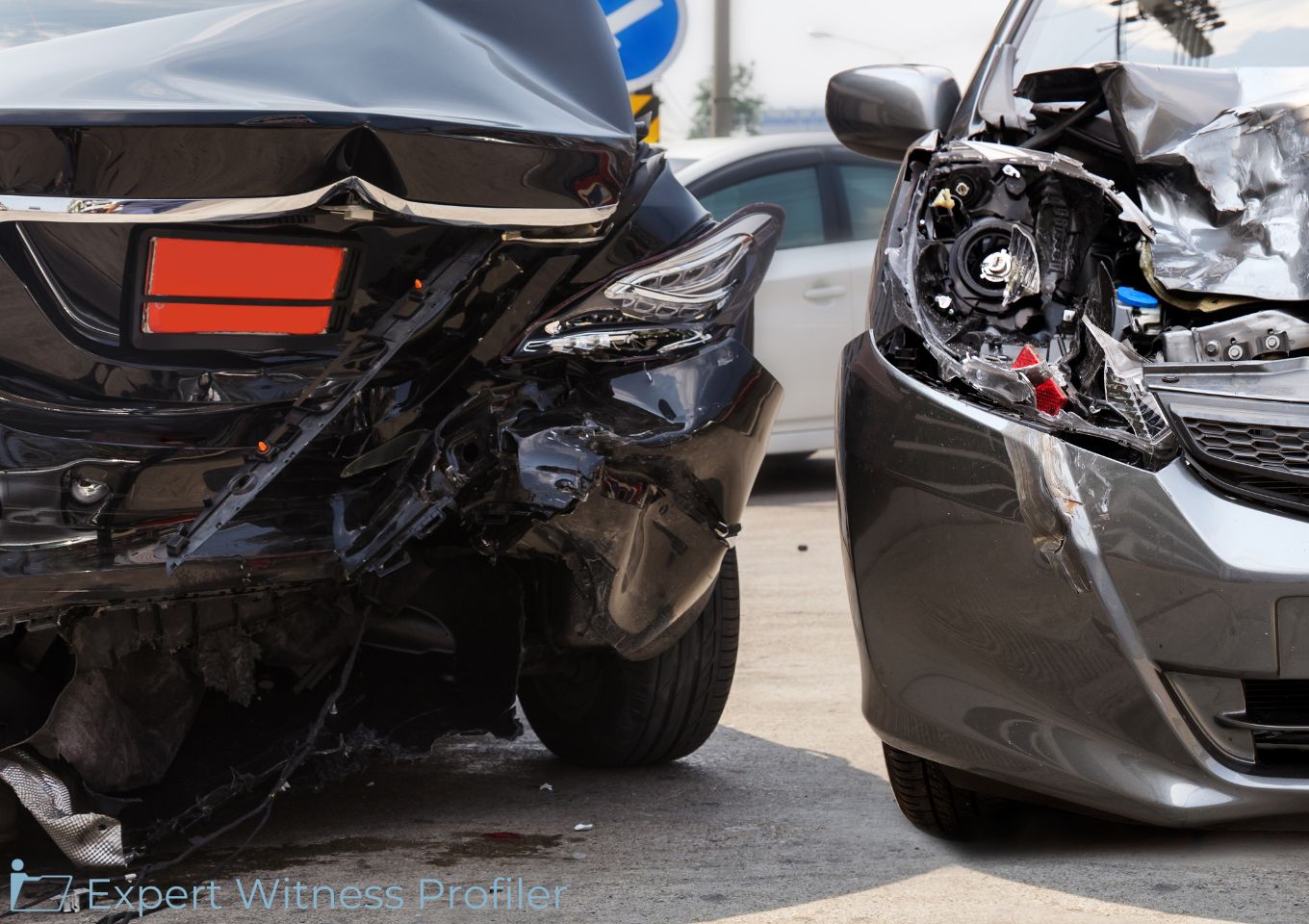
In an underinsured motorist (“UIM”) bad faith action stemming from a car accident, Todd Cope presented at the emergency room after his vehicle was rear-ended on November 6, 2013, citing complaints of occipital headache, pain behind his right eye, and cervical spine pain. Medical records at that time indicated no acute traumatic injuries to the skull, brain, cervical, or thoracic spine. Cope was discharged without medication and advised self-care. Subsequently, a lumbar MRI conducted two months post-accident revealed a disc herniation at L5-S1.
Before the accident, in March 2011, Cope experienced a back injury from a fall through a flight of stairs. This incident caused low back pain radiating down his extremities. A lumbar spine MRI in May 2011 showed disc bulges at L4-5 and L5-S1. Even two years later, in April 2013, Cope continued treatment for low back and right leg pain attributed to the 2011 fall.
Within this UIM bad faith action, Todd Cope disclosed several medical providers as non-retained expert witnesses, including Dr. Bryan Castro, his former treating spine surgeon, and Dr. Roberta Anderson-Oeser, his treating physical medicine and rehabilitation physician. Additionally, Cope disclosed Aubrey Corwin as a life care planning “expert” and Brad Levin as an insurance standard-of-care expert. Auto-Owners Insurance Company seeks to exclude opinions they deem improperly disclosed, unsupported, unreliable, or unhelpful.
Life Care Planning Expert Witness
Aubrey A. Corwin M.S., L.P.C., C.R.C., C.LC.P. is a vocational rehabilitation and life care planning expert. She testifies as an expert in cases involving both loss of earning capacity and life care planning nationwide. She is a Licensed Professional Counselor (LPC); a Certified Rehabilitation Counselor (CRC); a Certified Life Care Planner (CLCP); and a former Certified Guidance Counselor. She is past Co-Chair of the Forensic Section of the International Association of Rehabilitation Professionals (IARP) and past Forensic Representative to the IARP International Board of Directors. She is also a member of the American Board of Vocational Experts (ABVE).
Insurance Law Expert Witness
Bradley A. Levin focuses his practice on tort and commercial litigation, especially insurance bad faith and insurance coverage disputes. He has significant litigation and trial experience.
Levin received his undergraduate degree from Stanford University, with distinction, where he was elected Phi Beta Kappa. He graduated from the University of California, Hastings College of Law, and served as editor-in-chief of the Hastings Constitutional Law Quarterly.
In addition to teaching legal writing and research at Hastings College of Law, Levin has lectured frequently in the areas of insurance coverage and bad faith law. He is licensed to practice in California and Colorado. He is a member of the Denver, Colorado and American Bar Associations.
Discussion by the Court
The Defendant sought to prevent Castro and Anderson-Oeser from presenting causation opinions during the trial. Both doctors were non-retained experts who had not submitted formal expert reports. The Defendant argued that their opinions on causation lacked reliability for various reasons. Proving injury causation necessitates demonstrating both general and specific causation. “Specific causation” pertains to whether a particular incident directly caused the specific injury, while “General causation” concerns whether the incident could theoretically lead to the type of injury suffered.
According to the ruling in Hollander v. Sandoz Pharmaceuticals Corp. (289 F.3d 1193, 10th Cir. 2002), general causation could be established through means like epidemiological evidence. The Court highlighted that an expert was not obligated to reference published studies to reliably conclude that a specific object caused a particular illness.
In the Defendant’s Motion, it was outlined that based on the Plaintiff’s Rule 26(a)(2) expert disclosures, Castro intended to testify about several key points:
Cope’s persistent back and leg pain, attributing it to a substantial herniation on the right side at L5-S1, asserting it was caused by the November 6, 2013, collision.
Denial that Cope suffered any disc herniation due to a 2011 worker’s compensation fall at any spinal level.
Confirmation that Cope underwent a corrective surgery on May 8, 2014, not for impingement but explicitly linked to the November 6, 2013, crash.
Affirmation that subsequent surgeries, including a revision on November 19, 2015, were deemed necessary and reasonable consequences of the November 6, 2013, collision.
Assertion that Cope’s symptoms preceding the specific collision did not necessitate a subsequent lumbar MRI and that the pain experienced was notably distinct.
Examination and reference to all physical therapy records preceding the collision and all records pertinent to Cope’s 2011 worker’s compensation claim, encompassing impairment ratings and work restrictions.
Expressing the potential for the third herniation to self-heal but highlighting the possibility of future fusion surgery if self-healing doesn’t occur.
Affirmation of the reasonableness of bills for services rendered by Castro.
The Defendant sought to prevent Castro from expressing opinions on causation related to whether the car accident caused the Plaintiff’s reported injuries or pain, specifically disputing Castro’s assertion that the accident led to the disc herniation or the subsequent lumbar surgeries he performed.
Initially, the Defendant argued that Castro’s statement didn’t constitute a causation opinion as it didn’t assert that the accident was more likely than not the cause of the Plaintiff’s current symptoms, pointing to a June 02, 2017 statement in Plaintiff’s medical records. The Defendant further contended that Castro’s language was too vague and incomplete to be considered a definitive opinion on causation, especially concerning the surgeries he conducted in 2014 and 2015.
The Defendant stressed that the medical records by Castro contained no explicit causation opinions, highlighting a supposed violation of Rule 26 disclosure requirements. The Plaintiff, however, argued that any such violation was harmless since the Defendant had elicited opinions from Castro during a deposition in 2018 before the expert disclosure deadline. The Plaintiff also contended that the Defendant’s objection was based on Castro not being paid to document his causation opinions expressed during the 2018 deposition.
Ultimately, despite Castro discussing causation in his deposition testimony, the Court ruled that his deposition didn’t suffice as an expert report as required by Rule 26. The Court emphasized that even for retained experts who usually submit expert reports, deposition testimony couldn’t substitute for Rule 26’s explicit disclosure requirements. Consequently, the Court decided to preclude Castro from offering causation opinions during the trial.
The Court emphasized that based on the absence of general or specific causation opinions from Castro, Rule 26(a)(2) doesn’t permit curing deficient expert reports through subsequent deposition testimony. With the accident having occurred over a decade ago and the litigation spanning several years, the Court noted the ample time available for the Plaintiff to disclose an expert report containing Castro’s causation opinions.
In line with the rule’s requirements, the Court outlined that a treating physician who previously provided a causation opinion during treatment (in compliance with specific standards) without submitting a formal report could only testify to the historical fact that such an opinion was part of the treatment. However, the physician couldn’t testify that this remains their current opinion, emphasizing the need for strict compliance with the Federal Rules. Consequently, the Court granted this part of the Motion, precluding Castro from offering causation opinions during the trial.
Nevertheless, the Court acknowledged the existence of a statement in Plaintiff’s medical records that could potentially be construed as a causation opinion formed during treatment by Castro. Thus, while barring Castro from presenting this as a current opinion under oath, the Court allowed Plaintiff to present this fact at trial. Castro could testify solely to the historical aspect that this opinion was part of the treatment, adhering to the Court’s directive.
Given this ruling, the Court instructed the parties to submit proposed instructions for the jury at trial, aiming to clarify in simple terms the distinction drawn by the Court regarding Castro’s testimony about the historical treatment-based opinion versus a current opinion.
The Defendant requested the Court to prevent Anderson-Oeser from testifying about the necessity of a future spinal fusion resulting from the injuries sustained in the accident. In response, the Plaintiff didn’t address the Defendant’s causation arguments regarding Anderson-Oeser, except to assert that the Defendant hadn’t specified which causation opinions it aimed to exclude, focusing solely on the future surgery opinion. Plaintiff did not argue that any failure to properly disclose Anderson-Oeser’s causation opinions was harmless or substantially justified.
The Court deemed Plaintiff’s argument disingenuous, emphasizing that the Defendant’s intention was clear—to exclude Anderson-Oeser’s testimony regarding the accident’s role in necessitating future spinal fusion. Similar to Castro, Anderson-Oeser, a non-retained treating physician who hadn’t submitted an expert report, was the subject of this exclusion request. The Defendant highlighted that Anderson-Oeser endorsed a statement in a letter, prepared for litigation and drafted by Corwin’s office staff, stating, “Cope will likely require a lumbar spine fusion at L5-S1 at some point.” The Defendant contended that Anderson-Oeser aimed to testify regarding the future surgery recommendation outlined in Corwin’s report/letter. However, the Defendant argued that this evidence should be excluded as the recommendation in the letter lacked any opinion regarding whether the accident caused the necessity for this future surgery.
The Plaintiff, however, clarified that Castro’s testimony would focus on the standard of care for third herniations, asserting that the typical practice doesn’t involve a third laminectomy but leans towards spinal fusion. Plaintiff argued that both doctors were qualified to discuss the clinical standards pertaining to the type of surgery and the conditions influencing the decision-making process for surgery, such as pain tolerance and neurological deficits.
Plaintiff contended that there was no obligation to present expert testimony specifically establishing the probability of future surgery to seek damages for such potential procedures. However, Plaintiff failed to acknowledge that neither Castro nor Anderson-Oeser’s medical records contained any prognosis or explicit recommendations for future surgery. Additionally, Plaintiff didn’t address the concerns raised by the Defendant regarding Rule 26 and Rule 37 compliance.
Consequently, the Court granted the Defendant’s motion, barring Anderson-Oeser from presenting any causation opinions and from testifying about the necessity of a spinal fusion resulting from the injuries sustained by the Plaintiff in the accident.
The Court determined that Castro and Anderson-Oeser’s opinions regarding the Plaintiff’s future medical treatment and potential surgery were not derived from their observations, actions, or reasons during their treatment of the Plaintiff. Instead, the Court noted that these opinions seemed to be shaped primarily due to the existence of the lawsuit.
Given that the opinions sought to be introduced through Castro and Anderson-Oeser concerned potential future treatments and associated medical costs, the Court held that Rule 26(a)(2)(B) necessitated an expert report—which neither physician had prepared.
Consequently, the Court precluded Castro from testifying on several points: 1) the assertion regarding the standard of care for third herniations favoring spinal fusion over a third laminectomy; 2) opinions about the Plaintiff’s potential future surgery needs based on factors like pain tolerance and future neurological deficits; and 3) any testimony related to clinical standards governing the type of surgery and factors influencing the Plaintiff’s future decisions about surgery, as proposed through Castro and Anderson-Oeser.
The Defendant had requested the Court to prevent Castro from testifying about the Plaintiff’s pre-accident physical therapy and medical treatments stemming from a 2011 workers’ compensation fall. After deliberation, the Court granted this aspect of the Motion.
The Court noted that Castro commenced treating the Plaintiff on March 21, 2014—four months subsequent to the accident and three years following the Plaintiff’s fall down a flight of stairs. As Castro hadn’t administered the physical therapy or medical treatment associated with the earlier fall, the Court excluded Castro from offering any testimony regarding those pre-accident treatments.
The Defendant had sought to exclude Anderson-Oeser’s opinion predicting the necessity of a future spinal fusion resulting from the injuries sustained in the accident. The Defendant reiterated that this opinion, akin to her causation opinion, was inadmissible due to Plaintiff designating her as a non-retained expert without a formal report under Rule 26. The Defendant emphasized that Anderson-Oeser’s opinion pertained not to her direct treatment but rather to potential future treatment for the Plaintiff, which she wouldn’t perform as she wasn’t a surgeon. Additionally, the Defendant argued that Anderson-Oeser’s qualification as a non-spine surgeon rendered her unqualified to opine on hypothetical future lumbar spinal fusion surgeries.
However, since the Court had previously excluded Anderson-Oeser’s opinions about the Plaintiff’s future spine surgeries and medical treatment, the Court denied this aspect of the Defendant’s Motion as moot.
The Defendant argued that the Plaintiff hadn’t disclosed any retained expert or report addressing the reasonableness of his medical bills. Instead, Plaintiff’s disclosures indicated the intent to rely on testimony from non-retained treating physicians on this matter. However, the Court excluded the opinions of Plaintiff’s non-retained treating physicians concerning the reasonableness and necessity of his medical bills.
The Defendant moved to exclude testimony regarding surgery-related treatments in Aubrey Corwin’s May 2021 life care plan, arguing that Corwin failed to reliably apply her stated methodology in forming opinions about the cost of future surgical treatment and related care.
In response, the Plaintiff acknowledged that introducing expert testimony indicating the need for future surgical care was necessary to seek future surgical costs. However, as the Court had excluded the testimonies of Castro and Anderson-Oeser regarding future surgery, and the Plaintiff hadn’t disclosed any other experts to testify about his future surgical needs, the Court granted the Defendant’s motion. Consequently, the Court excluded Corwin’s opinions regarding future medical expenses for surgical treatment and related care.
The Defendant moved to exclude attorney Bradley Levin’s opinions, contending that they lacked an objective basis and were solely derived from his experience. In response, the Plaintiff highlighted that Levin’s opinions were rooted in ten insurance industry standards outlined in his report, several of which were based on direct language of the Colorado Unfair Competition-Deceptive Claims Practices Act.
After reviewing Levin’s report, the Court acknowledged the Defendant’s contention that Levin could have more precisely linked his opinions to the specific standards purportedly violated by the Defendant. However, the Court noted that Levin explicitly stated in his opinion that the Defendant had contravened relevant portions of Colorado’s Unfair Competition-Deceptive Claims Practices Act. Levin also cited Regulation 5-1-14 promulgated by the Colorado Division of Insurance. The Court concluded that while the Defendant’s arguments might challenge the strength of Levin’s opinions, they did not render his opinions inadmissible. As a result, the Court denied the Defendant’s motion, allowing Levin’s opinions to stand, but stated that the Defendant could address these concerns during cross-examination.
Held
Defendant Auto-Owners Insurance Company’s Omnibus Motion to Exclude Certain Opinions of Dr. Bryan Castro, Dr. Roberta Anderson-Oeser, Aubrey Corwin and Bradley Levin was granted in part and denied in part by the Court.
The Court has not arrived on an outcome for this case since the remaining issues involved in this case still await resolution.
Key Takeaway
In a legal dispute over an underinsured motorist (“UIM”) claim, various motions were filed by the Defendant seeking to exclude certain expert testimonies and opinions from the trial. The Defendant aimed to preclude causation opinions from non-retained experts, Dr. Bryan Castro and Dr. Roberta Anderson-Oeser, alleging lack of reliability, improper disclosure, and absence of expert reports. Despite some arguments put forth by the Plaintiff, the Court precluded Castro from providing causation opinions, emphasizing the inadequacy of deposition testimony as a substitute for the required expert report under Rule 26.
The Court highlighted strict adherence to the Federal Rules and barred Castro and Anderson-Oeser from testifying on future surgical needs. This ruling stemmed from their opinions not being formed during treatment but apparently due to the ongoing litigation.
Additionally, the Court excluded discussions on pre-accident medical treatments and future surgical needs as neither expert had prepared an expert report as mandated by Rule 26. Despite the absence of specific expert reports, the Court allowed some opinions rooted in Colorado law from attorney Bradley Levin, indicating that the Defendant breached certain sections of the Colorado Unfair Competition-Deceptive Claims Practices Act.
In a similar vein, Aubrey Corwin’s opinions regarding future medical expenses for surgical treatment were excluded due to the lack of supporting expert testimony after the Court had previously precluded discussions on future surgery from other witnesses.
Overall, the Court enforced strict compliance with expert disclosure rules, precluding opinions lacking proper reports while permitting those supported by established legal standards. The Defendant’s objections and challenges were taken into account, but the Court emphasized the distinction between admissibility and weight of opinions, allowing certain expert testimonies to proceed while offering the opportunity to contest their strength during cross-examination.
The lawsuit originated from a commercial property insurance claim brought by Plaintiff, 285 West 24th Street Family Company, LLC, under a surplus lines insurance policy issued by Defendant, United Specialty Insurance Company. The claim involved both visible and latent damages reported by the Plaintiff, believed to have occurred while the policy was active on May 27, 2020. The damages encompassed various issues, including water damage resulting from wind damage and heavy wind and rain.
On April 15, 2021, the Plaintiff initiated the case in state court after filing its Petition for Declaratory Relief. Plaintiff sought a declaration of the rights and/or obligations of the Parties under the “all risk” Policy of insurance covering the commercial property in Hialeah, Florida.
Subsequently, on February 4, 2022, the Defendant removed the case to federal court alleging diversity jurisdiction and countered with a claim seeking a declaration that the Plaintiff’s claim was not covered by the applicable insurance policy.
Defendant moved to strike the reports and testimony of Plaintiff’s expert Alfredo Brizuela, P.E. citing the untimely and improper disclosure of a new contradictory opinion which was also insufficient as per the Daubert Standard.
Civil Engineering Expert Witnesses
Alfredo Brizuela is a architectural, structural and civil engineer. His company, Al Brizuela Engineering specializes in construction science and management services as well as hurricane, building and design inspections. Alfredo Brizuela’s corporate resume spans over three decades and includes projects undertaken for Miami International Airport (M.I.A.), The Miami Herald, Metro-Dade Transit, Biltmore Hotel, Museum Tower, Freedom Tower, Jackie Gleason Theater, Miami Children’s Hospital, Jackson Memorial Hospital, Grand Bay Hotel, Wyndham Hotel, San Juan, Puerto Rico among many others.
Discussion by the Court
The operative scheduling order initially required expert witness disclosures by June 15, 2023. Both Parties jointly requested and were granted a 15-day extension until June 30, 2023, to finalize their expert witness summaries or reports. Plaintiff submitted expert Alfredo Brizuela’s report on June 22, 2023, indicating the type of loss as “water and wind damage.”
During Brizuela’s deposition on July 28, 2023, he contradicted his prior conclusion about heavy winds, stating disagreement with his earlier assessment. Subsequently, on August 1, 2023, after Brizuela’s deposition, Plaintiff disclosed a second report termed an “amended report” dated July 30, 2023. This secondary report was presented 30 days after the Rule 26 expert disclosure deadline. Defendant moved to strike Plaintiff’s first expert report (dated June 22, 2023) because it was procedurally deficient.
Defendant contended that Federal Rule 26(a)(2)(B)(i) necessitates a comprehensive statement encompassing all opinions a witness intends to express, along with their basis and reasoning. They argued that Plaintiff’s expert Brizuela failed to provide a complete statement as he subsequently amended the report, altering initial conclusions and expressing disagreement with the earlier opinion during deposition.
Defendant further asserted that this change in opinion lacked substantial justification since it contradicted the initial assessment, emphasizing Brizuela’s failure to justify or explain the critical error during the deposition. Additionally, Defendant highlighted the absence of any indication in the July 30th report about the existence of a prior opinion or report, adding to the contention that the amended report lacked completeness and coherence.
The Defendant argued that the amended report, dated July 30, 2023, should be stricken due to its untimeliness. The report was disclosed after the deadline stipulated by the Court’s Scheduling Order and subsequent to the deposition of expert Brizuela.
Under Federal Rule of Civil Procedure 37(c), the utilization of information or a witness during a motion or trial if the party failed to provide that information or identify the witness as required by Rule 26(a) or (e) is prohibited, unless the failure was substantially justified or deemed harmless.
The Court, in determining the admissibility of expert testimony or any expert-prepared report, engaged in a three-part evaluation. This evaluation included assessing whether: (1) the expert was adequately qualified to testify on the relevant matters; (2) the methodology employed by the expert in forming conclusions was sufficiently reliable; and (3) the testimony aided the trier of fact in comprehending evidence or determining a fact in question through the application of specialized expertise in scientific or technical matters.
In response, Plaintiff did not argue that the amended report was timely but emphasized that upon receiving it, their counsel promptly forwarded the report to the Defendant’s counsel on the very same day. Additionally, the Plaintiff asserted that during the deposition, their expert was fully prepared and capable of testifying regarding the amended causation report from July 30, 2023. Therefore, the Plaintiff argued that despite the untimely disclosure, it did not cause harm as the expert was readily available and prepared to discuss the amended report during the deposition.
An expert report may be supplemented, pursuant to Rule 26(e), when the party learns that the original disclosure was incomplete or incorrect. The Court also recognized that a party cannot abuse Rule 26(e) to merely bolster a defective or problematic expert witness report, citing Potiguar v. Caterpillar Inc., 1:14cv24277.
The Court found that the two reports provided by Plaintiff’s expert collectively formed his opinion. An expert is entitled to have multiple opinions. Any inconsistencies or contradictions in the two reports may be raised at trial during questioning. Defendant’s objection that the amended report was untimely was denied because it was harmless. The disclosure was made before the end of discovery and there could have been an additional deposition taken. Defendant’s objection that the amended report contradicts his first report was also denied without prejudice to be raised at trial.
Defendant further insisted that under the admissibility standards guided by Federal Rules of Evidence 702 and Daubert, the testimony and opinions presented by Plaintiff’s expert, Alfredo Brizuela, were recommended for exclusion from admission as evidence during the trial in this case. The pivotal factual matter central to the case revolved around determining the cause of the reported damage on May 27, 2020. In Brizuela’s report from June 22, he attributed the cause of loss to “wind and wind-uplift”. However, the subsequent July 30 Brizuela Report attributed the cause of loss to “water travel from the effects of the heavy rains.”
Brizuela conceded that he inspected the subject Property three years after the loss. It was also undisputed that at the time Brizuela inspected the roof, it had already undergone major changes, having had an epoxy-like coating applied to the affected areas of the roof to prevent further leaking. Defendant alleged that Brizuela failed to “specify or identify any specific areas in the roofing system with openings that the rainwater entered.”
Plaintiff contended that its expert Brizuela’s opinion met the Daubert standard, emphasizing that, akin to numerous opinions in similar cases, their expert’s assessment was grounded in a comprehensive array of supporting elements. These encompassed associated diagnostic tests, weather data, repair records, pre-suit public adjuster photos, estimates, reports, and other relevant information. According to Plaintiff, all these crucial elements were meticulously documented in the amended report, which included an extensive catalog of relied-upon information and data, accompanied by an excess of a hundred photographs.
The Court held that both of Alfredo Brizuela’s expert reports were extensive enough to be considered reliable and helpful to the trier of fact. While the Daubert framework is helpful to determine reliability, it does not mandate that every factor in Daubert be satisfied. The Court has broad discretion, not only in determining an expert’s reliability, but also in how to examine an expert’s reliability.
Though not specifically challenged, the Court found that Plaintiff’s expert, Brizuela, was deemed qualified, and his testimony was considered reliable and beneficial to assist the trier of fact. Acknowledging that any inconsistencies or shortcomings could be addressed during the trial, the Court determined that the assessment of credibility would fall within the trial’s purview. Consequently, the Court concluded that the Motion against Brizuela should be denied without prejudice, enabling Defendant to raise suitable objections if and when the disputed evidence is presented.
Held
The Court denied the Defendant’s Motion to Strike Alfredo Brizuela’s Expert Opinions and Testimony as well as the Defendant’s Daubert motion to exclude the testimony of Alfredo Brizuela.
Key Takeaways:
This order denied the Defendant’s motion to strike the Plaintiff’s expert witness, Alfredo Brizuela. The Defendant argued Brizuela’s testimony should be struck because his initial expert report was incomplete and contradictory to his later deposition testimony, and because his amended expert report was submitted after the deadline imposed by the Court’s scheduling order.
The Court found that the two expert reports collectively formed Brizuela’s opinion and that he was entitled to have multiple opinions. Any inconsistencies between the reports could be raised at trial during questioning. The Court also found the late disclosure of the amended report was harmless since it was provided before the end of discovery and the Defendant could have requested an additional deposition.
Regarding the reliability of Brizuela’s testimony under Daubert, the Court concluded that his opinions appeared sufficiently reliable and helpful to the trier of fact. The Court denied the motion to strike without prejudice, allowing the Defendant to renew objections at trial.
The Plaintiffs, Samuel and Allison Fetchero, filed a lawsuit against the Defendant, Amica Mutual Insurance Company, following a car accident.
The Plaintiffs had fully paid insurance premiums for underinsured motorist coverage from the defendant. The Defendant accepted the premiums and issued underinsured motorist (UIM) coverage to the Plaintiffs. On April 5, 2016, an underinsured driver, Al-Nasser negligently collided with Samuel Fetchero’s (“Sam”) car.
Subsequently, on April 18, 2016, Al-Nasser admitted liability for the motor vehicle collision. As a consequence of the collision, Samuel Fetchero sustained multiple injuries, resulting in both special and general damages. Allison Fetchero suffered a loss of consortium with her husband and incurred other damages. The Plaintiffs resolved their third-party claims against Al-Nasser by accepting payment of her full automobile liability insurance policy limits from Liberty Mutual Insurance Company, amounting to $100,000.
Before accepting Liberty’s settlement payment, the Plaintiffs offered Amica, the Defendant, the opportunity to purchase the third-party tort claims against Al-Nasser, which Amica declined. On April 5, 2016, the Plaintiffs submitted a settlement demand letter to Amica, seeking the full UIM policy limits. However, on the same date, Amica, through its adjuster, offered only $25,000 to settle the claim, providing no explanation for withholding UIM benefits.
The Fetcheros’ retained Gary Stobbe, M.D., to evaluate and provide an expert opinion on the nature and extent of Sam’s injuries resulting from the car crash on April 5, 2016. Stobbe, after reviewing Sam’s medical records and conducting interviews with the Fetcheros, concluded, on a “more-probable-than-not basis, that Sam suffered from “mild traumatic brain injury (mTBI) with cognitive and behavioral complaints”, “post-concussion syndrome”, and ” adjustment disorder with mixed anxiety and depressed mood” all linked to the mentioned accident. Stobbe noted ongoing symptoms, including “superimposed adjustment disorder with anxiety and depressed mood,” attributing it to the April 5, 2016 injury, and likely contributing to his enduring cognitive and residual issues. Stobbe expressed difficulty in assigning a specific percentage of residual impact to each diagnosis due to the interconnected nature of the mTBI, concussion, and adjustment disorder resulting from the April 5, 2016 incident.
Stobbe expressed the opinion that the treatment administered to Sam through December 1, 2021, was reasonable and suitable in addressing the diagnosed conditions of mTBI, post-concussion syndrome, and adjustment disorder. Additionally, he recommended the consideration of additional psychological counseling, preferably with a rehabilitation psychologist, as a measure to enhance Sam’s ability to cope with his persistent residual complaints, although it was not anticipated to be curative.
Amica designated Dr. Brett Parmenter, Ph.D., ABPP as a rebuttal witness, who asserted the opinion that the April 5, 2016, accident did not result in any neuropsychological injuries for Sam. According to Parmenter, there was no evidence indicating that Sam suffered a concussion or traumatic brain injury of any severity. Additionally, Parmenter noted that Sam’s symptoms of anxiety increased following a subsequent motor vehicle accident on December 9, 2018.
The Plaintiffs, Samuel and Allison Fetchero, submitted a motion to exclude the testimony of Amica Mutual Insurance Company’s expert witness, Brett Parmenter.
Neuropsychology Expert Witness
Brett A. Parmenter, Ph.D., ABPP holds a doctorate in Clinical Psychology from the University of Kansas and completed her internship at Yale University School of Medicine. Following this, she underwent a two-year fellowship in Clinical Neuropsychology at the University at Buffalo, State University of New York School of Medicine and Biomedical Sciences.
She has been board-certified in Clinical Neuropsychology by the American Board of Professional Psychology/American Board of Clinical Neuropsychology (ABPP/ABCN) since 2009. Parmenter serves on the board of directors for the American Academy of Clinical Neuropsychology (AACN) and its Foundation. Additionally, she holds the status of a Fellow in Division 40 (Clinical Neuropsychology) of the American Psychological Association.
Discussion by the Court
Expert disclosures were required to adhere to the court’s specified timeline and sequence, in line with Federal Rules of Civil Procedure 26(a)(D). Following an initial expert disclosure, the opposing party had the option to present a rebuttal expert, provided their report addressed the same subject matter and was intended solely to counter the initial report. Notably, the rebuttal expert wasn’t obligated to explicitly state the intention to contradict the opposing party’s expert testimony in their report. District courts held discretion to exclude improperly disclosed expert testimony as a sanction for discovery violations.
The Fetcheros had requested the Court to strike Parmenter as an expert witness due to her report not addressing the same fundamental subject matter as Stobbe’s. Their argument emphasized the differences in qualifications between Parmenter, a neuropsychologist, and Stobbe, a board-certified neurologist, citing specific statutes defining the scope of their respective medical fields. However, the Fetcheros failed to provide legal authority demonstrating that these qualifications alone could invalidate Amica’s assertion that Parmenter’s report aimed to contradict or rebut Stobbe’s.
The Court refrained from evaluating Parmenter’s qualifications under Rule 702 but instead focused on whether her report aligned with or adequately addressed the topics covered by Stobbe’s report. The Fetcheros’ acknowledgment of the distinction between challenging Parmenter’s qualifications under Daubert and FRE 702 and contesting whether her report tackled the same subject matter as Stobbe’s was noted in their reply brief. Consequently, the Court chose not to delve into Parmenter’s qualifications but rather concentrated on evaluating the substance of her report and its correlation to the content covered by Stobbe’s.
The Fetcheros had contended that Parmenter’s opinions in her report didn’t serve as a rebuttal to Stobbe’s testimony. They argued that Stobbe’s report didn’t mention Sam’s December 9, 2018, collision, thus considering Parmenter’s discussion of this subsequent accident as introducing new evidence. Additionally, they claimed that Stobbe hadn’t addressed whether Sam followed medical providers’ recommendations or agreed with other providers’ techniques and conclusions.
However, the Court acknowledged that Stobbe’s findings about the April 5, 2016, accident and Sam’s injuries were broad, which allowed Amica to take a broader approach with its rebuttal expert report. The Court noted the risk associated with waiting until the rebuttal deadline, stating that if the opposing party offered limited or no expert disclosures, there would be little or no content to rebut.
As a result, the Court decided not to exclude Parmenter’s responses regarding the December 9, 2018, accident, despite it not being mentioned in Stobbe’s report. Stobbe’s opinion that Sam’s injuries stemmed from the April 5, 2016, accident was countered by Parmenter’s views about an intervening or alternative cause. Furthermore, the Court opted not to exclude Parmenter’s opinion about whether Sam followed medical recommendations, emphasizing that this directly countered Stobbe’s conclusions on causation.
Even though Parmenter was unaware that Amica had labeled her as a rebuttal expert and couldn’t identify during her deposition which parts of Stobbe’s report her testimony was expected to rebut, the Court’s analysis remained unchanged. The Court highlighted that an expert wasn’t required to explicitly indicate in their opinions that they were countering the opposing party’s expert testimony.
Held
The Court denied Plaintiffs Samuel and Allison Fetcheros’ motion to exclude the testimony of Defendant Amica Mutual Insurance Company’s expert witness, Brett Parmenter. The Court has not arrived on an outcome for this case since the remaining issues involved in this case still await resolution. The Court also denied the Fetcheros’ request for fees in bringing the motion.
Key Takeaways
This case demonstrates the wide latitude courts have to qualify rebuttal expert testimony under Rule 26, as long as it addresses the same subject matter and is intended to contradict the opposing party’s expert opinions. Even though Parmenter did not have identical qualifications to Stobbe and introduced additional topics like a subsequent accident, the Court found her testimony could still rebut his broader opinions about causation and injuries from the 2016 crash. This shows that rebuttal experts can potentially bring up related issues not specifically discussed by the initial expert if they believe those issues undermine the initial conclusions.
Additionally, this case highlights that rebuttal experts need not explicitly state in their report that they are rebutting a specific opposing expert’s opinions. As long as the content functionally contradicts the opposing expert’s testimony, it can qualify as rebuttal.