Tag: Rebuttal

  • Pediatrics Expert Witness’ Opinion on Forceps-Assisted Vaginal Delivery Excluded

    Pediatrics Expert Witness’ Opinion on Forceps-Assisted Vaginal Delivery Excluded

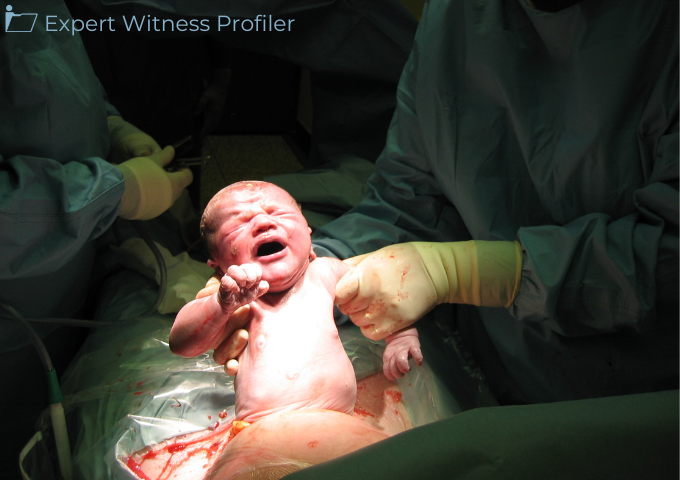
    The present case involved a medical malpractice claim filed by Plaintiffs Tyler Grenier and Jenna Grenier, individually, and as the next friend of minor J.A.G., against the Defendant United States of America (“Defendant”). The Plaintiffs alleged medical negligence at Tripler Army Medical Center (“Tripler”) concerning prenatal care and labor provided to Plaintiff Jenna Grenier (“Jenna”) and the delivery of J.A.G. The claims included severe physical injuries sustained by Jenna and J.A.G., negligent infliction of emotional distress on Tyler and Jenna, loss of filial consortium, and Tyler’s loss of spousal consortium.

    In the current motion, the Defendant sought to strike the expert testimony of Ofer Levy, a pediatrics expert witness presented by the Plaintiffs. Defendant argued that Levy’s expert report was filed after the expert report deadline, as a rebuttal report, and that he had not been previously disclosed as an expert.

    The Plaintiffs filed their opposition on August 13, 2024, asserting that Levy’s report was timely because the rebuttal disclosure deadline had been extended to June 10, 2024, the same day his report was disclosed.

    Defendant replied on August 20, 2024, contending that Ofer Levy’s expert report is not a rebuttal report because it did not respond to any new information and it is an entirely new expert witness with new opinions that should have been disclosed by the expert witness disclosure deadline of March 11, 2024. 
    Pediatrics Expert Witness

    Pediatrics Expert Witness

    Ofer Levy is principal investigator, staff physician and the Director of the Precision Vaccines Program at Boston Children’s Hospital, Professor of Pediatrics at Harvard Medical School, and Associate Member of the Broad Institute of MIT and Harvard. 

    After graduating from the Bronx High School of Science and then Yale College (B.S., Molecular Biophysics & Biochemistry), Levy received his MD and PhD degrees from New York University. 

    Want to know more about the challenges Ofer Levy has faced? Get the full details with our Challenge Study report.  

    Discussion by the Court

    Dispute Over the Nature of Ofer Levy’s Report

    The parties agreed that Ofer Levy’s report was filed within the deadline for rebuttal expert reports. However, they disagreed on whether the report qualified as a rebuttal or an initial expert report. The Court determined that the report was an initial expert report, not a proper rebuttal.

    Ofer Levy’s opinion stated that the forceps-assisted vaginal delivery caused the minor Plaintiff’s injuries and that a cesarean section should have been performed instead. He further opined that the perinatal injuries would have been avoided with a cesarean section. This opinion mirrored that of Plaintiffs’ obstetrics and gynecology expert witness, Adam V. Levy, who had similarly concluded that a cesarean delivery would have prevented the injuries.

    The Court found that Ofer Levy’s report went beyond providing a rebuttal. Instead, it sought to reinforce the opinions already expressed by Adam V. Levy. This was impermissible, as it did not respond to new evidence but rather bolstered the original expert report. The Court referenced Parenti v. Cnty. of Monterey, where a purported rebuttal was excluded because it merely reinforced the original expert’s opinions.

    Violation of Federal Rule of Civil Procedure 37(c)(1)

    Under Federal Rule of Civil Procedure 37(c)(1), if a party fails to disclose expert testimony as required, the Court may exclude the testimony unless the failure is substantially justified or harmless. The Court ruled that Ofer Levy’s failure to disclose his expert status and report by the deadline was neither justified nor harmless. Consequently, the Court determined that the appropriate sanction was to strike Levy’s expert testimony and report.

    Factors for Exclusion Sanction

    To decide whether exclusion was appropriate, the Court considered several factors:

    1. The public’s interest in the swift resolution of litigation.
    2. The Court’s need to manage its docket efficiently.
    3. The risk of prejudice to the Defendant.
    4. The public policy favoring the resolution of cases on their merits.
    5. The availability of less severe sanctions.

    The Court found that the first three factors supported exclusion. The untimely disclosure would cause delays, which weighed against the Plaintiffs. The fourth factor was neutral, as striking Levy’s report would not dispose of the case. Finally, the fifth factor supported exclusion because the Plaintiffs could still proceed with their claims and trial without Levy’s testimony. Therefore, the Court decided to strike Levy’s expert report and testimony.

    Held:

    The Court, in light of the aforementioned discussion, granted Defendant’s motion to strike Plaintiff’s pediatrics expert witness Ofer Levy’s expert report and testimony.

    Key Takeaway:

    The Court struck the expert testimony of Ofer Levy because his report, filed after the expert deadline, was deemed an initial expert report rather than a rebuttal. The Court found that Levy’s testimony merely reinforced the opinions of another expert, Adam V. Levy, instead of responding to new evidence. Since Levy’s untimely disclosure was neither substantially justified nor harmless, the Court ruled that his report and testimony should be excluded as a sanction under Federal Rule of Civil Procedure 37(c)(1).

    Please refer to the blogs previously published about this case:

    Case Details:

    Case caption: Grenier Et Al V. United States Of America
    Docket Number: 1:22cv396
    Court: United States District Court for the District of Hawaii
    Dated: November 17, 2024
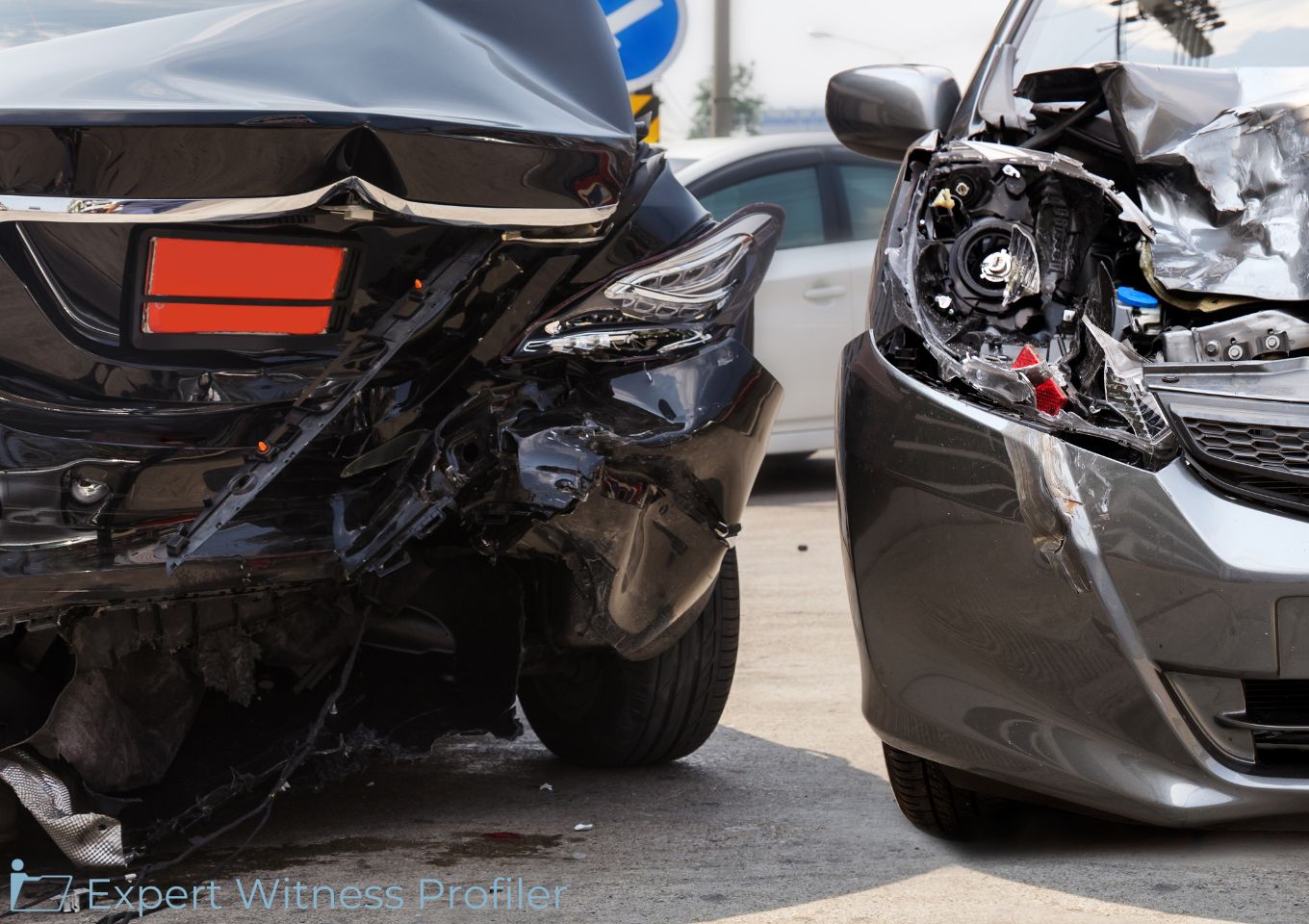
  • Court admits the findings of Neuropsychology Expert Witness with regard to injuries stemming from a rear-end collision for pointing out an intervening or alternative cause

    Court admits the findings of Neuropsychology Expert Witness with regard to injuries stemming from a rear-end collision for pointing out an intervening or alternative cause

    The Plaintiffs, Samuel and Allison Fetchero, filed a lawsuit against the Defendant, Amica Mutual Insurance Company, following a car accident.

    The Plaintiffs had fully paid insurance premiums for underinsured motorist coverage from the defendant. The Defendant accepted the premiums and issued underinsured motorist (UIM) coverage to the Plaintiffs. On April 5, 2016, an underinsured driver, Al-Nasser negligently collided with Samuel Fetchero’s (“Sam”) car. 

    Subsequently, on April 18, 2016, Al-Nasser admitted liability for the motor vehicle collision. As a consequence of the collision, Samuel Fetchero sustained multiple injuries, resulting in both special and general damages. Allison Fetchero suffered a loss of consortium with her husband and incurred other damages. The Plaintiffs resolved their third-party claims against Al-Nasser by accepting payment of her full automobile liability insurance policy limits from Liberty Mutual Insurance Company, amounting to $100,000.

    Before accepting Liberty’s settlement payment, the Plaintiffs offered Amica, the Defendant, the opportunity to purchase the third-party tort claims against Al-Nasser, which Amica declined. On April 5, 2016, the Plaintiffs submitted a settlement demand letter to Amica, seeking the full UIM policy limits. However, on the same date, Amica, through its adjuster, offered only $25,000 to settle the claim, providing no explanation for withholding UIM benefits.

    The Fetcheros’ retained Gary Stobbe, M.D., to evaluate and provide an expert opinion on the nature and extent of Sam’s injuries resulting from the car crash on April 5, 2016. Stobbe, after reviewing Sam’s medical records and conducting interviews with the Fetcheros, concluded, on a “more-probable-than-not basis, that Sam suffered from “mild traumatic brain injury (mTBI) with cognitive and behavioral complaints”, “post-concussion syndrome”, and ” adjustment disorder with mixed anxiety and depressed mood” all linked to the mentioned accident. Stobbe noted ongoing symptoms, including “superimposed adjustment disorder with anxiety and depressed mood,” attributing it to the April 5, 2016 injury, and likely contributing to his enduring cognitive and residual issues. Stobbe expressed difficulty in assigning a specific percentage of residual impact to each diagnosis due to the interconnected nature of the mTBI, concussion, and adjustment disorder resulting from the April 5, 2016 incident.

    Stobbe expressed the opinion that the treatment administered to Sam through December 1, 2021, was reasonable and suitable in addressing the diagnosed conditions of mTBI, post-concussion syndrome, and adjustment disorder. Additionally, he recommended the consideration of additional psychological counseling, preferably with a rehabilitation psychologist, as a measure to enhance Sam’s ability to cope with his persistent residual complaints, although it was not anticipated to be curative.

    Amica designated Dr. Brett Parmenter, Ph.D., ABPP as a rebuttal witness, who asserted the opinion that the April 5, 2016, accident did not result in any neuropsychological injuries for Sam. According to Parmenter, there was no evidence indicating that Sam suffered a concussion or traumatic brain injury of any severity. Additionally, Parmenter noted that Sam’s symptoms of anxiety increased following a subsequent motor vehicle accident on December 9, 2018.

    The Plaintiffs, Samuel and Allison Fetchero, submitted a motion to exclude the testimony of Amica Mutual Insurance Company’s expert witness, Brett Parmenter.

    Court admits the findings of Neuropsychology Expert Witnesses with regard to injuries stemming from a rear-end collision for pointing out an intervening or alternative cause

    Neuropsychology Expert Witness

    Brett A. Parmenter, Ph.D., ABPP holds a doctorate in Clinical Psychology from the University of Kansas and completed her internship at Yale University School of Medicine. Following this, she underwent a two-year fellowship in Clinical Neuropsychology at the University at Buffalo, State University of New York School of Medicine and Biomedical Sciences.

    She has been board-certified in Clinical Neuropsychology by the American Board of Professional Psychology/American Board of Clinical Neuropsychology (ABPP/ABCN) since 2009. Parmenter serves on the board of directors for the American Academy of Clinical Neuropsychology (AACN) and its Foundation. Additionally, she holds the status of a Fellow in Division 40 (Clinical Neuropsychology) of the American Psychological Association.

    Discussion by the Court

    Expert disclosures were required to adhere to the court’s specified timeline and sequence, in line with Federal Rules of Civil Procedure 26(a)(D). Following an initial expert disclosure, the opposing party had the option to present a rebuttal expert, provided their report addressed the same subject matter and was intended solely to counter the initial report. Notably, the rebuttal expert wasn’t obligated to explicitly state the intention to contradict the opposing party’s expert testimony in their report. District courts held discretion to exclude improperly disclosed expert testimony as a sanction for discovery violations.

    The Fetcheros had requested the Court to strike Parmenter as an expert witness due to her report not addressing the same fundamental subject matter as Stobbe’s. Their argument emphasized the differences in qualifications between Parmenter, a neuropsychologist, and Stobbe, a board-certified neurologist, citing specific statutes defining the scope of their respective medical fields. However, the Fetcheros failed to provide legal authority demonstrating that these qualifications alone could invalidate Amica’s assertion that Parmenter’s report aimed to contradict or rebut Stobbe’s.

    The Court refrained from evaluating Parmenter’s qualifications under Rule 702 but instead focused on whether her report aligned with or adequately addressed the topics covered by Stobbe’s report. The Fetcheros’ acknowledgment of the distinction between challenging Parmenter’s qualifications under Daubert and FRE 702 and contesting whether her report tackled the same subject matter as Stobbe’s was noted in their reply brief. Consequently, the Court chose not to delve into Parmenter’s qualifications but rather concentrated on evaluating the substance of her report and its correlation to the content covered by Stobbe’s.

    The Fetcheros had contended that Parmenter’s opinions in her report didn’t serve as a rebuttal to Stobbe’s testimony. They argued that Stobbe’s report didn’t mention Sam’s December 9, 2018, collision, thus considering Parmenter’s discussion of this subsequent accident as introducing new evidence. Additionally, they claimed that Stobbe hadn’t addressed whether Sam followed medical providers’ recommendations or agreed with other providers’ techniques and conclusions.

    However, the Court acknowledged that Stobbe’s findings about the April 5, 2016, accident and Sam’s injuries were broad, which allowed Amica to take a broader approach with its rebuttal expert report. The Court noted the risk associated with waiting until the rebuttal deadline, stating that if the opposing party offered limited or no expert disclosures, there would be little or no content to rebut.

    As a result, the Court decided not to exclude Parmenter’s responses regarding the December 9, 2018, accident, despite it not being mentioned in Stobbe’s report. Stobbe’s opinion that Sam’s injuries stemmed from the April 5, 2016, accident was countered by Parmenter’s views about an intervening or alternative cause. Furthermore, the Court opted not to exclude Parmenter’s opinion about whether Sam followed medical recommendations, emphasizing that this directly countered Stobbe’s conclusions on causation.

    Even though Parmenter was unaware that Amica had labeled her as a rebuttal expert and couldn’t identify during her deposition which parts of Stobbe’s report her testimony was expected to rebut, the Court’s analysis remained unchanged. The Court highlighted that an expert wasn’t required to explicitly indicate in their opinions that they were countering the opposing party’s expert testimony.

    Held

    The Court denied Plaintiffs Samuel and Allison Fetcheros’ motion to exclude the testimony of Defendant Amica Mutual Insurance Company’s expert witness, Brett Parmenter. The Court has not arrived on an outcome for this case since the remaining issues involved in this case still await resolution. The Court also denied the Fetcheros’ request for fees in bringing the motion.

    Key Takeaways

    This case demonstrates the wide latitude courts have to qualify rebuttal expert testimony under Rule 26, as long as it addresses the same subject matter and is intended to contradict the opposing party’s expert opinions. Even though Parmenter did not have identical qualifications to Stobbe and introduced additional topics like a subsequent accident, the Court found her testimony could still rebut his broader opinions about causation and injuries from the 2016 crash. This shows that rebuttal experts can potentially bring up related issues not specifically discussed by the initial expert if they believe those issues undermine the initial conclusions.

    Additionally, this case highlights that rebuttal experts need not explicitly state in their report that they are rebutting a specific opposing expert’s opinions. As long as the content functionally contradicts the opposing expert’s testimony, it can qualify as rebuttal. 

  • Court admits the testimony of Materials Science Expert Witness on defective gaskets despite it being based on the analysis of his colleague

    Court admits the testimony of Materials Science Expert Witness on defective gaskets despite it being based on the analysis of his colleague

    This case involves a dispute between Norris Brothers Excavating, LLC (“Norris Bros.”), Southern Pipe & Supply Company, Inc. (“Southern Pipe”), and Romac Industries, Inc. (“Romac”) regarding leakage in a water transmission line installed by Norris Bros. for the City of Anniston, Alabama. Norris Bros. alleges the leaks were caused by defective restraining gaskets manufactured by Romac and supplied by Southern Pipe.

    In support of its claims, Norris Bros. disclosed Dr. Todd J. Menna, Ph.D. as an expert witness. Menna, an Engineering Manager for Element Materials Technology, prepared a report opining that the restraining gasket failures were caused by a manufacturing defect. After Romac disclosed its own expert, Richard Edwards, P.E., Norris Bros. followed it up by disclosing a rebuttal report by Menna. In the rebuttal report, Menna revised his opinion, attributing the cracking and failure of the gaskets to their aging and degradation before being delivered to the Anniston job site. He concluded that if Romac had supplied Norris Brothers with gaskets that hadn’t been stored for at least three years, the gaskets wouldn’t have cracked during installation, preventing subsequent water leaks.

    Third-Party Defendant, Romac filed a motion to exclude both of Menna’s reports and any related testimony under Federal Rule of Evidence 702 and Daubert v. Merrell Dow Pharms., Inc.

    Materials Science Expert Witnesses

    Todd Menna holds extensive expertise in materials science and engineering, specializing in the testing and analysis of a wide range of materials and devices, including polymeric, rubber, metallic, ceramic, and composite materials. His experience encompasses investigating and offering expert testimony in projects concerning product liability and intellectual property.

    Discussions by the Court

    Romac contends both of Menna’s reports must be excluded due to the lack of a proper
    factual basis as required by Federal Rules of Evidence 702(b). Specifically, Menna did not conduct any independent testing and instead relied almost exclusively on the Failure Analysis on four restraining
    gaskets from the Anniston jobsite, performed by his colleague Mary Kosarzycki, a former senior engineer at Element. Romac contended that by reviewing the photographs and observations recorded by Kosarzycki rather than conducting additional tests to confirm the basis of her analysis and especially without doing his own examination of the gaskets, Menna had no way to verify the accuracy and reliability of Kosarzycki’s testing methods and results.

    In response, Norris Bros. emphasized that Menna was directly involved in the analysis conducted by Kosarzycki. He participated in the project, reviewed the damaged gaskets firsthand, handled them himself, and signed off on Kosarzycki’s report before it was finalized. Based on his personal observations and involvement, Norris Bros. argued Menna had a reasonable factual basis for his conclusions about the cause of the gasket failures. The Court agreed with Norris Bros., stating that an expert may base an opinion on facts or data in the case that the expert has been made aware of or personally observed under Federal Rules of Evidence 703. The Court held that any weaknesses in the factual foundation of Menna’s opinions, as alleged by Romac, affected how much the evidence was worth, rather than making it inadmissible.

    As another basis for exclusion, Romac objected to Menna’s rebuttal report, in which he modified his original opinion and concluded the gasket failures were caused by aging and degradation before delivery rather than a manufacturing defect. Romac argued this report should be excluded under Federal Rules of Evidence 37(c)(1) as an improper rebuttal and untimely disclosure. In Romac’s view, Menna asserted an entirely new causation theory, which went beyond the permissible scope of a rebuttal report. Additionally, because the new theory was disclosed after the original expert deadline, Romac claimed it was prejudiced in its ability to fully respond.

    Norris Bros. characterized Menna’s revised opinion as a proper modification in response to new information provided by expert Edwards. It contended that experts commonly adjust their views based on insights gained during rebuttal exchanges, which contributes to the adversarial process. Norris Bros. also argued that any delay in disclosing the new opinion was harmless. Since Menna’s rebuttal report was submitted by the rebuttal deadline, Romac had sufficient time to prepare for the modified views.

    The Court again sided with Norris Bros., rejecting the notion that experts cannot present new opinions in rebuttal reports as long as they are truly offered to contradict the opposing expert. The Court also agreed the timing of the disclosure was harmless here, given there were still months before trial after Menna’s rebuttal report. In the Court’s view, Romac had adequate opportunity to question Menna about his evolving opinions and adjust its trial strategy accordingly. For these reasons, the Court declined to exclude the rebuttal report as improper or untimely under Rule 37(c)(1).

    Held

    The Court denied Third Party Defendant Romac’s Motion to Exclude the Expert Reports and Testimony of Plaintiff’s expert Todd J. Menna, Ph.D.  The Court has not arrived on an outcome for this case since the remaining issues involved in this case still await resolution.

    Key Takeaways:

    This case demonstrates important principles regarding the admissibility of expert witness testimony under the Federal Rules of Evidence. The expert’s opinion was required to be grounded in facts or data that they were made aware of or had personally observed. If an expert’s testimony amounted to mere guesswork or speculation, the Court was to exclude it. However, if the opinion had a reasonable factual basis, it was not to be excluded. According to the Federal Rules of Evidence, experts were granted considerable freedom in establishing the foundation for their opinions. The determination of whether an expert opinion had an adequate basis was a matter left for the trier of fact to decide.