Tag: Reliability

  • Human Factors Expert’s Opinion on Driver Inattentiveness Excluded

    Human Factors Expert’s Opinion on Driver Inattentiveness Excluded

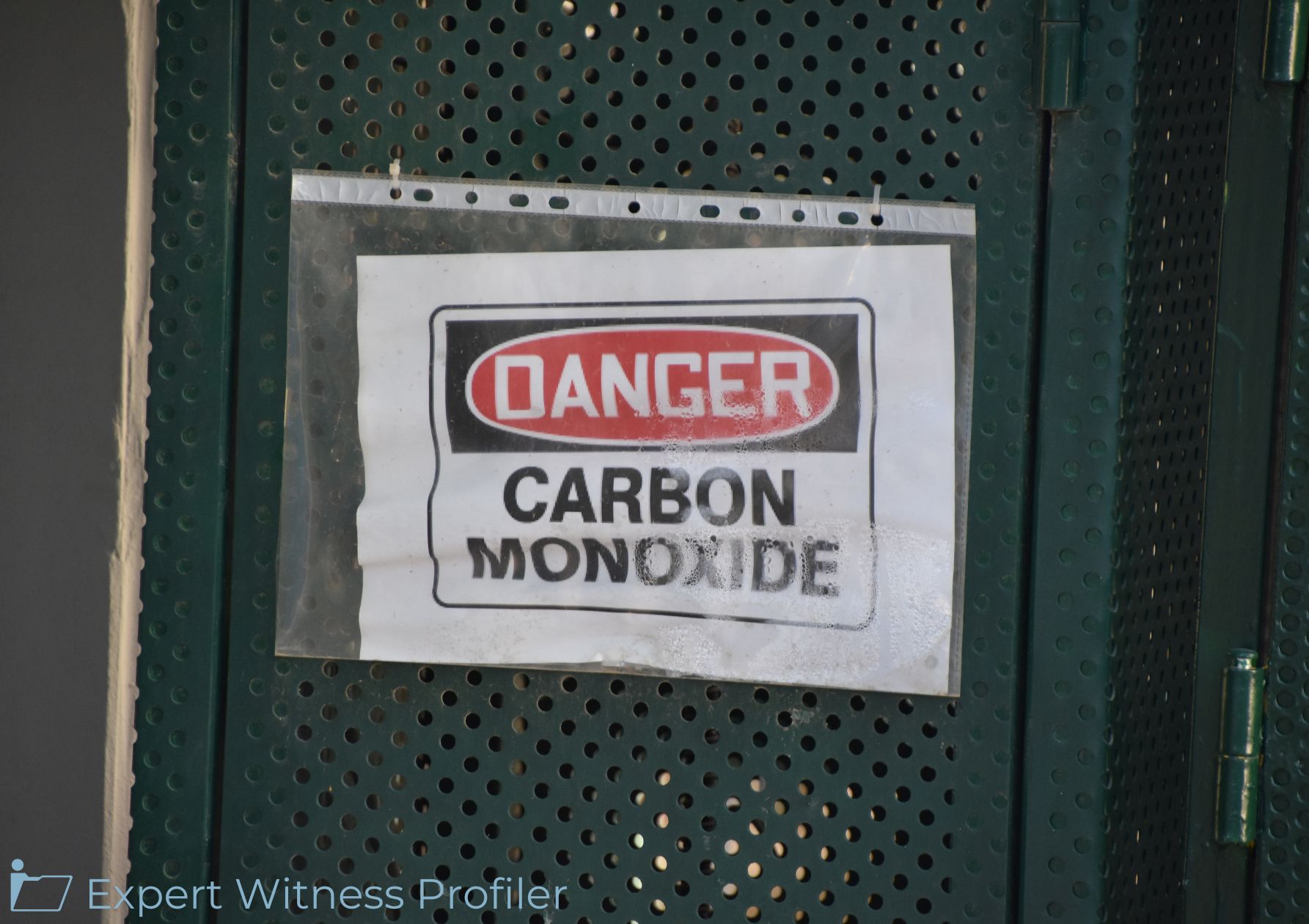
    This case arises out of an alleged design defect and failure to warn regarding a 2017 Toyota Tacoma. Lee Griffin was the primary driver of a 2017 Toyota Tacoma. After Griffin died due to accidental carbon monoxide poisoning from an automobile inadvertently continuing to run in the garage, Caroline Griffin filed suit individually and as executor of Lee Griffin’s estate.

    The Plaintiff filed a motion to exclude the entire testimony of Randall Tackett and Angela McGrath as well as part of the testimony of Nathan Dorris and Harry Pearce II.
    Toxicology Expert Witness

    Dr. Randall Tackett received his BS from Jacksonville University in 1975. He then received an MS degree in pharmacology and toxicology from Auburn University in 1977 and his Ph.D. in pharmacology and toxicology from the University of Georgia in 1979. Following a two-year postdoctoral fellowship at the Medical University of South Carolina, he returned to the University of Georgia as an assistant professor in the Department of Pharmacology and Toxicology.

    He later served as a Professor and Associate Department Head in the Department of Clinical and Administrative Pharmacy at the University of Georgia College of Pharmacy.

    Get the full story on challenges to Randall Tackett’s expert opinions and testimony with an in-depth Challenge Study. 

    Statistics Expert Witness

    Angela A. McGrath has a Bachelor of Science in Statistics, a Master of Arts in Applied Statistics, 27 years of experience in consulting, and experience teaching statistics.

    She is the Principal Consultant and Director of Automotive Research at Cirque Analytics, an economic, statistical, and financial consulting company headquartered in Jackson Hole, WY. She has developed extensive experience in formulating, conducting, and directing statistical and other quantitative analyses.

    Want to know more about the challenges Angela McGrath has faced? Get the full details with our Challenge Study report. 

    Automotive Engineering Expert Witness

    Harry Pearce has over 24 years of expertise in the field of structural crashworthiness. He gained industry experience with nine years at General Motors, serving as the Lead Structural Design Engineer for multiple vehicles. 

    With his knowledge and experience with vehicle sealing, Pearce has addressed claims of Carbon Monoxide (CO) intrusion. He has performed Electro Magnetic Interference (EMI) testing in anechoic chambers and Brake Override System (BOS) testing at Exponent’s Test and Engineering Center. 

    Discover more cases with Harry Pearce as an expert witness by ordering his comprehensive Expert Witness Profile report.

    Human Factors Expert Witness

    Nathan Todd Dorris is a human factors specialist with extensive experience in product safety and the evaluation of instructions, warnings and other safety communications for a broad range of products and industries.

    Gain a comprehensive understanding of Nathan Dorris’ qualifications and casework history with his Expert Witness Profile report.

    Discussion by the Court

    A. Randall Tackett

    Randall Tackett stated two opinions in his expert report:

    1. Griffin consuming 1.2 standard drinks within the hour before death is inconsistent with the evidence described above. Rather, the timeline of events is consistent with Lee Griffin ingesting higher amounts of alcohol earlier on July 4, 2022, which his body would have metabolized from the time he ingested the alcohol until his death.

    2. It is more likely than not that on the evening of July 4, 2022 Griffin’s blood alcohol concentration was at a level that could have affected his reaction time, hearing, judgment, memory, reasoning and ability to detect danger including his ability to turn off his Toyota Tacoma and/or recognize that it was still running in the garage.

    Motion to Exclude

    In this case, Tackett attempted to estimate the decedent’s blood alcohol content (BAC) at various times before death using a method known as retrograde extrapolation. The Plaintiff did not dispute the scientific validity of this technique in general. Instead, she argued that Tackett lacked the necessary factual basis to apply it reliably in this case.

    Specifically, the Plaintiff pointed out several critical unknowns: the exact time of death, the time the vehicle was parked, and any concrete details about when, what, or how much alcohol the decedent consumed. The Defendants contended that these gaps in information should affect how much weight the jury gives Tackett’s testimony, not whether it should be allowed at all. The Court disagreed.

    The main issue, according to the Court, was the absence of reliable timing data. Without knowing when key events occurred, it was unclear how far back Tackett should extrapolate. His estimates ranged from one to two hours before death to as far as 14–15 hours earlier. As a result, his BAC estimates varied widely—from 0.046 to 0.297—depending on assumptions about timing and the decedent’s metabolism rate. Notably, there was also no evidence that the decedent had consumed any alcohol before parking the car, further undermining the reliability of Tackett’s conclusions.

    Angela McGrath

    The Defendants have proffered Angela McGrath as an expert witness to testify about the following opinions:

    a. [The United States Consumer Product Safety Commission (“CPSC”)] death certificate data shows that vehicles with and without keyless ignition have inadvertently been left running in enclosed spaces.

    b. Available CPSC death certificate data does not show a consistently increasing trend of accidental carbon monoxide poisoning from passenger vehicle exhaust in enclosed spaces.

    c. The proportion of combustion engine vehicles on the road with keyless ignition is increasing over time, however, even by 2021, the majority of vehicles still have conventional keys.

    d. While number of registered vehicles with keyless ignition and without [automatic engine time-out (“ETO”)] has increased steeply since 2011, the rates of accidental carbon monoxide poisoning from passenger vehicle exhaust in enclosed spaces has exhibited no corresponding, consistently increasing trend.

    Motion to Exclude

    The Plaintiff argued that McGrath’s opinions were unreliable because the CPSC database she relied on did not distinguish between carbon monoxide poisoning deaths caused by vehicles with keyless ignition systems and those with traditional mechanical ignitions. As a result, the Plaintiff contended that no meaningful statistical analysis could be done to compare the risks associated with each type of ignition system.

    In response, the Defendants claimed the Plaintiff had misrepresented McGrath’s testimony. They asserted that McGrath was not attempting to directly compare the risks of carbon monoxide deaths between mechanical and keyless ignition systems. However, this argument fell short.

    The Court noted that McGrath’s analysis implicitly relied on such a comparison. Her underlying logic was that if keyless ignition systems were more dangerous, the overall number of accidental carbon monoxide deaths would have increased after their introduction. Because the death rate did not rise, she inferred there was no added risk. Therefore, despite the Defendants’ assertions, McGrath’s analysis did, in fact, depend on comparing the two types of ignition systems—making the Defendants’ denial unconvincing.

    Moreover, the Defendants’ argument rested on the assumption that, absent a defect, accidental carbon monoxide deaths would have remained constant from 2011-2021. The Court found this assumption questionable. Public awareness campaigns, increased usage of carbon monoxide detectors, or other safety measures could have contributed to a decline in deaths over time—independent of any defect. McGrath’s analysis failed to account for such alternative explanations.

    Ultimately, the Court held that McGrath’s testimony offered nothing more than a basic correlation and lacked consideration of other plausible factors. As such, her statistical analysis could not be reliably used to show the absence of a defect.

    Nathan Dorris

    The Plaintiff sought to exclude four categories of opinions that Dorris asserted: (1) that the Tacoma’s warnings were sufficient, (2) that drivers lose focus while using their vehicles, (3) that the Plaintiff and decedent should have had carbon monoxide detectors in their home, and (4) that the Tacoma was not defective because it complied with regulatory and voluntary standards.

    Inattentive Drivers

    The Plaintiff sought to exclude Dorris’ opinions regarding how driver inattentiveness could lead individuals to leave their engines running and fail to respond to alerts or other feedback.

    In response, the Defendants argued that Dorris’ discussion of driver distraction is just one component of the opinions he expresses in this case and is background to his primary opinions specific to the 2017 Toyota Tacoma’s Smart Key System and the subject incident.”

    The statements in question included: [d]rivers that are distracted or inattentive (for whatever reason) can inadvertently leave their vehicle’s engine running, regardless of the type of ignition system employed,” and “[n]ot only can inattention result in execution errors and omitted actions, but it may cause individuals not to respond to alerts or other feedback.”

    Dorris was not particularly clear about whether these statements—or others like them—were independent expert opinions or merely facts supporting other opinions. Even the Defendants appeared uncertain. On one hand, they described these statements as background to his primary opinions,” but on the other, they defended his ability to offer them as standalone opinions.

    While Dorris may not opine directly that a driver’s inattentiveness causes errors, the Court held that if that fact properly supported a valid expert opinion offered by Dorris, he was permitted to rely on it.

    Sufficiency of the Warning

    Dorris opined that the warning provided by Toyota are “reasonable and appropriate.” The Plaintiff asserted that that opinion is unhelpful because it does not offer any analysis outside of what the jury can do itself. 

    Whether a warning is legally sufficient depends upon the language used and the impression that such language is calculated to make upon the mind of the average user of the product. The Court held that the adequacy inquiry here takes the perspective of the user of the product. Therefore, the jury is fully capable of determining whether the adequacy of the warning(s) at issue here without the help of an expert.

    Carbon Monoxide Detectors

    The Plaintiff argued that Dorris attempted to opine that the Griffins should have equipped their home with carbon monoxide detectors.”

    However, the only relevant statement on the page of Dorris’s report cited by the Plaintiff read:

    In a publication dated 08/2020, the Georgia Department of Public Health explicitly discussed CO exposure can cause ‘sudden illness or death’; potential sources of CO exposure include automobile exhaust; to install CO detectors ‘in every room used for sleeping’; ‘DO NOT leave a motor vehicle running in an enclosed garage.

    This statement appeared under the section titled Exhaust Fumes and CO Are Well Known Hazards.” Aside from the quoted portion referencing carbon monoxide detectors, there was no other mention of detectors—either in that section or anywhere else in the report.

    The Court did not view this as Dorris offering an opinion that the Plaintiff or the decedent should have installed carbon monoxide detectors in their home. Instead, the Court found that he was merely citing a source he relied upon to support his broader conclusion that Exhaust Fumes and CO Are Well Known Hazards.”

    Importantly, the Plaintiff did not challenge Dorris’s qualifications to reach that conclusion, nor did they argue that the conclusion itself was unhelpful.

    Compliance with Relevant Standards

    The Plaintiff moved to bar Dorris from testifying that the Toyota Tacoma was not defective simply because it complied with minimum regulatory standards.

    In response, the Defendants argued that the jury had a right to consider federal compliance when evaluating whether the vehicle’s design was reasonable. They further claimed that Dorris relied on compliance as just one of several factors in concluding the Tacoma was not defective. However, the Court sided with the Plaintiff.

    Dorris had stated that the lack of an automatic engine shutoff did not make the Tacoma defective, in part because at the time the subject vehicle was manufactured and sold (and even today), such a feature is not required by any regulation or voluntary standard.” In other words, he based his opinion on the fact that the Tacoma complied with federal regulations.

    The Court found this reasoning insufficient and ruled that it warranted exclusion. Accordingly, the Court held that Dorris would be precluded from opining that the Tacoma was in compliance with federal regulation.

    Harry Pearce II

    The Plaintiff sought to exclude four of his opinions from testimony: (1) opinions going to intent, motive, or state of mind, (2) opinions about the source of the carbon monoxide, (3) opinions about the efficacy of carbon monoxide detectors would have had in this case, (4) opinions “parroting” Jeya Padmanaban.

    Intent, Motive, and State of Mind

    The Plaintiff argued that Pearce should not be allowed to testify about Toyota’s subjective state of mind.

    On that point, the Plaintiff was correct—Pearce could not offer opinions about what the Defendants were thinking, such as Toyota did not want to [install auto shutoff] because of the concern of introducing a new risk of hot car deaths.” Such statements improperly speculate on Toyota’s intent or motivations.

    However, the Defendants were also partially correct. Pearce was permitted to rely on Toyota’s internal documents and employee testimony to form his expert opinions. He may testify as to whether information contained in Defendants’ internal documents indicated certain risks.” The Court clarified that while Pearce could interpret the content of internal materials to identify risk indicators, he could not speculate on Toyota’s actual intent or decision-making process.

    Source of Carbon Monoxide

    The Plaintiff moved to exclude any opinion from Pearce regarding the source of the carbon monoxide that caused her and the decedent’s injuries.

    When asked directly whether he had an opinion on the source of the carbon monoxide in this case, Pearce responded, I was not asked to do that so I do not have an opinion on that.

    Despite this, the Defendants added a qualification. They stated that Pearce would not offer an opinion on the matter unless Plaintiff opens the door to this subject through her attorneys’ examination of Pearce or the testimony of other witnesses she presents at trial.

    But as the Defendants were well aware, the Plaintiff had already retained an expert specifically to testify about the source of the carbon monoxide. And since causation is a central element of the Plaintiff’s claims, it was almost certain the Plaintiff would open the door to this issue during trial.

    That, however, did not give the Defendants license to question Pearce on a subject about which he had explicitly disclaimed any opinion. If the Defendants wished to challenge the Plaintiff’s expert on the source of the carbon monoxide, they should have retained their own rebuttal expert.

    Carbon Monoxide Detectors

    Pearce intended to opine that, “[w]ith multiple sources of CO in a home, the best protection from CO exposure is the installation of CO detectors in the home. Auto engine shut-off only protects from the one vehicle on which it is installed.”

    The Plaintiff objected to this because it depended on two assumptions: (1) that any carbon monoxide detectors in the house would have worked and (2) that the Plaintiff and the decedent would have responded to the carbon monoxide detector if it did work. 

    However, the Court held that Pearce has extensive experience from which he could derive his opinion.

    Parroting

    The Plaintiff argued that any testimony by Pearce regarding a 2015 paper published by Jeya Padmanaban would be irrelevant and amount to inadmissible “parroting.”

    In response, the Defendants clarified that they did not intend to have Pearce testify about Padmanaban’s research. Instead, Pearce had included the study merely as general background material.

    The Defendants confirmed that they would not raise the Padmanaban study at trial unless the Plaintiff opened the door to that line of testimony. Based on this clarification, the Court denied this portion of the Plaintiff’s motion to exclude.

    Held

    • The Court granted the Plaintiff’s motion to exclude Randall Tackett’s testimony.
    • The Court granted the Plaintiff’s motion to exclude Angela McGrath’s testimony.
    • The Court granted in part and denied in part the Plaintiff’s motion to exclude Nathan Dorris’ testimony.
    • The Court granted in part and denied in part the Plaintiff’s motion to exclude Harry Pearce’s testimony.

    Key Takeaways:

    1. An expert’s testimony is not relevant and may be excluded if it is directed to an issue that is well within the common sense understanding of jurors and requires no expert testimony.
    1. Experts may not testify that a party was in compliance with a federal regulation. Whether someone has violated or is in compliance with the law is a legal conclusion.
    1. Expert testimony about a party’s intent, motive, or state of mind is inadmissible.

    Case Details:

    Case Caption: Griffin V. Toyota Motor Corporation Et Al
    Docket Number: 1:23cv3107
    Court Name: United States District Court, Georgia Northern
    Order Date: June 18, 2025
  • Trucking Expert’s Opinions on Driver Negligence Excluded

    Trucking Expert’s Opinions on Driver Negligence Excluded

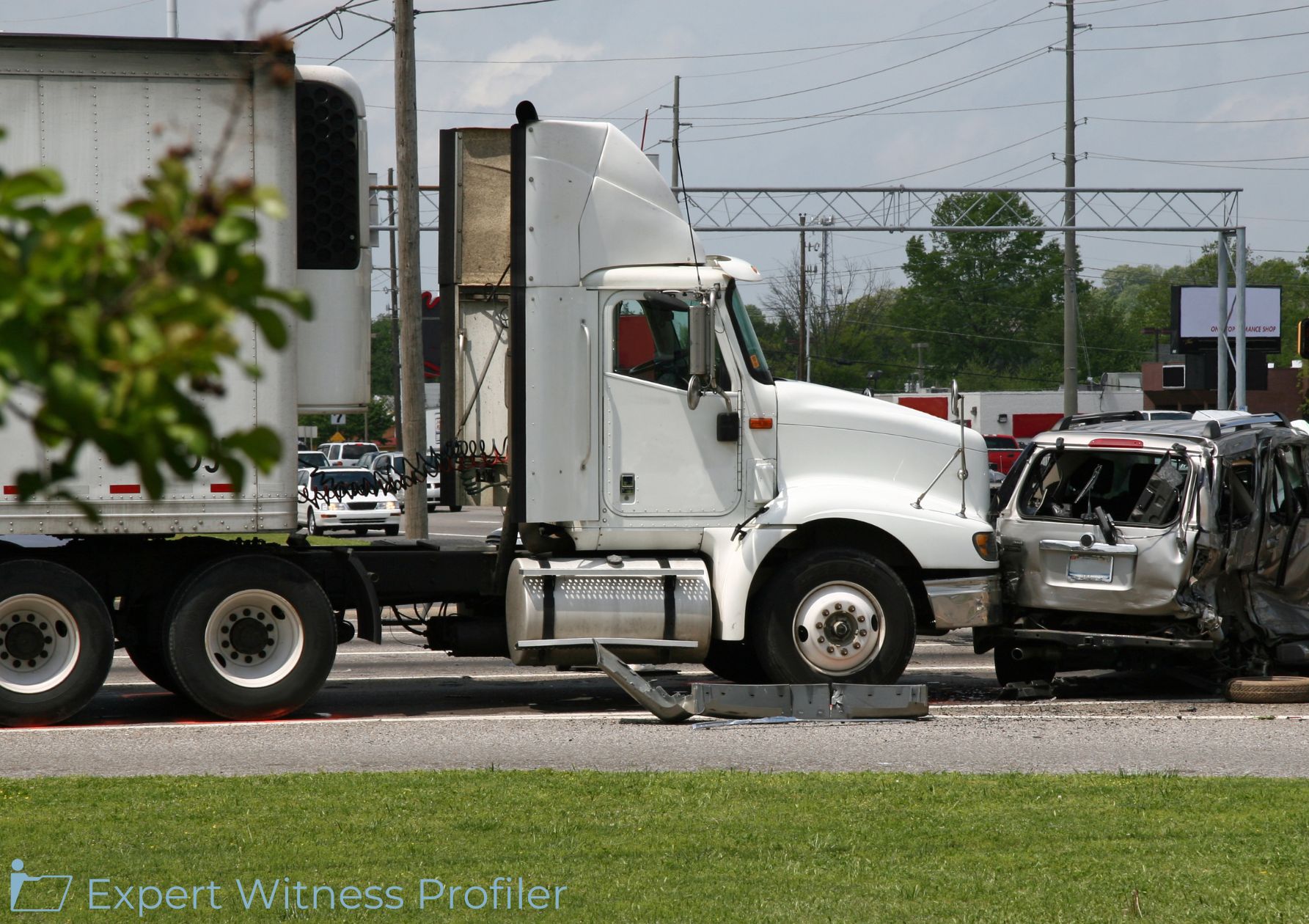
    This lawsuit stemmed from a three-vehicle rear-end collision that occurred on Loop 1604 in Bexar County, Texas, on September 28, 2022. At the time, Plaintiff Bobby Mutz was driving a GMC truck behind Plaintiff Casey Eggleston, who was operating a Jeep Bronco. Both Plaintiffs had stopped due to traffic ahead. Defendant Tatevos Isakhanyan, who was driving an 18-wheeler owned and operated by Defendant TSH Trucking Inc. (“TSH”), failed to stop in time and struck the rear of Mutz’s vehicle, which in turn caused Mutz to collide with Eggleston’s vehicle.

    Plaintiffs designated Kerry V. Nelson as a “truck and safety expert” expected to testify on fleet vehicle safety, commercial driver training, compliance with Department of Transportation (“DOT”) regulations, and causation.

    Defendants filed a motion to strike Nelson’s testimony, challenging both his expert qualifications and the reliability of his opinions on causation.

    Trucking Expert Witness

    Kerry V. Nelson is an expert in the field of fleet vehicle and commercial vehicle safety, compliance as well as fleet vehicle management. He is also a former highway patrol officer with the Arizona Department of Public Safety.

    Want to know more about the challenges Kerry Nelson has faced? Get the full details with our Challenge Study report. 

    Discussion by the Court

    Defendants contended that Nelson’s testimony should be excluded for two main reasons: (1) he was not an accident reconstructionist and therefore was not qualified to testify on matters related to causation; and (2) his opinions were unreliable because they had not been tested or peer-reviewed and were based solely on his review of the police report, deposition testimony, and relevant regulations.

    In prior cases, Nelson was allowed to testify about the general obligations of commercial motor vehicle operators; however, he was not allowed to testify specifically about whether the Defendants had failed to meet those obligations. The Court found no reason to depart from its rulings limiting Nelson’s testimony in those cases.

    Held

    The Court granted in part and denied in part the Defendants’ motion to strike Kerry Nelson’s testimony.

    Key Takeaway:

    Defendants did not appear to object to Nelson’s testimony regarding DOT regulations in general; rather, their objections focused on his opinions about whether they had complied with those regulations.

    Consistent with prior rulings, the Court permitted Nelson to speak only on general commercial vehicle operator obligations—not on whether Defendants violated those obligations.

    Case Details:

    Case Caption: Eggleston Et Al V. TSH Trucking, Inc. Et Al
    Docket Number: 5:23cv1486
    Court Name: United States District Court, Texas Western
    Order Date: June 11, 2025
  • Psychology Expert’s Testimony on the Process of Memory Formation Admitted

    Psychology Expert’s Testimony on the Process of Memory Formation Admitted

    In October 2019, Nan Morgan McCartney was severely burned while attempting to start a fire in her backyard firepit. She used a plastic gasoline container manufactured by Scepter.

    McCartney has given multiple different accounts of the incident over time, but the most recent account (in her deposition) is that she was trying to pour gas from the plastic container on the previously lit but not actively burning kindling in the firepit when gas vapor from the container came in contact with an unseen ember in the firepit and caused a “flashback explosion” of the gas in the container.

    Scepter disclosed Dr. Charles Weaver as an expert to testify about the science of forming memories and factors that can affect memory recollection.

    The Plaintiff filed a Daubert motion to exclude Weaver’s expert testimony. 

    Psychology Expert Witness

    Charles A. Weaver III is currently Professor & Chair of Psychology and Neuroscience at Baylor University. He has published in the areas of memory and language, the relationship between confidence and memory, flashbulb memory (“where were you on 9/11?”), and eyewitness identification.

    Weaver has served as a forensic expert in civil and criminal cases in more than 30 states and has testified in both federal and state courts, for both prosecution and defense. 

    Get the full story on challenges to Charles Weaver’s expert opinions and testimony with an in-depth Challenge Study. 

    Discussion by the Court

    Relevance

    McCartney argued that Weaver’s opinions are not helpful or reliable and that they should be excluded under Fed. R. Evid. 403. According to McCartney, issues of witness memory and veracity are not proper subjects of expert testimony since they are within the exclusive purview of the jury and the common experience of jurors.

    Since one witness (expert or not) may not directly testify about the credibility of another witness, the Court held that Weaver cannot testify that McCartney’s current account of the incident was unreliable. Therefore, because Weaver will not be permitted to testify as to the veracity of McCartney’s current description of the incident or comment on the reliability of her memory, there is little danger of the jury being confused about their role in assessing McCartney’s credibility. However, Weaver’s expert testimony about how memories are formed and how they can be influenced over time will be helpful to the jury because those issues are grounded in science and are not entirely within the common experience of jurors. 

    In other words, Weaver will be permitted in this case to “testify as to the process of [memory] encoding, particularly in a traumatic situation, memory reconstruction, suggestibility, and post-event information,” but he “will not be permitted to opine on the ultimate issue of whether [Plaintiff’s] testimony is credible or incredible.”

    Reliability

    The Court did not overlook McCartney’s argument that Weaver’s opinions are unreliable because they did not “fit the facts of the case” for a variety of reasons, including the fact that Weaver is a “quintessential expert for hire.” The fact that Weaver did not interview McCartney does not undermine the reliability of his opinions since he is only being allowed to testify about the scientific basis for memory formation and alteration generally, not the veracity of McCartney’s current account of the incident. Finally, the fact that Weaver is a “career witness” and that his testimony has been excluded in other cases might be fodder for cross-examination, but it did not warrant exclusion of his testimony altogether.

    Held

    The Court granted in part and denied in part the Plaintiff’s motion to exclude Dr. Charles Weaver’s opinion under Daubert

    Key Takeaway:

    Weaver’s testimony on the science of forming memories will “provide the jurors with the tools they need to evaluate Plaintiff’s claims of lost and recovered memories” and allow the jury to “decide for itself whether Plaintiff’s ‘newly found’ recollections are reliable and credible, or, alternatively, whether those she shared with emergency medical and police personnel contemporaneous with [the incident] are more credible and reliable.”

    Case Details:

    Case Caption: McCartney V. Myers Industries Inc Et Al
    Docket Number: 3:23cv7038
    Court Name: United States District Court, Florida Northern
    Order Date: May 29, 2025
  • Psychology Expert’s Testimony on the Impact of Decades of Incarceration Admitted

    Psychology Expert’s Testimony on the Impact of Decades of Incarceration Admitted

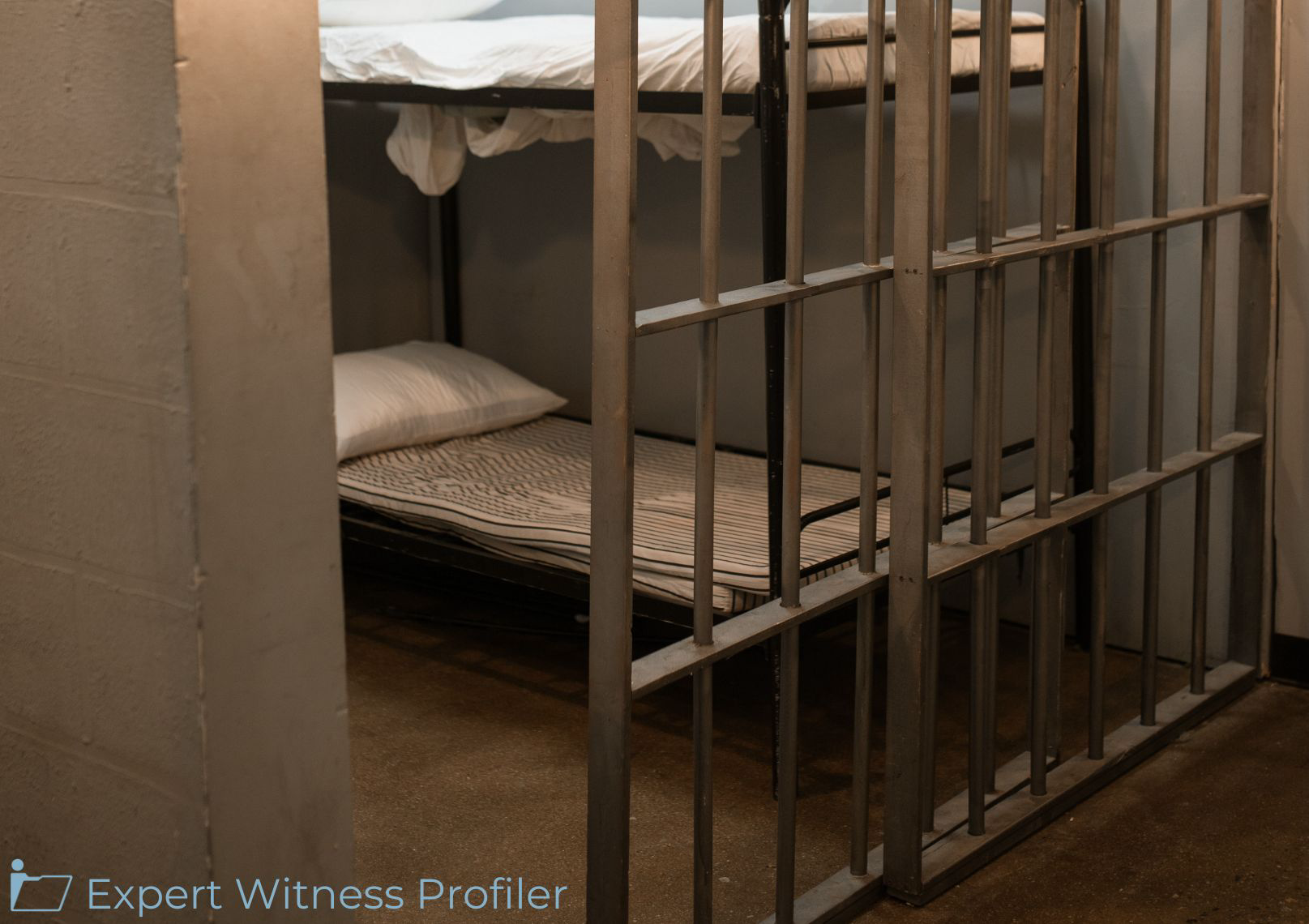
    The Plaintiff, Glynn Simmons, was wrongfully imprisoned for nearly 49 years after a 1974 murder conviction and was exonerated in 2023. He filed a civil rights lawsuit seeking damages for the constitutional violations that led to his wrongful conviction and decades of incarceration.

    As a result, Simmons sued the City of Edmond, the City of Oklahoma City, former Oklahoma City Police Detective Shobert, and the estate of former Edmond Police Detective Sergeant Anthony David Garrett (Garrett).

    In other words, Plaintiff alleged that they suppressed exculpatory evidence and fabricated evidence, violating his Fourteenth Amendment rights.

    To support his claims, he retained Dr. Shirley Saar-McPherson, Ph.D., a clinical psychologist, to conduct a comprehensive psychological evaluation to assess his potential mental health diagnoses and their causes.

    City contended that Saar’s opinion is unreliable because she only formed this opinion for the purposes of testifying and did not treat the evaluation as carefully as she would have in her practice outside of paid consulting.

    Psychology Expert Witness

    Shirley Saar-McPherson is a a clinical psychologist with over two decades of
    experience. Basically, she earned her Ph.D. in clinical psychology with a concentration in forensic psychology, and has numerous publications in her field.

    Get the full story on challenges to Shirley Saar-McPherson’s expert opinions and testimony with an in-depth Challenge Study.  

    Discussion by the Court

    The City argued that Saar’s opinion was inherently unreliable because it was prepared solely for litigation and lacked the same level of care and rigor she would typically apply in her regular clinical practice. According to the City, the evaluation was not conducted under the same professional standards expected outside the context of paid expert testimony.

    The City further asserted that the limited basis for her opinion, consisting of just two Zoom interviews and remote testing, rendered her conclusions methodologically weak and scientifically unsound.

    After reviewing the submissions from both parties, the Court found that Saar’s testimony satisfied the requirements of Federal Rule of Evidence 702, which governs the admissibility of expert testimony. The Court concluded that her opinion was grounded in sufficient facts and data and was derived using reliable principles and methods appropriate to her field.

    Also, the Court acknowledged that the City’s criticisms about the limited interaction and remote testing methodology might raise valid concerns regarding the thoroughness of Saar’s evaluation. However, it held that such concerns relate to the weight of the testimony rather than its admissibility. These are matters best explored through cross-examination, not exclusion.

    Held

    The Court denied the City’s motion to exclude the testimony of Plaintiff’s expert witness Shirley Saar-McPherson.

    Key Takeaway:

    Despite being based upon two zoom meetings and remote testing, the Court found that Saar’s opinion was based on sufficient facts and data and is the product of reliable principles and methods. 

    Case Details:

    Case Caption: Simmons v. City of Edmond
    Docket Number: 5:24cv97
    Court Name: United States District Court for the Western District of Oklahoma
    Order Date: April 4, 2025
  • Corrections Expert’s Opinions on the Strip Search Excluded

    Corrections Expert’s Opinions on the Strip Search Excluded

    The claims against La-Norma Ramirez and Washington County stem from Plaintiff Danyale Blackmore’s booking and release at the Washington County Jail.

    Blackmore alleged that her constitutional rights were violated when she was allegedly strip-searched at the Jail. Plaintiff retained expert, Everett K. Neely, to testify regarding the Washington County Jail policies and practices as they relate to booking (intake) procedures, record keeping and strip searches.

    However, the Defendant challenged Neely’s qualifications, questioned the reliability of his methods, and argued that his testimony was irrelevant and improperly intruded on the jury’s role to assess witness credibility and determine facts.

    Correctional Expert’s Testimony Excluded for Overstepping Legal Boundaries

    Corrections Policy and Procedures Expert Witness

    Everett K. Neely has over 30 years of correctional experience in Broward County, Florida. His areas of expertise include jail operations and management, booking (intake) procedures, development of policies and procedures, and training and supervision of correctional officers.

    Want to know more about the challenges Everett K. Neely has faced? Get the full details with our Challenge Study report.

    Discussion by the Court

    Neely’s anticipated testimony and opinions regarding jail practices and procedures are not relevant to the trial issue

    Neely’s expert report indicated that he was asked by Plaintiff to testify and opine on whether “proper records management practices [were] in place at [the jail] on January 6, 2020[.]” However, Plaintiff’s claims relating to the Washington County Jail’s policies and procedures have been dismissed with prejudice.

    Since Plaintiff’s only remaining claim is that Defendant conducted a strip search on Plaintiff in violation of Plaintiff’s constitutional rights, Neely’s anticipated testimony and opinions regarding jail practices and procedures do not make any fact of consequence at trial more or less probable. 

    Therefore, Neely is precluded from offering testimony and opinions regarding the jail practices and procedures at trial, including whether the staff at the Washington County Jail adhered to the jail’s policies and procedures.

    Neely’s anticipated testimony and opinions interpreting the jail’s policies and forms are unnecessary and unhelpful

    Basically, Neely’s expert report includes lengthy discussion and numerous opinions interpreting the language of the Washington County Jail’s policies and forms.

    The Court held that Neely may have a wealth of specialized experience and knowledge regarding jail policies and procedures, but such experience and knowledge is unnecessary to understand the purpose and meaning of the plain language of the jail’s policies and forms.

    Neely’s anticipated testimony and opinions impermissibly invade the exclusive roles of the judge and jury

    Neely’s expert report indicated that he was asked by Plaintiff to testify and opine on whether “Defendant performed a ‘strip search’ on Plaintiff” and whether “it was appropriate for three male deputies to watch [Plaintiff] undress and change into jail clothes.”

    Neely also opined on the anticipated testimony of witnesses, and the law relating to strip searches. However, the Court held that his anticipated testimony on these issues invaded the exclusive roles of the judge and jury.

    Held

    The Court granted the Defendant’s motion to exclude at trial the testimony of Plaintiff’s expert, Everett K. Neely.

    Key Takeaway:

    The Court excluded Everett K. Neely’s expert testimony because it was irrelevant to the central claim, unhelpful to the jury, and improperly intruded on the judge and jury’s roles. Moreover, his opinions on general jail practices and legal conclusions posed a risk of unfair prejudice and confusion, making them inadmissible at trial.

    Please refer to the blog previously published about this case:
    Mental Health Expert’s PTSD Diagnosis Was Deemed Reliable

    Case Details:

    Case Caption: Blackmore V. Ramirez
    Docket Number: 4:21cv26
    Court Name: United States District Court, Utah
    Order Date: May 23, 2025
  • Financial Expert’s Opinions on Value Added Promotions Admitted

    Financial Expert’s Opinions on Value Added Promotions Admitted

    This action is about holding Chargebacks911 (“CB911”), its CEO (Monica Eaton) and its former CEO (Gary Cardone) accountable for their roles in keeping a massive online Keto diet pill scam (the “Keto Racket”) profitable, viable, and undetected while it victimized Plaintiffs and tens of thousands of other consumers across the country.

    Troy Carrothers is Defendants’ rebuttal expert to Plaintiffs’ payment processing industry expert. Plaintiffs took issue with certain opinions given by Carrothers, including that “‘Value Added Promotions used by [Global e-Trading] before 2019 are commonly used marketing programs,” as well as statements that Plaintiffs maintain are impermissible legal conclusions. 

    Lisl Unterholzner, an accountant and certified fraud examiner, is Defendants’ rebuttal damages expert. Plaintiffs took issue with certain opinions given by and analysis performed by Unterholzner, including her discussion of a The Fulfillment Lab (“TFL”) spreadsheet with shipping addresses and her MID-by-MID and time-limited calculation of damages attributable to Global e-Trading.

    Financial Expert Witness

    Troy Carrothers is a financial services and retail leader with approximately thirty years of experience working in a variety of leadership roles in retail payments. These responsibilities have spanned operational leadership positions with responsibility for functions with small teams such as Risk Management or Financial Planning & Analysis in payment issuance and acceptance to leading multi-billion dollar retail credit and debit portfolios with thousands of employees.

    Get the full story on challenges to Troy Carrothers’ expert opinions and testimony with an in-depth Challenge Study. 

    Accounting Expert Witness

    Lisl Unterholzner is the Managing Partner at Oscher Consulting, PLLC, a Certified Public Accounting firm. Unterholzner is a Certified Public Accountant (“CPA”) and has been accredited in Business Valuation by the American Institute of CPAs. She has also been accredited as a Certified Fraud Examiner. Her experience includes forensic accounting investigations, performing business valuations, and the analysis of economic damages.

    Want to know more about the challenges Lisl Unterholzner has faced? Get the full details with our Challenge Study report. 

    Discussion by the Court

    Troy Carrothers

    Plaintiffs sought to preclude Carrothers from “offering testimony on his general understanding of the term Value Added Promotions, or VAP, including how other companies in the industry may use the term.”

    The Court held that Carrothers’ testimony about his understanding of VAP used by other companies does not match the descriptions of Global e-Trading’s VAP program within Global e-Trading’s own internal documents. Moreover, Carrothers admitted during his deposition that he did not “know the details of [Defendants’] VAP program from when they ran it.”

    While the issues Plaintiffs pointed out give them ample ammunition for cross-examination, the Court decided that they still did not warrant disqualifying Carrothers from testifying as an expert.

    The Court also disagreed with Plaintiffs as to Carrothers’ statement that Global e-Trading “paused service several times” for Brightree. In other words, Carrothers is merely pointing out that Global e-Trading may have had pauses in its provision of services to Brightree, which is true and potentially relevant to Defendants’ defense regarding intent. The Court did not find this statement so irrelevant as to be kept from the jury.

    However, to the extent Carrothers intended to offer the legal conclusion that he has seen no evidence in the record to support that Defendants’ VAP program was fraudulent, the Court agreed with Plaintiffs.

    Lisl Unterholzner

    Plaintiffs sought to preclude Unterholzner from testifying about two subjects. First, they argued that Unterholzner should not testify “about whether any of the customer, email, or shipping data in the TFL Spreadsheet is valid” or offer “any opinions or conclusions about the deliverability of any shipment made by The Fulfillment Lab or the Keto Entities.” Second, they sought to prevent Unterholzner from “parsing or calculating damages in a way that is based on a piecemeal analysis of Defendants’ activities with respect to the overall Keto enterprise.”

    The Court disagreed with Plaintiffs. Because Unterholzner is a rebuttal expert, it is perfectly appropriate for her to question the documents upon which the Plaintiffs’ damages expert relied.

    To the extent Unterholzner intended to opine that Defendants can only be liable for damages incurred for certain times during which Global e-Trading was providing services to Brightree, the Court excluded that opinion as irrelevant.

    However, to the extent Unterholzner’s report and opinions addressed flaws in Plaintiffs’ expert’s damages calculation because of incomplete data, this opinion is permissible. Since this analysis is proper for a rebuttal expert, the Court will not exclude it.

    Held

    The Court granted in part and denied in part the motion to limit the testimony of Defendants’ experts Troy Carrothers and Lisl Unterholzner.

    Key Takeaways:

    • No witness may offer legal conclusions or testify to the legal implications of conduct.
    • Despite Plaintiffs’ legitimate questions, the supposed problems with Unterholzner’s methodology can be explored on cross-examination.

    Case Details:

    Case Caption: Sihler Et Al V. Global E-Trading, LLC
    Docket Number: 8:23cv1450
    Court Name: United States District Court, Florida Middle
    Order Date: May 16, 2025
  • Biomechanics Expert’s Opinions on Medical Causation are Excluded

    Biomechanics Expert’s Opinions on Medical Causation are Excluded

    This case arises from a January 2023 automobile accident. On April 16, 2023, Plaintiff Gina Martin was driving eastbound on Interstate I-10, nearing the Chef Menteur exit in New Orleans, Louisiana, when Defendant Micah Cunningham crashed his truck into the rear of Martin’s vehicle. Martin alleged that she suffered various severe injuries as a result of this collision.

    Plaintiff retained Dr. David J. Barczyk, D.C as an expert witness in the field of biomechanics in order to opine about the causation of Martin’s injuries.

    Defendants filed a motion in limine to exclude the testimony of Barczyk arguing that Barczyk lacked the qualifications and expertise to render opinions regarding medical causation.

    Biomechanics Expert Witness

    David Barczyk is licensed in Louisiana as a chiropractor and
    continues to practice as a chiropractor in the office that he established. Barczyk has postdoctoral training in neurology and training in crash biomechanics.

    He has received over 350 hours of neurological training and is a diplomate of the American Chiropractic Neurology Board. He has several certifications in biomechanics and has attended over a dozen trainings. Barczyk has given a number of lectures on topics in biomechanics.

    Get the full story on challenges to David Barczyk’s expert opinions and testimony with an in-depth Challenge Study. 

    Discussion by the Court

    Barczyk produced two expert reports regarding Plaintiff’s injuries. The
    first report, dated December 3, 2024, sets out Plaintiff’s treatment history since the accident.

    The report concluded with a summary, in which Barczyk stated that Plaintiff’s injuries to her cervical and lumbar spines, her shoulder, and foot are causally related to the accident. In addition, Barczyk stated that the accident produced an injury mechanism for Plaintiff’s brain.

    The second report, dated March 18, 2025, is identical to the first report with respect to its discussion of the biomechanics of Plaintiff’s accident and its conclusions on medical causation.

    Barczyk’s Qualifications

    Plaintiff proffered Barczyk as a qualified expert in chiropractic medicine and biomechanics. It should be noted that Barczyk has a doctoral degree in chiropractic medicine, is a board-licensed chiropractor, and has practiced chiropractic medicine since 1994.

    Although Barczyk does not have a formal degree in biomechanics, he has extensive training. His CV attests that he has attended over a dozen trainings in biomechanics and has attained several certifications.

    It should be noted that the Plaintiff did not cite any case holding that a chiropractor could testify to medical causation.

    Medical Cause of Plaintiff’s Alleged Brain Injury

    While the Court found that Barczyk was qualified to opine on the medical causation with respect to Plaintiff’s musculoskeletal injuries on the basis of his chiropractic expertise, it is not satisfied that Barczyk is qualified on the basis of his chiropractic expertise to testify as to the medical cause of Plaintiff’s alleged brain injury.

    After all, Barczyk’s training and diploma do not amount to a medical degree.

    Moreover, Plaintiff cited no evidence that Barczyk has conducted research with respect to the brain injury that Plaintiff allegedly suffered or that, as part of his chiropractic practice, Barczyk diagnoses or treats brain injuries or orders diagnostic tests in connection with brain injuries.

    With respect to Barczyk’s expertise in biomechanics, the Court likewise found that Barczyk was not qualified to opine on the medical cause of any of Plaintiff’s injuries on that basis.

    In sum, on account of his chiropractic expertise, the Court found that Barczyk is qualified to opine on the cause of Plaintiff’s musculoskeletal injuries. However, he is not qualified to opine on the cause of Plaintiff’s brain injury.

    On account of his expertise in biomechanics, Barczyk is qualified to opine on the effects of the force that the accident generated on the hypothetical human body but is not qualified to opine on the medical causes of Plaintiff’s injuries.

    The Reliability of Barczyk’s Opinions

    As for Barczyk’s opinions as to the medical causes of Plaintiff’s musculoskeletal injuries, Barczyk’s analysis initially describes the mechanism of injury as the result of “impact in a rear end crash.” But there are no additional facts regarding the specifics of the accident in this case.

    The Court found that Barczyk’s analysis is generalized and
    therefore any conclusion applying his analysis to the facts of this case is unreliable.

    The Court also noted that, in the “Occupant Risk Factor” section of his report, Barczyk identified certain risk factors particular to Plaintiff. He cited several sources for the risk factors that he identified. However, his discussion in that section is terse, cursory, and conclusory.

    Barczyk does not explain how Plaintiff’s characteristics serve as risk factors in this case or the role they played in causing her injuries. Again, the Court is left with nothing but Barczyk’s own assurances that he has reliably analyzed the risk factors.

    Whether Barczyk’s Testimony Would Be Cumulative

    Federal Rule of Evidence 403 provides that a district court “may exclude relevant evidence if its probative value is substantially outweighed by a danger of . . . needlessly presenting cumulative evidence.”

    Without the benefit of hearing the evidence that Plaintiff will have introduced at trial, the Court finds that it would be premature to exclude Barczyk’s testimony as cumulative at this juncture.

    Held

    The Court granted in part and denied in part the Defendants’ motion in limine to exclude the testimony of David J. Barczyk.

    Key Takeaway:

    While the Court has focused on the reliability of Barczyk’s opinions with respect to the medical causes of Plaintiff’s musculoskeletal injuries, the defect in Barczyk’s analysis which renders these opinions unreliable equally characterizes his opinion as to the cause of Plaintiff’s alleged brain injury. Accordingly, that opinion is also excludable as unreliable pursuant to Rule 702. However, the Court will not exclude Barczyk’s general discussion on the mechanisms of injury typically associated with rear-end collisions.

    Case Details:

    Case Caption: Martin V. National Interstate Insurance Company Et Al
    Docket Number: 2:24cv1645
    Court Name: United States District Court, Louisiana Eastern
    Order Date: May 20, 2025
  • Vocational Rehabilitation Expert is Qualified to Serve as an Expert on the ADA and Loss of Earnings

    Vocational Rehabilitation Expert is Qualified to Serve as an Expert on the ADA and Loss of Earnings

    It all started when Plaintiff, Maurice Young (“Young”), was employed by Defendant, Jabil, Inc. (“Jabil”) in the role of Machine Operator I (“Operator”). It should be noted that Young suffers from osteoarthritis in his hips which limits his ability to stand, sit, and walk.

    Young asked for a new accommodation, applying for the Engineering Technician I position (“Engineering Technician”) on October 29, 2022. However, Young’s employment with Jabil was officially terminated on November 1, 2022. As a result, Young contended that Jabil failed to accommodate him for other positions under the Americans with Disabilities Act (“ADA”).

    On October 22, 2024, Young submitted the expert report of Dr. John Dieckman. Dieckman provided an ultimate conclusion that Jabil had alternate employment opportunities that they could have offered to Young as a reasonable accommodation. Additionally, Dieckman opined that Young lost at least $36,563 in earnings and $6,033 in benefits.

    Defendants filed a motion to strike the testimony of Dieckman primarily because he is not a qualified expert as to ADA compliance and economic losses.

    Vocational Rehabilitation Expert Witness

    Dr. John Dieckman is a Certified Rehabilitation Counselor and Certified Disability Management Rehabilitation Specialist. He has held the position of Assistant Vocational Director at Proto-Worx since 2000.

    At Proto-Worx, Dieckman oversees the development, training, supervision, and direction of vocational staff. He has previously testified regarding wage loss, liability, and economic recovery in federal and state courts as well as in administrative hearings.

    Get the full story on challenges to John Dieckman’s expert opinions and testimony with an in-depth Challenge Study. 

    Discussion by the Court

    Defendants sought to preclude Dieckman’s report as it pertains to both his ADA and Loss of Earnings findings.

    Dieckman explained that his vocational assessment was based on a review of numerous documents, including Jabil performance reviews of Young, the Jabil physician questionnaire, emails between Young and Jabil employees regarding the accommodation process, and a review of Jabil job listings.

    Dieckman explained that his analysis of lost earnings was based on a review of Young’s W-2 forms and taxes between 2018 and 2023.

    ADA Arguments

    1. Dieckman is not a qualified expert as to ADA compliance because Dieckman does not have any medical training or licenses

    2. Dieckman’s methodology regarding ADA compliance is unreliable because his finding that Jabil did not provide Young a reasonable accommodation was based solely on public job descriptions and conversations with Young

    3. Dieckman cannot opine on whether Jabil provided Young a reasonable accommodation because Dieckman did not interview anyone at Jabil as to what positions Young could perform or review job postings from the relevant period.

    Economic Loss Arguments

    1. Dieckman is not a qualified expert as to economic losses because Dieckman does not have any economics or business certifications or training

    2. Dieckman’s methodology regarding economic losses is unreliable because his finding that Young was entitled to economic losses was based on open positions as of May 2024, whereas the economic loss assessment covers the period between July 2022 and March 2023, and was calculated based on full time employment when Young was on a part-time schedule prior to his termination.

    3. Dieckman cannot opine on whether Jabil violated the ADA because Dieckman cannot provide a conclusion as to whether Young’s requested accommodations were an undue burden or whether Jabil should have placed Young into a new position

    4. Dieckman’s conclusions regarding Young’s economic losses would not help the jury because they are purely speculative.

    Analysis

    Qualification

    With his formal training in vocational rehabilitation, the Court held that Dieckman is a qualified vocational expert. After all, Dieckman has over thirty years’ experience as an Assistant Vocational Director wherein he has performed vocational evaluations of injured and disabled individuals and produced reports regarding wage and earning loss.

    Reliability

    Defendants’ challenge to Dieckman’s vocational assessment pertains to Dieckman’s failure to interview any Jabil employees. The Court held that Defendants’ challenge to the report’s credibility can be “addressed through vigorous cross-examination [rather] than through threshold exclusion.”  

    Defendants’ challenge to Dieckman’s analysis of lost earnings pertains to Dieckman’s use of open positions as of May 2024 instead of July 2022 to March 2023 and calculation of lost earnings based on full-time employment.

    As to Dieckman’s use of positions available as of May 2024, Dieckman was aware, from his interview with Young and review of the records, that Young had applied for an open Engineering Technician position. While Dieckman reviewed additional job postings as of May 2024, and determined that Young would have been able to fulfill the requirements for most of the positions, this does not negate Dieckman’s knowledge of at least one open position from the relevant period that he determined Young was able to perform.

    Moreover, the Court held that Dieckman’s use of full-time employment to calculate Young’s lost earnings is premised on the assumption that had Jabil provided Young a reasonable accommodation, such as a transfer to the Engineering Technician position, Young would have been able to return to work full-time.

    Courts in this Circuit have held that the future earning capacity model, which would allow for greater damages than identified by Dieckman’s Report, “is an accepted and reliable method for calculating future lost earnings.”

    Fit

    Dieckman’s vocational assessment and wage loss analysis is connected to the questions presented in this case, namely whether (1) Jabil failed to reasonably accommodated Young, and (2) if Jabil violated the ADA, what damages Young is entitled to. Dieckman’s assessment will assist the trier of fact in answering whether Young was able to perform other positions at Jabil and what wages Young lost as a result of his termination.

    Thus, the Court held that there is a sufficient nexus between the facts of the case and Dieckman’s Report to satisfy the “fit” standard.

    Oral Argument

    The decision to hold a Daubert hearing is discretionary with the Court and is not necessary when “the facts upon which the Court must make its determination have been adequately presented to the Court in the parties’ papers and accompanying exhibits.”

    Based on the Court’s review of Dieckman’s Report and the parties’ submissions, which the Court finds are sufficient to render a determination, a Daubert hearing is not warranted in this case.

    Held

    The Court denied Defendants’ Daubert motion to strike the testimony of Dr. John Dieckman.

    Key Takeaways:

    • Dieckman’s report met the Daubert standard because he articulated his methodology and the sources on which he relied.
    • Dieckman is qualified because he has performed vocational evaluations of injured and disabled individuals and produced reports regarding wage and earning loss.

    Case Details:

    Case Caption: Young V. Jabil, Inc. Et Al
    Docket Number: 2:23cv4992
    Court Name: United States District Court, Pennsylvania Eastern
    Order Date: May 19, 2025
  • Construction Expert Conducted his own Inspections Before Signing the Estimate

    Construction Expert Conducted his own Inspections Before Signing the Estimate

    Plaintiffs, Monterrey’s Grill Inc. filed suit against the Defendant, Axis Surplus Insurance Company, alleging that the Defendant breached its obligations under the insurance policy by not paying a claim for hurricane damage to Plaintiff’s commercial building. During discovery, Plaintiff disclosed Emory “Les” Covan as its damages expert and produced a 44-page replacement cost value estimate signed by Covan.

    Axis Surplus Ins. Co. sought to exclude the testimony of Plaintiff’s retained damages expert witness, Covan.

    Construction Expert Witness

    Emory “Les” Covan is an estimator. He was retained to testify about the subject insurance claim, damages sustained as a result of the subject loss, costs of construction/necessary repairs and/or damages sustained by Plaintiff.

    Want to know more about the challenges Emory “Les” Covan has faced? Get the full details with our Challenge Study report.  

    Discussion by the Court

    Defendant filed a motion to strike Plaintiff’s damages expert, Emory “Les” Covan, under Daubert, arguing his estimate merely “parroted” the opinions of the expert who prepared the initial draft of the estimate. 

    In this case, Covan conducted his own inspections and reviewed pertinent documents before signing the estimate. He explained that he reviewed photographs of the damage to the insured property; he conducted a virtual inspection of the property using a three-dimensional video of the property; he reviewed engineering reports detailing the damages, moisture levels, and the recommended repairs to the property; and he relied on the Xactimate program for the costs included in the estimate.

    Moreover, for every line-item in the estimate that he was asked about during his deposition, Covan was able to explain the source of information (e.g., photograph, report, etc.) and reason for including that item in the estimate.

    Even though Covan did not prepare the initial draft of the estimate, the record shows that he did not simply adopt the initial draft of the estimate as his own without doing any additional work. 

    As a result, the Court concluded that the fact Covan did not know how the initial estimate was prepared or how, if at all, it differed from his estimate goes to the weight of the estimate, not its admissibility. Likewise, the fact that there were only minor differences between Covan’s estimate and the initial draft concerned the weight of the estimate, not its admissibility.

    Held

    The Court denied Axis Surplus’ motion to excliude the testimony of Emory “Les” Covan.

    Key Takeaway:

    An expert cannot “simply repeat or adopt the findings of another expert opinion without attempting to assess the validity of the opinions relied upon.” Thus, one expert cannot simply adopt the opinion of another expert as his own without conducting his own analysis.

    Case Details:

    Case Caption: Monterrey’s Grill Inc. v. Axis Surplus Ins. Co.
    Docket Number: 3:23cv24580
    Court Name: United States District Court for the Northern District of Florida, Pensacola Division
    Order Date: May 13, 2025
  • Physical Medicine And Rehabilitation Expert’s Report Did Not Contain Any Analysis of a Standard of Care

    Physical Medicine And Rehabilitation Expert’s Report Did Not Contain Any Analysis of a Standard of Care

    This case relates to the incarceration of Plaintiff, Nocomie Tomia Moore, in the Spokane County Jail, as well as medical care and treatment she received from Registered Nurse Tsubasa Bruce, Physician Assistant Denae Paul, and NaphCare, Inc.

    Moore brought claims for violations of Washington State’s Medical Malpractice statute. Defendants sought to exclude Plaintiff’s expert witness, Jonathan Pasma, D.O., as not meeting the required standards to offer such testimony. 

    Defendants argued that Pasma should be excluded for a number of reasons: (1) his disclosure is incomplete as he does not specifically reference any Defendant or describe in detail data or facts considered in rendering his decision; (2) his report and testimony is improperly offered as a matter of Washington law; and (3) his report and testimony do not satisfy Federal Rule of Evidence 702 or Daubert.

    Physical Medicine And Rehabilitation Expert Witness

    Jonathan Pasma received his Doctorate of Osteopathy from Pacific Northwest University of Health Sciences in 2012, and he is currently a licensed, board certified physician in Physical Medicine & Rehabilitation.

    Want to know more about the challenges Jonathan Pasma has faced? Get the full details with our Challenge Study report. 

    Discussion by the Court

    Exclusion pursuant to Washington State Medical Malpractice Law

    In Washington, an expert must articulate what a reasonable medical professional would or would not have done, and then specify how a Defendant failed to act in that manner and show that this failure was the cause of injury.

    The Court held that Pasma’s report did not contain any sort of standard on which he based his opinion. He did not analogize the present case with any hypothetical situation, study on which he had reviewed, or real past treatment in which a patient presenting with a similar injury to Plaintiff received a different standard of care than what was provided. He offered nothing by way of his perspective in the practice of medicine that established how a specific member of the medical team at the Spokane County Jail should have reacted; he instead drew cursory conclusions.

    Exclusion based on Federal Rule of Evidence 702 and Daubert

    Defendants contended that Pasma’s report and testimony is neither reliable nor relevant, as his opinion is based on an inaccurate review of the record, he lacks the specialized knowledge of treatment of patients in a corrections setting, and he does not apply the higher degree of analysis typically found in an expert report.

    First of all, Pasma is a physiatrist and testified as his deposition that he has no experience working in an urgent care, emergency room, or corrections setting, and has not independently diagnosed a hip fracture since residency. 

    Second, the Court found Pasma’s account of the factual background of the events of this case scant and arguably incorrect.

    Basically, Pasma’s report did not contain any analysis of a standard of care and any Defendant’s specific breach. He provided a generalized conclusion that “Ms. Moore’s care, specifically timely triage, was improperly delayed 2 days, which of course implies that unnecessary pain/suffering occurred,” but offered nothing to support why this contention was true from his expert position as a physician. Moreover, he stated in his deposition that he was not asserting any violation of a standard of care by a nurse involved, nor did he want to provide a “label,” for the level of care provided by the physician’s assistant in this case.

    Held

    The Court excluded the testimony of Plaintiff’s expert witness, Jonathan Pasma.

    Key Takeaway:

    Even if the Court could look beyond the lack of reliability offered by Pasma’s report, the opinions he offers also lack the requisite relevancy such that offering them to a factfinder would be helpful. Rule 702 requires that an expert witness be vested with “scientific, technical, or other specialized knowledge” that “will assist the trier of fact” in their understanding of the evidence. If satisfied, “a witness qualified as an expert . . . may testify thereto in the form of an opinion.”

    Case Details:

    Case Caption: Nocomie Tomia Moore V. Naph Care Inc Et Al
    Docket Number: 2:22cv256
    Court Name: United States District Court, Washington Eastern
    Order Date: May 08, 2025