Plaintiff, Rohan Peters, an African-American Pilot sued his former employer, International Paper Company (“International Paper” or “Defendant”), alleging claims of wrongful termination and retaliation arising out of Defendant’s discrimination pursuant to Title VII of the Civil Rights Act of 1964. Defendant filed a Motion for Summary Judgement on May 31, 2023. The Court granted summary judgement in favor of Defendant on Plaintiff’s racial discrimination claims and on Plaintiff’s entitlement to certain categories of damages on December 28, 2023.
International Paper filed a motion to exclude the testimony of Plaintiff’s proffered opinion witness, sociology professor Dr. Matthew Hughey, pursuant to Daubert and Federal Rule of Evidence Rule 702. International Paper also renewed its motion to preclude Peters from mentioning or introducing evidence related to the expert opinion, testimony, and report of Matthew Hughey at any point during the proceedings.
Human Resources Expert Witness
Matthew Hughey specializes in race and ethnicity, bias, discrimination, racism, culture, media, organizations, religion, and science. He hold a B.A. (Bachelor of Arts) in sociology from the University of North Carolina, Greensboro; a certificate of advanced graduate study in “women’s studies” from Ohio University; an M.Ed. (Master of Education) in cultural studies from Ohio University; a graduate certificate in “religions of the world” from Harvard University; an A.L.M. (Artibus Liberalibus Magistri | Master of Liberal Arts) in religion from Harvard University, and a Ph.D. (Doctor of Philosophy) in sociology (with a specialization in race and culture) from the University of Virginia. He has been on the faculty of the University of Connecticut since 2013. He is full Professor of Sociology (2020-present) and was previously Associate Professor of Sociology (2013-2020). Before then he was Assistant Professor of Sociology at Mississippi State University (2009-2013). He also serves as adjunct faculty at the University of Connecticut in (1) the Sustainable Global Cities Initiative program, (2) for the Graduate Certificate and Masters in Race, Ethnicity, & Politics (REP) program, (3) the Institute for Collaboration on Health, Intervention, & Policy (InCHIP), (4) the American Studies Program, and (5) the Africana Studies Institute.
Discussion by the Court
Defendant contended that Hughey’s testimony improperly substituted his own judgment in place of that of the jury, effectively instructing them on the legal conclusions they should draw. They argued that Hughey lacked adequate qualifications in workplace discrimination and retaliation, with minimal relevant experience. Additionally, Defendant claimed that Hughey’s opinions lacked a solid factual basis, relied on unreliable methodologies, and failed to apply his principles effectively to the specifics of the case. Defendant pointed out that Hughey’s CV lacked relevant sources relating to retaliation, and they criticized his analysis for typographical errors revealing copy-and-paste analysis from prior cases, suggesting a lack of meaningful application to the case’s facts. Furthermore, Defendant argued that Hughey’s references to the Ku Klux Klan and incidents of police brutality were unfairly prejudicial.
Plaintiff refuted the Defendant’s claims and found fault with Defendant’s alleged mischaracterization of Hughey’s report, especially its conclusion that racial prejudice likely influenced the Plaintiff’s treatment by Defendant. They asserted that Hughey’s CV qualified him to offer opinions on race-related issues. Additionally, Plaintiff argued that the case’s complexity necessitated expert opinion witnesses, as laypeople might not grasp all the intricate details.
The Court noted the underlying emphasis on Hughey’s proffered testimony about racial discrimination which provided historical context, analysis, and conclusions applicable to the racial discrimination claim in this case. Indeed, retaliation was only discussed as a basis for Hughey’s ultimate conclusion that Plaintiff experienced racial discrimination. The Court had previously granted Defendant’s summary judgment motion with respect to Plaintiff’s race discrimination claim. Henceforth, Plaintiff’s claims for racial discrimination were not before the jury, having been dismissed at the summary judgment stage. As a result, the sole remaining claim in this case was Plaintiff’s retaliation claim.
Hughey’s fifty-nine (59) page report mentioned retaliation a total of four (4) times. Among these, two instances were merely recitations of the plaintiff’s claims, while the other two a section and a phrase, respectively, were used to support the conclusion regarding racial discrimination. The four-page section labeled “Racial Gaslighting and Retaliation” comprised one and a half pages of block quotes, one page summarizing the concept of gaslighting, one and a half pages providing a summary of alleged facts, and concluded with sentences stating:
“A company wishing to avoid conflict of interest and to engage in fair, equitable, and transparent employment practices would not have a subject of the complaint oversee disciplinary measures over the complainant. The action likely sent a message of intimidation with the implicit meaning to drop past, and/or avoid future, complaints.”
The Court citing Curtis v. Oklahoma City Public Schools Bd. of Educ., 147 F.3d 1200 (10th Cir. 1998), held that Hughey’s failure to address matters beyond common knowledge or experience of the average layperson was highlighted in his section on retaliation, which offered only a single, limited conclusion without supporting citations or analysis regarding the bases, methods, or principles applied to reach that conclusion.
Held
Matthew Hughey’s opinion on retaliation, to the extent it existed, did not involve analysis or application of any methodology which led the Court to exclude it. Defendant’s renewed motion to preclude Peters from mentioning or introducing evidence related to the expert opinion, testimony, and report of Hughey was deemed moot.
The Court has not arrived on an outcome for this case since the remaining issues involved in this case still await resolution.
Key Takeaways:
Defendant disputed the qualifications and methodology of Hughey, alleging that his testimony improperly substituted his judgment for that of the jury and lacked a solid factual basis. In response, the Plaintiffs argued that Hughey was indeed qualified to offer opinions on race-related issues, asserting the relevance of his expertise to the case’s complexities. They emphasized the need for expert opinion witnesses to help comprehend intricate details beyond laypeople’s grasp. While Hughey’s testimony primarily focused on racial discrimination, it briefly addressed retaliation, albeit in a limited manner, which became a point of contention. The Court criticized Hughey’s report for lacking detailed analysis and support regarding retaliation, citing legal precedent to underscore the importance of thorough expert testimony, especially in complex matters like retaliation in employment discrimination cases.
North East Independent School District (NEISD) appealed the administrative decision by a Special Education Hearing Officer (SEHO) in favor of the minor student I.M., who qualifies for special education services due to autism and an intellectual disability. Following an evidentiary hearing, the SEHO determined that the NEISD had failed to provide I.M. with a free appropriate public education (FAPE) in violation of the Individuals with Disabilities Education Act (IDEA). As a remedy, the SEHO ordered NEISD to provide Extended School Year services to I.M. during the summer of 2023.
In response to the SEHO decision, NEISD contended that the decision was legally erroneous and lacked support from the evidence presented during the hearing. NEISD sought an order from the Court to reverse and vacate the SEHO decision.
I.M., represented by his mother as the next friend, counterclaimed against NEISD, seeking attorney’s fees under the IDEA as the prevailing party in the administrative proceedings.
Both parties submitted cross motions for summary judgment to the District Court. The motions addressed two primary issues: firstly, whether I.M. had indeed received a FAPE from NEISD, and secondly, whether I.M. was entitled to the requested amount of attorney’s fees. The latter consideration involved a discussion on whether the fee request should be reduced based on I.M.’s relative success in the administrative proceedings and the outcomes of settlement negotiations between the parties. These motions are fully briefed and ripe for a ruling by the District Court.
NEISD sought the Court’s consideration of additional evidence beyond the administrative record, specifically a three-page investigatory letter from the Department of Justice (DOJ) dated October 24, 2023. This letter was addressed to NEISD and pertained to a complaint filed with the U.S. Attorney’s Office by I.M.’s parents subsequent to the SEHO hearing. The complaint alleged a violation of the Americans with Disabilities Act (ADA).
In the complaint, I.M.’s parents asserted that the staff at an after-school program had engaged in discriminatory practices against I.M. based on his disability. The alleged discriminatory actions included refusal of enrollment, cancellation of enrollment, and failure to provide accommodations for both I.M. and other children with Autism Spectrum Disorder or similar disabilities. The DOJ investigatory letter served as a piece of evidence in the case, and NEISD sought to introduce it in support of its arguments during the legal proceedings.
I.M. filed two motions related to NEISD’s expert, Jose L. Martín, who was designated to provide expertise on the attorney’s fees claimed by I.M. in his counterclaim. The first motion sought the exclusion of Martín, asserting that NEISD’s designation of him was untimely in violation of the Court’s Scheduling Order.
In the second motion, I.M. contested NEISD’s designation of Martín, invoking Federal Rule of Evidence 702 and Daubert standards. The challenge questioned the admissibility and reliability of Martin’s expert testimony on attorney’s fees. I.M. argued that the designation did not meet the criteria set forth in the applicable rules and standards, warranting the exclusion of Martin’s expert testimony from consideration in the legal proceedings.
Disability Expert Witness
Jose L. Martín is a founding partner at the law firm of Richards Lindsay & Martín, L.L.P. located in Austin, Texas where his practice focuses on disability issues, litigation affecting school districts, and special education under key federal statutes, including the Individuals with Disabilities Education Act (IDEA), Section 504 of the Rehabilitation Act of 1973, and the Americans with Disabilities Act.
As an attorney, Martín represents numerous public school districts in the state of Texas. Through his legal work, he has gained extensive experience in addressing the day-to-day challenges faced by schools in their efforts to comply with both state and federal disabilities laws. He is a graduate of the University of Texas in Journalism, and the University of Texas School of Law.
As a strong advocate for preventive legal measures, Jose L. Martín actively engages in sharing his expertise through various presentations. Martín’s commitment to preventive legal practices is evident through his participation in both national and regional conferences on Individuals with Disabilities Education Act (IDEA) and Section 504 of the Rehabilitation Act.
Discussion by the Court
The IDEA provides that, when reviewing an administrative decision under the IDEA, the Court (i) shall receive the records of the administrative proceedings; (ii) shall hear additional evidence at the request of a party; and (iii) basing its decision on the preponderance of the evidence, shall grant such relief as the Court determines is appropriate.
I.M. opposed the inclusion of the Department of Justice (DOJ) letter as additional evidence, contending that the letter was not relevant to the issues under consideration by the Court. I.M. argued that there was no ADA claim pending before the Special Education Hearing Officer (SEHO) during the administrative proceedings.
In contrast, NEISD argued that the DOJ letter was pertinent to I.M.’s counterclaim for attorney’s fees, asserting that the content of the letter and the related settlement negotiations influenced the reasonableness of I.M.’s fee request. NEISD specifically contended that its settlement offer, which involved offering no-cost enrollment in the same afterschool program addressed in the DOJ letter, could have provided I.M. with more favorable relief than what was obtained through the SEHO decision.
During the Court’s hearing, NEISD confirmed that including the DOJ letter in the evidentiary record for the District Court would not necessitate the supplementation of the parties’ summary judgment motions. NEISD maintained that the inclusion of the DOJ letter was an efficient means of illustrating the existence of an additional related claim that NEISD sought to address through its settlement offer.
Following the arguments presented by both parties at the hearing, the Court granted NEISD’s motion to consider additional evidence outside of the administrative record. Notably, this decision occurred after I.M. rescinded her opposition to the motion.
I.M. filed a motion seeking the exclusion of expert Jose L. Martín, arguing that NEISD’s designation of Martín was untimely as per the Court’s Scheduling Order. The Court, however, denied the motion, pointing out that the Scheduling Order had set an expert-designation deadline of November 8, 2023, for parties asserting claims for relief and a deadline of November 22, 2023, for parties resisting claims of relief.
In this context, NEISD designated only one expert, Martín, on November 21, 2023, specifically to testify on the attorney’s fees claimed by I.M. and the question of whether they are reasonable and necessary. The Court noted that Martin’s expert report clearly demonstrated that he was presenting an opinion solely on I.M.’s counterclaim. Consequently, NEISD, in relation to this expert, fell under the category of a party resisting a claim for relief. As such, the Court deemed NEISD’s expert designation to be timely, in accordance with the deadlines specified in the Scheduling Order.
As to I.M.’s reliability challenge filed against Martín’s testimony, Daubert set forth four specific factors that the trial court should ordinarily apply when considering the reliability of scientific evidence: (1) whether the technique can or has been tested; (2) whether it has been subjected to peer review or publication; (3) whether there is a known or potential rate of error; and (4) whether the relevant scientific community generally accepts the technique.
The Court determined that NEISD successfully met the burden of establishing the reliability of Jose L. Martín’s proposed expert testimony regarding I.M.’s counterclaim for attorney’s fees. Martín, a licensed attorney and founding partner at Richards, Lindsay, and Martín in Austin, specializes in disability issues, litigation affecting school districts, and special education cases under the Individuals with Disabilities Education Act (IDEA) and the Americans with Disabilities Act (ADA). His extensive experience includes litigating on behalf of school districts in Texas, consulting with Departments of Education nationwide, and speaking on topics related to special education and the IDEA.
In rendering his opinion, the Court noted that Martín had thoroughly reviewed the SEHO decision, I.M.’s administrative-level complaint, various declarations filed on behalf of I.M., the offers of settlement made during the administrative proceedings, and other documents in the administrative record.
Martín’s expert report asserted that I.M. qualified as a prevailing party under the IDEA, but recommended a significant reduction in the requested attorney’s fees. The reduction was suggested because I.M. did not achieve all the relief sought during the administrative proceedings, and Martín opined that I.M. could have obtained more favorable results by accepting NEISD’s settlement offer.
After examining Martín’s expert report, along with the parties’ briefs and considering arguments from counsel during the Court’s hearing, the Court concluded that I.M.’s motion did not present a genuine challenge to the reliability of Martín’s testimony. The Court observed that I.M. failed to identify any purported defects in Martín’s methodology or the reliability of his methods in opining on I.M.’s counterclaim for attorney’s fees. Instead, the disagreement between the parties revolved around differing perspectives on what transpired at the administrative level, how to assess the relief granted by the SEHO compared to what I.M. sought, and whether a reduction in fees was justified.
Held
The Court granted NEISD’s motion to consider additional evidence outside of the administrative record but denied both I.M.’s motions pertaining to NEISD’s expert, Jose L. Martín. The Court has not arrived on an outcome for this case since the remaining issues involved in this case still await resolution.
Key Takeaways:
The denial of I.M.’s motion to exclude expert Jose L. Martín underscores the importance of adherence to court-issued scheduling orders. In this instance, NEISD’s timely designation of Martín, who focused specifically on I.M.’s counterclaim for attorney’s fees, was deemed compliant with the deadlines set forth in the Scheduling Order.
The Court’s reliance on the Daubert factors in evaluating the reliability of Martín’s expert testimony establishes a precedent for assessing the soundness of expert opinions in the context of special education litigation. Martín’s extensive experience and thorough review of relevant documents contributed to the Court’s determination that his testimony was reliable.
The Court’s observation that I.M.’s challenge did not constitute a true reliability challenge underscores the importance of identifying specific defects in an expert’s methodology when challenging the reliability of expert testimony. In this case, the disagreement between the parties centered on differing interpretations of events at the administrative level and the appropriateness of fee reduction, rather than any identified flaws in Martín’s methodology.
Overall, these key takeaways emphasize the nuanced nature of expert testimony in special education litigation, requiring a careful consideration of procedural timelines, adherence to court orders, and a focused assessment of the reliability of expert opinions.
Case Details:
Case Caption
North East Independent School District V. I.M. B/N/F Bianca R.
Plaintiff Shawn Martin suffered serious injuries from the rear-end motor vehicle collision with Defendant Valenzuela’s trailer, which occurred on I-84 on Cabbage Hill outside Pendleton, Oregon, amid adverse weather conditions. Defendants Luis Valenzuela and Baljinder Singh were operating commercial motor vehicles, while Defendant Joel Hannu was driving a large pick-up truck. The Plaintiff, Shawn Martin, operated a pick-up truck and had a passenger, Dylan Smith, at the time of the incident.
Defendants Valenzuela and Singh encountered a scene with multiple vehicles blocking the highway upon their arrival. As Defendant Valenzuela was slowing down for traffic, Defendant Singh, along with a Black Ford Escape, collided behind him, forcing Valenzuela out of his lane. Consequently, Valenzuela’s semi-truck was struck by Defendant Singh and/or the Ford Escape. Despite managing to bring his truck to a complete stop on the highway exit ramp without colliding with other vehicles, Valenzuela couldn’t proceed forward due to previous collisions blocking the road. Additionally, Defendant Singh’s tractor-trailer obstructed the exit. In a matter of seconds, the Plaintiff, Shawn Martin, collided with the rear of Valenzuela’s trailer.
The Plaintiff entered the highway from the onramp immediately preceding the exit where the accident occurred. At that location, an Oregon Department of Transportation (ODOT) worker flagged down the Plaintiff, warning of an accident or a stalled vehicle in the fast lane about two miles down the road. Although the Plaintiff noticed some fog upon entering the highway, the weather conditions worsened just before the accident, reaching “zero visibility.” Despite being aware of the stalled vehicle ahead and facing poor visibility, multiple witnesses, including the Plaintiff’s passenger, had confirmed the Plaintiff’s speed at 45 miles per hour just before colliding with the back of Valenzuela’s stopped trailer. Plaintiff sustained serious injuries in the accident. Plaintiffs Shawn Martin and Karen Martin brought a negligence action against multiple Defendants, stemming from a multi-vehicle accident.
The Plaintiff hired a trucking expert, Lew Grill, with the intention of obtaining testimony on Federal Motor Carrier Safety Administration (FMCSA) regulations. Grill’s evaluation focused on determining whether the Defendants’ drivers had violated FMCSA regulations.
The final deadline for expert disclosures had been known to the parties for months. By Order dated April 10, 2023, the Court reset the deadline for expert disclosures to July 18, 2023, and rebuttal expert disclosures to August 8, 2023. On July 18, 2023, the Plaintiffs disclosed and produced reports from their two purported primary experts, Lew Grill ( Trucking Expert) and Sharla Paso (Medical Billing Expert). On August 8, 2023, the date for rebuttal reports, Plaintiffs submitted a four-page “rebuttal” report from Paso and newly disclosed expert Michele Cook (“Paso/Cook Report”) that contained the primary opinions alluded to but not included in the original Paso Report.
Defendant Valenzuela moved to exclude the expert report of Plaintiffs’ trucking expert, Lew Grill (“Grill”), under Federal Rule of Evidence 702. The basis for Valenzuela’s motion was the assertion that Grill’s opinion, as presented in his expert report, lacked sufficient reliability, and his methodology was flawed due to a failure to consider adequate facts and data. Additionally, Defendant Singh joined in the motion. Defendant Singh also moved to strike the expert reports of Passo/Cook due to Plaintiffs’ failure to adhere to their expert discovery obligations under Fed. R. Civ. P. 26(a)(2)(B).
Trucking Expert Witness
Lew Grill, an expert witness in motor fleet safety, accident investigation, and traffic accident reconstruction, has a comprehensive background in the trucking industry. He has over 50 years’ experience as a truck driver, independent trucker, truck driver training instructor, and consultant for motor carriers and truck driving schools. Grill holds licenses, certifications, and qualifications as a Commercial Motor Vehicle (CMV) driver with endorsements for hazardous materials, tank truck, double & triple trailers, passenger carriage, and school bus. Currently, Grill is the Founder and Chief Visionary Officer (CVO) at The Legacy Corporation International, and since March 1990, he has been the Founder/CVO, Author, Publisher, A/V Producer, and trucking consultant at Atlantic Pacific Resource Group, Inc.
Medical Billing Expert Witness
Sharla Paso, DNP, RNC-OB, Women’s Health CNS, has a Doctorate in Nursing Practice (DNP) from the University of Washington, and has 25 years of experience in various nursing areas including ICU, medical surgical, dialysis, and all areas of obstetric/newborn nursing. Sharla holds certifications in obstetric nursing and as a Life Care Planner. Paso is currently the Owner of Medical Vocational Planning, LLC, and is the Founder of Listen Line Community Services. She obtained her Associate Degree from the College of St Catherine-MPLS and then earned her B.S.N. from Walden University.
Life Care Planning Expert Witness
Michele Cook, RN, MA, ABVE has been a Registered Nurse, Medical Case Manager and Vocational Rehabilitation Counselor for over 30 years. She is also a Life Care Planner for over 15 years. She obtained her R.N. from Los Angeles County College of Nursing and Allied Health and then earned her M.A. from Marylhurst University. Cook is currently the Owner/Operator of Medical Vocational Planning, LLC, which serves the attorney clients in areas of medical negligence, personal injury, motor vehicle accidents, product liability, wrongful death, domestic relations, and workers’ compensation.
Discussion by the Court
Federal Rule of Evidence 702 outlines the criteria for admissibility of expert testimony, requiring qualification, reliability, and relevance. The proponent bears the burden of establishing these requirements by a preponderance of the evidence. The Court acts as a gatekeeper, ensuring the testimony is both relevant and reliable. The relevancy bar is low, demanding logical advancement of a material aspect of the case. Testimony is reliable if rooted in the knowledge and experience of the relevant discipline, with a flexible inquiry allowing broad discretion to trial Courts. The reliability test focuses on the methodology’s soundness, not the correctness of conclusions, and shaky but admissible evidence should be addressed through cross-examination and contrary evidence rather than exclusion.
Lew Grill, a trucking expert retained by the Plaintiffs, provided an expert opinion where he formulated the opinion that both Defendants Singh and Valenzuela were negligent in their operation of their vehicles and failed to adhere to the Federal Motor Carrier Safety Administration (“FMCSA”) regulations. His opinion was based on the review of several documents, including the Oregon State Police Traffic Crash Report, Oregon State Police Incident Report, Driver Statements, Photos of the accident scene, and Deposition Transcripts for Plaintiff Shawn Martin, witness Dylan Smith, and Defendant Singh.
In their motion to exclude Grill’s testimony, the Defendants pointed out that Grill had not reviewed testimony from witnesses Joel Hannu and Sam Glerup or Defendant Valenzuela, which would have provided information on the conditions immediately preceding the accident. Additionally, the Defendants noted that Grill did not consider testimony from multiple witnesses regarding the weather at the time of the accident or the conditions of the road. The Defendants argued that reviewing this evidence was crucial for any expert to form a reliable opinion. Due to Grill’s failure to examine this evidence, the Defendants asserted that his opinion was unreliable and should be excluded. In response, the Plaintiffs contended that “material facts (time and place of the accident, parties, etc.) are common and generally accepted among all expert reports” and that this case was “relatively simple,” requiring the review of only basic evidence.
Arguments regarding whether Grill should have reviewed additional documents in formulating his opinion were considered by the Court to pertain to the weight, rather than the admissibility, of Grill’s testimony. The Court emphasized that the requirement for expert testimony to be based on “sufficient facts or data” involves a quantitative analysis rather than a qualitative one. The Court clarified that this requirement doesn’t authorize the exclusion of expert testimony based on the Court’s belief in one version of the facts over another. The Court cited Bluetooth SIG, Inc. v. FCA US LLC, 468 F. Supp. 3d 1342 (W.D. Wash. 2020), stating that the factual basis of an expert opinion goes to the credibility of the testimony, not its admissibility. Therefore, any issues concerning the materials deemed more appropriate for the expert to consult were deemed matters of weight, not admissibility, of the expert’s testimony.
The Court concluded that Grill’s failure to review all available evidence, including what the Defendants deemed essential, did not render his decision unreliable, at least under Rule 702. While the Defendants presented persuasive arguments highlighting deficiencies in Grill’s analysis due to his limited review of the evidence, on the other hand the Defendants conceded that the basic facts of the accident were not in dispute. As such, the Court determined that Plaintiffs were entitled to have their expert formulate an opinion based on “relatively simple” facts without rendering the opinion inadmissible under Rule 702. Therefore, the Court denied the Defendants’ motions to exclude Grill’s testimony.
Under Rule 37(c)(1), failure to disclose information required by Rule 26(a) may result in exclusion of evidence unless the failure is justified or harmless. To overcome Rule 37’s preclusive effect, a party must show substantial justification or harmlessness. The burden lies on the party facing sanctions to prove harmlessness. Factors guiding the Court in this determination include prejudice, the ability to cure the prejudice, trial disruption likelihood, and any bad faith or willfulness in nondisclosure. Exclusion of expert testimony is not appropriate if other less severe sanctions are available, especially when harm can be easily remedied.
On the deadline for expert disclosures, which was July 18, 2023, the Plaintiffs submitted a purported expert report from medical billing expert Sharla Paso. The two-page report asserted that the cost of Plaintiff Martin’s medical treatment was reasonable and necessary. However, the report lacked a basis for this opinion and mentioned that Paso was recently hired and in the process of reviewing the records. Subsequently, on the deadline for rebuttal expert disclosures, which was August 8, 2023, the Plaintiffs submitted a combined rebuttal expert report from Paso and her associate, Michele Cook. This report contained the complete opinions regarding the reasonableness of Plaintiff Martin’s medical treatment.
In their motion to strike, the Defendants argued that the reports should be excluded because the initial Paso report did not contain the required information under Fed. R. Civ. P. 26(a)(2)(B), and the Paso/Cook report was not an appropriate subject for rebuttal testimony. The Defendants sought to strike the Paso/Cook reports and prohibit the testimony of these experts at trial. During oral argument, the Plaintiffs conceded that Paso’s initial expert report did not contain the required information as per Rule 26(a)(2)(B), and the opinions in the Paso/Cook report were not a proper subject for rebuttal testimony. Citing Grove City Veterinary Serv. v. Charter Practice Int’l., 3:13-cv-2276-AC (D. Or. Apr. 19, 2016), in this case it was acknowledged that if the purpose of expert testimony is to contradict an expected portion of the other party’s case-in-chief, then the witness is not a rebuttal witness. Plaintiffs attributed this error to counsel’s unfamiliarity with Rule 26’s expert disclosure requirements. Thus, it is undisputed that Plaintiffs failed to comply with Rule 26.
Exclusion of the experts was deemed unwarranted in this case. Any potential prejudice to the Defendants was considered easily curable by requiring Paso and/or Cook to undergo expert depositions, at the Plaintiffs’ expense. Additionally, Defendants were allowed to supplement their rebuttal reports if deemed necessary. Given that no trial date was set, both parties had ample opportunity to address and remedy any prejudice in advance of trial. Moreover, the Court noted that there is no evidence indicating bad faith or willfulness in the delayed disclosure of evidence. Consequently, the Defendants’ motion to strike the expert reports was denied, and instead, Plaintiffs were ordered to facilitate depositions for Paso and Cook, at their expense. Defendants were permitted to supplement their expert reports after these depositions.
Held
The Court denied the Defendants’ motions to exclude the testimony of Lew Grill and also denied the Defendant’s motion to strike the expert reports of Passo/Cook. The following orders were issued:
1. Within fourteen (14) days from the date of the order, Plaintiffs were directed to submit separate and complete expert reports for either or both Paso and Cook.
2. Defendants were granted permission to depose Paso and/or Cook, with Plaintiffs being responsible for any expert fees associated with the deposition if conducted.
3. Defendants were allowed to supplement their rebuttal expert reports if deemed necessary.
The Court has not arrived on an outcome for this case since the remaining issues involved in this case still await resolution.
Key Takeaways
In the presented case, Plaintiffs brought a negligence action against Defendants following a multi-vehicle accident on I-84. The Plaintiff hired a trucking expert, Lew Grill, to provide an opinion on the Defendants’ alleged negligence in operating their vehicles and violating Federal Motor Carrier Safety Administration (FMCSA) regulations. Defendants moved to exclude Grill’s testimony, arguing it lacked reliability due to a limited review of evidence. The Court, however, deemed Grill’s failure to consider additional documents as a matter concerning the weight, not admissibility of his testimony, and denied the motion. Another dispute arose the Plaintiffs’ failure to comply with their expert discovery obligations. The Court refrained from excluding the testimony in question, instead directing the concerned experts to submit to expert depositions, at Plaintiffs’ expense. These decisions underscore the importance of complying with disclosure rules and suggest that Courts prioritize addressing evidentiary issues through less severe sanctions when possible.
This case involved a personal injury lawsuit filed by Plaintiff, Morgan Fitch against her employer, Defendant, BNSF Railway Company (BNSF), under the Federal Employers’ Liability Act (FELA). On February 28, 2020, the Plaintiff was fulfilling her duties as a conductor for the Defendant, engaged in the transportation of a train from Minot, North Dakota to Rugby, North Dakota. While in the locomotive cab with a three-person train crew, the train suddenly initiated an emergency stop without any prior warning. The abrupt force of the stop resulted in the Plaintiff being thrown forward into the locomotive’s nose, leading to injuries in her right arm and shoulder. Additionally, throughout the litigation process, the Plaintiff asserted that she had sustained neurological and cognitive injuries, including a traumatic brain injury.
Fitch filed motions to exclude the expert testimony of three defense witnesses that BNSF disclosed: Melissa Castro, a neuropsychologist; Frederick Strobl, a neurologist; and Steven Moen, an orthopedic surgeon. Fitch argued in her motions and cited the supplemental report of her own expert, Dr. Steven David Lockman, that the methodology and reasoning underlying the defense experts’ testimony was not scientifically valid.
Neuropsychology Expert Witness
Dr. Melissa Castro is a clinical neuropsychologist with expertise in areas such as concussion, traumatic brain injury, post-traumatic stress disorder, mild cognitive impairment, dementia, and cross-cultural assessments. She is board certified by the American Board of Clinical Neuropsychology and licensed to practice in Minnesota and Wisconsin. Her educational background includes a doctorate in psychology from the Ponce School of Medicine and Health Sciences and a bachelor’s degree in psychology from Concordia University. Castro currently serves as a clinical neuropsychologist at the Minneapolis Clinic of Neurology.
Neurology Expert Witness
Dr. Frederick Thomas Strobl is a medical doctor with specialized expertise in the field of neurology. His educational background includes a bachelor’s degree in electronics engineering from the University of Minnesota as well as a medical degree from the University of Minnesota Medical School. Strobl completed his residency training in neurology at the University of Minnesota Hospitals, followed by a fellowship at Mayo Clinic. He is licensed to practice medicine in Minnesota and is board certified in neurology by the American Academy of Neurology as well as in electromyography by the American Board of Electrodiagnostic Medicine. Strobl is the co-founder and former Chairman and CEO of CNS, Inc., known for creating Breathe Right Nasal Strips. He currently serves as a mentor, presenter and keynote speaker for the Med Tech Accelerator program, an alliance between Mayo Clinic and Arizona State University. Additionally, Strobl hosts the podcast Brain Health Minute, covering various neurology topics.
Orthopedic Surgery Expert Witness
Dr. Steven A. Moen earned his Bachelor of Arts in Chemistry from Saint Olaf College. He went on to earn his Doctor of Medicine from the University of Minnesota School of Medicine, followed by a General Surgery internship at the University of Minnesota. Moen completed his Orthopaedic Residency Program at the University of Minnesota and is licensed to practice in Minnesota. He is also a Board Certified Orthopedic Surgeon. He has been practicing as an Orthopedic Surgeon at Twin Cities Orthopedics in Edina, Minnesota since 1998.
Discussions by the Court
Rule 702 of the Federal Rules of Evidence outlines criteria for expert testimony admissibility. The rule requires the trial judge to serve as a “gatekeeper,” admitting expert testimony if it is both relevant and reliable. The judge has broad discretion in assessing reliability. Credibility and weight of expert testimony are left to the trier of fact. Only fundamentally unsupported expert opinions may be excluded. Parties may present scientifically valid expert opinions that assist the jury, with Daubert emphasizing a preliminary assessment of scientific validity. Courts encourage liberal admission of expert testimony, and the traditional means of challenging evidence include cross-examination and presenting contrary evidence. District Courts are cautioned against weighing competing expert opinions, leaving such decisions to the jury when opinions are within a reasonable range of expert disagreement.
BNSF engaged Castro, a clinical neuropsychologist, to conduct a Rule 35 medical examination of Fitch. Castro’s conclusions consistently expressed skepticism regarding the severity of Fitch’s brain injury, contending that its impact on her life would be minimal. These conclusions were founded on three scientifically unsound premises: (1) an assertion that Fitch was deliberately exaggerating her injuries for personal gain, based on specific test results (namely symptom validity tests (SVTs) and performance function tests (PFTs)); (2) a claim that Fitch did not meet the Diagnostic and Statistical Manual of Mental Disorders, Fifth Edition (DSM-5) diagnostic criteria for post-traumatic stress disorder (PTSD); and (3) an argument that Fitch should have already recovered from her brain injury. The Plaintiff argues that Castro’s expert opinions were derived from information that was incorrect, inaccurate, incomplete, and incompetent. As a result, the Plaintiff asserted that Castro’s trial testimony would be unreliable and invalid under Rule 702 and should be excluded.
The Court, having thoroughly examined the parties’ submissions, determined that Castro is an experienced, qualified, and competent board-certified neuropsychologist. The record showed that Castro conducted a comprehensive examination and interview of the Plaintiff, administered relevant tests, and thoroughly reviewed the Plaintiff’s medical records before formulating her conclusions. The Court found that Castro’s methodology and reasoning were scientifically valid and applicable to the facts of the case. Consequently, the Court concluded that Castro’s expert testimony was both relevant and reliable, aligning with Rule 702 of the Federal Rules of Evidence.
BNSF enlisted Strobl, a board-certified neurologist, to conduct a Rule 35 medical examination of Fitch. Strobl’s conclusions consistently downplayed the severity of Fitch’s alleged brain injury, asserting that she suffered no injury and that the effects would have no lasting impact. The Plaintiff argued that Strobl’s conclusions were rooted in two scientifically unsound premises: (1) minimizing Fitch’s injury based on information from the Cleveland Clinic website, the injury not being recognized in the emergency department, and the absence of physical evidence of trauma at the time of the incident; and (2) interpreting specific test results ( namely Electromyography(EMG)) to ostensibly rule out a brachial plexus injury. The Plaintiff contended that Strobl’s conclusions were not merely a difference of opinion but rather stemmed from unreliable and invalid information, and therefore, advocated for the exclusion of Strobl’s testimony in the case.
The Court, having reviewed the matter, determined that Strobl was an experienced, qualified, and competent board-certified neurologist. Strobl’s opinions were based on a thorough examination of the Plaintiff and an assessment of her medical history from records. The Court concluded that the methodology and reasoning behind Strobl’s testimony were scientifically valid and applicable to the case’s facts. Consequently, the Court found Strobl’s expert testimony to be relevant, reliable, and in accordance with Rule 702 of the Federal Rules of Evidence.
BNSF engaged Moen, a board-certified orthopedic surgeon, to conduct a Rule 35 medical examination of Fitch. Moen concluded that Fitch had a soft-tissue injury to her right shoulder and did not suffer a specific brachial plexus injury. He based this conclusion on an April 2020 Electromyography (EMG) that he characterized as “essentially normal.” Moen asserted that brachial plexus injuries typically result from birth trauma or major trauma, such scenarios were inconsistent with Fitch’s emergency room examination where no swelling, bruising, or bony abnormalities were noted. The Plaintiff argued that Moen’s reasoning was logically flawed as it incorrectly assumed that the April 2020 EMG ruled out the possibility of a brachial plexus injury. Consequently, the Plaintiff asserted that Moen’s conclusions were fundamentally flawed, unreliable, and invalid, advocating for his exclusion from testifying regarding Fitch’s brachial plexus injury.
Upon examination, the Court determined that Moen was an experienced, qualified, and competent board-certified orthopedic surgeon. Moen conducted an examination of the Plaintiff and assessed her medical history from records. The Court concluded that the methodology and reasoning behind Moen’s testimony were scientifically valid and applicable to the case’s facts. As a result, the Court found Moen’s expert testimony to be relevant, reliable, and in accordance with Rule 702 of the Federal Rules of Evidence.
Therefore, the Plaintiff’s motions sought the Court’s evaluation of competing expert opinions, a matter pertaining to the weight assigned by the factfinder rather than the admissibility of such testimony. The Court emphasized the appropriate approach to challenge expert opinions through robust cross-examination and the presentation of conflicting evidence, rather than wholesale exclusion at trial, citing precedent Olson v. Ford Motor Co., 411 F. Supp. 2d 1137, 1145 (D.N.D. 2006). The Court refused to overstep the jury’s role in determining credibility and the weight to be given to the evidence.
Held
The Court denied the Plaintiff’s motions to exclude the testimony of defense medical experts, Melissa Castro, Frederick Strobl, and Steven Moen. The Court found they were qualified experts whose methodology and reasoning was scientifically valid. It would be up to the jury to determine how much weight to give their testimony. The Court has not arrived on an outcome for this case since the remaining issues involved in this case still await resolution.
Key Takeaways
The expert witness testimony in this case relates to the standards for admissibility under Rule 702. The Court serves as a “gatekeeper” in assessing whether expert opinions are relevant and reliable. However, Courts give broad discretion to trial judges on determinations of reliability. Once expert testimony passes the reliability threshold, issues of credibility and weighing competing testimony fall to the trier of fact, usually the jury. Wholesale exclusion of expert opinions is meant to be the exception rather than the norm. Courts should not examine whether the expert’s conclusions are necessarily correct or which theory among competing ones has superior merit. Rather, as long as qualified experts have utilized scientifically valid reasoning that assists the trier of fact, exclusion is unwarranted even if some disagreement exists. Here, despite variances in conclusions reached, the Court found that all three defense experts proffered relevant and sufficiently reliable testimony based on examination of the Plaintiff and her records along with application of sound methodology. With liberal admission standards favoring allowing expert testimony, the Court denied motions to exclude these witnesses. The jury will now decide what weight to afford each expert opinion at trial during its deliberations. Vigorous cross-examination provides the appropriate tool for addressing shaky expert testimony rather than exclusion.
This case involved a lawsuit filed by Sharon B. Ikerd against Bobby Dillon, L Dillon Tree Harvesting, LLC, and Berkshire Hathaway Homestate Insurance Company after being involved in an automobile collision with Dillon. At the time, Ikerd was driving a school bus and had stopped to let children exit. Dillon, who was driving a tractor trailer carrying logs, collided with Ikerd’s parked school bus.
In her complaint, Ikerd alleged that she suffered severe, painful, permanently disabling injuries as well as mental anguish due to Dillon’s gross negligence. She sought damages for past, present and future pain, mental anguish, medical expenses, loss of enjoyment of life, lost wages, permanent disability, property damage and other damages.
The Defendants filed a motion to exclude the expert opinion of Jonathan Thompson, Ikerd’s pain management doctor. Thompson had opined that the “large gap” in Ikerd’s 4/5 facet joints was likely caused by instability from the impact. The Defendants made three arguments for why Thompson’s opinion should be excluded:
1) Thompson based his opinion on concepts like accident mechanics and impact forces which are outside his expertise as a pain specialist.
2) Thompson did not employ reliable methodology and instead just relied on his general experience. He did not review any records concerning the accident or cite facts/data supporting his opinion.
3) Thompson’s opinion lacks foundational support and would not assist the jury. He did not clarify how his expertise in pain intervention justified his assertion regarding the “large gap in the 4/5 facets, likely from instability from the impact.”
In response, Ikerd argued that Thompson was qualified to testify to medical causation as her treating physician. She stated that the differential diagnosis method he used is reliable. She also argued that any deficiencies in Thompson’s opinions go to the weight of the evidence, not its admissibility.
Pain Management Expert Witness
Dr. Jonathan Dean Thompson, M.D., served as an Interventional Spine/ Pain Management Physician at Cypress Pointe Pain Management. He obtained his medical degree from Louisiana State University Health Sciences Center in New Orleans before completing a physical medicine and rehabilitation residency at LSU Health Sciences Center. Thompson furthered his medical training with a spine fellowship in Interventional Pain Medicine at LSU School of Medicine. He is certified by the American Board of Physical Medicine and Rehabilitation.
Discussions by the Court
The motion to strike the Plaintiff’s response was based on the evaluation of late oppositions under Federal Rule of Civil Procedure 6(b)’s “excusable neglect” standard. This standard involves considering factors such as the potential prejudice to the non-movant, the length of the delay and its impact on judicial proceedings, the reasons for the delay (including whether it was within the reasonable control of the movant), and whether the movant acted in good faith. The Court referred to relevant precedents, including Vasudevan v. Adm’rs ofTulane Educ. Fund, 706 F. App’x 147, 151 (5th Cir. 2017) and Adams v. Travelers Indem. Co. of Conn., 465 F.3d 156, 161 (5th Cir. 2006).
The Court addressed the Defendants’ motion to strike the Plaintiff’s response, which was filed one day late. The Court noted that the Defendants had not been prejudiced as they timely filed their reply and did not request a deadline extension. Despite the Plaintiff’s lack of explanation for the delay, the Court found no evidence of bad faith and determined that the untimely response did not impede the proceedings. Consequently, the Court denied the Defendants’ motion to strike the Plaintiff’s response.
The Court considered the motion to exclude Thompson’s causation opinion, citing Federal Rule of Evidence 702 and the Daubert framework to determine the admissibility of expert testimony. The Court emphasized the need for the expert’s testimony to be reliable and relevant, with factors such as testing, peer review, error rate, standards, and acceptance in the scientific community influencing the reliability assessment. The Court highlighted that questions about the bases and sources of expert opinions are typically left for the jury, and the burden of proof for admitting expert testimony rests with the party presenting it. The Court acknowledged the importance of relevance in assisting the trier of fact and emphasized the need for proper deference to the jury’s role in resolving disputes between conflicting expert opinions.
Defendants raised three objections to the admissibility of Thompson’s opinion testimony regarding causation, and the Court addressed each objection individually. The first objection argued that Thompson’s theory of causation relied on concepts like the severity of forces and mechanics of impact, which were beyond his expertise as he was not a biomechanical engineer. Defendants contended that Thompson could not testify to such concepts. In response, the Plaintiff argued that Thompson was offering testimony on medical causation, an area within his expertise as the treating physician.
The Court noted that while biomechanical engineers could testify about the forces generated in a collision and their impact on the human body, medical doctors, including treating physicians like Thompson, were uniquely qualified to opine on medical causation. Defendants claimed that Thompson’s statements about the impact and jarring forces should be excluded due to the need for biomechanical engineering expertise, but the Court highlighted the lack of evidence indicating Thompson intended to testify about biomechanics. The Court emphasized that Thompson’s statement regarding the large gap in the Plaintiff’s 4/5 facets was related to medical causation rather than mechanics and severity of force in a collision. As the treating physician, Thompson had the right to testify about the injury and its alleged cause based on his medical experience. The Court concluded that Defendants could cross-examine Thompson about the basis of his opinion, leaving the jury to assess its probative value.
The second objection raised by the Defendants was that Thompson did not rely on generally accepted or reliable methodology, citing his failure to review any records related to the vehicular accident and the absence of cited facts or data supporting his opinion. In response, the Plaintiff argued that Thompson’s use of a differential diagnosis is a reliable method for a medical doctor to determine causation. The Defendants initially sought to entirely exclude Thompson’s causation opinion. However, in their reply, they clarified that they only aimed to prevent Thompson from speculating about the type of impact and jarring forces produced. There was no indication that Thompson intended to testify about biomechanics. The Court noted that if Thompson’s testimony surpassed his medical expertise, objections would be raised appropriately during the trial.
The Court considered the Fifth Circuit’s explanation of a reliable differential diagnosis, which involves physical examinations, medical histories, and the review of clinical tests. Plaintiff contended that Thompson followed these steps in reaching his conclusion, and Defendants failed to provide evidence contradicting this assertion.
The Court reiterated the principle that questions about the bases and sources of an expert’s opinions, affecting their weight rather than admissibility, should be left for the jury’s consideration. It noted that a doctor’s expert testimony should not be excluded solely because the causation diagnosis relies on the patient’s self-reported history. The Court concluded that concerns about the reliability of Thompson’s testimony could be addressed through cross-examination and the presentation of contrary evidence, following the Daubert framework.
The Defendants’ third objection contends that Thompson’s opinion lacks fundamental support and is therefore unhelpful to the jury. They further argue that Thompson’s opinion is contradicted by lumbar X-rays he ordered. In response, the Plaintiff asserts that Thompson’s use of a physical examination, patient history, and review of diagnostic imaging provides a sufficient foundation for his opinion on medical causation.
The Court considers this objection as related to the bases and sources of Thompson’s opinion. The Court advises that such concerns should be addressed through cross-examination and the presentation of contrary evidence during the trial, in accordance with the principles outlined in Daubert.
Held
The Court denied the Defendants’ motion to exclude the causation opinion of Thompson, and also denied the Defendants’ motion to strike the Plaintiff’s response to their motion. The Court found Thompson was qualified to present his opinions and that any deficiencies identified by the Defendants could be addressed through traditional trial procedures rather than exclusion of testimony. The Court has not arrived on an outcome for this case since the remaining issues involved in this case still await resolution.
Key Takeaways
This case demonstrates several important principles regarding the admissibility of expert witness opinions under Daubert standards. First, treating physicians may testify as to medical causation related to a patient’s injuries and condition based on their experience, even if they did not conduct an independent investigation of the underlying incident. Any deficiencies in the factual bases for their opinions typically go to weight rather than outright exclusion.
Second, differential diagnosis is widely accepted as a reliable methodology for doctors to determine medical causation. Unless the diagnosis method is completely unsupported or contradictory, concerns about its application normally should be addressed through cross-examination rather than exclusion under Daubert.
Third, experts are generally permitted to testify within the reasonable bounds of their expertise. Here, a pain specialist could present opinions on medical injuries and causation, but likely could not speculate as to biomechanical issues like accident forces and body movements unless properly qualified. Questions about whether opinions fall inside or outside an expert’s domain can often be resolved through objections at trial.
In sum, this case reflects the fairly permissive thresholds for admitting expert opinions under federal evidence rules and the preference for addressing problematic expert testimony through traditional litigation procedures as opposed to outright exclusion.
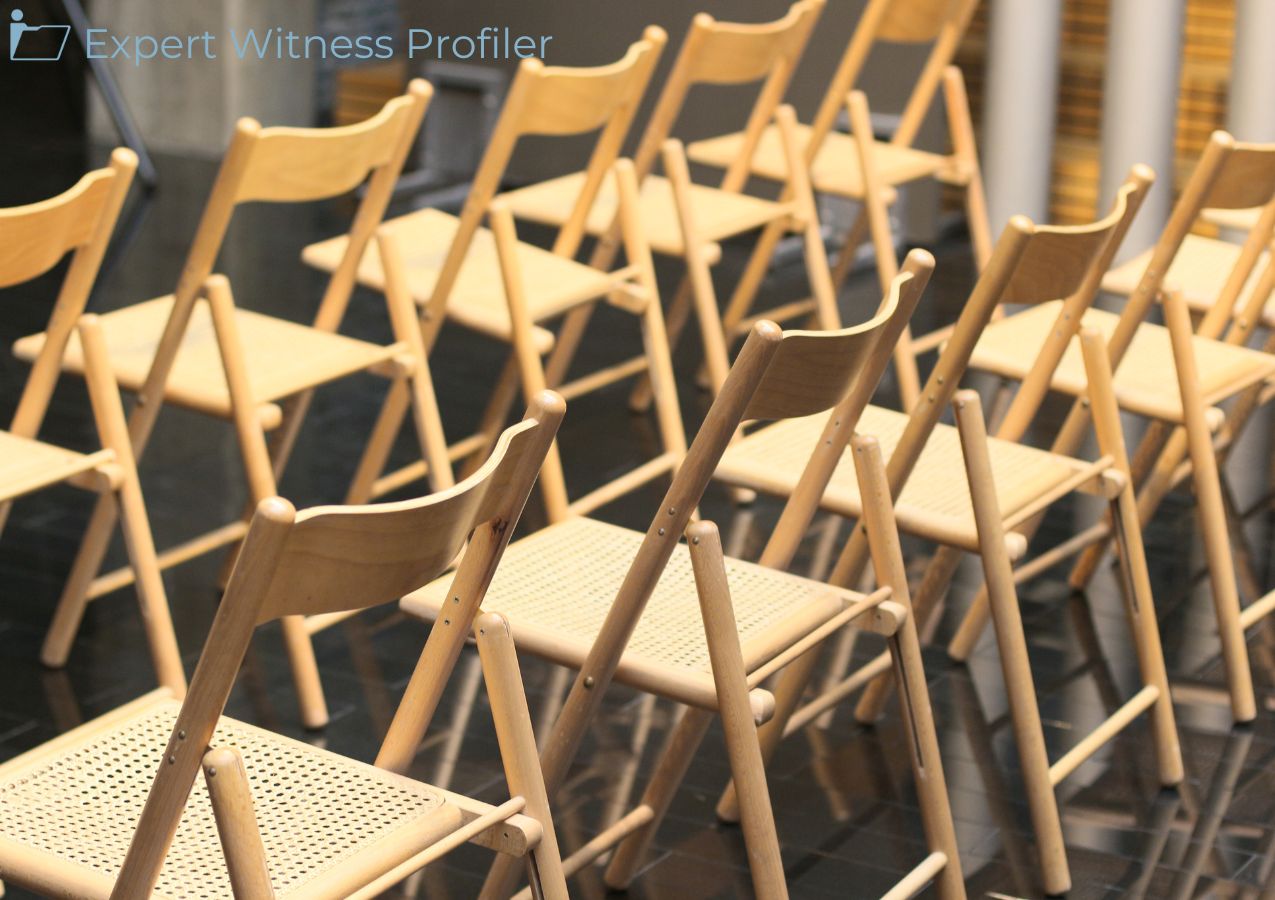
Valerie Koger, a Costco member, visited the Costco store in Fremont, California, on November 1, 2018, seeking dining chairs. While browsing, she encountered a Stakmore wooden folding chair displayed on an aisle. Upon sitting on it, the chair immediately collapsed, causing her to fall to the ground. The impact from the chair’s failure resulted in a severe blow to her head, akin to being struck with a baseball bat, leading to a diagnosis of a mild head injury at Washington Hospital on the day of the incident. Her symptoms escalated, and within two days, she was diagnosed with dizziness, vertigo, and post-concussion vertigo.
The Stakmore wooden folding chair in question was exclusively designed and provided by Meco for Costco in 2018. Costco had directly procured the chair from Meco, a supplier and vendor for the retail chain. Valerie Koger, alongside Jeffrey Koger, filed claims against Costco Wholesale Corporation and Costco Wholesale Membership, Inc., asserting premises liability due to the hazardous furniture display. Additionally, they pursued product liability claims against all involved parties, including Meco Corporation, citing the defective nature of the chair.
The Plaintiff initiated Daubert motions against three experts enlisted by the Defendant: Jon B. Ver Halen, Eric J. Drabkin, and Stephen D. Forner. In response, the Defendant countered by filing Daubert motions against three of the Plaintiff’s experts: Zachary M. Moore, Leonard J. Backer, and Mark D’Esposito.
Premises Liability Expert Witnesses
Jon B. Ver Halen holds an Industrial Engineering degree from Purdue University. He has 32 years of experience as President of Ver Halen Engineering, a small consulting firm specializing in facilities design, manufacturing processes, product safety assessments, and expert witness testimony related to the aforementioned specialities. Jon Halen has been qualified as an expert engineer in over 30 states and provided expert testimony in hundreds of legal cases.
Zachary M. Moore holds a Bachelor of Science degree in Mechanical Engineering from Loyola Marymount University. He is a licensed Professional Mechanical Engineer in California. He is currently a Forensic Engineer with Aperture, LLC. Moore is also a Board-Certified Diplomate in Forensic Engineering and a Certified XL Tribometrist. He has over 18 years of experience investigating premises liability cases and testifying as a forensic engineering expert in numerous litigation cases.
Leonard J. Backer holds a B.A. degree from Rutgers University. He has over 30 years of relevant work experience, including officer-level roles at multiple furniture companies. Backer currently serves as President of Leonard J. Backer Associates LLC, where he works as a furniture expert witness and consultant since 2008. He is certified as an expert witness in many state and federal courts.
Causation Expert Witnesses
Stephen D. Forner holds a B.A. in Chemistry and Physics from George Washington University and an M.D. from the University of Pennsylvania School of Medicine. He completed his neurology residency at Stanford University School of Medicine and his fellowship in clinical neurophysiology at the University of Texas Southwestern Medical School. Forner currently maintains his private practice at Kings Beach, California. He has previously worked at the Tahoe Forest Hospital Multispecialty Clinic and as a Clinical Professor of Neurology at the UC Davis School of Medicine.
Mark D’Esposito holds a B.S. in Neuroscience and B.A. in Interdisciplinary Studies from the University of Rochester. He obtained his M.D. from SUNY Health Science Center, College of Medicine. D’Esposito completed his residency and his fellowships at Boston University Medical Center. He is certified by the American Board of Psychiatry and Neurology. He is currently a Distinguished Professor of Neuroscience and Psychology at the University of California, Berkeley. He also serves as a staff neurologist at Northern California VA Health Care System’s Cognitive Neurology and Stroke Clinic.
Damages Expert Witness
Eric J. Drabkin holds a Ph.D. and an M.A. in Economics from the University of California, Los Angeles. He has a Diploma in Economics from the London School of Economics, and a B.A. in Economics from the University of California, Berkeley. Drabkin is currently a Senior Vice President of Forensic Accounting & Economics at J.S. Held. He has previously worked as a Senior Consulting Economist at Cohen Volk Economic Consulting Group and a Managing Director at Berkeley Research Group.
Discussion by the Court
The Plaintiff contested three specific opinions presented by the Defendant’s expert, Jon B. Ver Halen under Rule 702 and Daubert :
Ver Halen asserted that the design of the subject chair was reasonably safe and met appropriate standards, asserting its capability to support over 300 pounds safely.
Ver Halen suggested that the wood screws attaching the folding brackets to the front spreader failed due to the application of excessive force. He also claimed that the splintering observed at the screw holes indicated the presence of sound wood.
Ver Halen posited that the wood screws securing the folding brackets to the front spreader couldn’t have failed under normal use of the chair.
Plaintiff alleged that he did not consider all relevant evidence; his first opinion was based on inadmissible SGS testing; and his three opinions were based on independent testing employing unreliable methodology.
The Court held that expert testimony relying on undisclosed or poorly described methodology must be excluded, because opinions based on “unsubstantiated and undocumented information is the antithesis of . . . scientifically reliable expert opinion”, citing Cabrera v. Cordis Corporation, 134 F.3d 1418 (9th Cir. 1998).
Ver Halen, in his Expert Report’s third page, incorporated a section titled “Testing by SGS,” which indicated that an independent testing entity, SGS, conducted assessments on the chair design, affirming that the chair successfully passed all required tests. Ver Halen relied on these test “results” to form the foundation for his initial opinion that “the design of the subject chair is reasonably safe and meets the appropriate standards.”
However, the Court determined that Ver Halen merely restated the conclusions derived from the SGS tests without delving into their underlying data or methodology. The Court highlighted that experts aren’t allowed to repackage inadmissible hearsay as expert testimony.
To render opinions regarding why the chair failed in this case, Ver Halen performed “testing” on a Stakmore chair he found in his breakroom. Ver Halen’s report, spanning less than four pages, lacked the necessary details to reproduce his findings or to fairly assess his conclusions. His testing procedure involved three tests:
The first test focused on the coefficient of friction for the gliders beneath the chair legs, aiming to determine if the chair legs could shoot forward as experienced by Koger in the absence of screws. Ver Halen concluded that the results supported the possibility of the collapse occurring as described by Koger.
The second test involved opening and closing the chair a few times to verify if damage was likely to occur to the front bracket and screw assembly during normal usage.
The third test entailed placing the chair on its back, standing on the back legs, and using a pressure gauge to measure the force required to dislodge the front bracket and screw assembly when pulling up on the front legs individually.
Ver Halen’s testing methods lacked comprehensive detail and relied on an exemplar chair of uncertain origin, undermining the credibility of the results. Defendants argued that Ver Halen’s testing adhered to scientific rigor, physics principles, Business and Institutional Furniture Manufacturers Association (BIFMA) standards, and “sound economic methodologies.” Yet, apart from the coefficient of friction tests, Court held that Ver Halen’s report lacked discussions on physics, BIFMA standards, or other concepts supporting his conclusions.
Ultimately, the Court ruled that Ver Halen would not be permitted to offer opinions based on either the SGS testing or his independent testing due to the insufficiency and lack of thoroughness in his report.
The Defendants jointly relied on the expert opinions of Eric J. Drabkin to assess the economic losses incurred by the Plaintiffs in the case. Drabkin’s assessment suggested that, had the injury not occurred, Koger would have only worked an additional 4.75 years. The Plaintiff contested Drabkin’s reliance on Craig A. Allen’s article, titled “Labor Force Transitions by Gender: Implications for Separate and Combined Worklife Expectancy,” published in the Journal of Forensic Economics. This challenge was based on California Civil Code section 3361, which prohibits experts from relying on studies and statistics considering race, ethnicity, or gender in wage and earnings predictions.
Koger, employed as a school bus driver for the Fremont Unified School District, was driving special needs students to and from school at the time she was injured. Despite the article’s title, the Court found that the underlying data on which Drabkin relied did not make gender-based predictions but provided weighted averages based solely on age and educational attainment.
The Plaintiffs argued that the article’s analysis of Table 1 demonstrated gender-based predictions, but the Court found this argument misleading. The article applied gender-agnostic estimates to both male and female populations, resulting in slightly lower worklife expectancies for women on average. However, these differences were attributed to variations in education levels and workforce participation between men and women. Importantly, the gender-agnostic estimates in Table 1 would not reduce damage estimates based solely on plaintiff Koger’s gender. Consequently, the Plaintiffs’ request to exclude Drabkin’s opinions was denied by the Court.
The Plaintiffs sought to prevent Stephen D. Forner from proposing alternative explanations for Koger’s symptoms in the case. Forner’s expert report concluded that Koger likely didn’t suffer a traumatic brain injury due to the incident but instead suggested that her symptoms might be partially explained by functional neurologic disorder (FND) or benign paroxysmal positional vertigo (BPPV). Notably, Forner didn’t explicitly diagnose Koger with either FND or BPPV but indicated that these conditions should be considered as potential partial explanations, acknowledging that they might not account for all her reported symptoms.
The Plaintiffs objected to Forner’s refusal to definitively diagnose Koger with FND or BPPV. However, the Plaintiffs failed to reference any binding or persuasive case mandating that when a clinician dismisses a diagnosis, they must propose an alternative diagnosis. The Court found Forner’s reluctance to diagnose as reasonable. Forner encountered instances where he lacked crucial medical records or further information from key neurological evaluations. Additionally, in some cases, tests were conducted, but the results were unavailable. Given the incomplete medical records, the Court deemed Forner’s cautious approach and the level of confidence in his assessment of Koger’s condition as appropriate.
Now coming to the Daubert motions filed by the Defendants, Defendants first sought to exclude Zachary M. Moore from presenting legal conclusions as expert opinion.
The Court addressed multiple opinions presented by Moore, an expert witness in the case:
Moore’s first opinion, asserting that the chair was unsafe at the time of the incident, was deemed an unadorned legal conclusion. The Court ruled that Moore, lacking expertise in product design or consumer safety, couldn’t testify about the chair’s safety or Koger’s actions in a legal context.
Moore’s second opinion, contending that the subject location violated codes and industry standards, was considered inappropriate due to insufficiently supported references to industry standards. Moore’s brief mention of industry standards lacked analysis and relied solely on language from an insurance company manual. Consequently, the Court disallowed this opinion from being presented at trial.
Moore’s third opinion, suggesting that Costco knew or should have known about the unsafe condition, was grounded on a more robust factual and methodological basis. Moore’s analysis of employee testimony and Costco’s inspection policies led to the conclusion that employees failed to adhere to the company’s policies. The Court permitted Moore’s testimony within factual confines, as long as it refrained from purely legal conclusions.
Moore’s fourth opinion, claiming that the cost to eliminate the unsafe condition would have been minimal, was excluded by the Court. His statement about Costco’s potential implementation of an adequate inspection policy lacked substantiation and analysis regarding the policy’s nature or the estimated costs involved. Therefore, the Court barred this opinion from being presented in the case.
The Defendants next sought to exclude certain opinions presented by Leonard J. Backer, contending that he lacked qualifications to opine on Costco’s failure to inspect the store premises or that these opinions constituted impermissible legal conclusions.
Backer, specializing in the design, manufacture, and sale of chairs, claimed expertise in “retail store planning markets,” encompassing “visual merchandising” related to chairs. However, there was no demonstrated experience in premises safety or the inspection and risk management standards applicable to retail stores within his record. Backer’s report contained opinions regarding Costco’s responsibility for maintaining premises safety and its inspection procedures, topics beyond his field of expertise and unrelated to chairs or his area of knowledge.
The Court ruled that Backer would not be allowed to testify regarding Costco’s safety or inspection procedures due to his lack of expertise or relevance to the subject matter.
Defendants sought to exclude Mark D’Esposito from testifying based on their assertion that he conducted a VOMS (Vestibular/Ocular Motor Screening) test on Koger. However, Plaintiffs objected, stating that D’Esposito didn’t perform a VOMS test. Nevertheless, even if a VOMS test had been conducted, plaintiffs argued it would have been appropriate.
D’Esposito asserted that he conducted a thorough review of Koger’s medical records and administered a comprehensive neurological examination that involved at least seven neurological tests. While some of these tests overlap with those in a VOMS screening, they are also commonly associated with neurological assessments beyond the scope of athletic events. There’s no indication that tests used in a VOMS context are exclusively valid only within that context.
The Court acknowledged that even if D’Esposito had performed a VOMS test on Koger, it wouldn’t warrant exclusion. Defendants conceded that the method itself is used to diagnose specific head injuries, which doesn’t fall under the “junk science” category prohibited by Rule 702. Whether these testing methods were suitable for Koger’s circumstances would be a matter for cross-examination rather than justification for exclusion.
Held
The Court granted the Plaintiff’s motion to exclude, in part, the testimony of Defendant’s expert Jon B. Ver Halen.
The Court denied the Plaintiff’s motion to exclude, in part, the testimony of Defendant’s expert Eric J. Drabkin.
The Court denied the Plaintiff’s motion to exclude, in part, the testimony of Defendant’s expert Stephen D. Forner.
The Court granted in part and denied in part the Defendant’s motion to exclude the opinions of Plaintiff’s expert Zachary M. Moore.
The Court granted the Defendant’s motion to exclude some of the opinions of Plaintiff’s expert Leonard J. Backer.
The Court denied the Defendant’s motion to exclude the opinions of Plaintiff’s expert Mark D’Esposito related to VOMS test and results.
Key Takeaways:
An expert’s testing methods must be reliable and described in enough detail to allow independent validation. Vague descriptions or undisclosed methodologies will lead to exclusion.
Experts cannot present legal conclusions or opine on the law, but may testify about industry standards if properly supported. Conclusions that invade the province of the fact finder will be excluded.
Experts should not testify beyond their expertise. For example, with expertise in the design, manufacture, and sale of chairs, one cannot opine on store safety procedures and inspection policies.
Alternative medical explanations suggested by an expert need not be definitive diagnoses. If records are incomplete, limited confidence in assessing conditions is reasonable.
Use of testing methods outside their common context is not necessarily grounds for exclusion if the methods may help diagnose conditions. Attacks should target appropriateness of specific application.
The case arose from a fire at an apartment building in Potsdam, New York, allegedly caused by a defective attic exhaust/ventilation fan manufactured by Defendant, Broan Nutone LLC. Country Mutual, representing the Plaintiff, claimed the fan was defective in both manufacturing and design, citing New York law on strict product liability and identifying manufacturing and design defects.
The Court, citing Reynolds-Sitzer v. Eisai, Inc, 586 F. Supp. 3d 123 (N.D.N.Y. 2022), highlighted three recognized product defects under New York law: manufacturing, design, and warning defects. For a manufacturing defect claim, the Plaintiff needed to establish the defect’s existence at the product’s release, a causal link to the injury, and resulting damages. In the case of a design defect claim, the burden involved proving the product’s inherent danger, the feasibility of a safer design, and the defective design’s substantial role in causing the injury.
Country Mutual filed two motions in limine seeking to exclude certain expert testimonies from Broan’s experts, James Smolka and Dennis Scardino, which Broan countered with a motion in limine aimed at preventing Country Mutual from presenting or referencing other incidents involving exhaust fans as evidence.
Fire Investigation Expert Witnesses
James C. Smolka P.E., CFEI is a Senior Consultant for Engineering Systems Inc. (ESi). Mr. Smolka has over 20 years of experience in Electrical Engineering, particular in the field of Electrical Power Engineering and Instrumentation and Controls (I&C) Engineering. He is a certified fire and explosion investigator.
Dennis J. Scardino P.E., CFI, CFEI, CFII, CVFI is a Professional Engineer in Mechanical Engineering, with 35 years of fire/explosion analysis experience. He is a seasoned expert qualified in forensic failure analysis and fire origin and cause. With experience spanning State and Federal Courts across the Southeastern United States, he specialized in evaluating failure, fire, and explosion origins since 1981. His professional history involved aiding insurance companies, adjusting firms, law practices, various private and public entities, and individuals in assessing and addressing failure and fire-related incidents.
Discussion by the Court
Country Mutual’s first motion sought to preclude Broan’s experts, James Smolka (“Smolka”) and Dennis Scardino (“Scardino”), from providing certain testimony at trial. Country Mutual contested the conclusion presented by Broan’s experts, James Smolka and Dennis Scardino, regarding the fire’s cause—a phenomenon termed Long-Term, Low-Temperature Ignition of Wood (LTLTIW). This phenomenon occurs when prolonged heat exposure causes wood to char, reducing its ignition temperature and potentially leading to self-ignition. Country Mutual sought to prevent these experts from testifying about LTLTIW, citing its alleged lack of scientific proof, unpredictability, and absence of testing, dubbing its application to the case as unreliable.
Broan countered by asserting that LTLTIW was a scientifically established phenomenon documented by fire investigators over several decades. They emphasized Scardino’s personal observations of LTLTIW in multiple instances during his lengthy tenure as a fire investigator. Broan maintained that Smolka and Scardino appropriately applied LTLTIW to the case’s specifics, concluding that this phenomenon caused the fire in question.
In Daubert v. Merrell Dow Pharmaceuticals, Inc., the Supreme Court set forth a list of factors, in addition to the criteria set forth in Rule 702, that bear on the determination of reliability. The factors outlined in Daubert include: whether a theory or technique has been or can be tested, “whether the theory or technique has been subjected to peer review and publication,” the technique’s “known or potential rate of error” and “the existence and maintenance of standards controlling the technique’s operation,” and whether a particular technique or theory has gained general acceptance in the relevant scientific community. Importantly, the factors outlined in Daubert do not constitute a “definitive checklist or test.” Rather, the inquiry envisioned by Rule 702 is a flexible one, and the gatekeeping inquiry must be tied to the facts of a particular case.
The Court found that the opinions of James Smolka and Dennis Scardino were sufficiently reliable under Daubert after thoroughly reviewing their joint report and denied Country Mutual’s first motion in limine to exclude them from providing certain testimony at trial.
Country Mutual filed a second motion in limine to preclude the testimony of experts James Smolka and Dennis Scardino, seeking to prevent them from presenting overlapping or duplicative testimony. They argued that allowing such overlapping testimony could prejudice the jury by conveying that multiple experts had independently reached the same conclusion, potentially impacting the weight of their testimony. Additionally, Country Mutual contended that permitting cumulative testimony would unnecessarily consume the court’s and jury’s time.
In response, Broan countered that their expert disclosures delineated the specific areas in which Smolka and Scardino would testify. They highlighted that during the experts’ depositions, Country Mutual had the opportunity to clarify which opinions each expert would present at trial. Broan further argued that the determination of cumulative testimony should be made during the trial phase, rather than pretrial.
While expert testimony might be admissible, Federal Rule of Evidence 403 allows for its exclusion if its probative value is substantially outweighed by risks of unfair prejudice, confusion, misleading the jury, undue delay, wastefulness, or needlessly presenting redundant evidence.
Upon review, the Court ruled to restrict Smolka and Scardino from presenting overlapping testimony during the trial, allowing them to testify only on aspects where their testimonies did not duplicate each other. Consequently, the Court granted Plaintiff’s second motion in limine, permitting the experts to testify to the extent that their testimonies did not overlap or duplicate each other’s.
The Court granted Broan’s motion in limine, barring Country Mutual from presenting or referencing other incidents involving exhaust fans as evidence. This decision stemmed from Country Mutual’s failure to establish substantial similarity between the prior incidents and the present case. Specifically, Country Mutual could not demonstrate that the previous incidents involved the exhaust fan at issue in this case or a sufficiently comparable scenario to the one in question here. Therefore, the Court deemed the prior incidents inadmissible due to the lack of similarity.
Held
The Court denied Plaintiff’s first motion in limine, having found Smolka and Scardino’s testimony sufficiently reliable as per the Daubert standards but barred them from presenting cumulative testimony by granting the Plaintiff’s second motion in limine. The Court also granted Defendant’s motion to preclude Plaintiff from referring to or offering into evidence other incidents involving exhaust fans.
Both the parties reached an settlement shortly after this ruling and the case was subsequently dismissed.
Key Takeaways:
The Court denied Country Mutual’s motion to preclude Broan’s experts, James Smolka and Dennis Scardino, from testifying about the phenomenon of Long-Term, Low-Temperature Ignition of Wood (LTLTIW). The Court found that based on a review of the experts’ joint report, their opinions regarding LTLTIW were sufficiently reliable to be admissible under Rule 702 and Daubert. However, the Court granted Country Mutual’s motion to preclude cumulative testimony from Smolka and Scardino. The experts will be permitted to testify but their testimony cannot be duplicative. This ruling was made under Rule 403, which allows Courts to exclude admissible expert testimony if its probative value is substantially outweighed by wasting time or needlessly presenting cumulative evidence. Additionally, the Court precluded Country Mutual from introducing evidence or making any reference to prior incidents involving exhaust fans. The Court found that Country Mutual failed to demonstrate that any alleged prior incidents were substantially similar to the incident at issue involving the Broan exhaust fan. Therefore, evidence regarding other exhaust fan incidents was deemed irrelevant and inadmissible.
This insurance coverage dispute arose when the Plaintiff, Fiberco’s building was damaged by a hailstorm in April 2020 while insured under a policy issued by Defendant, Acadia Insurance Company effective from April 10, 2020 to April 10, 2021. FiberCo subsequently filed a claim with Acadia for the hail damage to the building. After an assessment, Acadia’s engineer identified at least seven places on the roof of the building with openings at the seams of overlapping metal panels, which reduced the water shedding capability of the roof in those areas, and additional hail dents. Acadia denied FiberCo’s claim, explaining that while the seven open seams were considered a covered loss, the dents to the roof fell under the Policy’s cosmetic damage exclusion. Consequently, the overall amount of the covered loss was deemed to be below the Policy’s deductible amount. In response, FiberCo initiated legal proceedings by filing a lawsuit against Acadia Insurance Company and also Union Standard Lloyds, underwriter of the insurance policy to which Fiberco and Acadia Insurance Company (Acadia) were parties.
During discovery, Fiberco’s expert David Day provided a report concluding that all of the building’s metal roofing needed replacement due to the functional damage arising from the hail and the wetted insulation also needed replacement. He also opined that the hail dents which have not opened seams would cause accelerated corrosion and reduce the roof’s useful life by 25%. Fiberco provided initial expert designations and first amended designations to Acadia and Union, which had listed Day as a retained expert. Acadia and Union then deposed Day and learned his assistant, not Day himself, had inspected Fiberco’s building. Later, Day personally inspected the building for the first time. Fiberco subsequently filed a second amended expert designation for Day, after the deadline and without leave of court. The second designation did not include a supplemental report or declaration from Day at that time, but stated Day’s testimony would rely on his previous deposition and later inspection of the property.
Acadia and Union Standard moved to strike Day’s expert testimony, objecting to Day’s characterization of the dents as “functional” and questioning the scope and reasonableness of the necessary repairs to FiberCo’s building. They argued that Day’s opinions lacked a basis in reliable facts or data, were not the product of reliable scientific principles and methods, had not applied any reliable principles and methods to the facts of the case, and did not aid the trier of fact. Additionally, they claimed that Day’s second expert designation was untimely and prejudicial.
Structural Engineering Expert Witness
David Vaughan Day holds a Bachelor of Science in Construction and is a registered professional engineer and an expert in foundation and structural defects in residential and commercial construction. He has been a structural forensic engineer since 1998 and has performed over 1,000 structural forensic inspections, and at least half are wind/hail assessment inspections. Day is the President and Chief Engineer for CASA Engineering, L.L.C., and has been designated a Diplomate in Forensic Engineering Board by the National Academy of Forensic Engineers.
Discussions by the Court
Federal Rule of Evidence 702 governed the admissibility of expert testimony, allowing opinion testimony from qualified experts if it assisted the trier of fact and met specific criteria. The Court, acting as a gatekeeper, required the party presenting expert testimony to prove its reliability and relevance by a preponderance of evidence. Expert testimony was considered relevant if it aided in understanding the evidence or determining a fact in question, aligning with Federal Rule of Evidence 401. Reliability necessitated scientifically valid reasoning or methodology, avoiding subjective belief or unsupported speculation. The Court, applying the Daubert factors, assessed the reasonableness of the expert’s approach rather than focusing solely on the conclusions drawn.
The crux of the dispute concerned the reliability of Day’s testimony and the timeliness of the second amended expert designations. As an initial matter, however, Day was clearly qualified, and his reports were relevant to the issues in the case. His reports were also relevant to the issues in the case; in fact, they were highly relevant. Day’s report provided information concerning whether the building had suffered hail damage and the extent of the damage—both issues at the heart of the dispute. Thus, Day’s testimony was considered relevant because it assisted the trier of fact in determining facts in issue.
Testimony was deemed reliable when “the reasoning or methodology underlying the testimony is scientifically valid.” Acadia and Union had urged the Court to strike Day’s expert testimony, asserting that his opinions on accelerated corrosion and microfractures lacked support from reliable sources or data and were contradictory to the publications Day referred to. FiberCo countered that these opinions were based on Day’s personal observations and experience, arguing that the Defendants’ objections were suitable for cross-examination but not grounds for striking Day’s testimony. The Court sided with FiberCo, emphasizing deference to the jury’s role in resolving conflicting expert opinions. It held that questions regarding the bases and sources of an expert’s opinion affected the weight assigned to the opinion rather than its admissibility, leaving such considerations for the jury’s deliberation.
Ultimately, the Defendants sought to strike Day because they disagreed with his application of scientific methodology to the facts of the case, asserting that he misinterpreted the publications he relied upon. The Court, considering this disagreement, emphasized that the traditional and appropriate methods for addressing shaky but admissible evidence were vigorous cross-examination, presentation of contrary evidence, and careful instruction on the burden of proof. Consequently, the Court denied Acadia and Union’s motion to strike Day.
The Court, however, had taken issue with the untimeliness of FiberCo’s second amended expert designations, its failure to seek leave from the Court, and its misrepresentation that Day had examined and inspected the property, which he had not personally done. The Court found that Acadia would be unfairly prejudiced without the chance to depose Day after he had inspected the property, especially given that FiberCo had led Acadia to believe Day had already done so before his deposition. As a result, the Court had ordered that Acadia be given the opportunity to redepose Day, if it chose to, at FiberCo’s expense.
Held
The Court denied the motion to strike Day’s expert testimony. The Court found him qualified, his opinions relevant, and arguments about his factual bases went to weight rather than admissibility. However, the Court agreed the late expert designation was prejudicial, so it ordered Day to be re-deposed by Acadia about his late personal inspection at Fiberco’s cost. The Court has not arrived on an outcome for this case since the remaining issues involved in this case still await resolution.
Key Takeaways
This case demonstrates that objections with regard to an expert’s factual bases and application of methodology generally call into question the weight assigned to the testimony, not admissibility. The Court rejected Acadia’s motion to strike Day’s testimony despite Acadia’s arguments that Day misapplied the science. The Court stated that vigorous cross-examination is the appropriate means to address shaky expert opinions. However, this case also shows that unfair prejudice from a late expert designation can warrant a supplemental deposition. Here, Acadia relied on Day having inspected the property when deposing him initially. Allowing a late inspection and designation without a new deposition would be prejudicial. Finally, Courts consider if the opinions will assist the trier of fact, meaning they must be relevant to disputed issues. Courts act as gatekeepers to admit only useful expert testimony.
The case in question involves a lawsuit filed by the Plaintiff, Clyde Arterburn, against Home Depot U.S.A., Inc. (referred to as Home Depot) for injuries sustained when he tripped and fell in a Home Depot store on September 21, 2020. According to the documents, Arterburn claims that he tripped over a metal basket holder that had been placed over a slightly protruding pipe as he was exiting the store. Home Depot argues that the basket holder was intended to hold baskets, not to cover the pipe, although there were no baskets in the holder at the time of the incident. The area where Arterburn walked and tripped over the basket, between a yellow bollard and a wall, was wide enough that he was able to pass through without twisting or adjusting his body in any way, and there were no signs or warnings in the vicinity to alert customers.
Plaintiff’s expert witness, Joellen Gill, reviewed various materials, including photographs of the incident location, Home Depot’s supplemental discovery responses, and deposition transcripts of involved parties. In her report, Gill concluded that the incident area, between the yellow bollard and the wall, constituted a foreseeable pedestrian walkway around 40 inches wide. She noted that typical aisles and walkways usually had a minimum width of 36 inches. Gill estimated the wire basket’s height at 13.75 inches using the assumption that it was a quarter of the bollard’s height, which was 55 inches, without direct measurement. She reviewed and testified about Home Depot’s internal policies and procedures regarding keeping the aisles clear of tripping hazards and the use of merchandising displays. She observed that individuals tend to focus their visual gaze toward their intended destination rather than on the ground in their immediate vicinity. Gill discussed safety measures that Home Depot could have implemented to prevent similar incidents in the future.
Home Depot filed a Motion to Exclude the Testimony of Joellen Gill, while Clyde Arterburn opposed this motion.
Human Factors Engineering Expert Witness
Joellen Gill, CHFP, CXLT, CSP holds a BS in human factors engineering from Georgia Tech and Wright State Universities, earned in 1979. With nearly four decades of experience, she spent 15 years in aerospace and national defense as a human factors engineer focused on safety and risk management. In 1994, she began employment with Applied Cognitive Sciences, a consulting firm specializing in human factors engineering, particularly safety and risk management and went on to become the owner/president of Applied Cognitive Sciences in 2018.
Joellen Gill is a Certified Human Factors Professional and boasts additional credentials as a licensed tribometrist and a Certified Safety Professional, underscoring her expertise in the field.
Discussion by the Court
The Court engaged in a detailed discussion and analysis of various factors pertaining to the admissibility of expert testimony:
The Court initiated its discussion by addressing the qualifications of the expert, Joellen Gill. It noted that Federal Rule of Evidence 702 requires that a witness be qualified as an expert based on knowledge, skill, experience, training, or education. The Court emphasized that the Rule 702 allows for a broad conception of expert qualifications and that only a minimal foundation of knowledge, skill, and experience is required. It pointed out that a lack of particularized expertise goes to the weight of the testimony, not its admissibility. The Court assumed Ms. Gill was qualified as an expert, indicating that her qualifications were not a point of contention in the case.
The Court then shifted its focus to the reliability of the expert testimony. It detailed the factors outlined in Daubert v. Merrell Dow Pharms., Inc., a landmark case that established the standards for assessing the reliability of expert testimony. These factors included whether the expert’s method, theory, or technique is generally accepted within the relevant scientific community, whether the method has been tested, subjected to peer review and publication, and the known or potential rate of error of the method. The Court made it clear that the test for reliability was not about the correctness of the expert’s conclusions but the soundness of their methodology. It further explained that reliability required some objective, independent validation of the expert’s methodology.
The Court emphasized the necessity of a connection, or “fit,” between the expert testimony and the issue at hand in the case. It noted that an expert’s testimony should provide appreciable help to the trier of fact and that expert testimony is inadmissible if it concerns issues within the knowledge and experience of ordinary lay people.
The Court pointed out that, in this case, the central question was whether Joellen Gill’s expert testimony met the criteria for admissibility outlined in Rule 702, specifically focusing on relevance and reliability.
Moving on to the issue of relevance, the Court examined whether Joellen Gill’s testimony would assist the jury in understanding the evidence or determining a fact in issue, as required by Rule 702. Home Depot contended that her opinions were well within the knowledge and experience of ordinary laypeople and therefore were not necessary. The Court agreed with Home Depot, asserting that the vast majority of Gill’s opinions about foreseeable pedestrian walkways, Home Depot’s policies, and customer behavior were common knowledge and did not provide appreciable help to the jury.
The Court stressed that the jury should be able to draw its conclusions regarding the safety of the basket holder at Home Depot based on their own normal life experiences. It indicated that jurors would likely have visited similar stores, used similar shopping baskets, and generally had awareness of shopping basket holders’ locations, making Gill’s testimony redundant and irrelevant.
Home Depot contested the relevance and reliability of Gill’s testimony regarding whether the Plaintiff traversed a foreseeable walkway, highlighting her alleged error in identifying the width of the chosen walkway. They pointed out that the 40-inch measurement referred to the distance from the bollard to the wall, not the actual space between the bollard and the white cabinet, which was the pertinent area. Defendant argued that the area Gill claimed was a “pedestrian walkway” had a cabinet located against the wall providing a visual cue that people should not walk there. The Plaintiff’s response to this challenge was considered inadequate by the Court. The Plaintiff cited Gill’s reliance on measurements provided by her assistant and referenced the Plaintiff’s deposition testimony, indicating that the white cabinet was further back at the time of the incident. However, the Court found it hard to accept Gill’s acceptance of the 40-inch measurement for the walkway while also relying on the photo to determine facts about that specific area. The Court criticized Gill’s estimation of the basket’s height at 13.75 inches, seemingly based on visual approximation from the photo where the basket seemed to occupy a significant portion of the space between the bollard and the cabinet. The inconsistency in Gill’s testimony about the walkway rendered it irrelevant in the Court’s assessment. The Court concluded that Gill’s testimony appeared unreliable, leaning on subjective belief or unsupported speculation, without needing to rule on the specific width of the walkway.
Held
The Court granted Home Depot’s Motion to Exclude Testimony of Plaintiff’s expert Joellen Gill. The Court issued a final ruling on October 20, 2023 dismissing the action without prejudice.
Key Takeaways:
Reliability Standards: The Court applied the standards outlined in the Daubert case to assess the reliability of expert testimony. These standards emphasize the necessity for the expert’s methodology to be based on sound science, subject to testing, peer review, and known error rates. Expert opinions should rely on proper methods and procedures rather than subjective belief or unsupported speculation.
Relevance and “Fit”: Expert testimony must have a valid scientific connection or “fit” with the issues in the case. The Court highlighted that expert testimony should provide appreciable help to the trier of fact. In this case, it was observed that the jury should be able to draw its own conclusions on matters within their common knowledge and experiences, making Gill’s testimony redundant and irrelevant.
Inaccuracies and Inconsistencies: The Court also considered inaccuracies and inconsistencies in the expert’s analysis as factors that further undermined the reliability and relevance of her testimony.
In a products liability action, Plaintiffs Timothy and Jean Moore filed a failure-to-warn lawsuit against Defendant Combe Inc., the manufacturer of the Just For Men brand of hair dye products. The Moores alleged that Combe knew or should have known that their products could cause vitiligo and/or skin depigmentation but failed to adequately warn users about this risk. They specifically pointed out that Just For Men Control GX Grey Reducing Shampoo (“Control GX”) contains a chemical known as p-Phenylenediamine (“PPD”), which can pose health risks when it comes into contact with the skin, one of these risks being vitiligo.
Timothy Moore had been using Control GX since 2017, and in the subsequent years, he developed vitiligo. He claimed that he only became aware of the connection between PPD and vitiligo in 2020 and argued that Combe’s product packaging, inserts, and marketing materials did not adequately convey the risk associated with their products.
During the discovery process, the Moores presented Lila Fitzgerald Laux, Ph.D., as an expert witness in the field of human factors engineering. In her report, Laux asserted that Just For Men products failed to provide sufficient warning about the risk of vitiligo. She explained that an effective safety warning should be explicit, legible, prominently located, and conspicuous enough to capture the potential user’s attention. Laux went on to state that the warning label on the Control GX product did not meet these criteria. She further opined that had Combe made a warning about the potential for vitiligo and other skin conditions more prominent and conspicuous on the packaging, Moore would not have purchased and, consequently, not used the product.
Combe challenged both the relevance and reliability of Laux’s testimony under Federal Rule of Evidence 702, Daubert v. Merrell Dow Pharmaceuticals, Inc., and its progeny. Combe argued that Laux’s opinions regarding the adequacy of the Control GX warning labels and their impact on Moore’s purchasing decision were not relevant to the facts of the case. They also questioned the reliability of her methods, contending that she had not provided a discernible methodology for reaching the conclusion that the Control GX warning labels were inadequate or that differently designed warnings would have influenced Moore’s decision to purchase the product.
Human Factors Expert Witness
Dr. Lila Fitzgerald Laux has extensive experience in the field of human factors engineering. She pursued her Bachelor of Arts degree from Rice University and a Master of Science degree in Applied Psychology from the University of Southwest Louisiana. Furthering her education, Laux went on to earn a Doctor of Philosophy degree in Industrial Psychology/ Human Factors Engineering from Rice University. She served as the Principal Human Engineer in the Alion Science & Technology, HSI & Decision Support Operation till 2020 and also as a Lead Human Factors Engineer in US West Technologies/Qwest Communications before that. In addition to her work experience, Laux has published research studies in her field of expertise and established herself as a knowledgeable authority in human factors engineering.
Discussions by the Court
Combe had argued that Timothy Moore’s acknowledgment during his deposition that he never read the existing warnings on Control GX’s packaging, label, or insert rendered Laux’s opinions on the adequacy of those warnings irrelevant and should be excluded. However, the Moores pointed out that Combe had previously made a similar argument in its motion for summary judgment, which was rejected.
The Court’s order on the summary judgment motion noted that Moore did not simply admit to failing to read the warning label but described it as nearly illegible. He explained that the text was so small that he couldn’t read it without two pairs of glasses, and it was only legible during the deposition when it was enlarged on a screen. This led to the identification of a genuine issue of material fact regarding the adequacy of the Control GX warning label. Laux’s expert testimony addressed this factual dispute, as she emphasized that effective warning labels should be explicit, legible, prominently located, and conspicuous, and she opined that Combe’s labels did not meet these criteria.
In response, Combe cited two non-precedential cases as precedent, which rejected expert testimony in failure-to-warn cases when the Plaintiff admitted to not reading the warning labels. However, these cases were deemed inapplicable. In the first case, Gebhardt v. Mentor Corp., the Plaintiff was a physician who did not read the warning label because he was knowledgeable about the device’s risks and benefits based on personal experience, medical literature, and interviews with the device’s inventor. In contrast, Timothy Moore was not a “learned intermediary” regarding the risks of the product and expressed surprise at the severity of the warnings on a shampoo product.
The second case, Atanassova v. Gen. Motors LLC, appeared more similar on the surface as it excluded the testimony of two expert witnesses, including Laux, on the adequacy of a warning in a car’s owner manual. However, the Court in that case had granted summary judgment on the failure-to-warn claim, reasoning that a different warning label would not have made a difference. In the current case, a genuine issue of material fact existed on this point, making Laux’s testimony highly relevant.
Combe had argued that Laux’s conclusions regarding the inadequacy of the Control GX warning labels and the potential impact of differently designed warnings on Moore’s purchase decisions lacked a factual basis and amounted to unsupported assertions (ipse dixit). However, contrary to Combe’s characterization of her testimony, Laux did provide a foundation for her expert opinions.
In her report and deposition, Laux outlined her extensive career in the field of human factors engineering, spanning more than 30 years. During this time, she had engaged in research, reviewed pertinent literature, consulted with corporate clients, and assessed the adequacy of various warning labels. Drawing on her specialized experience, she detailed a three-step process for “developing and evaluating optimal warnings and instructions,” which included:
Evaluating the user population and identifying potential difficulties or errors in consumer decision-making resulting from human limitations in assessing the risks and consequences associated with product use.
Assessing product-related factors that influence or shape a consumer’s ability to make informed decisions.
Evaluating the interaction between the consumer and the product interface, identifying where consumers must make decisions and how the interplay between consumer characteristics and the product interface affects consumer safety behavior.
After evaluating the Control GX warning label in accordance with the outlined process, Laux arrived at the conclusion that the label was “inadequate to provide the user population with the information they need.” It is important to note that the ultimate determination of the credibility of this testimony and the persuasiveness of her opinion falls to a jury. The Court recognized that the evidentiary standard of reliability is lower than the merits standard of correctness, citing In re Paoli R.R. Yard PCB Litigation.
Combe made several other arguments in an attempt to discredit Laux’s testimony. Firstly, they contended that Laux had not examined an actual Control GX box, tube, or insert, but had based her opinions on “blurred photographs” of the product’s warning labels. However, Combe did not claim that these photographs, which were included in the expert report, misrepresented the Control GX warning labels. The Court’s own examination confirmed that the photographs were legible. The issue of whether Laux’s examination of the actual product might have led to a more informed opinion concerned the credibility of her testimony rather than its reliability.
Secondly, Combe argued that Laux had not compared the Control GX warning labels to those used on other hair dye products, suggesting that this omission rendered her methodology inherently questionable and unreliable. The Court, however, held that such a comparison was inconsistent with the appropriate level of flexibility required by Rule 702.
Lastly, Combe objected to Laux’s repeated references to the American National Standards Institute (ANSI) standard Z535.4, a voluntary standard that provides guidance to manufacturers on the design of product safety labels. The Court noted that the question under Daubert was not whether an expert’s opinions were correct, but whether they were reliable. Combe did not offer any explanation for why the relevant ANSI standard, even if voluntary, should be considered an unreliable factor when evaluating the adequacy of warning labels. Laux’s testimony clarified that her opinion was not solely based on Control GX’s compliance with ANSI Z535.4 and that her analysis took various factors into account. The accuracy of her analysis was ultimately a matter for the jury to determine. The consideration of a relevant industry standard need not be binding to be reliable, and Combe provided no alternative explanation for why Laux’s reference to it was inappropriate.
Held
The Court denied the Defendant’s motion to exclude the testimony of Lila Fitzgerald Laux. The Court has not arrived on an outcome for this case since the remaining issues involved in this case still await resolution.
Key Takeaways:
This case demonstrates that expert witness testimony can be deemed sufficiently reliable under Daubert even if the expert appropriately relies on their experience rather than a rigid comparative methodology. The Court emphasized that the Daubert bar for reliability is flexible and lower than the ultimate correctness standard. Additionally, the case shows that expert testimony can be relevant and helpful to the jury even when factual disputes exist regarding the underlying basis for the opinions. Finally, the Court afforded deference to the jury’s role in determining the credibility and persuasiveness of expert opinions, rather than acting as a “replacement” for the fact finder. So long as reliability and relevance thresholds are met, Courts will likely allow experts to present opinions even if questions exist that go to the weight of the testimony.