Plaintiff Wendy Marie Henshaw alleged that she slipped and fell on a liquid substance on October 28, 2021, at the Defendant Wal-Mart’s premises.
Plaintiff filed a motion to strike Defendant’s medical billing and coding expert, Kathleen DePaolo, MSHI, RHIA, CCS. DePaolo, who is a “Certified Coding Specialist,” intended to offer expert testimony regarding the reasonable market value of Plaintiff’s medical bills. DePaolo’s ultimate opinion is that, although Plaintiff’s medical bills amount to $264,324.76, the reasonable value of those bills is $90,053.36.
Reasonable Value of Plaintiff’s Medical Bills
DePaolo’s expert report includes item-by-item analyses of Plaintiff’s medical providers’ charges. To calculate the reasonable value of Plaintiff’s medical bills, DePaolo used a “three-pronged analysis.”
First, DePaolo audited Plaintiff’s medical bills to ensure that each charge was correctly coded and complied with the “applicable medical billing and coding rules, standards, and federal regulations.” If Plaintiff’s providers failed to code an expense (or if she determined that a provider applied an incorrect code), then DePaolo applied the code that she deemed to be appropriate based on her review of Plaintiff’s medical records.
Second, DePaolo “determined the reasonable marketplace value for the same services within the same community within in the same year.” To calculate the reasonable value of a line-item charge, DePaolo generally relied on three pricing databases: (1) Physicians’ Fee Reference (Yale Wassermann, DMD Medical Publishers, Ltd); (2) Medical Fees (Context4Healthcare Inc. Practice Management Information Corporation); and (3) Find-A-Code.
DePaolo specifically reviewed the seventy-fifth percentile value for each code across the three databases, and she identified the median value to be the “national usual and customary value.” She then multiplied the “national usual and customary value” by a geographic modifier based on Plaintiff’s providers’ zip codes. DePaolo concluded that the resulting number was the “reasonable value” for each line item.
Third, DePaolo conducted a market analysis of outpatient service prices in the Orlando area. To identify additional evidence and further validate the results of her audit, DePaolo reviewed published, hospital-specific data listing local outpatient service prices.
Medical Billing Expert Witness
Kathleen DePaolo is a medical billing auditor with specialized expertise in inpatient hospitalization billing including DRG, ICD-10 diagnostic code classification and pricing methodologies. Her expertise lies in medical billing, health information, and revenue data analytics.
The Plaintiff argued that the Court should exclude DePaolo’s testimony regarding the reasonable market value of Plaintiff’s medical bills because: (1) DePaolo’s opinions are unreliable conduits of hearsay upon hearsay; (2) her opinions and methodology cannot be tested; and (3) her opinions will not assist (and pose an unreasonable risk of misleading) the jury.
DePaolo’s opinions are unreliable conduits of hearsay upon hearsay
According to the Court, the Plaintiff failed to recognize that (1) Rule 803(17) of the Federal Rules of Evidence states that “[m]arket quotations, lists, directories, or other compilations that are generally relied on by the public or by persons in particular occupations” are not excluded by the hearsay rule and (2) Rule 703 provides that an expert may rely on inadmissible facts or data in forming her opinion if experts in her particular field would reasonably rely on the same evidence.
The Plaintiff primarily claimed that DePaolo’s reliance on the three pricing databases is insufficient, considering that DePaolo does not know how the pricing databases compile their data. However, DePaolo and other courts have explained that experts in the medical billing industry routinely rely on the three databases that DePaolo used.
DePaolo’s opinions and methodology cannot be tested
The Plaintiff specifically argued that DePaolo’s opinions and methodology cannot be tested because DePaolo (1) declined to demonstrate how she queried the pricing databases during her deposition (because she considered the databases to be proprietary) and (2) merely referenced two peer review studies in her Expert Report.
Although the average person lacks access to the pricing databases that DePaolo used, another medical billing and coding expert could surely replicate DePaolo’s calculations. Additionally, Defendant included two letters— authored by highly credentialed individuals—reflecting separate studies of DePaolo’s procedures with its Response.
The Court concluded that the Plaintiff’s argument that DePaolo’s opinions and methodology cannot be tested is meritless.
DePaolo’s opinions and testimony will not assist the jury
Despite the Plaintiff’s argument to the contrary, DePaolo’s testimony plainly relates to the reasonable value of Plaintiff’s medical expenses.
The Court notes that there is a split in this district regarding the admissibility of medical billing and coding experts’ testimony and that it has previously excluded a medical billing and coding expert because “she provided no analysis as to how she reached her opinions and merely state[d] her opinions in a conclusory fashion.”
However, considering the detailed nature of DePaolo’s Expert Report (as well as the complicated healthcare billing landscape in United States), the Court is satisfied that DePaolo’s testimony and opinions are sufficiently reliable, relevant, and admissible in this case. Therefore, the Plaintiff, once again, failed to show that DePaolo’s opinions and testimony will not assist the jury.
Held
The Court denied the Plaintiff’s motion to strike Kathleen DePaolo’s opinions as to reasonable value of the bills.
Key Takeaway:
DePaolo submitted a detailed report on the reasonable market value of the Plaintiff’s medical bills. Her reliance on the three pricing databases was deemed sufficient, and her methodology could be tested despite the Plaintiff’s reservations. Given the complicated healthcare billing landscape in the United States, her testimony, which plainly relates to the reasonable value of the Plaintiff’s medical expenses, could assist the jury.
Plaintiff American Empire Surplus Lines Insurance Company (“AESLIC” or “Plaintiff”) issued to J.R. a commercial excess liability insurance policy, which included a premium charge to be computed as a percentage of J.R.’s gross receipts during the policy period. Plaintiff assigned an advanced premium to the Policy based on J.R.’s estimate of its gross receipts during the policy period, which was subject to adjustment if a post-policy audit reflected that J.R.’s actual gross receipts exceeded its initial estimate.
The post-policy audit concluded that J.R.’s actual gross receipts exceeded its initial estimate, and thus J.R. owed an additional premium in the amount of $487,386.00. Following non-payment of this additional premium, AESLIC brought this action on June 13, 2023, seeking to recover payment of said additional premium.
After Arthur R. Nelson issued his expert report in support of J.R., Thomas M. Trezise issued his rebuttal report in support of AESLIC.
Based on his review of the audit and the Nelson Report, Trezise offered the following four opinions:
1. The Policy was a surplus lines policy and, as such, not regulated by the State of New Jersey. [AESLIC] had full discretion to establish the forms and terms of the Policy as well as the rules and rates by which the premium was determined.
2. The terms of the Policy solely define the relationship between [AESLIC] and J.R…. Standards and practices, whether of admitted or surplus lines insurers, have no application.
3. The Policy provided coverage for significant risks. The coverage was not illusory.
4. J.R. and Nelson cannot challenge the underwriting process of [AESLIC].
Motion to Exclude
While addressing a number of Nelson’s premises and assumptions, Trezise maintained that “rate [at issue] was unmistakably and clearly stated and anyone familiar with basic arithmetic can understand how it determined the premium. The Policy has no flaw as to the definition of the [r]ates and is, therefore, enforceable.”
On August 16, 2024, J.R. filed its Daubertmotion to exclude Trezise’s expert opinion.
Insurance Expert Witness
Thomas M. Trezise graduated cum laude from Western Maryland College in 1975 with a Bachelor of Arts in American Studies and Political Science. He then obtained his Juris Doctor degree from Washington & Lee University in 1978. In 2009, Trezise was licensed as an adjuster in the State of Florida.
From 1978 to 1992, Trezise practiced as a trial attorney, where his experience included commercial, and property & casualty and life insurance coverage and bad faith litigation and his expertise included commercial litigation, premises and premises security liability, and insurance coverage. Trezise held various positions in the insurance industry for over 30 years and, during that time, he supervised individuals who conducted premium audits. He also was involved in litigation where there was a dispute “over the premium owed or whether additional amounts were owed under the policies.” The policies in that litigation were “structured similar to the policies in this case,” because there was “an [upfront] premium involved and then a premium due at the end.”
Additionally, Trezise’s self-identified expertise includes “the management of primary and excess property and casualty liability, property, auto physical damage, and worker’s compensation business operations, claims, coverage, and litigation, as well as reinsurance and surplus lines issues in those lines.” He also has assisted underwriting departments in the development, drafting and approval of policy forms, underwriting classifications, rate filings and risk management services.
Defendant argued that Trezise is not qualified as an expert because he lacks relevant experience in conducting post policy premium audits, especially in connection with surplus lines policies.
The Court found that Trezise is qualified as an expert. The Court added that Trezise possesses “specialized knowledge” in insurance that will more likely than not “help the trier of fact to understand the evidence or to determine a fact.”
In addition to his experience of over 30 years in the insurance industry and related experience involving insurance coverage as a trial attorney, the Court added that he has “experiential qualifications in a general field closely related to the subject matter in question.” Considering the “liberal thrust” of the Federal Rules and their “general approach of relaxing the traditional barriers to ‘opinion’ testimony,” Trezise is qualified as an expert to provide an opinion (but not as to legal conclusions).
Existence Of Sufficient Facts Or Data And Reliable Principles And Methods
Defendant argued that Trezise’s opinions are not well-grounded, are not reliable, are purely speculative, and lack analysis, because Trezise has no experience with post-policy premium audits.
The Court found that Trezise’s opinions, as permitted herein, are based upon sufficient facts and reliable principles and methods drawn from his background, including relevant experience. Trezise has decades of experience in the insurance industry, during which he was exposed to the surplus lines market. Trezise’s opinions regarding industry practice, including his opinions about the purpose of surplus lines policies and the general existence of standards and practices in the surplus lines market, is based upon that experience. After all, Trezise explicitly tied his conclusion regarding industry practice to his specialized experience.
Defendant argued that Trezise’s experience, which does not include participation in post-policy premium audits, does not align with the issues here. The Court held that such a “quibble” goes to the “weight and credibility,” and not the admissibility of Trezise’s opinion.
Helpful To The Trier Of Fact
The Court found that portions of the Trezise Report and related deposition testimony improperly reach legal conclusions. For example, the Trezise Report includes interpretation of policy language, such as the discussion of whether a professional liability exclusion clause in the Policy limits its coverage for New York Labor Law claims.
The Court held that such legal conclusions are not helpful to the trier of fact, because an expert’s opinion on questions of law is inadmissible even when an expert—like Trezise, who is a former practicing attorney—has legal qualifications.
Held
The Court granted in part and denied in part the Defendant’s Daubert motion to exclude Trezise’s expert opinion.
Key Takeaways:
Trezise explicitly tied his conclusion regarding industry practice to his specialized experience. Trezise’s opinions regarding industry practice, including his opinions about the purpose of surplus lines policies and the general existence of standards and practices in the surplus lines market, is based upon his years of experience in the insurance industry and his exposure to the surplus lines market.
Trezise may provide testimony about the insurance industry and audits, and he may provide his opinion regarding premiums due under the Policy based upon a hypothetical set of facts. However, Trezise may not testify or provide his opinion about his interpretation of the Policy, and may not testify about any other legal conclusions.
Case Details:
Case Caption:
American Empire Surplus Lines Insurance Company V. J.R. Contracting & Environmental Consulting, Inc.
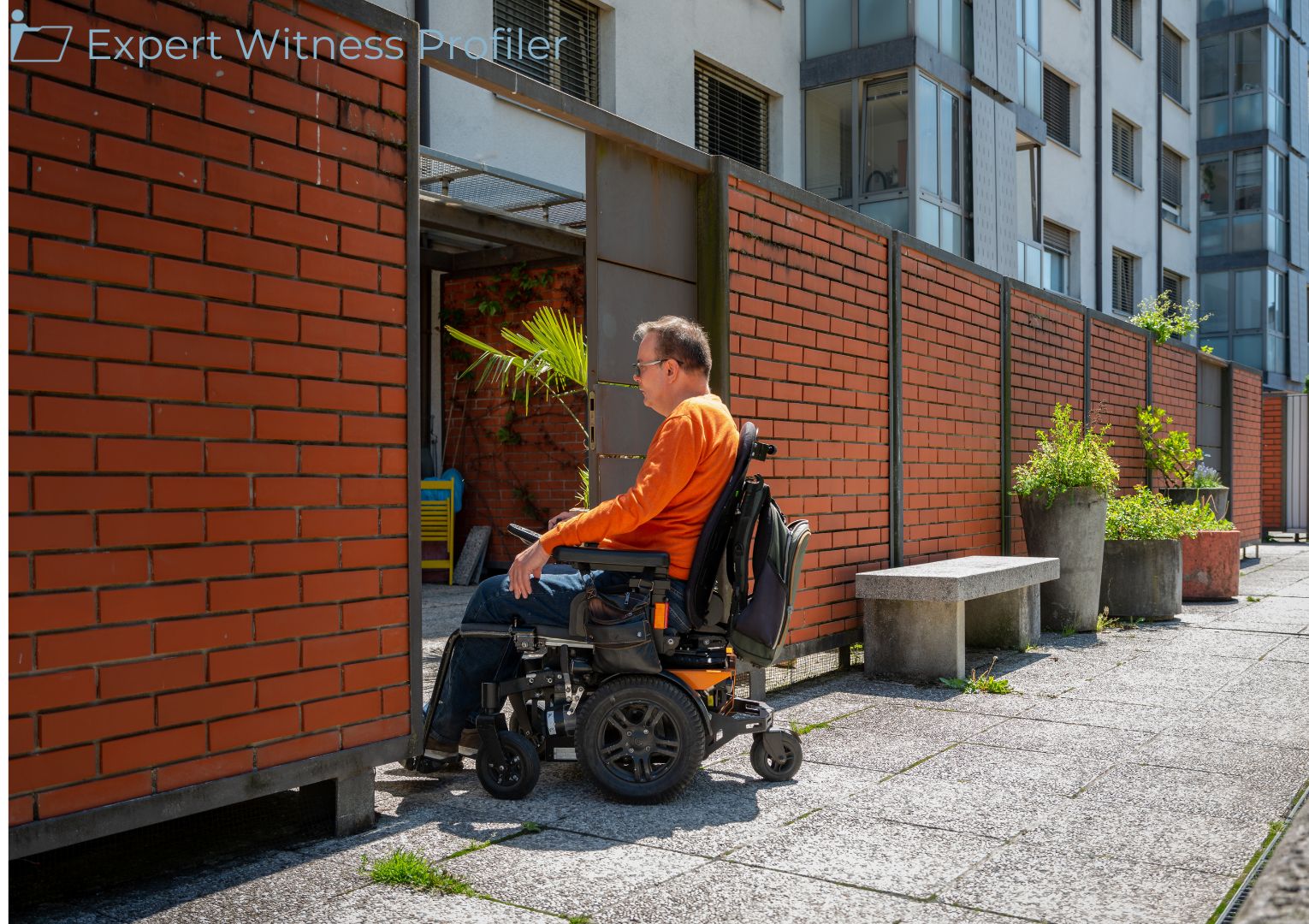
It all started when Lewis Youngman fell from his motorized wheelchair while driving on the entry gangway of the Defendant’s cruise ship, Mariner of the Seas. Youngman alleged that, as a result of Defendant’s negligence, a certain portion of the gangway was impermissibly steep, uneven, and mis-leveled. Consequently, Youngman argues, the uneven flooring caused his wheelchair to tip over. This alleged negligence then resulted in severe injuries.
Defendant sought to strike some of this expert testimony from Plaintiff’s expert witness, Frank Fore, and Plaintiff’s hybrid witnesses, Timothy Carter, M.D., and Mark Fulton, M.D. As to Fore (an engineer), Defendant sought to strike his opinion that Plaintiff would not have been ejected from his motorized wheelchair were it not for the impermissibly steep incline of the gangway. Additionally, Defendant sought to strike Fore’s testimony that, had one of Defendant’s crewmembers more appropriately assisted Plaintiff, in accordance with Defendant’s own internal policies, Plaintiff’s incident would not have occurred.
Further, Defendant sought to strike Plaintiff’s treating physicians, Carter and Fulton, for Plaintiff’s allegedly insufficient pretrial disclosure. Alternatively, if the Court deems Plaintiff’s disclosures to be sufficient, Defendant moved to strike certain testimony from Carter on reliability grounds.
Forensic Engineering Expert Witness
Frank A. Fore is a forensic engineer, his specialties include vessel dynamics, kinematics, and accident reconstruction; occupant and pedestrian biomechanical dynamics, kinematics and injury analysis, tribology and the engineering of interacting moving surfaces, including the study of the co-efficient of friction, lubrication, and wear.
Mark Fulton is a Board-Certified Diplomat by the American Board of Neurological Surgery and is a fellow American Association of Neurological Surgeons, who specializes in both complex spinal and intracranial surgery. He received his medical degree from University of Utah School of Medicine and served both a Residency program and a Surgical Critical Care Fellowship at the Ohio State University Hospitals.
Timothy D. Carter is a Board-Certified Diplomat by the American Board of Neurology, who specializes in neurology, internal medicine, and clinical neurophysiology. He received his medical degree from University of Florida School of Medicine and completed a year of internal medicine residency at the University of Virginia affiliated programs. His neurology residency and clinical neurophysiology fellowship were completed at the Medical University of South Carolina where he was also Chief Resident.
“Plaintiff would not have been ejected and injured had his mobility scooter not abruptly tipped over on the gangway’s steep slope … or if the Gangway and Transition Plate had not exceed[ed] the mandatory maximum slope requirements as set forth in the Americans with Disabilities Act and the Florida Building Code, inter alia.”
Defendant argued that this conclusion is inadmissible because Fore did not engage in sufficient—or indeed any—testing before reaching this conclusion. Specifically, Defendant avers that Fore had no information regarding the make or model of Plaintiff’s motorized wheelchair (which Fore mistakenly referred to as a mobility scooter throughout his report); did not know how much the wheelchair weighed; did not know how much Plaintiff weighed; did not know how many wheels the wheelchair had; did not consider, or even know, the speed at which the wheelchair was traveling; and lacked understanding of other important details before drawing his conclusion. Defendant also pointed out that Fore did no experiments or other tests before arriving at his conclusion.
Fore made no effort to gather pertinent facts before concluding that the slope of the gangway was the cause of Plaintiff’s injury
The Court held that Fore’s conclusion is borne almost entirely of “anecdotal experience or speculation.” Fore offered no awareness of any facts specific to Plaintiff’s situation, let alone that he considered those facts in his opinion. Specifically, Fore’s opinion is untethered to critical facts such as the speed at which Plaintiff was traveling, the assistive device in which Plaintiff was traveling, the weight at which Plaintiff was traveling, or other details which would be necessary to render a reliable, non-speculative methodology. To the contrary, Fore’s opinion is based entirely on the theory that the gangway appeared to him to be improperly sloped, juxtaposed against videos of other people ostensibly falling on the gangway. The Court “concluded that there is simply too great an analytical gap between the data and the opinion proffered.”
However, Plaintiff missed the operative purpose for which this testimony was offered: “Defendant’s conformity to industry safety standards.” Here, Defendant has wisely opted not to challenge the portion of Fore’s testimony that opines on whether the gangway conforms with industry standards. Given Fore’s stated experience and training, plus his review of the basics of the record in the case, the Court held that this conclusion does fall within the Daubert reliability standard.
The Court held that Fore’s opinion rests too strongly upon speculation, such that it is unreliable under Daubert and its progeny. And because Fore’s speculation-laden testimony that the allegedly improperly-sloped gangway was the but-for cause of Plaintiff’s injuries lacked legal reliability, the Court granted Defendant’s motion to strike that portion of Fore’s testimony.
However, the Court refused to strike Fore’s testimony that “certain building codes and guidelines or regulations were arguably applicable to the subject gangway and that any alleged deficiencies with the subject gangway may have contributed to Plaintiff’s incident.”
Fore may not, however, testify that Plaintiff’s “mobility scooter would not have tipped over” had Defendant complied with its policy
Defendant sought to strike the portion of Fore’s report that Plaintiff’s “mobility scooter would not have tipped over had an RCCL crewmember assisted [Plaintiff] as required by RCCL internal policies ….”
The Court decided that Fore may testify as to whether, in his opinion, Defendant complied with its own internal policies. Indeed, courts have held that it is not a legal conclusion to analyze a party’s actions against its internal policies, and to determine whether the party complied with those policies.
The Court held that Fore may not, however, testify that Plaintiff’s “mobility scooter would not have tipped over” had Defendant complied with its policy. This testimony certainly rings again of an ultimate legal conclusion; i.e., that Defendant’s alleged failure to comply with its policy was the but-for cause of Plaintiff’s injuries. Thus, this portion of Fore’s anticipated testimony is inadmissible as it is purely a legal conclusion.
Challenges as to the Disclosure of Mark Fulton and Timothy D. Carter
Mark Fulton and Timothy D. Carter are hybrid witnesses pursuant to Federal Rule of Civil Procedure 26(a)(2)(C). Both are treating physicians of the Plaintiff, who will offer opinions within their areas of expertise, as disclosed below, but who need not provide a written report.
In addition to no reports being disclosed, Defendant argued that Plaintiff’s description of the testimony was also vague. That description is as follows:
“The Plaintiff’s medical condition related to the injuries that the Plaintiff sustained as alleged in the Complaint, including Plaintiff’s current medical symptoms, past and future medical and surgical condition and treatment, injury causation, aggravation of injuries and preexisting conditions due to the subject incident, diagnosis, prognosis, permanency, disability, and impairment, … the reasonableness of the costs and necessity of the medical care and treatment that was performed on the Plaintiff and the nature and estimated cost of future necessary medical and treatment for the Plaintiff.”
While the Court doubted whether the disclosure’s description is sufficient, the Court readily found that the ample time to depose the expert witnesses cured any ostensible prejudice.
Challenges as to Carter’s Anticipated Testimony
Defendant lodged substantive challenges to Carter’s proffered testimony.
Carter is a neurologist who has been treating Plaintiff since 2017. In 2019, Carter seemed to indicate that Plaintiff was experiencing neurological issues, and in 2021 essentially reaffirmed Plaintiff’s 2019 condition. On August 21, 2022, Plaintiff experienced his fall, and on September 7, 2022, underwent neck surgery. Eight months after Plaintiff’s fall, in May 2023 (and again in June 2023), Plaintiff had a visit with Carter. At that point, Carter seemed to notice marked differences in Plaintiff, including significant declines in his “mental and cognitive status,” his “speech and language,” his “attention and concentration,” and other mental faculties. Now, Carter seeks to testify that “more likely than not … the confluence of events together [i.e., Plaintiff’s fall and subsequent surgery] certainly contributed to some degree of deterioration.”
Defendant argued that Carter’s causation opinions should be excluded because Carter relied too heavily on temporal proximity and failed to rule out other factors causing Plaintiff’s neurological demise. Specifically, Defendant argued that Plaintiff, per Carter, was beginning to experience decline before Plaintiff’s fall; that imaging showed Plaintiff’s brain was already losing size and blood flow; that Carter failed to rule out that Plaintiff’s recurring urinary tract infections, as well as opioid and cannabis use, contributed to Plaintiff’s cognitive decline; that Carter could not determine that Plaintiff’s cerebral fluid issues were caused by the fall; and that Carter could not connect Plaintiff’s bowel and bladder incontinence to the fall.
Defendant’s Unpersuasive Challenges to Carter’s Opinions are Meritless
Carter bases his findings on a years-long relationship with Plaintiff, myriad neurological testing over those years, unchallenged qualifications in neurology, Plaintiff’s accident and surgery, and observations based on those years of visiting with Plaintiff to conclude that “the confluence of events together certainly contributed to some degree of deterioration.”
The Court held that it suffices to pass muster under Daubert, regardless of whether Carter directly ruled out every other cause of Plaintiff’s sudden neurological decline, or in part considered temporal proximity.
And to the extent that Defendant challenged the certainty of Carter’s findings (i.e., that “the confluence of events” contributed to “some degree of deterioration”), the Court decided that the Defendant is entitled to draw out Carter’s certainty before the jury via cross-examination. But such an argument goes to the weight, not the admissibility, of Carter’s testimony.
Held
The Court granted Defendant’s motion to strike Frank Fore’s testimony that the allegedly improper gangway slope was the primary or but-for cause of Plaintiff’s injury (or in other words the accident would not have happened but for the slope).
The Court denied Defendant’s motion to strike Fore’s testimony that Defendant failed to comply with its internal policies.
The Court granted Defendant’s motion to strike Fore’s testimony that Defendant’s failure to comply with its internal policies is the primary or but-for cause of Plaintiff’s injuries (or in other words the accident would not have happened had Defendant followed its internal policies).
The Court held that any deficiency in Plaintiff’s disclosures of Mark Fulton and Timothy Carter will be cured so long as Plaintiff makes Fulton and Carter available for deposition within twenty days of this Order.
The Court denied Defendant’s substantive motion to strike the testimony of Carter.
Key Takeaways:
Defendant persuasively challenged the reliability of the methodology Fore employed to go a step further to conclude that the ostensibly-improper gangway was the but-for cause of Plaintiff’s injurious ejection. An ultimate causation opinion goes a great deal further than simply an opinion that industry standards were not followed. A causation opinion must be supported by greater analysis and investigation.
Fore’s testimony that “certain building codes and guidelines or regulations were arguably applicable to the subject gangway and that any alleged deficiencies with the subject gangway may have contributed to Plaintiff’s incident” certainly falls within his expertise and experience. And the work he undertook to reach that more limited opinion is sufficient for Daubert purposes.
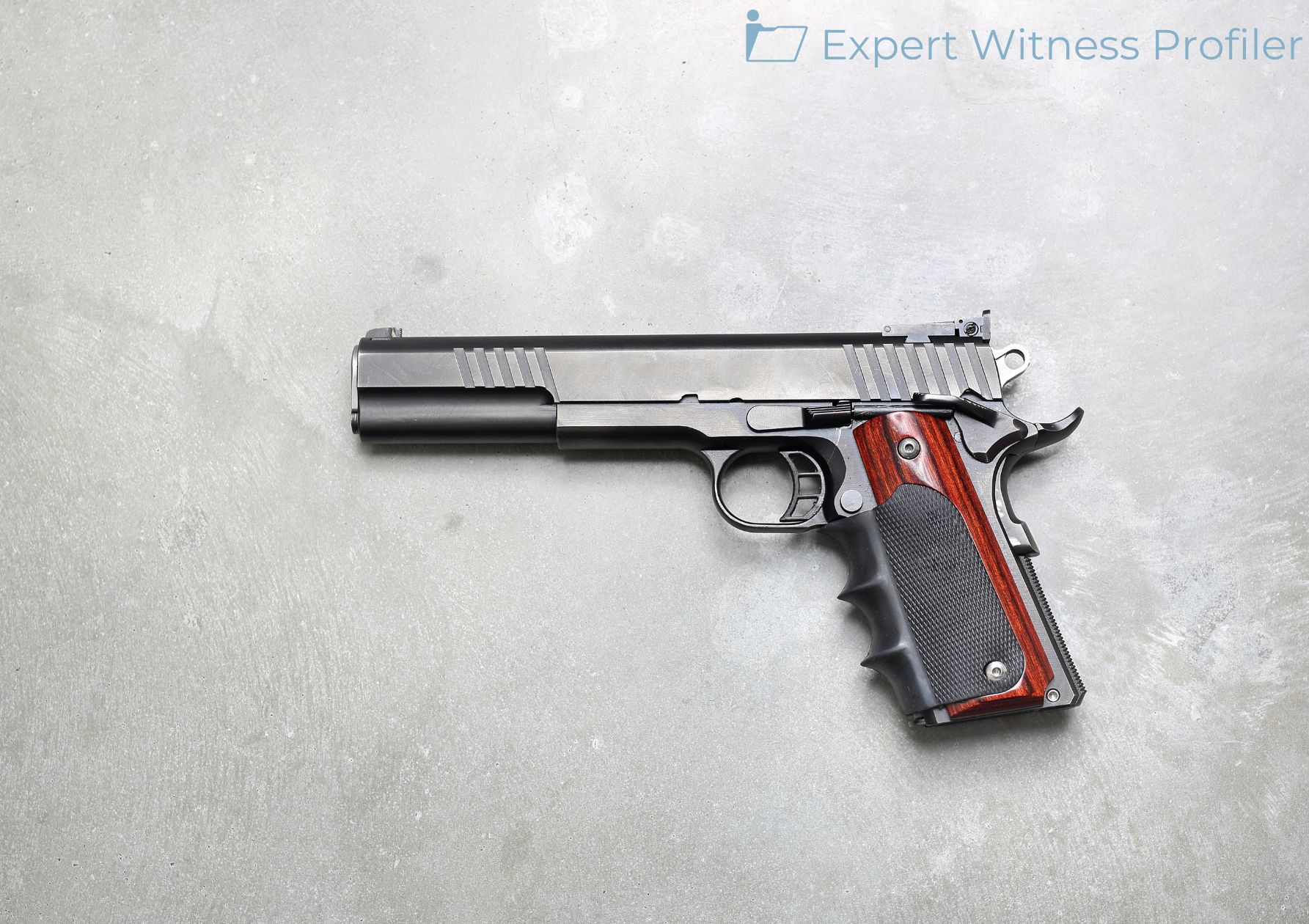
Plaintiff Michael Colwell alleged that a Sig Sauer P320, which he was issued in connection with his duties as a police officer in Troy, New York, discharged during a police training exercise even though Plaintiff never touched the trigger. Plaintiff testified that he put the gun in his holster during the exercise and was starting to move across his body to get his taser, or was “just about to get there,” when the gun discharged.
As a result, Colwell brought this diversity action against Defendant Sig Sauer, the manufacturer of a Sig Sauer P320 handgun which Plaintiff alleges discharged unintentionally, into Plaintiff’s thigh. Colwell asserted claims for strict products liability, negligence, breach of implied warranty of merchantability, breach of express warranty, and negligent and intentional infliction of emotional distress. His wife, Julia Colwell, asserted a claim for loss of consortium.
Defendants’ motions challenged the expert testimony of William Vigilante and James Tertin. The experts have opined that the lack of external safeties rendered the P320 defective because it is a single-action pistol with a short trigger pull, which makes it more likely to be actuated. Both experts have opined that the defective design was a cause of the unintentional discharge in this case.
General Background Regarding the P320
Tertin opined that the P320 had no external safeties. External safeties “help prevent unintended discharges by manually blocking the trigger from being pulled until the user decides they are ready to fire.” Competitors sell striker-fired handguns with external safeties, such as (1) thumb safeties and (2) tabbed trigger safeties.
Plaintiffs asserted that the failure to include a manual thumb safety and/or a tabbed trigger into the design of the P320 rendered the firearm defective and unreasonably dangerous.
Firearms & Ballistics Expert Witness
James Tertin is currently the director of research and development for Magnum Research, a firearms manufacturer based in Pillager, Minnesota. In that role, he is responsible for designing and developing new firearms for the company.
He has been a professional gunsmith since graduating in 1972 from the Gunsmithing School at Trinidad State College in Colorado; the oldest gunsmithing school in the United States. Over the past fifty years, he has been awarded seven firearm design patents.
William Vigilante graduated with a Doctoral of Philosophy and a Master’s of Science in Ergonomics (Human Factors) Psychology and a Bachelor of Science degree in Psychology (Cognitive track). He is also a Certified Professional Ergonomist by the Board of Certification in Professional Ergonomics. He has more than 25 years of experience in psychological and human factors research with a focus on human-machine interaction, control-display design, product design, hazard identification and mitigation, risk perception, situational awareness, perception-reaction time, and the design and testing of warning systems.
Plaintiffs sought to present Vigilante’s testimony “that the P320’s lack of safety features was a proximate cause of Plaintiff’s unintended discharge.” Vigilante testified that “had Sig Sauer integrated a tab trigger safety into the design of the Sig P320, the subject unintentional discharge would most likely not have occurred and Michael Colwell would not have been injured.”
The Court held that Vigilante’s knowledge of this particular incident is severely limited. He did not personally inspect the holster or the pistol. He read Plaintiff’s testimony but did not speak with Plaintiff or anyone with direct knowledge about the incident.
The Court found that Vigilante’s causation opinion did not pass muster under Rule 702 because it is not “based on sufficient facts or data”; it is not “the product of reliable principles and methods” and it does not “reflect a reliable application of the principles and methods to the facts of the case.”
Plaintiffs have cited cases in which Vigilante’s proffered testimony had established a connection between the alleged design defect and the facts of the particular case. In one case, there was video footage of the incident, leading to an undisputed theory of how the pistol discharged. Here, however, there was no video footage, no explanation as to why Colwell’s pistol discharged, and no experimentation.
James Tertin
In forming his opinions, Tertin relied upon his inspection of the P320 pistol used by Plaintiff, his inspection of an exemplar P320, his review of several competitor pistols, and videos of other similar incidents.
During his deposition Tertin testified that he did not review any file materials in this matter and understood the incident to have occurred as Plaintiff described it. Tertin did not inspect the Plaintiff’s holster and did not have an opinion as to whether Plaintiff’s hands were fully off the pistol at the time it discharged or what conclusions the police reached regarding the incident.
Tertin acknowledged that he had no information about whether Plaintiff would have engaged a manual thumb safety in this instance if one had been available. To that end, there is nothing in the record to demonstrate that a manual safety would have been engaged if the P320 had one. According to the Court, without any evidence permitting an inference that a thumb safety would have been used, a finding that the lack of a thumb safety caused the accident is pure speculation.
Tertin’s analysis hinges on “practical function” that because a pistol with a tabbed trigger has “one more step for safety,” Plaintiff’s pistol would have been less likely to fire if it had a tabbed trigger. Nevertheless, Tertin acknowledged that guns with tabbed triggers can discharge unintentionally too. It is worth noting that Tertin did not explain how a tabbed trigger would have prevented the accident if a foreign object, such as an article of clothing, had been caught in the trigger.
Held
The Court granted Defendant’s motions in limine challenging the opinions of William Vigilante and James Tertin.
Key Takeaways:
Vigilante’s causation opinion was excluded because of his severely limited knowledge of the incident.
Tertin’s conclusion that the lack of a thumb safety caused the accident is not supported by evidence permitting an inference that a thumb safety would have been used.
In October 2020, Sentilles (Plaintiff) was diagnosed with mesothelioma and subsequently filed a case asserting negligence and strict liability claims against multiple defendants, including Avondale (Defendant). He claimed that his asbestos exposure from the 1950s to the 1980s caused his illness. Sentilles stated that he was personally exposed to asbestos while working at Avondale’s shipyard in 1969. He also alleged secondary exposure from his brother, Tom Sentilles. Tom’s work clothes contained asbestos while they lived and commuted together during his employment at Avondale.
In his deposition, Sentilles testified that during May and June 1969, he worked in Avondale’s insulation shop sewing asbestos blankets for ships under construction. At that time, Avondale was building vessels under contract with the U.S. Navy, Coast Guard, and the United States Maritime Administration (MARAD), and he recalled that some of the asbestos blankets were installed on Navy ships.
Avondale’s Compliance with Federal Inspection Standards
Avondale was constructing vessels for the U.S. government, it raised affirmative defenses, including derivative sovereign immunity and government contractor immunity. To support these defenses, Avondale hired marine engineer and former Navy officer Herfel as an expert witness. Herfel issued two reports analyzing the specifications, policies, and knowledge of the Navy, Coast Guard, and MARAD regarding the use of asbestos materials on their ships.
Herfel’s reports began by outlining his qualifications. He then described the case-specific evidence he reviewed, including various depositions, Sentilles’s Avondale employment records, and vessel construction contracts and specifications. He also researched records pertaining to the government ships constructed and repaired at Avondale before, during, and after Sentilles’s employment at the shipyard.
Herfel essentially rendered two opinions. First, he opined that the government, as stated in its contracts and vessel specifications, required asbestos-containing materials to be used on its vessels, and Avondale was required to act in “strict compliance” with that requirement. Federal inspectors regularly inspected Avondale to ensure compliance. Second, Herfel explained that the government’s research on the health hazards posed by asbestos dates back to the 1940s and concluded that a private-sector shipyard, such as Avondale, could not have had greater knowledge of those hazards than the federal government.
Maritime Expert Witness
Christopher P. Herfel earned a Bachelor of Science degree in marine engineering, with a minor in shipyard engineering management. He served eight years as a commissioned officer in the United States Naval Reserve. He held a Coast Guard-issued third assistant engineer’s license for steam and diesel propulsion, with unlimited horsepower. Herfel worked as a shipyard superintendent, managing the repair and overhaul of various military and merchant vessels. This work included asbestos abatement projects. He later served as the president and chief executive officer of McCaffery & Associates, Inc. This company specialized in researching and analyzing Navy, Coast Guard, and other government documents related to ship design, construction, maintenance, and repair. For the past 21 years, Herfel has researched and interpreted contracts, specifications, and records concerning materials used in the construction, maintenance, and repair of federal vessels.
Sentilles argued that Herfel’s testimony and opinions should be excluded from trial, citing a lack of qualifications and improper methodology. He claimed that Herfel was unqualified because he was not an industrial hygienist and lacked a degree in naval or maritime history or policy. Additionally, Sentilles criticized Herfel’s methodology, arguing that he had not reviewed relevant documents about Avondale’s asbestos history, that his references to OSHA and safety standards were irrelevant, and that he had no experience interpreting contracts. Sentilles also contended that Herfel’s former status as a Navy officer might mislead the jury into believing he spoke on behalf of the government.
In response, Avondale defended Herfel’s qualifications, emphasizing his education, work experience, and research. They stated that Herfel’s training and experience made him uniquely qualified to explain the historic policies and practices of the Navy, Coast Guard, and MARAD concerning asbestos-containing materials. Avondale clarified that it did not present Herfel as an industrial hygienist or shipyard historian. It argued that his lack of a history degree was irrelevant since his expertise stemmed from years of research and experience. Furthermore, Avondale contended that Herfel’s methodology was sound and did not require peer review because his field was not scientific. They asserted that Herfel’s testimony would help the jury understand complex government records related to shipbuilding.
Helpfulness to the Jury
The Court, considering both sides’ arguments and Herfel’s qualifications, ruled that he was qualified to testify. It found his opinions relevant and reliable. The Court noted that Herfel’s experience as a marine engineer and Navy officer, along with his two decades of research, made him well-suited to explain the government’s shipbuilding practices and asbestos policies. The Court concluded that Herfel’s testimony would assist the jury in understanding the government’s role in requiring asbestos on vessels. It also highlighted Avondale’s compliance and the historical information about asbestos hazards.
Held
The Court ordered that Sentilles’s motion in limine to exclude Christopher Herfel be denied.
Key Takeaway:
The Court ruled that the expert’s qualifications and the reliability of their testimony were sufficient for admissibility. It highlighted the necessity for the district court to serve as a gatekeeper. This role ensures that expert opinions assist the jury and are based on reliable methodologies. The Court noted that the factors for assessing the reliability of expert testimony, as established in precedent, should be flexible and tailored to the specifics of each case. Furthermore, the Court pointed out that challenges to an expert’s opinions should be addressed through cross-examination rather than exclusion. It emphasized the need for jurors to consider the expert’s insights alongside the arguments presented by attorneys.
Case Details:
Case Caption:
Sentilles v. Huntington Ingalls Inc.
Docket Number:
2:21cv958
Court:
United States District Court for the Eastern District of Louisiana
On June 27, 2019, Plaintiff was involved in a motor vehicle accident with an underinsured driver. At the time of the accident, Plaintiff was covered by an Uninsured and/or Underinsured Motorist (“UM”) policy issued by Defendant. Plaintiff issued a demand to Defendant for settlement at policy limits. On August 26, 2020, Plaintiff filed a civil remedy notice (“CRN”) against Defendant, demanding $100,000 in UM benefits and asserting medical expenses exceeding $145,000.
Defendant retained Nicole Bonaparte to provide expert opinions and testimony on medical coding and billing. Specifically, the parties engaged Bonaparte to testify about the reasonableness of Plaintiff’s medical expenses and the billing practices used in connection with those charges. In her report, she opined that “the charges in this case were above the usual, customary, and reasonable charges in the community for the subject procedures and services.” The Plaintiff then moved to strike Bonaparte as an expert so as to preclude her from testifying at trial.
Medical Billing Expert Witness
Nicole Deniene Bonaparte, C.P.C., became a Certified Professional Coder after completing her Medical Coding Specialist Program in 1998 at the National School of Technology, North Miami Beach. She earned an A.A. degree from Miami-Dade Community College the same year. In 2000, she completed education classes, including ESOL, at Nova Southeastern University. She later received a Corporate Etiquette Consultant Certificate of Completion, specializing in Healthcare Protocol from the Protocol School of Palm Beach. She has extensive knowledge of medical terminology, diseases, surgeries, and insurance and medical billing terminology.
Plaintiff primarily challenges the helpfulness and reliability of Bonaparte’s testimony. The Plaintiff argued that the Court should exclude Bonaparte’s testimony for two reasons. First, they claim her proposed testimony is irrelevant and will not assist the trier of fact in deciding the ultimate issue in this case. Second, they assert that her opinions are not based on reliable methodology.
Plaintiff contended that his medical damages were already litigated in the Underlying Lawsuit, and Defendant is not entitled to relitigate Plaintiff’s damages in this case. In response, Defendant argued that “based on the record and established case law, Bonaparte satisfies each prong necessary to permit her testimony.”
A. Helpfulness
I. Relevance
The Plaintiff argued that the Court should exclude Bonaparte’s testimony because it was irrelevant and would not assist the jury. The Plaintiff contended that the probative value was outweighed by the risk of unfair prejudice and confusion. Also, the testimony could raise doubts about an issue already decided in the underlying case. Defendant countered that Bonaparte’s testimony was essential to “demonstrate that its decisions were based on an objective evaluation of the medical charges and were not made in bad faith.”
However, the Court sided with Plaintiff and held that Bonaparte’s testimony regarding the reasonableness of Plaintiff’s medical expenses and the billing practices used in connection with those charges would not be helpful to the jury and should be excluded. It noted that courts throughout the Eleventh Circuit, including the Eleventh Circuit Court of Appeals, have routinely excluded medical coding and billing experts under Daubert and Federal Rule of Evidence 403. The Court found such testimony irrelevant and unhelpful, as experts in this area are typically unqualified to testify as to the reasonable charges for the myriad medical procedures involved in injury cases.
II. Qualifications
Bonaparte’s curriculum vitae reflects that she holds certificates in medical coding, but does not have a medical education or training. Because Bonaparte holds no medical qualifications that would support her testimony as to the reasonableness of the medical procedures, the Court finds that her limited testimony on medical billing/coding would not be helpful to the jury.
However, Defendant disputed this conclusion, arguing that “an expert’s analysis is required to assist the trier of fact to assess the reasonableness of the medical charges at issue.”
However, Bonaparte is being offered to opine about the reasonableness of charges for medical services assumed to have been delivered rather than about whether the medical services billed reflected medical services delivered. In conclusion, the Court held that Bonaparte’s testimony would not be applicable where there is merely “a conflict over the reasonableness of charges for medical services, assumed to have been delivered.”
Held
The Court granted the Plaintiff’s Daubert motion to strike Nicole Bonaparte as an expert and preclude her from testifying at trial in this matter.
Key Takeaways:
Bonaparte’s limited testimony on medical billing/coding would not be helpful to the jury because she holds no medical qualifications that would support her testimony as to the reasonableness of the medical procedures.
Because there is a conflict over the reasonableness of charges for medical services, assumed to have been delivered, Bonaparte’s testimony would not be applicable because Bonaparte is being offered to opine about the reasonableness of charges for medical services assumed to have been delivered rather than about whether the medical services billed reflected medical services delivered.
Case Details:
Case Caption:
Collazo v. Progressive Select Ins. Co.
Docket Number:
1:23cv22953
Court:
United States District Court for the Southern District of Florida
On March 10, 2023, Subrigo International Corporation (“Subrigo”) initiated a lawsuit against Sentinel Insurance Company (“Sentinel”) in the Los Angeles Superior Court. Shortly thereafter, Sentinel transferred the case to the Federal Court. Subrigo’s claims arose from Sentinel’s refusal to cover property damage caused by flooding at its business location. Subrigo operated a data center in Los Angeles, which needed extensive infrastructure for its network, servers, electrical systems, and cooling. The insurance policy issued by Sentinel specifically covered loss or damage to the electrical equipment used in the data center.
After Subrigo reported its claim, Sentinel contended that it was not liable for coverage. Sentinel argued that Subrigo had not provided adequate documentation to support the claim. As a result, Subrigo pursued legal action, claiming breach of the insurance contract and breach of the implied covenant of good faith and fair dealing.
Subrigo retained insurance expert witness Gary Richman. He was tasked with assessing whether Subrigo had met its obligations in presenting its claim. Additionally, he needed to determine if Sentinel had properly investigated and evaluated Subrigo’s claim based on the relevant standards of care and the insurance policy’s terms.
In response, Sentinel moved to exclude certain parts of Richman’s opinions, arguing they exceeded his insurance expertise. Sentinel claimed that Richman lacked the necessary scientific, technical, or specialized knowledge to testify on the contested areas which relate to “whether the conditions at Subrigo’s facility caused damage to the electronic and computer networking equipment in question” and “whether any damage could be repaired.”
Insurance Expert Witness
Gary Richman offers consulting, expert witness, and litigation support services to attorneys and consumers involved in disputed insurance claims.
Since 1996, Gary has been the Principal at Richman Consulting LLC, where he offers expert analysis and insights in insurance claims and litigation. Before this, he worked at State Farm Fire & Casualty Company as both a Litigation Specialist and a Claim Specialist.
He earned a Master of Education and a Bachelor of Arts from UCLA. Richman also holds several professional licenses, including a Public Insurance Adjuster license and a California Clear Teaching Credential in Social Studies.
He was recognized as the first claims consultant to provide both a qualitative and quantitative analysis of an insurer’s wrongdoing as trial testimony. He has also helped to secure recoveries in excess of $200 million.
Sentinel aimed to exclude certain parts of Richman’s expert opinion. The company argued that Richman, retained to evaluate the “reasonableness and adequacy of [Sentinel’s] claim handling,” also provided testimony on electronic equipment that exceeded his expertise.
Sentinel pointed out certain highlighted sections of Richman’s testimony where Richman discussed the impact of water damage on Subrigo’s specialized electronic equipment. For instance, he stated that the water damage made the equipment “inoperable and completely unsalvageable” and that Subrigo could not have continued operations on the equipment as it would have been hazardous to employees and customers.
Furthermore, Richman asserted that “water-damaged equipment will never again provide that level of dependability and reliability.” He explained that the electronics used by Subrigo were highly sensitive and likely to fail if their optimal working conditions were not maintained. Richman also described what those ideal conditions were and repeatedly claimed that testing the damaged equipment was pointless. He believed the extent of water exposure had rendered the equipment unserviceable.
Sentinel emphasized that Richman’s technical knowledge about electrical equipment and its vulnerability to water damage exceeded his expertise as an insurance claims handler. During his deposition, Richman acknowledged that he had never handled insurance claims related to water damage to electrical equipment. He stated he would “defer to another expert regarding whether the computer items needed complete replacement” and “whether any functionality remained in these items.”
Given Richman’s own admissions and the fact that his expertise primarily involved insurance claims handling, Sentinel sought to prevent him from providing testimony about the impact of water damage on specialized electronic equipment.
B. Subrigo’s Counter-Argument
Subrigo contended that Sentinel exaggerated the expertise requirements of Rule 702. They argued that Richman did not need the “very specific experience that Sentinel was demanding.” Subrigo also stated that Richman possessed “immense qualifications to serve as an expert in this case regarding insurance industry claim handling.”
However, Subrigo did not directly address Sentinel’s specific arguments. Sentinel’s challenges focused solely on Richman’s capability to provide opinions about the complexities of Subrigo’s electrical equipment and how that equipment responded to water exposure.
C. Analysis
The Court agreed with Sentinel that Richman lacked the “minimal foundation of knowledge, skill, and experience” needed to provide expert testimony on the impact of water damage on specialized electrical equipment. While Richman could discuss how to handle insurance claims for advanced electrical equipment, he could not comment on the operability or functionality of that equipment after water exposure.
Consequently, the Court determined that certain parts of Richman’s proposed expert testimony must be excluded as beyond his expertise. Furthermore, since Subrigo did not present focused arguments regarding the specific sections of Richman’s expert report highlighted by Sentinel, it waived its chance to demonstrate how those sections were supported by Richman’s qualifications.
Held
The Court granted Sentinel’s motion to exclude Plaintiff’s insurance expert witness, Gary Richman, from offering opinions that he is not qualified to express.
Key Takeaway:
Richman lacked even the minimal foundation of knowledge, skill, and experience required in order to give ‘expert’ testimony” on the effect of water damage on specialized electrical equipment. Though he can opine as to how insurance claims for advanced electrical equipment should be handled, he cannot opine as to the operability or functionality of that equipment following water exposure.
Case Details:
Case caption:
Subrigo International Corporation V. Sentinel Insurance Company, Ltd. Et Al
Docket Number:
2:23cv3354
Court:
United States District Court for the Central District of California
On August 14, 2022, a man dressed in black and wearing a camouflage baseball hat entered a Ross store on Coors Blvd. He approached the cash register with a box of tweezers but, instead of paying, allegedly pulled out a handgun and demanded money from two cash registers at the front of the store. After obtaining the cash, he left the tweezer box on the counter.
An officer from the Albuquerque Police Department (APD) responded to the scene and interviewed witnesses. Crime Scene Specialist Laura Laskar later lifted latent fingerprints from the tweezer box. The APD Crime Lab analyzed these prints but found no matches in the fingerprint databases.
Months later, at the request of Task Force Officer Isaac Romero, Lydia Lujan from the APD Crime Lab compared the latent print to known prints of Mr. Roper (Defendant). Following a one-to-one comparison, Lujan identified Roper as the source of the latent print, although she noted distortions and scattered ridge details on the print card. On September 3, 2024, the United States filed a notice of its intent to call Lujan as an expert witness in fingerprint analysis at trial.
Defendant filed a motion to exclude the expert testimony of Lydia Lujan, Plaintiff’s Latent Fingerprint Expert witness.
Latent Fingerprint Expert Witness
Lydia Lujan has a bachelor’s degree in criminal justice and has spent over three decades in law enforcement. Specific to her testimony in this case, she worked as a Forensic Scientist — Latent Fingerprint Examiner from 2014 to 2023. During this time, Lujan completed several hundred hours of advanced training. She is a member of the “International Association for Identification” and has given numerous presentations on latent print identification.
Roper argues that the Court should exclude Lujan’s testimony because: (1) her anticipated testimony does not meet the admissibility requirements in Rule 702, and (2) her conclusion that Jason Roper was the source of the latent print collected from the scene of a robbery on August 14, 2022, and related opinions about fingerprint analysis overstates what the methodology reliably supports (3) Roper further argues that the ACE-V methodology “is subjective (4) he claims that Lujan impermissibly proposes to assert with “absolute or one hundred percent certainty” that he is the source of the latent print.
I. Lujan is Qualified
The Court found Lujan to have the specialized knowledge required to assist jurors in this case. After reviewing her credentials and prior testimony, it concluded that she was well-qualified. Lujan had previously testified as an expert in other cases, further solidifying her qualifications to testify here. Thus, Lujan was sufficiently qualified to testify as an expert witness in the field of latent fingerprint examination.
II. Lujan’s Testimony is Reliable and Admissible
The Court thoroughly analyzed Lujan’s testimony and deemed it reliable and admissible. It recognized that trial judges have discretion in deciding how to evaluate expert testimony. Once the testimony appears reliable, it should be admitted. The Court noted that any challenges to her testimony, including cross-examination or presenting contrary evidence, would allow the jury to decide how much weight to give it. Additionally, the Court dismissed arguments questioning the admissibility. It pointed out that these arguments only affected the weight of the testimony, not whether it should be allowed.
A. Daubert Analysis
The Court conducted a thorough Daubertanalysis, recognizing that the factors outlined in Daubert serve as helpful guidelines for assessing an expert’s methodology. It began by examining whether the theory had been tested and noted that numerous studies had reported error rates in fingerprint analysis. The Court acknowledged that Lujan testified her methodology underwent peer review, specifically referring to the “V” in the ACE-V method, which emphasizes validation. The Court also highlighted that fingerprint identification had been extensively published in scholarly journals.
Next, the Court considered the known or potential error rate, and found that the evidence indicated a low false positive rate of 0.1%, with literature suggesting the overall error rate is less than 1%. Each of the first three Daubert factors weighed in favor of the admissibility of Lujan’s testimony.
The fourth factor involved the existence and maintenance of standards in the field. Although Roper challenged the subjective nature of the ACE-V method, Lujan explained that her extensive training and adherence to procedural standards enhanced the reliability of her analyses. This factor presented a mixed view regarding admissibility.
Finally, the Court evaluated whether fingerprinting had achieved general acceptance within the scientific community. The Court concluded that the scientific community well-established and accepted fingerprint analysis as a reliable identification method.Consequently, the Court found that the overall Daubert analysis strongly favored the admissibility of Lujan’s testimony, asserting that Roper’s challenges pertained to the weight of the evidence rather than its admissibility.
B. Analysis of Roper’s Argument
Roper argued that Lujan’s expert opinion lacked sufficient facts, data, and methodology for reliability. He focused on the subjective nature of the ACE-V methodology. He claimed that the quality of the analyzed print was inadequate for proper comparison. However, the Court clarified that an expert’s opinion must reflect a reliable application of principles to the facts of the case. It asserted that the subjective nature of fingerprint comparison does not undermine its reliability.
The Court noted that while the ACE-V method relies on subjective judgment, established standards exist within the fingerprint examiner community to ensure quality. Lujan testified that she had never produced a false positive result, only false negatives. This aligned with the inherent nature of fingerprint identification. The Court highlighted that errors in fingerprint matching are rare. It stated that Lujan’s testimony remained reliable and admissible under Rule 702.
Regarding Roper’s specific concerns about the latent print being distorted, Lujan maintained that it was adequate for analysis. The Court stated that any doubts about the print’s quality were appropriate for cross-examination but did not warrant exclusion of her testimony. Further, The Court acknowledged that, given the average juror’s lack of familiarity with fingerprint identification, Lujan’s expert testimony would be beneficial.
Additionally, the Court set parameters for Lujan’s trial testimony. It prohibited her from claiming a “one hundred percent” match, noting that she did not make such assertions during the hearing. Additionally, the Court allowed her to express her opinion that fingerprint analysis is more reliable than forensic DNA analysis, based on her “twin” theory, which emphasizes the uniqueness of fingerprints even among identical twins. The Court found no merit in Roper’s objections and declined to limit Lujan’s testimony in the ways he requested.
Held
The Court concluded that Lydia Lujan was qualified to provide expert opinion testimony in the case due to her knowledge, skill, experience, training, and education. It found that her extensive background in the fingerprinting field provided a reliable basis for her proposed testimony, which she aptly applied to the facts of the case.
Key Takeaway:
The Court found that fingerprint analysis met the Daubert standards, having undergone testing, peer review, and widespread acceptance, despite its subjective nature. Concerns about distortion in the prints were suitable for cross-examination but did not warrant the exclusion of her testimony. The Court emphasized that such testimony would aid the jury’s understanding, and any challenges would affect the weight rather than the admissibility. Additionally, the court set limits on her claims of certainty, maintaining the reliability of her conclusion.
Case Details:
Case Caption:
United States v. Roper
Docket Number
1:23cr1617
Court:
United States District Court for the District of New Mexico
Plaintiff Franklin Square Condominium Owner Association alleged that a hailstorm on April 28, 2021, damaged its property at 817-831 Old Ranch Road 12, San Marcos, Texas 78666.
Franklin Square filed a claim with its insurance company, Defendant AmGuard Insurance Company. Plaintiff alleged that AmGuard breached the insurance contract by failing to pay the full amount of the claim.
Franklin Square designated two expert witnesses: Marc Camacho, a structural and civil engineer who would testify that a severe hailstorm on April 28, 2021, caused functional damage to the roof of the Property that would require full replacement; and Jeremy Duke, a general contractor who would testify on the cost to repair the Property and replace the roof.
Civil Engineering Expert Witness
Marc Camacho has over fifteen years of experience in engineering forensics investigations and/or design related to residential, commercial, and various other buildings and installations. His expertise includes forensic analysis, inspection, evaluation, engineering design, report/repair recommendations, and review/rebuttal of third-party reports. Camacho has extensive experience in various construction material types, installation and evaluation protocols, and component failure mechanisms, with understanding of construction plan implementation, building code interpretation, industry standards, and identification of storm-related damage.
Jeremy Duke holds a degree in Kinesiology and Business from the University of North Texas and an Associate Degree in Science from Navarro Junior College. Jeremy has obtained multiple certifications, including Xactimate 28 Level 1, and holds a Texas Real Estate License, enhancing his expertise in the roofing and general construction industry.
Since November 2014, Duke has been the owner of J. W. Duke Roofing and General Construction, where he has successfully managed various projects.
AmGuard asked the Court to exclude Camacho’s testimony as unreliable. AmGuard also contended that Duke’s testimony should be excluded because his report did not comply with Rule 26, he is not qualified to give expert testimony on the cost to replace a roof, and his estimate on interior repairs is unreliable.
Camacho’s Opinion Is Reliable
For expert testimony to be reliable, it must “be grounded in the methods and procedures of science and . . . be more than unsupported speculation or subjective belief.”
AmGuard argued that Camacho’s testimony that the Property’s roof must be replaced is unreliable because it is not supported by sufficient data or reliable methodology. AmGuard challenged Camacho’s opinion that hail damage to the concrete roof tiles “cannot be feasibly or effectively repaired” and remediation “will require full removal and replacement of concrete tile roof coverings” at the Property.
Camacho visited the Property on March 19, 2024, and inspected the roof and took photographs of the damage. His expert report stated that damage “consistent with historical impacts from hail” was present on roof tiles and metal components on the roof. AmGuard argued that the report is unreliable because Camacho only closely inspected a small percentage of the roof tiles and did not estimate the percentage of damaged tiles. However, Camacho testified that he viewed “all of the roof in general,” but that when performing a hail inspection, he “quite frequently will get down on his hands and knees to like really get up close and attempt to evaluate” only a fraction of a roof’s tiles.
Camacho also stated in his report that he observed several different types of hail damage on the roof and that the damage could not be feasibly or effectively repaired. Moreover, he explained how roofs can be damaged by hail and how functional damage reduces a roof’s water-shedding capability or lifespan. The Court found that Camacho’s opinion that the roof requires full replacement is grounded in a proper methodology and is not mere speculation.
Duke’s Report Does Not Comply with Rule 26
AmGuard argued that Duke’s testimony should be excluded because his report does not comply with Rule 26(a)(2)(B), which requires an expert report to include “a complete statement of all opinions the witness will express and the basis and reasons for them” and “the facts or data considered by the witness,” among other things.
Duke’s report consisted of his resume; photographs of the damage; and a damage estimate report created using “a computer software program known as ‘Xactimate’ which is commonly used by construction contractors and adjusters to create estimate reports.” Duke neither stated the basis and reasons for the damage nor explains how his experience is reliably applied to the facts of this case. Therefore, the Court found that his report does not comply with Rule 26(a)(2)(B).
Franklin Square has not shown that its failure to comply with Rule 26(a)(2)(B) was substantially justified or harmless
Rule 37(c)(1) requires courts to exclude expert testimony for failure to comply with Rule 26(a) unless the failure was substantially justified or harmless. Franklin Square contended that Duke’s report does comply with the rule and does not argue that its failure was substantially justified. Courts weigh four factors to determine whether a party’s violation is harmless: “(1) the importance of the evidence; (2) the prejudice to the opposing party of including the evidence; (3) the possibility of curing such prejudice by granting a continuance; and (4) the explanation for the party’s failure to disclose.”
The Court held that the first factor weighs in favor of Franklin Square because Duke’s testimony on damages would be important to a determination of the amount of Franklin Square’s claim. The second and third factors weigh in favor of AmGuard. Without an adequate statement of the basis for Duke’s opinion, AmGuard is prejudiced in its ability to prepare for his deposition and cross-examination at trial. Moreover, Discovery has closed, AmGuard has filed a motion for summary judgment, and “a continuance would result in additional delay and increase the expense of defending the lawsuit.”
Considering the four factors, the Court found that Franklin Square has not shown that its failure to comply with Rule 26(a)(2)(B) was substantially justified or harmless.
Held
The Court held that Defendant AmGuard Insurance Company’s motion to exclude or limit the testimony of Plaintiff’s designated expert witnesses is denied as to Marc Camacho and granted as to Jeremy Duke.
Key Takeaways:
Camacho’s opinion that the roof requires full replacement is grounded in a proper methodology because he observed several different types of hail damage on the roof to arrive at his conclusions. He explained how roofs can be damaged by hail and how functional damage reduces a roof’s water-shedding capability or lifespan.
If a witness is “relying solely or primarily on experience, then the witness must explain how that experience leads to the conclusion reached, why that experience is a sufficient basis for the opinion, and how that experience is reliably applied to the facts.” Duke neither states the basis and reasons for the damage nor explains how his experience is reliably applied to the facts of this case. Therefore, the Court finds that his report does not comply with Rule 26(a)(2)(B).
Case Details:
Case Caption:
Franklin Square Condominium Owner Association V. Amguard Insurance Company
On December 9, 2021, Plaintiff Darryl Everson was driving in Montz, Louisiana, when he claimed that Defendant David Rugg (“Rugg”) negligently felled a tree along the roadway. The Plaintiff contended that the tree landed on his car, causing injuries to his back and neck. Additionally, Plaintiff alleged that Rugg was employed by Defendant Romesberg Trucking Inc. (“RTI”), which was covered by Nautilus Insurance Company. He asserted that RTI and Rugg failed to exercise reasonable care in their tree-cutting activities near an active roadway. Specifically, Plaintiff claimed that they did not provide warnings, did not monitor approaching vehicles, inadequately trained Rugg, and created a dangerous situation.
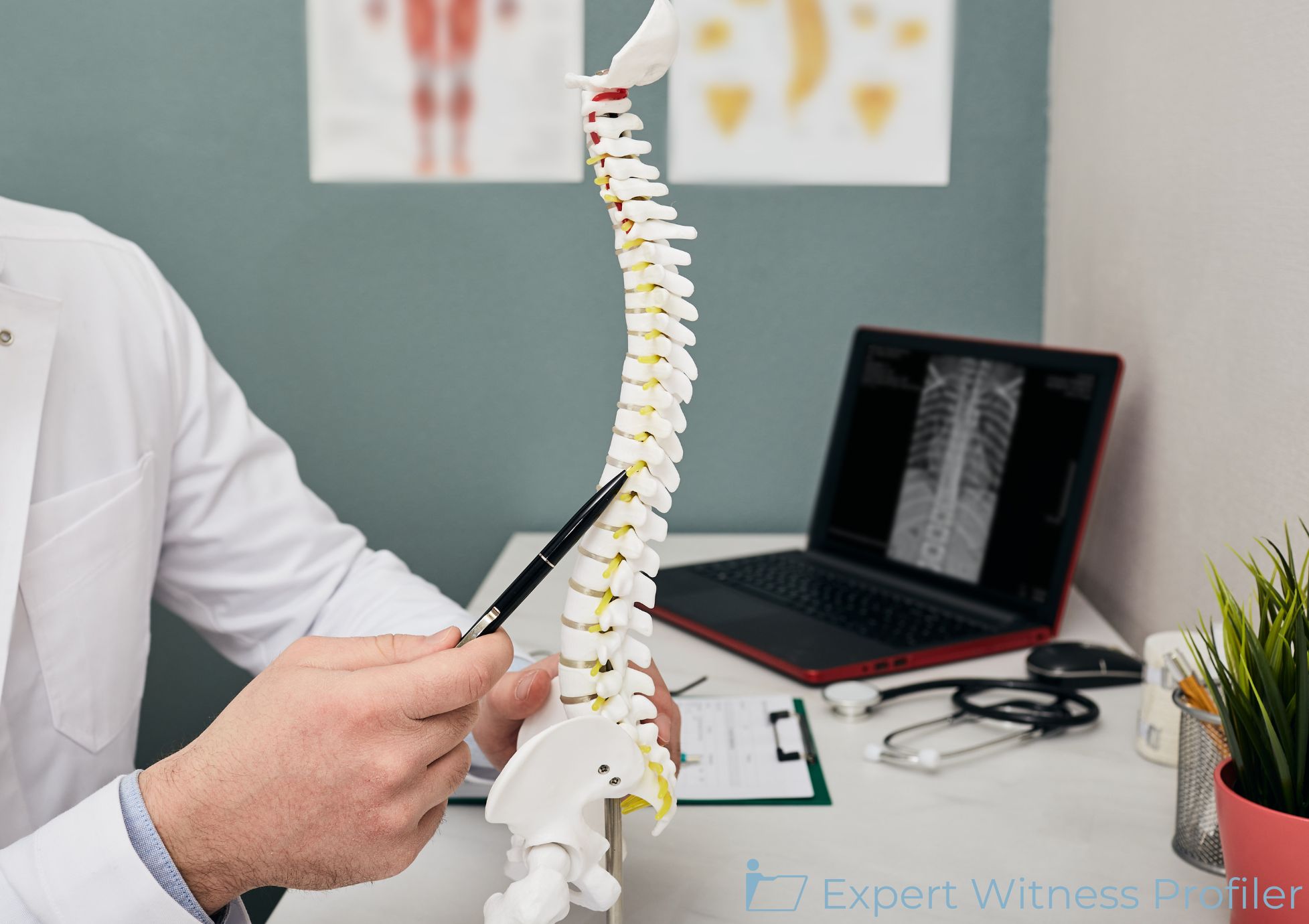
Defendants retained Robert Morris to read and interpret MRI images of Plaintiff’s spine area, specifically his L1 through S5 disc spaces.
Morris opined that all the disc spaces he reviewed were “unremarkable” except for the L4-L5 disc space, which Morris found to show a “small disc bulge with moderate central disc protrusion, resulting in moderate bilateral recess stenosis.” Overall, Morris opined that “the exact age of the disc bulge and protrusion at L4-L5 is indeterminate from this single exam.” He also found that “aside from the disc bulge and protrusion at L4-L5, the other levels appear normal.”
Plaintiff filed a motion to exclude the expert testimony of Dr. Robert Morris, Defendants’ expert radiologist.
Radiology Expert Witness
Robert W. Morris attended medical school at the University of Mississippi School of Medicine. This was followed by radiology residency and a musculoskeletal radiology fellowship at the University of Alabama at Birmingham. After fellowship, he worked in private practice radiology for several years before joining the faculty at UMMC in February 2016.
Plaintiff contended that Morris’ testimony should be excluded because (1) Defendants failed to comply with 26(a)(2)(B) and (2) Morris’ methodology is not reliable.
Defendant’s violation of Rule 26(a)(2)(B) can be rendered harmless by the recent continuance in this matter
Defendants argued that they complied with Rule 26(a)(2)(B) by including Morris on their witness list. Moreover, they contended that Plaintiff could have obtained the information by deposing Morris. The Court held that these arguments are meritless because Rule 26(a)(2)(B) squarely puts the burden on the party presenting the experts to summarize ‘the facts and opinions,’ not on the opposing party to figure it out.
Although the Court finds that Defendant’s violation of Rule 26 is not “substantially justified,” the Court concludes that the violation is “harmless.” This case has recently been continued, and Plaintiff now has several more months to review Defendants’ disclosures.
Morris’ testimony is sufficiently reliable
Prohibiting the jury from hearing about Morris’ opinions would increase the jury’s confusion
Plaintiff argued that allowing Morris to testify would be duplicative and confusing to the jury because Defendant has engaged another medical expert to opine on causation. The Court disagreed. Even if the Court prohibited Morris from testifying, the Defendant’s medical expert might still refer to Morris’ report at trial. Accordingly, prohibiting the jury from hearing about Morris’ opinions from Morris himself would increase, rather than decrease, the jury’s confusion about the separate specialties and opinions of Morris and the medical expert retained to opine on causation.
Morris will only be allowed to testify as to opinions expressed in his report
Defendants mentioned various uses for Morris’ testimony such as proving that Plaintiff had a pre-existing condition, that his weight caused his injuries, and that there is a consensus in the medical community that middle aged people have cervical and lumbar abnormalities. While Defendants may feel that Morris’ two listed opinions support those propositions, the Court noted that Morris does not actually offer any of these opinions in his report. If, at trial, Defendants ask Morris to opine outside of the scope of the opinions listed in his report, the Court will sustain an objection at that time.
To be clear, Morris will only be allowed to testify as to opinions expressed in his report including the specific “findings” as to each disc and the two opinions he provides: (1) “the exact age of the disc bulge and protrusion at L4-L5 is indeterminate from this single exam” and (2) “aside from the disc bulge and protrusion at L4-5, the other levels appear normal.”
Although the Court allowed Morris to testify, the Court granted Plaintiff’s request that Morris’ testimony be limited to the opinions expressed in his report.
Held
The Court denied the Plaintiff’s motion in limine to exclude Dr. Robert Morris.
Key Takeaway:
The Court found that Morris’ testimony is sufficiently reliable. Given the nature of the radiological practice—analysis of discrete images—courts routinely allow expert radiologists to testify even where they have not reviewed the Plaintiff’s medical records or examined the Plaintiff.
Please refer to the blog previously published about this case: