Tag: Reliable

  • Industrial Hygiene Expert’s Testimony on Environmental Exposure Limited

    Industrial Hygiene Expert’s Testimony on Environmental Exposure Limited

    Plaintiffs Erica Dandry Constanza and Monica Dandry Hallner alleged that Decedent Michael P. Dandry, Jr., while an employee for Huntington Ingalls Incorporated’s (“Avondale”), was exposed to asbestos and asbestos-containing products manufactured, distributed, sold, and/or handled by Avondale and other parties.

    Decedent was born in 1953, and the family home at the time of his birth was located at 407 Meyers Boulevard in Marrero, Louisiana, where he lived until he was two years old. Decedent also worked at a shoe repair shop located at 409 Meyers Boulevard. Both of these properties were part of a larger property located in the 400 block of Myers Boulevard at the intersection of Fourth Street, which was owned by Decedent’s grandfather.

    Decedent’s sisters and daughters testified that the Dandry family property located in the 400 block of Meyers Boulevard at the intersection of Fourth Street in Marrero was one property owned by Michael Dandry, Jr.’s grandfather, Randolph Dandry. The testimony of Decedent’s sisters confirms that Decedent played in the driveway/courtyard area, they played in a galvanized tub of water in the driveway area, they were always “in and out” of the various Dandry businesses, and they continued to visit the family property even after moving to Oak Street.

    Plaintiffs filed a motion to exclude certain opinions of Defendant Bayer CropScience, Inc.’s expert in industrial hygiene, Michael Holton.

    Industrial Hygiene Expert Witness

    Michael Holton is a Board-Certified Industrial Hygienist (CIH), a Board-Certified Safety Professional (CSP), and a Registered Environmental Health Specialist (REHS) in the state of New Jersey (inactive status) and has comprehensive industrial hygiene experience involving exposure assessment, ventilation system design, regulatory compliance auditing, and program development and training.

    Get the full story on challenges to Michael Holton’s expert opinions and testimony with an in-depth Challenge Study.

    Discussion by the Court

    Holton concluded there is “reasonably significant potential for community asbestos exposures to residents of Marrero, LA” and Decedent “more likely than not had exposure to amphibole forms of asbestos, including crocidolite, from living his entire life in the Westbank, LA area.”

    Reagan Maloney was hired by Avondale to take soil samples from the property. The Court, however, excluded Maloney’s testimony about the testing performed on those soil samples.

    While Holton relied wholly on Maloney’s report to establish that the soil at Decedent’s childhood family property contains asbestos, he did offer one alternative theory for Decedent’s potential environmental exposure. Holton opined that Decedent may have had environmental exposure to asbestos due to the close proximity of various properties he frequented while living and working on the Westbank, and those properties which were found to have soil contaminated with asbestos in the 90s and 2005 reports.

    With Maloney’s report excluded, Holton’s opinions about Decedent’s possible environmental exposures are based solely on the proximity theory and the circumstantial evidence of nearby asbestos-contaminated properties. Testing confirming the presence of asbestos in multiple locations surrounding areas where Decedent frequented on the Westbank is enough to support an opinion regarding what exposure to asbestos Decedent might have had living on the Westbank. However, Holton was not allowed to rely on Maloney’s report or opinions.

    Held

    The Court granted in part and denied in part Plaintiffs’ motion to preclude certain opinions of Michael Holton.

    Key Takeaway

    Although in some cases, “the source upon which an expert opinion relies is of such little weight that the jury should not be permitted to receive that opinion,” Plaintiffs have not demonstrated that this is such a case.

    Please refer to the blog previously published about this case:

    Radiation Oncology Expert’s “State of the Art” Opinions Admitted

    Industrial Hygiene Expert’s Testimony on Asbestos Exposures Admitted

    Case Details:

    Case Caption: Constanza V. Sparta Insurance Company
    Docket Number: 2:24cv871
    Court Name: United States District Court, Louisiana Eastern
    Order Date: February 23, 2026
  • Mechanical Engineering Expert Allowed to Opine on the Behavior of Wheelchairs

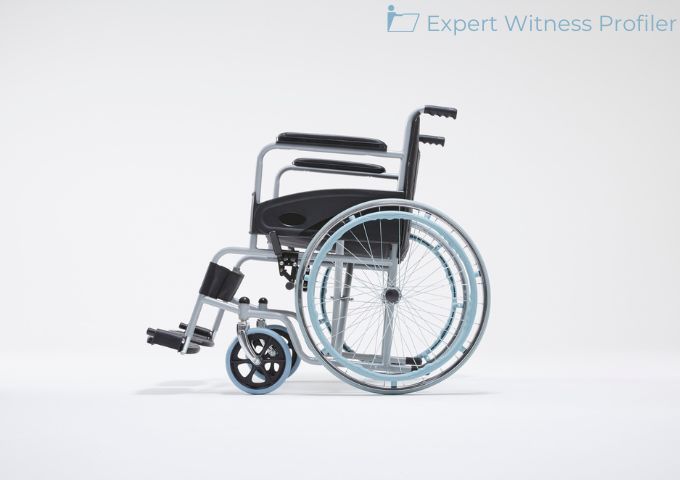
    Mechanical Engineering Expert Allowed to Opine on the Behavior of Wheelchairs

    This case arises from an incident in which Plaintiff William Dowdy was injured after falling from a temporary wheelchair while using his wheelchair ramp. The temporary wheelchair had been supplied by NuMotion while Dowdy’s regular wheelchair was being serviced and repaired.

    NuMotion sought to exclude the testimony of Plaintiff’s expert Mark Ezra, arguing that he lacks the proper qualifications, that his opinions rest on speculation rather than reliable methodology, and that his testimony will not assist the jury.

    Mechanical Engineering Expert Witness

    Mark A. M. Ezra is a board-certified professional engineer with a degree in mechanical engineering and a diploma in automatic control systems. His professional background includes decades of engineering practice, mechanical failure analysis, and forensic investigation.

    Want to know more about the challenges Mark Ezra has faced? Get the full details with our Challenge Study report.

    Discussion by the Court

    Qualifications

    NuMotion emphasized that Ezra is not a biomechanical engineer, has never worked for a wheelchair supplier, and has no experience as an Assistive Technology Professional (“ATP”).

    Mechanical engineering is directly relevant to the design, stability, braking systems, and mechanical behavior of powered wheelchairs—the very issues at the heart of this case. The Court therefore found that Plaintiff has shown by a preponderance of the evidence that Ezra is qualified to offer expert testimony.

    Reliability

    NuMotion argued that Ezra’s opinions lack a factual foundation, that he improperly relied on the testimony of ATP Vincent Fels, and that he cannot identify the precise electrical defect that caused the wheelchair to stop.

    Ezra’s expert report reflected a systematic engineering analysis grounded in physical inspection, measurements, documentary review, and application of mechanical principles. He personally inspected the TSS 300 wheelchair, took custody of it, and measured the slope of Plaintiff’s ramp. He reviewed the owner’s manuals for both the TSS 300 and the Jazzy 600, analyzed their braking systems, and compared their wheel configurations and stability characteristics. Ezra considered Plaintiff’s prior successful use of both wheelchairs on the same ramp and applied simple Newtonian mechanics to explain how a sudden stop would eject a seated user.

    Based on this analysis, Ezra concluded that the “most probable and direct cause” of the incident was a power failure in the TSS 300’s electrical system, which triggered the automatic deployment of the parking brakes.

    NuMotion also contended that Ezra improperly relied on ATP Fels’ testimony to opine on warnings and training. But Ezra’s core opinions concern mechanical behavior like stability, braking forces, and the consequences of a sudden stop, not ATP standards of care. The Court concluded that his references to Fels’ testimony serve only to contextualize the absence of instruction and the differences between the two wheelchairs, not to substitute himself for an ATP.

    Relevance

    NuMotion argued that Ezra’s testimony will not assist the jury because he cannot say whether NuMotion caused the defect or could have prevented it.

    But Rule 702 does not require an expert to resolve every element of liability. Ezra’s testimony will help the jury understand the mechanical forces at play, the behavior of the TSS 300 during braking, the significance of the design differences between the TSS 300 and the Jazzy 600, and the mechanical plausibility of Plaintiff’s account. These matters are well outside the knowledge of a lay juror. Whether NuMotion caused the defect is a separate question for the jury, informed by, but not dependent on, Ezra’s mechanical analysis.

    Held

    The Court denied NuMotion’s motion to strike the testimony of Mark Ezra.

    Key Takeaway

    This methodology of identifying possible mechanical causes, ruling out alternatives, and applying engineering principles to the physical evidence is consistent with accepted practices in mechanical failure analysis. The fact that Ezra cannot identify the specific electrical component that failed does not render his opinion unreliable. Experts are not required to pinpoint the exact microscopic failure mechanism where the available evidence supports a broader, scientifically grounded conclusion. Ezra’s reasoning is transparent, testable, and rooted in the materials he reviewed.

    Case Details:

    Case Caption: Dowdy V. United Seating And Mobility, LLC
    Docket Number: 3:23cv2875
    Court Name: United States District Court, Illinois Southern
    Order Date: April 01, 2026
  • Insurance Expert Not Allowed to Opine on Industry Standards

    Insurance Expert Not Allowed to Opine on Industry Standards

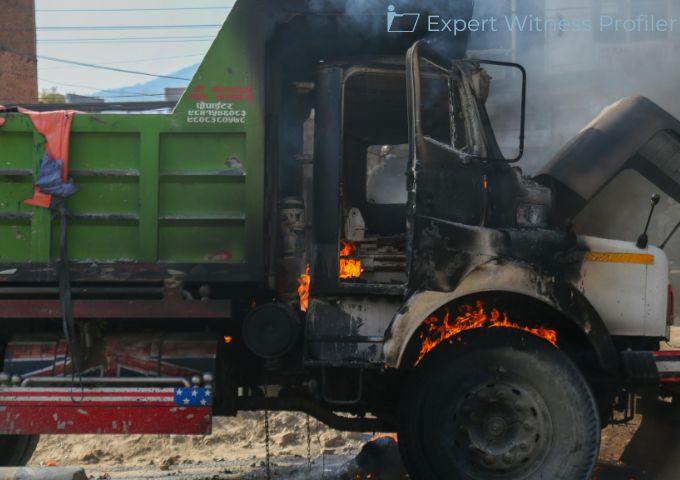
    This action arises from an insurance claim related to a vehicle fire that occurred on May 31, 2024, in Arkansas while Plaintiff Anthony Nicholas was driving from Tennessee to Oklahoma. Plaintiff submitted a claim to Defendant Progressive Direct Insurance Company that same day. Plaintiff alleged that Defendant failed to handle the claim in good faith and improperly subjected him to a fraud investigation.

    Also, Plaintiff retained Deborah C. Rankin as an expert related to Progressive’s handling of Plaintiff’s comprehensive coverage claim.

    Rankin’s expert report outlined her opinions on standards she asserted formed the basis for properly handling insurance claims and Progressive’s failure to follow those standards.

    Defendant filed a motion to exclude the testimony of Plaintiff’s expert Rankin.

    Insurance Expert Witness

    Deborah C. Rankin worked as a licensed insurance adjuster for thirty-three years, retiring from State Farm Insurance in 2016.

    Get the full story on challenges to Deborah Rankin’s expert opinions and testimony with an in-depth Challenge Study.

    Discussion by the Court

    I. Rankin is not qualified to provide expert testimony in this case

    While Rankin stated that she handled hundreds of property claims earlier in her career, Defendant noted that the last such claim she handled was in 1995.

    The Court found that Rankin is likely not qualified to offer expert testimony in this case. Rankin has been admitted as an expert in another case in this district, though that case dealt with an action for bad faith breach of a UM/UIM motorist policy. This case doesn’t involve a UM/UIM claim, but rather a comprehensive property claim.

    The Court is unconvinced that Plaintiff has met his burden to show that Rankin’s experience is sufficiently timely to qualify her as an expert in testifying to the claims handling process for comprehensive claims such as this. In reviewing the cases in which Rankin represents she’s provided expert testimony, it appears none of these cases were related to comprehensive claims like the one in this case. None of this is to say that Rankin might not be qualified to testify as an expert in a UM/UIM case—indeed, she has been—but that isn’t this case.

    II. Rankin’s opinions are not reliable

    Even if the Court had found Rankin qualified to opine on the issues in this case, the Court did not find Rankin’s methodology and reasoning reliable, for the simple reason that it was not clear to the Court how Rankin arrived at her reported conclusions. Rankin’s report failed to cite any specific industry standards to which insurers were to be held. Rankin vaguely stated that “insurance standards are based on multiple sources that work together to result in best practices.” She went on to say that those standards were based on state law, state case law, industry training, and best practices, but other than a cursory cite to the Unfair Claims Settlement Practices Act, Rankin did not further develop the foundation for the industry standards with which she contrasted Progressive’s actions.

    Further, the Court was uncomfortable admitting Rankin as an expert because, as the Defendant noted in her report, she misstated Oklahoma law in arguing that insurance adjusters were required to be licensed in Oklahoma and meet venue-specific training requirements.

    III. Rankin’s testimony will not assist the triers of fact to determine the facts in issue

    Finally, Plaintiff has failed to demonstrate how Rankin’s testimony will help the trier of fact to understand the evidence or to determine a fact in issue. The question in this case is whether Progressive “unreasonably, and in bad faith,” withheld payment of Plaintiff’s claim. Bad faith is a common law tort that requires the judgment of “reasonable, prudent people.”

    The jury will be called upon to consider the facts of the case and apply its own conceptions of reasonableness to them in rendering its verdict. The jury is not required to determine the reasonableness of Progressive’s actions with respect to any industry standards. That isn’t to say that failure to comport with industry standards can never be probative of bad faith, but when those “industry standards” are based on amorphous, vague, and sometimes incorrect references to supposedly governing laws, the testimony is more likely to confuse the jury than aid it.

    Held

    The Court granted Defendant’s motion to exclude the testimony of Plaintiff’s expert Deborah Rankin.

    Key Takeaway

    Plaintiff has failed to show that Rankin’s opinions reflect a reliable application of principles and methods to the facts of the case due to her inability to properly interpret Oklahoma law related to adjuster licensing.

    Case Details:

    Case Caption: Nicholas V. Progressive Direct Insurance Company
    Docket Number: 5:24cv813
    Court Name: United States District Court, Oklahoma Western
    Order Date: March 31, 2026
  • Insurance Expert Allowed to Opine on Diagnostic Methods

    Insurance Expert Allowed to Opine on Diagnostic Methods

    This first-party property damage case arises from a dispute to insurance benefits related to a July 15, 2019 hailstorm. AMCO issued a policy of insurance (the “Policy”) to PTT Properties, Inc. for property located at 411 Sable Boulevard, 525 Sable Boulevard, 501 Sable Boulevard, and 14410 E. 6th Avenue, Aurora, Colorado 80111 (collectively, “the Property”). Plaintiff inspected the Property and advised it sustained hail damage. On January 17, 2020, AMCO advised PTT that the estimate for each location was below the wind/hail deductible, so no payment was owed.

    PTT assigned its claim with AMCO to Plaintiff. Following additional review, AMCO amended its repair estimate and issued payment of $421,980.86 for the Actual Cash Value associated with 411 Sable and $154,992.60 for the ACV associated with 501 Sable after applying the respective deductibles. On May 27, 2020, Plaintiff’s counsel provided PTT’s invocation of appraisal. The parties proceeded to appraisal which became binding on September 14, 2021. The award was for $40,113.83 in Replacement Cost Value and ACV without consideration of any deductible or prior payments. Plaintiff asserted claims for breach of contract, and declaratory judgment vacating the appraisal.

    Plaintiff disclosed David Herring a building consultant, estimator, umpire, appraiser, and self-described expert in the field of first-party property damage claims.

    Defendant filed a motion to strike Herring as an expert because he is generally unqualified to opine on the matters addressed in his report, because he is “not a lawyer and has never adjusted insurance claims before.”

    Insurance Expert Witness

    David Herring has decades of experience working on insurance claims, including cost estimation, appraisal, umpiring, and testifying as an expert witness.

    Get the full story on challenges to David Herring’s expert opinions and testimony with an in-depth Challenge Study.

    Discussion by the Court

    A. Legal Conclusions

    AMCO argued that several of the opinions expressed in Herring’s report involve improper legal conclusions as well as opinions that improperly invade the province of the jury.

    While Herring may offer testimony articulating what he believes to be the relevant industry standards, and explaining—factually—how Defendant’s conduct did or did not comport with those standards, the Court excluded Herring’s opinions that Defendant’s conduct was unreasonable or insufficient as a matter of law, or was in violation of any statute. In other words, he is unqualified to offer such opinions as a matter of legal expertise and such ultimate conclusions would not be helpful to the jury and would improperly intrude on its fact-finding function.

    B. Reliability

    Next, Defendant sought to exclude the “entirety of Herrings’ opinions” “because they are not based on sufficient facts and are not the product of reliable principles and methods” and are “the type of ipse dixit that courts refuse to accept.”

    However, the record reflects Herring has experience as a claims adjuster, providing estimating services for property damage, and investigating insurance claims. Herring is qualified to opine on hail damage to roof systems and the cost to repair such damage. He also appeared qualified to provide opinions regarding the cause of damage and the diagnostic methods used in the industry to detect water damage.

    Defendant also argued that Herring’s report is not reliable because he opined that the engineering report from January 20, 2020, did not address the ongoing leaks and water intrusion issues when the Defendant argues it did. The Defendant is free to point out inconsistencies in Herring’s report or that his opinions should be afforded less weight than the expert opinions proffered by its expert. It will be up to the jury to determine which expert to believe.

    Held

    The Court granted in part and denied in part Defendant’s motion to exclude the testimony of Plaintiff’s expert, David Herring.

    Key Takeaway

    An insurance industry expert’s methodology has been deemed reliable when the expert “explains what he knew of insurance industry standards and practices based on his experience, explains the facts and evidence he reviewed in the case,” and opines on how the insurer’s handling of the Plaintiff’s claim “fell short of the relevant industry standards or differed from handling of similar claims in his experience.”

    Case Details:

    Case Caption: Hettick Contractors LLC V. Amco Insurance Company
    Docket Number: 1:20cv412
    Court Name: United States District Court, Colorado
    Order Date: March 30, 2026
  • Automotive Expert’s Opinion on Lost Sales Excluded

    Automotive Expert’s Opinion on Lost Sales Excluded

    Plaintiff Sun State Ford initiated this action for monetary, declaratory, and injunctive relief on September 8, 2023. Defendant Ford Motor Company is a manufacturer and distributor of Ford brand vehicles, and Plaintiff is a constituent franchise dealer. This case arises from Defendant’s alleged breach of oral contracts, perpetration of unfair business dealings, and other unlawful practices. 

    Defendant filed a Daubert motion seeking to exclude the testimony of Plaintiff’s expert, Joseph Roesner.

    Automotive Expert Witness

    Joseph F. Roesner possesses a B.A. in business administration and history from the Marymount College of Kansas and an MBA from the University of Arizona.

    Roesner has over 35 years of experience in the retail automotive industry and has conducted analyses and studies of hundreds of new motor vehicle dealerships of various line-makes, including Ford.

    Get the full story on challenges to Joseph Roesner’s expert opinions and testimony with an in-depth Challenge Study.

    Discussion by the Court

    Roesner was retained to determine whether the sale of “new retail Ford light and medium trucks by Rush Truck” impacted new retail Ford sales of Sun State Ford from October 2019 through 2024.

    Roesner was told to accept two assumptions in forming his opinions: (1) Sun State Ford was told that Rush Truck would only be serving the commercial truck market and would not be competing for retail sales, and (2) to assume that “as a matter of law,” Rush Truck should not have made new retail Ford sales, and such sales should have been made by other licensed Ford dealerships.” He outlined two primary opinions. First, he opined that during the relevant time, “Sun State’s sales of new retail Ford vehicles sold by Rush Truck . . . would have at a minimum been 86 vehicles.” Second, he opined that the percentage of new retail Ford vehicles sold by Rush Truck during the relevant period is inconsistent with a dealership only serving the commercial vehicle market.

    The Defendant argued that Roesner’s lost sales opinion is irrelevant and unhelpful because he did not convert the raw numbers or lost sales into damages. The Defendant also claimed that the opinions are unhelpful and unreliable because Roesner accepts assumptions from Plaintiff’s counsel that contradict the pleaded allegations and the testimony of Plaintiff’s main witness and therefore do not align with the facts of the case. Lastly, the Defendant asserted that the Plaintiff’s methodology is unreliable, because “some unknown number of what [Roesner] considered to be ‘retail’ sales could have been commercial sales.”

    A. Calculation of Damages

    The Plaintiff’s calculation of damages was not provided until August 28, 2025, after discovery closed on July 31, 2025, and after the Defendant filed its Daubert Motion. Furthermore, Roesner did not provide an opinion on the damages suffered by the Plaintiff. Since the Plaintiff failed to disclose its damages calculation until after discovery closed, making such evidence inadmissible, Roesner’s estimate of the sales allegedly lost to Rush Truck is unhelpful. Knowing the number of light-duty and medium-duty trucks sold by Rush Truck that should have been sold by the Plaintiff does not assist the jury in calculating damages. In short, nothing in Roesner’s report addresses the types of damages the Plaintiff identified in its Rule 26 disclosure.

    Accordingly, the Court excluded Roesner’s opinions regarding the number of new retail Ford vehicles sold by Rush Truck during the relevant period.

    B. Assumptions and Methodology

    Roesner was asked by Plaintiff’s counsel to assume that Rush Truck would only serve the commercial truck market and would not compete with Plaintiff for retail sales, and to further assume that, as a matter of law, such retail sales should have been made to other licensed Ford dealerships.

    Roesner’s assumption that Rush Truck was prohibited from selling any retail vehicles conflicts with the evidence. The question is whether this inconsistency between the assumptions and the facts renders Roesner’s opinion about Rush Truck’s retail sales, and thus those lost by the Plaintiff, inadmissible. The same issue applied to Roesner’s claim that the percentage of new retail Ford vehicles sold by Rush from 2019 to 2024 is inconsistent with a commercial truck seller.

    Roesner’s reliance on these assumptions undermines his methodology. That is, Roesner’s method for counting the sales that the Plaintiff “lost” to Rush Truck does not consider that Rush was allowed to make retail sales incidental to their heavy-duty truck and fleet customers. This is because he was instructed to assume that Rush Truck was prohibited from making any retail sales. 

    Roesner’s opinion on lost sales suffers from a similar flaw. He relied on the assumption that retail sales made by Rush Truck should have been made by other licensed Ford dealerships. This assumption overlooks the fact that Rush Truck was allowed to make retail sales incidental to its heavy-truck and commercial customers.

    Held

    The Court granted the Defendant’s Daubert motion to exclude Joseph Roesner’s opinions.

    Key Takeaway

    Roesner did not specify the data or analysis supporting his conclusion that if Rush’s retail sales were impermissible, they would have been captured by Plaintiff. 

    Because Roesner’s reliance on assumptions provided by Plaintiff’s counsel weakens his methodology for calculating “lost” retail sales and his characterization of Rush Truck as operating inconsistently with commercial sales, the Court excluded these opinions as unreliable.

    Case Details:

    Case Caption: Sun State Ford, Inc. V. Ford Motor Company
    Docket Number: 6:23cv1728
    Court Name: United States District Court, Florida Middle
    Order Date: March 27, 2026
  • Biogas Expert Allowed to Opine on Oxygen Requirements

    Biogas Expert Allowed to Opine on Oxygen Requirements

    In 2015, the City of Sioux Falls (the “City”) “commissioned the Sioux Falls Water Reclamation Facility Digester Gas Conditioning System Project (the ‘Project’) to add a new digester gas conditioning system to its water reclamation facility that would remove high concentrations of hydrogen sulfide to concentrations below 100 parts per million volume (ppmv), and that would remove siloxane to concentrations below 100 parts per billion by volume (ppbv), which would then enable the City to operate its GE Jenbacher gas engine generator to create electricity for the benefit of the City.”

    For reasons which are disputed by the various parties in this matter, the Project, particularly the Azzuro system meant to remove hydrogen sulfide, was unsuccessful.

    The City brought this litigation seeking damages against some parties involved with the Project. One of those Defendants, Azzuro, Inc., brought a counterclaim against the City.

    The City disclosed Lowell Howard, PE, as a retained expert witness in this matter. Azzuro filed a motion to exclude in part the testimony of Howard.

    Biogas Expert Witness

    Lowell E. Howard, PE has 40 years of experience designing, manufacturing, and installing or supplying biogas treatment systems. He has been involved in 20-40 biogas treatment system projects around the world, including several where the primary goal of the project was to remove hydrogen sulfide from biogas.

    Get the full story on challenges to Lowell Howard’s expert opinions and testimony with an in-depth Challenge Study.

    Discussion by the Court

    Azzuro challenged Howard’s opinions “because he is not qualified as an expert by knowledge, experience, training, or education on issues relating to biological desulfurization systems as required by Rule 702.”

    Azzuro argued that Howard’s testimony demonstrates an unawareness that renders any opinion he may have about a required oxygen level to be a “fundamentally unsupported conclusion based on pure speculation.”

    The City argued that Howard used “his experience and educated understanding of basic biological and chemistry principles and chemical processes at play in the biogas treatment industry, as well as the engineering principles and chemical processes necessary to remove hydrogen sulfide from biogas, to explain why the Azzuro system did not and could not work as designed.” And the City argued that although Azzuro “contended that biological systems are vastly different from media-based systems, it does not cite to any competing expert’s opinion, legal authority, or fact in the record to support that conclusory statement.”

    The City argued that although Howard “has not previously worked on a biological system like the Azzuro system, Howard has certainly demonstrated a sufficient understanding of the biogas industry as a whole, the design of biogas systems, and engineering principles and the chemical processes that must be considered in a biological hydrogen sulfide removal system in order to meet the qualification threshold under Rule 702 and Daubert.”

    Analysis

    The Court is persuaded by the City’s arguments. The Court believed that this is also the case with respect to Azzuro’s argument that Howard’s opinions lack a proper factual foundation. While Howard made the statements quoted above about his unfamiliarity with the Azzuro system, those statements are not automatically fatal to admissibility when the full record is considered. Howard’s report and further testimony suggested that he studied the Azzuro system and that, based upon this review, he does not believe it would work.

    Held

    The Court denied Azzuro, Inc.’s motion to exclude in part the testimony of Lowell E. Howard.

    Key Takeaway

    Howard is a decades-long veteran of the biogas industry. Where he opines on oxygen requirements for hydrogen sulfide removal, he does so relying on concepts of “[b]asic chemistry.” Howard does not hold himself out as an expert on the particular growth media in the Azzuro system or biological solutions in general. Rather, he admits some unfamiliarity with those systems and how they operate except in the broadest sense. Howard supplemented his knowledge by reading a study about biological systems, but he did not start on a clean slate because there are not different periodic tables of elements for fixed-bed media systems and biological systems.

    Case Details:

    Case Caption: City Of Sioux Falls V. Azzuro, Inc.
    Docket Number: 4:22cv4052
    Court Name: United States District Court, South Dakota
    Order Date: March 25, 2026
  • Environmental Engineering Experts’ Source-Identification Conclusion Excluded

    Environmental Engineering Experts’ Source-Identification Conclusion Excluded

    In this water contamination case, Defendants Dow Chemical Company and Vibrantz Corporation (collectively, “Defendants”) challenge the proof which Plaintiff Suffolk County Water Authority (“Suffolk”) proffers through its expert witnesses that dioxane-stabilized TCA is the source of the contaminant 1,4-dioxane in what it calls the TCA Claim Wells.

    Defendants did so through the opinions of their own expert witnesses John A. Connor and David T. Adamson. Suffolk did not challenge the bulk of the Connor/Adamson opinions, which are rebuttals to Suffolk’s experts. Rather, Suffolk filed a motion to exclude one subset of those opinions, namely, those opinions which affirmatively assert well-by-well conclusions as to source identification of the 1,4-dioxane in the wells.

    Environmental Engineering Expert Witnesses

    John A. Connor has over forty years of experience in environmental engineering, including specialization in “environmental site investigation, human health and ecological risk assessment, corrective action design, water resource development and remediation, and design and permitting of treatment facilities.” 

    He received an M.S. in Civil Engineering from Stanford University and is a registered Professional Engineer, a licensed Professional Geoscientist, and a Diplomate in the American Academy of Environmental Engineering.

    Want to know more about the challenges John Connor has faced? Get the full details with our Challenge Study report.

    David T. Adamson received his Ph.D. in Civil and Environmental Engineering from the University of Iowa and has over twenty-two years of research and environmental consulting experience. He has conducted research and authored technical articles on a wide range of topics related to subsurface contamination, including serving as Principal or co-Principal Investigator on research projects sponsored by the U.S. Department of Defense on topics such as 1,4-dioxane fate, transport, and treatment. Adamson has also consulted on a broad range of topics, including “chemical fate and transport, site investigation, remedy screening, risk assessment, remedial design, drinking water distribution, and litigation matters.”

    Get the full story on challenges to David Adamson’s expert opinions and testimony with an in-depth Challenge Study.

    Discussion by the Court

    II. The Connor/Adamson Report

    Connor and Adamson opined that TCA is the source of the 1,4-dioxane in only a small fraction of the TCA Claim Wells. Rather, they asserted, that the predominant source is septic system and wastewater releases. This conclusion appears in Section 3.3 of their Report, which consisted of pages 70-76 out of 160 pages, plus a mass of appended charts. Connor and Adamson opined that they identified ten relevant “lines of evidence” and that they used a “weight-of-evidence” methodology to assess the likely source of 1,4-dioxane in each of the TCA Claim Wells.

    The lines of evidence include, for example, TCA detections in each well, and land use within the capture zone. Section 3.3 contains an explanation of the lines of evidence as well as the experts’ ultimate conclusions that the weight of the evidence is consistent with a septic system and wastewater source of 1,4-dioxane in the vast majority of well fields containing TCA Claim Wells.

    Upon review of the Connor/Adamson Report and the appended charts, the Court found that there was in fact no well-by-well analysis in the report or in the charts.

    In the Report, Connor and Adamson did not assign numeric weight to the various lines of evidence or follow a decision tree to reach an ultimate conclusion.

    Analysis

    Defendants acknowledged that Section 3.3 contains only (1) a discussion of the ten lines of evidence and (2) Connor and Adamson’s ultimate conclusions as to the likely source of 1,4-dioxane in each of the TCA Claim Wells.

    Indeed, review of these appendices reveals a complete absence of analysis as to how the experts reached those final conclusions. Put another way, it is impossible to glean what the experts’ thought processes were in considering the cumulative effect of the thousands of data points that make up the purported “full form” well-by-well analysis.

    The Court rejected Defendants’ argument that the detailed narratives through which the experts intended to present their testimony, which they estimate could take up to three hours per well, can be discerned merely by looking at the charts. On the contrary, it is clear that Defendants intended to use the trial testimony to supply the missing explanations as to how each line of evidence factored into the ultimate conclusion as to each well.

    Indeed, if the charts themselves were a sufficient basis for understanding the experts’ reasoning in reaching their ultimate source identification conclusions, as the Defendants contended, then—after the experts’ general testimony applicable to all wells—the Defendants would need only to present the charts to the jury. 

    There is no way for the Court to evaluate whether the methods the experts used or the judgment they applied was reliable or not. As an example of why this is important, consider the undisputed fact that, with respect to some wells, the experts’ lines of evidence point to inconsistent or conflicting results as to the source of the 1,4 dioxane. Nowhere did the experts provide any analysis of how they resolved—or can resolve—such inconsistencies or conflicts. Rather, it is clear that their application of judgment is separate for each well, yet no effort has been made in the Report to set forth how those individual judgments were made.

    Finally, Defendants’ suggestion that they can have their experts describe in narrative form how they reached their source identification conclusions well-by-well for the first time at the trial, without having provided their analyses pre-trial, violated fundamental principles of pre-trial expert discovery.

    Held

    The Court granted Suffolk’s motion to exclude John Connor and David Adamson’s well-by-well assessment of dioxane sources.

    Key Takeaway

    The question is not simply whether Connor and Adamson may consider various lines of evidence together in reaching a conclusion. Rather, as explained above, the problem is that their Report does not present any analysis of how the various lines of evidence led them to their ultimate conclusions. In these circumstances, the Court is unable to determine the reasoned bases for Connor and Adamson’s analysis and whether it is truly reliable “at every step.”

    Case Details:

    Case Caption: Suffolk County Water Authority V. The Dow Chemical Company
    Docket Number: 2:17cv6980
    Court Name: United States District Court, New York Eastern
    Order Date: March 23, 2026
  • Economics Expert’s Earning Capacity Analysis Admitted

    Economics Expert’s Earning Capacity Analysis Admitted

    This case involves a workplace accident that occurred on July 13, 2023, while Plaintiff Jason Flores (“Plaintiff”) was working at ACS Manufacturing, Inc. (“ACS”) with a press brake machine (“Subject Press Brake”) manufactured by Accurpress.

    Plaintiff’s left hand was severely injured when the ram on the Subject Press Brake came down on his hand after he reached into the machine’s point of operation to retrieve a piece of debris.

    Plaintiff has brought a strict product liability claim alleging a marketing defect and a negligence claim alleging that Accurpress failed to exercise reasonable care in warning operators.

    Accurpress America, Inc. raised several arguments for excluding the opinions of Plaintiff’s economist, Lisa McGuff and prosthetics expert, Chris Lake.

    Economics Expert Witness

    Lisa McGuff has over 20 years of experience in economics and decision analysis. McGuff specializes in litigation and policy support for individuals, government, and the private sector. Her experience includes valuation and damages analysis, pricing, forecasting, royalties, and statistical analysis across a range of industries including energy, employment, real estate, and franchises.

    Get the full story on challenges to Lisa McGuff’s expert opinions and testimony with an in-depth Challenge Study.

    Prosthetics Expert Witness

    Chris Lake, L/CPO, FAAOP(D) is a Licensed and Certified Prosthetist Orthotist. Lake is a Fellow with Distinction of the American Academy of Orthotics and Prosthetics.

    Lake graduated from the University of Texas Southwestern Medical Center Prosthetics and Orthotics program in 1995. He completed a Prosthetic Residency (1996) at Southern Illinois University and an Orthotic Residency (1997) at the University of Oklahoma.

    Lake has specialized in upper-limb prosthetics since 1997.

    Want to know more about the challenges Chris Lake has faced? Get the full details with our Challenge Study report.

    Discussion by the Court

    1. McGuff Daubert

    First, Accurpress argued that McGuff’s earning capacity analysis should be excluded under Daubert because she allegedly failed to calculate damages as a measure of Plaintiff’s future earning potential subtracted from his past potential. Second, Accurpress complained that these same capacity opinions are improper because McGuff assumed he would be employed as a “steel worker” until the age of sixty-seven, a job in which he had his highest earnings, and which he left before the time of his accident. Third, Accurpress argued that McGuff’s analysis of household labor should be excluded because she allegedly does not account for Plaintiff’s post-injury capability to perform household labor. Fourth, Accurpress argued that McGuff’s earning capacity and household labor analyses should be excluded under Rule 403 because such analyses will be “confusing and misleading” without comparison to Plaintiff’s post-injury abilities.

    As the Court explained during the hearing, loss of earning capacity is different from lost wages, and, while it is helpful to compare after-injury earnings, that is not required here. Plaintiff counsel also persuasively raised during the hearing that there will be evidence that his current position is as a sheltered employee, which could end prematurely and may not properly reflect his future earnings. Moreover, McGuff’s calculations represented familiar calculations within the purview of an economist based on actuarial data that is typical in a tort case such as this one.

    Therefore, the Court found that McGuff’s earning capacity and household labor opinions are sufficiently relevant and reliable to survive Daubert.

    2. Lake Daubert

    First, Accurpress argued that Lake’s opinion that Plaintiff needed prosthetics is unreliable because he did not consult “treating physicians” or conduct “functional capacity exams.” Second, Accurpress complained that Lake’s opinions on the maintenance costs (ranging from 10-20% of the cost of the prosthesis) of the three he recommends are based solely on his experience and are inconsistent with alleged normative industry data (reflecting 3%). During the hearing, Accurpress’ counsel raised an additional argument that Lake’s opinions on the prosthesis are unreliable because Plaintiff has not had an amputation yet in the two-and-a-half years since his accident, which is a prerequisite to fitting a prosthesis.

    While Accurpress raised a slew of additional arguments, it provided no basis for such arguments grounded in Lake’s opinions or the facts. As a result, the Court found that Lake’s prosthetics opinions are sufficiently reliable.

    Held

    The Court denied Accurpress’ motions to exclude the opinions of Lisa McGuff and Chris Lake.

    Key Takeaway

    For expert testimony on topics that lack exactness, courts should consider factors such as the expert’s professional experience. Rule 702 does not prohibit an expert from reaching an opinion based on the expert’s experience and a witness’ experience can provide a reliable basis.

    Case Details:

    Case Caption: Flores V. Capital Machine Technologies, Inc.
    Docket Number: 2:24cv81
    Court Name: United States District Court, Texas Eastern
    Order Date: March 16, 2026
  • Emergency Medical Services Expert Was Allowed to Opine on Scene Safety

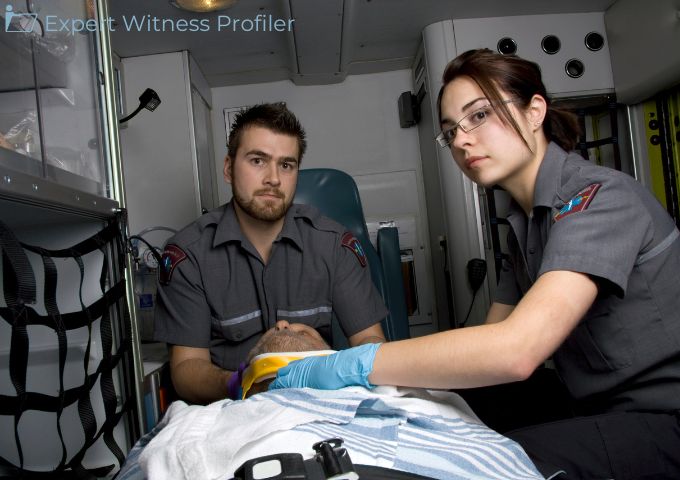
    Emergency Medical Services Expert Was Allowed to Opine on Scene Safety

    This litigation stems from the death of Charles Lamar Vanlandingham in September of 2019. Plaintiff alleged that Vanlandingham suffered a medical episode with seizure activity in the early morning hours of September 15, 2019, and Vanlandingham’s girlfriend called 911. According to Plaintiff, Vanlandingham started to improve in the time it took EMS to arrive. Following the seizure activity, Vanlandingham had apparently transitioned to a “postictal state” that can cause confusion.

    Although Vanlandingham was initially compliant with EMS upon their arrival, Plaintiff alleged that “EMS providers tried to force Vanlandingham onto their medical cot,” and when Vanlandingham did not comply, “[EMT] Tuttle ultimately tackled Vanlandingham onto the medical cot.”

    Once members of the Oklahoma City Fire Department arrived, Plaintiff alleged that the Firefighters used their body weight to pin Vanlandingham in the prone position for approximately three minutes before Oklahoma City Police Officer Brandon Lee arrived. Officer Lee then put handcuffs on Vanlandingham—still in the prone position—and placed his knee across Vanlandingham’s back.

    Plaintiff alleged that Vanlandingham was in this position, handcuffed, for approximately four minutes, during which time “no one checked Vanlandingham’s vitals or advocated for a position change despite Vanlandingham’s clear signs of respiratory distress.” “Without knowing Mr. Vanlandingham’s vitals and without performing any kind of medical assessment,” EMT Tuttle then administered midazolam (a sedative), and Vanlandingham went limp. CPR efforts were unsuccessful, and Vanlandingham died at the scene.

    Plaintiff’s claims are against Defendants City of Oklahoma City, Officer Brandon Lee, and American Medical Response Ambulance Service, Inc. (AMRAS).

    During discovery, AMRAS disclosed an expert report prepared by Jim Morrisey, EMT-Paramedic, M.A. Plaintiff contended that Morrissey’s opinions are not reliable as he has failed to provide a basis for his opinions.

    Emergency Medical Services Expert Witness

    Jim Morrisey, EMT-Paramedic, M.A is a certified and licensed paramedic in the state of California and former police officer. He holds both undergraduate and graduate degrees. His entire career has been focused on the field of emergency medicine and education including as a college level adjunct professor in emergency medicine.

    Over the last 35 years he has been involved in emergency medicine as a field practitioner, critical care paramedic, flight paramedic, backcountry wilderness paramedic and as an imbedded tactical paramedic with the San Francisco FBI SWAT team.

    Want to know more about the challenges Jim Morrisey has faced? Get the full details with our Challenge Study report.

    Discussion by the Court

    I. Morrissey’s supplemental report is timely

    Morrissey supplemented his expert report on May 28, 2025. In it, Morrissey expands on four of his opinions listed in his initial report but predominately provides supplemental explanations for the purported basis of his opinions. Plaintiff contended that Morrissey’s supplemental report is untimely under Rule 26.

    Here, the parties’ deadline for final witness and exhibit lists and discovery expired before Morrissey issued his supplemental report. However, Rule 26(a)(3) also refers to the deadline to file deposition designations, which has yet to expire. Accordingly, the Court found that Morrissey’s supplemental report is timely under Rule 26(e)(2).

    II. Daubert Motion

    Plaintiff argued that Morrissey should not be permitted to testify regarding his opinions because he did not identify how his experience in the emergency medicine services field led to his specific opinions or what he relied upon in reaching his opinions. Plaintiff asserted that Morrissey’s explanation of the purported basis of his opinions is insufficient, as they are too generalized to test Morrissey’s conclusions for their reliability.

    Upon review of Morrissey’s supplemental report, the Court found that he, at times, failed to adequately identify the basis of his opinions or explain how certain standards or his experience led to his conclusions. Morrissey’s experience in emergency medical services, standing alone, is not sufficient to support his opinions.

    By referring to the protocols and textbook as a basis for his opinion, Morrissey narrowly answers the question of what standards, customs, or practices he is applying to support his opinion.

    To the extent Plaintiff takes issue with a perceived lack of information or the conclusions Morrissey derived therefrom, Plaintiff may thoroughly cross-examine him at trial.

    However, Morrissey not only references the protocols and textbooks that he relies upon to support his opinions, but also his experience in emergency medical services when dealing with “situations where scene safety or patient presentation was quickly evolving.” Therefore, Morrissey’s opinion that “changes in patient status were promptly identified, assessed, and appropriately addressed” is sufficiently supported. So too is Morrissey’s opinion that “the Code was appropriately called after 35 minutes, when the emergency crews were unable to gain return of spontaneous circulation, and only after consulting with the hospital-based emergency physician.”

    Held

    The Court granted in part and denied in part Plaintiff’s motion to exclude the opinions of Jim Morrisey.

    Key Takeaway

    Morrissey’s opinions are based on his extensive knowledge and experience in the field of emergency medical services and the data, documents, and information he was provided regarding the Vanlandingham incident. However, the Plaintiff was left with little or no way to test Morrissey’s conclusions against any of the guidelines or factors involved in a Daubert analysis or to otherwise determine their reliability.

    Case Details:

    Case Caption: Vanlandingham V. City of Oklahoma City
    Docket Number: 5:22cv209
    Court Name: United States District Court, Oklahoma Western
    Order Date: March 18, 2026
  • Ophthalmology Expert’s Future Treatment Opinion Admitted

    Ophthalmology Expert’s Future Treatment Opinion Admitted

    This case arises from a trip and fall Plaintiff, Vivian Conerly, experienced on June 27, 2022 in the Hobby Lobby store in Hattiesburg, Mississippi. As she entered the store’s vestibule and rounded a display table, her shin struck a metal cart, and she fell face first onto the store’s concrete floor.

    Plaintiffs designated Dr. Jaime Jiménez as an expert. Jiménez is expected to testify that Conerly’s fall at Hobby Lobby caused the tributary branch retinal vein occlusion (“BRVO”) in her left eye and that she will require retinal injections as future treatment for this condition.

    However, Hobby Lobby sought to exclude his causation opinion on the grounds that it is unreliable because his opinion is based on facts he did not ask, examine, or otherwise determine from his treatment of Conerly.

    Ophthalmology Expert Witness

    Dr. Jaime Jiménez-Agosto is a board-certified ophthalmic surgeon. He is also fellowship-trained in vitreoretinal surgery. He has performed over fifteen thousand vitrectomies and more than fifty thousand retinal procedures.

    Get the full story on challenges to Jaime Jiménez’s expert opinions and testimony with an in-depth Challenge Study.

    Discussion by the Court

    A. Causation Opinion

    Hobby Lobby asserted that Jiménez’s opinion is unreliable because Jiménez admitted that he does not know whether Conerly performed a Valsalva maneuver and instead relies on the assumption that she did because he personally holds his breath when he falls.

    Having reviewed the record evidence, the Court found that Jiménez’s opinion that the fall caused Conerly’s tributary BRVO is not based on assumptions or ipse dixit. Instead, Jiménez reviewed Conerly’s history; he reviewed her deposition and noted that after the fall she immediately complained of pain in her eye and exhibited symptoms consistent with a tributary BRVO; he personally examined her and ran tests that showed the retinal swelling had gotten worse; and, most importantly, he watched the video that showed her falling rapidly and hitting the ground with the left side of her face, which arguably could be better evidence than Conerly’s own recollection. These are the types of records, documents and materials commonly relied on by medical experts.

    Hobby Lobby is asking the Court to assign significance to Jiménez’s “lack of factual knowledge” based on unestablished supposition of what is required for a tributary BRVO to occur. The record is not clear—could hitting one’s eye with significant force be enough? Would only compressing the abdominal area be enough? Without knowing exactly what is required, it is further unclear whether Conerly performing a “Valsalva maneuver” is even necessary. Similarly, as for Jiménez’s not knowing what delta-v force occurred presupposes that there must be a specific delta-v force experienced before a tributary BRVO can occur. Given the state of the record, the Court found that these are issues to be addressed on cross-examination.

    B. Future Treatment Opinion

    Moreover, Hobby Lobby sought to exclude any opinion regarding future treatment on the grounds that it is too speculative.

    Jiménez is one of Conerly’s treating physicians. He has testified about the healing process of a tributary BRVO—that it must be monitored and that treatment for swelling is provided when needed. With BRVO treatment, “you stretch it out as much as you can, but it’s very frequent to have relapses.”

    He treated Conerly on a regular basis throughout 2025. Basically, his ongoing evaluations provided him with additional clinical observations and data to refine his opinions.

    Therefore, the Court found that Jiménez’s opinion as a treating physician regarding future medical treatment was admissible.

    Held

    The Court denied Defendant’s motion to exclude or limit the testimony of Dr. Jaime Jiménez.

    Key Takeaway

    An expert may base an opinion on facts or data in the case that the expert has been made aware of or personally observed. As a general rule, questions relating to the bases and sources of an expert’s opinion affect the weight to be assigned to that opinion rather than its admissibility and should be left for the jury’s consideration.

    Case Details:

    Case Caption: Conerly V. Hobby Lobby Stores, Inc.
    Docket Number: 2:24cv118
    Court Name: United States District Court, Mississippi Southern
    Order Date: March 20, 2026