Blog

  • Computer Science Expert’s Testimony on the Value of Data Admitted

    Computer Science Expert’s Testimony on the Value of Data Admitted

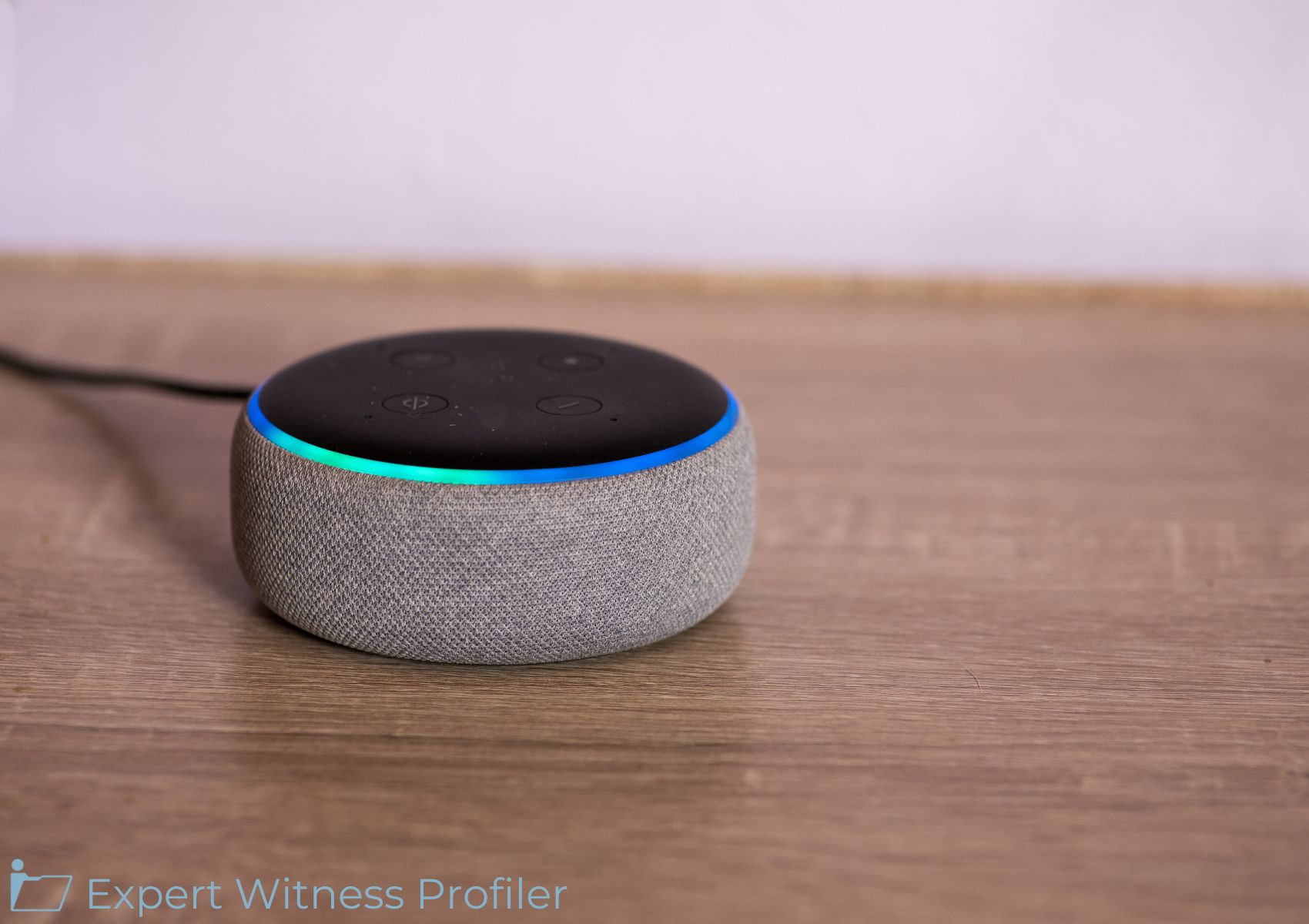
    This class action lawsuit arises out of Amazon’s practice of using smart-speaker technology (“Alexa”) to surreptitiously: (a) intercept; (b) eavesdrop; (c) record; (d) disclose; or (e) use millions of Americans’ voices and communications, all without their knowledge or consent. Such conduct blatantly violates Washington’s wiretapping law, which applies nationwide to Plaintiffs and all members of the Class.

    Defendants here, Amazon.com, Inc. and Amazon.com Services LLC (collectively, “Amazon” or “Defendants”), are therefore liable as a result of their egregious violations of the State Wiretapping laws – and are also liable for their violations of the Washington Consumer Protection Act (“CPA”), the Electronic Communications Privacy Act of 1986 (“Federal Wiretap Act”), and the Stored Communications Act of 1986 (“SCA”). Plaintiffs Kaeli Garner, Jodi Brust, Diane McNealy, Michael McNealy, Ricky Babani, Jeffrey Hoyt, Lorlie Tesoriero, Ronald Johnson, Selena Johnson and Caron Watkins (collectively, “Plaintiffs”) brought this action individually, and on behalf of a Class of similarly situated individuals, to redress those violations of law.

    Amazon filed a motion to exclude the testimony of Plaintiffs’ expert Jonathan Hochman. Defendants sought to exclude Hochman’s testimony that (a) a large collection of utterances or speech data has value and can be utilized for various purposes, (b) each individual user’s data has discrete value in and of itself, and (c) Amazon could have programmed Alexa to record only the voices of registered users.
    Computer Science Expert Witness

    Jonathan E. Hochman, PhD. has 35 years of experience in software product development, internet technology, online marketing, and cybersecurity. He is a Yale University graduate with four degrees in computer science. He currently teaches classes on computer privacy and is conducting research related to computer security, privacy, and distributed computing.

    Between stints as a student, Hochman founded companies aimed at assisting clients with internet marketing and internet security, developing secure and private user authentication options, and integrating systems to maximize data capture and efficiency. He has also served as an expert regarding online data collection practices, software development, marketing, e-commerce, and internet security. His most recent article and research involve the tension between maintaining large data repositories for machine learning and safe-guarding individual privacy.

    Fortify your strategy by reviewing a Challenge Study detailing grounds for excluding Jonathan Hochman’s expert testimony.

    Discussion by the Court

    A. Knowledge and Expertise

    Amazon argued that Hochman’s admitted expertise in amassing, handling, using, and analyzing data is not transferrable to this case because his experiences involved types of data other than voice data. The distinction is unexplained and is unclear in this context. The challenged testimony is being offered to show the ways in which large quantities of data are used to train and improve products (such as the Alexa device), to explain the means by which Amazon and other market participants value the data they use for such purposes, and to provide a basis for the jury to conclude that consumers have been injured by Amazon’s collection of the data. Whether that data is in the form of a key stroke or an utterance is not dispositive of the relevant legal analysis.

    Amazon also argued that Hochman lacks training and/or experience in economics and is therefore unable to assign a value to the data Amazon collects and uses. Hochman has not, however, offered an opinion regarding the actual value of the voice recordings at issue, either individually or en masse.

    Finally, Amazon objected to the opinions set forth in Section D.i. of Mr. Hochman’s report, namely that “it is technologically feasible for products to not record a voice that is not registered or recognized.” This opinion is based on Hochman’s interpretation of internal Amazon documents, his understanding of how Apple’s Siri virtual assistant works, and his work experiences with internet user authentication and identification through voice prints. The fact that he has not developed or created a voice print authentication system does not prevent him from opining that such a thing exists.

    B. Helpfulness

    Amazon argued that (1) proof that voice data has value to Amazon is insufficient to prove that Alexa customers were injured by Amazon’s taking of the data and (2) even if the collection and use of the data caused injury, Hochman has not proposed a damages model capable of measuring or calculating damages in the absence of individualized proof.

    Amazon does not dispute that it has a need for and values the voice recording data it collects. Before Alexa was capable of collecting the necessary utterances — i.e., before the product was fully deployed and in homes across the country — Amazon paid people to generate and contribute their audio data. Once Alexa became operational, however, Amazon opted to take, store, and use the utterances recorded by the system rather than pay users for that privilege. A reasonable fact finder could conclude that Amazon’s allegedly unfair acts deprived Alexa users of the opportunity to sell their voice data, thereby giving rise to an “injury to property” commensurate with the value of the taken data.

    While the collected data undoubtedly has a higher value to Amazon than it does to individual Alexa users, Hochman’s testimony is sufficient to allow the fact finder to conclude that, had Amazon not simply taken the voice recordings, a mutually agreeable price for the data could have been reached and the users were deprived of that value.

    Moreover, Hochman offers at least two common methods for establishing the value of the voice data Amazon took and used for its own purposes without compensation, namely (a) the fair market value of individual utterances or monthly subscriptions for the data and (b) the costs Amazon is incurring or has incurred to acquire non-Alexa voice recordings. 

    C. Regurgitation of Documents

    Amazon asserted that “most of Opinions 3 and 4” consisted of nothing more than quotations from Amazon’s documents and/or that the quoted documents require no expertise to understand and apply in this case.

    Amazon made no attempt to explain why Hochman should be precluded from relying on Amazon’s documents to support his opinions that the utterances Amazon has collected, individually and as a collective, have value.

    Held

    The Court denied the Defendants’ Daubert motion to exclude the testimony of Jonathan Hochman.

    Key Takeaway

    Hochman used his experience, education, and selected resources (including Amazon’s documents) to define the terms of art used in this litigation, to explain how Alexa works and improves with both positive and negative training data, to show why the data Amazon has been collecting has value, and to identify various choices Amazon made in furtherance of its efforts to collect voice data regardless of user privacy interests.

    Case Details:

    Case Caption: Garner V. Amazon.Com, Inc.
    Docket Number: 2:21cv750
    Court Name: United States District Court for the Western District of Washington
    Order Date: January 05, 2026
  • Pharmacoeconomics Expert’s Pricing Opinions Admitted

    Pharmacoeconomics Expert’s Pricing Opinions Admitted

    This is an antitrust action filed by Plaintiffs CareFirst of Maryland, Inc., Group Hospitalization and Medical Services Inc., and CareFirst Bluechoice Inc. (collectively, “CareFirst”) alleging that Defendants Johnson & Johnson and Janssen Biotech, Inc. (collectively, “J&J”) used monopoly power to unlawfully delay the introduction of biosimilar competitors for their drug ustekinumab (sold under the brand name “Stelara”).

    J&J filed a motion to exclude the testimony of Plaintiffs’ expert Dr. Aaron S. Kesselheim. J&J sought to exclude both of Kesselheim’s opinions on the grounds that they are unreliable or unhelpful to the jury.

    Pharmacoeconomics Expert Witness

    Aaron Seth Kesselheim, M.D., J.D., M.P.H., is a Professor of Medicine at Harvard Medical School and a faculty member in the Division of Pharmacoepidemiology and Pharmacoeconomics in the Department of Medicine at Brigham and Women’s Hospital.

    He is also a Visiting Professor of Law at Yale Law School, and has practiced internal medicine at Brigham and Women’s Hospital for over 20 years. Kesselheim holds an M.D. and J.D. from the University of Pennsylvania as well as an M.P.H. from Harvard.  Kesselheim assisted in founding the Center for Bioethics at Harvard Medical School and has published over seven hundred scholarly articles.

    Get the full story on challenges to Aaron Kesselheim’s expert opinions and testimony with an in-depth Challenge Study.

    Discussion by the Court

    Kesselheim’s expert report provides background information and two opinions related to the pricing of pharmaceutical drugs. J&J sought to exclude both opinions on reliability and relevancy grounds as well as background information Kesselheim provided regarding certain “life cycle management” strategies employed in the pharmaceutical industry.

    A. Kesselheim’s First Opinion

    Kesselheim’s first opinion discussed the historical impacts of “biosimilar competition on the market for biologic drugs” since the passage of the Biologics Price Competition and Innovation Act (BPCIA).  Specifically, Kesselheim opined that, in the fifteen years since BPCIA’s passage, “[b]iosimilar competition has an impact on pricing.” Kesselheim bases his first opinion “largely” on two studies he co-authored in 2021 and 2024, which examined two non-Stelara biologies and studied “how market structures altered by the BPCIA affected prices for biologies subject to biosimilar competition.” 

    J&J argued that Kesselheim’s first opinion regarding biosimilar competition generally should be excluded because it merely repeats findings from his two studies on other biologic drugs and makes no effort to reliably extrapolate those findings to Stelara.

    The Court held that Kesselheim’s first opinion is grounded in fifteen years of research and peer-reviewed studies examining how biological drug markets respond to biosimilar competition, and Kesselheim clearly applies those industry patterns to a hypothetical but-for scenario. J&J argued that Kesselheim should have performed an analysis beyond repeating the findings of his studies or ran “new regression models” more specific to Stelara. However, Kesselheim’s role is to explain market behavior based on consistent historical experience and thus is not required to have performed new quantitative analysis. Accordingly, any alleged gaps in Kesselheim’s analysis go to weight and can be addressed on cross-examination.

    Additionally, Kesselheim’s first opinion is helpful for the jury because it bears directly on what would have happened to Stelara prices absent the alleged anticompetitive conduct. Kesselheim’s first opinion situates Stelara within the broader context of a competitive biologies market, including comparator biologies such as Humira and J&J’s own Remicade. Thus, Kesselheim provided the jury with a framework for understanding how a competitive biologies market typically functions.

    B. Kesselheim’s Second Opinion

    Kesselheim’s second opinion discussed the likely “effects of biosimilar competition on the ustekinumab market if one or more biosimilars launched in or around September 25, 2023.” Kesselheim opined that if one or more biosimilars launched at that time, “there would have been a meaningful lowering of spending related to this drug by all different categories of payors in the U.S.”

    J&J sought to exclude Kesselheim’s second opinion on the grounds that it is unreliable and unhelpful speculation. J&J argued that Kesselheim utilized no specific methodology or analysis to draw his conclusions. According to J&J, Kesselheim’s conclusions rest on analogies to other drugs such as Humira, ignore available evidence from actual biosimilar entry, and amount to impermissible ipse dixit.

    Kesselheim’s conclusion that earlier biosimilar entry would have led to a meaningful reduction in Stelara’s net price is grounded in reliable, peer-reviewed research as well as consistent historical experience across biologic drug markets. Kesselheim’s conclusions are not merely speculation, as J&J contended. Rather, in his report, Kesselheim synthesized data from multiple biosimilar launches and explained why Stelara shares salient market characteristics with comparator drugs such as Humira. This is not only reliable expert testimony but also relevant context for the jury to understand how biosimilar entry affects biologic pricing.

    Furthermore, the Court is not persuaded by J&J’s argument that Kesselheim’s opinion is faulty because he did not specifically examine the data following the entry of a biosimilar drug to ustekinumab in January 2025. Given the timing of the events in this litigation, such data simply was not available when Kesselheim prepared his report in March 2025.

    C. Kesselheim’s Discussion of Life Cycle Management Strategies

    Kesselheim opined on how “life cycle management” strategies in the pharmaceutical industry are an important factor affecting biosimilar availability. Kesselheim opined that “life cycle management” strategies is a “broad term” describing “drug manufacturers’ strategic efforts to extend their drugs’ market exclusivities, prolong commercial viability, or strengthen their competitive positions in a market.” J&J sought to exclude these observations on the grounds that they are “not grounded in the facts of this case” and are unhelpful to a jury. J&J argued that these “generalized musings” are untethered to either of CareFirst’s theories of liability in this case and thus would risk misleading the jury by introducing irrelevant industry practices that CareFirst does not allege are unlawful.

    The Court held that Kesselheim appropriately draws on his specialized knowledge of industry practices and incentives to provide context for why J&J’s alleged conduct fits within established industry patterns. J&J’s objections that Kesselheim “was not even aware of the biologic manufacturing patents at issue” and “did not review any of the settlements that J&J entered with biosimilar manufacturers” went to the weight, not admissibility. 

    Held

    The Court denied J&J’s motion to exclude the testimony of Dr. Aaron Kesselheim.

    Key Takeaway

    Kesselheim’s observations on pharmaceutical life cycle management are admissible as reliable and relevant testimony. Kesselheim’s opinions on this issue are grounded in specific academic research examining how branded drug manufacturers use secondary patents and related strategies to extend market exclusivity and delay biosimilar competition. This type of experiential expert testimony does not need to rest on quantitative analysis specific to Stelara to be reliable.

    Please refer to the blog previously published about this case:

    Marketing Expert’s Testimony on Patent-Related Barriers Admitted

    Case Details:

    Case Caption: Carefirst Of Maryland, Inc., Et Al. V. Johnson & Johnson
    Docket Number: 2:23cv629
    Court Name: United States District Court, Virginia Eastern
    Order Date: December 23, 2025
  • Transportation Expert Was Not Allowed to Opine on Hiring Practices

    Transportation Expert Was Not Allowed to Opine on Hiring Practices

    Plaintiff Casey A. Drake sued the Defendants Crete Carrier Corporation and Reuben Robert Shaffer for personal injuries arising from a vehicle collision. Drake was riding in a car driven by his niece, Erica Diehl. Shaffer was driving a tractor-trailer. As the two drivers passed a wrecked vehicle, they collided.

    Drake retained Robert Kelly and Jack Leifer as experts to testify that Shaffer caused the collision. The Defendants filed motions to exclude their testimony.

    Transportation Expert Witness

    Robert P. Kelly was a police officer for ten years. During that time, he investigated more than 300 collisions involving commercial vehicles. He has certifications specific to traffic enforcement and is certified as a driving instructor for commercial vehicles.

    Discover more cases with Robert Kelly as an expert witness by ordering his comprehensive Expert Witness Profile report.

    Accident Reconstruction Expert Witness

    Jack Leifer is a mechanical engineer who has taught university courses relating to dynamics, kinematics, and statics and has published multiple works related to the relationships between impacts and force.

    He is an affiliate of the Society of Accident Reconstructionists and a member of the Texas Association of Accident Reconstruction Specialists. Leifer is responsible for numerous publications and presentations about topics related to accident reconstruction, and he has participated in continuing education courses dedicated to accident reconstruction.

    Want to know more about the challenges Jack Leifer has faced? Get the full details with our Challenge Study report.

    Discussion by the Court

    Robert Kelly

    A. Qualification

    The Defendants argued that Kelly is not qualified to opine on the cause of the collision because he is not an accident reconstructionist.

    A police officer may testify about the cause of a traffic accident if he has sufficient skill and knowledge. As a result, the Court held that Kelly has sufficient experience working with commercial vehicles and investigating collisions involving them to opine on the cause of the collision at issue here.

    B. Reliability

    The Defendants also argued that Kelly’s testimony would be unreliable because he based his opinion solely on two photographs and did not visit the accident scene, conduct any interviews, or take any measurements.

    Kelly based that opinion on his review of footage recorded by a responding police officer’s body camera, two frames of which are reproduced in his report. Those frames appear to show the hood and front tires of the disabled vehicle extending into the right lane over the dashed white line that divides the road. Kelly also reviewed the responding officer’s crash report, which repeated Diehl’s claim that Shaffer moved from the right lane into the right-hand shoulder and struck her car.

    Whether a vehicle has space to maneuver is the kind of determination an expert can make based on his review of photographs and videos alone. By reviewing the images available here, Kelly could see the amount of unobstructed space in the right lane of traffic and, applying his knowledge, determine whether or not a tractor-trailer would be able to safely traverse the lane without moving into the shoulder.

    C. Irrelevance of Crete’s conduct

    Kelly also stated his opinions about Crete’s hiring of Shaffer, Shaffer’s qualifications, whether Crete kept adequate records, and whether Shaffer was adequately trained. The Defendants challenged those opinions as unreliable and as irrelevant to the central issue of causation. Drake did not assert a direct negligence claim against Crete. He sought to hold Crete vicariously liable for Shaffer’s alleged negligence at the time of the collision.

    Whether Shaffer was qualified, whether Crete kept adequate records, and whether Shaffer was adequately trained do not bear on whether Shaffer was negligent at that time. Evidence that has no tendency to make a material fact more or less probable is not admissible. As such, the Court excluded Kelly’s opinions about hiring, qualifications, record keeping, and training.

    Jack Leifer

    A. Qualification

    The Defendants argued that Leifer, like Kelly, is not qualified to opine on the cause of the collision because he is not an accident reconstructionist.

    His report discusses, based on the damage to Diehl’s car and the conditions of the roadway, the forces that likely applied to the vehicles and the relative speeds that would probably have generated those forces.

    Leifer’s observations are based in physics, and his CV reflects substantial knowledge and experience in the relevant scientific fields. The Court held that he is well-qualified to opine and reasonably apply his observations to the facts of this case.

    B. Reliability

    The Defendants made three arguments that Leifer’s methods and data are unreliable. First, they asserted that Leifer relied on a scientific study that is old and distinguishable from the facts of this case. Second, they argued that, during his deposition, Leifer could not “state with certainty” how the collision occurred. Finally, they noted that Leifer could also not initially state at his deposition what source supported his opinion that lanes of traffic are generally 11–12 feet wide.

    Analysis

    As to the first argument, both the study Leifer relies on and his own opinion are grounded in physics. The laws of physics operated the same way in 2002, when the challenged study was published, as they did when the collision at issue here occurred.

    As to the second argument, Leifer testified that the collision might have occurred in one of three ways: Shaffer’s tractor-trailer was moving to the right, Diehl’s car was straddling the fog line, or Diehl was moving to the left. Although Leifer conceded that any of those three scenarios was possible, he testified that it is most likely that Shaffer was moving to the right at the time of the collision. That opinion was based on his opinions that Shaffer’s vehicle was likely moving faster than Diehl’s and that it would have been unsafe for Shaffer to drive straight through the right lane without moving to the shoulder.

    As to the Defendants’ final argument, Leifer’s inability to recite, on the spot during his deposition, a source stating that traffic lanes are generally 11–12 feet wide did not impugn his report’s validity. Leifer testified that he used the standard width of a traffic lane to calculate an approximate location of the collision. Although he also testified that traffic lanes are generally 11–12 feet wide, that figure does not appear in his report.

    It would be unreasonable to deem his testimony unreliable just because he had not memorized the citation for a figure, particularly one that did not appear in his report.

    Held

    The Court granted in part and denied in part the motion to exclude Robert Kelly’s testimony and denied the motion to exclude Jack Leifer’s testimony.

    Key Takeaway

    As with an expert’s qualifications, whether an expert’s methodology is reliable depends on the particular circumstances of each case. Reviewing photographs, especially where, as here, that review is bolstered by other materials, is not necessarily an unreliable method. In appropriate circumstances, photographs can provide sufficient information for an expert to apply his knowledge and experience and form an opinion.

    Case Details:

    Case Caption: Drake V. Crete Carrier Corporation
    Docket Number: 4:23cv1021
    Court Name: United States District Court, Texas Eastern
    Order Date: January 05, 2026
  • Engineering Expert Was Not Allowed to Opine on the Condition of the Wooden Panel

    Engineering Expert Was Not Allowed to Opine on the Condition of the Wooden Panel

    This is a personal injury case. Plaintiff Amy Manzanares was allegedly injured by a wooden panel in Defendant El Monte Rents, Inc.’s recreational vehicle (“RV”) in November 2023.

    Defendant filed a motion to exclude Plaintiffs’ expert, Mark Goodson, P.E.

    Engineering Expert Witness

    Mark E. Goodson, P.E. is a consulting engineer licensed in electrical and mechanical engineering. He holds a Bachelor of Science in Electrical Engineering from Texas A&M University. He studied forensics at UT Southwestern for three years and has formal training in fire investigation and fire protection. Goodson has several publications in the field of forensic science. In 1984, he opened his consulting practice.

    Fortify your strategy by reviewing a Challenge Study detailing grounds for excluding Mark Goodson’s expert testimony.

    Discussion by the Court

    Plaintiffs included Goodson in their expert disclosures. His expert designation lists three general areas of testimony. First, Plaintiffs sought to have Goodson testify about the “appearance of the lumber that was in place in the RV . . . at the time the accident occurred and whether or not the lumber was original to the RV or changed out from what was originally in the RV.” Second, Plaintiffs sought to offer testimony about “inspections [Goodson] performed on the actual RV involved in the accident and similar modeled RV inspected and the appearance and status of their paneling.” Third, Goodson’s designation provided that he will testify about the quality of the repairs performed on Defendant’s RV and whether the repairs were appropriate and safe. That includes repairs “that were in place in the most recent inspection in 2025”—after the accident occurred.

    Defendant did not question Goodson’s qualifications but challenged his testimony on other grounds. In Defendant’s view, Goodson’s testimony is irrelevant, unreliable, and unhelpful to the jury.

    Defendant argued that, despite the list of topics in Plaintiffs’ expert designations, Goodson only has one conclusion: that the wooden panel was not installed or attached properly. That conclusion, according to Defendant, is based solely on the fact that the wooden panel fell.

    Analysis

    Plaintiffs did not identify a methodology for the Court to evaluate

    Plaintiffs contended that Goodson’s opinions are based on his inspection of the RV, photographs, and his expertise in failure analysis. But Goodson testified that he did not employ a failure analysis, and Plaintiffs did not identify any expert materials showing otherwise.

    The sufficiency of the materials Goodson relied on is a different question from reliability, so the inspection and photographs did not address the question at hand.

    The only evidence Plaintiffs cited in their entire response is the following deposition excerpt:
    Q. Do you have — well, I’ll circle back to that here in a second. You are not offering any opinions about the condition of the fascia board immediately before the incident occurred, correct?
    A. Well, except for the fact that it was improperly attached; that is correct.

    Plaintiffs used this excerpt to argue that Defendant incorrectly states that Goodson offers no opinion about the status of the wooden panel prior to the accident. But the Court is not so concerned with whether Goodson testified that the panel was improperly attached. Rather, the Court is concerned that it lacks the information required to perform its gatekeeping function under Rule 702(c) to evaluate the reliability of the method underlying this opinion.

    The quoted excerpt alone does not assist the Court in performing this function, and Plaintiffs did not attach or cite any other evidence. Goodson himself answered “No” when asked if he used any “technique or underlying theory that [he] relied upon in arriving at [his] opinions.” While the Court did not give conclusive weight to that answer because it does not have the entire deposition transcript and it is up to the Court to determine if a reliable method exists, it was Plaintiffs burden to otherwise demonstrate his “testimony is the product of reliable principles and methods.”

    Plaintiffs did not demonstrate that any potential method is reliable by a preponderance of the evidence

    The Findings section of Goodson’s report begins by explaining that the “actual piece of lumber has not been examined,” but that a photograph was examined. The wooden panel that struck Amy Manzanares was apparently attached to the lumber depicted in the photograph.

    Below the photograph, Goodson explained that the lumber appeared to have been ripped as opposed to cut with a cross cut technique. When Goodson was asked about this portion of the paragraph during his deposition, his testimony left the Court unable to analyze reliability. Defense counsel stated that she wanted “to understand the significance of the findings here regarding the lumber being ripped versus crosscut.” Goodson responded that “There’s no significance in this case.”

    In the next sentence under the Findings section, Goodson stated that “the lumber appears to be actual lumber, as opposed to an engineered wood product (such as MDF, Medium Density Fiberboard).” According to Goodson’s report, these “observations have more to do with fit and finish of the product; the lumber does not appear to aesthetically match what was found to be used in other similarly outfitted vehicles.”

    Neither the report or the deposition excerpts provided by both parties explain how these observations about the type of wood at issue inform Goodson’s opinions. Given no other materials, the Court cannot conclude that it is more likely than not this potential method is reliable.

    Next, Goodson’s report provided close-up photographs of the lumber to which the wooden panel that injured Amy Manzanares was attached. According to him, there is “no apparent evidence of any type of adhesive having been used.”

    While the analysis of the lack of evidence of an adhesive and screw type could be a method, the Court cannot conclude it is reliable under the circumstances.

    Potential spoliation of evidence does not bear on the Rule 702 analysis

    It may well be that it was not possible for Goodson to have a reliable method in a case where the wooden panel at issue was repaired before he could ever inspect it. The facts may ultimately show that Defendant spoliated evidence by repairing the panel after a duty to preserve arose. That is not the question before the Court here. Admission of expert testimony as a spoliation sanction is a “wholly inappropriate” remedy. Such a remedy would have this Court “flatly ignore its responsibilities” as a gatekeeper of inadmissible expert testimony under the Federal Rules of Evidence. As a result, the Court cannot rely on what method Goodson might have been able to employ without the alleged spoliation as a basis to admit his testimony.

    Held

    The Court granted the Defendant’s motion to exclude the testimony of Plaintiffs’ expert Mark Goodson, P.E.

    Key Takeaway

    The Court is unconvinced that Plaintiffs carried their burden to show it is more likely than not that Goodson’s opinions are the product of reliable principles and methods. The Court reached this conclusion for three main reasons. First, the evidence did not identify a methodology for the Court to evaluate. Second, even if Plaintiffs identified a methodology, the evidence did not show its reliability by a preponderance of the evidence. Third, whether Defendant spoliated evidence has no bearing on the admissibility of Goodson’s testimony.

    Case Details:

    Case Caption: Manzanares V. El Monte Rents, Inc.
    Docket Number: 4:24cv191
    Court Name: United States District Court for the Eastern District of Texas, Sherman Division
    Order Date: January 05, 2026
  • Law Enforcement Expert Was Not Allowed to Opine on the Party’s Intent

    Law Enforcement Expert Was Not Allowed to Opine on the Party’s Intent

    Plaintiff Deborah Jones-MacDonald brought this civil rights action against Defendants, Harris County Sheriff’s Office (“HCSO”) Deputies Ronaldo Delgado and Charles Ribbe (collectively, “the Deputies”), alleging that she suffered personal injuries as a result of an August 13, 2021 encounter with the Deputies.

    Plaintiff sought to exclude the report of the Deputies’ expert, Michael A. Dirden, as “methodologically unsound, legally improper, and factually unreliable.”

    Law Enforcement Expert Witness

    Michael Antony Dirden began his public service career in 1985 as an officer with the Houston, Texas Police Department (HPD) and served there for three decades in progressive ranks including Executive Assistant Chief of Police and Attorney. During his tenure Dirden was instrumental in establishing collaborative accountability protocols for force and internal investigations with the City of Houston Citizen’s Review Committee and the HPD while leading the Internal Investigations Command and serving as Inspector General for the City of Houston. Dirden also led the Professional Standards and Criminal Investigations Command.

    Dirden has worked with the United States Department of Justice, the United States Office of Community Oriented Policing, and the California Department of Justice as a subject matter expert addressing internal affairs and accountability, use of force and officer-involved shootings, and leadership.

    He earned a Doctor of Jurisprudence from the South Texas College of Law, a Master’s Degree in Criminal Justice from the Sam Houston State University, and a Bachelor’s Degree in Economics from the University of Texas – Austin.

    Get the full story on challenges to Michael Dirden’s expert opinions and testimony with an in-depth Challenge Study.

    Discussion by the Court

    Dirden opined that “Delgado’s action could be determined to be reasonable.” Whether Delgado was ‘acting reasonably’ is, for all practical purposes, the only issue for the jury in this case to decide. Therefore, the Court held that Dirden’s opinion on this point is inadmissible. 

    Similarly, Dirden’s opinion that “another reasonable and prudent officer could have acted in the same manner under the same or similar circumstances” is just another way of saying that Dirden believes the Deputies’ actions were reasonable. That is, however, another question for the jury to answer.

    Dirden opined “the fact that the use of force result in injury, as alleged in this lawsuit, does not mean that the force was unreasonable or excessive. Nor does the age or race of the subject play a role in determining the reasonableness of the force.” Dirden continued: “Even if it is subsequently determined that the Defendants’ reason for attempting to detain the Plaintiff was in error, it still does not give the Plaintiff the right to resist the detention by assaulting Deputy Delgado.”

    These are not merely Dirden’s opinions. These are instructions on the law. Such instructions may come only from the trial court. The Court held that Dirden will not be allowed to instruct the jury on the law through his “expert opinion.”

    Some of Dirden’s opinions are unhelpful and speculative. For example, Dirden opined that “Plaintiff was not willing to comply with the Defendants and in fact, escalated the situation.” This is not a subject that requires expert testimony. It is for the jury—and only the jury—to assess the Plaintiff’s and the Deputies’ actions and, to the extent it is necessary, determine any of the parties’ intentions. Experts “may not speculate about a party’s intent.”

    Held

    The Court granted Plaintiff’s motion to exclude the testimony of Defendants’ expert, Michael Dirden.

    Key Takeaway

    Experts cannot render conclusions of law or provide opinions on legal issues. It is therefore error to allow expert testimony on whether an officer used unreasonable force. There can be only one spokesman of the law, who of course is the judge.

    Case Details:

    Case Caption: Jones-Macdonald V. Harris County
    Docket Number: 4:23cv2871
    Court Name: United States District Court, Texas Southern
    Order Date: December 09, 2025
  • Railroad Expert’s Failure-to-Warn Testimony Admitted

    Railroad Expert’s Failure-to-Warn Testimony Admitted

    This action arises from a train derailment in Lund, Utah on July 15, 2021, in which Plaintiffs Larry Keatley, Wirgil Rask, and Matthew Lindley (collectively, “Plaintiffs”), were operating the train as Defendant’s employees.

    Plaintiffs asserted a claim against Defendant under the Federal Employers’ Liability Act and alleged that the Plaintiffs’ injuries were due to the negligence of the Defendant UPR in failing to provide Plaintiffs with safe tools and equipment and a safe place to work.

    Defendants sought to exclude the entire testimony of Plaintiffs’ expert witness, Alan Pagels. Defendant also sought to exclude the portion of Plaintiffs’ expert witness Charles Culver‘s testimony that relates to his opinion on Defendant’s failure to stop or slow the train.

    Railroad Expert Witnesses

    Alan Pagels is a practicing railroad safety consultant with 45 years of railroad industry experience, of which he served 8 years and 5 months with the Federal Railroad Administration (FRA) as a Track Safety Inspector and Specialist – Rail Integrity.

    Discover more cases with Alan Pagels as an expert witness by ordering his comprehensive Expert Witness Profile report.

    Charles L. Culver is an expert in train handling and railroad operations in federal and district courts throughout the United States.

    He been certified as a designated supervisor of locomotive engineers, a freight conductor, and a locomotive engineer and has been qualified as an instructor of Operating Rules, Safety Rules, and Air Brake and Train Handling Rules applicable to trainmen and engineers through his training with Union Pacific Railroad.

    Want to know more about the challenges Charles Culver has faced? Get the full details with our Challenge Study report.

    Discussion by the Court

    Alan Pagels

    Pagels is set to testify to “issues of liability and causation involved in the subject incident, including but not limited to track conditions where the subject incident occurred.”

    According to Pagels, Defendant failed to comply with 49 C.F.R. § 213.33, the regulation prescribing appropriate drainage for roadbeds. Moreover, Defendant also did not comply with FRA Track Safety Standards and its own standards for conducting special inspections for severe weather, despite the weather alerts issued by the National Weather Service.

    Analysis

    The Court held that Pagels’ testimony is admissible to the extent that it relates to Plaintiffs’ claims that Defendant negligently placed the track and failed to warn Plaintiffs as to the risk of flooding and derailment at the derailment track location.

    Pagels can testify to the general requirements for waterflow set forth by the FRA and whether the geographic location posed an unreasonable risk of flooding to the extent that such testimony relates to Plaintiffs’ allegation that Defendant knew or should have known the track location was subject to flooding. Pagels’ testimony regarding Defendant’s failure to comply with FRA Track Safety Standards and Defendant’s internal standards for conducting special inspections for severe weather is only admissible to the extent that it relates to Defendant’s failure to warn of imminent flooding or the risk of derailment.

    Moreover, he may testify that Defendant is “responsible for determining where its crews operate trains and is responsible for ensuring its crews have a safe place to work” to the extent it relates to Plaintiffs’ claim of negligent track placement or failure to warn.

    However, Pagels may not testify to the specific requirements of 49 C.F.R. § 213.33 and Defendant’s alleged failure to comply with such requirements, as negligence per se was not alleged in the operative complaint.

    Similarly, Pagels may not testify to Defendant’s alleged failure to maintain adequate track drainage, nor may Pagels opine as to Defendant’s ability to design, construct, and maintain track in compliance with Defendant’s internal engineering standards.

    Charles Culver

    In his report, Culver opined:

    • Plaintiffs were performing their duties according to railroad rules and “were not at fault in this incident;”
    • The train crew was not warned of “conditions ahead” and had “no reason to anticipate the track conditions they would encounter;”
    • The train’s configuration “increased the dangers associated with emergency braking under the conditions.”

    The Court held that Culver’s testimony, however, all appears to relate to Defendant’s affirmative defense of Plaintiffs’ comparative negligence and is therefore relevant. Culver may testify to whether Plaintiffs performed their duties in compliance with railroad rules and whether they were warned as to the conditions ahead of them or had reason to anticipate track difficulties.

    Held

    The Court granted in part and denied in part the Defendant’s motion to exclude the testimony of Plaintiffs’ expert Alan Pagels and limit the testimony of Plaintiffs’ expert Charles Culver.

    While Culver’s testimony will not be excluded, Pagels may not testify about the Defendant’s failure to maintain adequate track drainage; and Defendant’s ability to design, construct, and maintain track in compliance with Defendant’s engineering standards.

    Key Takeaway

    An expert’s testimony does not need to directly relate to the ultimate issue that the trier of fact is to resolve; the testimony only needs to be relevant to evaluating a factual matter. However, the expert testimony must still be “sufficiently tied to the facts of the case that it will aid the jury in resolving a factual dispute.”

    Doubts as to “whether an expert’s testimony will be useful [to the trier of fact] should generally be resolved in favor of admissibility.”

    Case Details:

    Case Caption: Keatley V. Union Pacific Railroad Company
    Docket Number: 8:21cv455
    Court Name: United States District Court, Nebraska
    Order Date: January 02, 2026
  • Engineering Expert Allowed to Opine on Property Damage

    Engineering Expert Allowed to Opine on Property Damage

    Plaintiff R&J Components filed this action for negligence, alleging damage to inventory during roof renovations. Centimark Corporation and SIU Professional Roofing LLC (“Defendants”) sought to exclude Plaintiff’s damages expert, Mikey Minor, under Rule 702 of the Federal Rules of Evidence.

    Engineering Expert Witness

    Mikey Minor is a director of consulting and lead consulting engineer with twenty years experience with an industry-leading engineering firm servicing the insurance and legal industries on losses involving electronics,
    electrical infrastructure, and electro-mechanical equipment. He supervises the entire division of engineers in multiple locations and provides support for data, salvage, and restoration divisions.

    In addition to consulting on high-profile and large losses, he oversees assigning and reviewing all projects with engineering staff, developing ongoing test procedures and research protocol, and performing peer review and quality control of engineers’ work product.

    Get the full story on challenges to Mikey Minor’s expert opinions and testimony with an in-depth Challenge Study.

    Discussion by the Court

    Plaintiff designated Mikey Minor to testify as an expert witness on (1) the extent of the property damage and (2) the value of the loss.

    I. Qualification: Specialized Knowledge

    Defendants asserted that Minor “has no particular knowledge, training, skill, or experience that would assist the jury as to determining [the] value of the allegedly damaged inventory.”

    Plaintiff argued, “Minor has specialized knowledge in industry sources to obtain pricing and evaluat[e] unique components to develop comparison pricing where exact ‘apples to apples’ components may not exist in the market.”

    Plaintiff has demonstrated by a preponderance of the evidence that Minor’s valuations and consideration of factors including the identification of each component, its footprint, operation, and more, is beyond the knowledge of a layperson. As such, the Court held that Minor is qualified to testify to these matters.

    II. Reliability

    A. Items 1 & 7: Failure to Determine the Extent of the Damage & Subjective Evaluations of Contamination

    Defendants argued that Minor’s testimony and opinions are not reliable because he failed to determine the extent of the damage, did not identify the source of contamination in his evaluation, and made subjective evaluations of the level of contamination observed on the inventory.

    Plaintiff emphasized that Minor inspected the subject inventory on two separate visits: in May and June of 2022. In the second visit, which took place over the course of three days in June, Minor and his team visually inspected, photographed, and noted the contamination and number of parts in total inventory of approximately seventy skids containing over 500 different part numbers and parts exceeding fifteen million pieces of inventory.

    Minor has previously served as an expert and has worked on multiple high profile insurance claims to document damages and identify costs. His determination of the extent of the damage is supported by photo evidence that could be used to replicate his findings. He also created various categories of contamination to classify and evaluate the levels of damaged inventory.

    This type of visual assessment, inspection, and valuation falls squarely within Minor’s field of practical expertise. Minor sufficiently explained his methodology and bases for his determinations in categorizing and classifying the damaged inventory. The Court is satisfied that this methodology is reasonably reliable under Rule 702(c) and has been reliably applied to the facts under Rule 702(d).

    B. Item 8: Failure to Determine Fair Market Value

    Defendants argued that Minor was initially retained to determine the replacement value of the inventory, not the fair market value, and that his valuation of the goods erroneously includes only the replacement value.

    Plaintiff has explained that its water damaged products have a resale value of zero. Minor’s reliance on Plaintiff’s statements that the products are a complete loss after being damaged by water is not a basis for the exclusion of his testimony.

    Further, using this resale value, Minor’s description in his deposition of the method he used to obtain the values of the inventory describes an amount matching the description of fair market value.

    Though Defendants may raise concerns over a jury being confused or misled, the Court disagreed. Ultimately, Defendants took issue with how Minor defines his data, but such a dispute did not go to the reliability of Minor’s testimony, at least for Rule 702 purposes.

    C. Item 9: Acceptance of Plaintiff’s Allegations

    Defendants argued that Plaintiff’s expert “is unreliable because he simply accepts Plaintiff’s allegations.” As an example, Defendants highlighted that Minor accepted Plaintiff’s assertion that all skids claimed as damaged did, in fact, sustain damage.

    Minor’s reliance on Plaintiff’s list of damaged skids months after the water intrusion, as well as checking Plaintiff’s valuations on items for values—especially at the quantity Plaintiff held—that were not readily available, is reasonable and likely necessary given the circumstances. Though Defendants asserted that “Minor’s methodology was patently unreliable because he ignored market data in favor of appeasing . . . Plaintiff,” Minor’s deposition and report indicated that he used reasonable diligence to reach opinions regarding the value of Plaintiff’s damaged inventory, checking numerous websites, confirming with outside sources, and drawing on personal experience to determine values.

    Plaintiff has shown by a preponderance of the evidence that the methodology used to confirm the values for available quantities of the claimed inventory is consistent with Minor’s expertise and has been explained clearly enough to withstand judicial scrutiny.

    D. Item 10: Assignment of Value to Items Lacking Evidence of Contamination

    Defendants also asserted that Minor’s methodology and opinions are unreliable because he assigned value to items that his own investigation concluded did not show any evidence of damage or contamination.

    Plaintiff responded that Minor created various categories of contamination to provide a more thorough analysis, and that inventory subject to water and debris could not be sold by Plaintiff such that Defendants’ focus on functionality misses the mark.

    Defendants construe Plaintiff’s response as a concession that inventory with no visible contamination is still marketable. It is unclear whether Plaintiff does, in fact, concede this point given Plaintiff’s evidence indicating that any exposure to the moisture whatsoever makes the products unmarketable because a willing buyer would not be interested in buying materials that had the risk of contamination.

    In any event, this argument again goes to the weight, rather than the admissibility, of Minor’s testimony. A jury can determine whether it is reasonable for Plaintiff to be compensated, should it find liability, for products containing no visible evidence of contamination.

    E. Items 2-6: Failure to Consider Prior Sales Data or Analyze Costs of Acquisition, Potential Resale Value, Salvage Value, & Whether Inventory Was Obsolete

    Defendants list these “failures” with little, if any, explanation or reasoning provided to explain why they warrant exclusion of Minor’s testimony. The Court is not persuaded that any of these independent bases for purported unreliability are cause for the exclusion of Minor as an expert; nor would their collective effect change this determination.

    Ultimately, these independent “holes” Defendants are attempting to “poke” are all factors that appear to suggest a lack of credibility, as opposed to reliability, on the part of Plaintiff’s expert. A matter affecting the weight and credibility of the testimony is a question to be resolved by the jury.

    The Court found that Plaintiff has met its burden of showing by a preponderance of the evidence that Minor’s methods and opinions were reliable and will help a jury’s understanding or determination as to the extent of the damage and the value of the loss.

    Held

    The Court denied Defendants’ joint motion to exclude the testimony of Mikey Minor.

    Key Takeaway

    The Court need not determine that the expert testimony a litigant seeks to offer into evidence is irrefutable or certainly correct. As with all other admissible evidence, expert testimony is subject to being tested by “vigorous cross-examination, presentation of contrary evidence, and careful instruction on the burden of proof.”

    Case Details:

    Case Caption: R&J Components Corporation V. Centimark Corporation
    Docket Number: 2:23cv358
    Court Name: United States District Court, South Carolina
    Order Date: November 18, 2025
  • Engineering Expert Barred From Opining on the Sidewalk Condition 

    Engineering Expert Barred From Opining on the Sidewalk Condition 

    In this facially simple premises liability lawsuit, Plaintiff Stephanie Lewis sought to recover damages incurred when she tripped and fell on the front walkway of Samuel B. Heggie, Jr.’s home while she was delivering a pizza in February 2020. Samuel Heggie having died during the pendency of this lawsuit, the Plaintiff now proceeds against the Estate of Samuel B. Heggie, Jr., represented by Patrick Heggie as the Administrator ad Litem.

    Plaintiff filed a motion in limine to exclude the testimony of Defendant’s liability expert, Brian Grieser, while the Defendant filed a motion in limine to exclude the testimony of Plaintiff’s expert, David Johnson.

    Engineering Expert Witness

    David Patrick Johnson P.E., CSP is a Licensed Professional Engineer in the State of Tennessee and a Certified Safety Professional. He has over 32 years of experience in safety engineering, including work involving walkway safety and sidewalks.

    Want to know more about the challenges David Johnson has faced? Get the full details with our Challenge Study report.

    Human Factors Expert Witness

    Brian C. Grieser P.E., C.P.S.M., CSP, CPE has extensive experience in conducting evaluations in a wide range of product, occupational, and premises projects involving litigation as well as proactive consulting. His assessments have included walkway slip resistance; recreational boat design; watercraft occupant safety; towed watersports safety; time and motion studies; work sampling; human vibration and acceleration exposure; sound measurement and analysis; and human movement, climbing, and stability analysis.

    Grieser is a member of several professional societies including the Human Factors and Ergonomics Society, ASTM International, the Society of Naval Architects and Marine Engineers, the American Boat and Yacht Council, and USA Water Ski & Wake Sports.

    Discover more cases with Brian Grieser as an expert witness by ordering his comprehensive Expert Witness Profile report.

    Discussion by the Court

    It is undisputed that the Plaintiff tripped on a vertical displacement—i.e., a raised lip—of approximately 0.8 inches in the front walkway leading from Heggie’s driveway to the front door of Heggie’s house. It is also undisputed that Heggie was aware of the condition of the front walkway. The parties dispute whether the defect in the walkway (or sidewalk, as the parties refer to it) created an unreasonably dangerous condition.

    David Johnson

    A. The Parties’ Arguments

    Johnson opined that the pedestrian falls on sidewalks are often the result of the failure of the property owner or other responsible person to maintain the sidewalk in a reasonably safe condition. According to Johnson, if cracks in sidewalks are greater than 1/4 inch, this can create a trip hazard because it is unexpected; if such variances are found, repairs should be made.

    Johnson concluded that the walkway would be considered substandard and hazardous by ANSI and ASTM standards.

    The Defendant characterized Johnson’s opinions as largely concerning matters of common sense dressed up with technical language, or “common experience gilded by the expert’s credentials.” As for reliability, the Defendant contended that (1) many of Johnson’s opinions consisted of verbatim quotations from insurance company websites that Johnson found doing a Google internet search that Johnson himself characterized as “doing some research on some different aspects of trip-and-fall cases” and (2) Johnson’s references to various “safety standards” and “codes” are unreliable, insofar as he admits that none of the standards he cites apply to single-family residences, and none has been adopted by any Tennessee court or Sumner County authority.

    In response, the Plaintiff argued that Tennessee courts have held that whether a sidewalk is unsafe can be established by expert testimony.

    B. Discussion

    1. Relevance

    Several of Johnson’s opinions are based on the failure of the walkway to meet various international standards and codes, including (1) the International Residential Code (“IRC”), which incorporates by reference the International Property Maintenance Code and had been adopted by Sumner County at the time of the incident; (2) the American Standards for Testing and Materials (ASTM) F 1637-2013 Standard Practice for Safe Walking; (3) the American National Standard Institute (“ANSI”) standard 1264.2-2006; (4) standards promulgated by the National Institute of Occupational Safety and Health (“NIOSH”); and (5) the International Code Council (ICC)/ANSI A117.1-2017-American National Standard for Accessible and Usable Buildings and Facilities.

    In his deposition, Johnson conceded that the ANSI and NIOSH standards apply to workplaces, not residences. The ICC/ANSI standards to which he refers pertain to accommodations for persons with disabilities. These standards are irrelevant in this case, which involves a private residence, and Johnson’s reliance on them is misplaced and, moreover, will not assist the jury in determining whether the Defendant was negligent.

    The Plaintiff contended that the IRC code has been adopted by Sumner County and so is clearly applicable. However, the standard contains nothing outside what the common law negligence standard of care establishes. An expert is not required to establish the common law negligence standard.

    Finally, regarding the ASTM F 1637-2013 Standard Practice for Safe Walking, the plaintiff argues that the question of whether this standard has been adopted by Sumner County is irrelevant, because it is a national standard and provides a relevant guide for determining the reasonableness of the Defendant’s conduct in failing to repair the walkway. However, this is not a negligence per se case. The Court finds that this standard, too, is irrelevant to the question of whether the Defendant in this case exercised reasonable care.

    2. Reliability

    The Court found that Johnson’s opinions as a whole will not assist the jury in determining any fact at issue in this case. Moreover, insofar as he appears to have derived many of his opinions directly from insurance company websites, from which he quotes verbatim, and from a manual drafted by a lawyer and intended as litigation support in premises liability cases, those opinions did not rest on a reliable foundation.

    The Plaintiff simply has not established that Johnson’s proposed opinions are the “product of reliable principles and methods” or that they “reflect a reliable application of the principles and methods to the facts of the case.”

    Brian Grieser

    The Defendant sought to offer the expert opinions of Brian Grieser, a consultant with Applied Safety + Ergonomics, a Rimkus Company, to rebut the testimony of the Plaintiff’s expert. He sought to offer the following opinions:

    • As Lewis approached the area of her fall, the subject condition would have been in her field of view and available to be seen.
    • Because of the contrast in color, texture, and depth related to the section of the concrete sidewalk that had settled, the subject condition would have been conspicuous and detectable against the neighboring unsettled concrete.
    • From a human factors perspective, it is reasonable to expect that a pedestrian will encounter pavement conditions that will need to be attended to during normal everyday walking.
    • Immediately prior to the incident, Lewis did not give sufficient attention to where she was walking, which contributed to her incident.
    • Had Lewis paid sufficient attention to the area where she was walking as she approached the settled pavement, she could have changed her gait or path to avoid tripping and falling on the subject condition.
    • Given that the subject condition would have been conspicuous and was a common condition, no additional warning was needed to inform Lewis of its presence.
    • Johnson’s opinions conflict with published research related to pedestrians successfully navigating sidewalks outdoors with elevation changes substantially greater than 1/4-inch.
    • Johnson cited several standards in his report that were not applicable to the subject property and were unlikely to have been known by a homeowner such as Heggie.
    • Johnson did not provide a basis in his report to indicate that the subject condition was a recognized hazard to a typical homeowner.

    Analysis

    Having already found that Johnson’s opinions will not assist the trier of fact, the Court found that Grieser’s first six opinions are excludable for the same reason. 

    These opinions offer nothing that a reasonable jury could not determine on its own without the assistance of expert testimony. The rest of the opinions, the sole purpose of which is to rebut Johnson’s testimony, are unnecessary, as the Court has determined that Johnson will not be permitted to testify.

    Held

    The Court excluded the testimony of both the Plaintiff’s proposed expert, David Johnson, and the Defendant’s proposed expert, Brian Grieser.

    Key Takeaway

    As set forth above, under Daubert, courts assess the reliability of scientific testimony by considering such factors as (1) whether the [expert’s] theory or methodology has been or can be tested; (2) whether it has been subjected to peer review; (3) whether it has a known or potential rate of error; and (4) whether it has been generally accepted in the scientific community. None of these showings has been made here.

    Case Details:

    Case Caption: Lewis V. Heggie, Jr.
    Docket Number: 3:24cv501
    Court Name: United States District Court, Tennessee Middle
    Order Date: December 30, 2025
  • Statistics Expert’s Scientific Analysis Excluded

    Statistics Expert’s Scientific Analysis Excluded

    This litigation arises from Plaintiff Raymond Flanks’ (“Plaintiff”) wrongful conviction for first-degree murder in 1985. Plaintiff alleged that the Orleans Parish District Attorney’s Office (“OPDA”) secured his wrongful conviction in violation of his constitutional rights by withholding material exculpatory evidence.

    Dr. Tumulesh Solanky is a statistician retained by Defendant Jason Williams to to conduct a scientific analysis of the alleged Brady violations and assess the reasonable conclusions that can be drawn regarding the frequency of such cases in Orleans Parish. Plaintiff filed a motion to exclude the testimony of Solanky.

    Plaintiff argued that Solanky’s proposed testimony should be excluded because: (1) the ratio of Brady violations to overall OPDA prosecution data is not an issue the jury will need to decide; (2) even if it were, a jury would not need expert opinion testimony to compare those numbers; (3) Solanky employed an unreliable methodology; (4) Solanky excluded certain cases, skewing the results; (5) Solanky has no data whatsoever to which he compares the numbers in New Orleans; and (6) his opinions are far outside the scope of his expertise as a statistician.

    Statistics Expert Witness

    Tumulesh K. Solanky is a professor and chair of the Departments of Mathematics and Physics at the University of New Orleans (UNO). He is a professor and chair of the Departments of Mathematics and Physics at the University of New Orleans (UNO). He has been teaching statistics and mathematics at UNO since August 1990.

    Get the full story on challenges to Tumulesh Solanky’s expert opinions and testimony with an in-depth Challenge Study.

    Discussion by the Court

    Solanky reviewed OPDA annual reports providing information about the numbers of cases screened, accepted, and tried over a period of 12 to 15 years. Solanky found that the average number of cases accepted for prosecution by OPDA annually was approximately 7,084. Extrapolating from the available data, Solanky found that between 1974 and 1985, there were approximately 522 trials and 5,175 guilty pleas on average each year. Thus, the total average number of combined trials and guilty pleas per year was approximately 5,698.

    The statistics provided by Solanky are not irrelevant. It is ultimately Plaintiff’s burden to “provide the context necessary to evaluate whether an alleged department-wide pattern is so obvious as to impart constructive notice.” Plaintiff intended to argue there was a sufficient number of Brady violations to put Connick on notice of a pattern, while Williams planned to argue there was not a sufficient pattern given the number of cases prosecuted by OPDA each year. Solanky used the linear regression model to extrapolate data for missing years.

    The jury can easily compare the total number of cases tried each year with the number of Brady violations to determine whether the “alleged department-wide pattern is so obvious as to impart constructive notice.” The jury does not need an expert to tell them that the percentages are not large. Solanky’s opinions that Brady violations were “exceptionally rare” or “exceedingly rare and very infrequent” are nothing more than argument. Allowing Solanky to testify to these issues would supplant the role of counsel in making argument at trial and the role of the jury in interpreting the evidence. The Court agreed with Plaintiff that a more appropriate denominator would be the number of cases with an appeal or post-conviction proceeding. Solanky’s report did not provide any data on that issue.

    Held

    The Court granted in part and denied in part Plaintiff’s motion to exclude the testimony of Dr. Tumulesh Solanky.

    Key Takeaway

    If the parties are unable to reach a stipulation on the average number of cases prosecuted and tried each year by OPDA, Solanky may testify to his use of the linear regression model to extrapolate this data. However, Solanky’s assertions that Brady violations were “exceptionally rare” will not assist the jury in understanding the evidence or determining a fact in issue.

    Please refer to the blog previously published about this case:

    Vocational Evaluation Expert Allowed to Opine on Lost Earning Capacity

    Legal Expert Was Barred From Opining on Good Time Credits

    Police Practices Expert’s Testimony on Eyewitness Identifications Admitted

    Case Details:

    Case Caption: Flanks V. City of New Orleans
    Docket Number: 2:23cv6897
    Court Name: United States District Court, Louisiana Eastern
    Order Date: December 30, 2025
  • Metallurgical Engineering Expert’s Testimony on Engine Failure Admitted

    Metallurgical Engineering Expert’s Testimony on Engine Failure Admitted

    This case arises from an accident involving a Robinson R44 II helicopter, registration N442VB (“Helicopter”), that occurred on the evening of December 30, 2021, in Levy County, Florida. The Helicopter was being flown at night by the owner-pilot, Ronald Hicks (“Pilot Hicks”), from a local friend’s residence to his private property. At the time of the accident, Pilot Hicks had less than ten hours of night flight experience in helicopters and was not certified under Instrument Flight Rules (“IFR”). Mr. Hicks, Shelly Kate Hicks, and their two children sustained fatal injuries.

    Defendants filed a Daubert motion to limit the opinion of Plaintiffs’ metallurgical expert Mark B. Hood.

    Metallurgical Engineering Expert Witness

    Mark Bruce Hood is a professional engineer in the field of metallurgical engineering. Over his career, Hood has analyzed hundreds of failures, including metallic failures.

    Get the full story on challenges to Mark Hood’s expert opinions and testimony with an in-depth Challenge Study.

    Discussion by the Court

    Defendant’s motion did not dispute Hood’s qualification to “render opinions on materials issues more generally.” It instead took issue with the reliability of one of Hood’s opinions—that the “collapse” of an “unidentified organic contaminant” caused a “critical loss of clamp-up force” and, ultimately, the helicopter engine’s failure. Specifically, Defendant argued that Hood failed to test this theory or provide peer reviewed literature supporting it. 

    Hood explained why this is the case here. He opined that that any debris that was between the gear and the crankshaft was “most likely lost during the original disassembly.” And he testified that, due in part to the lack of available evidence, certain testing was not possible, and certain testing techniques might not detect contaminants. 

    Though Hood’s failure to test his contamination theory is not determinative, this Court is not absolved of its gatekeeping function. While a close call, this Court found that Hood met the Daubert standard. Hood’s report explained why, based on a variety of evidence, he concluded that the helicopter’s engine was not under power when the helicopter crashed. He explained that one possible cause of a loss of torque in service is the failure to remove debris and foreign substances from the crankshaft. 

    Therefore, the Court is satisfied that Hood has demonstrated that his opinion is reliable. 

    Held

    The Court denied Defendant’s Daubert motion to limit the opinion of Plaintiffs’ metallurgical expert Mark Hood.

    Key Takeaway

    To the extent an expert relies “solely or primarily on experience, then the witness must explain how that experience leads to the conclusion reached, why that experience is a sufficient basis for the opinion, and how that experience is reliably applied to the facts.”

    In other words, “proposed expert testimony must be supported by appropriate validation—i.e., good grounds, based on what is known.” The Court cannot simply “take the expert’s word for it.” 

    Please refer to the blogs previously published about this case:

    Metallurgy Expert Allowed to Opine on Foreign Object Debris

    Accident Reconstruction Expert’s Meteorological Opinions Excluded

    Avionics Expert Allowed to Opine on Engine Failure

    Piloting Expert Was Allowed to Opine on Spatial Disorientation

    Case Details:

    Case Caption: Law V. Avco Corporation
    Docket Number: 1:24cv3
    Court Name: United States District Court for the Northern District of Florida
    Order Date: November 04, 2025