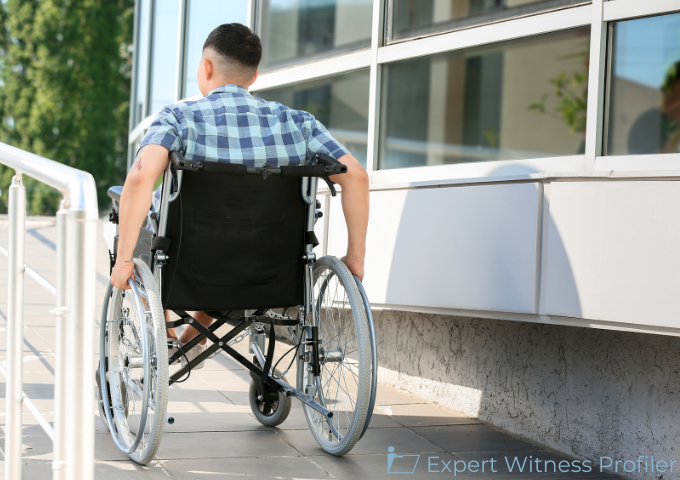
On March 19, 2018, Ralph Monte (“Monte”) visited the Defendant Sherwin-Williams Development Corporation’s store at 4473 South Semoran Boulevard in Orlando, Florida. While attempting to negotiate the ramp from the parking lot to the sidewalk, a wheelchair-bound Monte fell and sustained injuries. He claimed that the fall occurred because Defendant negligently maintained the premises and/or failed to warn him of a dangerous condition. Subsequently, Ralph Monte and his wife, Amarillis Monte filed this premises liability lawsuit under Florida law.
Plaintiffs retained Nizam Razack, who is board-certified in neurological surgery, as an expert witness to review Monte’s medical records and provide an opinion regarding his treatment and care.
One of Razack’s opinions was that the accident on March 19, 2018, caused an infection in Monte’s left elbow. The Defendant filed a motion to exclude Razack’s testimony regarding whether Monte’s accident caused the infection of his left elbow. The Plaintiffs untimely responded in opposition to the motion.
Neurosurgery Expert Witness
Nizam Razack, MD, JD, FAANS, FACS is the founder and president of Spine & Brain Neurosurgery Center.
Razack has completed three post-doctoral fellowships:
Orthopedic spine deformities at the Rancho Los Amigos Medical Center in Los Angeles, California.
Reconstructive & complex spine surgery at the Mayo Clinic in Rochester, Minnesota
Neurosurgical oncology at the M.D. Anderson Cancer in Houston, Texas
The Defendant moved to exclude Razack’s testimony regarding a causal connection between Monte’s accident and the infection in his left elbow. The Defendant argued that:
(1) Razack lacked the qualifications to offer this opinion,
(2) this opinion is contradicted by record evidence, and
(3) this opinion is not predicated on any scientific testing or methodology.
Analysis
Since the Court had struck the Plaintiffs’ response to the Defendant’s motion as being untimely filed, the motion stood unopposed. As a result, the Court granted the Defendant’s motion as the Plaintiffs failed to meet their burden to show Razack’s opinion was admissible.
Even if the Court considered the Plaintiffs’ response, Razack’s opinion on the cause of Monte’s infection would still be excluded under Daubert‘s reliability standard.
Temporal Proximity and Causation
Razack’s report mainly consisted of a review of Monte’s medical records. After reviewing the records and conducting a physical examination of Monte on May 16, 2024, Razack concluded that the accident caused the infection in his left elbow. He based this opinion on the fact that the infection appeared shortly after the accident.
Citing Chapman v. Procter & Gamble Distributing, LLC, 766 F.3d 1296 (11th Cir. 2014), the Court noted that temporal proximity is generally not a reliable indicator of a causal relationship by itself. Courts routinely exclude expert opinions based solely on such reasoning. Accordingly, the Court observed that in the absence of a reliable basis, Razack’s causation opinion regarding the infection of Monte’s left elbow must be excluded.
Differential Diagnosis Argument
Nevertheless, the Plaintiffs argued that Razack’s opinion was a reliable differential diagnosis and was therefore admissible. They asserted that Razack formed his opinion based on comprehensive information, allowing him to establish a differential diagnosis. The Court observed that for a differential diagnosis to be considered reliable, it has to account for other possible factors that could have been the sole cause of the injury, and the expert has to explain why any alternative cause suggested by the defense was not the sole cause.
In his deposition, Razack testified that performing a differential diagnosis was part of his process when reviewing a patient’s records. However, he did not explicitly state that this was the methodology he used to determine that Monte’s infection was caused by the accident. Even assuming that Razack did employ this methodology, the Court still found his opinion unreliable. Razack did not indicate that he had considered other potential causes of Monte’s infection. In fact, during his deposition, Razack acknowledged that Monte’s infection could have been caused by bursitis.
Even if Razack’s opinion was based on a differential diagnosis, the Court found that he did not apply this methodology reliably.
Moreover, even if the opinion were reliable, Razack’s opinion would not be helpful to the jury. The notion of temporal proximity is not beyond the ken of the average lay person, and therefore, Razack’s opinion would not be helpful to the trier of fact in clarifying the cause of the infection. Consequently, the Court excluded Razack’s testimony on these grounds. Indeed, the Eleventh Circuit has noted that it is preferable to leave the question of causation in the hands of the jury where, as here, an expert’s opinion as to causation is based on temporal proximity alone.
Held
The Court granted the Defendant’s motion to exclude certain testimony of Plaintiff’s neurosurgery expert witness, Nizam Razack.
Key Takeaways:
Razack’s testimony regarding the causation of Monte’s elbow infection failed to meet the applicable standard for reliability because:
His opinion relied primarily on temporal proximity (the infection appearing shortly after the accident), which courts generally do not accept as sufficient evidence of causation by itself.
While Razack claimed to use differential diagnosis, he failed to:
Explicitly state this was his methodology for determining causation
Consider or rule out other potential causes of the infection
Adequately address alternative causes (like bursitis, which he acknowledged as a possible cause)
Even if Razack’s opinion were reliable, it is still not helpful because the notion of temporal proximity is not beyond the ken of the average lay person.
Case Details:
Case caption:
Monte V. Sherwin-Williams Dev. Corp.
Docket Number:
6:23cv288
Court:
United States District Court for the Middle District of Florida, Orlando Division
Plaintiff Multiple Energy Technologies, LLC (“MET”) accused Under Armour of false advertising in relation to certain products that contain bioceramic powder. MET contended that Under Armour inaccurately claimed that the Federal Food and Drug Administration had determined that those products enhanced recovery.
Under Armour sells activewear and sleepwear products directly to consumers. This includes the sale of products containing a competing bioceramic product known as celliant, which is manufactured by Hologenix, LLC (“Hologenix”). Under Armour advertises these products separately from their other product offers and as helping to promote recovery, especially for athletes.
Plaintiff MET brought four claims against Defendant Under Armour, Inc.: violation of the Lanham Act, violation of the Sherman Act, misappropriation of trade secrets; breach of non-disclosure agreement; tortious interference with contract; tortious interference with prospective business expectancies; unjust enrichment; unfair competition; conversion; a claim for an accounting; and a claim for injunctive relief.
Alberto Gutierrez
MET’s Lanham Act claim is based principally on certain advertisements for Under Armour products that reference the FDA’s alleged treatment of celliant. The FDA language used in those advertisements originated with Hologenix, the manufacturer of celliant. Hologenix based those statements on its interpretation of the FDA’s June 8, 2017 response to Hologenix’s request for information regarding the FDA’s classification of celliant (the “FDA Letter”).
MET retained Dr. Alberto Gutierrez to “opine about the classification process by the FDA, the intent of the June 8, 2017 letter from the FDA to Hologenix and the statements made by Under Armour about celliant and the FDA.” Under Armour filed a motion to exclude Gutierrez’s opinions.
Chemistry Expert Witness
Alberto Gutierrez worked at the FDA for 25 years in various departments. At the FDA, Gutierrez was personally involved with the process by which the FDA responds to requests for information pursuant to section 513(g) and in making determinations of what is a medical device that would be regulated by the FDA. Gutierrez is now a consultant who helps device companies navigate the FDA regulatory requirements and provides strategic advice on regulatory issues and helps companies with submissions to the FDA.
First, Under Armour argued that ” Gutierrez is not qualified as an expert to opine on advertising or marketing issues, including the intent of the advertisements in question or the impact of those advertisements on consumers” because his background is in chemistry, he has no experience in advertising or consumer perception, and has never studied nor done any consulting work on the impact of advertisements on consumers. According to Under Armour, Gutierrez’s opinion is “purely speculative” with regard to whether Under Armour adopted a “campaign of deception.” Under Armour also argued that even if Gutierrez is not being offered as a consumer impact expert, his “campaign of deception” opinion is speculative and unreliable and shouldn’t be admitted.
The Court concluded that Gutierrez is qualified to offer an opinion on Under Armour’s statements about celliant and the FDA. Gutierrez is not being offered as an expert on the intent or consumer impact of advertisements—instead, Gutierrez is being offered “to opine about the classification process by the FDA, the intent of the June 8, 2017 letter from the FDA to Hologenix and the statements made by Under Armour about celliant and the FDA.”
The Court noted that Gutierrez worked at the FDA for 25 years in various positions, ultimately holding a director position. After his career in the FDA, Gutierrez joined a consulting group that helps companies navigate FDA regulatory requirements.
Independent Analysis
Second, Under Armour argued that even if Gutierrez is not qualified as an expert in the field of consumer perception, his report should be excluded because he did not perform any independent analysis. Under Armour argued that Gutierrez “took counsel’s word for it” that Under Armour engaged in a campaign of deception and did not review data related to consumers visiting websites containing the advertisements at issue, how long each website was active, or how many products with celliant Under Armour sold in a given year. Under Armour further argued that the “campaign of deception” opinion is not based on independent analysis.
However, the Court found that Guttierez did perform sufficient independent analysis. Under Armour objects to Gutuerrez’s statement that Under Armour engaged in a “campaign of deception.” Gutierrez concluded in his report that Under Armour’s statements about celliant were false in light of FDA regulations and practices.
He further opined that the statements in the documents that he reviewed were “false, deceptive and misleading” because the FDA had not determined that celliant products led to faster recovery, only that the health-related claims made by Hologenix would qualify celliant products as medical devices.
Moreover, Under Armour, by claiming that Gutierrez is not qualified as an expert on the intent of advertisements, attacked Gutierrez’s conclusions by stating that he “took counsel’s word for it” about Under Armour’s intent to deceive. But the Court held that Gutierrez did not purport to opine on Under Armour’s intent in the advertisements—instead, he concluded based on his knowledge and expertise that the statements were false, not that Under Armour intended to deceive consumers.
Documents and Conclusions
Third, Under Armour argued that the documents Gutierrez relied on do not support his conclusions. Additionally, Under Armour objects to the use of the phrase “FDA approval” in Gutierrez’s report and argues that his report should be excluded because he reviewed no documents with that specific claim.
However, the Court found that the documents Gutierrez reviewed support his opinions, and any argument that they do not goes to the weight, and not the admissibility, of his opinion.
Gutierrez’s report states that he reviewed Under Armour product pages from its website and from Amazon, and he also reviewed a letter from the FDA to Holegenix. Additionally, Gutierrez reviewed an article stating that celliant fabric had received “FDA approval” as a medical device.
Opinions about FDA Regulations
Fourth, Under Armour argued that Gutierrez’s report contains impermissible legal opinions on the applicability of FDA regulations to the case.
The Court found that Gutierrez’s opinions about the FDA’s regulations and procedures are relevant and are not legal opinions. Courts frequently admit the type of expert testimony that Gutierrez offers, and the Court sees no issues with admitting his opinions here.
The Court held that Gutierrez may testify so long as he does not give an opinion as to what is required under the law.
Held
The Court denied Under Armour’s motion to exclude Dr. Alberto Gutierrez’s expert report.
Key Takeaway:
Concerns about the documents an expert reviewed go to the weight of the evidence, not the admissibility, and are appropriately addressed in cross-examination. An expert has “good grounds” for relying on documents containing statements regarding the FDA because they are the type of documents an expert reviewing whether statements are consistent with FDA regulations would rely upon.
Please refer to the blog previously published about this case:
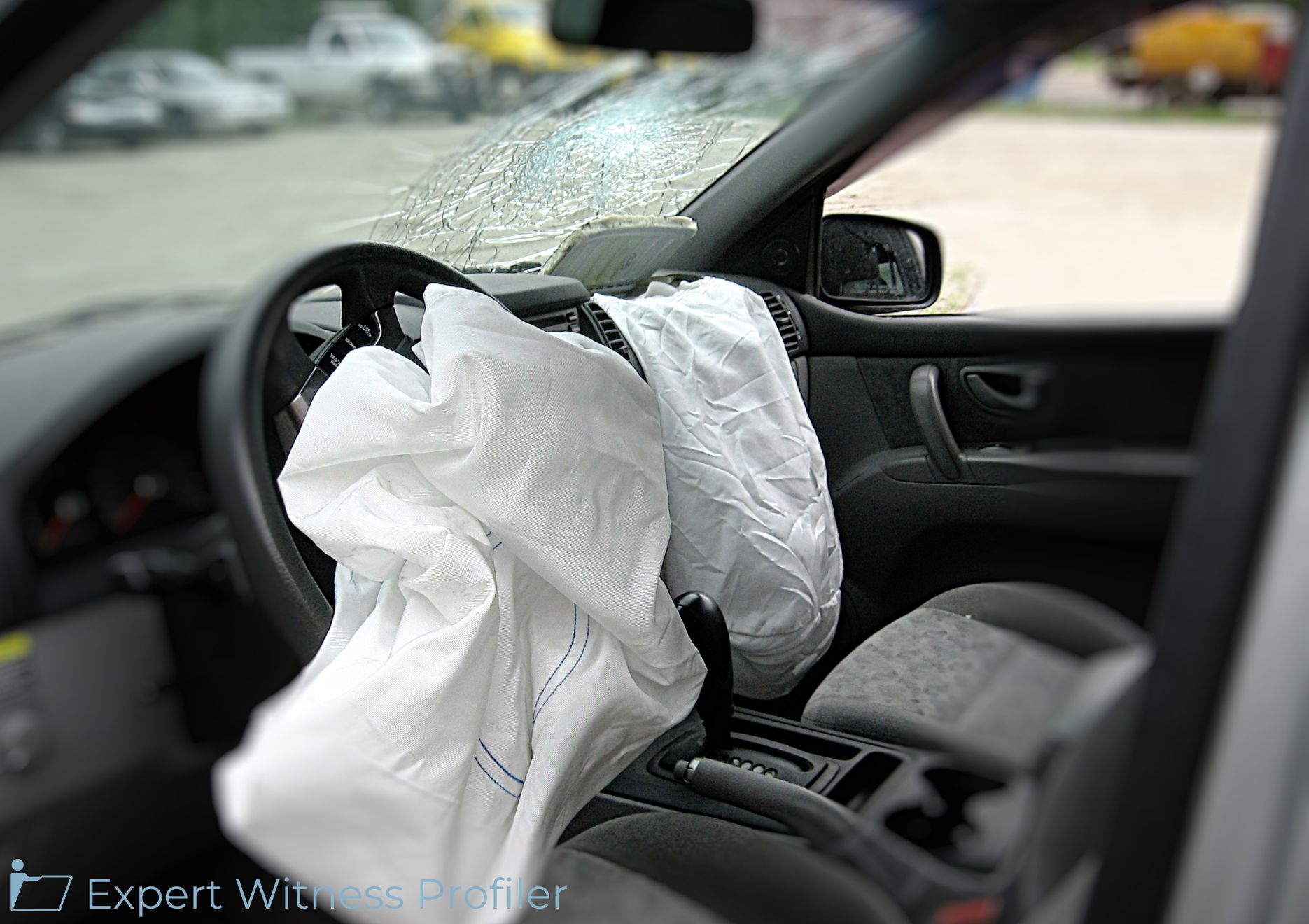
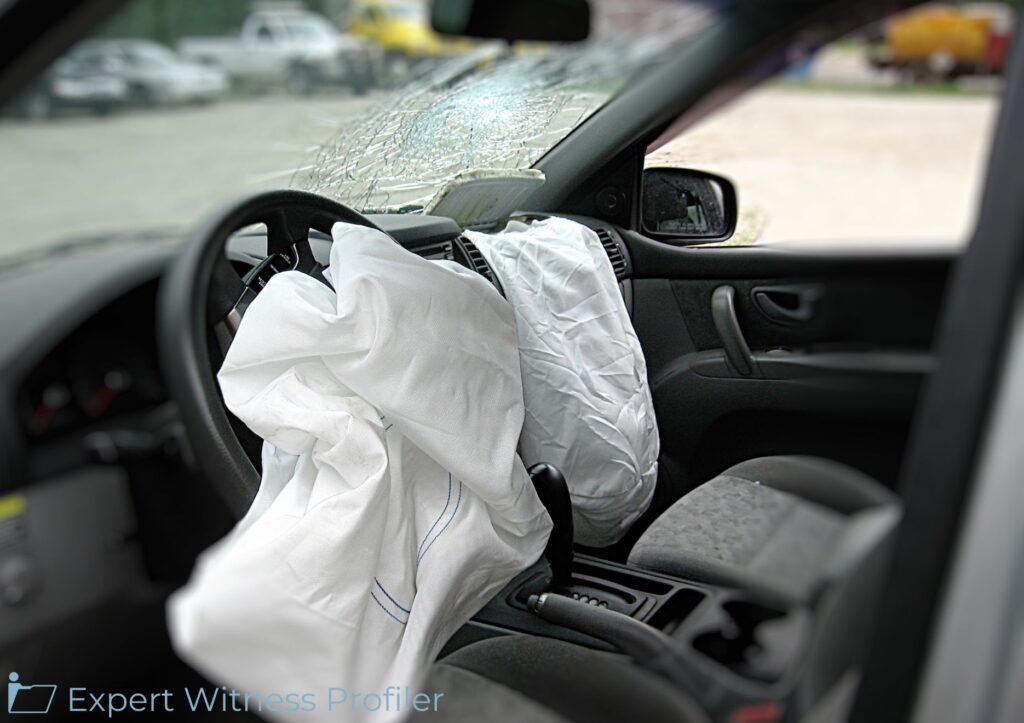
On October 24, 2019, William Harrison Sims (Plaintiff) was driving his 2004 BMW 330Ci (the “Vehicle”) in Florida when another vehicle unexpectedly turned left in front of him, causing a minor accident. As a result of the collision, the Vehicle’s front driver-side airbag was signaled to deploy. However, the airbag inflator unexpectedly ruptured and shot metal shrapnel into Plaintiff’s face and body, leading to severe, permanent, and life-altering injuries.
Defendants, BMW of North America (“BMW NA”) and Bayerische Motoren Werke AG (“BMW AG”), procured and installed the airbag inflator during the process of designing, manufacturing, assembly, and producing the vehicle. Plaintiff filed a lawsuit against both Defendants, alleging strict liability and negligence for procuring and installing the defective airbag.
Defendants moved to exclude testimony from Plaintiff’s expert, Perry Ponder (“Ponder”), and two demonstrative exhibits. Defendants argued that Ponder changed his opinion regarding the lane of travel occupied by the alleged at-fault driver, non-party Tameca Harris-Jackson (“Harris-Jackson”). Ponder testified at deposition that Harris-Jackson turned from one of the through lanes instead of the left lane before colliding with Plaintiff’s vehicle. Defendants also identified two demonstrative exhibits produced before Ponder’s deposition, which depicted the placement the alleged at-fault vehicle and Plaintiff’s vehicles leading up to the collision.
Accident Reconstruction Expert Witness
Perry L. Ponder, P.E., holds a Bachelor of Science in mechanical engineering from Florida State University and is a licensed professional engineer in the states of Florida and Illinois. Ponder specializes in accident reconstruction, failure analysis, and designing semi-trailers, truck components, underride crash protection, and patented adjustable structures. He has significant experience reconstructing accidents of various types: trucks, cars, pedestrian and cycles.
A. Plaintiff Failed to Meet His Fed. R. Civ. P. 26(a) Expert Disclosure Obligations
Defendants argued that Ponder, Plaintiff’s accident reconstruction expert violated Rule 26(a)(2) because he “renounced his former opinion that the Hyundai initiated its turn from the left lane of Good Homes Road while the deposition was underway.” Instead, he testified that the Hyundai turned from one of the through lanes of Good Homes Road and not from the left lane. Defendants contended that this new opinion was disclosed for the first time at the deposition.
Plaintiff countered that Defendants misunderstood or misrepresented the opinions expressed in Ponder’s report as compared to his deposition testimony. The Plaintiff emphasized that Ponder’s report did not specify which lane Harris-Jackson was traveling in when she initiated her left turn, only stating that she started her left turn from the northbound lanes of Good Homes Road. The Court agreed with Plaintiff, stating that Ponder did not offer an opinion in his report that Harris-Jackson was traveling in the left-hand lane when she initiated the turn and collided with Plaintiff
Moreover, Defendants failed to cite Ponder’s report to support their claim that he originally opined Harris-Jackson was traveling in the left-hand lane. Instead, Defendants cited the Crash Report created by the Orlando Police Department, a diagram of the collision prepared by a Trooper, and Harris-Jackson’s deposition. While Ponder reviewed these materials, the Court held that he did not adopt Harris-Jackson’s testimony or the police officer’s reconstruction as his opinion.
i.Reliability of Harris-Jackson’s Testimony
While Ponder cited Harris-Jackson’s testimony, in which she claims she stopped in the left lane and proceeded slowly after the traffic signal changed, he found Harris-Jackson’s testimony unreliable. Accordingly, Ponder did not offer a new opinion at the deposition. Even if he had, the Court held that Defendants had ample opportunity to cross-examine Ponder on the analysis employed to reach this opinion.
Furthermore, Ponder’s relative speed calculation for each vehicle was partially offered as a rebuttal to Defendants’ expert. At his deposition, Ponder conceded that Harris-Jackson could have turned from the left lane into Plaintiff’s path. However, he opined that “her orientation is more consistent with a turn that’s a bit more mature, so to speak, getting herself westward to take the 408 west.” He concluded that if Harris-Jackson had made the turn from the left-hand lane, “you’d expect more of a nose-to-nose kind of orientation as opposed to a square orientation (indicating) that we had in this impact.”
Regardless, the Court held that Ponder did not change his opinion at deposition, which is why the Defendants suffered no surprise or prejudice.
B. Demonstrative Exhibits
Defendants also challenged two demonstrative exhibits that displayed Good Homes Road intersecting with SR 408. Ponder’s report included diagrams prepared by law enforcement, as well as drone-generated top-down images of the crash scene. The Court held that the two demonstrative aids offered at the deposition are neither a surprise nor are they prejudicial because they are cumulative. Expert witnesses routinely create demonstrative exhibits on whiteboards or butcher paper at trial to drive home a point. To the extent that the demonstrative aids were untimely—which the Court does not find—their disclosure is harmless.
C. Ponder’s Testimony is Unreliable and Unhelpful
Defendants challenged Ponder’s accident reconstruction analysis, claiming it was unreliable and unhelpful. They argued that he failed to conduct independent testing, inspect or obtain an exemplar vehicle, drive an exemplar vehicle for work in the case, drive the intersection of the road in a Hyundai Sonata under the conditions to which he testified to or measure g-forces Harris-Jackson would have sustained had she turned from the through lane without stopping.
However, the Court held that the Defendants’ attack on Ponder’s analysis is boilerplate and unconvincing. They listed actions Ponder could have undertaken without explaining why he would need to take these steps. Ponder’s accident reconstruction analysis followed standard procedures, including a detailed crash scene examination, review of relevant documents as well as photographs of the 2010 Hyundai. It also considered the Crash Stiffness Coefficients for BMW vehicles and the deposition testimony. He also identified the final rest location of Plaintiff’s BMW and debris field and conducted a 3D scan of the subject BMW to quantify the damage.
Ponderthen applied the General Momentum Equations to discern that Plaintiff’s BMW was traveling about 29 mph at the moment of impact, while Harris-Jackson’s Hyundai was traveling about 24 mph, with a resulting delta V, or change in velocity of 23 mph and a principle direction of force of 30 degrees counterclockwise of its longitudinal axis for the BMW. Hefactored in the speed and weight of the BMW to opine that the momentum was inadequate to propel the vehicle beyond the south edge of the intersection. Ponder supports this opinion with photographic evidence.
Just because Ponder reached a conclusion that differs from a crash report prepared by a Trooper whose qualifications are unknown, the Court held that it not indicate the failure to employ “the same level of intellectual rigor that characterizes the practice of an expert accident reconstructionist.” The Court noted that Defendants did not articulate how examining or driving an exemplar vehicle would add to the analysis. It would not support the determination of the delta-V, PDOF, or relative speed of the subject vehicles. And while knowing the g-force experienced by Harris-Jackson would be interesting, the Court held that Defendants offered no support for their contention that the failure to calculate g-force undermines Ponder’s analysis.
The Court ruled that Ponder is a highly qualified expert whose analysis was reliable, well-supported, and helpful to the jury. His core opinions remained unchanged, and the two demonstrative exhibits did not prejudice Defendants.
Held
The Court denied Defendants’ motion to exclude the testimony of Perry Ponder, P.E.
Key Takeaway:
While the Court admitted Ponder’s testimony regarding his accident reconstruction analysis, including his calculations of the vehicles’ speeds, momentum, and impact angles, the Court did not accept Defendants’ argument that Ponder had violated Rule 26(a)(2) by changing his opinion during his deposition. The Court found no evidence that Ponder’s core opinion had changed and ruled that Defendants were not prejudiced by the introduction of the two demonstrative exhibits, as they were merely cumulative of the evidence that was already presented. Further, while Defendants challenged Ponder’s failure to conduct independent testing and measure g-forces, the Court found these objections unpersuasive, stating that Ponder’s methodology was consistent with standard practices in accident reconstruction. In conclusion, the Court affirmed that Ponder’s testimony was both reliable and helpful to the jury in understanding the technical aspects of the case.
Please refer to the blog previously published about this case:
Plaintiff, William Harrison Sims’ claims arise out of an October 24, 2019, two-vehicle collision involving Plaintiff, who was operating the 2004 BMW (“Subject BMW”). Tameca Harris-Jackson (“Harris-Jackson”) was operating the Hyundai that collided with the Subject BMW. Plaintiff alleges he sustained “severe, permanent, and life-altering injuries” due to the driver-side Takata airbag unexpectedly rupturing and shooting “metal shrapnel into his face and body.”
Defendants procured and installed the airbag inflator during the process of “designing, manufacturing, assembling, and producing” the vehicle. Plaintiff brought this action for damages against both Defendants BMW of North America (“BMW NA”) and Bayerische Motoren Werke AG (“BMW AG”), alleging strict liability and negligence from procuring and installing the airbag.
BMW of North America, LLC and Bayerische Motoren Werke AG (The “BMW Defendants”) requested the Court to preclude the injury causation testimony of Plaintiff’s neurological expert Paul Buechel, M.D., P.A. because he is not qualified to offer injury causation opinions.
Neurology Expert Witness
Paul Buechel is a board-certified neurologist with over 33 years of experience. His medical degree is from Syracuse. His residency was done at University of Kentucky.
Defendants argued that Buechel is not a biomechanical engineer and that sufficient facts and data do not support his opinions, nor are they based on a reliable methodology. They also averred that Buechel did “no testing” without specifying what testing should have been performed. And Defendants contended that Buechel failed to rule out contact with the steering wheel or dash as the cause of Plaintiff’s neurological injuries. As such, Defendants characterized Buechel’s opinions as pure ipse dixit of an expert based on too great of an analytical gap.
In the introductory section of their Motion, Defendants argued that Buechel testified at deposition that Plaintiff could have sustained “a traumatic brain injury from other blunt trauma to the head.” They contended that this undercuts the reliability of his opinion that the defective inflator and the shrapnel surgically removed from Plaintiff caused his TBI. Defendants also cited Buechel’s deposition, in which he stated he did not inspect the shrapnel. And the defense avers that Plaintiff’s nasal septal deviation, which his ear, nose, and throat physician felt was secondary to striking the wheel or dash, contradicts Buechel’s causation opinion.
Buechel is a board-certified neurologist who conducted two independent medical evaluations of Plaintiff one year apart. He offered an assessment of Plaintiff’s injuries and limitations based on the medical records, patient history, and his independent medical evaluations. Buechel then outlined Plaintiff’s future necessary and reasonable medical needs.
Defendants did not contest Buechel’s qualifications to render these opinions, the reliability of the principles and methodology employed by Buechel, or that his testimony about Plaintiff’s injuries and future medical needs is helpful to the jury.
Analysis
Defendants only contested whether Buechel’s opinion that, “[r]egarding causality, in the greatest medical probability, it is [his] opinion that each of these listed diagnoses and symptoms are indeed directly related to the injuries he sustained in the vehicle airbag explosion which occurred on 10/24/19.”
At deposition, Buechel clarified that even assuming the ENT is correct that Plaintiff’s nasal septal deviation was caused by Plaintiff’s face making contact with the wheel or dash, this is still due to the defective inflator sending shrapnel through the airbag and preventing it from protecting the Plaintiff. Therefore, injuries sustained by contacting the wheel or dash are caused by the airbag exploding. Buechel did not concede that his injury causation opinion is unreliable because the ENT found a septal deviation could have been caused by striking the wheel or dash. To the contrary, Buechel observed that Plaintiff’s nasal bridge exam “looked well on the photographs,” and typically, one would expect a laceration or a bridge abrasion when the patient’s face strikes the wheel or dash.
The Court finds the methodology employed by Buechel to support his injury causation opinion is the product of reliable principles and methods properly applied to the facts of the case. As Plaintiff observes in his response, Buechel reviewed the medical records and evidence collected from the scene. He considered the nature of the injuries as “an indication of the size of the shrapnel” along with the “depth of penetration.” Buechel does not need to be trained as a biomechanical engineer to render his opinions, despite Defendants’ bald assertion.
Held
The Court denied the Defendants’ motion to preclude the testimony of Dr. Paul Buechel.
Key Takeaway:
Buechel does not need to be trained as a biomechanical engineer to render his opinions, despite Defendants’ bald assertion. Buechel’s opinions rest upon his training and experience, combined with the medical evidence showing the size of lacerations caused by the shrapnel and the depth of penetration. This is more than adequate to satisfy Daubert and its progeny.
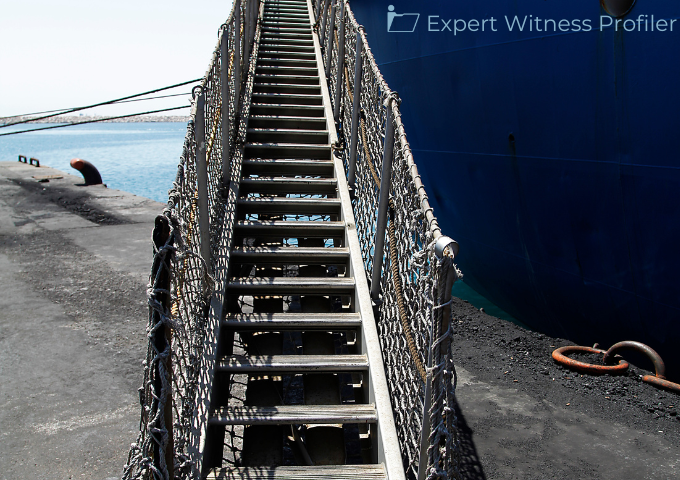
The present lawsuit involves a tort dispute arising from an incident in which Andrés González-Pérez (“Plaintiff” or “González”) was allegedly injured after he fell from a poorly maintained ladder that provided access to a vessel owned and operated by Harley Marine Financing LLC (“HMF”) and Harley Marine NY, Inc. (“HMNY,” collectively “Defendants” or “Harley Marine”).
In the course of the legal proceedings, the Defendants filed the following three motions:
Motion to exclude portions of the Life Care Plan prepared by the Plaintiff’s physical medicine expert witness Gloydian Cruz-Gomez.
Motion to exclude the testimony of Plaintiff’s economics expert witness Kenneth McCoin.
Motion to exclude the testimony of the Plaintiff’s vocational rehabilitation expert witness Ashley G. Lastrapes.
Physical Medicine Expert Witness
Gloydian Cruz-Gomez is a Physical Medicine & Rehabilitation and Pain Medicine specialist who has practiced medicine in Florida since 2011.
Cruz is a licensed physician in the state of Florida, and she is certified by the American Board of Physical Medicine & Rehabilitation and the American Board of Pain Medicine. Cruz is also a Certified Life Care Planner, as designated by the International Commission on Health Care Certification.
Kenneth G. McCoin is a consulting economist and a chartered financial analyst. He holds a Ph.D. in Economics from the University of Houston. His professional experience includes serving as Chief Economist at American General Capital Management. He also taught investments and corporate finance at Houston Baptist University.
Ashley G. Lastrapes has worked in rehabilitation counseling since 2011. She holds a Ph.D. in Counselor Education and Supervision from the University of Holy Cross, a Master of Health Science in Rehabilitation Counseling from Louisiana State University Health Sciences Center, and a Bachelor of Science in Psychology from the University of New Orleans.
The Defendants sought to exclude portions of the life care plan prepared by Gloydian Cruz-Gomez. They argued that her calculation of the cost of medications that González will incur for future use is unreliable. Specifically, they contended that her estimates, which included the cost of NSAIDs, opioids, antidepressants, and Zanaflex for the next 25 years of his life, lacked a reliable foundation.
ii) Plaintiff’s Counter-Argument
In response, the Plaintiff defended the reliability of Cruz-Gomez’s Life Care Plan by pointing out that her estimates were grounded in Plaintiff’s medical records, consultations with treating physicians, and established medical guidelines. Additionally, he argued that she applied well-recognized principles in life care planning and offered a rational basis for her cost estimates.
iii) Analysis
While Harley Marine agreed that Cruz-Gómez is qualified to render the opinions included in her report and that the methodology used in reaching said opinions met the standards of Rule 702, Daubert and its progeny, the Court was still required to examine whether the experts’ opinions on future medications was based on reliable foundations.
In her life care plan, Cruz-Gomez explained that she relied on all past medical, social, psychological, educational, vocational, and rehabilitation data to the extent they are available and applicable. This included records of medications prescribed by González’s treating physician. She used this information, in addition to her education, training, and experience as a board-certified physical medicine and rehabilitation specialist and certified life care planner to determine González’s future medication needs. She based her conclusions on a “reasonable degree of medical probability,” indicating it was more likely than not that González would require the medications outlined in the plan. The Court held that her analysis followed reliable principles and methods and relied on sufficient facts and data, meeting the requirements of Rule 702.
Conclusion
Consequently, it should be noted that Harley Marine objected only to the section of Cruz Gómez’s report addressing the costs of Plaintiff’s future medications. Defendants’ experts’ competing opinion was the sole basis for their challenge to the factual basis of Cruz Gómez’s opinions on Plaintiff’s future medications. Citing United States V. Vargas, 471 F.3d 255 (1st Cir. 2006), the Court held that when the factual underpinning of an expert is weak, it is a matter affecting the weight and credibility of the testimony— a question to be resolved by the jury. Thus, their challenge goes to credibility of the expert, not the reliability of her opinions.
B. Kenneth McCoin
i) Defendants’ Argument
To begin with, Harley Marine sought to exclude Kenneth McCoin’s opinion on González’s earning capacity, arguing that his analysis lacked sufficient facts and data, making it unreliable. Specifically, the Defendants contended that McCoin failed to consider González’s post-injury earnings and relied on an unsupported assumption that wages increase over time when the record did not provide evidence of such a conclusion.
ii) Plaintiff’s Counter-Argument
In response, the Plaintiff defended McCoin’s methodology, asserting that he based his calculations on González’s tax returns and employment contract. These, according to the Plaintiff, provided a valid and reasonable foundation for estimating his earning capacity in the absence of his injuries. The Plaintiff also argued that any income earned by González after his injury was irrelevant to McCoin’s analysis. Moreover, McCoin’s use of a “societal wage growth” factor is a recognized method of forecasting future earning capacity.
iii) Analysis
First, the Court observed that Harley Marine appeared to confuse “earning capacity” with “lost earning capacity.” McCoin was tasked with estimating González’s postinjury economic capacity in the absence of the incident. The jury would then determine the actual loss of income based on this estimate. However, the Court found that Harley Marine incorrectly argued that McCoin’s failure to consider medical information, vocational data, and post-employment history undermined the reliability of his analysis. The Court clarified that McCoin’s role was to provide an estimate of what his earning capacity would have been, but for the accident, from which the jury can make a lost earning capacity determination.
Second, the Court found that McCoin’s assumption that González was not working after the injury did not affect his analysis of his earning capacity. His task was to evaluate earning capacity absent the injury, making post-injury employment irrelevant to this assessment. McCoin relied on González’s tax returns from 2019–2021 and an independent contractor agreement with PETROCARE Marine Consultants, Inc., which provided a sufficient and reliable basis for his calculations.
The Court found that McCoin’s application of a “societal wage growth factor” in his earning capacity analysis does not make his conclusions unreliable. McCoin explained at deposition what a “societal wage growth factor” is and the purpose for including it in his analysis: “Those are wage growth that redounds to employees due to the increase in general labor productivity.” Courts are instructed to consider “societal factors” which contributes to “wages of workers increase over time.” Therefore, the Court held that McCoin’s implementation of a “societal wage factor” in his earning capacity calculation was well-reasoned, not overly speculative.
Conclusion
The Court also rejected Harley Marine’s claim that fluctuations in González’s earnings from 2019–2021 proscribe McCoin from having a reliable basis to apply a societal wage growth factor to the earnings capacity analysis. In other words, variations in income over three years did not undermine the reliability of McCoin’s methodology. As McCoin explained in his deposition, even self-employed individuals experience market changes in wages. For the Court, a fluctuation of earnings over three years does not seem to be sufficient basis to discredit the expert’s methodologies.
C. Ashley G. Lastrapes
i) Defendants’ Argument
Harley Marine sought to exclude Ashley Lastrapes’ vocational assessment for González, claiming it lacked a sufficient factual basis to evaluate his earning capacity under Rule 702.
ii) Plaintiff’s Counter-Argument
González countered that despite Lastrapes issuing a “guarded” assessment of his post-injury earning capacity, her report offered valuable insights with regard to his capacity to work which are relevant to the case, including the following:
a) Lastrapes provided opinions on the Life Care Plan developed by Gloydian Cruz-Gomez. She also assessed González’s physical limitations, decreased ability to perform daily activities, and the resulting loss of vocational opportunities.
b) She analyzed the potential impact of a future surgery, as predicted by Cruz Gómez, on González’s ability to earn income.
c) Lastrapes evaluated González’s inability to travel for work-related tasks, as well as the economic losses stemming from this limitation.
iii) Analysis
Lastrapes was retained to conduct a vocational assessment evaluating the factors affecting González’s post-injury earning capacity following his May 2022 injury. She relied on medical and employment records, litigation case materials, and expert reports from Cruz-Gomez and McCoin, and conducted a clinical interview with González.
Regarding vocational prognosis, Lastrapes concluded it was “guarded,” explaining that she needed additional information to provide a definitive opinion on future wage loss. However, the Court noted this was only one aspect of her report because Lastrapes also addressed other critical issues, including the Life Care Plan by Cruz-Gomez, González’s physical limitations, and his diminished ability to perform daily activities, which reduced his vocational opportunities. She further analyzed how a potential future surgery would impact his earning capacity and highlighted economic losses tied to his inability to travel for work-related tasks.
Harley Marine argued that the absence of a conclusive vocational prognosis warranted the exclusion of all of Lastrapes’ testimony. The Court disagreed, emphasizing that her opinions were grounded in reliable data and aligned with the scope of her assignment.
Therefore, the Court observed that the parties could address any challenges to Lastrapes’ credibility or conclusions through cross-examination and the presentation of contrary evidence, as outlined in Daubert. It refused to penalize González because his expert presented sound opinions within the scope of her task only where a reliable basis existed.
Held
Accordingly, the Court issued the following orders:
Motion in limine to exclude portions of the Life Care Plan prepared by Plaintiff’s physical medicine expert witness Gloydian Cruz-Gomez was denied
Motion in limine to exclude the testimony of Plaintiff’s economics expert witness Kenneth McCoin was denied
Motion in limine to exclude the testimony of Plaintiff’s vocational rehabilitation expert witness Ashley G. Lastrapes was denied.
Key Takeaway:
First, physical medicine expert witness Gloydian Cruz-Gomez’s Life Care Plan, based on medical records and professional expertise, was deemed grounded in sufficient data, despite conflicting opinions from the Defendants’ expert.
Moreover, economics expert witness Kenneth McCoin’s analysis of the Plaintiff’s postinjury economic capacity in the absence of the incident was supported by tax returns and an independent contractor agreement, with the Court affirming that his use of a societal wage growth factor was a valid and recognized method.
Lastly, vocational rehabilitation expert witness Ashley Lastrapes’ vocational assessment was upheld as it was based on comprehensive medical and employment records, despite her “guarded” prognosis, as the Court noted that such conclusions could be addressed during cross-examination.
Case Details:
Case caption:
González-Pérez v. Harley Marine Fin. LLC
Docket Number:
3:22cv1519
Court:
United States District Court for the District of Puerto Rico
This a personal injury case in which the Plaintiff, Morgan Fitch, sought damages for injuries allegedly suffered while working as a conductor for Defendant BNSF Railway Company (BNSF) under the Federal Employers’ Liability Act (FELA). Fitch contends she was injured on February 28, 2020, while part of a train crew operating a BNSF train between Minot and Rugby in North Dakota. In her complaint, Fitch alleges the train went into an emergency stop which caused her to be thrown down and injure her right arm and shoulder. Fitch has alleged that she sustained neurological and cognitive injuries, including a traumatic brain injury. On November 20, 2024, Fitch disclosed medical records documenting a new symptom that was not previously disclosed.
She alleges left homonymous hemianopia (i.e. a loss of vision on the left side) was caused by the February 28, 2020, incident. Fitch has repeatedly taken a vision test with varying results. She failed several tests, which resulted in a determination that she cannot drive. However, she has passed the last test taken which allows her to legally drive. On December 27, 2024, Fitch disclosed the seventh report of Dr. Steven Lockman, her retained medical expert. Lockman’s supplement report offers opinions regarding Fitch’s visual field defect and a new diagnosis of Complex Regional Pain Syndrome (“CRPS”).
BNSF contended any evidence, documents, or testimony regarding the newly discovered medical symptoms alleged by Fitch should be excluded. Specifically, BNSF sought to exclude evidence that: 1) Fitch has lost portions of her field of vision, 2) Fitch cannot drive due to vision loss; and 3) Fitch has been diagnosed with CRPS. Fitch filed a response in opposition to the motions on January 6, 2025.
Physical Medicine & Rehabilitation Expert Witness
Steven David Lockman is triple board certified in Brain Injury Medicine, Physical Medicine & Rehabilitation (PM&R), and Electrodiagnostic Medicine (EMGs and nerve conduction studies). He has over 25 years of experience providing care for individuals with brain injuries and complex neurorehabilitation conditions.
The deadlines to disclose amended and rebuttal reports were July 19, 2024, and September 13, 2024, respectively; however, the Plaintiff disclosed Lockman’s supplemental expert report on December 27, 2024.
Additionally, the supplemental expert report was served months after the discovery deadline, which was October 15, 2024. According to the newly disclosed report, Lockman saw Fitch on December 11, 2024, yet did not date his report until December 23, 2024. The Plaintiff waited until December 27, 2024, to serve the report.
The Plaintiff’s alleged vision loss and inability to drive was disclosed approximately two months prior to trial, and the Complex Regional Pain Syndrome diagnosis was disclosed less than one month before trial. The Court held that the late disclosures arguably deprive BNSF of the opportunity to fully conduct discovery and consult with experts on the newly alleged symptoms prior to trial.
The incident that caused Fitch’s injuries occurred on February 28, 2020. This action has been pending for over three years and trial has been continued previously. The new medical conditions were disclosed more than four (4) years after the incident. The admission of evidence regarding the Plaintiff’s diagnosis of CRPS, her alleged loss of vision, and her inability to drive would prejudice BNSF since trial is less than one month away. During a telephone status conference with the parties on January 7, 2025, counsel for the Plaintiff stated they would not be introducing any evidence at trial concerning the Plaintiff’s inability to drive so that subject matter is a non-issue, and such evidence is prohibited at trial.
Analysis
As to the condition of CRPS, the Plaintiff is precluded from presenting evidence at trial of her recent CRPS diagnosis. In Lockman’s report dated December 23, 2024, he opined that it was his “impression” that Fitch “met the Budapest criteria for the diagnosis of Complex Regional Pain Syndrome (CRPS).” As recognized by Lockman, this is a “new diagnosis” that warrants more aggressive treatment for pain management. The diagnosis appears to be a progression of the patient’s brachial plexopathy condition.
It is undisputed that Fitch has been diagnosed with a right brachial plexopathy. Lockman can opine on his observations concerning Fitch’s brachial plexus injuries, consistent with the medical records he has reviewed, combined with his own medical records, his expert reports, disclosures, and deposition testimony. Lockman can also opine on the diagnosis, prognosis, and the care and treatment needed to address the brachial plexus injuries, as well as the other medical conditions he has diagnosed, treated, and addressed to date.
None of that information is a surprise nor is it prejudicial. Lockman’s medical records and reports, and his depositions disclose that diagnosis, treatment, and prognosis. BNSF has retained expert witnesses to rebut the diagnosis. However, Lockman will be precluded from presenting specific testimony on the “new diagnosis” of CRPS made on December 23, 2024, as discussed in his most recent report. As a practical matter, neither party is prejudiced by this very limited preclusion of testimony. The reality is that the care, treatment, and pain management for a brachial plexopathy condition differs very little from the care, treatment, and pain management of CRPS.
Held
The Court granted in part the Defendant’s motion to exclude the testimony of Steven Lockman.
Key Takeaway:
Parties have a continuing duty to supplement expert opinions under Rule 26(e) of the Federal Rules of Civil Procedure. The failure to timely disclose new medical conditions is certainly not harmless as it may significantly alter the scope of damages in any case.
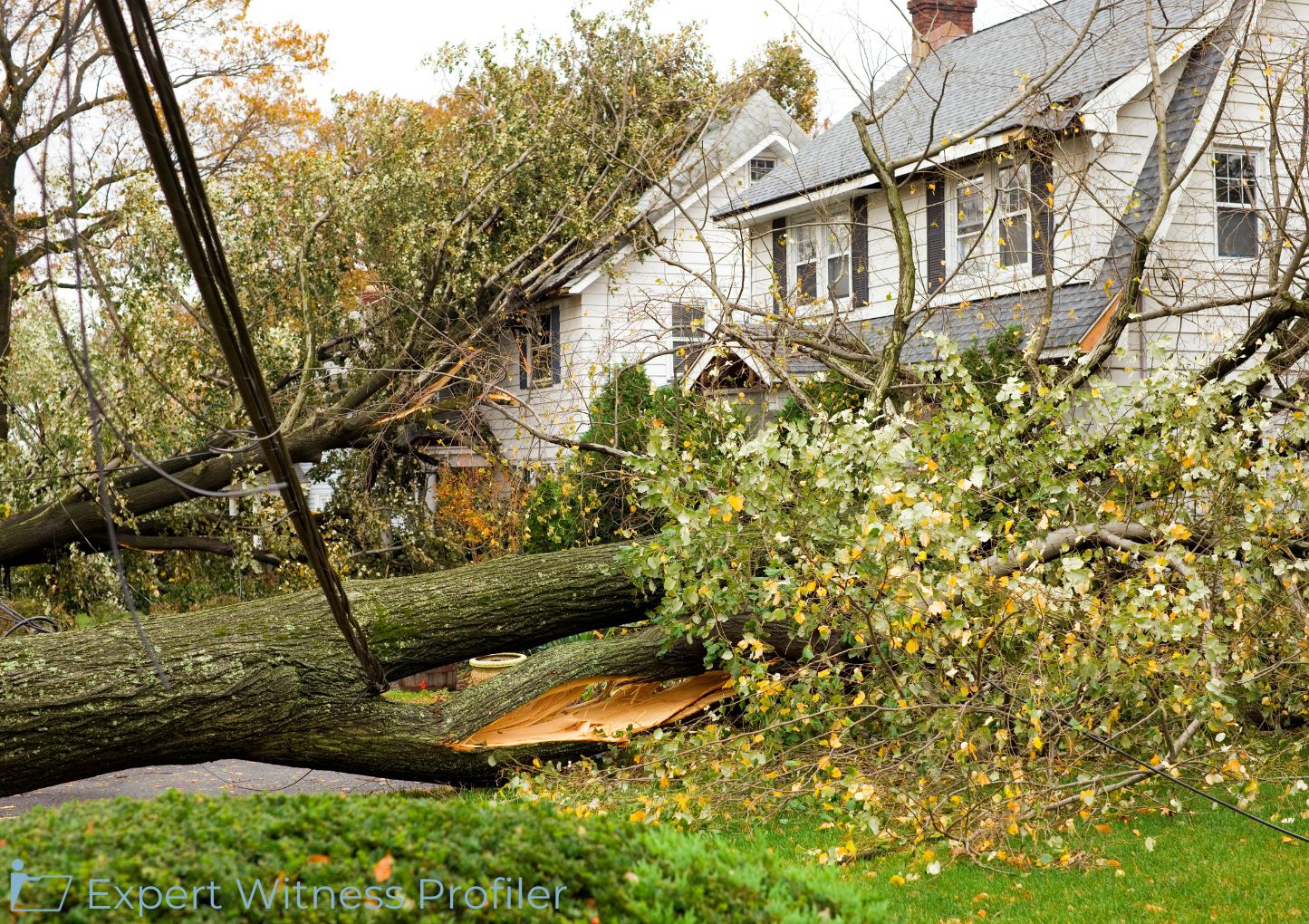
H5R owns a single-family home (the “Property”) in Dallas, Texas, for which Scottsdale Insurance issued an insurance policy covering certain causes of loss. In February 2021, water allegedly entered the Property through or near the roof. H5R “immediately notified” Scottsdale Insurance and filed a claim for this incident. More than one year after the claim was filed, Scottsdale Insurance sent H5R a letter denying the claim dated June 17, 2022.
H5R contended the Property was damaged by hail during the insurance policy period – a covered loss event. But Scottsdale Insurance denied that a hail event during the policy period caused the alleged damage.
H5R and Scottsdale Insurance designated experts to opine regarding the alleged damage under Federal Rule of Civil Procedure 26(a)(2). H5R designated Terry Moore, a purported construction expert, and included Moore’s report regarding the extent of damage to the Property and cost of repair.
Scottsdale Insurance filed a motion to strike Moore’s opinions and testimony because his designation and report failed to comply with Federal Rule of Civil Procedure 26.
Real Estate Development Expert Witness
Terry Moore is the founder and president of the Garrett Moore Company, a commercial real estate development firm that, since 1977, has developed over 22,000,000 square feet of property. This portfolio includes, but is not limited to, retail and office spaces, 45,000 apartment units, Caribbean resorts, assisted living facilities, and senior resort-style living communities.
With over 45 years of experience in the real estate market, Terry Moore has a proven track record of success in the industry. He is a 1977 graduate of the University of Oklahoma, holding advanced degrees in Architecture.
Scottsdale Insurance asserted that Moore’s expert disclosure “omits key information required under Rule 26(a)(2)(B) – specifically ‘a complete statement of all opinions the witness will express and the basis and reasons for them’ and ‘the facts or data considered by the witness in forming them.’” And it contended that, in Moore’s deposition, he opined on issues that he was not designated for or provided a report on – particularly those involving causation (i.e., that hail caused the alleged damage to H5R’s Property).
Moore testified that the report contained a complete statement of all his opinions and underlying facts or data. And he confirmed that his report did not contain a causation opinion.
In response, H5R asserted that Moore was properly designated to provide his opinion regarding the Property’s repair costs. And it argued that “[t]here is no requirement that Moore’s report provide opinions regarding cause or date of damage, as these topics were not part of his designation,” and that, when asked about these issues during the deposition by Defendant’s counsel, he “simply answered the questions.”
But, in its summary judgment response, the Court found that H5R relied on Moore’s deposition testimony regarding the causation issue – more than once despite conceding that the topic “was not part of his designation.”
H5R has not provided a justification for its noncompliance with Rule 26(a)(2), and, so, the Court turns to whether its failure to disclose was harmless by evaluating certain factors.
How Important the Evidence is
The first factor of the harmlessness analysis – how important the evidence is – weighs in favor of exclusion.
According to the Court, H5R’s argument that Scottsdale Insurance “ignores its own evidence” demonstrating that “the damage was caused by hail” indicates that Moore’s testimony is duplicative or of minimal importance.
Prejudice to the Party Opposing the Admission of the Evidence
The second factor – prejudice to the party opposing the admission of the evidence – also favors exclusion.
H5R initially alleged that the Property damage was caused by a snow and ice event or a broken pipe. But H5R relied on Moore’s deposition testimony in its summary judgment response for the proposition that hail caused the damage, despite conceding that the topic “was not part of his designation” or in his expert report.
And, so, the Court found that Scottsdale Insurance has been prejudiced because H5R failed to provide Scottsdale Insurance’s counsel with notice regarding the scope of his expert testimony and “now faces a newly alleged cause of loss and new opinions about the alleged damage deep into the case, with discovery now closed.”
Possibility that a Continuance Could Cure any Prejudice
The third factor – the possibility that a continuance could cure any prejudice – weighs against exclusion because the Court vacated the trial setting and all pretrial deadlines in May 2024.
The Explanation for the Party’s Failure to Disclose
The fourth factor – the explanation for the party’s failure to disclose – favors exclusion.
H5R asserted that Moore was not required to provide opinions regarding causation in his report since he was not designated as an expert on that topic and, when asked about it during the deposition by Scottsdale Insurance’s counsel, he “simply answered the questions.”
But, in its summary judgment response, H5R attempted to present Moore as an expert on causation, which is an issue central to the resolution of this case. And, so, the Court is not persuaded by H5R’s explanation.
Held
Considering these four factors holistically, the Court concluded that H5R’s noncompliance with Rule 26(a)(2) is not harmless and that Moore’s testimony should be excluded under Rule 37(c)(1).
Key Takeaway:
H5R has not provided a justification for its noncompliance with Rule 26(a)(2). Because Moore “provided several undisclosed opinions in his deposition” about issues that he was not designated to opine on, including the source of alleged damage, the Court concluded that H5R’s noncompliance with Rule 26(a)(2) is not harmless.
This case involves a Hurricane Laura claim by Plaintiff Rapides Station Land Company, LLC (“Plaintiff”), the owner of the property known as “Cowboy Town” located in Boyce, Louisiana, near Interstate 49, for alleged property damage attributable to the Hurricane. Markel American Insurance Company (“MAIC”) issued a builders risk policy of insurance to Plaintiff which provided coverage for an alleged “rehabilitation or renovation project” for the policy period of October 17, 2019, to September 1, 2020.
According to the scheduling order, the final date for exchanging expert reports was April 24, 2023, the deadline for completion of discovery was May 31, 2023, and the deadline for taking the depositions of experts was June 2, 2023.
RSLC designated Jeffery S. Major as an expert on public adjusting and estimating.
Major’s expert report was produced to Markel on April 24, 2023. The report and supporting documentation were presented across two emails.
The first email contained a folder labelled “Skyline Estimate” with three documents attached: a document showing the calculation of depreciation for the main building and the annex building, a second containing over 1,000 photos of the property purporting to show damage, and a third containing a 56-page estimate prepared using the industry standard Xactimate program. The second email contained an .esx file, which contained the underlying data used to prepare the Xactimate estimate. Markel was also provided with a 23-page written report, although it is unclear when this report was furnished, it too is dated April 24, 2023.
Motion to Exclude Major
Markel asserted multiple issues with RSLC’s expert production and qualifications:
(1) The production of Major’s report and the underlying .esx file in multiple files caused confusion;
(2) Major is unqualified to offer his opinion regarding the causation of damages because he is not licensed as an engineer, architect, or contractor;
(3) Major’s opinions regarding causation of damages are unreliable and untested;
(4) Major is unqualified to offer his opinion concerning best practices in the insurance industry because he has never worked on behalf of insurance companies;
(5) Major offers opinions regarding Markel’s intent or motives without a proper foundation; and
(6) Major offers legal opinions.
Adjuster Expert Witness
Jeffery S. Major is an expert on public adjusting and estimating. Major has been engaged in the practice of public adjusting in various capacities since at least 1990. Prior to that, Major was a builder and general contractor from 1983-1990.
Major has purportedly estimated, consulted, or adjusted over 600 commercial and 1,000 residential claims, many of which were hurricane related. He is apparently licensed as a public adjuster in 44 states and territories. Also, he lists twenty engagements as an insurance industry continuing education presenter or instructor. Major has recently been allowed to testify as an expert in the Western District of Louisiana regarding similar matters.
Major is qualified to testify on issues of damage causation, repair costs, insurance industry customs, standards, and practices, and Markel’s conduct
To begin with, Markel complained that Major is not licensed as an engineer, architect, or general contractor, that he is not a college graduate, and he has not worked for insurance companies. Markel contended that without these specific qualifications, Major is unqualified to offer his expert opinion on damage causation, repair costs, insurance industry customs, standards, and practices, or Markel’s conduct in adjusting the claim.
However, Major has been engaged in the practice of public adjusting for over thirty years and worked in construction for nearly a decade. He is licensed as a public adjuster in 44 states and territories, has taught numerous continuing education courses in various aspects of public adjusting and insurance claim handling, and adjusted over 1,600 claims. The Court held that Major’s experience qualifies him to testify as to these issues commonly within a public adjuster’s purview, including damage causation, repair costs, industry customs, standards, and practices, and insurer conduct.
Moreover, Markel’s contention that a person must hold a license as an architect, engineer, or contractor to testify regarding these issues have recently been rejected by this district. Major was recently qualified in this district to testify regarding “industry standards, customs, and practices applicable to handling insurance claims.” To the extent that Markel believes Major’s experience and licensure are inadequate to support his conclusions, it is entitled to subject his testimony to vigorous cross-examination and present contrary evidence in their defense.
Major is not qualified to testify regarding Markel’s intent or motives or to offer legal opinions
Markel complained that Major’s expert report impermissibly offers legal opinions and testimony on Markel’s intent or motives. Although Federal Rule of Evidence 704 permits an expert witness to give testimony that embraces an ultimate issue to be decided by the trier of fact, experts remain prohibited from rendering a legal opinion because there can only be a single arbiter of the law, the Court, and allowing parties to offer competing legal opinions would only serve to confuse juries. Further, Louisiana public adjusters are expressly prohibited from providing legal advice to an insured or otherwise engaging in the unauthorized practice of law.
The Court held that Major will not be allowed to offer testimony on Markel’s intentions or motivations. Further, Major will not be permitted to offer his legal opinions, this includes assertions regarding Markel’s conduct specifically satisfying the elements of the Louisiana bad faith claim handling statutes. Such statements include assertions that Markel’s conduct was “arbitrary, capricious, and without probable cause”, “vexatious”, or performed in “bad faith.”
RSLC satisfactorily complied with Rule 26
RSLC provided Major’s expert report and underlying data to Markel within the deadlines set for expert disclosures. Markel apparently takes issue with the production being contained in multiple e-mails without clarification from RSLC’s counsel regarding the contents of each e-mail. Markel was afforded the opportunity to depose Major regarding the expert production and, as best as this Court can tell, RSLC does not intend to offer any expert materials that were not timely disclosed to Markel prior to Major’s deposition.
The Fifth Circuit has established four factors to consider when deciding whether to exclude expert testimony, (1) the explanation for the failure to [submit a complete report on time]; (2) the importance of the testimony; (3) potential prejudice in allowing the testimony; and (4) the availability of a continuance to cure such prejudice. These factors do not inure to the benefit of Markel. The full report was timely submitted, albeit in separate communications. Markel recognized that it had the full report in a timely fashion. Markel has suffered no genuine surprise. Though the testimony is likely important, Markel will not be prejudiced by allowing it. In other words, there is no cause to exclude the report pursuant to Rule 26(a)(2).
Held
The Court granted in part and denied in part Markel’s motion in limine to exclude the testimony of Jeffrey Major.
Key Takeaway:
While the Court admitted Major’s testimony regarding damage causation, cost of repairs, the facts of Markel’s adjustment of the claim, and industry standards, customs, and practices applicable to handling insurance claims, Major was not allowed to offer testimony on Markel’s intentions or motivations. Further, Major was not permitted to offer his legal opinions, which includes assertions regarding Markel’s conduct specifically satisfying the elements of the Louisiana bad faith claim handling statutes.
In conclusion, there can only be a single arbiter of the law, the Court, and allowing parties to offer competing legal opinions would only serve to confuse juries.
Case Details:
Case Caption:
Rapides Station Land Co L L C V. Markel American Insurance Co
Meadowbrook Shopping Plaza, LLC purchased a building at 3895 Metro Drive (“the Building”) in 1995. Around 2018, Mr. Khaldoun Abaji approached Meadowbrook about utilizing the Building for his business, a store called Kids Avenue. Abaji and Meadowbrook came to an oral agreement where Abaji paid Meadowbrook $800 a month for the space.
The parties agreed that Abaji stored his merchandise inside the Building but did not re-open his storefront before the events giving rise to this lawsuit. Additionally, the parties seemed to agree that the Building did not have electricity or gas throughout his tenancy. Less clear is whether Abaji could, or planned to, operate his storefront in the Building.
The events giving rise to this lawsuit began on December 13, 2021, when the Building was vandalized. Nationwide was Meadowbrook’s insurer at this time, so Meadowbrook submitted a claim for the damage. Nationwide determined that the damage totaled $132,586; however, it denied Meadowbrook’s claim because, in its view, the vacancy exclusion applied.
The second event precipitating the lawsuit occurred on July 1, 2023, when the Building caught on fire. There was no indication that the sprinkler system was on when the Jackson Fire Department arrived.
Again, Meadowbrook filed a claim with Nationwide. And, again, Nationwide denied the claim. This time, Nationwide explained that denial was appropriate because the Building did not maintain an automatic sprinkler system in complete working order at the time of the fire. Meadowbrook then filed this suit against Nationwide for denying its claims. Its causes of action include breach of contract and bad faith denial of insurance benefits.
Richard Jones has over 23 years of experience in the field of investigations for both the public and the private sectors. He also has prior service and training with local fire districts and the Louisiana Office of State Fire Marshal, specializing in the field of fire and explosion investigations.
Jones has completed numerous courses related to fire and explosion investigations sponsored by the National Fire Academy, Maine State Police, the International Association of Arson Investigators, and other local organizations. He earned a degree in Fire Science from Columbia Southern University and is an experienced lecturer on fire and explosion investigations.
Adam Bomar is a Nationwide fire loss investigator. He is currently a Fire Lieutenant and Deputy Fire Marshall with the Mountain Brook Fire Department in Mountain Brook, Alabama. He is also currently the Operations Manager and Fire Investigator with Crain & Associates, Inc. in Birmingham, Alabama.
Richard Jones, who has been designated as an expert in forensic fire investigations, visited the scene after the fire. He noticed that the “post indicator valve” which supplied water to the sprinkler system was in the “shut” position. Adam Bomar, a Nationwide fire loss investigator, also visited the scene and noticed rust on the wrench that operated the post indicator valve. This led Bomar to opine that the valve had not been turned on for an extended period.
Meadowbrook did not challenge the qualifications of either Jones or Bomar. Instead, it argued that parts of their testimony should be excluded as either irrelevant or unreliable
Meadowbrook first argued that Jones’ testimony should be struck as a legal conclusion. It then asserted that the International Existing Building Code, which Jones relied on in forming his opinion, is irrelevant because the insurance policy at the heart of this case did not require Meadowbrook to follow this Code. Finally, Meadowbrook maintained that Bomar should be excluded from testifying to statements he heard from an unnamed Jackson Fire Department officer because such statements are unreliable hearsay.
A. The Court Denies the Motion to Exclude Jones’ Entire Testimony
The Court disagreed that Jones’ testimony “is nothing more than a legal conclusion” which is why his entire testimony will not be struck. Meadowbrook is free to object at trial should his opinions veer outside the scope of expert testimony.
B. Jones May Testify to the International Existing Building Code
Meadowbrook challenged the International Existing Building Code referenced in Jones’s report.
The City of Jackson adopted the 2018 edition of this Code in 2020. Meadowbrook maintained that any testimony related to this Code should be excluded because Nationwide’s policy did not require it to follow the Code. Nationwide responded that Meadowbrook’s disagreement relates to the weight of Jones’s testimony, but not its admissibility. The Court agreed.
According to Jones, the City of Jackson adopted the Code, which requires certain changes to the use of a structure be submitted for approval. Meadowbrook has not yet rebutted this premise, which will be for the jury to decide. Meadowbrook is free to cross-examine Jones on his report and his assertions relating to the Code. Ultimately, the jury is free to decide what weight—if any—to give Jones’s testimony. The Court denied Meadowbrook’s motion on this ground.
C. Bomar May Not Rely Upon Statements from an Unidentified Officer
Finally, Meadowbrook sought to exclude the purported assertion by an unnamed Jackson Fire Department officer that it is not the Department’s policy to shut off the post indicator valve at the scene of a fire. It asserted that any opinion and testimony made in reliance on this statement should be excluded because it is wholly unreliable.
Nationwide responded that Bomar, as an expert, may rely on hearsay in forming the basis of his opinion so long as other experts in his field would do so.
The parties agreed that Bomar did not record the name of the Jackson Fire Department officer who allegedly made this statement. Neither party has learned this officer’s name through the course of the litigation.
The statement made by the unidentified Jackson Fire Department officer, if offered to prove that the Department would not have turned the post indicator valve off, is textbook hearsay. Nationwide has failed to show that some exception applies to this rank hearsay. The Court held that incorporating the testimony into Bomar’s report does not transform the statement to one which the jury can receive.
Held
The Court granted in part and denied in part Meadowbrook’s motion in limine to exclude certain expert testimony by Richard W. Jones, Jr. and Adam Bomar.
Key Takeaway:
Question relating to the bases and sources of an expert’s opinion affect the weight to be assigned that opinion rather than its admissibility and should be left for the jury’s consideration.
Daubert’s “gatekeeping function” requires the Court to examine the relevancy and reliability of all proffered expert testimony.
Case Details:
Case Caption:
Meadowbrook Shopping Plaza, Llc V. Nationwide Assurance Company
Docket Number:
3:23cv3093
Court:
United States District Court, Mississippi Southern
In March of 2008, serious burn injuries were sustained by a very young infant in a whirlpool bathtub in a rental property in Frederick, Maryland. One of the infant’s young siblings (who were ages 4 and 2 at the time) turned on the hot water in the tub while her mother briefly exited the room. The water caused the infant to suffer second- and third-degree burns and require extensive medical care, continuing to the present day.
Dr. Jason S. Kiddy is the only expert witness the Plaintiff has designated. Defendants raised certain issues with respect to Kiddy’s testimony.
Kiddy’s Testimony
The industry has settled on 120°F as the desired hot water temperature since at least 1993, 15 years prior to [C.W.’s] incident.
Although an ASSE 1016 compliant valve, which is required on all shower installations, would have been adequate and would have protected [C.W.] from her burns, it was not specifically required by the governing codes.
Based on the overall configuration of the subject plumbing system, specifically that the mixing of the hot and cold water occurs within the sidewall of the bathtub, a TAFR valve installed on the hot water supply prior to the bathtub would have been the most practical approach to limiting the bathtub temperature.
The plumbing codes in effect at the time of the original construction in 1995 clearly recognize the hazard of hot water temperatures in excess of 120°F.
The plumbing codes in effect at the time of the accident and all subsequent codes require water temperature limiting devices with a maximum allowable water temperature of 120°F for bathtubs without showers and whirlpool tubs.
The Defendants should have recognized the hazard created by the uncontrolled hot water temperature leading to the subject bathtub.
If no other means exist to provide scald protection, lowering the temperature of the hot water is an option, especially in the short term while other codecompliant measures are put in place. However, the water heater temperature control should never be considered as a permanent solution.
If the water temperature was controlled and limited to 120°F, [Plaintiff] would have had approximately eight minutes to discover that the water had been turned on and to prevent [C.W.’s] injuries.
Mechanical Engineering Expert Witness
Jason Kiddy earned degrees in physics, mechanical engineering, and aerospace engineering. He has worked in engineering since 1996, holds several patents, and belongs to professional associations including the American Society of Mechanical Engineers, the National Association of Fire Investigators, and the National Fire Protection Association.
According to Kiddy, the Defendants had the capability and know-how to install a temperature limiting valve to bring the bathtub up to plumbing code and to provide a safe environment for their tenants. Despite having the knowledge and skills to remedy the hazard, the Defendants chose not to do so thereby ultimately resulting in [C.W.’s] injuries. This failure constitutes a breach of the standard of care in which the Defendants owed [Plaintiff] and her children.
First, Defendants contended that Kiddy improperly relied on the unreliable water temperature reading from the police report to support his opinion that the water temperature at the time of the incident exceeded 120 degrees. Second, Defendants contended that Kiddy admitted that he has no evidence of a code violation at the residence, and that his testimony regarding purportedly applicable “standards” is inherently unreliable because the standards he cites do not apply to whirlpool tubs. Third, Defendants contended that Kiddy lacked the requisite knowledge, skill, and experience to provide testimony establishing the duties owed by plumbers to tenants at residential premises.
Analysis
Plaintiff contended that the police report is admissible but even if that is the case, the Court found that the report provides no information about the equipment used, the calibration of the equipment, the methodology used to take the temperature (including where the sample was taken or the length of time the water ran before measuring), or the number of samples taken. Also, the temperature reading was taken almost seven months after the incident, following a period of time in which the gas at the property had been turned off.
The Court agreed that Kiddy’s opinions regarding applicable codes and standards are not methodologically sound. His statements are not supported by the code provisions he cites. The BOCA provisions he cites refer to showers, not bathtubs or whirlpool tubs.
The Court held that Kiddy’s assessments about what the industry “settled on” or what the plumbing codes “recognized” are not tied to any scientific method, industry standard, or factual premise.
Finally, Kiddy’s CV reflects that he has the knowledge, skill, and experience to serve as an expert witness in certain areas relating to mechanical engineering, aerospace engineering, and physics. However, the Court takes note of the fact that he lacks specific knowledge, skill, experience, training, or education in residential plumbing and the duties owed by plumbers and landlords that would be relevant in this case. Moreover, the “codes and standards” he cites in his report do not suggest use of a reliable methodology to reach his conclusions about industry standards.
Held
The Court granted the Defendants’ motion to exclude the opinions of Plaintiff’s expert Jason Kiddy.
Key Takeaway:
While expert witnesses are allowed to rely on hearsay evidence under Rule 703, the evidence must be of a type that would be reasonably relied upon by experts in the field. The temperature reading here would not meet that requirement, for all the reasons described above. It is simply too farfetched to believe that a temperature reading taken seven months after the incident using unknown methodology and instrumentation represents an accurate assessment of the water temperature in the whirlpool tub back in March, 2008. The Court held that any portion of Kiddy’s testimony relying on that inadmissible temperature reading is itself inadmissible.
Case Details:
Case Caption:
Rich V. Dennison Plumbing & Heating Et Al
Docket Number:
1:23cv705
Court:
United States District Court for the District of Maryland