Blog

  • Roofing Expert Was Allowed to Opine on the Repairs

    Roofing Expert Was Allowed to Opine on the Repairs

    Plaintiffs 4612 S. 88th Street, LLC (“4612”), and OO7, LLC (“OO7”) filed their claims alleged in this matter against Tri-State to obtain the replacement cost insurance benefits provided under Tri-State Policy No. ADV 3188538-21 for direct physical damage sustained to the insured premises at 4612 South 88th Street, Omaha, Nebraska (the “4612 Building”) and 8811 J Street, Omaha, Nebraska (the “8811 Building”) as a result of a hail and wind storm that occurred on or about May 28, 2019 (the “2019 Storm”).

    Defendants Tri-State Insurance Company of Minnesota and Auto-Owners
    Insurance Company filed motions to exclude the testimony of Paul
    Douglas
    and Ryan Scribner.

    Engineering Expert Witness

    Paul M. Douglas, P.E received a Bachelor of Science degree in civil engineering from the University of Nebraska in 1993. He is also registered or licensed as a Professional Engineer in 28 states, including Nebraska.

    Douglas is a Structural Engineer and Forensic Consultant with Engineering Specialists, Inc. Douglas has spent 15 years with ESI dedicating a majority of his work to forensic engineering projects which he describes as “investigations to determine why building structures or machines fail to function in the way they were intended to.”

    Get the full story on challenges to Paul Douglas’ expert opinions and testimony with an in-depth Challenge Study.

    Roofing Expert Witness

    Ryan Scribner is a general contractor and owner of Scribner Enterprises, Inc., which specializes in roofing installation and replacement.

    Get the full story on challenges to Ryan Scribner’s expert opinions and testimony with an in-depth Challenge Study.

    Discussion by the Court

    Paul Douglas

    Douglas personally inspected the buildings that are the subject of this lawsuit, as well as others, on April 26, 2023, with two other engineers from ESI.

    To begin with, Auto-Owners focused on the age and deteriorated condition of the properties. Undoubtedly, Defendants will submit evidence regarding the age of the roofs. On the other hand, Plaintiffs, through Douglas’ opinion and possibly other evidence, will submit contrary views indicating that the damage resulted from wind and hail. Again, these types of factual disputes are for the jury to determine and are not a basis for excluding a witness.

    Moreover, Defendants will be able to impeach Douglas’ testimony if they believe the age of the roofs and/or some other weather event contributed to the damage. The fact that the experts disagreed on the cause of the roof damage did not render Douglas’ opinion inadmissible.

    In this case, the Court found that Douglas was qualified to offer his opinions and that, based on his knowledge, skill, and experience, he had sufficiently explained the bases for his opinions, including his reasons for concluding that the roof damage was consistent with hail damage and required replacement.

    Ryan Scribner

    Scribner was retained to testify about the necessary and reasonable costs for labor and material costs relating to the repair and replacement of the roofs. The only issue Auto-Owners had with Scribner’s testimony is that he utilized Douglas’ engineering report when he prepared his estimate for repair.

    However, it is clear from Scribner’s disclosure and deposition that he is not going to provide expert testimony as to the condition of the roof himself. He is basically going rely on Douglas’ engineering report to opine on the types of repairs that would need to be done and estimate the material and labor costs associate therewith.

    Because the Court has found that Douglas’ expert opinions are admissible, Scribner’s reliance on them for purposes of estimating the repair costs is appropriate.

    Held

    The Court denied the motions to exclude the testimony of Paul Douglas and Ryan Scribner.

    Key Takeaway

    The Court found that Paul Douglas and Ryan Scribner are qualified to offer their opinions in their respected fields; that based on their knowledge, skill, and experience, they have sufficiently explained the bases of their opinions; and that these opinions are sufficiently reliable to aid the jury.

    Case Details:

    Case Caption: 4612 S. 88th LLC V. Tri-State Insurance Company Of Minnesota
    Docket Number: 8:24cv245
    Court Name: United States District Court for the District of Nebraska
    Order Date: May 26, 2026
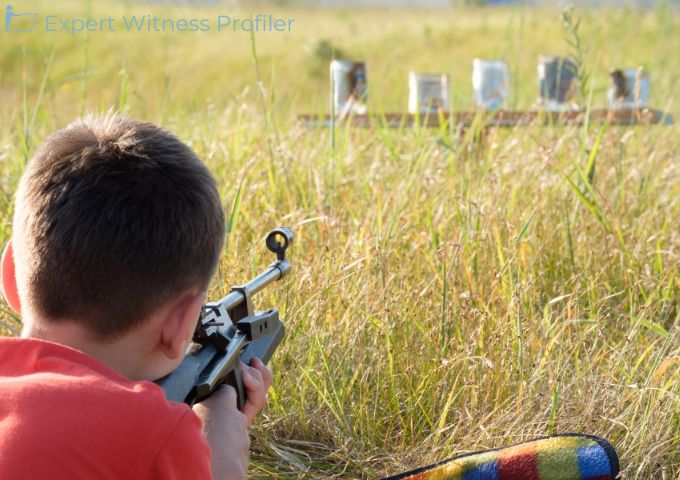
  • Firearms Expert Allowed to Opine on Air Rifle

    Firearms Expert Allowed to Opine on Air Rifle

    This is a products liability case arising from an alleged injury caused by an air rifle. Plaintiff Brian Cornwell (“Cornwell”) ordered an air rifle from Extreme Big Bore Air Rifles on March 25, 2021. After regularly using the rifle for nearly two years, on January 11, 2023, Plaintiff injured himself while attempting to fill the air rifle with compressed air. He sustained an injury to his left thumb.

    Defendants Texas Machine Parts, Danny Duke, and John Wiley filed a motion to exclude Plaintiff’s experts, Kennith Comeaux and William Caster, or, in the alternative, to exclude any testimony from them related to medical causation.

    Firearms Expert Witness

    Kennith R. Comeaux has thirty-five years of experience as a gunsmith. Because of his familiarity with guns, in his other career as a certified ISO 9000 quality auditor, he “was allowed to audit firearms manufacturers and ammunition manufacturers” to determine if the companies could get ISO certified by meeting “an international standard associated with quality that is very similar to OSHA with respect to safety, but for quality.”

    Discover more cases with Kennith Comeaux as an expert witness by ordering his comprehensive Expert Witness Profile report.

    Air Mechanics Expert Witness

    William B. Caster, Jr. holds a certification from the National Balancing Council, “a group that educates and teaches in air balancing and hydronic balancing, which is airflow CFM delivery, pressure, and velocity.” He owns a consulting company for heating, ventilation and air conditioning, airflow dynamics, hydronic testing, and air testing.

    Want to know more about the challenges William Caster has faced? Get the full details with our Challenge Study report.

    Discussion by the Court

    A. Kennith Comeaux

    Though Comeaux acknowledged that he is not an expert in gun manufacturing, his experience in being able to quality-audit firearms and ammunition manufacturers underscores his gunsmithing experience.

    Comeaux also relied on sufficient facts and data to reach his conclusions and utilized reliable principals and methods. Importantly, he personally inspected the air rifle as well as consulted an American Society for Testing and Materials (ASTM) manual, looked at the subject air rifle’s owner’s manual as well as the owner’s manuals of other similar rifles, and researched other manufacturer’s diagrams.

    Comeaux also explained his methodology and how it comports with the ASTM and could be replicated by others. His decades-long experience as a gunsmith, combined with the foregoing, allowed the Court to find that Comeaux’s testimony is sufficiently reliable.

    It is also clear that Comeaux’s testimony will assist the trier of fact and is relevant. For example, one line of Comeaux’s report reads: “Further attempts to seat the exhaust valve without removal of the air chamber cap were unsuccessful including lubrication with Teflon oil.” This shows that Comeaux will provide testimony that goes beyond “common sense.”

    Moreover, this sort of testimony is relevant because Plaintiff’s claims are based in the alleged faulty function and design of the valves in the subject air rifle and a replacement valve assembly, and Comeaux’s testimony reflects his personal evaluation of the air rifle and its replacement valve.

    B. William Caster

    Caster’s testimony is based on sufficient facts and data. Like Comeaux, Caster personally inspected the air rifle at issue.

    He conducted research on the relevant parts included in his testing. Moreover, he limited his testing to his discipline, explaining that he did not operate or fill the air rifle during his testing because he “went there to find out if the equipment that [Plaintiff] utilized for filling the gun exceeded the capabilities or burst pressure of the gun.” As to reliable principles and methods, Caster did not conduct explicit testing like Comeaux, but rather researched and observed whether Plaintiff possessed the “tooling to be able to” fill the air rifle’s air tank beyond its PSI specifications. Caster explained that he based his conclusions off “the actual flow chart of the gun from the tank to the valve to the barrel” because “the only point of when air can enter into the chamber is when the valve is released.”

    Considering these circumstances, the Court found that Caster is qualified to testify at trial based on his experience and the nature and formulation of his opinions.

    C. Medical Causation Testimony

    Defendants asked that both Comeaux and Caster be excluded from offering medical causation testimony because they are not medical doctors.

    To the extent either expert anticipates opining on medical causation at the trial of this matter, the Court will foreclose them from offering any such testimony. Neither Comeaux nor Caster are medical doctors.

    Held

    The Court denied Defendants’ motion in limine to exclude the testimony of Kennith Comeaux and William Caster.

    Key Takeaway

    The fact that opposing parties do not agree with the facts relied upon by the experts or their interpretation of those facts does not render their opinions irrelevant or unreliable; challenges related to the basis of any of the experts’ opinions are thus best suited for cross-examination, not exclusion.

    Case Details:

    Case Caption: Cornwell V. Extreme Tactical Components, LLC
    Docket Number: 2:24cv926
    Court Name: United States District Court, Louisiana Eastern
    Order Date: January 15, 2026
  • Orthopedic Surgery Expert Not Allowed to Opine on Foot and Ankle Swelling

    Orthopedic Surgery Expert Not Allowed to Opine on Foot and Ankle Swelling

    On October 5, 2022, Plaintiff John Caton, then 77 years old, was crossing the street, when he was struck by a USPS postal truck. Plaintiff claimed injury to and future medical care needs for not just his right hip and cervical spine, but also for his right shoulder, right foot and ankle, right thumb, and spine. While the parties agreed that Plaintiff injured his hip in the collision and required treatment, the parties disputed which of his other body parts were injured due to the collision, as well as the appropriate course of treatment.

    Plaintiff submitted expert reports from two retained experts in this case: Dr. Piers Barry, an orthopedic surgeon who examined Plaintiff and his medical records; and Dr. Kelly S. Harvey, a life care planner who estimated medical costs. Barry submitted five expert reports in this case, dated: November 29, 2024; December 20, 2024; April 8, 2025; July 31, 2025; and September 16, 2025. The April 8, 2025 and July 31, 2025 reports contain his causation opinions. Harvey’s life care plan report estimated the cost of carrying out Dr. Barry’s treatment plan. 

    Defendant United States filed a motion to exclude certain testimony of Plaintiff’s experts.

    Orthopedic Surgery Expert Witness

    Dr. Piers A. Barry is a board certified orthopedic surgeon with extensive clinical and hands on experience. He has published scientific journal articles and has given presentations on subjects such as arthroscopic treatment of knee, shoulder, and ankle, and hip injuries. Barry is a member of the Arthroscopy Association of North America (AANA).

    Discover more cases with Piers Barry as an expert witness by ordering his comprehensive Expert Witness Profile report.

    Life Care Planning Expert Witness

    Kelly Sandy Harvey is a credentialed and certified Life Care Planner. She specializes in the treatment of complex orthopedic trauma, traumatic brain injury, spinal cord injury, amputations, and burns.

    Want to know more about the challenges Kelly Harvey has faced? Get the full details with our Challenge Study report.

    Discussion by the Court

    A. Barry’s Opinion

    Defendant sought to exclude certain expert testimony from Barry and Harvey for four reasons: 1) Barry’s causation opinions for Plaintiff’s foot, ankle, shoulder, and thumb injuries were unreliable; 2) Barry’s opinions regarding Plaintiff’s hip care were unreliable; 3) Barry’s report, served on September 16, 2025, was untimely; and 4) Harvey’s opinions on the cost of Plaintiff’s injuries lacked foundation.

    i. Testimony that Plaintiff’s foot, ankle, shoulder or thumb were injured in the collision

    Defendant sought to exclude Barry’s testimony that Plaintiff’s foot, ankle, shoulder, and thumb were injured in the collision. Defendant argued that Barry did not provide a clear explanation as to why he believes the collision injured Plaintiff’s shoulder, foot, ankle, or thumb.

    a. Right foot and ankle

    Barry noted that Plaintiff felt significant pain in his right foot and ankle after regaining consciousness immediately following the collision. Furthermore, Barry’s report stated that Plaintiff later underwent a cardiovascular evaluation to rule out a cardiac cause for the persistent swelling, but he did not address what caused the swelling.

    While Plaintiff’s ankle and foot pain could be considered a symptom of the injuries sustained during the collision—Barry’s reports are silent on how the swelling was caused by the collision. Given the passage of time between the collision and the symptoms, the Court found that Barry’s reports did not explain how the injuries can be attributed to the collision and allowing him to testify regarding these injuries would only confuse the finder of fact.

    b. Shoulder and thumb

    Barry explained that Plaintiff saw Eric Stuffman, an orthopedic surgeon from July 25 to August 10, 2023 for ongoing right shoulder pain. Barry’s summary of Plaintiff’s medical records noted limited range of motion in his shoulders as early as October 7, 2022, which was only two days after the accident. The earliest mention of a thumb injury was December 11, 2024, when Plaintiff had an MRI.

    The Court noted that Barry did not explain how these injuries are related to the accident other than Plaintiff denying any prior injuries. That is not enough.

    ii. Testimony regarding future medical care needs for Plaintiff’s hip

    Second, Defendant contended that Barry’s opinion regarding Plaintiff’s hip recovery needs are unreliable and will not assist the trier of fact, because Plaintiff underwent hip replacement surgery in January 2026, and Barry admitted at deposition that he had no basis of knowing whether Plaintiff required extended inpatient care or rehabilitation, as originally opined, or whether he was discharged home immediately.

    Plaintiff’s opposition did not meaningfully address this argument. Nonetheless, Defendant essentially sought to penalize Plaintiff for having surgery after expert reports were due. That is no reason to exclude testimony regarding the anticipated course of treatment and recovery. If anything, any divergence between Barry’s report and Plaintiff’s post-operative care needs would serve as grounds for impeachment, rather than exclusion.

    Accordingly, the Court declined to exclude Barry’s testimony on future medical care needs pertaining to Plaintiff’s hip.

    iii. Whether Barry’s report received on September 16, 2025 should be stricken as untimely

    Finally, Defendant filed a motion to strike Barry’s rebuttal report, served on September 16, 2025, as untimely. The deadline to serve rebuttal reports was August 27, 2025.

    In opposition, Plaintiff argued that the two-week delay was inconsequential, not prejudicial and was unintentional. Specifically, Plaintiff contended that the report was provided well in advance of any expert depositions and that defense counsel had the report for approximately four months prior to Barry’s deposition.

    Even with the two-week delay, Defendant had the rebuttal report several months before Barry’s deposition and before any other experts were deposed, which effectively rendered the delay harmless. Thus, exclusion would be a harsh sanction under the circumstances.

    B. Harvey’s Opinion

    Finally, Defendant argued that, to the extent that the Court excluded Barry’s opinions, it should also exclude any of Harvey’s cost analysis that relied on those excluded opinions.

    The Court agreed. Since Barry’s opinions regarding Plaintiff’s right foot and ankle, shoulder, and thumb injuries were excluded, Harvey’s opinions regarding the cost of care for those injuries were also similarly excluded. Her other opinions, however, were not excluded.

    Held

    The Court granted in part and denied in part Defendant’s motion to exclude certain testimony of Plaintiff’s experts.

    Key Takeaway

    The purpose of a ‘detailed and complete’ expert report is, in part, to minimize the expense of deposing experts, and to shorten direct examination and prevent an ambush at trial.

    Case Details:

    Case Caption: Caton V. United States
    Docket Number: 4:23cv5451
    Court Name: United States District Court for the Northern District of California
    Order Date: April 28, 2026
  • Roofing Expert’s Causation Opinion Excluded

    Roofing Expert’s Causation Opinion Excluded

    This case arises out of an insurance claim (the “Claim”) Plaintiff Mike Nguyen submitted to Allstate seeking coverage under his homeowners insurance policy (the “Policy”) for damages to the roof and certain exterior components of his dwelling (the “Property”) that he said were caused by a hail storm that occurred on May 1, 2022 (the “Storm”). However, Allstate inspected the Property and alleged that the damages to the steel roof were not covered pursuant to the Metal Roof Surfaces Cosmetic Damage Exclusion Endorsement to the Policy (the “Cosmetic Damage Endorsement”).

    Allstate sought to exclude the testimony of the Plaintiff’s retained experts, Chris Rhynehart and Brandon Allen.

    Roofing Expert Witness

    Chris Rhynehart has served as the owner and operator of Rhynehart Roofing and Construction for over thirty-five years.

    Get the full story on challenges to Chris Rhynehart’s expert opinions and testimony with an in-depth Challenge Study.

    Insurance Expert Witness

    Brandon Benjamin Allen, AIC is a licensed adjuster in Texas and Louisiana with almost twenty years of experience adjusting claims. He also holds credentials
    including an Associate in Claims, and he is a HAAG Certified Roof Inspector, which means he received specialized training to assess roof damage.

    Want to know more about the challenges Brandon Allen has faced? Get the full details with our Challenge Study report.

    Discussion by the Court

    A. Chris Rhynehart

    Allstate argued that Rhynehart’s opinions are irrelevant because he made no attempt to connect the damage to the May 1 storm or any storm that occurred during the Policy period of February 1, 2022 to February 1, 2023.

    Rhynehart’s report said only that the Plaintiff’s property “shows clear signs of a previous severe hail storm,” with multiple areas “indicating significant impact damage.” He made no attempt to connect that damage to the May 1 storm, or to date the damage at all. His report included a weather report showing that a hail storm occurred near the Plaintiff’s property on May 1, 2022, but the same report lists eleven other hail storms that impacted the Plaintiff’s property in the years before the May 1 storm. Rhynehart also failed to consider any possible alternative causes of the damage. Nor did he present any information about the condition of the Plaintiff’s roof before the storm.

    The Plaintiff conceded that Rhynehart’s opinions failed to connect the roof damage to the May 1 storm.

    The Court found that Rhynehart’s expert opinions as to causation are not relevant because they failed to speak to whether the May 1 storm caused the damage that resulted in a leak in the Plaintiff’s roof. It is the Plaintiff’s burden to establish this.

    However, Allstate did not contest Rhynehart’s competence to testify about the overall “condition of the property, the presence of wind and hail damage, the extent of the damage, and to provide an unbiased estimate” as to the cost of repair.

    B. Brandon Allen

    Plaintiff designated Allen as a “testifying expert to contradict or rebut the evidence, opinions, analysis, and expert designations” of Allstate’s retained expert witnesses.

    Allen’s expert report—much like Rhynehart’s report—simply offered a view of the evidence that favored the Plaintiff. The Court found that Allen’s report did not even mention Allstate’s experts, much less attempt to contradict specific findings they made in their reports.

    Allen’s report did not attempt to specifically rebut the findings of Allstate’s experts. But even if it had, his report went far beyond that and offered its own “separate and distinct analysis.”

    Held

    The Court granted in part and denied in part Allstate’s motion to exclude the testimony of Plaintiff’s retained expert witnesses Chris Rhynehart and Brandon Allen.

    Key Takeaway

    A rebuttal expert’s report must relate to the specific findings advanced by the opposing expert, not simply offer a different view of the case.

    Case Details:

    Case Caption: Nguyen V. Allstate Vehicle And Property Insurance Company
    Docket Number: 2:24cv186
    Court Name: United States District Court, Texas Northern
    Order Date: February 23, 2026
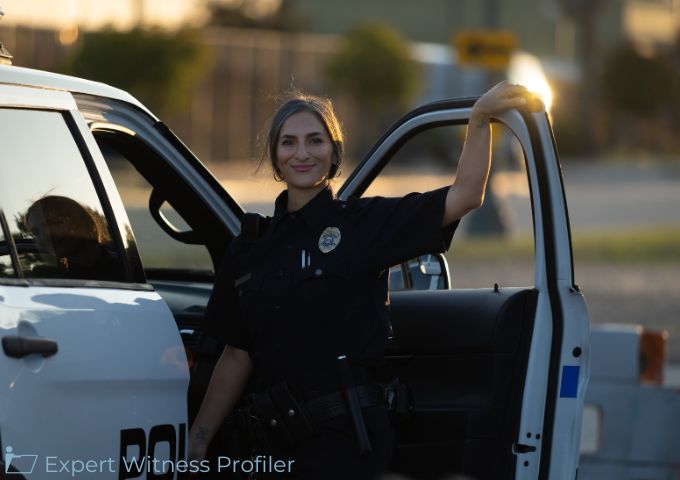
  • Law Enforcement Expert Allowed to Opine on Taser Use

    Law Enforcement Expert Allowed to Opine on Taser Use

    Plaintiff Angelo Black brought this civil rights and state tort damages action in October 2023 against former Gwinnett County Police Officer, Chase Weber. Black was seriously injured during the course of a police foot chase that occurred in October 2021. The foot chase ultimately ended with Officer Weber deploying a taser to immobilize Black, resulting in Black sustaining a serious head injury and lasting health issues.

    Plaintiff presented expert testimony from Natasha Powers-Marakis, an expert in police practices and taser usage. Based on her experience and professional training, Powers proffered testimony concluding that Black was in an elevated position when Officer Weber tased him. Weber filed a motion to exclude the opinion of Powers.

    Law Enforcement Expert Witness

    Natasha Powers-Marakis retired from fourteen years as a law enforcement officer in 2011, when she began consulting on matters related to policing.

    Since her retirement in 2011, she has received certifications in taser instruction, police practices, force science, management of chaotic events and prevention of arrest-related-in-custody deaths, and defensive tactics. Powers has trained police academy recruits and in-service police officers in defensive tactics, use of non-lethal force, and the use of deadly force. She has advised law enforcement agencies on the use of force and options relative to the use of force. She also has written policies on law enforcement’s use of force.

    Want to know more about the challenges Natasha Powers-Marakis has faced? Get the full details with our Challenge Study report.

    Discussion by the Court

    Weber challenged the admissibility of Powers’ opinion on several grounds, including that, in his view, Powers is unqualified to render her expert opinion, that the methodology she used to reach her conclusions is unreliable, and that her opinion would be unhelpful to a jury’s understanding of the issues in the case.

    I. Powers’ Qualifications

    Powers far surpassed the “minimally qualified” standard; her extensive experience certainly qualified her to render her opinions concerning police practices and the use of force and tasers in the instant case.

    Weber argued that Powers is unqualified to provide her opinion because she is not an “expert in forensic video analysis,” and therefore, her opinions that are based, in part, on a review of the body camera footage are inadmissible. Weber is correct that Powers is not an expert in forensic video analysis. But she does not have to be an expert in forensic video analysis in order to be qualified to opine on whether Weber’s use of force against Black was appropriate or excessive under the circumstances. Powers’ opinions about Weber’s use of force are not based solely on a forensic analysis of the body camera footage. Rather, her opinions are based on her “education, training, experience, and review of the information and materials related to this case,” including the body camera footage of the incident.

    Powers additionally testified that she has been trained in forensic video analysis and regularly reviews body camera footage in civil cases to draw conclusions regarding police use of force.

    II. Reliability of Powers’ Principles and Methods

    The Court found that Powers’ overall scope of law enforcement experience, her review of this case’s evidentiary record and relevant law, and her knowledge and expertise in the field of police practices, standards, and taser use provide a reliable foundation upon which she based her findings and conclusions. 

    Weber argued that Powers’ reliance on the body camera footage “does not comport with the well-recognized standards for reviewing officers’ split-second decisions in hindsight,” and that her method “cannot be properly applied to the facts at issue.”

    The Court here must consider in its excessive force analysis the severity of the crime at issue, whether Black posed an immediate threat to the safety of the officers or others, and the fact that Black was attempting to evade arrest by flight at the time of the use of the officer’s use of force. Weber is correct that Powers’ opinion addresses these factors through the lens of police training and policy. 

    It is true that courts must judge an officer’s reasonableness in a way that allows “for the fact that police officers are often forced to make split-second judgments,” rather than judging reasonableness “with the 20/20 vision of hindsight.” However, that omission in her analysis goes to the weight a jury would give to her opinion— not to admissibility. 

    Finally, Weber challenged the reliability of Powers’ methodology because he disagreed with the conclusion she drew. This is not an appropriate reason for the Court to deem Powers’ testimony inadmissible. The Court’s analysis as to reliability is limited to focusing “solely on principles and methodology, not on the conclusions that they generate.” 

    III. Helpfulness of Powers’ Opinions

    Weber argued that Powers’ opinion that his use of force was “unreasonable and excessive” is unhelpful because it is an improper legal conclusion.

    However, Powers’ use of terminology such as “excessive,” “unreasonable,” and “disproportionate” in her report did not necessarily render her opinion an impermissible legal conclusion. In using this language, she did not tell the jury what legal result to reach. Rather, she emphasized that her use of such terminology was “intended to and should be read as references to the professional and generally accepted standards in policing, not as references to or the application of legal standards within the scope and sole province of the factfinder or judge.”

    The Court found that Powers’ opinion is certainly relevant to the issue of the degree of force used in this case. Moreover, her expert testimony is based on information that the average lay person is not aware of, such as the length and nature of a taser cycle, model policies and procedures regarding use of force, and national policing standards.

    Held

    The Court denied Defendant’s motion to exclude the opinions of Plaintiff’s expert Natasha Powers-Marakis.

    Key Takeaway

    Courts routinely admit expert testimony opining on whether a police officer’s use of force violated police practices and policies, as such opinions are not legal conclusions.

    As Powers’ use of such terminology is limited to the context of police practices and policies, her opinion is not an improper legal conclusion and is admissible at trial.

    Case Details:

    Case Caption: Black V. Weber
    Docket Number: 1:23cv4640
    Court Name: United States District Court, Georgia Northern
    Order Date: March 30, 2026
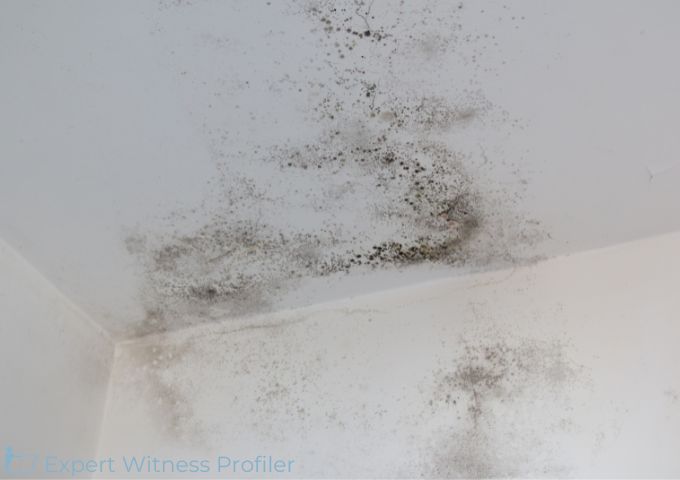
  • Allergy and Immunology Expert’s Causation Opinion Admitted

    Allergy and Immunology Expert’s Causation Opinion Admitted

    This is an employment action brought under state and federal law. Donna Neil (“Plaintiff”) brings this lawsuit against her former employer, KMT Waterjet Systems, Inc. (“KMT”), and Flow International Corporation (“Flow”) (collectively, “Defendants”), both of which are subsidiaries of Shape Technologies, Inc. (“Shape”).

    On January 13, 2023, Neil submitted an ADA Reasonable Accommodation Request Form, alleging that she began to suffer “allergies related to the extreme mold odors” in her office. She claimed these odors caused “acute respiratory symptoms,” “cognitive difficulties,” “digestive problems,” and “rashes.”

    She alleged that she was suffering from “mental disturbances/electric shock,” “paranoia,” “kidney pain,” “heart palpitations,” and “oxygen often dropping into the 80s.”

    Thus, Defendants retained Dr. Ronald H. Saff to evaluate these complex medical claims. Neil, however, filed a motion to exclude the testimony of Saff on the ground that it is irrelevant because the medical cause of her symptoms is not an element of her claims.

    Allergy and Immunology Expert Witness

    Dr. Ronald H. Saff is a board-certified allergist and immunologist and has been retained by many attorneys as an expert witness in mold, sick building, “toxic” mold, drug allergy, food allergy, and asthma litigation. He has also served as an assistant clinical professor of medicine at the Florida State University College of Medicine.

    Get the full story on challenges to Ronald Saff’s expert opinions and testimony with an in-depth Challenge Study.

    Discussion by the Court

    On September 02, 2025, Saff rendered a 4-page opinion. It boils down to the contention that mold exposure did not cause Plaintiff’s health problems; rather, her problems were caused by a combination of the side effects of medication and psychiatric illnesses.

    To begin with, the Court found that Saff is qualified to testify based on his knowledge, skill, training, experience, and education as indicated in his report and that his opinion is reliable based on the records he has evaluated.

    Moreover, there can be no doubt that Saff’s opinion regarding the medical cause of Plaintiff’s symptoms is relevant and may assist the trier of fact. To be sure, Saff may not opine on ultimate legal issues—such as whether Plaintiff is a “qualified individual” or whether her requested accommodation was “reasonable” as those terms are defined by law. However, the question of what medically caused Plaintiff’s symptoms is a factual predicate that underlies those determinations. Accordingly, the Court denied the motion to exclude Saff’s testimony without prejudice.

    Plaintiff also sought to exclude Saff’s testimony on the grounds that his opinion belongs solely before an administrative law judge (“ALJ”) under the Kansas Workers’ Compensation Act (“KWCA”), because the KWCA provides the exclusive remedy for Plaintiff’s claims.

    The KWCA is a liability scheme, not an evidentiary rule. It provided the exclusive remedy for claims arising from on-the-job injuries. Plaintiff’s ADA claims did not require proof of an on-the-job injury; they require proof of certain elements as defined by the ADA. Moreover, the KWCA’s exclusive-remedy provision has no bearing on whether a federal court adjudicating an ADA discrimination claim may hear medical evidence. As a result, the Court denied Plaintiff’s motion to exclude to the extent it sought to limit Saff’s testimony under the KWCA.

    Held

    The Court denied Plaintiff’s motion to exclude the testimony of Ronald H. Saff, M.D., in part and denied it without prejudice in part.

    Key Takeaway

    If Plaintiff’s symptoms were not caused by mold exposure in her workplace, a jury could reasonably conclude that relocating her to Building 3 (her accommodation request) would not have enabled her to perform the essential functions of her job, rendering her unqualified under the ADA and unable to make a prima facie case. 

    Thus, Saff’s causation opinion is sufficiently tied to the facts at issue in this case, and Plaintiff’s challenges to its weight and credibility are properly addressed through cross-examination.

    Case Details:

    Case Caption: Neil V. KMT Waterjet Systems, Inc.
    Docket Number: 2:24cv2602
    Court Name: United States District Court, Kansas
    Order Date: May 22, 2026
  • Tax Expert Was Not Allowed to Opine on the Legal Effect of a Contract

    Tax Expert Was Not Allowed to Opine on the Legal Effect of a Contract

    Plaintiff Nilesh Shah accepted a position as Vice President of International Sales & Service in 2019 and was assigned to live and work in Singapore for Defendants.

    His employment terms were set forth in a letter of employment signed March 8, 2019, and later amended by a promotional offer, which was signed on May 4, 2021 (collectively, the “Letters of Employment”). Both Letters of Employment contain a similar provision titled “Singapore Expat Allowances,” which provides, in relevant part: “the company will also pay for tax assistance while on assignment to Singapore which includes Singapore tax obligations and tax filing assistance in Singapore.”

    In the present action, Shah contended that these provisions obligated Defendants to pay his Singapore income tax liabilities for tax years 2019 and 2021, and that the Letters of Employment are unambiguous on this point. On the other hand, Defendants maintained that the clauses refer only to administrative or compliance-related tax assistance, not a financial obligation to assume Shah’s personal tax liabilities.

    Plaintiff asked the Court to bar the report prepared by the Defendant’s expert, Dr. Doron Narotzki, an associate professor of taxation and business law.

    Tax Expert Witness

    Dr. Doron Narotzki is an associate professor of taxation and business law and director of the Master of Taxation Program at the University of Akron.

    Narotzki’s work centers on “international, corporate, and personal taxation,” including “tax regimes, balancing tax treaty obligations, and regulatory reporting requirements” in the United States and abroad.

    Get the full story on challenges to Doron Narotzki’s expert opinions and testimony with an in-depth Challenge Study.

    Discussion by the Court

    A. The Scope of Narotzki’s Opinion

    Shah argued that Narotzki’s report is no more than a legal opinion disguised as an “expert report” because it (1) considered whether the Letters of Employment imposed a contractual obligation upon Defendants to pay Plaintiff’s Singapore taxes; (2) recited case law and applied legal doctrines such as the Plain Meaning Rule to the facts in the case; and (3) asserted legal conclusions that Defendants had no legal duty to pay Shah’s Singapore taxes under the Letters of Employment.

    The Court agreed with Plaintiff. Portions of Narotzki’s report impermissibly crossed over the line between what can be fairly considered as expert opinion into territory which clearly constitutes a legal conclusion. Indeed, Narotzki’s opinion attempted to address the precise legal question now before the Court: whether under the Letters of Employment agreed upon by the Parties, Defendants were obligated to pay Shah’s Singapore taxes.

    More than merely state an impermissible legal conclusion, Narotzki’s report also sought to apply legal authorities and principles such as the “Plain Meaning Rule,” and standards for contract modification to the facts of the case.

    However, because substantial portions of Narotzki’s report addressed industry practices and specialized expatriate tax concepts, the Court found that those parts of the report may not be excluded entirely. 

    Narotzki’s report properly explained how the industry uses terms like “tax assistance,” “tax equalization,” and “tax protection,” and described common structural features of expatriate tax arrangements between employers and employees, such as gross-up provisions, hypothetical tax calculations, and reconciliation mechanisms, in a way that will provide useful context for the jury (should the claims survive summary judgment) in understanding Shah’s expatriate Letters of Employment with Defendants.

    B. Shah’s “Four Corners” Argument

    Shah separately asserted that Narotzki’s report is inadmissible because it relied on extrinsic documents and maintained that this Court cannot consider such evidence when the Letters of Employment are unambiguous.

    Shah’s assertion that the Letters of Employment are “unambiguous” did not bar industry-specific expert opinions on how “tax assistance” is understood in expatriate employment practice, where the term has a specialized meaning. The Court held that Narotzki may therefore address the industry meaning of such term regardless of whether the Letters of Employment are ultimately found ambiguous or unambiguous.

    Held

    The Court granted in part and denied in part the Plaintiff Nilesh Shah’s motion in limine to exclude the testimony of Doron Narotzki.

    Key Takeaway

    Narotzki’s statements as to industry standards regarding expatriate agreements provide critical information that can assist the trier of fact in understanding specialized terminology and industry customs in an area far outside ordinary experience. So long as Narotzki’s opinion is descriptive of industry practices and standards—without opining on the ultimate legal question in the action or testifying as to the legal effect of the Letters of Employment—a distinction that is subtle yet important—these portions of the report are admissible, pursuant to Rule 702.

    Case Details:

    Case Caption: Nilesh Shah V. Fortive Corporation
    Docket Number: 1:22cv312
    Court Name: United States District Court, Ohio Southern
    Order Date: May 22, 2026
  • Law And Legal Expert Not Allowed to Opine on Implicit Bias

    Law And Legal Expert Not Allowed to Opine on Implicit Bias

    Plaintiff Amanda Howland brought employment discrimination claims against her former business and romantic partner Christian Kjaer and the company they operated, Ellevet Sciences Inc.

    Defendants Ellevet Sciences Inc. and Kjaer filed motions in limine seeking to exclude the testimony of Amanda Levine, Esq., PI and Charles H. Heller, Ph.D.

    Law And Legal Expert Witness

    Amanda Levine, Esq., PI is a graduate of Middlebury College and of Boston College Law School. She is licensed to practice law by the Commonwealth of Massachusetts and is licensed as a Professional Investigator by the State of Maine.

    Levine regularly conducts neutral and comprehensive workplace investigations involving allegations of harassment, discrimination and serious employment misconduct. She also serves as an outside and neutral investigator for higher education institutions in Title IX matters.

    Get the full story on challenges to Amanda Levine’s expert opinions and testimony with an in-depth Challenge Study.

    Psychology Expert Witness

    Charles Harris Heller, Ph.D is a licensed psychologist who specializes in the effects of intimate partner violence. He earned his Ph.D. from the University of Wisconsin-Madison in 1979. His work experience includes: working as a clinical and forensic psychologist with inmates of various correctional facilities; working as a staff forensic psychologist at Rutgers, The State University of New Jersey, Department of Biomedical and Health Services; and performing forensic and clinical duties at East Jersey State Prison (EJSP) in Rahway, New Jersey.

    Get the full story on challenges to Charles Heller’s expert opinions and testimony with an in-depth Challenge Study.

    Discussion by the Court

    A. Testimony of Amanda Levine, Esq., PI

    Plaintiff designated Amanda Levine, an attorney and a professional investigator, to testify regarding the workplace conduct that Plaintiff experienced while working at Defendant ElleVet. Defendants contended that Levine should not be permitted to testify regarding: (1) implicit bias, (2) that women are more likely to experience harassment at work, (3) that Plaintiff was the victim of implicit bias, (4) that certain of Defendant Kjaer’s actions were discriminatory, and (5) the assessment of Defendant Kjaer’s credibility.

    There is evidently no dispute that Levine, as an attorney and professional investigator with experience in investigating complaints of employment discrimination, had the requisite experience to testify regarding the need to conduct discrimination investigations, as well as the adequacy and substance of such investigations.

    Analysis

    It should be noted that the Defendants’ concerns regarding Levine’s qualifications and specialized knowledge to testify more extensively about unconscious bias and how it might affect the Plaintiff’s claims are valid. In particular, Levine evidently lacked specialized training, experience, or research in sociology, psychology, or neuroscience that would permit her either to establish the existence of novel or contested unconscious stereotypes or biases—that is, biases not yet well established in the legal context or still scientifically disputed—or to opine on the cognitive processes that might explain such biases.

    Furthermore, even if Levine had the requisite qualifications and expertise to offer additional testimony on unconscious or implicit bias, the Court questioned whether such testimony would be helpful to the jury and whether its probative value would be substantially outweighed by the risk of juror confusion or improper reliance.

    Similarly, Levine’s proffered opinion that women are more likely to experience harassment at work, which was apparently informed by statistical evidence from studies she had read, presented similar and additional concerns. As noted above, Levine evidently had not conducted any of those studies, nor did she have specialized training or research experience in any of the relevant fields of research.

    Likewise, Levine’s opinions that the Plaintiff was the victim of implicit bias and that some of Defendant Kjaer’s acts and words were discriminatory presented the same concern. For similar reasons, Levine’s testimony regarding Defendant Kjaer’s credibility, or the factors she considered when assessing credibility, had to be excluded because it would not have been particularly helpful to the jury and would have risked misleading the jury and interfering with the Court’s instructions regarding credibility.

    B. Testimony of Charles Heller, Ph.D

    Defendants asserted that Heller’s proposed testimony involving the words “domestic violence,” “intimate partner violence,” and “domestic violence assessment,” should be excluded under Federal Rules of Evidence 402 and 403 as irrelevant and unfairly prejudicial because in the mind of a layperson, the term “violence” implies physical abuse, which was not present here.

    Plaintiff contended, however, that Heller should be permitted to use the term “violence” because, as an expert in the field, Heller considered the emotional abuse alleged here to be a form of domestic violence.

    Heller’s view is supported by others, including the American Psychiatric Association, which defines domestic violence or intimate partner violence as not only physical force, sexual acts without consent, and stalking, but also “psychological aggression,” meaning “verbal and non-verbal behaviors intended to harm emotionally or exert control.”

    While Heller’s possible reference to domestic violence and related terms generates concerns of unfair prejudice under Rule 403, at this stage, the Court cannot determine that, in all instances, the prejudice to Defendant Kjaer from the use of such terms substantially outweighs the probative value. Because the Court cannot assess all potential uses of the term outside the context of the trial, the Court defers ruling on the issue and will decide the issue at trial.

    Defendants also argued that Heller should not be permitted to opine as to the way Plaintiff felt as a result of Defendants’ conduct and whether her beliefs were reasonable, including whether Plaintiff reasonably believed that she was in imminent danger. When diagnosing a condition, a treatment provider often accepts the client’s representations as accurate in the absence of any objective evidence to the contrary. As to Heller’s assessment of Plaintiff’s condition, therefore, the Court discerns no basis for exclusion.

    Held

    • The Court granted in part the motion to exclude the testimony of Amanda Levine.
    • The Court granted in part, denied in part, and deferred in part the motion to exclude the testimony of Charles Heller.

    Key Takeaway

    The witness’ familiarity with certain statistics or studies from having read them in connection with discrimination investigations is not enough.

    Even if Levine had sufficient experience to opine based on the cases she has personally investigated, the opinion would have little, if any, relevance to the individualized assessment the jury must undertake. Such an opinion resembles a propensity argument that courts generally prohibit (i.e., because women are more likely to experience discrimination at work, Plaintiff is more likely to have experienced discrimination in this case).

    Case Details:

    Case Caption: Howland V. Ellevet Sciences Inc.
    Docket Number: 2:24cv442
    Court Name: United States District Court, Maine
    Order Date: May 22, 2026
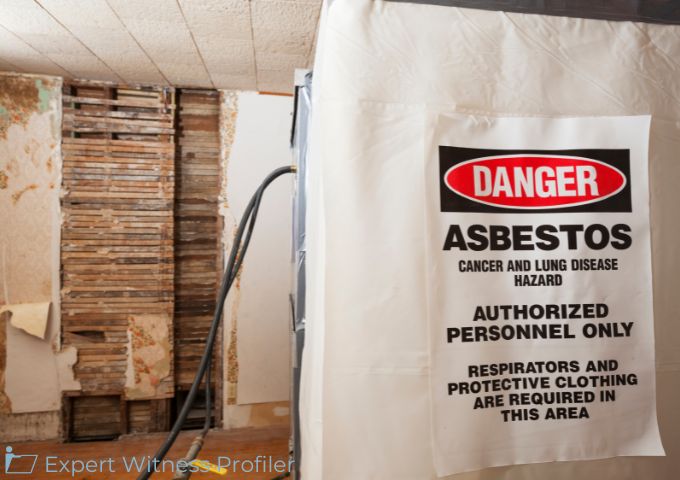
  • Industrial Hygiene Expert’s Contaminated House Theory Admitted

    Industrial Hygiene Expert’s Contaminated House Theory Admitted

    Plaintiff, Edward Montelongo, alleged that he has developed asbestosis due to exposure to asbestos through his work at various facilities, including Avondale Shipyards, Kaiser Aluminum & Chemical Corp., and Shell Oil Company’s Norco and Yscloskey facilities.

    Defendant Huntington Ingalls Incorporated’s (formerly, “Avondale”) asked the Court to preclude Plaintiff’s industrial hygiene expert, Gerard Baril, from opining at trial that Plaintiff’s work with and around asbestos-containing products contaminated his home because Plaintiff carried asbestos fibers home with him on his clothing, leading to continued asbestos exposure long after Plaintiff ceased that work.

    Industrial Hygiene Expert Witness

    Gerard L. Baril has worked in the field of occupational safety, industrial hygiene, and environmental health since 1978. Baril has practiced industrial hygiene (starting as an industrial hygiene technician) since 1982.

    Over the decades, he has conducted hundreds of industrial hygiene surveys qualifying and quantifying workers’ exposures to a wide array of airborne contaminants including asbestos.

    Get the full story on challenges to Gerard Baril’s expert opinions and testimony with an in-depth Challenge Study.

    Discussion by the Court

    In this case, Avondale did not contest that Baril was qualified to testify as an expert. Rather, Avondale challenged the reliability of Baril’s “contaminated house” opinions, arguing that they were “scientifically unreliable, methodologically unsupported, and inadmissible because they do not follow any accepted procedure, standard, or analytical framework recognized in industrial hygiene for determining whether a residence is contaminated with asbestos.” However, as Plaintiff argued, Baril “cited numerous references that support his opinions, including published, peer-reviewed literature, publications by governmental and scientific organizations, as well as occupational exposure standards and regulations.”

    Therefore, Baril’s testimony is sufficiently reliable to satisfy the Court’s gatekeeping function under Daubert.

    Held

    The Court denied Avondale’s motion to partially exclude the testimony of Plaintiff Edward Montelongo’s retained industrial hygiene expert Gerard Baril.

    Key Takeaway

    It is the role of the adversarial system, not the Court, to highlight weak evidence. The fact that opposing parties do not agree with the facts relied upon by an expert, or with the expert’s interpretation of those facts, does not render the expert’s opinions unreliable. Challenges related to the basis of an expert’s opinions are thus best suited for cross-examination, not exclusion.

    Please refer to the blog previously published about this case:

    Pulmonary Medicine Expert’s COPD Opinions Admitted

    Case Details:

    Case Caption: Montelongo V. Bayer Cropscience, Inc.
    Docket Number: 2:25cv555
    Court Name: United States District Court for the Eastern District of Louisiana
    Order Date: May 19, 2026
  • Correctional Healthcare Expert Was Allowed to Opine on Drug Addiction

    Correctional Healthcare Expert Was Allowed to Opine on Drug Addiction

    Pro se Plaintiff Michael Scriven brought this action against Defendants VitalCore Health Strategies, LLC (incorrectly named as “Vital Core LLC”), Jennifer Ehrlich, Tracy Staley, Dr. Harold Stopp, Ryan Fickle, and Dr. John Tomarchio (incorrectly named as “Demarco”) for alleged violations of his constitutional rights while in custody at the Sedgwick County Jail (“SCJ”). Specifically, Plaintiff asserted that Defendants violated his Fourteenth Amendment rights when they denied him narcotic pain medication for his chronic health conditions.

    During discovery, Defendants retained Dr. Thomas D. Fowlkes to provide an opinion regarding the medical necessity of the care and treatment requested by Plaintiff. Plaintiff sought to declare Defendants’ expert report inadmissible.

    Correctional Healthcare Expert Witness

    Thomas DeBow Fowlkes, M.D. is a correctional medicine physician with approximately 25 years of experience in delivering primary care in a correctional setting. He is board certified in both Emergency Medicine and Addiction Medicine. He is also a Certified Correctional Healthcare Professional-Physician (“CCHP-P”).

    Discover more cases with Thomas Fowlkes as an expert witness by ordering his comprehensive Expert Witness Profile report.

    Discussion by the Court

    Plaintiff asserted eight arguments as to why the Court should declare Fowlkes’ expert report inadmissible.

    Qualification

    First, Plaintiff argued that Fowlkes is not qualified because he is not an “orthopedic,” “nerve specialist,” or “pain management specialist.” However, Fowlkes is not opining on the type of pain medication suitable for Plaintiff’s chronic pain. Instead, he is opining on the appropriate standard of care for managing chronic pain in a correctional setting. Because Fowlkes’ expertise is directly relevant to the issue at hand, the Court found that Fowlkes is qualified to render an opinion in this case.

    Methodology

    Second, Plaintiff argued that Fowlkes’ method is not a sound medical opinion because the x-ray images he looked at are covered in gray and white static. Although these images may be low quality, Fowlkes reviewed the entire medical record, including the official radiology reports associated with the x-ray images. Thus, contrary to Plaintiff’s argument, Fowlkes’ methodology is not flawed, and the Court will not declare it inadmissible on this basis.

    Third-Party Hearsay Statements

    Third, Plaintiff argued that Fowlkes improperly relied upon third-party hearsay statements in Plaintiff’s medical records when crafting his expert report. However, an expert’s reliance on hearsay does not necessarily render the expert’s opinion unreliable.

    Substance Abuse Disorder

    Fourth, Plaintiff claimed that Fowlkes improperly diagnosed Plaintiff with a substance abuse disorder. This argument misrepresents Fowlkes’ report. Fowlkes did not make a new diagnosis regarding substance abuse. Instead, he relied on Plaintiff’s own reported history and prior medical records to document that Plaintiff had a substance abuse disorder in the past. Fowlkes merely opined on Plaintiff’s prior drug addiction.

    VitalCore Policy

    In his fifth argument, Plaintiff asserted that Fowlkes falsely denied the existence of a VitalCore policy in his report. Plaintiff asserted that the medical records showed that Defendant Staley used a VitalCore policy to deny Plaintiff’s medication.

    In response, Defendants argued that Fowlkes did not deny the existence of a VitalCore policy, instead he opined that he saw no VitalCore policy or procedure that precluded the use of opioid medication. This is a factual dispute between the parties. Plaintiff’s disagreement with Fowlkes’ conclusion in his expert report goes to the weight of Fowlkes’ testimony. It is not grounds for exclusion.

    Factual Statements

    In his sixth and seventh arguments, Plaintiff disagreed with two different factual statements in Fowlkes’ report. In his sixth argument, Plaintiff took issue with Fowlkes’ statement that Plaintiff fractured his hand after hitting a door. And in his seventh argument, Plaintiff argued that Fowlkes should have provided the name of the physicians who previously terminated Plaintiff as patient due to his behavior and demeanor. These are both tangential factual issues that are irrelevant to the issues before the Court. Plaintiff’s disagreement with Fowlkes’ statements did not render Fowlkes’ opinion on the central issues of the case unreliable.

    Falsified Medical Records

    In Plaintiff’s final argument, he claimed that Fowlkes relied on medical records that were falsified by Defendant Staley.

    In any event, criticisms regarding the medical providers or the databases on which the expert relies go to the weight, and not the admissibility of the expert’s opinion. Accordingly, this argument is not an adequate basis under which the Court may declare Fowlkes’ report inadmissible.

    Held

    The Court denied Plaintiff’s motion to declare Thomas Fowlkes’ expert report inadmissible.

    Key Takeaway

    Overall, the Plaintiff failed to present a credible challenge to Fowlkes’ qualifications or methodology. His arguments mostly amount to a disagreement with underlying evidence. This disagreement goes to the weight of the testimony, not its admissibility, and is the proper subject of cross-examination.

    Case Details:

    Case Caption: Scriven V. VitalCore Health Strategies, LLC named as “Vital Core, LLC”
    Docket Number: 5:22cv3282
    Court Name: United States District Court for the District of Kansas
    Order Date: May 20, 2026