Tag: Rule 26

  • Court excludes the testimony of Business Administration and Management Expert Witness citing Violation of Disclosure Obligations 

    Court excludes the testimony of Business Administration and Management Expert Witness citing Violation of Disclosure Obligations 

    This case involved a dispute between Plaintiffs Toa Trading LLC and MunshiBari LLC and Defendants Mullen Automotive, Inc. and Mullen Technologies, Inc. over an alleged breach of contract. The Plaintiffs claimed that the Defendants failed to pay them a finder’s fee as required by an agreement between the parties. The Defendants argued that they were not required to pay the fee because the Plaintiffs had acted as unlicensed broker/dealers in violation of Securities and Exchange Commission (SEC) regulations, rendering the contract null and void. To support their argument, the Defendants intended to offer expert testimony from Lauren Cohen. They disclosed Cohen as a “hybrid non reporting expert witness” who would testify about SEC regulations, specifically Section 3(a)(4) and Section 15(a) related to the brokers and whether the Plaintiffs acted as unlicensed broker/dealers. 

    On April 7, 2023, the Judge issued a scheduling order outlining key deadlines for the legal proceedings. The order mandated that by June 23, 2023, the involved parties were required to disclose their experts, along with summaries and reports related to expert witnesses. Subsequently, on August 4, 2023, a deadline was set for the exchange of rebuttal expert witness summaries and reports. All discovery, including expert discovery, was slated to conclude by August 25, 2023. Finally, a trial date of February 12, 2024, was entered. 

    On June 23, 2023, the Defendants initially disclosed Cohen as a “retained expert” in accordance with Federal Rules of Civil Procedure 26(a)(2)(B) and 26(a)(2)(C). In this disclosure, Cohen’s anticipated expert testimony was outlined, focusing on findings, observations, opinions, and discussions related to Securities and Exchange Commission regulations and the legality of the contracts in question, along with any associated fair market value. The Defendants affirmed that the attached exhibit, including Cohen’s CV, publication list, relevant testimony, and credentials, adhered to the requirements of Rule 26(a)(2)(B). Notably, the June 23 disclosure did not include a report prepared by Cohen.

    On June 27, 2023, the Plaintiffs communicated via email to the Defendants, expressing their belief that the initial disclosures made by the Defendants were deemed “procedurally and substantively insufficient” and urged for a discussion to address these concerns before considering the filing of a motion to strike.

    On July 10, 2023, the Defendants made amendments to their expert witness disclosures, referred to as “Amended Disclosures.” Notably, these revised disclosures still did not include an expert report prepared by Cohen. Instead, Cohen was re-categorized as a “hybrid” witness, blending both factual and expert roles under Fed. R. Civ. P. 26(a)(2)(C). The previous concise summary of Cohen’s expected testimony was omitted, and a new description was provided. In this updated information, Cohen was said to be expected to provide both factual testimony and opinion, permitted by FRCP 26(a)(2)(C) as a hybrid witness, specifically regarding Securities and Exchange Commission regulations. The focus areas included Section 3(a)(4) and Section 15(a), addressing conduct that the SEC may deem indicative of individuals acting as brokers. The testimony would also cover agreements involving transaction-based compensation and specific conduct relevant to determining whether TOA TRADING’s and MUNSHIBARI’s principals and agents acted as unlicensed broker/dealers in connection with the reverse triangular merger outlined in the Complaint.

    Days later, during the July 12 conferral, the Plaintiffs once again contested the adequacy of the Defendants’ Amended Disclosures. Their arguments centered around several key points: (1) the Defendants’ failure to provide an expert report, as mandated by FRCP 26(a)(2)(B); (2) the absence of evidence supporting Cohen’s classification as a ‘hybrid’ fact and expert witness, as required by FRCP 26(a)(2)(C); (3) even if FRCP 26(a)(2)(C) applied, deficiencies in the Amended Disclosures for not specifying Cohen’s opinions and their bases; and (4) concerns that the Amended Disclosures hinted at improper expert testimony on the applicability of SEC regulations, deeming it unnecessary for an expert to educate the Court on these legal matters. Notably, the Defendants’ Amended Disclosures did not reveal any involvement by Cohen in the facts of the case that would appropriately categorize him as a fact witness, nor did they disclose any statement regarding Cohen’s compensation as a witness.

    In response to the Defendants’ refusal to withdraw Cohen’s testimony, the Plaintiffs took action and, on July 26, 2023, filed a motion to strike the proposed testimony.

    Lauren H. Cohen is the L.E. Simmons Professor in the Finance & Entrepreneurial Management Units at Harvard Business School and a Research Associate at the National Bureau of Economic Research. Cohen teaches in the MBA Program, Executive Education Program, Doctoral Program, and Special Custom Programs at the Harvard Business School, teaching across Family Enterprise, Investment Management, and Innovation Course Offerings. He is an award-winning researcher, and best-selling case writer, with works published in the top journals in Finance and Economics. His work is frequently profiled in various media outlets including The Wall Street Journal, The New York Times, The Washington Post, The Economist, and Forbes. Cohen frequently advises government organizations in the U.S. and abroad, including the United States Securities and Exchange Commission and United States Patent & Trademark Office.

    The exclusion of Cohen’s testimony in this case was warranted for three main reasons. Firstly, the Defendants neglected to submit the expert report mandated by Fed. R. Civ. P. 26(a)(2)(B) within the specified deadline. Secondly, the Defendants’ non-compliance with Fed. R. Civ. P. 26(a)(2) was found to lack substantial justification and was not deemed harmless to the Plaintiffs. Lastly, it was argued that Cohen’s proposed testimony ran afoul of Eleventh Circuit law and was considered improper.

    The Defendants were unable to substantiate that Cohen played any role other than that of a retained expert in this case. The available evidence in the record did not indicate any first hand involvement by Cohen in the relevant facts or transactions under consideration. Specifically, during the October 31 hearing on the case, the Defendants acknowledged that Cohen had no prior knowledge of the case before being engaged as a paid expert by the Defendants’ counsel to offer testimony in this matter.

    In accordance with Rule 26(a)(2)(B), when a witness is retained or specifically employed to provide expert testimony in a case, the disclosure must be accompanied by a written report. This report, which must be “prepared and signed by the expert witness,” and is required to include the following:

    (i) A comprehensive statement outlining all opinions the witness will express and the basis and reasons supporting those opinions.

    (ii) Details regarding the facts or data considered by the witness in forming their opinions.

    (iii) Any exhibits that will be used to summarize or support the opinions.

    (iv) The witness’s qualifications, including a list of all publications authored within the preceding 10 years.

    (v) A list of all other cases in which the witness testified as an expert, either at trial or through deposition, within the preceding 4 years.

    (vi) A statement indicating the compensation to be paid for the study and testimony in the case.

    In the case of Cedant v. United States, 75 F.4th 1314, 1321 (11th Cir. 2023), as of 2023, the Eleventh Circuit clarified that the classification of an expert witness as “retained” or “non-retained” depends on the nature of the relationship between the expert and the party for whom the expert is intended to testify, rather than the actual content of the expert’s testimony. This interpretation, outlined in Cedant, emphasizes the importance of examining the initial reason and timing of the expert’s retention by a party, specifically assessing whether the retention was for the purpose of providing expert testimony in the case or for some other objective. The Court instructed that a textual reading of Rule 26(a)(2)(B) indicates that an expert’s status as a retained witness hinges on the original purpose of their retention (For instance, in the context of medical expert testimony, the determination of whether a doctor is retained or not depends on whether they were hired to testify or to provide treatment).

    Following the plain language of Rule 26(a)(2) and the guidance from the Cedant decision, it was determined that Cohen was unequivocally a retained expert. Throughout the litigation, his sole association with the case was as a paid witness hired by the defense counsel to provide expert testimony. This conclusion aligns with the Court’s assertion in Cedant that an expert is considered retained “if his connection to the litigation was, from the beginning, as a paid expert witness.” Cohen lacked any “first-hand factual awareness of the subject matter of the suit,” as per Cedant, and the Defendants did not dispute this fact. Rather, Cohen’s involvement with the Defendants commenced specifically when he was retained to testify in the litigation, with no other purpose or connection to the case beyond potentially offering expert testimony after the fact.

    As Cohen was correctly identified as a “retained” expert witness, the Defendants were obligated, in accordance with Fed. R. Civ. P. 26(a)(2)(B) and Judge’s scheduling order, to furnish the Plaintiffs with a comprehensive expert report for him by the specified deadline of June 23, 2023. However, the Defendants failed to fulfill this requirement. Despite being alerted to this issue by the Plaintiffs, and despite the passage of several months, the Defendants did not take corrective measures to address their failure and provide the Plaintiffs with the necessary expert report and information.

    Cohen’s testimony and opinions were rightfully excluded in this case due to the Defendants’ failure to furnish the necessary expert report by the deadline specified in the scheduling order. The Defendants did not demonstrate that this failure was substantially justified or harmless, leading to the appropriate exclusion of Cohen’s testimony and opinions from consideration in the case.

    Violations of Rule 26(a)(2)(B)’s disclosure requirements necessitate the exclusion of undisclosed information or witnesses unless the violation is justified or deemed harmless, citing Fed. R. Civ. P. 37(c)(1). This is something held by the Court, that substantial justification, in this context, requires a level of justification that could reasonably convince a person that parties may differ on whether compliance with the disclosure request was necessary. The proponent’s position must have a reasonable basis in law and fact, quoting Chapple v. Alabama, 174 F.R.D. 698, 701 (M.D. Ala. 1997). Assessing whether there was substantial justification or harmlessness in failing to disclose involves considering four factors: (1) the significance of the excluded testimony; (2) the party’s explanation for the failure to comply with the disclosure requirement; (3) the potential prejudice resulting from allowing the testimony; and (4) the availability of a continuance to provide remedy for such prejudice, as outlined in Chappell.

    In addressing the substantial justification factors outlined in Chappell, the Defendants were unsuccessful in demonstrating the significance of Cohen’s proposed testimony. The Defendants asserted that the testimony’s sole purpose was to educate the jury about relevant securities laws. However, this proposed testimony was considered improper and inadmissible because it appeared to go beyond presenting factual information and delved into expressing Cohen’s opinion on the ultimate legal conclusion of whether the Defendants qualified as brokers under applicable securities laws and regulations. Citing, Montgomery v. Aetna Cas. & Sur. Co., 898 F.2d 1537, 1541 (11th Cir. 1990), which stipulates that a witness is not permitted to testify about the legal implications of conduct, as the Court must be the sole source of law for the jury. Despite the Defendants’ assertion that Cohen’s testimony would refrain from providing ultimate legal conclusions and would solely instruct the jury about applicable securities law, such proposed testimony was deemed inadequate. This alone justified the exclusion of Cohen’s testimony. Furthermore, even if we overlook the inappropriateness of the proposed expert testimony concerning domestic securities law, any attempt by the Defendants to present Cohen’s testimony to educate the jury about pertinent securities laws was deemed unnecessary. This is because the Judge would provide instructions to the jury at the trial regarding the relevant law.

    The Defendants failed to provide a satisfactory explanation for their failure to disclose expert testimony appropriately. Despite the Plaintiffs’ objections and the clear language of Rule 26(a)(2), the Defendants consistently asserted, contrary to the rules, that they were not obligated to produce an expert report under Rule 26(a)(2)(B) for Cohen. Refusing to acknowledge the plain language of Rule 26(a)(2) and the inapplicability of Rule 26(a)(2)(C) to an expert with no connection to the case except for compensated retention for trial testimony, the Defendants chose not to rectify their expert disclosure violations by submitting an expert report or requesting an extension of the deadlines set by the Judge. Instead, they opted to risk violating the Judge’s scheduling order, the Federal Rules of Civil Procedure, and Local Rule 16.1(b)(6), persisting in their unjustified interpretation of Rule 26(a)(2) even after the Plaintiffs filed their motion to strike. Even at the hearing on the Plaintiffs’ motion, the Defendants still lacked a report for Cohen, and they could not articulate Cohen’s opinions on the pertinent securities laws, beyond stating that he would testify about them.

    Due to the Defendants’ inadequacies in disclosing information about Cohen, admitting his testimony at trial would have severely prejudiced the Plaintiffs. Apart from the previously discussed improprieties in Cohen’s proposed testimony, there was a significant risk that his testimony could confuse or mislead the jury by serving as a competing source of law, potentially conflicting with the Judge’s instructions and creating confusion about the applicable law. The absence of an expert report that adequately presented Cohen’s opinions and their basis prevented the Plaintiffs and the Court from mitigating these prejudicial possibilities. Furthermore, the lack of a requisite report detailing Cohen’s opinions and their basis denied the Plaintiffs the opportunity to identify and retain a possible rebuttal expert, as they had no information about the opinions Cohen might express that would necessitate a rebuttal. The actual opinions held by Cohen regarding the relevant securities laws remained unknown. Moreover, the Plaintiffs were deprived of a realistic chance to depose Cohen within the discovery period due to insufficient and denied information, impeding the ability to conduct a meaningful deposition. Consequently, the Plaintiffs were also denied the capacity to prepare for and conduct a meaningful cross-examination of Cohen at trial if he were allowed to testify.

    Finally, the Defendants failed to demonstrate how a continuance could rectify the prejudice faced by the Plaintiffs. Addressing the prejudice resulting from the Defendants’ expert disclosure violations would necessitate more than a mere continuance in this case. If the Defendants were to eventually produce the required expert report for Cohen, the Plaintiffs would then need time to locate and retain a rebuttal expert, and expert discovery in the case would need to be reopened to address the competing opinions of the experts. Moreover, a continuance would not remedy the fact that Cohen’s proposed testimony was improper and inadmissible. In these circumstances, a continuance would not alleviate the prejudice caused by the Defendants’ violations of their expert disclosure obligation; instead, it would result in undue delay, exacerbating the prejudice to the Plaintiffs. The Defendants were well aware of the issues surrounding Cohen’s proposed testimony and had ample opportunities to provide a timely expert report and take steps to remedy their disclosure violations in a manner that would minimize the prejudice to the Plaintiffs. However, the Defendants persistently defended their unwarranted Rule 26(a)(2) arguments and refused to take corrective actions to address their noncompliance with the required expert disclosure requirements or mitigate the resulting prejudice.

    The Plaintiffs’ Motion to Strike was granted, and the Defendants’ expert witness, Lauren Cohen, was precluded from testifying at trial.

    The Court has not arrived on an outcome for this case since the remaining issues involved in this case still await resolution.

    This case demonstrates the importance of properly disclosing expert witnesses under Rule 26(a)(2) and providing expert reports by Court-ordered deadlines. The Defendants failed to classify their expert, Cohen, appropriately or provide the required report. As a retained expert hired to provide testimony, Cohen was subject to Rule 26(a)(2)(B), not the less stringent “hybrid witness” disclosures under Rule 26(a)(2)(C). By missing the deadline to submit Cohen’s report, the Defendants violated the Court’s scheduling order.

    The magistrate judge excluded Cohen’s testimony as a sanction for these disclosure violations under Rule 37(c). Key factors were the Defendants’ lack of justification for noncompliance and the resulting prejudice to the Plaintiffs. Without a proper report, the Plaintiffs could not prepare to cross-examine Cohen or retain rebuttal witnesses. 

    Courts have broad discretion to exclude expert testimony for failure to satisfy disclosure requirements. Here, exclusion was appropriate despite the importance of Cohen’s testimony to the defense. This case demonstrates Courts may impose exclusion even when it impacts a core defense, if discovery violations are unjustified and incurable. Attorneys should ensure meticulous compliance with Rule 26 procedures to avoid exclusion of retained experts.

  • Court admits the deficient report of Orthopedic Surgery Expert Witness despite non-compliance with the requirements of Rule 26 but subjects it to lesser sanctions

    Court admits the deficient report of Orthopedic Surgery Expert Witness despite non-compliance with the requirements of Rule 26 but subjects it to lesser sanctions

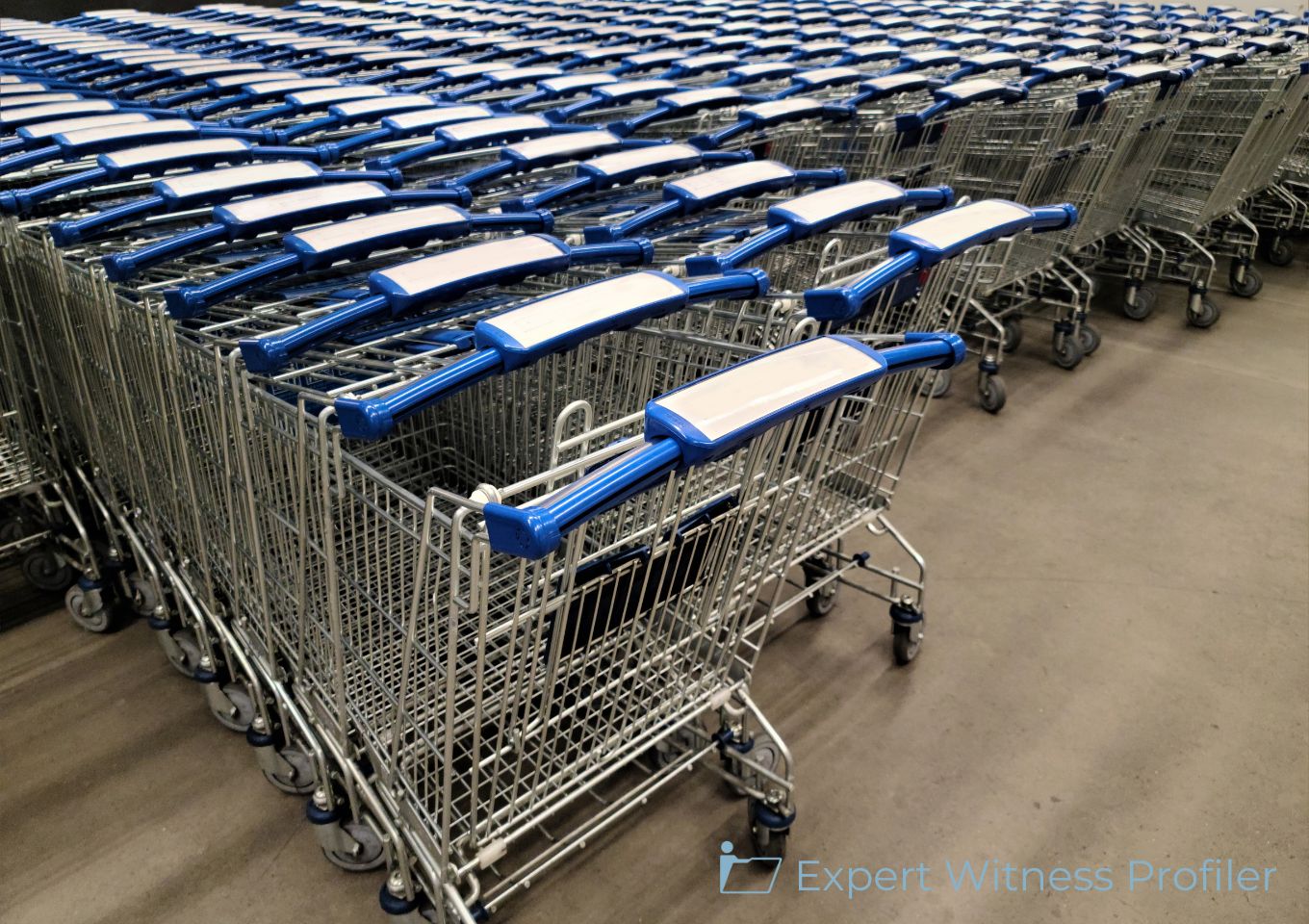
    Plaintiff Valerie Peterson filed a personal injury lawsuit against Defendant Ross Dress for Less, Inc. in the United States District Court for the Eastern District of Missouri. Peterson alleged that on July 6, 2020, while shopping at a Ross Dress for Less store in Poplar Bluff, Missouri, she was struck by an overloaded shopping cart transported by a Ross’ employee, causing her serious injuries. 

    As per the Case Management Order, the Plaintiff had until July 15, 2023, to disclose expert witnesses. On that date, the Plaintiff’s counsel informed the Defendant’s counsel via email about the intent to name Matthew Gornet as an expert witness, seeking an extension of 45 days to submit  Gornet’s report. The Defendant’s counsel agreed to a 30-day extension. On August 15, the Plaintiff’s counsel notified the Defendant’s counsel of the ongoing delay in receiving Gornet’s report. However, on August 18, the Plaintiff’s counsel finally sent  Gornet’s report to the Defendant’s counsel, accompanied by a link to various medical records of the Plaintiff.

    In his report, Gornet detailed his treatment of the Plaintiff for neck and low back problems, commencing in April 2021, which included two surgeries. He indicated that the Plaintiff would need future treatment for cervical and lumbar spine issues, estimating associated costs. Gornet opined that the incident on or about July 6, 2020, aggravated the Plaintiff’s pre-existing degenerative conditions, basing his opinion on comparative studies, knowledge of similar cases, and a review of relevant medical records.

    The Defendant filed a motion to strike Gornet, citing two main reasons: first, the late submission of the report, provided three days after the agreed 30-day extension period, and second, the report’s alleged failure to include required information under Rule 26(a)(2)(B).

    Dr. Matthew Frederick Gornet, M.D., is a spine surgeon currently employed at St. Louis Spine and Orthopedic Surgery Center. He completed his Bachelor of Arts degree at Washington University. He then attended Johns Hopkins University School of Medicine where he received his Medical Degree. This was followed by a residency program in General Surgery at Johns Hopkins Hospital and then a residency program focused specifically on Orthopedic Surgery, also completed at Johns Hopkins Hospital. Gornet then completed an advanced Spinal Surgery fellowship program at Johns Hopkins Hospital under the guidance of globally renowned spine surgeon Dr. John Kostuik. He is certified by the American Board of Orthopaedic Surgery. 

    The Court initially addressed the Defendant’s contention that  Gornet’s report should be stricken due to non-compliance with Rule 26(a)(2)(B). The Plaintiff countered, asserting that Rule 26(a)(2)(B) was inapplicable to  Gornet as he was a treating physician, and instead, compliance with Rule 26(a)(2)(C) was sufficient. The Defendant, in its reply, maintained the position that Rule 26(a)(2)(B) applied but added that even if it did not, Gornet’s testimony should be excluded because he was never appropriately disclosed as an expert under any aspect of Rule 26(a)(2).

    Rule 26(a)(2) outlines disclosure requirements for expert witnesses in trial testimony. It distinguishes two categories: (1) experts retained for the case, requiring a detailed report (Rule 26(a)(2)(B)), and (2) other witnesses, who need not provide a report but must disclose the subject matter and a summary of their expected testimony (Rule 26(a)(2)(C)).

    The Eighth Circuit clarified the application of these rules to treating physicians offering expert testimony, emphasizing that if a treating physician forms opinions outside their treatment scope, they are considered retained experts and must adhere to Rule 26(a)(2). The Court, in Johnson v. Friesen, 79 F.4th 939, 943 (8th Cir. 2023), held that such physicians must submit an expert report, not just a summary, as mandated by Rule 26(a)(2)(B). Failure to comply may result in exclusion of the expert’s testimony, as seen in Johnson and other related cases.

    The situation involves Gornet, identified as one of the Plaintiff’s treating physicians, detailing his treatment, including two surgeries. The Plaintiff’s deposition testimony confirms that she was referred to Gornet after physical therapy proved ineffective. Despite establishing Gornet as a treating physician, it’s emphasized that this alone doesn’t determine the applicability of Rule 26(a)(2)(B) to his opinions. The crucial consideration is whether Gornet’s views on the cause of the Plaintiff’s injury and her future treatment needs and costs were formed “in the course of providing treatment,” a legal standard not addressed by either party in their submissions.

    Upon reviewing the record, the Court determined that Gornet’s opinions were, to some extent, formulated outside the course of providing treatment to the Plaintiff. Gornet’s letter was a response to a request from the Plaintiff’s counsel for an “expert opinion and narrative report” concerning the causation of the injuries and future treatment needs. The letter contained specific treatment recommendations and cost estimates for procedures over the next decade, suggesting these conclusions likely did not arise during the course of the Plaintiff’s treatment. Notably, Gornet did not specify when he formed his causation opinion but indicated it was based on various comparisons and reviews. The Court found it more likely that Gornet developed these opinions outside the context of providing treatment, considering the detailed nature of his recommendations, his compensation for the report, and the indication from the Plaintiff’s attorney that Rule 26(a)(2)(B) requirements applied.

    The Court concluded that Gornet formed his opinions outside the course of providing treatment to the Plaintiff, making him subject to Rule 26(a)(2)(B). However, the Court agreed with the Defendant that Gornet’s two-and-a-half-page report did not fully meet the requirements of Rule 26(a)(2)(B).

    First, Gornet’s report lacked the necessary detail regarding the “facts or data considered” in forming his opinions, as mandated by Rule 26(a)(2)(B)(ii). Second, it failed to include any exhibits supporting his opinions, violating Rule 26(a)(2)(B)(iii). Third, the report lacked information on  Gornet’s qualifications and publications from the past 10 years, contravening Rule 26(a)(2)(B)(iv). Fourth, it did not provide a comprehensive list of cases in which  Gornet testified over the previous four years, violating Rule 26(a)(2)(B)(v). Finally, the report did not contain a clear statement of the compensation to be paid for Gornet’s study and testimony, as required by Rule 26(a)(2)(B)(vi).

    As a result of these deficiencies, the Court determined that the Plaintiff did not comply with Rule 26(a)(2)(B) regarding Gornet’s expert report. Additionally, the Court deemed Gornet’s non-compliant report untimely, being submitted three days after the agreed-upon 30-day extension in the Case Management Order.

    The Court then addressed the Plaintiff’s failure to comply with Rule 26(a)(2)(B) and the Case Management Order, the potential remedies were emphasized under Rule 37. Rule 37 provided the Court with wide discretion to impose sanctions for noncompliance, including exclusion of evidence, unless the failure was substantially justified or harmless. However, the Court acknowledged that the exclusion of evidence was a severe measure and should be used sparingly. Rule 37(c)(1) allowed the Court to order the payment of reasonable expenses and attorney’s fees caused by the failure to disclose and impose other appropriate sanctions. In determining an appropriate remedy, the Court considered factors such as the reason for noncompliance, the surprise and prejudice to the opposing party, the potential disruption to trial order and efficiency, and the importance of the information or testimony.

    After considering relevant factors, the Court determined that the circumstances did not justify the severe sanction of excluding all or part of Gornet’s testimony. Regarding the first factor, the Plaintiff did not explicitly state the reason for noncompliance, but it seemed to result from a combination of misunderstanding the applicable law and a failure to ensure timely submission of relevant information by Gornet. This factor slightly favored exclusion. Concerning the second factor, the surprise and prejudice to the Defendant appeared minimal, as the Plaintiff’s actions did not involve attempting to spring new expert testimony on the Defendant on the brink of trial. Instead, the Plaintiff submitted a deficient report three days late, and adjustments to the Case Management Order could accommodate the necessary steps for the Defendant. The third factor, related to trial order and efficiency, favored allowing Gornet to testify, given the trial was more than eight months away. The fourth factor, emphasizing the importance of the information or testimony, strongly opposed exclusion, as Gornet’s testimony held significant relevance to the Plaintiff’s case. Considering these factors, the Court found the Plaintiff’s noncompliance with Rule 26(a)(2)(B) to be harmless under the circumstances, and exclusion was deemed unwarranted.

    While the Court chose not to exclude Gornet’s testimony, it deemed a lesser sanction appropriate for the Plaintiff’s failure to comply with Rule 26(a)(2)(B) and the Case Management Order. Considering the circumstances, the Court found awarding reasonable fees and costs to the Defendant as an appropriate sanction. However, the Court decided to provide the Plaintiff with an opportunity to be heard before imposing this sanction, following the procedure outlined in Fed. R. Civ. P. 37(c)(1). The Court set brief deadlines for the Defendant to file a motion requesting and documenting reasonable fees and costs, for the Plaintiff to respond to those fees and costs, and for the Plaintiff to supplement her Rule 26 disclosures with a compliant expert report from Gornet within twenty-one days. Additionally, the Court extended remaining deadlines in the Case Management Order to allow the Defendant sufficient time for Gornet’s deposition and expert disclosures. This approach aligns with decisions made by other district Courts in similar situations.

    The Court denied Defendant’s Motion to Strike Plaintiff’s Expert Witness Matthew Gornet. The Court issued further orders directing the Plaintiff to supplement her Rule 26 disclosures and provide a compliant supplemental expert report from  Gornet within twenty-one days. Additionally, the Defendant was instructed to file a motion for reasonable fees and costs within fourteen days, with the Plaintiff required to respond within the same timeframe after the motion is filed. The parties were directed to meet and confer within fourteen days to submit a Joint Proposed Scheduling Plan, suggesting new deadlines for a Second Amended Case Management Order. The Court reserved the option to decide whether a scheduling conference would be necessary based on the submitted plan before entering a Second Amended Case Management Order.

    This case demonstrates that treating physicians providing expert opinion testimony may be subject to the more stringent report requirements of Federal Rule of Civil Procedure 26(a)(2)(B) rather than the more lenient disclosures of Rule 26(a)(2)(C). The key factor is whether the physician formed the expert opinions at issue in the course of providing treatment to the patient. If the opinions were formed outside the course of treatment, Rule 26(a)(2)(B) likely applies. 

    Here, Gornet offered specific opinions on causation, future treatment, costs, and prognosis that he appears to have formed at least partly outside the course of Peterson’s treatment. Thus, his report had to comply with Rule 26(a)(2)(B). His failure to do so subjected Peterson to potential sanctions, including exclusion of Gornet’s testimony. However, the Court opted for lesser sanctions since exclusion seemed too harsh under the circumstances. The case shows Courts have broad discretion to fashion appropriate remedies for violations of expert disclosure rules. Their goal is finding a fair outcome, not punishing a defective expert report.

  • Court excludes unreliable pharmacology and neurology expert opinions in product liability case; grants summary judgment

    Court excludes unreliable pharmacology and neurology expert opinions in product liability case; grants summary judgment

    This case involved a product liability lawsuit filed by Harvey Mahler against The Vitamin Shoppe Industries, Inc. in the United States District Court for the Northern District of Illinois. Mahler alleged that he developed peripheral neuropathy after taking a multivitamin manufactured by The Vitamin Shoppe that contained arsenic and lead.  

    Mahler purchased two bottles of The Vitamin Shoppe’s One Daily Men’s 50+ vitamin supplement on June 25, 2017. He took one tablet per day from June 25 to August 16, 2017, for a total of 51 days. In mid-August 2017, Mahler began experiencing symptoms including peripheral and ulnar neuropathy, bilateral foot numbness, hypertension and renal artery thrombosis. He saw several physicians, including his primary care doctor, a nephrologist and a hematologist. None of them diagnosed Mahler with heavy metal poisoning or ordered tests to screen for heavy metals. 

    Nonetheless, Mahler sent the vitamin supplement to an independent laboratory, Eurofins, which detected arsenic and lead in the product. Eurofins sent back a report that showed the Vitamin Supplement contained a detectable amount of arsenic and lead—two types of heavy metals. Although his physicians did not link his symptoms to the vitamins, Mahler believed based on his own research that the arsenic and lead caused his health issues.  

    On June 5, 2018, Mahler visited Octavia Kincaid, a neurologist. He reported neuropathy in his feet and left hand fingers. Kincaid reviewed prior electromyography (EMG) tests and examined Mahler. She diagnosed him with peripheral neuropathy. Mahler told Kincaid about the vitamins containing heavy metals and gave her the Eurofins report. Kincaid said arsenic and lead could cause his symptoms. Her blood tests for other potential causes came back normal. She clinically diagnosed Mahler with peripheral neuropathy likely from heavy metal toxicity. 

    In his lawsuit, Mahler alleged that the arsenic and lead in the vitamin supplement caused his peripheral neuropathy. He asserted claims for strict liability, negligence, breach of warranty, negligent misrepresentation, and violation of the Illinois Consumer Fraud and Deceptive Business Practices Act (“ICFA”)

    The Vitamin Shoppe moved for summary judgment, arguing that Mahler lacked evidence that the small amounts of arsenic and lead in its product could have caused his alleged injury. Mahler relied on neurologist Octavia Kincaid and pharmacist James O’Donnell to provide pharmacology and neurology expert opinions on causation. The Vitamin Shoppe moved to exclude them under Daubert, asserting their opinions were unreliable. Defendant also filed a Daubert motion to exclude the testimony of Plaintiff’s other two experts- Jon Edward Clark and Stanley Vladimir “Stan” Smith.

    Causation and Damages Expert Witnesses 

    James Thomas O’Donnell, PharmD, M.S., F.C.P., is highly qualified as an expert in pharmacology, toxicology, and pharmacy. He has over 30 years of experience in teaching, research, and consulting in these fields. O’Donnell holds a Doctor of Pharmacy degree from the University of Michigan and a Master of Science in Clinical Nutrition from Rush University. He is an Associate Professor of Pharmacology at Rush University Medical Center.

    O’Donnell has authored numerous books related to pharmacology, toxicology, and pharmacy law. He has also published articles in peer-reviewed journals and consulted with pharmaceutical companies. 

    His qualifications include being board certified as a Diplomate in the American Board of Clinical Pharmacology. He is a Fellow of the American College of Clinical Pharmacology and the American College of Nutrition.

    In summary, O’Donnell’s extensive education, teaching and research experience, publications, and board certifications in pharmacology, toxicology, and pharmacy make him highly qualified to provide expert testimony on the topics relevant to this case. 

    Octavia B. Kincaid, M.D. is a Neurologist who provided medical care to Harvey Mahler from June 5, 2018 to the present. She  is an adult neurologist who specializes in neuromuscular neurology. She holds board certification in adult neurology, clinical neurophysiology, and neuromuscular medicine through the American Board of Psychiatry and Neurology. She received her medical degree from The University of Texas Health Science Center at San Antonio and has been in practice for more than 20 years. 

    Octavia Kincaid is currently working as a Neurologist at NorthShore University HealthSystem. Before her current position, she served as the Assistant Dean for Curriculum in the College of Medicine at the University of Illinois, Chicago. Additionally, she held a previous role as a Neurologist at the University of Illinois Hospital & Health Sciences System.System.  

    Jon Edward Clark, M.S., has over 35 years of experience in the pharmaceutical industry, including extensive expertise with FDA regulations and practices. He holds Bachelor’s and Master’s degrees in Chemistry. He worked for 21 years at the FDA, serving in leadership roles developing and implementing policy. After the FDA, he served as an executive in the U.S. Pharmacopeia, involved with setting standards for medicines and dietary supplements. He now runs an independent consulting firm focused on FDA regulatory requirements and compliance.  

    Stanley Vladimir Smith, Ph.D. is a nationally renowned economist who received his Ph.D. from the University of Chicago. 

    Discussions by the Court  

    The Vitamin Shoppe moved to exclude the causation opinions of Kincaid and O’Donnell under Daubert and Rule 702. The Court granted both motions, finding their methodologies unreliable. 

    Plaintiff relied upon Octavia Kincaid to establish both general and specific causation—that is, that the lead and arsenic contained in the Vitamin Supplement Plaintiff took could and did cause his peripheral neuropathy. 

    However, the Court first found Mahler failed to properly disclose Kincaid as a non-retained expert under Rule 26(a)(2)(C). He did not provide a summary of the facts and opinions to which she would testify on causation. However, the Court excluded Kincaid based on unreliability even if she had been properly disclosed.  

    Kincaid testified there were likely thousands of potential causes of peripheral neuropathy, with heavy metal exposure being rare. She said Mahler told her he took vitamins containing heavy metals and provided the Eurofins report. Although Kincaid ordered blood tests for more common neuropathies, they came back normal. With no other apparent cause, she clinically diagnosed Mahler with heavy metal induced peripheral neuropathy.  

    The Court found this process unreliable under Daubert. Kincaid agreed dose and duration of exposure were relevant to causation. But she could not recall investigating the levels of arsenic/lead in the vitamins or how long Mahler took them. She speculated she probably looked up reference levels but had no notes documenting so. The Court also did not express an opinion on Kincaid’s clinical or treatment methods. Kincaid herself clarified that her conclusion was a “clinical diagnosis” made based on the available information at the time. It’s important to note that her intent was not to establish “proof” of causation in a legal sense.

    The Court cited cases requiring experts to consider dose-response in toxic tort cases. As Kincaid failed to evaluate dosage, the Court deemed her opinions inadmissible. 

    The Defendant made three main arguments for excluding O’Donnell’s expert testimony. First, it contended he lacked qualifications for some opinions. Second, it argued his opinions about raw ingredients were irrelevant. Third, it asserted O’Donnell did not use a reliable methodology for his general causation conclusions, as he failed to analyze the dose-response relationship between the levels of arsenic and lead in the Vitamin Supplement and the onset of peripheral neuropathy. Defendant argued that the factual assumptions made by O’Donnell did not support the record.

    The Court found multiple reliability issues rendering O’Donnell’s opinions inadmissible. First, O’Donnell incorrectly assumed Mahler took the vitamins for four years rather than the 51 days supported by the record. He speculated all of Mahler’s vitamins contained arsenic/lead based merely on other products from China having contamination, not evidence specific to The Vitamin Shoppe’s products. The Court held this undue speculation did not satisfy Daubert

    Additionally, like Kincaid, O’Donnell failed to reliably consider dosage. He agreed dose response was relevant to toxicity. He knew there were acceptable daily intake levels of arsenic/lead under which toxicity would not be expected. Yet he conducted no analysis of the dose levels in the vitamins Mahler took or whether they exceeded acceptable thresholds. Instead, he reasoned that because Mahler developed neuropathy and his vitamins contained some level of arsenic/lead, they must have contained enough toxins to cause the neuropathy. The Court found this circular reasoning evidenced no reliable methodology under Daubert which rendered his opinions both unreliable and irrelevant.

    Held 

    In sum, the Court held that neither Kincaid nor O’Donnell employed reliable methods in reaching their causation opinions. Their failures to account for dosage of toxins in the vitamins rendered their testimony inadmissible under Rule 702. With no other evidence of causation, Mahler could not withstand summary judgment. Thus, the Court granted The Vitamin Shoppe’s motions to exclude Octavia Kincaid and James T. O’Donnell, and its motion for summary judgment. The Court denied as moot the motions to exclude Mahler’s other experts, Jon Clark and Stan Smith and subsequently terminated the case.

    Key Takeaways

    This product liability case illustrates the importance of ensuring expert witnesses employ reliable principles and methods under Daubert and Rule 702. The Court excluded both of Plaintiff Mahler’s causation experts because their opinions lacked sound methodology.

    • In toxic tort cases, experts must carefully consider dose and duration of exposure when rendering an opinion on causation. Both Kincaid and O’Donnell acknowledged this principle, yet failed to analyze or account for the levels of toxins in the vitamins Mahler consumed, it rendered their testimony unreliable.
    • Experts should not rely on unfounded assumptions or speculation. For example, O’Donnell unreasonably assumed that because Plaintiff was diagnosed with heavy metal-induced neuropathy and because the Vitamin Supplement that Plaintiff took contained lead and arsenic, it meant the Vitamin Supplement must have contained enough lead and/or arsenic to cause neuropathy. Expert opinions must be grounded in the facts of the specific case.
    • Additionally, Experts should avoid circular reasoning that uses the injury itself as proof of causation. The Court found O’Donnell employed this flawed logic.

    In excluding the experts, the Court demonstrated its critical gatekeeping role in vetting unreliable expert opinions before admission. Attorneys offering expert testimony must ensure their experts adhere to sound scientific principles and methods that can withstand Daubert scrutiny.

  • Court admitted the valuation expert reports presented by both parties in this case involving the termination of a wine distributorship agreement 

    Court admitted the valuation expert reports presented by both parties in this case involving the termination of a wine distributorship agreement 

    This case involved a dispute between Ste. Michelle Wine Estates, LLC (Plaintiff) and Tri County Wholesale Distributors, Inc. (Defendant) over the value of brands that Defendant had previously distributed for Plaintiff. The parties had a distribution agreement that was governed by the Ohio Alcoholic Beverages Franchise Act. This Act allowed a manufacturer like Plaintiff to terminate a distribution agreement upon a “change in control” over the manufacturer, but required the manufacturer to compensate the distributor for the diminished value from the loss of brands. 

    A change in control occurred with Plaintiff, and Plaintiff terminated the agreement with Defendant on December 28, 2021. The parties attempted to negotiate the diminished value but were unsuccessful. Plaintiff then filed this lawsuit seeking a judicial determination of the diminished value. The Court entered an interim order requiring Plaintiff to pay Defendant $112,500 based on Plaintiff’s last good faith offer.  That Order is subject to a final determination by Court, which will be made following a bench trial.

    Both parties retained experts to assess the diminished value. Plaintiff moved to exclude the report and testimony of Defendant’s business valuation expert witness, Edward “Ted” B. Wardell, while Defendant in turn moved to exclude certain opinions of Plaintiff’s business valuation expert witness, Justin L. Cherfoli. The Court denied both motions.

    Business Valuation Expert Witnesses

    Justin Cherfoli is a Managing Director in the valuation disputes practice and serves as the national practice leader for the firm’s Valuation Disputes/Family Law group. He has extensive experience as an expert witness and consultant in various financial matters, including business valuation, economic damages, and forensic accounting. His work has covered a wide range of purposes, including marital dissolutions, shareholder disputes, commercial litigation, estate and gift taxation, financing, purchase and sale advisement, intellectual property valuations, reasonable compensation, and other tax, corporate, and litigation-related matters. Additionally, he serves as a court-appointed or mutually agreed-upon financial expert in shareholder disputes and divorce matters. Prior to his current role at Stout Risius Ross, a leading global advisory firm, Justin worked with Ernst & Young, LLP, in its Assurance and Advisory Business Services Group in Detroit.

    Ted Wardell is a Certified Valuation Analyst (CVA), awarded by the National Association of Certified Valuation Analysts (NACVA). Wardell also brings 27 years of beverage industry experience to Ippolito Christon as the former owner operator of Point Pleasant Distributors, a 2.6mm case SABMiller/HUSA/Diageo distributor on the coast of central New Jersey. Through operating Point Pleasant Distributors, Wardell gained experience with business planning, improving operations, increasing cash flow and ROI, integrating merged distributors, and ultimately selling a distributorship. He has specific expertise in the financial and operational aspects of running a beverage distribution company. Wardell complemented his industry experience with formal education, including an Executive MBA in Finance from Rutgers University and a BA in Economics from the University of Pennsylvania.

    Discussions by the Court

    The Court first discussed Plaintiff’s motion to exclude the expert report and testimony of Ted Wardell. Plaintiff argued that Wardell’s valuation improperly included 2022 profits, violating Sixth Circuit precedent that a distributor cannot retain profits for a year if the valuation also includes lost profits for that same year. Wardell’s December 2021 valuation did not account for profits Defendant earned in 2022 from distributing Plaintiff’s brands after termination was announced. Plaintiff argued the Court could not simply deduct the 2022 profits, as the deduction would need to be adjusted to present value.

    Defendant countered that excluding 2022 profits was a legal issue, not a valuation issue, so it was not Wardell’s role to decide. Defendant argued that if the Court determined 2022 profits should be excluded, the Court could readily perform that calculation. Plaintiff asserted Wardell should not be permitted to alter his valuation methodology at this late stage of the litigation.

    Regarding Wardell’s inclusion of 2022 profits in his 2021 valuation, the Court found wholesale exclusion was not required. The Court was aware of the Sixth Circuit precedent barring inclusion of post-termination profits when valuation included projected lost profits as was established in Tri County Wholesale Distributors, Inc. v. Labatt USA Operating Co. Moreover, the Court found these issues went to the weight, not admissibility, of Wardell’s opinions, especially in a bench trial. The Court could properly weigh Wardell’s opinions with full knowledge of the relevant case law. If the Court found Wardell’s opinions inconsistent with the law, it could assign little or no weight. 

    Plaintiff argued that Wardell ignored the Sixth Circuit precedent which required using the average industry capital structure in the valuation, citing the Tri County case. Defendant countered that Tri County is not controlling and had no collateral estoppel effect as it was based on specific facts and did not mandate using the industry average capital structure.

    The Court agreed with Defendant’s position on this issue. The Court found that Tri County did not require using the average industry capital structure, since that case involved the beer industry and made a fact-specific determination of capital structure. The Sixth Circuit simply held that the district court did not “clearly err” in how it determined capital structure in that particular case. The Court rejected any argument of collateral estoppel that would bind Defendant to use the industry average capital structure based on Tri County.

    Excluding Defendant’s expert entirely for not using the industry average capital structure would essentially decide the case in Plaintiff’s favor. The Court found this drastic outcome is not warranted under Tri County. Ultimately, the capital structure issue represents a battle of the experts that the Court as trier of fact is equipped to resolve at trial. The Court declined to impose an industry average requirement based on Tri County, finding Defendant is not bound to use that capital structure method.

    The Court then discussed Plaintiff’s argument that Wardell just adopted marginal cost data from Defendant’s counsel. Marginal costs represent the “avoided costs” that a distributor would not incur without distributing certain brands. The lower the avoided costs, the higher the diminished value. Plaintiff argued Wardell should be precluded from testifying because he relied on marginal cost data provided by Defendant’s counsel rather than verifying the data himself. Wardell acknowledged the cost information from counsel seemed higher than expected. Plaintiff asserted an expert cannot simply offer counsel’s opinion as his own, so Wardell’s testimony should be excluded. Defendant noted that by relying on the data it provided, Wardell used higher avoided costs, resulting in a lower diminished value valuation that benefits plaintiff.

    The Court again found wholesale exclusion was not required, as diminished value involved several calculations. Even if the Court found Wardell’s report unreliable on avoided costs, it need not reject the whole report. The Court would be better positioned at trial to assess the reliability of the avoided costs analysis.

    Plaintiff argued that Wardell failed to comply with Rule 26(a)(2)(B) since a list of all of the cases in which he testified in the prior four years was not provided to the Court, nor was the compensation he was being paid for this case articulated. Defendant held it to be a moot point considering the relevant information regarding Wardell had been disclosed to the Plaintiff since then. The Court held that exclusion was not warranted on that basis.

    As for the Defendant’s motion to exclude certain opinions of the Justin Cherfoli, Defendant contended that Cherfoli’s analysis relied on what they described as “made up” data when assessing avoided costs and asserted that Cherfoli improperly incorporated fixed costs into his calculations. In response, Plaintiff stated that the data provided by the Defendant was insufficient and incomplete for conducting a proper evaluation of avoided costs. Plaintiff argued that Cherfoli’s expert opinion was grounded in his extensive experience.

    The Court first addressed the argument that Cherfoli relied on “made up” avoided costs data. The Court again found it could properly assess the reliability of the data at trial, so exclusion was not required. The Court also found it could determine if Cherfoli improperly included fixed costs, and reject that testimony after trial if needed. The Court observed that Defendant’s arguments went to weight rather than admissibility.

    Held

    In conclusion, the Court denied both motions to exclude expert testimony, finding the most of the issues identified went to the weight of the testimony rather than admissibility. With a bench trial, the Court was confident it could properly evaluate the expert opinions. The Court’s stance on the bench trial remains to be seen.

    Key takeaways: 

    The key takeaways with respect to expert witness testimony were:

    • The Court found most of the challenged aspects of the expert reports and testimony went to the weight of the evidence rather than admissibility. The Court was confident it could properly weigh the expert opinions at trial.
    • Issues like reliance on potentially unreliable data, failure to comply with disclosure requirements, and methodological deficiencies were found to impact weight rather than require outright exclusion in the instant case.
    • The Court was unwilling to exclude expert testimony entirely based on isolated deficiencies in the analysis. Only if the core of the expert’s opinion was deemed unreliable would exclusion be warranted.
    • The Court deferred some of the key challenges to expert methodology until trial, finding the context of the trial testimony would allow the Court to better evaluate reliability.

    In summary, the Court emphasized its role as the trier of fact in a bench trial and expressed confidence in its ability to properly weigh even questionable expert opinions based on the trial evidence. Daubert was deemed to be less of a concern when the trial judge was the trier of fact.

  • Court excludes the unsubstantiated testimony of labor standards expert witness on account of non-compliance with the disclosure requirements of Rule 26

    Court excludes the unsubstantiated testimony of labor standards expert witness on account of non-compliance with the disclosure requirements of Rule 26

    This case involved claims under the Fair Labor Standards Act (FLSA) concerning unpaid minimum wages and overtime compensation. The Plaintiffs were Robert Trevino, Jaime Pena, Israel Eduardo Olivarez, Jose Ramon Cantu, Alexander Cantu, Ivan Chavez, Rolando Trevino, Roberto Salazar, Otoniel Villareal and Yamilex Salazar. The Defendants were TFS Services, LLC and Texas Fabco Solutions, Inc.  Plaintiffs contended that they were employees subject to the FLSA, but the Defendants had classified them as independent contractors in order to avoid paying them minimum wages or overtime compensation. In this case, the Defendant moved to exclude the testimony of Plaintiffs’ labor standards expert witness Juan M. Garcia.

    While addressing the issue of excluding the testimony of Plaintiffs’ labor standards expert witness Juan M. Garcia, the Court noted that under the Federal Rules of Evidence, expert testimony is controlled by the Rules which extend to all experts, whether scientific or not. When the factual basis, data, principles, methods or application of an expert are sufficiently questioned by the Defendants, as here, the Court must undertake a preliminary assessment of whether the reasoning or methodology underlying the testimony is scientifically valid and can be properly applied to the facts at issue. The trial judge must ensure that any scientific testimony admitted is not only relevant, but reliable. 

    Experts qualified by knowledge, skill, experience, training or education may present opinion testimony to the jury only if the testimony is based on sufficient facts, is the product of reliable principles and methods, and the expert has reliably applied the principles and methods to the facts of the case. The proponent of the expert testimony must prove its reliability by a preponderance of evidence, and cannot rely on generic assurances alone. The existence of sufficient underlying facts is mandatory in all cases. 

    Labor Standards Expert Witness 

    Juan Manuel Garcia is a consulting expert with 22 years of experience at the Department of Labor as a Senior Investigator, specializing in Fair Labor Standards Act (FLSA) cases. 

    Discussions by the Court 

    The Defendant, Texas Fabco Solutions, Inc., filed a motion to compel the Plaintiffs to respond to its requests for production, which had gone unanswered. The Court granted this motion, ordering the Plaintiffs to properly respond to the requests no later than August 31, 2023. The Court also ordered Texas Fabco to notify it of the reasonable expenses incurred in making the motion, including attorney’s fees, so that the Court could assess sanctions against the Plaintiffs under Rule 37(b)(2)(C).  

    The Defendants also filed a motion to exclude the testimony of the Plaintiffs’ labor standards expert witness, Juan M. Garcia. The Court had previously denied the Defendants’ first motion to exclude Garcia’s testimony, instead ordering the Plaintiffs to submit an amended expert report. The Court found that the amended expert report submitted by the Plaintiffs failed to state the basis and reasons for the expert’s opinions, as required. The report merely stated the opinion was formed based on the expert’s understanding of FLSA regulations, but did not elaborate on that understanding or explain how the regulations were applied. The report lacked any application of facts to the methods used, rendering the opinions conclusory and devoid of analytical undertaking.  

    While the report mentioned facts and data the expert reviewed, the Defendants asserted no discovery had yet been exchanged for the expert to rely upon. Thus, even if the expert had properly applied methods to facts, the opinion would still rely on unavailable facts. Additionally, the report failed to list any exhibits that would summarize or support the opinions. Though the expert claimed to have reviewed certain documents, none were identified as exhibits. 

    Garcia’s report mentioned that he was a consulting expert with 22 years of experience at the Department of Labor as a Senior Investigator, specializing in Fair Labor Standards Act (FLSA) cases. The Court noted that Mr. Garcia’s educational background was not included in the report, and there was a failure to provide a list of all publications, if any, authored in the previous 10 years. Finally, it did not list other recent cases involving his expert testimony. 

    Given these deficiencies, the Court found the amended report did not comply with the requirements of  Rule 26(a)(2)(B). As the Plaintiffs had already been given a chance to amend and still failed to cure the issues, the Court held that exclusion of the expert’s testimony in its entirety was the necessary remedy.  

    The Court has broad discretion in assessing expert testimony. While disputed facts can be relied upon, unsubstantiated assertions cannot. The Court must ensure the opinions comport with professional standards and have a reliable basis in the discipline’s knowledge and experience. However, perfect compliance with standards is not required for admissibility. The emphasis is on the reliability of the methods and analysis used to reach opinions. 

    Here, the lack of analytical undertaking, use of facts not available through discovery, failure to identify supporting exhibits, and lack of stated qualifications rendered the proposed testimony unreliable under Rule 702 and Daubert. With no insight into the expert’s methodology, data and qualifications, the Court could not assess the validity or rigor of the opinions. This analytical gap warranted exclusion. Given the prior chance to amend, excluding the insufficient testimony was the proper remedy. 

    Given that the Plaintiffs had already been given an opportunity to amend the report, and the amended report was still insufficient, the Court excluded Garcia’s testimony in its entirety. The Court found this to be the necessary remedy. 

    Held 

    The Court granted the Defendants’ motion to compel, ordering the Plaintiffs to respond to the requests for production by August 31, 2023. The Court also ordered Texas Fabco to submit its expenses so sanctions could be imposed on the Plaintiffs. Finally, the Court granted the Defendants’ motion to exclude the testimony of the Plaintiffs’ expert Juan M. Garcia. The case still awaits final resolution since the remaining issues remain unsolved.

    Key Takeaways 

    This case demonstrates the importance of ensuring expert witness reports fully comply with Rule 26 disclosure requirements. The report must contain a detailed explanation of the expert’s opinions and methodology, as well as the facts, data, exhibits, qualifications, publications, and prior testimony relied upon. Conclusory opinions and unsubstantiated assertions are insufficient under Daubert

    The Court will assess whether the reasoning and methodology are scientifically valid and can be properly applied to the facts at issue. Compliance with professional standards is important but not necessarily required for admissibility. However, some analytical basis must be shown. 

    Disputed facts can be relied upon, but facts not yet available through discovery cannot serve as the predicate. Failure to identify supporting exhibits or provide qualifications makes it difficult to assess the testimony’s validity. 

    If the report lacks key elements like methodology and analytical undertaking, exclusion may be warranted, especially if the expert was already given an opportunity to amend. Compliance with disclosure requirements helps avoid exclusion. Thoroughly demonstrating the basis for opinions is key. 

  • Eleventh Circuit clarifies the difference between the two types of expert witness disclosures under Rule 26

    Eleventh Circuit clarifies the difference between the two types of expert witness disclosures under Rule 26

    Holds why an expert was hired originally, and not the subject matter of their testimony determines which disclosure rule to apply.

    Federal Rule of Civil Procedure 26(a)(2) outlines two types of pretrial disclosures for expert witnesses— Federal Rule of Civil Procedure 26(a)(2)(B) and 26(a)(2)(C).

    Rule 26(a)(2)(B) applies to retained experts or those employed to regularly provide expert testimony and requires a written report prepared and signed by the expert witness containing 6 components: complete statement of opinions and basis; facts/data considered; exhibits to be used; qualifications and publications; list of other cases testified in past 4 years; and statement of compensation.

    Rule 26(a)(2)(C) applies to non-retained experts who do not regularly testify, such as treating physicians and requires a disclosure instead of a report which can be submitted by an attorney instead of the expert containing summary of opinions the expert will offer and summary of facts/qualifications underlying them. It is less detailed than a written report. 

    The Eleventh Circuit clarified the difference between two types of expert witness disclosures under Rule 26 in this personal injury and torts case.

    Cajule Cedant was involved in an accident with a U.S. Postal Service truck and sued the federal government under the Federal Tort Claims Act, alleging he suffered injuries in the crash and incurred medical expenses. The government disputed the accident caused Cedant’s injuries. A key issue in pretrial proceedings was causation – whether Cedant’s medical problems were caused by the accident, as the government claimed his injuries predated the crash.

    To meet his burden on causation, Cedant planned to offer expert testimony from several doctors who treated him after the accident. The court’s initial scheduling order required “treating physicians offering opinions beyond those arising from treatment” to file a detailed expert report under Federal Rule of Civil Procedure 26(a)(2)(B). Cedant submitted reports he called “Rule 26(a)(2)(B) Disclosures” for his experts. However, he claimed they were not truly “retained experts” needing to file such reports. The government argued the reports did not comply with Rule 26(a)(2)(B). Cedant then tried to get an extension of time for his experts to complete their reports. After various disputes over the reports, the court eventually excluded Cedant’s experts for noncompliance with Rule 26(a)(2)(B) and granted summary judgment to the government. 

    On appeal, the Eleventh Circuit held that the district court was wrong to categorically require Cedant’s treating physicians to submit Rule 26(a)(2)(B) reports just because they were testifying on causation. The Rule focuses on why an expert was hired, not the content of the testimony. Cedant’s doctors were initially hired to treat him, rather than to testify. Therefore, he only needed to file the less extensive Rule 26(a)(2)(C) disclosures for them. 

    However, the court said Rule 26(a)(2) also allows parties and courts discretion to modify the default disclosure rules when appropriate for a case. Here, the district court misunderstood that requiring Cedant’s witnesses to submit detailed reports was discretionary rather than mandatory. Because the court applied an incorrect legal standard in excluding the experts, the appeals court vacated the summary judgment order. But it affirmed denial of Cedant’s own summary judgment motion, since causation evidence was still required. 

    On remand, the district court can evaluate whether Cedant’s filings met Rule 26(a)(2)(C), or it can issue a new order invoking its discretion to require more detailed Rule 26(a)(2)(B) reports on causation. Overall, the appeals court clarified that the retained versus non-retained distinction in Rule 26(a)(2) depends on the original purpose behind hiring an expert. The district court has discretion to tailor requirements beyond the defaults but did not recognize its discretion here. By vacating summary judgment, the appeals court gave Cedant another chance to prove causation, either through Rule 26(a)(2)(C) disclosures or modified expert reports if the district court requires them. 

    Key Takeaways: 

    1. The default disclosure rules focus on why an expert was hired originally, not the subject matter of their testimony. Experts retained specifically for litigation must file detailed 26(a)(2)(B) reports. But experts like treating physicians who are involved first for other reasons only need to provide 26(a)(2)(C) disclosures. 
    1. Just because a non-retained expert like a treating doctor testifies on a particular topic, like causation, does not automatically require a 26(a)(2)(B) report. The district court wrongly imposed this categorical rule. 
    1. However, courts have discretion to order more detailed disclosures beyond the defaults if appropriate for a case. Here, the district court did not recognize its power to request causation experts file reports was discretionary. 
    1. On remand, the district court can evaluate whether Cedant’s filings met 26(a)(2)(C) requirements as written. Or it can issue a new order invoking discretion to require 26(a)(2)(B) reports on causation. 
    1. But imposing more stringent requirements than the defaults must be an exercise of reasoned discretion, not a perceived mandate from the Rules. 
    1. Overall, parties must understand what relationship triggers default disclosure duties for experts under 26(a)(2). But courts may tailor requirements beyond the defaults through orders invoking their case-specific discretion.