Blog

  • Arborist Expert Witnesses’ Opinions on Tree Removal Safety Admitted

    Arborist Expert Witnesses’ Opinions on Tree Removal Safety Admitted

    On December 9, 2021, Plaintiff Darryl Everson was driving in Montz, Louisiana, when he claimed that Defendant David Rugg (“Rugg”) negligently felled a tree along the roadway. The Plaintiff contended that the tree landed on his car, causing injuries to his back and neck. Additionally, Plaintiff alleged that Rugg was employed by Defendant Romesberg Trucking Inc. (“RTI”), which was covered by Nautilus Insurance Company. He asserted that RTI and Rugg failed to exercise reasonable care in their tree-cutting activities near an active roadway. Specifically, Plaintiff claimed that they did not provide warnings, did not monitor approaching vehicles, inadequately trained Rugg, and created a dangerous situation.  

    Defendants filed a Daubert motion to exclude the testimony of Plaintiff’s expert arborist, Frederick Fellner.  

    Meanwhile, the Plaintiff, too, filed a motion seeking to exclude the testimony of Defendants’ expert arborist, James Culpepper.  

    Arborist Expert Witnesses 

    Frederick Fellner 

    Frederick Joseph Fellner, Ph.D.,  worked for Louisiana State University for 25 years as an Arboricultural and Green Infrastructure Manager.  In this role, he was responsible for “all landscape construction” including “protection . . . pre, during and post construction” and oversaw “risk reduction for the protection of people and property from failure of trees.” 

    Get the full story on challenges to Frederick Fellner’s expert opinions and testimony with an in-depth Challenge Study. 

    James Culpepper 

    James Culpepper has been a licensed arborist since 1979. Among other experience, he spent 33 years with the Louisiana Forestry Commission, in positions such as the “Chief of Information, Education, and Urban Forestry.” Additionally, he founded an arboricultural consulting company specializing in “hazard tree assessments” and “tree protection planning.” 

    Want to know more about the challenges James Culpepper has faced? Get the full details with our Challenge Study report.    

    Discussion by the Court 

    A. Defendants’ Motion to Exclude Fellner’s Testimony 

    i. Defendant’s Arguments 

    Defendants questioned Fellner’s qualifications, asserting he was “not a safety specialist but an arborist.” During his deposition, Fellner described his expertise as focusing on the evaluation and health of trees. Since his specialty did not encompass tree-cutting safety, Defendants contended he lacked the qualifications to assess Rugg’s safety measures. 

    Defendants also criticized Fellner’s methodology, deeming it unreliable for several reasons. First, they pointed out that he did not identify which tree species struck Plaintiff’s vehicle. This omission was significant, especially since he acknowledged in his deposition that species was crucial when cutting trees. Second, they noted that Fellner failed to adequately assess the weather conditions on the day of the incident. While he examined weather data, he did not attach this data to his report. Defendants argued that he relied on reports from Plaintiff’s attorney without verifying their accuracy. 

    Additionally, Defendants highlighted that Fellner never visited the accident site, despite expressing hope to do so during his deposition. They also noted that he struggled to recall essential case details, such as the road name and accident date, which raised doubts about his analysis. Moreover, they claimed he neglected to research any relevant executive orders or ordinances regarding debris cleanup following Hurricane Ida. Finally, they stated that his testimony lacked reliability, as he identified safety errors without referencing any specific legal provisions that Defendants failed to follow. 

    ii. Plaintiff’s Argument 

    Plaintiff opposed the motion to exclude Fellner’s testimony. He explained: 

    1. Fellner did, in fact, consider weather conditions. 
    1. Fellner could not identify the tree species because Defendants had improperly disposed of it. 
    1. Fellner’s choice not to investigate executive orders regarding tree removal was a valid decision to avoid giving legal opinions.  
    1. Fellner’s assertion that Defendants failed to meet industry safety standards would provide valuable assistance to the jury. 

    iii. Analysis  

    The Court determined that Fellner was qualified to provide expert testimony in this case. Although Defendants argued that his testimony should be excluded because he was “not a safety specialist but an arborist,” the Court found this claim to be inaccurate. According to his resume, Fellner had worked for Louisiana State University for 25 years as an Arboricultural and Green Infrastructure Manager. His extensive experience in landscape construction and risk reduction for the protection of people and property from failure of trees made him suitable to discuss tree removal safety.  

    The Court acknowledged Defendants’ concerns regarding Fellner’s methodology but asserted that these concerns “affect the weight of the evidence rather than its admissibility.” Plaintiff provided reasonable explanations for Fellner’s alleged shortcomings, such as his inability to identify the tree species because the Defendants disposed of it. 

    At trial, Defendants could thoroughly cross-examine Fellner regarding his methodology and the assumptions he made. They had also retained a rebuttal expert to critique his testimony.

    B. Plaintiff’s Motion to Exclude Culpepper’s Testimony 

    i. Plaintiff’s Argument 

    Plaintiff argued that Defendants did not provide sufficient information regarding Culpepper’s qualifications. He noted that Culpepper only identified himself as a “Consulting Arborist” in his report. He claimed that Defendants had failed to demonstrate Culpepper’s qualifications to offer expert testimony. Additionally, Plaintiff stated that Defendants did not comply with Federal Rule of Civil Procedure 26(a)(2)(B). This rule requires parties to disclose expert qualifications, publications from the past ten years, previous cases, and compensation details. 

    Second, Plaintiff contended that Culpepper’s report lacked a clear methodology. He pointed out that the report contained only four paragraphs.  

    In the first paragraph, Culpepper mentioned that the time of the accident was unknown and that Plaintiff left the scene and later returned. Plaintiff argued that this information would not aid the jury, as witnesses would present the facts of the accident, and Culpepper’s comments had no relevance to his expertise.  

    In the second paragraph, Culpepper claimed there was no weather research in Fellner’s report and attached a weather report for December 9, 2021. Plaintiff countered that this claim was inaccurate, as Fellner’s report included the weather history for Kenner, LA. He noted that Fellner had also addressed and refuted Rugg’s assertion about wind causing the tree’s fall.  

    In the third paragraph, Culpepper merely quoted snippets from Fellner’s deposition without providing any analysis or opinions. 

    Lastly, in the fourth paragraph, he criticized Fellner for not visiting the accident site or identifying the tree species. Plaintiff noted that Fellner was retained years after the accident, making it impossible to identify the tree. He also pointed out that Culpepper did not mention visiting the scene himself.  

    Plaintiff argued that the Defense counsel could effectively cross-examine Fellner regarding these points, deeming Culpepper’s testimony unhelpful to the jury.  

    ii. Defendant’s Argument 

    Defendants opposed the motion, arguing that Plaintiff could have gathered more information about Culpepper and his testimony by deposing him, which Plaintiff did not do. They described Culpepper as a “veteran arborist” who had testified in fourteen cases, many involving falling trees. Defendants believed Culpepper’s testimony would help the factfinder by identifying flaws in Fellner’s methodology. 

    Additionally, Defendants provided Culpepper’s resume, a list of his publications, details of his trial experience, and a statement of his compensation. They emphasized that this information supported Culpepper’s qualifications and the relevance of his testimony. 

    iii. Analysis 

    Failure to Disclose 

    In this case, the Court decided not to exclude Culpepper’s testimony based on Defendants’ alleged failure to provide his resume. First, the Court lacked sufficient information to determine if Defendants met the timeliness requirements of Rule 26(a)(2)(D). This rule states that if evidence is intended to contradict another expert’s testimony, disclosures must occur within 30 days after the other party’s disclosure. The Court was unsure when Plaintiff disclosed information regarding Fellner, making it difficult to assess Defendants’ timeliness. 

    Furthermore, the Court noted that Plaintiff opted not to depose Culpepper. Plaintiff received the required information about Culpepper on September 9, 2024, nearly a month before the October 7, 2024 trial date. Thus, Plaintiff had adequate time to review the information and potentially depose Culpepper before trial. The Court concluded that any prejudice to Plaintiff was minimal. Since the Court permitted Plaintiff’s expert to testify, it also favored allowing Defendants’ expert to do so. 

    Daubert Analysis 

    The Court concluded that Culpepper was qualified to testify. He has qualified in several courts to offer expert testimony in cases where falling trees caused injuries or death.  

    Although Culpepper’s report was brief, the Court determined that his testimony was reliable. He possessed extensive experience in the industry, which would help the factfinder assess Fellner’s testimony. Moreover, Culpepper’s report demonstrated that he considered significant documentation when forming his opinions, indicating that his findings were not merely personal opinions. He reviewed incident reports, weather reports, statutes, and deposition testimony to prepare his report. The Court also noted that Plaintiff would have the opportunity to cross-examine Culpepper during the trial. 

    Plaintiff also argued that Culpepper unnecessarily recited facts about the case, such as Plaintiff allegedly leaving the scene of the accident. However, the Court held that if Culpepper began to discuss irrelevant details about the case during trial, the Court would consider objections at that time. 

    Held 

    The Court denied the Defendant’s motion to exclude Plaintiff’s arborist expert witness, Frederick Fellner as well as the Plaintiff’s motion to exclude Defendant’s arborist expert witness, James Culpepper. 

    Key Takeaway: 

    The Court allowed the testimony of both arborist expert witnesses, Frederick Fellner and James Culpepper, recognizing their qualifications and the relevance of their expertise. 

    The Court determined that Fellner’s extensive experience in landscape construction and risk reduction rendered him qualified to discuss tree removal safety, despite criticisms of his methodology.  

    Similarly, Culpepper’s long-standing background in forestry and prior experience as an expert witness provided him with the credibility necessary to assist the jury in evaluating Fellner’s analysis.  

    The Court observed that any concerns regarding the methodology employed by both experts concerned the weight of their evidence instead of their admissibility. 

    Case Details:

    Case Caption: Everson v. Nautilus Ins. Co. 
    Docket Number: 2:23cv1360 
    Court: United States District Court, Louisiana Eastern 
    Order Date: September 16, 2024 
  • Occupational Therapy Expert Witness Allowed to Opine on the Suitability and Necessity of the Health Center Policy for Firefighters

    Occupational Therapy Expert Witness Allowed to Opine on the Suitability and Necessity of the Health Center Policy for Firefighters

    Jeremy Knorr (“Plaintiff”) worked as a firefighter for the Daisy Mountain Fire District (“the District”) from 1992 until 2019, when he was terminated at least in part due to his inability to comply with a new fitness policy (“the Health Center Policy”), adopted by the Daisy Mountain Fire District Board (“the Fire Board”) in late 2017, that required all District firefighters to take a yearly treadmill test and receive a Metabolic Equivalent Task (“MET”) score—which is a measure of cardiorespiratory and aerobic fitness—of at least 12.

    In this action, Plaintiff has sued the District, the Fire Board, and the individual members of the Fire Board (together, “Defendants”) for age discrimination and retaliation in violation of the Age Discrimination in Employment Act (“ADEA”) and for disability discrimination in violation of the Americans with Disabilities Act (“ADA”).

    Defendants retained Mark Hyland to “review and analyze the necessity for, and the requirements of, the Health Center Policy at the Daisy Mountain Fire
    District and to explain the various tests offered by the District to measure cardiovascular and aerobic fitness ability” while Plaintiff retained Michael Stokes to “calculate and revise the present value of the loss of earnings, income and fringe benefits sustained by Plaintiff.”

    Plaintiff moved to exclude the opinions of Hyland while Defendant filed a motion to exclude the opinions of Stokes.

    Occupational Therapy Expert Witness

    Mark Hyland is a licensed occupational therapist, is “certified in functional capacity evaluation,” has been the director of clinical operations at STI for nearly 30 years, has “performed extensive research and analysis into the health and fitness needs of local business in various industries” including “the Phoenix, Glendale, Goodyear, Prescott and Tempe Fire Departments,” has “consulted on the subject of various government rules, regulations, and laws, including the [ADA] and OOSHA compliance,” and has testified as an expert in multiple occasions since 2001.

    Get the full story on challenges to Mark Hyland’s expert opinions and testimony with an in-depth Challenge Study. 

    Economics Expert Witness

    Michael J. Stokes earned a Master’s in Business Administration from the Isenberg School of Management at the University of Massachusetts Amherst with a focus in entrepreneurship. He is a partner at Beta Business, a leading consulting firm throughout the Southwest. Beta Business provides economic analysis reports, research and expert testimony for economic damage claims involving personal injury, wrongful death, employment (loss of earning capacity) and more.

    Want to know more about the challenges Michael J. Stokes has faced? Get the full details with our Challenge Study report.

    Discussion by the Court

    Mark Hyland

    Hyland opined that the “the District has a legitimate interest and duty to determine and ensure its employees can perform their duties safely.”

    Plaintiff moves to preclude Hyland from testifying on the grounds that “1) Hyland is not medically qualified to testify regarding several areas and 2) the few areas he may have experience with do not require expert testimony.”

    Hyland is not medically qualified to testify regarding several areas

    Plaintiff’s primary objection to Hyland’s remaining opinions is that Hyland is unqualified to render them because they call for medical expertise but Hyland is not a doctor and did not play a direct role in administering the treadmill tests at STI. Although this challenge is not frivolous, the Ninth Circuit has emphasized that Rule 702 “is broadly phrased and intended to embrace more than a narrow definition of qualified expert.”

    The Court is satisfied that this background, training, and experience as the director of clinical operations provides the necessary “minimal foundation” for Hyland to be qualified to opine on the the suitability and necessity of the Health Center Policy for firefighters; whether Plaintiff’s inability to comply with the Health Center Policy precluded Plaintiff from performing the functions of his job; the differences between the treadmill test, the walking test, and the bike test; and how Plaintiff would have fared on the latter two tests.

    Nor is there any merit to Plaintiff’s contention that Hyland’s opinions on these topics should be excluded because they are contradicted by other evidence. As the Ninth Circuit has repeatedly emphasized, “[s]haky but admissible evidence is to be attacked by cross examination, contrary evidence, and attention to the burden of proof, not exclusion.”

    The few areas Hyland may have experience with do not require expert testimony

    As an initial matter, Plaintiff argues in his motion that several of Hyland’s proffered opinions should be excluded as irrelevant and unfairly prejudicial because they relate to obvious, undisputed issues that do not require expertise.

    However, Defendants make no effort to respond to these arguments in their response. Instead, they contend— incorrectly—that “the only opinions [Plaintiff] challenges are Hyland’s opinions regarding the fitness tests provided to the District’s employees, the suitability and availability of other tests, and [Plaintiff’s] overall health and fitness levels” and then proceed to offer a defense of those opinions. It follows that Defendants have forfeited any defense of the subset of Hyland’s opinions challenged on relevance/403 grounds and have thus not met their burden of establishing the admissibility of those opinions.

    Accordingly, the Court excluded Hyland’s first (“Firefighters require a high standard of physical fitness for safe and efficient job performance for their essential job demands.”), second (“The District had a legitimate interest and duty to determine and ensure its employees can perform their duties safely and that its employees are not a danger to themselves, their coworkers, and members of the public”), and fifth (“Cardiovascular standards are necessary for firefighters to adequately perform their job and for the health and safety of the firefighters, their coworkers, and the public.”) opinions.

    Hyland’s opinions are not based on methods and procedures of science, but rather on subjective belief or unsupported speculation

    Plaintiff’s motion also raises a fleeting challenge to the reliability of Hyland’s opinions but Hyland explains in his report that the Health Center Policy “was developed and based upon National Fire Protection Association (‘NFPA’) 1500 & 1582,” which “standards include, among other factors, spirometry pulmonary function screening and sub-maximal ECG performance tests”; that Hyland has also reviewed “[r]esearch with firefighters [that] indicates that a minimum aerobic capacity of 12.0 METS . . . is necessary for safe fire ground operations.” The Court held that Hyland has adequately explained how his opinions are “grounded in an accepted body of learning or experience in the expert’s field” and has also adequately “explain[ed] how the conclusion is so grounded.”

    Hyland’s opinions are not subject to exclusion based on late disclosure

    As background, under the scheduling order in this case, expert opinions were subject to a staggered disclosure schedule—the “party with the burden of proof on an issue” was required to provide expert disclosures by a certain date and the “responding party (not having the burden of proof on the issue)” was required to provide expert disclosures about a month later. Both sides were subject to the same deadline for completing expert depositions, which was about a month after the responding party’s disclosure deadline.

    Plaintiff’s hyper-technical argument, raised for the first time in his reply, is that because Defendants have now clarified that Hyland’s opinions are intended to support Defendants’ affirmative defenses (as opposed to being used to undermine Plaintiff’s claims), they should have been disclosed by the first expert disclosure deadline in the scheduling order rather than the second, slightly later one. But even assuming this is correct, the Court held that the fact that Hyland’s opinions were disclosed about one month late would not automatically compel their exclusion.

    As per Rule 37, any late disclosure was harmless because Plaintiff still received Hyland’s report more than a month before the expert-deposition deadline and was, in fact, able to depose him by that deadline.

    Michael Stokes

    Stokes calculated the present value of the loss of earnings, income and fringe
    benefits sustained by Plaintiff as $749,041. When doing so, Stokes assumed that but for Plaintiff’s termination, Plaintiff would have worked for an additional 13.5 years as a firefighter. Stokes also used Plaintiff’s past earnings as a firefighter as the foundation for his assumptions about what Plaintiff would have earned during this 13.5-year period.

    Defendants argued that Stokes’ opinions should be excluded because they are based on the false assumption that Plaintiff would have worked for another 13.5 years as a firefighter but-for his termination. According to Defendants, this assumption is false because Plaintiff successfully applied for disability benefits in 2020, with a disability onset date of February 20, 2019. Defendants conclude: “Stokes’ did not know [Plaintiff] is disabled. This fundamental error permeated throughout Stokes’ entire analysis, including wrongfully relying upon a ‘normal work life expectancy’ rather than a disability work expectancy, and wrongfully assuming no disability exists in his calculation of [Plaintiff’s] claimed economic damages.”

    Stokes’ opinion is based upon incorrect and incomplete facts

    Stokes assumed, for purposes of his calculations, that Plaintiff would have worked for another 13.5 years as a firefighter (until the age of 64.6) and also used Plaintiff’s past earnings as a firefighter as the foundation for his assumptions about what Plaintiff would have earned during this 13.5-year period. If it were undisputed that Plaintiff became permanently disabled as of 2019, such that Plaintiff was thereafter unable to hold any paying job, there is a strong argument that Stokes’ assumptions would simply be too untethered to reality to permit the admission of his opinions.

    However, Plaintiff retained the ability to continue working and earning wages and will continue to work until the age of 64.6, just as Stokes assumed. Furthermore, although the disability finding may eliminate the possibility that Plaintiff could have held one particular job—his previous job as a firefighter—following his termination, this at most means that Stokes’ assumptions about the amount of wages Plaintiff would have earned from his 13.5 years of posttermination work are incorrect. The Court held that the possibility that Stokes’ calculated damages figure may need to be reduced, because it is based on an inaccurate assumption, is not a reason to categorically exclude Stokes from testifying.

    Held

    1. The Court granted in part and denied in part the Plaintiff’s motion to exclude Mark Hyland.
    2. The Court denied the Defendants’ motion to exclude Michael Stokes.

    Key Takeaway:

    Despite Hyland’s lack of medical expertise, the real reason the Court limited his opinions was that the Defendants forfeited any defense of the subset of Hyland’s opinions challenged on relevance/403 grounds, and therefore, they did not meet their burden of establishing the admissibility of those opinions.

    Stokes did not know that the Plaintiff is disabled but his testimony was admitted despite this fundamental error.

    Case Details:

    Case Caption: Knorr V. Daisy Mountain Fire District Et Al
    Docket Number: 2:22cv608
    Court: United States District Court for the District of Arizona
    Order Date: September 18, 2024
  • Forensic Accounting Expert Witness’ Opinion About Defendant’s Potential Contribution of APFOs Admitted

    Forensic Accounting Expert Witness’ Opinion About Defendant’s Potential Contribution of APFOs Admitted

    The case involves allegations concerning the contamination of drinking water in Hoosick Falls, New York, by perfluorooctanoic acid (PFOA), a chemical commonly referred to as PFOA. Plaintiffs claim that the primary source of this contamination was a fabric coating facility located on McCaffrey Street. According to their allegations, DuPont manufactured and sold aqueous fluoropolymer dispersions (AFD) containing ammonium perfluorooctanoate (APFO) to Saint-Gobain and Allied Signal, who used these products at the facility. APFO, when dissociated in water, forms perfluorooctanoate (PFO) and, under acidic conditions, transforms into PFOA, which contributed to the contamination. 

    Plaintiffs allege that DuPont supplied PFOA-containing AFD products to these companies from the 1950s through 2015, despite being aware of the health hazards associated with PFOA exposure by 1984. They further assert that DuPont was also aware of technologies that could have reduced or eliminated PFOA emissions but chose not to advise its customers or recommend testing for PFOA in groundwater near their facilities. Instead, DuPont allegedly prioritized profits over safety, continuing to sell these products without warning about the risks. 

    DuPont, in its defense, denied many of the allegations and disputed its role as a direct and proximate cause of the contamination. It argued that it was not a significant contributor to the contamination of the Hoosick Falls water supply. To support this, DuPont submitted expert reports from Adam Love and David Duffus, suggesting that the company contributed only around 15% of the total AFDs delivered to the McCaffrey Street facility between 1991 and 2003. Plaintiffs, however, sought to exclude their expert testimony, arguing that they were not relevant to the case. 

    Environment Engineering Expert Witness

    Dr. Adam Love earned a Bachelor of Arts in Geosciences from Franklin & Marshall College in 1996, followed by a Master of Science in Material Science and Mineral Engineering in 1998, and a Doctor of Philosophy in Civil and Environmental Engineering in 2002, both from the University of California, Berkeley. He accumulated over 20 years of experience in environmental forensics, site characterization, remediation, exposure assessment, human health risk, and contamination transport analysis. 

    From 1996 to 2002, Love worked as a graduate student researcher at UC Berkeley, contributing to contaminant transport and environmental forensic evaluations. He developed new techniques for environmental pollution reconstruction and allocation. From 2002 to 2009, he served as a scientist at the Forensic Science Center at Lawrence Livermore National Laboratory. 

    Discover more cases with Adam Love as an expert witness by ordering his comprehensive Expert Witness Profile report.   

    Forensic Accounting Expert Witness 

    David Duffus is a forensic accountant with over 25 years of experience across diverse industries. He earned a BA in Economics and Political Science, an MBA in Accounting and Finance, and held several professional designations, including CPA, ABV, CFE, and CFF. 

    Throughout his career, Duffus served as an expert on more than 100 occasions, testifying over 90 times in depositions, trials, and alternative dispute settings. He handled disputes involving values up to $275 million and project values exceeding $300 million. Additionally, he acted as an arbitrator and neutral accountant in post-acquisition and valuation-related disputes. 

    Since 1992, Duffus specialized in complex litigation services, forensic accounting, and valuation assignments for a wide range of businesses, from start-ups to Fortune 100 companies. He collaborated extensively with legal counsel through all phases of litigation, providing expert witness and deposition testimony in both state and federal courts, as well as in alternative dispute settings. Before joining HKA, Duffus dedicated nearly 17 years to Baker Tilly’s Global Forensics & Litigation Services practice, including 15 years as a partner. 

    Want to know more about the challenges David Duffus has faced? Get the full details with our Challenge Study report. 

    Discussion by the Court 

    Adam Love 

    Plaintiffs sought to exclude Love’s testimony on the grounds of irrelevance, asserting that his opinions did not cover the full period during which DuPont supplied chemicals to the McCaffrey Street site. They argued that Love’s data only reflected roughly a third of the known supply period, making it insufficient to determine DuPont’s contribution to the contamination. Plaintiffs further contended that his opinions did not make it less probable that DuPont significantly contributed to the contamination in Hoosick Falls. 

    The Court, however, found Love’s testimony relevant under Rule 401 of the Federal Rules of Evidence, which allows evidence that has any tendency to make a fact more or less probable. The comparative data he presented could reasonably lead a jury to conclude that DuPont was not a significant contributor to the contamination. Additionally, the Court noted that Love’s report explicitly recognized the limitations in the available data, particularly regarding the APFO content in the AFDs supplied by DuPont. While Plaintiffs argued that this limited scope could confuse the jury, the Court emphasized that such concerns could be addressed through cross-examination rather than by excluding the testimony. Thus, Love’s testimony was found to be both relevant and based on a sufficient foundation. 

    David Duffus 

    Plaintiffs also sought to exclude Duffus’ expert testimony, arguing that his reliance on a limited data set—specifically, records from Saint-Gobain covering a narrow time frame—rendered his conclusions irrelevant. Duffus’ report addressed DuPont’s supply of AFDs between 1991 and 2003, but Plaintiffs argued that this narrow focus could not accurately assess DuPont’s contribution to the contamination. 

    In response, the Court found Duffus’ testimony relevant under Rule 702, which establishes a broad standard for the admissibility of expert opinions. Despite the limited data set, the Court concluded that Duffus had based his opinions on the best available information, which was accessible to both parties. The Court also rejected Plaintiffs’ argument that the source of the data—Saint-Gobain—undermined the testimony’s foundation. Instead, it held that any limitations in Duffus’ analysis could be explored during cross-examination, rather than serving as grounds for exclusion. Permitting Plaintiffs’ able counsel to cross examine Duffus about the perceived limitations of the data set and what, if any, information can be gleaned from his opinion about DuPont’s potential contribution of APFOs is considered a better remedy than total preclusion of this opinion.

    Held 

    The Court denied the Plaintiffs’ motions to exclude expert testimonies from Adam Love and David Duffus, ruling they met relevance and admissibility standards under Federal Rules 401(a) and 702. 

    Key Takeaways: 

    • Relevance of Expert Testimony: The Court affirmed that expert testimony can be relevant even if it doesn’t cover the entire time period of alleged contamination. Partial data can still be useful in assessing a party’s potential contribution to environmental damage. 
    • Cross-Examination vs. Exclusion: The Court favored allowing expert testimony and subjecting it to cross-examination rather than excluding it entirely, even when there were potential limitations in the data or analysis. 
    • Foundation for Expert Opinions: The Court found that expert opinions based on limited available data can still have sufficient foundation, especially in cases where complete historical records may not exist. 
    • Source of Data: The Court determined that the source of data (in this case, from one of the parties) does not automatically render expert testimony inadmissible or lacking foundation.

    Please refer to the blog previously published about this case:

    Chemical Engineering Expert Witness’ Testimony About the Harms Surrounding PFOA Limited

    Case Details:

    Case Caption: Baker V. Saint-Gobain Performance Plastics Corp. 
    Docket Number: 1:16cv917 
    Court: United States District Court for the Northern District of New York 
    Order Date: September 13, 2024 
  • Marine Survey Expert Witness’ Testimony About the Yacht’s Fire-Suppression System Admitted

    Marine Survey Expert Witness’ Testimony About the Yacht’s Fire-Suppression System Admitted

    On December 9, 2022, the M/V DAGGA BOY was damaged by a fire while moored at the dock for repairs. Dagga Boy, LLC (hereinafter “Dagga Boy”) owned the vessel. Accelerant Specialty Insurance Co. (hereinafter “Accelerant”) insured the vessel. Dagga Boy contends that the fire damage resulted in a total loss of the vessel.

    On May 25, 2023, Dagga Boy filed suit against Accelerant because, according to Dagga Boy, notwithstanding well-supported and proper proof of loss, Accelerant persisted in denying payment on the claim.

    Dagga Boy moved to exclude any testimony from Revel Boulon, Accelerant’s expert marine surveyor, contending that his report was not timely produced under the Court’s scheduling order. Dagga Boy also moved to exclude Boulon based on his qualifications and the reliability of his opinions.

    Marine Survey Expert Witness

    Revel Boulon is a certified marine surveyor, accredited by the Association of Certified Marine Surveyors, with over 14 years of experience as a licensed chief engineer onboard motor yachts.

    Want to know more about the challenges Revel Boulon has faced? Get the full details with our Challenge Study report. 

    Discussion by the Court

    Boulon was appointed to provide an expert statement with regard to the manufacturer’s requirements as related to the fire extinguishing equipment on board the subject vessel.

    Boulon noted that the manufacturers adopt standards from the National Fire Protection Association (“NFPA”). The NFPA requires “semi-annual service and inspection” of “clean agent” systems like the yacht’s Fireboy system, and “maintenance at intervals of not more than 1 year” for portable fire extinguishers. Boulon also cited the applicable Coast Guard regulations which require the same fixed and portable equipment to be inspected or tested “at least once every 12 months.”

    Moreover, the Court declined to exclude Boulon on the basis of timeliness given the non-traditional procedural posture of the consolidated cases. The Court, once again, declined to exclude Boulon under the principles of Daubert. The issues that Dagga Boy raises go to the weight of the evidence and will surely be the subject of vigorous cross examination.

    Held

    The Court declined the motion to exclude any testimony offered by Revel Boulon.

    Key Takeaway:

    In conclusion, a marine surveyor with Boulon’s experience as the chief engineer aboard motor yachts is qualified to evaluate and report, after the fire, about the yacht’s fire-suppression system.

    Case Details:

    Case Caption: Accelerant Specialty Insurance Company V. Dagga Boy Llc
    Docket Number: 2:23cv2796
    Court: United States District Court for the Eastern District of Louisiana
    Order Date: August 13, 2024
  • Corporate Law Expert Witness Improperly Opines on Defendant’s Mental State

    Corporate Law Expert Witness Improperly Opines on Defendant’s Mental State

    Douglas Worman owns and operates Worman Forest Management, LLC (“WFM”), a limited liability company providing forestry services to various public and private entities. Worman’s spouse owned CRW Resources, LLC (“CRW”), another forestry services limited liability company. Worman was a signer on several of CRW’s bank accounts.

    In 2015, Worman entered into a factoring agreement with another business as the lender. From 2015 through at least September 2018, Worman’s customers submitted invoices to him, and he submitted invoices to the lender for factoring.

    From July 2018 through September 2018, Worman wrote checks between WFM’s and CRW’s bank accounts at two financial institutions—Mountain West Bank and Numerica Credit Union. Worman and his wife later obtained a loan on behalf of CRW from another financial institution, Carolina Bank.

    In May 2023, Worman was indicted on seventeen counts of wire fraud, four counts of bank fraud, and one count of false statements to a bank or other federally insured institution.

    In the indictment, the Government asserts, generally, that Worman inflated and/or falsified invoices from subcontractors and vendors to artificially inflate his factoring requests, then received funds from the factoring lender for work he and his business did not actually perform. The Government also alleges that Worman engaged in check kiting by writing checks between WFM and CRW bank accounts and taking advantage of the float time wherein the account balances appeared inflated. Finally, the Government alleges Worman concealed a material fact in his loan application to Carolina Bank, a federally insured financial institution. Worman has pleaded not guilty to the charges and denies any wrongdoing.

    The Government sought exclusion of Professor Daniel Morrissey as an expert witness pursuant to Federal Rules of Evidence 702704401, and 403.

    Corporate Law Expert Witness

    Daniel J. Morrissey holds both a bachelor’s (Phi Beta Kappa) and a law degree from Georgetown University. After law school he served as a law clerk for U.S. District Judge Richard Austin in Chicago. He then worked as an attorney in the enforcement division of the Securities and Exchange Commission in Washington, D.C. and Los Angeles. After a period of private practice in Los Angeles, he became a law professor at the University of Tulsa, where he earned the rank of tenured, full professor. He has also served as a visiting professor of law at Pepperdine University, the University of Denver, and Seton Hall University, and as an adjunct professor at Loyola of Los Angeles.

    In 1994 he was appointed dean at St. Thomas University School of Law in Miami, and served in that capacity until 1999. In 2001 he was appointed Dean of Gonzaga School of Law and served in that capacity until 2004. He has published a number of articles in the areas of corporate securities law and jurisprudence.

    Fortify your strategy by reviewing a Challenge Study detailing grounds for excluding Daniel Morrissey’s expert testimony. 

    Discussion by the Court

    Government asserted that Morrissey’s testimony impermissibly instructs the jury on the law and usurps its role by applying the law to the facts of this case; incorrectly comments on a witness’ credibility and Defendant’s mental state.

    Morrisey opined on the law regarding the elements of the crimes Worman is charged with, including the requisite intent.

    The Court held that he applied that law to the facts of this case to draw legal conclusions regarding the legitimacy of the Factoring Agreement and the legal sufficiency of Worman’s federal charges. Morrissey’s report both comments on the law and intrudes upon the jury’s role in applying the law to the facts of this case. The Court found that Morrissey’s opinions are rife with evidentiary defects that demonstrate their inadmissibility. Furthermore, Morrisey improperly opines on Worman’s mental state and concludes that he lacked the intent necessary to result in a conviction in this case.

    Key Takeaway:

    Morrissey’s testimony intrudes upon both the roles of the Court and the jury by opining on the law applicable to this case and by applying the law to the facts. It is well settled that the judge instructs the jury in the law. Furthermore, the Ninth Circuit “has repeatedly affirmed that an expert witness cannot give an opinion as to her legal conclusion, i.e., an opinion on an ultimate issue of law.”

    Held

    The Court granted the Government’s motion and excluded the testimony and report of Daniel Morrisey.

    Case Details:

    Case Caption: United States V. Worman
    Docket Number: 2:23cr136
    Court: United States District Court, Idaho
    Order Date: August 1, 2024
  • Insurance Coverage Expert Witness Not Allowed to Opine on the Specific Costs He Identified in his Estimate

    Insurance Coverage Expert Witness Not Allowed to Opine on the Specific Costs He Identified in his Estimate

    In March 2019, Zeqa, the Plaintiff bought a two-story home on 3 acres in Lincoln Park, New Jersey, for $310,000. Before the purchase, an inspection revealed pre-existing water damage, which remained unaddressed after Zeqa took ownership. Hanover, the Defendant insured the property under a homeowner’s policy, covering the dwelling, personal property, and living expenses, with specific coverage limits. The policy took effect on March 29, 2019. 

    On October 2, 2019, the property experienced water damage from ruptured supply lines connected to bidet attachments. The increased water pressure was caused by the Water Authority’s seasonal fire hydrant flushing. Zeqa promptly notified Hanover, who hired ServPro for remediation. However, ServPro was released due to electrical issues before completing any work. Zeqa then hired Quality Air Care (QAC) for remediation without Hanover’s explicit authorization. 

    The parties disagreed on the damage extent and necessary repairs. Hanover argued that QAC’s work was excessive and unauthorized, while Zeqa claimed it was essential to mitigate damage under the policy. Hanover paid Zeqa a total of $100,280.55 for various damages and offered additional amounts for emergency water mitigation and replacement costs. The dispute centered on the scope of covered losses and the necessity of QAC’s extensive remediation work. Zeqa contended that Hanover’s payments were insufficient and that additional funds should have been released. Furthermore, Hanover argued that Kevin Kaufmann, Zeqa’s public adjuster expert, should be excluded under Federal Rule of Evidence 702, challenging his qualifications to opine on causation and coverage. 

    Insurance Coverage Expert Witness 

    Kevin Kaufmann is a seasoned expert in property adjustment with extensive experience in the field. He completed his Bachelor of Business Administration (B.B.A.) from Temple University in 1987, following his Associate’s degree in Liberal Arts from Bucks County Community College. 

    Kaufmann has been serving as the President of Property Adjustment Corporation since November 1989, where he has been instrumental in leading the company’s operations and providing expert property adjustment services.

    Fortify your strategy by reviewing a Challenge Study detailing grounds for excluding Kevin Kaufmann’s expert testimony. 

    Discussion By the Court 

    1. Qualifications of the Expert 

    The Court addressed Hanover’s argument that Zeqa’s public adjuster expert, Kevin Kaufmann, was not qualified to opine on causation or coverage. It disagreed, noting that the “specialized knowledge” required for an expert could encompass a broad range of knowledge, skills, and training in the subject matter. The Court found Kaufmann to possess such qualifications. Specifically, it highlighted that Kaufmann had worked as a licensed public adjuster since 1990 and as a claims adjuster for two insurance companies from 1987 to 1989. The Court recognized that Kaufmann had investigated hundreds of water damage claims to determine the cause of damage and coverage under insurance policies. It also noted his significant education and training, including courses in building damage restoration and property claims. 

    The Court dismissed Hanover’s argument that Kaufmann should be excluded because he was not an engineer. It cited the standard that an expert need only have “skill or knowledge greater than the average layman” to opine on the issues in his report. The Court found that Kaufmann easily met this standard. It also addressed Hanover’s reference to the Balu v. Cincinnati Ins. Co. case, finding it unpersuasive. The Court distinguished Balu, noting that unlike the expert in that case, Kaufmann did have expertise in identifying the cause of damage. 

    Furthermore, the Court rejected Hanover’s unsupported claim that Kaufmann’s expertise was limited to evaluating repair costs rather than determining how property was damaged. It noted that Kaufmann’s own statements contradicted this assertion. Lastly, the Court dismissed Hanover’s argument about Kaufmann’s use of the phrase “sudden and accidental,” stating that this went to credibility rather than qualifications and could be addressed through cross-examination. 

    2. Reliability of Causation Analysis 

    Despite finding Kaufmann qualified, the Court agreed with Hanover that his causation analysis was unreliable and would not assist the trier of fact. The Court identified a significant flaw in Kaufmann’s methodology. It noted that Kaufmann had inspected the property after remediation work had started and the house had been “gutted.” In his deposition, Kaufmann admitted he could not confirm if all the gutted areas had been damaged and needed repair due to water intrusion. Despite this uncertainty, Kaufmann included all these repairs in his estimate and opined that they all related to the Incident. 

    Based on this admission, the Court found that Kaufmann had no reliable basis to opine that all the repair work included in his estimate related to the Incident. The Court concluded that Kaufmann’s opinion on causation was unreliable and would not be helpful to the jury. Consequently, it ruled that Kaufmann could not testify about whether all the repair work in his estimate was caused by the water intrusion. 

    3. Opinion on Policy Coverage 

    The Court’s analysis of Kaufmann’s opinions on policy coverage was nuanced. It disagreed with Hanover’s argument that Kaufmann should be precluded from testifying that the loss he identified was covered by the Policy because it constituted an inadmissible legal conclusion. The Court noted that while Rule 704 prohibits experts from opining about ultimate legal conclusions or legal standards, Kaufmann’s opinions did not cross this line. His statements about policy coverage did not invade the Court’s role in instructing the jury on the law. 

    However, the Court did find that Kaufmann’s opinion on whether the specific costs he identified were covered under the Policy was inadmissible under Rule 702. The Court made several distinctions in its ruling. It determined that Kaufmann could testify about his observations and findings from his review and inspection of the Property. He could discuss the types of losses covered under the Policy and opine on whether damage caused by the Incident qualifies as a covered loss in general terms. However, Kaufmann could not testify about what specific damage was caused by the Incident, nor could he opine on whether the specific costs he identified in his estimate were covered under the Policy. 

    Held 

    The Court found Kaufmann qualified to testify as an expert based on his experience as a public adjuster but excluded parts of his testimony. It ruled his causation analysis unreliable since he inspected the property after remediation work started, making it difficult to confirm damage from the Incident. Kaufmann was allowed to testify on general policy coverage but barred from discussing specific damage or costs due to his inadmissible causation opinion. The Court limited his testimony to ensure reliability and usefulness to the jury. 

    Key Takeaways: 

    1. Pre-existing property damage can heavily impact insurance claims and disputes. 
    1. Expert testimony may be limited if deemed unreliable, even with qualified experts. 
    1. Inspections after remediation work can compromise the ability to assess original damage. 
    1. Clear communication between insurers and policyholders about repairs is crucial. 
    1. Differentiating incident-related damage from pre-existing issues is vital in insurance claims. 

    Case Details:

    Case Caption: Zeqa V. The Hanover Insurance Company
    Docket Number: 2:21cv10066
    Court: United States District Court for the District of New Jersey
    Order Date: September 9, 2024
  • Accident Reconstruction Expert Barred From Testifying Due to Surprise Opinions

    Accident Reconstruction Expert Barred From Testifying Due to Surprise Opinions

    Elmedin Tinjak has been a life-long cyclist. On June 20, 2020, the carbon fiber fork of his brand-new Bianchi bicycle failed, causing him to crash face-first on the pavement. Tinjak was taken to Riverside Methodist Hospital, where he was treated for a concussion, chest contusions, a fractured vertebra, and multiple complex facial lacerations. 

    The injuries Tinjak sustained that day continue to affect him. He struggles to do things he was once able to do, such as ski and play golf. He can no longer ride his bike for long periods of time, play sports with his kids for long periods of time, or stand for more than 30-45 minutes. The Tinjaks filed suit against the against the bike’s manufacturer, Cycleurope USA, Inc. dba Bianchi USA., seeking damages for economic and non-economic loss suffered as a result of the crash.

    The Tinjaks sought to exclude Greg Dubois as an expert witness for failure to comply with the expert disclosure requirements. 

    Accident Reconstruction Expert Witness

    Greg DuBois manages the Materials and Product Testing Department of CTL Engineering and provides consulting services in the areas of failure analysis, accident reconstruction and product testing.

    Want to know more about the challenges Greg DuBois has faced? Get the full details with our Challenge Study report. 

    Discussion by the Court

    Courts within the Sixth Circuit consider five factors to determine whether a party’s noncompliant disclosure was harmless or substantially justified:

    (1) Surprise to the party against whom the evidence would be offered;

    (2) Ability of that party to cure the surprise;

    (3) Extent to which allowing the evidence would disrupt the trial;

    (4) Importance of the evidence; and

    (5) Non-disclosing party’s explanation for its failure to disclose the evidence.

    Bianchi does not address any of the above mentioned factors; instead, it stresses that the Tinjaks knew Dubois had been retained as an expert as early as August 2020.  Although Bianchi asserted that its counsel “was of the impression that [Dubois’s December 18, 2020 report] had been supplied to Plaintiff counsel prior to [his] involvement in the litigation,” it offered no facts that would justify counsel’s mistaken impression.

    The Court’s own consideration of the five factors leads it to conclude that Bianchi’s noncompliance with the expert disclosure requirements of Rule 26(a) and the Court’s Preliminary Pretrial Order was neither harmless nor substantially justified. First, the Tinjaks were surprised by the substance of Dubois’ opinions, even if they were not surprised by his identity. Second, because the opinions were disclosed after the discovery period closed, the Tinjaks were unable to cure the surprise. Third, allowing Dubois’ opinions would fairly require the Court to re-open discovery in this years-old case. Fourth, although the underlying facts are such that expert testimony would likely be very important, Bianchi offers the Court no insight into the substance of Dubois’ primary opinions. And finally, Bianchi’s earlier-discussed explanation for its failure to comply is grossly insufficient.

    Held

    The Court excluded Greg Dubois as an expert witness for failing to comply with the expert disclosure requirements. 

    Key Takeaway:

    Expert disclosures go beyond just the expert’s identity; a party must also disclose the expert’s written report. When a party fails to comply with Rule 26(a)’s expert disclosure requirements, Rule 37(c) precludes the noncompliant party from using the “information or witness to supply evidence on a motion, at a hearing, or at a trial, unless the failure was substantially justified or is harmless.” The party seeking to avoid the Rule 37(c) sanction—here, Bianchi—bears the burden of showing that its failure to comply with the expert disclosure requirements was harmless or substantially justified. However, Bianchi’s explanation for its failure to comply is grossly insufficient.

    Case Details:

    Case Caption: Tinjak Et Al V. Bianchi Usa Inc/Cycleurope Usa Incs Et Al
    Docket Number: 2:22cv2853
    Court: United States District Court, Ohio Southern
    Order Date: September 16, 2024
  • Fire Investigation Expert Witness’ Testimony Regarding Improperly Installed Outlet Cover Admitted

    Fire Investigation Expert Witness’ Testimony Regarding Improperly Installed Outlet Cover Admitted

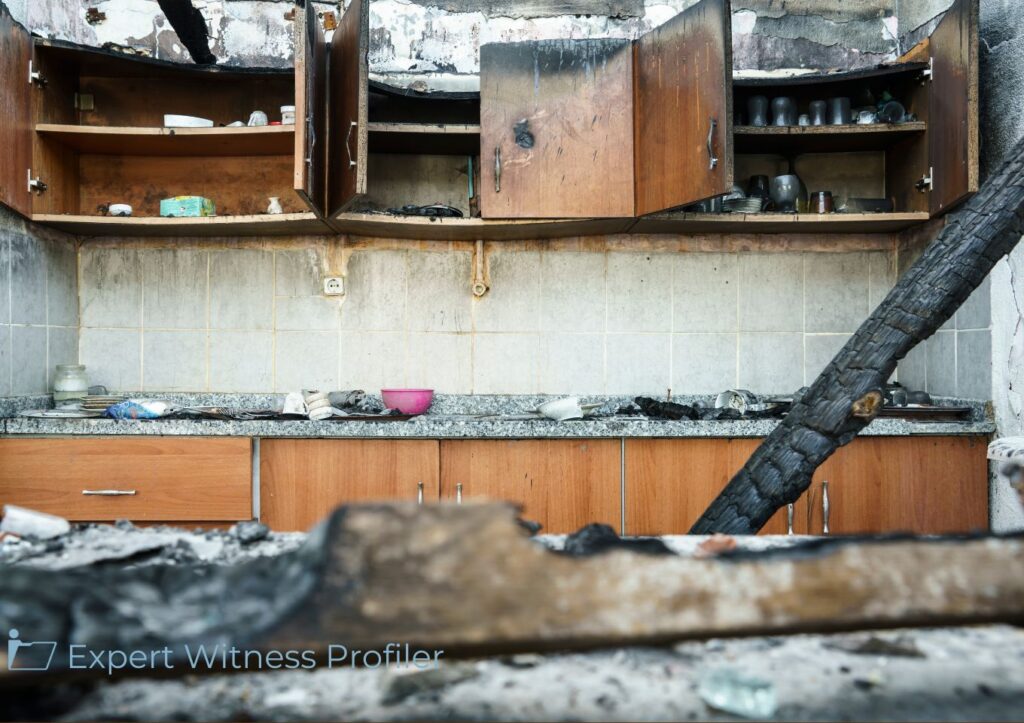
    On June 21, 2022, a fire occurred at a residence in Perry Hall, Baltimore County, Maryland owned by Betina Fletcher (“the subject property”). Fletcher had a home insurance policy with USAA, which had been insuring the subject property for “about [seventeen] years.”

    In 2019, Chase Remodeling, then known as Insulators Home Exteriors, installed new exterior ground fault circuit interrupter (“GFCI”) outlets on the subject property.  Robert Chase, the company’s owner, testified that while his team changed the outlet receptable, they did not install new wiring. Chase also admitted that no electrician was present when installing the GFCI outlet.

    The morning of the fire, Fletcher hired Jordan Kunkel, the owner and sole employee of Pro Rinse, to power wash the exterior of the subject property. Kunkel testified that he did not take any precautions before power washing the subject property, and despite knowing that most homes have exterior electrical outlets, he did not check whether the subject property had any exterior electrical outlets.

    John Tobias, an electrical engineer hired by Defendant, concluded that the GFCI outlet had been incorrectly installed at the time of the fire, making it susceptible to the elements. Although the chlorine solution that Kunkel sprayed onto the subject property likely contributed to the ignition, Tobias opined that the fire would not have occurred had the outlet been properly installed, that the outlet had likely already been “subject to years of moisture intrusion” since its 2019 installation, and that it likely would have eventually caught fire on its own.

    Plaintiff filed a motion to preclude the testimony of John Tobias.

    Fire Investigation Expert Witness

    John Tobias received his Ph.D. in Electrical Engineering from the New Jersey Institute of Technology in 2002, his M.Sc. in Electrical Engineering from the University of Maryland in 1992, and his B.Sc. in Physics from Seton Hall University in 1987. He is a Licensed Professional Engineer in the State of New Jersey, a Certified Designer/Inspector and executive board member with the Lightning Protection Institute, and a Certified Fire and Explosion Investigator with the National Association of Fire Investigators.

    Get the full story on challenges to John Tobias’ expert opinions and testimony with an in-depth Challenge Study. 

    Discussion by the Court

    Tobias made the following four conclusions in his report:

     a. The subject exterior receptacle cannot be ruled out as the point of origin of the fire at the loss location.

     b. The subject exterior receptacle was incorrectly installed, defeating the weatherproof properties of its cover and enclosure.

    c. Correct installation of the exterior receptacle would prevented [sic] the fire.

    d. Incorrect installation of the subject exterior receptacle defeated the fire/heat containment properties of it’s [sic] cover and electrical box assemblies.

    Plaintiff argued that Tobias’ opinions should be excluded from trial because (1) his theories are based on the use of an incorrect exemplar outlet and (2) his opinions that the outlet cover was improperly installed and the outlet box was not installed at all are based on unreliable methods. Plaintiff further argued that Tobias’ opinion regarding whether the GFCI outlet failed to “trip” should not be admitted both because Defendant failed to disclose it in an expert report, as required by Fed. R. Civ. P. 26(a), and because it does not pass muster under Daubert. Finally, Plaintiff asserted that Tobias’ opinions, even if reliable, should not be admitted because they would confuse the jury.

    Tobias’ Opinion Regarding Improperly Installed Outlet Cover

      Tobias stated in his report that, after examining the burned remnants, he determined the GFCI outlet receptable to be a Hubbell TAYMAC cover. For purposes of testing, Tobias used a Hubbell TAYMAC MR420C model.

      The Court held that there is no indication in the record that Tobias’ use of the MR420C rendered his methodology, based on established National Electrical Manufacturers Association (“NEMA”) standards, was unreliable. To the extent Tobias’ conclusions are less credible for having used a different model as an exemplar, the mismatch more properly goes to the weight of the evidence, and not whether it is admissible.

      According to Tobias, a properly installed Hubbell TAYMAC cover is rated a “NEMA 3R enclosure ” and is thus “waterproof.” Tobias testified that his use of the term “waterproof” in his report should be more properly understood as “watertight.” Any bearing Tobias’ use of the term “waterproof” instead of “watertight” has on the validity of his conclusions is a matter for the trier of fact to decide; it is not grounds for exclusion.

      The Court found Tobias’ opinion that the outlet cover was improperly installed to be based on reliable methods and principles. Also, the probative value of the challenged opinions is significant in that it tends to make it more probable that the proximate cause of the fire was not Pro Rinse’s power washing but rather faulty installation of the exterior outlet.

      Tobias’ Opinion Regarding Absence of Electrical Box

      In his report, Tobias determined that the at-issue GFCI outlet was not properly installed in an electrical box that would have contained a fire ignited within it. Plaintiff argues that Tobias should be precluded from testifying at trial that an electrical box was not installed because it is based on speculation and use of an incorrect exemplar. Plaintiff also contends that Tobias failed to test his theory that the fire would have been contained had there been an electrical box.

      Tobias concluded that no electrical box was present because (1) there was no electrical box recovered from the fire and (2) an electrical box could not attach to the exemplar Hubbell TAYMAC MR420C cover using the type of long wood screws recovered from the fire. The Court finds that Tobias’ opinions adequately and reliably rule out the possibility that that any remains of an electronical box were either consumed by the fire or washed away in fire suppression efforts.

      Finally, Plaintiff took issue with Tobias basing his opinions on testing of “an incorrectly identified exemplar receptacle.” But, as explained supra, Tobias nonetheless asserts that testing an exemplar of the same model as the at-issue GFCI outlet would not have changed his conclusions given the similarities between the two models. Tobias’ use of a different model goes to the weight of his testimony, not its admissibility.

      Tobias’ GFCI Tripping Opinion

      Defendant stated in its opposition brief that the GFCI outlet at issue in this case failed to “trip”—that is, cut power when moisture is detected and causes a short circuit. Plaintiff casts these statements as new opinions not previously disclosed in Tobias’s report or reflected in his deposition testimony and, on this basis, asks that they be excluded.

      Upon review of Tobias’s new affidavit and his prior report and deposition testimony, the Court finds that his new statements regarding the GFCI outlet’s failure to trip to be related, to some extent, to opinions detailed in his report and discussed at his deposition. At the same time, references in Tobias’s affidavit to GFCI’s failure to trip and cut power upon detection of moisture or a short circuit do not appear in Tobias’s report. Although the Court agrees with Plaintiff that the disclosure of new expert opinions at this late stage would provide ample grounds for exclusion under Rule 37(c)(1), the question of whether and extent to which Tobias’s affidavit presents new opinions is not adequately briefed for this Court to grant relief.

      The Court will deny Plaintiff’s pending motion but provide an opportunity for Plaintiff to file a separate motion under Fed. R. Civ. P. 37(c)(1) seeking exclusion of any opinions offered in Tobias’s affidavit that it contends were not timely disclosed.

      Held

      The Court denied Plaintiff’s motion to preclude the testimony of John Tobias.

      Key Takeaway:

      Even where an expert opinion or expert testimony is premised on sound methodology, the district court retains discretion to exclude it where its probative value is substantially outweighed by the risk of misleading or confusing the jury. Here, the probative value of the challenged opinions is significant in that it tends to make it more probable that the proximate cause of the fire was not Pro Rinse’s power washing but rather faulty installation of the exterior outlet. The Court does not find the probative value of Tobias’ testimony to be substantially outweighed by any risk of confusing or misleading the jury. Further, the Court does not find, under Fed. R. Evid. 403, that the probative value of Tobias’s opinions regarding the absence of an electrical box to be substantially outweighed by any risk of misleading or confusing the jury.

      Case Details:

      Case Caption: USAA Casualty Insurance Company V. Pro Rinse Power Wash, Llc
      Docket Number: 1:23cv291
      Court: United States District Court, Maryland
      Order Date: September 16, 2024
    1. Accounting Expert Witness’ Testimony is Not Relevant to Any Claim for Damages 

      Accounting Expert Witness’ Testimony is Not Relevant to Any Claim for Damages 

      Defendants Dahv Kliner and Roger Farrow were former employees of JDS Uniphase, Plaintiff Lumentum’s predecessor. They had signed an “Employee Proprietary Information and Inventions Agreement” with the company which prohibited them from disclosing JDS Uniphase’s proprietary information to anyone outside the company.

      Kliner and Farrow left JDS Uniphase in 2012 and 2013, respectively, to join Defendant nLIGHT. Plaintiff Lumentum later claimed that Kliner and Farrow used JDS Uniphase’s proprietary information to help nLIGHT secure two types of patents: the “adjustable beam patents” and the “triple-clad fiber patents.” Lumentum also alleged that nLIGHT used these patents to develop fiber laser products, including the “Corona” and “AFX” models.

      In 2022, Lumentum filed a lawsuit, asserting breach-of-contract claims against Kliner and Farrow.

      To support its breach-of-contract claims, Lumentum intended to present testimony from its damages expert witness, Donald Gorowsky, on three topics:

      (1) Kliner and Farrow’s total compensation from JDS Uniphase,

      (2) their compensation from nLIGHT, and

      (3) the total revenues and gross profits from nLIGHT’s Corona fiber laser products.

      Defendants nLIGHT, Dahv Kliner, and Roger Farrow moved to exclude Gorowsky’s testimony, arguing that it is unnecessary and unreliable.

      Accounting Expert Witness

      Donald Alan Gorowsky, C.P.A., J.D., has more than 40 years of combined experience in audit, accounting, finance, general management, financial consulting, and expert witness services. Gorowsky has specialized in financial consulting and expert witness services since 1990. As a financial expert on damages, Gorowsky provides assistance to attorneys in a variety of litigation matters and disputes involving many types of claims including business litigation, employment, intellectual property infringement, misappropriation of trade secrets, breach of contract, insurance claims and forensic accounting. Don also has significant experience with employment disputes involving financial advisors in the securities industry (FINRA).

      Want to know more about the challenges Donald Alan Gorowsky has faced? Get the full details with our Challenge Study report. 

      Discussion by the Court

      A. Defendants’ Argument

      Defendants sought to exclude Gorowsky’s testimony, arguing it was both unnecessary and unreliable. They contended that Gorowsky’s opinions were irrelevant since Lumentum could not legally claim the types of damages Gorowsky would address. They also pointed out that there was no claim for monetary damages against nLIGHT. Consequently, Gorowsky’s opinions on nLIGHT’s revenues and profits could be misinterpreted as evidence of damages against nLIGHT, rather than the individuals involved in the breach of contract.

      B. Plaintiff’s Counterargument

      Lumentum countered that Gorowsky’s testimony was essential for proving damages related to unjust enrichment. Lumentum claimed it was entitled to some of Kliner’s and Farrow’s compensation from JDS Uniphase and nLIGHT due to their alleged breach of non-disclosure agreements and the subsequent use of proprietary information. They argued that Gorowsky’s insights on calculating compensation and revenues would assist the jury in determining damages.

      C. Defendants’ Rebuttal

      Defendants argued that Gorowsky’s testimony was irrelevant and unsupported by both law and fact. They maintained that California law did not allow for recovery of compensation earned during employment for breaches occurring afterward. Additionally, they stated that nLIGHT’s profits did not benefit Kliner and Farrow, and no evidence suggested they received a portion of nLIGHT’s profits.

      D. Court’s Analysis

      i) Kliner and Farrow’s total compensation from JDS Uniphase

      The Court observed that Lumentum’s request could set a troubling precedent by seeking to recover salaries and benefits paid over a decade ago based on a single breached provision. California’s Labor Code prohibits employers from reclaiming wages already paid. The statute broadly defines wages to include all forms of compensation and benefits, and Section 221 prevents recovery of these from past employment.

      A relevant case, DHR Int’l Inc. v. Charlson, illustrated that recovery of paid bonuses was barred by the same legal principle. Similarly, since Kliner and Farrow had earned their salaries and benefits from JDS Uniphase, Lumentum could not reclaim these amounts as damages.

      The Court also noted that contract damages are generally limited to what was foreseeable at the time the contract was made. California law supports the notion that employers cannot recover wages paid during the period of employment unless expressly stated in the contract. Thus, Lumentum could not claim these as damages.

      ii) Kliner and Farrow’s compensation from nLIGHT

      Lumentum’s claim for unjust enrichment was also addressed. California law does not support an unjust enrichment claim when an enforceable express contract exists. Lumentum’s complaint did not include a claim under California’s Uniform Trade Secrets Act, nor did it request unjust enrichment damages explicitly. Therefore, Lumentum could not pursue unjust enrichment damages based on the current claims.

      Furthermore, Lumentum failed to provide sufficient evidence to support an unjust enrichment claim. Lumentum wanted Gorowsky to testify about the salaries and benefits paid to Kliner and Farrow by nLIGHT. Lumentum would need to prove how much of these payments were related to the intellectual property in dispute. On the existing record, a jury would need to speculate as to how much, if at all, Kliner and Farrow were unjustly enriched by the disclosure of the disputed information. This lack of clarity was insufficient to establish a factual issue for trial.

      iii) Kliner and Farrow’s total revenues and gross profits from nLIGHT’s Corona fiber laser products

      Lumentum aimed to have Gorowsky testify about nLIGHT’s revenues and gross profits from the Corona series fiber laser products. However, this request was also impermissible. Defendants pointed out that there was no evidence showing that Kliner and Farrow received any portion of the nLIGHT profits that Lumentum sought to reclaim. They emphasized that these benefits belonged to nLIGHT, which was neither a party to the contracts in question nor a defendant in the breach of contract claims. Gorowsky’s testimony regarding nLIGHT’s revenues and profits was deemed irrelevant.

      The Court granted the motion to exclude Gorowsky’s testimony as it did not pertain to any claim for damages in this case. However, this decision did not affect the potential for Lumentum to pursue other claims, including nominal damages for breach of contract.

      Held

      The Court granted the Defendants’ motion to exclude Plaintiff’s damages expert witness, Donald Gorowsky’s testimony.

      Key Takeaway:

      The Court deemed Gorowsky’s testimony on Kliner and Farrow’s compensation and nLIGHT’s revenues irrelevant to the breach-of-contract claims. California’s Labor Code bars recovering wages and benefits already paid during employment.

      Lumentum’s unjust enrichment claim was also invalid, as it neither invoked California’s Uniform Trade Secrets Act nor requested unjust enrichment damages. Furthermore, Lumentum failed to prove how Kliner and Farrow were unjustly enriched, making Gorowsky’s testimony speculative.

      The Court excluded Gorowsky’s opinions on nLIGHT’s profits because there was no evidence linking those profits to Kliner and Farrow, and nLIGHT was not a party to the breach-of-contract claims.

      In conclusion, the Court held that Gorowsky’s testimony did not pertain to the permissible claims for damages in this case and granted the motion to exclude his testimony.

      Case Details:

      Case Caption: Lumentum Operations LLC V. nLIGHT, Inc.
      Docket Number: 3:22cv5186
      Court Name: United States District Court for the Western District of Washington
      Order Date: September 6, 2024
    2. Nursing Expert Witness’ Testimony About the Preventability of Suicides  Admitted

      Nursing Expert Witness’ Testimony About the Preventability of Suicides Admitted

      In February 2019, Jose Banda Pichardo (“Pichardo”) died by suicide while in custody at the Imperial County Sheriff’s Department Regional Adult Detention Facility (“ICRADF”). California Forensic Medical Group is a medical provider that contracted with Imperial County to provide medical and mental health care to inmates at ICRADF. Pichardo’s parents, Jose Trejo and Susana Banda, assert causes of action against CFMG for negligence and wrongful death arising from their son’s suicide.

      CFMG’s expert, Kimberly Pearson, testified that “[d]espite utilizing nationally accepted standards and procedures related to suicide prevention, not every suicide (jail or otherwise) is preventable.”

      Plaintiffs filed a motion to preclude Pearson from testifying that not all suicides are preventable.

      Nursing Expert Witness

      Kimberly Pearson has been serving in the healthcare industry both as a Registered Nurse and Manager/Administrator for over 40 years in various settings holding progressive management, leadership, and operational roles in multiple states.  She recently served as the Deputy Agency Director for the Orange County Health Care Agency — Correctional Health Services division since 2010.  

      With an initial education as a Registered Nurse, her clinical experience includes Emergency, Trauma, Critical Care, and Flight medicine.  

      Her recent role as the Deputy Agency Director for Correctional Health Services included executive administrative oversight for Adult Correctional Health Services, Juvenile Health Services, and the Orange County Conditional Release program for mentally ill offenders.

      Want to know more about the challenges Kimberly Pearson has faced? Get the full details with our Challenge Study report. 

      Discussion by the Court

      Plaintiffs contended Pearson’s opinion that not all suicides are preventable is “a conclusory statement without factual basis in support” that “is nothing more than a regurgitation of someone else’s article and theories on suicide prevention.” 

      Whether Pichardo’s death was preventable is a central issue in the case. Plaintiffs’ expert will argue that it was, and CFMG is entitled to present evidence and argument to the contrary.

      The Court recognizes that that the opinion at issue, i.e., not all suicides in jail are preventable, is a general statement not specifically tied to Pichardo. But testimony that not all suicides are preventable nevertheless has a “tendency to make a fact more or less probable than it would be without the evidence” and “the fact is of consequence in determining the action.” In other words, the testimony is relevant, and any perceived weaknesses in Pearson’s opinion are the proper subject of cross-examination and closing argument.

      Plaintiffs did not specifically argue that Pearson’s testimony is not reliable, but they do contend that the testimony is based on hearsay. However, “under Rule 703, an expert may rely on hearsay ‘[i]f experts in the particular field would reasonably rely on those kinds of facts or data in forming an opinion on the subject.’”

      Pearson bases this opinion, in part, on statistics for jail suicides, and Plaintiffs did not challenge that this statistical information is reasonably relied upon by experts in the field.

      Held

      The Court denied Plaintiffs’ motion to preclude Kimberly Pearson from testifying that not all suicides are preventable.

      Key Takeaway:

      Shaky but admissible evidence is to be attacked by cross examination, contrary evidence, and attention to the burden of proof, not exclusion. The Court recognizes that that the opinion at issue, i.e., not all suicides in jail are preventable, is a general statement not specifically tied to Pichardo. But testimony that not all suicides are preventable nevertheless has a “tendency to make a fact more or less probable than it would be without the evidence” and “the fact is of consequence in determining the action.” Therefore, any perceived weaknesses in Pearson’s opinion are the proper subject of cross-examination and closing argument.

      Case Details:

      Case Caption: Trejo Et Al V. County Of Imperial Et Al
      Docket Number: 3:20cv1465
      Court: United States District Court for the Southern District of California
      Order Date: September 12, 2024