Tag: Causation

  • Obstetrics Expert’s Testimony on Brain Damage Limited

    Obstetrics Expert’s Testimony on Brain Damage Limited

    Elizabeth Reyes and her minor daughter G.T. sued the United States, Bronx Lebanon Hospital Center, BronxCare Health System, and two doctors over G.T.’s permanent medical conditions, which the Plaintiffs alleged were caused by mistakes made during Reyes’ labor and delivery and G.T.’s neonatal care.

    The Bronx Lebanon Defendants filed a motion to preclude Plaintiffs’ obstetrics expert, Dr. Daryl K. Boffard; Plaintiffs’ anesthesiology expert, Dr. Alexander E. Weingarten; and Plaintiffs’ pediatric neurology expert, Dr. Louis N. Manganas. The United States filed a motion to preclude Drs. Boffard and Manganas.

    Plaintiffs opposed these motions, and for the most part, they satisfied their burden to demonstrate the admissibility of their experts’ testimony under Rule 702 and Daubert. Despite their efforts, the Plaintiffs fell short in backing a few specific opinions.

    Obstetrics and Gynecology Expert Witness

    Dr. Daryl Keith Boffard, M.D., FACOG has been practicing Obstetrics and Gynecology Medicine in the New York metropolitan area since 1981 when he received his medical degree from the University of Medicine and Dentistry in Newark, NJ.

    He was board certified by the American Board of Obstetrics and Gynecology in 1987. Following his residency, he has been the Medical Director at Jersey GYN Associates from 1987 to present date.

    Want to know more about the challenges Daryl Boffard has faced? Get the full details with our Challenge Study report

    Anesthesiology Expert Witness

    Dr. Alexander Eugene Weingarten, M.D., PC is a physician licensed to practice medicine and surgery in the state of New York and board certified in the medical specialty of anesthesiology.

    He became board certified by the American Board of Anesthesiology in October of 1984 and has remained board certified ever since. He limits his practice to the field of anesthesiology. He received his medical degree from S.U.N.Y. Upstate Medical Center in Syracuse.

    Get the full story on challenges to Alexander Weingarten’s expert opinions and testimony with an in-depth Challenge Study

    Pediatric Neurology Expert Witness

    Dr. Louis Nicholas Manganas, M.D., Ph.D. is a pediatric neurologist who specializes in treating a wide range of neurological conditions in children, including hypoxic ischemic encephalopathy, intracerebral hemorrhage, central nervous system infections, developmental delays, and epilepsy.

    After completing his clinical fellowship in Epilepsy at Yale, he joined the Department of Neurology at Stony Brook as faculty. He is currently the Chair of the Department of Neurology at the NYU Grossman Long Island School of Medicine.

    Discover more cases with Louis Manganas as an expert witness by ordering his comprehensive Expert Witness Profile report.
     

    Discussion by the Court

    Daryl Boffard

    First, Boffard opined that G.T.’s delivery process caused “cerebral palsy and hemiplegia.” The United States argued that Boffard isn’t qualified to offer an expert opinion on the causes of G.T.’s neurological conditions.

    While Plaintiffs responded that “any person has the knowledge that having an interruption of oxygen for forty-five minutes can damage the brain,” and that “[t]here is nothing unreliable about Plaintiffs’ experts’ theories . . . that the failure to deliver or resuscitate . . . was a substantial contributing factor to the brain damage,” Boffard himself admitted that he’s “not qualified to offer an opinion as it relates to pediatric neurology.”

    However, Boffard’s causation opinion goes beyond merely explaining brain damage; it focuses on specific pediatric neurological conditions that Boffard expressly stated he is not qualified to testify about. So while Boffard may testify that G.T.’s delivery caused brain damage, the Court excluded his opinion that the delivery process caused “cerebral palsy and hemiplegia and the sequelae of these conditions.”  

    Alexander Weingarten

    Weingarten opined that “use of spinal anesthesia . . . was a substantial contributing factor to G.T.’s injuries, including brain damage.”

    The Bronx Lebanon Defendants argued that Weingarten was not qualified to offer a causation opinion in the case. Plaintiffs’ only response was that Weingarten was qualified to opine on the standard of care, but this did not address Defendants’ concern about whether Weingarten was qualified to render an opinion about whether the use of anesthesia caused G.T.’s brain damage. Because Plaintiffs declined to meet Defendants’ critique head-on, the Court deemed this issue conceded. Therefore, the Court excluded Weingarten’s causation opinion.

    Weingarten opined that the use of anesthesia “was a deviation from good and accepted medical practice.” The Bronx Lebanon Defendants argued that this opinion was “speculative and must be excluded” because Weingarten “based his opinions on someone else’s review of the records rather than his own.” Plaintiffs did not respond to this critique in their opposition brief. Consequently, the Court excluded Weingarten’s standard-of-care opinion.

    Held

    The Court granted in part and denied in part the Defendants’ motions to exclude the testimony of Plaintiffs’ experts Daryl K. Boffard and Alexander E. Weingarten.

    Key Takeaway:

    In this case, Plaintiffs declined to meet Defendants’ critique head-on. Numerous courts have held that a Plaintiff’s failure to address an issue in its opposition amounts to a concession or waiver of the argument.

    Case Details:

    Case Caption: G.T. Et Al V. United States Of America
    Docket Number: 1:22cv10901
    Court Name: United States District Court, New York Southern
    Order Date: July 21, 2025
  • Psychiatry Experts’ Opinions on Causation and Permanency Admitted

    Psychiatry Experts’ Opinions on Causation and Permanency Admitted

    This action arises from the pled sexual assault of Plaintiff Margaret Betts by a massage therapist during an in-room massage appointment at Sixty LES, a hotel owned and managed by Defendants Sixty Lower East Side, LLC, Sixty Hotels, LLC, and Sixty Hotel Manager, LLC.

    Plaintiff has proffered two expert witnesses, Dr. Steven A. Fayer and Dr. Joseph Otonichar, to testify at trial that the Plaintiff’s assault resulted in lasting psychological injuries, including symptoms of post-traumatic stress disorder (“PTSD”). Defendants, meanwhile, have proposed to offer one expert witness, Dr. Julie C. Medlin, to testify at trial that the Plaintiff’s assault did not significantly impact her pre-existing psychological symptoms.

    The parties have each filed motions in limine seeking to preclude the opposing party’s proposed expert witnesses from testifying at trial.

    Psychiatry Expert Witnesses

    Dr. Steven Alan Fayer is an associate professor of psychiatry at The Icahn School of Medicine at Mount Sinai Hospital and an attending physician at The Mount Sinai Hospital. He received his M.D. from Georgetown School of Medicine and completed his residency in psychiatry at Mount Sinai Medical Center in New York City. He is certified by the National Board of Medical Examiners and the American Board of Psychiatry and Neurology. 

    Get the full story on challenges to Steven A. Fayer’s expert opinions and testimony with an in-depth Challenge Study

    Dr. Joseph Otonichar is a clinical assistant professor in the department of psychiatry at New York University’s Grossman School of Medicine, the medical director of Mental Health at NYC-HHC Correctional Health Services, and a co-partner at Gotham Forensics. He received a master’s degree in biology from Cleveland State University, and he subsequently received his D.O. from Midwestern University — Arizona College of Osteopathic Medicine. He is certified by the American Board of Psychiatry and Neurology in forensic psychiatry and is a diplomat of the American Board of Psychiatry and Neurology in Psychiatry.

    Want to know more about the challenges Joseph Otonichar has faced? Get the full details with our Challenge Study report

    Psychology Expert Witness

    Dr. Julie Christine Medlin is a licensed psychologist and the Director of the Medlin Treatment Center in Marietta, Georgia. She obtained her bachelor’s degree in psychology from Harvard University, and her master’s and doctoral degrees in clinical psychology from the University of Florida. Medlin specializes in assessments and conducts psychological, sexual trauma, psychosexual, and forensic evaluations. 

    Discover more cases with Julie C. Medlin as an expert witness by ordering her comprehensive Expert Witness Profile report.

    Discussion by the Court

    Plaintiff’s Motion to Exclude the Testimony of Medlin

    Plaintiff filed a motion to exclude Medlin’s testimony on the grounds that she: (i) lacked the qualifications to serve as an expert in this case; (ii) is not licensed to practice psychology in New York; and (iii) employed tests and techniques in her examination that were not subject to peer review and have not gained general acceptance in the relevant scientific community.

    Julie C. Medlin

    To begin with, Medlin’s curriculum vitae stated that she founded a private, outpatient counseling center more than twenty-five years ago to offer “specialized evaluation and treatment for sexual and physical trauma victims” and conduct “forensic and clinical evaluations of alleged or confirmed sexual abuse victims and perpetrators, including in criminal and civil cases.” The Court found that such work experience is directly relevant to the issues in this action.

    Moreover, Medlin’s curriculum vitae stated that she is licensed with PSYPACT, an interstate organization that allows licensed psychologists to practice telepsychology and conduct temporary, in-person sessions across state boundaries. Medlin conducted her evaluation of Plaintiff in New Jersey, which is a participant in PSYPACT.

    Medlin conducted the following psychological tests on Plaintiff: the Personality Assessment Inventory (PAI); Minnesota Multiphasic Personality Inventory-3 (MMPI-3); Trauma Symptom Inventory, 2nd Edition (TSI-2); and Inventory of Problems (IOP-29). 

    Although Plaintiff claimed that the validity of each test is disputed, Plaintiff’s motion failed to present sufficient evidence to support this assertion. Rather, a brief internet search suggested that, although some instability is inherent in any tests that involve self-reporting, the tests employed by Medlin were widely used and generally considered to be reliable, including for diagnosing PTSD.

    Finally, Plaintiff requested that Medlin be precluded from testifying about certain commentary concerning Plaintiff’s counsel that is contained in her report. While Medlin’s report certainly suggested that Plaintiff’s counsel exhibited unprofessional behavior during both of Medlin’s examinations of Plaintiff, at this stage the Court agreed that the admission of such information is not directly relevant to the issues to be presented at trial.

    Defendants’ Motion to Exclude the Opinions of Fayer and Otonichar

    Defendants filed a motion to bar the admission of testimony by Fayer and Otonichar under Daubert or, alternatively, requested that the Court order a Daubert hearing to determine the reliability of their testimony. 

    Joseph Otonichar

    First, the Defendants contended that Otonichar’s credentials “simply do not meet the standard” set forth in Rule 702(a). With Otonichar’s advanced education in psychiatry and his work experience, including as Medical Director of Mental Health at NYC-HHC Correctional Health Services and Clinical Assistant Professor in the Department of Psychiatry at New York University School of Medicine, the Court disagreed.

    The Defendants further asserted that Otonichar’s methodology was unsupportable, claiming that he conducted two Zoom interviews of the Plaintiff in January and February 2024 lasting a combined total of four hours and “has not spoken to or engaged in any conversation” with the Plaintiff since that time. However, in preparing his written report, Otonichar reviewed: (i) psychiatric treatment records of Dr. Robert A. Reff, M.D. between July 2016 and January 2024; (ii) psychiatric treatment records of Dr. Wilson between August 2016 and January 2024; (iii) the psychiatric examination report of Fayer dated November 9, 2021; (iv) testimony and exhibits from the deposition of plaintiff on January 8, 2021; and (v) the pleadings and procedural filings in this action.

    Finally, the Defendants asserted that Otonichar’s report contains “no opinion on the issues of causation or permanency,” and that he must be precluded from offering opinions to the jury on those issues. The Court disagreed because Otonichar clearly addressed both causation and permanency in his report. Specifically, he stated that Plaintiff experienced a “new type of anxiety” as a result of the assault, which took the form of a “fear of intimacy and romantic relationships.”

    Steven A. Fayer

    Next, Defendants contended that Fayer must also be precluded from testifying at trial, asserting that his proposed testimony did not meet the requirements of Rule 702(b-d).

    First, Defendants asserted that Fayer’s methodology was insufficient, contending that he: (i) interviewed Plaintiff for a total of four hours via Zoom on September 29, 2021 and October 20, 2021, and has had no further contact with Plaintiff or reviewed any additional medical records since that call; (ii) did not review medical records from Plaintiff’s primary treating psychologist after December 15, 2020 or records from Plaintiff’s primary treating psychiatrist covering the four treatment sessions immediately preceding the assault, and did not review the records of Plaintiff’s second treating psychiatrist, Dr. Wilson, or her other medical providers; and (iii) did not administer any tests in evaluating Plaintiff’s psychological condition. However, a review of Fayer’s report indicated that he based his diagnosis of Plaintiff’s mental health conditions on his own examinations of Plaintiff and a review of her psychiatric treatment records with Robert Reff.

    Defendants further argued that Fayer’s expert report contained “no opinion on the issues of causation or permanency,” and that he must be precluded from offering opinions to the jury on those issues. However, Fayer stated that, as a result of the assault, Plaintiff developed “trauma-induced anxiety with features of posttraumatic stress” including “flashbacks, dreams, negative thoughts, avoidance, and isolation.” As a result, the Court held that Fayer’s report adequately addressed both causation and permanency.

    Rule 403

    Finally, Defendants contended that the testimony of Fayer and Otonichar should be precluded or limited as duplicative under Rule 403, asserting that both witnesses “will present predominantly duplicative testimony.”

    Because the two experts examined Plaintiff three years and five years after the assault, respectively, and are expected to testify regarding their separate conclusions with respect to Plaintiff’s psychological condition at each point in time, the Court held that the proposed testimony is neither cumulative nor duplicative.

    Held

    The Court denied the Plaintiff’s motion to exclude the testimony of defense expert, Dr. Julie C. Medlin as well as the Defendants’ motion to exclude the testimony of Plaintiff’s experts, Dr. Steven A. Fayer and Dr. Joseph Otonichar.

    Key Takeaways:

    • Medlin offers specialized evaluation and treatment for sexual and physical trauma victims. Her work experience is directly relevant to the issues in this action. Moreover, even if it were not, an expert’s training need not narrowly match the point of dispute in the case.
    • Fayer’s opinion is grounded in a reliable methodology commonly accepted in the psychiatric community. Any concerns regarding the depth or form of his evaluation goes to the weight of his testimony, rather than its admissibility, and may be addressed on cross-examination.

    Case Details:

    Case Caption: Betts V. Sixty Lower East Side, LLC Et Al
    Docket Number: 1:20cv4772
    Court Name: United States District Court, New York Southern
    Order Date: June 30, 2025
  • Mechanical Engineering Expert’s Opinions on the Shattered French Press Limited

    Mechanical Engineering Expert’s Opinions on the Shattered French Press Limited

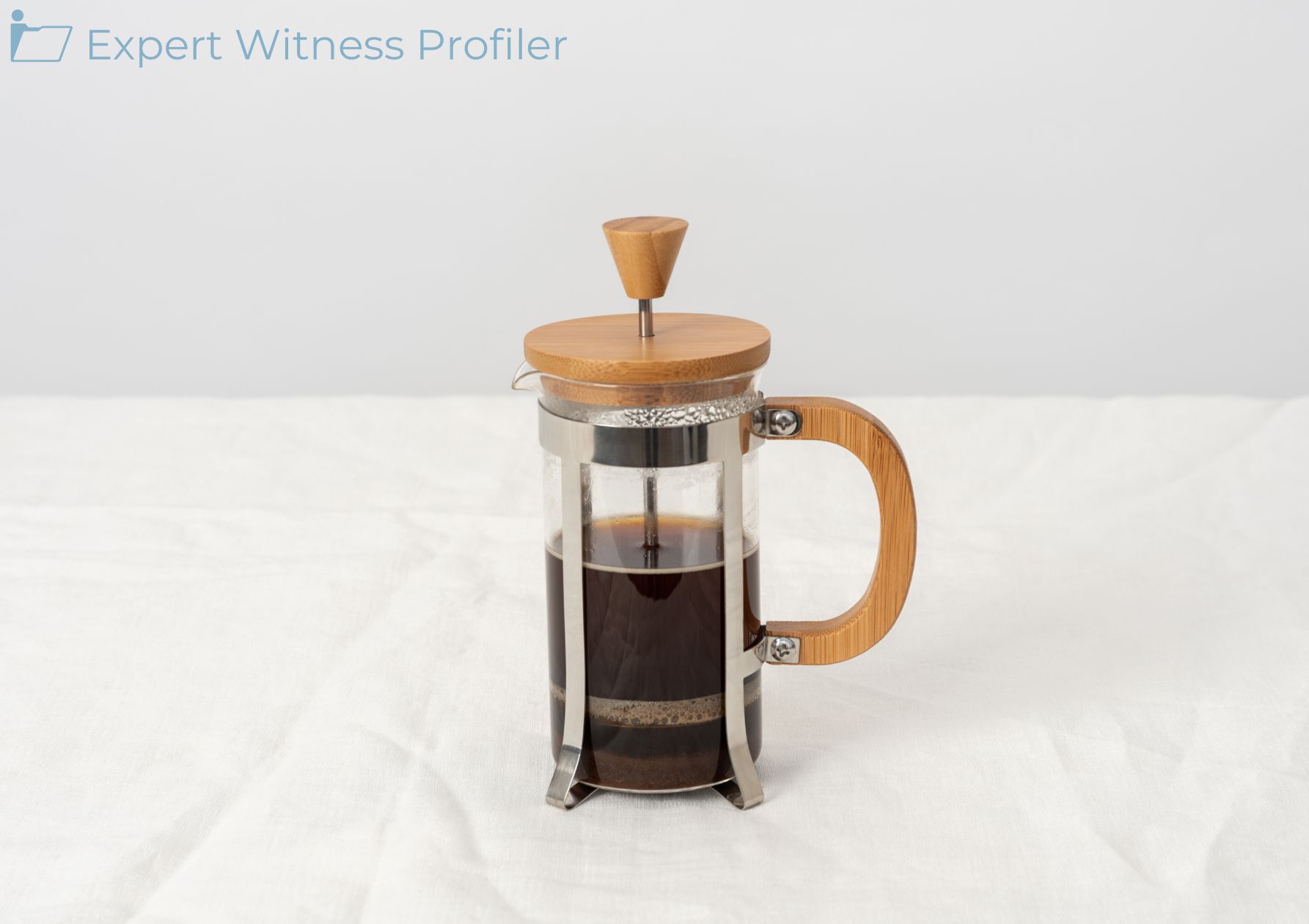
    Plaintiff, Wade Mullen, filed a products liability lawsuit against Defendant Bodum USA, Inc. (“Bodum”), claiming damages for injuries he suffered when his Bodum French press shattered and splashed him with hot coffee.

    Bodum filed a motion to exclude the testimony of Mullen’s expert Mingxi Zheng, an engineer who inspected the shattered French press. 

    Mechanical Engineering Expert Witness

    Mingxi Zheng has 8 years of experience in the general field of materials science, mechanical engineering design, metallurgy, failure analysis and materials characterization. At her previous engineering roles, she has spent time in both active manufacturing environments and R&D phase companies developing new technologies.

    Get the full story on challenges to Mingxi Zheng’s expert opinions and testimony with an in-depth Challenge Study

    Discussion by the Court

    Bodum contended that Zheng’s report should be excluded on reliability grounds, first, because it consisted of analytical gaps concerning what caused the French press to shatter, and second, because Zheng failed to support her analysis of alternative French press designs with any testing of those proposed alternatives.

    To be precise, Bodum argued that that Zheng’s report consisted of four analytical leaps: First, Zheng assumed that the scratches and stainless steel residue found on the inside of the French press’ glass carafe came from the metal coil on the press’ plunger “without having done any testing or analysis to determine if in fact there was any contact between the stainless steel plunger component and the glass.”

    Second, Zheng concluded that the defects resulting from the contact between the plunger’s metal coil and the carafe could cause the French press to shatter without testing to determine whether such contact “could actually cause a scratch of sufficient dimension and depth to reduce the tensile strength to the point where thermal stress could cause a fracture.” 

    Third, Zheng conducted no testing to support her conclusion that thermal stress from the hot coffee caused the French press to facture.  And fourth, Zheng did not rule out alternative causes for the French press’ shattering.

    Causation

    The Court considered Zheng’s opinion that, “more likely than not,” the plunger’s protruding coil is what scratched the press’ glass carafe and created crack initiation sites. Zheng reached this conclusion after she analyzed the metal residue observed by the crack initiation site and found it to be made of stainless steel, the same material contained in the press’ plunger and the protruding coil. Zheng concluded that thermal fracturing occurred after observing (1) Wallner lines perpendicular to the carafe’s surface, (2) cracks that formed near-ninety-degree angles with the edge and surface of the glass, and (3) the absence of branching crack patterns, all of which are indicators of thermal stress.

    While Bodum objected to Zheng’s failure to conduct additional testing to determine what level of thermal shock would be necessary to shatter the French press given the existence of the imperfections observed on the glass carafe, the Court held that testing is not an ‘absolute prerequisite’ for an expert’s theory of causation to be admissible in a design defect case.

    The Court also refused to exclude Zheng’s opinions for failing to rule out fracture due to any other alternative cause.

    Alternative Designs

    In her report, Zheng explained that she reviewed Bodum’s website and found, based on the company’s image of the replacement part containing the metal coil, that a protruding coil “is the normal condition for this part.” She extrapolates that the protruding coil is a design or manufacturing defect because it allows for the extra pressure of a sharp exposed edge to scratch the inner surface  of the glass carafe, which may bring about “compromising contact.” 

    Based on this finding, Zheng concluded that three alternative design options exist that would reduce or eliminate glass fracture. First, Bodum could—and has—designed a French press with a non-glass carafe.  Second, Bodum could use silicone or a different temperature-resistant soft material on the edge of the plunger to act as a barrier between the plunger’s steel components and the carafe.  And third, Bodum could weld or tack down the protruding coil to prevent it from scratching the glass.

    The Court held that Zheng’s opinion on alternative designs is not grounded in the methods and procedures of science but is rather a conclusion that any lay person could draw by visually inspecting the plunger and searching the internet for varieties of French presses.

    Held

    The Court granted in part and denied in part the Defendant’s motion to exclude the testimony of Plaintiff’s expert Mingxi Zheng.

    Key Takeaway:

    The law is clear that an expert need not rule out every alternative in forming an opinion. Although the most convincing expert reports are likely to address alternative causal mechanisms, for an opinion to be admissible, an expert need address only obvious alternative explanations for the phenomenon in question. Here, there is no obvious alternative that could explain the French press’ shattering, nor did Bodum propose any.

    Case Details:

    Case Caption: Mullen V. Bodum USA, Inc.
    Docket Number: 1:23cv1166
    Court Name: United States District Court, New York Southern
    Order Date: June 23, 2025
  • Biomechanics Expert’s Subjective Assurances do not Establish Admissibility

    Biomechanics Expert’s Subjective Assurances do not Establish Admissibility

    This case arises from a January 2023 automobile accident. On April 16, 2023, Plaintiff Gina Martin was driving eastbound on Interstate I-10, nearing the Chef Menteur exit in New Orleans, Louisiana, when Defendant Micah Cunningham crashed his truck into the rear of Martin’s vehicle. Martin alleged that she suffered various severe injuries as a result of this collision.

    Plaintiff retained Dr. David J. Barczyk, D.C as an expert witness in the field of biomechanics in order to opine about the causation of Martin’s injuries.

    Defendants filed a motion in limine to exclude the testimony of Barczyk arguing that Barczyk lacked the qualifications and expertise to render opinions regarding medical causation. The Court granted in part and denied in part the Defendants’ motion in limine to exclude the testimony of David J. Barczyk.

    Even though the Court found that Barczyk is qualified to opine on the medical causation of Plaintiff’s musculoskeletal injuries, the Court nonetheless excluded his testimony as to the same. The Court found that Barczyk’s testimony with respect to medical causation would be inadmissible because it would not reflect a reliable application of methodology to the facts of this case.

    Martin requested that this Court reconsider its prior ruling which precludes Barczyk from testifying as to the medical causation of Plaintiff’s alleged injuries. 

    Biomechanics Expert Witness

    David Barczyk is licensed in Louisiana as a chiropractor and
    continues to practice as a chiropractor in the office that he established. Barczyk has postdoctoral training in neurology and training in crash biomechanics.

    He has received over 350 hours of neurological training and is a diplomate of the American Chiropractic Neurology Board. He has several certifications in biomechanics and has attended over a dozen trainings. Barczyk has given a number of lectures on topics in biomechanics.

    Get the full story on challenges to David Barczyk’s expert opinions and testimony with an in-depth Challenge Study. 

    Discussion by the Court

    With respect to whether Barczyk reliably applied his methodology, the Court held that Plaintiff has still failed to establish that Barczyk has done so. Plaintiff explained that “following the completion of the physical examination and examination of the medical history of Plaintiff, Barczyk was in position to render a reliable opinion regarding causation.” Plaintiff then stated that “Barczyk was able to eliminate previous and alternative causes of Plaintiff’s condition.”

    However, Plaintiff’s argument missed the point. Whether Barczyk was in a position to offer reliable testimony does not establish that he reliably applied his methodology to the facts of this case. And, even if he had done so, the Court held that his report fails to demonstrate as much. For example, Barczyk failed to demonstrate how or why he was able to eliminate alternative causes for the Plaintiff’s condition. The Court is thus left with the Plaintiff’s and Barczyk’s own assurances that Barczyk reliably applied his methodology. These subjective assurances do not establish admissibility.

    With respect to Barczyk’s qualifications to opine on the medical causation of Plaintiff’s alleged traumatic brain injury, Plaintiff’s arguments for reconsideration are likewise unavailing. Plaintiff restated Barczyk’s qualifications, which the Court has already found to be insufficient. Plaintiff further stated that Barczyk has performed research, testing, and clinical practice with respect to brain injuries. But she cited no examples of Barczyk’s publications, research, or clinical experience.

    However, the Court did clarify that, given Barczyk’s expertise in biomechanics, Barczyk is qualified to “testify as to the amount of force he believes was generated by the subject collision and the observed effect of such force on a hypothetical human body in a comparable accident.”

    Held

    The Court denied the Plaintiff’s motion for reconsideration of the Court’s ruling limiting Dr. David Barczyk’s testimony regarding medical causation.

    Key Takeaway:

    Whether Barczyk was in a position to offer reliable testimony does not establish that he reliably applied his methodology to the facts of this case. The Court is thus left with the Plaintiff’s and Barczyk’s own assurances that Barczyk reliably applied his methodology. These subjective assurances do not establish admissibility.

    Please refer to the blog previously published about this case:

    Biomechanics Expert’s Opinions on Medical Causation are Excluded

    Case Details:

    Case Caption: Martin V. National Interstate Insurance Company Et Al
    Docket Number: 2:24cv1645
    Court Name: United States District Court, Louisiana Eastern
    Order Date: June 11, 2025
  • Architecture Expert’s Opinions on Causation and Damages Admitted

    Architecture Expert’s Opinions on Causation and Damages Admitted

    Plaintiffs Michael Gerstman and Marie Webster, the insureds, sued Defendant Crestbrook Insurance Company (“Crestbrook”), their insurer, to recover on contractual and extracontractual theories arising from Crestbrook’s denial of their claim in this storm damage insurance coverage dispute.

    Crestbrook filed a motion to strike the testimony of Plaintiffs’ experts, Dr. Neil Hall and Kevin Funsch.

    Architecture Expert Witness

    Neil B. Hall is the owner and principal of Groundtruth Forensics, a consulting firm specializing in building performance, failure analysis and damage assessment.

    Hall is a member of the American Institute of Architects, American Society of Civil Engineers, Structural Engineering Institute, Construction Specifications Institute, International Institute of Building Enclosure Consultants, American Society of Safety Professionals and Association of State Floodplain Managers.

    Get the full story on challenges to Neil Hall’s expert opinions and testimony with an in-depth Challenge Study. 

    Insurance Adjuster Expert Witness

    Kevin C. Funsch is an insurance adjuster and engineer with a solid background in claims handling and estimating. He has experience in adjusting property losses, performing appraisals, and writing expert reports.

    Want to know more about the challenges Kevin Funsch has faced? Get the full details with our Challenge Study report. 

    Discussion by the Court

    Neil Hall

    Crestbrook filed a motion to strike Hall’s opinions on the basis that they are irrelevant, and it contended that his opinion regarding the full replacement of the roof should be excluded because it is unreliable and lacked a clear or verifiable methodology.

    Crestbrook first contended that Hall’s opinions should be excluded as irrelevant because there is no dispute as to the scope of the damages at issue in this case. Plaintiffs countered that Hall’s opinions on causation and damages will certainly help the trier of fact understand the cause and extent of the damages at issue in this case.

    Hall’s expert opinions suggested that there may be more damages at issue than Crestbrook is willing to acknowledge when it maintained that it was only obligated to pay the cost of replacing the individual damaged tiles.

    Therefore, the Court declared that Hall’s opinions regarding the cause of the damage would assist the jury in understanding the evidence and in determining a fact in issue.

    Crestbrook also contended that Hall’s opinions regarding the necessity of replacing the entire roof in the absence of available matching tiles are unreliable and not based on any clear or verifiable methodology. However, Hall’s report and CV plainly showed that his reliance on his experience makes his opinions on the repairs required to bring the Property back to pre-loss condition sufficiently reliable for purposes of Rule 702.

    And to the extent that Crestbrook maintained that Hall did not make “any effort to determine whether ‘matching’ tiles were available,” the Court held that this fact, if true, would not undermine the reliability of his opinion that the entire roof would need to be replaced if matching tiles were unavailable in sufficient quantity.

    Kevin Funsch

    Crestbrook contended that Funsch’s estimate and opinions related to the full replacement of the roof are irrelevant because they will not assist the jury in determining whether Crestbrook underpaid the claim.

    It maintained that they are unreliable insofar as they rely on Hall’s opinion that the roof may need to be completely replaced if there are not sufficient matching tiles with which to replace the damaged tiles.

    The Court disagreed with Crestbrook’s assertion that Funsch’s opinions and estimate are irrelevant because they will not assist the jury in determining whether Crestbrook underpaid the claim. This contention is based on Crestbrook’s position that it is not required to replace the entire roof under the Policy and that the estimated cost of replacing the roof is not relevant.

    Because there remains a genuine issue of fact as to whether Crestbrook was required to pay the cost of replacing the entire roof in the absence of the availability of matching tiles, the Court held that Funsch’s estimate regarding the cost of replacing the roof is relevant.

    Crestbrook contended that Funsch’s estimate and opinions related to the full replacement of the roof are unreliable insofar as they rely on Hall’s opinion that the entire roof may need to be replaced if there are insufficient matching tiles to replace the damaged tiles. However, Crestbrook did not maintain that Funsch has relied on unreliable sources in determining the cost to replace the roof.

    Instead, the objection seemed to be that Funsch included in his damages calculation the cost of replacing the roof based on Hall’s opinion that the entire roof may need to be replaced. However, the Court held that this does not make Funsch’s calculation unreliable for purposes of Rule 702.

    Held

    The Court denied Crestbrook’s motions to strike the testimony of Plaintiffs’ testifying experts Dr. Neil Hall and Kevin Funsch. 

    Key Takeaway:

    Hall relied on his own inspection of the property, as well as weather data. His attached CV demonstrates his extensive education and professional experience in engineering and architecture.

    By extension, Funsch’s estimate and opinions are reliable because they are based on Hall’s recommendations, which, in turn, are grounded in reliable weather data and decades of experience. The opinions are also relevant, as they help determine the cost of the repairs.

    Case Details:

    Case Caption: Gerstman Et Al V. Crestbrook Insurance Company
    Docket Number: 3:24cv635
    Court Name: United States District Court, Texas Northern
    Order Date: June 09, 2025
  • Orthopedic Surgery Expert’s Opinions About  an Aggravation of Pre-Existing Degenerative Disc Disease Admitted

    Orthopedic Surgery Expert’s Opinions About an Aggravation of Pre-Existing Degenerative Disc Disease Admitted

    Plaintiff Myles Childress brought his claims against Defendant Wal-Mart Stores East I, LP. after he allegedly sustained injuries while delivering goods to a Walmart store in Bridgeton, Missouri. 

    Plaintiff raised claims against both Defendant Walmart and Walmart’s employee, an unknown Doe Defendant. 

    Dr. Richard Kube is an orthopedic spine surgeon practicing in Peoria, Illinois. Defendant argued that Kube’s conclusions regarding causation are deficient because Kube relied on Plaintiff’s inaccurate representation of his medical history.

    Orthopedic Surgery Expert Witness

    Richard A. Kube II, MD, FACSS, FAAOS, CIME is a fellowship trained spine surgeon and Founder/Owner of Prairie Spine & Pain Institute, in Peoria, Illinois. He also founded and owns Prairie Surgicare, an AAAHC certified surgical facility. He holds Board Certifications from the American Board of Spine Surgery, American Board of Orthopaedic Surgery and American Board of Independent Medical Examiners.

    Get the full story on challenges to Richard Kube’s expert opinions and testimony with an in-depth Challenge Study. 

    Discussion by the Court

    While there is no dispute that Plaintiff’s medical records indicate that he had degenerative back problems before the alleged injury occurred, Kube specifically testified that the alleged incident aggravated Plaintiff’s degenerative spine condition, causing it to become symptomatic when it was previously asymptomatic. Kube further testified that surgical intervention was necessary to treat this aggravated condition. Kube also testified that the injuries to Plaintiff’s spine are consistent with the way Plaintiff describes being knocked to the ground by the pallet. 

    Defendant’s Arguments

    Defendant contended that the incident cannot be the “but for” or the proximate cause of Plaintiff’s back injuries because Plaintiff already had records of degenerative changes in his spine before the incident occurred. Essentially Defendant argued that Plaintiff’s degenerative injuries were always present and were not a result of acute trauma, and therefore any treatment he received from Kube was going to occur anyway.

    Defendant also raised a side argument regarding whether Plaintiff properly disclosed Kube as an expert witness under Rule 26, and therefore questioned whether Kube can even testify in this matter as an expert. 

    Defendant contended that (1) to establish causation in this case, Plaintiff must present expert testimony; (2) Kube provides the only causation testimony in this case; and (3) Plaintiff’s failure to properly disclose Kube as an expert within the timeframe permitted by the Court’s case management order precludes the use of his testimony in defeating the Defendant’s motion for summary judgment.

    Plaintiff’s Response

    Plaintiff contended that Defendant has not filed a motion to exclude Kube’s testimony, and therefore its assertion that there is no record evidence that could establish causation is futile.

    Plaintiff stated that Kube is a treating physician and not a retained expert witness, so Plaintiff had no duty to supply a written expert report. Moreover, Defendant’s counsel waived his right to a discovery deposition of Kube.

    Analysis

    The Court found that Defendant has had sufficient notice of Kube’s opinions regarding causation and has not been prejudiced by Plaintiff’s alleged failure to timely disclose him. The Court has reviewed the email exchange between the parties’ counsel from before the disclosure deadline regarding (1) whether Kube was required to produce an expert report, and (2) what will be the purpose of his deposition. 

    These emails indicate that Defendant knew as early as July 24, 2024, that Kube was going to testify in this case and that, prior to Kube’s deposition, Defendant stated he was not taking the deposition as a “discovery” deposition. 

    Kube’s deposition occurred on September 30, 2024, before the deadline for Plaintiff to make his experts available for deposition.

    At this stage in the case and on this record, the Court found that Defendant was at least on notice that Kube would be testifying in this case before the deadline for expert witness disclosure and that Defendant’s argument in the motion for summary judgment are not sufficient to exclude Kube from offering his causation testimony at trial without some additional showing of prejudice.

    Held

    Because Kube’s causation testimony was sufficient to create a genuine issue of material fact that must proceed to trial, so the Court denied Defendant’s motion for summary judgment.

    Key Takeaway:

    Defendant’s only argument is that Plaintiff did not properly disclose Kube as an expert witness before the deadline set to disclose experts under the Court’s case management order.

    The Court found that Defendant has had sufficient notice of Kube’s opinions regarding causation and has not been prejudiced by Plaintiff’s alleged failure to timely disclose him. 

    Case Details:

    Case Caption: Childress V. Wal-Mart Stores East I, LP
    Docket Number: 4:24cv580
    Court Name: United States District Court, Missouri Eastern
    Order Date: May 30, 2025
  • Biomechanics Expert’s Opinions on Medical Causation are Excluded

    Biomechanics Expert’s Opinions on Medical Causation are Excluded

    This case arises from a January 2023 automobile accident. On April 16, 2023, Plaintiff Gina Martin was driving eastbound on Interstate I-10, nearing the Chef Menteur exit in New Orleans, Louisiana, when Defendant Micah Cunningham crashed his truck into the rear of Martin’s vehicle. Martin alleged that she suffered various severe injuries as a result of this collision.

    Plaintiff retained Dr. David J. Barczyk, D.C as an expert witness in the field of biomechanics in order to opine about the causation of Martin’s injuries.

    Defendants filed a motion in limine to exclude the testimony of Barczyk arguing that Barczyk lacked the qualifications and expertise to render opinions regarding medical causation.

    Biomechanics Expert Witness

    David Barczyk is licensed in Louisiana as a chiropractor and
    continues to practice as a chiropractor in the office that he established. Barczyk has postdoctoral training in neurology and training in crash biomechanics.

    He has received over 350 hours of neurological training and is a diplomate of the American Chiropractic Neurology Board. He has several certifications in biomechanics and has attended over a dozen trainings. Barczyk has given a number of lectures on topics in biomechanics.

    Get the full story on challenges to David Barczyk’s expert opinions and testimony with an in-depth Challenge Study. 

    Discussion by the Court

    Barczyk produced two expert reports regarding Plaintiff’s injuries. The
    first report, dated December 3, 2024, sets out Plaintiff’s treatment history since the accident.

    The report concluded with a summary, in which Barczyk stated that Plaintiff’s injuries to her cervical and lumbar spines, her shoulder, and foot are causally related to the accident. In addition, Barczyk stated that the accident produced an injury mechanism for Plaintiff’s brain.

    The second report, dated March 18, 2025, is identical to the first report with respect to its discussion of the biomechanics of Plaintiff’s accident and its conclusions on medical causation.

    Barczyk’s Qualifications

    Plaintiff proffered Barczyk as a qualified expert in chiropractic medicine and biomechanics. It should be noted that Barczyk has a doctoral degree in chiropractic medicine, is a board-licensed chiropractor, and has practiced chiropractic medicine since 1994.

    Although Barczyk does not have a formal degree in biomechanics, he has extensive training. His CV attests that he has attended over a dozen trainings in biomechanics and has attained several certifications.

    It should be noted that the Plaintiff did not cite any case holding that a chiropractor could testify to medical causation.

    Medical Cause of Plaintiff’s Alleged Brain Injury

    While the Court found that Barczyk was qualified to opine on the medical causation with respect to Plaintiff’s musculoskeletal injuries on the basis of his chiropractic expertise, it is not satisfied that Barczyk is qualified on the basis of his chiropractic expertise to testify as to the medical cause of Plaintiff’s alleged brain injury.

    After all, Barczyk’s training and diploma do not amount to a medical degree.

    Moreover, Plaintiff cited no evidence that Barczyk has conducted research with respect to the brain injury that Plaintiff allegedly suffered or that, as part of his chiropractic practice, Barczyk diagnoses or treats brain injuries or orders diagnostic tests in connection with brain injuries.

    With respect to Barczyk’s expertise in biomechanics, the Court likewise found that Barczyk was not qualified to opine on the medical cause of any of Plaintiff’s injuries on that basis.

    In sum, on account of his chiropractic expertise, the Court found that Barczyk is qualified to opine on the cause of Plaintiff’s musculoskeletal injuries. However, he is not qualified to opine on the cause of Plaintiff’s brain injury.

    On account of his expertise in biomechanics, Barczyk is qualified to opine on the effects of the force that the accident generated on the hypothetical human body but is not qualified to opine on the medical causes of Plaintiff’s injuries.

    The Reliability of Barczyk’s Opinions

    As for Barczyk’s opinions as to the medical causes of Plaintiff’s musculoskeletal injuries, Barczyk’s analysis initially describes the mechanism of injury as the result of “impact in a rear end crash.” But there are no additional facts regarding the specifics of the accident in this case.

    The Court found that Barczyk’s analysis is generalized and
    therefore any conclusion applying his analysis to the facts of this case is unreliable.

    The Court also noted that, in the “Occupant Risk Factor” section of his report, Barczyk identified certain risk factors particular to Plaintiff. He cited several sources for the risk factors that he identified. However, his discussion in that section is terse, cursory, and conclusory.

    Barczyk does not explain how Plaintiff’s characteristics serve as risk factors in this case or the role they played in causing her injuries. Again, the Court is left with nothing but Barczyk’s own assurances that he has reliably analyzed the risk factors.

    Whether Barczyk’s Testimony Would Be Cumulative

    Federal Rule of Evidence 403 provides that a district court “may exclude relevant evidence if its probative value is substantially outweighed by a danger of . . . needlessly presenting cumulative evidence.”

    Without the benefit of hearing the evidence that Plaintiff will have introduced at trial, the Court finds that it would be premature to exclude Barczyk’s testimony as cumulative at this juncture.

    Held

    The Court granted in part and denied in part the Defendants’ motion in limine to exclude the testimony of David J. Barczyk.

    Key Takeaway:

    While the Court has focused on the reliability of Barczyk’s opinions with respect to the medical causes of Plaintiff’s musculoskeletal injuries, the defect in Barczyk’s analysis which renders these opinions unreliable equally characterizes his opinion as to the cause of Plaintiff’s alleged brain injury. Accordingly, that opinion is also excludable as unreliable pursuant to Rule 702. However, the Court will not exclude Barczyk’s general discussion on the mechanisms of injury typically associated with rear-end collisions.

    Case Details:

    Case Caption: Martin V. National Interstate Insurance Company Et Al
    Docket Number: 2:24cv1645
    Court Name: United States District Court, Louisiana Eastern
    Order Date: May 20, 2025
  • OSHA Expert Barred From Testifying About Causation

    OSHA Expert Barred From Testifying About Causation

    David Badagliacco, a Skokie, Illinois police officer, sued Safariland, LLC, alleging his exposure to pepper spray during their training course was the reason he suffered from an eye infection necessitating cornea replacement surgery. Badagliacco contended that the negligent, willful and wanton operation of the training course caused his injuries.

    Plaintiff David Badagliacco retained expert witness Patrick Schuerman, an inspector for the Illinois Occupational Safety and Health Administration to testify regarding the standard of care for provision of a decontamination station when training for use of a substance like pepper spray. 

    Badagliacco’s treating physician, Ali Djalilian, an ophthalmologist and corneal specialist, offered an opinion about whether pepper spray can cause the injury Badagliacco suffered. 

    Safariland argued that there is insufficient evidence for a reasonable jury to find that any breach of Safariland’s duty with respect to provision of a decontamination station caused Badagliacco’s injuries. Specifically, Safariland argued that neither: (1) the OSHA inspector, Patrick Schuerman; nor (2) Badagliacco’s treating physician, Ali Djalilian, are qualified to offer an opinion regarding the causation of the injuries to Badagliacco’s eyes.

    Occupational Safety and Health Administration Expert Witness

    Patrick Schuerman is a member of Midwest Safety Consultants LLC. He has
    expertise in workplace safety, accident investigations, and State and Federal
    Standards as it relates to Occupational Health and Safety. He has had 30 years of Safety and Risk Management Experience. In addition, he has been an instructor at Illinois Valley Community College, teaching industrial safety since 2012.

    Want to know more about the challenges Patrick Schuerman has faced? Get the full details with our Challenge Study report.  

    Ophthalmology Expert Witness

    Ali R. Djalilian is a recognized authority on immunologic issues in corneal/limbal stem cell transplantation and the surgical management of severe ocular surface disease. He has developed innovations in surgical techniques that substantially improve the surgical efficiency and the patient outcomes. Djalilian bridges his clinical experience with his basic science and translational research projects, which have been funded in part by the National Eye Institute/NIH and Research to Prevent Blindness. He joined the department in 2005. He is board certified in ophthalmology.

    Discover more cases with Ali R. Djalilian as an expert witness by ordering his comprehensive Expert Witness Profile report. 

    Discussion by the Court

    The Court agreed that Schuerman lacked the necessary expertise to testify about the cause of an eye injury. However, Schuerman’s testimony is intended to address the standard of care for provision of a decontamination station, not causation of Badagliacco’s eye injury. The Court does not understand Badagliacco to be offering Schuerman’s testimony to prove causation. Safariland had not challenged his qualification on the standard of care issue, and the Court found him qualified for that limited purpose. The causation of Badagliacco’s eye injury, however, implicates the physiology of the human eye, and Badagliacco has not argued that Schuerman has any expertise in that subject area, so the Court barred him from testifying about it.

    Djalilian has treated Badagliacco’s eye injuries, and therefore was qualified to offer an opinion about whether pepper spray can cause the injury Badagliacco suffered. 

    The Court rejected Safariland’s argument that Djalilian was not qualified to opine on whether the “pepper spray could injure the eye such that an infection could develop” because he is not a toxicologist or epidemiologist.  Toxicologists or epidemiologists are generally not experts in the physiology of the eye.

    The Court held that this argument concerned the weight of Djalilian’s testimony, not its admissibility.

    Held

    While there is nothing about Patrick Schuerman’s expertise that would qualify him to offer an opinion about the cause of an eye injury, the Court found him qualified to testify about the standard of care for provision of a decontamination station.

    As for Ali Djalilian, the Court held that he is an expert in the functioning of the human eye, and thus qualified to offer an opinion about whether pepper spray can cause the injury Badagliacco suffered. 

    Key Takeaway:

    A treating physician’s opinion about causation is admissible without disclosure as opinion evidence pursuant to Federal Rule of Civil Procedure 26(a)(2), as long as the physician made the determination about the cause of the injury “in the course of providing treatment.”

    Djalilian testified that in the course of his treatment of Badagliacco’s injuries he determined that they were caused by the pepper spray.

    Case Details:

    Case Caption: Badagliacco v. Safariland, LLC
    Docket Number: 1:21cv2424
    Court Name: United States District Court for the Northern District of Illinois, Eastern Division
    Order Date: May 9, 2025
  • Otolaryngology Expert Testimony Excluded Due to Ruling Out COVID as Cause of Injuries

    Otolaryngology Expert Testimony Excluded Due to Ruling Out COVID as Cause of Injuries

    Carlos Gordoa and Ariani Reyes, along with their minor son, B.G., filed this personal injury action on May 16, 2022.

    Plaintiffs alleged that, while wearing his Apple AirPods Pro (1st generation) (“AirPods Pro”), their minor child B.G. experienced a transient, seconds-long exposure to an Amber Alert that apparently caused profound and permanent hearing loss in his right ear.

    Plaintiffs’ causation expert, Dr. Yoav Hahn, opined that B.G.’s exposure to the Amber Alert through his AirPods Pro earbud, which was no more than 113.5 decibels, caused an acoustic shock that resulted in a perilymph fistula (“PLF”) and caused B.G.’s hearing loss.

    Apple alleged that Hahn, Plaintiffs’ sole causation expert, is not qualified to offer a general causation opinion, did not offer a general causation opinion, and, in any event, did not identify any basis for a general causation opinion.

    Otolaryngology Expert Witness

    Yoav Hahn is a clinical physician specializing in the fields of otolaryngology and neurotology.

    Hahn completed a skull base surgery fellowship at the prestigious Michigan Ear Institute.  He is Director of Neurotology/Lateral Skull Base Surgery at Baylor University Medical Center and is Chief of Otolaryngology at Medical City Dallas Hospital. 

    Want to know more about the challenges Yoav Hahn has faced? Get the full details with our Challenge Study report.

    Discussion by the Court

    General Causation

    Hahn is Not Qualified to Render a General Causation Opinion

    Hahn reached his opinion based on his experience seeing thousands of patients in his years of practice.

    The Court held that Hahn is not qualified to provide an opinion as to general hearing loss causation because he has no relevant research or publication experience and has not engaged with the epidemiological data regarding hearing loss. Therefore, issues of general causation—the level of sound capable of causing the injury alleged here—are outside of Hahn’s expertise.

    Hahn Does Not Offer a General Causation Opinion

    Hahn has not attempted to answer the question of whether a 10-second exposure to noise stimulus of 113.5 decibels or less could cause a sudden profound hearing injury such as B.G.’s.

    However, the Court held that Hahn’s opinion did not address whether a 10-second exposure to noise stimulus of 113.5 decibels or less is capable of causing a profound hearing injury such as B.G.’s.

    And Plaintiffs cannot rely on Hahn’s differential diagnosis to establish general causation. Differential diagnosis cannot be used “to demonstrate general causation, because it assumes, without proving, that all of the potential causes considered are capable of causing the condition at issue. Indeed differential diagnosis assumes that general causation has been proven for the list of possible causes it eliminates.”

    Any General Causation Opinion is Unreliable

    The Court held that Hahn did not identify anything other than temporal proximity related to one case (the litigation for which he is being paid) to support an opinion that a short exposure to noise at 113.5 decibels can cause hearing loss such as that suffered by B.G. He did not perform any research. He did not identify any research. And he did not explain why the decades of peer-reviewed research showing hearing loss only occurs at levels exponentially higher than what B.G. experienced is incorrect. In short, there is no basis for Hahn to offer a reliable general causation opinion.

    Specific Causation

    Hahn’s Specific Causation Opinions are Unreliable

    First of all, the Court held that Plaintiffs’ failure to offer evidence as to general causation is fatal to Hahn’s specific causation opinion.  It is not that studies regarding noise-related hearing loss did not exist—it is that no study supports Hahn’s theory. 

    Second, the Court held that Hahn’s differential diagnosis—the predicate for his specific causation opinion—is unreliable. After all, Hahn’s differential diagnosis is based upon his having ruled out a virus as the cause of B.G.’s injury. Basically, Hahn’s reasoning is not scientifically grounded.

    He acknowledged many people infected with COVID are asymptomatic. And most critically, he testified there was nothing “physiologically or pathologically” that allowed him to rule out COVID as the cause of B.G.’s hearing loss. He nonetheless ruled out COVID as a possible cause of B.G.’s injuries because B.G. did not have the symptoms “we associate with COVID-19 in the majority of patients…the fevers, the feeling badly.” 

    Hahn’s exclusion of COVID was not convincing considering the fact that just because someone did not take a COVID test did not mean they could not have had COVID.

    Moreover, Hahn’s reliance on the temporal proximity between the Amber Alert and B.G.’s discovery of his injury did not salvage his opinion. That the Amber Alert was a theoretical cause is not enough to scientifically exclude COVID as a cause. 

    Held

    The Court granted Apple’s motion to exclude the testimony of Dr. Yoav Hahn.

    Key Takeaway:

    The blatant inconsistencies in Hahn’s reasoning render his opinion unreliable: while acknowledging many people with COVID are asymptotic, he nevertheless concluded B.G. could not have had COVID because the medical records do not show he had symptoms. Further, although he acknowledged hearing loss can be a symptom of COVID, he rejected it as a symptom of COVID in B.G without any scientific explanation. 

    Case Details:

    Case Caption: Reyes V. Apple, Inc.
    Docket Number: 3:22cv2900
    Court Name: United States District Court for the Northern District of California
    Order Date: April 28, 2025
  • Psychology Expert Lacks Experience Personally Dealing with Compartment Syndrome

    Psychology Expert Lacks Experience Personally Dealing with Compartment Syndrome

    This medical negligence lawsuit stems from injuries Fitzgerald sustained after he allegedly developed compartment syndrome in his right leg while hospitalized at St. Anthony Summit Medical Center (“Summit”) after a snowboarding accident in January 2019.

    Fitzgerald claimed that the delayed diagnosis and treatment of his compartment syndrome by his healthcare providers, Dr. Xan Courville and P.A. Sarah Pfeiffer, resulted in permanent nerve damage in his leg and continuous, intense pain. He further asserts that Summit’s negligence in staff training and policy implementation contributed to his lasting injury.

    Fitzgerald sustained a traumatic brain injury (TBI) in August 2020 after a fall from a three-story roof in the building. It is seemingly agreed that he was “under the influence of a self-medicating substance”—identified by his experts as Ketamine—at the time of the fall. In January 2021, Fitzgerald initiated legal action, claiming that the fall and subsequent TBI were a consequence of his nerve injury. He alleges this nerve injury stemmed from Dr. Courville and P.A. Pfeiffer’s delayed diagnosis and treatment of his compartment syndrome.

    In March 2025, Summit moved to exclude the following testimony of Robert Jamison: “It is my opinion to a reasonable degree of certainty that, more likely than not, the injuries flowing from the delayed treatment of Fitzgerald’s compartment syndrome-related injuries to his leg were a cause of and a contributing factor to his fall and traumatic [sic] brain injury.”

    Psychology Expert Witness

    Robert Newlin Jamison is a clinical psychologist. He received a Ph.D. in psychology from the Institute of Psychiatry at the University of London; completed multiple internships in clinical psychology; completed a post-doctoral fellowship at Vanderbilt Medical Center; and has practiced at Brigham and Women’s Hospital Pain Management Center for 35 years.

    Jamison is a Professor at Harvard Medical School with appointments in the Departments of Anesthesiology, Perioperative and Pain Medicine, Psychiatry, and Physical Medicine and Rehabilitation.

    Discover more cases with Robert N. Jamison as an expert witness by ordering his comprehensive Expert Witness Profile report.

    Discussion by the Court

    Summit did not move to exclude Jamison as an expert witness altogether, instead making clear that it “has no objection to [him] offering opinions regarding the treatment of Joseph Fitzgerald’s chronic pain or his present condition following the fall from the third-floor building roof.”

    Summit contended, rather, that Jamison is not qualified and has not employed a reliable methodology to opine on the medical cause of Fitzgerald’s TBI.

    Qualification

    The cause of Fitzgerald’s TBI calls for a medical opinion. But Jamison is not a medical doctor. Despite Jamison’s notable credentials, the Court finds that he lacks the necessary qualifications under the Daubert standard to offer an expert opinion on the medical cause of Fitzgerald’s TBI.  Specifically, he is not qualified to provide expert testimony that “Fitzgerald’s compartment syndrome-related injuries to his leg were a cause of and a contributing factor to his fall and traumatic [sic] brain injury.”

    Arguing otherwise, Fitzgerald insisted that “Jamison is overwhelmingly qualified to offer causation opinions on the treatments of chronic pain; that chronic pain can lead to self-medicating behavior; and that self-medicating behavior can be harmful.”

    Contrary to Fitzgerald’s first assertion, however, Jamison’s proffered testimony does not simply connect Fitzgerald’s chronic pain to his self-medicating behavior (i.e., his Ketamine use), the fall, and ultimately, the TBI. It goes several steps further and posits that “the injuries flowing from the delayed treatment of Fitzgerald’s compartment syndrome-related injuries to his leg were a cause of and a contributing factor to his fall and traumatic injury brain injury.” The Court determined that this type of testimony regarding medical causation falls outside Jamison’s area of expertise.

    Moreover, Jamison’s CV made no mention of experience personally dealing with compartment syndrome, and Jamison confirmed during his deposition that he had merely “heard about compartment syndrome and heard about a lot of accidents and also surgeries and failed surgeries that contributed to complications.” 

    Methodology

    Jamison prepared two reports following his virtual meetings with Fitzgerald and his parents.

    Therein, Jamison notes—and Fitzgerald emphasizes—that he reached his causation opinion based on Fitzgerald’s medical records, his meetings with Fitzgerald, and by reviewing the reports prepared by other experts in this case. 

    The Court concluded that Jamison’s methodology was unreliable, notably because he apparently failed to expressly conduct a differential analysis before opining that “the injuries flowing from the delayed treatment of Fitzgerald’s compartment syndrome-related injuries to his leg were a cause of and a contributing factor to his fall and traumatic [sic] brain injury.”

    Moreover, Jamison’s report does not show that he “eliminat[ed] alternative causes when employing a ‘differential analysis.’” To reiterate, “[d]ifferential analysis, which is the process of reasoning to the best inference, requires that the expert provide objective reasons for eliminating alternative causes.”

    The Court pointed out that while the report briefly mentions Fitzgerald’s Ketamine use on the day he fell, it lacks any “objective reasons” explaining why this wasn’t a possible cause of the fall.

    Summit contended, backed by expert testimony, that “the post-[snowboarding] accident injuries are the result of unrelated ‘traction’ or ‘stretch’ injury.” In contrast, the Court noted that Jamison’s report completely ignores these other possibilities and offers no arguments against their potential role.

    Held

    The Court granted the motion to exclude certain testimony of Plaintiff Joseph Fitzgerald’s expert witness, Robert Jamison, Ph.D.

    Key Takeaway:

    The Court sees little to no record evidence suggesting that Fitzgerald could lay a proper foundation at trial that Jamison is qualified to testify that the allegedly delayed diagnosis and treatment of Fitzgerald’s compartment syndrome led to his TBI.

    Moreover, the courtroom is not the place for scientific guesswork. Given the deficiencies outlined above regarding Jamison’s causation opinions, the Court is not convinced that he would be able “to reliably defend his conclusion at trial.”

    Case Details:

    Case Caption: Fitzgerald Et Al V. Catholic Health Initiatives Colorado Et Al
    Docket Number: 1:21cv6
    Court Name: United States District Court, Colorado
    Order Date: April 18, 2025