Plaintiff Iron Tax, Accounting & Financial Solutions, LLC (“Iron Tax”) brought this suit against Defendants Story Law Firm, PLLC and Travis W. Story (collectively, “Defendants” or “Story”) for legal malpractice. The claims here arise out of an underlying suit that resulted in a default judgment being entered against Iron Tax for failing to timely file a responsive pleading.
Defendants challenged the helpfulness and scope of Plaintiff’s expert Danny Crabtree‘s testimony.
Law And Legal Expert Witness
Danny R. Crabtree is an attorney with experience in civil litigation and legal malpractice cases.
Crabtree began his legal career in 2004 as an associate at the Riable Law Firm and became a partner at Riable & Crabtree, Attorneys at Law in 2006. During this period, his practice included general litigation, domestic relations, debt collection, and the representation of small businesses in both transactional and litigation matters. In 2009, he established his own law office, focusing on professional negligence claims.
He holds a Juris Doctor degree, magna cum laude, from the William H. Bowen School of Law (2003), and a B.A. in Political Science from the University of Arkansas at Little Rock (2001).
Crabtree’s primary opinion is that Story’s failure to timely file a responsive pleading breached the standard of care for an attorney in Arkansas. However, the Court is not convinced that Crabtree’s testimony on this is necessary to the jury’s finding because it is common knowledge that failure to comply with statutorily prescribed deadlines in court cases is not in keeping with the standard of care for an attorney.
Nevertheless, the Court permitted Crabtree to testify that an attorney acting within the standard of care would have timely filed the answer, moved for an extension, or given advance warning to a client that they do not represent them in the matter due to nonpayment.
Furthermore, Crabtree may explain the effect of failing to answer: that a Defendant is precluded from asserting its defenses and counterclaims. The Court believes such testimony could help the jury to better understand the standard of care. Alternatively, should the parties instead wish to stipulate that failing to answer in thirty days constitutes a breach of the standard of care, they may, of course, do so.
Additional Opinions by Crabtree
In addition to the aforementioned opinion, Crabtree presented two additional opinions as to causation and the existence of an attorney-client relationship. Initially, in his report, Crabtree notes it is his “belief that Arkansas law does not permit an attorney-expert in a legal malpractice case to render an opinion as to causation (i.e., to testify as to the outcome of the underlying case).” Nevertheless, he states that to the extent such testimony is permitted, he believes Iron Tax “would have prevailed in the underlying case but for Attorney Story’s failure to timely file a responsive pleading” because Iron Tax had “meritorious affirmative defenses and counterclaims” against the Tripps, including a claim for violation of the noncompete.
Similarly, in his deposition, Crabtree stated, “While I don’t believe, yet again, that a legal malpractice expert should offer testimony as to whether there is client engagement,” to the extent such testimony is allowed, he opines that Story did have an attorney-client relationship with Iron Tax that was not limited to the demand letter.
Defendants argued that these two opinions are inadmissible as they stray from the appropriate scope of the testimony, i.e., whether Story acted within the standard of care. The Court agreed with Defendants. The Court is not persuaded by Plaintiff’s arguments that testimony as to causation in this case would help the jury understand “how different legal strategies would have altered the outcome.”
In other words, Crabtree may testify as to the standard of care in this case but may not testify as to causation or the existence of an attorney-client relationship.
Held
The Court granted in part and denied in part the Defendants’ motion to exclude and/or limit the testimony of Danny Crabtree.
Key Takeaway:
Crabtree’s testimony regarding causation has nothing to do with different legal strategies and is merely an assessment of whether the non-compete violation and fraudulent misrepresentation defenses/counterclaims would have succeeded. This is a determination fully within the jury’s capability. And, as to whether an attorney-client relationship existed, the jury will have to make that determination by applying the law—as supplied in the jury instructions—to the facts in this case.
Case Details:
Case Caption:
Iron Tax, Accounting & Financial Solutions, LLC V. Story Law Firm, P.L.L.C. Et Al
Plaintiff Manuel G. Milan commenced this action against New Jersey Transit Rail Operations, Inc. seeking damages for injuries sustained to his ankle and low back under the Federal Employers’ Liability Act.
Defendant challenged the expert medical opinions of Dr. Aaron Bellew, DPM and Dr. Jason Smith, M.D. Bellew and Smith offered testimony as to the Plaintiff’s disability, permanency of injuries and limitations.
Podiatry Expert Witness
Aaron Bellew holds a Bachelor’s degree from St. Francis College and a medical degree from the New York College of Podiatric Medicine. He completed a four-year residency in Foot & Ankle Trauma/Reconstructive Surgery at New York Hospital, Queens, and has advanced training in various surgical techniques from New York-Presbyterian/Columbia University Medical Center. He is a member of the American College of Foot & Ankle Surgeons and the American Podiatric Medical Association.
Dr. Jason Smith is board-certified in physical medicine and rehabilitation. He earned his medical degree from UMDNJ-New Jersey Medical School, completed a physiatry residency at JFK-Johnson Rehabilitation Institute (serving as chief resident), and a fellowship in interventional spine and sports medicine at Coordinated Health in Bethlehem, PA. He practices at Atlantic Medical Group, emphasizing patient-centered care.
The Defendant moved to dismiss the Plaintiff’s case, arguing their experts’ opinions were inadmissible. The Plaintiff countered that expert testimony wasn’t even needed, but if it was, one expert (Bellew) was qualified. The Court, noting the Plaintiff’s burden to prove admissibility, found the parties’ arguments regarding Bellew insufficient for a ruling. Therefore, the Defendant’s motion was denied without prejudice on that point, allowing them to re-argue Bellew’s admissibility and address the qualification, reliability and fit prongs later. However, the Plaintiff conceded the inadmissibility of the other expert’s (Smith) causation opinion, so the Court granted the Defendant’s motion regarding Smith.
Because the Defendant failed to adequately brief the Daubert issues, the Court is not in a position to evaluate the Plaintiff’s ability to prove medical causation.
Held
The Court granted in part Defendant’s motion with respect to excluding Dr. Jason Smith’s opinion.
Key Takeaway:
While the Court excluded one expert’s opinion (Smith) due to the Plaintiff’s concession, it deferred ruling on the admissibility of another expert’s opinion (Bellew) due to the Defendant’s inadequate legal arguments, specifically regarding the Daubert standards. Furthermore, the Court was unable to rule on medical causation due to the Defendant’s improper briefing of the Daubert issues. This emphasizes the importance of proper legal briefing, especially regarding expert testimony, and the Court’s adherence to Daubert standards for admissibility.
Case Details:
Case Caption:
Milan V. New Jersey Transit Rail Operations, Inc.
Docket Number:
2:18cv13735
Court:
United States District Court for the District of New Jersey
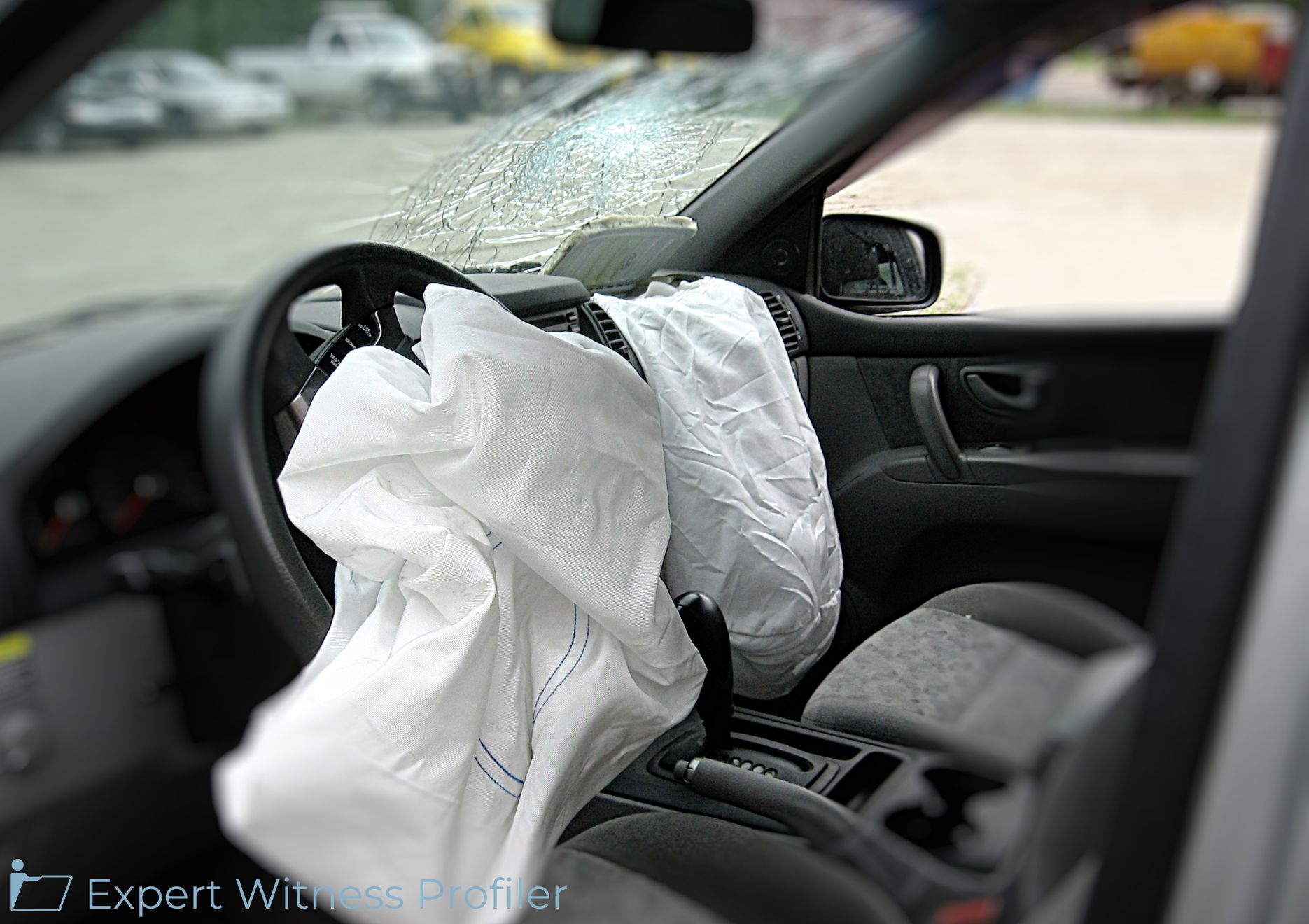
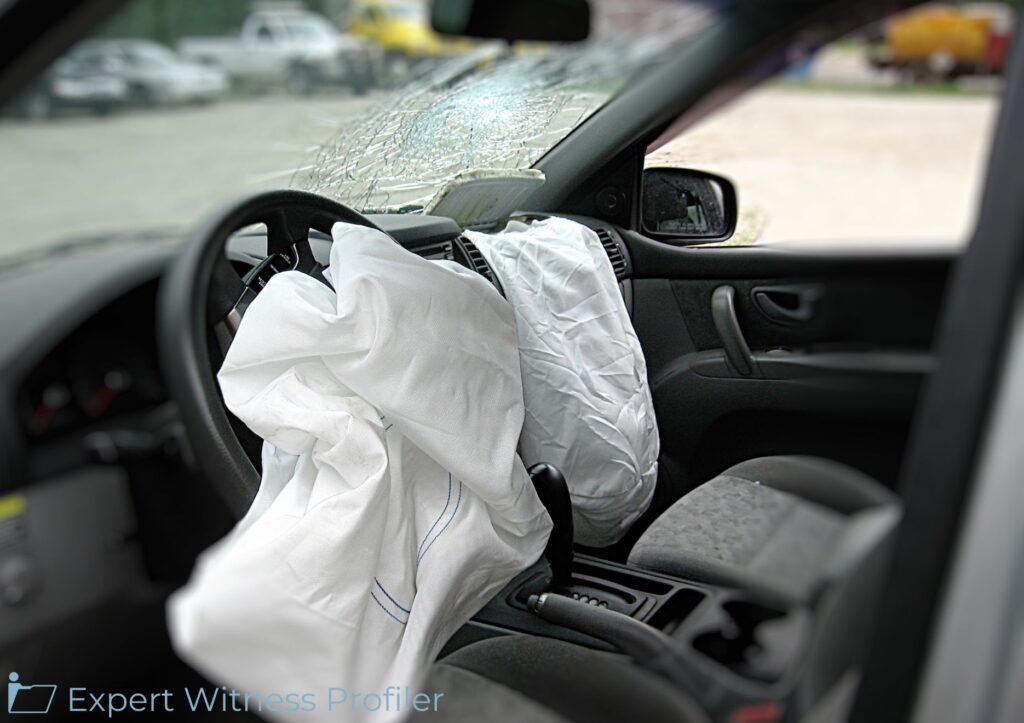
On October 24, 2019, William Harrison Sims (Plaintiff) was driving his 2004 BMW 330Ci (the “Vehicle”) in Florida when another vehicle unexpectedly turned left in front of him, causing a minor accident. As a result of the collision, the Vehicle’s front driver-side airbag was signaled to deploy. However, the airbag inflator unexpectedly ruptured and shot metal shrapnel into Plaintiff’s face and body, leading to severe, permanent, and life-altering injuries.
Defendants, BMW of North America (“BMW NA”) and Bayerische Motoren Werke AG (“BMW AG”), procured and installed the airbag inflator during the process of designing, manufacturing, assembly, and producing the vehicle. Plaintiff filed a lawsuit against both Defendants, alleging strict liability and negligence for procuring and installing the defective airbag.
Plaintiff retained Gordon Horn, a highly credentialed neuropsychologist with considerable clinical experience.
Defendants contended that because Horn is neither a biomechanical engineer nor a biomechanical expert, he is not qualified to offer opinions about the causation of Plaintiff’s traumatic brain injury.
Neuropsychology Expert Witness
Gordon Horn, Ph.D. has been a clinical neuropsychologist since 1996. His education includes a PhD in clinical psychology, and internship and 2-year fellowship completion in neuropsychology and rehabilitation from Duke University, School of Medicine. He has extensive hospital experience beginning in 1989 with inpatient neurological rehabilitation.
Defendants did not question Horn’s qualifications or expertise. Horn issued two expert reports.
First Report
In his first report, Horn documents copious medical records he reviewed as part of Plaintiff’s neuropsychological examination. The patient history portion of Horn’s report is brief, as is the history obtained from Plaintiff’s mother.
Next, Horn documents Plaintiff’s past medical, neurological, developmental, psychiatric, and surgical histories. Horn discusses results covering a range of neurological assessments and impairment ratings.
Horn summarized his clinical summary and impressions after subjecting Plaintiff to a comprehensive battery of tests and examinations. Horn’s findings outline the following neurocognitive impairments: Auditory and Visual Attention (mild impairment; moderate to severe with visual attention); Information Processing (processing mildly impaired, multitasking mildly impaired); Language (mildly impaired complex instruction following); Memory (verbal learning and memory for related words moderately impaired, contextual memory moderately impaired); Visual-perceptual (mild impairment overall, severe impairment with visual discrimination); and Executive functions (mild impairment with complex processing, judgment and reasoning). Horn diagnoses Plaintiff with Depression, Anxiety, and PTSD with pre-existing Attention Deficit Disorder and with exacerbation of cognitive and behavioral impulsivity.
Diagnostic impressions are diffuse traumatic brain injury; frontal lobe and executive function deficit; mild cognitive impairment of uncertain or unknown etiology; adjustment disorder with mixed anxiety and depressed mood; and attention-deficit hyperactivity disorder.
Second Report
Horn issued a second expert report following his re-examination of Plaintiff and after two additional days of testing. Defendants did not appear to take issue with Horn’s methodology or findings outlined in the updated report. Horn’s neurological findings and the deficits attributed to Plaintiff remain unchanged in the 2024 updated report. Defendants filed a motion to exclude “injury causation” testimony of Horn. They did not challenge his neuropsychological testing or the results of those tests.
Defendants’ Objection to Causation Testimony
As for defense counsel’s contention that a neuropsychologist is not qualified to offer opinions on causation, the Court observed that Horn reviewed medical records replete with evidence that Plaintiff was injured by shrapnel from his airbag. Horn noted in his conclusions that the results of the examination were consistent with his injuries noted from the medical notations. The battery of examinations conducted by Horn cause him to opine that Plaintiff’s “neurocognitive profile shows deficits consistent with frontal lobe injury associated with the trauma.”
Defendants also argued that Horn is not qualified to opine that a zygomatic fracture was caused by shrapnel from the admittedly defective inflator because he did not adequately support his opinion that zygomatic fractures result in a 5–10% probability of TBI.
According to the Court, Horn’s opinion that Plaintiff’s frontal lobe injury was caused by trauma is supported by the neurocognitive examination administered by Horn. Horn did not opine that the shrapnel caused the zygomatic fractures documented on the CT scan. Defendants appeared to connect that dot by themselves.
As for the Defendants’ perfunctory argument that Horn’s testimony is cumulative because the Plaintiff has retained a biomechanical engineer and a neurologist, the Court held that Horn is skilled in evaluating and measuring cognitive impairment and in quantifying the damage caused, unlike these experts. Simply put, Horn’s testimony is not cumulative. It forms part of the concentric circles of proof.
Held
The Court denied the Defendants’ motion to preclude injury causation testimony of Gordon Horn.
Key Takeaway:
A neuropsychologist skilled in assessing cognitive impairment secondary to trauma—that is, traumatic brain injury—is qualified to render an opinion that the brain injury was caused by trauma. Moreover, Plaintiff’s personal history—which doctors routinely consider as a part of their evaluation—is not the basis of Horn’s findings.
Rather, the medical records and extensive testing from which Horn identifies Plaintiff’s cognitive impairments and limitations support his opinion.
Please refer to the blogs previously published about this case:
On July 29, 2022, a minor, Kamila, represented by her mother Keila Robles Figueroa (“Plaintiff” or “Robles”), filed a medical malpractice lawsuit against Dr. Juan C. Castañer (“Castañer”), Presbyterian Community Hospital, Inc. (“the Hospital”) and the Hospital Pediátrico Universitario (collectively “Defendants”). The allegations of negligence in this lawsuit are centered on the medical care providers’ treatment of Robles and her baby during her pregnancy, delivery, and the neonatal care of her premature infant. Robles claimed that the Defendants deviated from the established standards of care.
On August 30, 2024, the Hospital filed a motion in limine to exclude Plaintiff’s neonatology expert witness, Carolyn Crawford. The Hospital argued that Crawford was neither qualified by education, training, and experience, to opine on the topic of autism or its causes, nor did her report or deposition testimony present opinions that could be said to be based on reliable methodology or rested on sufficient factual foundation.
On October 7, 2024, Plaintiff argued that Crawford had the necessary expertise to opine on autism and autistic-like behavior in children, as to assist the fact-finder. She also argued that concerns about Crawford’s qualifications and methodology go to “the weight of the testimony, rather than admissibility, which is properly reserved for the jury.”
Neonatology Expert Witness
Carolyn Stocker Crawford completed her B.S. from Dickinson College in Carlisle, Pennsylvania, in 1962, followed by an M.S. from St. Joseph’s University in Philadelphia in 1964. She then completed her M.D. from Jefferson Medical College in Philadelphia in 1971.
With nearly fifty years of practice in medicine, specifically in the areas of neonatal and perinatal medicine, her experience includes many publications and book chapters in the field of neonatology, including several related to Respiratory Distress Syndrome (RDS).
In her expert report dated December 30, 2022, Crawford provided her analysis of Kamila’s medical history, including alleged deficiencies in the prenatal care received by Kamila’s mother, Robles, and the perinatal and neonatal care Kamila received after birth. Defendants challenged the statements in the expert report that relate specifically with Kamila’s neurological status, including certain “autistic-like behaviors.”
Defendants argued that the Court should exclude these opinions from trial because Crawford was not qualified to make them, and argued that her methodology lacked a reliable basis.
A. Crawford’s Qualifications
Defendants argued that Crawford lacked the qualifications to testify as an expert on issues like autism and autistic-like behaviors in children or its causes. Defendants stated that Crawford’s expert qualifications are limited by her education, training, experience, and academic appointments to “pediatrics and neonatology.” As her CV is devoid of any publications on autism or neurology, Defendants claimed that Crawford’s experience reflected a “lack of dedicated research or deep knowledge in the field.”
a)Curriculum Vitae
The Court reviewed Crawford’s CV and found that she had practiced medicine for nearly fifty years, specifically in the areas of neonatal and perinatal medicine. Her experience included many publications and book chapters on neonatology, including several related to Respiratory Distress Syndrome (RDS). While the Court agreed that Crawford is an experienced physician in neonatology, it observed that any focus on childhood autism, autistic-like behaviors, or pediatric neurology was notably missing from her CV.
b)Deposition
During her deposition, Crawford was asked if she considered herself an expert in pediatric neurology, and she responded, “Yes. In certain areas, yes.”She elaborated: “the kind of complications that you see in premature infants as they develop and mature and age. The type of interventions, the causation of certain types of problems. Certain types of neurological problems.”
After being asked whether she is qualified to diagnose someone with autism, she responded, “I think I’m qualified to screen and to discuss with parents, but in terms of actually doing the testing, no. I have not been trained to do the actual testing for autism. But in terms of identifying risk factors and evaluating a child for the possibility of autism, I think, yes, I would consider myself reasonably qualified.” Despite admitting she lacks the qualifications to diagnose autism in children, Crawford stated regarding Kamila, “the child does not really have autism. The child may have some autistic-like features related to the brain damage she has.”
Because Crawford’s experience was not related to diagnosing autism and she had not issued or contributed to publications on autism or autistic-like behavior, Plaintiffs had not shown by the preponderance of the evidence that Crawford was qualified to testify in regard to autism in that case. As such, the Court found that Crawford’s testimony shall be limited to her areas of expertise, namely neonatology, and shall not veer into diagnosis and causation for autism or autistic-like behaviors.
B. Crawford’s Methodology
The Court also examined Crawford’s opinions as to Kamila’s autistic-like behaviors and the causal link to brain damage.
a)Expert Report
In drafting her expert report, Crawford reviewed Kamila’s medical records and had a phone interview with Kamila’s mother, Robles. Based on this review, Crawford concluded that “Kamila’s neurological injury is the result of her prematurity ‘Plus.’ The ‘Plus’ is the contribution from sepsis, hypotension, DIC, hypoxia/ischemia from multiple apneic episodes in the context of non-steroid benefitted RDS and delayed surfactant administration. As a result of her episodes of hypoxia and altered perfusion she also suffered irreversible brain damage with resultant developmental delay and abnormal neurological function including autistic-like behavior. No family history of developmental delay, autism or cerebral palsy was identified. Absent her significant RDS and NEC and their sequelae, Kamila would likely have developed normally.”
b)Deposition
At her deposition, Crawford stated that she believed Kamila “has cerebral palsy, has a brain injury, and [she] think[s] her behavior is explainable by the brain damage and not necessarily by some underlying autism.” When asked what evidence she relied on to support her opinion that Kamila has brain damage, Crawford stated, “she can’t do any self-care. She doesn’t eat. She’s non-verbal. I think motor-wise she’s very delayed. I don’t think she walks or runs. She doesn’t talk.” Crawford also stated that she had not seen an MRI for Kamila but that one “would be an appropriate test to assess her.”
It was noted that Plaintiff did not provide any scientific basis for Crawford’s belief that Kamila in fact has brain damage and that there is a scientific link between brain damage and autism or autism-like behaviors.
Plaintiff argued that this was simply a matter in which experts disagreed, thus pertained “to the weight of the testimony, rather than admissibility, which is properly reserved for the jury.”
The Court disagreed. The record before the Court revealed Plaintiff’s failure to demonstrate by a preponderance of evidence that Crawford’s testimony was the product of reliable principles and methods. Consequently, the Court did not allow Crawford to testify about autism, autism spectrum disorder, or autism-like behaviors during the trial.
Held
The Court granted the Defendant’s motion in limine to exclude Plaintiff’s neonatology expert witness Carolyn Crawford’s testimony regarding autism, autism spectrum disorder or autism-like behaviors.
Key Takeaway:
The Court excluded Crawford’s expert testimony regarding autism and autistic-like behaviors for two main reasons:
Lack of Qualifications: While Crawford’s expert qualifications are limited by her education, training, experience, and academic appointments to “pediatrics and neonatology.” She admitted herself that she has not been trained to do the actual testing for autism. Notably missing from her CV is any focus on childhood autism, autistic-like behaviors or pediatric neurology in general.
Unreliable Methodology: Plaintiff has not provided any scientific basis for Crawford’s belief that Kamila in fact has brain damage, and that there is a scientific link between brain damage and autism or autism-like behaviors. In this case, there is “too great an analytical gap between the data and the opinion proffered.”
Case Details:
Case caption:
Robles-Figueroa V. Presbyterian Community Hospital, Inc. Et Al
Docket Number:
3:22cv1361
Court:
United States District Court for the District of Puerto Rico
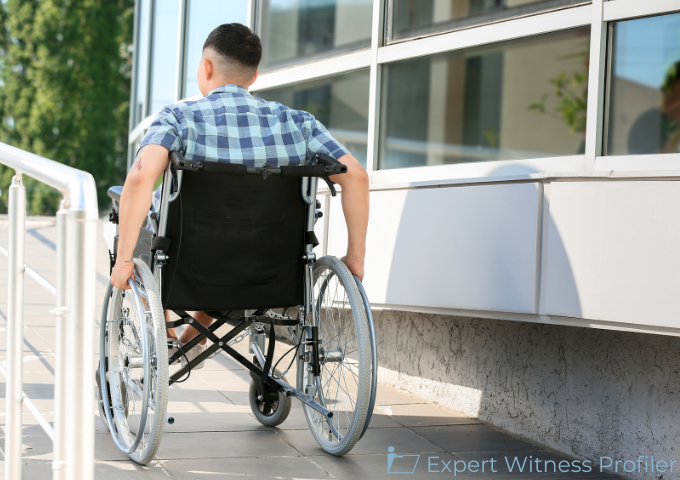
On March 19, 2018, Ralph Monte (“Monte”) visited the Defendant Sherwin-Williams Development Corporation’s store at 4473 South Semoran Boulevard in Orlando, Florida. While attempting to negotiate the ramp from the parking lot to the sidewalk, a wheelchair-bound Monte fell and sustained injuries. He claimed that the fall occurred because Defendant negligently maintained the premises and/or failed to warn him of a dangerous condition. Subsequently, Ralph Monte and his wife, Amarillis Monte filed this premises liability lawsuit under Florida law.
Plaintiffs retained Nizam Razack, who is board-certified in neurological surgery, as an expert witness to review Monte’s medical records and provide an opinion regarding his treatment and care.
One of Razack’s opinions was that the accident on March 19, 2018, caused an infection in Monte’s left elbow. The Defendant filed a motion to exclude Razack’s testimony regarding whether Monte’s accident caused the infection of his left elbow. The Plaintiffs untimely responded in opposition to the motion.
Neurosurgery Expert Witness
Nizam Razack, MD, JD, FAANS, FACS is the founder and president of Spine & Brain Neurosurgery Center.
Razack has completed three post-doctoral fellowships:
Orthopedic spine deformities at the Rancho Los Amigos Medical Center in Los Angeles, California.
Reconstructive & complex spine surgery at the Mayo Clinic in Rochester, Minnesota
Neurosurgical oncology at the M.D. Anderson Cancer in Houston, Texas
The Defendant moved to exclude Razack’s testimony regarding a causal connection between Monte’s accident and the infection in his left elbow. The Defendant argued that:
(1) Razack lacked the qualifications to offer this opinion,
(2) this opinion is contradicted by record evidence, and
(3) this opinion is not predicated on any scientific testing or methodology.
Analysis
Since the Court had struck the Plaintiffs’ response to the Defendant’s motion as being untimely filed, the motion stood unopposed. As a result, the Court granted the Defendant’s motion as the Plaintiffs failed to meet their burden to show Razack’s opinion was admissible.
Even if the Court considered the Plaintiffs’ response, Razack’s opinion on the cause of Monte’s infection would still be excluded under Daubert‘s reliability standard.
Temporal Proximity and Causation
Razack’s report mainly consisted of a review of Monte’s medical records. After reviewing the records and conducting a physical examination of Monte on May 16, 2024, Razack concluded that the accident caused the infection in his left elbow. He based this opinion on the fact that the infection appeared shortly after the accident.
Citing Chapman v. Procter & Gamble Distributing, LLC, 766 F.3d 1296 (11th Cir. 2014), the Court noted that temporal proximity is generally not a reliable indicator of a causal relationship by itself. Courts routinely exclude expert opinions based solely on such reasoning. Accordingly, the Court observed that in the absence of a reliable basis, Razack’s causation opinion regarding the infection of Monte’s left elbow must be excluded.
Differential Diagnosis Argument
Nevertheless, the Plaintiffs argued that Razack’s opinion was a reliable differential diagnosis and was therefore admissible. They asserted that Razack formed his opinion based on comprehensive information, allowing him to establish a differential diagnosis. The Court observed that for a differential diagnosis to be considered reliable, it has to account for other possible factors that could have been the sole cause of the injury, and the expert has to explain why any alternative cause suggested by the defense was not the sole cause.
In his deposition, Razack testified that performing a differential diagnosis was part of his process when reviewing a patient’s records. However, he did not explicitly state that this was the methodology he used to determine that Monte’s infection was caused by the accident. Even assuming that Razack did employ this methodology, the Court still found his opinion unreliable. Razack did not indicate that he had considered other potential causes of Monte’s infection. In fact, during his deposition, Razack acknowledged that Monte’s infection could have been caused by bursitis.
Even if Razack’s opinion was based on a differential diagnosis, the Court found that he did not apply this methodology reliably.
Moreover, even if the opinion were reliable, Razack’s opinion would not be helpful to the jury. The notion of temporal proximity is not beyond the ken of the average lay person, and therefore, Razack’s opinion would not be helpful to the trier of fact in clarifying the cause of the infection. Consequently, the Court excluded Razack’s testimony on these grounds. Indeed, the Eleventh Circuit has noted that it is preferable to leave the question of causation in the hands of the jury where, as here, an expert’s opinion as to causation is based on temporal proximity alone.
Held
The Court granted the Defendant’s motion to exclude certain testimony of Plaintiff’s neurosurgery expert witness, Nizam Razack.
Key Takeaways:
Razack’s testimony regarding the causation of Monte’s elbow infection failed to meet the applicable standard for reliability because:
His opinion relied primarily on temporal proximity (the infection appearing shortly after the accident), which courts generally do not accept as sufficient evidence of causation by itself.
While Razack claimed to use differential diagnosis, he failed to:
Explicitly state this was his methodology for determining causation
Consider or rule out other potential causes of the infection
Adequately address alternative causes (like bursitis, which he acknowledged as a possible cause)
Even if Razack’s opinion were reliable, it is still not helpful because the notion of temporal proximity is not beyond the ken of the average lay person.
Case Details:
Case caption:
Monte V. Sherwin-Williams Dev. Corp.
Docket Number:
6:23cv288
Court:
United States District Court for the Middle District of Florida, Orlando Division
Plaintiff, William Harrison Sims’ claims arise out of an October 24, 2019, two-vehicle collision involving Plaintiff, who was operating the 2004 BMW (“Subject BMW”). Tameca Harris-Jackson (“Harris-Jackson”) was operating the Hyundai that collided with the Subject BMW. Plaintiff alleges he sustained “severe, permanent, and life-altering injuries” due to the driver-side Takata airbag unexpectedly rupturing and shooting “metal shrapnel into his face and body.”
Defendants procured and installed the airbag inflator during the process of “designing, manufacturing, assembling, and producing” the vehicle. Plaintiff brought this action for damages against both Defendants BMW of North America (“BMW NA”) and Bayerische Motoren Werke AG (“BMW AG”), alleging strict liability and negligence from procuring and installing the airbag.
BMW of North America, LLC and Bayerische Motoren Werke AG (The “BMW Defendants”) requested the Court to preclude the injury causation testimony of Plaintiff’s neurological expert Paul Buechel, M.D., P.A. because he is not qualified to offer injury causation opinions.
Neurology Expert Witness
Paul Buechel is a board-certified neurologist with over 33 years of experience. His medical degree is from Syracuse. His residency was done at University of Kentucky.
Defendants argued that Buechel is not a biomechanical engineer and that sufficient facts and data do not support his opinions, nor are they based on a reliable methodology. They also averred that Buechel did “no testing” without specifying what testing should have been performed. And Defendants contended that Buechel failed to rule out contact with the steering wheel or dash as the cause of Plaintiff’s neurological injuries. As such, Defendants characterized Buechel’s opinions as pure ipse dixit of an expert based on too great of an analytical gap.
In the introductory section of their Motion, Defendants argued that Buechel testified at deposition that Plaintiff could have sustained “a traumatic brain injury from other blunt trauma to the head.” They contended that this undercuts the reliability of his opinion that the defective inflator and the shrapnel surgically removed from Plaintiff caused his TBI. Defendants also cited Buechel’s deposition, in which he stated he did not inspect the shrapnel. And the defense avers that Plaintiff’s nasal septal deviation, which his ear, nose, and throat physician felt was secondary to striking the wheel or dash, contradicts Buechel’s causation opinion.
Buechel is a board-certified neurologist who conducted two independent medical evaluations of Plaintiff one year apart. He offered an assessment of Plaintiff’s injuries and limitations based on the medical records, patient history, and his independent medical evaluations. Buechel then outlined Plaintiff’s future necessary and reasonable medical needs.
Defendants did not contest Buechel’s qualifications to render these opinions, the reliability of the principles and methodology employed by Buechel, or that his testimony about Plaintiff’s injuries and future medical needs is helpful to the jury.
Analysis
Defendants only contested whether Buechel’s opinion that, “[r]egarding causality, in the greatest medical probability, it is [his] opinion that each of these listed diagnoses and symptoms are indeed directly related to the injuries he sustained in the vehicle airbag explosion which occurred on 10/24/19.”
At deposition, Buechel clarified that even assuming the ENT is correct that Plaintiff’s nasal septal deviation was caused by Plaintiff’s face making contact with the wheel or dash, this is still due to the defective inflator sending shrapnel through the airbag and preventing it from protecting the Plaintiff. Therefore, injuries sustained by contacting the wheel or dash are caused by the airbag exploding. Buechel did not concede that his injury causation opinion is unreliable because the ENT found a septal deviation could have been caused by striking the wheel or dash. To the contrary, Buechel observed that Plaintiff’s nasal bridge exam “looked well on the photographs,” and typically, one would expect a laceration or a bridge abrasion when the patient’s face strikes the wheel or dash.
The Court finds the methodology employed by Buechel to support his injury causation opinion is the product of reliable principles and methods properly applied to the facts of the case. As Plaintiff observes in his response, Buechel reviewed the medical records and evidence collected from the scene. He considered the nature of the injuries as “an indication of the size of the shrapnel” along with the “depth of penetration.” Buechel does not need to be trained as a biomechanical engineer to render his opinions, despite Defendants’ bald assertion.
Held
The Court denied the Defendants’ motion to preclude the testimony of Dr. Paul Buechel.
Key Takeaway:
Buechel does not need to be trained as a biomechanical engineer to render his opinions, despite Defendants’ bald assertion. Buechel’s opinions rest upon his training and experience, combined with the medical evidence showing the size of lacerations caused by the shrapnel and the depth of penetration. This is more than adequate to satisfy Daubert and its progeny.
This case involves a Hurricane Laura claim by Plaintiff Rapides Station Land Company, LLC (“Plaintiff”), the owner of the property known as “Cowboy Town” located in Boyce, Louisiana, near Interstate 49, for alleged property damage attributable to the Hurricane. Markel American Insurance Company (“MAIC”) issued a builders risk policy of insurance to Plaintiff which provided coverage for an alleged “rehabilitation or renovation project” for the policy period of October 17, 2019, to September 1, 2020.
According to the scheduling order, the final date for exchanging expert reports was April 24, 2023, the deadline for completion of discovery was May 31, 2023, and the deadline for taking the depositions of experts was June 2, 2023.
RSLC designated Jeffery S. Major as an expert on public adjusting and estimating.
Major’s expert report was produced to Markel on April 24, 2023. The report and supporting documentation were presented across two emails.
The first email contained a folder labelled “Skyline Estimate” with three documents attached: a document showing the calculation of depreciation for the main building and the annex building, a second containing over 1,000 photos of the property purporting to show damage, and a third containing a 56-page estimate prepared using the industry standard Xactimate program. The second email contained an .esx file, which contained the underlying data used to prepare the Xactimate estimate. Markel was also provided with a 23-page written report, although it is unclear when this report was furnished, it too is dated April 24, 2023.
Motion to Exclude Major
Markel asserted multiple issues with RSLC’s expert production and qualifications:
(1) The production of Major’s report and the underlying .esx file in multiple files caused confusion;
(2) Major is unqualified to offer his opinion regarding the causation of damages because he is not licensed as an engineer, architect, or contractor;
(3) Major’s opinions regarding causation of damages are unreliable and untested;
(4) Major is unqualified to offer his opinion concerning best practices in the insurance industry because he has never worked on behalf of insurance companies;
(5) Major offers opinions regarding Markel’s intent or motives without a proper foundation; and
(6) Major offers legal opinions.
Adjuster Expert Witness
Jeffery S. Major is an expert on public adjusting and estimating. Major has been engaged in the practice of public adjusting in various capacities since at least 1990. Prior to that, Major was a builder and general contractor from 1983-1990.
Major has purportedly estimated, consulted, or adjusted over 600 commercial and 1,000 residential claims, many of which were hurricane related. He is apparently licensed as a public adjuster in 44 states and territories. Also, he lists twenty engagements as an insurance industry continuing education presenter or instructor. Major has recently been allowed to testify as an expert in the Western District of Louisiana regarding similar matters.
Major is qualified to testify on issues of damage causation, repair costs, insurance industry customs, standards, and practices, and Markel’s conduct
To begin with, Markel complained that Major is not licensed as an engineer, architect, or general contractor, that he is not a college graduate, and he has not worked for insurance companies. Markel contended that without these specific qualifications, Major is unqualified to offer his expert opinion on damage causation, repair costs, insurance industry customs, standards, and practices, or Markel’s conduct in adjusting the claim.
However, Major has been engaged in the practice of public adjusting for over thirty years and worked in construction for nearly a decade. He is licensed as a public adjuster in 44 states and territories, has taught numerous continuing education courses in various aspects of public adjusting and insurance claim handling, and adjusted over 1,600 claims. The Court held that Major’s experience qualifies him to testify as to these issues commonly within a public adjuster’s purview, including damage causation, repair costs, industry customs, standards, and practices, and insurer conduct.
Moreover, Markel’s contention that a person must hold a license as an architect, engineer, or contractor to testify regarding these issues have recently been rejected by this district. Major was recently qualified in this district to testify regarding “industry standards, customs, and practices applicable to handling insurance claims.” To the extent that Markel believes Major’s experience and licensure are inadequate to support his conclusions, it is entitled to subject his testimony to vigorous cross-examination and present contrary evidence in their defense.
Major is not qualified to testify regarding Markel’s intent or motives or to offer legal opinions
Markel complained that Major’s expert report impermissibly offers legal opinions and testimony on Markel’s intent or motives. Although Federal Rule of Evidence 704 permits an expert witness to give testimony that embraces an ultimate issue to be decided by the trier of fact, experts remain prohibited from rendering a legal opinion because there can only be a single arbiter of the law, the Court, and allowing parties to offer competing legal opinions would only serve to confuse juries. Further, Louisiana public adjusters are expressly prohibited from providing legal advice to an insured or otherwise engaging in the unauthorized practice of law.
The Court held that Major will not be allowed to offer testimony on Markel’s intentions or motivations. Further, Major will not be permitted to offer his legal opinions, this includes assertions regarding Markel’s conduct specifically satisfying the elements of the Louisiana bad faith claim handling statutes. Such statements include assertions that Markel’s conduct was “arbitrary, capricious, and without probable cause”, “vexatious”, or performed in “bad faith.”
RSLC satisfactorily complied with Rule 26
RSLC provided Major’s expert report and underlying data to Markel within the deadlines set for expert disclosures. Markel apparently takes issue with the production being contained in multiple e-mails without clarification from RSLC’s counsel regarding the contents of each e-mail. Markel was afforded the opportunity to depose Major regarding the expert production and, as best as this Court can tell, RSLC does not intend to offer any expert materials that were not timely disclosed to Markel prior to Major’s deposition.
The Fifth Circuit has established four factors to consider when deciding whether to exclude expert testimony, (1) the explanation for the failure to [submit a complete report on time]; (2) the importance of the testimony; (3) potential prejudice in allowing the testimony; and (4) the availability of a continuance to cure such prejudice. These factors do not inure to the benefit of Markel. The full report was timely submitted, albeit in separate communications. Markel recognized that it had the full report in a timely fashion. Markel has suffered no genuine surprise. Though the testimony is likely important, Markel will not be prejudiced by allowing it. In other words, there is no cause to exclude the report pursuant to Rule 26(a)(2).
Held
The Court granted in part and denied in part Markel’s motion in limine to exclude the testimony of Jeffrey Major.
Key Takeaway:
While the Court admitted Major’s testimony regarding damage causation, cost of repairs, the facts of Markel’s adjustment of the claim, and industry standards, customs, and practices applicable to handling insurance claims, Major was not allowed to offer testimony on Markel’s intentions or motivations. Further, Major was not permitted to offer his legal opinions, which includes assertions regarding Markel’s conduct specifically satisfying the elements of the Louisiana bad faith claim handling statutes.
In conclusion, there can only be a single arbiter of the law, the Court, and allowing parties to offer competing legal opinions would only serve to confuse juries.
Case Details:
Case Caption:
Rapides Station Land Co L L C V. Markel American Insurance Co
For over 10 years, Fisher-Price sold a product called the Rock ‘n Play Sleeper (RnP). The Plaintiff, Ameena Brown, argued that the defective design of the RnP was to blame because her infant son, A.B., had died from sleeping in it. The dangers of this inclined sleeper product were widely debated in this case.
It all started when A.B.’s mother, Plaintiff Ameena Brown, was gifted a secondhand Rock ‘n Play for A.B. During naptime and overnight sleep, Ameena would place A.B. supine in the RnP, which she kept in the living room.
On January 15, 2018, the day before A.B.’s death, there was nothing out of the ordinary about A.B.’s health or demeanor. At approximately 6:00 AM the next morning, Ameena awoke and went to check on A.B. A.B. was found dead in the Rock ‘n Play.
Plaintiffs sought to introduce Darlene Calhoun‘s testimony to show: (1) the design of the RnP increased the risk of harm; (2) A.B. died from suffocation after rolling onto his side and pressing his face against the side of the RnP; (3) A.B. could have expected a normal life expectancy despite his premature birth; and (4) A.B. experienced conscious pain and suffering before death. Calhoun’s report also touches on the topic of rebreathing.
Defendants contended Calhoun: (1) lacked the requisite qualifications to opine on cause of death; (2) had no basis to conclude the RnP’s design is defective aside from the opinion of other experts in this case; (3) bases her conclusions on “mere association” as opposed to “reliable scientific opinions;” and (4) relied on a theory of increased risk causation which is impermissible under Pennsylvania law.
Pediatrics Expert Witness
Darlene A. Vasbinder-Calhoun, D.O. is a retired Neonatalist-Perinatalist. She received her D.O. degree in 1991 from the Ohio University College of Osteopathic Medicine. She is board certified in pediatrics. Calhoun describes her experience as “clinical practice in Neonatal-Perinatal Medicine,” working in Neonatal intensive care units, and conducting academic research.
During her deposition, Calhoun stated “[m]y opinion is that [A.B.] died from suffocation related to the compression of his mouth and nose against the fabric of the Rock ‘n Play Sleeper.”
Calhoun formed that opinion based on her review of A.B.’s medical records, the witness statements of A.B.’s mother, various studies Calhoun cited in her report, and her own training and experience.
Calhoun May Not Offer General Causation Testimony
Defendants asserted that Calhoun does not qualify as a biomechanical engineer, or a forensic pathologist, and so cannot opine as to design flaws or cause of death. Further, Defendants contended that Calhoun relies upon “mere association”—the fact A.B. was found deceased in the device—rather than reliable scientific opinions, testing, or data demonstrating causation.
Calhoun’s general causation opinion “is simply saying that here the Rock ‘n Play can cause death.” The Court held that a review of Calhoun’s report as it pertains to general causation shows little analysis based upon her own expertise. Although she bases her general causation opinion on the type of “information reasonably relied upon by experts in the particular field,” she does not add any of her own context as to how the design of the RnP can cause death.
Defendants further contended Calhoun “does not have any experience related to product safety testing” which would render her discussion of Fisher-Price’s testing procedures and recall decisions admissible. The Court held that Calhoun has never conducted tests on infant sleep products, and her discussion about whether Fisher-Price knew the RnP posed a threat to infants amounts to a recounting of alleged facts generated without her particularized skills and education. Admitting this testimony may also mislead the jury and would permit Calhoun to testify about recalls and test procedures of which she has no expertise to testify.
Calhoun’s Specific Causation Testimony Is Admissible
Though Calhoun did not formally label her opinion as the result of a differential diagnosis, Plaintiffs contended that is precisely the methodology Calhoun utilizes in her report. A differential diagnosis involves the doctor creating a list of possible causes of death, and then working through the medical records to exclude each of those potential causes until only one reasonable explanation remains.
In her report, Calhoun considers as possible causes of death, and then excludes: Sudden Infant Death Syndrome; Gastroesophageal Reflux Disease; complications from A.B.’s Atrial Septal Defect; complications from A.B.’s Nasogastric Feeding Tube; and A.B.’s respiratory conditions. She also considered A.B.’s developmental age, his preference to turn to his right side, and the way he was found in the RnP the morning of his death.
Calhoun provides her reasoning, based on her training and experience, for concluding that she can rule out the alternative causes of death she considered. She then concludes, based on those exclusions and the information available to her, that A.B. died of asphyxiation. Further, she concludes due to A.B.’s developmental delays that he would have been unable to roll onto his side, absent the design of the RnP facilitating his roll. Calhoun created a list of possible causes of A.B.’s death, and her report explains why she excluded each alternative.
Defendants raise several specific issues with Calhoun’s methodology, but these issues, according to the Court, relate to the credibility of her opinion, not its admissibility.
For instance, Defendants’ argument based on Calhoun’s inability to know exactly what transpired during the time between Brown placing A.B. in the RnP and his death amounts to an argument against the credibility of Calhoun’s diagnosis, but not its admissibility.
Calhoun Cannot Rely On Increased Risk Of Harm To Establish Causation
Defendants contended Calhoun impermissibly relied on an “increased risk” standard, which Pennsylvania law prohibits in product liability cases. Calhoun’s ultimate conclusion stated, “[i]t is my opinion that the design of the Rock ‘n Play Sleeper increased the risk of harm for and was the direct cause of [A.B.’s] asphyxiation, physical pain and suffering, and death.”
After extensive argument, Defendants conceded their position with Plaintiffs as they “understood counsel to be acknowledging that they were not trying to substitute increased risk for proof of causation.” Here, Calhoun offered a basis for specific causation which goes beyond her reliance on increased risk. Moreover, Defendants have conceded that Plaintiffs are not attempting to substitute increased risk for causation. Accordingly, the Court held that Calhoun may not testify that increased risk establishes causation.
Held
The Court held that Calhoun’s training and expertise qualifies her to opine on the specific cause of death in this case. She may not provide an opinion on general causation based on the design of the RnP. She may not opine that increased risk establishes causation.
Key Takeaway:
The Court concluded that Calhoun’s general causation opinion, which primarily restates the opinions of other experts, lacked analysis rooted in her own expertise and risked misleading the jury; therefore, it must be excluded. However, her specific causation opinion was deemed admissible, as it relied on a reliable differential diagnosis methodology, which considered and ruled out alternative potential causes of death based on her training and experience. The Court also added that while Calhoun may testify that the RnP’s design increased the risk of harm, she cannot assert that increased risk alone establishes causation for A.B.’s death under Pennsylvania law.
Please refer to the blog previously published about this case:
For over 10 years, Fisher-Price sold a product called the Rock ‘n Play Sleeper (RnP). The Plaintiff, Ameena Brown, argued that the defective design of the RnP was to blame because her infant son, A.B., had died from sleeping in it. The dangers of this inclined sleeper product were widely debated in this case.
It all started when A.B.’s mother, Plaintiff Ameena Brown, was gifted a secondhand Rock ‘n Play for A.B. During naptime and overnight sleep, Ameena would place A.B. supine in the RnP, which she kept in the living room.
On January 15, 2018, the day before A.B.’s death, there was nothing out of the ordinary about A.B.’s health or demeanor. At approximately 6:00 AM the next morning, Ameena awoke and went to check on A.B. A.B. was found dead in the Rock ‘n Play.
Erin Mannen’s investigation found, among other things, that inclined sleepers can cause infants to roll from their back to their stomach or side and that once the infant is in this compromised position, the infant is at a heightened risk of suffocation. Defendants asserted that Mannen “ignored” studies commissioned by Fisher-Price that reached results contrary to her own and moved to exclude Mannen’s opinions.
Biomechanical Engineering Expert Witness
Erin Mannen is a biomechanical engineer who specializes in infant biomechanics and is the Director of the Boise Applied Biomechanics of Infants (BABI) Laboratory. She has published several peer-reviewed papers on the subject and won the American Society of Biomechanics Early Career Achievement Award for this work.
It is noteworthy that A.B. suffered from several medical problems resulting from his premature birth, including hypertonicity. A.B. also suffered from developmental delays. Brown placed A.B., clothed and swaddled, on his back in the RnP. Sometime during the night, A.B. came to be on his side. When Brown awoke, she discovered A.B. “stiff.” Emergency services were unable to revive A.B.
Mannen’s report considered the effect inclined sleep products have on an infant’s ability to roll from their back, an infant’s ability to correct a compromised position after rolling, the rate at which an infant attempting to correct its position would fatigue, and the consequences those compromising positions would have on an infant’s breathing.
Mannen Qualifies As An Expert On Biomechanics
Mannen’s testimony would also show the use of an inclined sleeper makes it harder for an infant to correct a compromising position. Mannen’s report also touched on the topic of rebreathing. Defendants contended that: (1) Mannen did not qualify as a medical doctor and cannot give medical opinions; (2) Mannen failed to account for the specific conditions present in this case, thus preventing any of the findings of her studies from being applied to the instant set of facts; and (3) Mannen’s studies did not support her conclusion and did not utilize reliable methodology.
The Court found that her knowledge, skill, experience, training, and education meet the level of qualification required under Daubert. In other words, Defendants did not meaningfully contest Mannen’s qualifications as an expert on biomechanics.
The specific causation testimony that Defendants objected to concerned the following conclusions: (1) rebreathing and its impact; (2) the design of the RnP facilitated A.B. turning his head and coming into contact with the soft mesh siding of the RnP; (3) A.B. died from either positional asphyxiation or suffocation; and (4) the RnP caused A.B.’s death. Defendants argued that Mannen’s lack of medical expertise precluded her from opining on the topics of rebreathing and A.B.’s cause of death. Defendants further asserted a blanket objection to “any other specific causation opinion.” Plaintiffs contended that Mannen does not offer any medical opinions, and all of her opinions regarding specific causation are based on her expertise in biomechanics.
Mannen’s Causation Testimony Is Generally Admissible
Defendants argued Mannen’s opinion on rebreathing should be excluded because she does not qualify as a pulmonologist and improperly relied on the report of another expert, Michael D. Leshner.
The Court held that Mannen’s lack of qualification as pulmonologist does not necessarily preclude her from opining on rebreathing, as an expert may rely on the reports of other experts to help form the basis of their own opinion.
Her opinion, formed based on her analysis of Leshner’s data, states “in a side-lying or a 90-degree head turn situation, [ ] an infant would experience significantly increased CO2 inhalation simply due to the design of the product.”
Mannen synthesized that data generated by Leshner’s report; considered her peer-reviewed research, her inspection of the product, and her own expertise in biomechanics; and concluded that the environment created by placing an infant in the RnP creates “a dangerous CO2 rebreathing and/or suffocation scenario.”
Due to the deficiencies in that other Leshner’s methodology, the Court held that Mannen may not rely on Leshner’s report.
The Court struck Mannen’s conclusion that “in a side-lying or a 90-degree head turn situation, an infant would experience significantly increased CO2 inhalation simply due to the design of the product” because it was calculated with the data from Leshner’s unreliable methodology.
The Court concluded that Mannen’s other conclusions regarding whether an infant would be at risk for rebreathing in the RnP were based on her examination of an RnP, her peer-reviewed research, and her expertise as a biomechanical engineer. Accordingly, Mannen’s testimony regarding rebreathing that does not rely on Leshner’s methodology is admissible.
Mannen’s Studies Sufficiently Fit The Instant Facts and are Admissible
Mannen’s various studies examined infants and their muscle activity when placed at various inclines. Mannen studied healthy infants wearing only a diaper.
On the night of his death, A.B.’s limbs were restricted by a swaddle and layers of clothing. A.B. also suffered from hypertonicity, a condition of excessive muscle tone that may limit an infant’s range of motion.
Defendants argued that these variations between the facts surrounding A.B.’s death and Mannen’s studies prevented Mannen’s opinion from possessing the requisite fit to be admissible.
Mannen concedes she did not study infants who were clothed or swaddled, or any infants suffering from hypertonicity. Nevertheless, her studies and report explain how an infant previously unable to roll on his own may have been able to roll because of the incline present in the RnP. Further, her report explains how once A.B. rolled to his side, he may have been unable to reposition and would have struggled to breathe correctly. The Court held that these explanations are relevant to the ultimate issue in this case—how the RnP’s design may have contributed to A.B.’s death.
Defendants posited that Mannen, relied on tests that did not involve persons with the victim’s characteristics. However, the Court found that Mannen had a basis on which to assert that her conclusions regarding the risk of rolling for infants not suffering from hypertonicity could be applied to A.B. Mannen, provides an “ordinary infant” standard and applies that standard to an infant less susceptible to injury; thus, there is no additional susceptibility to injury that would invalidate her conclusions as applied to A.B.
Mannen’s Studies Employed Reliable Methodology
Defendants argued Mannen’s “easier-to-roll” hypothesis is unsupported by the studies she cites.
As to Mannen’s conclusion that a side-facing infant would come into contact with the side of the RnP, leading to an increased risk of suffocation, Defendants argued that Mannen’s demonstration using a soccer ball in place of an infant “is not based on any recognized methodology for examining potential respiratory compromises.”
Mannen’s studies—the 2019 Consumer Product Safety Commission study (the “CPSC study”) and the studies identified as “Wang 2020” and “Wang 2021″—examined the effects of sleep surfaces on an infant’s muscle activity to determine “if the design of inclined sleep products impacted suffocation risk from a movement and body position perspective.”
While conducting the CPSC study, Mannen studied ten infants placed on sleeping surfaces with increasing levels of incline. Mannen and her team monitored body position and muscle activity. Mannen subsequently conducted a similar study involving 15 infants, and published those results in peer-reviewed journals as the Wang 2020 and Wang 2021 studies.
Those studies found that infants placed in inclined sleepers experience different muscle activity and body position compared to infants on flat surfaces. Mannen opined that those differences make it easier for an infant to roll from supine to prone—a roll that necessitates the infant being on his side if only for a brief moment—which places the infant at greater risk of maneuvering into a compromised position.
The studies were not intended to measure the frequency infants rolled when placed in inclined sleepers, but rather the inclined sleeper’s biomechanical effect on an infant’s ability to roll.
Held
The Court found that Mannen explained her methodology; addressed what each finding means generally and in relation to A.B.’s case; considered potential errors within the studies; and subjected both the Wang 2020 and Wang 2021 studies to peer review.
Moreover, Defendants appeared to misinterpret Mannen’s use of a soccer ball in her opinion.
Defendants contend “that test, however, which involved manipulating a soccer ball by hand in a [RnP], is not based on any recognized methodology for examining potential respiratory compromises, and the test appears to have used a [RnP] model with an additional pad…” Mannen, however, did not perform a test with a soccer ball. Rather, she used the soccer ball in a series of pictures to demonstrate how something approximately the size of an infant’s head would be positioned after a 90-degree turn.
Mannen’s use of a soccer ball as a stand-in for an infant’s head appeared reasonable to the Court. As the soccer ball’s utilization was illustrative rather than substantive, that illustration is admissible.
The Court concluded that many of Defendants’ challenges relate to credibility and may be dealt with during cross-examination of Mannen. It was decided that Mannen may testify regarding rebreathing only to the extent that she relies on peer-reviewed studies or her own expertise; accordingly, Mannen’s rebreathing testimony may not touch on Leshner’s Report or any conclusions reliant on his methodology.
Key Takeaway:
Mannen utilized her expertise in biomechanics to opine on: (1) how the RnP design allowed A.B. to turn onto his side; (2) how the RnP design made it more difficult for A.B. to correct his position once on his side; (3) the risk of rebreathing and suffocation created by the RnP; and (4) the increased fatigue caused by an infant unable to correct his position. None of those opinions offer a medical opinion. All those opinions are either the direct product of Mannen’s expertise, or her reasonable reliance on the reports of other experts. Thus, Mannen’s lack of medical expertise does not preclude her from offering those opinions.
Plaintiffs Gregory Hebbler and Marion Hebbler contracted with Defendant State Farm Fire and Casualty Company to insure their home located at 6009 Angler Drive, Picayune, Mississippi.
On August 29, 2021, Hurricane Ida made landfall, purportedly damaging the residence. When Defendant conducted an on-site inspection and estimated the monetary damage caused by Hurricane Ida, it issued no payment because this figure fell below Plaintiffs’ deductible.
Plaintiffs ultimately designated Rich Lyon as their sole expert witness, referencing a June 7, 2023, Estimate as his report, but they did not attach this Estimate to their designation. On July 1, 2024, almost three months after their expert designation deadline had passed, Plaintiffs submitted a supplemental designation, disclosing Lyon’s Supplemental Report.
On August 19, 2024, Defendant filed the instant motion to strike Plaintiffs’ expert witness Rich Lyon.
Insurance Expert Witness
Rich Lyon is a licensed State of Louisiana Public Insurance Adjuster and Registered Insurance Appraiser. He is the owner and operator of Gulf Coast Adjusting, LLC. Gulf Coast Adjusting, LLC is a Louisiana-licensed and bonded company offering Public Adjusting, Insurance Claims Appraising, Insurance Claims Umpiring and Construction Estimating services throughout the states of Louisiana and Mississippi.
The June 7, 2023, estimate offered by Plaintiffs as Lyon’s initial expert report contains only damage estimates and includes no narrative language, explanations, or opinions as to causation. The Estimate valued the damage to Plaintiffs’ property at $144,661.05, with no amount specified for depreciation. The Estimate is based on a June 5, 2023, inspection that was conducted by an independent contractor hired by Lyon.
2. The Supplemental Report
In his supplemental report, Lyon for the first time offered an opinion as to causation, stating that Hurricane Ida caused the damage to Plaintiffs’ residence. This opinion is based upon “on-site inspections of the subject property, interviews with the property owner, . . . documentation provided to [him], [his] extensive work related to hurricanes [and] windstorms, and [his] accumulative experience in the construction and insurance industries gained over the past 25 years.”
Lyon conducted an inspection of Plaintiffs’ property on June 24, 2024, which resulted in him revising the June 7, 2023, damage estimate downward to $75,707.42, again with no deduction specified for depreciation.
B. Defendant’s Motions
Defendant asked the Court to exclude the June 7, 2023, estimate because it was made by unknown independent contractors, such that the Court cannot test the reliability of its factual underpinnings or methodologies. Next, the Court should strike the supplemental report because it is not supplemental, but is in fact a new report, and was produced by Plaintiffs over two and half months after the expert designation deadline.
1.Defendant’s challenge to the June 7, 2023, Estimate offered as Lyon’s expert report
Defendant argued that Plaintiffs’ timely June 7, 2023, estimate is unreliable because it offered no causation opinions and because unknown independent contractors collected the data underlying the estimate and did the majority of the work creating it.
Lyon affirmed under oath that both the inspector and estimators’ identities are protected by nondisclosure agreements, and he would not reveal them. Since Plaintiffs have not identified who conducted the inspection or created the Estimate, neither Defendant nor the Court can test the reliability of the data and methods employed in repairing it. On this record, Plaintiffs cannot meet their burden of showing that the bases and methodologies underlying the estimate are reliable, and the Court therefore rejected the June 7, 2023, estimate.
Defendant next challenged Lyon’s supplemental report, disclosed after Plaintiffs’ expert designation deadline but prior to the close of discovery.
It should be noted that Lyon’s supplemental report relies upon information gathered by an unknown independent contractor during the June 7, 2023, inspection, Lyon’s own inspection conducted on June 24, 2024, documentation provided to him, and interviews with Plaintiffs. With the exception of Lyon’s inspection, this information was available to Plaintiffs well before the expert designation deadline of April 9, 2024, and Plaintiffs have not offered any explanation why Lyon could not have conducted his inspection before the deadline. For these reasons, the Court concluded that the supplemental report is not supplemental but is in fact a new expert report, such that it could and should have been disclosed by April 09, 2024.
Four factor analysis under Rule 37 to determine the proper sanction
Starting with the fourth factor, the explanation for the failure to comply with the Court’s deadlines, Plaintiffs justify the late disclosure by stating that they paid out-of-pocket to repair their roof in July 2023.
But Plaintiffs do not explain how the completion of these repairs prevented them from timely disclosing the supplemental report or why, if there was an issue, it could not be resolved in the nine months between the completion of repairs and the designation deadline of April 9, 2024.
The third factor is the possibility of a continuance. This, according to the Court, weighs in favor of Defendant because the case is scheduled for Pretrial Conference next month and a continuance would only further delay this case, in essence rewarding Plaintiffs for failing to timely disclose the supplemental report without any justifiable explanation.
The first factor is the importance of the witness’ testimony. Without Lyon, Plaintiffs cannot meet their burden of showing causation and Defendant will be entitled to summary judgment. But even where the expert testimony is significant, “the importance of such proposed testimony cannot singularly override the enforcement of local rules and scheduling orders.”
Turning to prejudice, Lyon had the benefit of possessing Defendant’s expert report when he prepared the supplemental report, and Defendant’s expert’s ability to prepare his own report was impeded by not having access to Lyon’s supplemental report. Defendant would also be required to expend time and financial resources to prepare a response to Lyon’s new causation opinion, causing further prejudice. On balance, the Court held that this factors weigh in favor of excluding the supplemental report.
The circumstances of this case warrant striking the Supplemental Report
Plaintiffs argued that Defendant waived the right to challenge Lyon’s expert designation by failing to file its motion thirty days before the discovery deadline.
The Court found that Plaintiffs attempted to frame Defendant’s argument as a challenge to the initial expert designation, when in fact Defendant is contending that the supplemental report itself introduces new expert testimony and is therefore not supplemental. This would mean that Defendant would have had to file its challenge to Plaintiffs’ disclosure no later than five days later. It would be unfair to permit Plaintiffs to violate their deadline for disclosing expert reports by almost three months, and then penalize Defendant for failing to file its motion to strike by the deadline because Plaintiffs served the supplemental report mere days before it passed.
Held
The Court found that Defendant’s motion to strike should be granted as to Plaintiffs’ expert Rich Lyon, and he will be excluded from testifying at trial. The Court also granted Defendant’s motion for summary judgment because Plaintiffs cannot make the requisite showing as to causation. Plaintiffs Gregory Hebbler and Marion Hebbler’s claims were dismissed with prejudice.
Key Takeaways:
The Court excluded June 07, 2023, estimate offered as Lyon’s expert report because unknown independent contractors did the majority of the work creating it as a result of which the Court cannot test the reliability of its factual underpinnings or methodologies.
The supplemental report offered by Lyon is not supplemental but is in fact a new expert report, such that it could and should have been disclosed by April 09, 2024. It should be noted that Lyon’s supplemental report relies upon information gathered by an unknown independent contractor during the June 7, 2023, inspection, Lyon’s own inspection conducted on June 24, 2024, documentation provided to him, and interviews with Plaintiffs. With the exception of Lyon’s inspection, this information was available to Plaintiffs well before the expert designation deadline of April 9, 2024, and Plaintiffs have not offered any explanation why Lyon could not have conducted his inspection before the deadline.
Case Details:
Case Caption:
Hebbler Et Al V. State Farm Fire And Casualty Company
Docket Number:
1:23cv247
Court:
United States District Court, Mississippi Southern