Category: Mechanical Engineering Expert Witness

  • Mechanical Engineering Expert’s Testimony on Vehicle Dynamics Was Not Fully Admitted

    Mechanical Engineering Expert’s Testimony on Vehicle Dynamics Was Not Fully Admitted

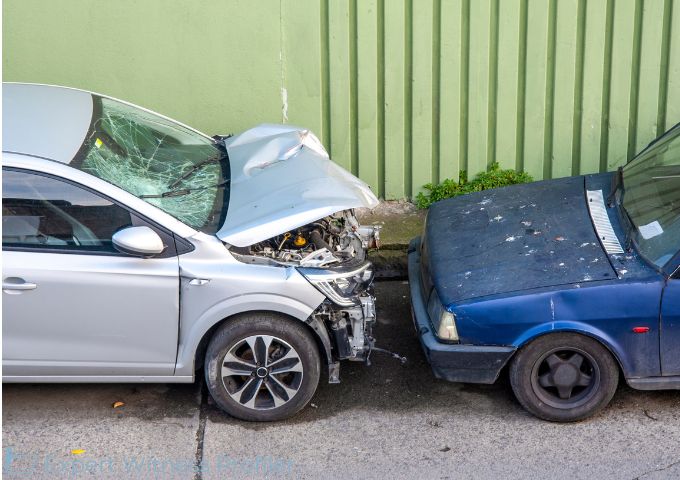
    Manichanh Sitivong sued the United States under the Federal Tort Claims Act (FTCA) for injuries she sustained when her car collided with a car driven by a Federal Bureau of Investigation agent.

    Sitivong sought to exclude the government’s biomechanical engineering expert, Keith Stolworthy, Ph.D, P.E. Sitivong argued that Stolworthy’s report (1) incorrectly assumed that Sitivong experienced only frontal forces and not lateral or rotational forces, (2) was insufficiently based on photographs and repair bills for Sitivong’s vehicle, (3) improperly opined on the medical causes of Sitivong’s injuries, (4) relied on volunteer crash safety tests that are disconnected from the conditions of Sitivong’s collision, and (5) relied on a misleading daily activities chart.
    Mechanical Engineering Expert Witness

    Dean Keith Stolworthy, Ph.D, P.E. understands the mechanical performance of biological tissue (e.g., how the body moves and breaks) and applies this in the analysis of injury-causing events and the design of biomechanical devices. He has served as an expert witness on hundreds of cases involving vehicle accidents (including front, rear, and side-collisions; roll-overs, occupant ejections; and motorcycle crashes); slips, trips, and falls; projectiles and falling objects; workplace accidents; medical devices and consumer product failures; and other injury-causing events.

    Stolworthy received bachelor’s, master’s, and doctorate degrees in Mechanical Engineering from Brigham Young University and was a postdoctoral researcher at Vanderbilt University.

    Get the full story on challenges to Keith Stolworthy’s expert opinions and testimony with an in-depth Challenge Study.

    Discussion by the Court

    Sitivong contended that Stolworthy’s report “never explains” why he concluded that her vehicle “experienced virtually no left-right or clockwise rotation during the impact.”

    Stolworthy performed a crush-based analysis to determine the vehicle dynamics of the collision, specifically the “rearward-directed change in speed (delta-V)” of Sitivong’s vehicle. After estimating the size of the damage to Sitivong’s vehicle, he “appl[ied] well-accepted formulas in the field of vehicle accident reconstruction” to determine that the delta-V of Sitivong’s vehicle was “less than 7.5 mph.”

    Stolworthy did not state what formulas he applied, how he applied them, or what the potential error rate was for this calculation. He claimed the formulas are “well-accepted” in the field of vehicle accident reconstruction, but he did not cite tests, studies, or peer-reviewed publications. As it stands, Stolworthy’s delta-V calculation using the crush analysis is a black box that does not allow for determination of whether it falls within the range of accepted standards governing how scientists reach their conclusions.

    Stolworthy used other methods to calculate delta-V, including National Automotive Sampling System-Crashworthiness Data System, Crash Investigation Sampling System, and Insurance Institute for Highway Safety analyses. However, these analyses provided only an upper limit or approximation of delta-V. The only other method Stolworthy used to calculate a specific delta-V value is a kinematics analysis.

    Stolworthy relied on his delta-V calculation throughout the rest of his report. Because the Court cannot determine how Stolworthy calculated delta-V, his report is unreliable. However, the problems appear curable, so the Court gave the government an opportunity to supplement Stolworthy’s report if he can provide the basis for his delta-V calculation.

    Held

    The Court granted in part Plaintiff’s motion to exclude the testimony of Keith Stolworthy, Ph.D

    Key Takeaway

    The Rule 702 factors are not exhaustive, vary in applicability depending on the case, and are meant to determine whether the expert’s analysis “falls within the range of accepted standards governing how scientists conduct their research and reach their conclusions.” 

    Case Details:

    Case Caption: Sitivong V. United States Of America
    Docket Number: 2:22cv169
    Court Name: United States District Court, Nevada
    Order Date: May 01, 2026
  • Mechanical Engineering Expert Not Allowed to Opine on Float Valve Clogging

    Mechanical Engineering Expert Not Allowed to Opine on Float Valve Clogging

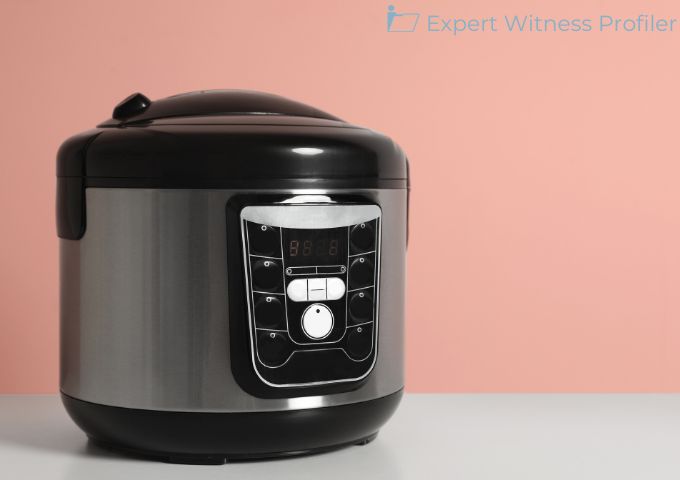
    Grace Pennington filed a complaint alleging that she was seriously injured by an Instant Pot ULTRA Pressure Cooker she had purchased from Kohl’s Corporation.

    The Defendant filed a motion to exclude the opinions of the Plaintiff’s expert, Dr. David M. Rondinone.

    Mechanical Engineering Expert Witness

    David Michael Rondinone holds an M.S. degree and a Ph.D. degree in Mechanical Engineering from the University of California, Berkeley, majoring in material behavior and design and minoring in structures and dynamics and electronic controls. He also holds a B.S. degree in Engineering Physics and a B.A. degree in Astrophysics from the University of California, Berkeley.

    He has worked for more than 30 years in the areas of failure analysis, design, and risk assessment of consumer and industrial equipment, including pressure cookers.

    Get the full story on challenges to David Rondinone’s expert opinions and testimony with an in-depth Challenge Study.

    Discussion by the Court

    I. Rondinone failed to consider whether the Plaintiff’s misuse caused the incident

    The Defendant sought to exclude all of Rondinone’s opinions as unreliable because the Defendant asserted that he failed to consider whether the Plaintiff’s misuse caused the incident.

    The “incident summary” in Rondinone’s expert report stated that the Plaintiff first “noted that the floating lock pin was in the ‘Up’ position,” so she manually released the pressure until “the floating lock pin depressed into the ‘Down’ position” before attempting to open the lid. None of the evidence shows that the Plaintiff attempted to remove the lid while the float valve was up. The Defendant’s theory that the Plaintiff misused the Instant Pot by attempting to open it while the float valve was up is not supported by evidence. Rondinone is not required to consider an alternative cause of injury that is not supported by evidence. The Court will not exclude Rondinone’s opinions as unreliable for this reason.

    II. Rondinone did not employ a reliable methodology

    The Defendant next argued that Rondinone did not employ a reliable methodology to conclude the Instant Pot’s float valve may have been clogged because he did not test the Instant Pot and did not observe clogging in the float valve.

    Rondinone explained that “prior testing and experience” has shown that food can clog pressure cooker valves. Based on this, Rondinone concluded that “the float valve in the subject cooker is exposed to potential clogging from food.”

    Because Rondinone is entitled to rely on prior testing and experience with similar pressure cookers to determine that the pressure cooker in this case was susceptible to clogging due to its exposed float valve, the Court cannot conclude that Rondinone’s methodology is so fundamentally flawed that the Court must exclude his opinion on a reliability basis.

    III. Rondinone’s opinion that the float valve may have clogged is irrelevant

    The Defendant also argued that Rondinone’s opinion that the float valve may have clogged is irrelevant because there is no evidence of clogging in this case.

    Rondinone generally opined that float valve clogging can occur, he does not opine that in this case the float valve was clogged at the time of the incident or that clogging could have caused the incident. Instead, he stated that a boil-over is “the most likely scenario.”

    Based on Rondinone’s description of a boil-over, it has nothing to do with a clogged float valve. The Court, as a result, excluded Rondinone’s opinions about float valve clogging as irrelevant.

    The Defendant argued that Rondinone’s opinion that the Plaintiff may have accidentally depressed the float valve while releasing steam from the Instant Pot is speculative and unsupported. Stating that it is “possible” that the Plaintiff depressed the float valve does not meet the standard of reliability. Nor did Rondinone tie this possibility to any defect in the pressure cooker’s design. Rondinone did not opine that the placement of the float valve is a design defect or that it makes the pressure cooker unreasonably dangerous. This opinion is not reliable or relevant to the facts of the case and must be excluded.

    For similar reasons, the Court excluded Rondinone’s opinions about the Defendant’s failure to perform an Failure Modes and Effects Analysis (“FMEA”) because they are not tied to any defect in the pressure cooker’s design.

    IV. Rondinone’s opinions about the boil-over event and the Defendant’s related warnings

    The Court last addressed Rondinone’s opinion that the Plaintiff’s injuries were caused by a boil-over event. Unlike his excluded opinions, this opinion is relevant to the Plaintiff’s claims. Rondinone opined that other manufacturers warn users of the risk of a boil-over event and how that risk may be mitigated.

    The adequacy of the Defendant’s warnings is relevant to the Plaintiff’s warning defect claim. Further, Rondinone directly tied the warning to his proposed cause of the Plaintiff’s injuries. The Court will not exclude Rondinone’s opinions about the boil-over event and the Defendant’s related warnings.

    Held

    The Court granted in part the Defendant’s motion to exclude Dr. David Rondinone’s opinions.

    Key Takeaway

    When assessing reliability, the focus must be solely on principles and methodology, not on the conclusions that they generate.

    The soundness of the factual underpinnings of the expert’s analysis and the correctness of the expert’s conclusions based on that analysis are factual matters to be determined by the trier of fact, or where appropriate, on summary judgment.

    Case Details:

    Case Caption: Pennington V. Kohl’s Corporation
    Docket Number: 2:23cv1736
    Court Name: United States District Court for the Eastern District of Wisconsin
    Order Date: June 18, 2026
  • Mechanical Engineering Expert Not Allowed to Opine on Zippers

    Mechanical Engineering Expert Not Allowed to Opine on Zippers

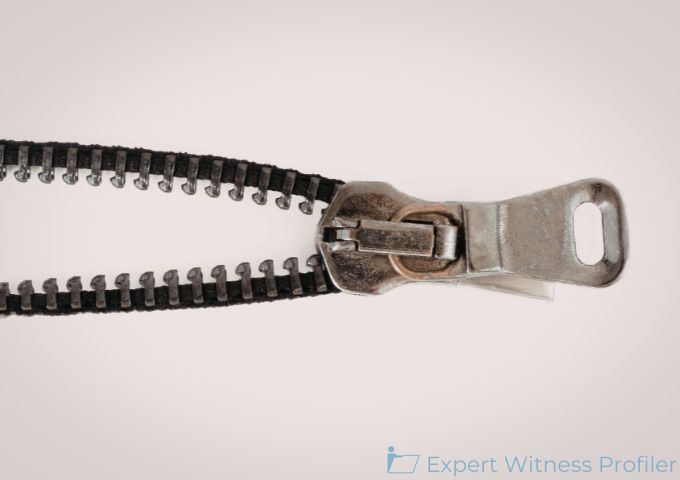
    Plaintiff Amcor Flexibles North America, Inc. (Amcor) brought this action against Defendant Reynolds Packaging, LLC (Reynolds), asserting claims for negligence, indemnification, and breach of warranty arising out of Amcor’s purchase from Reynolds of allegedly defective zippered, food-storage pouches.

    Reynolds sued the Third-Party Defendant Reynolds Presto Products, Inc. (Presto), the manufacturer of the zipper component used in the pouches, for breach of implied warranty.

    Reynolds offered the opinion of Matthew Furrer in support of its contention that Presto’s zippers were defective.

    Mechanical Engineering Expert Witness

    Matthew J. Furrer is the owner and a primary consulting engineer at Krenz Engineering. He holds a bachelor’s degree and master’s degree from the Mechanical Engineering department at the University of Wisconsin – Madison.

    Discover more cases with Matthew Furrer as an expert witness by ordering his comprehensive Expert Witness Profile report.

    Discussion by the Court

    Amcor manufactures flexible packaging materials, many of which are used to package food products. Tru Fru, one of Amcor’s customers, ordered zippered, food-storage pouches for its chocolate-covered frozen and/or freeze-dried fruit products. Amcor subcontracted with Reynolds to produce the pouches from the film Amcor provided, and Reynolds purchased the plastic zippers that made the pouches resealable from Presto. Reynolds incorporated the zippers into the pouches and then shipped the finished product to co-packers to be filled with Tru Fru product. During the packaging process, a fuzz-like plastic contaminant known as “angel hair” was found in some of the packages.

    Furrer, a mechanical engineer, did not dispute the finding of the joint investigation that the zipper guide originally on the Hudson-Sharp machine was a cause of the angel hair in the finished Tru Fru product. In fact, Furrer did not analyze the zipper guide and made no attempt to determine whether the machine caused the problem. Nor did Furrer dispute that once the Hudson-Sharp zipper guide was modified, no further angel hair contamination was noted. Instead, Furrer’s opinion was that there could have been another cause of the angel hair contamination, namely, that the zippers provided by Presto were defective in that they had angel hair accumulations at the time the zipper material was delivered to Reynolds and before it was incorporated into the pouches.

    Analysis

    Regardless of whether Furrer is qualified by his education, training, or experience, the Court is satisfied that Reynolds has failed to establish by a preponderance of the evidence that his methodology is reliable or that the proffered testimony is relevant.

    To begin with, Furrer’s methodology involved conducting a test that had little resemblance to the actual operation of the machines used to produce the pouches, and the test was conducted on zipper material that had previously been rejected by Reynolds as nonconforming because of the presence of strings.

    It is undisputed that this rejected material was not used to produce the pouches that were delivered to Tru Fru’s co-packagers and were later found to contain the angel hair contaminant. This is not a test that could produce a reliable answer to the question of whether the zipper material actually used to produce the Tru Fru pouches was defective.

    Held

    The Court granted Presto’s motion to exclude the expert opinion of Matthew Furrer.

    Key Takeaway

    Furrer is unable to offer more than speculation as to whether the zipper material actually utilized in the Tru Fru pouches was defective. In other words, his opinion that it could have been defective is insufficient to assist the factfinder. It is therefore irrelevant and thus inadmissible.

    Case Details:

    Case Caption: Amcor Flexibles North America Inc V. Reynolds Packaging LLC
    Docket Number: 1:23cv1306
    Court Name: United States District Court, Wisconsin Eastern
    Order Date: June 03, 2026
  • Mechanical Engineering Expert Not Allowed to Opine on Blender Warnings

    Mechanical Engineering Expert Not Allowed to Opine on Blender Warnings

    SharkNinja manufactured the Ninja Professional Plus Blender, model BL610. Cody Ford received the blender as a gift at her bridal shower in February 2023. The blender was in a box and after opening the box, Ford removed the “top pulp tray” which, according to the design, rests on top of the wrapped pitcher that contains the blade assembly. Thinking she was going to grab the pitcher, Ford then reached into the box where she grabbed the blade assembly instead and “severely lacerated her left pinky finger.”

    As a result, Ford sued SharkNinja. In support of her claims, Ford
    hired an engineering expert, Mingxi Zheng. SharkNinja filed a motion to exclude Zheng.

    Mechanical Engineering Expert Witness

    Mingxi Zheng is a licensed professional mechanical engineer in California with a specialty in “metallurgy, fracture mechanics, and failure analysis.”

    She received degrees in materials science and engineering and has worked as a materials scientist and mechanical engineer at various reputable institutions.

    Get the full story on challenges to Mingxi Zheng’s expert opinions and testimony with an in-depth Challenge Study.

    Discussion by the Court

    According to Zheng, the blender was defectively designed because it lacked protective covers on a new blade assembly and the warnings included with the blender were insufficient and did not comply with the proper standard for product safety signs and labels.

    SharkNinja contended that Zheng’s design defect opinion should be
    excluded. The Court agreed.

    Zheng concluded that blade guards could have been included without, for example, identifying consumers’ expectations for the packaging of such products, considering the cost of the guards themselves, or accounting for the effects of increasing the time or manpower needed to manufacture and package blenders with blade guards. At most, she offered a cursory comparison to a product that has little in common with the product here beyond that both feature, in substantially different forms, a sharp edge. Zheng did not explain how the scientific method, failure analysis, or root cause analysis methodology helped reach this conclusion.

    SharkNinja also contended that Zheng is not qualified to offer expert testimony regarding the adequacy of the warnings. Ford failed to meet her burden to establish Zheng’s qualifications regarding this opinion because Zheng has no expertise in human factors or product warnings.

    Held

    The Court grant SharkNinja’s motion to exclude Ford’s expert, Mingxi Zheng.

    Key Takeaway

    Courts often require experience or expertise in “human factors engineering” or product warnings to opine on the adequacy of warnings. Zheng has no expertise in human factors or product warnings.

    Case Details:

    Case Caption: Ford V. Sharkninja Operating LLC
    Docket Number: 8:25cv245
    Court Name: United States District Court for the Middle District of Florida, Tampa Division
    Order Date: June 01, 2026
  • Mechanical Engineering Expert Was Allowed to Opine on the Effects of Air Bubbles

    Mechanical Engineering Expert Was Allowed to Opine on the Effects of Air Bubbles

    Plaintiff Darin Edwin Pape brought this products liability action against Defendant Bodum USA, Inc. (“Bodum”), alleging that defects in Bodum’s coffee press caused him injury when the press’ glass shattered and hot water spilled onto his body.

    Plaintiff’s expert Mingxi Zheng opined that a combination of (i) a manufacturing defect that allowed air bubbles to form within the French Press’s glass carafe, (ii) a design defect that allowed for direct contact between a protruding steel wire in the plunger and the French Press’ glass carafe, and (iii) thermal and mechanical stress from normal use of the French Press led the product to “ultimately fail.” Bodum filed a motion to exclude Zheng’s expert testimony.

    Mechanical Engineering Expert Witness

    Mingxi Zheng is a licensed professional mechanical engineer in California with a specialty in “metallurgy, fracture mechanics, and failure analysis.”

    She received degrees in materials science and engineering and has worked as a materials scientist and mechanical engineer at various reputable institutions.

    Get the full story on challenges to Mingxi Zheng’s expert opinions and testimony with an in-depth Challenge Study.

    Discussion by the Court

    Bodum primarily contended that Zheng’s conclusions are speculative because she has not tested her hypotheses or provided adequate support from the record.

    a. Zheng’s Expert Testimony Is Reliable

    First, Bodum claimed that Zheng provided no support for her conclusion that thermal stress contributed to the fracture. While Bodum may disagree with the strength or even the accuracy of Zheng’s conclusion about thermal stress, the Court determined that her opinion is based on factual evidence observed in the subject carafe as well as her own scientific expertise and research. Zheng’s opinion about thermal stress as a contributing factor is supported by actual observations that she has made of the French Press combined with research on common signs of thermal stress in glass. 

    Second, Bodum contested Zheng’s air bubble theory, once again arguing that it was not rooted in adequate testing or fact. The Court is sympathetic to Bodum’s criticisms of the gaps in Zheng’s air bubble theory, but it ultimately found that her opinion is not so “speculative or conjectural or based on assumptions that are so unrealistic and contradictory as to suggest bad faith or to be in essence an apples and oranges comparison.”

    Third, Bodum took issue with Zheng’s expert opinion about the plunger, namely that the mechanical stress from the plunger as well as the protruding metal coil in the plunger contributed to the fracture. 

    Although the Court found Zheng’s plunger conclusions to be especially weak, it once again is constrained to conclude that they meet the relatively low bar for admissibility.

    Although the Court found Zheng’s plunger conclusions especially weak, it was once again required to conclude that they met the relatively low bar for admissibility.

    Finally, the Court declined to exclude Zheng’s expert testimony because of her apparent “failure to rule out obvious alternative causes of the fracture.” An expert need not rule out every alternative cause in forming an opinion.

    c. Zheng’s Expert Testimony Will Assist the Jury

    Given the complexities of glass fractography, Zheng’s expert testimony about the effects of thermal stress, air bubbles, and mechanical stress can help explain “how and why the French Press was defective” and caused Pape’s injury.

    As to the matters of defect and causation, this Court is satisfied that her opinions “will assist the trier of fact” in making a decision in this case.

    Held

    The Court denied Bodum’s motion to exclude the testimony of Mingxi Zheng.

    Key Takeaway

    The Court excused Zheng’s lack of testing in this case because she examined the French Press; observed crack patterns, crack lines, and air bubbles that could conceivably support her conclusion about the combined effects of thermal and mechanical stress on defective glass; and cited scientific research to demonstrate that her theories are not so novel and unprecedented that real-world testing is required. 

    Case Details:

    Case Caption: Pape V. Bodum USA, Inc.
    Docket Number: 1:23cv8401
    Court Name: United States District Court, New York Southern
    Order Date: March 27, 2026
  • Mechanical Engineering Expert Allowed to Opine on the Behavior of Wheelchairs

    Mechanical Engineering Expert Allowed to Opine on the Behavior of Wheelchairs

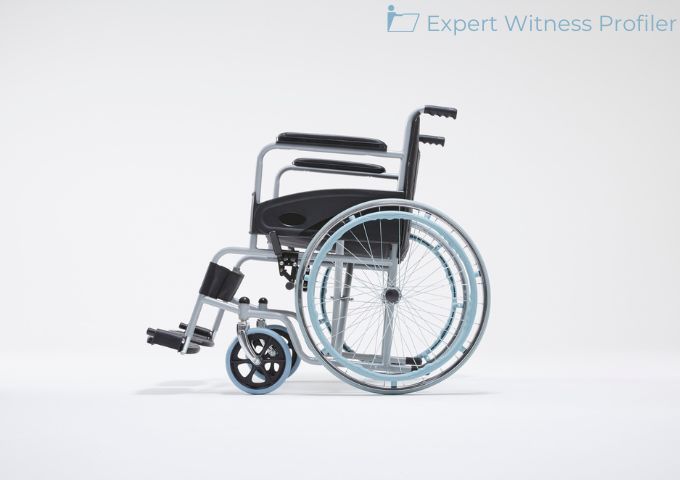
    This case arises from an incident in which Plaintiff William Dowdy was injured after falling from a temporary wheelchair while using his wheelchair ramp. The temporary wheelchair had been supplied by NuMotion while Dowdy’s regular wheelchair was being serviced and repaired.

    NuMotion sought to exclude the testimony of Plaintiff’s expert Mark Ezra, arguing that he lacks the proper qualifications, that his opinions rest on speculation rather than reliable methodology, and that his testimony will not assist the jury.

    Mechanical Engineering Expert Witness

    Mark A. M. Ezra is a board-certified professional engineer with a degree in mechanical engineering and a diploma in automatic control systems. His professional background includes decades of engineering practice, mechanical failure analysis, and forensic investigation.

    Want to know more about the challenges Mark Ezra has faced? Get the full details with our Challenge Study report.

    Discussion by the Court

    Qualifications

    NuMotion emphasized that Ezra is not a biomechanical engineer, has never worked for a wheelchair supplier, and has no experience as an Assistive Technology Professional (“ATP”).

    Mechanical engineering is directly relevant to the design, stability, braking systems, and mechanical behavior of powered wheelchairs—the very issues at the heart of this case. The Court therefore found that Plaintiff has shown by a preponderance of the evidence that Ezra is qualified to offer expert testimony.

    Reliability

    NuMotion argued that Ezra’s opinions lack a factual foundation, that he improperly relied on the testimony of ATP Vincent Fels, and that he cannot identify the precise electrical defect that caused the wheelchair to stop.

    Ezra’s expert report reflected a systematic engineering analysis grounded in physical inspection, measurements, documentary review, and application of mechanical principles. He personally inspected the TSS 300 wheelchair, took custody of it, and measured the slope of Plaintiff’s ramp. He reviewed the owner’s manuals for both the TSS 300 and the Jazzy 600, analyzed their braking systems, and compared their wheel configurations and stability characteristics. Ezra considered Plaintiff’s prior successful use of both wheelchairs on the same ramp and applied simple Newtonian mechanics to explain how a sudden stop would eject a seated user.

    Based on this analysis, Ezra concluded that the “most probable and direct cause” of the incident was a power failure in the TSS 300’s electrical system, which triggered the automatic deployment of the parking brakes.

    NuMotion also contended that Ezra improperly relied on ATP Fels’ testimony to opine on warnings and training. But Ezra’s core opinions concern mechanical behavior like stability, braking forces, and the consequences of a sudden stop, not ATP standards of care. The Court concluded that his references to Fels’ testimony serve only to contextualize the absence of instruction and the differences between the two wheelchairs, not to substitute himself for an ATP.

    Relevance

    NuMotion argued that Ezra’s testimony will not assist the jury because he cannot say whether NuMotion caused the defect or could have prevented it.

    But Rule 702 does not require an expert to resolve every element of liability. Ezra’s testimony will help the jury understand the mechanical forces at play, the behavior of the TSS 300 during braking, the significance of the design differences between the TSS 300 and the Jazzy 600, and the mechanical plausibility of Plaintiff’s account. These matters are well outside the knowledge of a lay juror. Whether NuMotion caused the defect is a separate question for the jury, informed by, but not dependent on, Ezra’s mechanical analysis.

    Held

    The Court denied NuMotion’s motion to strike the testimony of Mark Ezra.

    Key Takeaway

    This methodology of identifying possible mechanical causes, ruling out alternatives, and applying engineering principles to the physical evidence is consistent with accepted practices in mechanical failure analysis. The fact that Ezra cannot identify the specific electrical component that failed does not render his opinion unreliable. Experts are not required to pinpoint the exact microscopic failure mechanism where the available evidence supports a broader, scientifically grounded conclusion. Ezra’s reasoning is transparent, testable, and rooted in the materials he reviewed.

    Case Details:

    Case Caption: Dowdy V. United Seating And Mobility, LLC
    Docket Number: 3:23cv2875
    Court Name: United States District Court, Illinois Southern
    Order Date: April 01, 2026
  • Mechanical Engineering Expert Allowed to Opine on Clear Warnings

    Mechanical Engineering Expert Allowed to Opine on Clear Warnings

    This lawsuit arises out of the death of Timothy L. Stringer (“Stringer”) resulting from a May 15, 2021, explosion on an offshore oil and gas production platform owned by Fieldwood Energy LLC (“Fieldwood”).

     At the time of the accident, Stringer was working on the platform and, along with another employee, was performing a pressure integrity test on a well. To perform this test, Stringer was provided with a Crystal XP2i Digital Test Gauge (“Crystal Gauge”) to monitor the internal pressure on the pipe casing. Ametek, Inc. is the manufacturer of the Crystal Gauge, and Robin Instrument & Specialty, LLC (“Robin”) distributed it to Stringer’s employer. 

    Stringer’s spouse and children alleged that Ametek and Robin failed to warn users like Stringer of the foreseeable misuse that the Crystal Gauge could be set to read in either PSI or Bar and of the dangers associated with misinterpreting or mixing up the units of pressure.

    Ametek, joined by Robin, argued that Plaintiffs’ expert, Glenn Gleason (“Gleason”), is unqualified and that his report and testimony are speculative and unreliable.

    Mechanical Engineering Expert Witness

    Glenn H. Gleason is a licensed Professional Engineer with a Ph.D., Master of Science, and Bachelor of Science in Mechanical Engineering. During his academic career, Gleason claims that he became proficient with different types of physical mechanisms and instruments commonly used to measure pressure. 

    Gleason also served as a consultant at an engineering firm where he conducted “mechanical system and equipment failure analysis” and tested mechanical relief valves, pressure vessels, and the use of pneumatic and hydraulic equipment requiring the monitoring of pressure gauges.

    Want to know more about the challenges Glenn Gleason has faced? Get the full details with our Challenge Study report.

    Discussion by the Court

    The Court found that Gleason is qualified to serve as an expert in this matter due to his educational and professional experience. Any doubts as to Gleason’s qualifications are suitable for cross-examination, but these doubts do not warrant exclusion.

    The Court next turned to Gleason’s methodology in reaching his proffered opinion. In his report, Gleason opined that Ametek could and should have: (i) presented clear warnings accompanying pressure units so consumers can disable unused unit systems on the gauges; and (ii) limited available unit systems through factory default settings on gauges that would be used in industries that only use PSI.

    Gleason based his opinion on investigations of the incident conducted by other engineering firms, the market in which the Crystal Gauge was sold (where PSI was the sole unit of measure), deposition testimony stating that Ametek disabled all other units besides Bar in the Chinese market, the Crystal Gauge’s operation manual, and a physical inspection of the Crystal Gauge itself. All told, these factual bases are sufficient for this Court to find that Gleason’s report is not so speculative as to warrant exclusion.

    Doubts about an expert’s qualifications or the factual basis for their testimony generally concerns the weight of the evidence, not its admissibility. As a result, doubts regarding Gleason’s qualifications or the factual basis for his opinions are best left to a jury, not this Court. 

    Held

    The Court denied Defendants’ Daubert motion to exclude the testimony of Glenn Gleason.

    Key Takeaway

    An expert may base an opinion on facts or data in the case that the expert has been made aware of or personally observed. If experts in the particular field would reasonably rely on those kinds of facts or data in forming an opinion on the subject, they need not be admissible for the opinion to be admitted.

    Case Details:

    Case Caption: Stringer V. Robin Instrument & Specialty, LLC
    Docket Number: 6:23cv415
    Court Name: United States District Court for the Western District of Louisiana, Lafayette Division
    Order Date: February 20, 2026
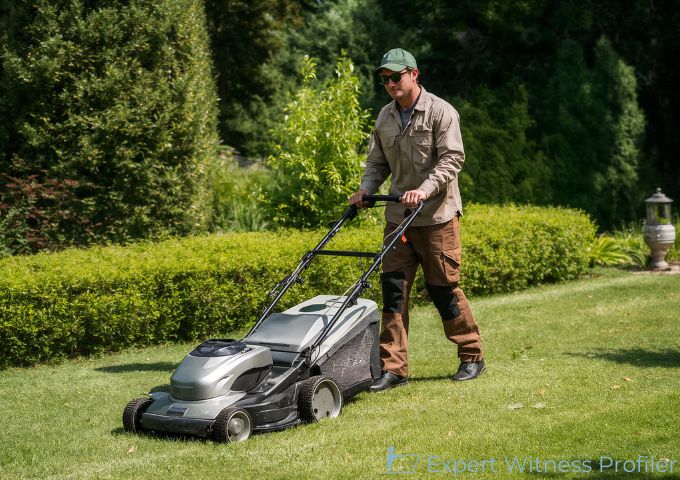
  • Mechanical Engineering Expert’s Testimony about the Defective Lawnmower Excluded

    Mechanical Engineering Expert’s Testimony about the Defective Lawnmower Excluded

    Plaintiffs Jaron and Rachel George (“Plaintiffs”) brought this subrogation action against Defendants Stanley Black & Decker, Inc. (“SBD”) and MTD Products, Inc. (“MTD”) for strict liability, negligence, and breach of warranty claims based on a riding lawnmower fire resulting in substantial damage to Plaintiffs’ home.

    Defendants filed a motion in limine to exclude one of Plaintiff’s experts, Mr. Michael Zazula.

    Zazula opined during discovery that Plaintiffs’ lawnmower was in a defective condition because it incorporated a muffler cannister that had become distended and bowed over the years, and a gap had been created between the muffler and deflector, raising temperatures in the engine that resulted in the fire.

    Zazula did not point to any additional evidence of a defect at the time the lawnmower left the hands of Defendants but seems to suggest the distended muffler cannister itself was sufficient to prove a defect.

    Mechanical Engineering Expert Witness

    Michael J. Zazula specializes in applicable codes and standards for mechanical system components and the installation and maintenance of fire suppression systems, gas storage and delivery systems, boilers, HVAC equipment, and other fuel fired appliances.

    With over 20 years of forensic experience, he has conducted over 2,000 investigations.

    Want to know more about the challenges Michael Zazula has faced? Get the full details with our Challenge Study report.

    Discussion by the Court

    Zazula’s testing regarding fire causation is not reliable

    The basic premise of Zazula’s opinion is that the distention of the lawnmower’s muffler cannister was deformed, creating a 1/4 inch gap between it and the deflector, and this allowed hot exhaust gases to escape and caused higher temperatures and the ignition of combustible materials in the engine area.

    He proffers that this condition was a design or manufacturing defect of the lawnmower. Defendants argued that the expert testimony Zazula offered to support this premise is not admissible pursuant to Daubert. This Court agreed that Zazula’s report and opinion should not be considered.

    The methodology Zazula used for investigation and testing is Chapter 4 of the National Fire Protection Association (“NFPA”) 921, Guide for Fire and Explosion Investigations. The purpose of NFPA 921 “is to establish guidelines and recommendations for the safe and systemic investigation or analysis of fire and explosion incidents.”

    Zazula’s report explained that he performed his testing on a “used” Cub Cadet LTX 1040 lawnmower like the subject 1045 tractor lawnmower, and both contained the same parts. The temperature testing, which used thermal probes, at various parts of the used lawnmower on or near the muffler indicated temperatures ranging anywhere from approximately 400 degrees to the high of 726 degrees. Significantly, however, Zazula admitted that he did not conduct any testing on a lawnmower without a “distended muffler” and a 1/4 inch gap to try to prove or disprove whether the gap did, in fact, increase the temperatures in the engine area.

    Zazula could have fully tested his hypothesis, but he chose not to. Because he failed to conduct testing based on “the methods and procedures of science,” rather than mere “subjective belief,” the Court found that his opinion—that the muffler and the 1/4-inch gap (as a purported defect) caused the fire—was unreliable and inadmissible.

    Zazula’s expert testimony regarding fire causation does not “fit” the case or assist the trier of fact

    For similar reasons why Zazula’s opinion regarding the cause of the fire is not reliable, the Court held that Zazula’s opinion does not “fit” the case or assist the trier of fact. As explained before, it is not based on valid reasoning and reliable methodology. In addition, Zazula’s conclusion that the 1/4 inch gap caused the rise in temperatures is too speculative and subjective, considering he never conducted testing and compared temperatures in the engine of a lawnmower with a distended muffler and 1/4 inch gap and one without. This is especially so when two other experts who conducted the testing found no difference in the engine temperatures between the two.

    Even assuming Zazula is qualified to opine about the cause of the fire in the lawnmower, for the reasons explained above, his opinion is unreliable and unhelpful to the jury and is therefore precluded based on Daubert.

    Zazula is also not qualified as an expert to provide testimony regarding the alleged defective condition of the lawnmower, and the Court will exclude his opinion on that issue

    Zazula proffered that the lawnmower at issue was defective because the distended muffler and the 1/4 inch gap suggested a manufacturing defect or design defect. When asked what evidence supported the existence of a manufacturing defect, Zazula pointed solely to the distended muffler and gap, stating if he took the muffler into MTD, MTD would say “that’s not right.”

    Preliminarily, despite arguably being a fire causation expert, Zazula admitted he is not a design engineer regarding mufflers and exhaust systems, nor is he a warnings expert. Therefore, any of Zazula’s testimony regarding the lawnmower’s purported defects should not be considered. This includes his opinion without more that the distended muffler and 1/4 inch gap somehow was the result of the lawnmower’s defective condition, including a design defect, manufacturing defect, or failure to warn.

    Even if Zazula was qualified to testify about the “defective condition” of the lawnmower, the Court held that his testimony is not reliable. While his report stated, in part, the muffler deformation and gap between the muffler and deflector “exacerbates the ignition of foreseeable combustible material . . . . when the hot exhaust are not properly vented out the side of the deflector as designed [and] intended,” during his deposition he gave no evidence to support or further explain any design defect theory.

    The Court agreed that Zazula applied no methodology or procedures of science to support his opinion of a defect in the Cub Cabet at issue, and his opinion on any defect constitutes unreliable “subjective belief or unsupported speculation.”

    Finally, and for similar reasons, the testimony is not helpful to the jury. Here, the testimony is not sufficiently tied to any of the facts to aid the jury in resolving whether MTD’s lawnmower, in fact, suffered from a defective condition.

    Held

    The Court granted Defendants’ motion in limine to exclude the testimony of Plaintiffs’ expert Michael Zazula.

    Key Takeaway

    Zazula speculates what possibly caused the fire (in a case where there are several possible fire causes), without providing any specific evidence or testimony to support his opinion that the lawnmower was defective. As a result, the Court determined that any of Zazula’s testimony about any defective condition of the lawnmower should be excluded.

    Case Details:

    Case Caption: George V. Stanley Black & Decker, Inc.
    Docket Number: 2:24cv2035
    Court Name: United States District Court, Pennsylvania Eastern
    Order Date: January 26, 2026
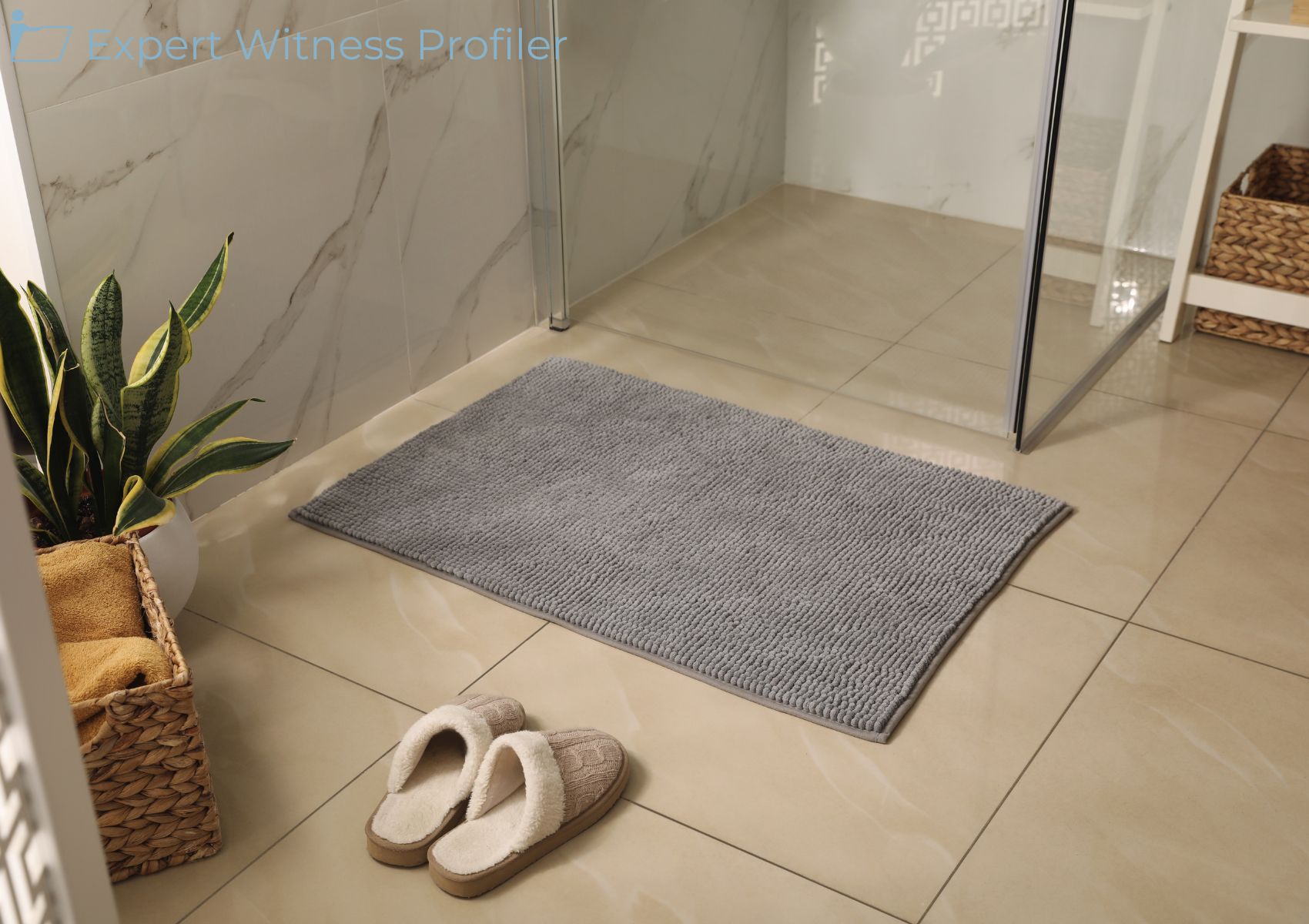
  • Mechanical Engineering Expert Allowed to Opine on Tile Flooring

    Mechanical Engineering Expert Allowed to Opine on Tile Flooring

    This matter arises out of a slip and fall incident that occurred in the restroom at the Waffle House restaurant in Dillon, South Carolina. On January 3, 2020, Plaintiff Loretta Diaz entered the ladies’ restroom at the Defendants’ Waffle House location and traversed the restroom floor, when she slipped and fell on a foreign substance that had accumulated on the floor.

    Plaintiff alleged in her complaint that the Defendants failed to maintain its property in a reasonably safe manner.

    Plaintiff retained Dr. Bryan Durig to render an expert opinion as to the engineering of and the slip-resistance of the restroom floor. Defendants argued that Durig’s opinions in this case must be excluded because Durig performed a wet test of randomly selected tiles—rather than reading Plaintiff’s testimony about her slip and fall—and did not use the actual substance Plaintiff fell on for the test.

    Mechanical Engineering Expert Witness

    Dr. Bryan R. Durig is a registered professional engineer in the states of South Carolina and North Carolina, holds a Ph.D. in mechanical engineering, and is certified as a forensic slip expert by the National Institute of Forensic Studies.

    Discover more cases with Bryan Durig as an expert witness by ordering his comprehensive Expert Witness Profile report.

    Discussion by the Court

    In his report, Durig explained that he examined and tested the tile flooring in the ladies’ restroom of the Dillon Waffle House and that it failed to meet the minimum wet dynamic coefficient of friction required by industry standards to be considered slip resistant; thus, he opined that the flooring did not meet building codes or industry standards for a slip-resistant walking surface.

    Defendants did not challenge Durig’s qualifications as an expert witness. Instead, Defendants contended that Durig’s testimony is irrelevant, immaterial, and unreliable under controlling South Carolina law because he tested the coefficient of friction of the restroom tiles only when they were wet rather than both when they were wet and when they were dry. They also argued that Durig’s opinion is unreliable because he was unfamiliar with Plaintiff’s deposition testimony, believed that the foreign substance Plaintiff slipped on was Coke rather than water, and did not know where in the ladies’ restroom Plaintiff slipped and fell.

    Finally, Defendants asserted that Durig’s testing used a soap solution rather than water, that he presented no evidence to establish that the methodology used was peer-reviewed and scientifically approved, that he showed a lack of understanding regarding the tests and significance of the result numbers, and that he used a standard promulgated in 2022 for an accident that occurred in January 2020.

    Analysis

    The National Floor Safety Institute (“NFSI”) was designated as the standards developer for the ANSI in June 2006 to develop standards for safety requirements for slip, trip, and fall prevention, and ANSI approved the first NFSI standard in October 2009. 

    Durig tested for the wet dynamic coefficient of friction of three flooring tiles in the ladies’ restroom of the Dillon Waffle House in accordance with the ANSI/NFSI B101.3 industry standard. Durig testified that he tested the wet dynamic coefficient of friction and did not test the floor in a dry condition because Plaintiff had stated she slipped on a liquid foreign substance.

    As a result, the Court concluded that Durig’s opinion is based on a reliable methodology. Indeed, most of the issues Defendants raised to challenge Durig’s opinion and testimony are fodder for cross examination and did not render Durig’s opinion unreliable.

    Held

    The Court denied the Defendants’ motion to exclude the testimony of Bryan Durig.

    Key Takeaway

    The interests of justice favor leaving the difficult issues in the hands of the jury and relying on the safeguards of the adversary system—Durig’s testimony should be attacked by cross examination, contrary evidence, and attention to the burden of proof, not exclusion.

    Case Details:

    Case Caption: Diaz V. Waffle House Inc.
    Docket Number: 4:23cv45
    Court Name: United States District Court, South Carolina
    Order Date: January 09, 2026
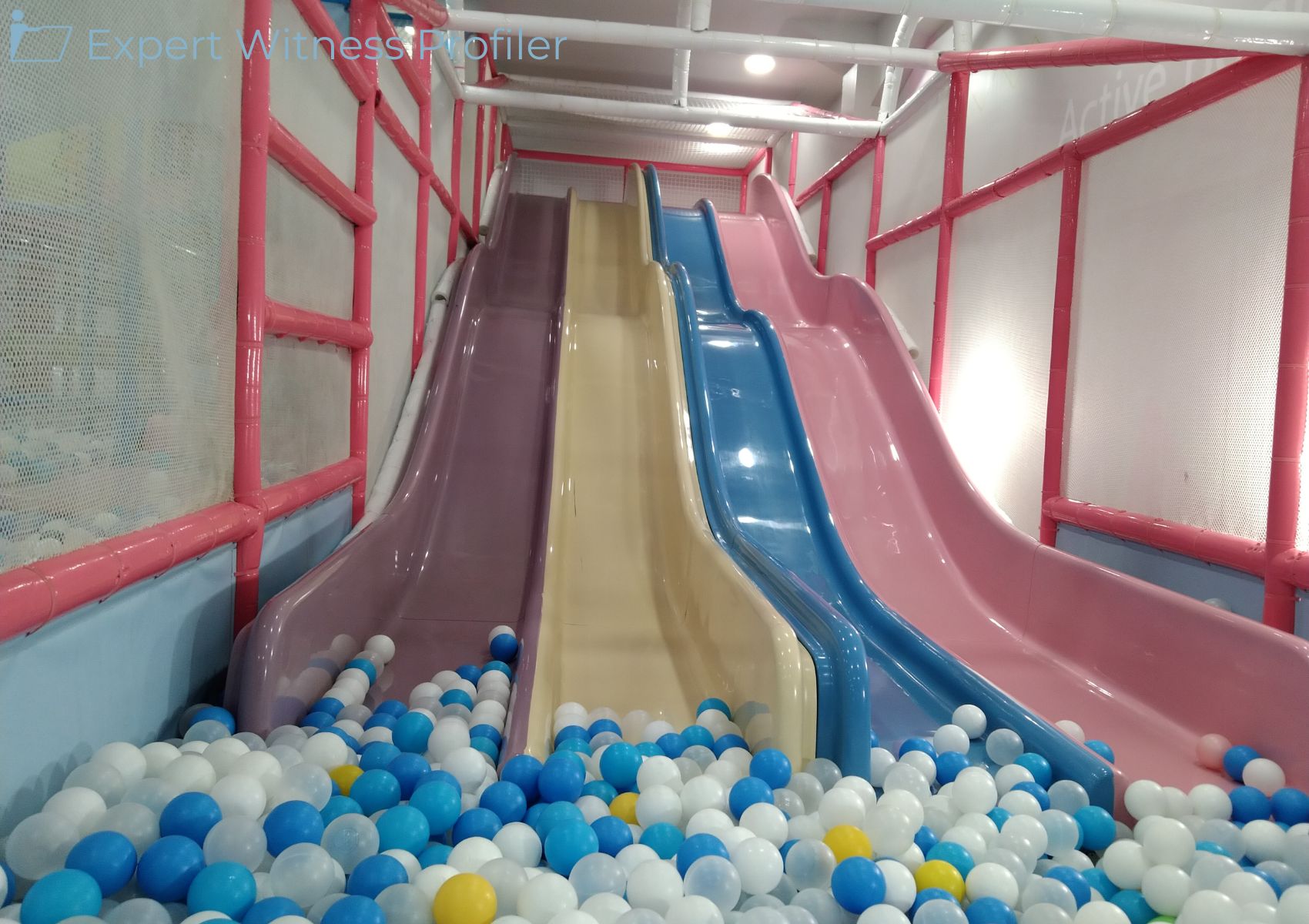
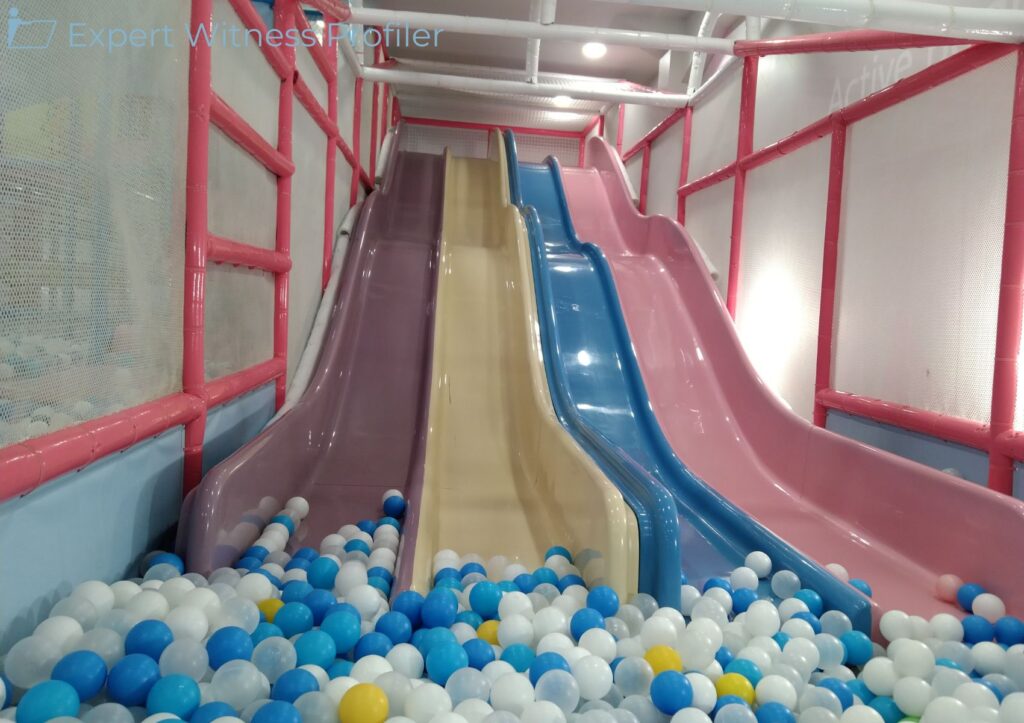
  • Mechanical Engineering Expert Was Allowed to Opine on Slide Design

    Mechanical Engineering Expert Was Allowed to Opine on Slide Design

    Plaintiff Slick Slide LLC (“Plaintiff” or “Slick Slide”) brought claims of direct and indirect patent infringement, as well as copyright infringement against the Defendants Edwin L. Reed, Trampoline Park Gurus, LLC, and Adventure Park Contractors, LLC (collectively, the “Reed Defendants”).

    Slick Slide filed a motion to exclude the testimony of Defendants’ expert Nathan J. Macdonald.

    Mechanical Engineering Expert Witness

    Nathan James Macdonald is a registered Professional Engineer in the State of Utah. He is also a Certified Safety Professional in comprehensive practice. MacDonald is also a certified commercial building inspector. He received his Bachelor of Science degree in Mechanical Engineering from Brigham Young University in 2014. He has worked as a mechanical engineering consultant for Alpine Engineering & Design, Inc. for over 12 years.

    Want to know more about the challenges Nathan Macdonald has faced? Get the full details with our Challenge Study report.

    Discussion by the Court

    Slick Slide challenged only Mcdonald’s qualifications, arguing that MacDonald is unqualified to serve as an expert.

    Basically, Slick Slide argued that “Macdonald is not qualified to offer an opinion regarding obviousness” because he “has never designed a slide, the subject matter of the ‘821 patent, as well as the subject matter of both references that he suggests could be combined.” Slick Slide further argued that MacDonald is only a “general engineering consultant,” with limited engineering experience that fundamentally—and, from Slick Slide’s perspective, fatally—lacks slide design.

    The Court agreed with Defendants that the record made it clear that MacDonald has the “necessary qualifications to testify as an ‘ordinary designer’” in this case. MacDonald is a registered Professional Engineer, with over twelve years of mechanical engineering consultant experience, and who has numerous relevant certifications and licenses. His professional experience includes “taking part in the design, manufacture, and review of numerous products, including ziplines, drop rides, slingshot rides, alpine slides, alpine coasters, roller coasters, water slides, rope swing slides, pendulum swing rides, and more.” He has served as the lead engineer on numerous projects, including “ziplines, exercise equipment . . . aerial lifts, and other hydraulic pneumatic, and electronic equipment,” and has extensive experience with amusement rides and devices.

    Finally, to the extent that the exclusion motion challenged MacDonald’s specialized knowledge “with respect to the subject matter of this particular case—slides,” or the obviousness of the ‘821 patent, the Court held that questions regarding the extent of an expert’s specialized knowledge in a field go to the weight of the expert’s testimony, not to its admissibility.

    Held

    The Court denied Slick Slide’s motion to exclude the testimony of Defendants’ expert Nathan J. MacDonald.

    Key Takeaway

    As long as an expert stays within the reasonable confines of his subject area, a lack of specialization does not affect the admissibility of the expert opinion, but only its weight.

    Case Details:

    Case Caption: Slick Slide Llc V. Reed
    Docket Number: 1:23cv1649
    Court Name: United States District Court, Colorado
    Order Date: December 17, 2025