Blog

  • Human Factors Expert’s Opinions on Alternative Warnings Excluded

    Human Factors Expert’s Opinions on Alternative Warnings Excluded

    This case arises out of an alleged design defect and failure to warn regarding a 2017 Toyota Tacoma. Lee Griffin was the primary driver of a 2017 Toyota Tacoma. After Griffin died due to accidental carbon monoxide poisoning from an automobile inadvertently continuing to run in the garage, Caroline Griffin filed suit individually and as executor of Lee Griffin’s estate.

    The Defendants filed a motion to exclude certain opinions offered by the Plaintiff’s proffered human factors and warnings expert, Joellen Gill.

    Human Factors Engineering Expert Witness 

    Joellen Gill, CHFP, CXLT, CSP attended Georgia Tech and Wright State Universities for her undergraduate work, earning a BS in human factors engineering in 1979. Her nearly four-decade career includes 15 years in aerospace and national defense industries as a human factors engineer specializing in safety and risk management.

    Gill started part time at ACS in 1994 after completing a master’s degree in engineering, accepted a full-time position in 2005, then, after obtaining certification as a Human Factors Professional, was lead engineer on her first case just a year later. She is also a licensed tribometrist and a Certified Safety Professional.

    Want to know more about the challenges Joellen Gill has faced? Get the full details with our Challenge Study report

    Discussion by the Court

    Specifically, the Defendants sought to exclude “opinions regarding alternative warnings or that a different warning would have changed the decedent’s behavior at the time of the subject incident.”

    During her deposition on August 8, 2024, Gill was asked, “In your opinion, what warnings should Toyota have provided for the 2017 Toyota Tacoma?” She responded, in part, “I am not a design engineer. I think it’s improper for me to offer opinions related to specific warnings that should have been provided in a vacuum.” She then explained that her “overarching opinion” was that Toyota adopted a safety strategy that relied on users taking action to protect themselves—something she believed was the least effective method of ensuring safety.

    Later in the deposition, Gill was asked whether she had formed any opinions on whether a different set of warnings or alerts would have changed Lee Griffin’s behavior on the day of the incident. She answered, “I don’t have any specific opinions about other warnings that would have changed his behavior… with respect to leaving his vehicle running inadvertently.”

    However, just twelve days after her deposition, Gill submitted a rebuttal report stating: “If Toyota had wished to give an effective external audible warning, Toyota could have designed the vehicle to blow its horn when left running without the key fob present in the vehicle.” She further asserted, “An effective audible alert would have resulted in Griffin recognizing he had not turned off his vehicle and therefore would have resulted in a change in his behavior.”

    Plaintiff’s Arguments

    The Plaintiff did not claim that these opinions had been disclosed in Gill’s initial report or deposition. Instead, she argued (1) that the statements were part of a timely rebuttal in response to the Defendants’ expert’s opinion regarding the vehicle’s “feedback,” and (2) that any resulting prejudice was due to Toyota scheduling Gill’s deposition before rebuttal reports were due.

    Analysis

    The Plaintiff offered no explanation for Gill’s failure to include these opinions in her initial expert report. Instead, she placed the blame on the Defendants for deposing Gill before the rebuttal reports were filed. However, this timing did not eliminate the prejudice caused by introducing new and improper opinions in a rebuttal report.

    Even if the Defendants had received the rebuttal report beforehand and questioned Gill about its contents, the prejudice from her untimely opinions would have remained.

    Moreover, even assuming for the sake of argument that the opinions were timely, Rule 26 required expert reports to explain not only what conclusions were reached, but also how and why the expert reached them. Gill failed to meet this standard. She offered no reasoning, analysis, or citation to support her claim that a vehicle horn alert would have been “effective” or that it “would have resulted in a change in [Lee Griffin’s] behavior.” As a result, the Court held that these opinions failed to comply with the disclosure requirements under Rule 26.

    Held

    The Court granted the Defendant’s motion to exclude certain opinions offered by the Plaintiff’s proffered human factors and warnings expert, Joellen Gill.

    Key Takeaway:

    Under Rule 26, a witness retained to provide expert testimony must prepare a written report that includes “a complete statement of all opinions the witness will express and the basis and reasons for them.”

    If a party fails to provide information or identify a witness as required by Rule 26(a) or (e), the party is not allowed to use that information or witness to supply evidence on a motion, at a hearing, or at a trial, unless the failure was substantially justified or is harmless.

    Case Details:

    Case Caption: Griffin V. Toyota Motor Corporation Et Al
    Docket Number: 1:23cv3107
    Court Name: United States District Court, Georgia Northern
    Order Date: June 18, 2025

  • Risk Management Expert’s Conclusions about IBM’s Internal Capabilities Excluded 

    Risk Management Expert’s Conclusions about IBM’s Internal Capabilities Excluded 

    Plaintiff Gerald Hayden brought claims against Defendants International Business Machines Corporation (“IBM”), Pablo Suarez, and Shanker Ramamurthy, under the federal Defend Trade Secrets Act (“DTSA”) and for violating New York’s prohibition on the misappropriation of trade secrets.

    Prior to joining IBM in 2015, Plaintiff developed a “methodology to construct  an architecture for a digital platform,” which he called “Awareness to Execution” (“A2E”). According to Plaintiff, his alleged trade secret “describes an architecture for an IT solution that creates a digital platform which accesses data in near real-time . . . and applies big data prescriptive and predictive analytics.” A2E “can also be used as a methodology to market and sell the various components or elements of the digital platform, individually or in combination with each other.” 

    Plaintiff also brought a number of other claims under New York and federal law: breach of contract, breach of the implied covenant of good faith and fair dealing, unjust enrichment, tortious interference, and retaliatory discharge under the Sarbanes-Oxley Act.

    Defendants filed a motion to exclude the proffered testimony of Plaintiff’s expert, David Martin.

    Risk Management Expert Witness 

    David Martin is a risk management consultant with over 40 years of experience as a financial executive. He has held senior positions at PricewaterhouseCoopers, Citibank, and AllianceBernstein, and has “extensive experience with technological solutions in the banking and financial markets industries.”

    Want to know more about the challenges David Martin has faced? Get the full details with our Challenge Study report

    Discussion by the Court

    Plaintiff offered Martin as an expert to opine on the nature and value of A2E. Defendants did not dispute Martin’s qualifications regarding the topics for which he has been engaged to testify. Instead, Defendants argued that Martin’s opinions are irrelevant and that his methodologies warranted exclusion of his testimony. Specifically, Defendants argued that Martin’s opinions are not based on sufficient facts and that he does not apply reliable methodologies to reach his conclusions.

    Reliance on Sufficient Facts or Data or Reliable Methodologies

    IBM’s Awareness of A2E

    Regarding IBM’s awareness of A2E and the value it may have held for the company, the Court observed that Martin based his conclusions solely on his personal experience. He asserted that the solutions embodied in A2E were not known to IBM or the broader market as of 2015.

    IBM’s Internal Capabilities

    Martin stated—after reviewing depositions from a former IBM employee and another individual he described as “an expert in software technology”—that “without access to [Plaintiff’s] A2E trade secrets, competitors and IBM would not have been able to execute on these strategies and solutions.”

    However, Martin did not explain how his background or expertise led him to conclusions about IBM’s internal knowledge or capabilities at any specific time. He failed to clarify how he determined that IBM lacked awareness of the “formulas, architectures, and solutions contained in A2E,” especially given that he had never worked for IBM or with the company in any professional capacity.

    The Court found that this omission weakened Martin’s opinion that IBM could not have executed the solutions without access to Plaintiff’s trade secrets. Because his assertion that IBM was unaware of certain strategies lacked a sufficient factual foundation, his related conclusion about IBM’s inability to implement or act on those strategies was similarly flawed.

    IBM’s Commercial Objectives

    Martin further opined that, before Plaintiff’s employment, IBM was not focused on the core elements of A2E or on horizontally integrating workflows. He based this view on his review of Plaintiff’s deposition and certain documents produced by IBM describing its commercial offerings.

    Nevertheless, the Court found that IBM’s public-facing commercial materials, even when considered alongside Plaintiff’s testimony, did not constitute “sufficient facts and data.” Moreover, Martin did not demonstrate how his industry experience in banking and finance qualified him to determine, from that limited set of documents, what IBM’s commercial priorities actually were at the time.

    Cloud Pak’s Overall Design

    Martin claimed that IBM incorporated parts of the Plaintiff’s trade secret—A2E—into its Cloud Pak products, and as a result, profited from A2E. He pointed to specific similarities, stating that Cloud Pak included “key combinations of elements” found in A2E, such as integrated data systems, a distinctive marketing framework, and a unique framework for analytics and decision-making.

    Based on these similarities, Martin concluded that IBM’s Cloud Pak was directly based on A2E. He argued that the overlap was too significant to be a coincidence and therefore believed that Cloud Pak’s overall design and architecture were derived from A2E.

    However, the Court rejected this reasoning. It held that Martin’s opinion amounted to a bare assertion—or ipse dixit—which is not valid expert testimony because it lacked a reliable, tested methodology.

    To support his conclusion, Martin had simply compared two slide decks: one showing A2E’s reference architecture and the other showing Cloud Pak’s. The Court found that this kind of side-by-side comparison was not a scientifically valid or reliable method under Rule 702, and therefore could not support his expert opinion.

    Hybrid Cloud Platform Solution

    Regarding Martin’s opinion on how long it would have taken IBM to develop a hybrid cloud platform without knowledge of A2E, the Court found that he failed to offer any methodology to estimate the time IBM allegedly saved by using A2E.

    Although Martin asserted that IBM gained a “head start” by using Plaintiff’s trade secret, the Court pointed out that he did not examine IBM’s internal processes for securing approval or funding for research and development. As a result, his opinion lacked the necessary factual basis and analytical framework.

    Intruding on the Province of the Fact Finder

    Although Martin did not expressly state that A2E qualified as a trade secret—and claimed that he had “no opinion” on that legal issue—he assumed, for the purposes of his report, that a trade secret is any formula that offers a business advantage. Based on that assumption, he concluded that A2E met this definition. However, the Court ruled that this was an inadmissible legal conclusion, which an expert is not permitted to make.

    The Court also noted that Martin made improper credibility judgments by repeatedly adopting the testimony of fact witnesses to support his own conclusions, rather than relying on independent analysis.

    Ultimately, the Court held that Martin’s testimony was inadmissible because his opinions and inferences merely reinforced the Plaintiff’s version of events, rather than offering objective, expert analysis.

    Held

    The Court granted the Defendants’ motion to preclude the testimony of Plaintiff’s expert, David Martin.

    Key Takeaway:

    Although an expert can “draw a conclusion from a set of observations based on extensive and specialized experience,” the expert must base that opinion on sufficient facts or data and “must explain how that experience leads to the conclusion reached, why that experience is a sufficient basis for the opinion, and how that experience is reliably applied to the facts.” 

    Case Details:

    Case Caption: Hayden V. International Business Machines Corporation Et Al
    Docket Number: 7:21cv2485
    Court Name: United States District Court, New York Southern
    Order Date: June 17, 2025
  • Trucking Expert’s Opinions on Driver Negligence Excluded

    Trucking Expert’s Opinions on Driver Negligence Excluded

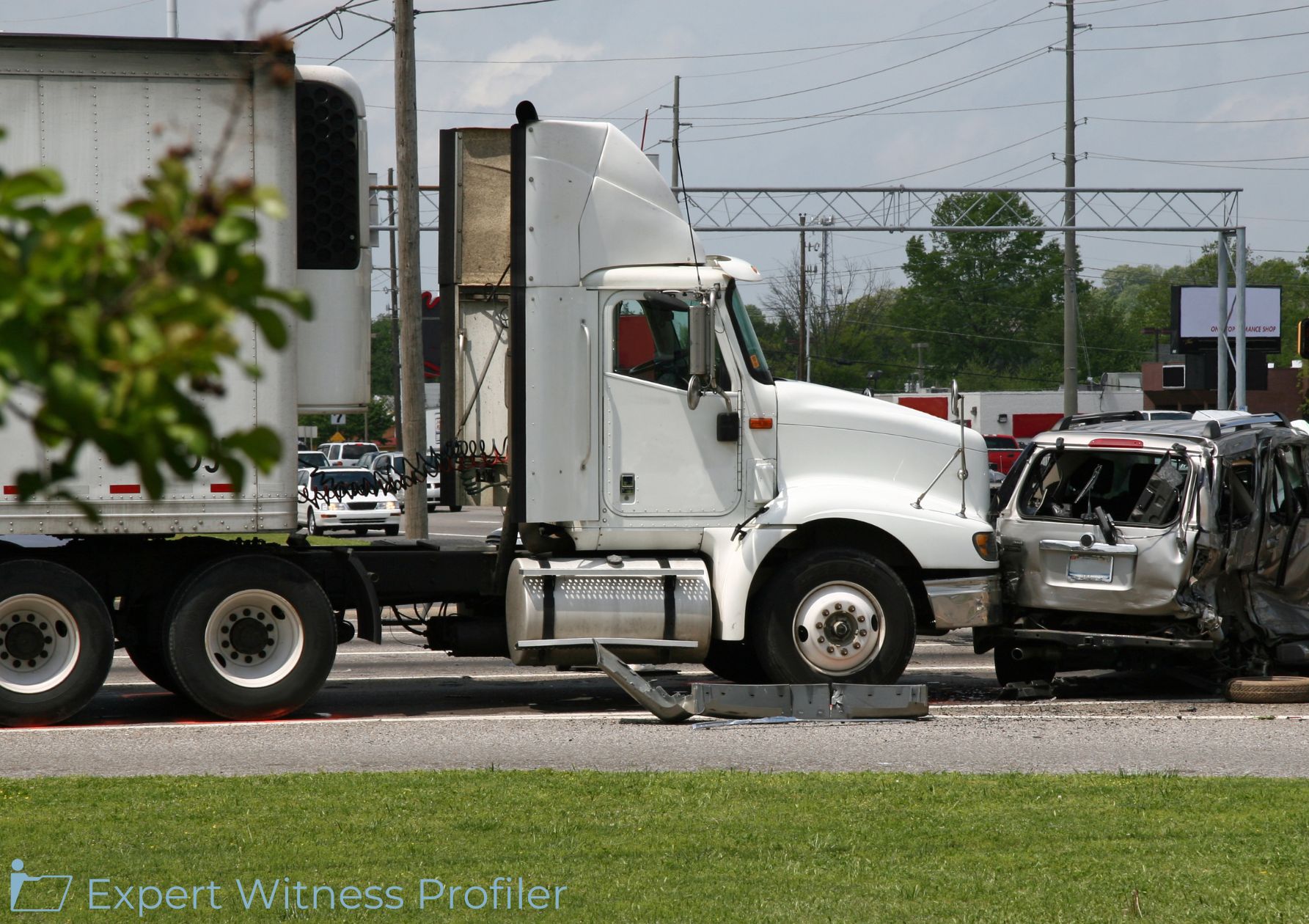
    This lawsuit stemmed from a three-vehicle rear-end collision that occurred on Loop 1604 in Bexar County, Texas, on September 28, 2022. At the time, Plaintiff Bobby Mutz was driving a GMC truck behind Plaintiff Casey Eggleston, who was operating a Jeep Bronco. Both Plaintiffs had stopped due to traffic ahead. Defendant Tatevos Isakhanyan, who was driving an 18-wheeler owned and operated by Defendant TSH Trucking Inc. (“TSH”), failed to stop in time and struck the rear of Mutz’s vehicle, which in turn caused Mutz to collide with Eggleston’s vehicle.

    Plaintiffs designated Kerry V. Nelson as a “truck and safety expert” expected to testify on fleet vehicle safety, commercial driver training, compliance with Department of Transportation (“DOT”) regulations, and causation.

    Defendants filed a motion to strike Nelson’s testimony, challenging both his expert qualifications and the reliability of his opinions on causation.

    Trucking Expert Witness

    Kerry V. Nelson is an expert in the field of fleet vehicle and commercial vehicle safety, compliance as well as fleet vehicle management. He is also a former highway patrol officer with the Arizona Department of Public Safety.

    Want to know more about the challenges Kerry Nelson has faced? Get the full details with our Challenge Study report. 

    Discussion by the Court

    Defendants contended that Nelson’s testimony should be excluded for two main reasons: (1) he was not an accident reconstructionist and therefore was not qualified to testify on matters related to causation; and (2) his opinions were unreliable because they had not been tested or peer-reviewed and were based solely on his review of the police report, deposition testimony, and relevant regulations.

    In prior cases, Nelson was allowed to testify about the general obligations of commercial motor vehicle operators; however, he was not allowed to testify specifically about whether the Defendants had failed to meet those obligations. The Court found no reason to depart from its rulings limiting Nelson’s testimony in those cases.

    Held

    The Court granted in part and denied in part the Defendants’ motion to strike Kerry Nelson’s testimony.

    Key Takeaway:

    Defendants did not appear to object to Nelson’s testimony regarding DOT regulations in general; rather, their objections focused on his opinions about whether they had complied with those regulations.

    Consistent with prior rulings, the Court permitted Nelson to speak only on general commercial vehicle operator obligations—not on whether Defendants violated those obligations.

    Case Details:

    Case Caption: Eggleston Et Al V. TSH Trucking, Inc. Et Al
    Docket Number: 5:23cv1486
    Court Name: United States District Court, Texas Western
    Order Date: June 11, 2025
  • Neurology Expert’s Testimony on the Future Anticipated Effects of SCA2 Admitted

    Neurology Expert’s Testimony on the Future Anticipated Effects of SCA2 Admitted

    Michael Braun filed a lawsuit against his former employer, Norton Healthcare, Inc., claiming that he was fired from his job as a Staff Pharmacist due to disability discrimination and retaliation. He alleged that this conduct violated the Americans with Disabilities Act (ADA).

    Subsequently, on November 29, 2024, Braun disclosed Dr. Mark Bazant as his treating physician and indicated that Bazant might be called as a witness.

    According to the disclosure, Bazant was retained to provide testimony regarding “the future anticipated effects of SCA2 on Plaintiff,” the “future anticipated treatment of Plaintiff’s SCA2,” and the “reasonable accommodations he recommended,” all “based on his medical training and his ongoing treatment of Plaintiff.”

    Nevertheless, Plaintiff denied that Bazant qualifies as an expert witness, asserting instead that Bazant is a treating physician who may testify only as a lay witness. In response, Defendant filed a motion to strike Bazant as an expert witness or, alternatively, to limit his testimony “only to what he directly observed while treating [Plaintiff].”

    Neurology Expert Witness

    Dr. Mark Paul Bazant, M.D., is a board-certified neurologist with Norton Neurology Services. Bazant earned his medical degree from the University of Nebraska College of Medicine in Omaha. He completed his residency in neurology and fellowship in clinical neurophysiology – electromyography (EMG) at the Indiana University School of Medicine in Indianapolis. His areas of special medical interest are EMG and neuromuscular neurology. Bazant is a member of the American Academy of Neurology and the American Association of Neuromuscular & Electrodiagnostic Medicine.

    Want to know more about the challenges Mark Bazant has faced? Get the full details with our Challenge Study report. 

    Discussion by the Court

    Despite Plaintiff’s assertion that Bazant is not an expert witness, Plaintiff intended to call him to provide expert testimony

    The Plaintiff argued that the Court should deny the Defendant’s motion as moot, stating that he had not identified Bazant as an expert witness. However, the Court found that whether or not Bazant was formally designated as an expert was irrelevant to the disclosure requirements under Rule 26(a)(2). When a witness’ testimony will be based on scientific, technical, or other specialized knowledge, then a party cannot evade the requirements of Rule 26(a)(2) simply by designating that witness as a lay witness.

    The Court held that Bazant’s proposed testimony qualified as expert testimony under Rule 26(a)(2) because it relied on medical judgments based on his specialized knowledge and training. While Bazant’s testimony about his treatment of the Plaintiff and his efforts to assist Plaintiff in obtaining a reasonable accommodation could be considered lay testimony under Rule 701, the rest of his testimony went beyond that.

    Specifically, Bazant was expected to testify about the future anticipated effects of SCA2 on the Plaintiff, the future course of treatment, and the reasonable accommodations he recommended—all based on his medical training and his ongoing treatment of the Plaintiff. The Court concluded that this portion of his testimony clearly involved expert opinions requiring proper disclosure under Rule 26(a)(2).

    Plaintiff’s disclosure of Bazant did not comply with Rule 26(a)(2)(C)

    In this case, the Court found that the Plaintiff’s disclosure of Bazant was deficient under Rule 26(a)(2)(C). The disclosure failed to include a summary of the facts and opinions that Bazant was expected to testify about. Instead, it merely listed the general topics of his anticipated testimony without providing his actual opinions or conclusions relevant to the case. Furthermore, the disclosure did not explain the factual basis on which Bazant formed his opinions. As a result, the Court concluded that the Plaintiff had not satisfied the requirements of Rule 26(a)(2)(C).

    Although Plaintiff’s noncompliance with Rule 26(a)(2)(C) was harmless, the Court permitted Plaintiff to remedy the deficiency of his disclosure

    If the Defendant had already deposed Bazant without access to all the information related to his opinions on the Plaintiff’s future treatment, impairments, and recommended accommodations, it might have resulted in unfair surprise. However, the Court could not determine from the record whether Bazant had actually been deposed. The fact that the Defendant filed a Motion to Strike based solely on the Plaintiff’s disclosure suggested that the Defendant had recognized the disclosure’s deficiencies early enough to avoid being unfairly surprised. Additionally, neither party cited any of Bazant’s opinions in support of a motion. Therefore, the Court concluded that the Defendant was not unfairly surprised by the Plaintiff’s inadequate disclosure.

    The Court also considered the importance of Bazant’s testimony. While the significance of the evidence could be argued in both directions, courts generally hold that the more important the testimony, the more it weighs in favor of the party who disclosed the witness. Since the Plaintiff sought relief for the Defendant’s alleged failure to accommodate his condition under the Americans with Disabilities Act, expert testimony on reasonable and necessary accommodations was considered important to the Plaintiff’s claim.

    Lastly, the Court evaluated the Plaintiff’s explanation for failing to adequately disclose Bazant as an expert witness. The Plaintiff argued that Bazant was not disclosed as an expert because he was a treating physician and therefore should be treated as a lay witness not subject to Rule 26(a)(2)(C). However, because the legal standards under Rule 26(a)(2)(C) had become more settled since the rule’s amendment, the Court found the Plaintiff’s explanation to be insufficient.

    Taking these factors together, the Court held that Plaintiff’s mistake was harmless. The Court, consequently, permitted Plaintiff to supplement his disclosure of Bazant to remedy the deficiencies while bearing in mind the requirements of Rule 26(a)(2)(C).

    Held

    The Court denied the Defendant’s motion to strike the testimony of Mark Bazant without prejudice.

    Key Takeaway:

    Under Rule 701, a lay witness may testify in the form of an opinion only if it is not based on scientific, technical, or other specialized knowledge within the scope of Rule 702. Thus, a witness that provides opinion testimony beyond the scope of Rule 701 must be disclosed under Rule 26(a)(2) of the Federal Rules of Civil Procedure. Treating physicians may provide lay opinion testimony under Rule 701 provided such testimony is based on their first-hand observations and treatments of their patients.

    Here, the Court held that Bazant’s intended testimony is expert testimony governed by Rule 26(a)(2) because it includes medical judgments based on his specialized knowledge and training.

    Case Details:

    Case Caption: Braun V. Norton Healthcare, Inc.
    Docket Number: 3:24cv39
    Court Name: United States District Court, Kentucky Western
    Order Date: June 17, 2025
  • Accounting Expert Allowed to Testify About the Lifetime Loss of Earnings

    Accounting Expert Allowed to Testify About the Lifetime Loss of Earnings

    Plaintiff Kimberly Breuil claimed that she was injured in a motor vehicle accident that took place on October 8, 2021.

    Breuil claimed that her injuries have made it painful to look downward and difficult to lift objects. As a result, she is seeking future lost wages and diminished earning capacity totaling between $483,273 and $1,085,644. She alleged that these injuries forced her to resign from her job at the United States Postal Service and take a lower-paying job at Pizza Hut or a similar employer for the remainder of her career. Breuil asserted that she has already experienced, and will continue to experience, loss of income and earning potential.

    Defendants Liberty Land Carriers, LLC and Michael White filed motions to exclude three of Breuil’s experts, Brooke Liggett, Dr. Brett Miller and Brendan Bourdage arguing that they have failed to satisfy the requirements for admissible expert testimony set forth in Rule 702 and Daubert v. Merrell Dow Pharmaceuticals, Inc., 509 U.S. 579 (1993).

    Accounting Expert Witness

    Brooke A. Liggett is a Certified Public Accountant, a Master Analyst in Financial Forensics, a Certified Valuation Analyst, and is also certified in Financial Forensics. She is the owner of Liggett Forensic Accounting and Economics.

    She specializes in calculating economic damages in personal injury and wrongful death cases, as well as in business-related economic damages.

    Get the full story on challenges to Brooke Liggett’s expert opinions and testimony with an in-depth Challenge Study. 

    Orthopedic Surgery Expert Witness

    Dr. Brett Anthony Miller is a board-certified orthopedic surgeon and sports medicine specialist. Miller finished his undergraduate education at Washburn University in Topeka, Kansas, before earning his Doctor of Medicine degree from the University of Kansas School of Medicine in Kansas City, Kansas. There, he went on to complete both his internship and orthopedic surgery residency at the University of Kansas Medical Center. 

    Miller joined Orthopedic and Sports Medicine Center in 2004. At the practice’s office in St. Joseph, Missouri, Miller offers specialized care for sports-related and acute injuries using evidence-based medicine and modern operative techniques, including shoulder arthroscopy. 

    Want to know more about the challenges Brett Miller has faced? Get the full details with our Challenge Study report. 

    Accident Reconstruction Expert Witness

    Brendan P. Bourdage holds an M.S. in Kinesiology from California Polytechnic University, Humboldt. He has successfully completed numerous continuing education courses in crash analysis, collision reconstruction and investigation, as well as other training related to motor vehicle accidents. He holds licenses and registrations in engineering, traffic accident reconstruction, and functional movement, and has published articles and presented seminars on these topics.

    Discover more cases with Brendan Bourdage as an expert witness by ordering his comprehensive Expert Witness Profile report.

    Discussion by the Court

    Brooke Liggett

    Liggett, a Certified Public Accountant, initially calculated that the Plaintiff’s change in employment had resulted in a lifetime loss of earnings between $488,273 and $1,085,644.

    However, the Plaintiff clarified that Liggett did not offer any opinions on whether the accident caused the Plaintiff to leave her job at the United States Postal Service (USPS), whether she could have continued working there, or on any other causation-related issues. Instead, Liggett’s role was limited to comparing the Plaintiff’s former earning capacity at USPS to her income at the time. She relied on the Plaintiff’s own statements about her inability to continue working at USPS and based her calculations on the Plaintiff’s then-current job and income.

    Moreover, Liggett explicitly stated that she was not a vocational expert and was not offering vocational opinions. Her testimony was confined to calculating the financial losses related to earning capacity and retirement benefits, which was within the scope of her expertise as a CPA. Additionally, the Plaintiff asserted that Liggett had no opinions about whether the Defendants caused the Plaintiff’s injuries or whether those injuries led to a reduction in earnings.

    Consequently, the Plaintiff contended that, if the jury concluded the Defendants were responsible for the Plaintiff’s job loss, Liggett’s testimony would assist the jury in determining the amount of damages. Ultimately, the Court found that Liggett was qualified to testify about present value calculations. Any concerns raised by the Defendants could be addressed through cross-examination or the presentation of contrary evidence. Importantly, the record contained no indication that Liggett intended to offer opinions on causation or vocational matters, and any such testimony would not be permitted. She was allowed to testify strictly in her capacity as an accountant, relying on admissible evidence.

    Brett Miller

    Miller, an orthopedic surgeon, conducted an independent medical examination of the Plaintiff. The Defendants sought to prevent him from offering any opinions on the Plaintiff’s mental health conditions allegedly caused by the accident, arguing that he is not qualified to do so. In response, the Plaintiffs stated that they have withdrawn any opinions Miller may have had regarding the Plaintiff’s mental health or depression. Therefore, they argued, the Defendants’ motion is now moot.

    In reply, the Defendants maintained that the Court should formally exclude any such opinions, since Miller, as an orthopedic surgeon, is not qualified to opine on mental health issues. The Court noted that the Plaintiffs had clearly stated—both in their filings and on the record—that Miller would not offer any testimony or opinions related to the Plaintiff’s mental health or depression.

    If the Plaintiffs later attempt to introduce such opinions from Miller at trial, the Court will address any objections from the Defendants at that time. However, since the Plaintiffs have already withdrawn these opinions, they will not be allowed at trial. As a result, the motion to exclude is denied as moot.

    Brendan Bourdage

    The Defendants argued that Bourdage was not qualified to offer expert testimony on several issues, including the speed of impact during the collision, the change in velocity of the Plaintiff’s vehicle, the effect of the collision on the Plaintiff, and the Plaintiff’s injuries. Specifically, they claimed that Bourdage was not a medical expert and, therefore, should not have been permitted to testify about the Plaintiff’s injuries or their causes. Moreover, they contended that he lacked the necessary engineering background to provide biomechanical opinions.

    In addition, the Defendants moved to exclude Bourdage’s opinions entirely, asserting that his conclusions were not sufficiently connected to the facts of the case and would not assist the jury in resolving any factual disputes. Furthermore, they challenged the reliability of Bourdage’s methodology.

    After reviewing Bourdage’s CV and expert report, the Court found that the Defendants’ concerns were more appropriately addressed through cross-examination. Accordingly, Bourdage was permitted to present the opinions set forth in his report regarding how rear-end collisions could cause injuries, along with the general mechanisms and contributing factors involved in such injuries. However, because Bourdage was not a medical doctor, the Court ruled that he could not—and would not—be allowed to testify about the specific injuries the Plaintiff may have suffered in this collision.

    Held

    To begin with, all rulings by this Court on Daubert motions are preliminary in nature. The Court’s rulings are subject to change based on the evidence and testimony presented during trial.

    • The Court denied the Defendants’ motion to exclude the testimony of Brooke Liggett.
    • The Defendants’ motion to exclude the testimony of Dr. Brett Miller was denied as moot.
    • The Court denied the Defendants’ motion to exclude the testimony of Brendan Bourdage, PhD.

    Key Takeaways:

    1. There is nothing in the record to suggest that Liggett has any opinion about causation or any vocational opinions. Liggett may testify as an accountant relying on other admissible testimony.
    1. Bourdage is not a medical doctor and cannot, and will not, be allowed to testify as to what injuries this Plaintiff actually suffered in this collision.

    Case Details:

    Case Caption: Breuil Et Al V. White Et Al
    Docket Number: 3:23cv5048
    Court Name: United States District Court, Missouri Western
    Order Date: June 17, 2025
  • Law Enforcement Expert Permitted to Testify on the General Reasonableness of Police Conduct 

    Law Enforcement Expert Permitted to Testify on the General Reasonableness of Police Conduct 

    This lawsuit can be traced back to an incident that took place on November 11, 2019, in which Phoenix Police Department Officer Brittany Smith-Petersen shot and injured Plaintiff Krish Singh during a law-enforcement encounter. 

    Defendants brought a partial Daubert motion seeking to preclude certain portions of the intended testimony of Plaintiff’s use-of-force expert, Roger Clark.

    Law Enforcement Expert Witness

    Roger Clark is a retired law enforcement professional with 27 years of experience in the Los Angeles County Sheriff’s Department (LASD). He was hired on December 1, 1965, and served until his retirement on March 31, 1993. Throughout his distinguished career, he held several key positions, including six years as a Deputy Sheriff, six years as a Sergeant, and 15 years as a Lieutenant. Roger retired with a California Peace Officer Standards and Training (POST) Advanced Certificate and is a graduate of the POST Command College, class #5, 1988.

    Get the full story on challenges to Roger Clark’s expert opinions and testimony with an in-depth Challenge Study.

    Discussion by the Court

    Ultimate-Issue Testimony

    To begin with, Clark’s assertion that the Officers’ conduct was “in violation of . . . law as taught to all officers” does more than simply provide an aid to the jury’s deliberation. It was, on its face, a legal opinion. Although the statement is technically qualified by the phrase “as taught to all officers,” the Court found such qualification insufficient and more likely to confuse than to illuminate.

    The rest of Clark’s report was more complex to evaluate. Many of the statements challenged by the Defendants use terms like “excessive” or “unreasonable.” These terms were tricky because they carried both everyday meanings and specific legal implications. It was appropriate for an expert like Clark to give opinions on what a reasonable police officer might do in a certain situation, based on standard training and professional norms. Using terms like “unreasonable” or “excessive” in that context does not automatically violate the Federal Rules of Evidence.

    However, Clark was not allowed to directly state that Officers Smith-Petersen or Batway acted unreasonably. Such a statement crossed the line from expert opinion into a legal conclusion, which is not permitted. Clark’s report walked a fine line—sometimes staying within proper boundaries, and other times crossing them.

    Most of the statements flagged by Defendants as improper could be corrected by rewording. Rather than examine every sentence now, the Court established a general rule and will address specific issues during the trial. Clark may testify about what constitutes reasonable or excessive force in general terms, but he may not say whether the specific officers in this case acted unreasonably or used excessive force.

    Mental Health Diagnoses

    Defendants argued that Clark’s report improperly offered an opinion about whether the Plaintiff was suffering from a mental disorder at the time of the incident. The Court disagreed, finding that this misrepresents the report. In the report, Clark explicitly stated that it is not the role or ability of police officers to diagnose a person’s disability. However, he also explained that officers are trained to recognize signs and cues that help them make appropriate decisions about how to respond. This training often involves mental health frameworks that guide officers in identifying possible mental health issues during their interactions with the public.

    Based on this training, Clark opined that the Officers should have recognized that the Plaintiff might be mentally ill or emotionally distressed—especially when the Plaintiff repeatedly asked them to kill him, a clear indication of mental distress. Clark’s testimony is not a clinical diagnosis. Instead, it is an expert opinion about how a trained officer should interpret observable behavior in the field. The Court found this type of opinion to fall well within Clark’s area of expertise.

    Defendants also took issue with a line in the report stating that the Plaintiff “suffered from PTSD, drug addiction, and ADHD.” But they failed to include the full context: that statement appears in the background section of the report and is explicitly attributed to the Plaintiff’s mother, Sunita Singh. Whether that statement qualifies as hearsay is not being decided here. What matters is that Clark himself did not diagnose the Plaintiff with any mental condition.

    Contravention of the Video Evidence

    Defendants’ final argument under Daubert is that Clark’s report relied on insufficient data because it allegedly contradicts the video footage of the incident. They claimed Clark misrepresented the facts by stating that the Plaintiff did not advance toward the officers, asserting instead that “the video clearly shows Singh advancing toward the officers multiple times.”

    Defendants also argued that Clark’s report was flawed because he claimed the officers failed to use de-escalation techniques. In contrast, Defendants insisted that they did employ such techniques, including issuing over twenty commands for the Plaintiff to drop his weapon or stop moving, speaking with him, and reassuring him that they did not believe he was mentally unstable.

    However, the Court found that most of Defendants’ arguments simply quoted portions of Clark’s report without explaining how those statements actually contradict the video evidence. Even in the few instances where Defendants attempted to point out specific inconsistencies, the Court found their arguments unconvincing.

    Held

    The Court granted in part and denied in part the Defendants’ partial Daubert motion to preclude certain portions of the intended testimony of Roger Clark.

    Key Takeaway:

    The Court ruled that while Clark may testify about general police practices and how a reasonable officer should interpret signs of mental distress, he may not offer legal conclusions—such as stating that the officers acted unlawfully or unreasonably. His mental health observations were deemed within his expertise and not clinical diagnoses. The Court also rejected Defendants’ argument that Clark’s report contradicted video evidence, finding their objections vague and unpersuasive.

    Case Details:

    Case Caption: Krish Singh V. City of Phoenix
    Docket Number: 2:21cv99
    Court Name: United States District Court, Arizona
    Order Date: June 12, 2025
  • Economics Expert’s Opinion on Lost Household Services Excluded

    Economics Expert’s Opinion on Lost Household Services Excluded

    The current dispute arises from a motor vehicle accident that occurred on October 26, 2022. While Plaintiff Altagrace Exume was following behind a tractor-trailer driven by Defendant Alexys Figueredo, a spare tire fell from the truck and struck Plaintiff’s vehicle. Plaintiff allegedly suffered injuries as a result of the collision. Plaintiff alleged that Defendant United Cargo Logistics, LLC (“UCL”) is liable for Plaintiff’s injuries under a variety of negligence and vicarious liability theories.

    UCL filed a motion to strike Plaintiff’s expert economist, Roberto Cavazos, arguing that his opinion was unreliable, speculative, and unsupported by the evidence.

    Economics Expert Witness

    Roberto Cavazos is a professional economist with over 30 years of experience. He holds a BA, MPA and PhD from the University of Texas. Cavazos has worked on labor issues including lost earnings litigation matters, labor management relations for global multinationals and research and evaluation for the U.S. Department of Labor. He has been a faculty member of The University of Texas at San Antonio, Florida International University and Carnegie Mellon University where he taught graduate level economics and statistics.

    Want to know more about the challenges Roberto Cavazos has faced? Get the full details with our Challenge Study report. 

    Discussion by the Court

    Continuance Until Cavazos is Deposed

    Plaintiff urged the Court to postpone consideration of UCL’s Motion until after UCL deposes Cavazos. Discovery closed on March 20, 2025. Neither party has alerted the Court that Cavazos was deposed, even though months have passed since the filing of UCL’s motion. Thus, the Court found that ample time has passed, and it should rule on the instant motion.

    While the deposition of an expert witness is undoubtedly best practice and helpful to the Court when evaluating a Daubert challenge, a deposition is not required before a party moves to exclude the testimony.

    While UCL had the right to depose Cavazos to explore his opinions and chose not to do so, the right to depose an expert does not extinguish Plaintiff’s obligation to comply with Rule 26 and Daubert.

    Plaintiff has cited no binding authority for the proposition that an expert must be deposed before this Court can rule on UCL’s motion to strike. Further, UCL is correct that Rule 26 requires a complete statement of all opinions the expert will express, the basis for them, and the facts and data considered by the expert in forming those opinions.

    Cavazos’ Expert Report

    Cavazos’ general methodology to calculate lost wages and earning capacity is simple. First, he made his conclusion that Plaintiff will lose $15,000 per year in wages for the rest of her working life due to her injuries. Next, he estimated that Plaintiff has sixteen remaining years for her work. After determining Plaintiff’s remaining work life based on a single source, he then applied a corresponding annual increase to the $15,000 of 3.5% for inflation and annual present value of discount of 4.527%.

    Notably, Cavazos concluded, with no factual support, that Plaintiff’s lost wages will remain constant, meaning that he concluded that Plaintiff’s injury is permanent and will affect her earning capacity for the rest of her life. He then concluded that Plaintiff has suffered $248,219 in past and future lost wages and earning capacity.

    Cavazos provided a similar analysis for loss of household services. First, he concluded that prior to her injury, Plaintiff spent approximately 2.89 hours per day on various household services. His basis for this conclusion is a “survey” presumably conducted after Plaintiff’s accident . Additionally, Cavazos concludes that Plaintiff can only perform 50% of these household services for the rest of her life, due to her injury. He then states that Plaintiff will perform those services until her actuarial projected death, which is projected to be at the age of seventy-eight. After collecting the underlying conclusions, he then applies the same annual inflation and present value discount multipliers to conclude that Plaintiff has suffered a total of $395,294 in past and future loss of household services. To conclude his report, he adds all of Plaintiff’s economic damages together for a grand total of $643,513.

    Lost Wages and Earning Capacity

    Cavazos’ expert report has serious gaps in reasoning that make his opinion about the Plaintiff’s lost wages and reduced earning capacity unreliable. His main conclusion is that the Plaintiff will lose about $15,000 per year. To support this, he says he relied on an interview with the Plaintiff conducted on July 23, 2024. However, the report merely referenced the interview without explaining why she would lose that specific amount or even stating what her job is.

    Moreover, his report did not mention the nature of the Plaintiff’s injury, how it has affected her ability to work, how long she may be unable to work fully, or whether he consulted a vocational expert for a more thorough evaluation.

    The Court could reasonably find Cavazos’ opinion unreliable for these reasons alone.

    Social Security Earnings Statement

    Moreover, Cavazos’ opinion is wholly inconsistent with the evidence on the record. Three pay stubs from 2024 and Plaintiff’s Social Security Earnings Statement supported Cavazos’ claim that Plaintiff will lose $15,000 per year. However, the Social Security Earnings Statement shows earnings before her injury at $70,816 for 2020 and $64,855 for 2021. In 2022 (the year of her injury) she earned $69,330. In 2023 (the year after her injury) she earned $61,169. Thus, even using the highest amount Plaintiff earned in the period of 2020–2023, Plaintiff’s maximum earning was $70,816 and her lowest earnings after the injury was $61,189. That leaves a difference of $9,647, which is nowhere near the claimed $15,000 per year.

    Pay Stubs

    Likewise, Plaintiff’s pay stubs from 2024 showed a similar problem. The three pay stubs are for March 15, March 29, and April 26. The pay stubs showed that Plaintiff was paid on a biweekly basis. Averaging the three together yields an average biweekly pay of $2,599.37. Thus, simple math shows that Plaintiff’s yearly salary for 2024 based on the average biweekly pay would be $67,583.71. The difference between Plaintiff’s yearly earnings for 2020 and the approximate amount for 2024 is only $2,602.29.

    Assuming that Plaintiff was paid in accordance with the records she provided, her “lost” earnings are miles away from the claim of $15,000. Problematically, Cavazos did not explain how Plaintiff’s claim of losing $15,000 per year is consistent with any of her prior financial earnings. He concluded, with no analysis or discussion, that Plaintiff’s losses are what she claims, even when all of the documentary evidence suggests a contrary conclusion.

    The Court held that the largest gap in Cavazos’ analysis is his glaring assumption that Plaintiff’s injury, whatever it may be, will remain constant as a permanent disability for the remainder of her life. In short, Cavazos’ entire opinion is based on his own ipse dixit that Plaintiff will lose $15,000 per year and that her injury is permanent.

    Loss of Household Services

    In determining household services Cavazos again assumed that Plaintiff will be permanently disabled by assuming that her injury will decrease her ability to perform household services by 50% for the rest of her life. He stated that Plaintiff is projected to live until the age of seventy-eight. In performing his calculations, he states that Plaintiff will only be able to perform 50% of the household services she used to perform based on her injury.

    His chart showed that the amount of time she can dedicate to those tasks will remain constant for the remainder of her life. Yet, as with lost wages and earning capacity, the Court held that there is no evidence to support that her injury is permanent and will hinder her from performing household services for the remainder of her life, nor of the factual basis to determine the amount of time Plaintiff spends on the daily household services.

    For conclusions vital to the reliability of his opinion, he relied on an interview with Plaintiff. As far as the Court can tell, the interview consisted of two questions: (1) how much money do you expect to lose each year, and (2) what percentage of your household services can you no longer perform.

    Held

    The Court granted the Defendant United Cargo Logistics, LLC’s motion to exclude the testimony of Roberto Cavazos.

    Key Takeaway:

    Cavazos appeared to have accepted the Plaintiff’s claim at face value, basing his entire analysis on her unverified statement that she would lose $15,000 annually. While experts may consider what a party tells them, they are still required to conduct their own independent analysis. In this case, Cavazos failed to do so and instead relied solely on the Plaintiff’s word.

    Expert testimony is never appropriate when the witness merely synthesizes a party’s trial arguments and presents them as an expert opinion. Here, Cavazos relies upon an unsupported conclusion that Plaintiff is permanently disabled.

    Case Details:

    Case Caption: Altagrace Exume V. United Cargo Logistics, LLC, Et Al
    Docket Number: 4:24cv205
    Court Name: United States District Court, Texas Eastern
    Order Date: June 16, 2025
  • Ballistics Expert’s Opinion on the Cylinder Alignment Issue Excluded

    Ballistics Expert’s Opinion on the Cylinder Alignment Issue Excluded

    This case arose from a firearm injury that occurred in late December 2022 at a cabin in upstate New York. Plaintiff Kenneth Pikoulas was test-firing his new Smith & Wesson Model 586 revolver when, after 29 successful rounds, he fired a 30th and felt something strike his right eye. He later underwent treatment, during which a specialist removed a small metal fragment from his eye. Pikoulas claimed he lost all forward vision in that eye as a result.

    He filed suit in New York state court against Smith & Wesson, two retailers, and an ammunition manufacturer, alleging product-liability.

    Pikoulas retained an expert Vlad Lucuta– to investigate the cause of his injury. Lucuta tested the alignment between the revolver’s cylinder and barrel. To do so, he relied on the aptly named “cylinder alignment test,” which entails inserting a rod down the barrel and turning each chamber so the rod can enter. If the rod can frictionlessly enter every chamber, its cylinder and barrel are properly aligned. Lucuta concluded, “based upon a reasonable degree of firearms certainty,” that a manufacturing defect caused the cylinder alignment issue which in turn caused the shrapnel to propel back into Pikoulas’ eye. Smith & Wesson filed a motion to exclude Lucuta’s testimony.

    Ballistics Expert Witness

    Vlad Lucuta has a bachelor of science, bachelor of engineering with a specialization in advanced materials. He was on the ATSM committee with respect to setting new standards for testing personal protective equipment. Currently, Lucuta is the Director of Ballistics Engineering at Galvion where he is responsible for development and management of armor development projects.

    Get the full story on challenges to Vlad Lucuta’s expert opinions and testimony with an in-depth Challenge Study.  

    Discussion by the Court

    Failure to Assist the Trier of Fact

    The Court found that Lucuta’s opinion failed to assist the trier of fact. Pikoulas admitted that he did not manually bias the right side of his revolver while firing, and neither he nor Lucuta explain how an equivalent force could have affected the gun. Even a reliable expert opinion that a bullet could fragment when the cylinder was subjected to rightward pressure would therefore be of little help to a jury tasked with determining what caused the misfiring here.

    Unreliable Methodology and Untested Causal Chain

    The report’s methodology  hypothesizes that “the slightest pressure” affected the gun’s cylinder when Pikoulas fired the 30th shot, which caused a misalignment between the barrel and cylinder, which stripped the jacket from the bullet as it passed into the barrel, which led to the bullet jacket ejecting backwards into Pikoulas’ eye. Yet Lucuta tested only the first two links in his chain of causal hypotheses; he never tested whether the misalignment could have stripped the bullet jacket or whether a stripped jacket could have flown backwards into the shooter’s eye. He observed that, sometimes, the revolver expels gas from its sides and that, under manual pressure, the sixth cylinder misaligns with the barrel. But in none of the test firings did the misalignment fragment a bullet, nor did the gas expel any particle back towards the mannequin’s face.

    In fact, the data he collected and the science on which he relies both contradict his conclusion. Lucuta admitted that “the alignment of [the cylinder] to the barrel never created or caused any stripping of bullet jacket material” during the test firing. He admitted that he didn’t observe “any particles or debris ejected rearward into the ballistic gel dummy head.” And he admitted he was not “aware of any published research in the scientific community that talks about the pathways for expulsion of shrapnel through a barrel cylinder gap of a revolver.”

    Held

    The Court granted the Defendant’s motion to exclude the expert testimony of Vlad Lucuta.

    Key Takeaway:

    Lucuta’s principles and methods are simply inadequate to support the conclusions reached because the data he collected and the science on which he relies both contradict his conclusion. He was not aware of any published research in the scientific community that talks about the pathways for expulsion of shrapnel through a barrel cylinder gap of a revolver.

    Case Details:

    Case Caption: Pikoulas v. Smith & Wesson Brands
    Docket Number: 23:cv:1051
    Court Name: United States District Court for the Eastern District of New York
    Order Date: June 12, 2025
  • Accident Reconstruction Expert’s Opinion on Crew’s Inadequate Response Admitted

    Accident Reconstruction Expert’s Opinion on Crew’s Inadequate Response Admitted

    Plaintiff Sky Jet sought economic damages related to the destruction of the left engine of its 1996 Beech 1900D aircraft.  Defendant VSE overhauled an engine part called a fuel control unit (“FCU”). Sky Jet claimed that the fuel control unit malfunctioned during two attempts to start to the aircraft, causing elevated internal engine temperatures, also referred to as “hot starts.”

    Sky Jet sued VSE for negligence in its overhaul of the FCU. Defendant VSE has disclosed Mark Pottinger as its retained expert. Sky Jet filed a motion to exclude a causation opinion by Defendant’s expert Pottinger as unreliable and irrelevant.

    Accident Reconstruction Expert Witness 

    Mark Pottinger is an aircraft accident investigation course graduate at the USC Viterbi School of Engineering and an affiliate member of the International Society Of Air Safety Investigators (ISASI).

    He is an instructor at the Aviation Safety and Security Program of the Viterbi School Of Engineering.  In 2013, Pottinger started his own consulting firm specializing in accident investigations and reconstructions. He develops trial exhibits for parties involved in complex aviation litigation. Pottinger also consults with clients who are or expect to be parties to litigation due to aircraft accidents or aviation activities.

    Get the full story on challenges to Mark Pottinger’s expert opinions and testimony with an in-depth Challenge Study. 

    Discussion by the Court

    Mark Pottinger

    Pottinger disclosed four reports. His initial report, dated November 15, 2023, explained that an “engine makes power by taking ambient air and drawing it through the inlet and into the compressor section of the engine,” before passing into a “single centrifugal impeller.” Pottinger also explained the role of pilots during starting procedures and the need for the pilot to “be vigilant for abnormal start conditions” and to “take immediate action to manage an abnormal start” at the risk of engine damage. 

    Pottinger reviewed the maintenance records for the engine. He noted that problems with the engine began a few weeks before the FCU was replaced. 

    Pottinger also inspected the engine. One of the straightening vanes was broken and cracked, and it had a broken weld on the top crossbar. Pottinger stated: “The impact of the broken straightening vane on engine operation, or what caused the damage to the vane, have not been determined.”  However, he found that whatever the cause of the hot starts, the flight crew failed to appropriately react by aborting when the internal temperature reached 900 degrees. Both hot starts reached 1,000 degrees. 

    It should be noted that Pottinger supplemented his report three times. The last supplement, dated October 7, 2024, is at issue in the current motion. His specific opinion was that “[t]he fluctuating engine parameters and the poor starting performance of the subject engine resulted from the damaged diffuser straightening vane.”

    Plaintiff filed a motion to exclude Pottinger’s opinion in his October 7 report that “a broken engine component called a ‘straightening vane’ caused ‘poor starting performance’ or ‘abnormal engine operation.’”

    A. Undisclosed Opinions

    Plaintiff’s first argument is that Pottinger should not be allowed to offer a previously undisclosed opinion that “the broken diffuser vane caused the hot start.” In response, Defendant stated that Pottinger never made such an assertion and will not testify to that effect at trial.

    While this might appear to resolve the issue, Plaintiff, in its reply brief, accused Defendant of “playing semantic games,” arguing that Pottinger uses the terms “diffuser vane,” “straightening vane,” and “diffuser straightening vane” interchangeably—suggesting they refer to the same component. Plaintiff contends that Defendant is drawing an artificial distinction between these terms to claim that Pottinger never offered the disputed opinion. The Court observed, however, that Plaintiff’s own filings also use these terms inconsistently, making the distinction unclear on both sides.

    The Court found the parties’ arguments on this issue confusing. Pottinger’s October 7 report does, in fact, contain an opinion about a “damaged diffuser straightening vane,” making it unclear what opinion Plaintiff believes was not disclosed.

    As a result, the Court denied Plaintiff’s motion without prejudice. It emphasized that Pottinger’s opinions are documented in his report, and any testimony he offers at trial must align with what is stated there. However, due to the current lack of clarity in the record, the Court declined to make a definitive ruling on whether a specific opinion was disclosed or not. If necessary, Plaintiff may revisit the issue during trial.

    B. Reliability

    Pottinger’s October 7 report states that he had previously searched the Federal Aviation Administration’s Service Difficulty Report (“SDR”) system “for incidents that could be informative respecting the subject engine.” The two SDRs he discovered showed a damaged diffuser system causing increased temperatures and fluctuating engine parameters.

    His specific opinion about the damaged diffuser straightening vane was based on the SDRs.

    Plaintiff contended that “there is simply too great an analytical gap between Pottinger’s SDRs and any conclusion that the broken straightening vane caused hot starts.”

    Plaintiff did not dispute that, in general, relying on SDRs is improper. Instead, Plaintiff argued that the SDRs cited by Pottinger involve situations too different from this case, creating an unacceptable gap in his reasoning.

    The Court reviewed Pottinger’s reports along with the SDRs and agreed that there are some differences between those incidents and the present case. However, the Court finds that the gap in reasoning is not significant enough to make Pottinger’s opinions unreliable.

    Service Difficulty Report

    Plaintiff argues that the Service Difficulty Reports (SDRs) cited by Pottinger are not relevant for three reasons. First, the SDRs involved loose or broken diffuser tubes, whereas the engine in this case had a broken straightening vane. Based on this difference, Plaintiff claims the SDRs do not support the conclusion that a single broken straightening vane could affect engine performance.

    The Court disagrees. As noted earlier, there is considerable confusion regarding the terminology and how these components relate to one another. In fact, Plaintiff’s own reply brief quotes Pottinger’s testimony, in which he suggests that diffuser tubes and straightening vanes function as part of the same system. This implies that Pottinger himself sees less of a distinction between the parts than Plaintiff claims.

    Pottinger has also explained that both components work together to direct airflow into the engine, and that disrupting this airflow could adversely affect engine performance. Given this explanation, the Court finds that the fact the SDRs refer to diffuser tubes does not, by itself, make them irrelevant or render Pottinger’s opinion unreliable.

    Plaintiff’s second and third objections are that neither of the SDRs involved a hot start or engine damage. But the Court found this unpersuasive. Just because the engine in this case was damaged by a hot start doesn’t mean the SDRs are irrelevant simply because they didn’t involve hot starts. Both SDRs describe abnormal engine behavior, which is central to Pottinger’s opinion.

    The Court held that Pottinger’s reliance on SDRs where such irrevocable damage did not ultimately occur did not present so great an analytical leap—especially considering his emphasis on the crew’s inadequate response.

    C. Relevance

    Plaintiff’s third argument is that Pottinger’s October 7 report is not directly relevant to its claim that the fuel control unit (FCU) caused the hot starts. Plaintiff maintains that the central issue is whether the FCU was the cause and argues that Pottinger’s discussion of the diffuser or straightening vane has no bearing on that question.

    However, the Court found that Plaintiff’s view of the issue is too narrow. While Plaintiff’s theory focuses on the FCU as the cause of the hot starts, the broader question in the case is what caused the engine damage. Plaintiff believes the FCU was to blame, but Defendant offers alternative explanations—including Pottinger’s opinion that other engine defects contributed and that the crew’s failure to respond appropriately was ultimately responsible.

    Plaintiff also argued that Pottinger fails to connect his mention of “poor starting performance” to the hot start events. But this overlooked Pottinger’s opinion that the crew’s inadequate response played a key role in causing the damage.

    In conclusion, the Court finds that Pottinger’s opinions are sufficiently relevant to the issues in the case.

    Held

    The Court denied the Plaintiff’s motion to exclude certain expert testimony of Mark Pottinger.

    Key Takeaway:

    Pottinger “carried out an extensive investigation,” including inspecting the engine and maintenance records. His findings were that the engine was having issues unrelated to the FCU. His examination of the engine found damage to the diffuser straightening vane and he proffered that the general rule is that the most “upstream” damage is usually a starting point for determining what went wrong. 

    He was able to rule out all potential causes except the broken diffuser straightening vane and pilot error. So although Pottinger ultimately relied on the SDRs, they were not the exclusive basis of his opinions. Pottinger also testified as to the distinctions between the SDRs and this case and explained why they were still persuasive. 

    Case Details:

    Case Caption: Sky Jet M.G. Inc. V. VSE Aviation Services, LLC
    Docket Number: 2:23cv2210
    Court Name: United States District Court, Kansas
    Order Date: June 13, 2025
  • Biomechanics Expert’s Subjective Assurances do not Establish Admissibility

    Biomechanics Expert’s Subjective Assurances do not Establish Admissibility

    This case arises from a January 2023 automobile accident. On April 16, 2023, Plaintiff Gina Martin was driving eastbound on Interstate I-10, nearing the Chef Menteur exit in New Orleans, Louisiana, when Defendant Micah Cunningham crashed his truck into the rear of Martin’s vehicle. Martin alleged that she suffered various severe injuries as a result of this collision.

    Plaintiff retained Dr. David J. Barczyk, D.C as an expert witness in the field of biomechanics in order to opine about the causation of Martin’s injuries.

    Defendants filed a motion in limine to exclude the testimony of Barczyk arguing that Barczyk lacked the qualifications and expertise to render opinions regarding medical causation. The Court granted in part and denied in part the Defendants’ motion in limine to exclude the testimony of David J. Barczyk.

    Even though the Court found that Barczyk is qualified to opine on the medical causation of Plaintiff’s musculoskeletal injuries, the Court nonetheless excluded his testimony as to the same. The Court found that Barczyk’s testimony with respect to medical causation would be inadmissible because it would not reflect a reliable application of methodology to the facts of this case.

    Martin requested that this Court reconsider its prior ruling which precludes Barczyk from testifying as to the medical causation of Plaintiff’s alleged injuries. 

    Biomechanics Expert Witness

    David Barczyk is licensed in Louisiana as a chiropractor and
    continues to practice as a chiropractor in the office that he established. Barczyk has postdoctoral training in neurology and training in crash biomechanics.

    He has received over 350 hours of neurological training and is a diplomate of the American Chiropractic Neurology Board. He has several certifications in biomechanics and has attended over a dozen trainings. Barczyk has given a number of lectures on topics in biomechanics.

    Get the full story on challenges to David Barczyk’s expert opinions and testimony with an in-depth Challenge Study. 

    Discussion by the Court

    With respect to whether Barczyk reliably applied his methodology, the Court held that Plaintiff has still failed to establish that Barczyk has done so. Plaintiff explained that “following the completion of the physical examination and examination of the medical history of Plaintiff, Barczyk was in position to render a reliable opinion regarding causation.” Plaintiff then stated that “Barczyk was able to eliminate previous and alternative causes of Plaintiff’s condition.”

    However, Plaintiff’s argument missed the point. Whether Barczyk was in a position to offer reliable testimony does not establish that he reliably applied his methodology to the facts of this case. And, even if he had done so, the Court held that his report fails to demonstrate as much. For example, Barczyk failed to demonstrate how or why he was able to eliminate alternative causes for the Plaintiff’s condition. The Court is thus left with the Plaintiff’s and Barczyk’s own assurances that Barczyk reliably applied his methodology. These subjective assurances do not establish admissibility.

    With respect to Barczyk’s qualifications to opine on the medical causation of Plaintiff’s alleged traumatic brain injury, Plaintiff’s arguments for reconsideration are likewise unavailing. Plaintiff restated Barczyk’s qualifications, which the Court has already found to be insufficient. Plaintiff further stated that Barczyk has performed research, testing, and clinical practice with respect to brain injuries. But she cited no examples of Barczyk’s publications, research, or clinical experience.

    However, the Court did clarify that, given Barczyk’s expertise in biomechanics, Barczyk is qualified to “testify as to the amount of force he believes was generated by the subject collision and the observed effect of such force on a hypothetical human body in a comparable accident.”

    Held

    The Court denied the Plaintiff’s motion for reconsideration of the Court’s ruling limiting Dr. David Barczyk’s testimony regarding medical causation.

    Key Takeaway:

    Whether Barczyk was in a position to offer reliable testimony does not establish that he reliably applied his methodology to the facts of this case. The Court is thus left with the Plaintiff’s and Barczyk’s own assurances that Barczyk reliably applied his methodology. These subjective assurances do not establish admissibility.

    Please refer to the blog previously published about this case:

    Biomechanics Expert’s Opinions on Medical Causation are Excluded

    Case Details:

    Case Caption: Martin V. National Interstate Insurance Company Et Al
    Docket Number: 2:24cv1645
    Court Name: United States District Court, Louisiana Eastern
    Order Date: June 11, 2025