Blog

  • Orthopedic Surgery Expert’s Opinion on Future Damages Admitted

    Orthopedic Surgery Expert’s Opinion on Future Damages Admitted

    This case concerns a motor vehicle accident involving the Plaintiffs, Vanessa Rivera and her minor child K.C., and Joseph Giordano, a driver for Defendants Safway Services, LLC and Brand Safway Services, LLC. The Plaintiffs asserted four counts of negligence against the Defendants and sought damages for the physical, emotional, and financial injuries they allegedly suffered from the accident.

    Defendants filed a motion to exclude the opinions of Dr. Nikhil Thakur and Maryanne Cline. Basically, the Defendants contended that Thakur’s opinions are not founded on a satisfactory level of analytical rigor and are not the product of reliable principles and methods.

    Moreover, Defendants added that Thakur’s conclusions regarding future medical treatment were speculative under Massachusetts law governing future damages. Based on these challenges, Defendants argued that excluding the expert testimony would mean Plaintiffs could not establish the necessary amount in controversy, requiring dismissal for lack of subject matter jurisdiction.

    As for Cline, the Defendants’ only justification for moving to exclude her medical cost projections hinges on the preclusion of Thakur’s opinions.

    Orthopedic Surgery Expert Witness

    Dr. Nikhil Thakur is a Board Certified Orthopaedic Spine Surgeon, who specializes in Adult Reconstructive Spine Surgery. Previously, he was an Assistant Professor at SUNY – Upstate in Syracuse NY, where he performed over 300 elective and traumatic spine surgeries at a Level 1 Trauma Center each year. He also developed and ran the spine program at Upstate University at Community General. He continues to hold an adjunct professorship there and is actively involved in his stem cell lab, which he co-directs.

    Thakur completed his spine fellowship at the prestigious Emory Spine Center in Atlanta, where he was involved in the care of the Atlanta Falcons. He also completed an orthopaedic trauma fellowship at Brown University – Rhode Island Hospital.

    Discover more cases with Nikhil Thakur as an expert witness by ordering his comprehensive Expert Witness Profile report. 

    Life Care Planning Expert Witness

    Maryanne Cline began her career in nursing in 1985 and specifically, rehabilitation nursing in 1991. She worked with traumatically injured clients at St. Anthony’s Medical Center in Crown Point, Indiana and in the Physical Medicine and Rehabilitation Inpatient Unit at The Cleveland Clinic.

    Her varied clinical experience includes cardiology, medical/surgical, oncology and hospice. Cline has nearly ten years’ experience in the field of Life Care Planning, first as a research assistant then becoming a Certified Life Care Planner in 2012.

    Get the full story on challenges to Maryanne Cline’s expert opinions and testimony with an in-depth Challenge Study.  

    Discussion by the Court

    Initial Arguments

    Defendants moved to exclude the testimony and opinions of plaintiffs’ experts, Thakur, an orthopedic spine surgeon, and Maryanne Cline, a certified nurse life care planner. They argued Thakur’s opinions were inadmissible under Federal Rule of Evidence 702. Defendants asserted his opinions lacked satisfactory analytical rigor and did not result from reliable methods.

    Methodology

    The Court evaluated Thakur’s methodology for forming his expert opinions. Thakur based his opinions on a physical examination of Rivera. Furthermore, he also took her medical history and interpreted medical records from her other healthcare providers. Ultimately, the Court found this approach constituted a reliable methodology under Federal Rule of Evidence 702.

    The Court addressed the Defendants’ specific challenges to alleged “errors and omissions” in Thakur’s report. Specifically, Defendants argued certain points, like the fact that Thakur described the accident as a slip and fall instead of a motor vehicle accident or that Thakur did not reference any medical records contradicting his description of Rivera’s ongoing complications and his diagnosis of a C4-C5 disc herniation, warranted exclusion. Nevertheless, the Court held that these disputes over the factual underpinnings of the report did not evince a “significant ‘analytical ga[p]’” between Thakur’s opinions and the record evidence.

    The Defendants’ only methodological quibble—that Thakur did not wait until two years after the accident to measure Rivera’s maximum medical improvement—is not a significant enough analytical issue to merit wholesale exclusion of his opinions. 

    The Defendants next argued that Thakur’s conclusions regarding Rivera’s future medical treatment are “speculative and precatory” and must be excluded under Massachusetts law governing recovery for future damages.

    A Plaintiff, however, “is not restricted to compensation for suffering and expense” that “will inevitably follow,” because “suffering and expense following an injury cannot be foretold with exactness.” Instead, a Plaintiff may be compensated for expenses “which by a fair preponderance of the evidence [she] has satisfied the jury reasonably are to be expected to follow.” 

    Relevance

    Under Federal Rule of Evidence 403, the Court determined Thakur’s opinions had significant probative value which was not substantially outweighed by the danger of unfair prejudice or jury confusion. Moreover, the Court rejected the argument that the jury would improperly rely on Thakur’s credentials alone or become confused by the “stark contrast” between Thakur’s report and Rivera’s deposition testimony.

    Since Thakur’s opinions were admissible under Rules 702403, and Massachusetts law, the Court likewise found that Maryanne Cline’s medical cost projections should not be excluded. After all, Cline based her opinions on Thakur’s admissible findings and recommendations.

    Held

    The Court denied the Defendants’ motion to exclude the experts, Dr. Nikhil Thakur and Maryanne Cline.

    Key Takeaways:

    • Ultimately, the “errors and omissions” highlighted by the Defendant did not evince a significant analytical gap between Thakur’s opinions and the record evidence.
    • Because the evidentiary value of Thakur’s opinions is not substantially outweighed by the risk of jury confusion or unfair prejudice, exclusion of his report and testimony is unwarranted.

    Case Details:

    Case Caption: Rivera V. Safway Servs., LLC
    Docket Number: 1:23cv12184
    Court Name: United States District Court for the District of Massachusetts
    Order Date: April 23, 2025
  • Neurology Expert’s Opinions on Medical Causation Are Not Outside the Scope of His Expertise  

    Neurology Expert’s Opinions on Medical Causation Are Not Outside the Scope of His Expertise  

    This civil rights action stems from the in-custody death of Kimberley Morrissey-Scalia while a pretrial detainee in Lerdo Pre-Trial Facility in Kern County.

    Plaintiffs filed a motion to preclude Defendants’ expert, Michael E. Gold, M.D., “from: (1) testifying to any opinions on medical causation that are outside the scope of his expertise; and (2) testifying as to his inadmissible legal conclusions – i.e., [his] legal opinions on ultimate issues of law.”

    Neurology Expert Witness

    Michael E. Gold is a physician licensed to practice medicine in the State of California and is Board certified in neurology. He obtained his medical degree from University of Illinois School of Medicine in 1981. He received his California State Medical license in July 1982 and underwent a residency in neurology at UCLA Neuropsychiatric Institute that concluded in 1985. Prior to that, he interned in internal medicine from 1981-1982 at UCLA.

    He became board-certified by the American Board of Psychiatry and Neurology in 1998. He operated as Section Head of the Department of Neurology at UCLA-Santa Monica Hospital and Medical Center from 1990 to 1996 and was an attending physician in that same department up until 2009. Gold is an Associate Clinical professor at UCLA Hospital and Neuropsychiatric Institute. He is a Qualified Medical Examiner for the State of California Worker’s Compensation Board.

    Want to know more about the challenges Michael Gold has faced? Get the full details with our Challenge Study report.

    Discussion by the Court

    1. Opinions on Medical Causation

    Plaintiffs argued that Gold should not be permitted to opine that Scalia’s death was “due to an end-stage disease process, namely, liver cirrhosis and resultant coagulopathy” because he lacks expertise in those areas. Second, Plaintiffs filed a motion to exclude the opinion that “[h]ad Scalia been brought to Kern Medical Center after the first visit to the infirmary following the first fall, it would not have made a difference in the outcome.”

    Qualification

    Although Plaintiffs argued that Gold “is neither a neurosurgeon, nor an emergency medicine physician, nor a hepatologist, nor a hematologist, nor an expert in liver disease, cirrhosis, nor, inter alia, coagulopathy,” the Court held that the medical concepts implicated here do not exceed his expertise.

    In preparing his report, Gold reviewed relevant evidence including Lerdo Pre-trial Facility records of Scalia, the Coroner’s Report of Eugene Carpenter, Jr., and Kern Medical Center medical records and radiology studies.

    Moreover, the Court added that Gold’s experience as a neurologist is particularly relevant to inform his judgement in this case—where trauma to the head occurred which may have implicated neurological function—and his examination of the medical records and other case-related documents provide a foundation for the opinions expressed in his report. “[P]hysicians would accept [his testimony] as useful and reliable.”

    In his report, Gold considered several possible medical causes for Scalia’s death. For example, he considered brain compression and subsequent herniation. Gold also considered whether Scalia’s subdural hematoma was more consistent with cerebral atrophy due to an underlying condition.

    Gold also found that “there is evidence on CT scan and neuroradiology interpretation that part of the subdural hematoma was ‘chronic,’ indicating that head trauma preexisted prior to [Scalia’s] incarceration.”

    In his report, Gold relied on these findings and conclusions to support his opinion that “a minor, initially uncomplicated ‘bump’ on the head occurred during the progressive medical deterioration of Scalia that ultimately resulted in death due to an end-stage disease process, namely, liver cirrhosis and resultant coagulopathy.”

    Therefore, Gold’s findings and analysis provide support for his conclusion that Scalia’s death was not due to “the absence of timely intervention in the treatment of her subdural hematoma.”

    Legal Conclusions

    Defendants did not oppose Plaintiffs’ motion insofar as it sought to exclude Gold’s testimony as to legal conclusions. Instead, they requested a bilateral order requiring all experts to refrain from using legal conclusions in their testimony.

    The Court granted Plaintiffs’ motion in part, to preclude testimony by Gold as to legal conclusions. Here, medical expert testimony is appropriate to establish medical diagnoses and medical causation. Gold may thus offer opinions as to such matters, consistent with his expert report. However, neither Gold nor other medical experts shall testify at trial as to whether Defendants’ conduct was deliberately indifferent, reckless, unconstitutional, intentional, or in conscious disregard of the decedent’s rights.

    Held

    The Court granted in part and denied in part the Plaintiffs’ motion in limine to exclude certain testimony of Michael E. Gold.

    Key Takeaway:

    Gold’s opinions in this case were based on his education, training, and experience as a board-certified neurologist and his review of the relevant records. Under Daubert, the district court is tasked with “ensuring that junk science is kept out of the federal courtroom” by acting as a gatekeeper. The judge should “screen the jury from unreliable nonsense opinions, but not exclude opinions merely because they are impeachable.”

    The Court held that Gold’s medical opinions met these gatekeeping tests. 

    Case Details:

    Case Caption: Perry Et Al V. County Of Kern Et Al
    Docket Number: 1:17cv1097
    Court Name: United States District Court, California Eastern
    Order Date: April 21, 2025
  • Insurance Expert Allowed  to Testify Regarding Industry Customs and Practices based on Experience

    Insurance Expert Allowed to Testify Regarding Industry Customs and Practices based on Experience

    Plaintiff Jose Verdecia sustained injuries after falling through the ceiling of his home. He claims these injuries and other damages resulted from a misrepresentation by State Farm’s adjuster, Marvin Johnson, who allegedly instructed him to inspect the attic for damage, implying that his claim would be denied otherwise.

    To support his case, Plaintiff retained Earl Stigler as an expert. Stigler was prepared to testify about proper claims handling procedures and the standard of care expected from insurance adjusters.

    On November 7, 2024, Plaintiff served supplemental disclosures regarding Stigler’s testimony. One week later, State Farm filed a motion to strike Stigler, arguing the disclosures were late and the testimony failed to meet Daubert standards.

    State Farm later filed a supplement to its motion to strike, citing deposition testimony that it believes further supports the argument that Stigler’s opinions should be struck. State Farm argued that Stigler’s deposition revealed that Stigler’s report contained irrelevant information and opinions that were contradictory, rendering it unreliable.

    Insurance Expert Witness

    Earl Stigler became an adjuster in 1983. His experience includes serving as a field auto and property adjuster, an inside property damage adjuster, an inside casualty adjuster, and a senior casualty adjuster. Over the course of his career, he has adjusted more than 14,000 claims, demonstrating his expertise by successfully negotiating a $18.8 million property claim and a $3.25 million open head injury claim.

    Discover more cases with Earl Stigler as an expert witness by ordering his comprehensive Expert Witness Profile report. 

    Discussion By the Court

    Initial Arguments

    State Farm contended that Stigler’s report and testimony lacked a reliable methodology, could not be adequately peer-reviewed for his field, and constituted “ipse dixit” (unsupported assertions). They also argued that the report contained erroneous, conflicting, and irrelevant information, making it unreliable under Rule 702 and Daubert.

    Analysis

    Methodology

    The Court found Stigler’s methodology entirely reliable, deeply “grounded in his professional experience and training”, a career spanning back to 1983. His process involved a practical approach: reviewing the relevant records in this case and rigorously comparing them to “recognized practices in the industry that are generally accepted.” The Court recognized that Stigler’s decades in the insurance industry, coupled with his review of relevant materials, equipped him with intimate familiarity with these very standards. When State Farm declared that peer review of Stigler’s report is impossible, the Court reiterated that the rigid checklist of traditional Daubert factors doesn’t always apply. Not all Daubert factors need be met for expert testimony to be admissible. Stigler’s testimony does not involve scientific evidence and therefore any peer review need not be the rigorous scientific or technical review as might be necessary for purely scientific or technical testimony.

    The Court also disagreed that Stigler’s report constitutes mere ipse dixit. Again, Stigler need not cite to “recognized scientific or technical standards.”

    The Court found State Farm’s arguments concerning erroneous, irrelevant, and conflicting information similarly unavailing. All of the issues, including Stigler’s citation of the incorrect handling guidelines, can be discussed on cross examination.

    Held

    The Court held that Plaintiff’s expert, Earl Stigler’s testimony is reliable. Any issues concerning Stigler’s report or testimony may be discussed on cross-examination and are not grounds for exclusion.

    Key Takeaways:

    Courts across the country allow experts to testify regarding industry customs and practices based on experience. Stigler’s testimony does not involve scientific evidence and therefore any peer review need not be the rigorous scientific or technical review as might be necessary for purely scientific or technical testimony. State Farm was free to find its own expert in industry custom to review Stigler’s report and come to its own conclusions. Again, it is also free to question Stigler’s testimony or report on cross-examination.

    Case Details:

    Case Caption: Verdecia v. State Farm Lloyds
    Doket Number: 7:23cv67
    Court: United States District Court, Texas Western
    Order Date: April 1, 2025
  • Intellectual Property Expert’s Opinion as to a Safer Design for a Splitting Maul Admitted

    Intellectual Property Expert’s Opinion as to a Safer Design for a Splitting Maul Admitted

    Plaintiff, Joseph Ferlito purchased a splitting maul (an axe specially designed for splitting wood) from Defendant, Harbor Freight Tools USA, Inc. in 2017. Several months later, while the Plaintiff was hanging the maul to store it, the head of the tool detached and struck Plaintiff, causing injuries to his nose and left eye. Plaintiff initiated this product liability lawsuit in 2020, alleging that the head detached due to a design defect.

    To support his defective design claim, Plaintiff sought to offer expert testimony by Mark Lehnert, who identifies himself as a “consultant with products and liability history, extensive knowledge and experience in manufacturing and assembly, [and] mechanical and electrical engineering management.”

    Defendant filed a motion to preclude Lehnert’s testimony, arguing that he is unqualified as an expert because he lacks engineering degrees, and his experience is limited to designing power tools rather than manual tools. Moreover, the Defendant contended that Lehnert’s opinion is unreliable because (i) he did not rely on any scientific, technical, or trade articles in preparing his report, and (ii) after completing the report, he entered a query into ChatGPT about the best way to secure a hammer head to a handle, which produced a response consistent with his expert opinion.

    Intellectual Property Expert Witness

    Mark Lehnert is an independent consultant with P&L history, extensive knowledge and experience in M&A, mechanical and electrical engineering management, and Intellectual Property processes. He is currently certified by the Supreme Court in Florida as a Mediator and Arbitrator in the 5th District.

    Get the full story on challenges to Mark Lehnert’s expert opinions and testimony with an in-depth Challenge Study.

    Discussion by the Court

    Lehnert’s Qualifications

    The Court held that Lehnert met the modest standards to qualify as an expert. Based on Lehnert’s experience designing products and supervising engineering teams, his opinion as to a safer design for a splitting maul will likely be helpful to a jury of laypeople. Lehnert’s lack of engineering degrees or professional licenses did not necessitate exclusion of his testimony; opposing counsel can address on cross-examination. Furthermore, the fact that Lehnert’s professional experience is limited to power tools did not preclude his testimony here.

    Reliability of Lehnert’s Testimony

    Initially, Lehnert’s report focuses almost exclusively on potential flaws in the design of Defendant’s maul and proposes an alternative design—specifically, incorporating a metal pin to better secure the maul’s head to its handle—that he asserted would be safer and cost-effective.

    Although Lehnert conceded he did not test his proposed design, he identified existing products, including other splitting mauls, that use such a pin, meaning that, testing is not required to establish the reliability of Lehnert’s testimony.

    Finally, the fact that Lehnert did not rely on any peer-reviewed articles in preparing his report is appropriately addressed via cross-examination rather than by exclusion.

    As a result, the Court determined that Lehnert’s proposed testimony satisfied the reliability standard.

    Lehnert’s Use of ChatGPT

    There is little risk that Lehnert’s use of ChatGPT impaired his judgment regarding proper methods for securing the maul’s head to its handle. The record from the hearing reflects that Lehnert used ChatGPT after he had written his report to confirm his findings, which were based on his decades of experience joining dissimilar materials.

    Since there is no indication that Lehnert used ChatGPT to generate a report with false authority or that his testimony’s reliability was diminished by AI, the Court finds no issue with his use of it here.

    Use of Hyperbole

    Defense counsel raised concerns at the hearing regarding Lehnert’s apparent inclination towards hyperbole, a view the Court is inclined to accept. Several instances occurred where Lehnert presented information in an overly broad manner, raising questions about its precision. Although these verbal embellishments, in themselves, do not warrant exclusion of the witness’s testimony, the Court advised Plaintiff’s counsel to ensure Lehnert is instructed to refrain from exaggeration when presenting his testimony to the jury.

    Held

    The Court denied Defendant’s motion to exclude Plaintiff’s expert witness, Mark Lehnert.

    Key Takeaway:

    The Court emphasized that experts can use “AI for research purposes” given its “potential to revolutionize legal practice for the better.” Daubert issues arise only “when attorneys and experts abdicate their independent judgment and critical thinking skills in favor of ready-made AI-generated answers.”

    Case Details:

    Case Caption: Ferlito V. Harbor Freight Tools USA, Inc.
    Docket Number: 2:20cv5615
    Court Name: United States District Court, New York Eastern
    Order Date: April 23, 2025
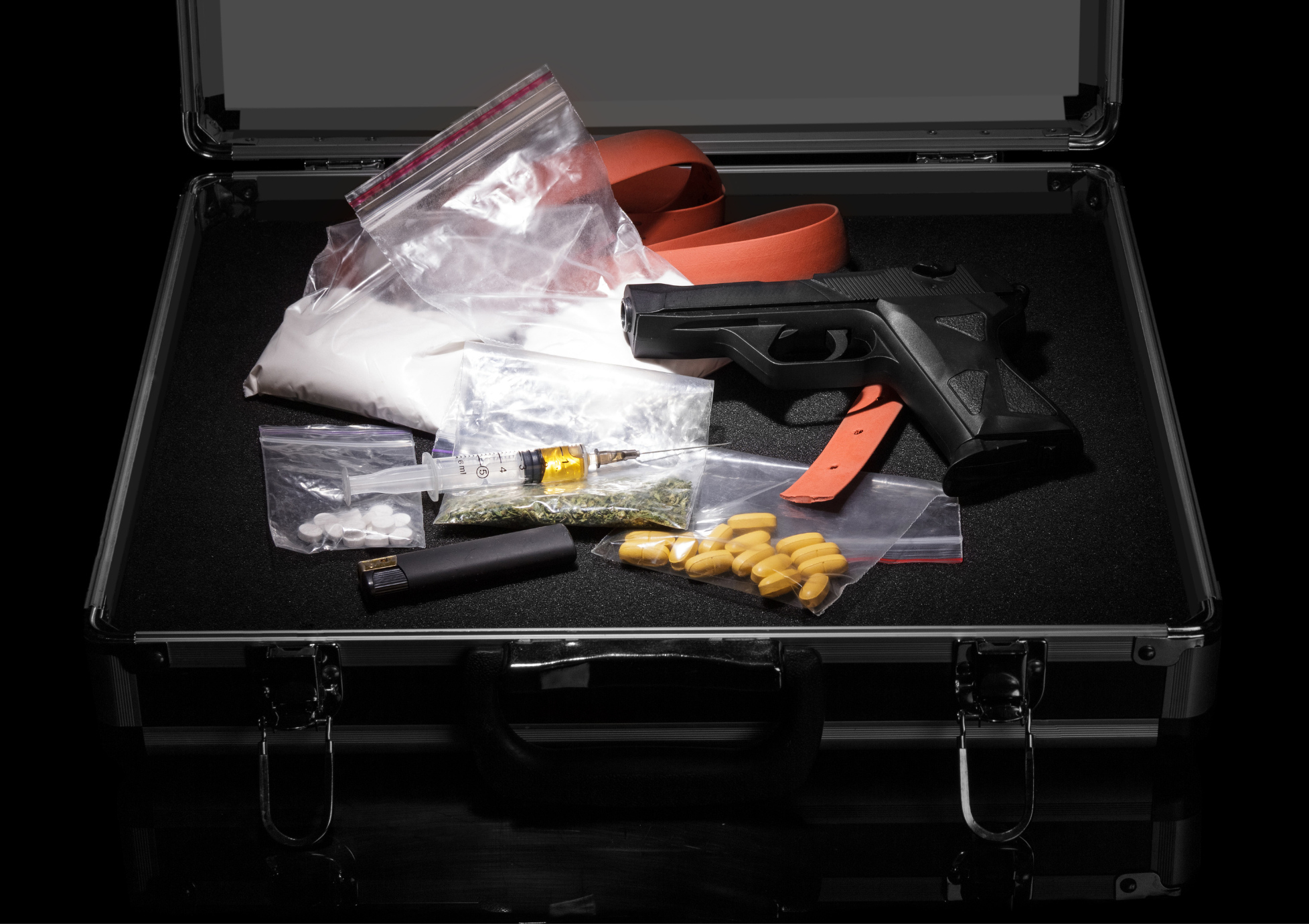
  • Drug Enforcement Expert’s Testimony About the Firearm’s Purpose Admitted

    Drug Enforcement Expert’s Testimony About the Firearm’s Purpose Admitted

    Initially, based on information received from a confidential informant (CI), who indicated that Norvell Harris lived with Swanda Collins at 4469 Lake Fairway Drive in Lake Charles and stored a large amount of marijuana in nearby storage unit AA15, the Calcasieu Parish Sheriff’s Office (CPSO) initiated an investigation. Following this, detectives then conducted surveillance, observing Harris at the storage unit. Subsequently, a drug-sniffing canine was deployed, leading to a search of unit AA15.

    This search revealed marijuana, heroin, fentanyl, cocaine, and a pistol. Consequently, following this discovery, officers obtained a second search warrant for 4469 Fairway Drive, Lake Charles, Louisiana, where they found two pounds of marijuana, MDMA doses, THC edibles, US currency, and ammunition.

    However, Harris has not been charged with possession of the marijuana, MDMA, THC edibles and the ammunition found at the house, and the ammunition found at the house did not match the pistol found in the storage unit. Ultimately, Harris has been charged with possession to distribute heroin, fentanyl, and cocaine, and possession of a firearm in furtherance of a drug trafficking crime.

    The government planned to present DEA Special Agent Chad Berard to testify that the pistol found in storage unit AA15 was used to further drug trafficking. Harris moved to exclude this testimony under Federal Rule of Evidence 702, arguing it was unhelpful, unreliable, and based on improper legal conclusions.

    Drug Enforcement Expert Witness

    DEA Special Agent Chad Berard has been with the Drug Enforcement Administration for twenty-six years. During his tenure with the DEA, Berard has been involved in hundreds of investigations of drug traffickers and drug trafficking organizations. He has conducted hundreds of interviews and thousands of hours of surveillance, listened to more than one hundred hours of phone calls related to investigations of drug traffickers, and has served as the case agent in over one hundred large scale drug trafficking investigations.

    As a law enforcement agent, Beard has interviewed and recruited informants, obtained information about the means of distribution, the amounts and methods of drug distribution, and drug trafficking trends. He has participated in the execution of over one hundred search warrants of residences, stash houses, and other locations where illegal narcotics were found and seized, as well as tools used by distributors, manufacturers and users, such as scales, and drug ledgers.

    Berard has also received training as a DEA Special Agent, attended sixteen (16) weeks of training at the DEA Academy, attended training on complex drug conspiracies, and receives weekly updates on drug trafficking trends ranging from money laundering methods to hidden compartments.

    Gain a comprehensive understanding of Chad Berard’s qualifications and casework history with his Expert Witness Profile report.  

    Discussion by the Court

    Initial Arguments

    Harris moved to exclude DEA Agent Chad Berard’s testimony. He argued that Berard’s proposed expert opinions under Federal Rule of Evidence 702 were unhelpful, unreliable, and were erroneous legal conclusions. Harris specifically contended that Berard’s opinions about the purpose of firearms in drug trafficking and whether the seized drugs were consistent with trafficking were improper statements on the ultimate legal issue and his guilt.

    Analysis

    A. Reliability

    Regarding reliability, the Defendant challenged Special Agent Berard’s methods. Specifically, the Defendant contested Berard’s opinion that the amount and packaging of drugs found indicated drug trafficking and not personal use. However, the Court found that the Defendant did not demonstrate that Berard’s methods for reaching this conclusion were unreliable.
    The Court viewed this opinion as permissible expert testimony. This view stemmed from Berard’s extensive experience over his 26-year career investigating numerous drug trafficking situations and his comparison of this case’s facts to observed patterns in similar situations.

    B. Legal Conclusions

    Harris argued that Berard’s opinions were improper legal conclusions that would mislead the jury. He specifically challenged opinions stating that drug traffickers use firearms for protection and to prevent theft. Harris also challenged the opinion that the pistol’s location near the narcotics suggested it was used to protect and further drug trafficking, not for a lawful purpose. The government admitted that directly stating the firearm “was in furtherance of drug trafficking” would be an improper legal conclusion.

    The Court found that Berard’s opinions, as presented, did not cross the line into improper legal conclusions about Harris’ guilt. The Court viewed Berard’s statements as expert opinions based on his experience in hundreds of drug trafficking investigations. These opinions explained common practices within such operations.

    The Court viewed Berard’s opinion about the proximity of the firearm to where the narcotics are located as a comparison to other narcotics investigations. This was meant to help the jury, not decide Harris’ guilt. The Court will provide the jury with the applicable law and any proposed limiting instructions, which will allow the jury to decide if Defendant is guilty of the indicted charges against him.

    Held

    The Court denied the Defendant’s motion to exclude the testimony of Chad Berard.

    Key Takeaway:

    Ultimately, the Court held that Berard’s opinions as to firearms possessed by drug traffickers and the firearm’s location and proximity to the narcotics were permissible expert opinions. Specifically, these opinions stemmed from Berard’s extensive experience as a Special DEA Agent. Furthermore, the Court clarified that these opinions were distinct from legal conclusions regarding the Defendant’s guilt or a misapplication of the law.

    Case Details:

    Case Caption: United States v. Harris
    Doket Number: 2:24cr82
    Court: United States District Court for the Western District of Louisiana, Lake Charles Division
    Order Date: April 21, 2025
  • Economics Expert’s Opinions on the Outcome-Based Compensation Structure Excluded

    Economics Expert’s Opinions on the Outcome-Based Compensation Structure Excluded

    Allstate Insurance Company sells property, casualty, and life insurance in California through independent and exclusive agents. The Plaintiffs, who were exclusive agents for the Defendant from 1990 to 2023 and had signed Exclusive Agency Agreements, have filed a class-action lawsuit. Their claim centers on unreimbursed business expenses they incurred, including costs for rent, internet, licensed staff, payroll taxes and fees, mandatory insurance coverage, marketing, licensing, a cloud-based telephone system (Allstate Agency Voice), and computer equipment.

    Pursuant to Federal Rule of Evidence 702, the Plaintiffs filed a motion seeking to exclude the expert report of the Defendant’s witness, Professor Paul Oyer. A key point of contention in their motion is Professor Oyer’s assertion that the Defendant provided “indirect” reimbursement for exclusive agents’ business expenses via outcome-based compensation.

    The Court first addressed Plaintiffs’ Daubert Motion, and then considered whether Plaintiffs have met the requirements for class certification.

    Economics Expert Witness

    Paul Oyer is the Mary and Rankine Van Anda Entrepreneurial Professor and Professor of Economics at Stanford Graduate School of Business. He is also a research associate with the National Bureau of Economic Research and the editor-in-chief of the Journal of Labor Economics.

    He has done several studies of how firms pay and provide incentives for their workers. Oyer looked at how salespeople and executives react to incentive systems and why some firms use broad-based stock option programs. 

    Want to know more about the challenges Paul Oyer has faced? Get the full details with our Challenge Study report.

    Discussion by the Court

    Motion to Exclude the Opinions of Professor Paul Oyer

    Plaintiffs specifically contested Professor Oyer’s opinions that: (1) Defendant reimbursed exclusive agents’ business expenses “indirectly” by providing outcome-based compensation; and (2) that “Plaintiffs’ approach for damages based on expenses alone is conceptually flawed” because “[e]valuating the harm to members of the proposed class must be analyzed in the context of the total compensation to the [e]xclusive [a]gency, specifically the compensation used to cover the [e]xclusive [a]gency’s expenses that Plaintiffs seek as damages,” and “individualized inquiry is necessary to estimate the harm” to the agencies, if any.

    The Plaintiffs contended that both of Professor Oyer’s opinions are irrelevant to the Court’s class certification analysis because they offer legal conclusions and conflict with California law regarding the reimbursement of business expenses.

    Defendant argued that these opinions are relevant and admissible because Professor Oyer’s opinions “concerning the wide variations in the types and amounts of Plaintiffs’ expenses show that a determination of reasonable and necessary business expenses will change depending on the specific facts and circumstances of a particular [e]xclusive [a]gency’s business” and thus that individualized issues predominate.

    Analysis

    The Court concurred with the Plaintiffs, finding that the challenged opinions constituted impermissible legal conclusions. Here, Professor Oyer repeatedly opined that individualized inquiry is necessary to assess the proposed class’s damages stemming from unreimbursed business expenses. Professor Oyer also opined that Defendant’s “outcome-based compensation . . . is an efficient compensation method that indirectly compensates the [e]xclusive [a]gency for its efforts (including expenses)” and “any member of the proposed class who received compensation to cover the [e]xclusive [a]gency’s allegedly reimbursable expenses is not harmed.” The Court found that these opinions addressed “central legal questions” raised by Plaintiffs’ Motion for Class Certification, namely commonality and predominance.

    In other words, Oyer’s opinions regarding commonality and predominance improperly invaded the province of the Court.

    Moreover, the Plaintiffs demonstrated that the proposed class meet the requirements of Class Certification.

    Held

    The Court granted the Plaintiff’s motion to exclude the testimony of Paul Oyer.

    Key Takeaway:

    Experts may not opine on “matters of law for the Court.” Plaintiffs challenged Oyer’s assessment of the proposed class’ damages. His opinions on the necessity of the individualized inquiry and the outcome-based compensation structure improperly invaded the province of the Court.

    Case Details:

    Case Caption: Canchola v. Allstate Ins. Co.
    Doket Number: 8:23cv734
    Court: United States District Court for the Central District of California
    Order Date: March 28, 2025
  • Life Care Planning Expert’s Testimony Not Supported by Medical Diagnoses Excluded

    Life Care Planning Expert’s Testimony Not Supported by Medical Diagnoses Excluded

    On August 05, 2022, Antoinette Marie Plummer (“Plaintiff” or “Plummer”) sued IFH Hospitality Group, LLC d/b/a WoodSprings Suites Atlanta Conyers  and Rockdale Hospitality, LLC (“Defendants”) for premises liability. She claimed a kitchen cabinet fell inside her leased hotel room and caused her injuries. The Plaintiff claims negligence against the Defendants, along with other allegations. The lawsuit focuses on the Defendants’ alleged failure to properly install, inspect, and maintain the cabinets.

    To support her damages claim, Plummer hired Steven Barnett to create a life care plan outlining her future medical needs and related costs. Defendants later moved to exclude Barnett’s testimony under O.C.G.A. § 24-7-702(b). They argued his opinions on life care plan were speculative and lacked a reliable basis.

    Life Care Planning Expert Witness

    Dr. Steven B. Barnett, DC, CBIS, A-CLCP, LCP-C, is a licensed chiropractor and certified life care planner. Barnett holds active chiropractic licenses in Georgia, Florida, and California. He has served in multiple advisory and consulting roles within the healthcare and medical device sectors.

    He earned his Doctor of Chiropractic degree summa cum laude from Palmer College of Chiropractic in 1979, following a Bachelor of Science degree from Brooklyn College, City University of New York.

    Discover more cases with Steven Barnett as an expert witness by ordering his comprehensive Expert Witness Profile report.  

    Discussion By the Court

    Initial Arguments

    Defendants sought to exclude Barnett’s testimony, asserting that he lacked the medical expertise necessary to project future care needs. They emphasized that he failed to consult with Plaintiff’s treating physicians or base his recommendations on medical records or doctor assessments. Consequently, they argued that Barnett’s plan relied on speculation rather than scientific methodology, essentially creating an “abstract wish list” of future treatments.

    Plaintiff countered by highlighting Barnett’s certification and extensive experience in life care planning. She maintained that Barnett’s methodology aligned with industry standards through his review of medical records and application of professional judgment.

    Analysis

    A. Qualifications

    The Court determined Barnett qualified as a life care planner based on his knowledge, experience, and formal training. Barnett’s testimony regarding his life care plan is admissible if the plan is appropriately based on the medical records, opinions, and recommendations set forth in the medical files he reviewed and the recommendations of the treating physicians who treated the Plaintiff. Courts consistently acknowledge that certified life care planners are qualified to testify about the life care plans they develop, even if they lack a medical degree.

    B. Reliability

    However, the Court identified significant concerns regarding Barnett’s methodology. Specifically:

    • Because Barnett is not a medical doctor, nor a licensed or certified radiologist, he lacked the qualifications to recommend or prescribe any procedures or medications included in the Plaintiff’s life care plan.
    • Barnett acknowledged that he did not collaborate with any of Plaintiff’s treating physicians nor did he have them review and validate his life care plan and the related treatment recommendations.

    Barnett admitted he wouldn’t always follow the treating physician’s advice and would make predictions even without medical record support. Consequently, despite never examining the Plaintiff directly and acknowledging his lack of qualification to recommend or prescribe treatments, Barnett’s life care plan includes multiple interventions not supported by medical records or the treating physicians’ recommendations.

    While Barnett may be qualified to provide cost valuations, the Court held that those costs associated with treatments not prescribed or recommended by the Plaintiff’s treating physicians lack a proper foundation, making them unreliable and unhelpful for the jury. Presenting such testimony would improperly encourage the jury to base an award on a course of treatment that was never implemented, prescribed, or intended.

    Barnett’s recommendations for non-medical expenses, such as household goods and services like cleaning and home health care, are admissible based on his expertise and the symptoms and conditions the Plaintiff reported to him. Additionally, the inclusion of ongoing medication in the life care plan is admissible because the Plaintiff’s medical records and her reports to Barnett confirm she was prescribed and taking this medication when the most recent plan was created.

    Held

    The Court granted in part Defendants’ motion to exclude the testimony of Barnett to the extent such testimony and/or the life care plan are not supported by recommendations from Plaintiff’s treating physicians. 

    Key Takeaway:

    When offering expert testimony on future medical needs through a life care planner, courts expect the recommendations to reflect medical guidance—especially from treating physicians. A life care planner’s projections that lack corroboration from medical experts or records may be considered speculative and inadmissible under O.C.G.A. § 24-7-702 and the Daubert standard.

    Case Details:

    Case Caption: Plummer v. Ifh Hosp. Grp., LLC
    Doket Number: 22:ev:004388H
    Court: State Court of Georgia, Fulton County
    Order Date: March 3, 2025
  • Law And Legal Expert Was Not Allowed to Testify Regarding State Law Ethical Standards

    Law And Legal Expert Was Not Allowed to Testify Regarding State Law Ethical Standards

    Plaintiff Kuantay Reeder filed a civil rights lawsuit against Jason Williams, the Orleans Parish District Attorney, in his official capacity. Reeder had spent more than 26 years in prison following a wrongful conviction for murder. He claimed the Orleans Parish District Attorney’s Office (OPDA) violated his right to due process by failing to disclose exculpatory evidence.

    To support his damages claim, Reeder identified two expert witnesses: Elizabeth Martina, a vocational rehabilitation counselor, and Harold Asher, a certified public accountant. Martina was expected to testify about Reeder’s lost earning potential. She argued that, if not wrongfully imprisoned, Reeder could have become a highly paid electrician. Harold Asher, has used this premise to opine that Reeder should be entitled to $2,286,663 consisting of past and future lost wages and benefits. Williams argued for the exclusion of both experts’ lost wage and benefit evidence. His reasoning is that this evidence entirely overlooks two crucial aspects of Reeder’s past: his unremarkable employment history before his incarceration and his significant criminal record prior to that time.

    Reeder hired Professor Dane Ciolino as an expert witness to testify on two key issues: first, whether the prosecution of Reeder violated the standard of care concerning a prosecutor’s obligation to disclose exculpatory evidence; and second, whether the policies of the Orleans Parish District Attorney’s Office (OPDA) in place during Reeder’s prosecution failed to meet the standard of care for supervising prosecutors.

    Williams sought to exclude Ciolino’s testimony. Williams contended that while Ciolino presents opinions on “standards of care,” no such relevant standard exists in this particular case. Furthermore, Williams asserted that other opinions in Ciolino’s report represent inadmissible legal conclusions.

    Law And Legal Expert Witness

    Dane S. Ciolino currently serves as the Alvin R. Christovich Distinguished Professor of Law at Loyola University New Orleans School of Law. His teaching interests include Professional Responsibility, Evidence, Advocacy, and Criminal Law. 

    Professor Ciolino graduated cum laude from Rhodes College in 1985, and magna cum laude from Tulane Law School in 1988, where he was inducted into Order of the Coif and selected as Editor in Chief of the Tulane Law Review

    Get the full story on challenges to Dane Ciolino’s expert opinions and testimony with an in-depth Challenge Study. 

    Vocational Rehabilitation Expert Witness

    Elizabeth Martina is a licensed Rehabilitation Counselor in the State of Louisiana and has national certifications as a Certified Rehabilitation Counselor and as a Certified Life Care Planner. She has practiced in the field of vocational rehabilitation for over 17 years and is a board-approved supervisor for provisionally licensed Rehabilitation Counselors.

    Discover more cases with Elizabeth Martina as an expert witness by ordering his comprehensive Expert Witness Profile report.  

    Accounting Expert Witness

    Harold Asher is a managing director for Asher Meyers, a Metairie firm that provides forensic accounting services. He holds a B.S. and an M.B.A. from Tulane University, having earned the latter degree with a concentration in accounting and finance. He is also a Certified Public Accountant and has over 40 years of experience in providing expert forensic accounting services in conjunction with litigation.

    Want to know more about the challenges Harold Asher has faced? Get the full details with our Challenge Study report.   

    Discussion by Court

    Motion to Exclude the Opinions of Elizabeth Martina and Harold Asher

    The central question before the Court, therefore, is whether Martina’s opinions, and consequently Asher’s, are so irrelevant and unreliable that they must be excluded under the Court’s gatekeeping responsibility as established in Daubert v. Merrell Dow Pharmaceuticals, Inc., 509 U.S. 579, 113 S. Ct. 2786, 125 L. Ed. 2d 469 (1993), and its progeny.

    Alternatively, as Reeder proposes, the jury should be permitted to assess Martina’s expert opinion—specifically, that Reeder’s life would not have been spent dealing drugs or in prison but would have instead evolved to resemble his current state, albeit sooner. In support of this, Reeder emphasizes that Williams retains the opportunity to thoroughly cross-examine Martina regarding her expert conclusions. Ultimately, the Court concurred with this view.

    However, Williams further objected to the fact that Reeder’s calculations for lost wages/benefits are predicated on a 1991 injury date, despite the allegedly wrongful conviction not taking place until 1995. Consequently, the Court held that Reeder must revise Asher’s report to accurately reflect a 1995 injury onset date and also to appropriately reduce the lost wage/benefit figures to account for avoided expenses.

    Motion to Exclude Dane Ciolino’s Testimony

    Subsequently, Ciolino produced a report. In this report, he opined that the Orleans Parish District Attorney’s Office (OPDA) failed to comply with the standards of care and conduct governing prosecutors, as well as their constitutional obligations to provide Brady material, during the 1994 and 1995 prosecutions of Kuantay Reeder.

    Furthermore, he concluded that the OPDA Policy Manual in effect at the time of these prosecutions was inadequate to properly convey those obligations to its staff.

    The Plaintiff seeking to recover for a Brady violation in a civil rightslawsuit must establish three elements: 1) that the State suppressed evidence by failing to disclose it to the Defendant; 2) that the undisclosed evidence was favorable to the Defendant by helping to show the Defendant’s innocence or by impeaching an unfavorable witness; and 3) that the nondisclosure prejudiced the Defendant because it was “material,” i.e., there is a “reasonable probability” that the trial outcome would have changed if the prosecution had turned over the evidence.

    Analysis

    In his opposition, Reeder clarified, however, that he would not seek to offer Ciolino’s opinions regarding whether a Brady violation had actually occurred in his case. Consequently, Williams’s concerns about Ciolino potentially attempting to testify about an “ultimate legal conclusion” were then moot.

    The Court agreed with Williams that aside from whether a Brady violation occurred in Reeder’s criminal prosecution, there is simply nothing left for Ciolino to opine about.

    Aside from the aspects of the report that discuss the law pertaining to Brady obligations and why Ciolino believes that a Brady violation did in fact occur (which Reeder now concedes he will not attempt to elicit at trial), Ciolino’s opinions are based on state law ethical standards. Reeder’s claim is governed by federal law not state law.

    In his report, Ciolino, moreover, dedicates a specific section to opining on why the 1987 OPDA Policy Manual inadequately outlines a prosecutor’s Brady obligations, asserting that the Policy is vague and fundamentally insufficient. However, Williams contends that this particular opinion is irrelevant because Ciolino lacks knowledge regarding how the Policy Manual was actually implemented or what other measures were undertaken to train or supervise prosecutors. Indeed, the Court concurs with Williams’s assessment.

    Held

    The Court granted the motion to exclude the testimony of Dane Ciolino. As the Court has outlined, Reeder is required to revise his expert reports from both Martina and Asher in the manner previously detailed.

    Key Takeaway:

    The central issue of liability in this case hinges on whether a Brady violation took place. Consequently, the Court concurs with Williams’ argument that permitting Ciolino to testify about state law ethical standards, which are not determinative of liability here, would likely confuse the jury.

    Furthermore, the Court finds it unclear how Ciolino could offer informed opinions on the Policy Manual’s adherence to a prosecutor’s Brady obligations under federal law if he is not allowed to testify about the relevant legal standards governing this case.

    Case Details:

    Case Caption: Reeder V. Williams
    Docket Number: 2:22cv4614
    Court Name: United States District Court
    Eastern District of Louisiana
    Order Date: April 16, 2025
  • Psychology Expert Lacks Experience Personally Dealing with Compartment Syndrome

    Psychology Expert Lacks Experience Personally Dealing with Compartment Syndrome

    This medical negligence lawsuit stems from injuries Fitzgerald sustained after he allegedly developed compartment syndrome in his right leg while hospitalized at St. Anthony Summit Medical Center (“Summit”) after a snowboarding accident in January 2019.

    Fitzgerald claimed that the delayed diagnosis and treatment of his compartment syndrome by his healthcare providers, Dr. Xan Courville and P.A. Sarah Pfeiffer, resulted in permanent nerve damage in his leg and continuous, intense pain. He further asserts that Summit’s negligence in staff training and policy implementation contributed to his lasting injury.

    Fitzgerald sustained a traumatic brain injury (TBI) in August 2020 after a fall from a three-story roof in the building. It is seemingly agreed that he was “under the influence of a self-medicating substance”—identified by his experts as Ketamine—at the time of the fall. In January 2021, Fitzgerald initiated legal action, claiming that the fall and subsequent TBI were a consequence of his nerve injury. He alleges this nerve injury stemmed from Dr. Courville and P.A. Pfeiffer’s delayed diagnosis and treatment of his compartment syndrome.

    In March 2025, Summit moved to exclude the following testimony of Robert Jamison: “It is my opinion to a reasonable degree of certainty that, more likely than not, the injuries flowing from the delayed treatment of Fitzgerald’s compartment syndrome-related injuries to his leg were a cause of and a contributing factor to his fall and traumatic [sic] brain injury.”

    Psychology Expert Witness

    Robert Newlin Jamison is a clinical psychologist. He received a Ph.D. in psychology from the Institute of Psychiatry at the University of London; completed multiple internships in clinical psychology; completed a post-doctoral fellowship at Vanderbilt Medical Center; and has practiced at Brigham and Women’s Hospital Pain Management Center for 35 years.

    Jamison is a Professor at Harvard Medical School with appointments in the Departments of Anesthesiology, Perioperative and Pain Medicine, Psychiatry, and Physical Medicine and Rehabilitation.

    Discover more cases with Robert N. Jamison as an expert witness by ordering his comprehensive Expert Witness Profile report.

    Discussion by the Court

    Summit did not move to exclude Jamison as an expert witness altogether, instead making clear that it “has no objection to [him] offering opinions regarding the treatment of Joseph Fitzgerald’s chronic pain or his present condition following the fall from the third-floor building roof.”

    Summit contended, rather, that Jamison is not qualified and has not employed a reliable methodology to opine on the medical cause of Fitzgerald’s TBI.

    Qualification

    The cause of Fitzgerald’s TBI calls for a medical opinion. But Jamison is not a medical doctor. Despite Jamison’s notable credentials, the Court finds that he lacks the necessary qualifications under the Daubert standard to offer an expert opinion on the medical cause of Fitzgerald’s TBI.  Specifically, he is not qualified to provide expert testimony that “Fitzgerald’s compartment syndrome-related injuries to his leg were a cause of and a contributing factor to his fall and traumatic [sic] brain injury.”

    Arguing otherwise, Fitzgerald insisted that “Jamison is overwhelmingly qualified to offer causation opinions on the treatments of chronic pain; that chronic pain can lead to self-medicating behavior; and that self-medicating behavior can be harmful.”

    Contrary to Fitzgerald’s first assertion, however, Jamison’s proffered testimony does not simply connect Fitzgerald’s chronic pain to his self-medicating behavior (i.e., his Ketamine use), the fall, and ultimately, the TBI. It goes several steps further and posits that “the injuries flowing from the delayed treatment of Fitzgerald’s compartment syndrome-related injuries to his leg were a cause of and a contributing factor to his fall and traumatic injury brain injury.” The Court determined that this type of testimony regarding medical causation falls outside Jamison’s area of expertise.

    Moreover, Jamison’s CV made no mention of experience personally dealing with compartment syndrome, and Jamison confirmed during his deposition that he had merely “heard about compartment syndrome and heard about a lot of accidents and also surgeries and failed surgeries that contributed to complications.” 

    Methodology

    Jamison prepared two reports following his virtual meetings with Fitzgerald and his parents.

    Therein, Jamison notes—and Fitzgerald emphasizes—that he reached his causation opinion based on Fitzgerald’s medical records, his meetings with Fitzgerald, and by reviewing the reports prepared by other experts in this case. 

    The Court concluded that Jamison’s methodology was unreliable, notably because he apparently failed to expressly conduct a differential analysis before opining that “the injuries flowing from the delayed treatment of Fitzgerald’s compartment syndrome-related injuries to his leg were a cause of and a contributing factor to his fall and traumatic [sic] brain injury.”

    Moreover, Jamison’s report does not show that he “eliminat[ed] alternative causes when employing a ‘differential analysis.’” To reiterate, “[d]ifferential analysis, which is the process of reasoning to the best inference, requires that the expert provide objective reasons for eliminating alternative causes.”

    The Court pointed out that while the report briefly mentions Fitzgerald’s Ketamine use on the day he fell, it lacks any “objective reasons” explaining why this wasn’t a possible cause of the fall.

    Summit contended, backed by expert testimony, that “the post-[snowboarding] accident injuries are the result of unrelated ‘traction’ or ‘stretch’ injury.” In contrast, the Court noted that Jamison’s report completely ignores these other possibilities and offers no arguments against their potential role.

    Held

    The Court granted the motion to exclude certain testimony of Plaintiff Joseph Fitzgerald’s expert witness, Robert Jamison, Ph.D.

    Key Takeaway:

    The Court sees little to no record evidence suggesting that Fitzgerald could lay a proper foundation at trial that Jamison is qualified to testify that the allegedly delayed diagnosis and treatment of Fitzgerald’s compartment syndrome led to his TBI.

    Moreover, the courtroom is not the place for scientific guesswork. Given the deficiencies outlined above regarding Jamison’s causation opinions, the Court is not convinced that he would be able “to reliably defend his conclusion at trial.”

    Case Details:

    Case Caption: Fitzgerald Et Al V. Catholic Health Initiatives Colorado Et Al
    Docket Number: 1:21cv6
    Court Name: United States District Court, Colorado
    Order Date: April 18, 2025
  • Rule 26 Violation is Harmless with Regard to the Engineering Expert’s Repair Estimates

    Rule 26 Violation is Harmless with Regard to the Engineering Expert’s Repair Estimates

    In this insurance breach of contract case, Plaintiff  LJP Building, LLC designated Alfredo Brizuela as its damages expert in March 2024. That same month, Brizuela prepared an estimate to restore the property to its pre-loss condition. The estimate was based on replacement cost value (RCV) and totaled $655,054.64. Westchester deposed Brizuela in February 2025.

    Subsequent to Brizuela’s deposition, it was noted that Brizuela omitted applicable depreciation as to the $655,054.64 RCV of the estimate. As a result, on April 1, 2025, Brizuela supplemented his estimate solely to apply depreciation to the $655,054.64 RCV. There was no adjustment to any of the values, simply the application of depreciation to the previously estimated amount of $655,054.64 to derive an actual cash value (ACV) of $636,447.67.

    Defendant contended that Brizuela’s application of depreciation to his previously produced estimate is an “untimely disclosure” and “presents entirely new facts, evidence and substantially revised expert opinions that were never disclosed.”

    Engineering Expert Witness

    Al Brizuela is a Florida licensed professional engineer, general contractor and registered industrial hygienist. He graduated from the University of Miami in 1978 with a Bachelor of Science degree in architectural engineering. Shortly after graduation, he began working for Law Engineering Testing Company Inc., performing subsurface investigations for a multitude of government projects the most significant being the Metro Rail System.

    Want to know more about the challenges Al Brizuela has faced? Get the full details with our Challenge Study report.

    Discussion by the Court

    A. Brizuela’s April 2025 Report is a Supplement

    Westchester claimed that Brizuela’s “supplemental” affidavit is not a supplement at all. Rather, it presents entirely new facts, evidence, and substantially revised expert opinions that were not previously disclosed.

    The Court held that Brizuela’s updated report is properly characterized as a supplement, not a new disclosure. That is because the only change was to correct his prior estimate by applying depreciation. It includes no new model for calculating damages, new methodology, or new claim for damages to certain parts of the building that were not previously made.

    Even the portions of the initial and supplemental affidavits Westchester highlights shows that the only difference is Brizuela omitted applicable depreciation in his initial report. Since Brizuela’s supplemental report sought to correct a mistake (omitted depreciation), the Court held that it fell within the narrow purpose of Rule 26(e).

    B. Brizuela’s Supplement Was Timely

    According to Rule 26, Plaintiff had up to its pretrial disclosures, which are due July 11, 2025, to correct any inaccuracies. 

    Westchester offered no support for its conclusory argument that any supplement was due earlier. The Court held that Westchester does cite several cases that deal with prejudice caused to the party left without the chance to depose an expert after the discovery deadline. But prejudice (even if it exists) cannot override the deadlines in Rule 26. In any event, as discussed below, any prejudice can be remedied.

    C. Supplementation Was Harmless

    When a party fails to provide information required by Rule 26, as Westchester claims, they are “not allowed to use that information or witness to supply evidence on a motion, at a hearing, or at a trial, unless the failure was substantially justified or is harmless.”

    Weighing these factors, the Court found that any Rule 26 violation harmless. Brizuela’s testimony and repair estimates are seemingly critical. Without him, Plaintiff’s case may end. Though discovery has closed, Brizuela will make himself available for deposition. With this, Westchester can cure the deficiency. Westchester offers no argument that it would have to re-brief summary judgment if the supplement is allowed. The deposition is the better option considering the importance of the evidence.

    Westchester also sought to exclude the Brizuela’s supplement. The Court held that Plaintiff’s conduct, at least at this point, does not warrant excluding testimony that may prove essential to its case when any prejudice can still be cured.

    The Court, therefore, is convinced that Plaintiff should be allowed to supplement Brizuela’s expert disclosure.

    Held

    The Court denied Westchester’s motion to strike Plaintiff’s untimely supplemental expert witness affidavit and estimate of Alfredo Brizuela.

    Key Takeaway:

    Rule 26(e) permits supplemental reports only for the narrow purpose of correcting inaccuracies or adding information that was not available at the time of the initial report.

    Case Details:

    Case Caption: LJP Building LLC V. Westchester Surplus Lines Insurance Company
    Docket Number: 2:23cv792
    Court Name: United States District Court for the Middle District of Florida, Fort Myers Division
    Order Date: April 18, 2025