Blog

  • Law Enforcement Expert’s Testimony on Reasonable Suspicion Excluded

    Law Enforcement Expert’s Testimony on Reasonable Suspicion Excluded

    Plaintiff Shelby Ross asserted a Fourth Amendment unreasonable search and seizure claim against Defendant Jeremy Finney. In addition, Plaintiff asserted state law claims of assault and battery against Finney. Against Tipton County, Plaintiff averred “negligent failure to protect”/“negligent failure to prevent” claims under Tennessee law.

    Ross hired Roy G. Taylor as an expert witness in areas such as police use-of-force policies, de-escalation techniques, and traffic stops.

    Defendants argued that Taylor should be excluded as an expert because (1) his methods are not reliable under Daubert and (2) his report includes inadmissible legal conclusions about whether Finney had probable cause and reasonable suspicion to support his actions.
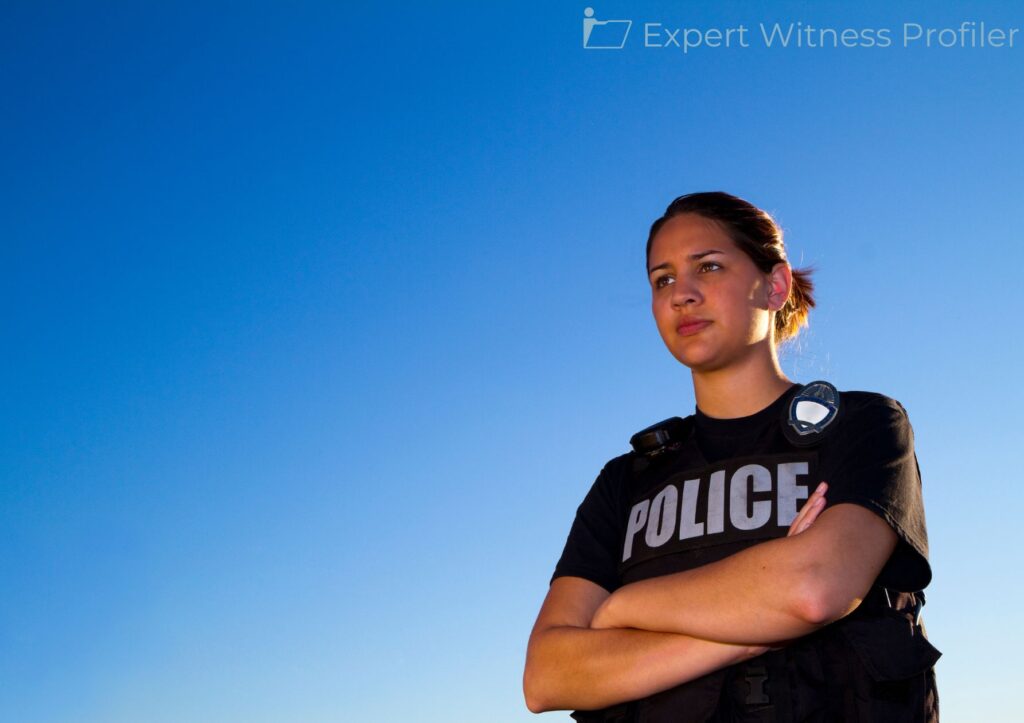
    Law Enforcement Expert Witness

    Roy Garvin Taylor is a former law enforcement officer and current adjunct professor with over forty years of experience “in various federal, state, local, and private Police Chief positions.” His areas of expertise include nationwide police procedures around traffic stops, use of force, and de-escalation techniques.

    Want to know more about the challenges Roy Taylor has faced? Get the full details with our Challenge Study report

    Discussion by the Court

    I. Reliability

    Defendants first argued that, under Daubert, Taylor “does not reliably employ principles and methods to base his conclusions.” Daubert’s factors ask “whether a method is testable, whether it has been subjected to peer review, the rate of error associated with the methodology, and whether the method is generally accepted within the scientific community.” Taylor’s opinions did not satisfy these factors, according to Defendants, because Taylor “generally relies upon his experience, education, and training in law enforcement.”

    However, it is unclear what additional methodology Defendants would ask a police procedure expert to possess. After all, the methods of an expert in police procedure are not the kinds of methods that are regularly tested, peer reviewed, or accepted by the scientific community. As Ross pointed out, “Daubert is only of limited help in assessing technical or experiential expertise.”

    Taylor’s qualifications include forty years of law enforcement and police training experience. Although his opinions fall outside the realm of science, the Court held that his personal knowledge and experience are appropriate substitutes to support a finding of reliability. Defendants will have a chance to challenge Taylor’s opinion through cross-examination and presentation of contrary evidence at trial, but exclusion is not the right path.

    II. Inadmissible Legal Conclusions

    Defendants next asserted that Taylor opined in his Initial Report about whether Finney had probable cause or reasonable suspicion to engage in certain actions on May 11, 2023. For her part, Ross conceded that some of the opinions in Taylor’s report “cross the line into ultimate questions of fact.”

    Ross acknowledged that, to the extent Taylor used “phrases like ‘objectively unreasonable’ as a shorthand for something like ‘consistent with national standards,’ he should be required to use more precise language at trial.”

    The Court concluded that Taylor cannot offer legal conclusions on questions including, but not limited to, reasonable suspicion, probable cause, whether conduct was lawful or unlawful, whether exigent circumstances existed, or whether a use of force constituted assault and battery. However, he may offer his opinions that do not include these terms and conclusions.

    III. Supplemental Report

    After Taylor submitted his initial report, and after he received the report of Defendants’ expert along with a copy of Tipton County’s police policies, Taylor submitted the supplemental report.

    Defendants argued that, “at a minimum,” this supplemental report should be excluded because Taylor failed to include in his initial report “a complete statement of all opinions the witness will express and the basis and reasons for them.”

    Instead, according to Defendants, Taylor later issued a supplemental report merely “as an attempt to bolster former opinions, provide totally new opinions, or combat the opinions of Defendants’ expert.”

    Defendants further argued that Taylor’s analysis of the Tipton County police policies is irrelevant to this case, since there is no constitutional claim based on those policies nor any excessive force claim.

    Because Taylor did not receive the police policies until after the Initial Report was written, Ross contended that he had a valid reason to supplement his earlier opinions. Ross further argued that the Tipton County use-of-force policies are still relevant to this case.

    The Court deemed Taylor’s use-of-force analysis, drawn from the Tipton County police policies, relevant to this case, even though no Fourth Amendment excessive force claim is at issue, because the analysis of the state law assault and battery claim mirrors that of an excessive force claim.

    Held

    The Court granted in part and denied in part the Defendants’ motion to exclude the testimony of Plaintiff’s expert Roy Taylor.

    Key Takeaway:

    For nonscientific expertise such as Taylor’s, the relevant reliability concerns may focus on personal knowledge or experience. It helps that Taylor’s qualifications include forty years of law enforcement and police training
    experience.

    Case Details:

    Case Caption: Ross V. Tipton County
    Docket Number: 2:24cv2313
    Court Name: United States District Court, Tennessee Western
    Order Date: October 28, 2025
  • Economics Expert’s Testimony on Lost Earning Potential Admitted

    Economics Expert’s Testimony on Lost Earning Potential Admitted

    On May 22, 2021, Keith Anderson (“Anderson”) and Lorena McCaigue (“McCaigue”) (“Plaintiffs”) brought this action against Pasadena Police Chief John E. Perez (“Perez”) and the City of Pasadena (“City”). The action arises out of Defendants’ alleged retaliation against Plaintiffs in response to the following actions: (1) bringing a civil action against the City of Pasadena and certain Pasadena police officers in which violations of the California Tort Claims Act were alleged; and (2) making a request under California’s Public Records Act (“CPRA”) to obtain copies of police body camera footage.

    To begin with, McCaigue is a federal law enforcement agent who was based in the Los Angeles area. On July 22, 2019, Pasadena police responded to a call reporting a supposed suicidal person. Thereafter, McCaigue’s identity was publicized in such a way that it was no longer safe for her to continue her work in the Los Angeles area. McCaigue applied for and was granted a transfer to a new locality that has not been disclosed. However, in this new locality McCaigue  lacked the same opportunities for meaningful advancement, thus negatively affecting her lifetime total earnings.

    Defendant argued that the opinions of Phillip D. Sidlow, Plaintiff’s expert, were insufficient to prove that Defendant’s conduct caused McCaigue’s lost wages because his testimony was unreliable and based on “assumptions.”

    Economics Expert Witness

    Phillip D. Sidlow has a Master’s Degree in Applied Economics from Johns Hopkins University and is employed as a vocational economics analyst. Moreover, he has published articles about earning capacity loss, and has served as an expert in calculating lost economic opportunities suffered by parties in hundreds of lawsuits. 

    Get the full story on challenges to Phillip Sidlow’s expert opinions and testimony with an in-depth Challenge Study.

    Discussion by the Court

    Defendant argued that Sidlow’s testimony should have been excluded because it “lacked foundation and was based on pure speculation,” including assumptions he and Plaintiff McCaigue made, rather than Sidlow’s independent “research,” “review,” or consultation with Plaintiff McCaigue’s supervisors.

    Based on Sidlow’s experience, education, and specialized knowledge, the Court determined that Sidlow was qualified to provide expert testimony as to Plaintiff McCaigue’s lost earning potential, based on information provided by Plaintiff McCaigue.

    In other words, Defendant’s challenge to Sidlow concerned the weight, not admissibility, of his testimony.

    Held

    The Court denied the Defendant’s motion to exclude the testimony of Phillip Sidlow.

    Key Takeaway:

    Although Defendant asserted that Sidlow’s testimony must be excluded because it was based on “pure speculation and assumptions,” the assumptions of an expert go to the probative weight, rather than the admissibility, of the evidence.

    Case Details:

    Case Caption: Anderson V. Perez
    Docket Number: 2:21cv4290
    Court Name: United States District Court for the Central District of California
    Order Date: September 29, 2025
  • Education Expert’s Testimony on School Procedures Excluded

    Education Expert’s Testimony on School Procedures Excluded

    Haverford School identified concerns with a student James’ behavior and asked his parents to withdraw him from the school mid-year. While James’ parents, the Does, acknowledged their son’s behavioral issues, they nevertheless disputed the school’s narrative of his behavior during that period.  They concluded that the school asked for James’ withdrawal because he reported racial discrimination.

    Haverford objected to the admission of testimony from the Does’ proffered expert, Raymond De Sabato, claiming that he lacks the requisite expertise or comprehensible methods to opine on issues in this case.

    Education Expert Witness

    Raymond De Sabato holds a bachelor’s degree in reading education and psychology and a master’s degree in education, with a teaching certification in reading and language arts and a focus on administration. He worked in the education field from approximately 1977-2022 as a teacher, coach, assistant principal, principal, and assistant head of school at private schools at the middle-and-high-school levels. 

    Fortify your strategy by reviewing a Challenge Study detailing grounds for excluding Raymond De Sabato’s expert testimony.

    Discussion by the Court

    In his report, De Sabato concluded that Haverford breached its duty and the professional standard of care with respect to James by failing to (1) “reasonably investigate and address the allegations of racial harassment and discrimination of James” and (2) “acting unreasonably in the manner in which it disciplined James by removing him from the School in the middle of the third grade year.”

    According to Haverford, De Sabato’s purported expertise is based solely upon his career as an educator, rather than any specialized training or education.

    Plaintiffs opposed Haverford’s motion, highlighting De Sabato’s discussion of best practices for dealing with struggling students, from the perspective of the private school experience.

    Analysis

    Despite De Sabato’s expertise as a teacher and administrator at private schools for 50 years, the Court held that De Sabato did not articulate a reliable method through which he reached his opinions in this case.

    He described his expert methodology as “including the gathering, review, and analysis of all available and relevant documents, evidence, information, and testimony” based upon his “education, training, and professional experience in the field of education administration.” De Sabato further explained that his analysis focused on Haverford’s maintenance and implementation of racial harassment and abuse procedures, its investigation into such alleged harassment, and its disciplinary process for James.

    This is not a methodology in the Rule 702 sense, but is rather a description of how thinking works: collect and assess the relevant information and use experience to reach a conclusion. The Court did not find any indication of how the jury will be able to follow along with that thought process if challenged – a critical safeguard of Rule 702.

    Held

    The Court granted the Defendants’ motion to exclude the testimony of Raymond De Sabato.

    Key Takeaway:

    Sabato spoke in broad strokes about his focus on school procedures for racial harassment and abuse and investigations into such allegations, without providing any details as to what an effective or ineffective system looks like. Nor did he offer any insight into what an appropriate disciplinary process would be for a student exhibiting James’ behaviors.

    It is simply not enough to say, “I reviewed the relevant documents, based upon my experience in this space, and reached my conclusions by focusing on the things I was asked to assess.”

    Case Details:

    Case Caption: Doe V. Haverford School
    Docket Number: 2:24cv618
    Court Name: United States District Court, Pennsylvania Eastern
    Order Date: October 27, 2025
  • Psychology Expert’s Opinion on Social-Media-Facilitated Sex Trafficking Admitted

    Psychology Expert’s Opinion on Social-Media-Facilitated Sex Trafficking Admitted

    This case arises under the Trafficking Victims Protection Reauthorization Act (TVPRA), which provides victims of sex trafficking a civil remedy against the perpetrators and beneficiaries of their trafficking.

    Plaintiff Doe (C.L.F.) filed this action to recover for alleged harm she experienced from being trafficked at a Motel 6 in Wichita, Kansas, that she claims was owned and operated by the Defendants.

    Defendant Kisan, Inc. filed a motion to exclude the testimony of Dr. Katy Fowler Sutton, one of C.L.F.’s designated expert witnesses. 

    Psychology Expert Witness

    Kathryn Fowler Sutton graduated with a Master of Science in Clinical Psychology and in 2004 received her Doctor of Clinical Psychology (PsyD). She has been a Licensed Specialist in School Psychology (Texas) since 2005 and a Licensed Clinical Psychologist (Texas) since 2006. In her twenty years of clinical practice, approximately 15% of her patients have been survivors of sex trafficking. As part of her annual license renewal requirements, she has to complete mandatory training in human trafficking.

    She also has fourteen years of experience being an expert witness and has never before been struck. In addition to being an expert witness, she also currently continues to see patients, some of whom are sex trafficking survivors.

    Want to know more about the challenges Katy Fowler Sutton has faced? Get the full details with our Challenge Study report

    Discussion by the Court

    Kisan and the G6 Defendants sought to exclude Sutton’s opinions that

    (1) C.L.F. meets the criteria of Post-Traumatic Stress Disorder (PTSD) and other specified trauma-and-stressor-related disorders; and

    (2) C.L.F.’s PTSD is caused by her having been sex-trafficked rather than any other previous traumatic experiences.

    Defendants claimed that these opinions should be excluded because they are both irrelevant and unreliable.

    A. Relevance

    Defendants argued that the testimony of Sutton is inadmissible because it is irrelevant.

    According to Defendants, the fatal flaw in Sutton’s report is that “the word ‘motel’ does not appear.” Worse yet, the report stated that C.L.F.’s alleged trafficking was “facilitated by social media platforms.” In this case, the alleged trafficking occurred only at motels owned and operated by Defendants, and C.L.F. “met her trafficker at a gas station,” not on social media. This might be problematic as expert testimony must be connected to “the facts of the case.” 

    While a report based on social-media-facilitated sex trafficking at no specific locations may not be tied to the facts of this case, Sutton’s report is. Sutton interviewed C.L.F. for 5 hours and 12 minutes. During that time, Sutton and C.L.F. discussed C.L.F.’s early life in detail, C.L.F.’s experiences during the alleged trafficking, and C.L.F.’s recovery in recent years. They specifically talked about her “thoughts and feelings” associated with the alleged trafficking, and Sutton collected enough information to provide diagnoses of and recommended treatments to C.L.F.

    Further, in her deposition Sutton explicitly confirmed that she tied her interview with C.L.F. to the facts of this case. Sutton used the complaint during the interview to “refer specifically to the incident[s] in question” at the motels in issue. When asked if they discussed the relevant motels “where [C.L.F.] had a traumatic experience,” Sutton responded: “Yes.” During the interview, Sutton ensured to “very specifically explain to C.L.F. what events [she was] referring to.” In the Court’s view, Sutton’s methodology was “sufficiently tied to the facts of the case.”

    The Court held that her testimony was relevant under Rule 702.

    B. Reliability

    Defendants asserted that the two opinions they want stricken should be excluded because they are unreliable. To Defendants, Sutton’s opinions are not the product of a reliable methodology and do not reflect a reliable application of psychology to the facts of the case.

    1. Sutton’s Diagnosis of C.L.F.’s PTSD and Other Trauma Disorders

    Defendants objected to Sutton’s opinion that C.L.F. met the criteria for PTSD and other specified trauma-and-stressor-related disorders.

    First, Defendants argued that Sutton’s diagnosis is unreliable because she “did not follow accepted medical practice in selecting or administering tests” for PTSD in her interview of C.L.F.

    The Court understood Defendants’ stance, but ultimately their attacks are best left for “[v]igorous cross-examination.” To admit Sutton’s testimony, C.L.F. “need not prove to th[is court] that the expert’s testimony is correct;” she simply must “prove by a preponderance of the evidence that the testimony is reliable.” Even with its alleged flaws, Sutton’s opinion that C.L.F. met the criteria for PTSD is reliable by a preponderance of the evidence.

    Defendants also found fault with Sutton’s administration of the CAPS-5, specifically her failure to use the Life Events Checklist (LEC-5) during CAPS-5 Step 1. They said that because Sutton did not use the LEC-5 for the Step 1 inquiry, her opinions are unreliable to the point of inadmissibility. But CAPS-5 allows the practitioner to administer the LEC-5 or some “other structured trauma screen” to begin. Sutton’s report, as noted, details information about C.L.F.’s history of trauma gleaned from the hours-long interview Sutton conducted of C.L.F., which in the Court’s view qualifies as a structured trauma screen.

    Second, Defendants argued that Sutton’s diagnosis of C.L.F. with PTSD is unreliable because Sutton’s conclusion contains conflicting diagnoses. However, the Court did not accept that Sutton’s “conflicting diagnoses” are so unreliable that they defy the “methods and procedures of science.” 

    2. Sutton’s opinion that sex-trafficking, not other traumatic experiences, caused C.L.F.’s PTSD

    Defendants took issue with Sutton’s opinion that C.L.F.’s “history of trafficking,” not any of her other previous traumatic experiences, caused her PTSD.

    As Sutton noted in her report (and as Defendants state in their motion), the stressors with potential to cause PTSD for C.L.F. other than her trafficking experiences are the death of her grandmother, her placement in foster care, the incarceration of her first child’s father, her abusive relationship circa 2020, and apparent substance abuse. Defendants claimed that Sutton only ruled out C.L.F.’s grandmother’s death and her placement in foster care before declaring that C.L.F.’s trafficking experiences were the sole cause of her PTSD. Sutton certainly did rule those stressors out; she concluded “within a reasonable degree of scientific certainty” that C.L.F.’s PTSD responses are associated with her history of trafficking, not the “grief” she experienced from her grandmother’s death or foster care.

    Now Sutton did not explicitly rule out all potential causes, but her report evidences that she was aware of these other stressors when opining on the cause of C.L.F.’s PTSD. While the Court felt that Sutton should improve her recordkeeping and notetaking as it pertains to conducting diagnoses for litigation, her extensive experience with evaluations, her five-hour interaction with C.L.F., her deposition testimony, and the conclusions in her report all favor reliability here.

    C. Scope

    Though Sutton can testify as to her opinion that C.L.F.’s PTSD was caused by the trafficking-related trauma discussed during the evaluation, the Defendants pointed out that Sutton may not characterize any incidents C.L.F. experienced as “sex trafficking.” Sutton’s report and testimony is rife with her calling the incidents C.L.F. discussed “sex-trafficking.” The Court agreed. Defendants are right to point out that Sutton is not permitted to opine on ultimate legal issues. 

    In other words, Sutton may provide her opinion that C.L.F. suffers from PTSD and other trauma disorders, and she may provide her opinion as to what caused C.L.F.’s PTSD. But in describing these causes, she must keep her descriptions within certain limitations.

    Held

    The Court denied in part the Defendant Kisan, Inc.’s motion to exclude the proposed testimony of Plaintiff’s expert Dr. Kathryn Sutton.

    Key Takeaway:

    Sutton is free to discuss the trauma-causing incidents concerning C.L.F., but only in permissible ways. The Court is aware that these incidents necessarily involve sex or even commercial sex, but the testimony is permissible so long as it does not characterize any experiences or incidents as sex trafficking or trafficking.

    Case Details:

    Case Caption: Doe C.L.F. V. G6 Hospitality, LLC
    Docket Number: 1:23cv303
    Court Name: United States District Court, Texas Eastern
    Order Date: August 20, 2025
  • Industrial Hygiene Expert’s Testimony on Increased Exposure to PCBs Admitted

    Industrial Hygiene Expert’s Testimony on Increased Exposure to PCBs Admitted

    Plaintiffs Josepha Austin, Robin Cruz, Gordana Pobric, and Jennifer Haselman brought this action claiming physical, cognitive, and emotional harm resulting from their exposure to polychlorinated biphenyls (“PCBs”).

    Defendants Monsanto Company, Bayer CropScience, L.P., Solutia, Inc., and Pharmacia L.L.C. (collectively “Monsanto”) filed a motion to exclude the testimony of Kevin Coghlan.

    Plaintiffs intended to call Coghlan to testify as an expert about PCB levels at Burlington High School.

    Industrial Hygiene Expert Witness

    Kevin Coghlan is an industrial hygienist with 35 years of experience assessing environmental issues in workplaces. That experience has included work with PCBs.

    He has personally been involved in, or directed, over thirty projects involving the identification, assessment, remediation, risk assessment, and mitigation of PCBs.

    Want to know more about the challenges Kevin Coghlan has faced? Get the full details with our Challenge Study report.  

    Discussion by the Court

    Plaintiffs were exposed to PCBs while at Burlington High School in Burlington, Vermont, and have suffered adverse consequences as a result. Plaintiffs have retained Coghlan as an expert to testify about their indoor exposure to PCBs at the high school.

    In this case, Coghlan reviewed test results gathered by Fuss & O’Neill (“F&O”), the Burlington School District’s environmental consultant. Those tests reportedly revealed PCBs “above the Screening Level of 15 nanograms per cubic meter (ng/m3) established by the Vermont Department of Health (VTDH).

    Based on his review of the available data, Coghlan concluded that Plaintiffs were exposed to PCB levels that approached or exceeded the Vermont School Action Level for adults, and in some cases exceeded the higher threshold Vermont Immediate Action Level, as well as the EPA’s Evaluation Level for adults. 

    Analysis

    Incomplete Sampling Data

    Monsanto argued that Coghlan’s methodology was flawed because the sampling data he used was allegedly incomplete. An expert report submitted by Monsanto states that the air sampling locations chosen by F&O “were selected based on potential worst-case air concentration scenarios (i.e. locations were based on rooms with or adjacent to rooms with building components containing >50 mg/kg PCBs).” Monsanto thus claimed that the samples were non-random and likely overstated the PCB air concentration in any given building.

    Plaintiffs conceded that F&O’s testing was performed to address concerns about existing PCB levels. They also noted that the testing was conducted in consultation with the EPA Region 1 PCB Coordinator, the Vermont Department of Health, and the Vermont Department of Conservation. While coordination with those agencies dispels any concern about intentional sampling bias, the method of sampling (collecting samples near known sources of PCBs) did suggest that the results might overstate the level of contamination. That possibility, however, can be raised and explored during cross-examination, and went to the weight of Coghlan’s testimony rather than its reliability.

    Use of Data Samples

    Monsanto next criticized Coghlan’s use of data samples to extrapolate values for entire buildings. Monsanto argued that, for example, there is no evidence that Plaintiff Austin spent any time in the rooms where PCB levels were measured.

    Plaintiffs submitted that the practice of averaging PCB concentrations within a school is endorsed by the EPA, which itself has conducted building studies employing averages and medians. Plaintiffs also contend that there is no mandatory guidance for “a certain amount or location of air or dust sampling” in school buildings. While Monsanto and its experts may argue that the use of averages is not adequate to prove individual exposure levels, those arguments again concerned to the weight of Coghlan’s analysis rather than its admissibility.

    Body Burden of PCBs 

    Monsanto’s final issue is that Coghlan’s report discusses “body burden” of PCBs resulting from exposure but offers no “body burden” calculations. Monsanto also contended that Coghlan, as an industrial hygienist, lacked the expertise to offer any “body burden” opinions. It appeared from Coghlan’s report, however, that he is using the term “body burden” in a nontechnical way. As Monsanto pointed out, Coghlan offered no calculations of either dose or impact. His report instead made the assertion that increased exposure to PCBs could heighten a person’s chances of being negatively impacted. The Court held that Coghlan is qualified to make that assertion, and Monsanto will be allowed to question the extent of his knowledge, and the limitations of his opinion, with respect to PCB “body burden.”

    Held

    The Court denied the Defendants’ motion to exclude the testimony of Kevin Coghlan.

    Key Takeaway:

    Monsanto is critical of Coghlan’s methodologies and data. Monsanto noted that for the individual assessments, Coghlan used building averages rather than results from the rooms in which Plaintiffs actually spent their time. Also, Monsanto submitted that F&O tested areas where there were already concerns about PCB levels, thus rendering the testing non-random and unrepresentative of PCB levels generally. Finally, Monsanto argued that Coghlan is not a toxicologist and is therefore not qualified to testify about PCB “body burden.”

    However, the data is representative of their PCB exposures and Coghlan’s use of the term “body burden” is merely referencing the level of contact with PCBs. In other words, Monsanto’s criticisms pertain to the weight of Coghlan’s conclusions rather than their admissibility.

    Case Details:

    Case Caption: Austin V. Monsanto Co.
    Docket Number: 2:23cv272
    Court Name: United States District Court for the District of Vermont
    Order Date: October 24, 2025
  • Social Work Expert’s Testimony on Gender Identity Admitted

    Social Work Expert’s Testimony on Gender Identity Admitted

    Plaintiffs Elizabeth Mirabelli, Lori Ann West, and others brought this action on behalf of themselves and a putative class challenging school district policies regarding the social transition of students who identify as transgender. The central dispute concerns whether California’s public school teachers and staff may notify parents when a student uses a different name or different pronouns or gender expressions that diverge from the name and sex assigned to the child at birth.

    Defendants designated two expert witnesses: (1) Christine Brady, Ph.D., a clinical psychologist; and (2) Darlene Tando, LCSW, a licensed clinical social worker.

    Plaintiffs contended these experts’ opinions: (1) relied on unreliable principles, including quasi-spiritual beliefs; (2) lacked sufficient factual basis; (3) contradicted constitutional principles; (4) contained internal inconsistencies; and (5) were cumulative.

    Psychology Expert Witness

    Christine Erin Lam Brady is a clinical psychologist and Clinical Associate Professor at Stanford University School of Medicine’s Pediatric and Adolescent Gender Clinic.

    She holds a Ph.D in Child Clinical Psychology, an M.A. in Psychological Sciences, and a B.S. in Psychology.

    Want to know more about the challenges Christine Brady has faced? Get the full details with our Challenge Study report.  

    Social Work Expert Witness

    Darlene A. Tando is a licensed clinical social worker who has counseled gender nonconforming youth since 2006.

    Tando holds a Masters degree in Social Work, with a concentration in
    children, youth and families, and a Bachelor of Arts in Psychology.

    Discover more cases with Darlene Tando as an expert witness by ordering her comprehensive Expert Witness Profile report.

    Discussion by the Court

    A. Challenges Go to Weight, Not Admissibility

    Plaintiffs argued that Tando’s statements that gender identity is “part of a person’s soul” and her references to “male and female brains” reflected quasi-spiritual rather than scientific foundations for her opinions.

    While such statements can affect the credibility of the witness, they did not render the entirety of the testimony inadmissible. Plaintiffs also noted the absence of studies examining social transition without parental involvement, while the cited literature presumes parental participation. The Court acknowledged the absence of supporting research for healthy gender transition without parental involvement. This absence, however, did not render inadmissible Tando’s testimony based on broader clinical experience with transgender youth. The limitation concerned the weight rather than admissibility.

    Plaintiffs argued that the experts’ opinions run contrary to constitutional principles that sometimes require individualized determinations of parental fitness. At the same time, there is also a general constitutional presumption that fit parents act in their children’s best interests.

    While these principles, including the presumption that fit parents act in their children’s best interests, maintain their vitality, expert opinion admissibility under Rule 702 does not turn on constitutional alignment; such issues go to the merits.

    B. Expert Disagreement Is Not a Basis for Exclusion

    In essence, Plaintiffs contended that their experts are “right” and Defendants’ experts are “wrong” requiring exclusion. “Correctness,” however, is not the admissibility standard.

    Here, Defendants’ experts need only demonstrate their opinions meet Rule 702‘s requirements by a preponderance of the evidence, not that they have definitively proven causation or eliminated all alternative explanations. As a result, the Court found that such disagreement about whether there are mental health benefits from transitioning concerned weight, not admissibility.

    Additionally, because this matter proceeds to a bench trial, standards for excluding expert testimony apply with additional flexibility.

    Alternatively, Plaintiffs requested limiting Defendants to one expert witness (either Brady or Tando). Brady and Tando represented distinct disciplines. For example, Tando’s counseling emphasized social systems, skill development, and client advocacy.

    Defendants argued that the two experts offered different disciplinary approaches, and each obtained different perspectives from different client bases. The Court found these differences sufficient.

    Held

    The Court denied the Plaintiffs’ motion to exclude the testimony of Defendants’ experts Darlene Tando and Christine Brady.

    Key Takeaway:

    Plaintiffs highlighted the fact that both experts — in their own practices — refused to treat minors without parental consent. The reality of their own practices did tend to contradict their view that schools may facilitate gender transition safely without parental involvement. Even so, the experts’ ongoing clinical experiences counseling transgender youth provided a sufficient foundation here for admissibility.

    Case Details:

    Case Caption: Mirabelli V. Olson
    Docket Number: 3:23cv768
    Court Name: United States District Court, California Southern
    Order Date: October 23, 2025

  • Law Enforcement Expert’s Testimony on the Use of Soft-Empty-Hand Control Limited

    Law Enforcement Expert’s Testimony on the Use of Soft-Empty-Hand Control Limited

    Plaintiff Jeffrey Fulkerson accused Deputy Keegan Kirkpatrick of the Nelson County Sheriff’s Office (“NCSO”) of using excessive force during his arrest.

    Defendants retained Brian S. Batterton as a “police practices expert.” Batterton’s report contains three opinions:

    “(1) Based upon the facts and reasons contained Paragraphs 25 through 41 . . . a reasonable and well-trained law enforcement officer would be acting consistent with generally accepted police practice and training in using soft-empty-hand control to escort Fulkerson to a police vehicle for transport to jail.

    (2) Based upon the facts and reasons contained Paragraph 45 through 52 . . . Sergeant Brian Voils supervised the October 16, 2022 incident involving Jeffrey Fulkerson in accordance with generally accepted police practice . . . and that Sergeant Voils supervised Deputy Kirkpatrick according to generally accepted police practice, based on Kirkpatrick’s Annual Evaluation and Response to Resistance reports documented and reviewed by Sergeant Voils.

    (3) Based on . . . the information discussed in Paragraphs 56 and 58 . . . Deputy Kirkpatrick was trained in accordance with generally accepted police practice for his position as a Nelson County Sheriff’s Deputy.”

    Fulkerson filed a motion to exclude each of Batterton’s opinions based on the argument that the opinions are not helpful to the jury and thus not relevant.

    Law Enforcement Expert Witness

    Brian Scott Batterton has been actively involved in police practices and law
    enforcement since 1994. His education includes a Bachelor of Science Degree in Criminal Justice from Georgia State University in Atlanta, Georgia and a Juris Doctor from John Marshall Law School in Atlanta, Georgia. He is an active member of the State Bar of Georgia.

    He is currently on the Legal and Professional Advisory Board of the Legal and Liability Risk Management Institute.

    Get the full story on challenges to Brian Batterton’s expert opinions and testimony with an in-depth Challenge Study.  

    Discussion by the Court

    1. Batteron’s First Opinion Regarding the Use of Soft-Empty-Hand Control

    Fulkerson argued that Batterton’s opinion that an officer’s use of soft-empty-hand control would be consistent with generally accepted police practice is not helpful to the jury because it will not help the trier of fact determine whether Fulkerson’s or Kirkpatrick’s version of events is true.

    Batterton’s report explains how law enforcement officers are generally trained to make investigatory stops, provides factors that officers must consider when determining how much force is necessary, and provides information on the “use of force continuum”—the different levels of force officers are trained to use in different situations.

    The report also explains how officers are trained to handle domestic dispute calls—the type of call that officers were responding to in this case. This information will help jurors understand how a trained officer would behave in the situation, and, upon determining which version of events they believe, whether Kirkpatrick acted reasonably. The jury can use the opinion about training standards as a guide, but it does not go to the ultimate issue of, and is not determinative of, whether the officer acted reasonably and does not equate to a finding that the officer acted unreasonably.

    The Court found Fulkerson’s argument that Batterton’s report improperly invades the province of the jury by basing his opinions on Defendants’ version of events similarly unavailing. The fact that Batterton bases his conclusions on Defendants’ version of events did not prevent the jury from making its own credibility determination or accepting Fulkerson’s version as true.

    However, to the extent that Batterton opined as to the reasonableness of Kirkpatrick’s actions, it is not admissible. 

    2. Batteron’s Second Opinion Regarding Whether Voils Acted in Accordance with Generally Accepted Police Practice

    Batterton’s second opinion stated that “Sergeant Voils supervised the . . . incident involving Jeffrey Fulkerson in accordance with generally accepted police practice” and that “Voils supervised Deputy Kirkpatrick according to generally accepted police practice, based on Kirkpatrick’s Annual Evaluation and Response to Resistance reports documented and reviewed by Sergeant Voils.”

    Fulkerson argued that this opinion is not helpful to the jury because he “entirely adopts the Defendants’ version of events” and ignored Fulkerson’s claim that Voils threatened to bring additional charges.

    To hold a supervisor liable for a violation of a Plaintiff’s constitutional rights, there must be (1) knowing acquiescence to the unconstitutional conduct by the supervisor; (2) a causal connection between supervisor’s acts and the deprivation of rights, and (3) a deprivation of a clearly established right.

    According to the Court, Batterton’s opinion gives the jury an understanding of how supervisors are typically expected to respond to and investigate such incidents, which will allow the jury to determine whether Voils acted in accordance with those practices and thus whether he “knowingly acquiesced” to unconstitutional conduct. As a result, Batterton’s testimony is relevant and admissible to the extent that it opines as to generally accepted police practices and whether Voils acted in accordance with such practices in supervising the incident.

    However, to the extent that Batterton’s opinion relied on now-excluded evidence, it is not admissible. Batterton cited to the NCSO general directives manual and Kirkpatrick’s personnel files, both of which are excluded pursuant to the magistrate judge’s order.

    3. Batterton’s Third Opinion as to Whether Kirkpatrick was Trained in Accordance with Generally Accepted Police Practice

    As to Batterton’s third opinion, Fulkerson reasserted his argument that the opinion is not helpful because Batterton simply adopted the Defendants’ version of events and “concluded that if the Defendants are telling the truth, they are not liable.”

    Batterton may rely on the assumption that Defendants’ version of events is true in giving his opinion. Moreover, testimony as to whether Kirkpatrick was trained in accordance with generally accepted practices would be directly relevant to the question of whether Voils properly supervised Kirkpatrick. However, Batterton’s third opinion is based almost exclusively on Kirkpatrick’s personnel files from the NCSO and the LaRue County Sheriff’s Office, both of which have been excluded.

    To the extent that Batterton’s opinion relied on these documents, it was deemed inadmissible. The Court recognized that Kirkpatrick may have personal knowledge of his training to which he can testify. If that is the case, Batterton may opine as to whether those training practices align with generally accepted practices, provided he does not rely on the excluded documents.

    Held

    The Court granted in part and denied in part Fulkerson’s motion to exclude the testimony of Brian Batterton.

    Key Takeaway:

     In other words, Batterton bases his opinions on an assumption that one version of events is true—which is permitted under the Rules—not an explicit endorsement of that version. Outright exclusion of this testimony by the Court would not be appropriate, particularly when “rejection of expert testimony is the exception, rather than the rule.”

    However, to the extent that Batterton opined as to the reasonableness of Kirkpatrick’s actions, it is not admissible. Although the Federal Rules of Evidence allow an expert’s opinion to “embrac[e] an ultimate issue,” the Sixth Circuit has held that this “reference must be to stating opinions that suggest the answer to the ultimate issue or that give the jury all the information from which it can draw inferences as to the ultimate issue.”

    Case Details:

    Case Caption: Fulkerson V. Kirkpatrick Et Al
    Docket Number: 3:23cv520
    Court Name: United States District Court for the Western District of Kentucky, Louisville Division
    Order Date: October 24, 2025
  • Forensic Pathology Expert Was Not Allowed to Opine on the Cause of the Accident

    Forensic Pathology Expert Was Not Allowed to Opine on the Cause of the Accident

    This lawsuit arose out of the death of Vincent McKinney on April 15, 2021, at a U-Haul construction site. Plaintiff disclosed Wayne K. Ross, M.D., P.C., a forensic pathologist as an expert witness. Plaintiff retained Ross “to determine the cause and manner of death and to assess for conscious pain and suffering.” 

    Defendant filed a motion to exclude the testimony of Ross. First, it requested that the Court exclude Ross’ statements about accident causation “because [they are] irrelevant to the opinions Ross was retained to provide.” “Alternatively,” Defendant argued, “the Court should exclude those statements and testimony because Ross is unqualified to give such opinions” “To the extent Ross attempts to rely upon Plaintiff’s engineering expert’s report to form the basis of his accident causation analysis,” Defendant submitted that “Ross failed to disclose that report as material he relied upon.”

    Moreover, Defendant stated that “Ross’ fourth and fifth conclusions contain impermissible legal conclusions and state of mind opinions on the alleged subjective feelings and experiences of McKinney.”

    Forensic Pathology Expert Witness

    Wayne Kenneth Ross, M.D., P.C. is board-certified by both the National Board of Medical Examiners and the American Board of Pathology in Anatomic and Forensic Pathology. He maintains current medical licensure in
    Pennsylvania and has practiced continuously as a forensic pathologist for over three decades.

    Throughout his career, he has conducted thousands of autopsies and
    death investigations involving traumatic injuries, gunshot wounds, blunt force trauma, and other violent deaths where assessing consciousness and pain perception at the time of injury is critical.

    Fortify your strategy by reviewing a Challenge Study detailing grounds for excluding Wayne Ross’ expert testimony.

    Discussion by the Court

    A. The Cause of the Accident

    Defendant argued that “Ross’ report included specific statements and testimony regarding the cause of the accident [that] the Court should exclude because it is irrelevant to the opinions Ross was retained to provide.”

    Ross stated:

    “A forklift being operated by Curtis Kennedy was positioning in the forklift on the passenger’s side just prior to the incident. The forks on the forklift were maneuvered under the three (3) passenger side bundles just prior to the incident. The passenger side load was lifted upward but the forks extended too far laterally such that the tips of the forks caught the undersurface of the lower driver’s side load. Thus, as the passenger’s side load was being lifted, the driver’s side load was lifted as well.

    The lifting of the dual load was unstable because the forks were not positioned completely under the driver’s side load, so as a result, the driver’s side load rolled off the truck bed, off of the driver’s side.”

    Plaintiff did not dispute that Ross is not qualified to render an opinion on the cause of the accident. And Plaintiff stated that Ross is not providing an opinion on the cause of the accident; rather, Plaintiff stated that he is simply “giving context for his own opinions regarding McKinney’s injuries and cause of death.”

    But Plaintiff did not explain how this context is relevant to Ross’ opinions. Plaintiff retained Ross “to determine the cause and manner of death and to assess for conscious pain and suffering.” How the bundles fell from the trailer or who caused the bundles to fall are not relevant inquiries to Ross’ analysis of these matters. The Court therefore excluded this portion of Ross’ opinion.

    B. Legal Conclusions and State of Mind Testimony

    Defendant argued that “Ross’ fourth and fifth conclusions contain impermissible legal conclusions and state of mind opinions on the alleged subjective feelings and experiences of McKinney.” In addition, the fifth conclusion, Defendant stated “contains opinions that go beyond an attempt to detail McKinney’s state of mind but acts as an attempt to enflame the jury with verbose and extreme language and should also be excluded under Rule 403 as well.” It argued that “whether or not McKinney ultimately was conscious and experienced any pain and suffering, is a question of fact for the jury to decide.”

    Here, Ross stated that “to a reasonable degree of medical probability or more likely than not” McKinney experienced conscious pain and suffering, and he details such pain. Plaintiff described this testimony as an “analysis of consciousness duration and probable sensory experience.” She later stated that he “uses established scientific methodology to explain, to a reasonable degree of medical certainty, what sensations a person in McKinney’s condition would likely experience in the seconds after the incident.” Defendant did not dispute that this would be proper testimony. And when reading Ross’ full expert report, it did not appear that Ross intended to “unequivocally opine [on] what McKinney was feeling” at trial. To the extent Ross renders such opinions, the Court will exclude him from doing so at trial; however, he was allowed to testify about what a person in McKinney’s condition would have experienced.

    Held

    The Court granted in part and denied in part the Defendant’s motion to exclude the testimony of Dr. Wayne K. Ross.

    Key Takeaway:

    An expert may not offer an opinion on someone else’s subjective beliefs or feelings. State-of-mind testimony is not helpful because “the jury is sufficiently capable of drawing its own inferences regarding intent, motive, or state of mind from the evidence, and permitting expert testimony on this subject would be merely substituting the expert’s judgment for the jury’s and would not be helpful to the jury.” However, in this case, it did not appear that Ross intended to “unequivocally opine [on] what McKinney was feeling” at trial.

    Case Details:

    Case Caption: Perry V. Jenkins & Stiles, LLC
    Docket Number: 3:21cv414
    Court Name: United States District Court, Tennessee Eastern
    Order Date: October 17, 2025
  • Construction Expert’s Opinion Regarding the Siding Replacement Excluded

    Construction Expert’s Opinion Regarding the Siding Replacement Excluded

    Tim Waldorf sued State Farm Fire and Casualty Company for breach of contract and bad faith stemming from State Farm’s denial of insurance coverage for damages allegedly caused to Waldorf’s residence following a hailstorm.

    State Farm filed a motion to strike the testimony of Aaron Brookens, one of Waldorf’s expert witnesses.

    Construction Expert Witness

    Aaron Brookens is the CEO and founder of Brookens Construction, a premier residential and multi‑family roofing and gutter firm serving Dane County and the greater Madison, Milwaukee, and Fox Valley regions. 

    Get the full story on challenges to Aaron Brookens’ expert opinions and testimony with an in-depth Challenge Study.

    Discussion by the Court

    State Farm filed a motion to strike Brookens’ testimony because Waldorf failed to comply with the expert disclosure requirements of Fed. R. Civ. P. 26(a)(2)(B).

    Waldorf responded that Brookens was not specially retained to provide expert testimony in this litigation and therefore was not required to comply with the disclosure requirements of Rule 26(a)(2)(B). Rather, Waldorf maintained that Brookens is a hybrid expert witness subject to the disclosure requirements of Rule 26(a)(2)(C).

    Expert Disclosure Requirements

    The question is whether Brookens is subject to Rule 26(a)(2)(B) or Rule
    26(a)(2)(C).

    State Farm contended Brookens is a retained expert because he was not involved in the underlying claim until the day before the suit was filed when Waldorf’s counsel requested an estimate from Chuck Weber, the original contractor on the claim.

    The Court agreed. For starters, Brookens did not have firsthand knowledge of the underlying facts of the claim as Waldorf argues; Weber did. Brookens did not personally inspect the property and based his opinion on the report and photos provided by Weber. Brookens’ opinions, therefore, were not formed through his own observations but at the request of Waldorf’s counsel and in connection with litigation.

    Further, Brookens stated that he understood the estimate was being requested because counsel was filing a lawsuit. Because hybrid expert witnesses may not “testify to any opinions reached for the first time at the prompting of Plaintiff’s counsel or in conjunction with the lawsuit,” Brookens was acting as a retained expert subject to the disclosure requirements of Rule 26(a)(2)(B).

    The fact that Brookens is not being provided monetary compensation for his services was also not dispositive.

    Rule 37 Sanctions

    State Farm contended that the failure to comply with Rule 26(a)(2) should result in the exclusion of Brookens’ testimony and opinion that the siding of Waldorf’s residence needs complete replacement.

    Waldorf did not argue that the failure to provide an expert report was harmless or justified. Instead, he maintained that because Brookens is a hybrid expert he was only required to disclose the subject matter of his testimony and a summary of his facts and opinions under Rule 26(a)(2)(C). However, given the Court’s determination that Brookens is a retained expert subject to the requirements of Rule 26(a)(2)(B), Waldorf’s argument that he need only comply with Rule 26(a)(2)(C) failed. Moreover, Waldorf provided no justification for his failure to comply with Rule 26(a)(2)(B) beyond his contention that Brookens did not fall under this standard.

    While Waldorf’s expert disclosures included Brookens’ notes and annotations to Weber’s photographs, this provided little to no explanation as to why, in this particular case, Brookens believed the flashing could not be replaced without replacing the entirety of the siding. Such testimony as Brookens’ offers on causation and damages in this case is clearly the province of a retained expert witness.

    Furthermore, the Court found that Waldorf’s failure was not harmless. State Farm did not learn the basis of Brookens’ opinions until his January 31, 2025 deposition. And even then, Brookens acknowledged that even though the step flashing “typically” needs to be replaced when replacing the shingles, there “is a chance that when those shingles come off, that step flashing is in great condition . . . and it doesn’t need to be replaced. That is a possibility.”

    Held

    The Court granted the Defendant’s motion to strike the testimony of Aaron Brookens.

    Key Takeaway:

    A “misunderstanding of the law does not equate to a substantial justification for failing to comply with the disclosure deadline.” And the nature of Brookens’ involvement in providing an estimate, as well as the nature of his opinions, belies the notion that Waldorf reasonably believed Brookens was not subject to Rule 26(a)(2)(B). It was Weber, not Brookens, who inspected the residence for damage and provided an estimate based on what he observed firsthand.

    Case Details:

    Case Caption: Waldorf V. State Farm Fire And Casualty Company
    Docket Number: 2:24cv538
    Court Name: United States District Court, Wisconsin Eastern
    Order Date: October 23, 2025
  • Radiology Expert’s Appropriateness of Treatment Opinions Admitted

    Radiology Expert’s Appropriateness of Treatment Opinions Admitted

    Plaintiff Sabrina Solomon was involved in a motor vehicle accident (“MVA”) in April 2021 that left her with “a permanent injury to the body as a whole” leading to this underinsured motorist benefits and loss of consortium case.

    One of Defendant’s expert witnesses, Dr. Richard A. Ofstein, emphasized that Plaintiff Sabrina Solomon’s brain imaging was “most consistent with, if not diagnostic for, an incidental cavernous angioma,” rather than a TBI. As for her spine and shoulder injuries, Ofstein opined these were consistent with aging or “degenerative” changes or disease, rather than an acute trauma.

    In reaching the opinions outlined in his report, Ofstein consulted the medical records for Plaintiff Sabrina Solomon that were provided to him, including numerous diagnostic images (MRIs and angiograms).

    Plaintiffs filed a motion to exclude Ofstein from testifying at trial. According to them, “ Ofstein is not qualified to give such opinions,” “his opinions are not based on sufficient facts and data,” and “his opinions are not based on a reliable scientific methodology.”

    Radiology Expert Witness

    Richard Alan Ofstein is a radiologist with over forty years of experience. He is board certified in Diagnostic Radiology and has a Certificate of Added Qualifications in Neuroradiology. He is currently an Adjunct Assistant Professor of Radiology at the University of Utah and previously worked as an Assistant Clinical Professor of Radiology at the UCLA School of Medicine. Additionally, Ofstein worked in private practice for most of his career.

    Get the full story on challenges to Richard Ofstein’s expert opinions and testimony with an in-depth Challenge Study.

    Discussion by the Court

    Qualifications

    Plaintiffs argued that Ofstein is not qualified to give the opinions from his report. According to them, “although Ofstein might be qualified to give radiology opinions, i.e., what he sees on Plaintiff’s diagnostic imaging, he is not qualified to give opinion testimony on the specific causation of injury that might arise as a result of a motor vehicle accident, nor the appropriateness or relatedness of any treatment incurred or to be incurred by Plaintiff Sabrina Solomon.”

    The Court disagreed. A radiologist may opine on the likely cause of an injury observed in radiological imaging, such as whether an injury results from an acute trauma or degeneration. Furthermore, Ofstein made clear in his deposition that he was not opining on the medical appropriateness of Plaintiff Sabrina Solomon’s spinal and shoulder surgeries. Rather, Ofstein clarified that he was “addressing the relationship of the need for surgery and the accident at issue.”

    In other words, Ofstein’s opinion on the surgeries was appropriately limited to the fact that the injuries addressed by those surgeries were not caused by the motor vehicle accident. This opinion falls within the expertise of a radiologist.

    Methodology

    According to Plaintiffs, Ofstein’s methodology in reaching his opinions was unreliable. They complained that “Ofstein’s opinions are not founded on any established scientific method” because “he solely relies on the deposition of the Plaintiff in performing his clinical correlation and coming to his opinions.” Plaintiffs also contended that Ofstein’s “opinions are not based on sufficient facts or data”: “Ofstein’s deposition testimony shows that his opinions on causation and relatedness or appropriateness of treatment were based only on him looking at the radiological studies and medical records from [Plaintiff Sabrina Solomon’s] treating providers after the subject accident.” Thus, in Plaintiffs’ view, “Ofstein’s opinion in this case lacks the proper informational foundation to opine on causation and relatedness or appropriateness of medical treatment.”

    Again, the Court disagreed. Ofstein used a trustworthy methodology in reviewing Plaintiff Sabrina Solomon’s radiological images in reaching his conclusions.

    The fact that Ofstein “did not review any of Plaintiff’s medical records outside of the radiology reports produced by Plaintiff’s treating physicians” did not render his methodology unreliable. Ofstein’s review of the radiological imaging, the radiology reports from Plaintiff Sabrina Solomon’s treating physicians, as well as the police report from the accident and Plaintiff Sabrina Solomon’s deposition, supports that he applied a sufficiently trustworthy methodology in reaching his opinions.

    Held

    The Court denied the Plaintiffs Sabrina and Stanford Solomon’s Daubert motion to exclude causation and appropriateness of treatment opinions of Defendant’s expert, Dr. Richard Ofstein.

    Key Takeaway:

    The methodology used by Ofstein is standard and consistent with the literature and methodology used by radiologists in the United States. The fact that the expert radiologist did not review Plaintiff’s complete medical
    records did not render his methodology unreliable. In fact, it is consistent with the way that radiologists interpret films every day.

    Case Details:

    Case Caption: Solomon Et Al V. Aig Property Casualty Company
    Docket Number: 8:24cv2650
    Court Name: United States District Court for the Middle District of Florida, Tampa Division
    Order Date: October 23, 2025